Addressing Mental Health with Young Children: A Compassionate Guide for Families
Author
RaisoActive - Kids Activities and Fun Learning
Published
Updated
Reading Time
12 min read

- Why children's mental health matters from the earliest years — and how to spot the signs
- Simple, age-appropriate ways to talk about feelings with young children
- Daily practices that build emotional resilience and self-regulation
- When to seek professional help — and how to find the right support
- Printable resources to help children identify and express their emotions
Why Talking About Mental Health with Young Children Matters
When we think about children's mental health, we often imagine older children or teenagers. But the truth is, emotional wellbeing begins in the earliest years of life. By the time a child is three, their brain has already formed over a trillion neural connections — many of which are shaped by emotional experiences. How we respond to a toddler's tears, a preschooler's fears, or a kindergartener's worries lays the groundwork for their lifelong relationship with mental health.
In many families — particularly in India and across South Asia — mental health can still carry a certain stigma. We might hear, "Children don't have stress" or "They'll grow out of it." But research tells us a different story. According to the World Health Organisation, one in seven children aged 10–19 experiences a mental health condition globally, and the roots of many of these challenges begin well before school age. The good news? With compassionate, informed parenting, we can make a profound difference.
This guide is for every parent, grandparent, teacher, and caregiver who wants to support the emotional wellbeing of the young children in their lives. Whether your child is naturally anxious, going through a difficult transition, or simply growing up in a complex world — you'll find practical, evidence-based strategies here that work across cultures and contexts.
Get gentle parenting resources in your inbox
Free worksheets, activity ideas, and expert-backed tips for supporting your child's emotional wellbeing.
Recognising the Signs: When Your Child Is Struggling
Young children don't have the vocabulary to say, "I'm feeling anxious" or "I'm overwhelmed." Instead, they communicate through their behaviour, body, and play. Learning to read these signals is one of the most important things you can do as a parent or caregiver.
Emotional and Behavioural Signs to Watch For
- Sudden changes in behaviour — a previously outgoing child becoming withdrawn, or a calm child having frequent meltdowns
- Regression — returning to behaviours they had outgrown, such as bedwetting, thumb-sucking, or baby talk
- Sleep difficulties — trouble falling asleep, frequent nightmares, or refusing to sleep alone
- Changes in appetite — eating significantly more or less than usual
- Excessive clinginess — difficulty separating from parents, even in familiar settings
- Repetitive worries — asking the same anxious questions again and again
- Physical complaints — frequent tummy aches or headaches with no medical cause
- Aggressive or destructive play — acting out scenarios of fear, loss, or anger repeatedly
of all mental health conditions begin by age 14, and 75% by age 24. Early emotional support in the first eight years can significantly alter this trajectory.
Source: World Health Organisation, 2023
- You know your child best. If something feels "off," don't dismiss it — even if others tell you it's just a phase.
- Keep a simple log of behaviours that concern you, noting when they happen and what triggers them. This information is invaluable if you later consult a professional.
- Remember that some regression and big emotions are a normal part of development. It's the **pattern and intensity** that matter, not isolated incidents.
Young children express emotional distress through behaviour, not words. Sudden changes in sleep, appetite, clinginess, or play patterns are often the first signals that something needs attention.
Talking About Feelings: Age-Appropriate Conversations
One of the most powerful things you can do for your child's mental health is to normalise emotions. In many households, children learn early that certain feelings are "bad" — anger is naughty, sadness is weakness, fear is silly. But all feelings are valid, and children who learn to name and accept their emotions develop stronger emotional regulation skills.
For Toddlers (Ages 1–3)
At this age, keep it simple. Use feeling words throughout the day: "You look happy!" "I can see you're feeling frustrated." "It's okay to feel sad." Use picture books and emotion cards to help toddlers connect faces with feelings. Mirror their emotions with your own facial expressions — this helps build empathy from the very start.
For Preschoolers (Ages 3–5)
Preschoolers are ready for richer conversations. Introduce a feelings chart with at least 8–10 emotions (not just happy and sad — include worried, excited, proud, jealous, calm, and confused). Ask open-ended questions: "What made your heart feel big today?" "Was there a time today when your tummy felt funny?" Use storytelling and puppet play to explore emotions safely.
For Early Primary (Ages 5–8)
Children in this age group can begin to understand that feelings come and go, and that they have some control over how they respond. Introduce the concept of a "feelings thermometer" — rating emotions from 1 to 5 in intensity. Teach them that all feelings are okay, but not all actions are okay. A child can feel angry without hitting; they can feel sad without withdrawing completely.
How to Start a Feelings Conversation
Choose a calm moment
Don't try to have deep conversations during a meltdown. Wait until your child is regulated — perhaps during a quiet car ride, bath time, or before bed.
Share your own feelings first
Model vulnerability by saying something like, "I felt a bit worried today when I was stuck in traffic. But I took some deep breaths and felt better." This gives children permission to share.
Use a feelings tool
Emotion cards, feelings wheels, or even emojis on a phone can help children point to how they're feeling when words are hard to find.
Listen without fixing
Resist the urge to immediately solve the problem or say "Don't worry." Instead, validate: "That sounds really hard. I'm glad you told me." Sometimes children just need to be heard.
Follow up gently
Check in later: "Remember when you were feeling scared about the dog? How are you feeling about that now?" This teaches children that emotions are worth revisiting and processing.
Building Emotional Resilience: Daily Practices That Work
Resilience isn't about toughening children up or teaching them to suppress their feelings. True emotional resilience is the ability to experience difficult emotions, cope with them, and bounce back. It's a skill that develops over time, and it's built through everyday moments — not grand gestures.
- +Validating emotions before offering solutions — "I can see you're upset"
- +Allowing children to struggle a little before stepping in to help
- +Maintaining consistent routines that create a sense of safety
- +Teaching calming strategies: deep breathing, counting, squeezing a toy
- +Celebrating effort over outcomes — "You tried so hard!"
- -Dismissing emotions — "Stop crying, it's nothing" or "Big boys don't cry"
- -Rescuing children from every uncomfortable situation immediately
- -Unpredictable schedules with no warning about changes or transitions
- -Expecting children to calm down without teaching them how
- -Only praising achievements — "You're so smart!" creates performance anxiety
The Power of Routine and Predictability
For young children, predictability is safety. When a child knows what comes next — breakfast, then brushing teeth, then getting dressed — their nervous system can relax. This is especially important for anxious children. Visual schedules, consistent bedtime routines, and advance warnings about changes ("After lunch, we're going to the doctor") all reduce anxiety significantly.
Mindfulness for Little Ones
Mindfulness doesn't have to mean sitting still with eyes closed — in fact, for young children, it rarely looks like that. Instead, try sensory-based mindfulness: "Let's listen very carefully. How many different sounds can you hear?" Or body-based exercises: "Let's squeeze our fists really tight like we're holding a lemon... now let go. How does that feel?" These simple practices build the neural pathways for self-regulation.
- **Connection time** — 10–15 minutes of undivided, phone-free attention with your child each day
- **Emotion check-in** — Use a feelings chart at breakfast or bedtime to normalise talking about emotions
- **Physical movement** — Running, dancing, climbing, or yoga helps regulate the nervous system
- **Creative expression** — Drawing, clay play, or music lets children process feelings non-verbally
- **Gratitude practice** — At dinner, share one thing each person felt grateful for today
Emotional resilience is built through daily micro-moments: validating feelings, maintaining routines, teaching calming strategies, and giving children the space to struggle and recover with your support nearby.
Addressing the Stigma Around Children's Mental Health
In India, and in many cultures worldwide, mental health still carries a heavy stigma. Parents may worry about what relatives will say, teachers may dismiss behavioural signs as "being naughty," and the idea of taking a young child to a psychologist can feel frightening. But attitudes are changing — and they need to change faster.
Institutions like NIMHANS (National Institute of Mental Health and Neuro-Sciences) in Bangalore have been leading the charge in child mental health research and awareness in India. Their studies show that early identification and intervention dramatically improves outcomes. Many schools across India now employ school counsellors, and tele-mental health services have expanded significantly since 2020.
If you're facing resistance from family members, try framing mental health support as "helping our child learn to manage big feelings" rather than using clinical language. Just as we take children to the doctor for a fever, consulting a child psychologist for emotional difficulties is simply good parenting — not a sign of failure.
of children with mental health needs in low- and middle-income countries receive no treatment. Breaking the stigma and increasing awareness is essential to closing this treatment gap.
Source: The Lancet Commission on Global Mental Health, 2018
When to Seek Professional Help
Not every difficult phase requires professional intervention. Children go through normal developmental challenges — separation anxiety, tantrums, fears of the dark — that resolve with time and gentle support. But there are situations where professional guidance can make a real difference.
- Emotional or behavioural difficulties persist for **more than 2–3 weeks** and are not improving
- Your child's difficulties are **interfering with daily life** — they can't attend school, play with peers, or sleep
- You notice **self-harming behaviours** — hitting themselves, head-banging, or expressing wishes to disappear
- There has been a **significant life event** — parental separation, bereavement, relocation, or trauma
- Your own instinct tells you something is wrong, even if you can't pinpoint exactly what
Where to Find Help
- In India: NIMHANS (Bangalore), iCall (Mumbai — Tata Institute), Vandrevala Foundation Helpline (1860-2662-345), school counsellors, and private child psychologists
- Globally: Your child's paediatrician is always a good starting point. They can refer you to a child psychologist or psychiatrist
- Online resources: The WHO's Helping Adolescents Thrive toolkit, Zero to Three (zerotothree.org), and local parenting support groups
- Tele-mental health: Many qualified professionals now offer online sessions, making support accessible regardless of location
Seeking professional help for your child's emotional wellbeing is an act of strength and love, not a sign of failure. Early intervention — whether through a school counsellor, child psychologist, or helpline — can prevent small struggles from becoming bigger challenges.
Supporting an Anxious Child: Practical Strategies
Anxiety is one of the most common mental health challenges in young children. A certain amount of anxiety is normal and even protective — it keeps children cautious in genuinely dangerous situations. But when anxiety becomes persistent, excessive, and interferes with everyday activities, it needs attention.
Helping Your Child Through Anxious Moments
Acknowledge the feeling
Say, "I can see you're feeling worried right now. That's okay — let's work through it together." Never say, "There's nothing to be scared of" — this dismisses their very real experience.
Use grounding techniques
Try the 5-4-3-2-1 method: name 5 things you can see, 4 things you can touch, 3 things you can hear, 2 things you can smell, and 1 thing you can taste. This brings the child back to the present moment.
Breathe together
Practise "balloon breathing" — breathe in slowly through the nose (inflating the balloon) and out through the mouth (deflating it). Young children respond well to visual metaphors for breathing.
Create a brave plan
For predictable anxiety triggers (like going to school or meeting new people), make a simple plan together: "First we'll hold hands, then we'll find your friend, then Mummy will wave goodbye." Having a plan gives children a sense of control.
Celebrate small victories
Every time your child faces something that scared them — even partially — acknowledge their bravery. "You walked into the classroom today even though you were nervous. That was so brave!"
Join Our Community of Mindful Parents
Get weekly printable resources, activity ideas, and gentle parenting strategies delivered straight to your inbox. Supporting your child's emotional wellbeing starts here.
Frequently Asked Questions About Children's Mental Health
At what age can children experience mental health challenges?
How do I know if my child's behaviour is normal or a sign of something more serious?
Will talking about difficult emotions make my child more anxious?
My family thinks I'm overreacting. How do I handle the stigma?
Are there any apps or digital tools that can help my young child?
How can schools support children's mental health?
Free worksheets for this topic
Browse all worksheets
Stick Man Emotions Worksheet: Happy, Sad, Angry, and Surprised!
Ages 4-6 · Pre-K–KindergartenAges 4-6 · Reception–Year 1Ages 4-6 · LKG–UKGAges 4-6
Children ages 4-6 practice reading facial expressions on this worksheet, matching stick-figure faces to their correct emotion labels by noticing details like mouth shape and eyebrow position. This strengthens emotional literacy — the ability to name and recognize feelings in others — which supports empathy and smoother social interactions as children move into more group play and classroom settings.
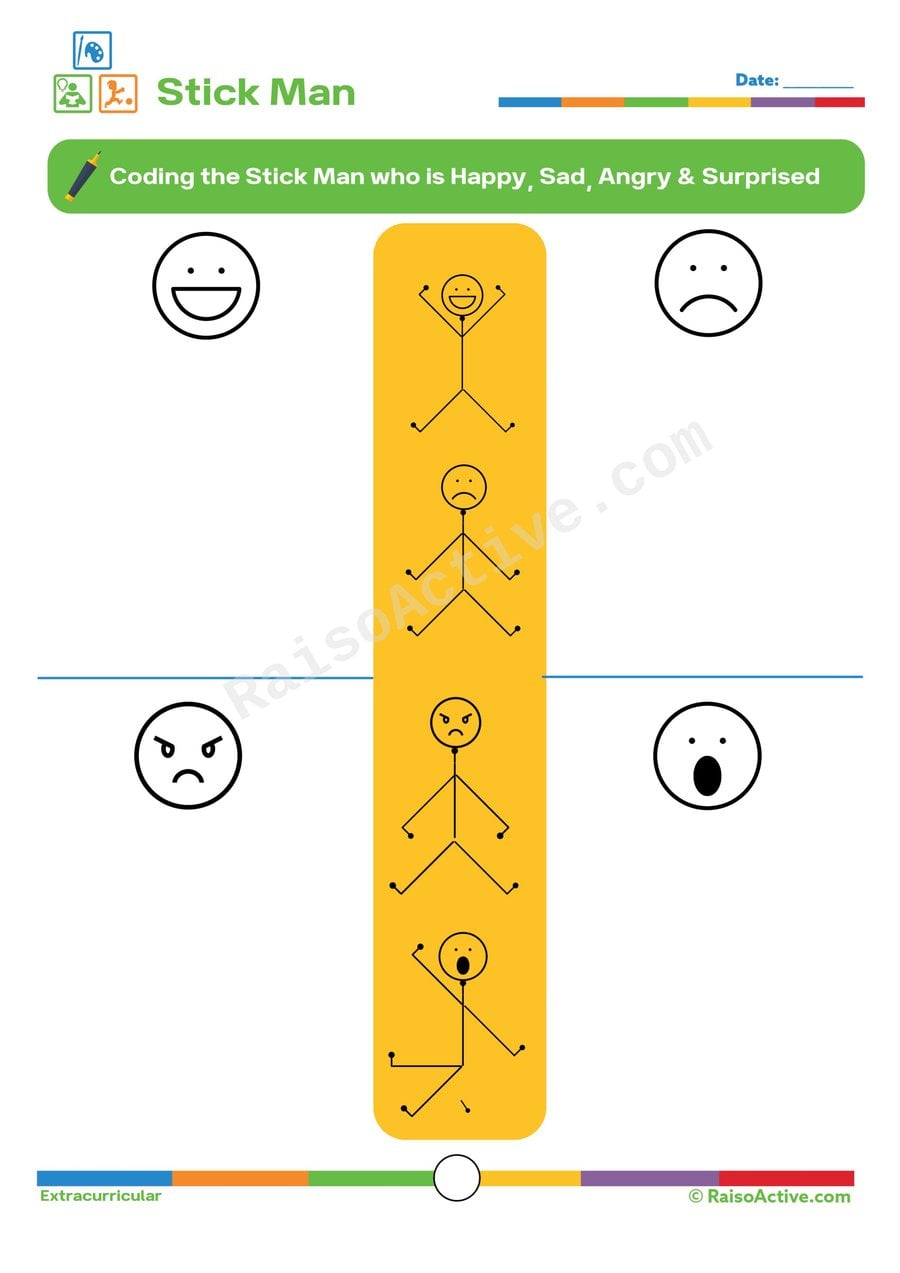
Stick Man Emotions Worksheet: Happy, Sad, Angry & Surprised!
Ages 3-5 · Preschool–Pre-KAges 3-5 · Nursery–ReceptionAges 3-5 · Nursery–LKGAges 3-5
Matching simple stick-figure faces to emotion words helps children ages 3-5 build an early emotional vocabulary, connecting facial cues like a curved mouth or raised eyebrows to specific feeling words. This kind of emotion recognition is a foundational social-emotional skill, helping children name what they and others are feeling instead of just reacting.
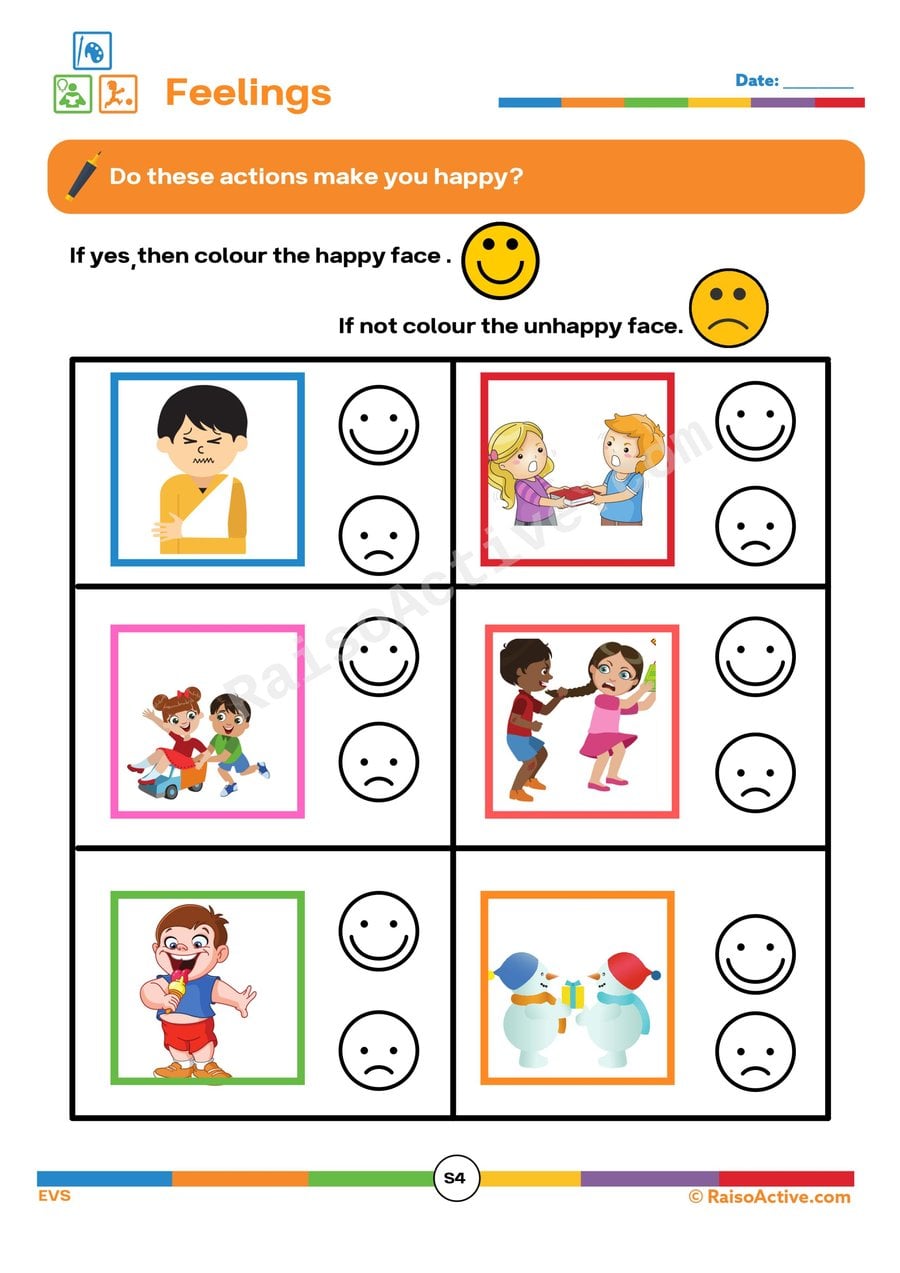
Feelings Worksheet: Happy or Sad?
Ages 3-5 · Preschool–Pre-KAges 3-5 · Nursery–ReceptionAges 3-5 · Nursery–LKGAges 3-5
Children ages 3-5 build emotional vocabulary and self-awareness as they decide whether different everyday situations would make them feel happy or sad. Naming and sorting emotions based on a scenario is an early social-emotional skill that helps children recognize and eventually talk about their own feelings more clearly.

Parent's Guide: Fun Activities for Gross Motor Development and Emotional Learning
Ages 3-5 · Preschool–Pre-KAges 3-5 · Nursery–ReceptionAges 3-5 · Nursery–LKGAges 3-5
This parent guide equips caregivers of children ages 3-5 with activities spanning gross motor skills, emotional expression, family concepts, shape recognition, and calendar awareness, using role play, finger puppets, and simple games. Combining physical movement with emotional vocabulary practice, such as making different facial expressions, helps children build body awareness and feelings vocabulary side by side. Rotating through several distinct activity types in one guide also keeps a young child's attention across a longer play session.

Written by
Hemsweta Jain · Teacher Cheena
MBA and Early Childhood Educator, teaching since 2014 · Founder of RaisoActive, Mumbai
Published · Last reviewed
Related posts

Building Bridges: How to Connect with Other Parents Facing Similar Challenges
Discover practical ways to connect with other parents facing similar challenges. From WhatsApp groups to school communities, build your support network today.
Teaching Health and Safety to Young Children: Building Lifelong Protective Habits
Practical guide to teaching safety to kids: hygiene activities, road safety, body safety, fire drills & more. Age-appropriate strategies for children ages 1-8.
Social-Emotional Learning Activities for Preschoolers: Nurturing Hearts and Minds
Discover practical social-emotional learning activities for preschoolers. Build emotional intelligence, empathy, and cooperation skills with fun, age-appropriate SEL activities.
Related Resources
Printable Resources(6)
View all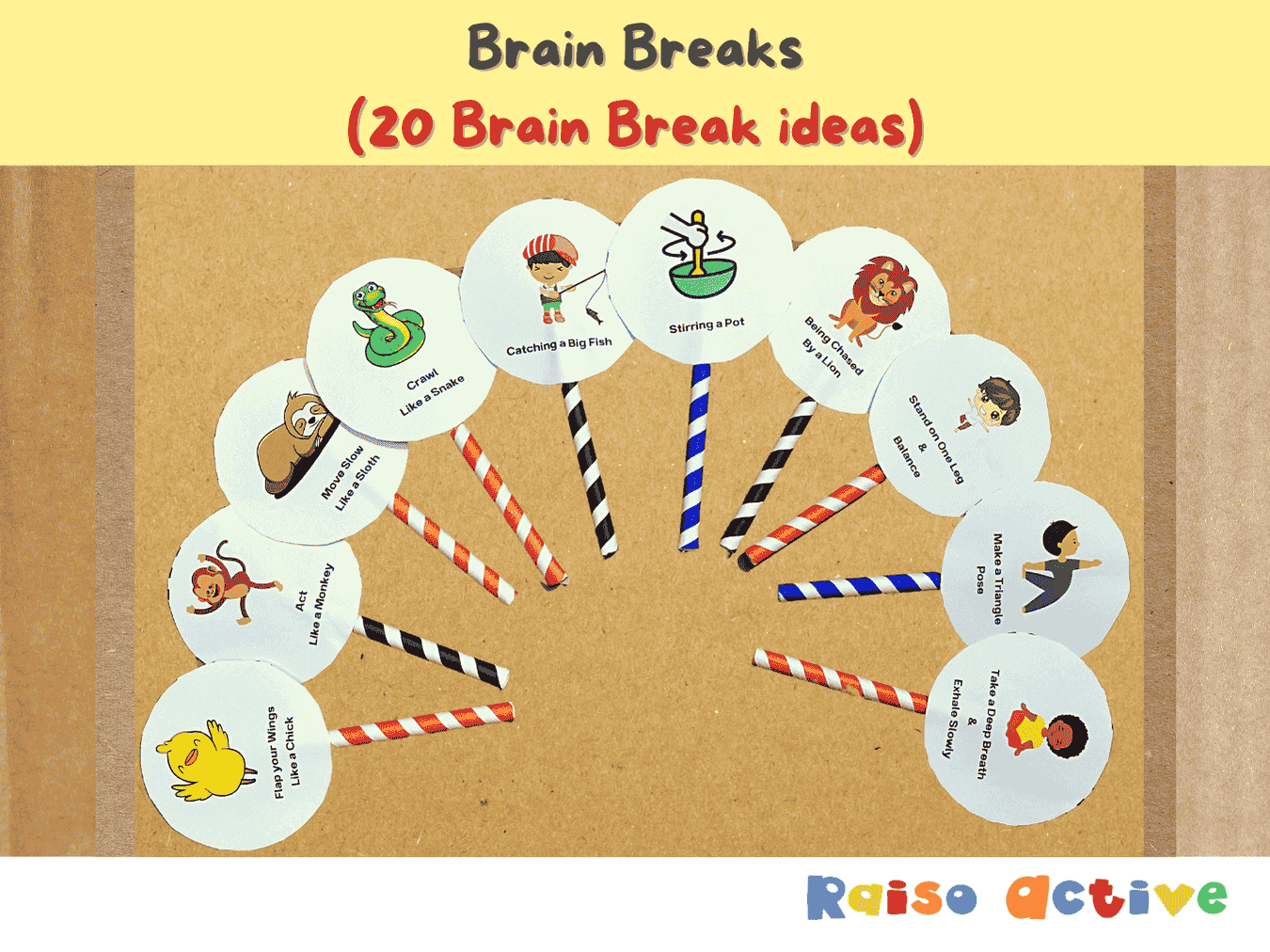

Gross Motor Movement & Imaginative Play Flashcards for Toddlers & Preschoolers
Ages 2-5 · Preschool–Pre-KAges 2-5 · Nursery–ReceptionAges 2-5 · Nursery–LKGAges 2-5 · 5 pages
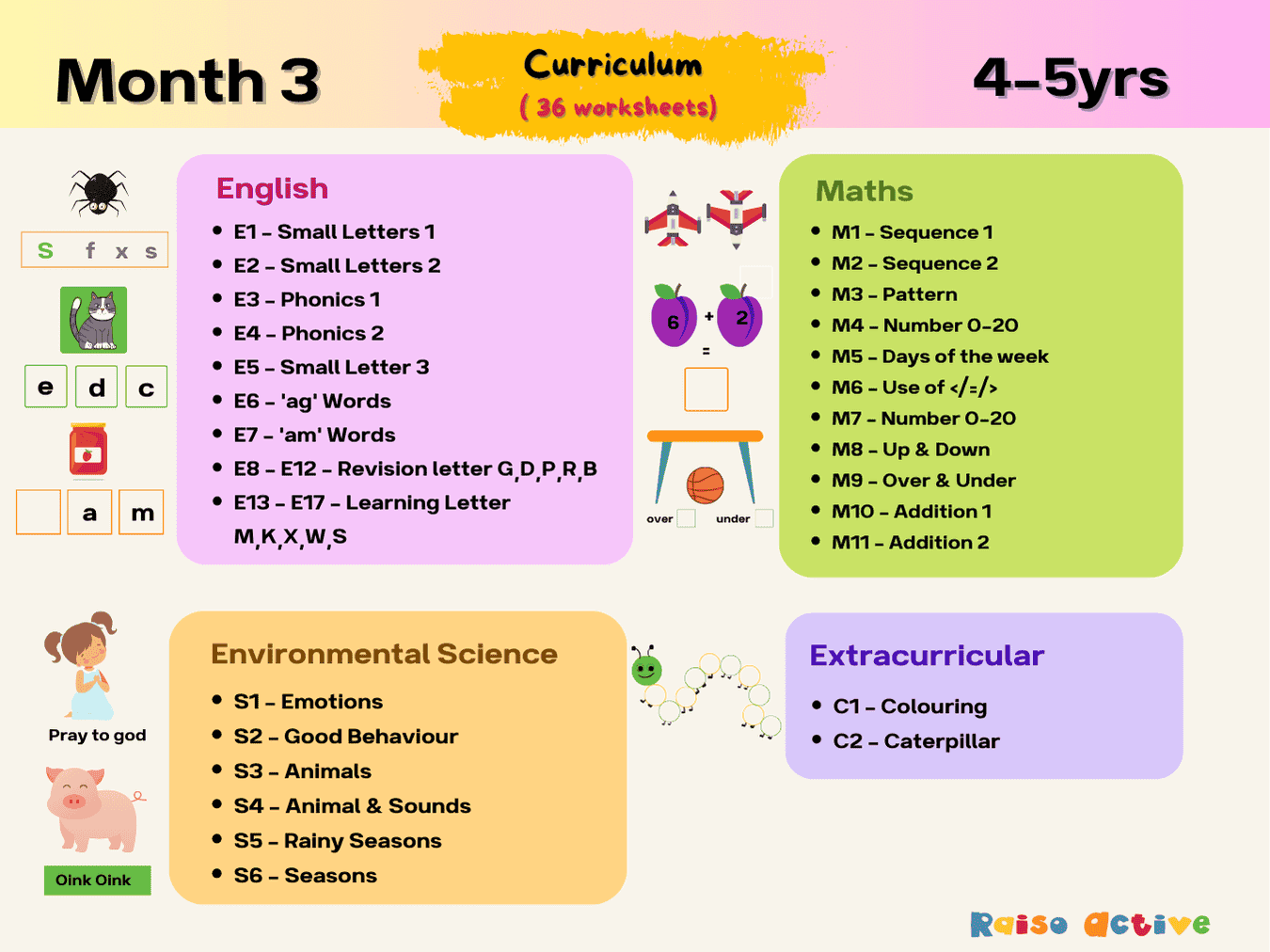

Month 3: Learning & Development | Ages 4-5
Ages 4-5 · Pre-KAges 4-5 · ReceptionAges 4-5 · LKGAges 4-5 · 39 pages
Play-Based Learning Activity Book for 4-5 Year Olds | Literacy, Math & EVS
Ages 4-5 · Pre-KAges 4-5 · ReceptionAges 4-5 · LKGAges 4-5 · 28 pages
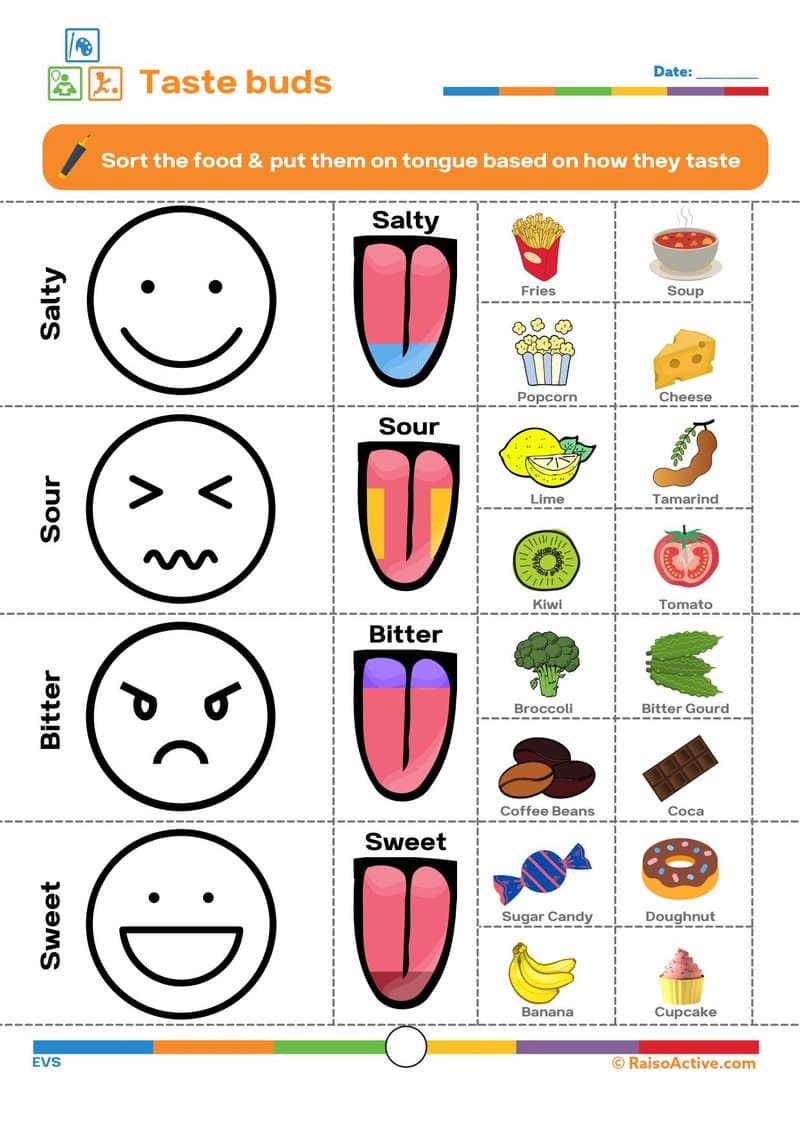

Hands-On Early Learning Activity Book: Math, Science, Literacy & Emotions for Ages 3-6
Ages 3-6 · Preschool–KindergartenAges 3-6 · Nursery–Year 1Ages 3-6 · Nursery–UKGAges 3-6 · 17 pages
Early Learning Activity Book: Math, Science, Literacy & Cognitive Skills for Preschoolers (Ages 3-6)
Ages 3-6 · Preschool–KindergartenAges 3-6 · Nursery–Year 1Ages 3-6 · Nursery–UKGAges 3-6 · 16 pages
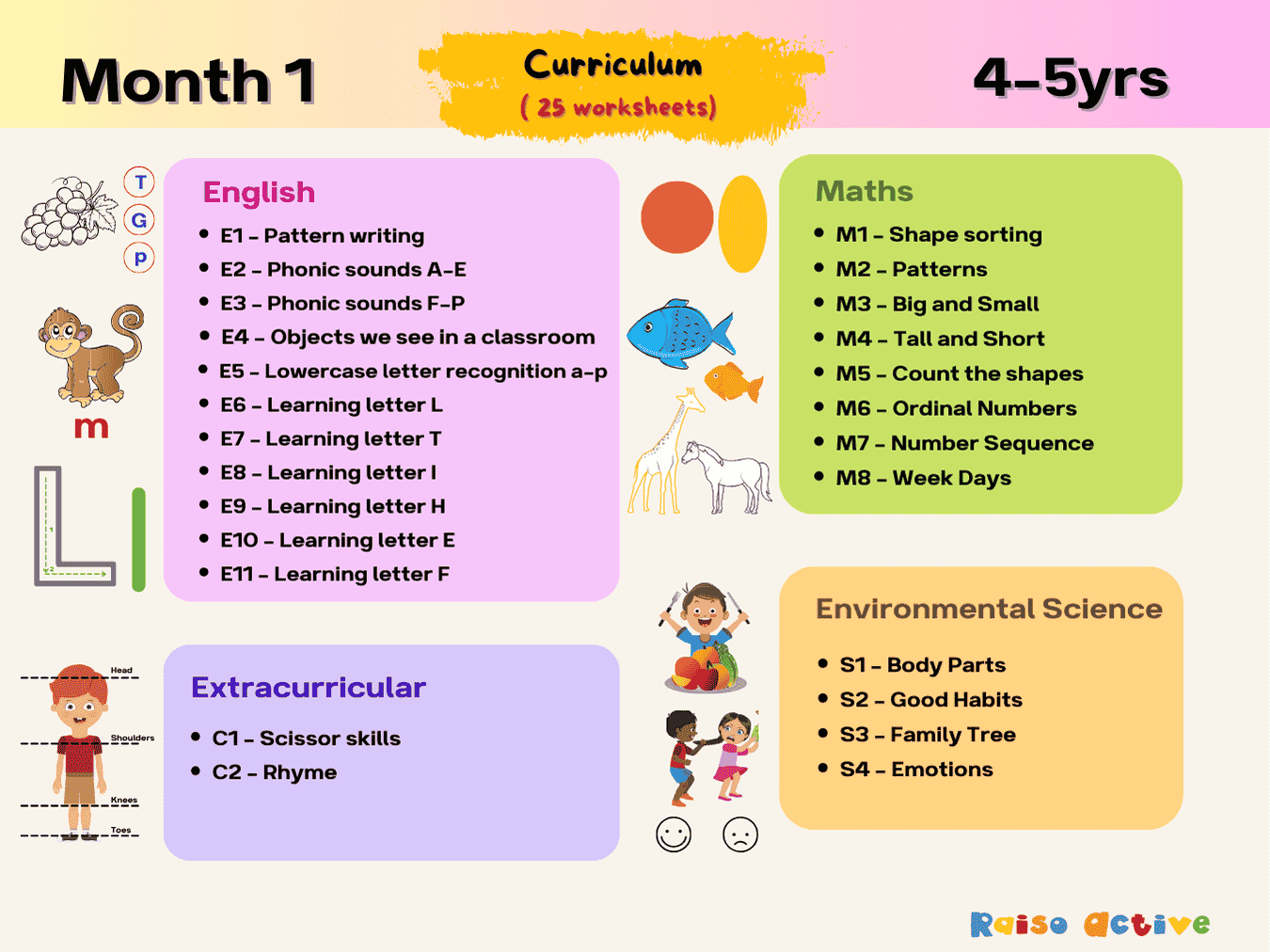
Month 1: Learning & Development | Ages 4-5
Ages 4-5 · Pre-KAges 4-5 · ReceptionAges 4-5 · LKGAges 4-5 · 28 pages