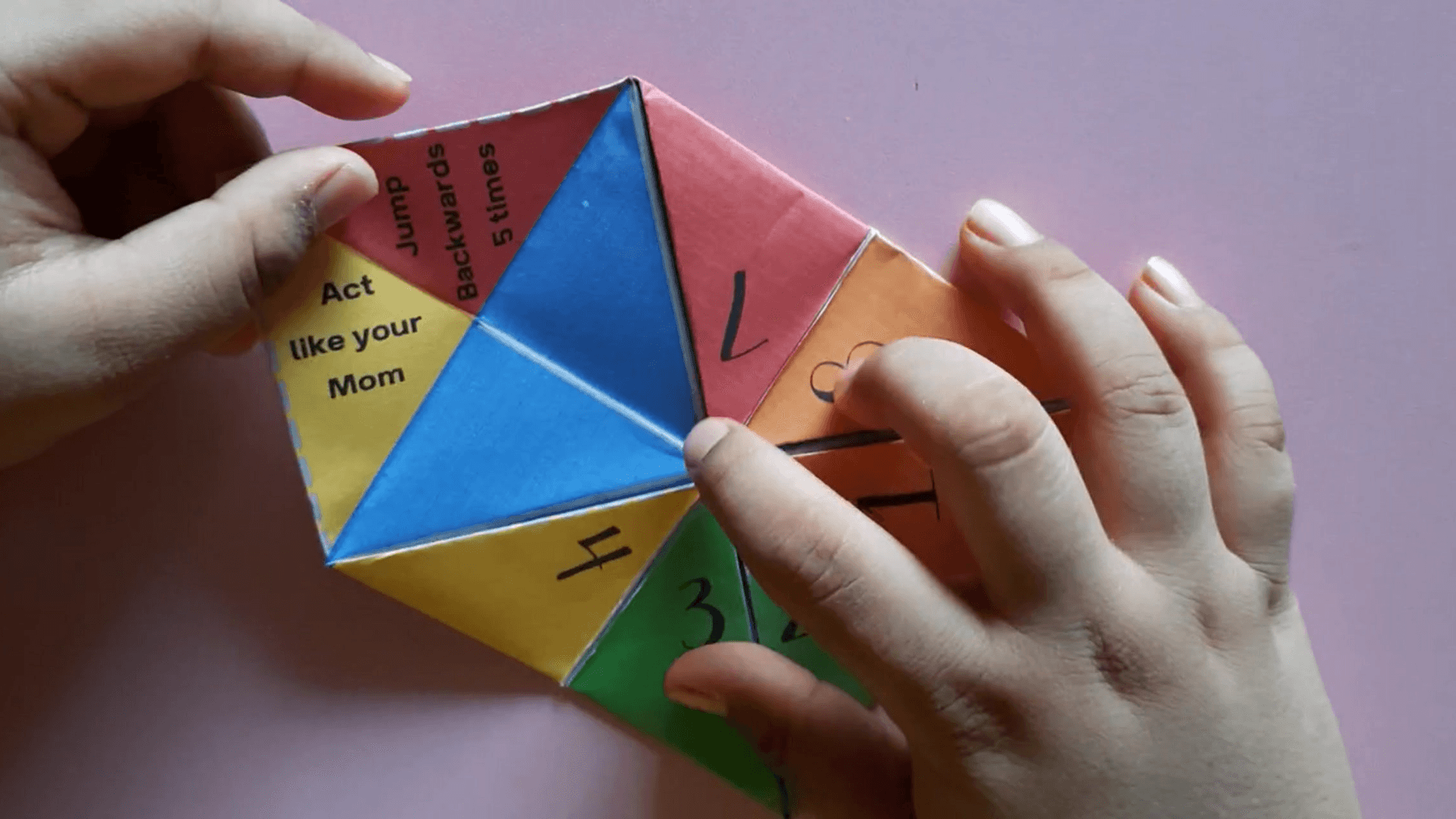
Building Bridges: How to Connect with Other Parents Facing Similar Challenges
Author
RaisoActive - Kids Activities and Fun Learning
Published
Updated
Reading Time
16 min read

- Why connecting with other parents is essential for your wellbeing and your child's development
- Practical strategies to find and build meaningful parent communities — both online and offline
- How to navigate common challenges like social anxiety, time constraints, and cliques
- Tips for creating inclusive, supportive parent groups in Indian and global contexts
- Activities and conversation starters to deepen parent friendships beyond small talk
You Are Not Alone — Even When It Feels That Way
There is a moment that nearly every parent recognises. It is 2 AM, the baby will not settle, and the internet search history reads like a desperate SOS: "Is this normal?" "Why won't my toddler eat vegetables?" "Am I doing this wrong?" In that bleary-eyed exhaustion, it can feel like you are the only person in the world struggling — even though millions of parents are going through the exact same thing at that very moment.
Parenting was never meant to be a solo endeavour. Across cultures and centuries, raising children has always been a communal act — from the Indian joint family system where grandparents, aunts, and uncles pitched in, to village communities worldwide where neighbours watched over each other's children. The African proverb "It takes a village to raise a child" exists for a reason.
Yet modern parenting can be surprisingly isolating. Nuclear families, busy work schedules, frequent relocations, and the curated perfection of social media can leave parents feeling disconnected and alone. If you have ever scrolled through Instagram, seen another parent's seemingly perfect craft activity with their child, and thought "Why can't I be like that?" — know that you are in good company.
This guide is about building bridges — finding your people, creating genuine connections, and forming the support network that every parent deserves. Whether you are an introvert who dreads school gate conversations, a working parent with barely any free time, or a homeschooling parent looking for community, there are practical, achievable ways to connect with parents who truly understand your journey.
Parenting tips that actually help
Join our community of parents and educators. Get practical activity ideas, expert advice, and free printable resources delivered to your inbox.
A comprehensive survey found that two-thirds of parents report feeling isolated, with new parents and those with young children being most affected. Social support is consistently linked to better parental mental health and more positive parenting practices.
Source: American Psychological Association, 2023
Why Parent Connections Matter More Than You Think
Before diving into the how, let us talk about the why. Connecting with other parents is not just a nice-to-have — it has measurable benefits for both you and your child.
Benefits for You
- Reduced stress and anxiety — Sharing your worries with someone who genuinely understands can be more effective than any self-help book.
- Practical problem-solving — Other parents are a goldmine of tried-and-tested solutions, from managing tantrums to finding the best paediatrician in your area.
- Emotional validation — Hearing "I've been there too" is profoundly healing when you are doubting yourself.
- Preventing burnout — Parents with strong social networks report significantly lower rates of parental burnout.
- Personal identity — Friendships remind you that you are a whole person, not just "Aarav's mummy" or "Zara's dad."
Benefits for Your Child
- Social skill development — When parents socialise, children learn to navigate group dynamics, share, and cooperate.
- Wider support network — Children benefit from having multiple caring adults in their lives.
- Modelling healthy relationships — Your child watches how you form friendships and resolves conflicts.
- Diverse experiences — Playdates and group activities expose children to different perspectives, traditions, and family structures.
Parent connections are not a luxury — they are a necessity.
Research consistently shows that socially connected parents experience less stress, make more confident parenting decisions, and raise children with stronger social skills. Building your village is one of the most impactful things you can do for your family.
Where to Find Your People: 8 Proven Starting Points
Finding parent friends as an adult can feel awkward — like dating, but with more yogurt stains. Here are eight practical places to start building your community.
1. School and Preschool Communities
Your child's school is the most natural starting point. Class WhatsApp groups, PTM (parent-teacher meeting) gatherings, annual day preparations, and school fetes all offer organic opportunities to connect. In India, many schools actively encourage parent volunteering — offer to help with the Diwali celebration, the sports day setup, or the library book drive. Shared tasks create bonds faster than small talk ever will.
2. Local Parks and Playgrounds
The humble neighbourhood park is an underrated goldmine for parent connections. Visit at the same time regularly — consistency is key. Children naturally gravitate toward each other, and their interactions create easy conversation openers. A simple "Your daughter loves the slide as much as mine!" can be the start of a meaningful friendship.
3. Parent WhatsApp and Facebook Groups
Online communities can be a lifeline, especially for parents who work full-time or live in areas with limited local options. Look for area-specific parent groups (e.g., "Parents of Bandra" or "Gurgaon Moms"), age-specific groups ("Toddler Parents India"), or interest-based groups ("Montessori Homeschooling India"). Many cities also have active parent communities on platforms like Momspresso, MeetUp, or BabyChakra.
4. Activity Classes and Workshops
Enrolling your child in a music class, art workshop, swimming lesson, or story-time session puts you in a room with parents who share similar values about enrichment and learning. The waiting area during these classes is prime connection territory. Instead of scrolling your phone, look up and say hello.
5. Religious and Cultural Communities
Temples, mosques, churches, gurdwaras, and cultural associations often have family-oriented events and festivals that naturally bring parents together. These communities also tend to offer built-in support systems — from prayer groups to festival preparation committees — that create deeper bonds through shared purpose.
6. Parenting Workshops and Support Groups
Many hospitals, NGOs, and private practitioners run parenting workshops, breastfeeding support groups, and new parent circles. These are especially valuable because everyone present is there for the same reason — to learn and connect. The vulnerability of sharing parenting struggles in a guided setting creates surprisingly deep friendships.
7. Neighbourhood Housing Societies
In Indian cities, your housing society or apartment complex is a ready-made community. Society WhatsApp groups, children's play areas, and festival celebrations are natural gathering points. If your society does not have a parents' group, consider starting one — even a simple "Kids Playdate Sunday" initiative can bring families together.
8. Homeschool Co-ops and Learning Pods
If you homeschool or are considering alternative education, learning pods and homeschool co-operatives offer both educational support and deep parent connections. Parents in these groups often share resources, take turns teaching different subjects, and organise field trips together. The homeschooling community in India is growing rapidly, with active networks in most major cities.
- You do not need to join five groups at once. Pick **one** starting point that feels most natural to you.
- Commit to showing up consistently for at least a month before deciding if it is working.
- Quality matters more than quantity — one genuine connection is worth more than fifty acquaintances.
- If you are an introvert, pair up with one other parent rather than diving into large group settings.
Making the First Move: Conversation Starters That Actually Work
Let us be honest — approaching another parent and starting a conversation can feel terrifying. What if they are not interested? What if you say something awkward? Here is the truth: most parents are just as eager to connect as you are. They are simply waiting for someone else to make the first move.
The 5-Step Approach to Making Parent Friends
Start with your child
Use your children as natural conversation bridges. "How old is your little one?" or "My son is obsessed with dinosaurs too!" are easy, low-pressure openers.
Find common ground
Listen for shared experiences — similar ages, same school, nearby neighbourhoods, or common challenges like picky eating or screen time battles.
Share a vulnerability
Move beyond surface-level chat by sharing something real: "Honestly, mornings are chaos in our house." This gives the other parent permission to be genuine too.
Suggest a specific follow-up
Instead of a vague "We should meet up sometime," say something specific: "We usually go to the park on Saturday mornings — would you like to join us this weekend?"
Exchange contact details
If the conversation flows well, exchange phone numbers or connect on WhatsApp. Send a quick message that day so the connection stays warm.
- "What has been the highlight of your week with the kids?"
- "Have you found any good activity classes around here?"
- "My child loved the craft activity at school — does yours enjoy art too?"
- "I am always looking for park recommendations — do you have a favourite spot?"
- "Honestly, bedtime is a battle in our house. Any tips that have worked for you?"
Overcoming Common Barriers to Connection
Even when you know that parent connections are important, real-life obstacles can get in the way. Let us address the most common barriers head-on.
Social Anxiety and Introversion
If the thought of approaching a group of chatting parents at the school gate makes your stomach flip, you are not alone. You do not need to be the life of the party to build meaningful connections. Focus on one-on-one interactions, arrive early when groups are smaller, and remember that listening is just as valuable as talking. Many of the deepest friendships start between two quiet people who simply sat next to each other.
Time Constraints
Working parents often feel guilty about not being able to attend every school event or weekend playdate. The key is to be strategic rather than present everywhere. Choose one or two recurring commitments you can realistically maintain. Even a 15-minute chat during school pickup or a brief voice note exchange on WhatsApp counts as connection.
Research shows that the vast majority of working parents desire stronger community connections but cite time as their primary barrier. Even brief, consistent interactions can significantly reduce feelings of isolation.
Source: Pew Research Center, 2023
Cliques and Exclusion
School parent circles can sometimes feel cliquey, and it hurts to feel left out. Remember that established groups often appear more closed than they actually are. Most parents welcome newcomers — they are just comfortable in their routines. Try approaching individuals within the group rather than the group as a whole. And if a particular group genuinely is not welcoming, redirect your energy elsewhere. There are always other parents looking for connection too.
Cultural and Language Differences
In India's wonderfully diverse communities, language and cultural differences can sometimes feel like barriers. But they can also be beautiful bridges. Showing genuine curiosity about another family's traditions, sharing your own festival foods, or teaching each other phrases in your mother tongues can create unique, meaningful bonds that monoculture friendships might miss.
- +Show genuine interest in other parents' experiences
- +Share your own struggles honestly
- +Suggest specific plans with dates and times
- +Follow up after a good conversation
- +Respect different parenting styles without judgement
- +Include parents who seem shy or new
- -Wait for others to always make the first move
- -Pretend everything is perfect all the time
- -Say "Let's meet up sometime" and never follow through
- -Assume one awkward interaction means rejection
- -Criticise or compare parenting choices
- -Stick only to parents who are exactly like you
Moving Beyond Small Talk: Building Deeper Connections
Finding parent acquaintances is relatively easy. Turning those acquaintances into genuine friendships — the kind where you can call someone at midnight when your child has a fever — takes intentional effort. Here is how to deepen your connections.
Create Regular Rituals
The secret to lasting friendships is consistency, not intensity. Instead of one grand outing, establish small, regular rituals: a weekly park meetup, a monthly potluck dinner, or a standing Saturday morning chai date while the children play. In Indian culture, the concept of "ghar aana" (coming over to someone's home) is particularly powerful — informal home visits create an intimacy that coffee shops cannot replicate.
Share Resources and Support
One of the most natural ways to deepen parent friendships is through mutual support. Share that brilliant worksheet you found, pass along outgrown clothes, recommend a good tutor, or offer to pick up their child from school when they are stuck in traffic. These small acts of generosity create a web of reciprocity that strengthens bonds over time.
Be Vulnerable and Authentic
The friendships that sustain us through the hard parenting days are built on honesty, not performance. When someone asks how you are, occasionally give a real answer. Share your doubts, your mistakes, your messy house, and your less-than-Pinterest-worthy craft attempts. Vulnerability is the gateway to genuine connection — and it gives other parents permission to be real with you too.
Consistency and vulnerability are the two ingredients of deep parent friendships.
Show up regularly, even when it is inconvenient. Be honest about your struggles, even when it feels risky. The parents who become your village are the ones who see the real you and stay.
Creating Your Own Parent Community
If you cannot find the community you need, build it. Starting a parent group is simpler than you might think, and the act of organising brings its own rewards.
How to Start a Parent Support Group
Define the purpose
Be clear about what the group is for: general support, a specific challenge (e.g., special needs parenting), a shared interest (e.g., Montessori methods), or simply regular socialising.
Start with 3-5 parents
A small, committed group is better than a large, inactive one. Invite parents you have already connected with individually.
Choose a simple format
A WhatsApp group for daily support, a fortnightly meetup at a park or community centre, or a monthly potluck at someone's home. Keep it low-effort to ensure sustainability.
Set gentle ground rules
Agree on basics: respect for different parenting styles, no unsolicited advice, confidentiality about personal matters shared in the group, and a positive, non-judgemental tone.
Rotate responsibilities
Share the load of organising. Take turns choosing venues, bringing snacks, or suggesting discussion topics so no one person burns out.
Welcome newcomers warmly
As the group grows, make a conscious effort to include new members. Assign a "buddy" to help newcomers feel at home.
- Set clear guidelines to prevent the group from becoming a complaint forum or a space for unsolicited product promotions.
- Appoint 2-3 moderators to keep conversations respectful and on-topic.
- Share useful resources regularly — articles, activity ideas, local event information — to keep the group valuable.
- Be mindful of forwarded messages and misinformation, especially around health topics.
Connecting with Parents Facing Specific Challenges
Sometimes, general parent groups are not enough. If you are navigating a specific challenge — a child with special needs, single parenting, postpartum depression, or a major life transition — connecting with parents who truly understand your experience can be life-changing.
Special Needs Parenting
Parents of children with developmental delays, autism, ADHD, or physical disabilities often face unique challenges that well-meaning but uninformed friends cannot fully understand. Seek out specific support groups — many hospitals, therapy centres, and NGOs (such as Autism Society of India or NIMHANS) run parent support programmes. Online communities like Special Needs Parents India on Facebook provide 24/7 peer support from parents who have walked the same path.
Single Parenting
Single parents often carry the double burden of being the sole provider and sole caregiver. Single parent communities — both online and offline — offer not just emotional support but practical help like emergency childcare networks, shared school runs, and co-parenting advice. Organisations like Single Parents India and local single parent meetups can be invaluable.
Expat and Relocated Families
Moving to a new city — whether within India or internationally — means rebuilding your support network from scratch. Expat parent groups, international school communities, and relocation support organisations can help bridge the gap. If you have relocated within India, look for your regional community association in your new city — Malayali associations, Bengali samitis, and Marwari sanghs often organise family-friendly events that provide both cultural connection and new friendships.
The parents who understand you best are often those facing similar challenges.
Seeking out specific communities is not a sign of weakness — it is a sign of wisdom. These connections provide the depth of understanding that general friendships cannot always offer.
Making the Most of Digital Connections
In an age where many of us are time-poor but phone-rich, digital connections can supplement (not replace) in-person relationships. Here is how to use technology wisely to strengthen your parent community.
- WhatsApp groups — Keep them focused. A "Class 2B Parents" group for school updates is different from a "Mama Friends" group for personal support. Use voice notes for warmth when you cannot meet in person.
- Video calls — A 20-minute video chai date after the kids are in bed can be surprisingly nourishing. Schedule them like you would any important appointment.
- Shared digital resources — Create a shared Google Drive or Pinterest board where your parent group can save and share useful articles, worksheets, and activity ideas.
- Social media with intention — Follow real parents who share honest, messy moments rather than only curated perfection. Engage meaningfully — a thoughtful comment builds more connection than a quick "like."
- Mute or leave groups that consistently make you feel anxious, inadequate, or drained.
- Limit social media scrolling to set times rather than checking throughout the day.
- Remember that online interactions lack tone and context — give others the benefit of the doubt before assuming negative intent.
- Never compare your behind-the-scenes to someone else's highlight reel.
Join Our Community of Thoughtful Parents
Get weekly parenting tips, free printable worksheets, and activity ideas that make learning joyful. Join thousands of parents who are building their village — one connection at a time.
Frequently Asked Questions About Connecting with Other Parents
How do I connect with other parents if I am an introvert?
What if I do not have time for playdates or meetups?
How do I deal with parent groups that feel cliquey?
Is it okay to have parent friends with different parenting styles?
How do I find parent friends after relocating to a new city?
How can connecting with other parents help my child?
Free worksheets for this topic
Browse all worksheets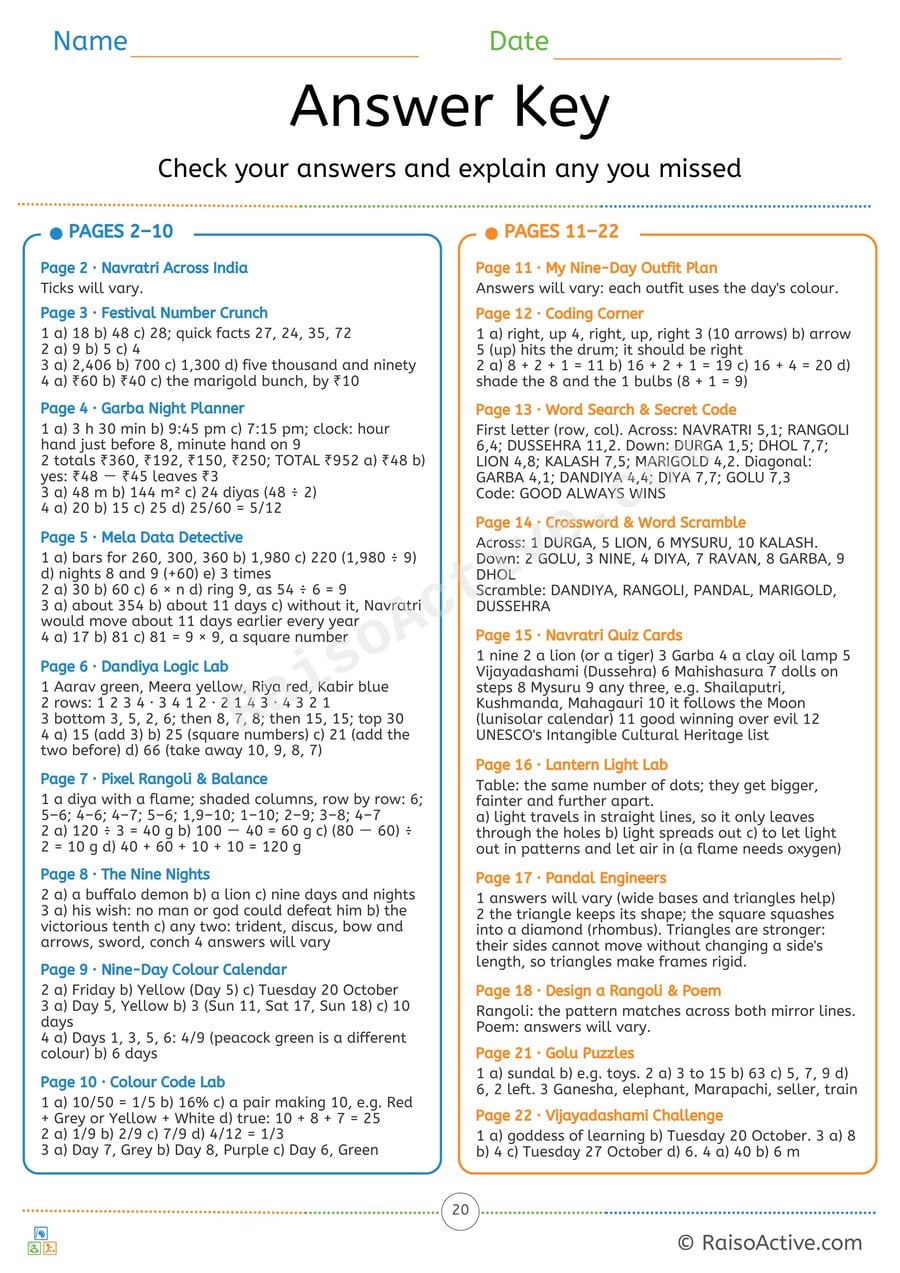
Navratri Festival Quest Answer Key for Grown-ups
Ages 7-11 · Grade 2–Grade 3Ages 7-11 · Year 3–Year 4Ages 7-11 · Class 2–Class 3Ages 7-11
Grown-ups can check every answer in the pack, with workings for the maths, grid positions for the word search, the logic grid and sudoku solutions, and the reasons behind the science results.
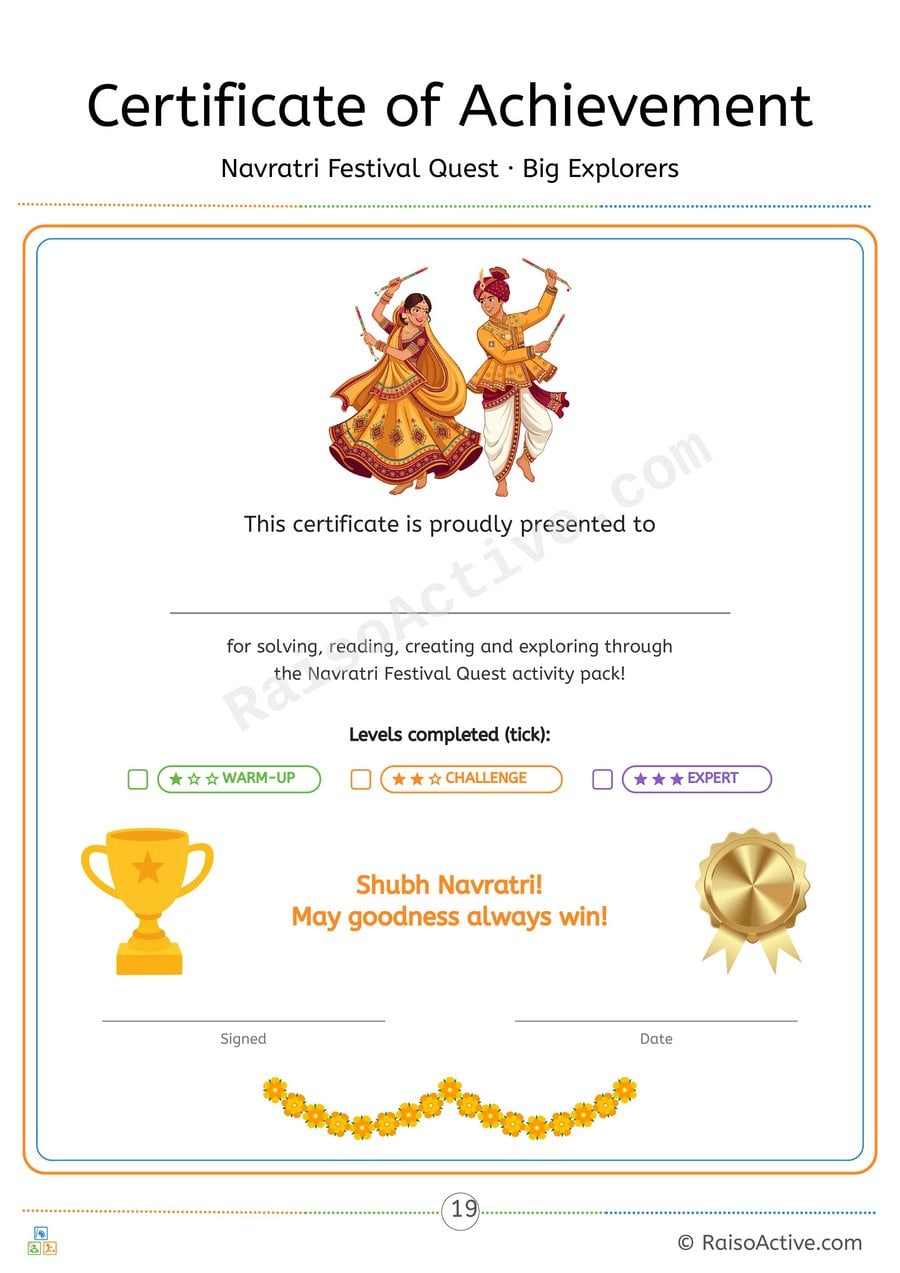
Navratri Festival Quest Certificate of Achievement
Ages 7-11 · Grade 2–Grade 3Ages 7-11 · Year 3–Year 4Ages 7-11 · Class 2–Class 3Ages 7-11
Children celebrate finishing the Navratri Festival Quest pack and record which levels they completed.
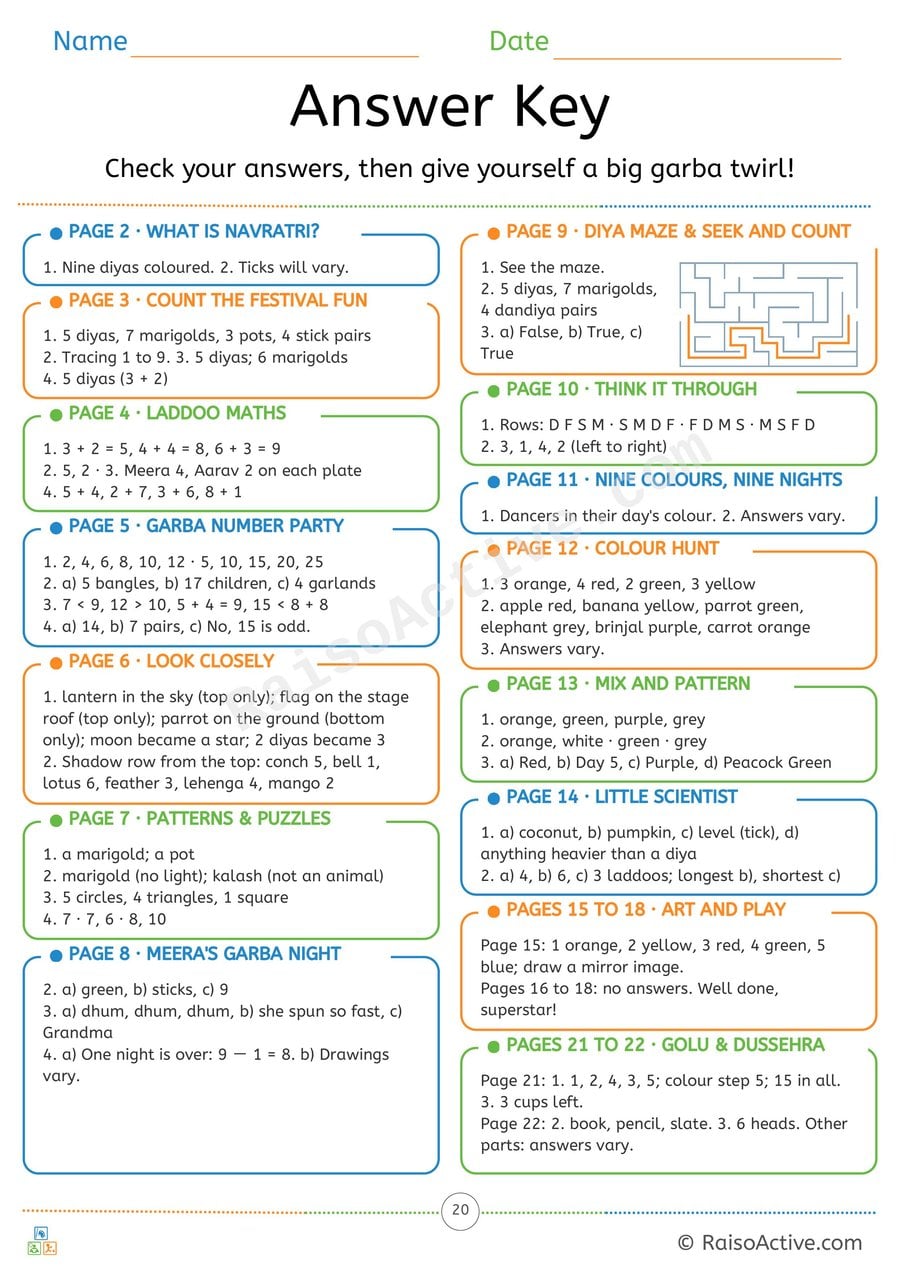
Navratri Fun Time Answer Key for Grown-ups
Ages 4-6 · Pre-K–KindergartenAges 4-6 · Reception–Year 1Ages 4-6 · LKG–UKGAges 4-6
Grown-ups can quickly check every answer in the Navratri Fun Time pack, page by page.
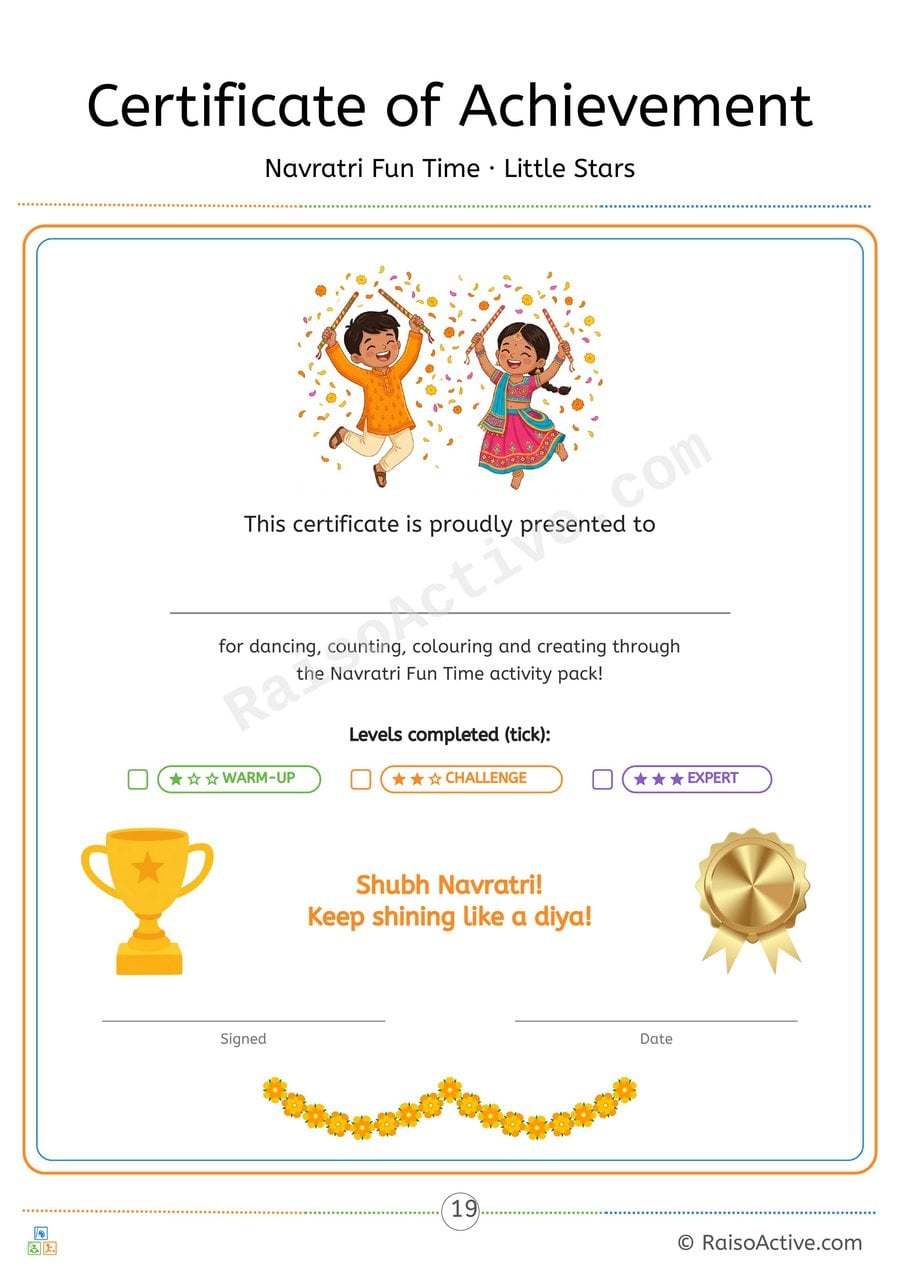
Navratri Fun Time Certificate of Achievement
Ages 4-6 · Pre-K–KindergartenAges 4-6 · Reception–Year 1Ages 4-6 · LKG–UKGAges 4-6
Children celebrate finishing the Navratri Fun Time pages and see which levels they completed.

Written by
Hemsweta Jain · Teacher Cheena
MBA and Early Childhood Educator, teaching since 2014 · Founder of RaisoActive, Mumbai
Published · Last reviewed
Related Resources
Printable Resources(8)
View all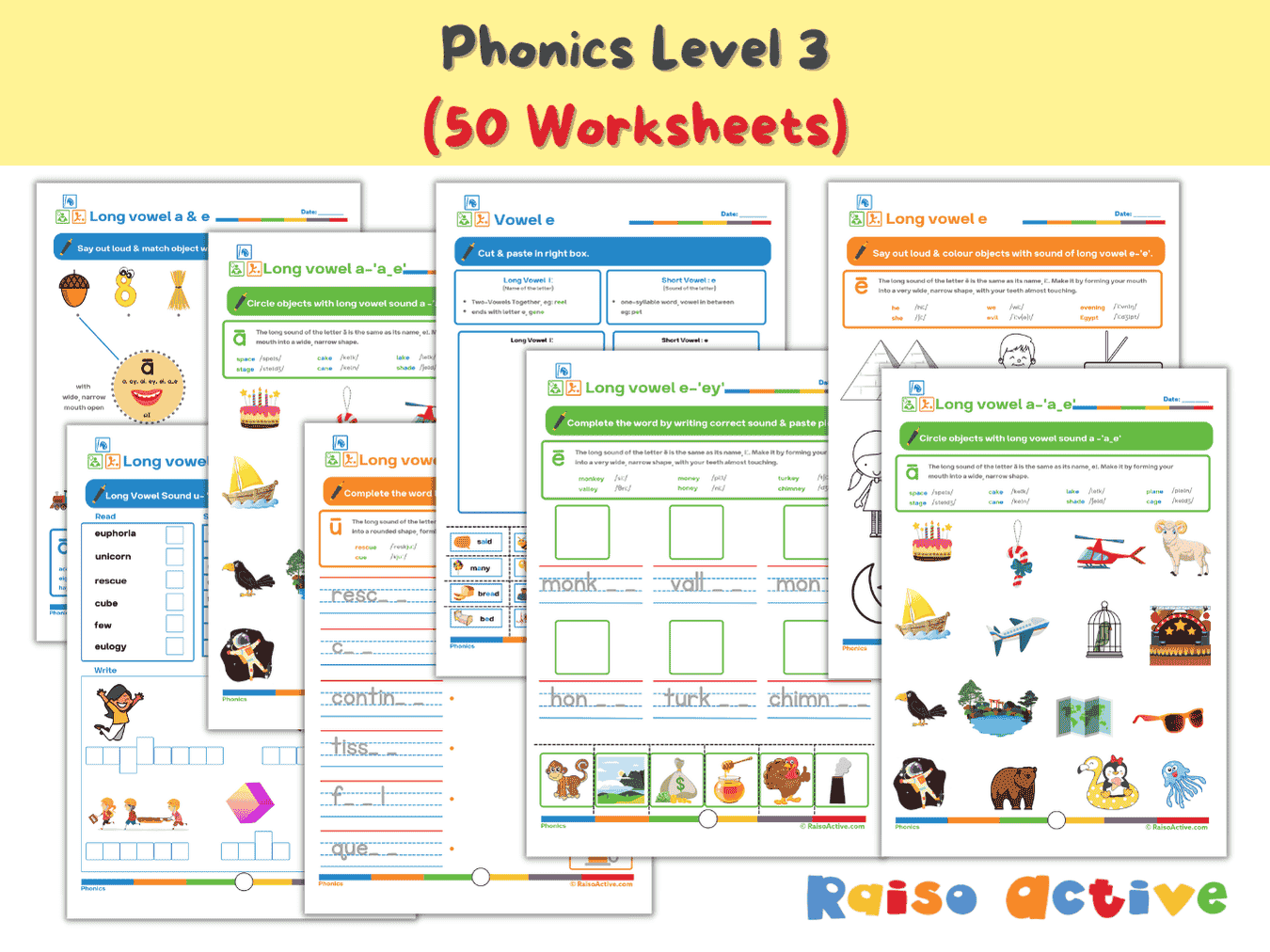

Phonics Level 3 Long Vowels Activity Book for Kindergarten & 1st Grade
Ages 5-7 · Kindergarten–Grade 1Ages 5-7 · Year 1–Year 2Ages 5-7 · UKG–Class 1Ages 5-7 · 51 pages
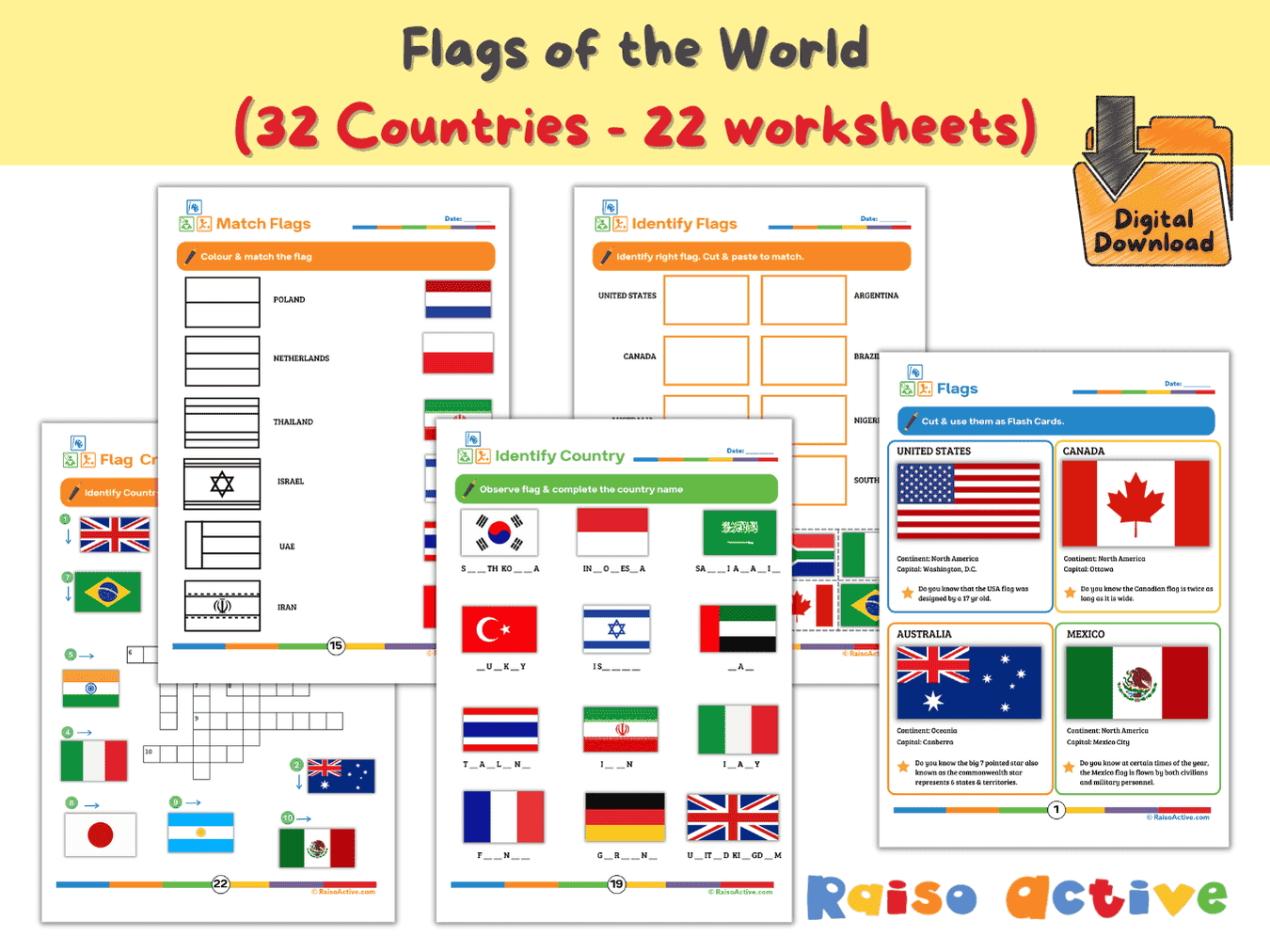

Flags of the World Activity Book & Flashcards for Kids (Ages 5-9)
Ages 5-8 · Kindergarten–Grade 2Ages 5-8 · Year 1–Year 3Ages 5-8 · UKG–Class 2Ages 5-8 · 23 pages
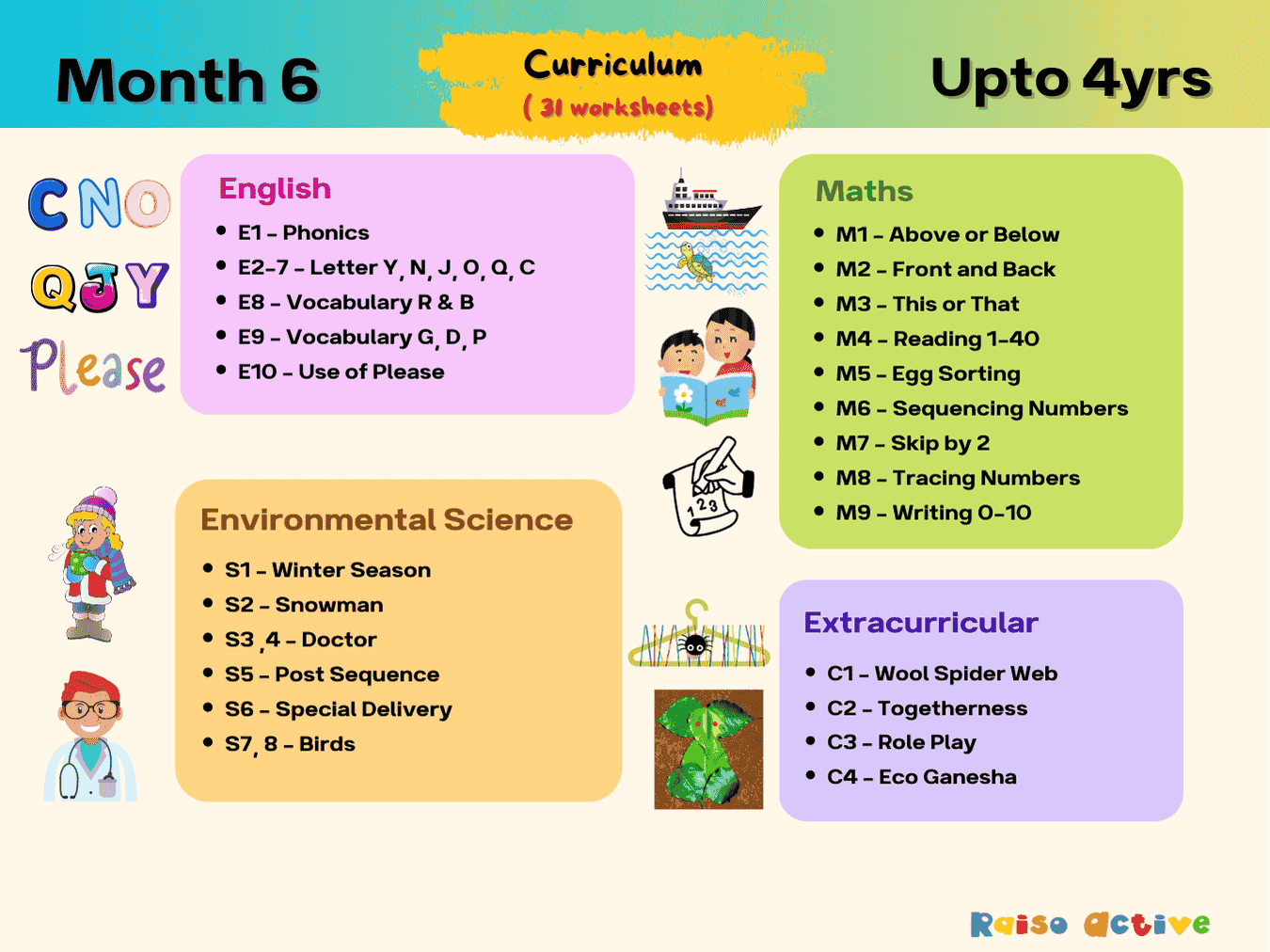

Month 6: Toddler Preschool Foundational Skills | Ages Up to 4
Ages 2-4 · PreschoolAges 2-4 · NurseryAges 2-4 · 34 pages

Month 10: Learning & Development | Ages Up to 4
Ages 2-4 · PreschoolAges 2-4 · NurseryAges 2-4 · 28 pages
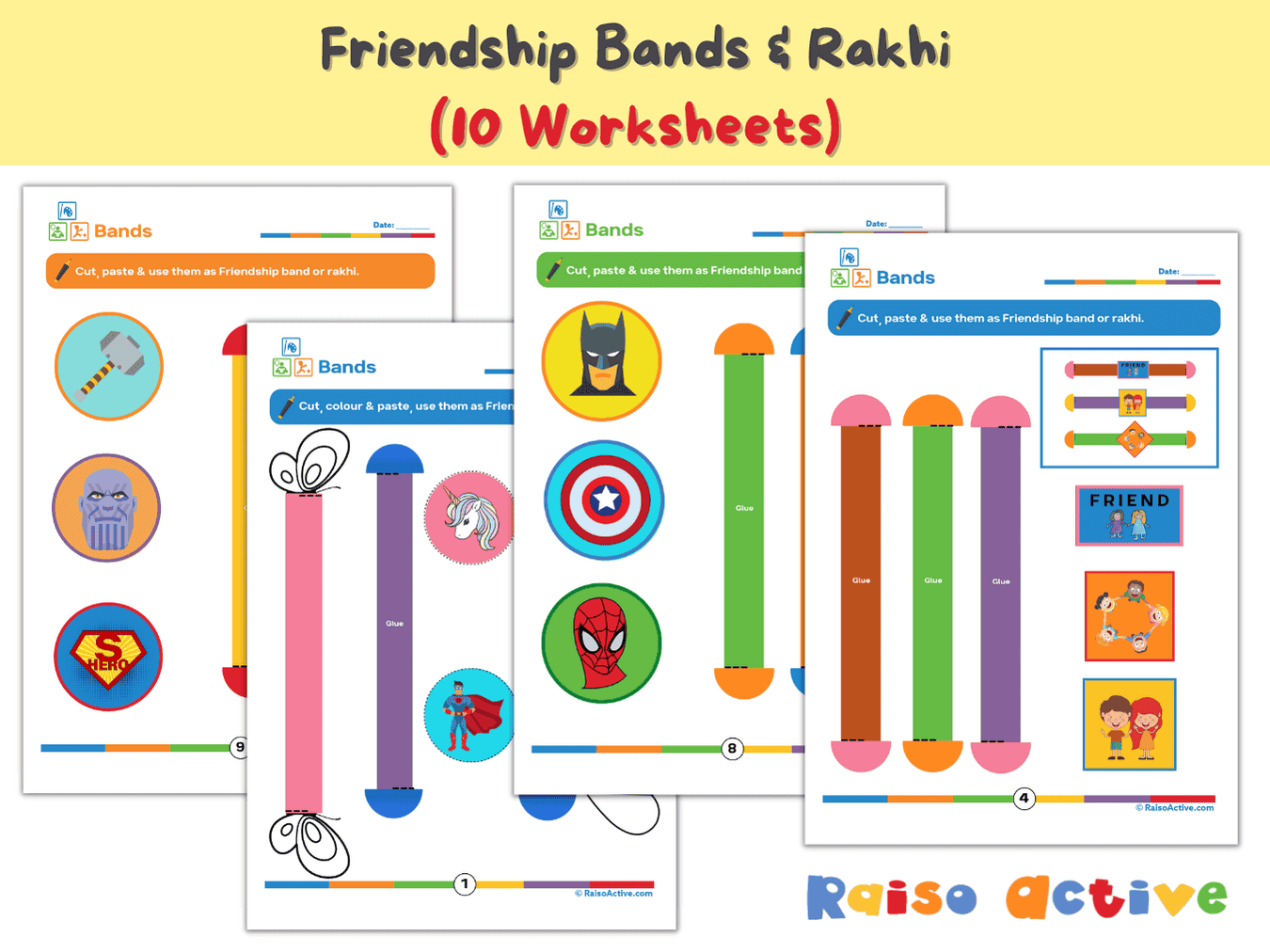
Friendship Band & Rakhi Craft Activity Pack for Kids (Ages 4-7)
Ages 4-7 · Pre-K–Grade 1Ages 4-7 · Reception–Year 2Ages 4-7 · LKG–Class 1Ages 4-7 · 10 pages
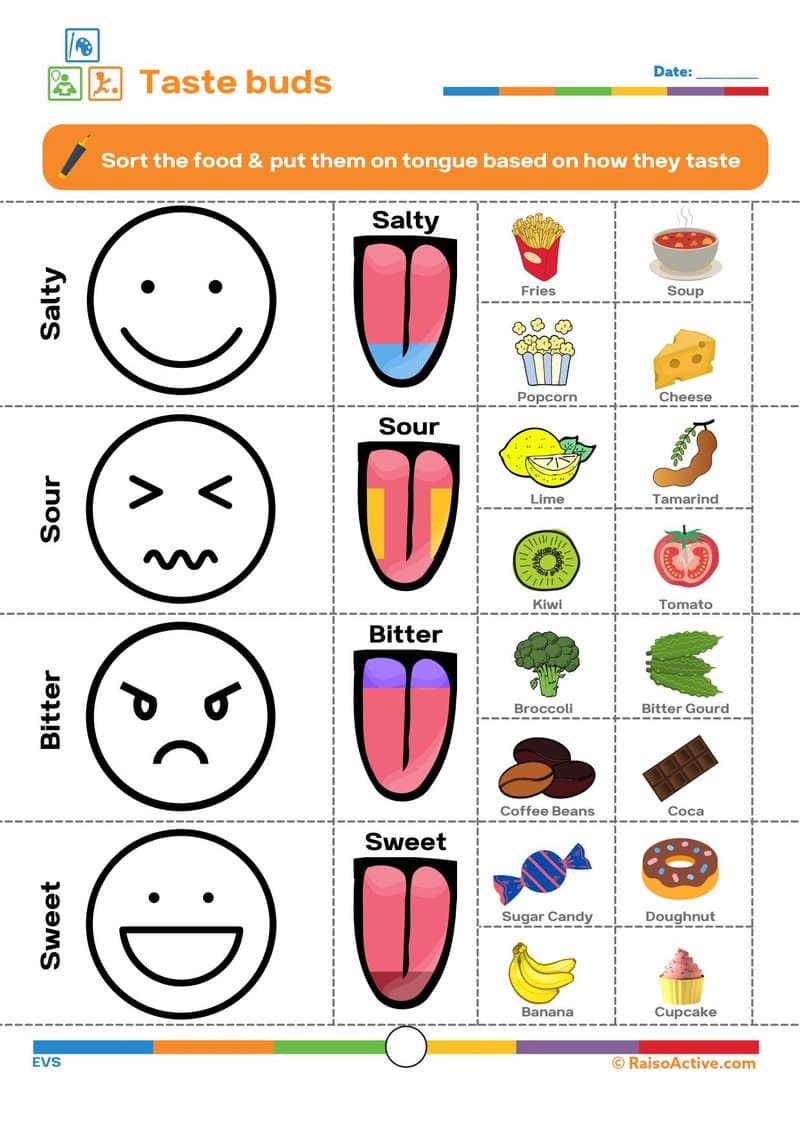

Hands-On Early Learning Activity Book: Math, Science, Literacy & Emotions for Ages 3-6
Ages 3-6 · Preschool–KindergartenAges 3-6 · Nursery–Year 1Ages 3-6 · Nursery–UKGAges 3-6 · 17 pages

Early Learning Activity Book: Math, Science, Literacy & Cognitive Skills for Preschoolers (Ages 3-6)
Ages 3-6 · Preschool–KindergartenAges 3-6 · Nursery–Year 1Ages 3-6 · Nursery–UKGAges 3-6 · 16 pages
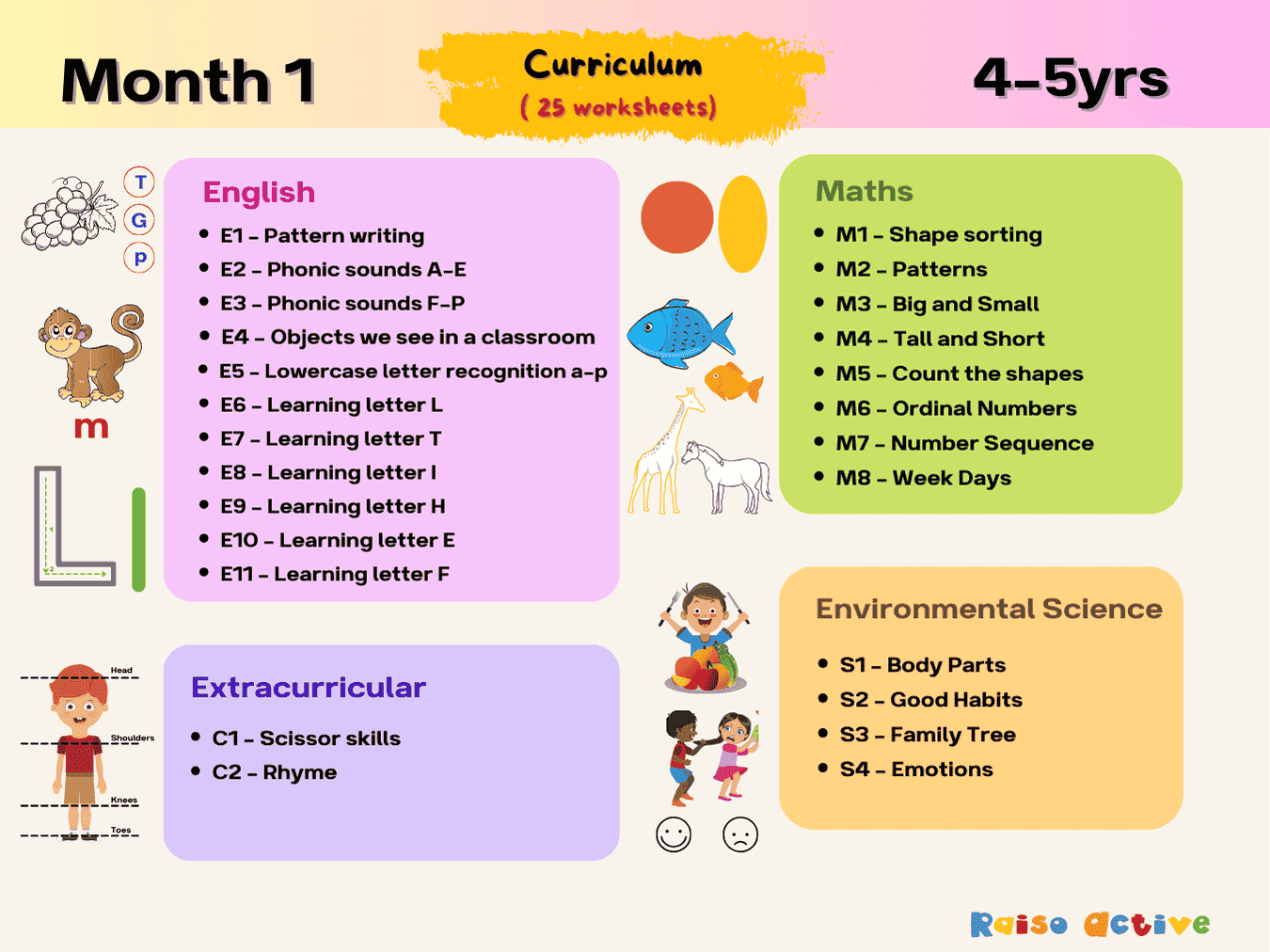
Month 1: Learning & Development | Ages 4-5
Ages 4-5 · Pre-KAges 4-5 · ReceptionAges 4-5 · LKGAges 4-5 · 28 pages