Teaching Health and Safety to Young Children: Building Lifelong Protective Habits
Author
RaisoActive - Kids Activities and Fun Learning
Published
Updated
Reading Time
12 min read

- Why teaching safety to kids early creates habits that last a lifetime
- Practical hygiene activities for preschool and early primary years
- Road safety, stranger safety, and the NSPCC Pants Rule explained simply
- Fire safety drills, food safety basics, and sun protection tips
- Free printable worksheets to reinforce health and safety learning at home
Why Health and Safety Education Starts at Home
As parents, caregivers, and educators, we all want our children to grow up healthy, confident, and safe. But here's the thing — teaching safety to kids isn't about frightening them. It's about giving them the knowledge, language, and habits they need to protect themselves, one gentle lesson at a time.
Young children are naturally curious. They want to touch everything, taste everything, and explore every corner of their world. That curiosity is beautiful — and it's also exactly why we need to weave health habits for children into their daily routines from as early as age two. When personal safety becomes as automatic as brushing teeth, children carry those protective habits well into adulthood.
In this guide, we'll walk through the essential areas of health and safety education — from personal hygiene and road safety to body safety and online awareness — with age-appropriate strategies that actually work. Whether you're a parent in Mumbai navigating busy streets or a teacher in a rural classroom, these approaches are designed to fit real life.
Get free health & safety worksheets in your inbox
Printable activities, colouring pages, and practical tips for teaching children about hygiene, road safety, and healthy habits.
Personal Hygiene: The Foundation of Good Health
Personal hygiene is often the very first safety topic we can teach. Even toddlers can begin learning to wash their hands, cover their mouths when they cough, and keep their surroundings tidy. These hygiene activities for preschool lay the groundwork for a lifetime of good health.
Handwashing: The 20-Second Habit That Saves Lives
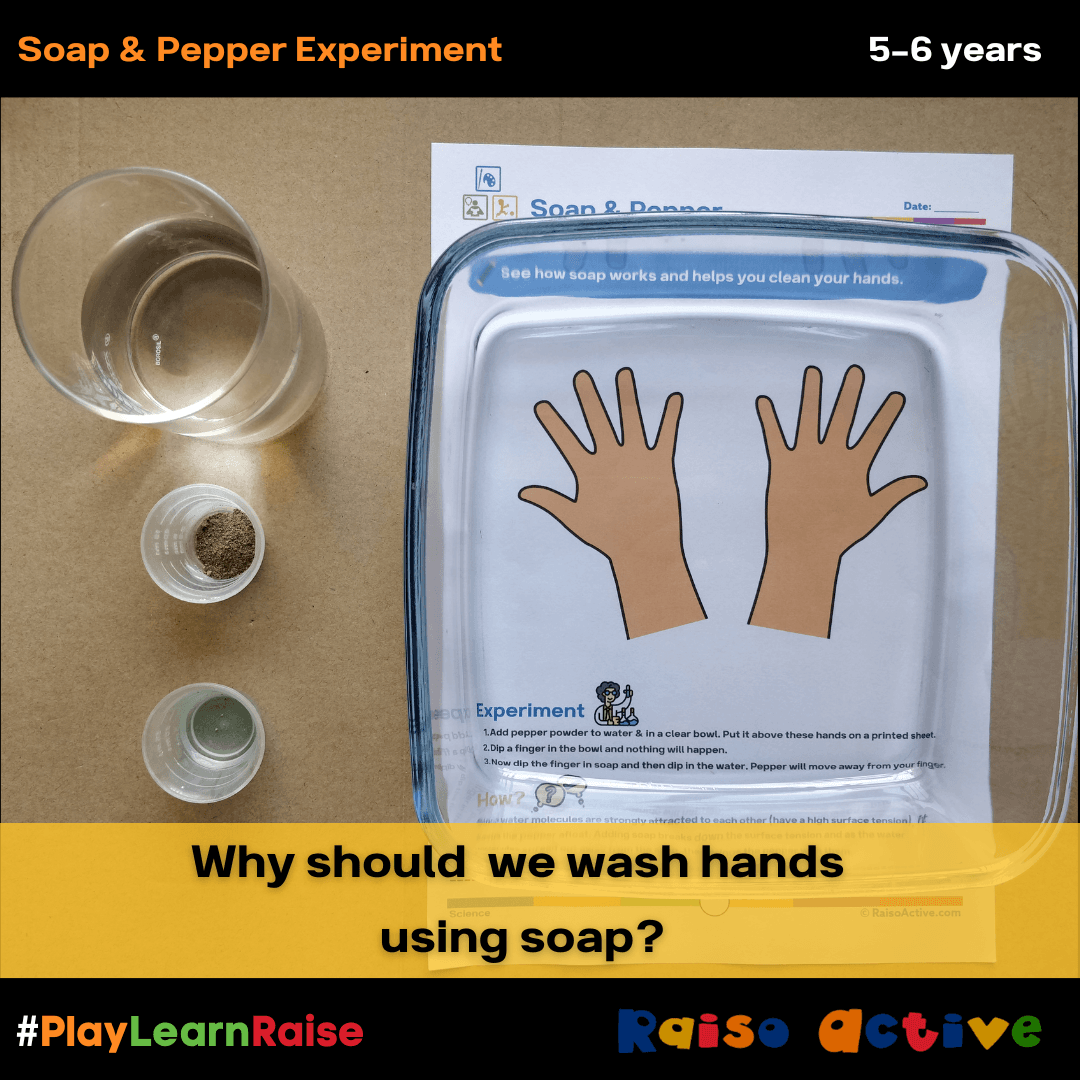
Handwashing is, without exaggeration, one of the most effective ways to prevent illness. Yet studies show that most children (and many adults!) don't wash their hands properly. The key is to make it fun and memorable.
Proper handwashing with soap can reduce diarrhoeal diseases by approximately 30%, making it one of the most cost-effective health interventions available.
Source: World Health Organization, 2023
Teaching the Perfect Handwash (Ages 2-6)
Wet hands with clean water
Turn on the tap together. Let your child feel the water temperature — lukewarm is best.
Apply soap and lather
Use a child-friendly soap. Show them how to rub palms together, between fingers, and under nails.
Sing the handwashing song
Sing "Happy Birthday" twice, or try the "Wash, wash, wash your hands" rhyme. This ensures they scrub for a full 20 seconds.
Rinse and dry thoroughly
Rinse under clean running water. Use a clean towel or air dry. Remind them that wet hands spread more germs than dry ones!
- Place a step stool at the sink so little ones can reach comfortably
- Use glitter on hands to show how "germs" spread — then wash them off together
- Create a colourful handwashing chart and let children place stickers each time they wash
- Try foaming soaps or soaps in fun colours to make handwashing exciting
Beyond handwashing, teach children to brush their teeth twice daily, comb their hair, and change into clean clothes. During monsoon season in India, emphasise drying feet properly and avoiding puddles with stagnant water to prevent fungal infections. These small habits, practised daily, become second nature remarkably quickly.
Road Safety: Navigating the World Outside
Road safety is a critical life skill, particularly in Indian cities where traffic can be unpredictable. Children as young as three can begin learning basic road safety rules, though they should never be expected to cross roads independently until they are much older — research suggests children under ten lack the cognitive ability to judge traffic speed and distance accurately.
Children under 10 years old cannot reliably judge the speed and distance of approaching vehicles. Always hold their hand and cross roads together — even if they know the rules perfectly.
- Stop, Look, Listen, Think — Teach this as a memorable sequence before crossing any road
- Hold an adult's hand — Always, without exception, when near traffic
- Use zebra crossings and pedestrian signals — Explain what the red and green figures mean
- Never run near roads — Practise walking calmly on footpaths
- Be visible — Wear bright or reflective clothing when walking in the evening or during monsoon rains
- Stay away from parked vehicles — Drivers may not see small children behind or beside their cars
- Set up a pretend road with masking tape on the floor — use toy cars and practise "Stop, Look, Listen, Think"
- On walks, narrate what you are doing: "I am looking left, then right, then left again"
- Read picture books about road safety — *Toot Toot Beep Beep* by Emma Garcia is a great choice
- Play "red light, green light" games to reinforce the concept of stopping and going
Body Safety: Teaching Children About Personal Boundaries
Body safety education is one of the most important — and sometimes most uncomfortable — conversations we can have with young children. But research is clear: children who understand body safety concepts are significantly better equipped to recognise and report unsafe situations. The goal isn't to frighten children; it's to empower them with simple, clear language.
The NSPCC Pants Rule
The NSPCC's Underwear Rule (also known as the PANTS Rule) is a simple, child-friendly framework used worldwide. Each letter stands for an important message:
- P — Privates are private. The parts covered by underwear are special and belong only to the child.
- A — Always remember your body belongs to you. No one has the right to touch it without permission.
- N — No means no. Children have the right to say no — even to adults and family members.
- T — Talk about secrets that upset you. Good surprises are fun; bad secrets should always be shared with a trusted adult.
- S — Speak up. Someone can help. Identify 3-5 trusted adults the child can talk to if they feel unsafe.
- Use correct anatomical names for body parts — this removes shame and helps children communicate clearly if they need to report something
- Teach the difference between "safe touch" (a hug from mummy), "unsafe touch" (anything that makes them uncomfortable), and "unwanted touch" (a tickle they want to stop)
- Reassure children that it is NEVER their fault if someone touches them inappropriately
- Practise identifying "trusted adults" — draw a hand outline and write one name on each finger
- Keep conversations calm, matter-of-fact, and age-appropriate — avoid creating fear
When it comes to personal safety for young children around strangers, avoid the outdated "stranger danger" approach, which can actually be counterproductive (most abuse comes from known individuals). Instead, teach children to recognise unsafe situations rather than unsafe people. A child who gets lost in a market should know to approach a shopkeeper or a family with children, stay in one place, and never leave with someone they don't know.
Food Safety: Healthy Eating Habits Start Young
Teaching children about food safety goes beyond table manners. It's about helping them understand why we wash fruits and vegetables, why we don't eat food that's been left out too long, and why we always check with a grown-up before eating something unfamiliar.
- Wash before you eat — Always wash hands before meals and wash fruits and vegetables under running water
- Hot food stays hot, cold food stays cold — Explain simply that food left at room temperature can make us sick
- Check with a grown-up — Before eating anything someone offers outside the home, always ask a parent or caregiver
- No sharing water bottles or spoons — Especially important during cold and flu season
- Recognise spoiled food — Teach children to notice unusual smells, colours, or fuzzy textures
In India, where street food is a beloved part of culture, teach children to enjoy it safely — choosing vendors who prepare food in front of you, making sure items are freshly cooked, and always drinking clean or boiled water. These are practical life skills that serve them well into adulthood.
Fire Safety: What Every Child Needs to Know
Fire safety might seem like a topic for older children, but even three-year-olds can learn the basics. The key messages are simple: fire is not a toy, get out and stay out, and tell a grown-up immediately.
- +Tell a grown-up immediately if they see fire or smoke
- +Practise crawling low under smoke
- +Know two ways out of every room
- +Go to the designated meeting point outside
- +Stop, drop, and roll if clothes catch fire
- -Play with matches, lighters, or candles
- -Hide during a fire (under beds, in cupboards)
- -Go back inside a burning building for toys or belongings
- -Touch electrical sockets or wires
- -Use the lift/elevator during a fire
Practise fire drills at home at least twice a year. Walk through two exit routes from every room, choose a meeting point outside (a specific tree, gate, or neighbour's house), and time how quickly the family can get out safely.
During Diwali and other festivals involving fireworks, extra caution is essential. Supervise children closely, keep a bucket of water nearby, wear cotton clothing (not synthetic), and ensure fireworks are used only in open spaces. These seasonal safety conversations help children understand that celebration and caution go hand in hand.
Sun Safety and Seasonal Awareness
India's intense summer sun demands that children learn about sun protection early. Apply sunscreen 20 minutes before going outdoors, wear hats and light cotton clothing, and stay hydrated. During peak hours (11 am to 3 pm), outdoor play should be limited. In monsoon season, teach children to avoid wading through flood water, stay away from downed electrical lines, and watch out for slippery surfaces.
Online Safety: Age-Appropriate Digital Awareness
Even young children today are exposed to screens and digital content. While detailed online safety education becomes more relevant from age six onwards, there are foundational concepts we can introduce early.
- Ask a grown-up first — Before clicking on anything new, watching a new video, or downloading an app
- Never share personal information — Name, address, school name, or photos with strangers online
- Tell an adult if something feels wrong — If they see something scary, unkind, or confusing on a screen
- Screen time has limits — Help children understand that screens are one activity among many
of children aged 6-8 in urban India have regular access to a smartphone or tablet, making age-appropriate online safety education essential from the early years.
Source: NASSCOM & UNICEF India Digital Report, 2023
The most effective online safety measure for young children remains active supervision. Watch content together, discuss what you see, and model healthy screen habits yourself. Children learn far more from what we do than what we say.
Making Safety Learning Stick: Practical Strategies
Knowing what to teach is only half the challenge. The other half is knowing how to teach it in ways that genuinely stick. Young children learn best through repetition, role-play, stories, and hands-on activities — not lectures.
A Weekly Safety Routine for Families
Monday: Hygiene Check-In
Review handwashing technique, check toothbrushing routine, and update the hygiene sticker chart together.
Wednesday: Safety Story Time
Read a picture book about one safety topic (road safety, body safety, fire safety). Discuss the key lesson afterwards.
Friday: Role-Play Practice
Act out a safety scenario — crossing the road, what to do if the fire alarm rings, or how to say "no" to unwanted touch.
Weekend: Real-World Practice
During an outing, let your child spot traffic signals, identify exit signs in a mall, or practise ordering food safely at a restaurant.
Children need to hear safety messages **7-10 times** in different contexts before they truly internalise them. Weave safety conversations into everyday moments — bath time, walks to school, meal preparation — rather than treating them as one-off lessons.
Want More Health & Safety Resources?
Join thousands of Indian parents and teachers who receive free printable worksheets, activity ideas, and expert parenting tips every week. No spam — just genuinely useful resources for raising healthy, safe children.
Frequently Asked Questions About Teaching Safety to Children
At what age should I start teaching my child about health and safety?
How do I teach body safety without scaring my child?
What are the best hygiene activities for preschoolers?
How can I teach road safety when my child mostly travels by car or auto-rickshaw?
Is it too early to teach online safety to a 4-year-old?
How do I handle festival safety, especially during Diwali?
Free worksheets for this topic
Browse all worksheets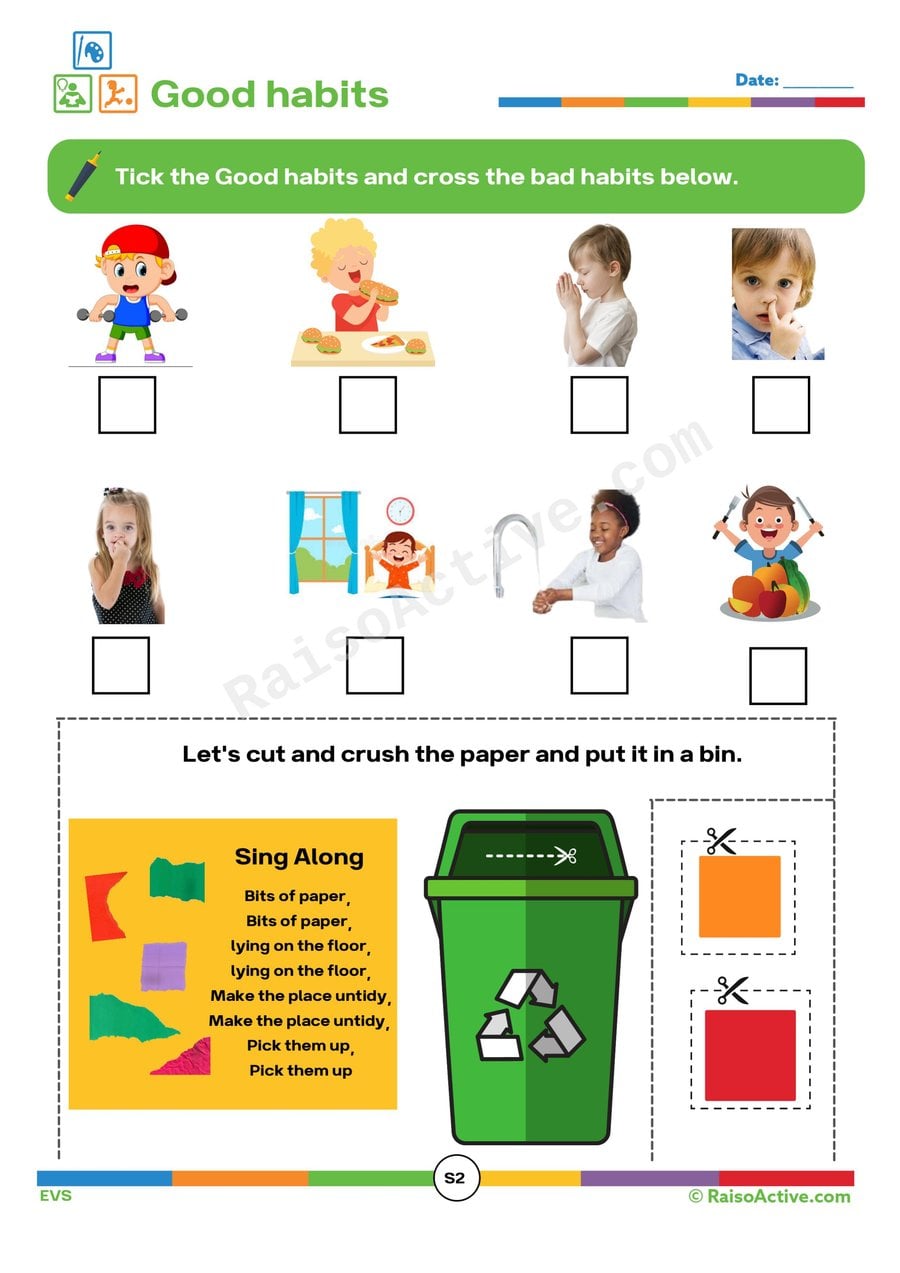
Good Habits Worksheet for Kids: Tick and Cross!
Ages 3-5 · Preschool–Pre-KAges 3-5 · Nursery–ReceptionAges 3-5 · Nursery–LKGAges 3-5
This worksheet helps children ages 3-5 practice evaluating everyday behaviors as good or bad habits using a simple tick-or-cross response system tied to cleanliness and healthy routines. Making a clear judgment call about each pictured scene builds early self-regulation awareness, helping children start to connect specific actions, like washing hands or brushing teeth, with positive outcomes. The tick-and-cross format is a quick, visual way for young children to record a decision without needing to write words.

Healthy vs. Unhealthy Eating Habits Worksheet for Kids
Ages 3-5 · Preschool–Pre-KAges 3-5 · Nursery–ReceptionAges 3-5 · Nursery–LKGAges 3-5
This worksheet helps children ages 3-5 begin distinguishing between healthy and unhealthy food choices by matching specific foods to a healthy or unhealthy person, building early awareness of how eating habits connect to wellbeing. Making this connection concrete and visual, rather than abstract, gives young children a first foothold in nutrition concepts well before they can understand more detailed health information.
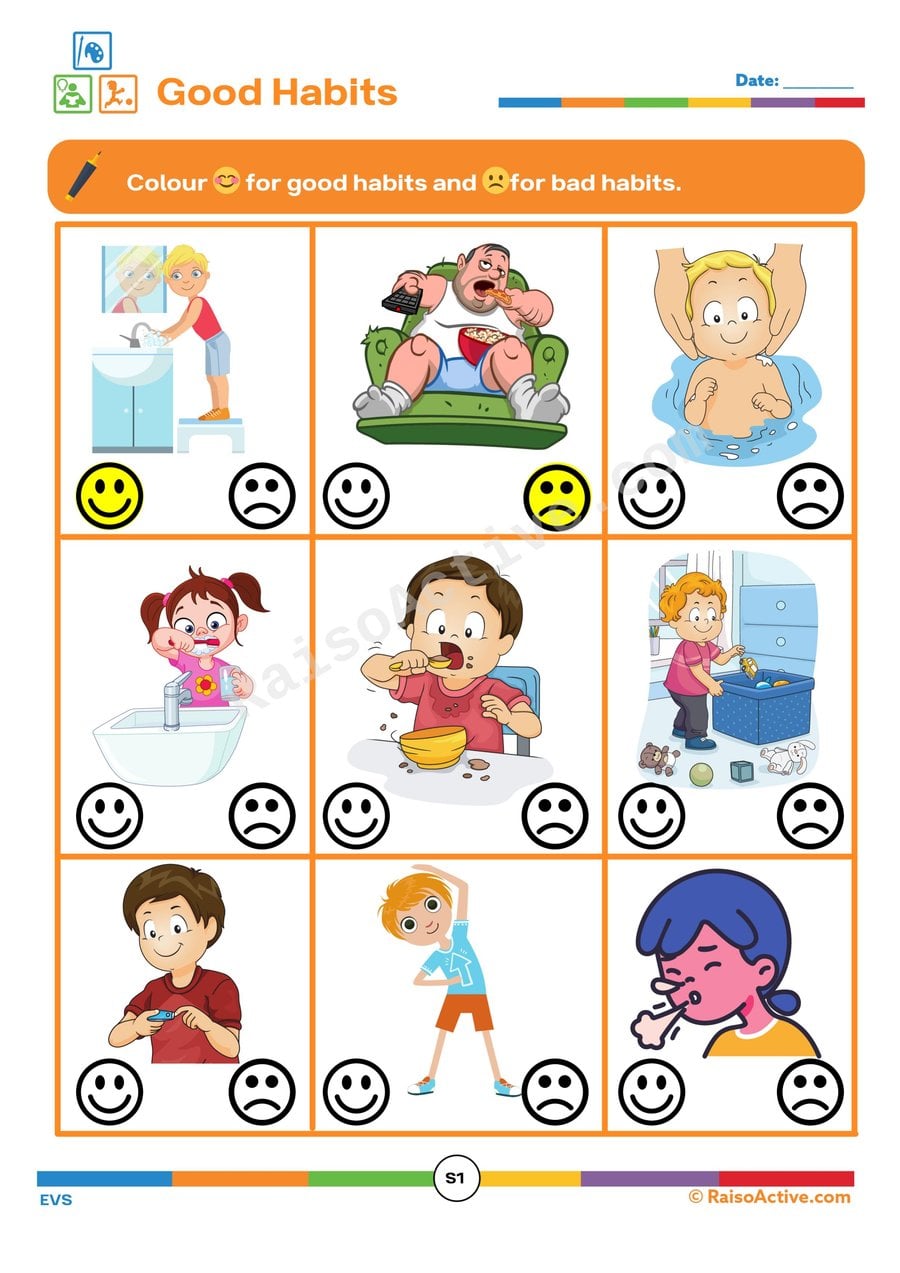
Good Habits Coloring Worksheet for Kids
Ages 3-5 · Preschool–Pre-KAges 3-5 · Nursery–ReceptionAges 3-5 · Nursery–LKGAges 3-5
This coloring activity helps children ages 3-5 practice moral and social reasoning by identifying whether a pictured behavior is a good habit or a bad one, then coloring a smiley face or a sad face to match their judgment. Making this good-or-bad decision for each picture requires children to connect an action to its likely consequence, an early form of the cause-and-effect thinking used in social-emotional learning. The simple color-coded response format also makes the activity accessible even to children who aren't yet writing independently.

Good Habits Worksheet for Kids: Circle the Correct Option!
Ages 3-5 · Preschool–Pre-KAges 3-5 · Nursery–ReceptionAges 3-5 · Nursery–LKGAges 3-5
This worksheet helps children ages 3-5 build early social-emotional judgment by looking at everyday scenes and deciding whether they show a good habit or a bad one. Making this kind of good/bad judgment about behavior, rather than just labeling objects, is an early form of moral and social reasoning that supports self-regulation later on. Using a simple thumbs-up or thumbs-down visual cue makes the abstract idea of 'good habits' concrete and easy to judge.

Written by
Hemsweta Jain · Teacher Cheena
MBA and Early Childhood Educator, teaching since 2014 · Founder of RaisoActive, Mumbai
Published · Last reviewed
Related Resources
Printable Resources(7)
View all

Summer Activity Pack: Math, Literacy, Puzzles & More for Preschool & Kindergarten
Ages 3-7 · Preschool–Grade 1Ages 3-7 · Nursery–Year 2Ages 3-7 · Nursery–Class 1Ages 3-7 · 26 pages
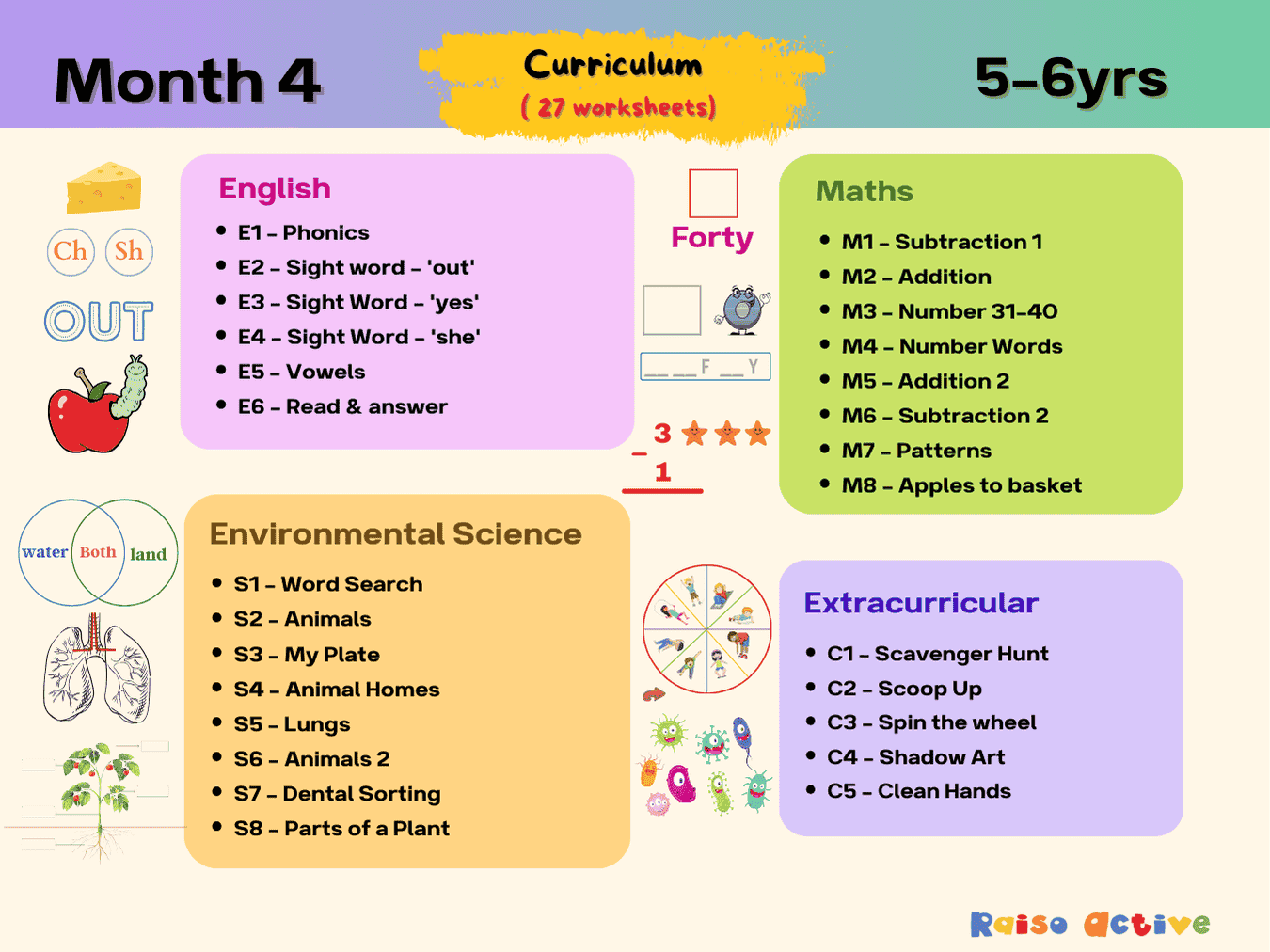
Month 4: Learning & Development | Ages 5-6
Ages 5-6 · KindergartenAges 5-6 · Year 1Ages 5-6 · UKGAges 5-6 · 30 pages
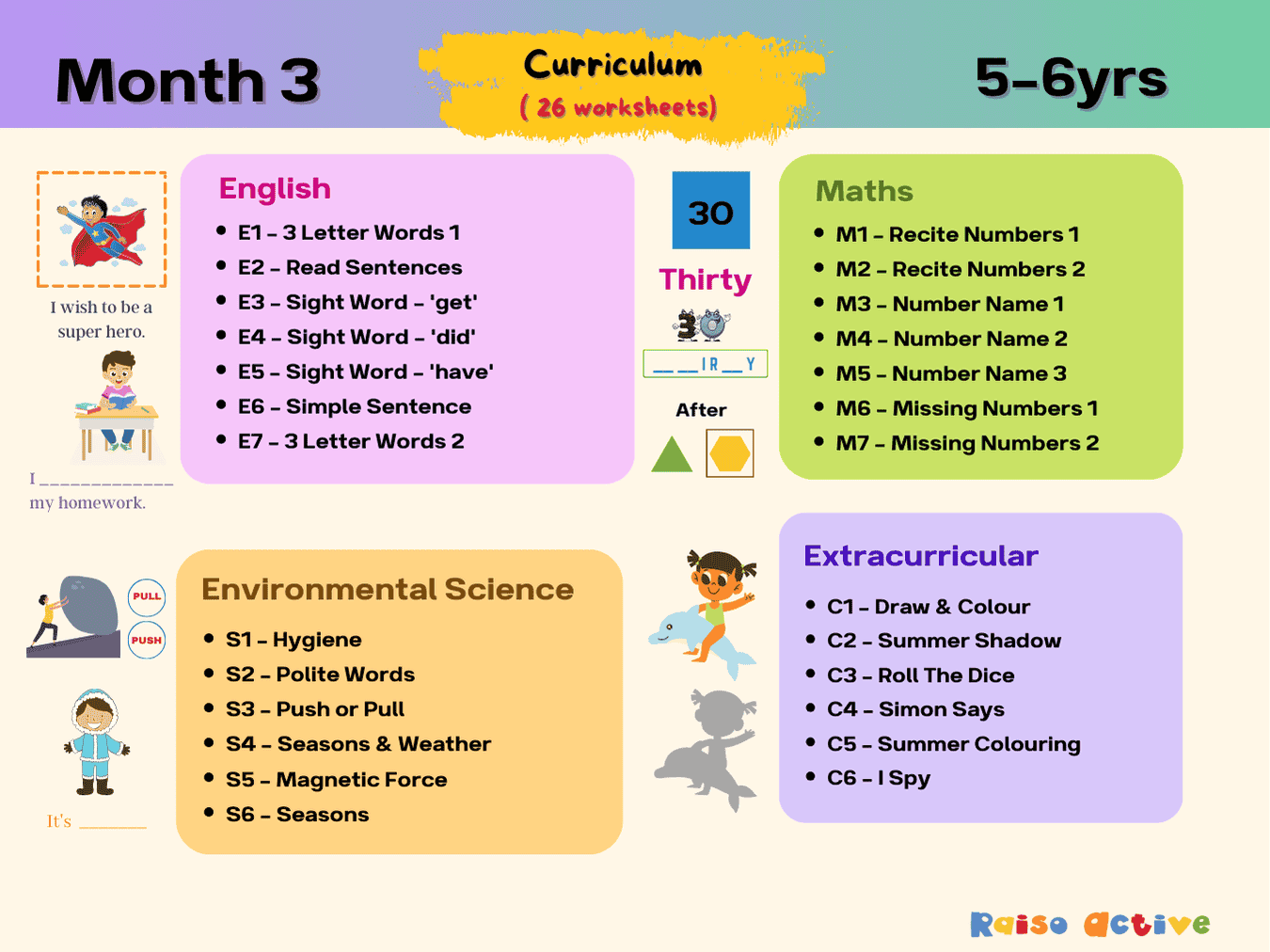
Month 3: Learning & Development | Ages 5-6
Ages 5-6 · KindergartenAges 5-6 · Year 1Ages 5-6 · UKGAges 5-6 · 29 pages
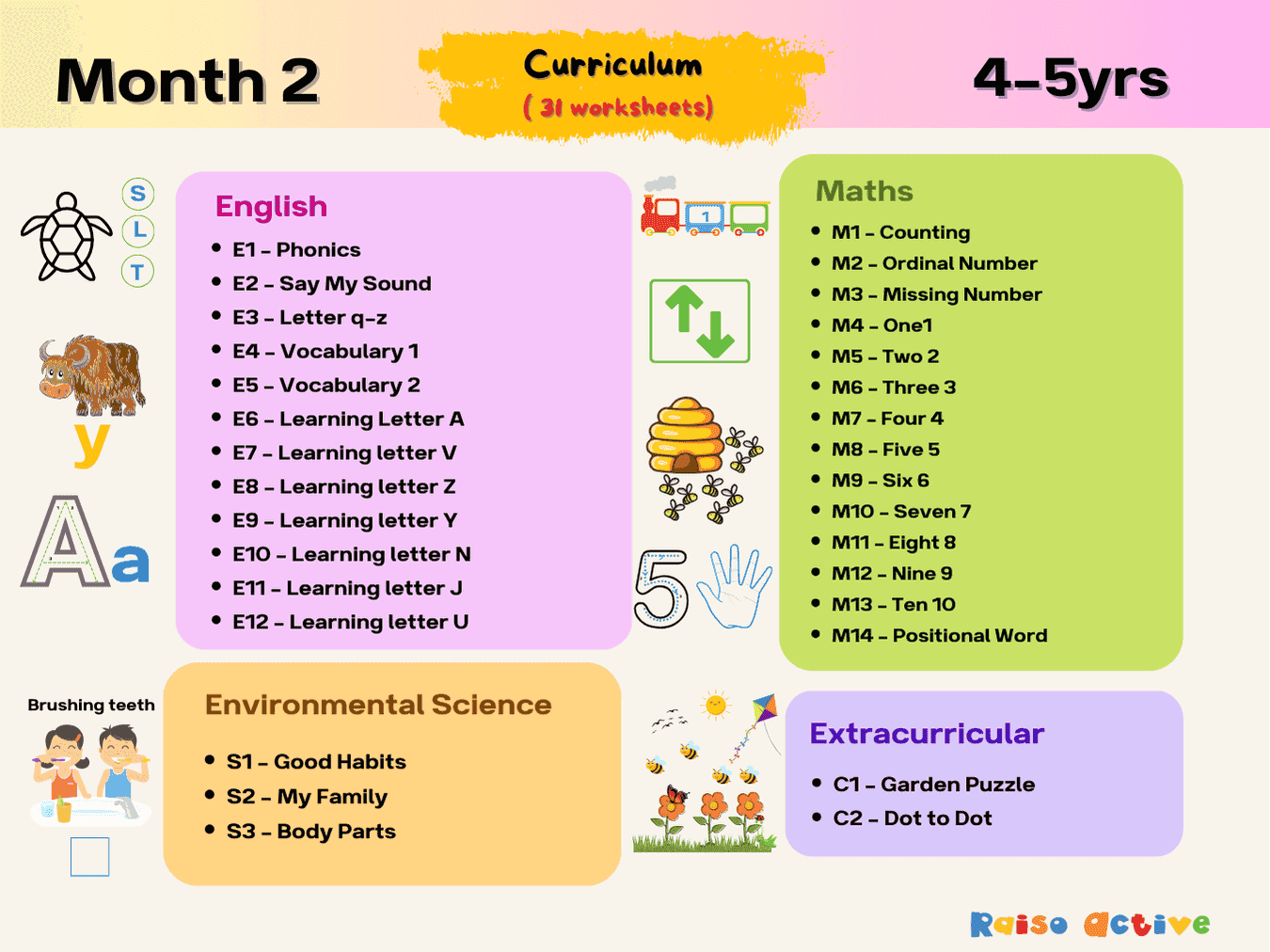
Month 2: Learning & Development | Ages 4-5
Ages 4-5 · Pre-KAges 4-5 · ReceptionAges 4-5 · LKGAges 4-5 · 34 pages
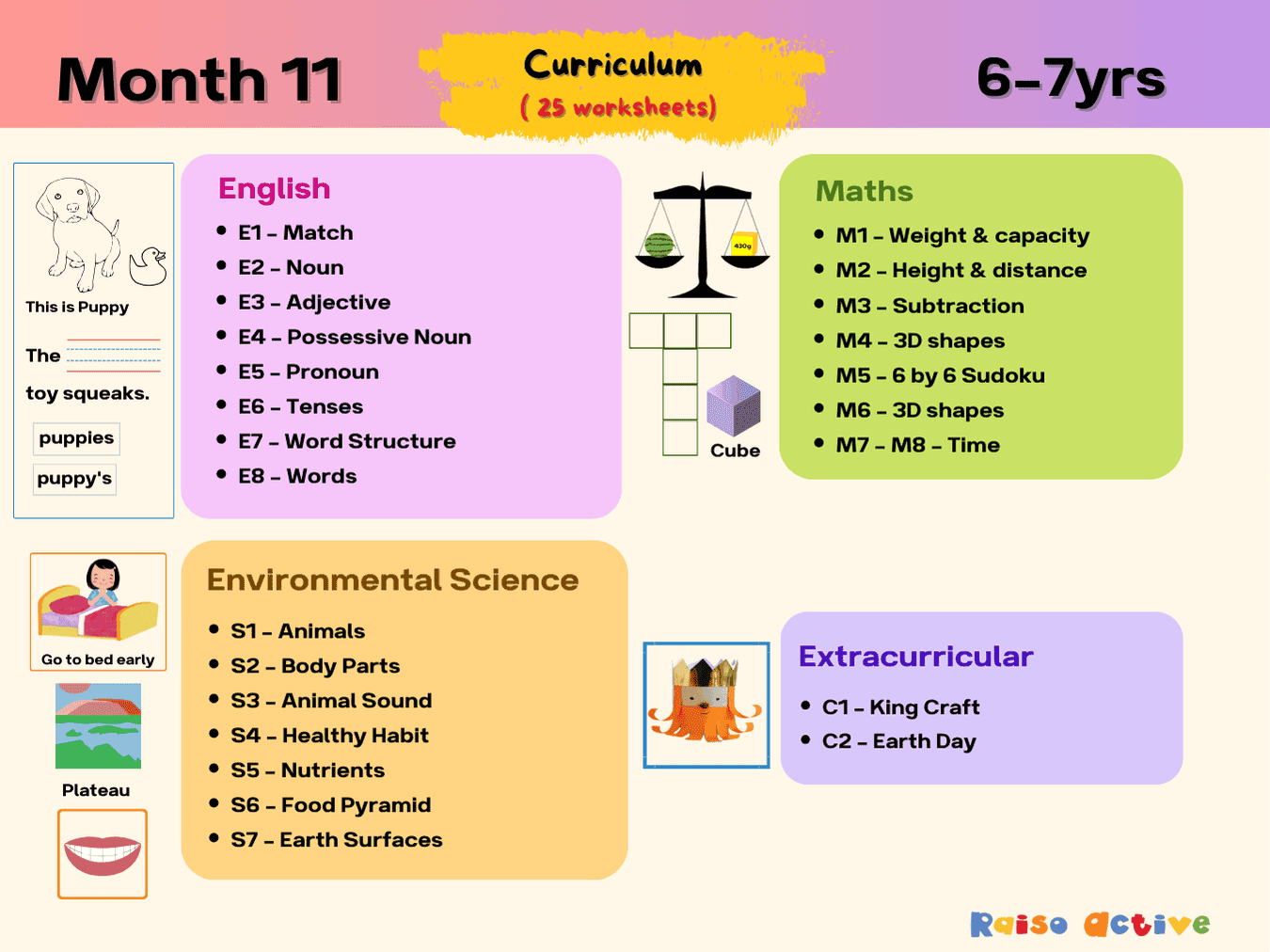
Month 11: Learning & Development | Ages 6-7
Ages 6-7 · Grade 1Ages 6-7 · Year 2Ages 6-7 · Class 1Ages 6-7 · 28 pages
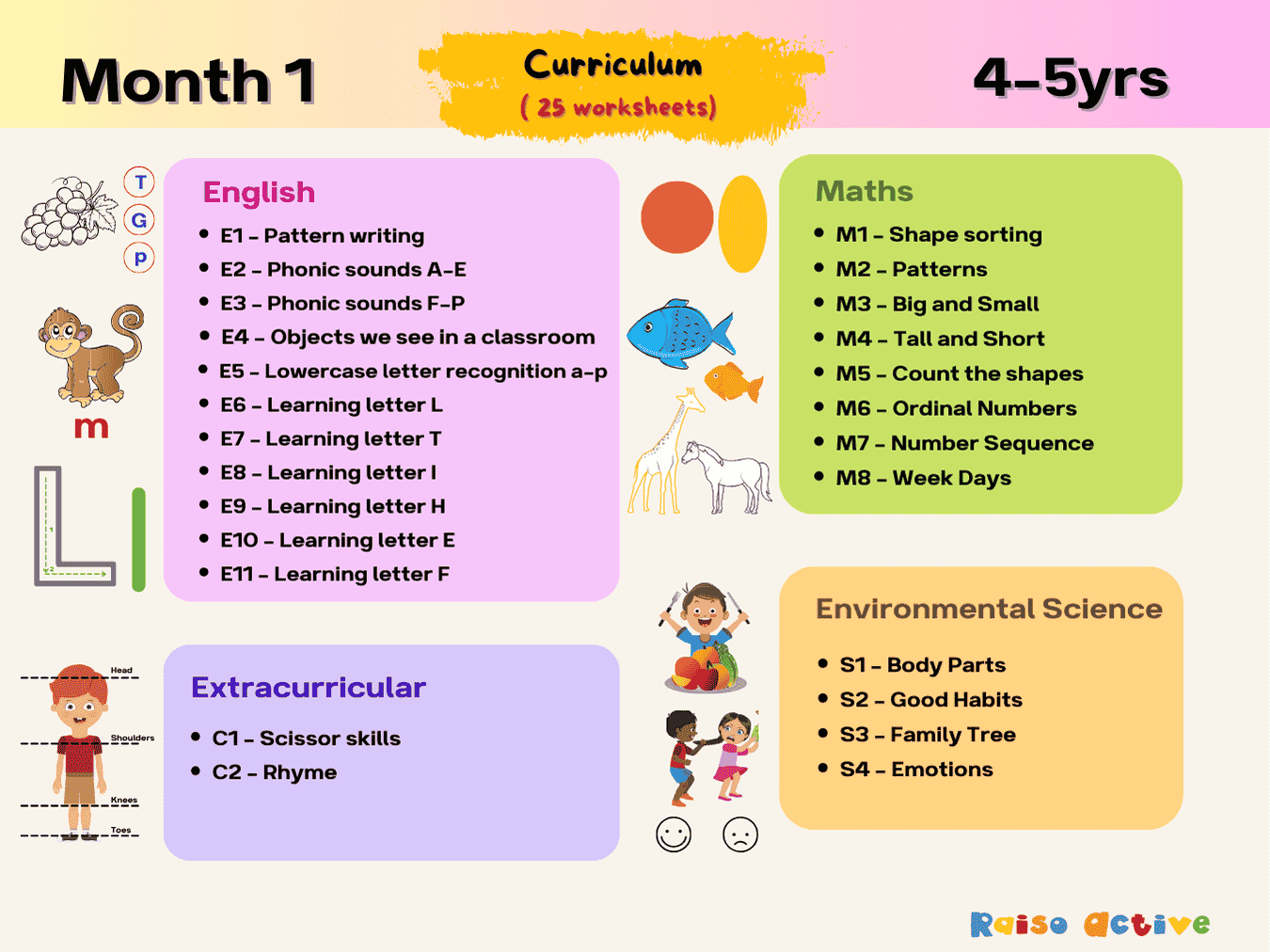
Play-Based Learning Activity Book for 4-5 Year Olds | Literacy, Math & EVS
Ages 4-5 · Pre-KAges 4-5 · ReceptionAges 4-5 · LKGAges 4-5 · 28 pages
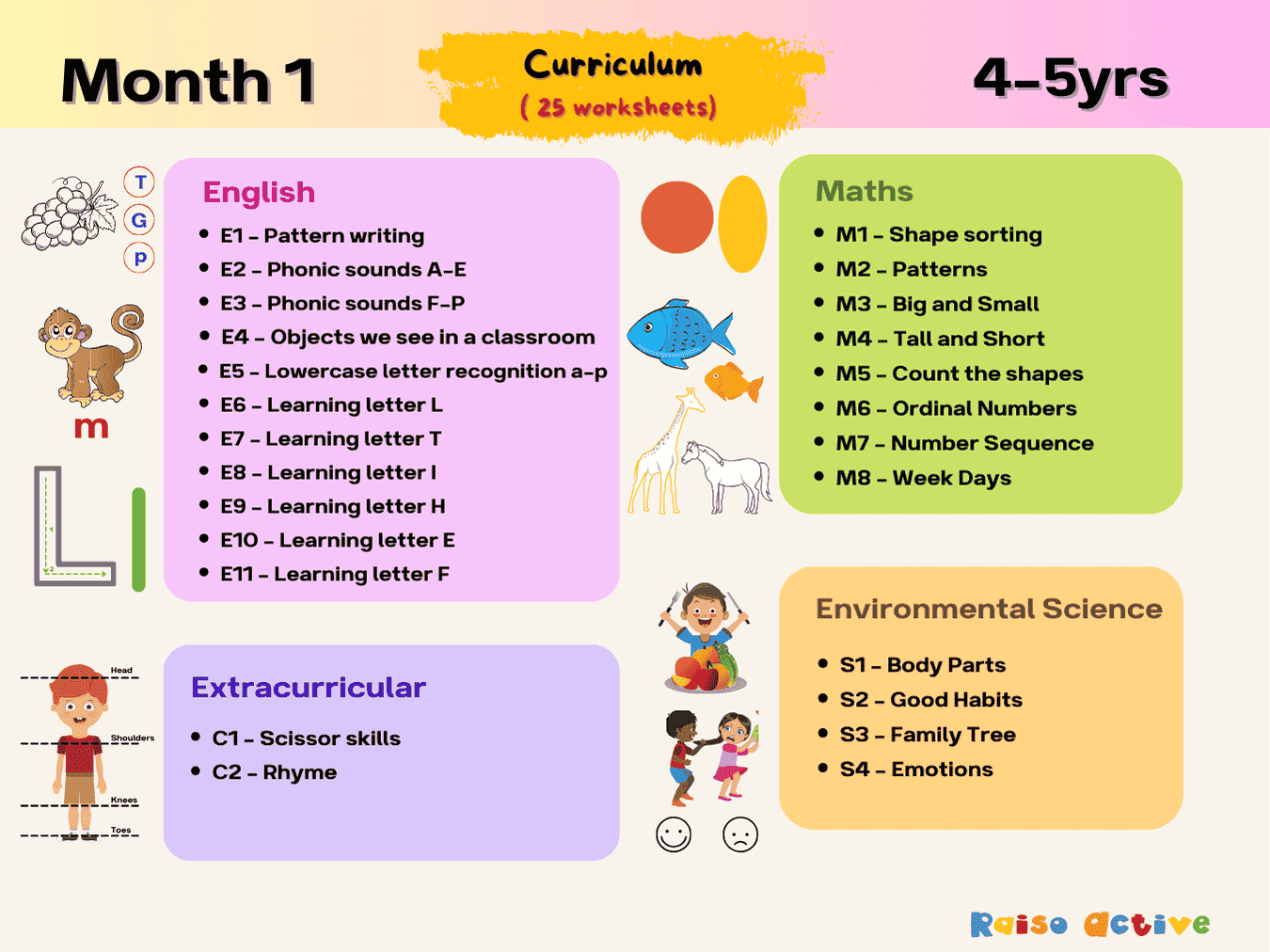
Month 1: Learning & Development | Ages 4-5
Ages 4-5 · Pre-KAges 4-5 · ReceptionAges 4-5 · LKGAges 4-5 · 28 pages