 Science
Soap & Pepper Experiment: Understanding Handwashing for Kids
Children will conduct a simple Soap & Pepper experiment to visually understand how soap breaks surface tension and helps clean hands. This engaging activity teaches the importance of hand hygiene through a fascinating scientific observation.
- Worksheet
- Ages 5-6 · KindergartenAges 5-6 · Year 1Ages 5-6 · UKGAges 5-6
- Printable PDF
- Video tutorial
- 5 things to gather
- 3 steps
What Your Child Will Learn
- Understand the basic concept of surface tension.
- Observe how soap breaks down surface tension.
- Learn the scientific reason why soap is effective for handwashing.
- Develop observation skills and scientific inquiry.
- Follow multi-step instructions to conduct an experiment.
How to Do This Activity
3 stepsGetting Started
Place the printable sheet on a flat surface. Carefully pour water into the transparent bowl, filling it about halfway. Gently sprinkle pepper powder evenly across the surface of the water in the bowl. The pepper should float on top.
Step 1: Observe Initial State: Ask your child to dip one clean finger into the center of the pepper-covered water. Observe what happens. (Nothing much should happen, the pepper will just part slightly around the finger).
Step 2: Prepare for Soap: Remove the finger and dry it. Now, put a small amount of liquid soap on the tip of the same finger.
Step 3: The Soap Magic: Have your child dip the soapy finger into the center of the pepper-covered water again. Watch closely! The pepper should quickly scatter and move away from the soapy finger towards the edges of the bowl.
Ways to Extend
Try the experiment with different liquids (e.g., milk instead of water) or different lightweight powders (e.g., glitter or cinnamon) to see if the results vary. Discuss the concept of 'germs' and how they are like the pepper, needing soap to be washed away effectively. Have your child draw or describe what happened before and after adding the soap.
Related printable packs
View all packs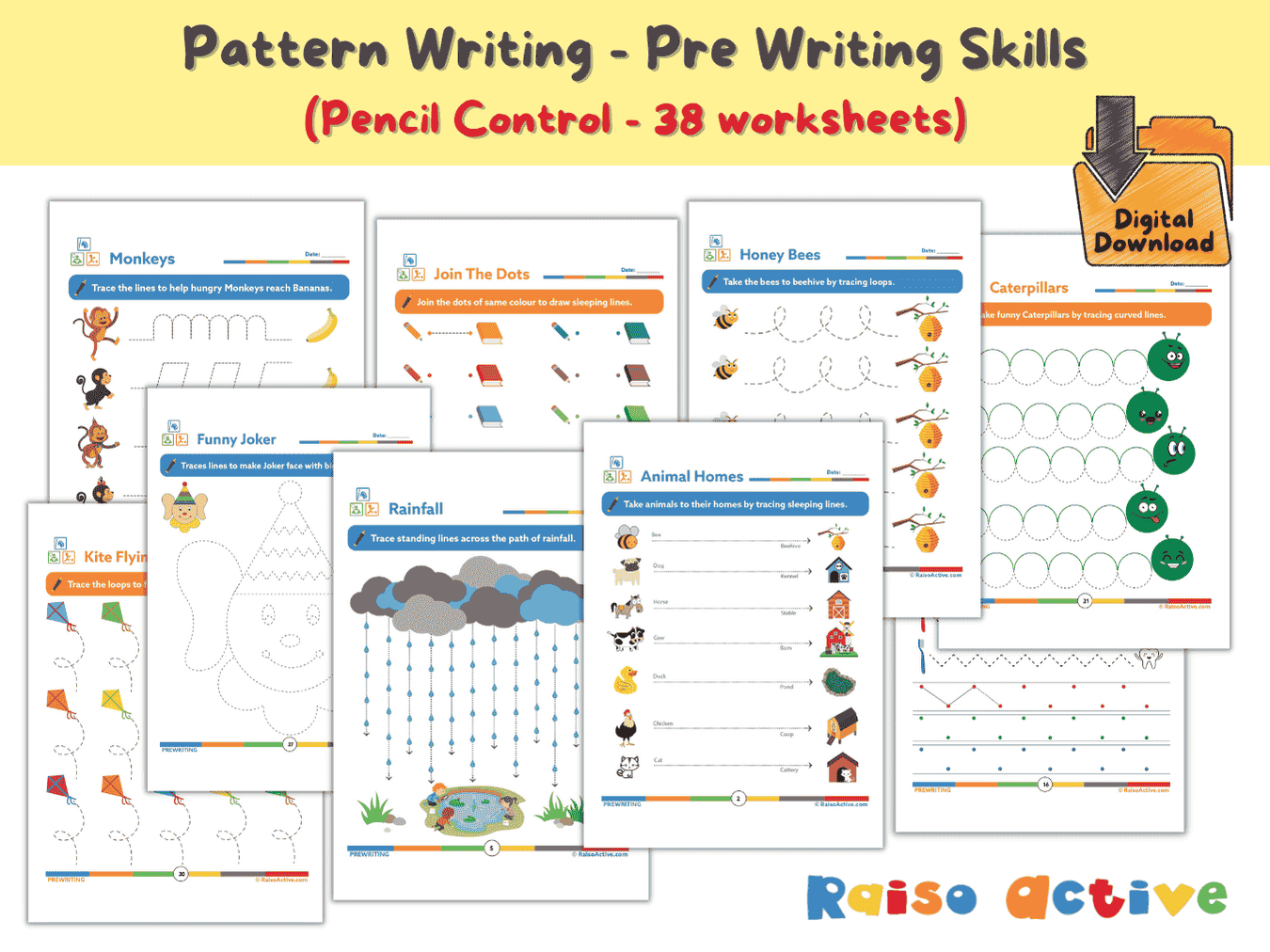
Pattern Writing Pre-writing Skills Activity Book for 3-4 Year Olds
Ages 3-4 · PreschoolAges 3-4 · NurseryAges 3-4 · 44 pages
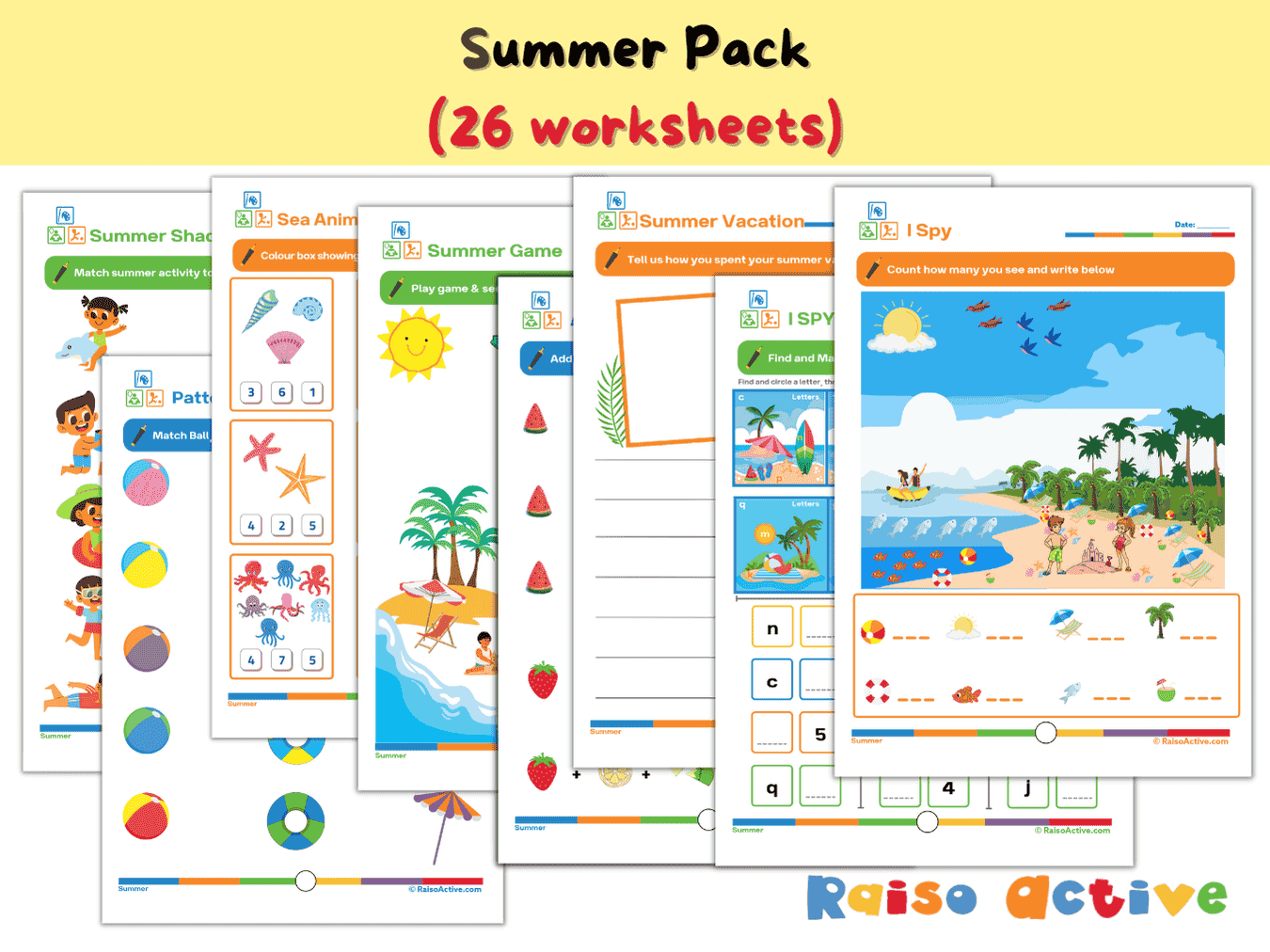

Summer Activity Pack: Math, Literacy, Puzzles & More for Preschool & Kindergarten
Ages 3-7 · Preschool–Grade 1Ages 3-7 · Nursery–Year 2Ages 3-7 · Nursery–Class 1Ages 3-7 · 26 pages
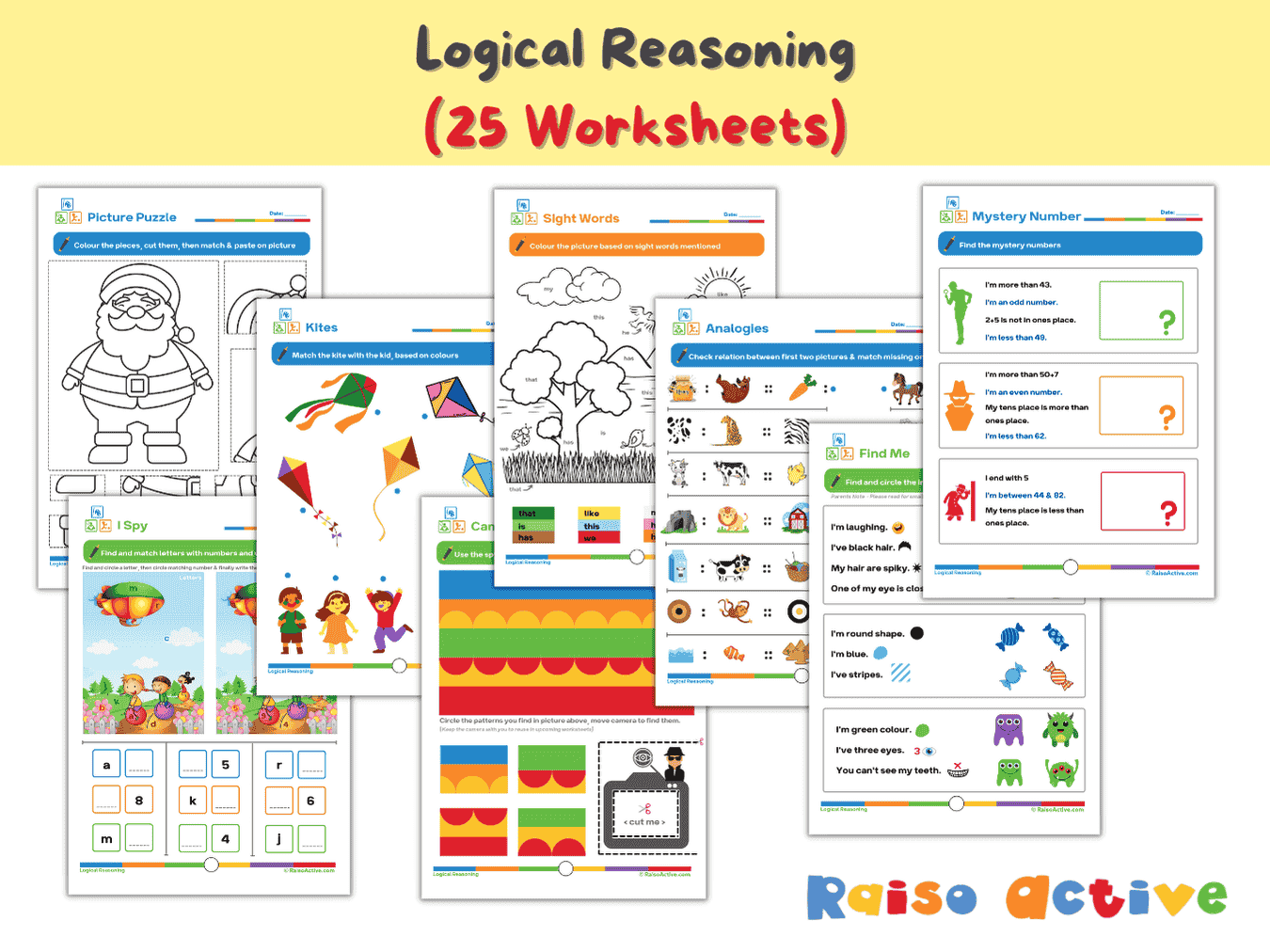
Logical Reasoning Activity Book for Preschool & Kindergarten | Patterns, Puzzles & Analogies
Ages 4-7 · Pre-K–Grade 1Ages 4-7 · Reception–Year 2Ages 4-7 · LKG–Class 1Ages 4-7 · 26 pages
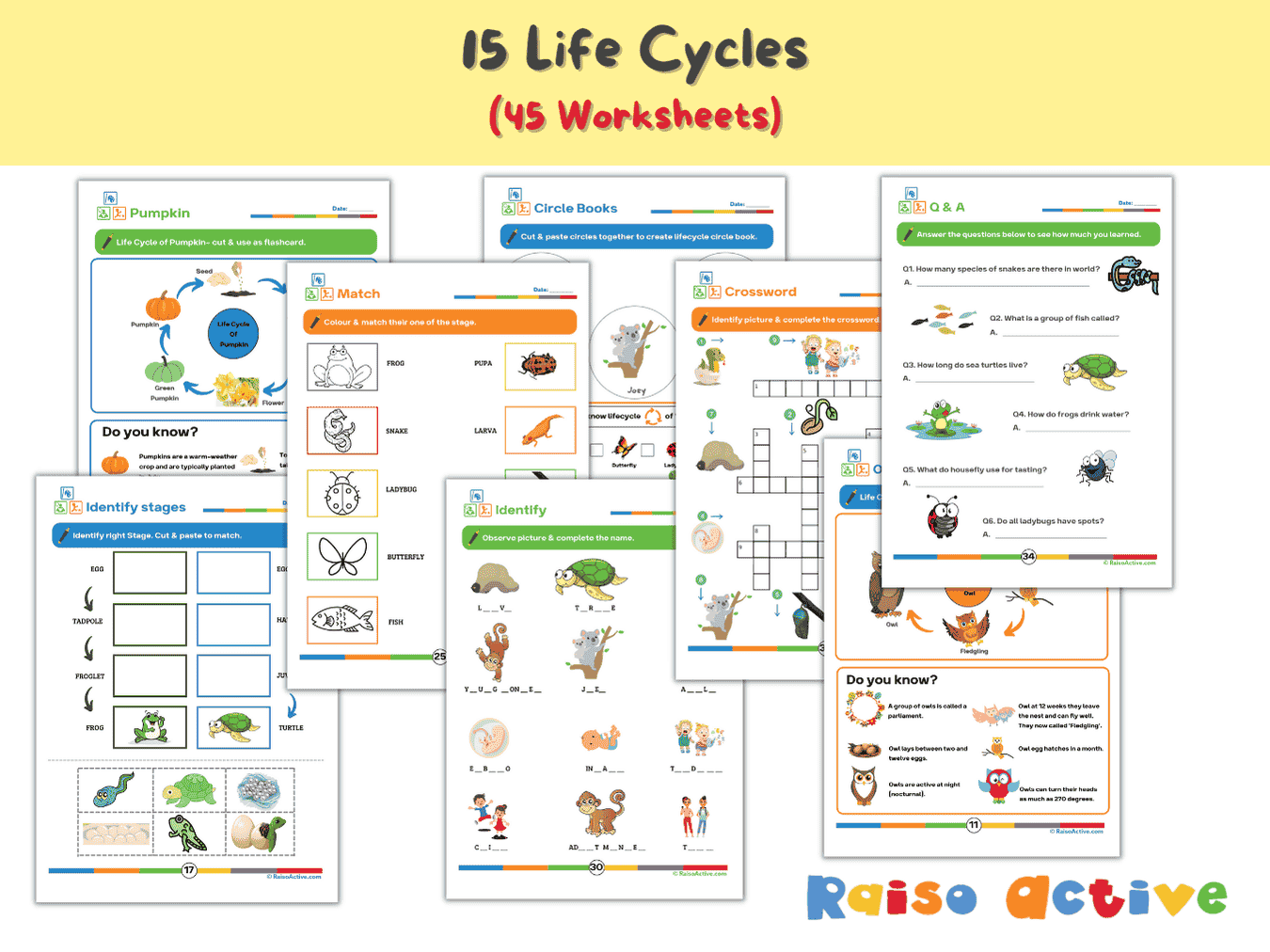
Lifecycles Activity Book & Flashcards for Preschool & Early Elementary
Ages 3-8 · Preschool–Grade 2Ages 3-8 · Nursery–Year 3Ages 3-8 · Nursery–Class 2Ages 3-8 · 46 pages
Related guides
View all on Science
Resources for Children with Multiple Disabilities: A Comprehensive Guide for Families
Discover essential resources for children with multiple disabilities. Therapies, inclusive learning, assistive technology, and printable activities for ages 1-8.
Understanding Standardized Testing in Early Childhood: A Parent's Guide to Assessment Balance
Learn how standardised tests work in early childhood, when they help, when they harm, and how to balance formal assessment with observation-based learning.
Portfolio Assessment with Young Children: A Comprehensive Guide to Meaningful Documentation
Learn how portfolio assessment captures your child's growth through meaningful documentation. Practical tips, templates, and age-appropriate strategies for ages 1-8.
More activities like this
All activities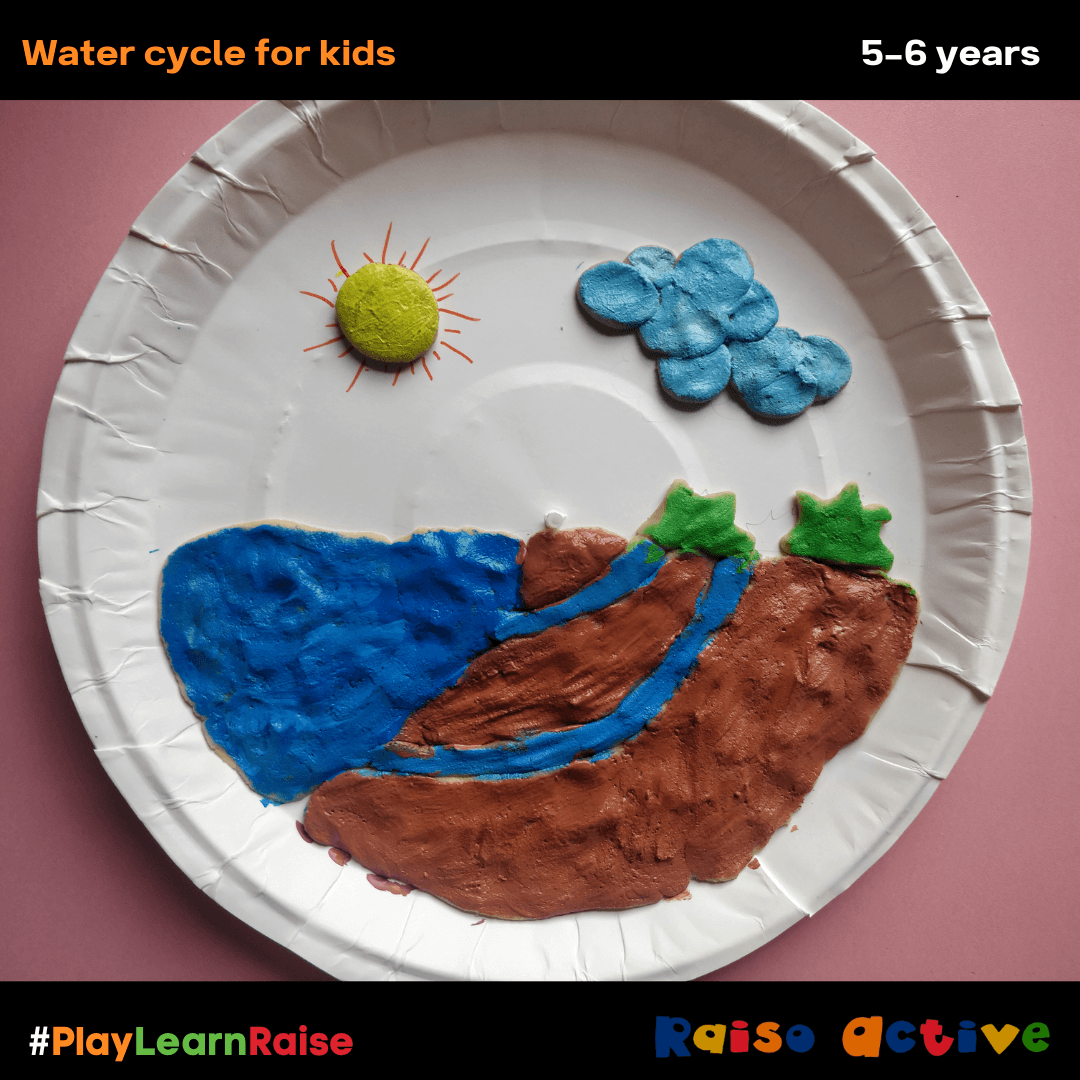 Has a video
Water Cycle Craft for Kids: Learn About Rain & Evaporation
Children will create a hands-on model of the water cycle using clay or play-doh on a paper plate. This engaging craft helps kids visualize and understand how water moves through evaporation, condensation, and precipitation.
What they'll learn:
Introduce the basic stages of the water cycle (evaporation, condensation, precipitation). +4 more
 Has a video
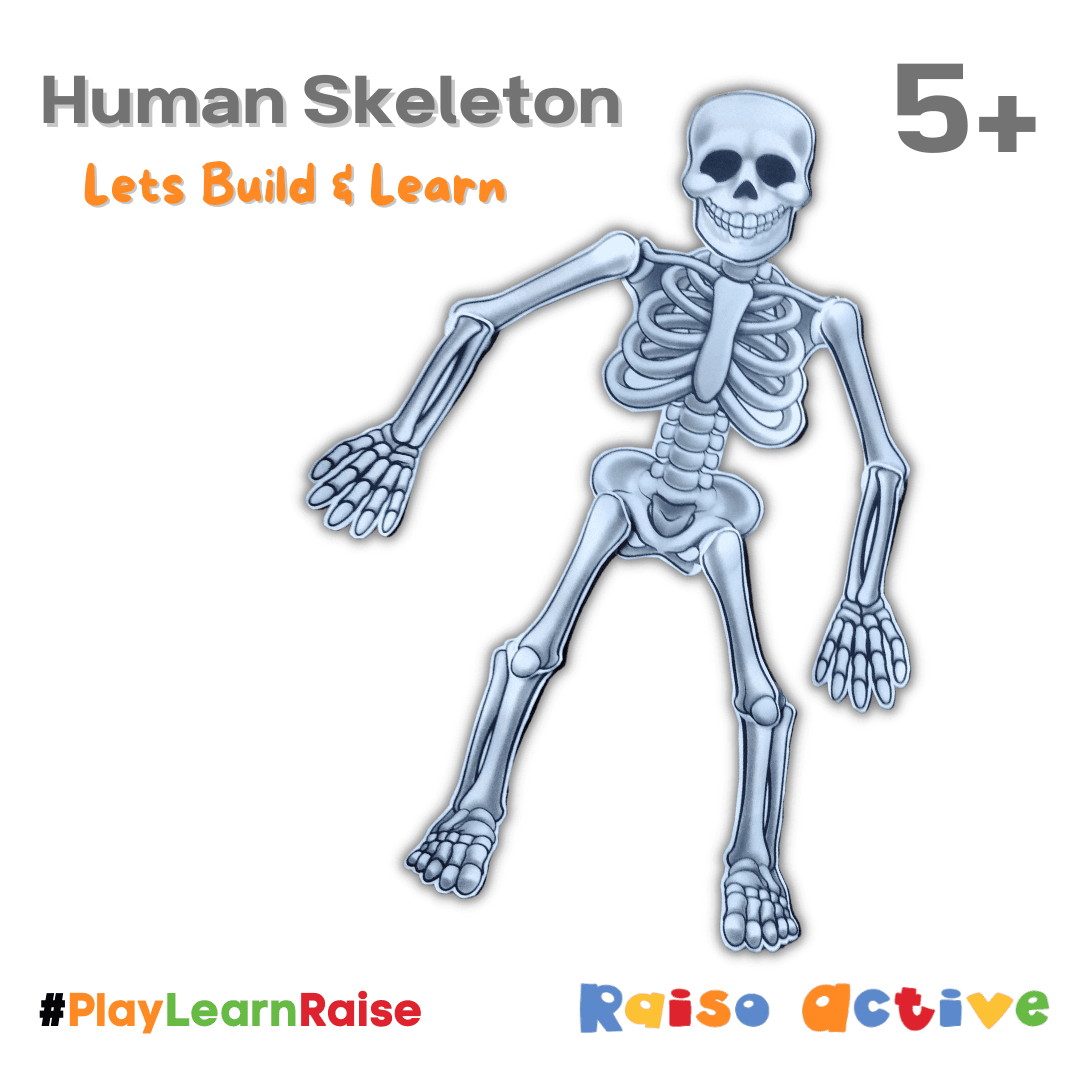
Human Skeleton Craft & Matching Worksheet for Kids
Engage children with this exciting activity to build a human skeleton model and learn bone names. Kids will cut out various skeleton parts, assemble them, and then match common bone names on a fun worksheet.
What they'll learn:
Identify major bones of the human skeleton (e.g., skull, ribs, spine) +4 more
 Has a video
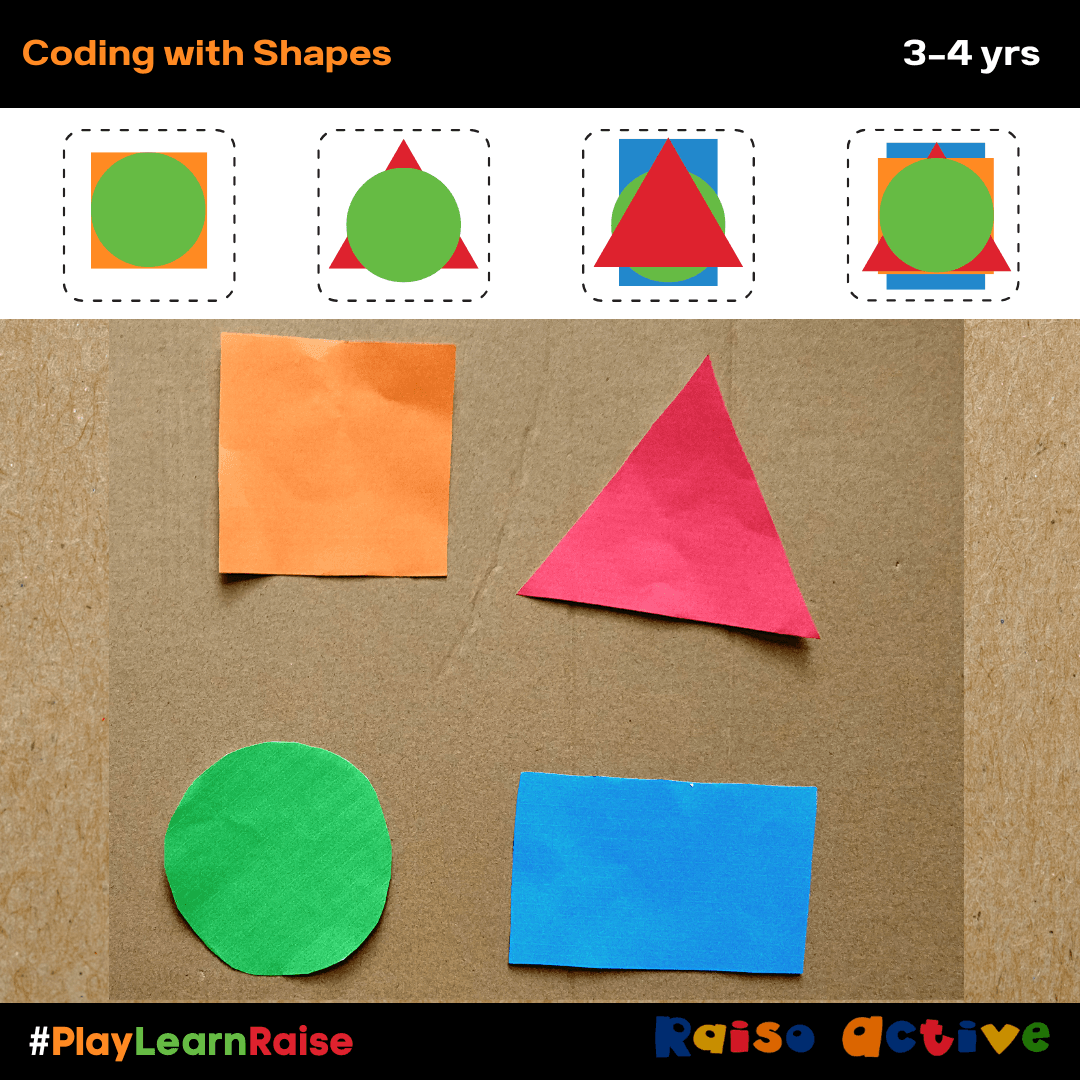
Coding Shapes Activity for Preschoolers | Pattern Matching Fun
Engage young learners with this hands-on coding shapes activity! Children will cut out colorful geometric shapes and arrange them to match given patterns, fostering early logic and fine motor skills. It's a fun way to introduce foundational coding concepts.
What they'll learn:
Identify and name basic 2D shapes (circle, square, triangle, rectangle). +4 more
 Has a video
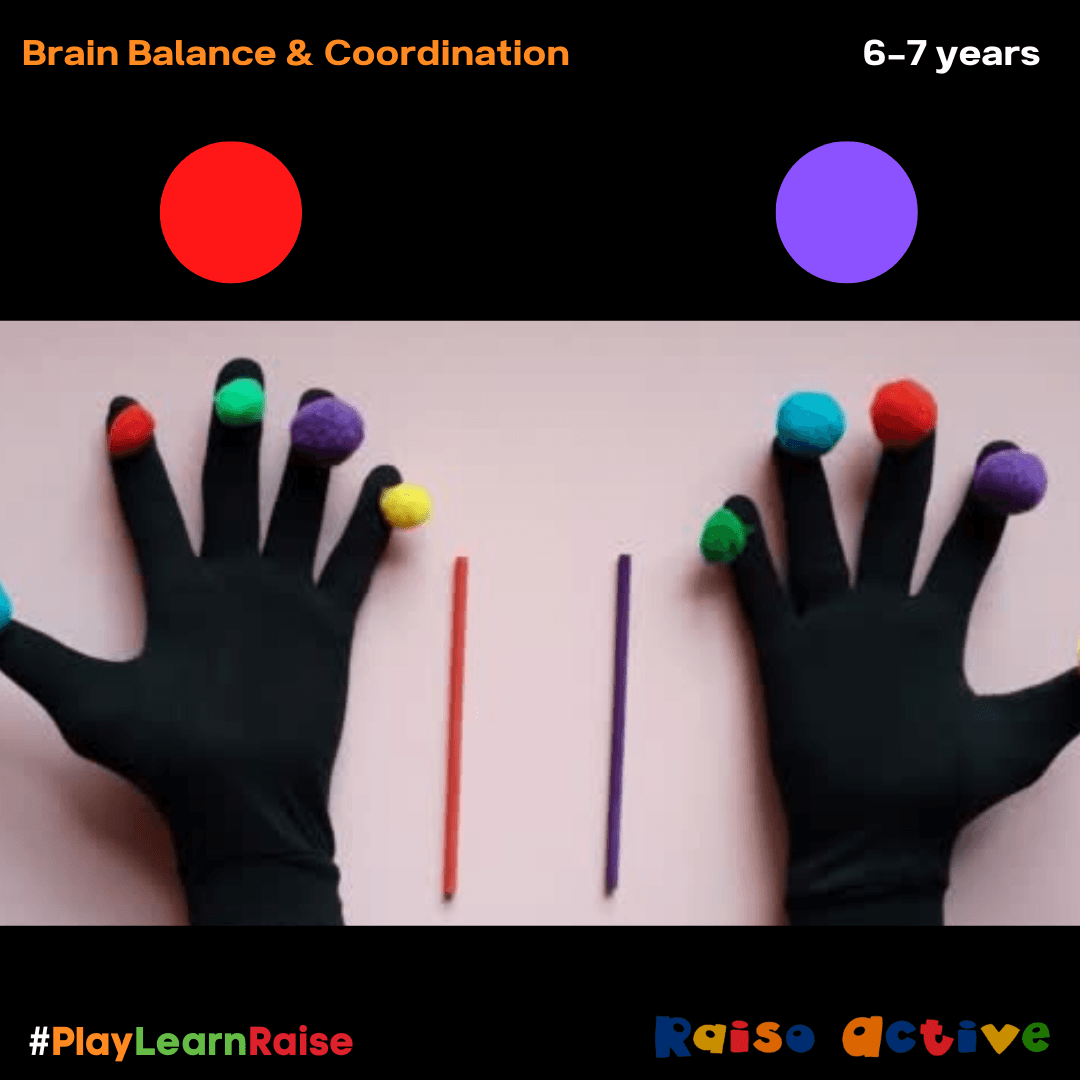
Brain Balance & Coordination Finger Game for Kids (Ages 6-7)
Engage your child in a fun brain-boosting activity designed to enhance balance and coordination. This engaging finger game helps children improve fine motor skills, focus, and bilateral coordination through playful movements.
What they'll learn:
Improve fine motor skills and finger dexterity. +4 more