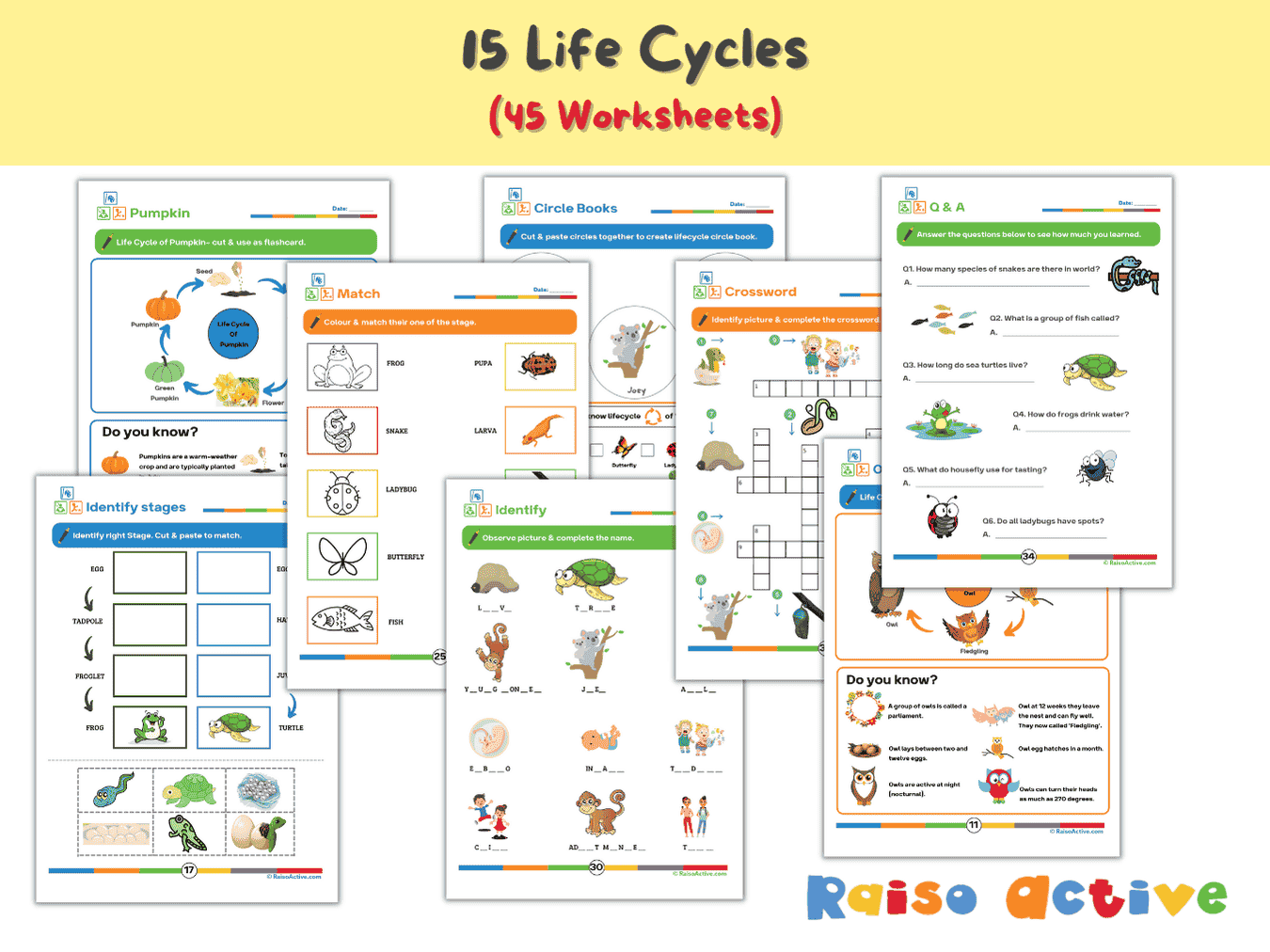

Lifecycles Activity Book & Flashcards for Preschool & Early Elementary
Ages 3-8 · Preschool–Grade 2Ages 3-8 · Nursery–Year 3Ages 3-8 · Nursery–Class 2Ages 3-8 · 46 pages
Topic
Ages 3-8 · Preschool–Grade 2Ages 3-8 · Nursery–Year 3Ages 3-8 · Nursery–Class 2Ages 3-8 · 46 pages
Ages 6-7 · Grade 1Ages 6-7 · Year 2Ages 6-7 · Class 1Ages 6-7 · 29 pages
Ages 6-7 · Grade 1Ages 6-7 · Year 2Ages 6-7 · Class 1Ages 6-7 · 28 pages
Ages 5-6 · KindergartenAges 5-6 · Year 1Ages 5-6 · UKGAges 5-6 · 28 pages
Ages 2-4 · PreschoolAges 2-4 · NurseryAges 2-4 · 28 pages
Ages 6-7 · Grade 1Ages 6-7 · Year 2Ages 6-7 · Class 1Ages 6-7 · 28 pages
Ages 2-4 · PreschoolAges 2-4 · NurseryAges 2-4 · 28 pages
Ages 5-6 · KindergartenAges 5-6 · Year 1Ages 5-6 · UKGAges 5-6 · 28 pages
Ages 3-6 · Preschool–KindergartenAges 3-6 · Nursery–Year 1Ages 3-6 · Nursery–UKGAges 3-6 · 17 pages
Ages 3-6 · Preschool–KindergartenAges 3-6 · Nursery–Year 1Ages 3-6 · Nursery–UKGAges 3-6 · 16 pages
Explore nature-based learning activities for children ages 2–7 — leaf rubbings, bug hunts, nature journals, and seasonal Indian outdoor ideas that spark wonder.
Discover 10+ easy science experiments for preschoolers using Indian household items. Spark curiosity in children ages 2-6 with safe, play-based STEM activities.
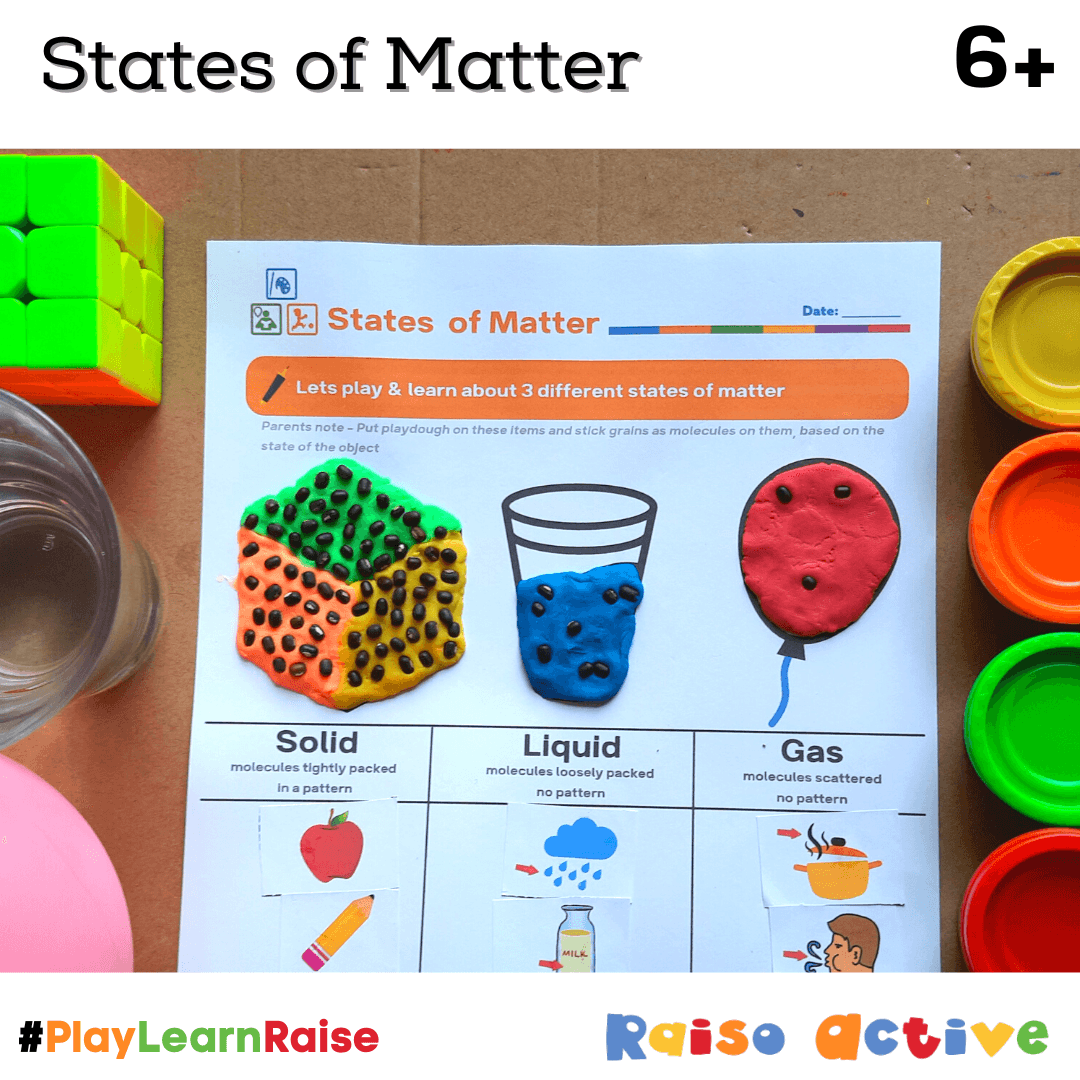
Engage children with this hands-on STEM activity where they will use playdough and small grains to model and understand the molecular structures of solids, liquids, and gases. Kids will also classify everyday objects based on their state of matter.
What they'll learn:
Identify and differentiate between the three main states of matter: solid, liquid, and gas. +4 more
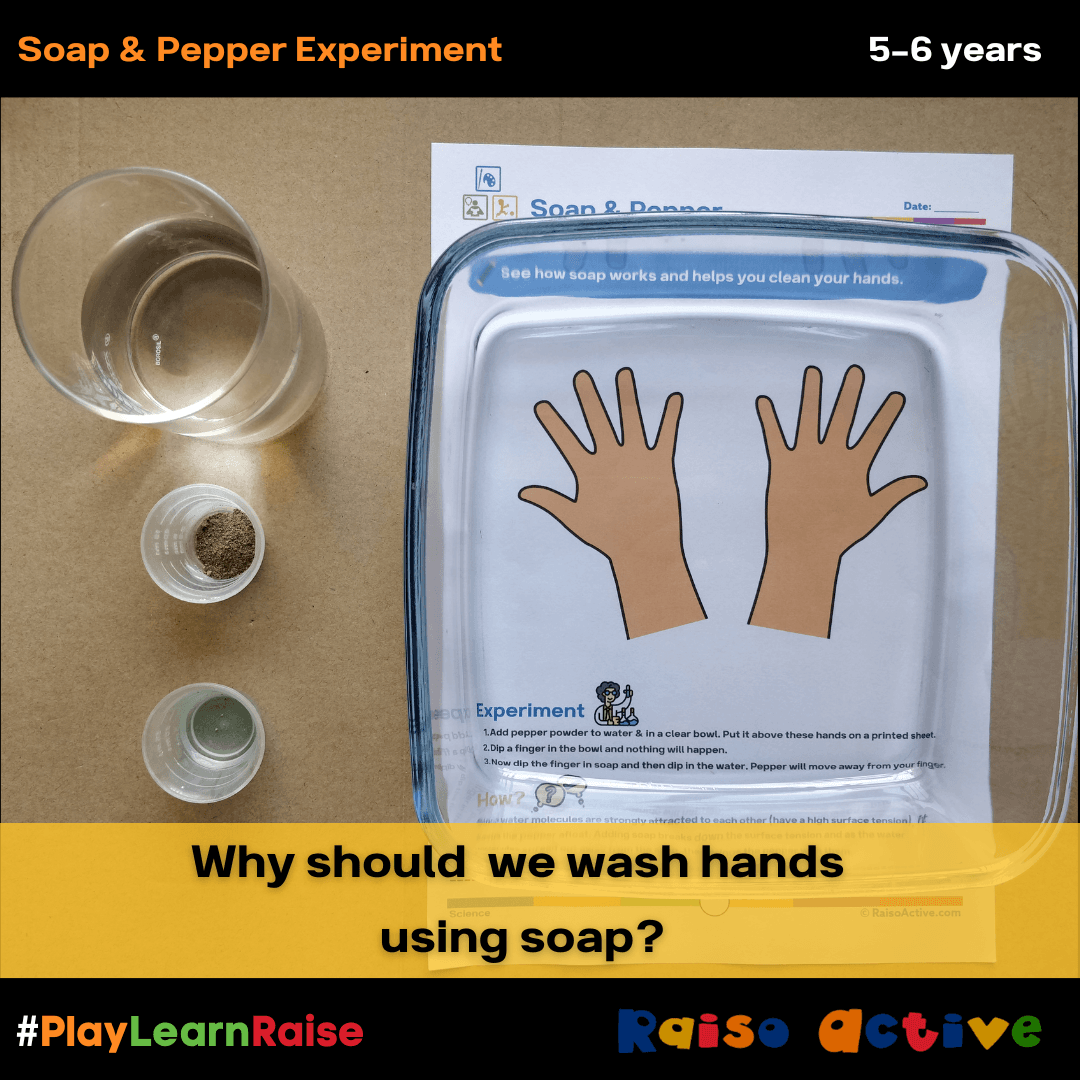
Children will conduct a simple Soap & Pepper experiment to visually understand how soap breaks surface tension and helps clean hands. This engaging activity teaches the importance of hand hygiene through a fascinating scientific observation.
What they'll learn:
Understand the basic concept of surface tension. +4 more
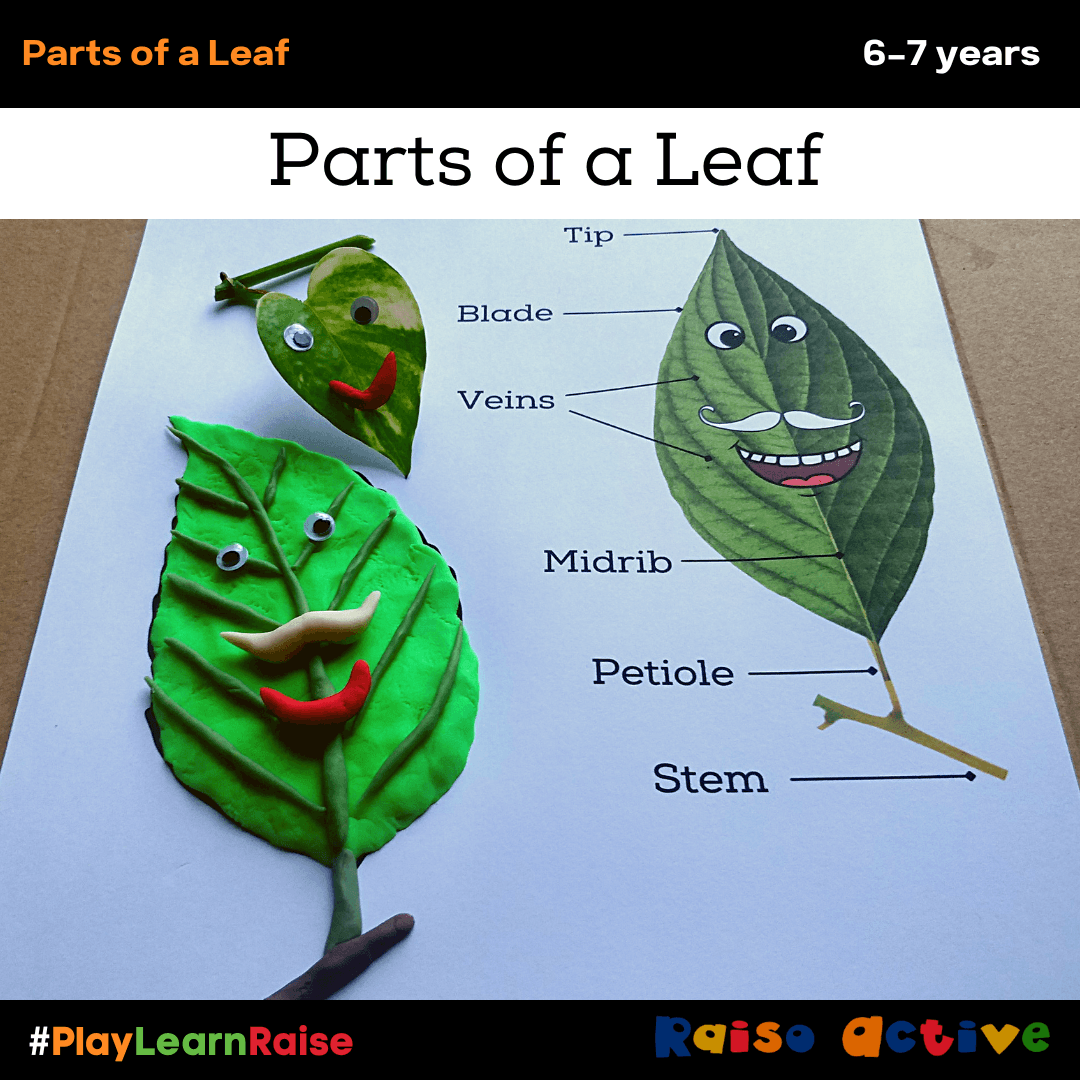
Engage children aged 6-7 in a fun, hands-on activity to learn about the parts of a leaf. Kids will create a leaf using playdough, observe real leaves, and reinforce their learning with a printable science worksheet.
What they'll learn:
Identify and name the main parts of a leaf (tip, blade, veins, midrib, petiole, stem). +4 more
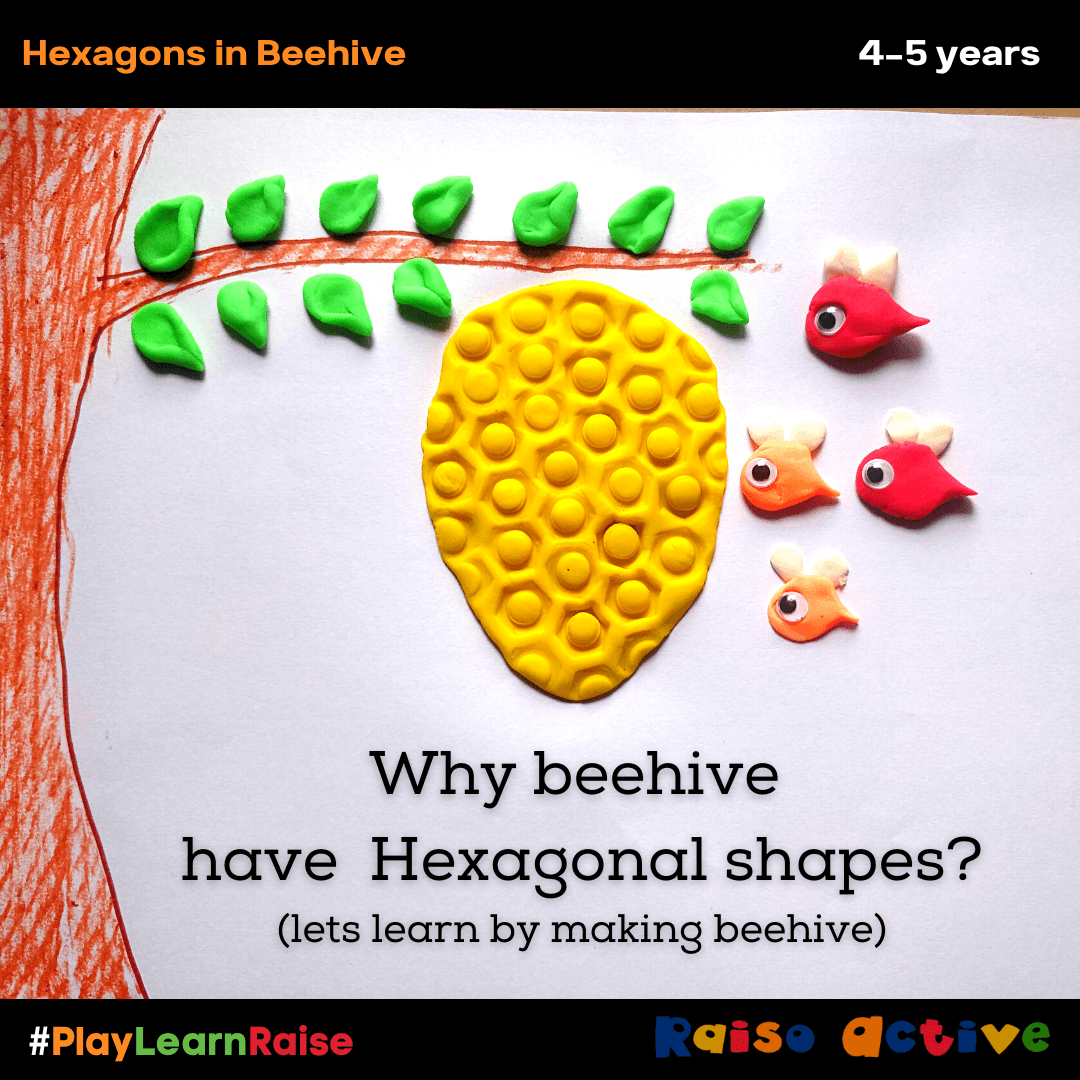
Children will create a vibrant play-doh beehive with hexagonal cells and adorable bees. This hands-on craft activity introduces kids to the unique shape of hexagons and explores why bees build their homes this way, fostering early math and science concepts.
What they'll learn:
Identify and recognize hexagonal shapes. +4 more
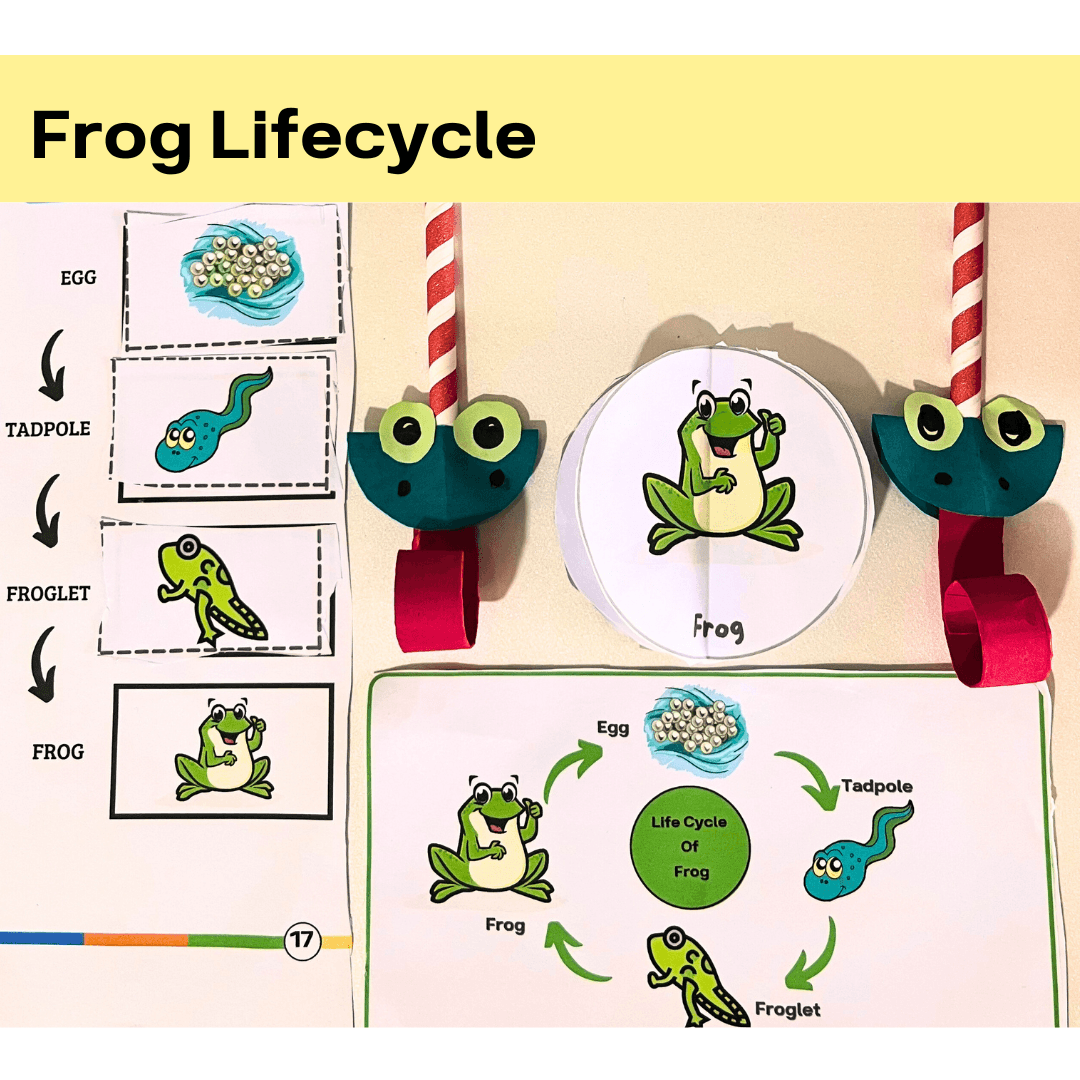
Engage children in learning about the frog lifecycle with these printable activities. Kids will identify stages, learn fascinating facts, and create a fun cut & paste circle book.
What they'll learn:
Identify and sequence the four main stages of a frog's life cycle. +4 more
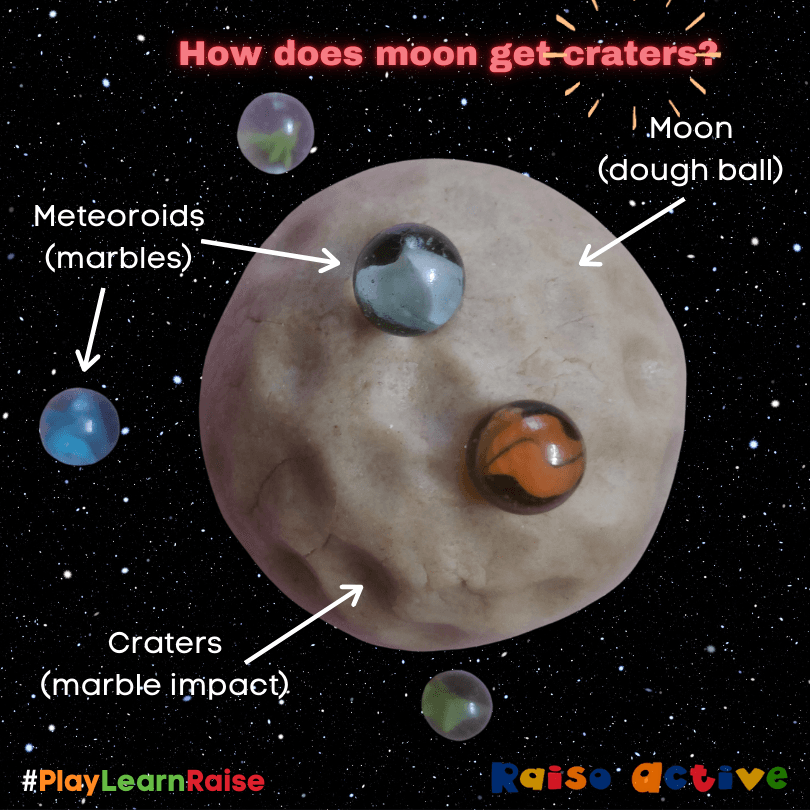
Discover how the moon gets its craters with this engaging STEM activity! Children will use dough and marbles to simulate meteoroid impacts, creating their own lunar landscape and understanding a key astronomical phenomenon.
What they'll learn:
Understand how craters form on celestial bodies like the moon. +3 more