 Science
Moon Craters STEM Activity: Hands-On Science for Kids
Discover how the moon gets its craters with this engaging STEM activity! Children will use dough and marbles to simulate meteoroid impacts, creating their own lunar landscape and understanding a key astronomical phenomenon.
- Craft
- Ages 4-8 · Pre-K–Grade 2Ages 4-8 · Reception–Year 3Ages 4-8 · LKG–Class 2Ages 4-8
- Video tutorial
- 3 things to gather
- 5 steps
What Your Child Will Learn
- Understand how craters form on celestial bodies like the moon.
- Develop observation skills by noticing the impact of marbles.
- Engage in hands-on scientific exploration and inquiry (STEM).
- Learn basic concepts related to the solar system and space.
How to Do This Activity
5 stepsGetting Started
First, prepare your 'moon' by shaping the dough into a ball or a flat, thick disc. Place it on a tray or flat surface to catch any stray marbles and make cleanup easier.
Step 1: Explain to your child that the dough ball represents the moon and the marbles represent meteoroids, which are small rocks in space.
Step 2: Invite your child to drop the marbles onto the dough moon. Encourage them to drop marbles from different heights and with varying force.
Step 3: Observe together what happens when the marbles hit the dough. Point out the indentations left behind.
Step 4: Explain that these indentations are like the craters on the real moon, formed by meteoroids crashing into its surface over millions of years.
Step 5: Discuss how the size and depth of the craters might change based on how the marble was dropped.
Ways to Extend
For older children, you can introduce a ruler to measure the diameter or depth of the craters. Experiment with different types of 'moon' surfaces, such as a thin layer of flour on a hard surface, to see how different materials react to impact. Research famous craters on the moon or other planets together, looking at pictures and discussing their names and sizes.
Related printable packs
View all packs
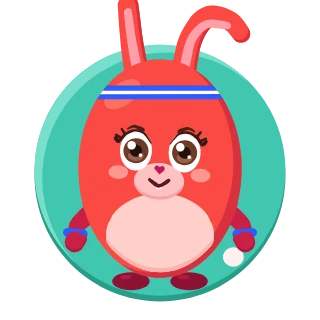
Pattern Writing Pre-writing Skills Activity Book for 3-4 Year Olds
Ages 3-4 · PreschoolAges 3-4 · NurseryAges 3-4 · 44 pages
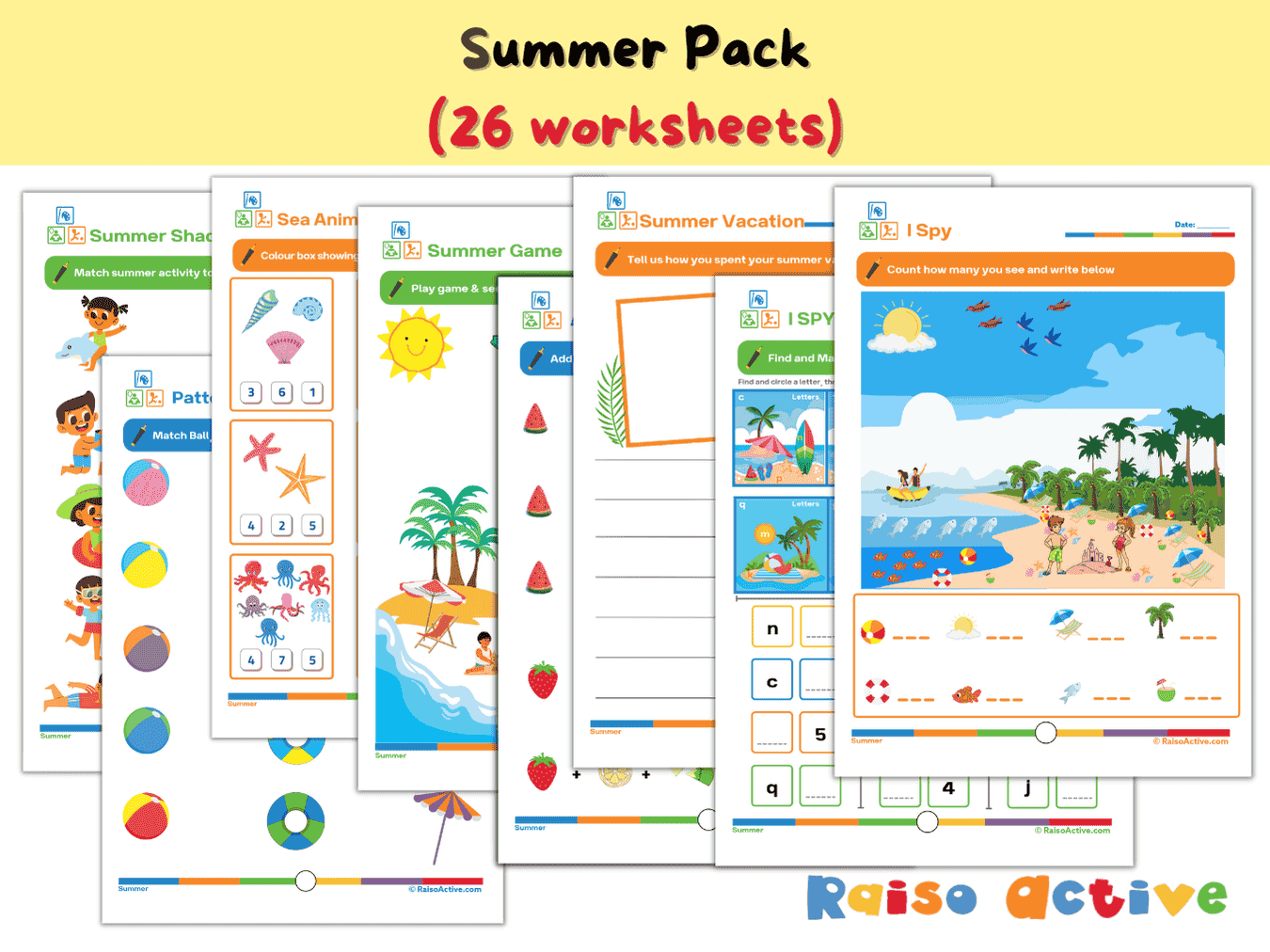

Summer Activity Pack: Math, Literacy, Puzzles & More for Preschool & Kindergarten
Ages 3-7 · Preschool–Grade 1Ages 3-7 · Nursery–Year 2Ages 3-7 · Nursery–Class 1Ages 3-7 · 26 pages
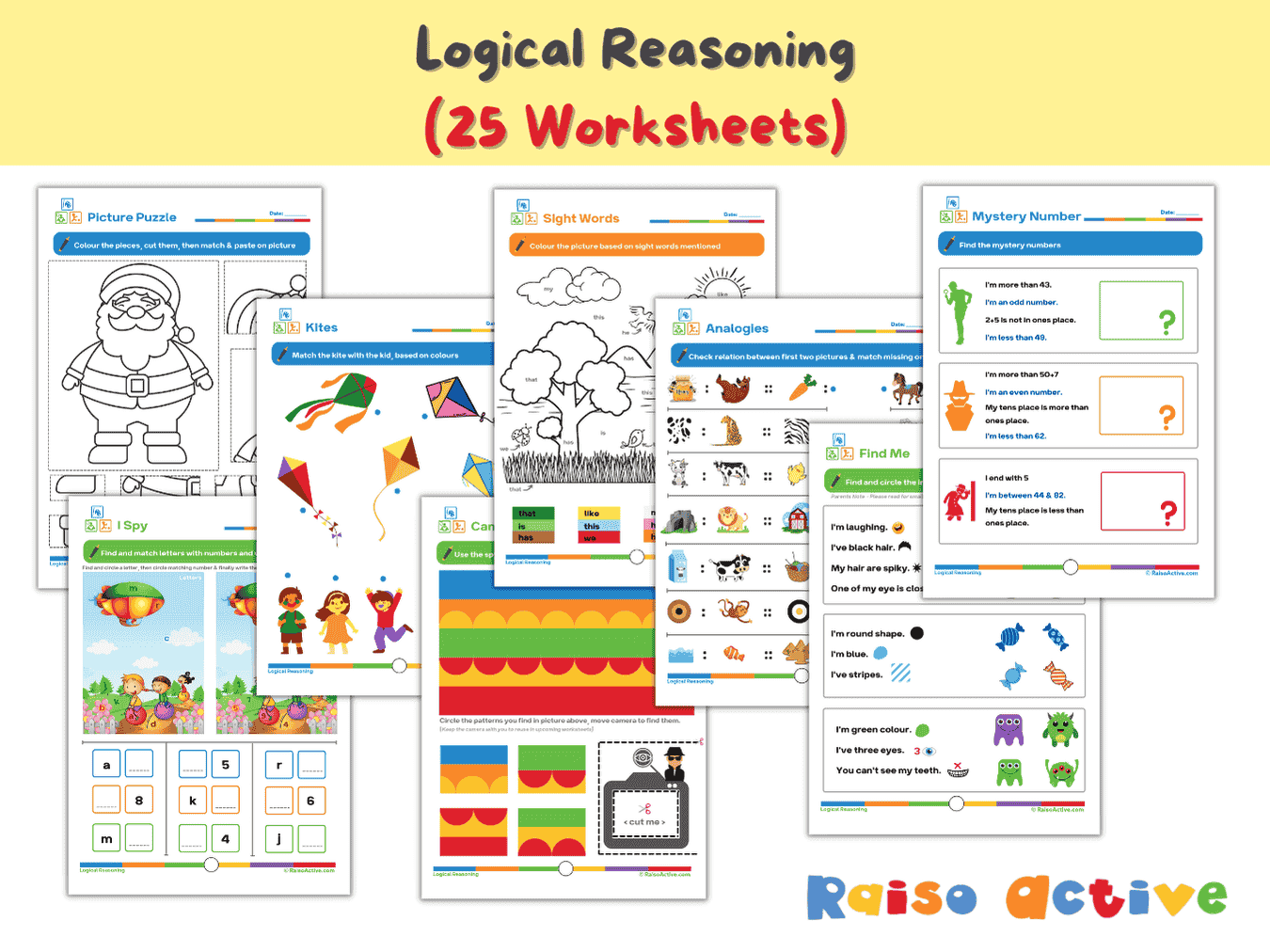
Logical Reasoning Activity Book for Preschool & Kindergarten | Patterns, Puzzles & Analogies
Ages 4-7 · Pre-K–Grade 1Ages 4-7 · Reception–Year 2Ages 4-7 · LKG–Class 1Ages 4-7 · 26 pages
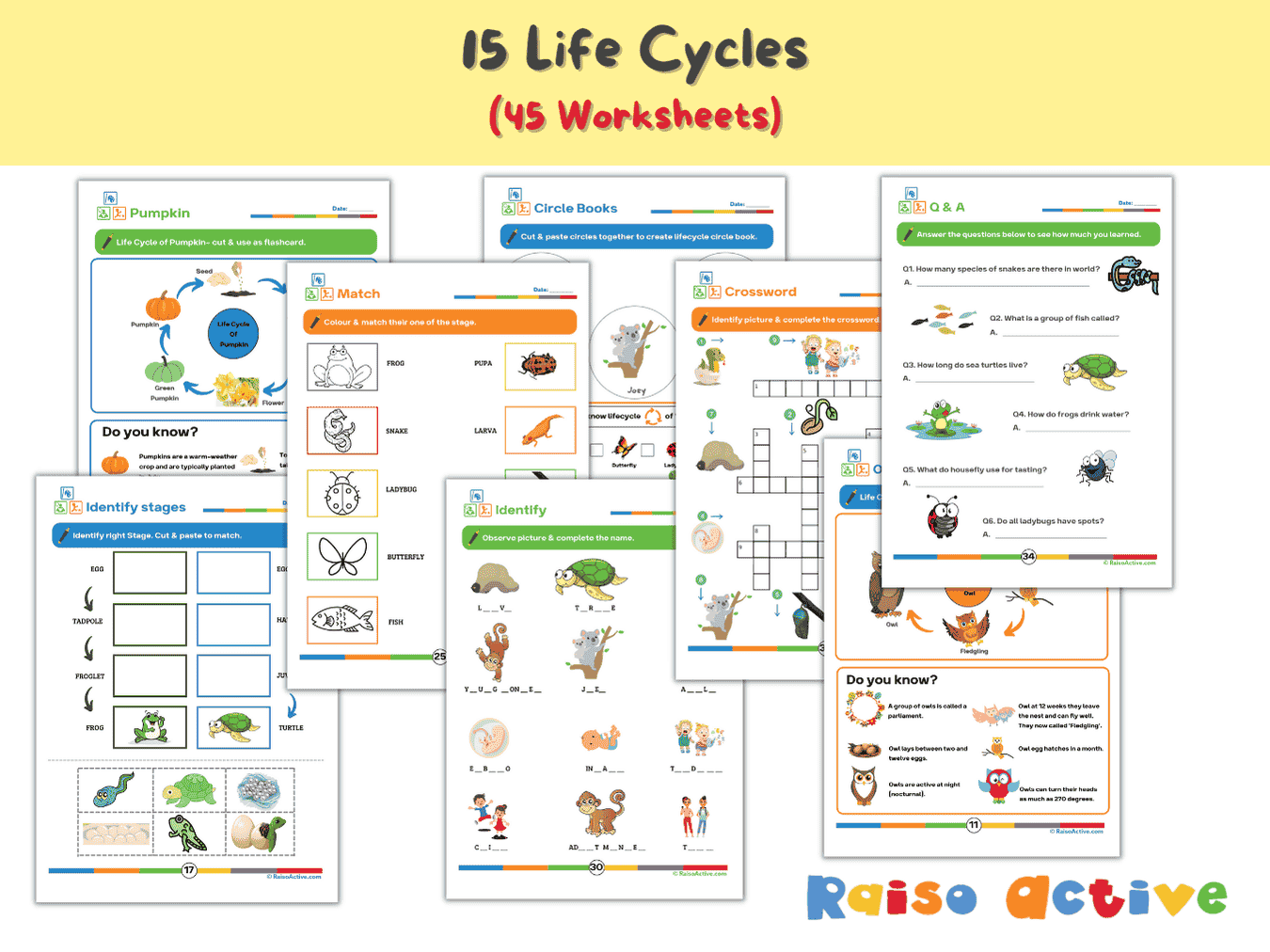
Lifecycles Activity Book & Flashcards for Preschool & Early Elementary
Ages 3-8 · Preschool–Grade 2Ages 3-8 · Nursery–Year 3Ages 3-8 · Nursery–Class 2Ages 3-8 · 46 pages
Related guides
View all on Science
Resources for Children with Multiple Disabilities: A Comprehensive Guide for Families
Discover essential resources for children with multiple disabilities. Therapies, inclusive learning, assistive technology, and printable activities for ages 1-8.
Understanding Standardized Testing in Early Childhood: A Parent's Guide to Assessment Balance
Learn how standardised tests work in early childhood, when they help, when they harm, and how to balance formal assessment with observation-based learning.
Portfolio Assessment with Young Children: A Comprehensive Guide to Meaningful Documentation
Learn how portfolio assessment captures your child's growth through meaningful documentation. Practical tips, templates, and age-appropriate strategies for ages 1-8.
More activities like this
All activities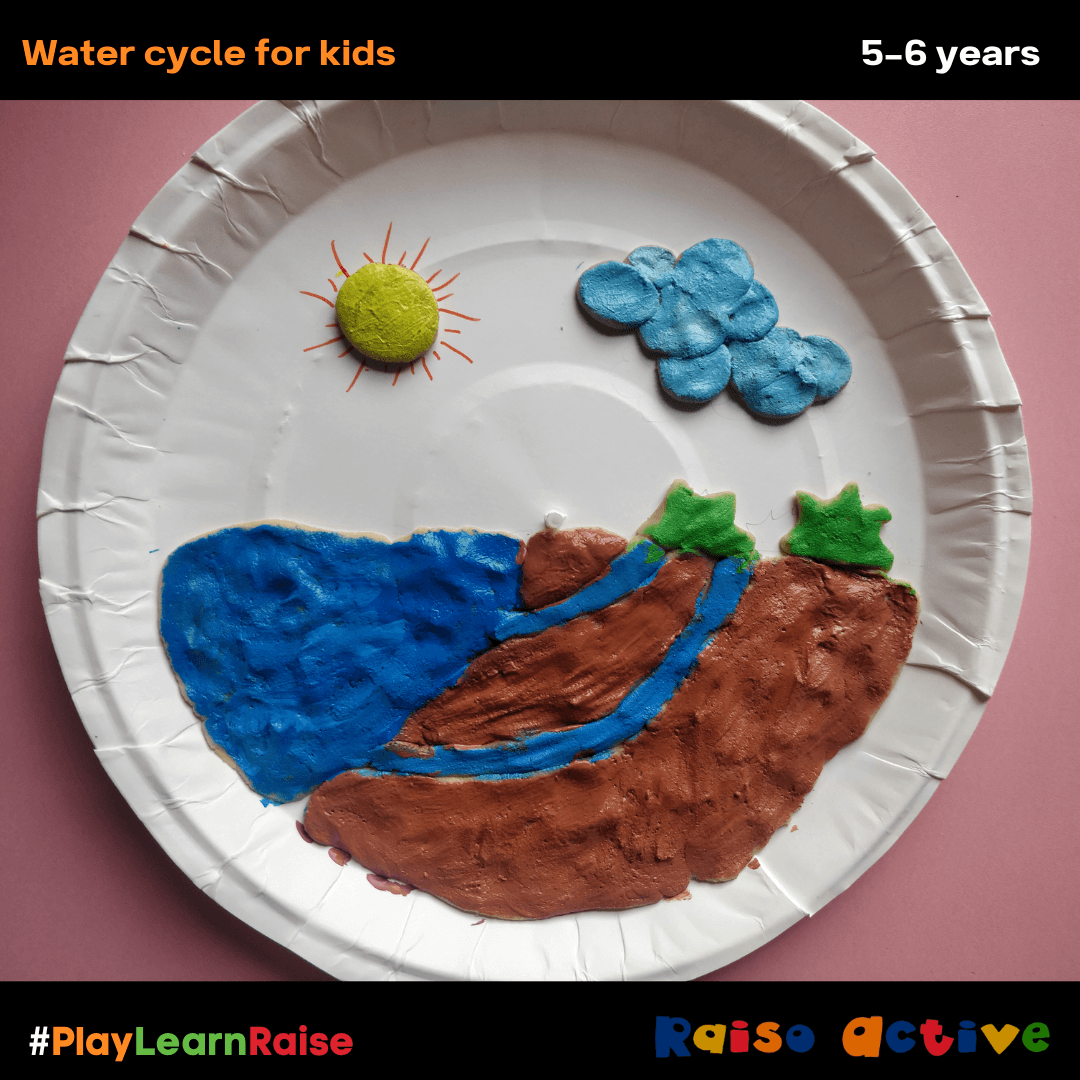 Has a video
Water Cycle Craft for Kids: Learn About Rain & Evaporation
Children will create a hands-on model of the water cycle using clay or play-doh on a paper plate. This engaging craft helps kids visualize and understand how water moves through evaporation, condensation, and precipitation.
What they'll learn:
Introduce the basic stages of the water cycle (evaporation, condensation, precipitation). +4 more
 Has a video
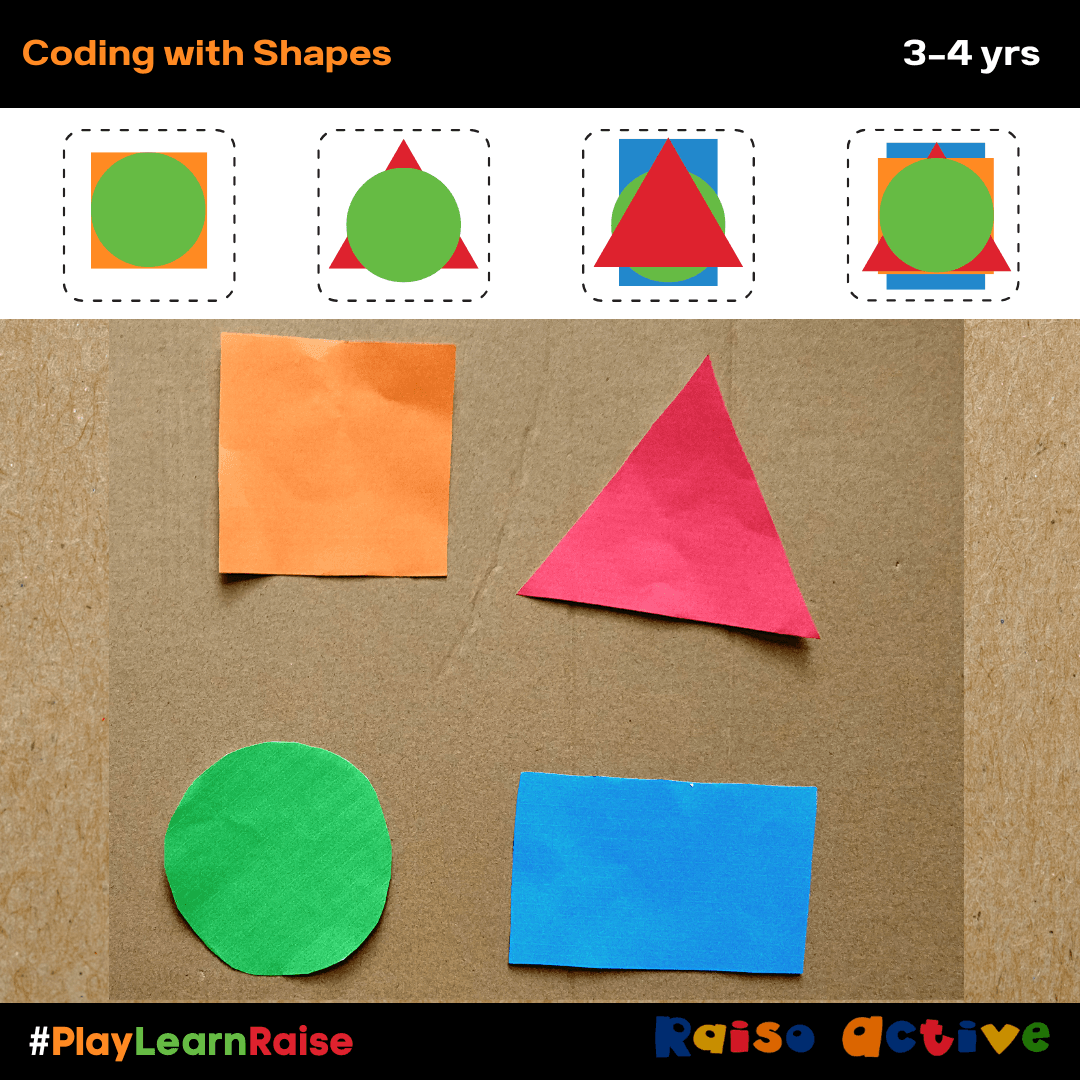
Coding Shapes Activity for Preschoolers | Pattern Matching Fun
Engage young learners with this hands-on coding shapes activity! Children will cut out colorful geometric shapes and arrange them to match given patterns, fostering early logic and fine motor skills. It's a fun way to introduce foundational coding concepts.
What they'll learn:
Identify and name basic 2D shapes (circle, square, triangle, rectangle). +4 more
 Has a video
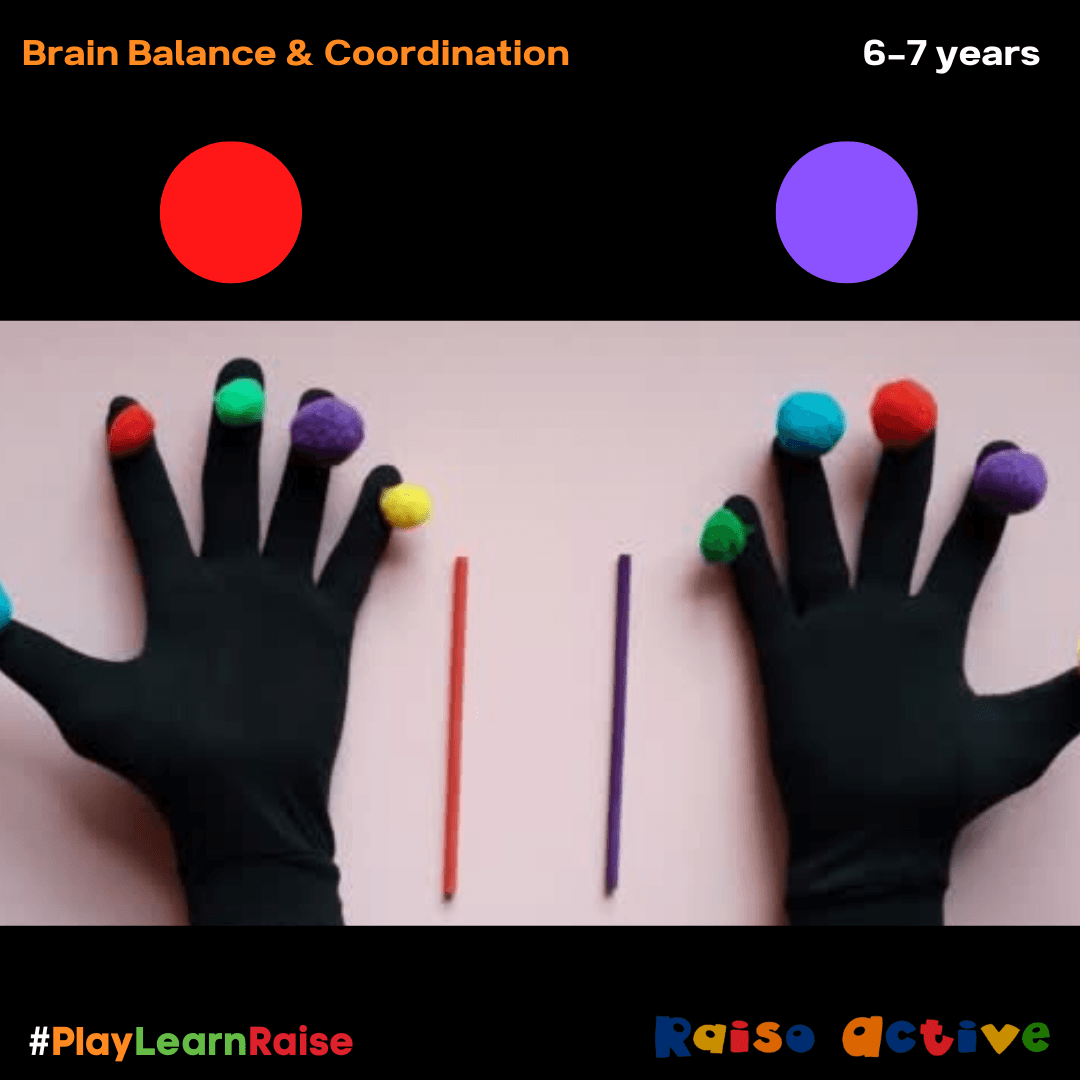
Brain Balance & Coordination Finger Game for Kids (Ages 6-7)
Engage your child in a fun brain-boosting activity designed to enhance balance and coordination. This engaging finger game helps children improve fine motor skills, focus, and bilateral coordination through playful movements.
What they'll learn:
Improve fine motor skills and finger dexterity. +4 more
 Has a video
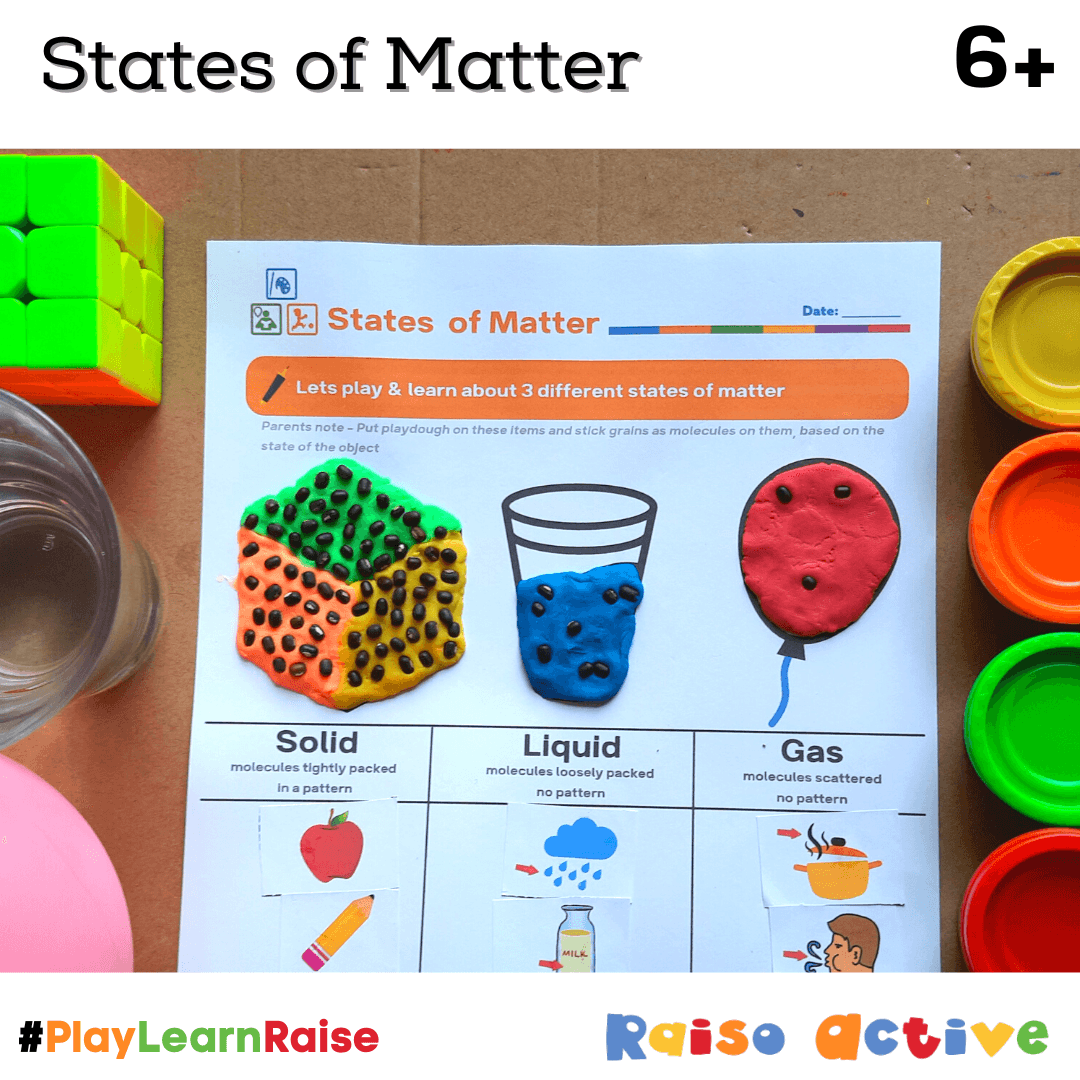
States of Matter STEM Activity: Solid, Liquid, Gas Exploration
Engage children with this hands-on STEM activity where they will use playdough and small grains to model and understand the molecular structures of solids, liquids, and gases. Kids will also classify everyday objects based on their state of matter.
What they'll learn:
Identify and differentiate between the three main states of matter: solid, liquid, and gas. +4 more