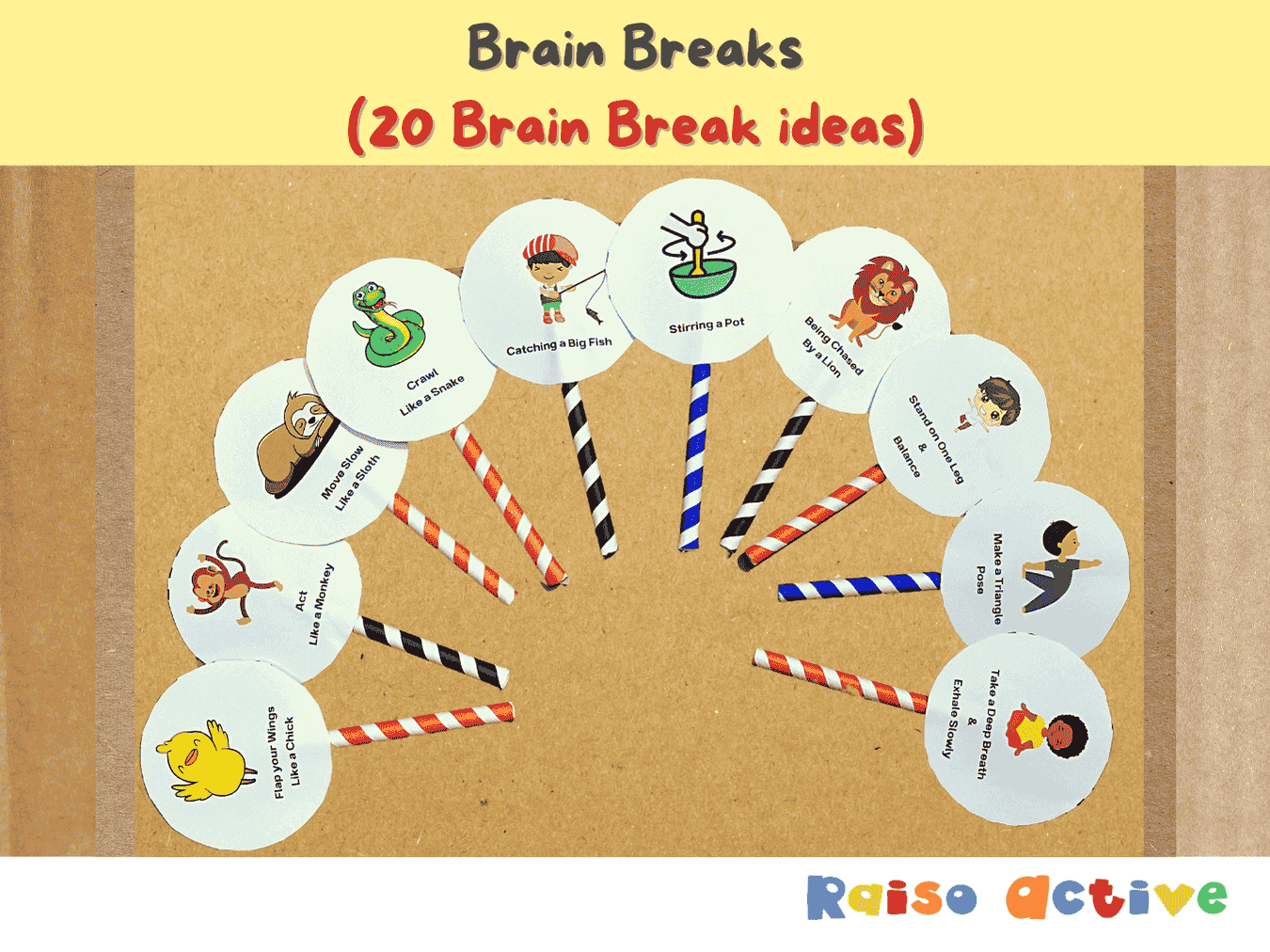

Gross Motor Movement & Imaginative Play Flashcards for Toddlers & Preschoolers
Ages 2-5 · Preschool–Pre-KAges 2-5 · Nursery–ReceptionAges 2-5 · Nursery–LKGAges 2-5 · 5 pages
Topic
Ages 2-5 · Preschool–Pre-KAges 2-5 · Nursery–ReceptionAges 2-5 · Nursery–LKGAges 2-5 · 5 pages
Ages 3-6 · Preschool–KindergartenAges 3-6 · Nursery–Year 1Ages 3-6 · Nursery–UKGAges 3-6 · 17 pages
Ages 3-6 · Preschool–KindergartenAges 3-6 · Nursery–Year 1Ages 3-6 · Nursery–UKGAges 3-6 · 16 pages
Discover fun, age-appropriate problem-solving activities for children ages 1-8. Build critical thinking, logic, and reasoning skills through play-based learning.
Learn how to blend creativity with structured learning for children ages 1-8. Practical strategies, activities, and printable worksheets for parents and teachers.
Discover proven critical thinking activities for young children. Age-wise logic games, questioning techniques, and hands-on ideas to build thinking skills at home.
Discover 15+ unplugged and screen-based coding activities for preschoolers that build sequencing, logic, and problem-solving skills through play. NEP 2020 aligned.
Help your child ages 3-8 build digital literacy with age-appropriate computer skills: mouse, keyboard, safe internet, and top apps for Indian families.
Explore nature-based learning activities for children ages 2–7 — leaf rubbings, bug hunts, nature journals, and seasonal Indian outdoor ideas that spark wonder.
Practical cultural awareness activities for young children aged 2-8. Explore Indian festivals, world cultures, food, music, and crafts to teach diversity and inclusion.
Learn how to strategically balance free and paid educational resources for your child. Save money while ensuring quality learning with this practical Indian parent guide.
Learn to tell educational activities from busy work for young children. Discover what makes learning meaningful, how to evaluate worksheets, and how to transform rote tasks into rich experiences.
Learn what separates high-quality educational worksheets from poor busy work. Discover design principles, red flags, and how to evaluate free worksheets online for your child aged 1-8.
Discover fun, research-backed activities to develop pencil grip in young children. Age-wise exercises, play ideas, and expert tips for parents and teachers.
Is your child refusing to learn or losing interest? Discover why reluctant learners disengage and proven strategies to rekindle their love of learning at home.
Discover how to recognise giftedness in young children and provide meaningful challenges at home without burnout. Practical strategies for Indian parents.
Learn how much free play vs structured learning young children need by age, signs of over-scheduling, and practical tips for Indian parents to design a balanced day.
Discover how to identify your child's learning style preferences and plan visual, auditory, kinesthetic, and reading activities. Practical tips for Indian parents.
Discover heat-safe outdoor activities, monsoon science experiments, and summer holiday learning plans for young children in India. Prevent summer slide with fun ideas for ages 1-8.
Discover Christmas and winter activities that combine festive fun with real learning. Crafts, counting, literacy, and printable worksheets for ages 2 to 8 — perfect for home and school.
Discover how to create engaging themed learning units for young children that integrate literacy, maths, science, and art — with practical examples and free worksheets.
Discover fun, age-appropriate Halloween learning activities for young children. Spooky crafts, counting games, literacy ideas, and printable worksheets for ages 2 to 8.
Discover how musical activities accelerate brain development, phonics, maths, and emotional regulation in children ages 1–8. Practical tips for Indian homes and classrooms.
Practical ideas to teach social studies to kids ages 2-8: community helpers, Indian states, maps, festivals, and cultural diversity through play-based learning.
Discover 10+ easy science experiments for preschoolers using Indian household items. Spark curiosity in children ages 2-6 with safe, play-based STEM activities.
Creative, sensory-friendly alternatives to traditional worksheets for children with tactile defensiveness, proprioceptive seeking, and auditory sensitivity. Indian context included.
Discover hands-on, movement-based learning activities that genuinely work for children with ADHD. Practical tips for Indian parents and educators, ages 1-8.
Discover where to find printable worksheets that pair with popular YouTube channels like Numberblocks, ChuChu TV, and Blippi. Make screen time count for ages 1–8.
WHO and AAP guidelines explained for Indian parents — how much screen time is safe for educational apps at every age, plus how to make it actually count.
Learn how to create a balanced learning schedule for your preschooler that combines structured activities with free play — with sample daily timetables and practical tips.
Discover practical Montessori activities for 3-4 year olds — practical life, sensorial, language, and maths — with Indian kitchen adaptations and budget shelf ideas.
Discover Charlotte Mason activities for young children — nature study, living books, narration, short lessons, and handicrafts. Practical ideas with Indian context included.
Worksheets or hands-on play? Explore the research, the Indian education reality, and how to strike the perfect balance for your child's early learning.
Discover practical, research-backed alternatives when your 5-year-old refuses worksheets. Hands-on activities, sensory play, and movement-based learning that build the same skills.
Discover how to pair Jack Hartmann YouTube videos with printable worksheets for deeper learning. Counting, alphabet, sight words activities for preschool to Grade 1.
Is your child unable to sit still for learning? Discover the developmental science behind why movement IS learning, plus practical strategies for active kids aged 1–8.
Discover when worksheets help preschoolers and when they hinder learning. Research-backed advice on age-appropriate worksheets, play-based learning, and balanced approaches for ages 3-6.
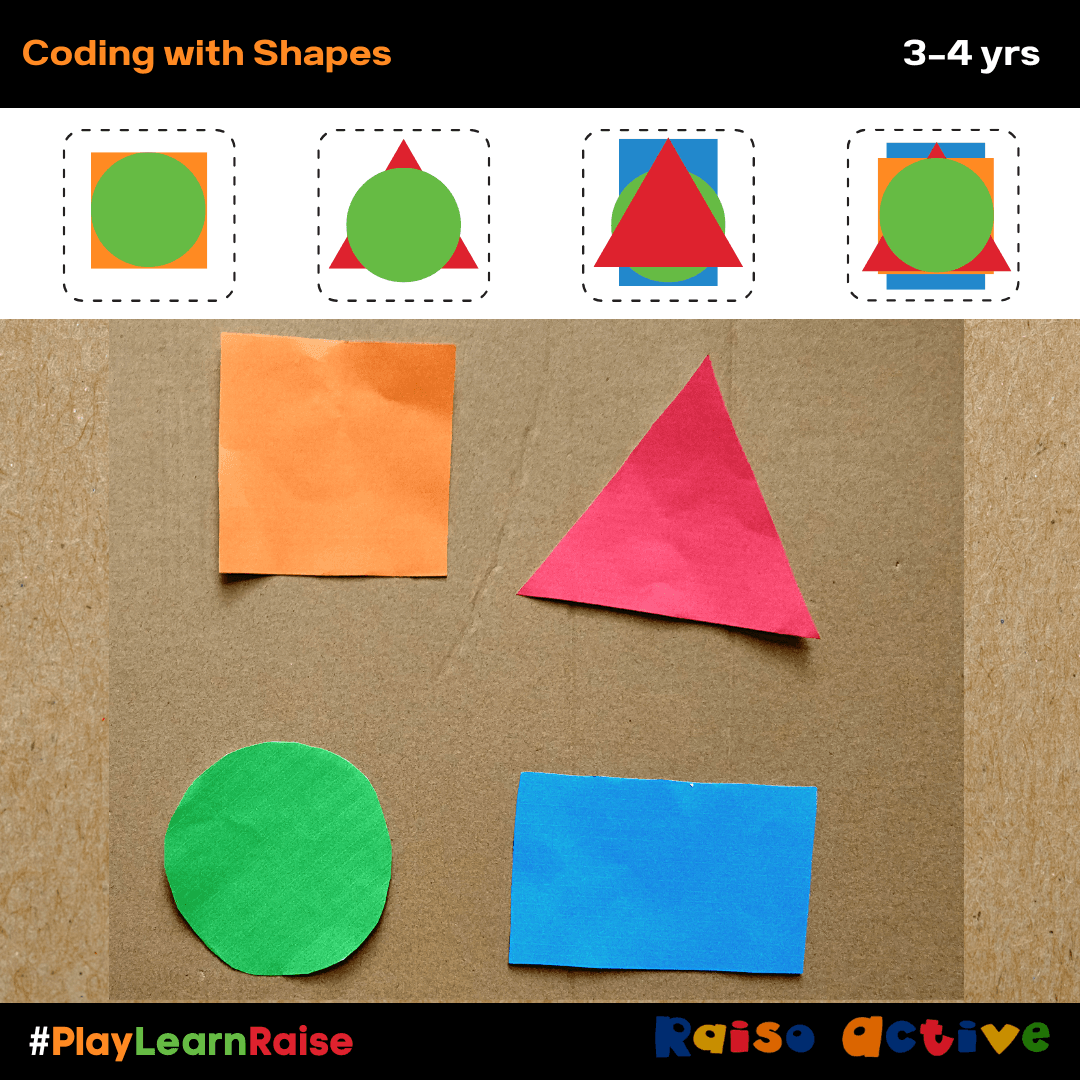
Engage young learners with this hands-on coding shapes activity! Children will cut out colorful geometric shapes and arrange them to match given patterns, fostering early logic and fine motor skills. It's a fun way to introduce foundational coding concepts.
What they'll learn:
Identify and name basic 2D shapes (circle, square, triangle, rectangle). +4 more
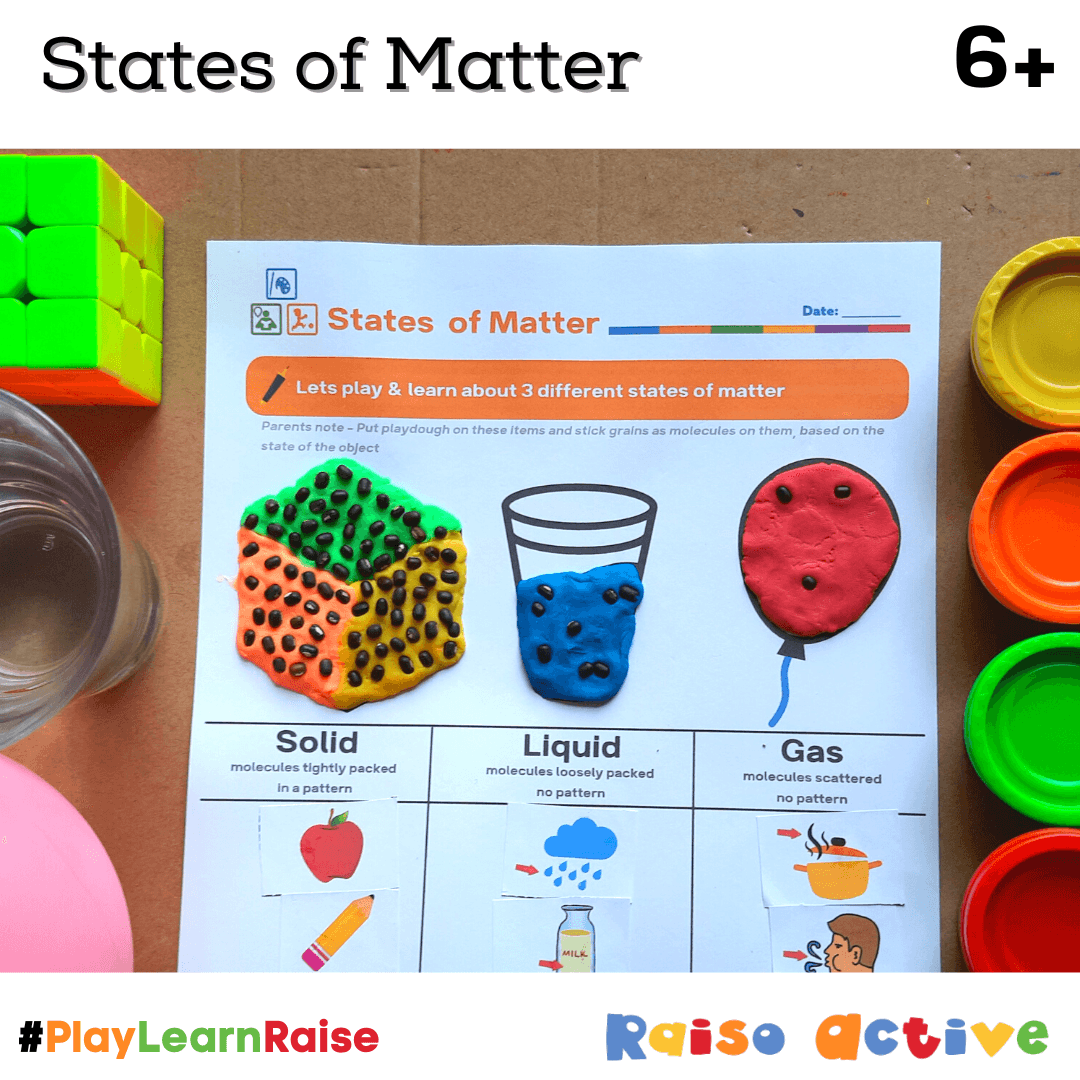
Engage children with this hands-on STEM activity where they will use playdough and small grains to model and understand the molecular structures of solids, liquids, and gases. Kids will also classify everyday objects based on their state of matter.
What they'll learn:
Identify and differentiate between the three main states of matter: solid, liquid, and gas. +4 more
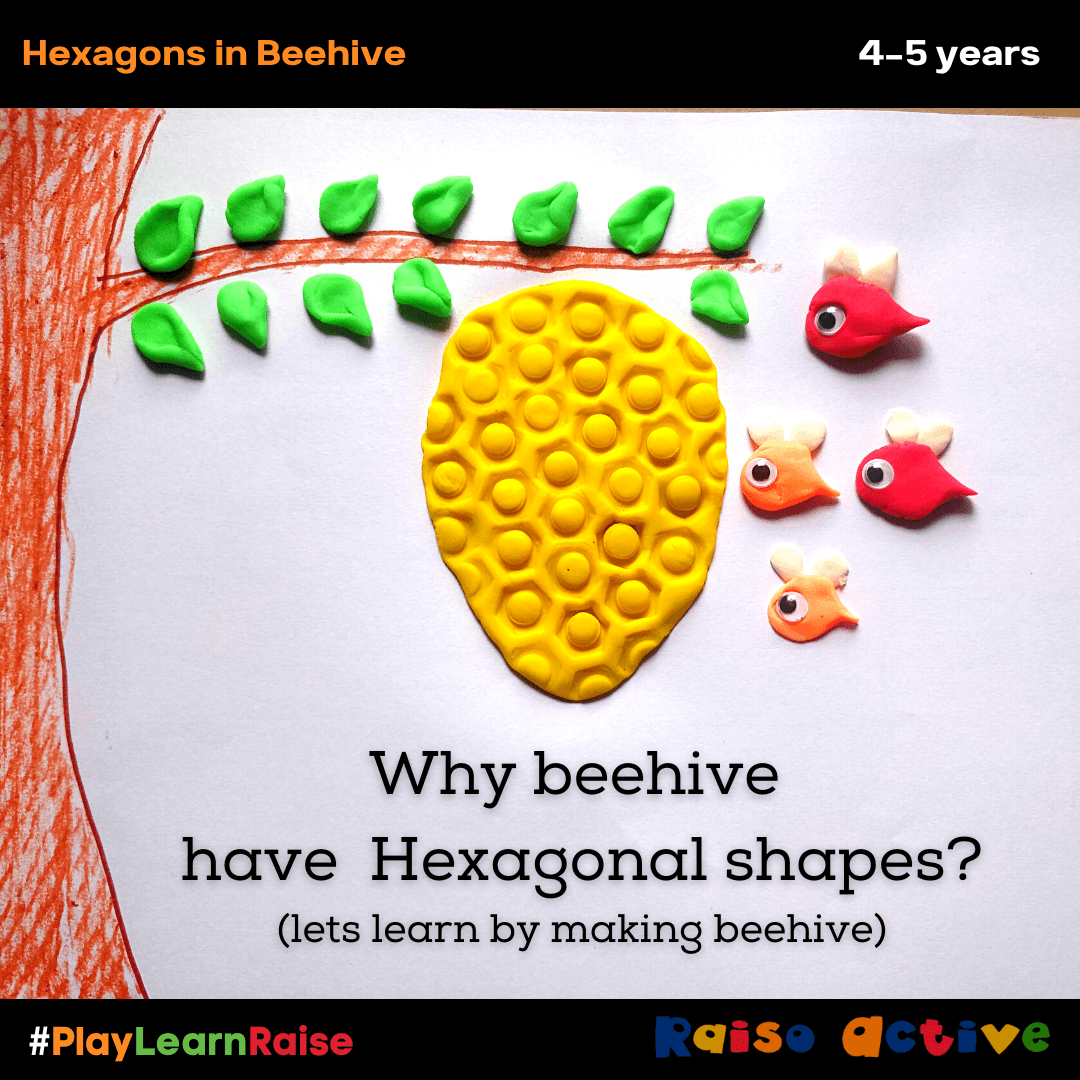
Children will create a vibrant play-doh beehive with hexagonal cells and adorable bees. This hands-on craft activity introduces kids to the unique shape of hexagons and explores why bees build their homes this way, fostering early math and science concepts.
What they'll learn:
Identify and recognize hexagonal shapes. +4 more
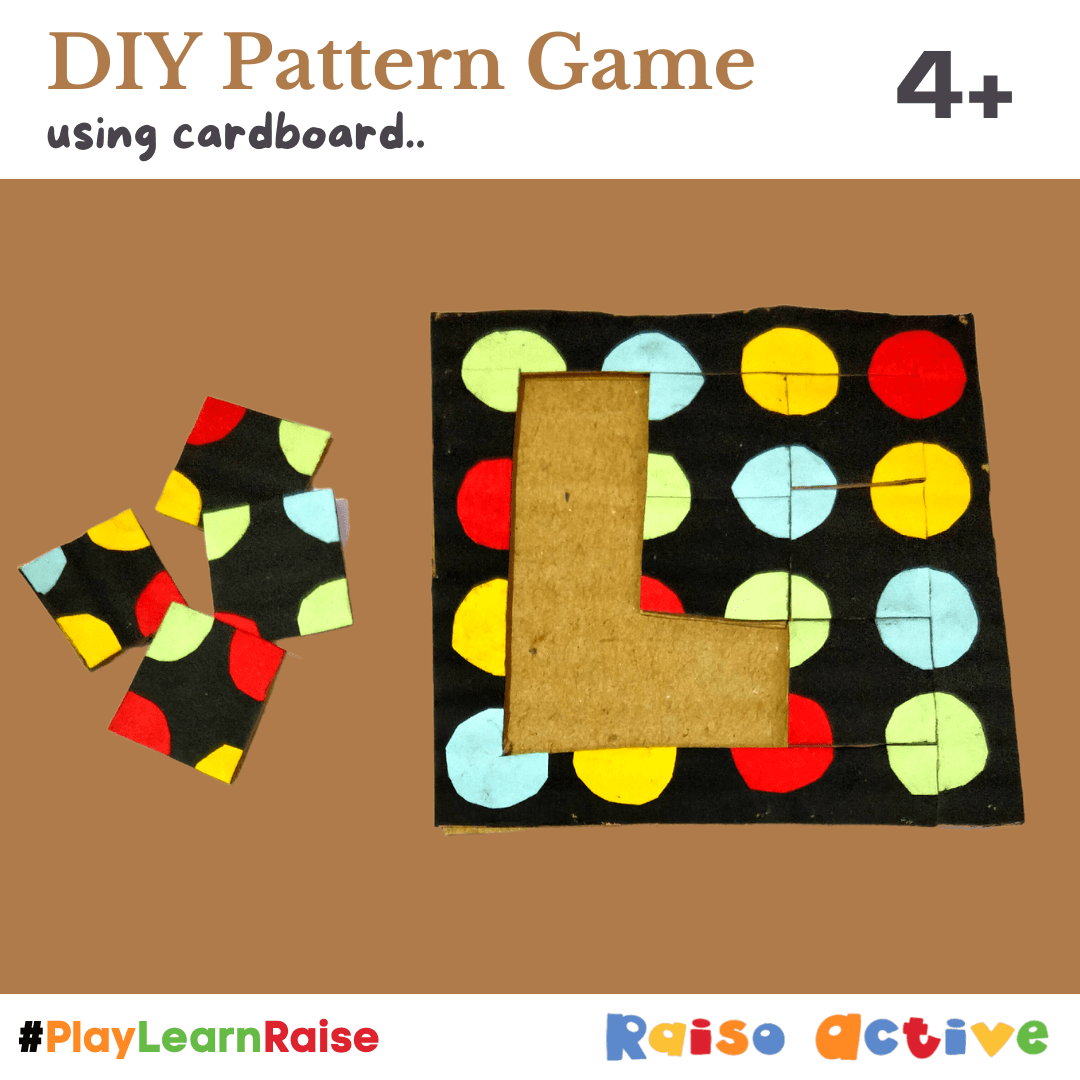
Children will create and play a homemade pattern matching puzzle using cardboard. This engaging activity enhances visual discrimination, fine motor skills, and pattern recognition, perfect for early learners.
What they'll learn:
Develop visual discrimination skills by matching patterns and colors. +4 more
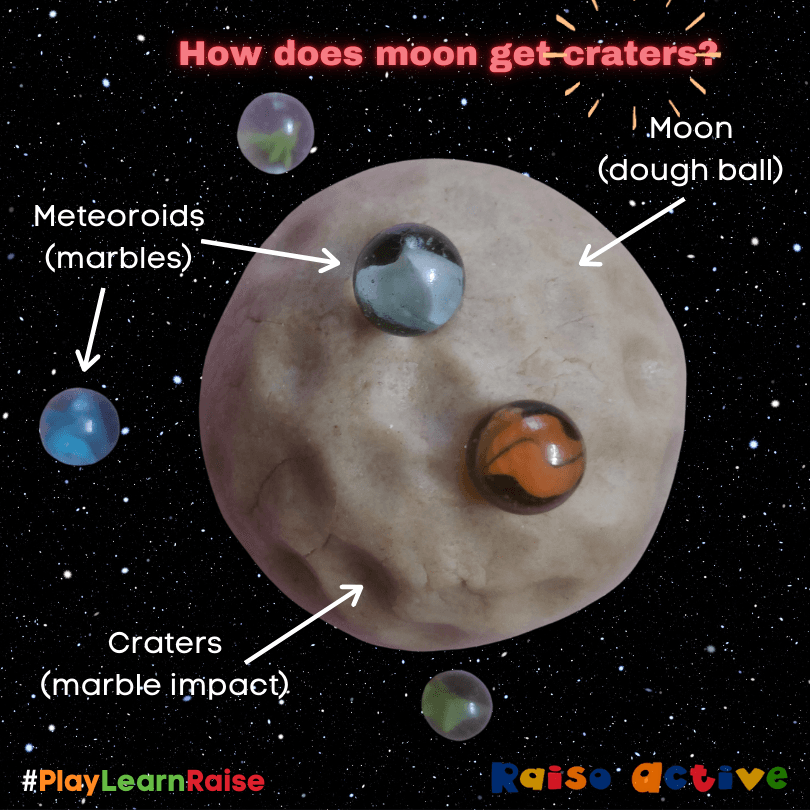
Discover how the moon gets its craters with this engaging STEM activity! Children will use dough and marbles to simulate meteoroid impacts, creating their own lunar landscape and understanding a key astronomical phenomenon.
What they'll learn:
Understand how craters form on celestial bodies like the moon. +3 more