Montessori Activities for 3-4 Year Olds: A Complete Guide to Purposeful Learning
Author
RaisoActive - Kids Activities and Fun Learning
Published
Updated
Reading Time
20 min read

- Montessori for 3-4 year olds focuses on independence, self-correction, and hands-on learning that children direct themselves
- Practical life activities like pouring, spooning, and folding can all be done with ordinary Indian kitchen items at zero extra cost
- Sensorial activities using dupattas, spice jars, and texture baskets sharpen every sense and build concentration
- A budget Montessori shelf at home needs no expensive imports — repurposed trays, steel bowls, and wooden toys work beautifully
- The 3-period lesson is a simple 3-step method that introduces new vocabulary in a way children remember effortlessly
Why Montessori Works So Well for 3-4 Year Olds
There is a particular magic in watching a three-year-old concentrate. Give a child this age a tray with a small jug of water and two containers, and they will pour and re-pour, intensely focused, for far longer than any adult would predict. This is not just play — it is the Montessori phenomenon of the sensitive period for order and refinement of movement, a window in child development when the brain is literally wired to practise precise, purposeful actions with deep satisfaction.
Maria Montessori, an Italian physician and educator who developed her method in the early 1900s through direct observation of children, recognised that 3-4 year olds are in the most intensive phase of their sensitive periods — for order, for language, for small object manipulation, and for social skills. Her approach doesn't fight children's natural tendencies but works with them, giving children the exact kinds of activities their developing brains are hungry for. The result, as thousands of parents and teachers have discovered, is a child who is calm, focused, capable, and deeply proud of their own achievements.
For Indian families, the Montessori philosophy is especially well-suited. Our culture already values independence in daily life — children in most Indian households are expected to help with simple tasks, eat by themselves, and take responsibility for their belongings at a young age. Montessori simply makes these cultural values explicit and creates a thoughtful structure around them. Best of all, the materials can be sourced almost entirely from your own kitchen and home.
Want Montessori activity ideas in your inbox?
Subscribe for weekly Montessori-inspired activities, printable tracing cards, and shelf ideas — all thoughtfully adapted for Indian homes.
The Four Core Montessori Principles (and What They Mean at Home)
Before diving into activities, it helps to understand the four principles that underpin everything in a Montessori environment. These principles are not abstract theory — they translate into very specific choices you make every day as a parent.
Independence means allowing the child to do things for themselves, even when it is slower or messier than doing it for them. When a 3-year-old spills water while pouring, the Montessori instinct is not to take over — it is to hand the child a small cloth and say, "Let us mop it up together." Independence is built through real responsibility, not through protection from challenge. Self-correction means activities are designed so the child can see their own error without being told. If a shape does not fit into its socket, the child can see it immediately and try again — no adult critique needed. This builds an internal standard of quality rather than dependence on external validation. Hands-on learning means the child's hands are always engaged. Abstract concepts — quantity, shape, texture, sequence — are first understood through the body before they are understood by the mind. And child-led means the child chooses their work from the shelf, decides how long to spend on it, and repeats it as many times as they wish. The adult's role is to prepare the environment, give a brief introduction, and then step back.
Practical Life Activities: The Heart of Montessori at 3-4
Practical life is the cornerstone of the Montessori 3-4 curriculum, and for good reason. These are real tasks from daily life — pouring, spooning, sorting, folding, washing — that children find deeply meaningful precisely because they are real. There is no need to pretend the activity matters; it genuinely does. A child who learns to pour their own water has a real skill. A child who folds a small cloth has contributed to the household. This sense of genuine contribution is profoundly motivating.
The best part for Indian parents is that practical life materials are already in your kitchen. You do not need to order anything online. A small steel jug and two katoris for pouring practice. A tray of dried rajma and chana with two spoons and two bowls for spooning and transfer. A basket of your child's small handkerchiefs for folding practice. A damp cloth for table-wiping. A small broom for sweeping. These everyday objects become Montessori materials the moment you present them with intentionality — slowly, precisely, without unnecessary words, inviting the child to try.
A few practical life activities that work especially well for Indian 3-4 year olds: pouring dry materials (uncooked rice from one small bowl to another), pouring water (between matching steel cups), spooning (scooping dried pulses from a tray into sorted containers), transferring with tongs (moving small pompoms or chickpeas from one bowl to another), sponge squeezing (pressing a wet sponge into a bowl — endlessly satisfying), folding small dupattas or muslin squares (start with a single fold, progress to quarters), and polishing (buffing a metal bowl or a small pair of shoes with a soft cloth). Each of these builds hand strength, hand-eye coordination, concentration, and the satisfaction of a task completed.
- Always present activities on a tray — this defines the work space and makes clean-up predictable and independent
- Use child-sized real tools: a small steel jug instead of a plastic toy, a real sponge rather than a toy one. Children sense the difference
- Start with dry materials before wet — pouring rice before pouring water, so spills are easy to manage
- Demonstrate silently and slowly, exaggerating each careful movement. Less explanation, more showing
- Put the activity away neatly before introducing the next one — this models the cycle of work: choose, complete, restore
Sensorial Activities: Learning Through Every Sense
Montessori sensorial materials are designed to isolate a single quality — colour, texture, sound, weight, temperature — so the child can focus on perceiving it precisely. The classic Montessori sensorial materials (pink tower, broad stair, colour tablets) are beautiful and effective, but perfectly equivalent experiences can be created with Indian household items.
Colour sorting with dupattas or fabric scraps is a wonderful sensorial activity for this age. Collect scraps of fabric in primary and secondary colours — even a few dupattas in red, yellow, blue, green, orange, and violet will do. Fold them into squares and arrange them in a basket. The child's task is to sort by colour into separate small bowls or containers. As the child gains confidence, introduce lighter and darker shades of the same colour for a more refined discrimination. Texture baskets are equally rich: gather small swatches of silk, cotton, jute, velvet, rough stone, smooth wood, sandpaper, and soft fleece. Blindfolded matching — finding two pieces that feel identical — builds extraordinary tactile sensitivity. Sound cylinders can be made from identical small plastic containers (old vitamin bottles work well) filled with different quantities of rice, dal, or small pebbles. The child shakes them and matches pairs by sound. This auditory discrimination activity is deeply absorbing for 3-4 year olds.
For visual discrimination, try a spice matching tray: place small sealed containers with familiar Indian spices — jeera, dhaniya, haldi, elaichi — alongside photograph cards or duplicates, and invite the child to match by sight and smell. For size discrimination, nesting steel katoris (the graduated sets sold at any utensil shop) are a perfect natural Montessori material. The child nestles them from largest to smallest, which mirrors the Montessori pink tower exercise.
- Grain sorting tray: mix rajma, moong, and chana in a shallow thali. The child sorts them into three small bowls using fingers or tweezers — excellent for fine motor development
- Temperature discrimination: fill two small steel glasses with slightly warm and cool water. Ask the child to identify which is warmer. Extend to three temperatures
- Smell jars: small cloth sachets filled with familiar scents — rose petals, dried neem leaves, camphor, dried orange peel — for matching pairs of identical smells
- Weight comparison: use small cloth bags filled with rice to make a simple balance. Which is heavier — one bag or two? Children are fascinated by fairness of weight
Children aged 0-5 form neural connections at a rate up to four times faster than at any other point in life, with sensory experiences being a primary driver of this growth. Montessori sensorial activities are designed specifically to harness this developmental window — which is why the 3-4 age group responds so dramatically to well-designed sensorial materials.
Source: Centre on the Developing Child, Harvard University
Language Activities: From Sandpaper Letters to the Moveable Alphabet
Montessori language at 3-4 is not about drilling the alphabet song or filling in letter worksheets. It is about building a deep, multi-sensory relationship with the sounds and shapes of letters, so that when the child begins reading, the foundations are already firmly in place through hands and memory, not just eyes and ears.
The most iconic Montessori language material is sandpaper letters — wooden or cardboard letter shapes covered with fine sandpaper, one for each letter sound. The child traces the letter with two fingers while the adult says the sound (not the name — the sound: /m/, not 'em'). This triple association of visual, tactile, and auditory input creates a memory that is remarkably durable. You can make sandpaper letters at home easily: cut letter shapes from sandpaper and glue them to cardboard tiles. For Indian children learning Hindi, Devanagari sandpaper aksharas (syllable cards) work beautifully using the same principle — the strokes of the akshara are traced while its sound is spoken.
Once a child knows around 10-12 sounds through sandpaper letters, the moveable alphabet comes into play. This is a box of small letter tiles (one for each letter of the alphabet, in multiple copies) that the child uses to build words by ear — sounding out words and selecting the tiles that represent each sound. At 3-4, this typically begins with simple three-letter words (CVC words: cat, dog, mat) and the child places the tiles without needing to write them. The delight of seeing 'c-a-t' assembled from small tiles, representing a word the child knows, is a profound early literacy moment. You can make a moveable alphabet from small cardboard squares with letters written in marker — store them in a divided box or ice-cube tray.
Teach the letter's sound before its name — this is the single most important shift in Montessori literacy.
Children learn to read by decoding sounds, not reciting letter names. Teaching /b/ (the sound) before 'bee' (the name) means every letter the child learns immediately has a functional reading use. Letter names can come later — they are easy to add once sounds are established.
Maths Activities: Counting Beads, Number Rods, and the Golden Bead Concept
Montessori maths at 3-4 begins with quantity — the child handles physical objects that represent numbers, building an embodied understanding of mathematical concepts long before abstract symbols are introduced. This is in stark contrast to the common approach of having children memorise number sequences or fill in sums before they have any feel for what those numbers mean.
Counting beads and number rods are the first maths materials. Number rods are ten wooden rods of increasing length, painted in alternating red and blue sections — one section for 1, two sections for 2, and so on to 10. The child can see and feel that 5 is exactly half of 10, that 3 and 2 together equal 5. At home, you can create a version using craft sticks bundled with rubber bands, or by marking lengths on a wooden dowel with red and blue paint. Spindle boxes — slots in a wooden box labelled 0 through 9, into which the child places the correct number of loose wooden sticks — reinforce the same quantity-to-symbol relationship. Use unsharpened pencils or rolled pieces of paper as your spindles.
The golden bead concept introduces place value through a brilliant tactile system: a single bead represents 1, a bar of 10 beads represents 10, a flat square of 100 beads represents 100, and a large cube of 1,000 beads represents 1,000. Children aged 3-4 typically work only with units and tens bars, but they handle the materials repeatedly, feeling the difference in weight between one bead and a ten-bar, building an intuitive understanding that will support their maths learning for years. At home, you can use individual rajma beans for units, bundles of 10 rajma beans tied with a rubber band for tens, and a larger container of 100 beans for hundreds. The physical handling does the teaching — the adult's role is mainly to name the quantities correctly and let the child work.
Never introduce the written numeral before the child has handled the corresponding quantity many times.
The numeral '7' is just a symbol. It only carries meaning once the child has repeatedly counted out 7 objects, built a rod of 7, and compared 7 to 6 and 8. Rushing to numerals without this embodied foundation creates children who can recite numbers but don't truly understand them.
- Use dried rajma, chana, or tamarind seeds as counting objects — they have satisfying weight and texture that plastic tokens lack
- Thread beads on a cord using seeds with holes (like large pepper seeds or melon seeds) for a simple counting necklace
- Number cards can be written on thick cardboard — pair each card with a small tray that holds the matching quantity of objects
- For the decimal system, a small steel katori = 1, a row of 10 katoris = 10, and a square arrangement of 100 small objects = 100. Let the child build these and carry them around
Creating a Montessori Shelf at Home on an Indian Budget
One of the biggest myths about Montessori is that it requires expensive imported materials. A basic set of Montessori materials from specialist retailers can run into tens of thousands of rupees. But the philosophy itself has no such requirement — Maria Montessori developed her method in a classroom for the children of Rome's poorest families, using whatever she could find. The principle is thoughtful preparation of the environment, not a specific brand of wooden toy.
A Montessori shelf at home needs four things: low and accessible (the child can reach everything independently), ordered (each activity has a defined place, presented neatly on a tray), limited (6-8 activities at a time, not a cluttered toy chest), and rotated (swap out activities every 2-3 weeks to maintain interest). A low wooden bookshelf, a lightweight bamboo shelf, or even a row of wooden crates arranged horizontally all work perfectly. IKEA's KALLAX shelving, available in India through third-party sellers, is a popular choice — but a carpenter-made low shelf in local wood costs far less and works equally well.
Building Your First Montessori Shelf: A 7-Step Plan
Choose a low, stable shelf at child height
The shelf should have at least 2-3 horizontal surfaces the child can reach without stretching. A shelf where the top surface is at the child's shoulder height works well. Repurpose an old bookshelf by adjusting the shelves, or ask a local carpenter to make a simple open unit from plywood — often under ₹1,500.
Gather trays and containers from your kitchen
Steel thalis, shallow plastic trays, small wooden boards, and wicker baskets all make excellent Montessori trays. Each tray holds one complete activity — all the pieces the child needs, arranged attractively. A tray signals: 'This is one unit of work.'
Prepare 6-8 activities covering different areas
Aim for 2 practical life trays, 1-2 sensorial activities, 1 language activity, and 1 maths activity to start. Keep it simple. Fewer, well-prepared activities are far more effective than a shelf overflowing with options.
Introduce each activity with a slow, silent demonstration
Before placing an activity on the shelf, sit with your child and demonstrate it without explanation. Show each movement deliberately — pick up the jug, position it over the bowl, tilt slowly, watch the flow. Then invite: 'Would you like to try?' Give no further instruction. Let the child explore.
Establish the work cycle from the start
The work cycle is: choose the tray, carry it to the work mat, complete the activity, restore it to its original condition, return it to the shelf. Model this every time you demonstrate. Even a 3-year-old can learn this cycle within a week if it is consistently modelled.
Observe before intervening
Your most important role is to watch. If the child is concentrating — even if they are doing the activity 'wrong' by your assessment — do not interrupt. Concentration is the goal. If the child is truly stuck and frustrated, offer the briefest possible gesture or word, then step back again.
Rotate activities every 2-3 weeks
When you notice a child repeating an activity without focus, or ignoring it entirely, it is time to swap it for something fresh. Put the old activity away in a box, rest it for a month, then bring it back. Children often return to rested materials with renewed enthusiasm and greater skill.
Research from the University of Virginia comparing Montessori and conventional classrooms found that children in Montessori programmes showed significantly higher levels of sustained attention and self-regulation — skills that are built specifically through the Montessori work cycle of choose, complete, and restore.
Source: Lillard & Else-Quest, 2006, Science
- +Child selects their own work from the shelf
- +Adult demonstrates once, then steps back
- +Materials are self-correcting — child sees own errors
- +Repetition is welcomed and encouraged
- +Mixed materials from real life (steel bowls, seeds, fabric)
- +Concentration is the primary goal, not task completion
- +Introduce symbol only after quantity is embodied
- -Adult assigns the task and the duration
- -Adult corrects the child verbally when errors occur
- -Adult tells the child when they are right or wrong
- -Moving on quickly to the next concept is prioritised
- -Plastic toys or printed worksheets for the same concepts
- -Task completion and correct answers are the primary goal
- -Numerals and letters introduced early, quantity follows later
The 3-Period Lesson: The Simplest Way to Teach New Vocabulary
The 3-period lesson is one of Montessori's most practical gifts to parents and educators. It is a three-step sequence for introducing any new concept — a colour name, a geometric shape, a number, a letter sound, a Hindi word — in a way that builds genuine understanding rather than rote repetition. It takes just 5-10 minutes and works beautifully with children as young as 2.5.
Period 1 — This is: Show the object or material and name it clearly. 'This is red.' (Hold up the red colour tablet.) 'This is blue.' (Hold up the blue one.) Nothing more — just the name paired with the object. Repeat calmly 2-3 times. Period 2 — Show me: The child demonstrates understanding without speaking. 'Show me red. Give me blue. Point to red.' This is the longest period — vary the requests, mix up the objects, and repeat many times. If the child makes an error, simply move on without correction ('Let us find the red one') and return to Period 1 before trying Period 2 again. Period 3 — What is this?: Only when the child is clearly comfortable in Period 2 do you ask them to name the object: 'What is this?' If they know it, they respond. If they hesitate, smile and return to Periods 1 and 2 — never push for the answer. Period 3 confirms knowledge; it does not build it.
If a child cannot answer in Period 3, it simply means more time in Periods 1 and 2 — never a failure.
The 3-period lesson is designed so that the child cannot 'fail' the first two periods because they are not required to speak. This removes performance anxiety entirely. Children learn at their own pace within the structure, and the adult always has a graceful response to any difficulty.
Common Myths About Montessori — Busted
Despite its growing popularity, several persistent myths prevent families from embracing Montessori at home. Let us address the most common ones directly.
Myth 1: Montessori means no structure. False — Montessori is highly structured, just not in the way most people expect. The materials are sequenced carefully from simple to complex. The environment is ordered and predictable. The work cycle has clear expectations. What Montessori removes is not structure but coercion — the child chooses their work within a well-prepared environment, rather than being told exactly what to do at every moment. Myth 2: Montessori children never learn to follow instructions. Also false. Practical life activities, the 3-period lesson, and care of the environment all require following clear steps. What changes is why children follow instructions — from fear of consequences to genuine interest and internal motivation. Myth 3: It only works in a proper Montessori school. Parents around the world implement Montessori principles at home with great success. You do not need a trained teacher or a certification — you need an understanding of the principles, a thoughtfully prepared environment, and the patience to observe and step back.
- It is not unschooling or free-for-all play — the environment is carefully prepared and activities are intentionally sequenced
- It is not only for gifted children — Montessori was originally developed for children with learning difficulties and later shown to work for all children
- It is not expensive — the philosophy values natural, beautiful, real materials, not branded plastic toys
- It is not anti-academic — Montessori children read, write, and compute at high levels because foundations are built correctly from the start
Bring Purposeful Learning Into Your Home
Get weekly Montessori activity ideas, free printable tracing and sorting cards, and budget shelf inspiration — all thoughtfully designed for Indian families with children aged 1-8.
Frequently Asked Questions About Montessori for 3-4 Year Olds
At what age should I introduce Montessori activities at home?
My child doesn't stay with one activity for long. Is something wrong?
Do I need to buy real Montessori materials or can I make them?
How do I handle it when my child mixes up or misuses the materials?
Can I do Montessori alongside regular school?
How is Montessori different from regular play-based learning?
Free worksheets for this topic
Browse all worksheets
Logical Reasoning Certificate of Achievement
Ages 4-7 · Pre-K–Grade 1Ages 4-7 · Reception–Year 2Ages 4-7 · LKG–Class 1Ages 4-7
A certificate to celebrate a child who has spotted patterns, cracked codes, solved mazes and thought things through. It has tick boxes for the Warm-up, Challenge and Expert levels completed.

Logical Reasoning Activity Pack Answer Key, Pages 17 to 31
Ages 4-7 · Pre-K–Grade 1Ages 4-7 · Reception–Year 2Ages 4-7 · LKG–Class 1Ages 4-7
Grown-ups can check the answers for pages 17 to 31 of the pack, including the sudoku, camera spy, mystery number, maze, sequencing, arrow coding, symmetry and sorting pages.

Logical Reasoning Activity Pack Answer Key, Pages 2 to 16
Ages 4-7 · Pre-K–Grade 1Ages 4-7 · Reception–Year 2Ages 4-7 · LKG–Class 1Ages 4-7
Grown-ups can check the answers for pages 2 to 16 of the pack, from the picture puzzle and secret words to patterns, honeycomb and analogies.

Logic Grid Puzzle for Kids: Sort by Two Rules
Ages 4-7 · Pre-K–Grade 1Ages 4-7 · Reception–Year 2Ages 4-7 · LKG–Class 1Ages 4-7
Children sort eight numbered objects by two rules at once (big or small, striped or plain) and then use clues in a simple logic grid to work out which child has which pet. This builds classification and deductive reasoning.

Written by
Hemsweta Jain · Teacher Cheena
MBA and Early Childhood Educator, teaching since 2014 · Founder of RaisoActive, Mumbai
Published · Last reviewed
Related posts
Age-Appropriate Problem-Solving Activities: Building Critical Thinkers from the Ground Up
Discover fun, age-appropriate problem-solving activities for children ages 1-8. Build critical thinking, logic, and reasoning skills through play-based learning.
How to Know if Activities Are Developmentally Appropriate: A Parent's Guide to Age-Appropriate Learning
Learn how to tell if a learning activity truly fits your child's developmental stage. Age-by-age guide, red flags, DAP principles, and practical tips for parents.

Critical Thinking Activities That Actually Work for Young Children: Building Tomorrow's Thinkers Today
Discover proven critical thinking activities for young children. Age-wise logic games, questioning techniques, and hands-on ideas to build thinking skills at home.
Related Resources
Printable Resources(10)
View all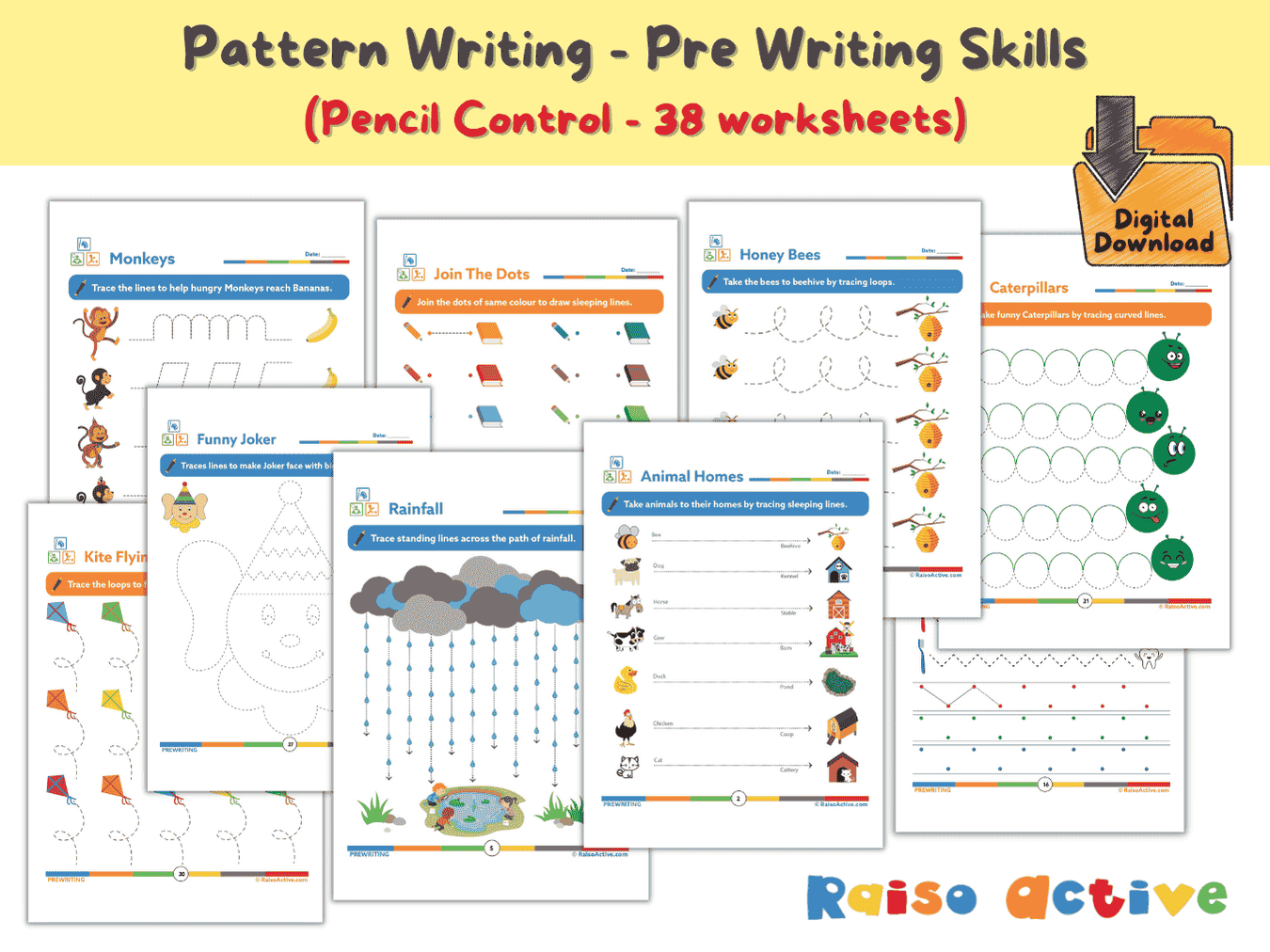

Pattern Writing Pre-writing Skills Activity Book for 3-4 Year Olds
Ages 3-4 · PreschoolAges 3-4 · NurseryAges 3-4 · 44 pages
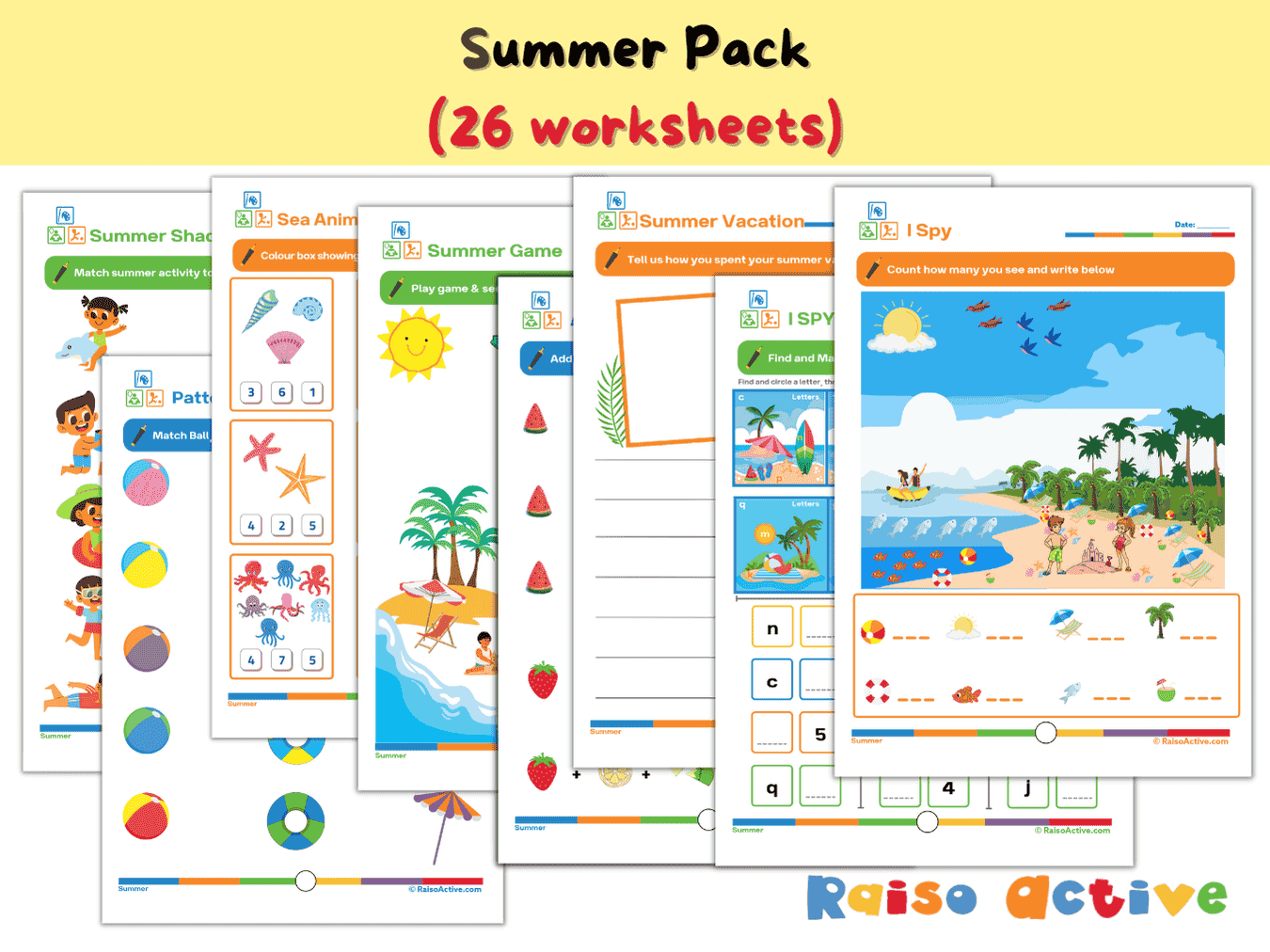

Summer Activity Pack: Math, Literacy, Puzzles & More for Preschool & Kindergarten
Ages 3-7 · Preschool–Grade 1Ages 3-7 · Nursery–Year 2Ages 3-7 · Nursery–Class 1Ages 3-7 · 26 pages
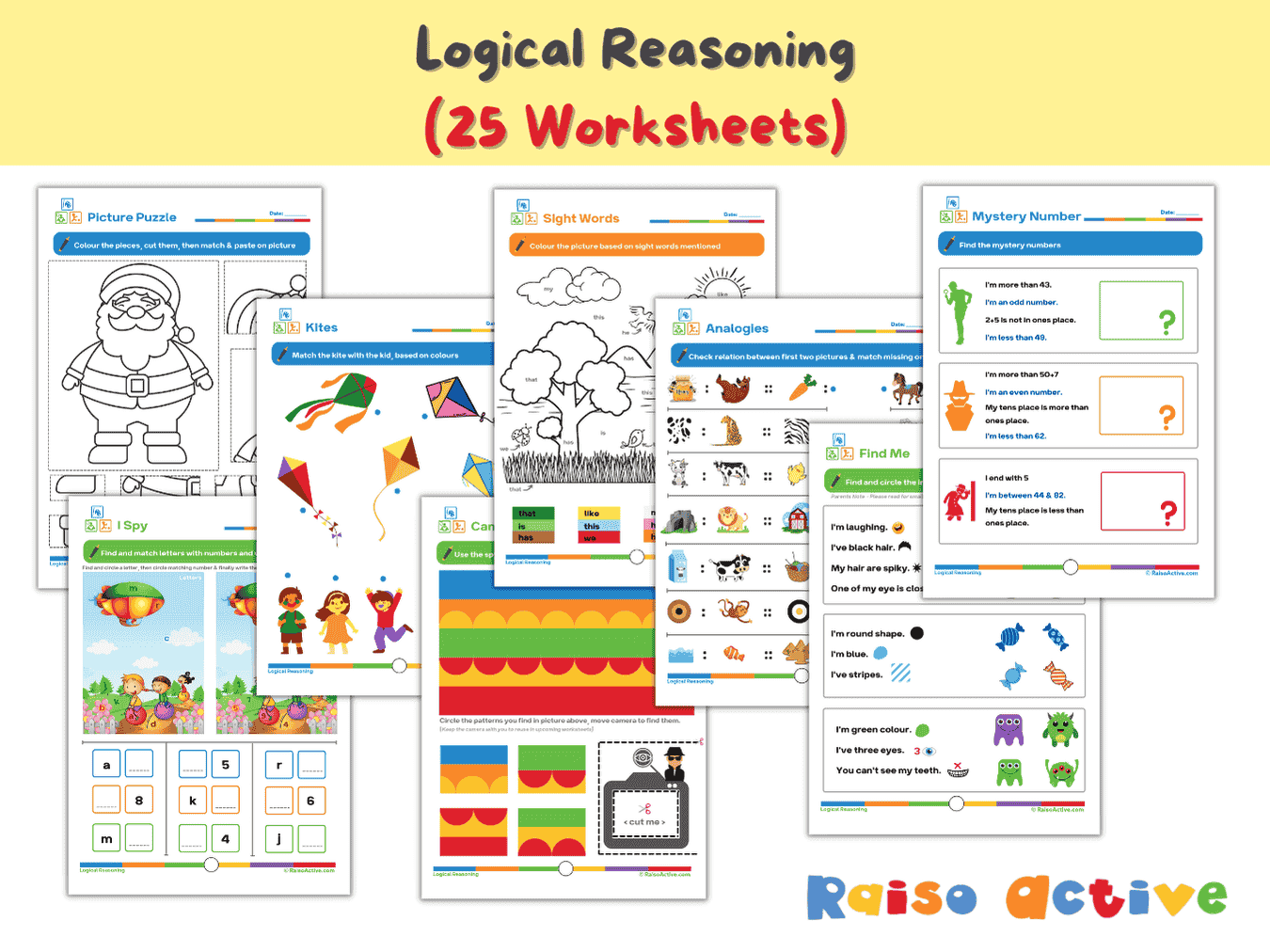

Logical Reasoning Activity Book for Preschool & Kindergarten | Patterns, Sudoku, Mazes & Coding
Ages 4-7 · Pre-K–Grade 1Ages 4-7 · Reception–Year 2Ages 4-7 · LKG–Class 1Ages 4-7 · 34 pages
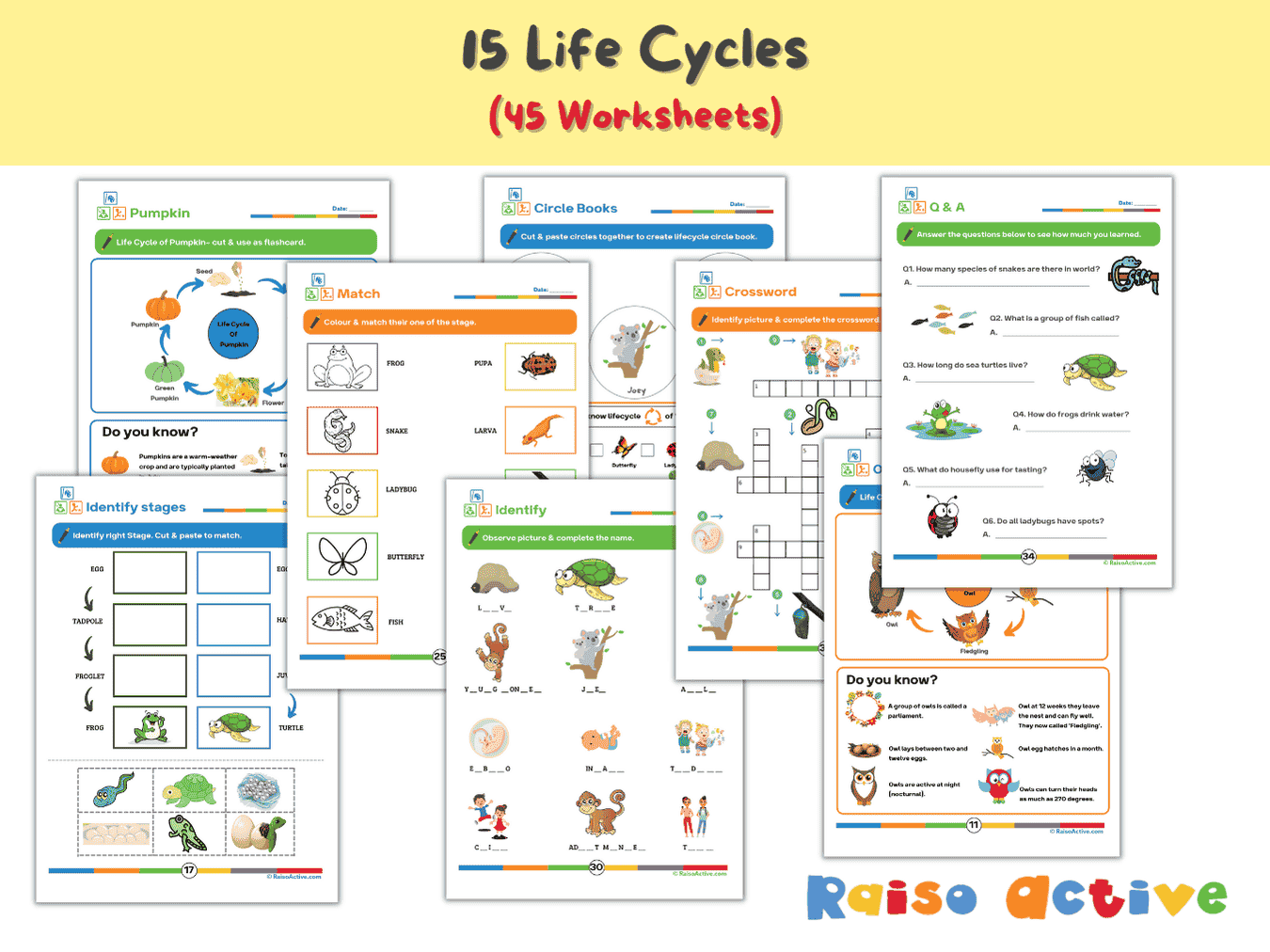

Lifecycles Activity Book & Flashcards for Preschool & Early Elementary
Ages 3-8 · Preschool–Grade 2Ages 3-8 · Nursery–Year 3Ages 3-8 · Nursery–Class 2Ages 3-8 · 46 pages
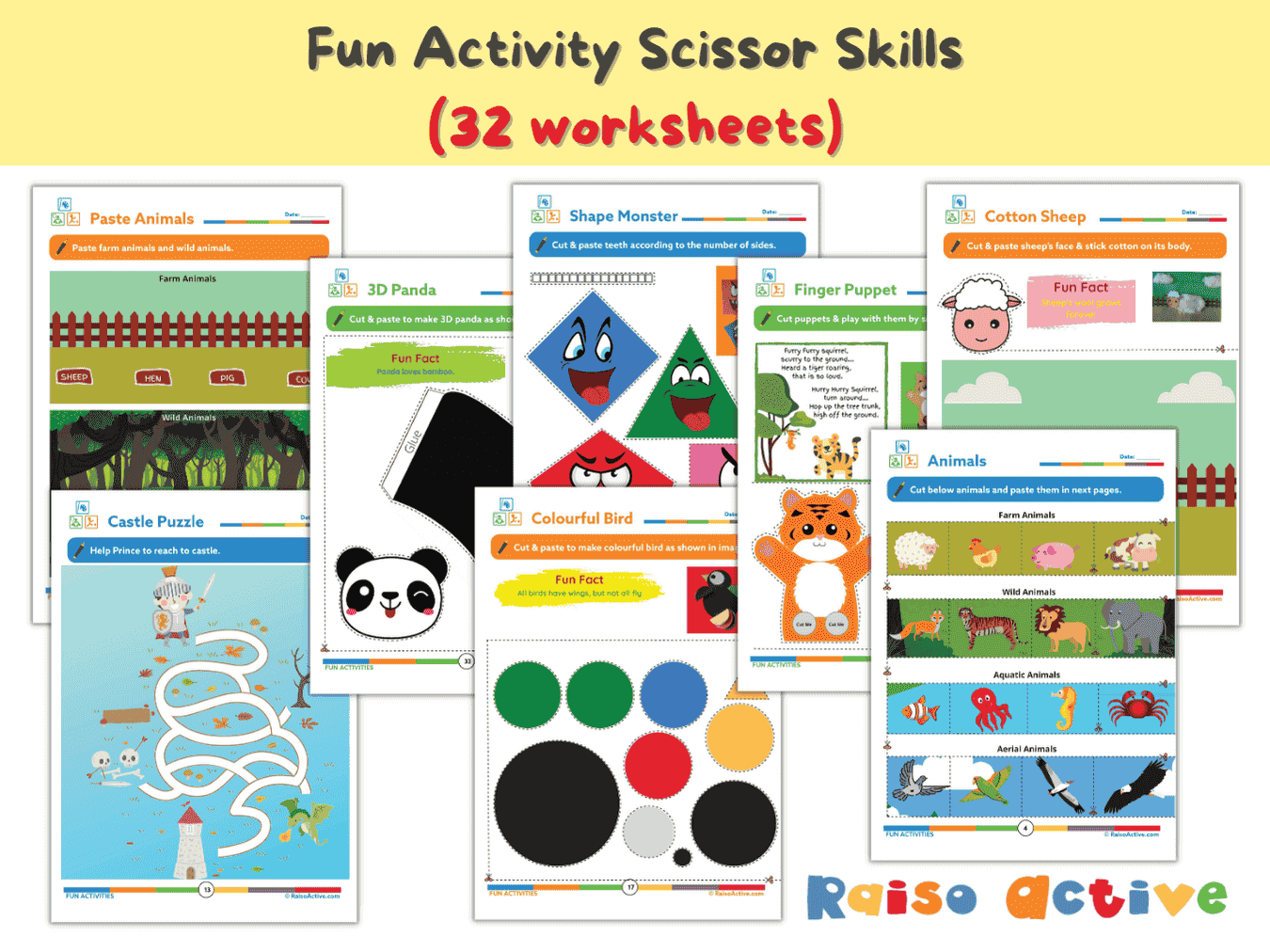
Preschool Scissor Skills Activity Book: Fine Motor & Craft Fun for Ages 3-6
Ages 3-6 · Preschool–KindergartenAges 3-6 · Nursery–Year 1Ages 3-6 · Nursery–UKGAges 3-6 · 35 pages
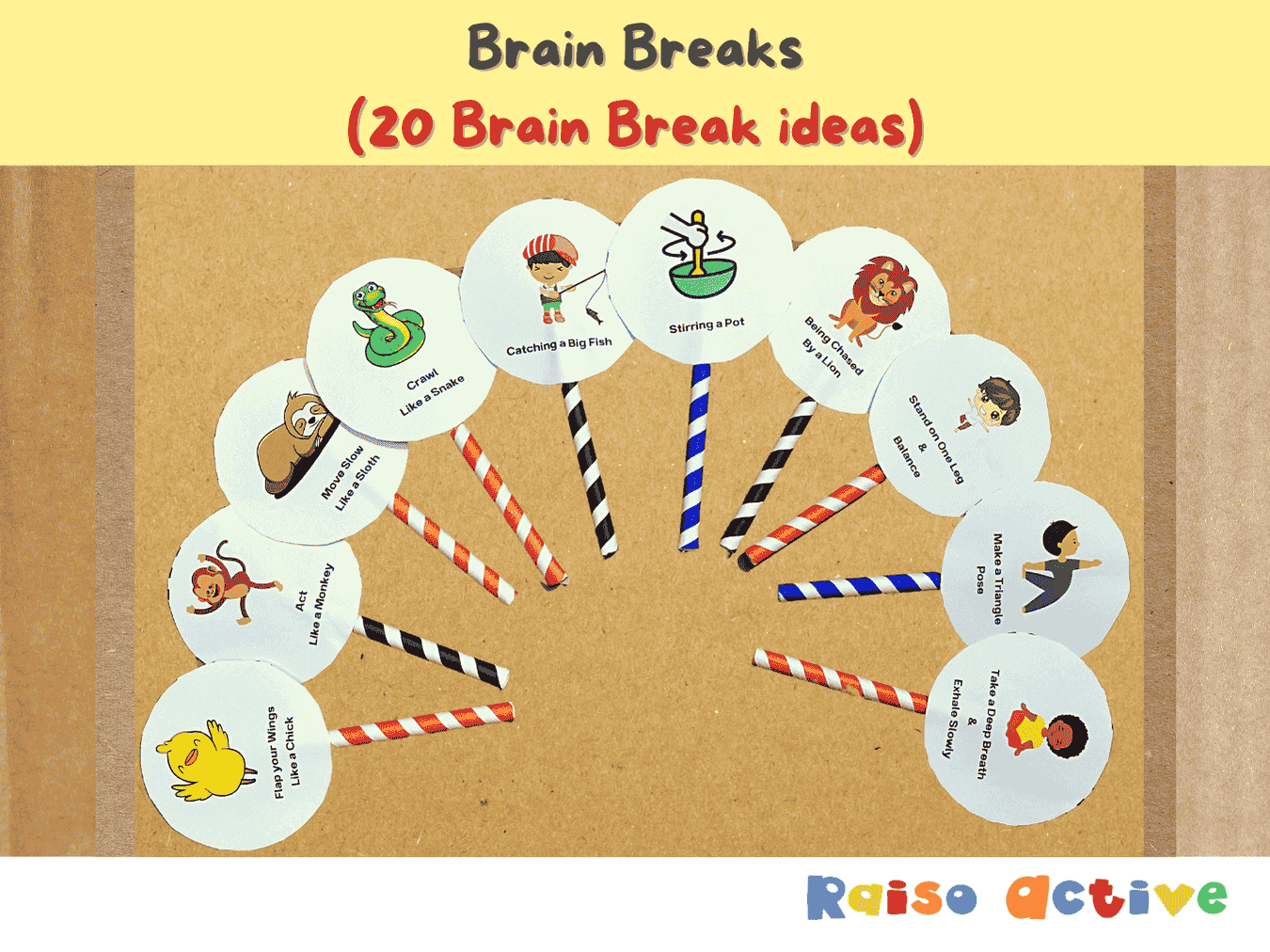
Gross Motor Movement & Imaginative Play Flashcards for Toddlers & Preschoolers
Ages 2-5 · Preschool–Pre-KAges 2-5 · Nursery–ReceptionAges 2-5 · Nursery–LKGAges 2-5 · 5 pages

India's Festivals & Cultural Diversity Activity Book for Kids 4-8
Ages 4-8 · Pre-K–Grade 2Ages 4-8 · Reception–Year 3Ages 4-8 · LKG–Class 2Ages 4-8 · 42 pages
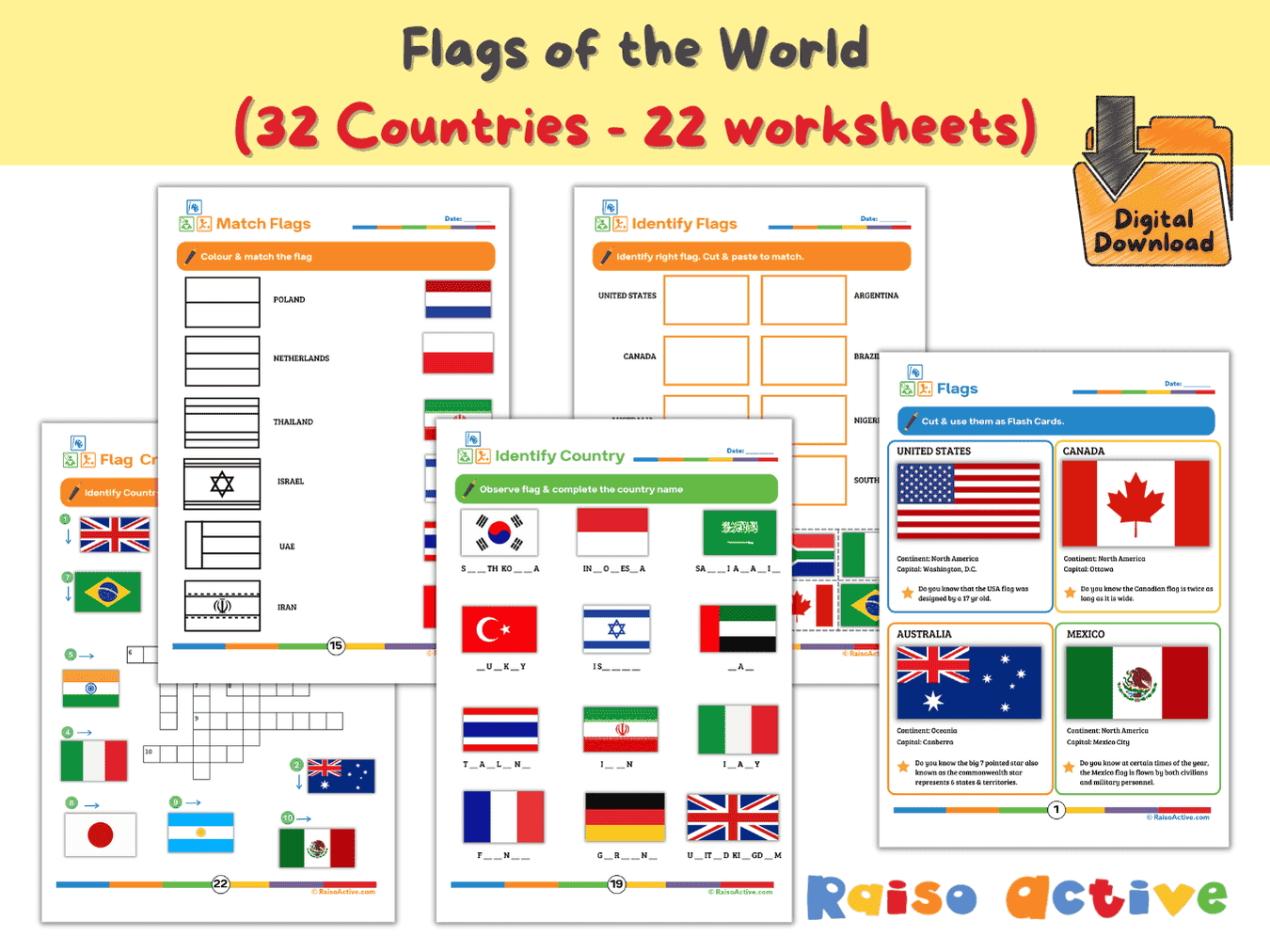
Flags of the World Activity Book & Flashcards for Kids (Ages 5-9)
Ages 5-8 · Kindergarten–Grade 2Ages 5-8 · Year 1–Year 3Ages 5-8 · UKG–Class 2Ages 5-8 · 23 pages
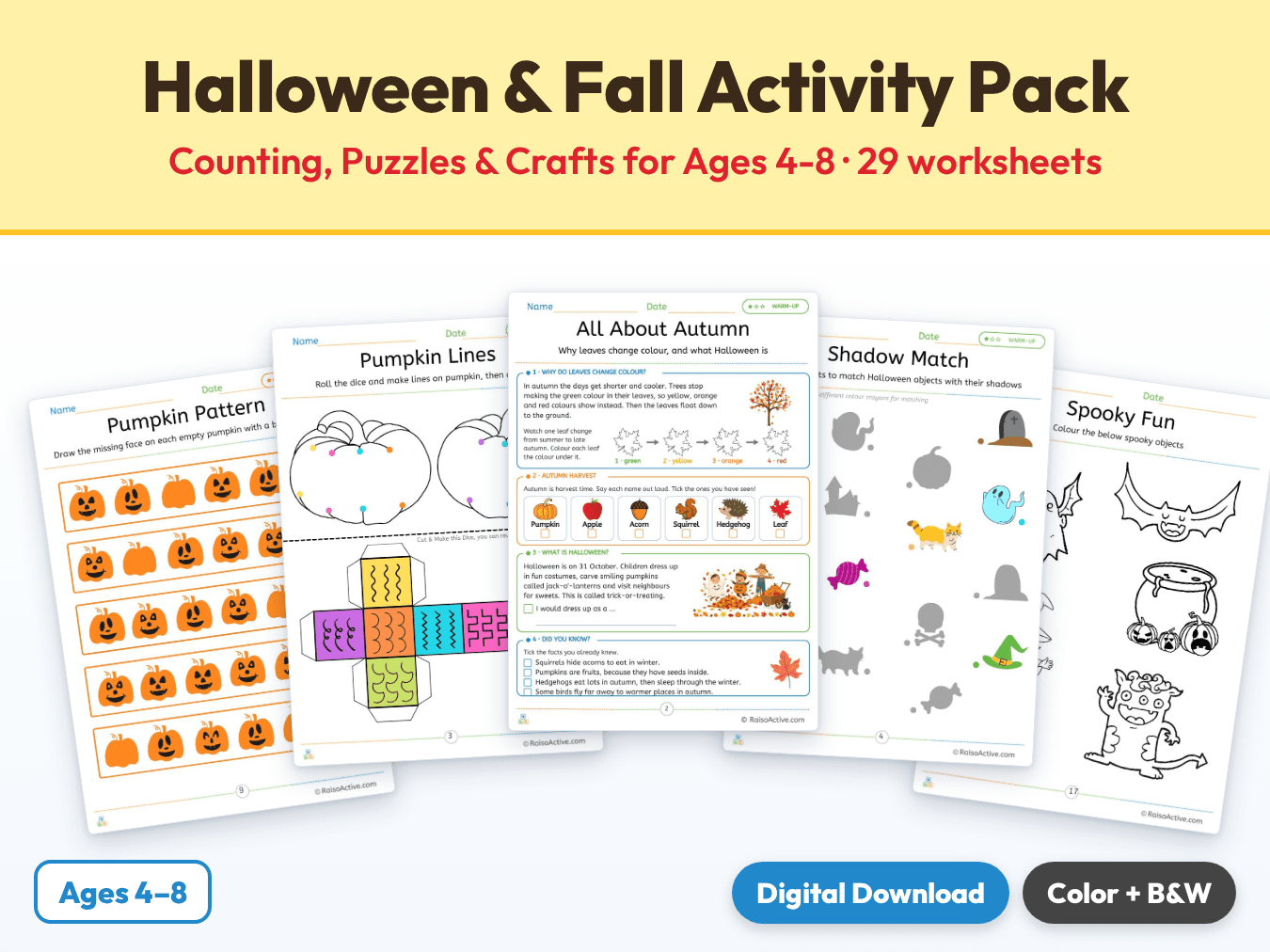
Halloween & Fall Activity Pack: Counting, Puzzles & Crafts for Ages 4-8
Ages 4-8 · Pre-K–Grade 2Ages 4-8 · Reception–Year 3Ages 4-8 · LKG–Class 2Ages 4-8 · 30 pages
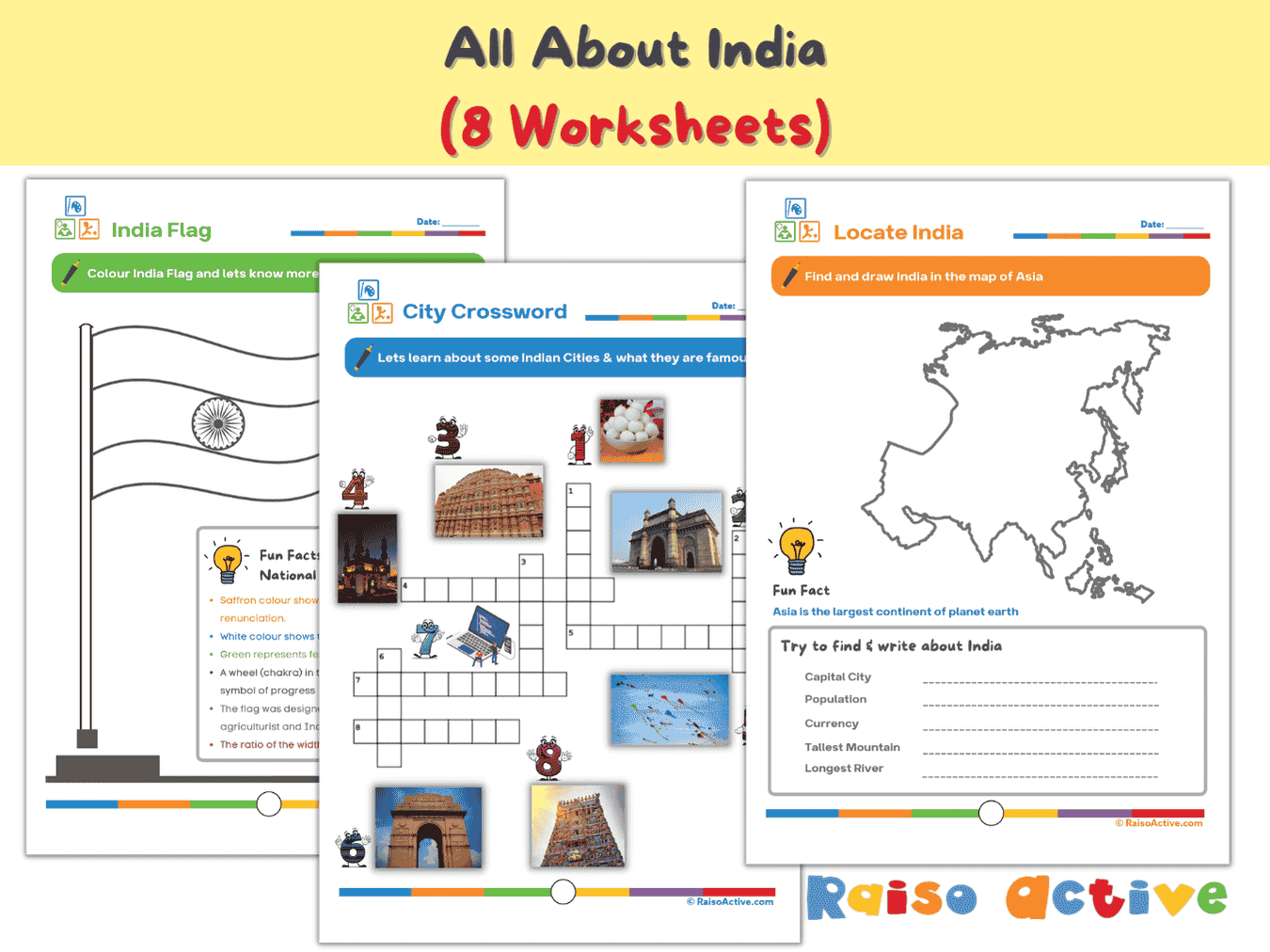
India Activity Book for Kids: Explore Geography, Culture & Symbols (Ages 5-8)
Ages 5-8 · Kindergarten–Grade 2Ages 5-8 · Year 1–Year 3Ages 5-8 · UKG–Class 2Ages 5-8 · 8 pages