 Science
States of Matter STEM Activity: Solid, Liquid, Gas Exploration
Engage children with this hands-on STEM activity where they will use playdough and small grains to model and understand the molecular structures of solids, liquids, and gases. Kids will also classify everyday objects based on their state of matter.
- Worksheet
- Ages 6-8 · Grade 1–Grade 2Ages 6-8 · Year 2–Year 3Ages 6-8 · Class 1–Class 2Ages 6-8
- Printable PDF
- Video tutorial
- 5 things to gather
- 8 steps
What Your Child Will Learn
- Identify and differentiate between the three main states of matter: solid, liquid, and gas.
- Understand the basic molecular arrangement in solids, liquids, and gases.
- Classify everyday objects based on their state of matter.
- Develop fine motor skills through manipulating playdough and small grains.
- Enhance observation and critical thinking skills.
How to Do This Activity
8 stepsGetting Started
Print out the "States of Matter" worksheet. Gather all the materials listed above and set up a clean workspace for your child.
Step 1: Explain to your child that they will be learning about the three different states of matter: solid, liquid, and gas.
Step 2: Look at the top section of the worksheet. For the "Solid" section (represented by the cube), have your child place a small piece of playdough inside the cube outline. Then, instruct them to tightly pack the grains into the playdough to represent how molecules are tightly packed in a solid.
Step 3: Next, move to the "Liquid" section (represented by the glass). Have your child place another piece of playdough inside the glass outline. This time, ask them to loosely scatter the grains within the playdough, illustrating that molecules in a liquid are loosely packed.
Step 4: Finally, for the "Gas" section (represented by the balloon), place playdough inside the balloon outline. Guide your child to scatter the grains far apart from each other in the playdough, showing how gas molecules are scattered with no pattern.
Step 5: Discuss the different arrangements of the grains (molecules) for each state of matter.
Step 6: Now, look at the images at the bottom of the worksheet. Help your child carefully cut out each picture: a pencil, a rain cloud, a pot with steam, a person breathing, milk, and an apple.
Step 7: One by one, ask your child to identify whether each cut-out object is a solid, liquid, or gas.
Step 8: Once they identify the state, they can paste or simply place the picture in the correct column on the worksheet (under Solid, Liquid, or Gas).
Ways to Extend
- Idea 1
Go on a "States of Matter" scavenger hunt around the house, identifying objects as solid, liquid, or gas.
- Idea 2
Conduct simple experiments, like melting ice (solid to liquid) or boiling water (liquid to gas, with adult supervision), to observe state changes.
- Idea 3
Introduce the concept of plasma as a fourth state of matter for older children or those showing advanced interest.
Related printable packs
View all packs
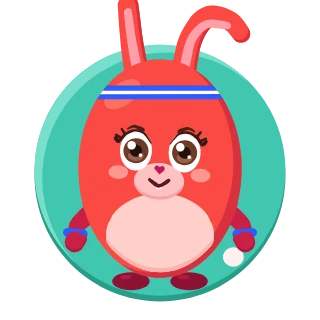
Pattern Writing Pre-writing Skills Activity Book for 3-4 Year Olds
Ages 3-4 · PreschoolAges 3-4 · NurseryAges 3-4 · 44 pages
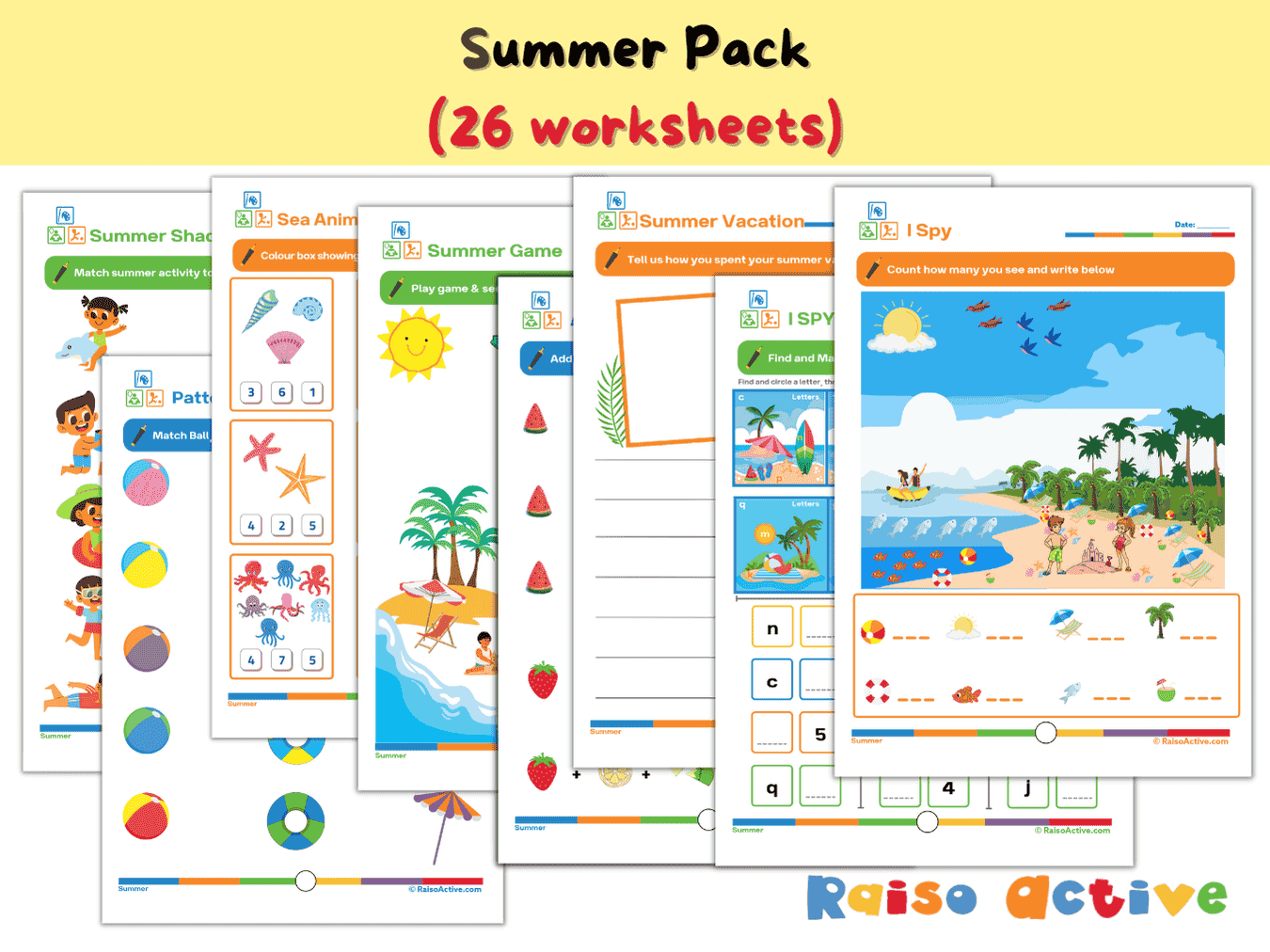

Summer Activity Pack: Math, Literacy, Puzzles & More for Preschool & Kindergarten
Ages 3-7 · Preschool–Grade 1Ages 3-7 · Nursery–Year 2Ages 3-7 · Nursery–Class 1Ages 3-7 · 26 pages
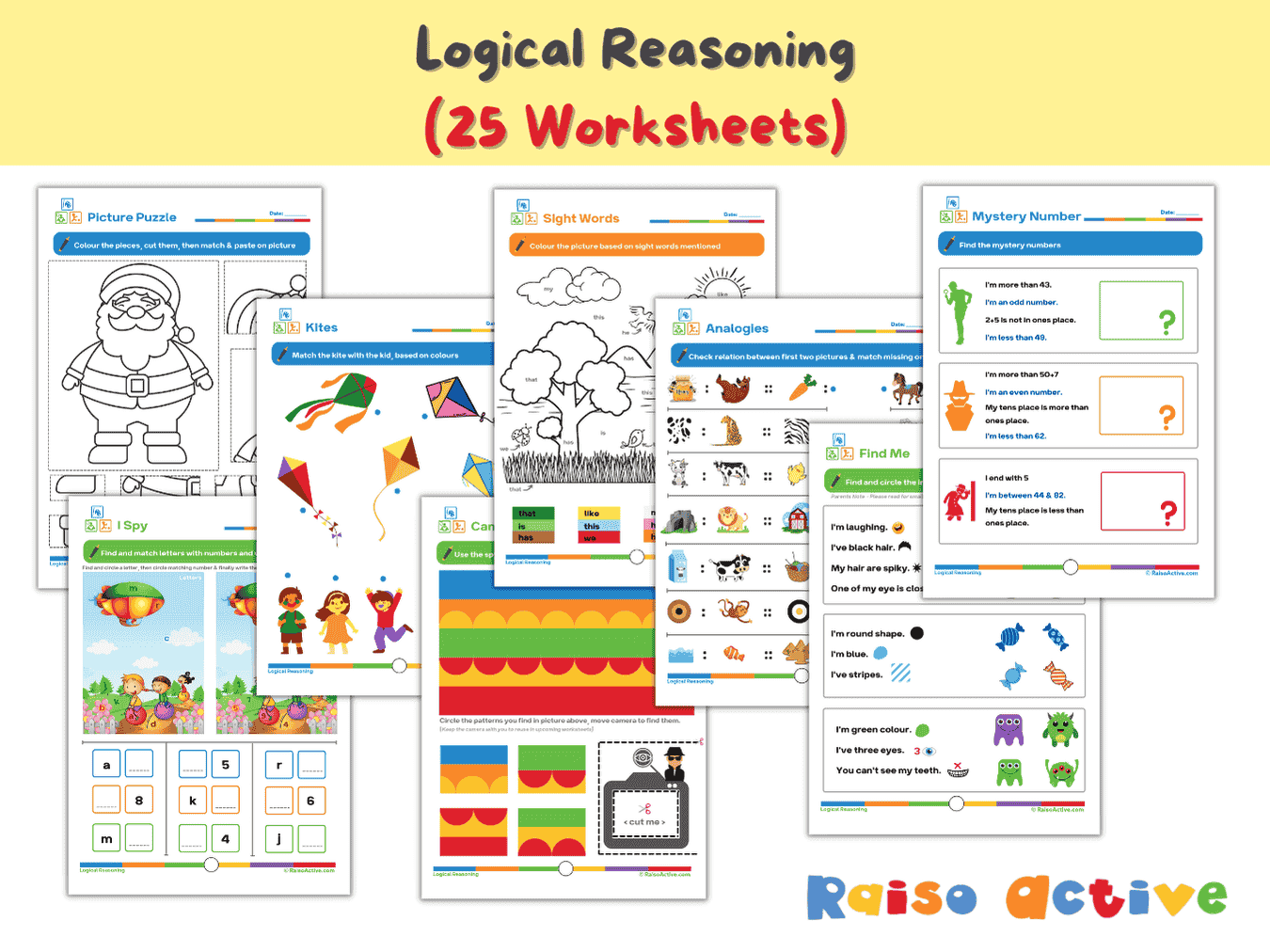

Logical Reasoning Activity Book for Preschool & Kindergarten | Patterns, Puzzles & Analogies
Ages 4-7 · Pre-K–Grade 1Ages 4-7 · Reception–Year 2Ages 4-7 · LKG–Class 1Ages 4-7 · 26 pages
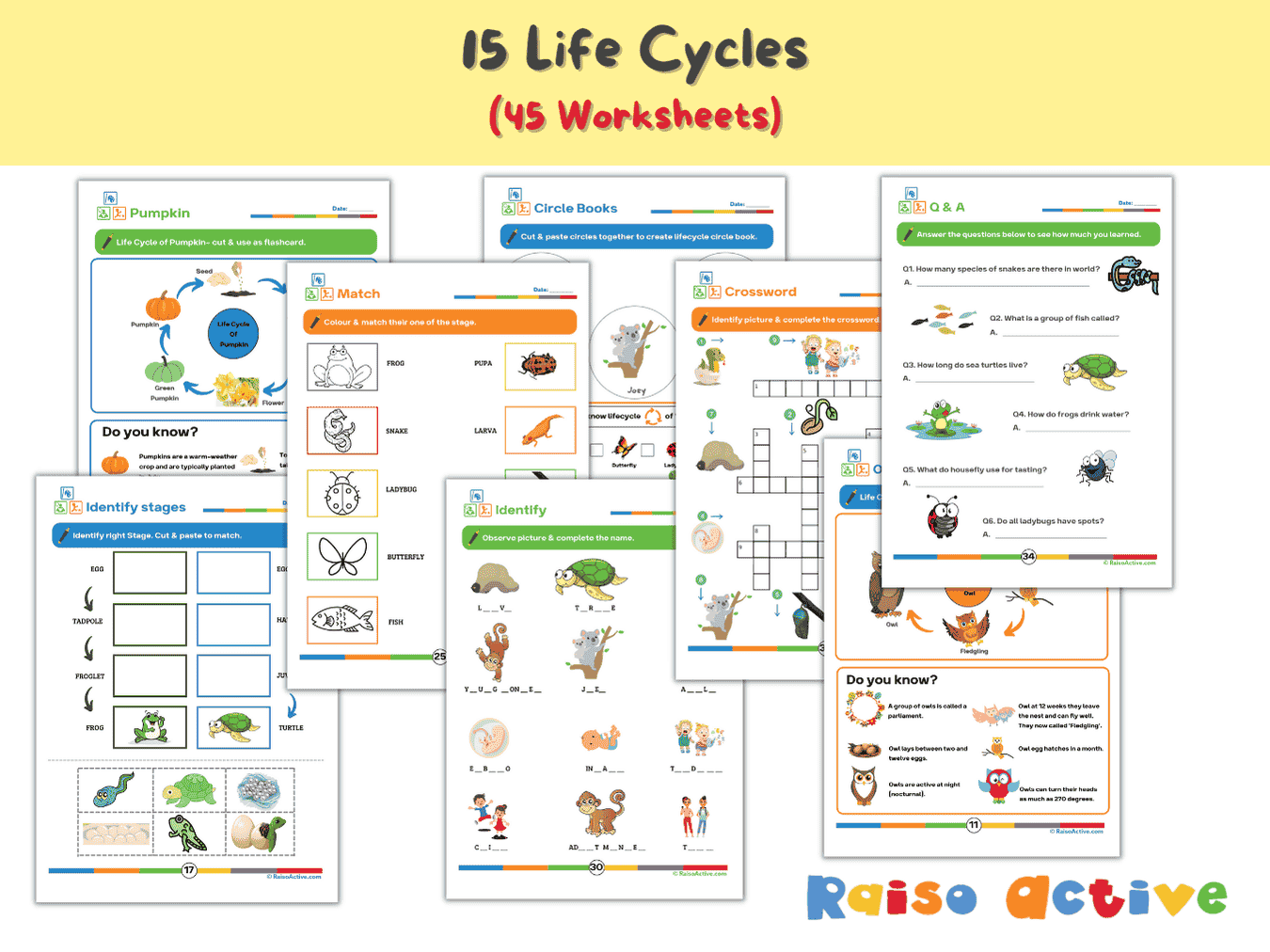
Lifecycles Activity Book & Flashcards for Preschool & Early Elementary
Ages 3-8 · Preschool–Grade 2Ages 3-8 · Nursery–Year 3Ages 3-8 · Nursery–Class 2Ages 3-8 · 46 pages
Related guides
View all on States Of Matter
Number Formation Rhymes 0–9 and How to Fix Reversals
Original number formation rhymes for 0–9, the correct stroke order for each digit, why 3, 5 and 7 get reversed most often, and multisensory fixes that work.

Pre-Writing Strokes in Order: From Standing Lines to Loops (With Printable Patterns)
The developmental order of pre-writing strokes, from vertical lines to loops, and why practicing them in sequence makes letter formation much easier to learn.

Kindergarten Readiness Checklist: 25 Skills to Practice Before the First Day
A kindergarten readiness checklist of 25 literacy, math, motor, self-regulation and self-help skills, with an 8-week summer plan and notes on when not to worry.
More activities like this
All activities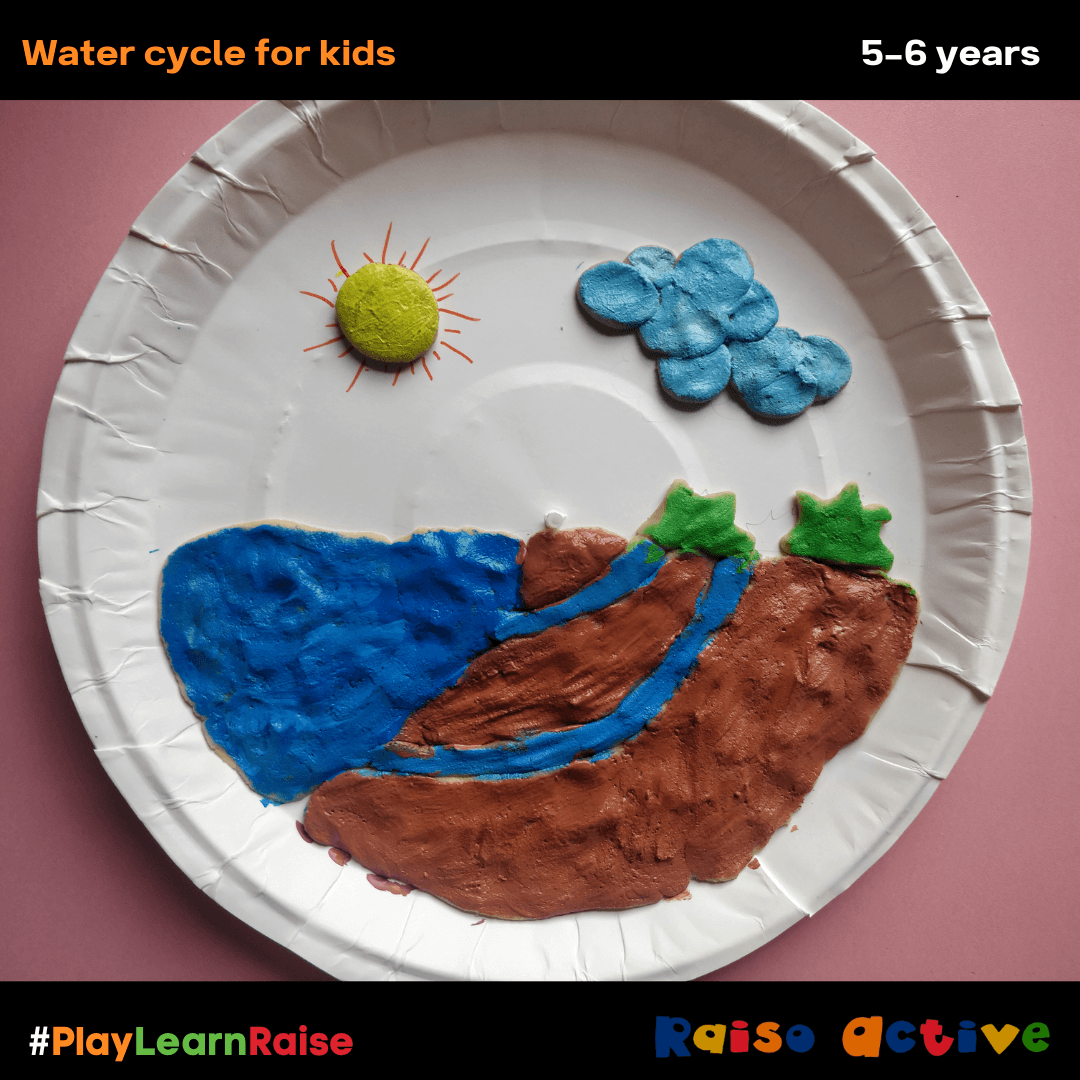 Has a video
Water Cycle Craft for Kids: Learn About Rain & Evaporation
Children will create a hands-on model of the water cycle using clay or play-doh on a paper plate. This engaging craft helps kids visualize and understand how water moves through evaporation, condensation, and precipitation.
What they'll learn:
Introduce the basic stages of the water cycle (evaporation, condensation, precipitation). +4 more
 Has a video
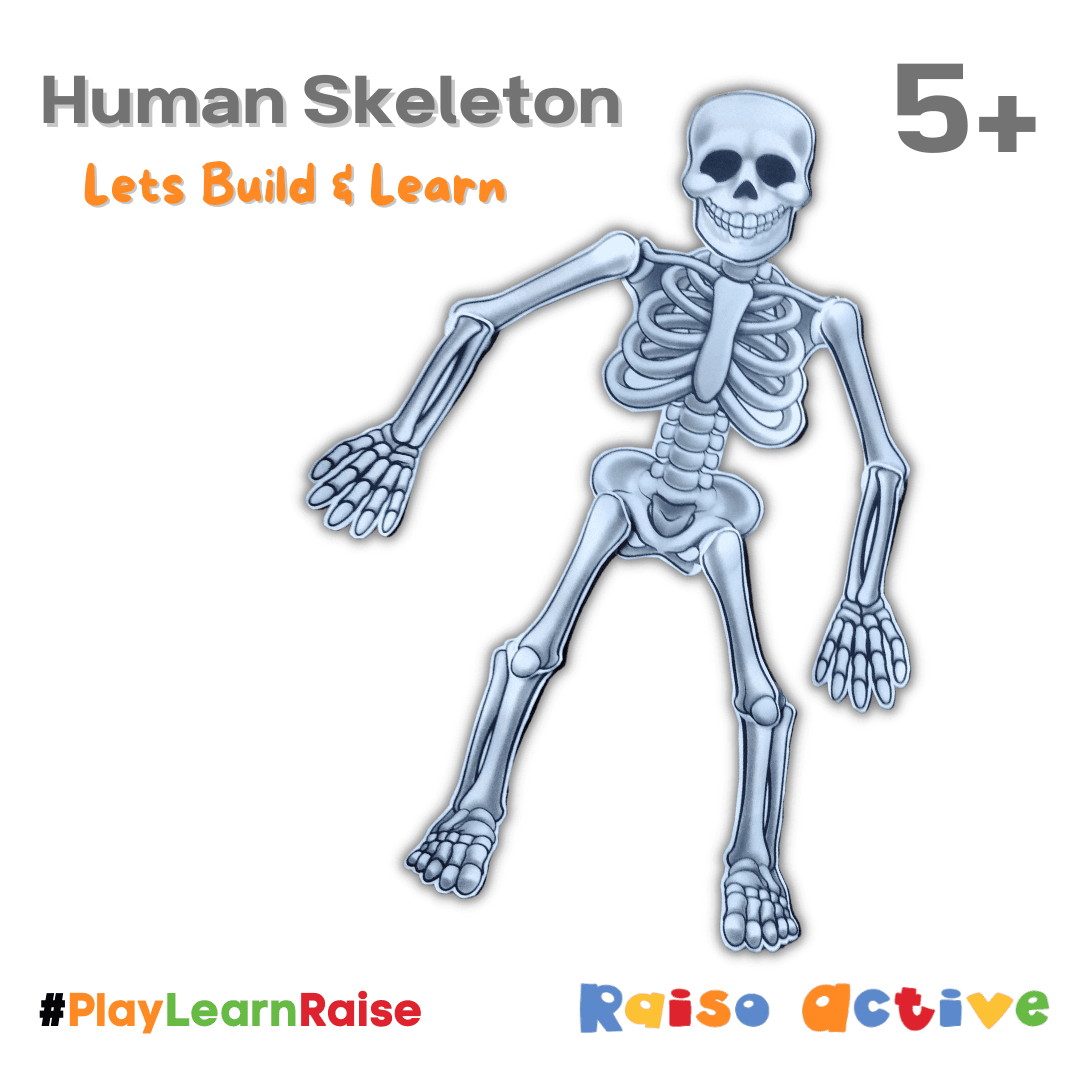
Human Skeleton Craft & Matching Worksheet for Kids
Engage children with this exciting activity to build a human skeleton model and learn bone names. Kids will cut out various skeleton parts, assemble them, and then match common bone names on a fun worksheet.
What they'll learn:
Identify major bones of the human skeleton (e.g., skull, ribs, spine) +4 more
 Has a video
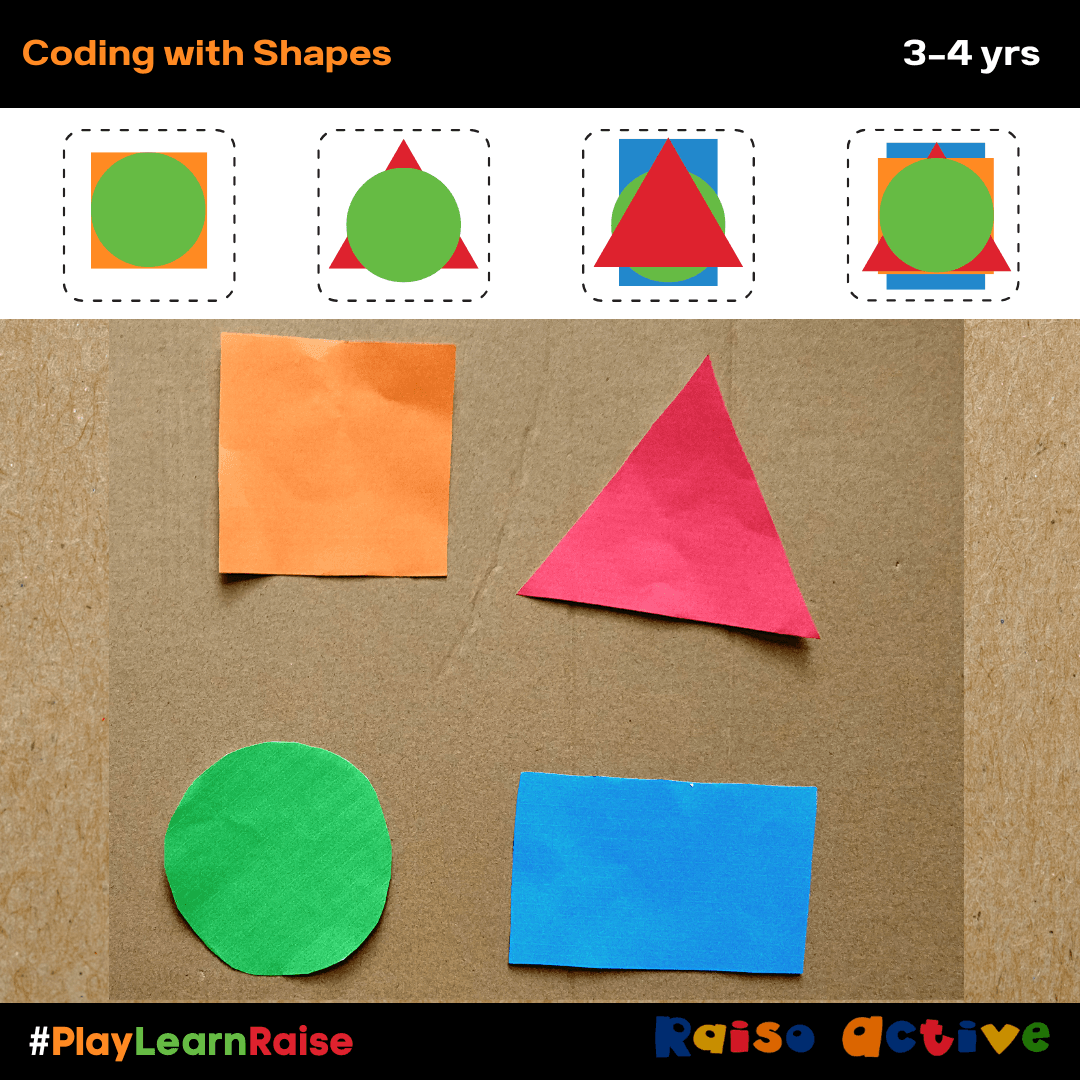
Coding Shapes Activity for Preschoolers | Pattern Matching Fun
Engage young learners with this hands-on coding shapes activity! Children will cut out colorful geometric shapes and arrange them to match given patterns, fostering early logic and fine motor skills. It's a fun way to introduce foundational coding concepts.
What they'll learn:
Identify and name basic 2D shapes (circle, square, triangle, rectangle). +4 more
 Has a video
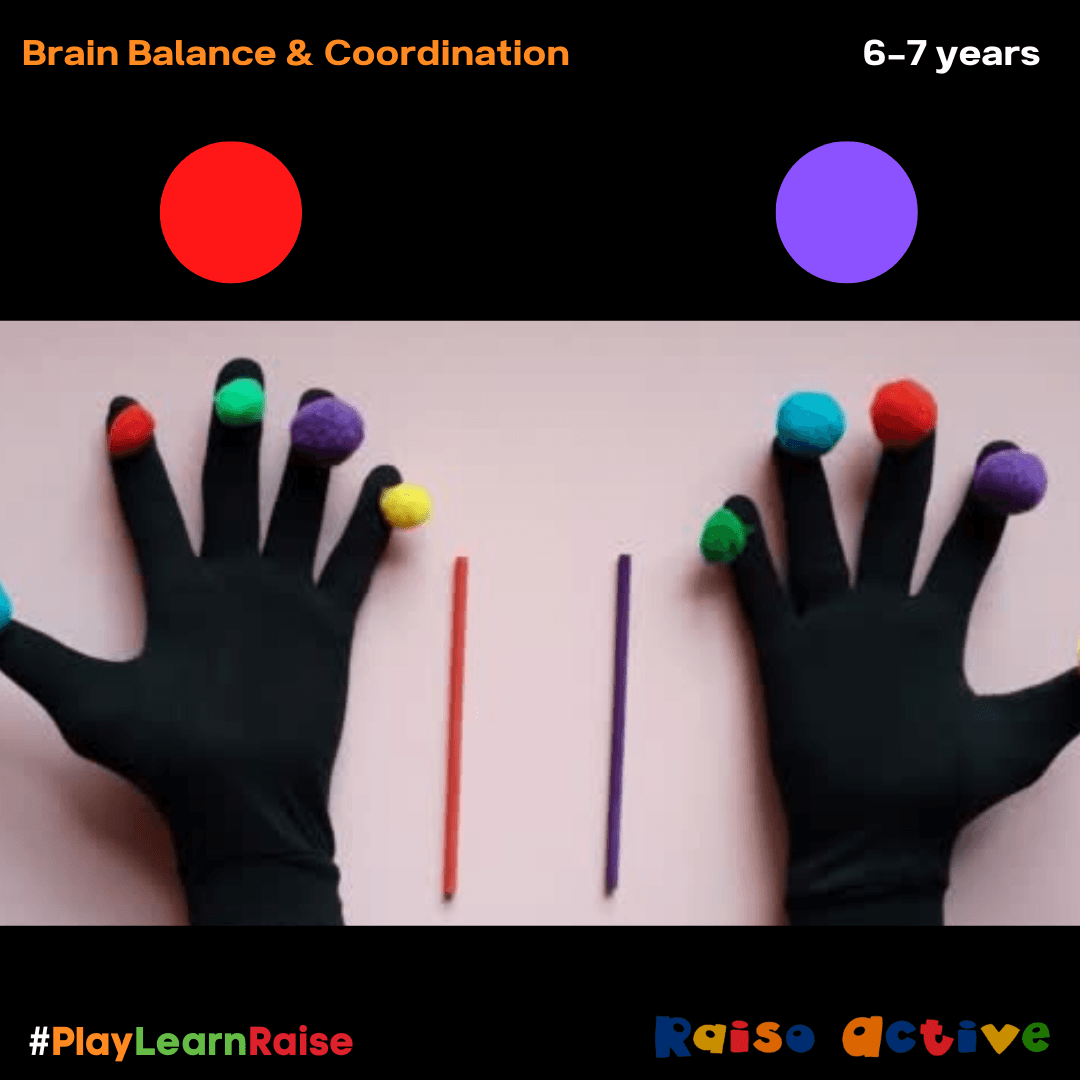
Brain Balance & Coordination Finger Game for Kids (Ages 6-7)
Engage your child in a fun brain-boosting activity designed to enhance balance and coordination. This engaging finger game helps children improve fine motor skills, focus, and bilateral coordination through playful movements.
What they'll learn:
Improve fine motor skills and finger dexterity. +4 more