Assessment & Progress, Early Learning, Parenting & Homeschool
Portfolio Assessment with Young Children: A Comprehensive Guide to Meaningful Documentation
Author
RaisoActive - Kids Activities and Fun Learning
Date Published
Reading Time
7 min read

In This Article10 min read
- Portfolio assessment collects real samples of your child's work over time to show growth — not just a single test score
- It works beautifully for children ages 1-8 because it captures what standardised tests cannot: creativity, effort, and progress
- You can start a portfolio at home with simple materials — no teaching degree required
- This guide covers what to include, how to organise, and how to use portfolios for meaningful parent-teacher conversations
Why Portfolio Assessment Matters for Young Children
Imagine trying to capture everything your child has learned this year in a single number. Impossible, right? A four-year-old who has gone from scribbling to drawing recognisable faces, a six-year-old who now reads simple sentences with confidence, a toddler who has mastered stacking blocks into towers — these milestones deserve more than a grade on a report card.
Portfolio assessment is an approach that collects authentic samples of a child's work over time — artwork, writing attempts, photographs of projects, observation notes, and more — to create a rich, multidimensional picture of their growth. Unlike standardised tests that measure what a child knows at one frozen moment, portfolios tell the story of learning.
Whether you are a parent wanting to document your little one's journey at home, a preschool teacher looking for assessment methods that actually make sense for young learners, or a homeschooling family seeking alternatives to traditional testing, this guide will walk you through everything you need to know about portfolio assessment with young children.
Love practical parenting tips?
Get age-appropriate activity ideas, learning milestones, and free printable worksheets delivered to your inbox.
What Is Portfolio Assessment?
A learning portfolio is a purposeful collection of a child's work that demonstrates effort, progress, and achievement over time. Think of it as a curated scrapbook of learning — not a random pile of papers, but a thoughtfully selected set of samples that tells a meaningful story.
Portfolio assessment has deep roots in early childhood education. It aligns with the philosophy of educators like Loris Malaguzzi (the founder of the Reggio Emilia approach) who believed that documentation is not just record-keeping — it is a form of listening to children. In India, the National Education Policy (NEP) 2020 actively encourages moving away from rote-based testing towards holistic, competency-based assessment for foundational and preparatory stages — making portfolios more relevant than ever.
360°
Portfolio assessment provides a 360-degree view of a child's development — cognitive, social, emotional, and physical — unlike traditional tests that typically measure only academic recall.
Source: NAEYC Position Statement on Assessment
Types of Portfolios
- Developmental portfolios — Track growth over time in specific areas (writing, drawing, numeracy). Best for showing progress from Point A to Point B.
- Showcase portfolios — Feature a child's best work, chosen by the child or teacher. Great for building confidence and pride.
- Process portfolios — Include drafts, revisions, and works-in-progress to show how a child learns, not just what they produce.
- Assessment portfolios — Used by schools to evaluate whether children are meeting developmental benchmarks. Often shared during parent-teacher meetings.
💡Which Type Should You Choose?
- For home use, a **developmental portfolio** is most practical — it helps you see growth clearly over months and years.
- For preschool or kindergarten classrooms, a combination of **developmental + showcase** works beautifully.
- Let your child help choose pieces for a showcase portfolio — this builds metacognition (thinking about their own learning).
What to Include in a Young Child's Portfolio
The beauty of portfolio assessment is its flexibility. You are not limited to worksheets and test papers. Here is what makes a portfolio truly meaningful for children ages 1-8:
Work Samples
- Art and drawings — From first scribbles to detailed pictures. Date every piece so you can see the progression.
- Writing samples — Letter formation attempts, name writing, early sentences, stories. Include early scribble-writing too!
- Math work — Counting activities, pattern worksheets, number formation practice, simple addition attempts.
- Cutting and pasting projects — These show fine motor development beautifully.
- Colouring pages — Early attempts vs later ones reveal growing hand control and colour awareness.
Observational Records
- Anecdotal notes — Brief, dated descriptions of something meaningful you observed ("Today Aarav sorted the buttons by colour without being asked — first time!").
- Learning stories — Short narratives that describe a learning moment in context, popular in New Zealand's Te Whāriki curriculum.
- Checklists — Simple developmental milestone checklists that you tick off over time.
- Photographs and videos — Block towers, science experiments, collaborative play, outdoor exploration. A photo is worth a thousand worksheets.
Child's Voice
This is often the most magical part of a portfolio. Include your child's own reflections — dictated to you if they cannot write yet. Ask questions like: "What do you like about this picture?" or "What was the hardest part?" or "What would you do differently next time?" Their answers reveal thinking skills that no test can measure.
Key Takeaway
Always date every piece in the portfolio.
Without dates, you lose the most powerful aspect of portfolio assessment — the ability to see growth over time. Write the date, your child's age, and a brief note about the context (e.g., "Drew this after visiting the zoo, age 4 years 3 months").
How to Organise a Portfolio: Step by Step
Setting Up Your Child's Learning Portfolio
1
Choose your format
Use a large ring binder with clear plastic sleeves (best for flat work), a dedicated box or accordion file (best for 3D items and mixed media), or a digital folder with scanned images and photos. Many families use a combination — physical for the originals, digital for backup and sharing with grandparents.
2
Create sections by developmental area
Divide the portfolio into tabs: Literacy, Numeracy, Art & Creativity, Fine Motor Skills, Social-Emotional Development, and Science & Discovery. This makes it easy to see progress in each area at a glance.
3
Set a collection schedule
Aim to add 2-3 pieces per week. Do not try to save everything — be selective. Choose pieces that show something new, a breakthrough moment, a challenge attempted, or a skill practised. Quality over quantity.
4
Add context to every piece
Attach a small sticky note or write on the back: the date, what the activity was, whether the child did it independently or with help, and any relevant observations. Future-you will thank present-you for this context.
5
Review monthly with your child
Sit together and flip through the portfolio. Let your child see how far they have come. Ask them to pick their favourite pieces and tell you why. This reflection process is incredibly powerful for building self-awareness and motivation.
6
Do a termly or quarterly summary
Write a brief reflection (3-5 sentences) about what you notice: areas of strong growth, emerging interests, skills that need more practice. This becomes invaluable for parent-teacher meetings or transitions between schools.
👋Digital Portfolio Tips
- Use a free app like **Google Drive**, **Seesaw**, or **Artkive** to photograph and organise work digitally.
- Take photos in good lighting against a plain background so the work is clearly visible.
- Record short voice memos of your child explaining their work — these are priceless memory keepers.
- Create a shared album for family members who live far away to follow your child's progress.
Portfolio Assessment vs Traditional Testing
Many parents wonder whether portfolios can truly replace tests. The short answer: for young children (ages 1-8), portfolios are often more informative and developmentally appropriate than traditional assessments. Here is why:
Portfolio Assessment
- +Shows growth over time
- +Captures creativity and problem-solving
- +Includes child's own reflections
- +Low-stress, natural context
- +Celebrates individual progress
- +Covers all developmental domains
- +Flexible and personalised
Traditional Testing
- -Snapshot of one moment
- -Focuses on correct/incorrect answers
- -Child has no voice in the process
- -Can cause anxiety in young children
- -Compares children against norms
- -Typically academic only
- -Standardised and rigid
This does not mean tests have no place — developmental screenings and diagnostic assessments serve important purposes. But for ongoing, formative assessment of young children, portfolios provide richer, more actionable information.
85%
of early childhood educators who use portfolio assessment report that it improves the quality of parent-teacher communication about a child's development.
Source: Early Childhood Research Quarterly
Using Portfolios for Meaningful Parent-Teacher Conversations
One of the greatest strengths of portfolio assessment is how it transforms parent-teacher meetings from vague generalities into specific, evidence-based conversations. Instead of hearing "Your child is doing well in art," you can look at actual drawings from September, December, and March and see the progression together.
Tips for Teachers
- Share the portfolio before the meeting so parents have time to look through it.
- Point out specific examples of growth: "Look at her letter formation in August versus now — see how much more controlled her pencil grip has become."
- Use portfolio evidence to set collaborative goals: "We have noticed she loves sorting activities. Shall we introduce more pattern work at home and school?"
- Include the child in the conference when age-appropriate. Children as young as five can present their favourite portfolio pieces.
Tips for Parents
- If your child's school does not use portfolios, start one at home and bring it to parent-teacher meetings. Teachers appreciate this kind of engagement.
- Share observations from home that complement school samples: "She has started writing her name on birthday cards unprompted."
- Ask to see your child's school portfolio regularly, not just at report card time.
- Use portfolio evidence to advocate for your child if you notice areas where they need more support.
Key Takeaway
Portfolios make parent-teacher meetings actionable.
When you can point to specific work samples and say "Here is where she was in September, here is where she is now, and here is what we are working on next," the conversation becomes collaborative and focused. No more vague feedback.
Age-Appropriate Portfolio Strategies
Ages 1-3: The Foundation Years
At this age, the portfolio is primarily photo and observation-based. Toddlers are not producing worksheets — and they should not be! Focus on capturing:
- Photos of block stacking, puzzle completion, and sensory play
- Videos of first words, singing, and movement milestones
- Handprint art and first scribbles (date them!)
- Anecdotal notes about social interactions, problem-solving moments, and emerging independence
Ages 3-5: The Exploration Years
This is when portfolios really start to shine. Children are drawing, painting, attempting letters and numbers, cutting, pasting, and creating constantly. Include:
- Drawing progressions (save a sample every month to see the evolution)
- Letter and name writing attempts — from scribbles to recognisable letters
- Counting and sorting activity photos
- Scissor skills progression — from random snips to cutting along lines
- Dictated stories and child voice reflections
Ages 5-8: The Growing Independence Years
Children in this age group can actively participate in portfolio creation. They can help choose pieces, write reflections, and set learning goals. Include:
- Writing samples showing growing fluency and complexity
- Math problem-solving work with different strategies visible
- Reading logs and book reviews (even simple ones)
- Self-assessment sheets: "I felt proud of this because..."
- Project documentation — photos, planning sheets, and final products
🎨Activity: Monthly Self-Portrait
- Ask your child to draw a self-portrait on the first day of each month, using the same size paper and materials.
- Date each one and keep them in order in the portfolio.
- By the end of the year, you will have a stunning visual record of growing body awareness, fine motor control, and artistic development.
- This is one of the most powerful portfolio pieces — parents and children both love looking at the progression.
Printable Activities Perfect for Portfolio Documentation
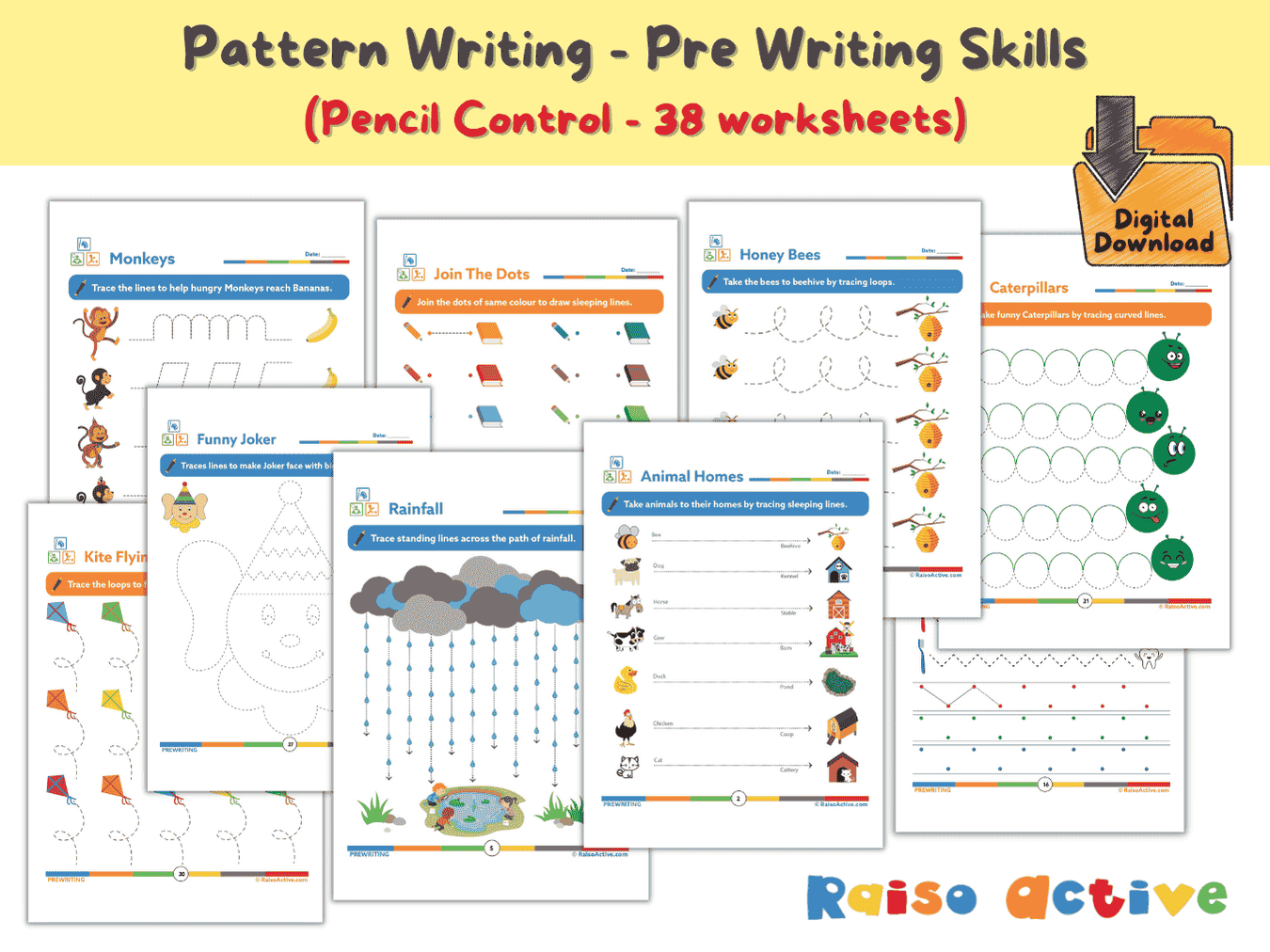
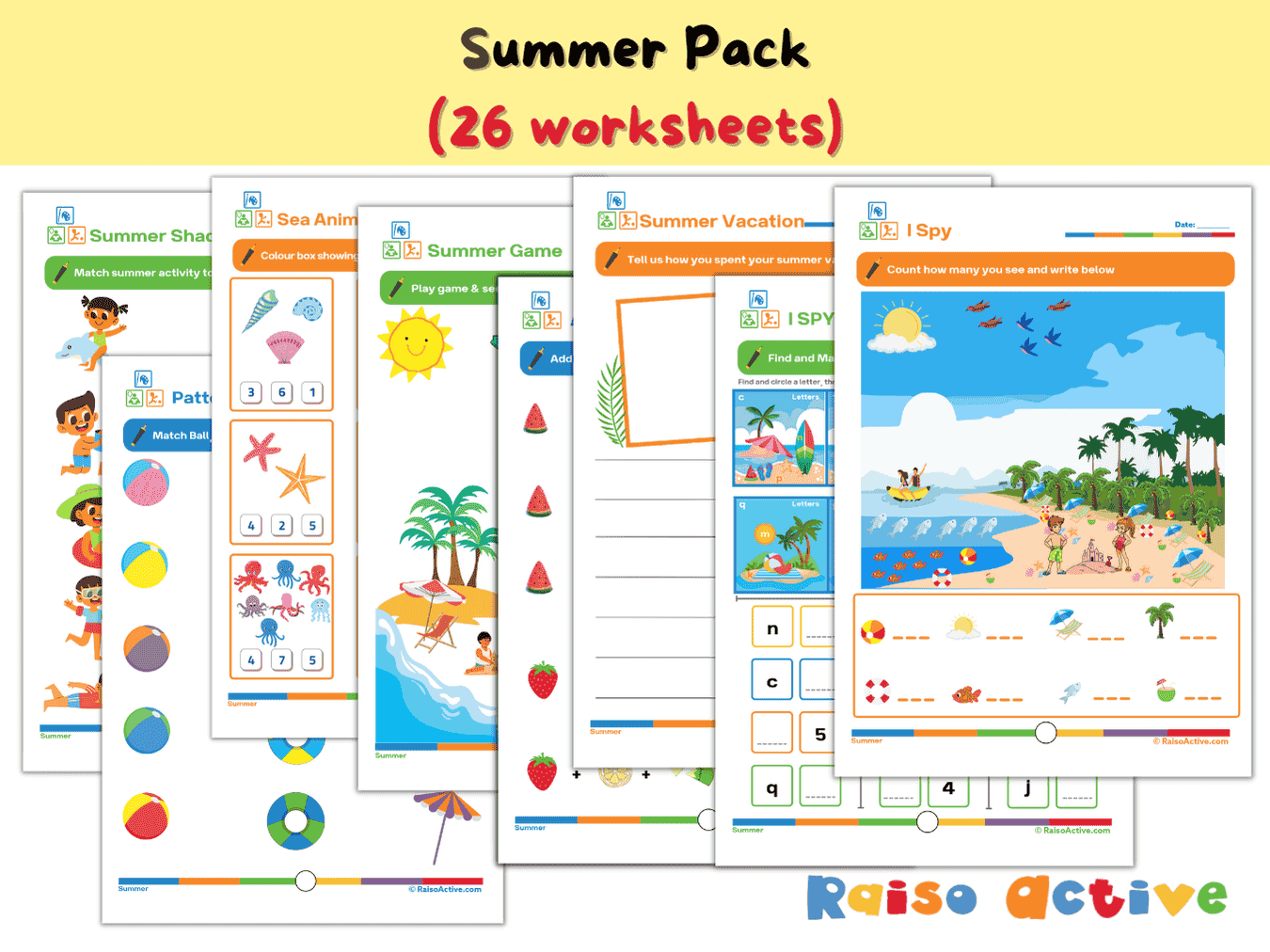
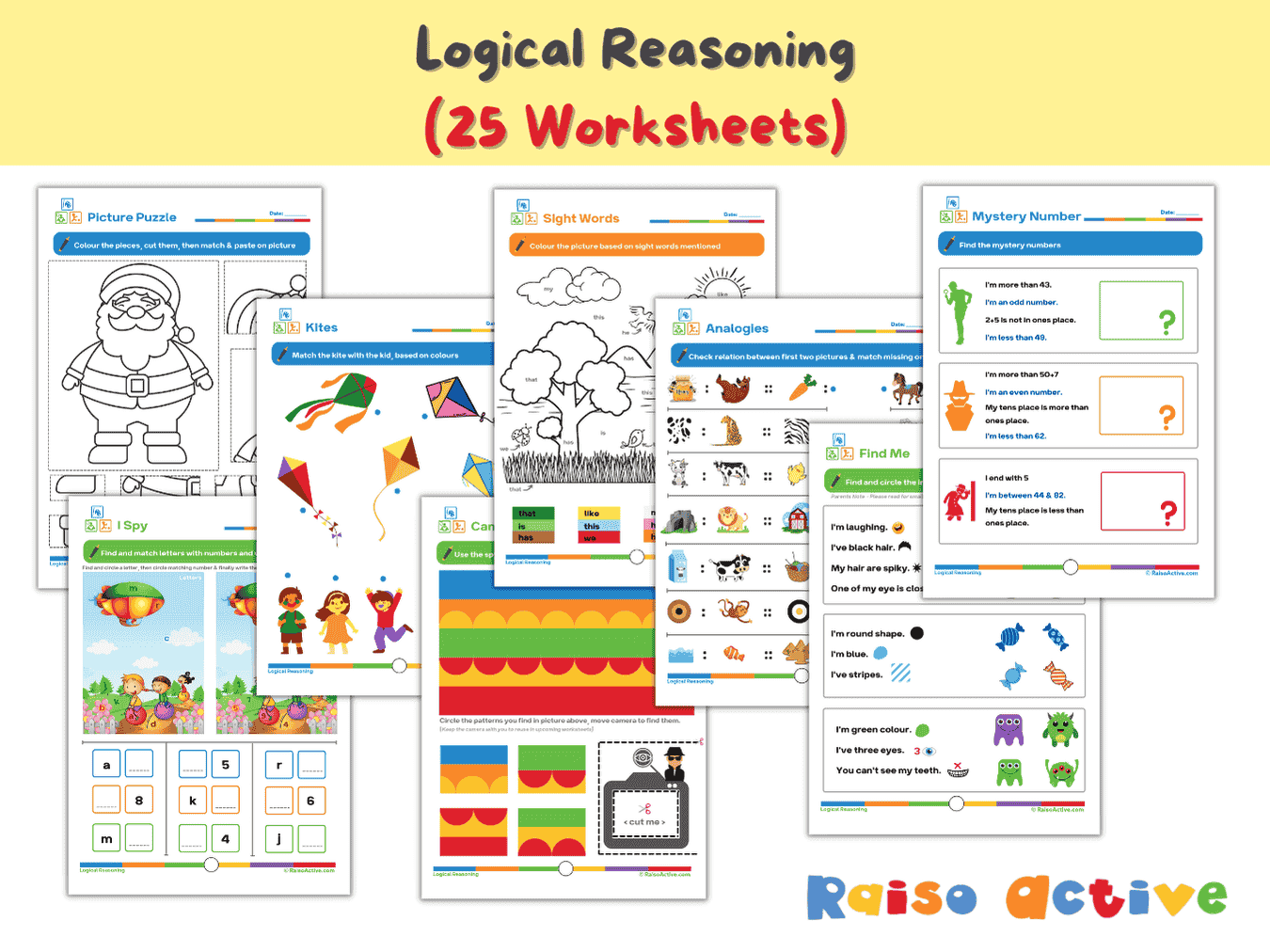
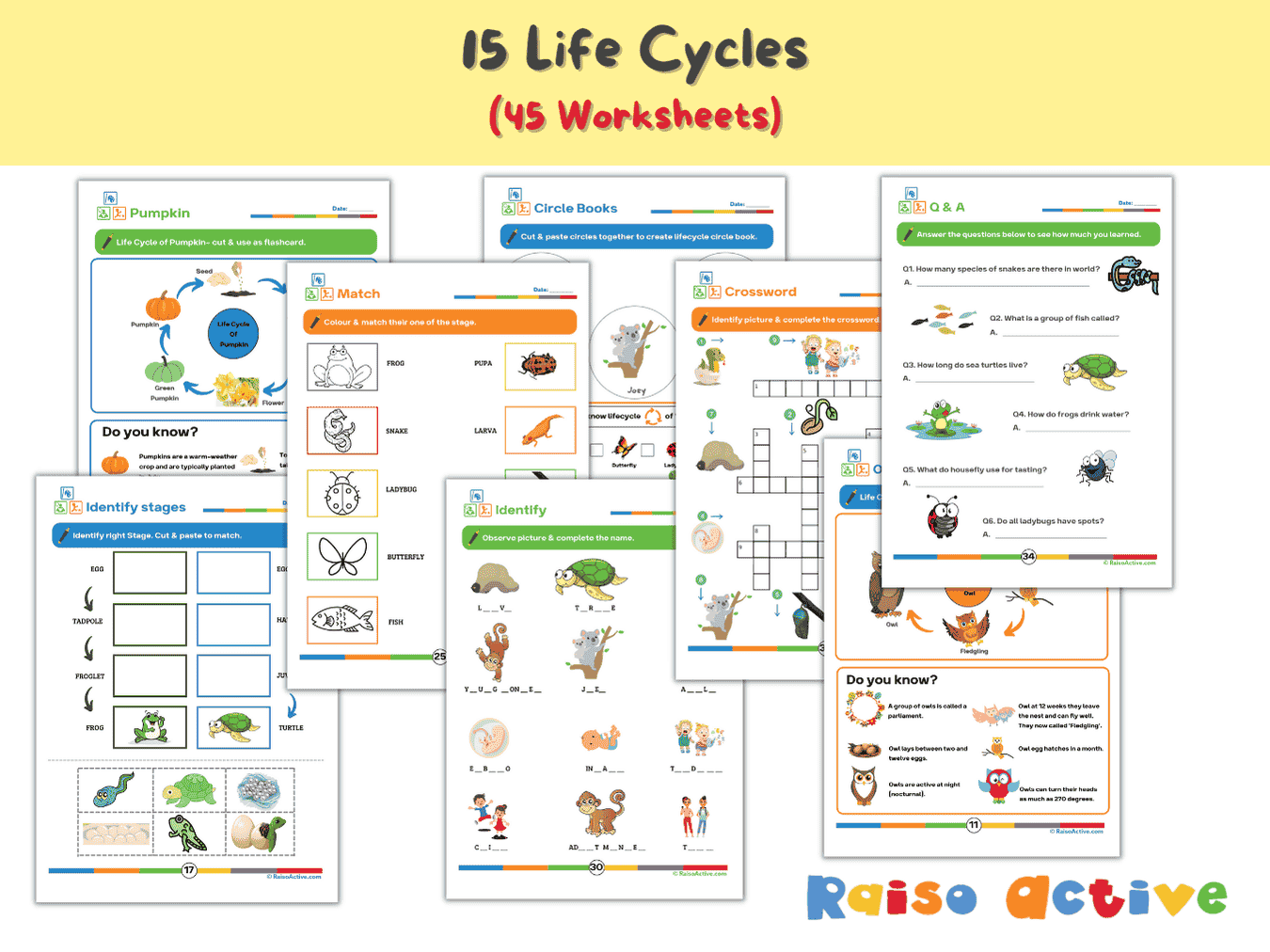
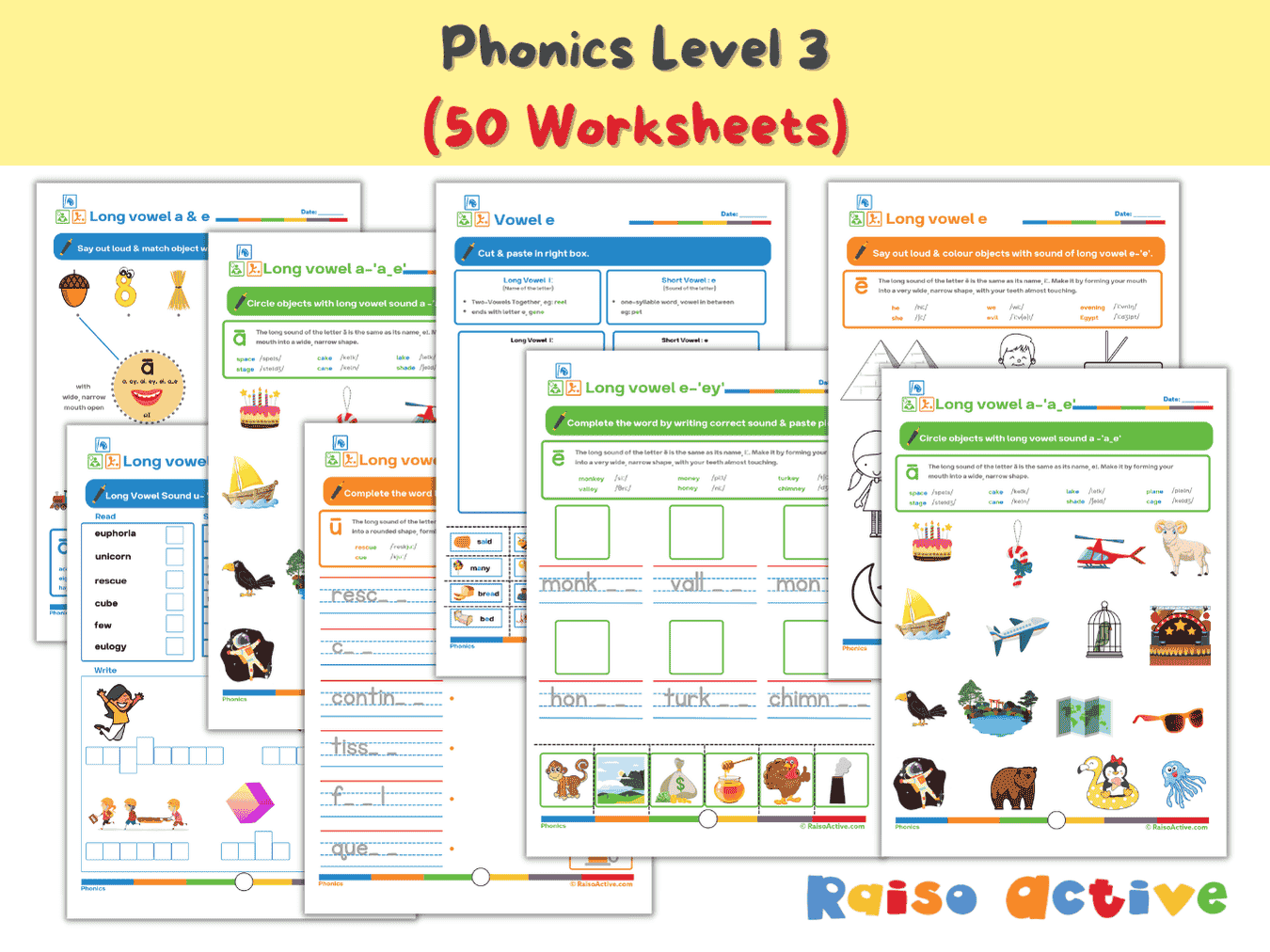
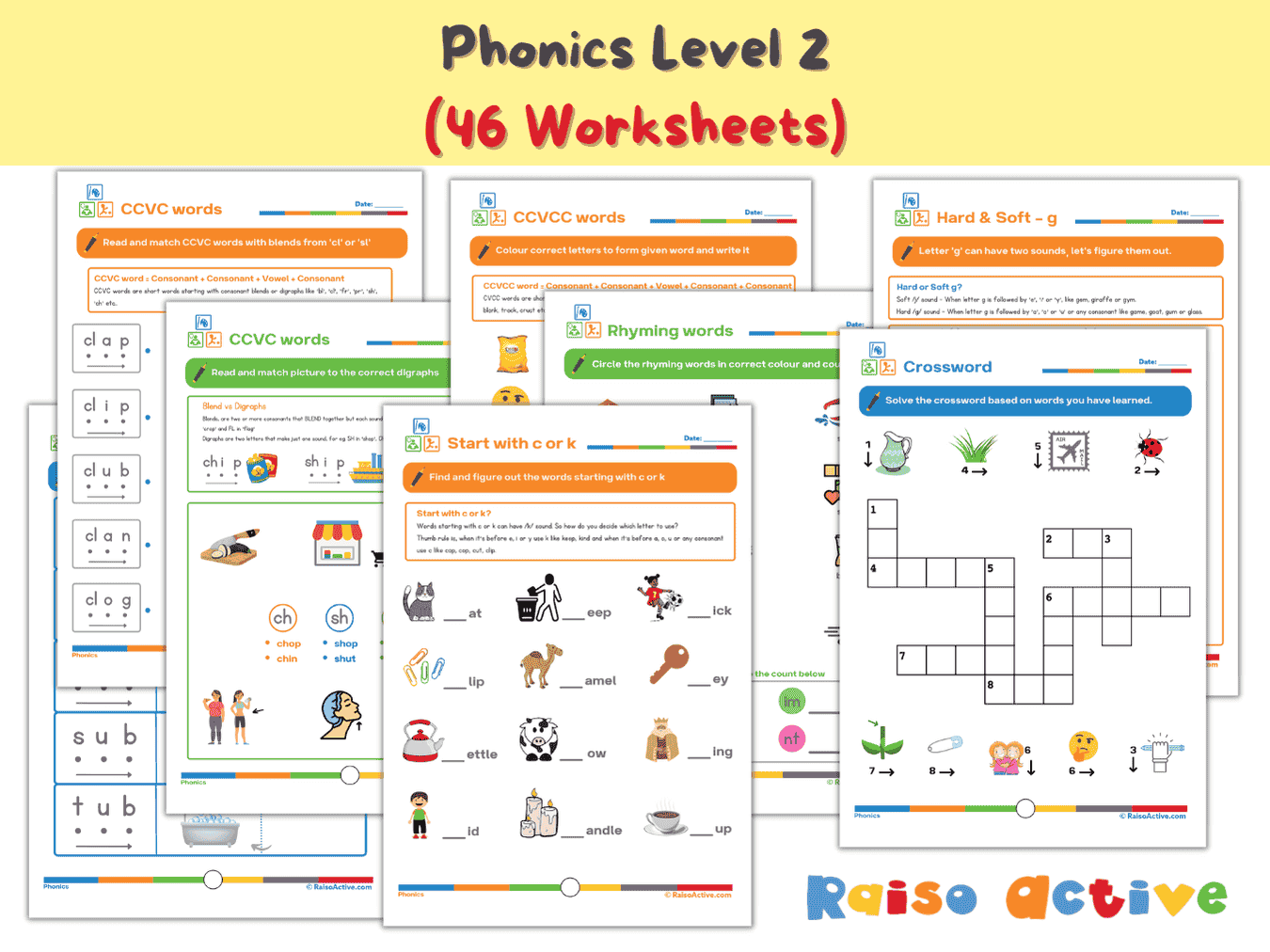
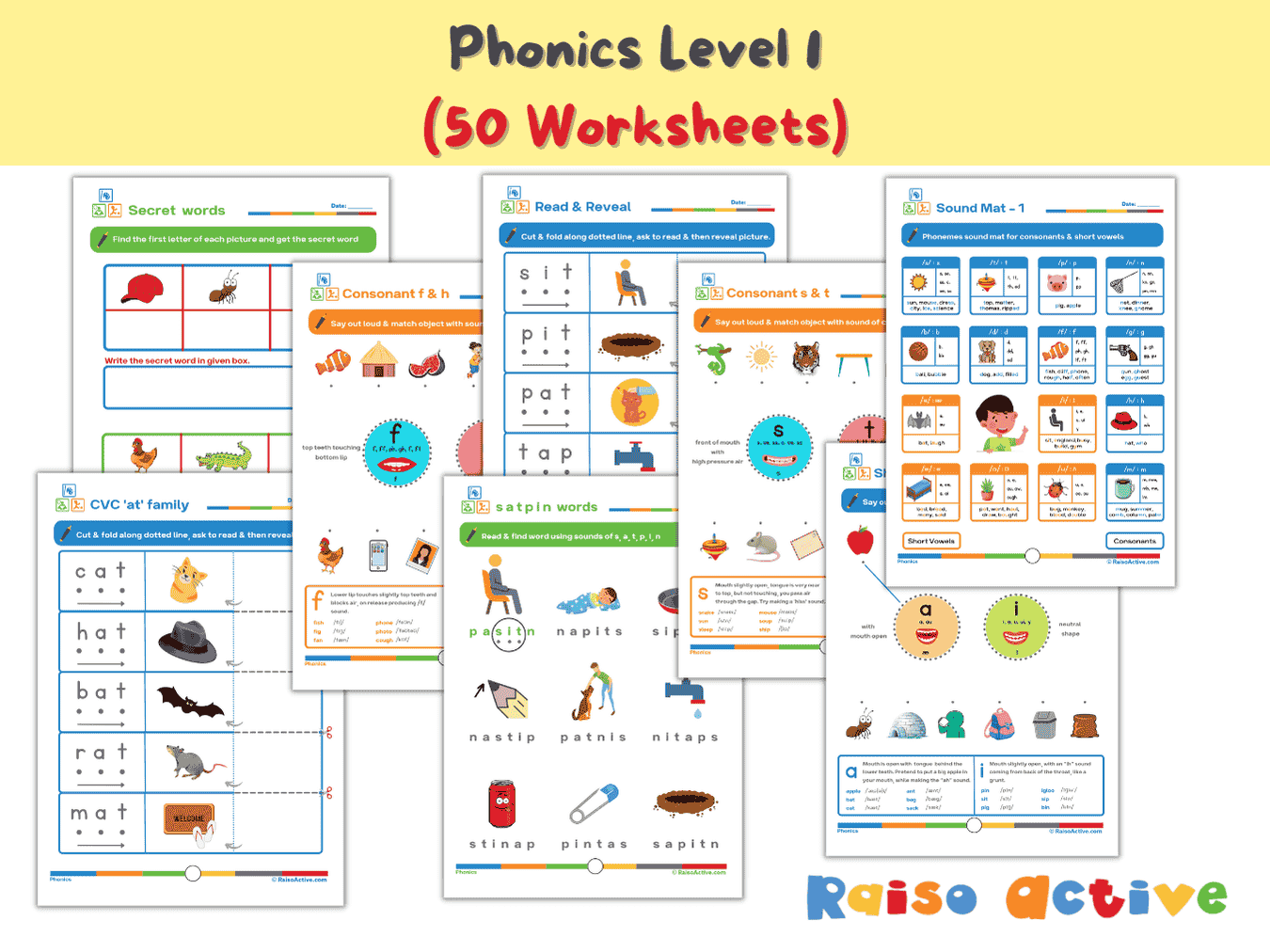
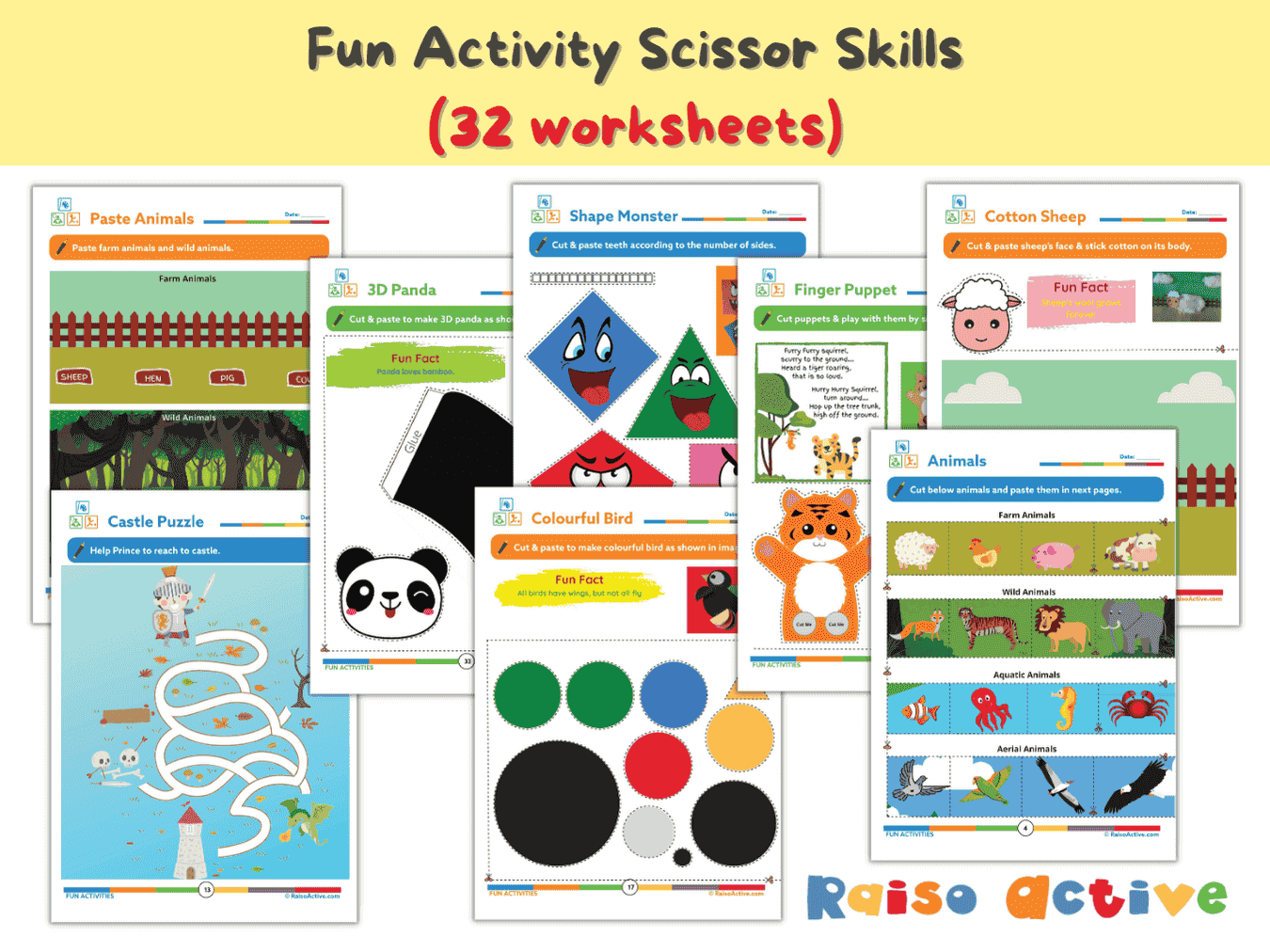
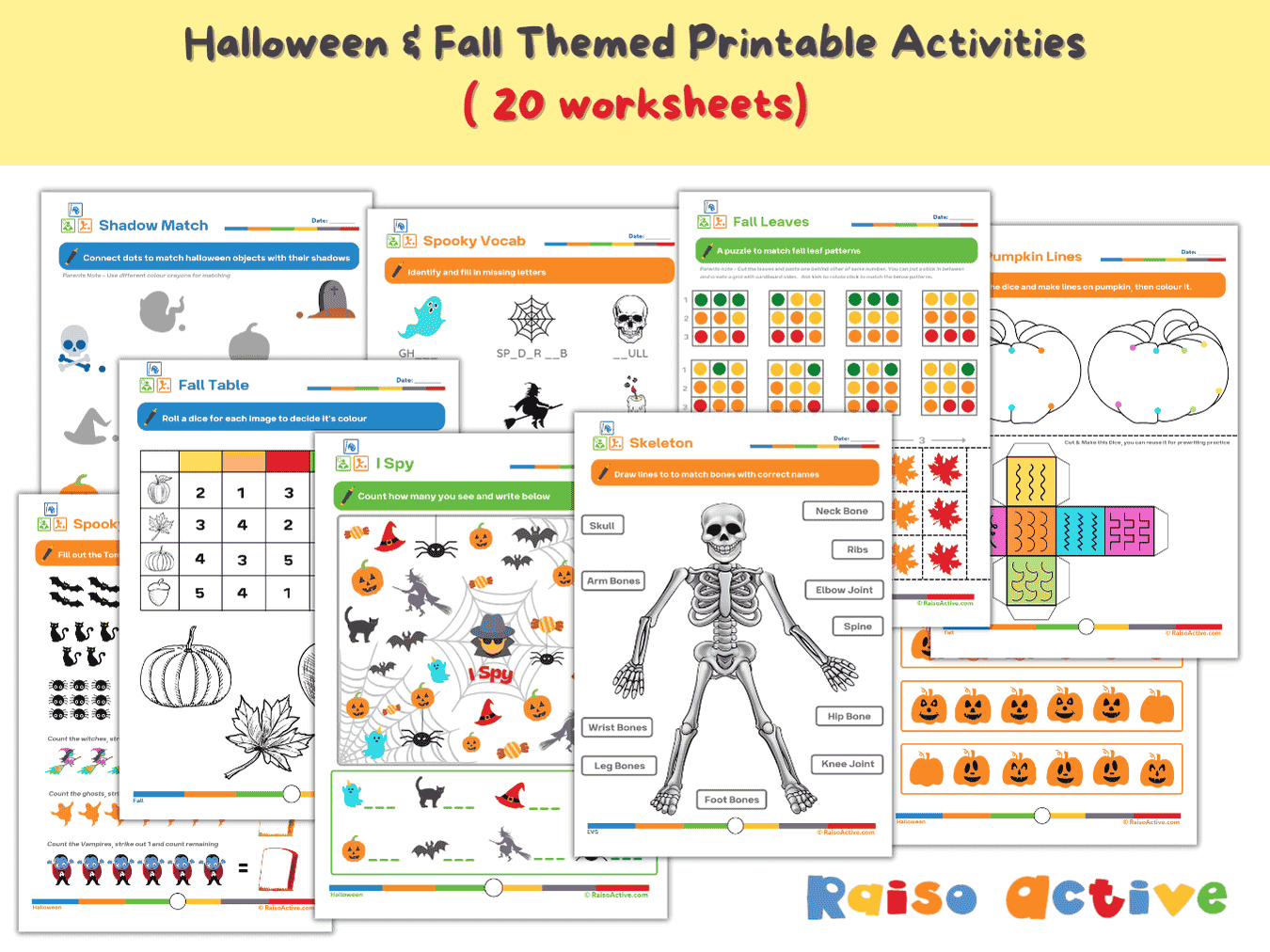
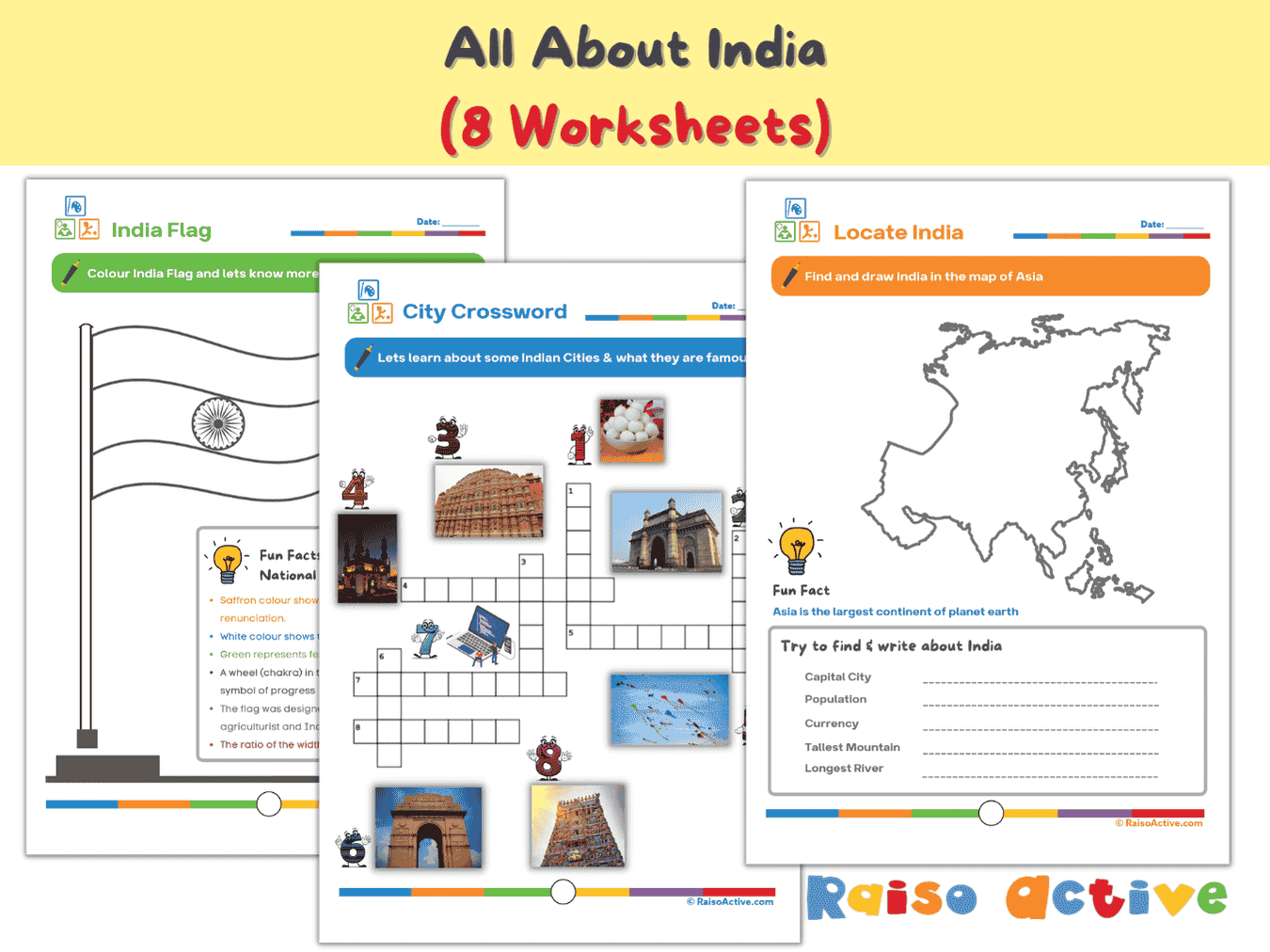
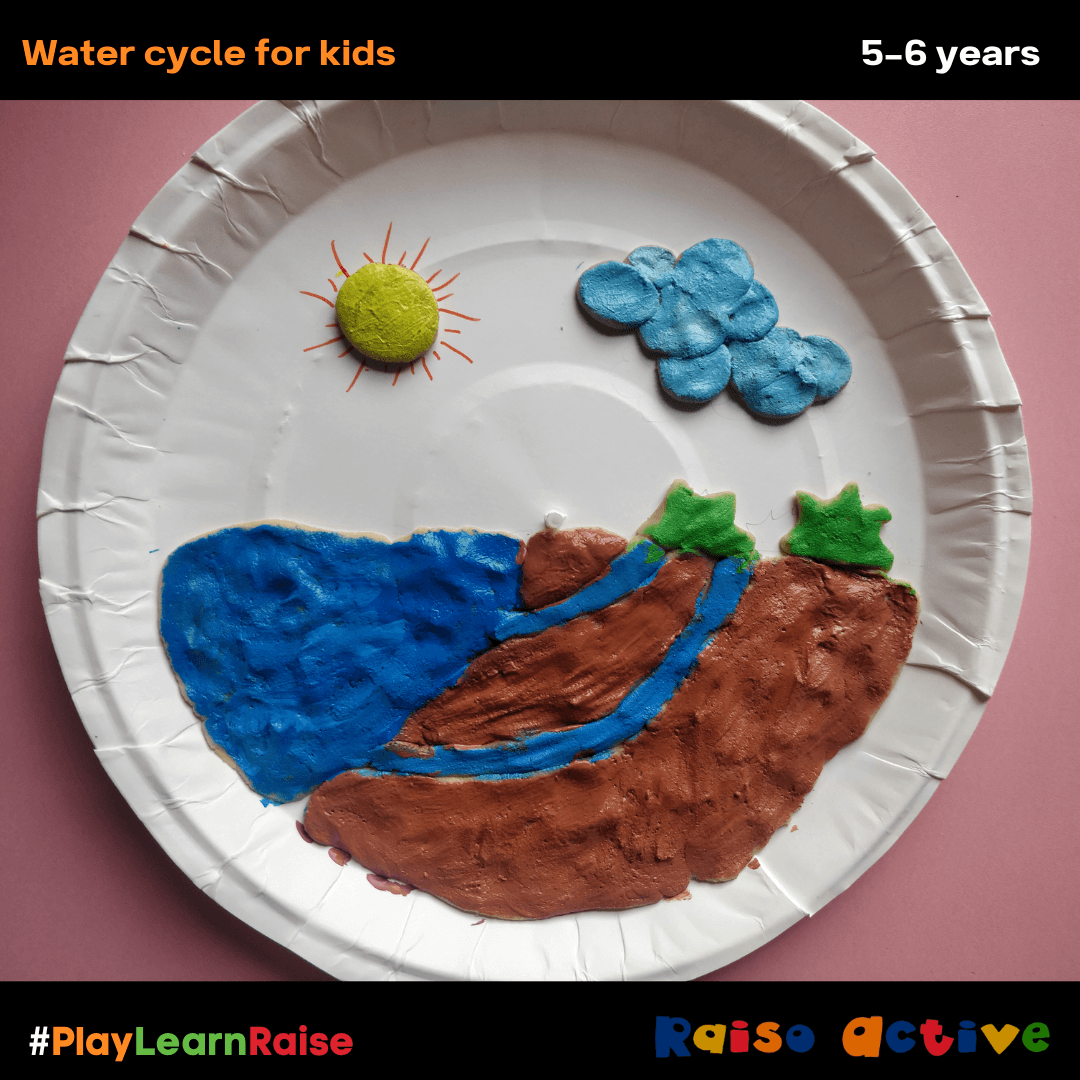
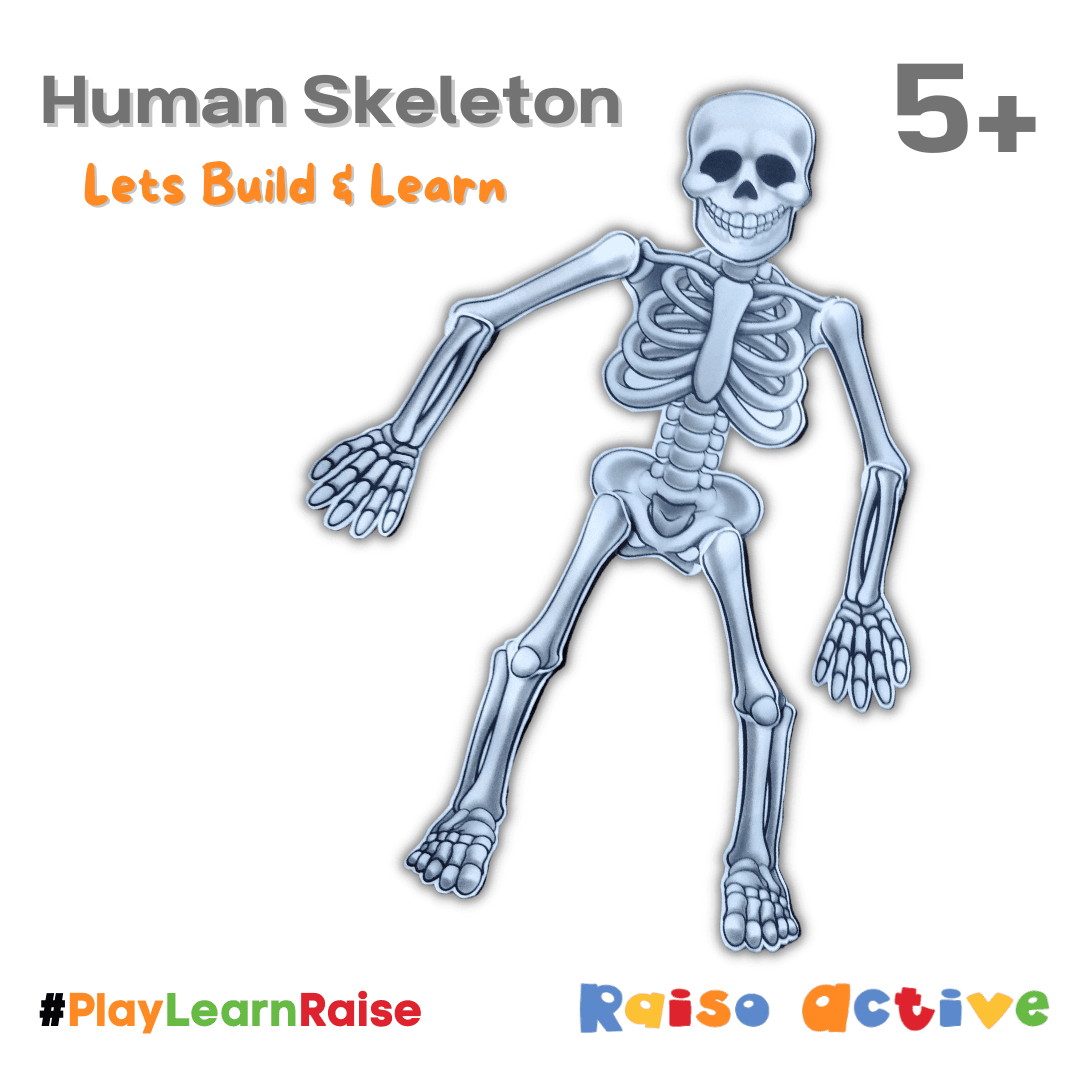
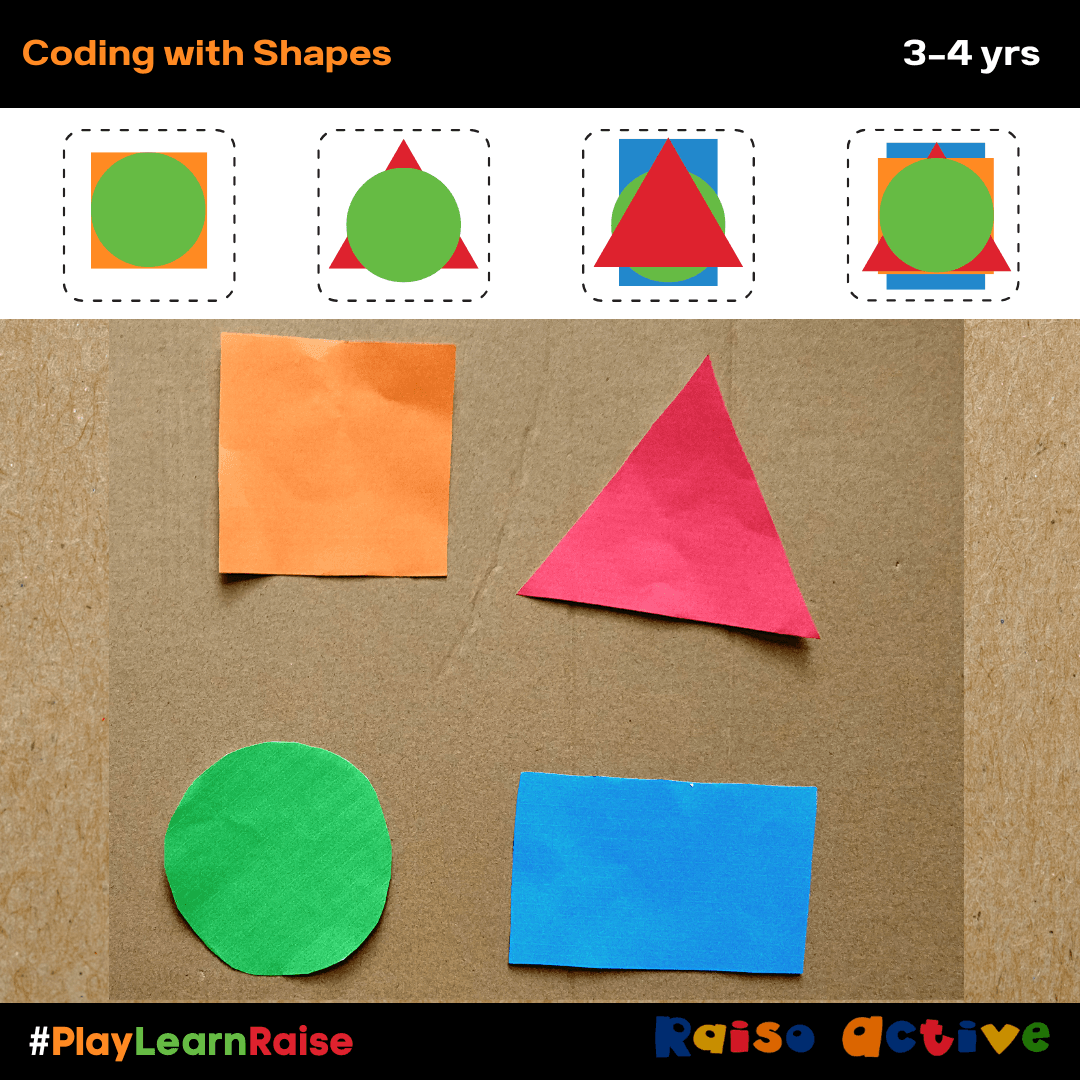
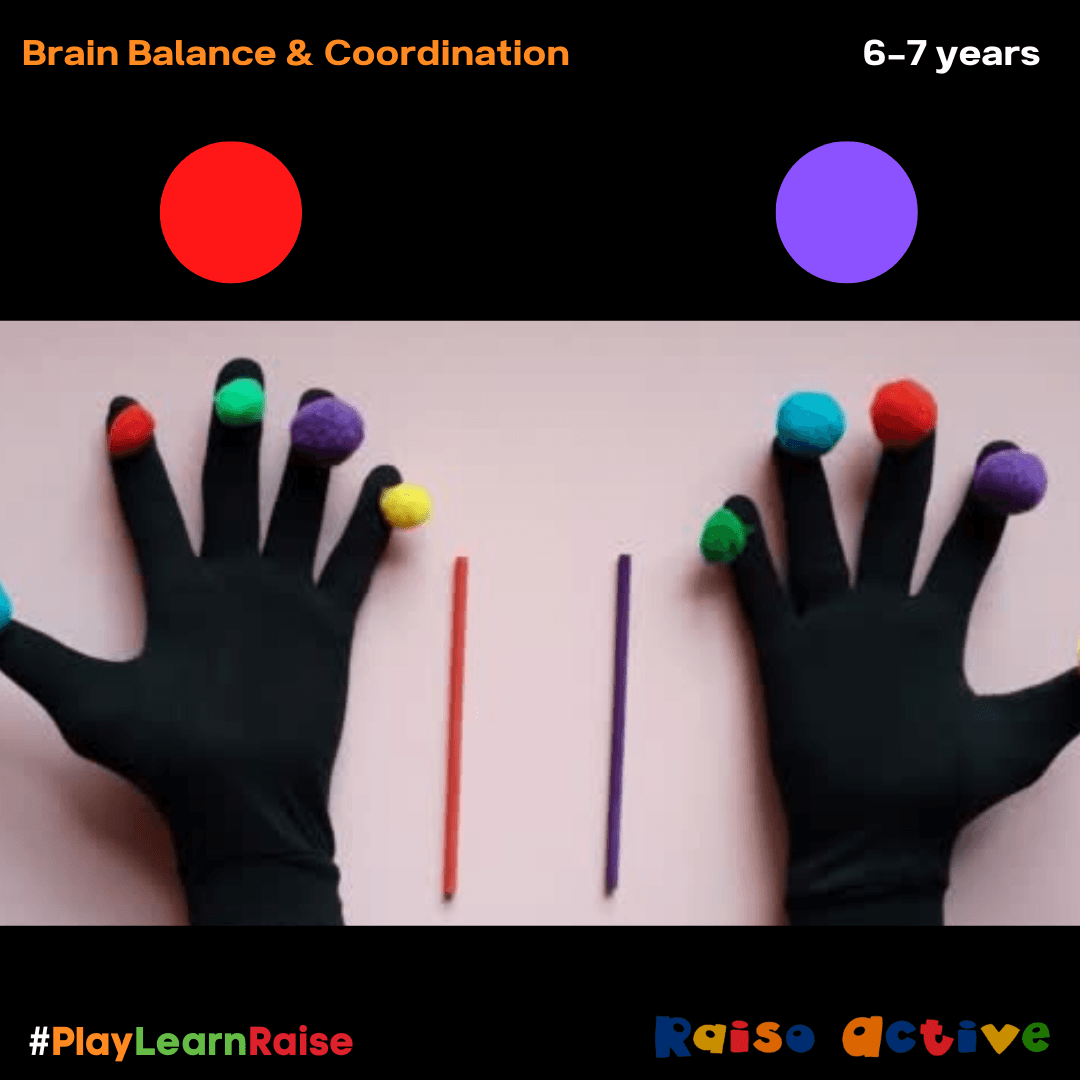
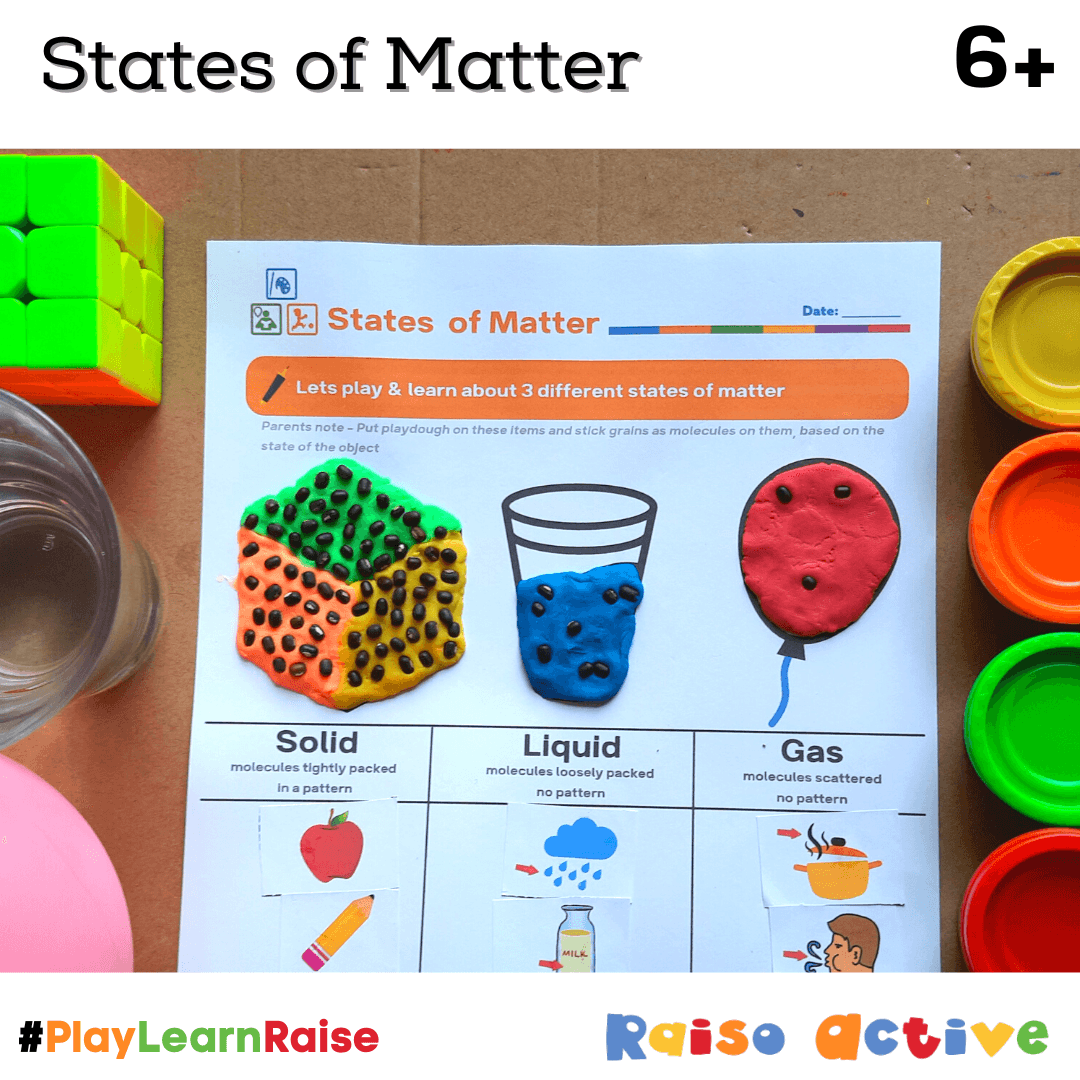
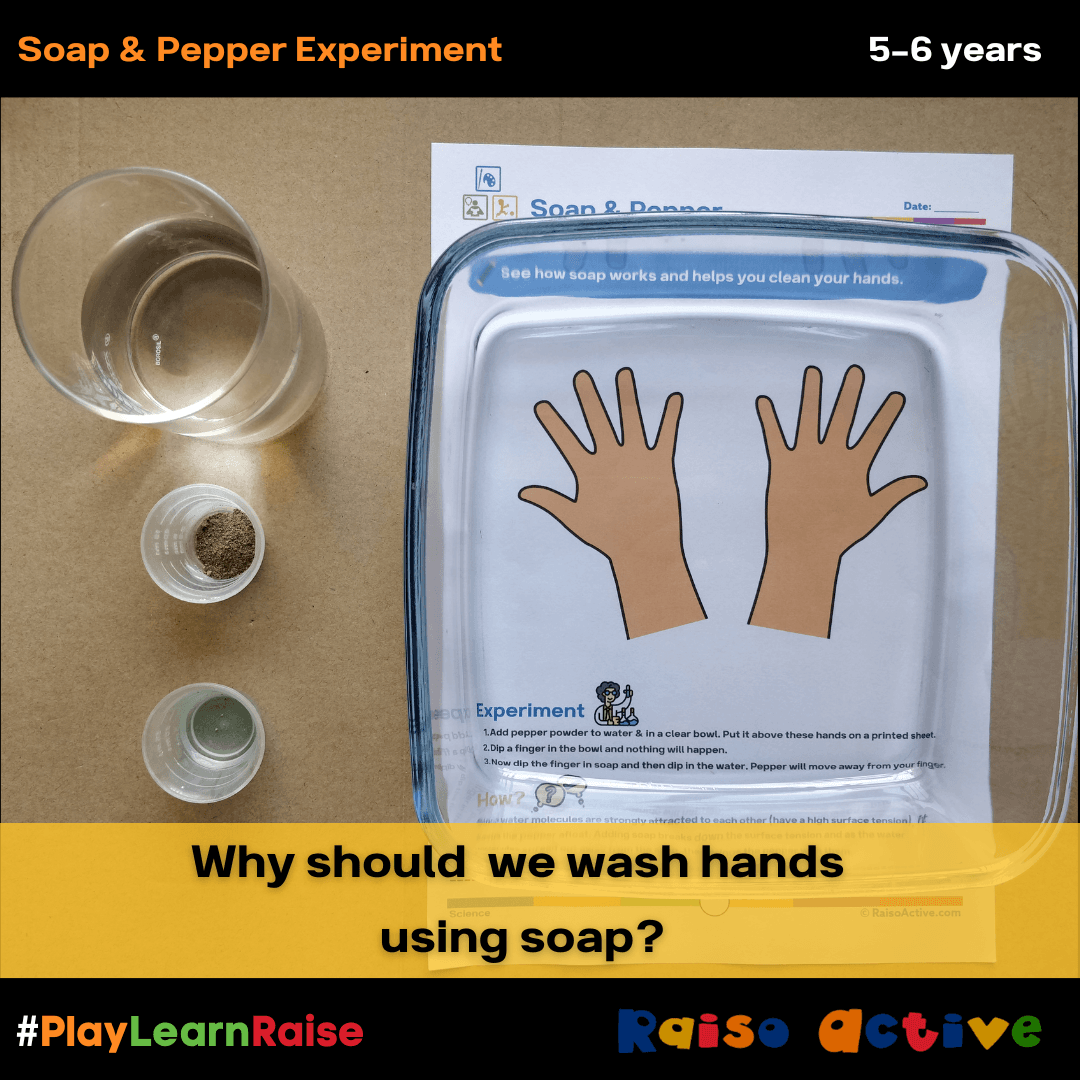
Worksheets and structured activities make excellent portfolio pieces because they provide consistent formats that make progress easy to spot. Here are some activities that work beautifully for portfolio assessment:
Common Mistakes to Avoid
- Saving everything — A portfolio is not a filing cabinet. Be selective. Choose pieces that show something specific about your child's development.
- Forgetting to date work — Undated work loses its power as a progress indicator. Make dating a non-negotiable habit.
- Only including "good" work — Some of the most valuable portfolio pieces are early attempts, mistakes, and works-in-progress. They show effort and growth.
- Leaving out context — A worksheet on its own means very little. Add notes: Was this the first attempt? Did they need help? What were they learning?
- Not reviewing the portfolio — A portfolio that sits in a cupboard serves no one. Schedule regular review times with your child.
- Comparing with other children — Portfolios celebrate individual growth. Never use one child's portfolio to compare against another.
Key Takeaway
A portfolio is a curated story, not a collection bin.
The most effective portfolios contain fewer, well-chosen pieces with rich context notes rather than stacks of undated, uncommented worksheets. Quality always beats quantity in portfolio assessment.
Unlimited Access
Get Free Printable Worksheets for Your Child's Portfolio
Join thousands of parents and teachers who use our age-appropriate worksheets to track and celebrate children's progress. Subscribe for free resources delivered weekly.
All worksheets & activitiesNew content weeklyDownload unlimited times
Subscribe NowFrequently Asked Questions About Portfolio Assessment
At what age should I start a portfolio for my child?
You can start from birth, but portfolios become especially meaningful from around 12 months when children begin producing tangible evidence of learning — first scribbles, handprints, photos of stacking and sorting. For school-based portfolios, most preschools begin at age 3. The earlier you start, the richer the growth story you can tell. Even simple photo documentation of a toddler's play milestones counts as portfolio evidence.
How is portfolio assessment different from report cards?
Report cards typically summarise a child's performance using grades, ratings, or brief comments at set intervals. Portfolios, on the other hand, contain actual evidence of learning — the child's own work, photos, observations, and reflections. A report card tells you a child is "developing well in fine motor skills." A portfolio *shows* you their cutting progression from September to March. Portfolios are richer, more personalised, and more useful for understanding how a child learns, not just what they have achieved.
How many pieces should a portfolio contain?
There is no magic number, but a good rule of thumb is 2-3 carefully selected pieces per week, which gives you roughly 80-120 samples per year. For each developmental area (literacy, numeracy, fine motor, art, social-emotional), aim for at least 6-8 dated samples spread across the year to show clear progression. Remember: the goal is not volume but variety and intentionality. Every piece should be there for a reason.
Can I use a digital portfolio instead of a physical one?
Absolutely. Digital portfolios have several advantages: they are easy to organise and search, they can include videos and audio recordings, and they are simple to share with family members or teachers. Apps like Seesaw, Google Drive, or even a dedicated Instagram account (set to private) work well. Many families use a hybrid approach — keeping original artwork and special pieces in a physical folder while maintaining a digital backup with photos. The best portfolio is the one you will actually maintain consistently.
What if my child's school only uses traditional testing?
Start a home portfolio independently. You do not need your school's permission to document your child's learning journey at home. Collect artwork, photos of projects, writing samples, and your own observation notes. When parent-teacher meetings come around, bring the portfolio along. Most teachers are delighted when parents show this level of engagement. In India, with NEP 2020 encouraging holistic assessment, many schools are becoming more receptive to portfolio-based approaches.
How do I prevent the portfolio from becoming overwhelming?
Set boundaries from the start. Decide on your collection schedule (e.g., 2-3 pieces per week), designate a specific day for adding items to the portfolio (Sunday sorting works well for many families), and do a quarterly review where you and your child decide which pieces stay and which can be recycled or taken home. Use the "one in, one out" rule for sections that are getting too thick. And remember — photographs are your best friend. You can photograph bulky 3D projects and then let the physical item go.