 Cognitive Skills
Brain Balance & Coordination Finger Game for Kids (Ages 6-7)
Engage your child in a fun brain-boosting activity designed to enhance balance and coordination. This engaging finger game helps children improve fine motor skills, focus, and bilateral coordination through playful movements.
- Interactive game
- Ages 6-7 · Grade 1Ages 6-7 · Year 2Ages 6-7 · Class 1Ages 6-7
- Video tutorial
- 4 things to gather
- 6 steps
What Your Child Will Learn
- Improve fine motor skills and finger dexterity.
- Enhance bilateral coordination (using both sides of the body together).
- Boost hand-eye coordination.
- Develop focus and concentration.
- Strengthen brain balance and cognitive processing.
How to Do This Activity
6 stepsGetting Started
- Attach one pom-pom to the tip of each finger of both gloves using glue or tape. For consistency, you can match the colors shown in the image: Left hand (thumb to pinky) - light blue, red, green, purple, yellow; Right hand (thumb to pinky) - purple, red, light blue, green, yellow.
- Have your child put on the gloves.
- Place the red stick on the left side of the playing area and the purple stick on the right side, or use them as visual cues in the center.
Step 1: Finger Identification: Start by asking your child to identify and move specific fingers based on color. For example, "Wiggle your red finger!" or "Touch your green and yellow fingers together."
Step 2: Single Hand Patterns: Demonstrate simple finger patterns or movements with one of your gloved hands (if you have a spare set, or use your bare hand as a model). Ask your child to mimic the pattern with their corresponding gloved hand. Start with slow, distinct movements.
Step 3: Bilateral Mirroring: Once comfortable with single-hand movements, demonstrate a pattern with one hand and ask your child to mirror it with their opposite hand. For instance, if you move your left index finger, they move their right index finger.
Step 4: Sequential Patterns: Introduce sequences. For example, "Touch your thumb, then your index finger, then your middle finger." Gradually increase the length and complexity of the sequence.
Step 5: Stick Cues: Use the sticks as visual cues. You could point to the red stick and ask them to perform a movement with their left hand, then point to the purple stick for their right hand. Or, have them tap a specific colored pom-pom on one of the sticks.
Step 6: Rhythmic Movements: Incorporate rhythm by doing the movements to a slow count or simple music.
Ways to Extend
- Idea 1
Add Music: Perform the finger movements to the beat of different types of music.
- Idea 2
Storytelling: Create a story where each colored pom-pom is a character, and their movements tell part of the tale.
- Idea 3
Memory Challenge: Demonstrate a longer sequence of finger movements and have your child try to recall and replicate it from memory.
- Idea 4
Eyes Closed: Once proficient, have your child try some simple movements with their eyes closed to enhance proprioception and body awareness.
- Idea 5
Advanced Patterns: Introduce more complex patterns, crossing fingers, or rapid alternating movements between hands.
Related printable packs
View all packs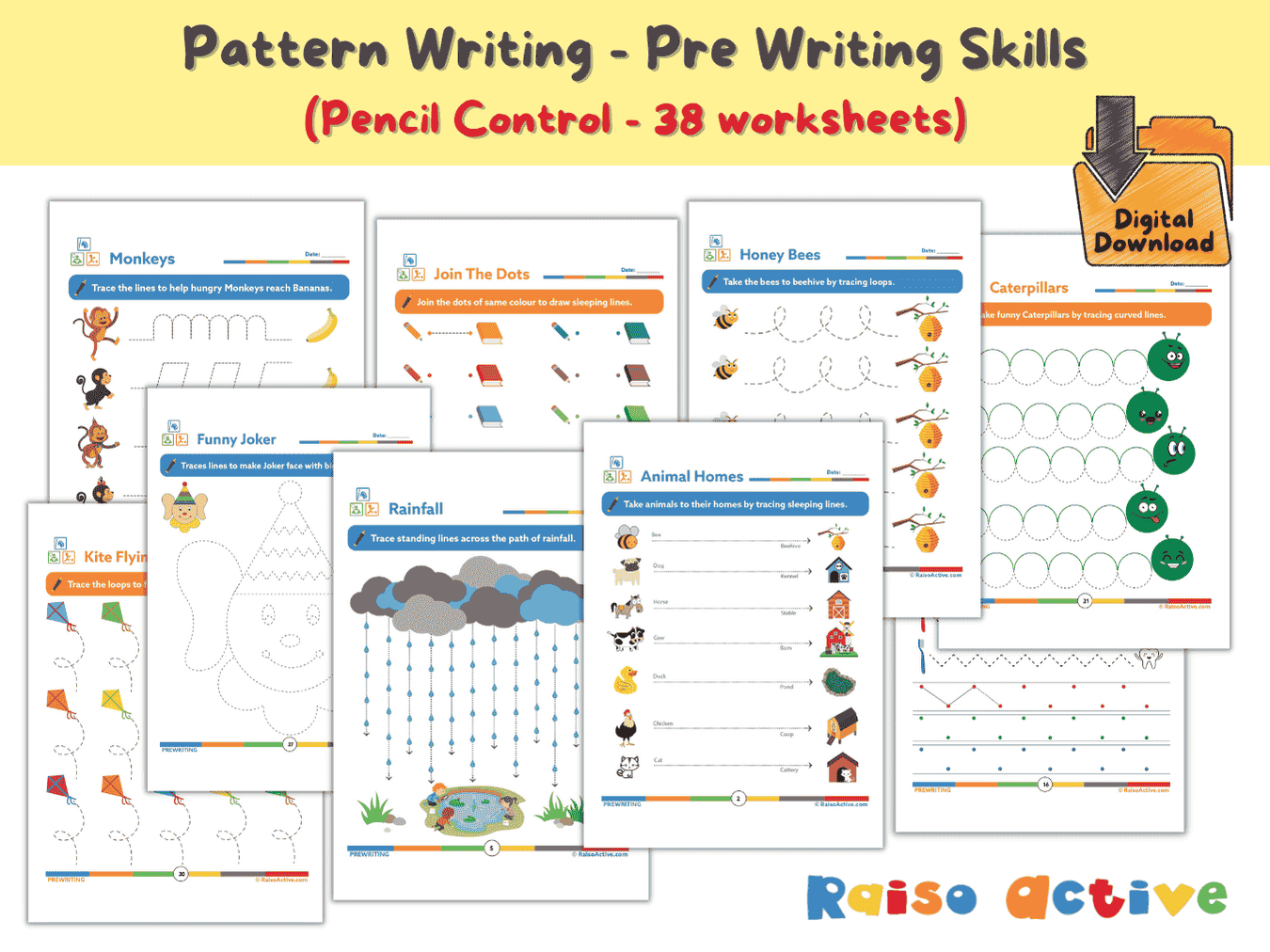
Pattern Writing Pre-writing Skills Activity Book for 3-4 Year Olds
Ages 3-4 · PreschoolAges 3-4 · NurseryAges 3-4 · 44 pages
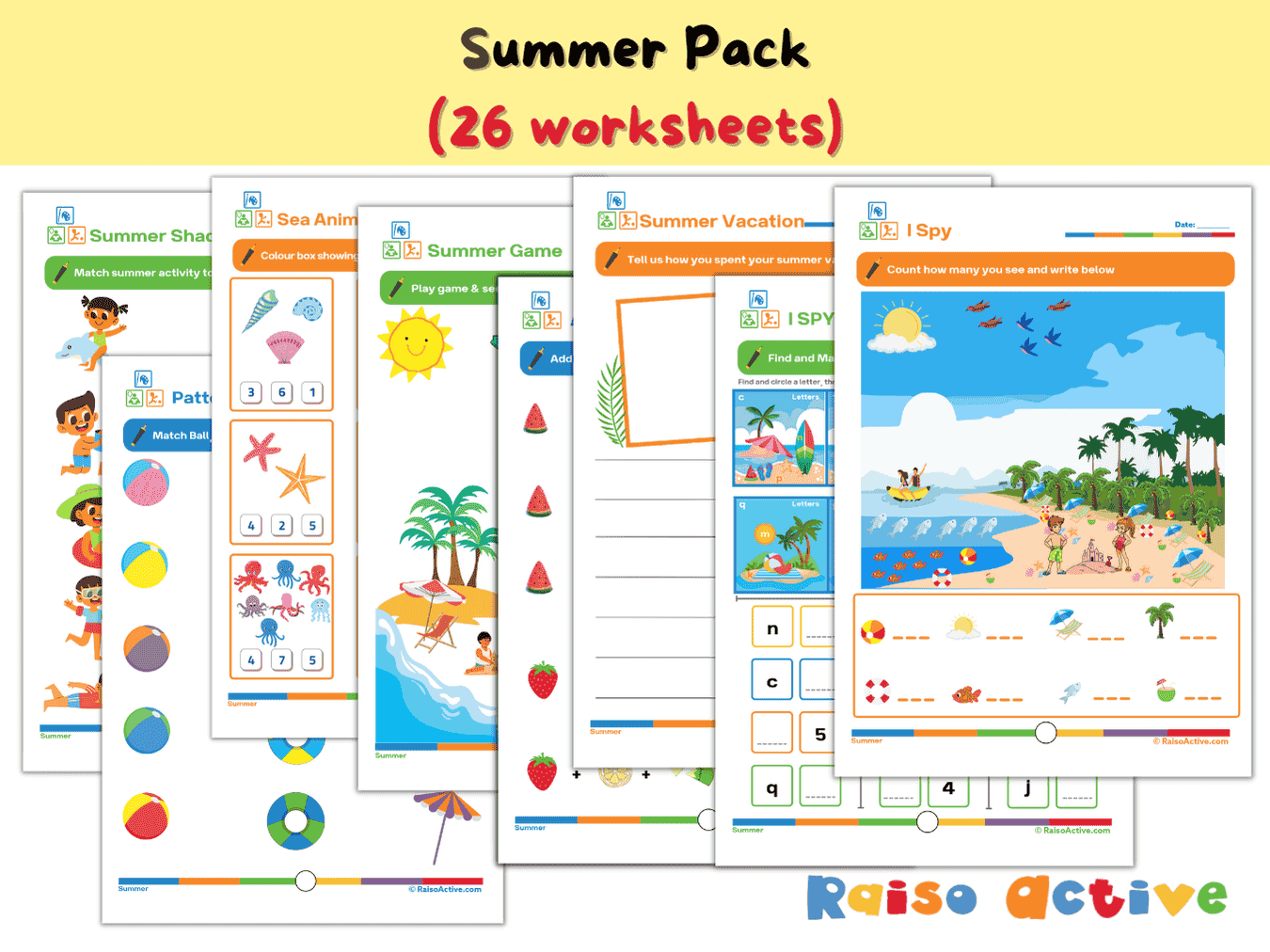
Summer Activity Pack: Math, Literacy, Puzzles & More for Preschool & Kindergarten
Ages 3-7 · Preschool–Grade 1Ages 3-7 · Nursery–Year 2Ages 3-7 · Nursery–Class 1Ages 3-7 · 26 pages
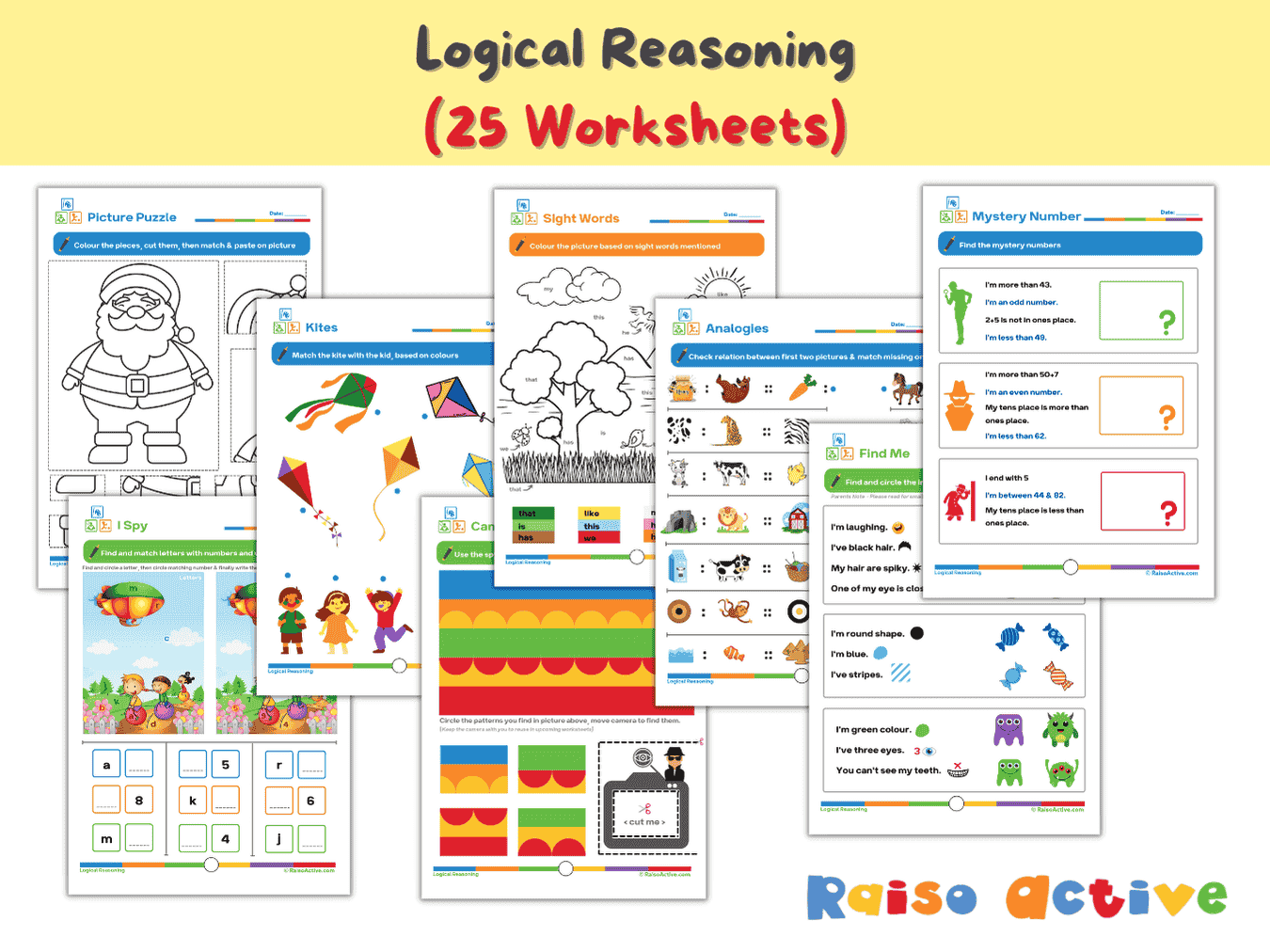
Logical Reasoning Activity Book for Preschool & Kindergarten | Patterns, Puzzles & Analogies
Ages 4-7 · Pre-K–Grade 1Ages 4-7 · Reception–Year 2Ages 4-7 · LKG–Class 1Ages 4-7 · 26 pages
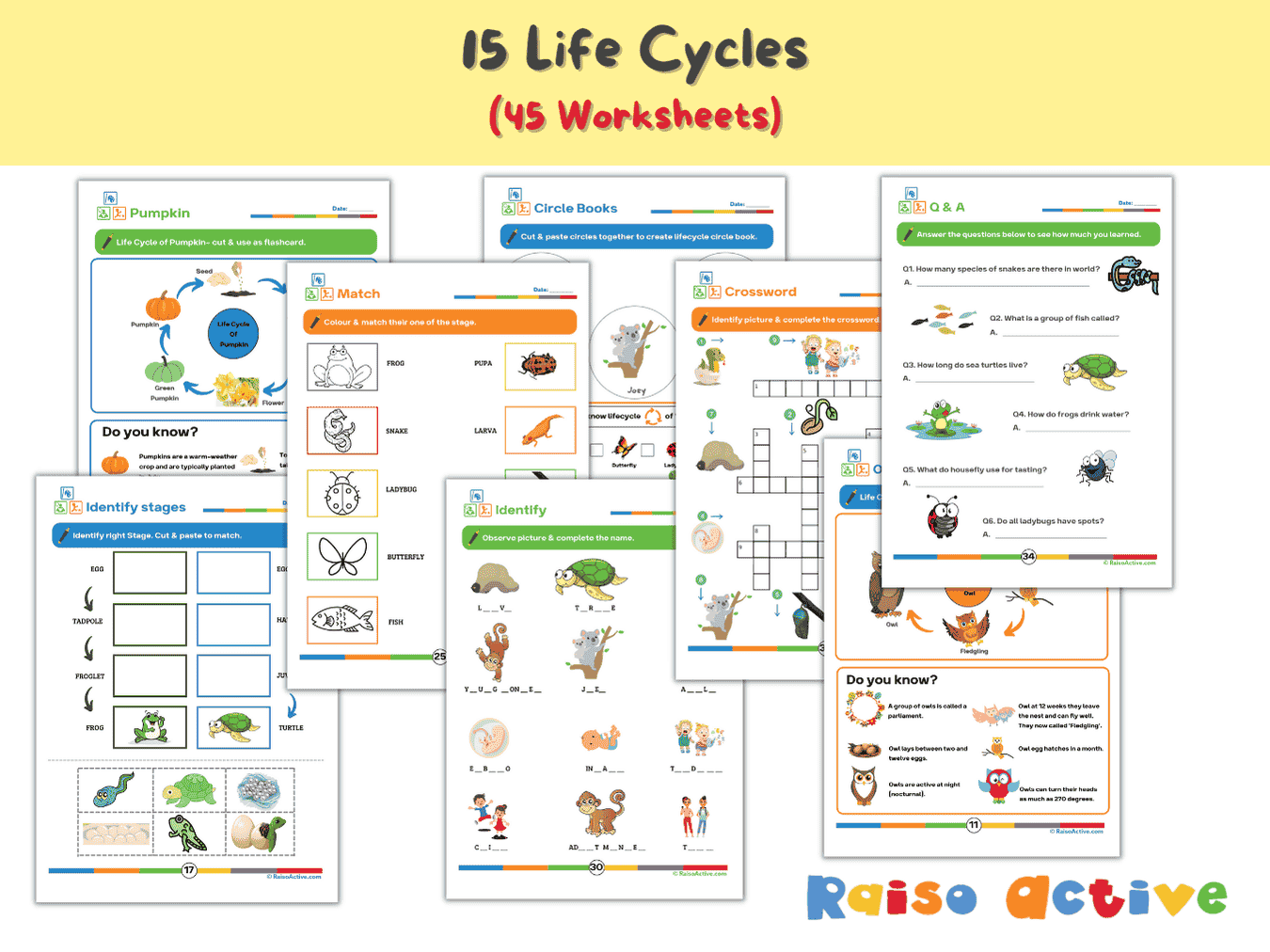

Lifecycles Activity Book & Flashcards for Preschool & Early Elementary
Ages 3-8 · Preschool–Grade 2Ages 3-8 · Nursery–Year 3Ages 3-8 · Nursery–Class 2Ages 3-8 · 46 pages
Related guides
View all on Bilateral Coordination
Number Formation Rhymes 0–9 and How to Fix Reversals
Original number formation rhymes for 0–9, the correct stroke order for each digit, why 3, 5 and 7 get reversed most often, and multisensory fixes that work.

Pre-Writing Strokes in Order: From Standing Lines to Loops (With Printable Patterns)
The developmental order of pre-writing strokes, from vertical lines to loops, and why practicing them in sequence makes letter formation much easier to learn.

Kindergarten Readiness Checklist: 25 Skills to Practice Before the First Day
A kindergarten readiness checklist of 25 literacy, math, motor, self-regulation and self-help skills, with an 8-week summer plan and notes on when not to worry.
More activities like this
All activities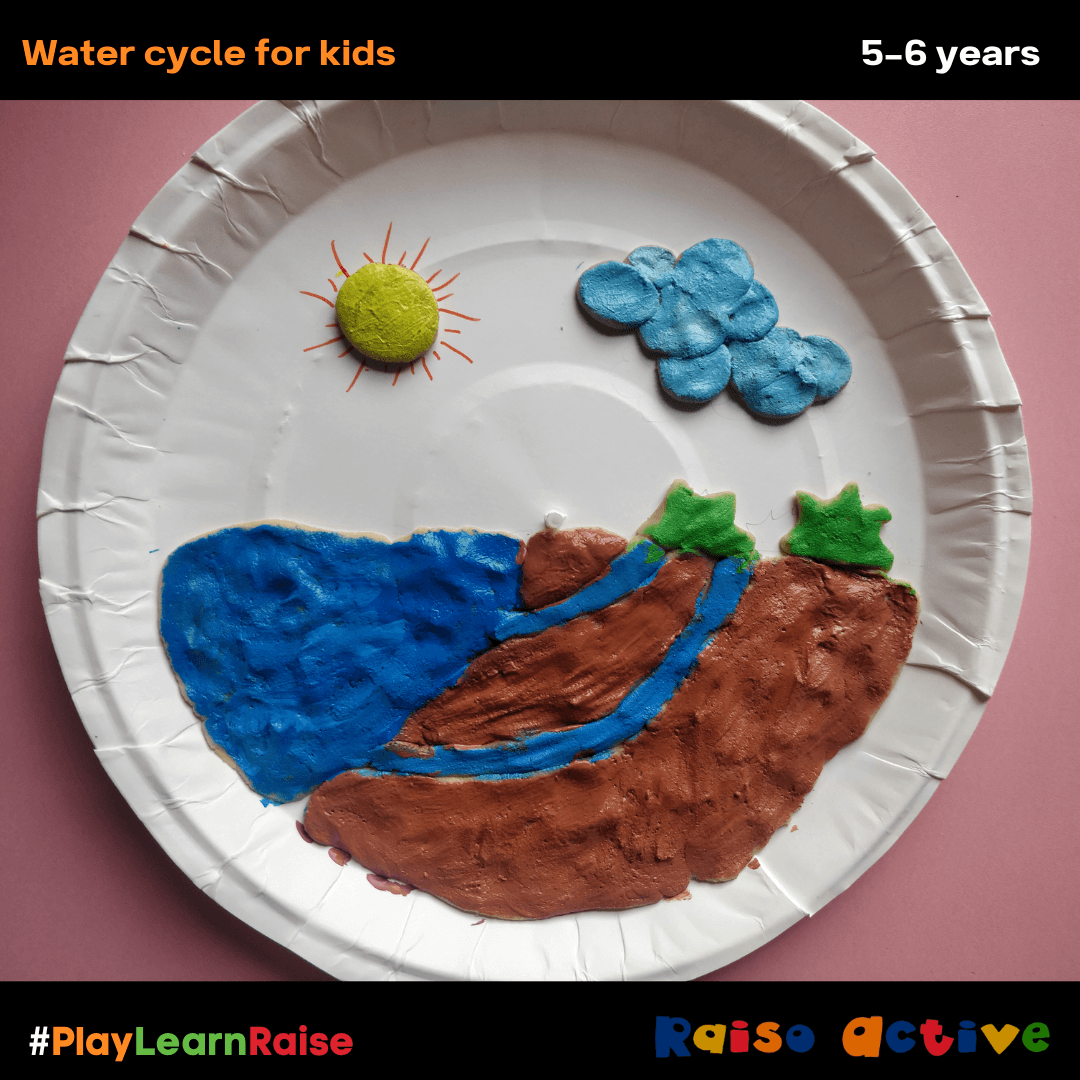 Has a video
Water Cycle Craft for Kids: Learn About Rain & Evaporation
Children will create a hands-on model of the water cycle using clay or play-doh on a paper plate. This engaging craft helps kids visualize and understand how water moves through evaporation, condensation, and precipitation.
What they'll learn:
Introduce the basic stages of the water cycle (evaporation, condensation, precipitation). +4 more
 Has a video
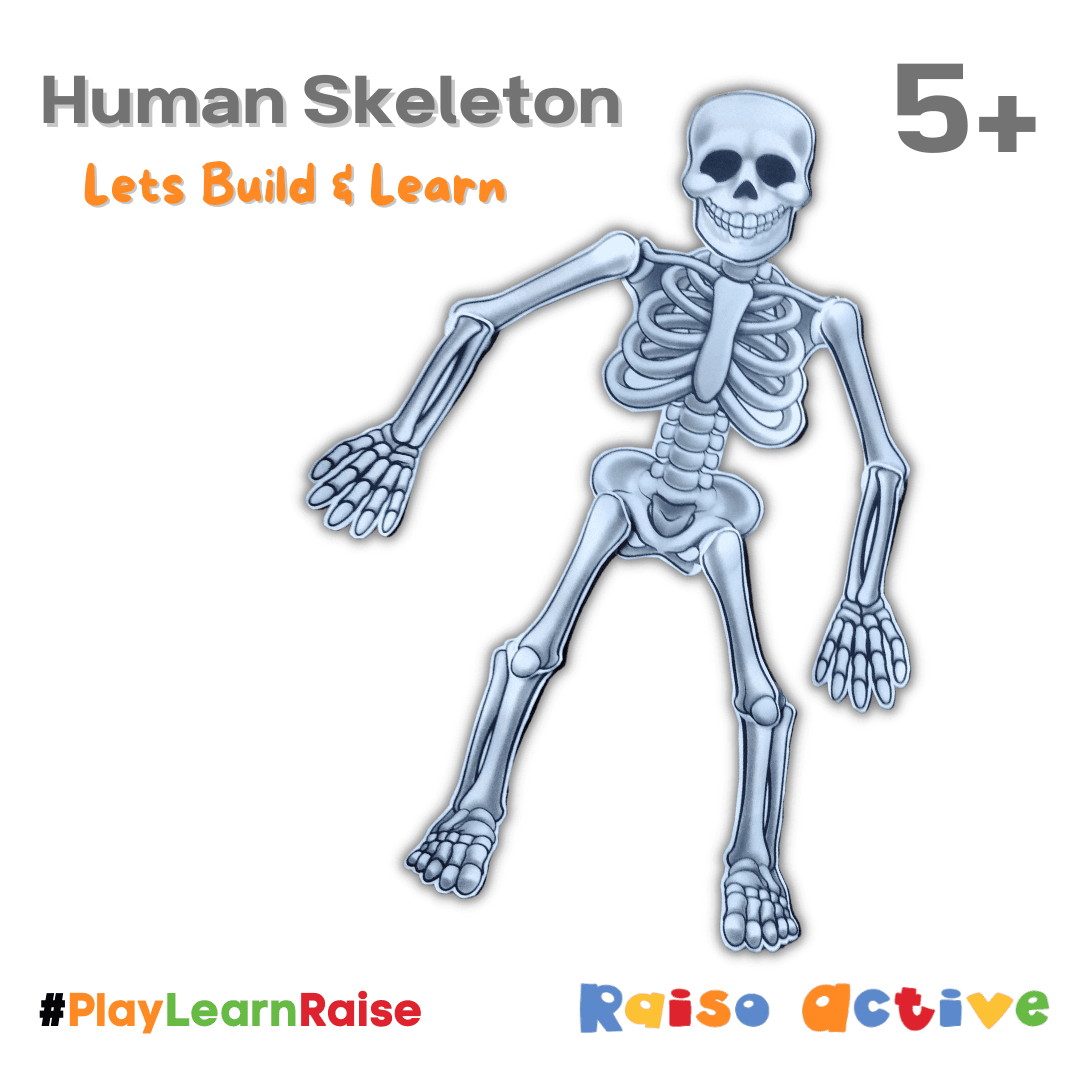
Human Skeleton Craft & Matching Worksheet for Kids
Engage children with this exciting activity to build a human skeleton model and learn bone names. Kids will cut out various skeleton parts, assemble them, and then match common bone names on a fun worksheet.
What they'll learn:
Identify major bones of the human skeleton (e.g., skull, ribs, spine) +4 more
 Has a video
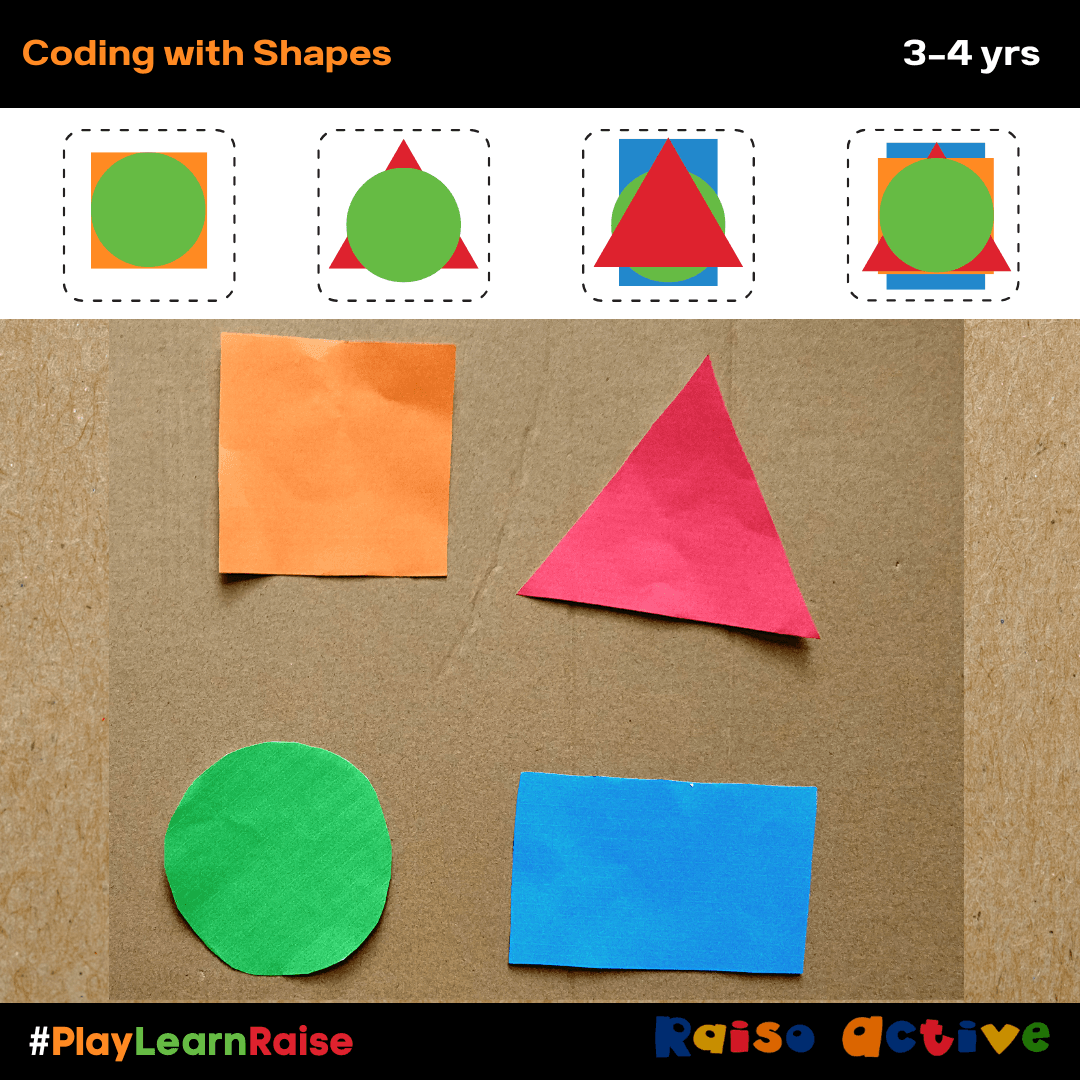
Coding Shapes Activity for Preschoolers | Pattern Matching Fun
Engage young learners with this hands-on coding shapes activity! Children will cut out colorful geometric shapes and arrange them to match given patterns, fostering early logic and fine motor skills. It's a fun way to introduce foundational coding concepts.
What they'll learn:
Identify and name basic 2D shapes (circle, square, triangle, rectangle). +4 more
 Has a video
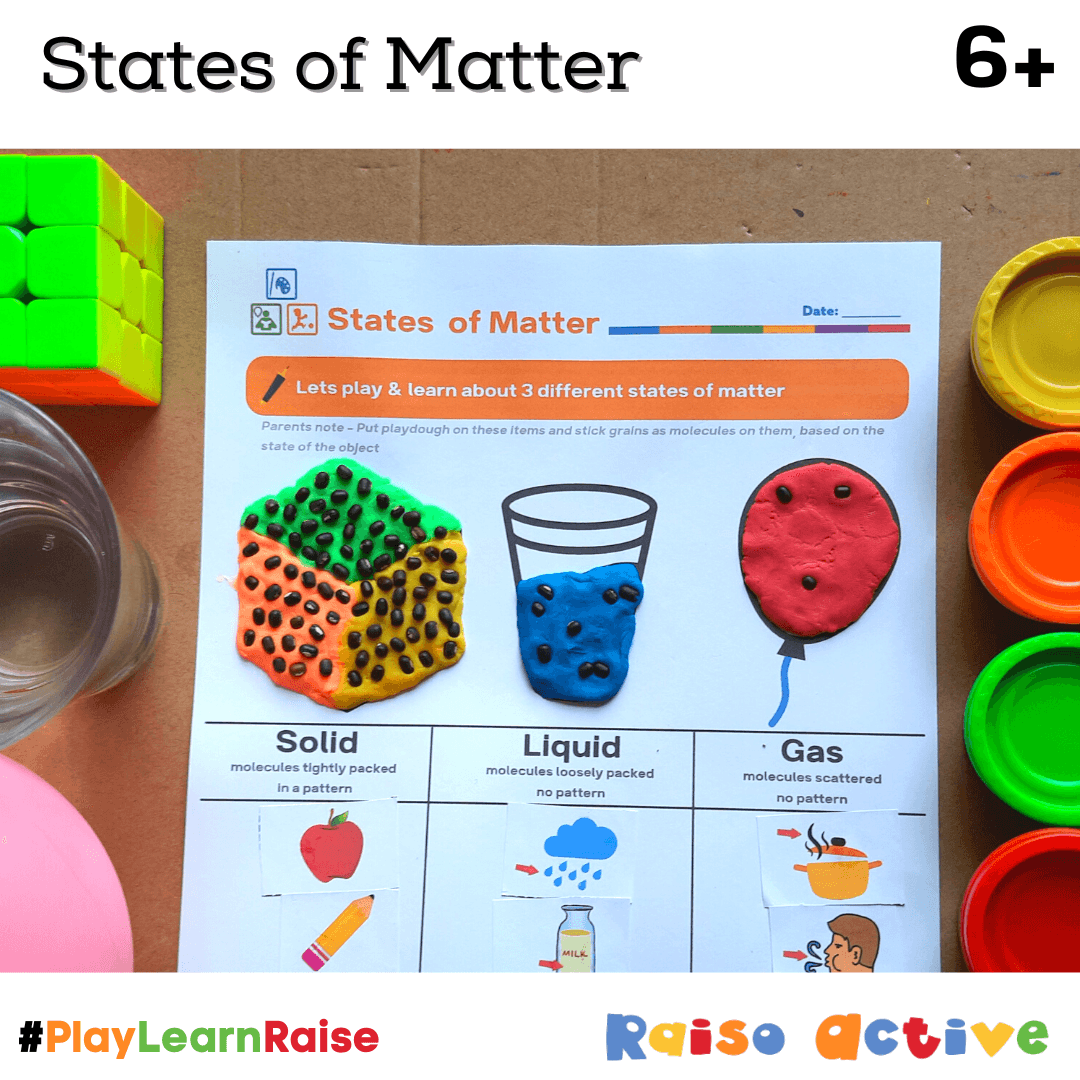
States of Matter STEM Activity: Solid, Liquid, Gas Exploration
Engage children with this hands-on STEM activity where they will use playdough and small grains to model and understand the molecular structures of solids, liquids, and gases. Kids will also classify everyday objects based on their state of matter.
What they'll learn:
Identify and differentiate between the three main states of matter: solid, liquid, and gas. +4 more