Special Needs & Inclusion, Parenting & Homeschool
Resources for Children with Multiple Disabilities: A Comprehensive Guide for Families
Author
RaisoActive - Kids Activities and Fun Learning
Date Published
Reading Time
6 min read

In This Article10 min read
- Understanding what multiple disabilities mean and how they affect learning
- Key therapies and early intervention strategies that make a real difference
- Practical assistive technology tools — from low-tech to high-tech solutions
- How to build an inclusive learning environment at home and in the classroom
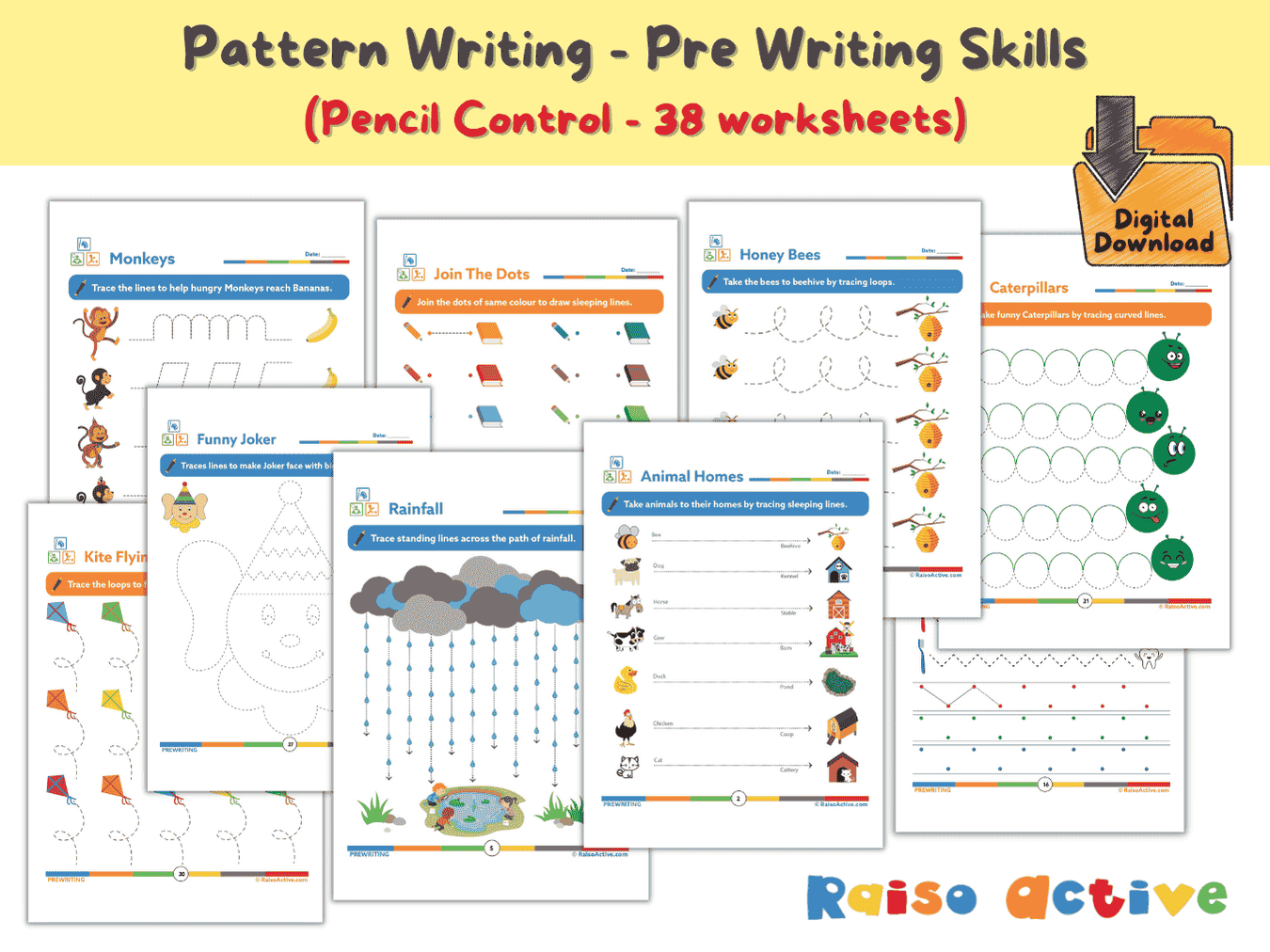
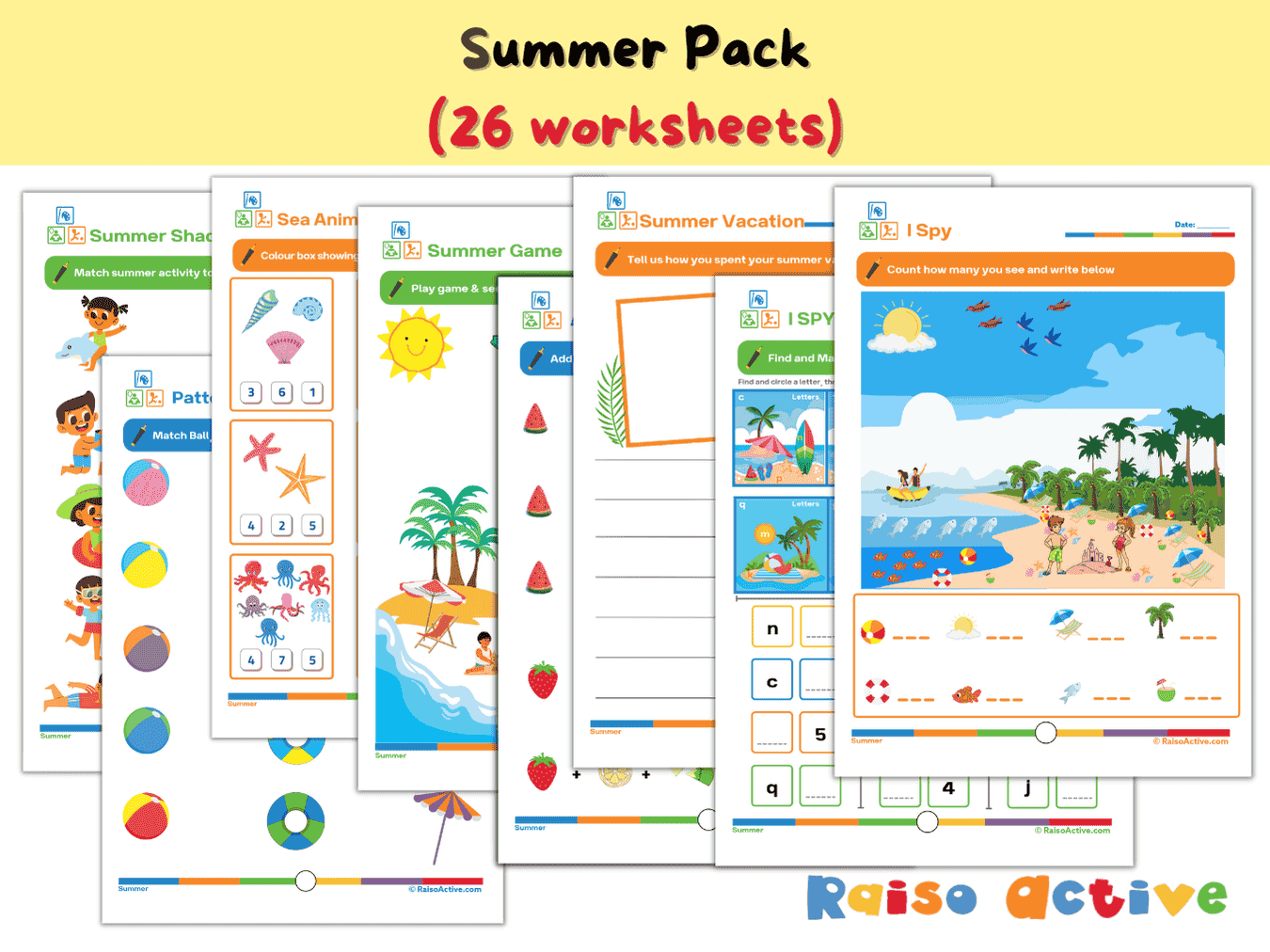
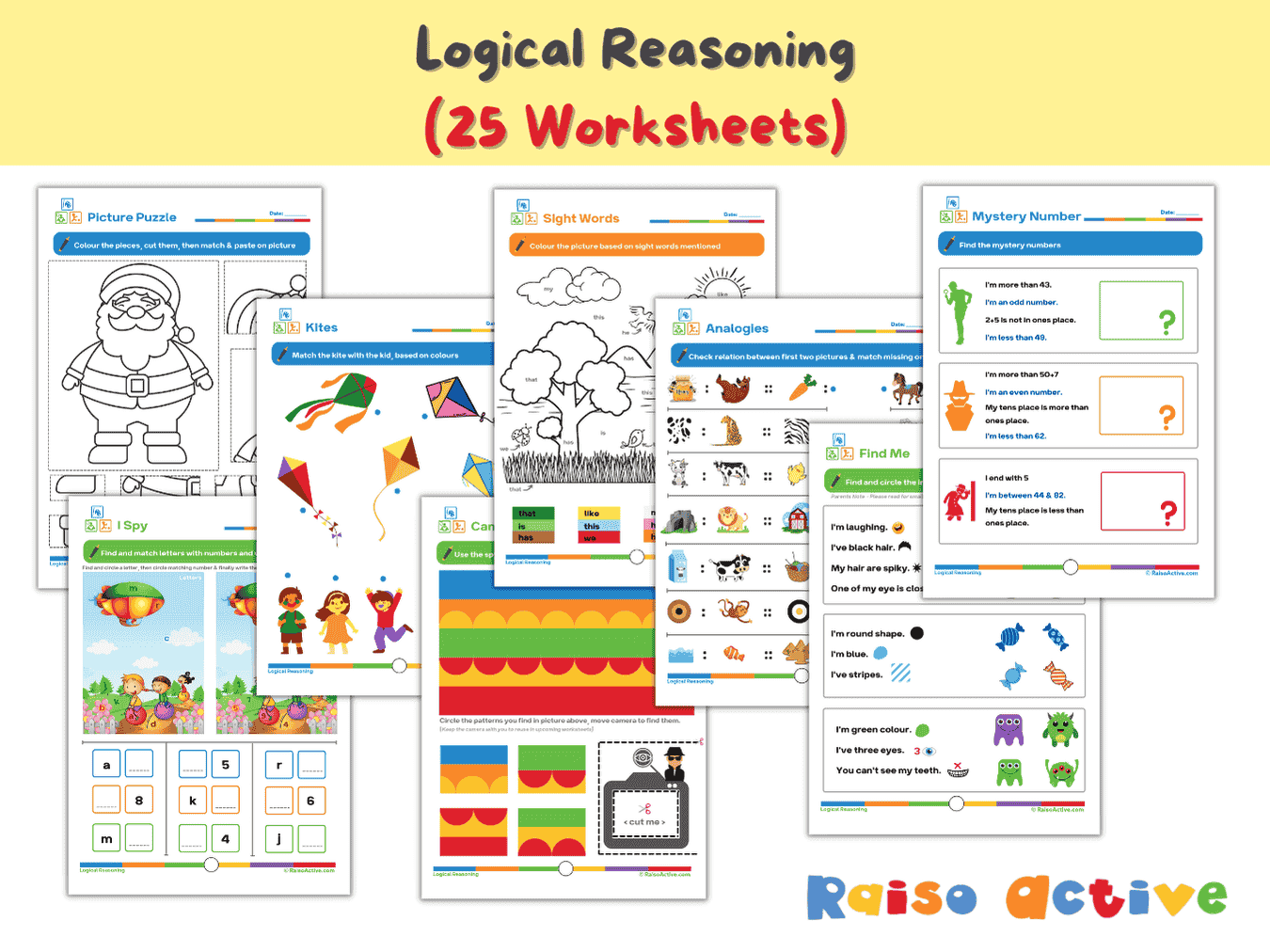
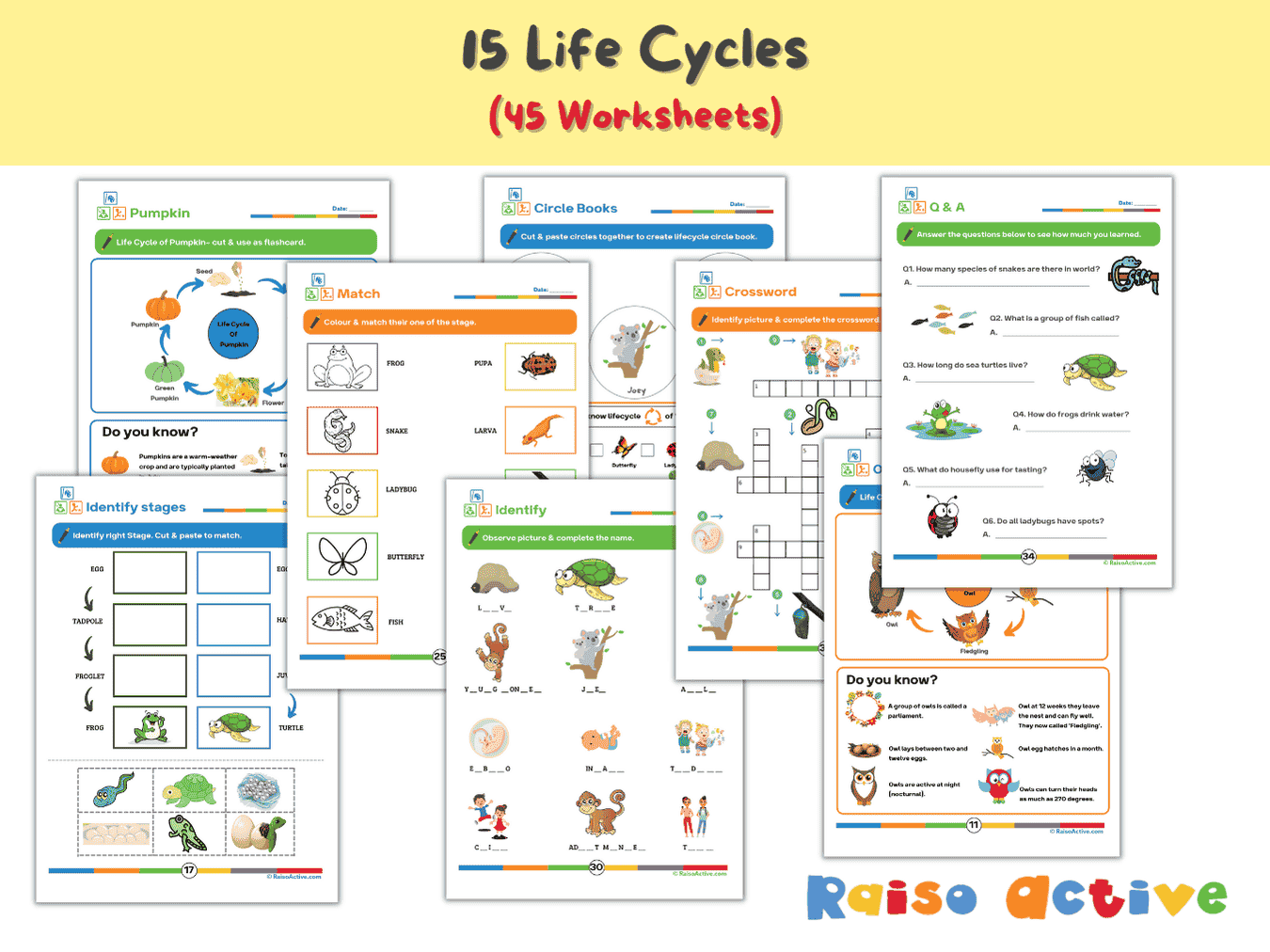
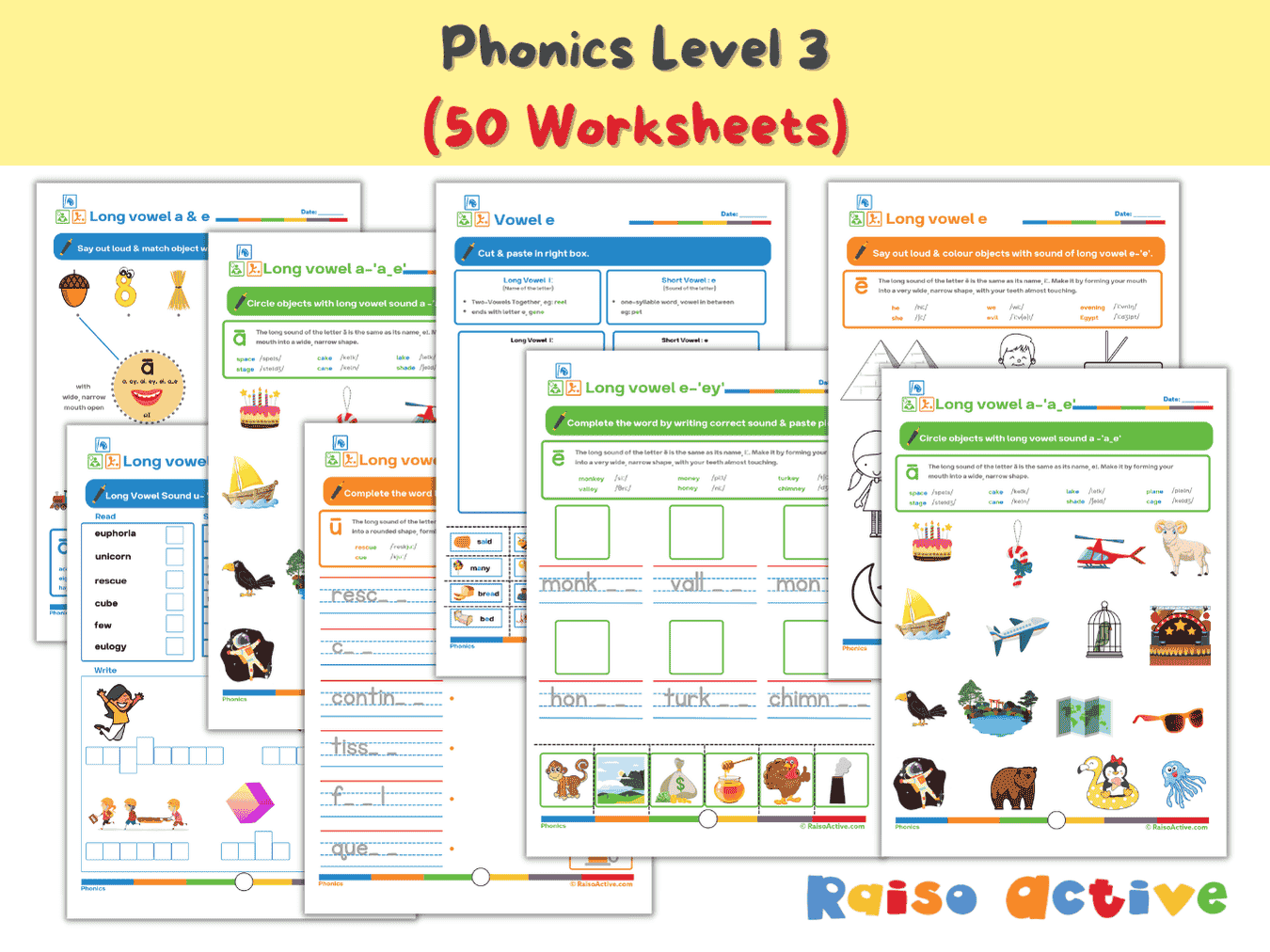
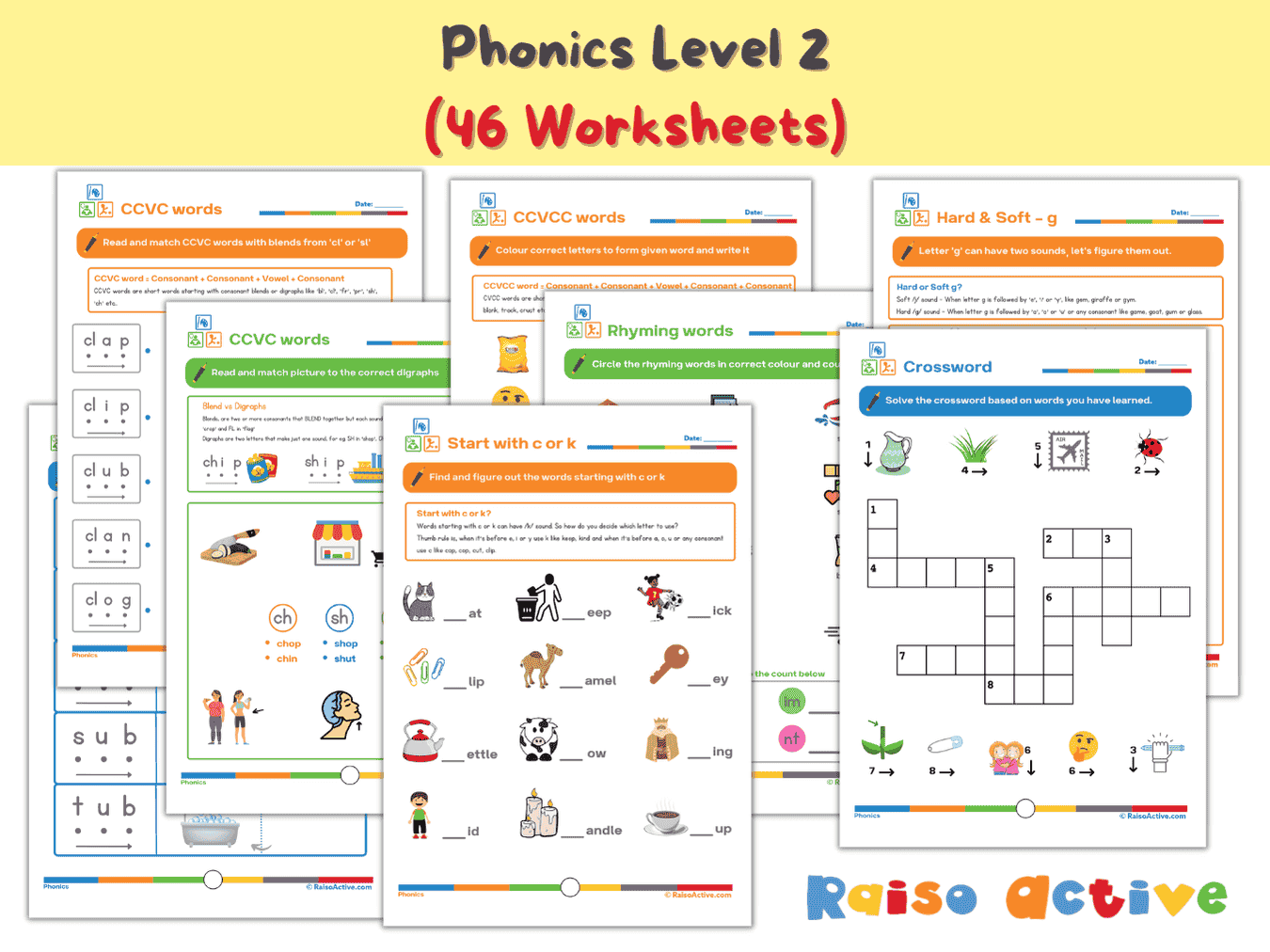
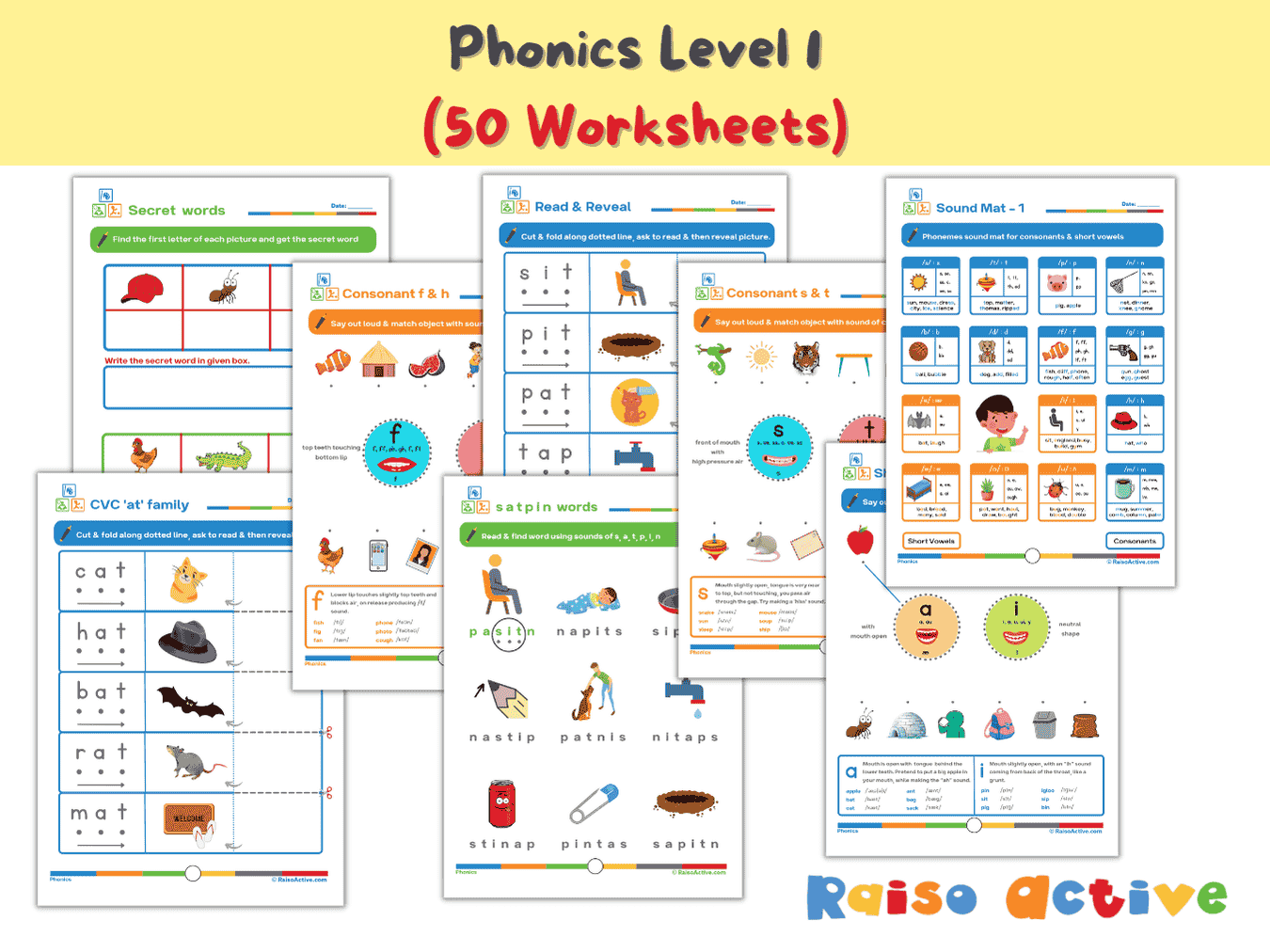
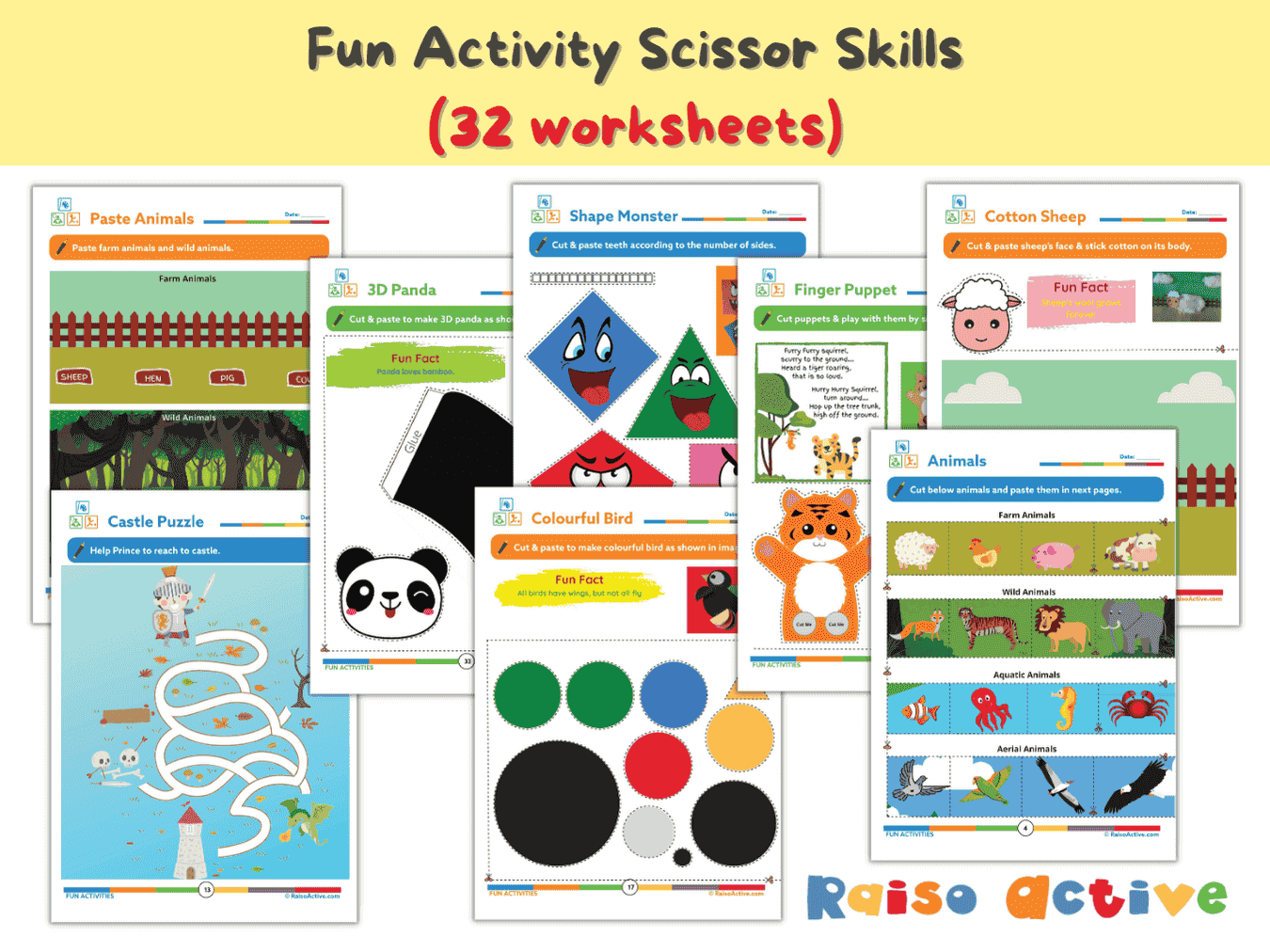
- Printable resources and activities designed for diverse abilities
What Does "Multiple Disabilities" Really Mean?
When we talk about children with multiple disabilities, we're referring to little ones who experience two or more co-occurring conditions that affect how they learn, communicate, and interact with the world. This might include a combination of intellectual disabilities, physical impairments, sensory challenges (like vision or hearing loss), and communication difficulties.
Every child with multiple disabilities is wonderfully unique. There is no single "profile" — your child's combination of strengths and challenges is entirely their own. And that's exactly why a one-size-fits-all approach simply doesn't work. What does work is understanding your child deeply, connecting with the right resources, and building a support system that grows with them.
Whether you're a parent navigating a new diagnosis, a teacher looking to create a more inclusive classroom, or a caregiver searching for practical strategies — this guide brings together the most helpful resources we've found, from therapies and technology to hands-on printable activities.
Get inclusive learning resources in your inbox
Free worksheets, activity ideas, and expert tips for supporting children with diverse learning needs.
Understanding the Landscape: Common Combinations
Multiple disabilities can present in many combinations. Some of the most common include intellectual disability with cerebral palsy, autism spectrum disorder with sensory processing challenges, hearing impairment with visual impairment (sometimes called deaf-blindness), and developmental delay with communication disorders. Understanding which conditions overlap helps you seek the right therapies and educational approaches.
240 Million
Children worldwide live with some form of disability, with many experiencing multiple co-occurring conditions that require integrated support.
Source: UNICEF State of the World's Children Report, 2023
The important thing to remember is that disability labels don't define your child's potential. Labels help access services and create support plans, but your child is so much more than any diagnosis. Many children with multiple disabilities achieve remarkable milestones when given the right environment, patience, and tools.
Key Takeaway
Focus on your child's abilities and interests first, then build support systems around their specific challenges. Strengths-based approaches lead to better outcomes than deficit-focused ones.
Early Intervention: The Earlier, the Better
Research consistently shows that early intervention — ideally before age 3 — can significantly improve developmental outcomes for children with multiple disabilities. The brain's neuroplasticity during early childhood means that targeted therapies can create new neural pathways and strengthen existing ones.
Getting Started with Early Intervention
1
Get a comprehensive evaluation
Request a multidisciplinary assessment from your paediatrician or a developmental centre. This should cover speech, occupational therapy, physical therapy, and cognitive development. In India, centres like NIMHANS (Bangalore) and NIEPMD (Chennai) offer comprehensive evaluations. In the US, contact your state's early intervention programme under IDEA Part C.
2
Build your therapy team
Based on the evaluation, you'll likely need a team that includes a speech-language pathologist, occupational therapist, physical therapist, and possibly a behavioural therapist. Look for professionals experienced in working with multiple disabilities specifically.
3
Create an Individualised Plan
Work with your team to develop an IFSP (Individualised Family Service Plan) for children under 3, or an IEP (Individualised Education Programme) for school-age children. In India, this is sometimes called an Individual Support Plan under the RPWD Act 2016.
4
Integrate therapy into daily routines
The most effective interventions happen during everyday activities — mealtimes, bath time, play, and transitions. Ask your therapists for specific strategies you can weave into your daily routine.
5
Track progress and adjust
Keep a simple journal or use an app to note small wins and challenges. Review the plan every 3-6 months and adjust goals as your child grows.
Key Therapies and What They Address
Children with multiple disabilities often benefit from a combination of therapies. Here's a breakdown of the most common ones and what they target:
Speech and Language Therapy
Goes far beyond just "learning to talk." For children with multiple disabilities, speech therapy addresses eating and swallowing difficulties, augmentative and alternative communication (AAC), social communication skills, and language comprehension. If your child is non-verbal, AAC tools — from simple picture boards to high-tech speech-generating devices — can be transformative.
Occupational Therapy (OT)
Focuses on helping your child participate in daily activities — eating, dressing, playing, and eventually writing. OT addresses fine motor skills, sensory processing, hand-eye coordination, and self-care skills. For children with sensory processing challenges, an OT can create a "sensory diet" — a personalised plan of sensory activities throughout the day.
Physical Therapy (PT)
Helps with gross motor skills — sitting, standing, walking, and balance. For children with conditions like cerebral palsy, physical therapy also addresses muscle tone, posture, and mobility. Your PT may recommend adaptive equipment like standing frames, walkers, or specialised seating.
💡Finding the Right Therapist
- Ask for referrals from other parents in disability support groups — they're your best source for finding therapists who truly understand multiple disabilities.
- Look for therapists with experience in your child's specific combination of conditions, not just one diagnosis.
- A good therapist will always involve you in sessions and teach you strategies to use at home.
- If in-person therapy is difficult to access, explore teletherapy options — many therapists now offer effective online sessions.
Supporting Sensory Processing Needs
Many children with multiple disabilities experience sensory processing differences — they may be over-sensitive (hypersensitive) or under-sensitive (hyposensitive) to sounds, textures, lights, or movement. Some children seek out intense sensory input, while others avoid it. Understanding your child's sensory profile is crucial for creating environments where they can learn and thrive.
Helpful Sensory Strategies
- +Create a calm-down corner with soft lighting and preferred textures
- +Offer sensory breaks throughout the day (movement, deep pressure, fidgets)
- +Use visual schedules to prepare for transitions and new environments
- +Introduce new textures and sounds gradually with positive associations
- +Observe and note your child's sensory triggers and preferences
Common Mistakes to Avoid
- -Forcing exposure to overwhelming sensory input as "desensitisation"
- -Removing all sensory-seeking behaviours without providing alternatives
- -Assuming meltdowns are behavioural — they're often sensory overload
- -Using the same approach for every child — sensory needs are highly individual
- -Ignoring sensory needs during academic activities and expecting focus
Building an Inclusive Learning Environment at Home
You don't need expensive equipment or a degree in special education to create an effective learning environment at home. What you need is an understanding of your child's strengths, some creativity, and the right resources. Here are practical strategies that work:
- Multi-sensory learning: Pair visuals with tactile materials. Let your child trace letters in sand, count with textured objects, or learn colours through sorting real items.
- Adapted materials: Use larger print, high-contrast colours, textured surfaces, or switch-adapted toys depending on your child's needs.
- Structured routine with flexibility: Children with multiple disabilities often thrive with predictable routines but need extra time and patience for transitions.
- Communication supports everywhere: Label items around your home with pictures and words. Use consistent signs or symbols your child can recognise.
- Celebrate micro-milestones: Progress may look different from neurotypical children, but every small step forward is genuinely significant.
Key Takeaway
The best learning happens when activities are adapted to meet the child where they are — not where a curriculum says they should be. Follow your child's lead and interests.
Research from the Harvard Centre on the Developing Child shows that responsive, serve-and-return interactions between adults and children build stronger neural connections than any structured programme alone.
Assistive Technology: From Low-Tech to High-Tech
Assistive technology (AT) is any tool or device that helps a person with a disability do something they couldn't do otherwise — or do it more easily. AT ranges from simple, inexpensive solutions to sophisticated digital tools. The best AT for your child depends on their specific needs, abilities, and the task at hand.
👋Assistive Technology Options by Need
- **Communication**: Picture Exchange Communication System (PECS), communication boards, AAC apps (Proloquo2Go, TouchChat), speech-generating devices
- **Writing & Drawing**: Adapted pencil grips, slant boards, weighted pens, switch-accessible drawing apps, eye-gaze technology for computer access
- **Reading**: Large print books, audiobooks, tactile books with textured pages, screen readers, text-to-speech software
- **Mobility & Positioning**: Adaptive seating, standing frames, specialised pushchairs, switch-adapted toys for independent play
- **Sensory Support**: Noise-cancelling headphones, weighted blankets, chew tools, fidget devices, visual timers
70%
of children who use AAC (Augmentative and Alternative Communication) show improvements in spoken language development, contrary to the myth that AAC replaces speech.
Source: Millar, Light & Schlosser, Journal of Speech, Language, and Hearing Research
Know Your Rights: Legal Frameworks and Financial Support
Understanding your legal rights is one of the most empowering things you can do as a parent of a child with multiple disabilities. Several laws protect your child's right to education, healthcare, and inclusion:
- India: The Rights of Persons with Disabilities (RPWD) Act 2016 recognises 21 types of disabilities and mandates inclusive education. The National Trust provides financial assistance and guardianship support.
- United States: IDEA (Individuals with Disabilities Education Act) guarantees free and appropriate public education. Section 504 and the ADA provide additional protections.
- United Kingdom: The Equality Act 2010 and the SEND Code of Practice ensure children with special educational needs receive appropriate support.
- Australia: The Disability Discrimination Act 1992 and NDIS (National Disability Insurance Scheme) fund therapy, equipment, and support services.
⚠️Navigating the System
- Document everything — keep copies of all evaluations, IEP/IFSP documents, and correspondence with schools and therapists.
- Connect with a parent advocacy organisation in your country — they can guide you through complex processes and even attend meetings with you.
- You have the right to disagree with your child's school or service provider. Learn the appeals and dispute resolution process.
- Many countries offer disability certificates or cards that provide access to concessions on transport, tax benefits, and priority services.
Daily Life: Practical Adaptations That Make a Difference
The little daily routines — getting dressed, mealtimes, bath time, bedtime — can be the most challenging parts of the day when your child has multiple disabilities. But they're also the richest learning opportunities. Here's how to adapt them:
🎨Mealtime Adaptations
- Use plates with high rims or suction bases to prevent spills
- Try angled or weighted cutlery for better grip and control
- Offer food in different textures gradually — don't force new textures
- Position your child properly with good trunk support before meals
- Make mealtimes social and low-pressure — learning to eat takes time
Key Takeaway
Adapting daily routines isn't about making things "easier" — it's about giving your child the opportunity to participate and develop independence at their own pace.
Finding Your Community: Support Networks for Families
Parenting a child with multiple disabilities can feel isolating, especially in the early days. But you are not alone. Connecting with other families who understand your journey can be one of the most powerful things you do — both for your child and for yourself.
- Online communities: Facebook groups, Reddit communities (r/disability, r/specialneeds), and dedicated forums like Complex Child or PALSS connect families worldwide.
- Local support groups: Ask your child's therapist, paediatrician, or local disability organisation about parent groups in your area.
- Sibling support: Organisations like Sibs (UK) and Sibshops (US) offer programmes specifically for brothers and sisters of children with disabilities.
- Respite care: Don't overlook your own wellbeing. Many countries offer respite care services so you can recharge. The National Trust in India, Carers UK, and ARCH National Respite Network (US) can help.
Unlimited Access
Get free inclusive learning resources every week
Join thousands of parents and teachers receiving printable worksheets, activity ideas, and expert strategies for supporting children with diverse learning needs. No spam, ever.
All worksheets & activitiesNew content weeklyDownload unlimited times
Subscribe NowFrequently Asked Questions
What is the difference between multiple disabilities and severe disabilities?
Multiple disabilities refers to the presence of two or more co-occurring conditions (such as intellectual disability combined with a physical impairment). Severe disabilities describes the intensity or degree of a single or combined condition. A child can have multiple disabilities that are mild, moderate, or severe. The key distinction is that multiple disabilities require an integrated approach that addresses each condition and how they interact.
How do I choose the right school for my child with multiple disabilities?
Visit multiple schools — both inclusive (mainstream) and specialised — and observe the classroom environment. Look for trained special educators, appropriate student-to-teacher ratios, physical accessibility, willingness to create individualised plans, and a genuinely welcoming attitude. Ask about their experience with children who have similar combinations of disabilities. In many countries, your child has the legal right to attend their neighbourhood school with reasonable accommodations.
Is inclusive education better than special schools?
There is no one-size-fits-all answer. Research shows that well-supported inclusive education benefits many children with multiple disabilities socially and academically. However, some children may need the intensive, specialised support that a special school offers, especially in the early years. Many families find a blended approach works best — mainstream school with additional specialist support. The most important factor is whether the school genuinely understands and can meet your child's individual needs.
How can I help my non-verbal child communicate?
Start by observing how your child already communicates — through gestures, facial expressions, body language, or behaviours. Build on these natural communication methods. Introduce augmentative and alternative communication (AAC) tools appropriate for their abilities: picture cards (PECS), communication boards, sign language, or AAC apps on a tablet. Importantly, research shows that AAC does not prevent speech development — it actually supports it. Work with a speech-language pathologist experienced in AAC to find the right system.
What financial support is available for families?
This varies by country. In India, the National Trust and state disability commissions offer financial assistance, and the RPWD Act provides for scholarships and concessions. In the US, Medicaid waivers, SSI (Supplemental Security Income), and IDEA-funded services provide support. The UK offers DLA (Disability Living Allowance) for children and Carer's Allowance. Australia's NDIS funds therapy, equipment, and support services. Contact your local disability organisation for a comprehensive list of entitlements in your area.
How do I manage caregiver burnout?
Caregiver burnout is real and common — acknowledging it is the first step. Prioritise building a support network: connect with other parents who understand, accept help when offered, and actively seek respite care. Set realistic expectations for yourself — you don't have to do everything perfectly. Make time for activities that recharge you, even if it's just 15 minutes of quiet time. Consider joining a caregiver support group or speaking with a counsellor who understands disability-related stress. Remember: taking care of yourself is not selfish — it's essential for your child's wellbeing too.