 Cognitive Skills
Coding Kites: Pattern Matching & Sequencing Activity for Kids
Engage young learners with this 'Coding Kites' activity where children cut, paste, and match colorful bow patterns to a kite's tail. This fun printable helps develop early sequencing skills, fine motor coordination, and visual discrimination.
- Worksheet
- Ages 3-6 · Preschool–KindergartenAges 3-6 · Nursery–Year 1Ages 3-6 · Nursery–UKGAges 3-6
- Printable PDF
- Video tutorial
- 4 things to gather
- 6 steps
What Your Child Will Learn
- Develop early sequencing and pattern recognition skills.
- Enhance fine motor skills through cutting and pasting.
- Improve visual discrimination by matching specific color arrangements.
- Practice following multi-step instructions.
- Reinforce color identification.
How to Do This Activity
6 stepsGetting Started
- Print out the 'Coding Kites' worksheet.
- Explain to your child that they will be creating a 'code' for their kite's tail by arranging colored bows in a specific order.
Step 1: First, encourage your child to identify the large kite on the left side of the worksheet. They can optionally color the kite itself.
Step 2: Look at the six smaller kites on the right side of the worksheet. Each of these kites has a unique 'coded' tail made of different colored bows arranged in a sequence.
Step 3: Have your child choose one of the patterned tails from the smaller kites that they want to recreate on their large kite.
Step 4: Carefully cut out the individual colored bows located below the large kite.
Step 5: Instruct your child to arrange and paste the cut-out bows onto the red tail of the large kite, matching the exact color sequence of their chosen pattern from the examples.
Step 6: Once the bows are pasted, they will have successfully 'coded' their kite's tail!
Ways to Extend
- Idea 1
**Create Your Own Code:** After completing one pattern, challenge your child to create their own unique bow pattern for another kite tail using different colors or sequences.
- Idea 2
**Verbal Coding:** Ask your child to describe the 'code' (color sequence) of a chosen kite tail verbally before they paste the bows.
- Idea 3
**Counting Bows:** Count the number of bows used in each tail pattern.
- Idea 4
**Real Kite Craft:** Use craft paper to create a larger kite and actual ribbon bows to make a 3D version of this coding activity.
Related printable packs
View all packs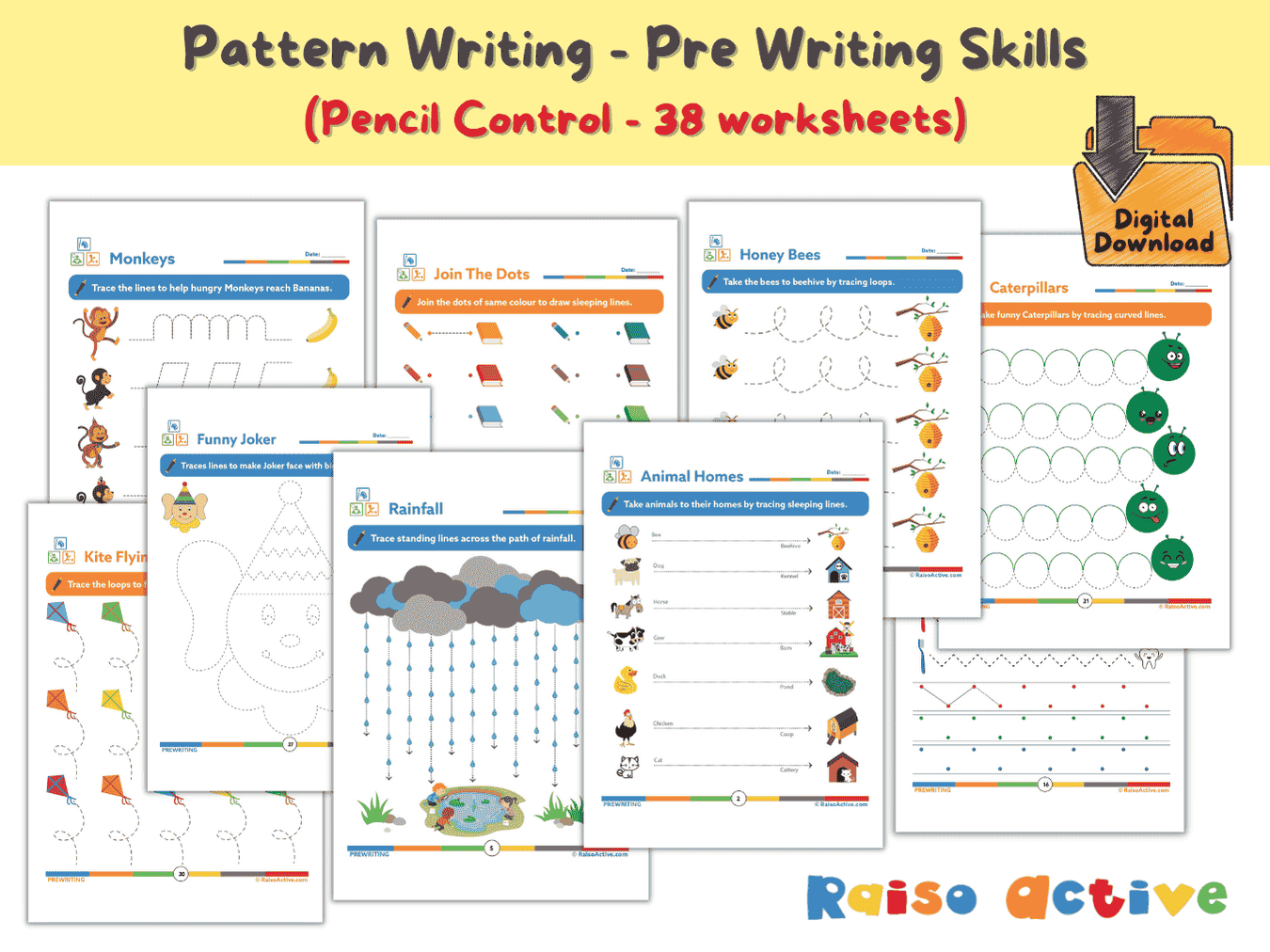
Pattern Writing Pre-writing Skills Activity Book for 3-4 Year Olds
Ages 3-4 · PreschoolAges 3-4 · NurseryAges 3-4 · 44 pages
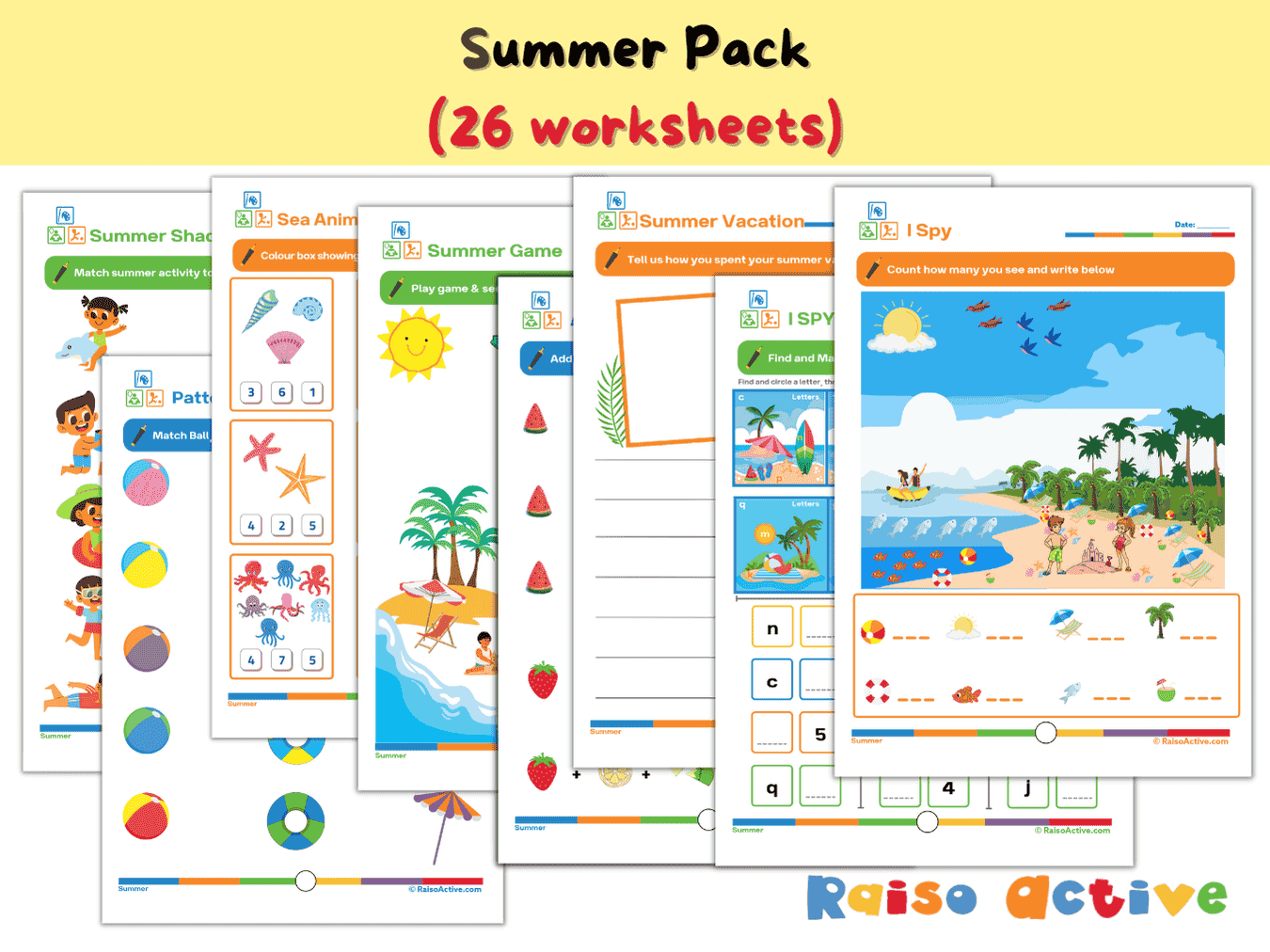

Summer Activity Pack: Math, Literacy, Puzzles & More for Preschool & Kindergarten
Ages 3-7 · Preschool–Grade 1Ages 3-7 · Nursery–Year 2Ages 3-7 · Nursery–Class 1Ages 3-7 · 26 pages
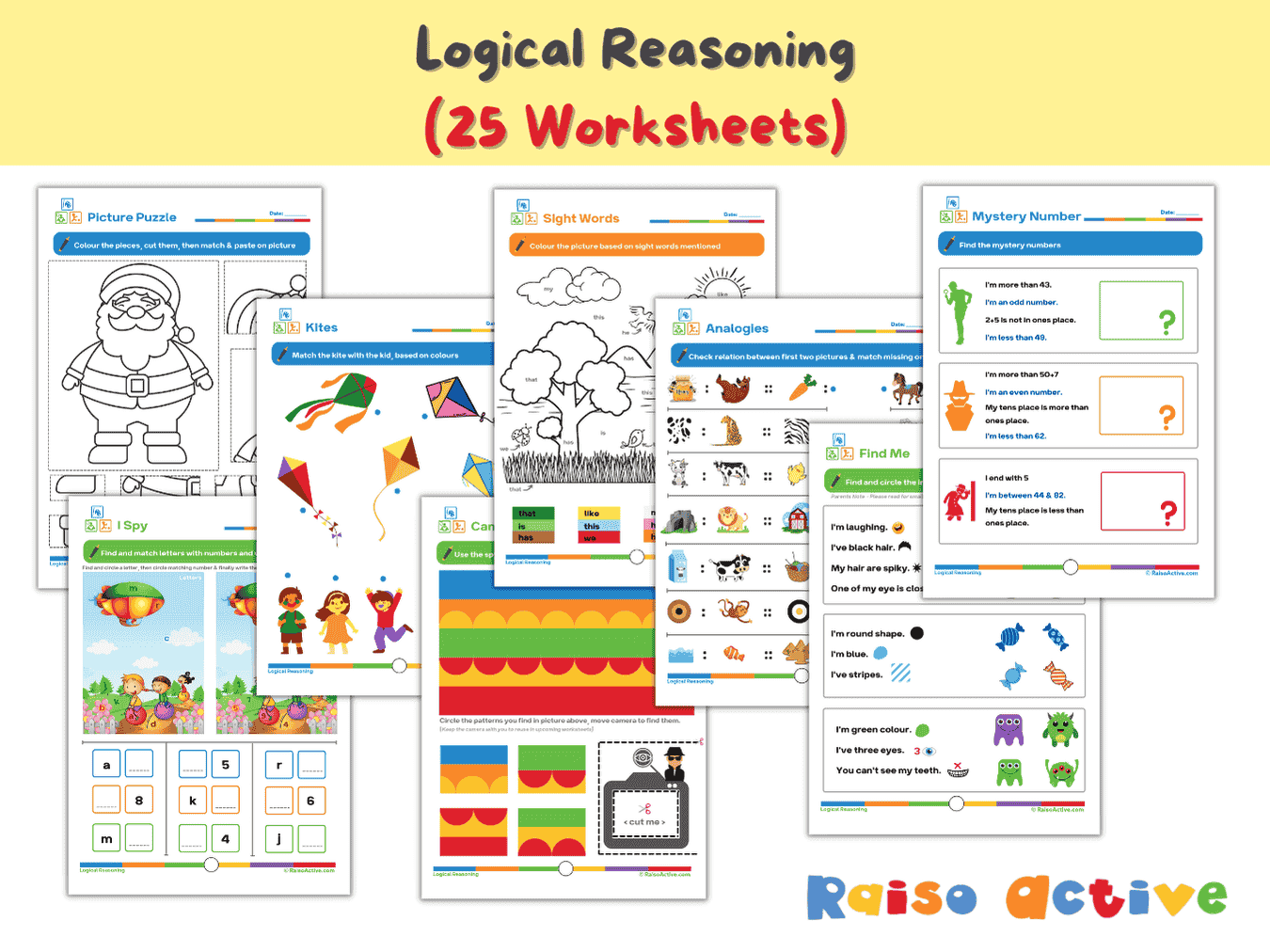
Logical Reasoning Activity Book for Preschool & Kindergarten | Patterns, Puzzles & Analogies
Ages 4-7 · Pre-K–Grade 1Ages 4-7 · Reception–Year 2Ages 4-7 · LKG–Class 1Ages 4-7 · 26 pages
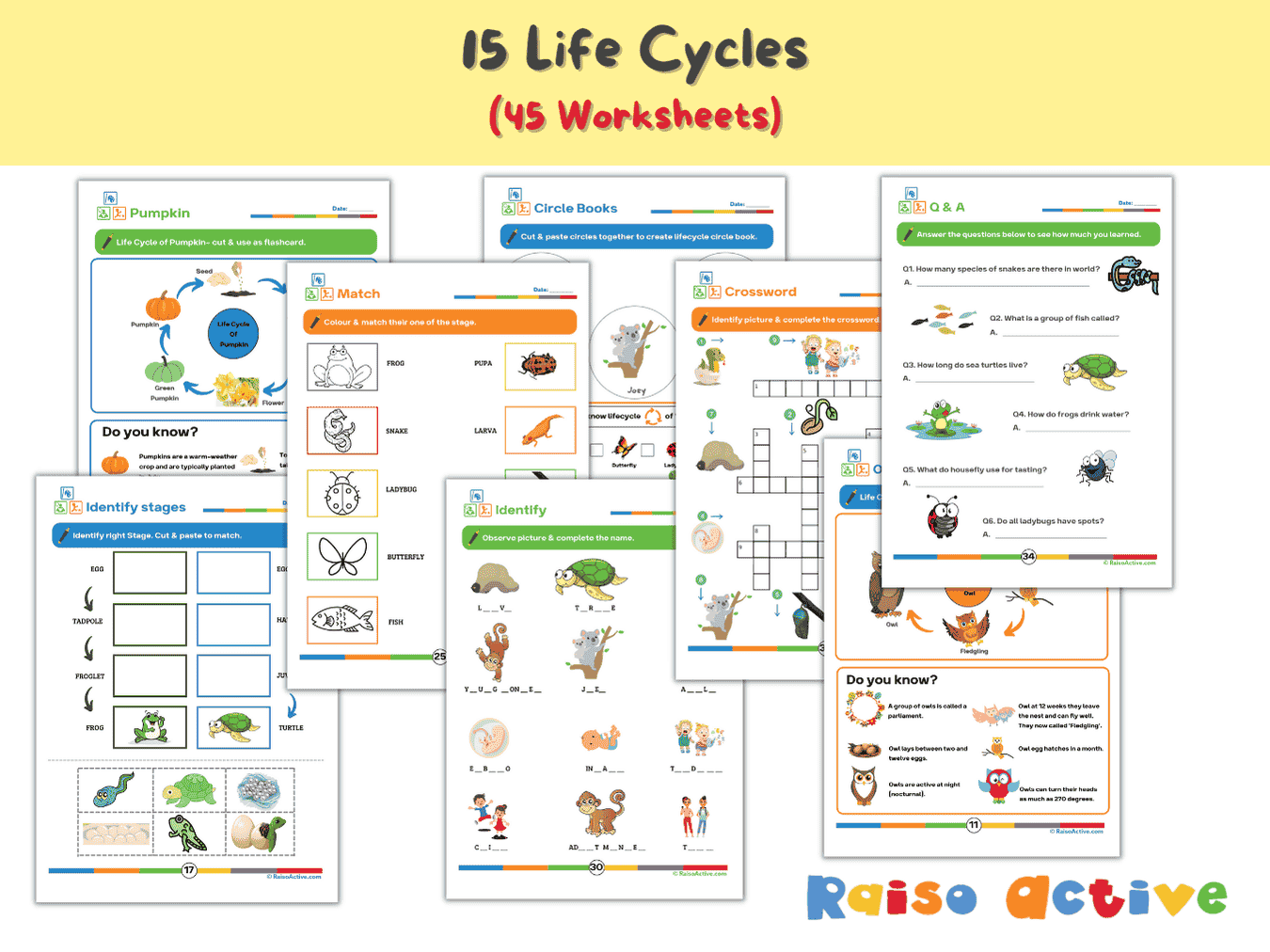

Lifecycles Activity Book & Flashcards for Preschool & Early Elementary
Ages 3-8 · Preschool–Grade 2Ages 3-8 · Nursery–Year 3Ages 3-8 · Nursery–Class 2Ages 3-8 · 46 pages
Related guides
View all on Coding
Sight Words by Age: The First 50 Words and How to Teach Them Without Flashcard Fatigue
Which sight words to teach first and why, the heart-word method, a read-trace-write-find routine, games, and a by-age table of typical sight-word progress.

Number Formation Rhymes 0–9 and How to Fix Reversals
Original number formation rhymes for 0–9, the correct stroke order for each digit, why 3, 5 and 7 get reversed most often, and multisensory fixes that work.

Pre-Writing Strokes in Order: From Standing Lines to Loops (With Printable Patterns)
The developmental order of pre-writing strokes, from vertical lines to loops, and why practicing them in sequence makes letter formation much easier to learn.
More activities like this
All activities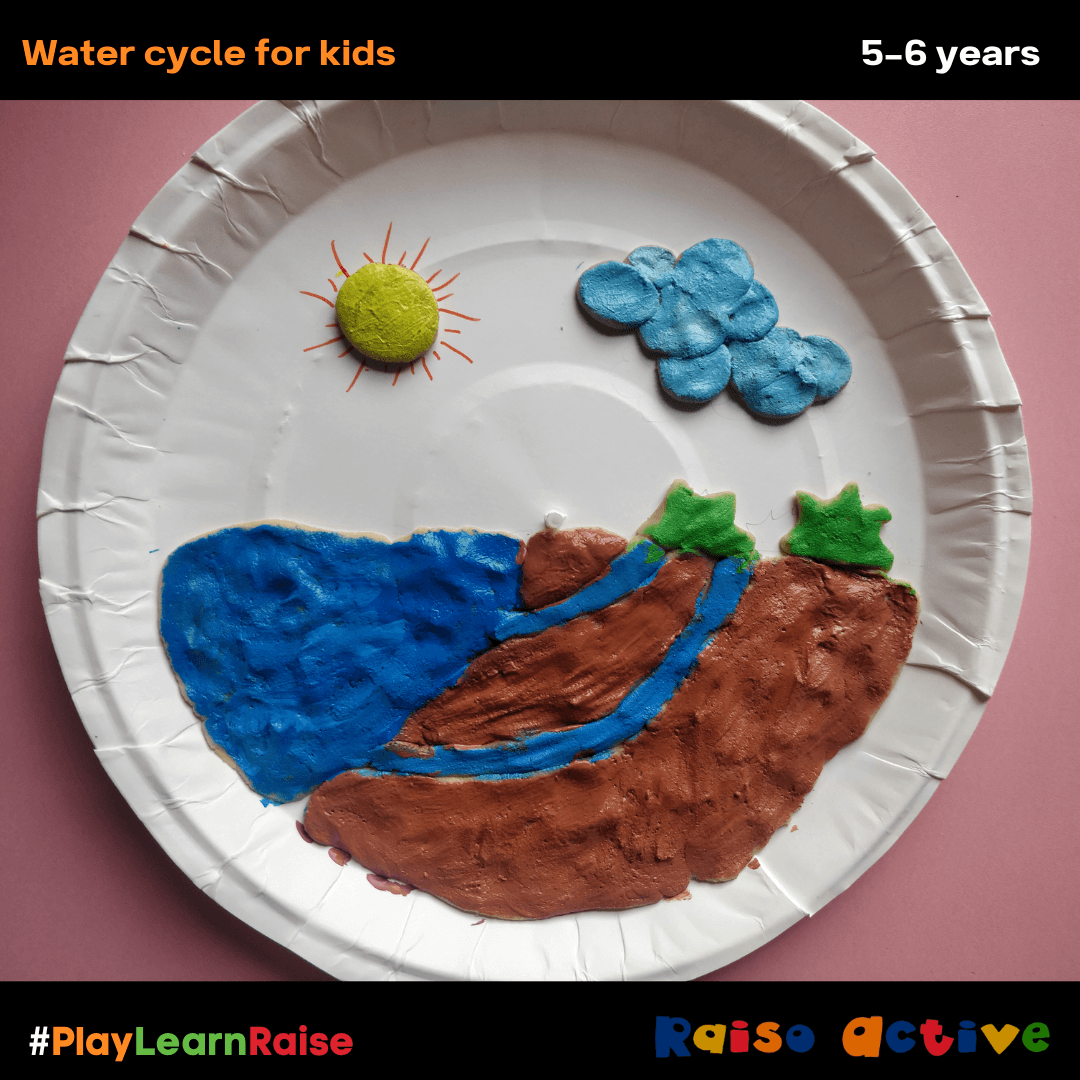 Has a video
Water Cycle Craft for Kids: Learn About Rain & Evaporation
Children will create a hands-on model of the water cycle using clay or play-doh on a paper plate. This engaging craft helps kids visualize and understand how water moves through evaporation, condensation, and precipitation.
What they'll learn:
Introduce the basic stages of the water cycle (evaporation, condensation, precipitation). +4 more
 Has a video
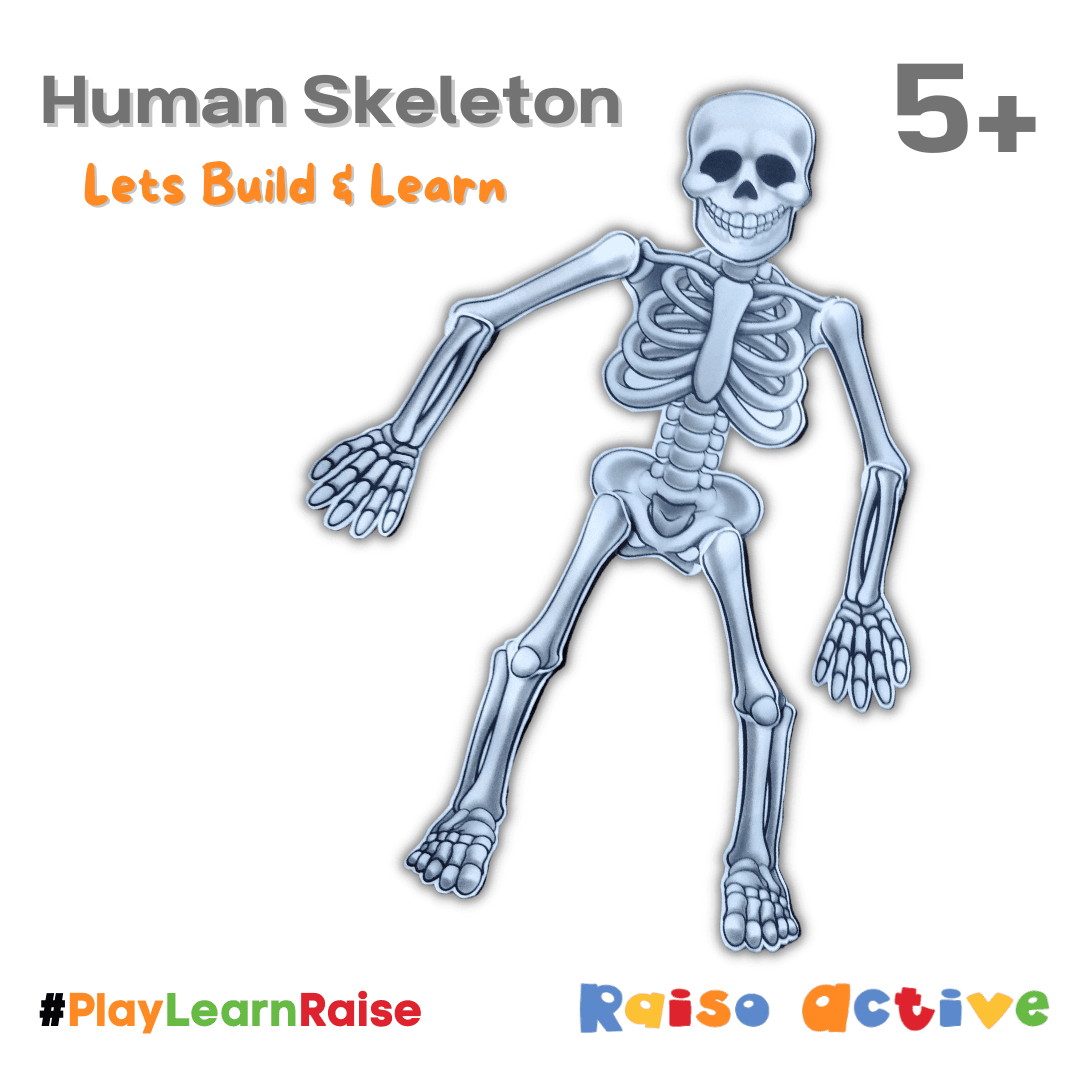
Human Skeleton Craft & Matching Worksheet for Kids
Engage children with this exciting activity to build a human skeleton model and learn bone names. Kids will cut out various skeleton parts, assemble them, and then match common bone names on a fun worksheet.
What they'll learn:
Identify major bones of the human skeleton (e.g., skull, ribs, spine) +4 more
 Has a video
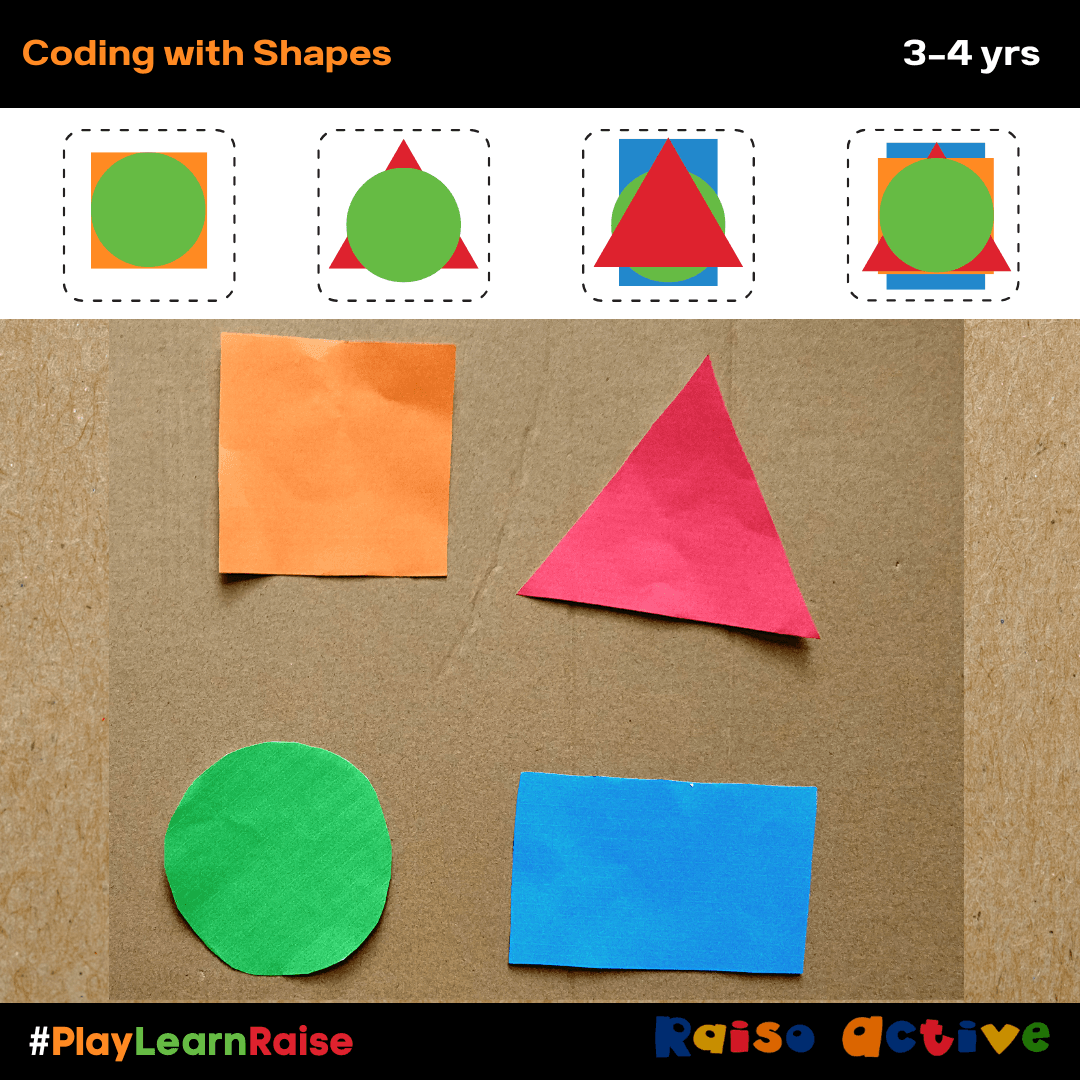
Coding Shapes Activity for Preschoolers | Pattern Matching Fun
Engage young learners with this hands-on coding shapes activity! Children will cut out colorful geometric shapes and arrange them to match given patterns, fostering early logic and fine motor skills. It's a fun way to introduce foundational coding concepts.
What they'll learn:
Identify and name basic 2D shapes (circle, square, triangle, rectangle). +4 more
 Has a video
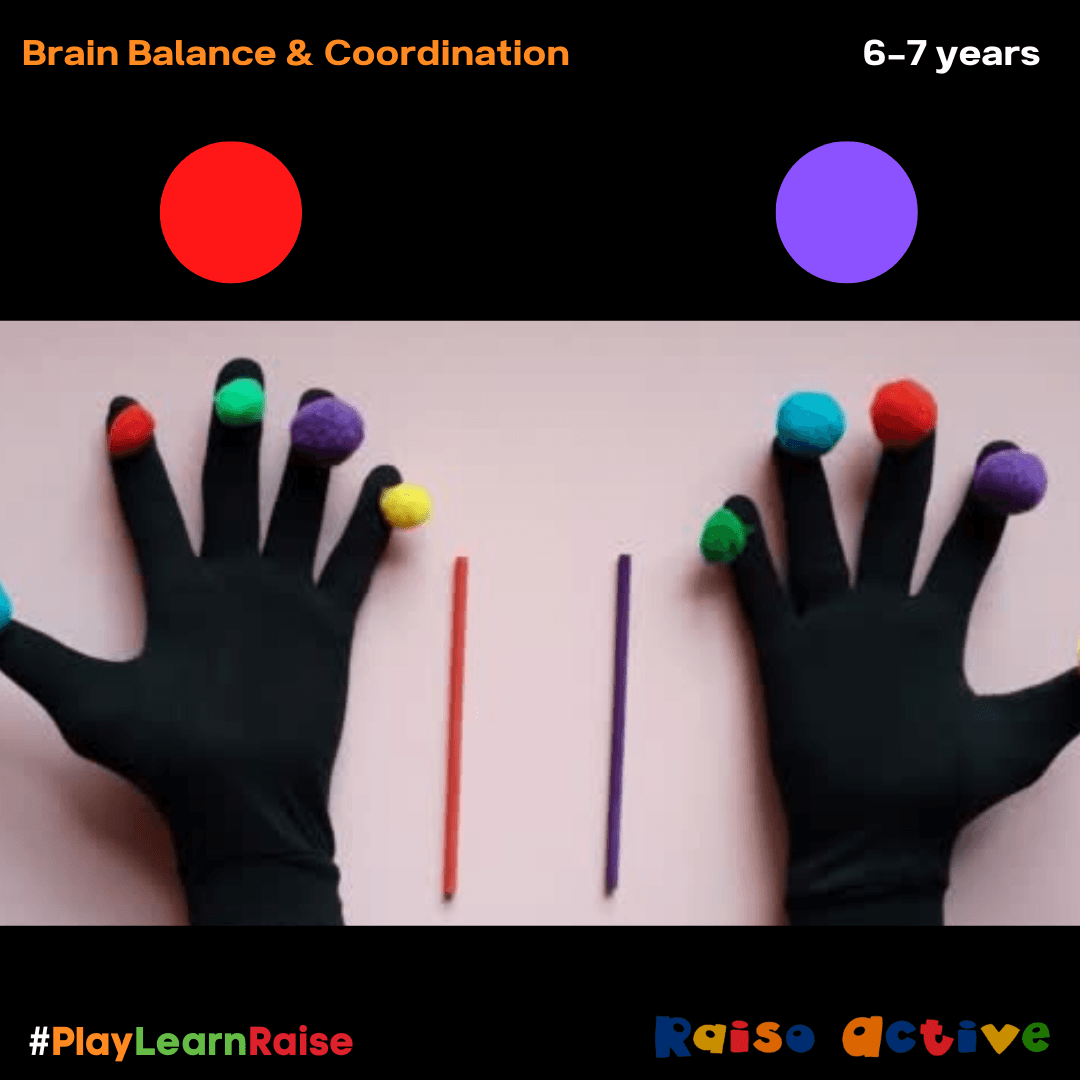
Brain Balance & Coordination Finger Game for Kids (Ages 6-7)
Engage your child in a fun brain-boosting activity designed to enhance balance and coordination. This engaging finger game helps children improve fine motor skills, focus, and bilateral coordination through playful movements.
What they'll learn:
Improve fine motor skills and finger dexterity. +4 more