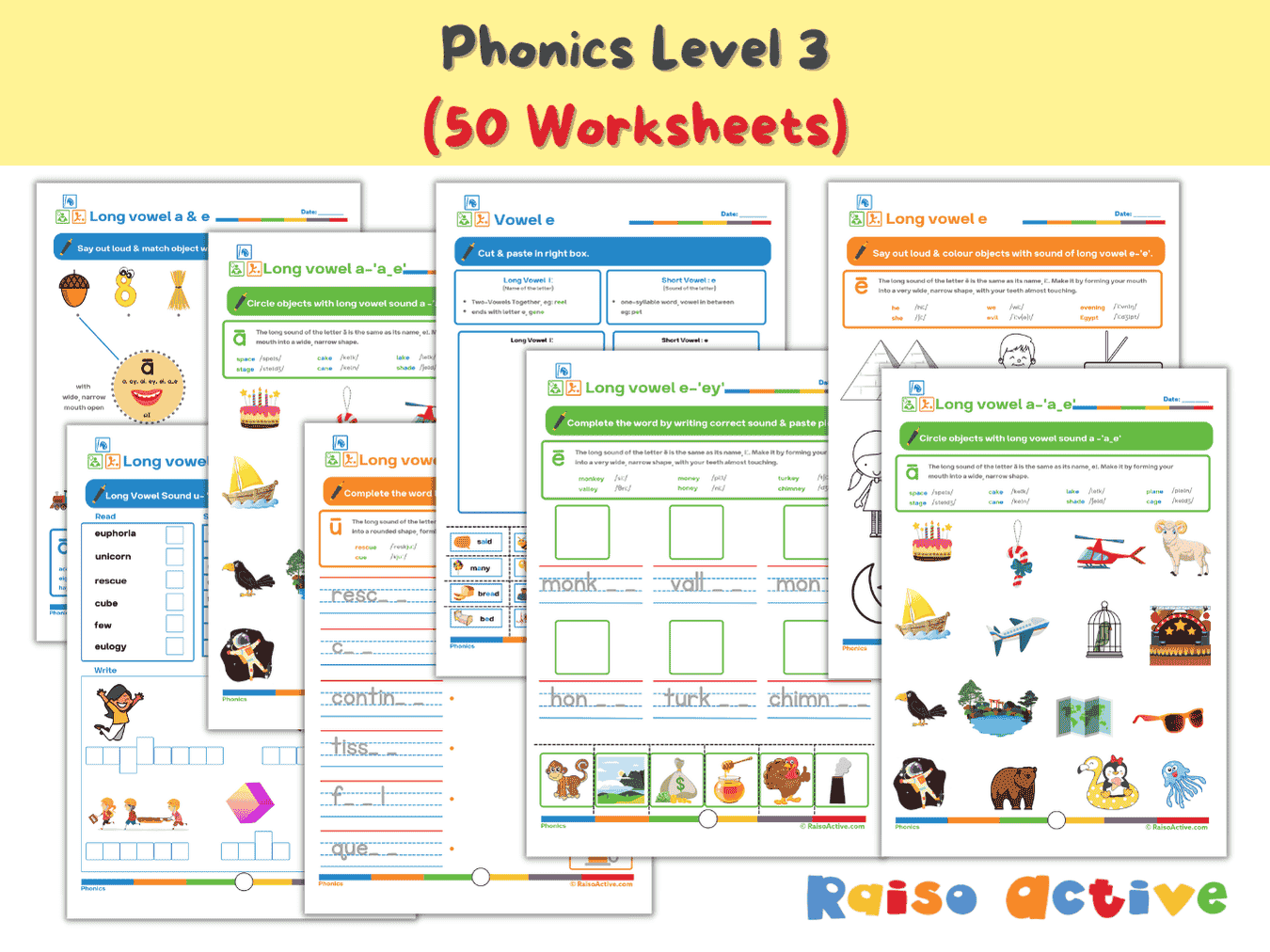

Phonics Level 3 Long Vowels Activity Book for Kindergarten & 1st Grade
Ages 5-7 · Kindergarten–Grade 1Ages 5-7 · Year 1–Year 2Ages 5-7 · UKG–Class 1Ages 5-7 · 51 pages
Topic
Ages 5-7 · Kindergarten–Grade 1Ages 5-7 · Year 1–Year 2Ages 5-7 · UKG–Class 1Ages 5-7 · 51 pages
Ages 3-6 · Preschool–KindergartenAges 3-6 · Nursery–Year 1Ages 3-6 · Nursery–UKGAges 3-6 · 60 pages
Ages 5-8 · Kindergarten–Grade 2Ages 5-8 · Year 1–Year 3Ages 5-8 · UKG–Class 2Ages 5-8 · 23 pages
Ages 4-5 · Pre-KAges 4-5 · ReceptionAges 4-5 · LKGAges 4-5 · 31 pages
Ages 4-5 · Pre-KAges 4-5 · ReceptionAges 4-5 · LKGAges 4-5 · 42 pages
Ages 4-5 · Pre-KAges 4-5 · ReceptionAges 4-5 · LKGAges 4-5 · 39 pages
Ages 5-6 · KindergartenAges 5-6 · Year 1Ages 5-6 · UKGAges 5-6 · 28 pages
Ages 4-5 · Pre-KAges 4-5 · ReceptionAges 4-5 · LKGAges 4-5 · 34 pages
Ages 5-6 · KindergartenAges 5-6 · Year 1Ages 5-6 · UKGAges 5-6 · 30 pages
Ages 5-6 · KindergartenAges 5-6 · Year 1Ages 5-6 · UKGAges 5-6 · 28 pages
Ages 4-5 · Pre-KAges 4-5 · ReceptionAges 4-5 · LKGAges 4-5 · 29 pages
Ages 6-7 · Grade 1Ages 6-7 · Year 2Ages 6-7 · Class 1Ages 6-7 · 28 pages
Ages 5-6 · KindergartenAges 5-6 · Year 1Ages 5-6 · UKGAges 5-6 · 28 pages
Ages 4-5 · Pre-KAges 4-5 · ReceptionAges 4-5 · LKGAges 4-5 · 28 pages
Ages 4-7 · Pre-K–Grade 1Ages 4-7 · Reception–Year 2Ages 4-7 · LKG–Class 1Ages 4-7 · 10 pages
Ages 3-7 · Preschool–Grade 1Ages 3-7 · Nursery–Year 2Ages 3-7 · Nursery–Class 1Ages 3-7 · 22 pages
Ages 3-6 · Preschool–KindergartenAges 3-6 · Nursery–Year 1Ages 3-6 · Nursery–UKGAges 3-6 · 17 pages
Ages 3-6 · Preschool–KindergartenAges 3-6 · Nursery–Year 1Ages 3-6 · Nursery–UKGAges 3-6 · 27 pages
Ages 3-6 · Preschool–KindergartenAges 3-6 · Nursery–Year 1Ages 3-6 · Nursery–UKGAges 3-6 · 26 pages
Which sight words to teach first and why, the heart-word method, a read-trace-write-find routine, games, and a by-age table of typical sight-word progress.
A kindergarten readiness checklist of 25 literacy, math, motor, self-regulation and self-help skills, with an 8-week summer plan and notes on when not to worry.
A teacher's plain-English guide to the Reception Year: the seven areas of learning, Early Learning Goals, Phase 2/3 phonics, the RBA and home routines.
What UKG classes typically cover in English, maths and EVS, month by month, aligned to NEP 2020, with ways to support at home and signs your child is behind.
A calm, teacher-written LKG readiness checklist for 4-year-olds: language, pattern writing, numbers to 10, self-help and social skills, plus a 6-week plan.
Learn how standardised tests work in early childhood, when they help, when they harm, and how to balance formal assessment with observation-based learning.
Make every parent-teacher meeting count. Discover the best questions to ask about academic progress, social skills, behaviour, and learning at home — for Indian parents.
Learn how to tell if a learning activity truly fits your child's developmental stage. Age-by-age guide, red flags, DAP principles, and practical tips for parents.
Is your child ahead or behind classmates? Learn how to support gifted and struggling children, avoid comparison culture, and work with teachers effectively.
Learn how much free play vs structured learning young children need by age, signs of over-scheduling, and practical tips for Indian parents to design a balanced day.
Wondering whether to test your preschooler formally? Explore what early childhood experts say, Indian school traditions, and better alternatives for ages 1-6.
Discover what your 4-year-old should be doing across language, cognitive, motor, and social domains — plus red flags to watch for and Indian context tips.
Wondering if your child is ready for Class 1 or kindergarten? Learn the 5 domains of school readiness, what Indian schools look for, and how to support your child at home.
Discover when worksheets help preschoolers and when they hinder learning. Research-backed advice on age-appropriate worksheets, play-based learning, and balanced approaches for ages 3-6.
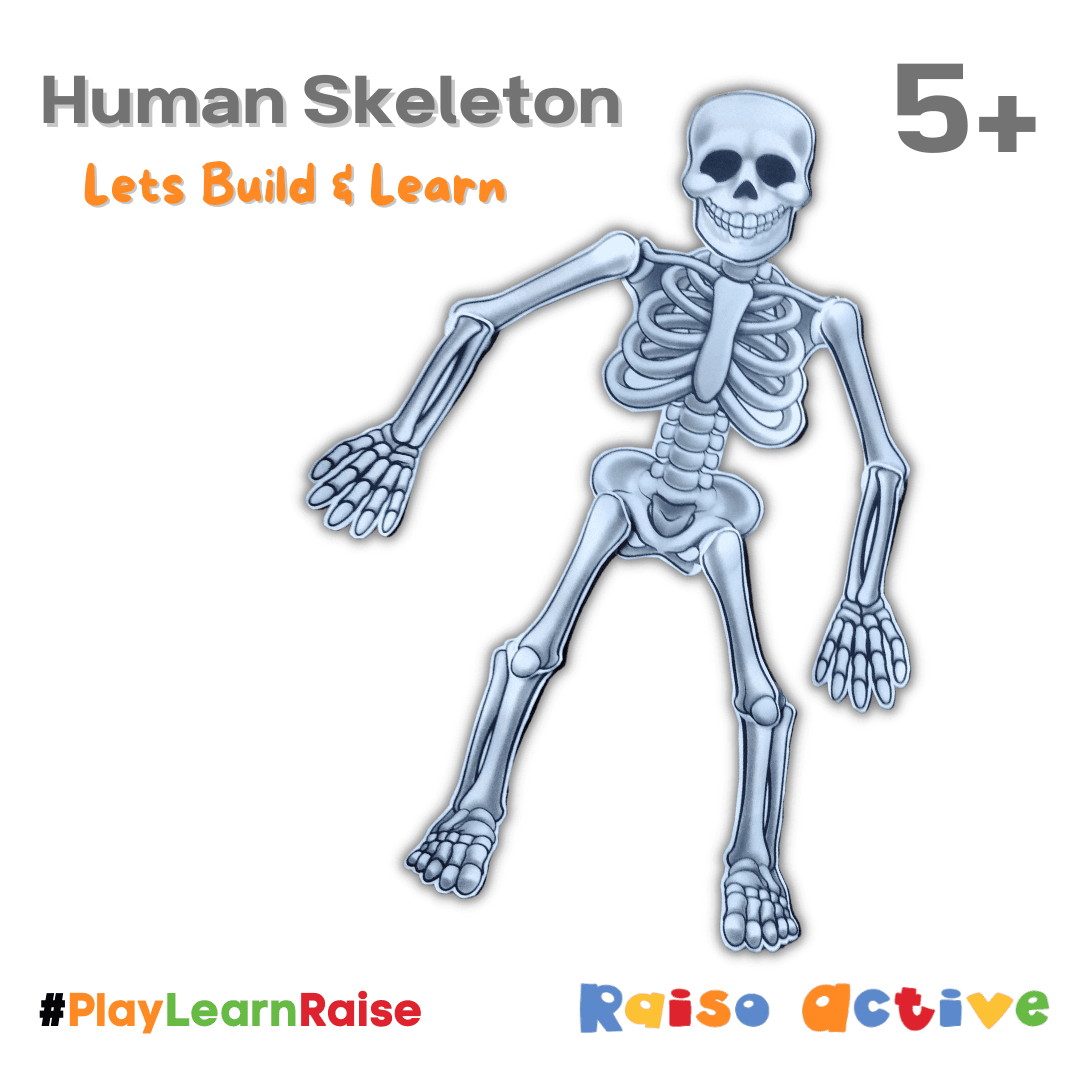
Engage children with this exciting activity to build a human skeleton model and learn bone names. Kids will cut out various skeleton parts, assemble them, and then match common bone names on a fun worksheet.
What they'll learn:
Identify major bones of the human skeleton (e.g., skull, ribs, spine) +4 more
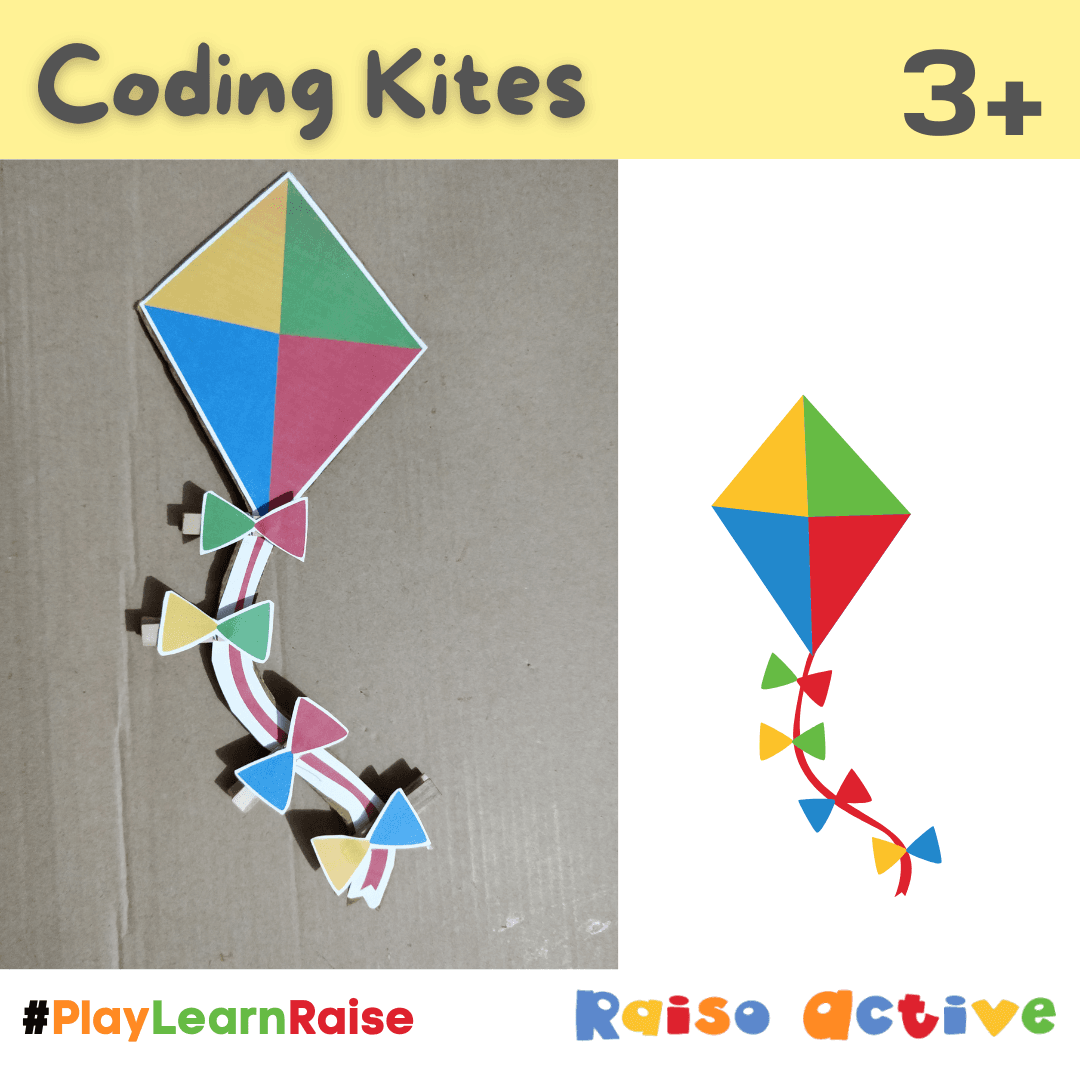
Engage young learners with this 'Coding Kites' activity where children cut, paste, and match colorful bow patterns to a kite's tail. This fun printable helps develop early sequencing skills, fine motor coordination, and visual discrimination.
What they'll learn:
Develop early sequencing and pattern recognition skills. +4 more