The Essential Parent's Guide: What Questions Should I Ask My Child's Teacher?
Author
RaisoActive - Kids Activities and Fun Learning
Published
Updated
Reading Time
17 min read

- The right questions to ask about your child's academic progress — and what the answers really tell you
- How to discuss social development, behaviour, and friendships with your child's teacher
- Questions specifically for preschool and nursery teachers vs. primary school teachers
- How to handle difficult feedback without shutting down — and what to do after the meeting
- Questions to avoid at PTMs, and the etiquette that builds a stronger home-school relationship
Why Most Parent-Teacher Meetings Are Over Before They Begin
Picture this: you have been waiting for the parent-teacher meeting for weeks. You have taken time off work, navigated traffic across the city, and settled into a plastic chair outside the classroom. The teacher calls you in. She smiles, says your child is doing well, hands you a report card, and before you have formed a single coherent question — it is over. You are back in the corridor, none the wiser, wondering whether you learned anything useful at all.
This is the experience of most Indian parents at PTMs. Not because teachers do not care, and not because parents are passive — but because nobody told us what to ask. We were not raised to question teachers. We were raised to respect them, nod gratefully, and leave quietly. The result is that one of the most valuable windows into our child's school life closes before we can even look through it.
This guide changes that. It gives you a clear, thoughtful, and culturally sensitive toolkit of questions to ask at your next parent-teacher meeting — whether your child is in nursery or Class 3, whether things are going smoothly or you suspect something is wrong. The goal is not to interrogate the teacher, but to have a real conversation that benefits your child. Preparation is everything.
Get expert parenting tips delivered to your inbox
Free worksheets, school readiness guides, and practical activity ideas for children ages 1–8. Join thousands of Indian parents who learn alongside their children with RaisoActive.
Before You Walk In: How to Prepare for a PTM
A parent-teacher meeting without preparation is like a doctor's appointment where you forget to mention the symptom that brought you there. The ten minutes you spend preparing at home can make your ten minutes in the classroom exponentially more useful.
Start by observing your child in the days before the meeting. What do they talk about from school? What do they avoid? Are there subjects they dread or activities they love? Is there a child they mention often — as a friend or as a source of stress? These observations are your raw material. They tell you where to focus your questions.
Write down your questions in advance and bring them on paper. Teachers are managing dozens of meetings in a row; a parent who arrives organised signals respect for their time and tends to get more substantive answers. Prioritise your questions — put the most important ones first in case time runs short. And remember: PTMs are typically short (10–15 minutes in most Indian schools), so be selective and focused.
Finally, go in with an open mind. You may hear things about your child that surprise you — or things that concern you. Your ability to receive that information calmly and curiously, rather than defensively, will determine how useful the conversation is.
The single most important thing you can do before a PTM is write your questions down. Parents who arrive prepared consistently report more satisfying and useful meetings.
Aim for three to five focused questions. You can always cover more if time allows, but having your priorities clear means you will never leave having forgotten the thing that mattered most.
Questions to Ask About Academic Progress
Academic performance is usually what parents think of first — and it is important. But the best questions go beyond marks and grades. They get at how your child is learning, not just what they have scored.
Ask the teacher where your child stands relative to age-appropriate expectations in each subject — but frame it qualitatively, not just numerically. A child who scores 75% but has genuinely grasped a concept is in a very different position from one who scores 75% through rote learning without understanding. Ask: 'Does my child understand what they are being taught, or are they memorising without comprehension?' This question often surprises teachers — and leads to the most honest conversations.
Enquire about specific skills rather than subjects. Instead of 'How is she doing in Hindi?', try: 'Is she able to form letters correctly? Does she understand what she reads, or is decoding still effortful? Can she construct a sentence on her own?' Granular questions get granular answers — and those answers tell you exactly where to focus your support at home.
Also ask about participation in class. A child who understands the material but never raises their hand may be struggling with confidence or anxiety, not academics. A child who raises their hand enthusiastically but gives incorrect answers may have gaps in foundational understanding. Participation patterns tell you something marks cannot.
- Is my child working at, above, or below the expected level for their age and class?
- Are there specific subjects or skills where you have noticed a gap or a particular strength?
- Does my child understand what is being taught, or does she rely on memorisation?
- How is my child's reading — both decoding and comprehension?
- Does he participate actively in class? If not, what do you think holds him back?
- What can I do at home to reinforce what you are covering in class right now?
Questions About Social Development, Friendships, and Behaviour
Social and emotional development is as important as academic learning — especially in the early years. How your child navigates friendships, conflict, group work, and the emotional demands of the school day tells you a great deal about their overall wellbeing. And yet, most parents never ask about it at PTMs.
Ask the teacher whether your child has friends and how they interact with peers. Do they play with others at recess or tend to be alone? Are they a leader, a follower, or do they prefer one-on-one interactions over group play? None of these patterns is inherently wrong, but they give you a picture of your child's social world that you simply cannot see from home.
Ask about conflict specifically. Has your child been involved in any incidents — either as the one who was upset or as the one who upset others? How does your child respond when something goes wrong: do they bounce back quickly or find it hard to let go? Emotional regulation is a developmental skill, and early struggles can be supported — but only if you know they exist.
Also ask about your child's behaviour in class. Not just 'Is she well-behaved?' but: 'When she finds something difficult, how does she respond? Does she give up, get frustrated, ask for help, or persevere? Does she follow instructions the first time, or does she need reminders?' Behavioural patterns in the classroom often mirror patterns at home — and understanding them helps you be more consistent across both settings.
Social development and academic progress are deeply connected. A child who is struggling to make friends, or who feels anxious at school, will find it much harder to learn — regardless of how capable they are.
If the teacher raises social or behavioural concerns, do not become defensive. Instead, ask: 'What do you think might be driving this? And what has helped so far?' These questions shift the conversation from problem to solution.
Questions for Preschool and Nursery Teachers vs. Primary School Teachers
The questions you ask should be matched to your child's developmental stage. A conversation with a nursery teacher is very different from one with a Class 2 teacher — because the goals of learning at those stages are entirely different.
For preschool and nursery (ages 2–4): The focus should be on developmental milestones, play, and early foundations. Ask whether your child is reaching age-appropriate milestones in communication, motor skills, and self-care. Ask how they separate from you at drop-off — is the transition getting easier? Ask whether they play alongside or with other children (parallel vs. cooperative play), and whether they can follow simple classroom routines. At this age, social and emotional readiness is the foundation for everything else.
For kindergarten and junior KG/senior KG (ages 4–6): Ask about early literacy and numeracy — letter recognition, phonological awareness, counting, and one-to-one correspondence. Ask whether your child can hold a pencil comfortably and work on fine motor tasks. Ask about attention span: can they sit and engage with a task for 10–15 minutes? Ask whether they are showing signs of kindergarten readiness — following instructions, managing basic self-care, taking turns, and using words to express their feelings.
For Class 1 to Class 3 (ages 6–8): By now, formal academic expectations are in place. Ask about reading fluency and comprehension, writing mechanics and expression, and mathematical reasoning (not just computation). Ask about independent work habits: can your child organise their own bag, remember homework, and attempt tasks without constant guidance? Ask about homework — how long it typically takes, and whether your child is managing it independently or struggling. Ask about any assessments or evaluations that are coming up and how your child is preparing.
- Is my child meeting the developmental milestones expected for their age in language, motor skills, and social interaction?
- How does my child separate from me at drop-off — is this improving over time?
- Does my child play with other children, or does she prefer to play alone? Is this typical for her age?
- Are there any areas of development where you feel we should keep a closer eye?
- What does my child enjoy most at school? What engages them the most?
How to Handle Difficult Feedback Gracefully
Every parent dreads it: sitting down at a PTM and hearing something that is hard to hear. Your child is behind in reading. She hits other children when frustrated. He refuses to do written work. She seems sad and withdrawn. These conversations are difficult — but they are also the most important ones you will have.
The first thing to do when you hear difficult feedback is breathe and listen. Your instinct may be to defend your child, minimise the concern, or explain it away. Resist that urge. The teacher is giving you information you need. Ask clarifying questions instead: 'Can you describe what that looks like in class? How often does it happen? Have you noticed what tends to trigger it?' The more specific the picture, the more you can do with it at home.
Do not confuse feedback about your child with criticism of your parenting. Teachers are not making judgements about you — they are reporting observations from the classroom. Most teachers find these conversations uncomfortable too, and they are sharing difficult information because they want to help. Responding with gratitude and curiosity ('Thank you for telling me — I want to understand this better') makes the teacher feel safe and keeps the conversation productive.
If the feedback raises a significant concern — about learning, behaviour, or wellbeing — do not try to resolve it in ten minutes. Ask for a follow-up meeting. Ask whether the school has a counsellor or special educator you can speak with. Ask what the next step should be. Leave with a plan, not just with worry.
- Thank you for telling me. Can you help me understand what this looks like in class?
- I have noticed something similar at home — I am glad we are talking about it.
- What do you think might be behind this? And what has helped when you have tried different approaches?
- What would you like me to do at home, and what will you try at school?
- Can we schedule another time to meet in a month to see whether things have improved?
Indian parents report leaving parent-teacher meetings without a clear understanding of how to support their child's learning at home, according to a survey of urban school parents.
Source: School Education Quality Index, NITI Aayog parent perception data, 2021
A Step-by-Step Guide to Making the Most of Your PTM
Observe your child in the week before the meeting
Notice what they talk about from school, what they avoid, what seems to stress them, and what they enjoy. Ask them open questions: 'What was the best part of school this week? Was there anything hard or not fun?' Their answers will shape your questions.
Write down your three to five most important questions
Prioritise ruthlessly. What do you most need to know or understand? Put the most important question first — if time runs out, you will at least have covered what matters most. Bring the list on paper so you do not forget in the moment.
Arrive on time and be ready to be brief
PTMs in Indian schools are typically tightly scheduled. Arriving late means a shorter conversation and a stressed teacher. If you are the first parent, you often get more time. Come in, introduce yourself warmly, and let the teacher set the initial tone before launching into your questions.
Listen more than you speak
You have come to learn something. Let the teacher share their observations first. Ask follow-up questions on what they raise before moving to your prepared list. The most valuable information often comes from what the teacher volunteers before you even ask.
Ask for specific strategies, not just assessments
After every area of concern or strength, ask: 'What can I do at home to support this?' A teacher who tells you your child is struggling with comprehension should be able to suggest two or three things you can try at home. If they cannot, ask directly: 'What works well in class? Can I try the same at home?'
Take notes during the meeting
Do not rely on memory — bring a small notebook or use your phone. Jot down key points, any specific recommendations, and anything you need to follow up on. Teachers appreciate parents who take notes; it shows you are taking the conversation seriously.
Leave with a clear next step agreed
Before you go, summarise what you heard and what you both agreed to do. 'So I will try reading with him for 15 minutes every evening, and you will give him a bit more time to complete written tasks — and we will check in again in a month. Is that right?' This closes the loop and makes follow-up natural.
- +Is my child working at the expected level for their age?
- +What does my child find most challenging, and what helps?
- +How does my child get along with classmates?
- +What can I do at home to support what you are doing in class?
- +Are there any areas where you think we should keep a closer eye?
- +What does my child enjoy most at school?
- -Why did my child get less marks than the class average?
- -Which children is my child not getting along with? (naming classmates)
- -Do you think the syllabus is too hard for this age?
- -My child says you never help her — is that true?
- -Can you give my child extra marks for effort?
- -Why does the school not have better resources for this?
A PTM is not a performance review — for your child or for you. It is a conversation between two adults who both want the same thing: for your child to thrive.
Questions that feel accusatory or put the teacher on the defensive will close the conversation down. Questions that are curious and collaborative open it up. The framing matters as much as the content.
- Send a brief thank-you message to the teacher within a day or two — this builds goodwill and reinforces that you value the conversation.
- Start implementing whatever you agreed to at home right away — consistency between home and school makes a significant difference.
- Make a note in your calendar to check in again in three to four weeks, even informally via the school diary or a quick WhatsApp message.
- Share relevant feedback with your child (in age-appropriate language) — children do better when they understand what adults are working on together to support them.
- If a concern was raised, speak to your child's paediatrician or seek a specialist opinion if the teacher's observations confirm what you have noticed at home.
Children whose parents maintain regular communication with their teachers — not just at PTMs — show three times greater improvement in academic performance over the course of a school year.
Source: Harvard Family Research Project, Parent-Teacher Communication and Student Outcomes, 2019
Be the parent who always knows what to do next
Join thousands of Indian parents who get free worksheets, milestone trackers, and practical parenting tips from RaisoActive every week. No spam — just tools that actually help your child grow.
Frequently Asked Questions
How often should I speak to my child's teacher, and is it okay to contact them between PTMs?
What if the teacher says my child is 'fine' but I know something is wrong?
My child's teacher seems dismissive or difficult to talk to. What should I do?
How do I explain what the teacher said to my child without worrying them or damaging their confidence?
Are there questions I should ask about homework specifically?
What should I do if I suspect my child has a learning difficulty but the teacher has not raised it?
Free worksheets for this topic
Browse all worksheets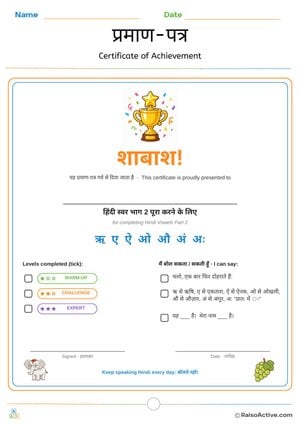
Hindi Vowels Part 2 Certificate of Achievement | प्रमाण-पत्र
Ages 3-7 · Preschool–Grade 1Ages 3-7 · Nursery–Year 2Ages 3-7 · Nursery–Class 1Ages 3-7
A certificate that celebrates finishing the pack, with a place for the child's name, tick boxes for the levels completed, sentences the child can say and space for a signature and date.
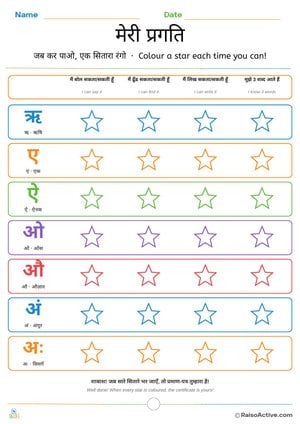
Hindi Vowels Part 2 Progress Tracker | मेरी प्रगति
Ages 3-7 · Preschool–Grade 1Ages 3-7 · Nursery–Year 2Ages 3-7 · Nursery–Class 1Ages 3-7
A progress chart with one row for each letter or sign (ऋ, ए, ऐ, ओ, औ, अं, अः) and four stars to colour: I can say it, I can find it, I can write it and I know 3 words.
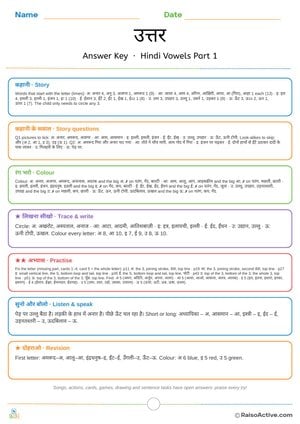
Hindi Vowels Part 1 Answer Key for Grown-ups | उत्तर
Ages 3-7 · Preschool–Grade 1Ages 3-7 · Nursery–Year 2Ages 3-7 · Nursery–Class 1Ages 3-7
A grown-up's answer page covering the story words, story questions, colouring, trace and write, practice answers, listening and speaking and revision for all six vowels. It tells you which words in the story start with each vowel and how many to find on each practice page.
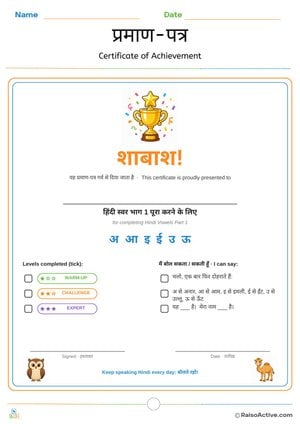
Hindi Vowels Part 1 Certificate of Achievement | प्रमाण-पत्र
Ages 3-7 · Preschool–Grade 1Ages 3-7 · Nursery–Year 2Ages 3-7 · Nursery–Class 1Ages 3-7
A certificate to celebrate finishing Hindi Vowels Part 1. It has a space for the child's name, tick-boxes for the three levels and the lines the child can now say (अ से अनार, आ से आम and so on).

Written by
Hemsweta Jain · Teacher Cheena
MBA and Early Childhood Educator, teaching since 2014 · Founder of RaisoActive, Mumbai
Published · Last reviewed
Related posts
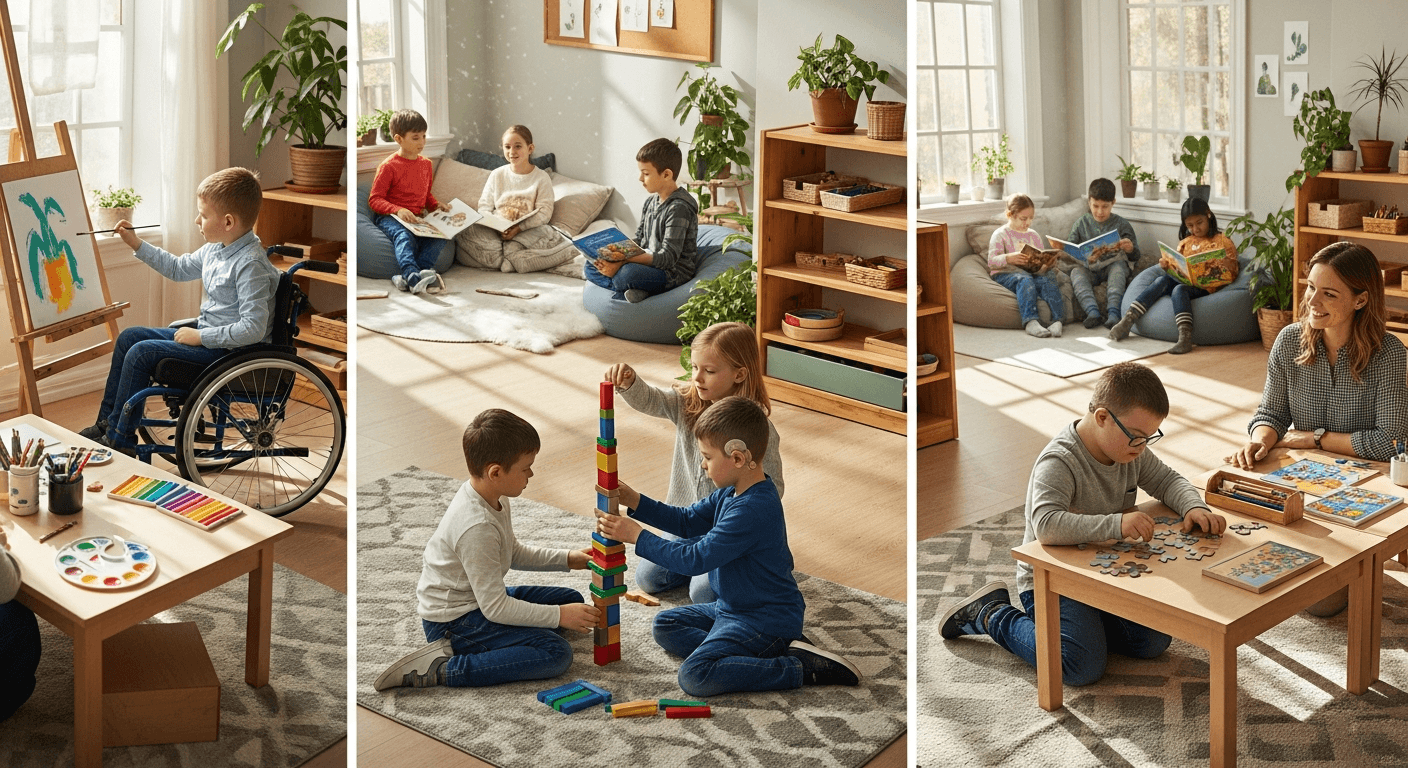
When Your Child Is Ahead or Behind Their Peers: Navigating Academic Differences with Confidence
Is your child ahead or behind classmates? Learn how to support gifted and struggling children, avoid comparison culture, and work with teachers effectively.
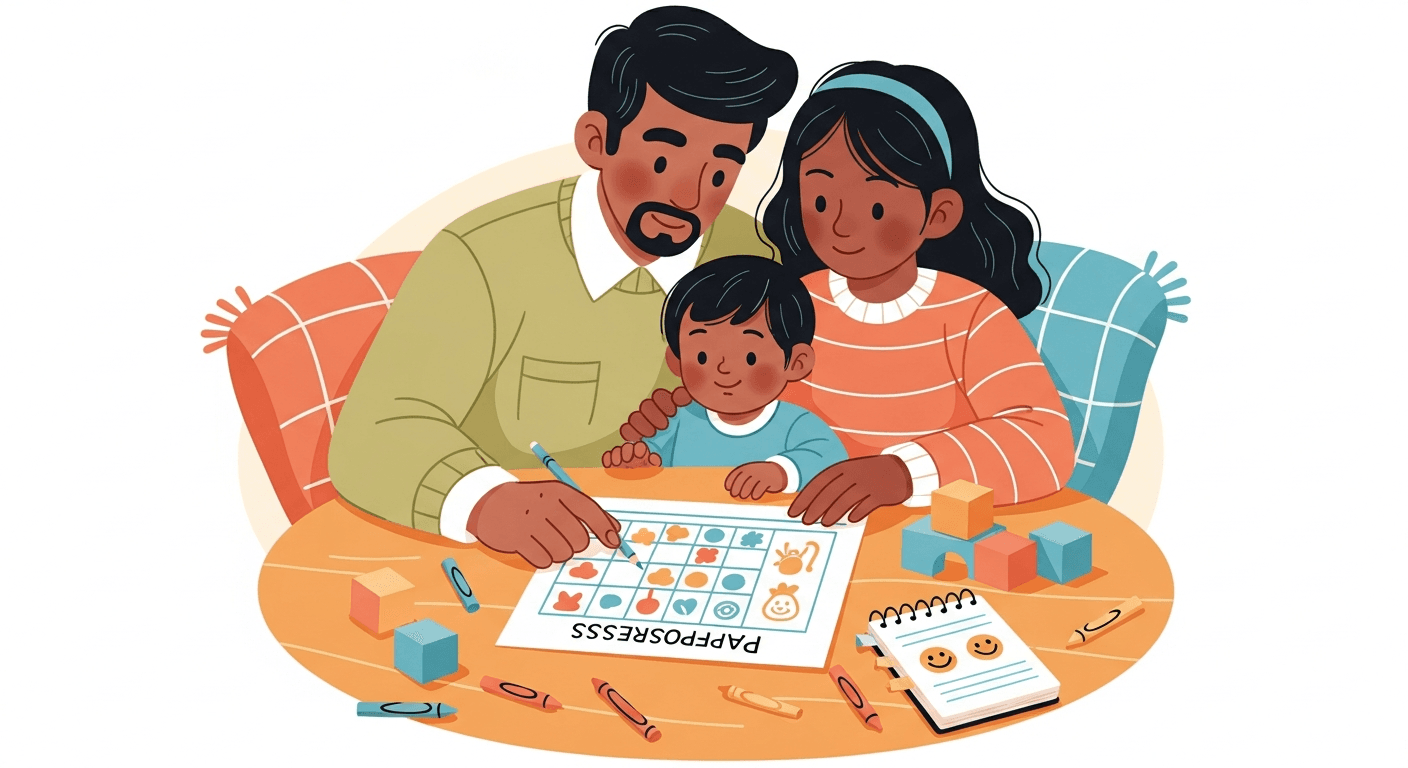
Understanding Standardized Testing in Early Childhood: A Parent's Guide to Assessment Balance
Learn how standardised tests work in early childhood, when they help, when they harm, and how to balance formal assessment with observation-based learning.

Sight Words by Age: The First 50 Words and How to Teach Them Without Flashcard Fatigue
Which sight words to teach first and why, the heart-word method, a read-trace-write-find routine, games, and a by-age table of typical sight-word progress.
Related Resources
Printable Resources(10)
View all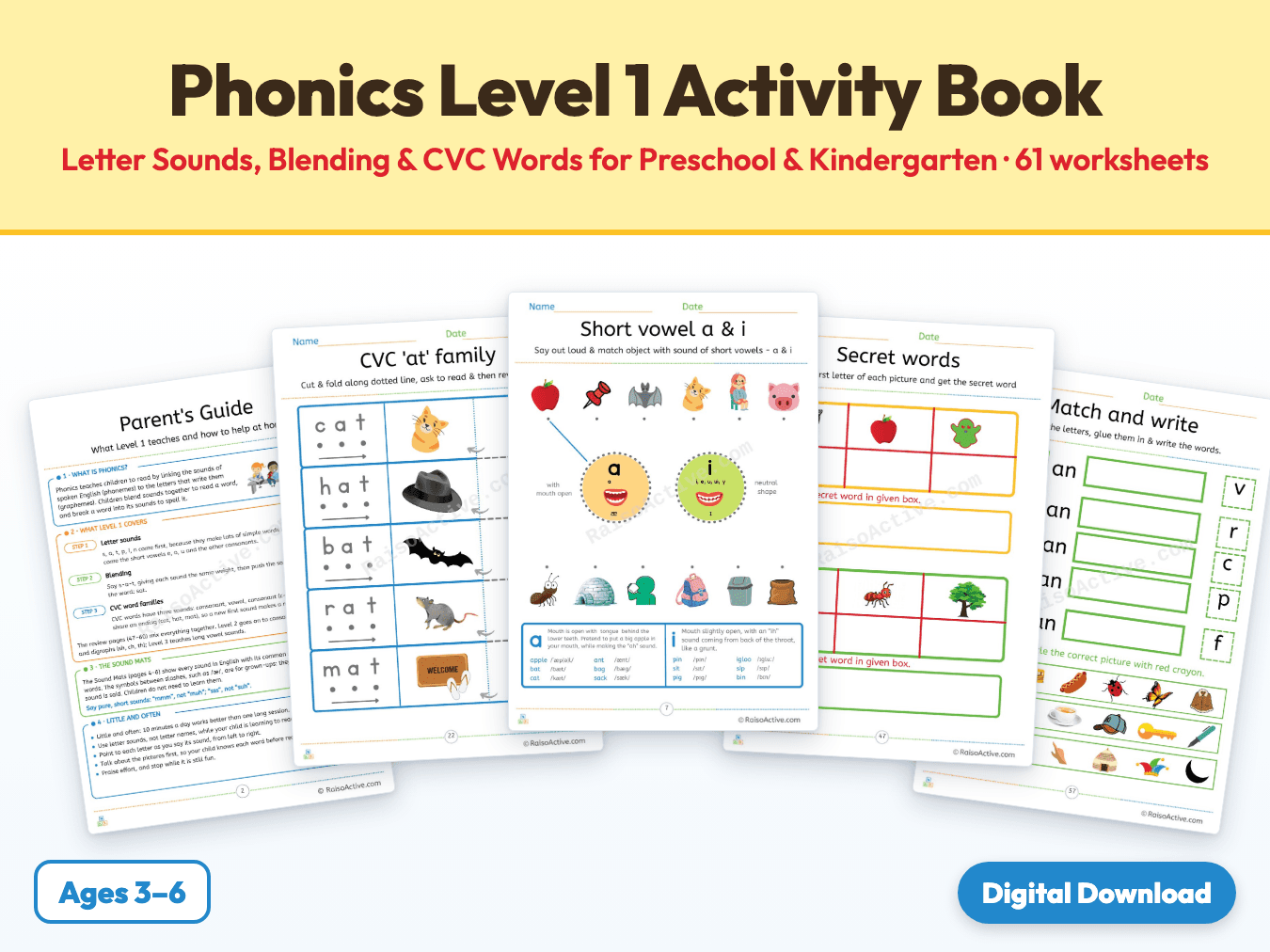

Phonics Level 1 Activity Book: Letter Sounds, Blending & CVC Words for Preschool & Kindergarten
Ages 3-6 · Preschool–KindergartenAges 3-6 · Nursery–Year 1Ages 3-6 · Nursery–UKGAges 3-6 · 62 pages


Flags of the World Activity Book & Flashcards for Kids (Ages 5-9)
Ages 5-8 · Kindergarten–Grade 2Ages 5-8 · Year 1–Year 3Ages 5-8 · UKG–Class 2Ages 5-8 · 23 pages
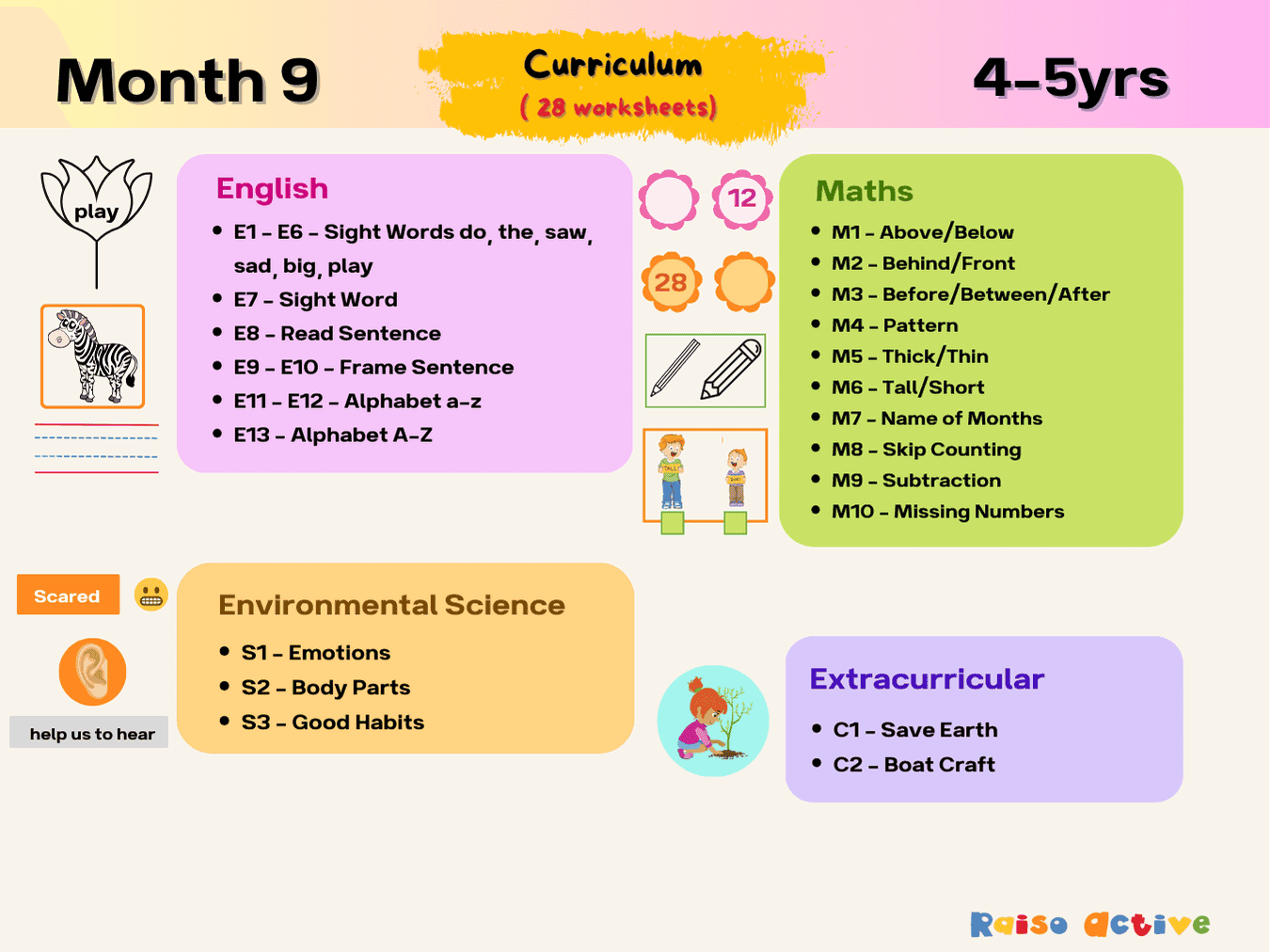

Month 9: Play-Based Preschool Foundational Skills | Ages 4-5
Ages 4-5 · Pre-KAges 4-5 · ReceptionAges 4-5 · LKGAges 4-5 · 31 pages
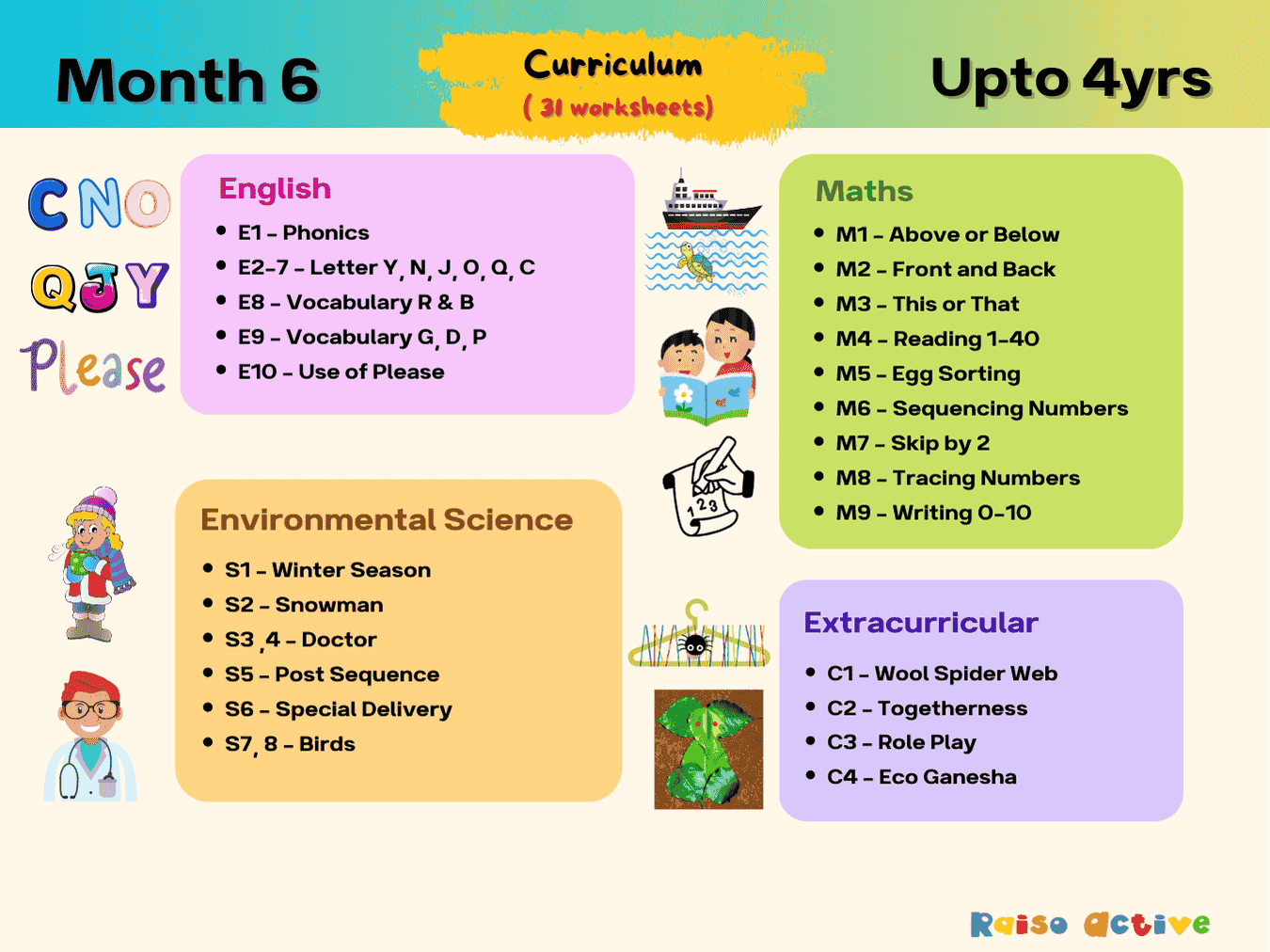
Month 6: Toddler Preschool Foundational Skills | Ages Up to 4
Ages 2-4 · PreschoolAges 2-4 · NurseryAges 2-4 · 34 pages
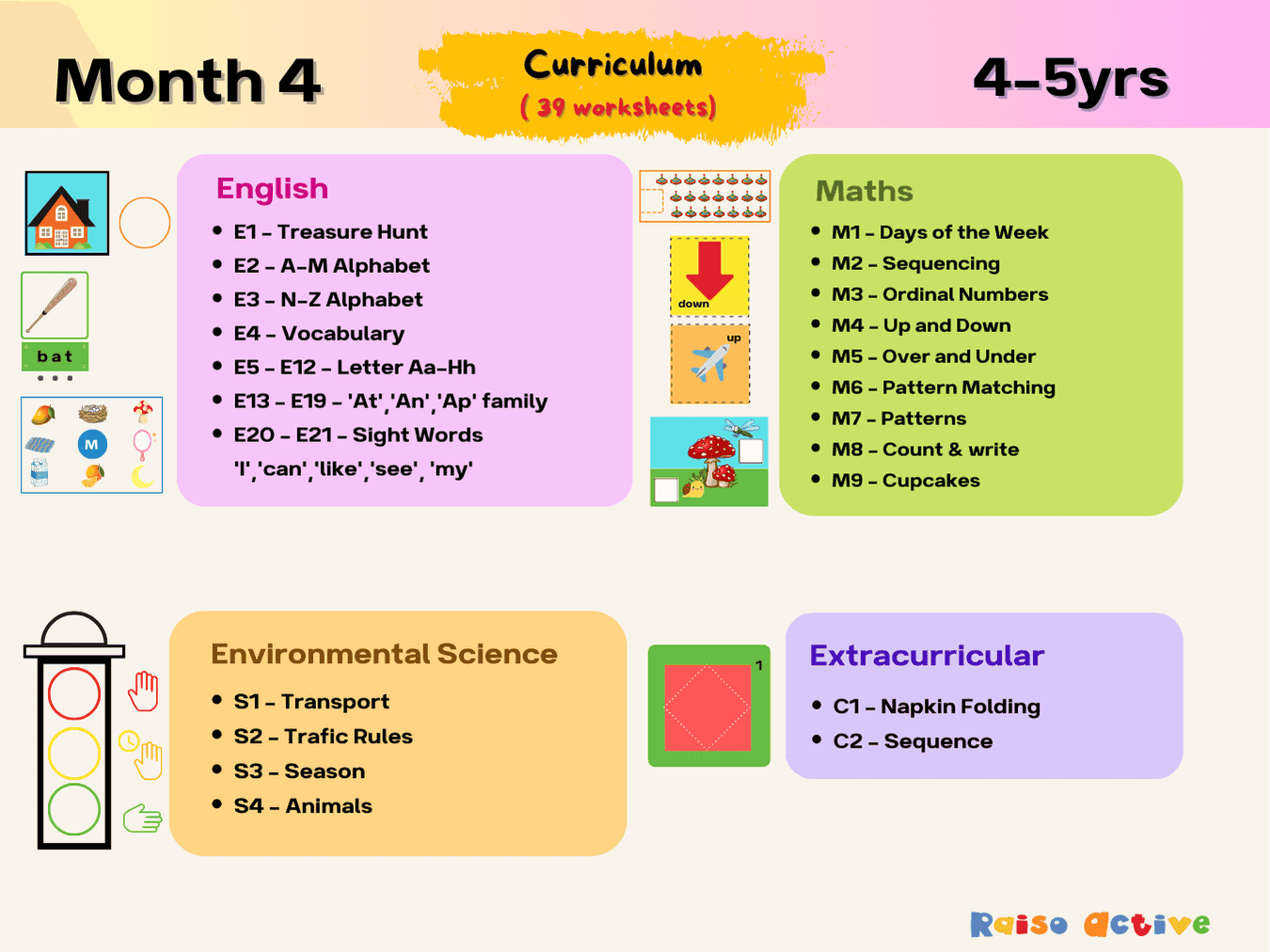
Month 4: Learning & Development | Ages 4-5
Ages 4-5 · Pre-KAges 4-5 · ReceptionAges 4-5 · LKGAges 4-5 · 42 pages
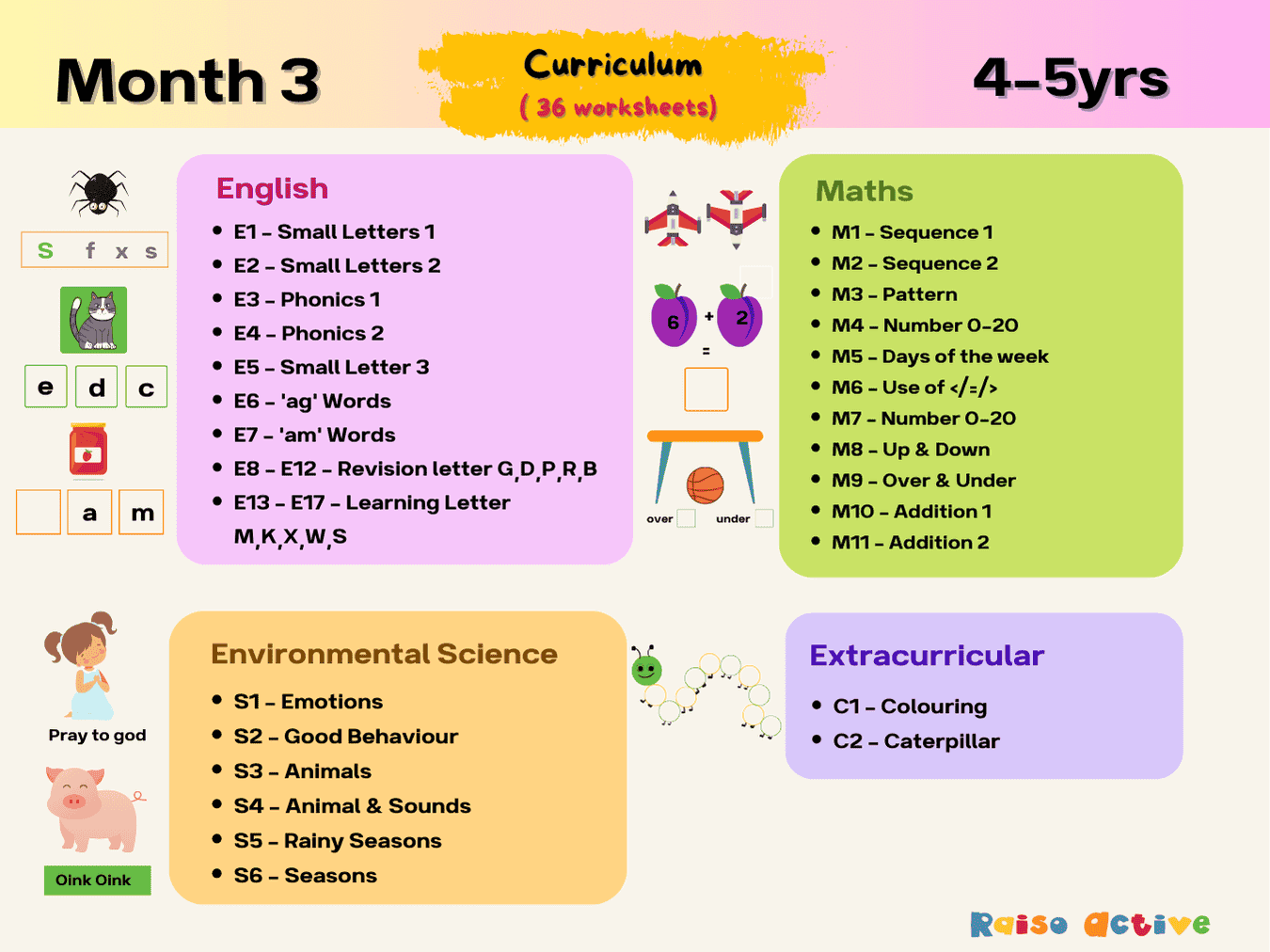
Month 3: Learning & Development | Ages 4-5
Ages 4-5 · Pre-KAges 4-5 · ReceptionAges 4-5 · LKGAges 4-5 · 39 pages
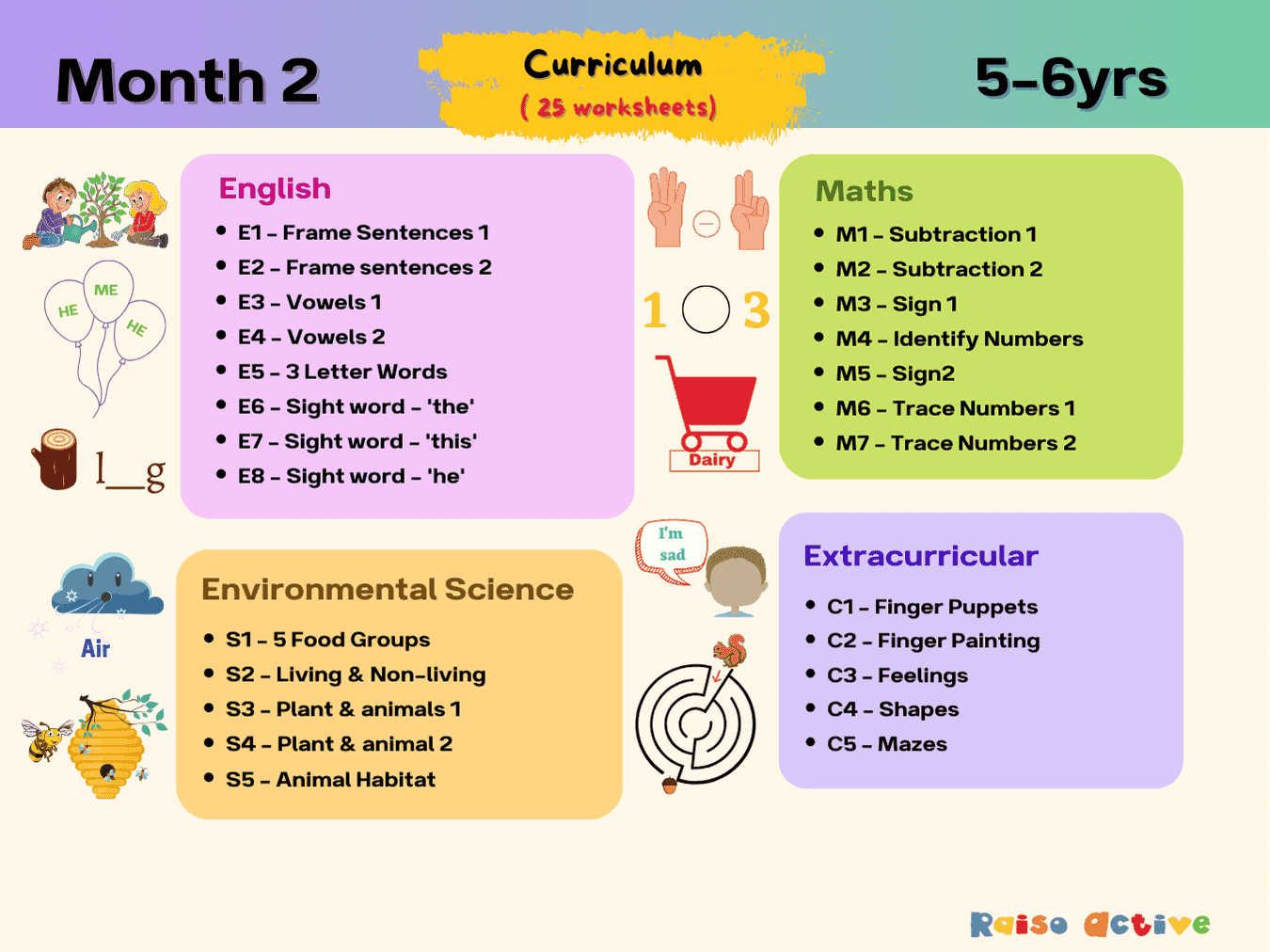
Month 2: Learning & Development | Ages 5-6
Ages 5-6 · KindergartenAges 5-6 · Year 1Ages 5-6 · UKGAges 5-6 · 28 pages
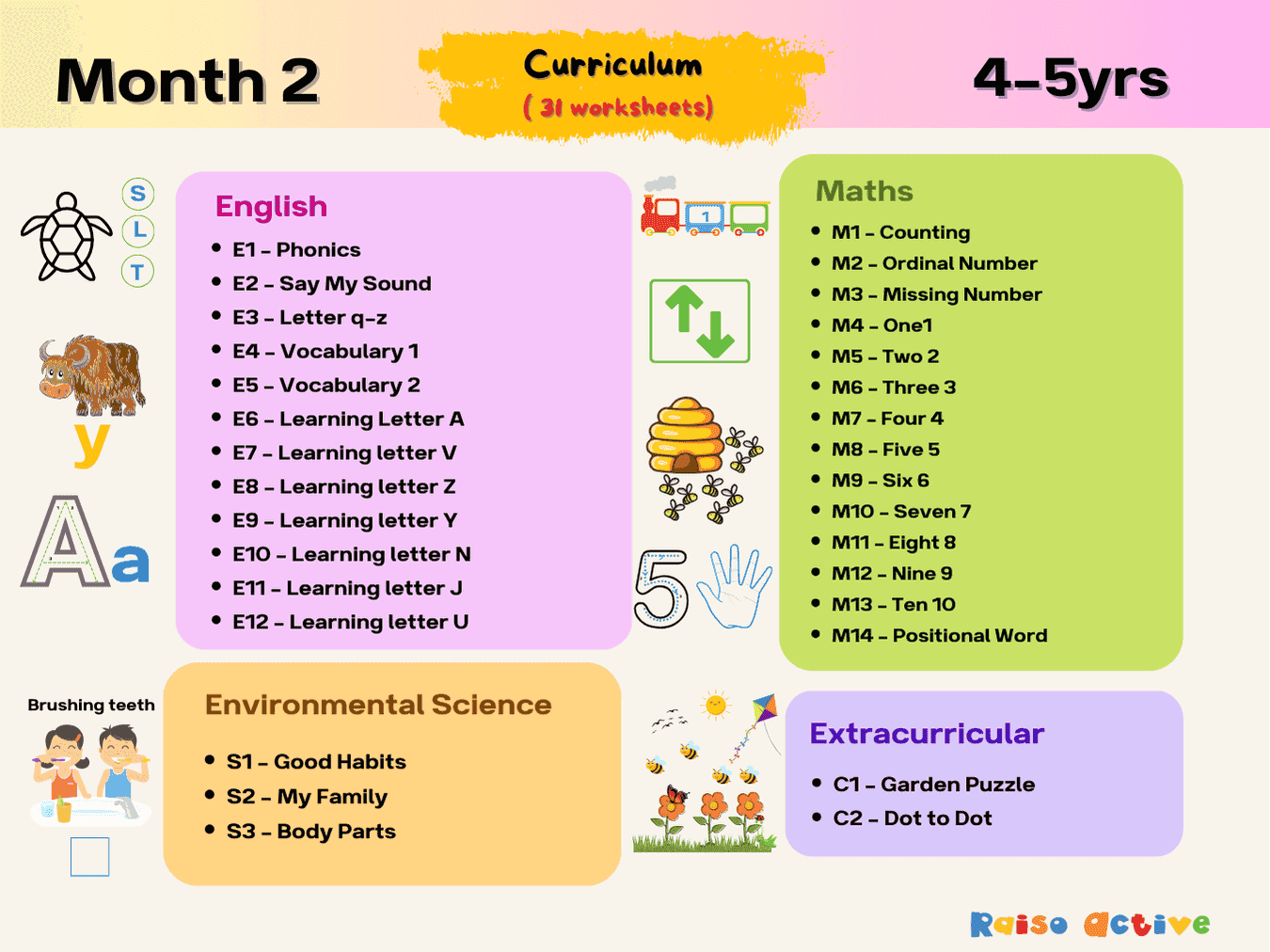
Month 2: Learning & Development | Ages 4-5
Ages 4-5 · Pre-KAges 4-5 · ReceptionAges 4-5 · LKGAges 4-5 · 34 pages
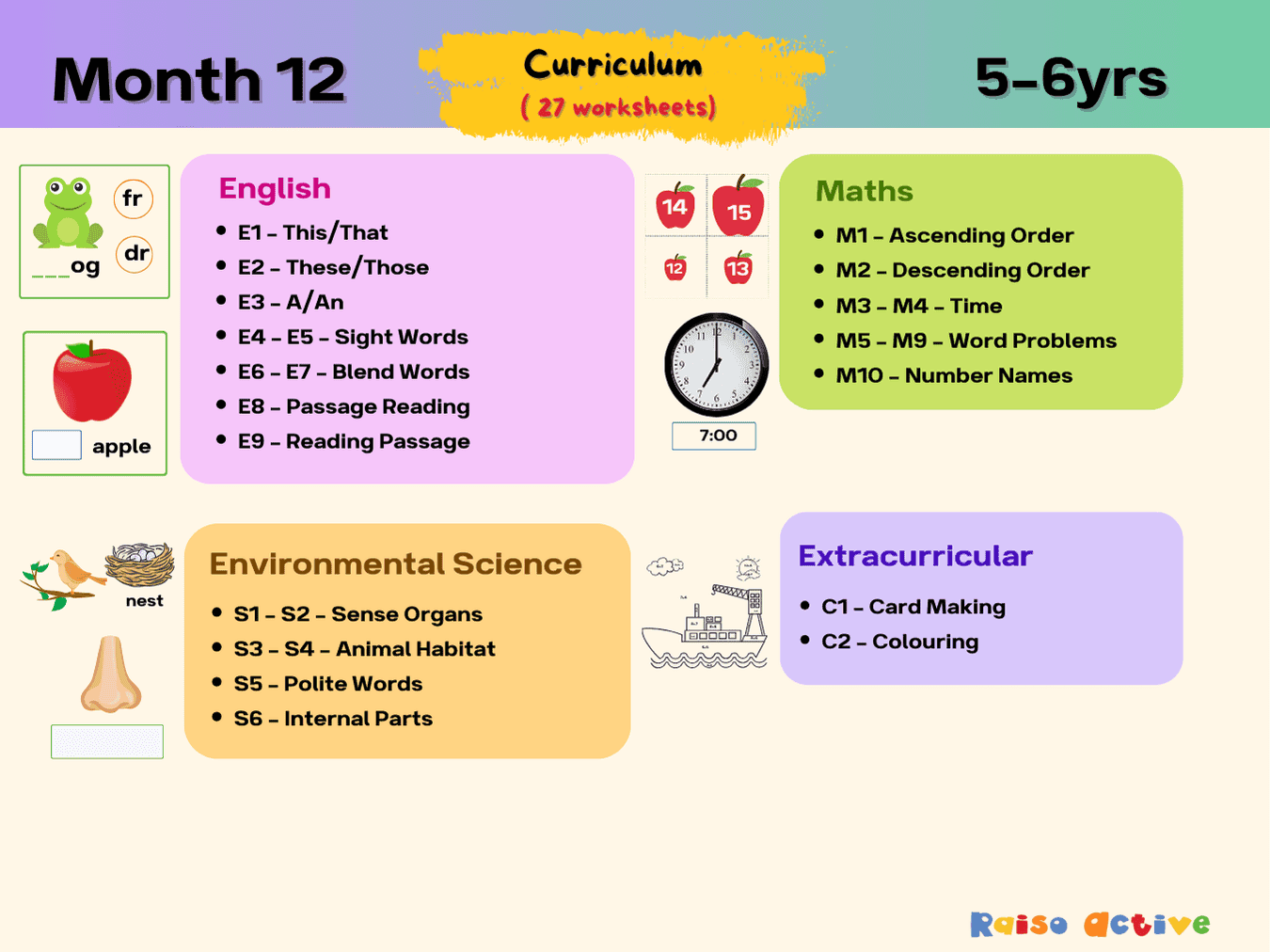
Month 12: Learning & Development | Ages 5-6
Ages 5-6 · KindergartenAges 5-6 · Year 1Ages 5-6 · UKGAges 5-6 · 30 pages
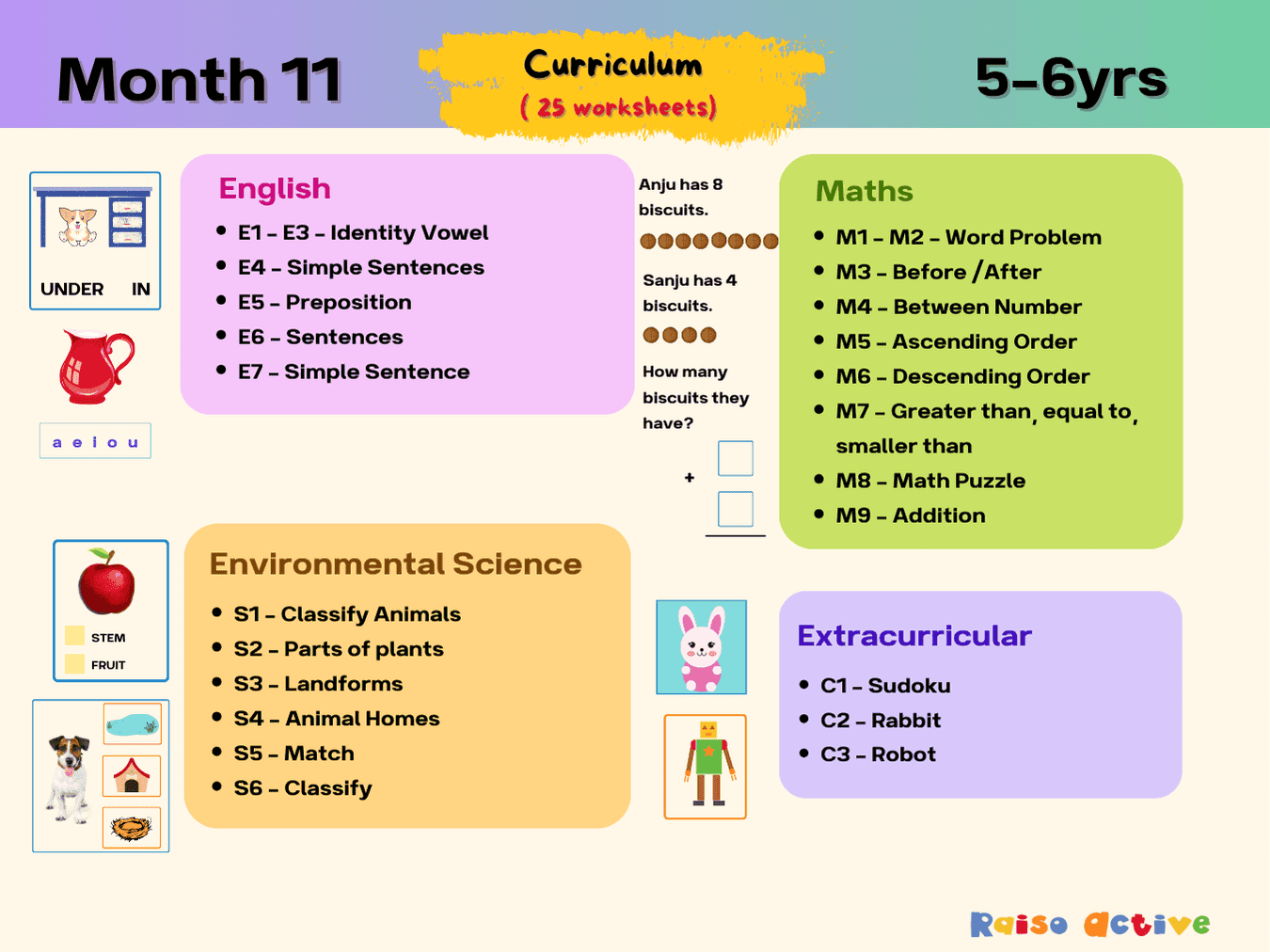
Month 11: Learning & Development | Ages 5-6
Ages 5-6 · KindergartenAges 5-6 · Year 1Ages 5-6 · UKGAges 5-6 · 28 pages