Kindergarten Readiness Checklist: 25 Skills to Practice Before the First Day
Author
RaisoActive - Kids Activities and Fun Learning
Published
Reading Time
8 min read
- Kindergarten readiness is a working foundation across five areas — literacy, math, motor skills, self-regulation and self-help — not mastery of any one of them
- In the first weeks, teachers notice listening, routines and independence long before they notice reading
- Most of the 25 skills below can be practiced in 10–15 minutes a day over one summer
- Reversed letters, an awkward pencil grip and not reading yet are all normal at five
- Ask a pediatrician or teacher if speech is hard for strangers to understand or one-step directions are consistently missed
What Kindergarten Ready Actually Looks Like
A kindergarten-ready child can recognize most letters and a few sounds, count to 20 and compare small groups, hold a pencil and cut along a line, follow two-step directions, wait a turn, and handle toileting, snack and a backpack alone. No child needs every one of the 25 skills below; teachers look for a working foundation, not mastery.
If you have searched for a kindergarten readiness checklist, you have probably found lists that make it sound like a test. It is not. Kindergarten teachers expect a wide range on the first day: some children arrive reading simple books, others are still learning that the squiggle on their cubby is their name. Both can have a good year. What matters more is whether a child can listen, try, and recover from small frustrations.
The checklist below groups 25 skills into five areas. Use it as a map for the summer before school, not as a scorecard. If you want printable practice to go with it, the kindergarten worksheets hub is organized by the same skills, and the pre-K worksheets hub is the right place if your child is a year younger.
The 25-Skill Kindergarten Readiness Checklist
Read each item as 'can usually do, with a reminder now and then'. A five-year-old who can do something on Tuesday and forgets it on Wednesday is still learning it. Tick the skills your child has, circle the ones to practice, and leave the rest — they will come.
Literacy (skills 1–6)
- Recognizes their own first name in print and can pick it out from three or four other names
- Names most uppercase letters (about 15–20 of 26) and some lowercase ones
- Knows a few letter sounds, especially the first sound of their name — for example, that M says 'mmm'
- Hears rhymes and first sounds — can say whether cat and hat rhyme, and what sound 'sun' starts with
- Holds a book the right way, turns pages one at a time and knows that print runs left to right
- Retells a simple story in order after hearing it — beginning, middle and end — even in a sentence or two
Skills 2 and 3 are the ones a summer can move the most. Letter tracing worksheets that mark the starting dot and stroke order let you pair the letter name, the sound and the shape in one short sitting; five letters a week is a comfortable pace.
Math (skills 7–11)
- Counts aloud to 20 without skipping numbers, and counts a small group of objects by touching each one once
- Recognizes numerals 1–10 and can match a numeral to a group of that many objects
- Compares two groups — says which has more, fewer or the same
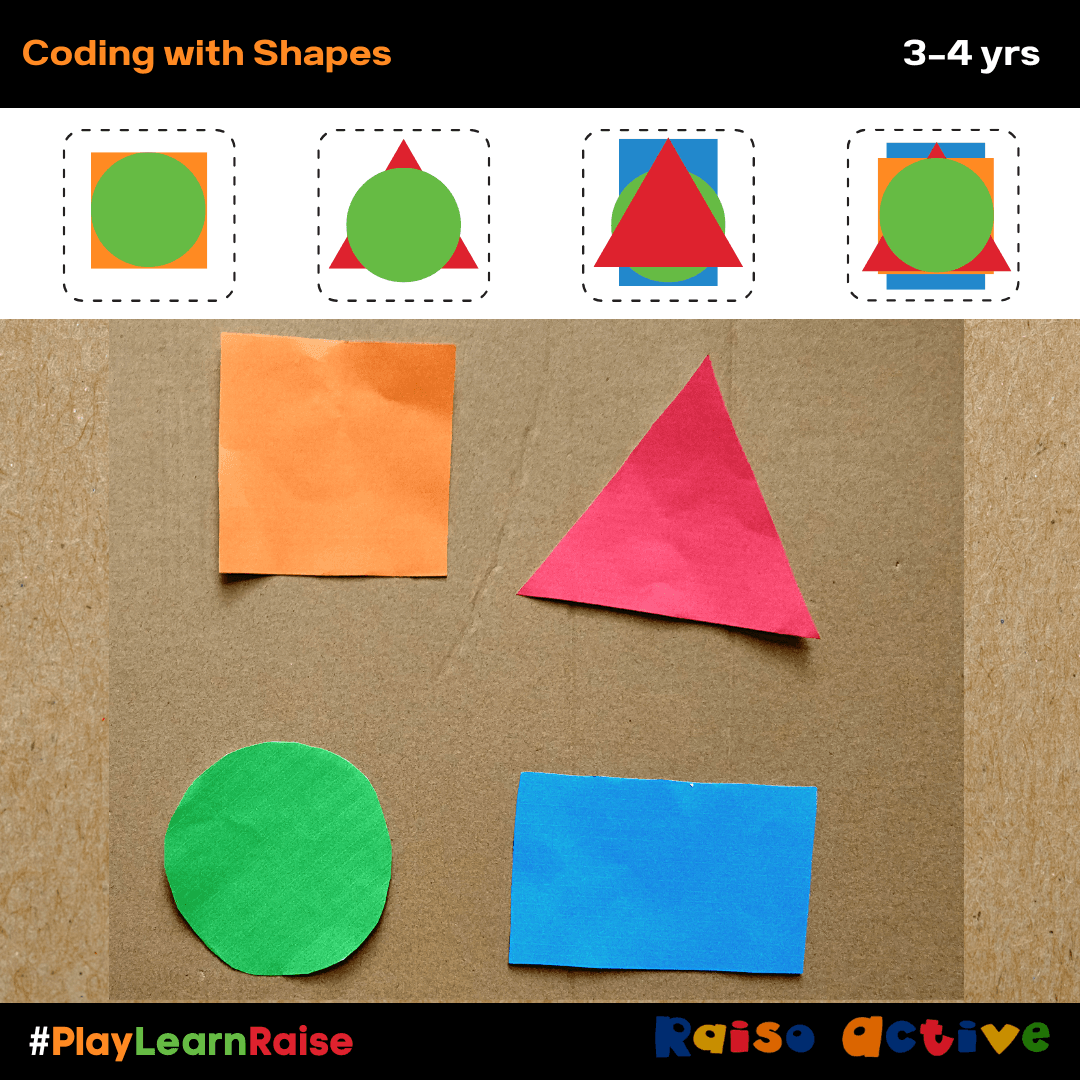
- Names basic shapes — circle, square, triangle, rectangle — and finds them in everyday objects
- Copies and continues a simple pattern such as red-blue-red-blue with blocks or beads
Counting objects is different from reciting numbers, and it is the one teachers check first. Counting worksheets that ask a child to count a group and circle the numeral make a quick weekly check; the rest of the practice should be on stairs, grapes and socks.
Fine and gross motor (skills 12–16)
- Holds a pencil or crayon with fingers, not a fist, and draws a person with at least a head, body, arms and legs
- Cuts along a straight line with child scissors and is starting to cut simple curves
- Writes their first name, even if some letters are large, uneven or reversed
- Manages buttons, zippers and a lunch box lid most of the time without help
- Runs, jumps with two feet, climbs stairs one foot per step and can stand on one foot for a moment
Scissors deserve their own slot in the week. Start with thick straight lines, move to zigzags, then curves; cutting practice worksheets are printed in that order for a reason. Playdough, clothespins and tweezers build the hand strength that makes both cutting and pencil grip easier.
Self-regulation (skills 17–21)
- Follows two-step directions such as 'put your cup in the sink and get your shoes'
- Sits and listens to a short story for about ten minutes in a group
- Waits for a turn and shares materials with a reminder, without melting down every time
- Separates from a parent with a goodbye that may be tearful but settles within a few minutes
- Uses words for feelings and problems — 'I'm sad', 'she took my block' — rather than only hitting or crying
Self-help (skills 22–25)
- Uses the toilet independently, including wiping, flushing and washing hands
- Opens their own snack and drink — packets, yogurt lids, water bottles — or asks for help clearly
- Puts on and takes off a jacket and shoes, even if laces are still tied by an adult
- Keeps track of their belongings — backpack, water bottle, folder — with a routine to check them
is how far Common Core kindergarten standard K.CC.A.1 expects counting to reach by the end of kindergarten (by ones and by tens). That is the end-of-year goal; entering kindergarten counting to 20 is a solid start.
Source: Common Core State Standards for Mathematics, K.CC.A.1
What Teachers Notice in the First Weeks
Ask a kindergarten teacher what they watch for in September and academic skills come surprisingly far down the list. The first weeks are about whether a child can find their seat, hang up a backpack, stop when the lights flick, and line up without pushing. A child who can do those things gets more teaching time all year, because less of each day is spent being redirected.
Teachers also quietly note the small things: which hand a child writes with, whether they can hear the first sound in their name, how they hold scissors, whether they can open their own snack. And they listen for language — can the child answer 'what happened?' in a sentence, and can a stranger understand most of what they say?
In practical terms, teachers are usually looking for:
- Whether a child can sit in a circle for a short story and a song without wandering off
- Whether they try a task before asking for help, and ask for help with words when stuck
- Whether they recognize their name on a cubby, a nametag and a paper
- Whether they can carry a two-step instruction across the room without forgetting the second step
- Whether they recover from a small upset — a broken crayon, a lost turn — within a couple of minutes
Notice that none of these require reading. Reading instruction is the school's job; your job over the summer is to make sure your child arrives able to receive it. Hemsweta Jain (Teacher Cheena), RaisoActive's founder and an early-childhood educator since 2014, puts it plainly to parents: the child who can listen and try will learn to read this year, while the child who can already read but cannot sit for a story will have a harder September.
A Summer Plan That Takes 15 Minutes a Day
You do not need a curriculum for the summer before kindergarten. You need a short, predictable slot — after breakfast works for most families — and a rotation through the five areas. Here is an eight-week plan; reorder it to match the circles on your checklist.
The 8-Week Kindergarten Readiness Plan
Weeks 1–2: Name and routines
Practice writing the first name on wide-lined paper, capital first letter then lowercase. Set up a school-bag routine: pack it at night, unpack it in the morning. Start a ten-minute story time at the same hour each day and stretch it by a minute every few days.
Weeks 3–4: Letters and sounds
Work on five uppercase letters a week, starting with the letters in your child's name. Say the letter name and its sound together. Trace one page, then hunt for the same letter on cereal boxes, signs and book covers.
Weeks 5–6: Numbers and counting
Count real things — stairs, grapes, socks — touching each one. Then match numerals 1–10 to groups of objects: lay out four blocks, ask your child to find the 4 card. Once a week, do one counting page as a check.
Week 7: Scissors and fine motor
Cut straight lines, then zigzags, then a circle. In between, squeeze playdough, pick up beads with tweezers and clip clothespins to a box. Ten minutes is enough; hands tire quickly at five.
Week 8: Rehearse the school day
Walk or drive to the school, find the door, practice a short goodbye. Eat a packed snack from the real lunch box. Play 'teacher says' with two-step directions. Read a book about starting school and talk through what the first morning will look like.
Every day: talk and listen
Ask one open question at dinner — 'what was the best part of today?' — and wait for a full sentence. Language is the readiness skill teachers value most, and it is built in conversation, not on paper.
- Write the grocery list together and let your child cross items off in the store — reading, writing and counting in one errand
- Keep crayons, a small notebook and child scissors in a basket at kid height so fine-motor practice happens without being scheduled
- Play board games with a die: counting spaces, waiting a turn and losing gracefully are three checklist items at once
- Give real two-step jobs — 'get the spoons and put one at each place' — instead of drills
- Let your child do slow things slowly: zipping a jacket takes a five-year-old three minutes, and that is the practice
Kindergarten readiness is mostly about listening, trying and managing yourself — the letters and numbers follow.
If you only have time for a few items on the checklist, choose two-step directions, a short daily story time, name writing and independent toileting. A child who arrives with those four gets the most out of every lesson, and the academic skills fill in quickly once school starts.
When Not to Worry — and When to Ask
Some things on a readiness list worry parents far more than they worry teachers. Reversed letters and numbers are typical until about age seven. A fist grip at four and a half usually becomes a finger grip by six with regular drawing. Not reading, not knowing all 26 letters, and crying at drop-off in the first two weeks are all within the normal range for five-year-olds.
Age matters too. A child whose birthday is near your district's cutoff may be almost a full year younger than a classmate; a gap in skills at the start of the year is expected and closes over time. Teachers know this and plan for it.
Worth a conversation with your pediatrician, preschool teacher or the kindergarten team before school starts:
- Speech that is hard for people outside the family to understand at age five
- Consistent difficulty following a single-step direction without gestures
- Little interest in books, pictures, drawing or other children by four and a half
- Separation distress that does not ease after four to six weeks of a consistent goodbye routine
- Trouble with everyday movement — frequent falls, avoiding stairs, unable to jump with two feet
None of these mean a child is not ready for kindergarten. They mean the school may need to plan support early, and early is exactly when support works best.
Kindergarten readiness questions parents ask
How many letters should a child know before kindergarten?
Should my child be able to write their name before kindergarten?
What if my child cannot sit still for ten minutes?
Is it better to delay kindergarten for a child with a late birthday?
How do I practice readiness skills without turning summer into school?
The First Day Is a Starting Line, Not a Finish
Every kindergarten class holds children at every point on this checklist, and by spring the gaps have narrowed more than any parent expects in August. Use the summer to build the habits — listening, trying, managing the small things — and let the school do the teaching. If you would like one readiness activity a week in your inbox through the summer, you can subscribe here.
Free worksheets for this topic
Browse all worksheets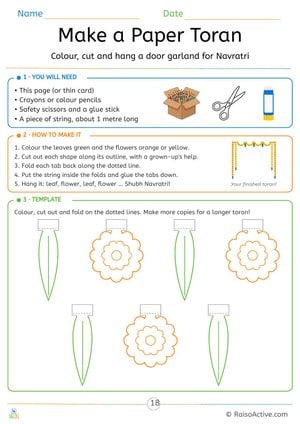
Make a Paper Toran: Navratri Craft Template
Ages 4-6 · Pre-K–KindergartenAges 4-6 · Reception–Year 1Ages 4-6 · LKG–UKGAges 4-6
Children follow step-by-step instructions to colour, cut, fold and glue a festival decoration, building scissor skills and fine motor control.
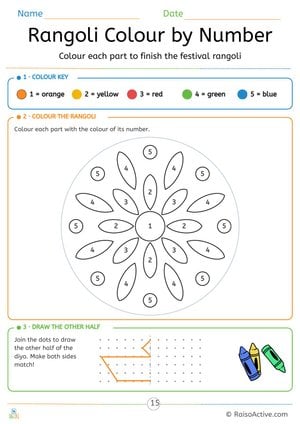
Navratri Rangoli Colour by Number and Symmetry Diya
Ages 4-6 · Pre-K–KindergartenAges 4-6 · Reception–Year 1Ages 4-6 · LKG–UKGAges 4-6
Children match numbers to colours using a key, colour a rangoli pattern carefully and draw the other half of a shape so both sides match.

Navratri Nine Colours Colouring Page: Colour the Garba Dancers
Ages 4-6 · Pre-K–KindergartenAges 4-6 · Reception–Year 1Ages 4-6 · LKG–UKGAges 4-6
Children learn the colour linked with each of the nine days of Navratri 2026 and practise colouring inside the lines.

Dad's Beard: A Fun Shaving Activity for Kids!
Ages 3-5 · Preschool–Pre-KAges 3-5 · Nursery–ReceptionAges 3-5 · Nursery–LKGAges 3-5
This sensory pretend-shaving activity builds fine motor precision and hand control in children ages 3-5, as they draw a beard with a marker and then carefully brush away shaving foam in controlled strokes. Beyond motor skills, it gives children a playful, low-stakes way to imitate a grown-up grooming routine they've likely observed at home.

Written by
Hemsweta Jain · Teacher Cheena
MBA and Early Childhood Educator, teaching since 2014 · Founder of RaisoActive, Mumbai
Published · Last reviewed
Related Resources
Printable Resources(10)
View all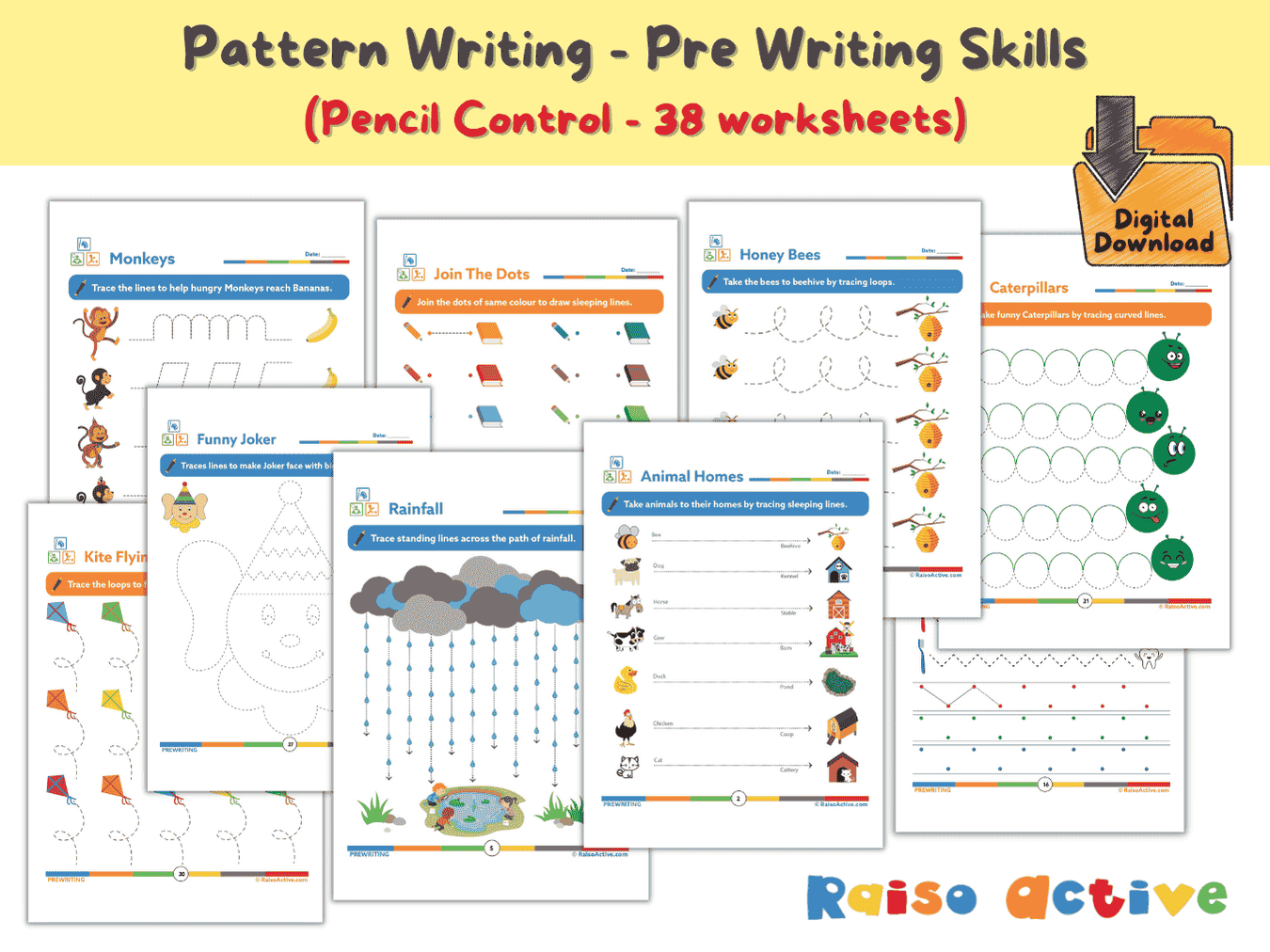

Pattern Writing Pre-writing Skills Activity Book for 3-4 Year Olds
Ages 3-4 · PreschoolAges 3-4 · NurseryAges 3-4 · 44 pages
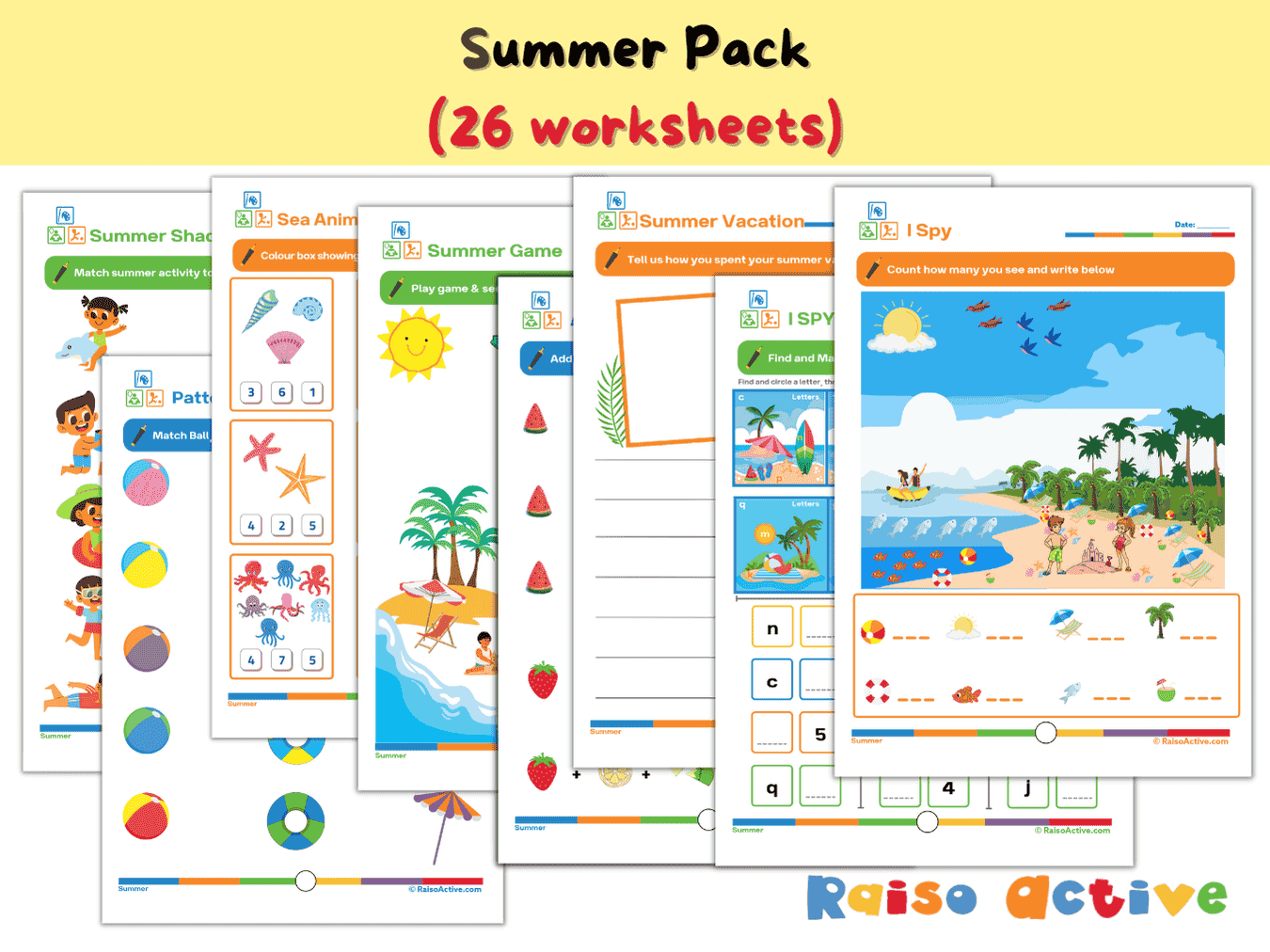

Summer Activity Pack: Math, Literacy, Puzzles & More for Preschool & Kindergarten
Ages 3-7 · Preschool–Grade 1Ages 3-7 · Nursery–Year 2Ages 3-7 · Nursery–Class 1Ages 3-7 · 26 pages
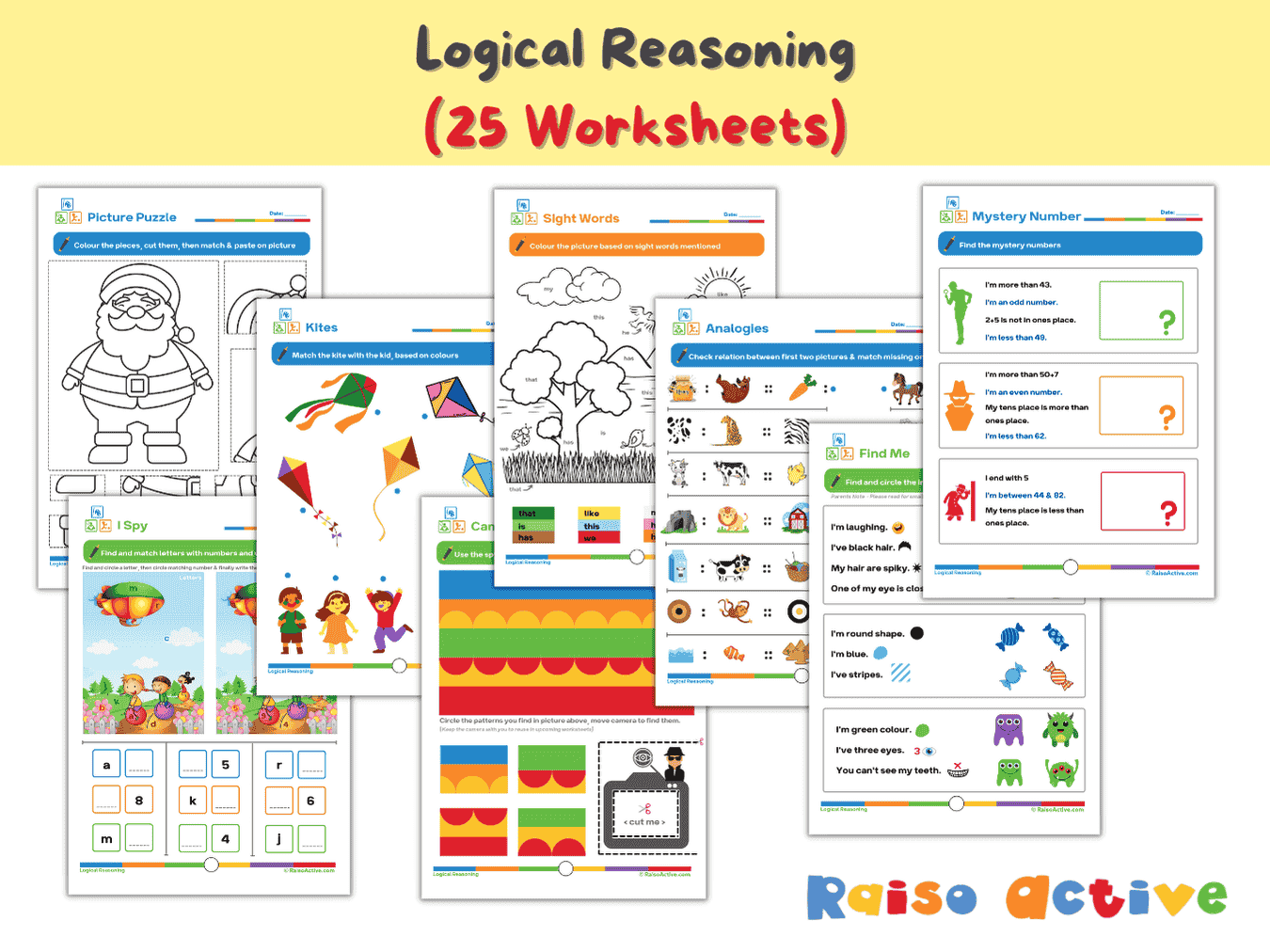

Logical Reasoning Activity Book for Preschool & Kindergarten | Patterns, Puzzles & Analogies
Ages 4-7 · Pre-K–Grade 1Ages 4-7 · Reception–Year 2Ages 4-7 · LKG–Class 1Ages 4-7 · 26 pages
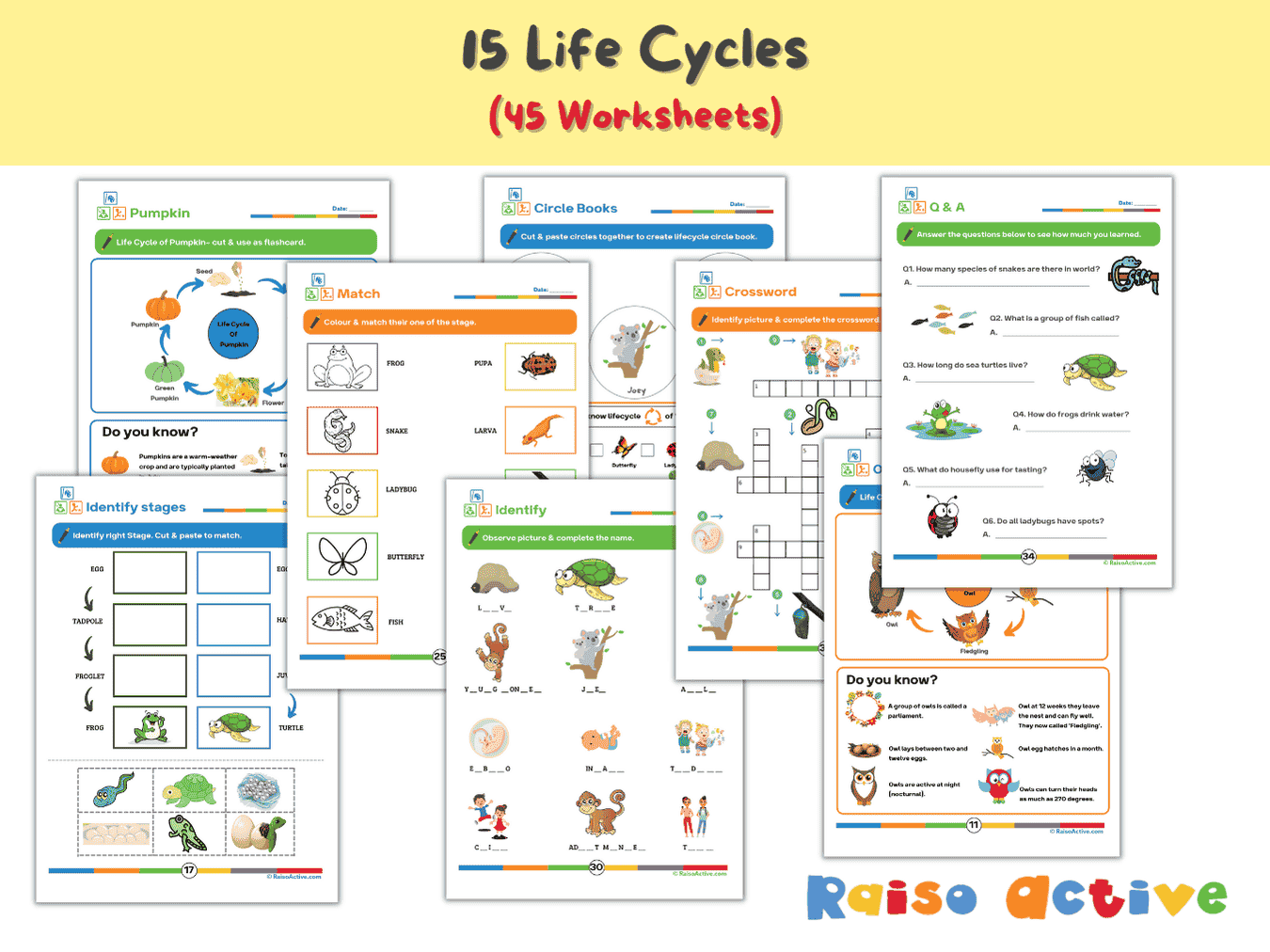

Lifecycles Activity Book & Flashcards for Preschool & Early Elementary
Ages 3-8 · Preschool–Grade 2Ages 3-8 · Nursery–Year 3Ages 3-8 · Nursery–Class 2Ages 3-8 · 46 pages
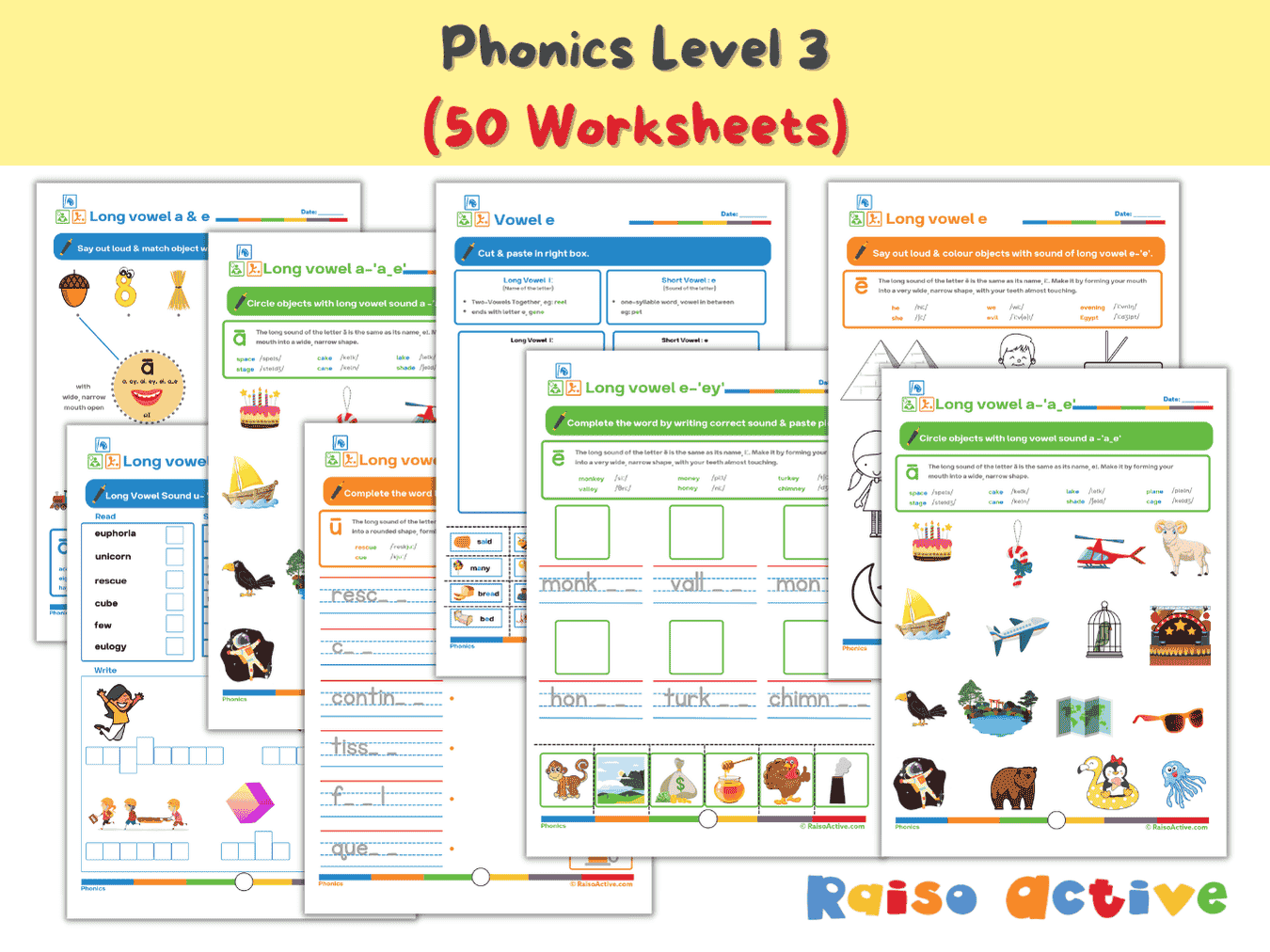

Phonics Level 3 Long Vowels Activity Book for Kindergarten & 1st Grade
Ages 5-7 · Kindergarten–Grade 1Ages 5-7 · Year 1–Year 2Ages 5-7 · UKG–Class 1Ages 5-7 · 51 pages
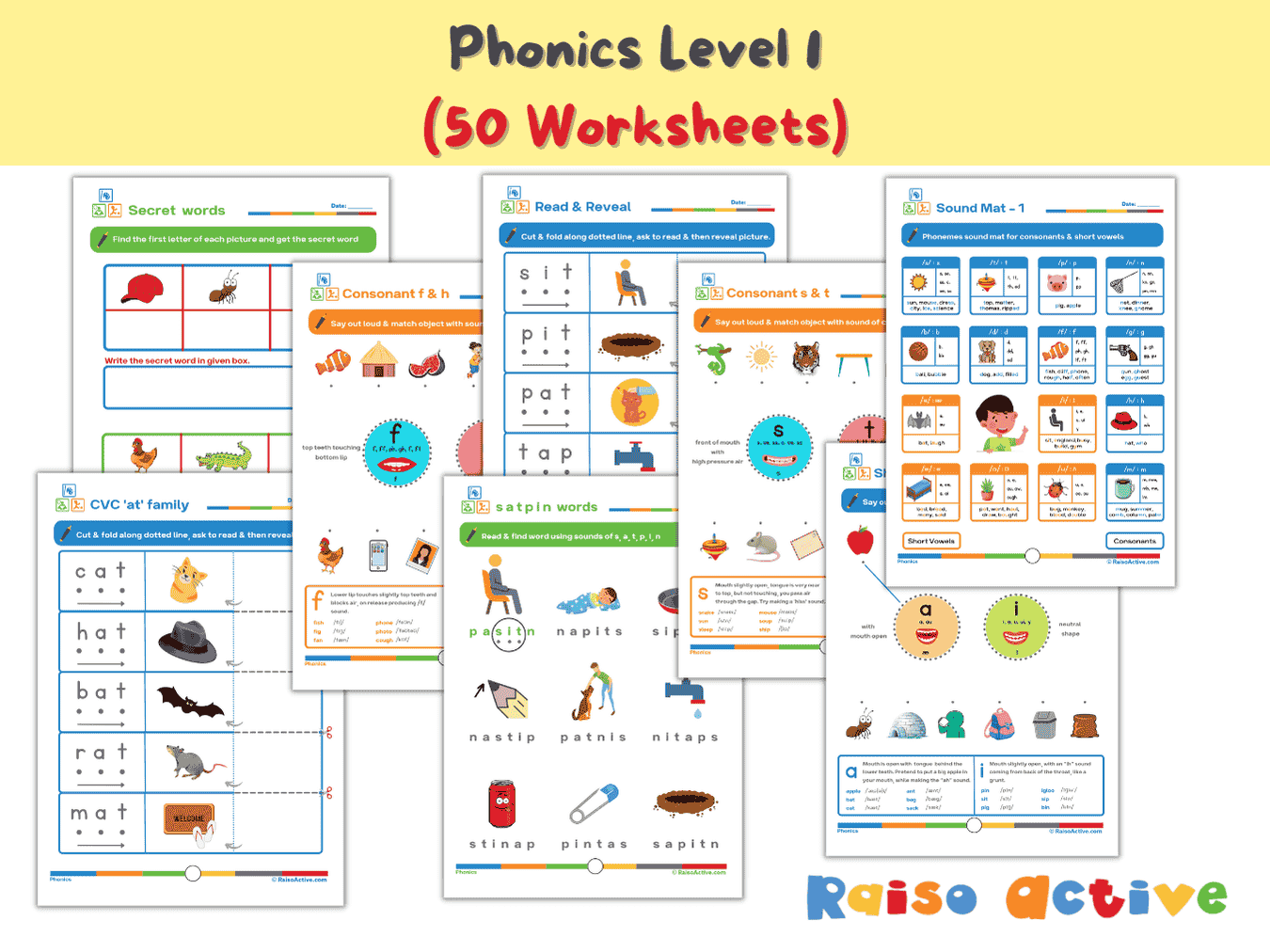
Phonics Level 1 Activity Book: Letter Sounds, Blending & CVC Words for Preschool & Kindergarten
Ages 3-6 · Preschool–KindergartenAges 3-6 · Nursery–Year 1Ages 3-6 · Nursery–UKGAges 3-6 · 60 pages
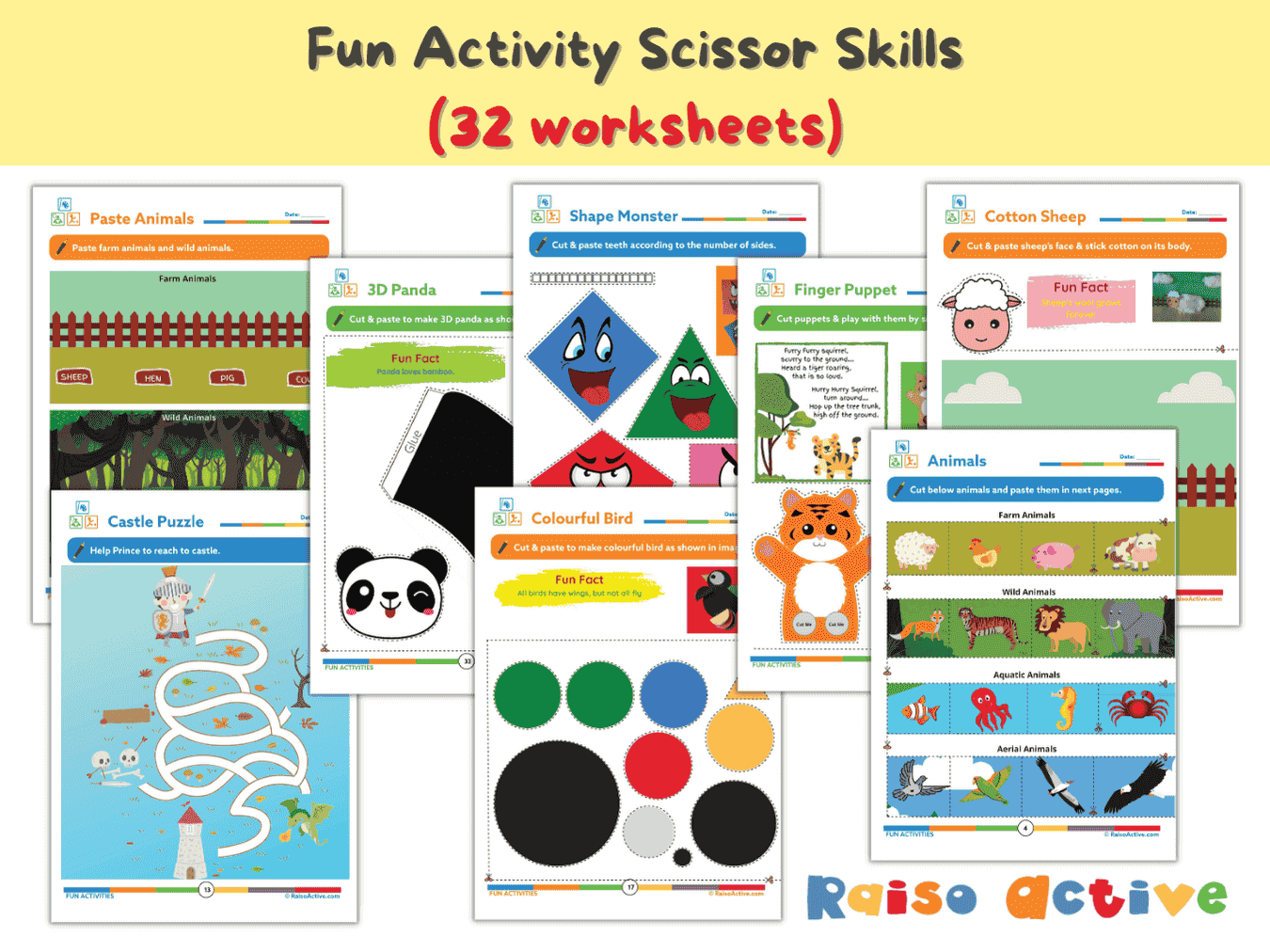
Preschool Scissor Skills Activity Book: Fine Motor & Craft Fun for Ages 3-6
Ages 3-6 · Preschool–KindergartenAges 3-6 · Nursery–Year 1Ages 3-6 · Nursery–UKGAges 3-6 · 35 pages
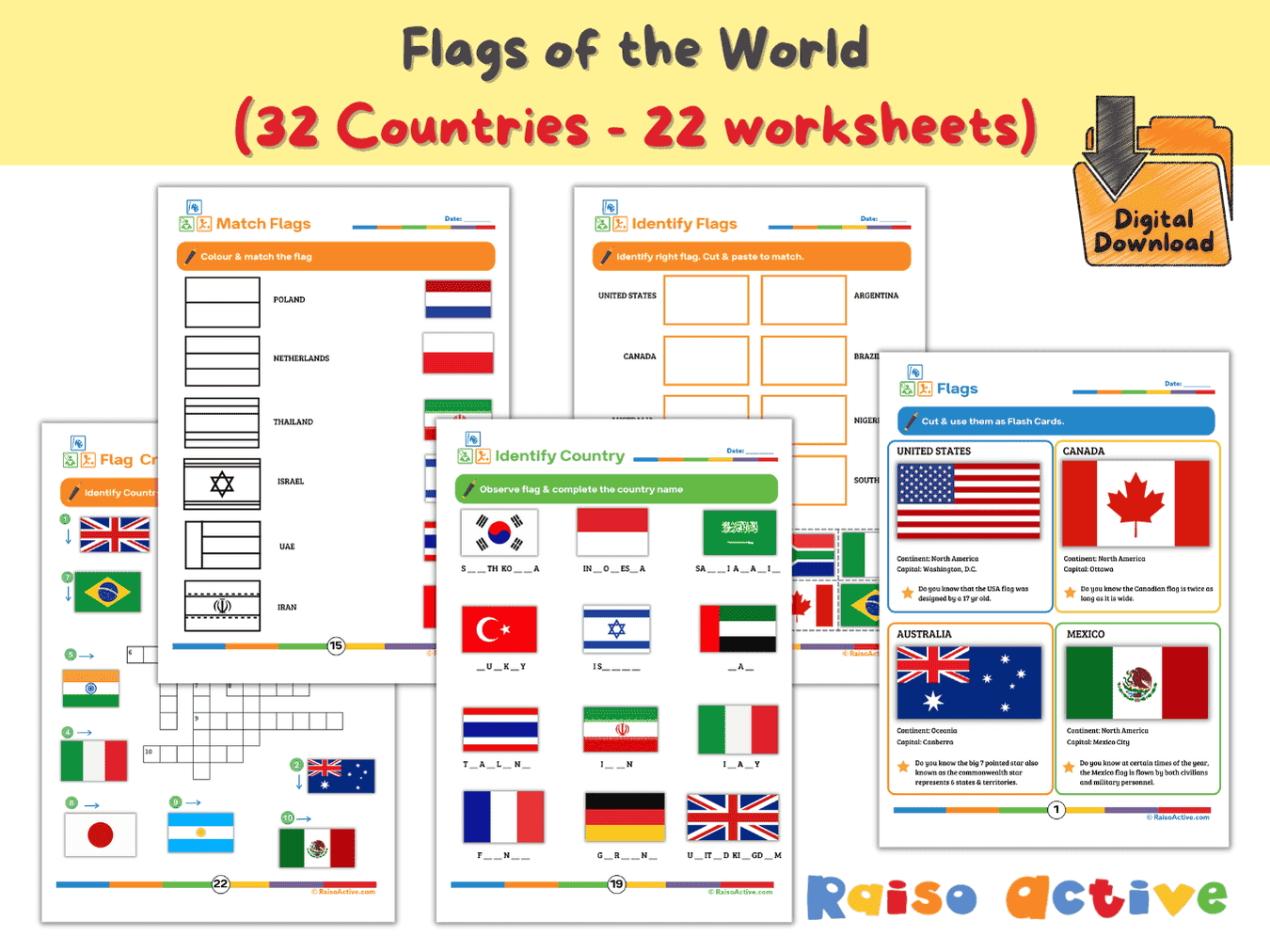
Flags of the World Activity Book & Flashcards for Kids (Ages 5-9)
Ages 5-8 · Kindergarten–Grade 2Ages 5-8 · Year 1–Year 3Ages 5-8 · UKG–Class 2Ages 5-8 · 23 pages
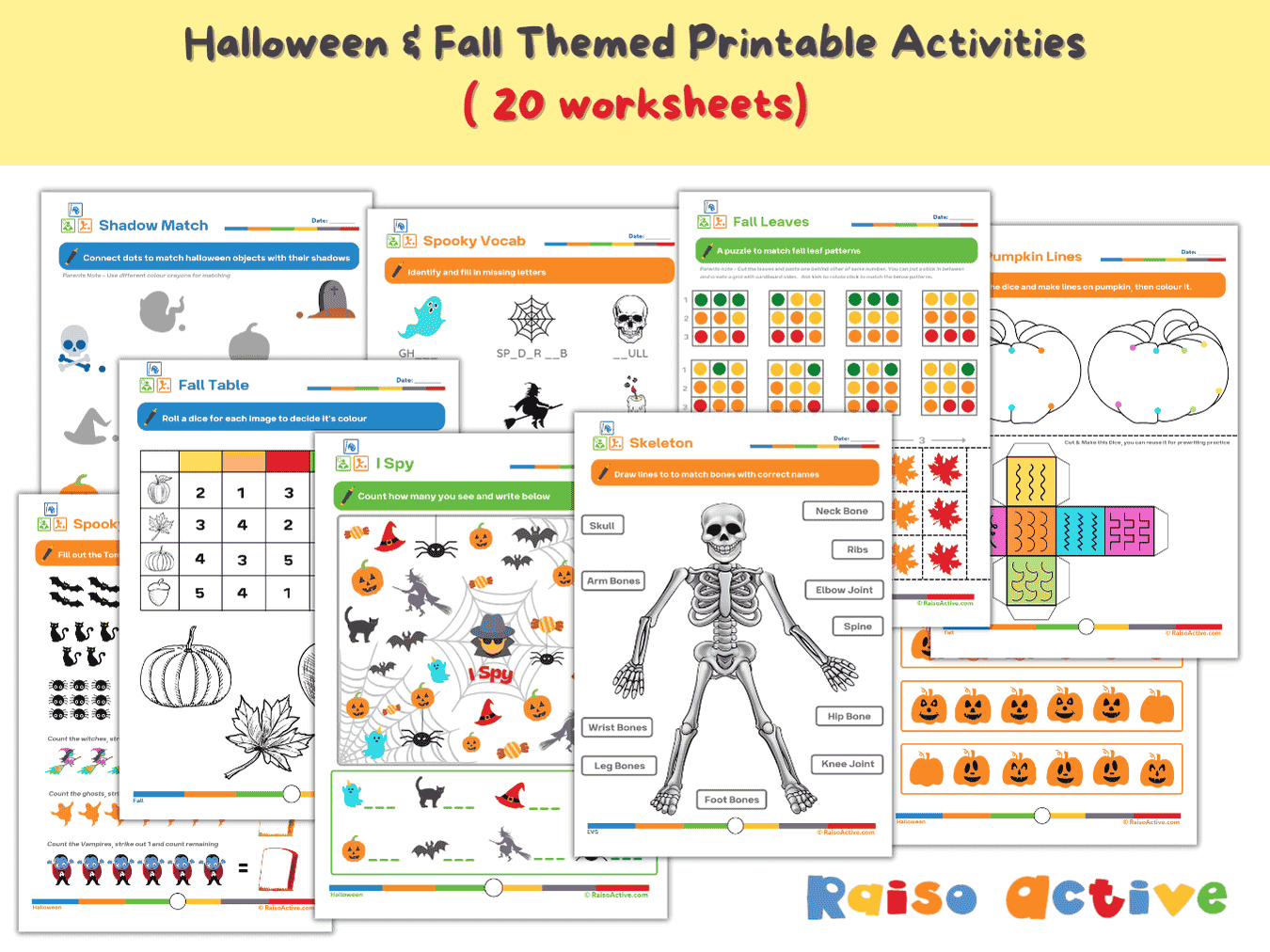
Halloween & Fall Activity Book: Math, Literacy & Cognitive Skills for Ages 4-8
Ages 4-8 · Pre-K–Grade 2Ages 4-8 · Reception–Year 3Ages 4-8 · LKG–Class 2Ages 4-8 · 23 pages
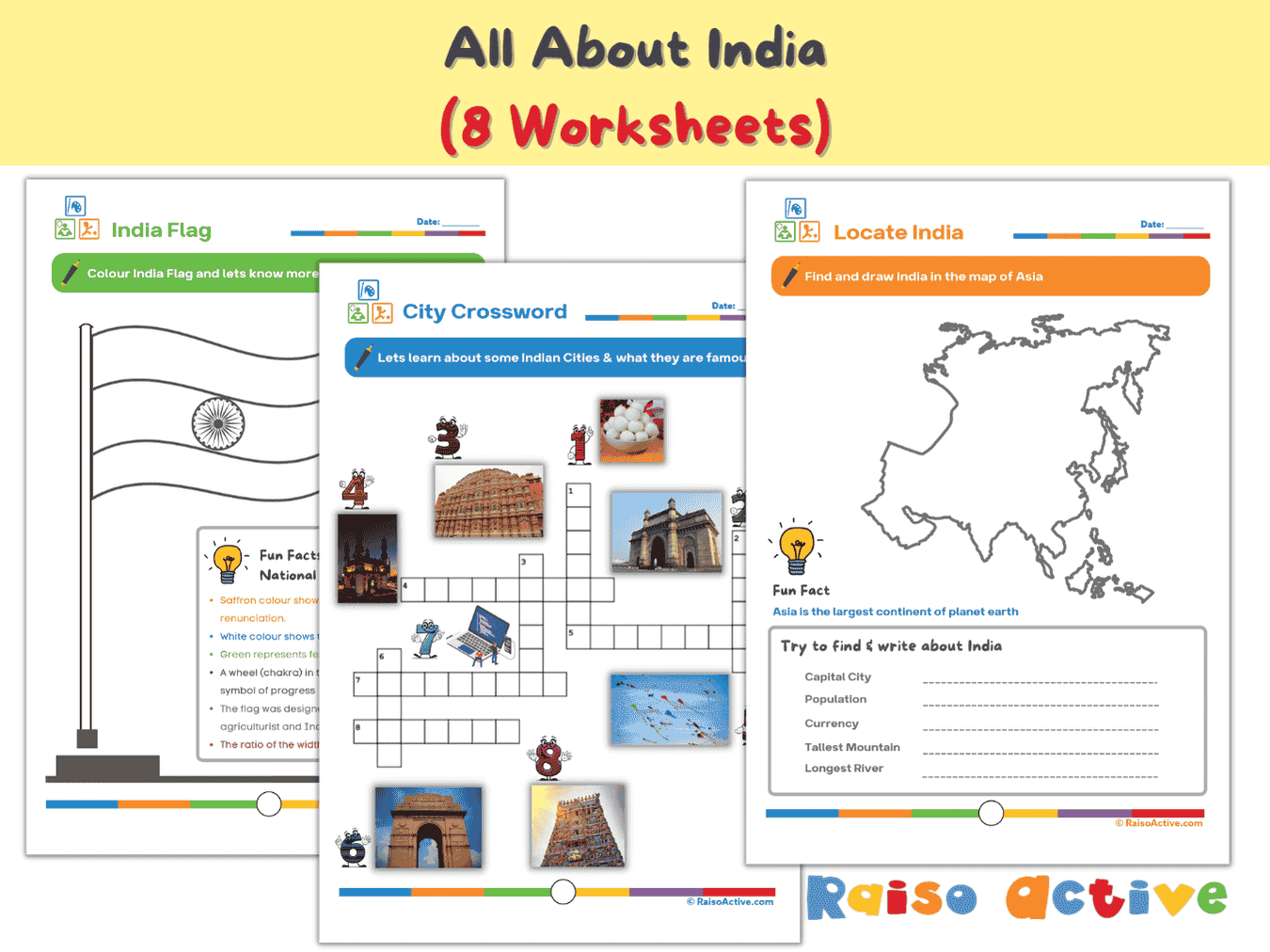
India Activity Book for Kids: Explore Geography, Culture & Symbols (Ages 5-8)
Ages 5-8 · Kindergarten–Grade 2Ages 5-8 · Year 1–Year 3Ages 5-8 · UKG–Class 2Ages 5-8 · 8 pages