 Science
Frog Lifecycle Activities: Printable Worksheets & Craft for Kids
Engage children in learning about the frog lifecycle with these printable activities. Kids will identify stages, learn fascinating facts, and create a fun cut & paste circle book.
- Craft
- Ages 3-7 · Preschool–Grade 1Ages 3-7 · Nursery–Year 2Ages 3-7 · Nursery–Class 1Ages 3-7
- Printable PDF
- Video tutorial
- 5 things to gather
What Your Child Will Learn
- Identify and sequence the four main stages of a frog's life cycle.
- Develop fine motor skills through cutting, pasting, and assembling the craft.
- Learn new vocabulary related to animal development and biology.
- Understand basic biological facts about frogs as amphibians.
- Enhance observation and critical thinking skills by matching and ordering images.
Step-by-Step Instructions
What You'll Need
• Printed 'Frog Lifecycle' activity sheets (Pages 1, 2, and 3 from the provided PDF)
• Scissors
• Glue stick or liquid glue
• Crayons or colored pencils (optional, for coloring the craft)
• Stapler or brad (for the circle book)
Getting Started
Print all three pages of the 'Frog Lifecycle' activity. Page 1 contains flashcards and facts, Page 2 is a cut & paste matching activity, and Page 3 provides the pieces for a circle book craft.
How to Do This Activity
•
Flashcards & Facts (Page 1):
• Cut out the 'Life Cycle of Frog' diagram and the individual stage pictures (Egg, Tadpole, Froglet, Frog) to create flashcards.
• Read through the 'Do you know?' section with your child to learn interesting facts about frogs, such as their habitat, lifespan, and how they drink water.
• Use the flashcards to review the stages and their names.
•
Identify Stages: Cut & Paste Matching (Page 2):
• Have your child identify the frog lifecycle images in the bottom section (Egg, Tadpole, Froglet, Frog).
• Cut out these frog images.
• Paste each frog image into the corresponding empty box under the correct label (EGG, TADPOLE, FROGLET, FROG) in the left column.
• (Optional Extension): Discuss the turtle lifecycle images and labels in the right column and match them if desired, using the remaining images.
•
Create a Lifecycle Circle Book (Page 3):
• Cut out the circular images for the frog lifecycle: Egg, Tadpole, Froglet, and Frog. You can also cut out the 'Life Cycle Of Frog' circle from Page 1 to be the cover.
• Arrange the frog lifecycle circles in the correct sequence.
• Stack the circles with the 'Frog' at the bottom, followed by 'Froglet', 'Tadpole', and 'Egg' on top, with your chosen cover on the very top.
• Secure the stack of circles together at the top (or center, depending on preferred design) using a stapler or a brad to create a flip-through circle book.
• Encourage your child to flip through the book and retell the frog's life cycle story.
Tips for Parents
• Start by discussing what your child already knows about frogs.
• Use descriptive language to explain each stage of the lifecycle.
• Encourage your child to verbalize the sequence of the lifecycle stages as they create the book or match the flashcards.
• Reinforce learning by watching a short educational video about frog lifecycles.
Ways to Extend
For younger children, focus mainly on identifying and naming the main stages. For older children, encourage them to write a sentence or two about each stage. You can also research other animal lifecycles (like butterflies or chickens) and compare them to the frog's lifecycle. Visit a local pond or nature center to observe tadpoles or frogs in their natural habitat if possible.
Ways to Extend
For younger children, focus mainly on identifying and naming the main stages. For older children, encourage them to write a sentence or two about each stage. You can also research other animal lifecycles (like butterflies or chickens) and compare them to the frog's lifecycle. Visit a local pond or nature center to observe tadpoles or frogs in their natural habitat if possible.
Flashcards & Facts (Page 1)
•
- Cut out the 'Life Cycle of Frog' diagram and the individual stage pictures (Egg, Tadpole, Froglet, Frog) to create flashcards.
- Read through the 'Do you know?' section with your child to learn interesting facts about frogs, such as their habitat, lifespan, and how they drink water.
- Use the flashcards to review the stages and their names.
Identify Stages: Cut & Paste Matching (Page 2)
•
- Have your child identify the frog lifecycle images in the bottom section (Egg, Tadpole, Froglet, Frog).
- Cut out these frog images.
- Paste each frog image into the corresponding empty box under the correct label (EGG, TADPOLE, FROGLET, FROG) in the left column.
- (Optional Extension): Discuss the turtle lifecycle images and labels in the right column and match them if desired, using the remaining images.
Create a Lifecycle Circle Book (Page 3)
- Cut out the circular images for the frog lifecycle: Egg, Tadpole, Froglet, and Frog. You can also cut out the 'Life Cycle Of Frog' circle from Page 1 to be the cover.
- Arrange the frog lifecycle circles in the correct sequence.
- Stack the circles with the 'Frog' at the bottom, followed by 'Froglet', 'Tadpole', and 'Egg' on top, with your chosen cover on the very top.
- Secure the stack of circles together at the top (or center, depending on preferred design) using a stapler or a brad to create a flip-through circle book.
- Encourage your child to flip through the book and retell the frog's life cycle story.
Related printable packs
View all packs
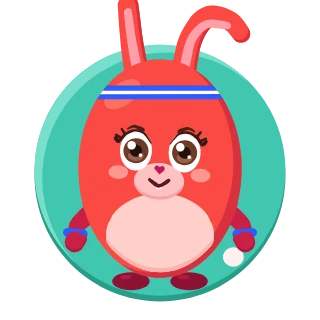
Pattern Writing Pre-writing Skills Activity Book for 3-4 Year Olds
Ages 3-4 · PreschoolAges 3-4 · NurseryAges 3-4 · 44 pages
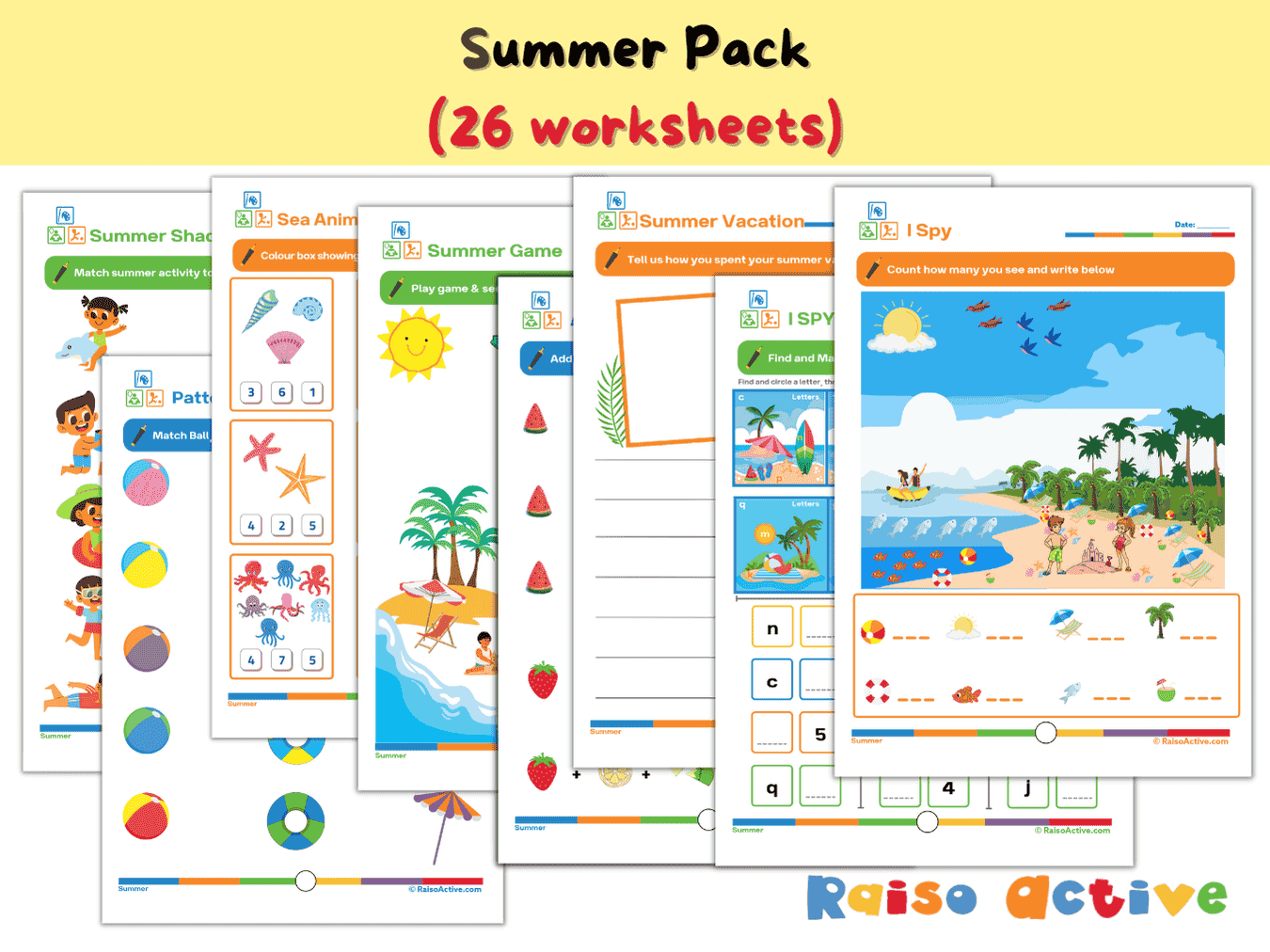

Summer Activity Pack: Math, Literacy, Puzzles & More for Preschool & Kindergarten
Ages 3-7 · Preschool–Grade 1Ages 3-7 · Nursery–Year 2Ages 3-7 · Nursery–Class 1Ages 3-7 · 26 pages
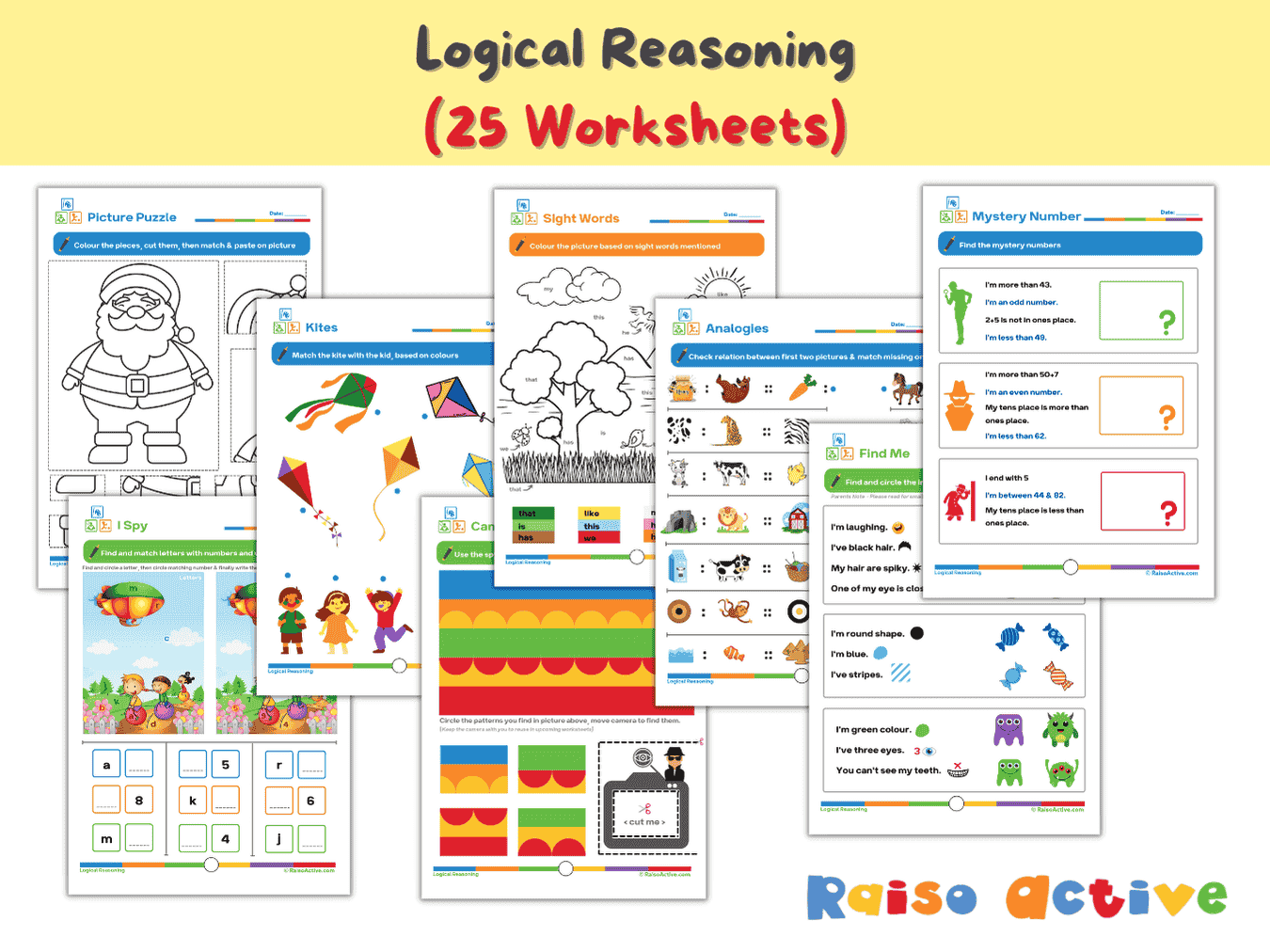
Logical Reasoning Activity Book for Preschool & Kindergarten | Patterns, Puzzles & Analogies
Ages 4-7 · Pre-K–Grade 1Ages 4-7 · Reception–Year 2Ages 4-7 · LKG–Class 1Ages 4-7 · 26 pages
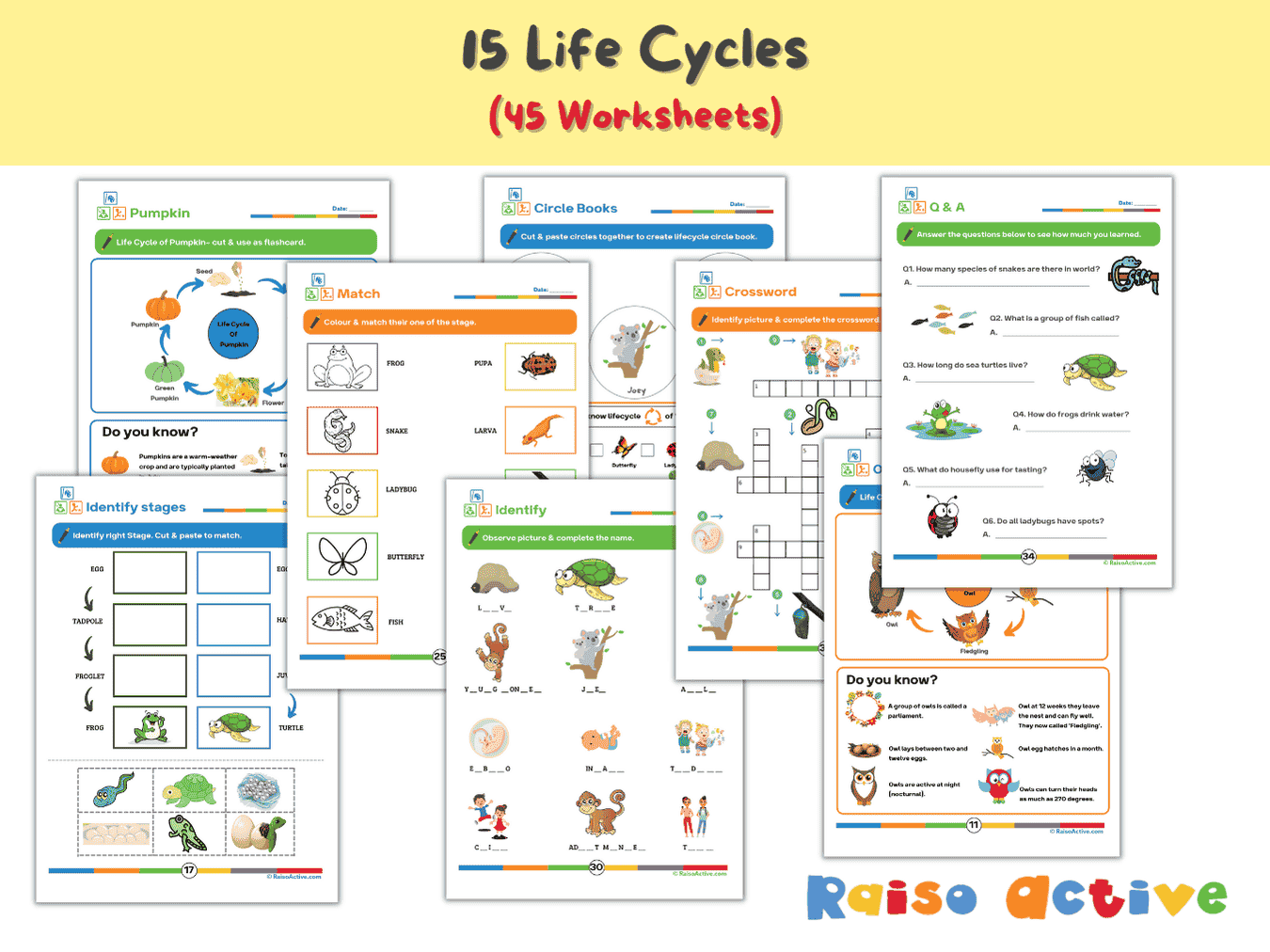
Lifecycles Activity Book & Flashcards for Preschool & Early Elementary
Ages 3-8 · Preschool–Grade 2Ages 3-8 · Nursery–Year 3Ages 3-8 · Nursery–Class 2Ages 3-8 · 46 pages
Related guides
View all on Animal Life Cycles
Number Formation Rhymes 0–9 and How to Fix Reversals
Original number formation rhymes for 0–9, the correct stroke order for each digit, why 3, 5 and 7 get reversed most often, and multisensory fixes that work.

Pre-Writing Strokes in Order: From Standing Lines to Loops (With Printable Patterns)
The developmental order of pre-writing strokes, from vertical lines to loops, and why practicing them in sequence makes letter formation much easier to learn.

Kindergarten Readiness Checklist: 25 Skills to Practice Before the First Day
A kindergarten readiness checklist of 25 literacy, math, motor, self-regulation and self-help skills, with an 8-week summer plan and notes on when not to worry.
More activities like this
All activities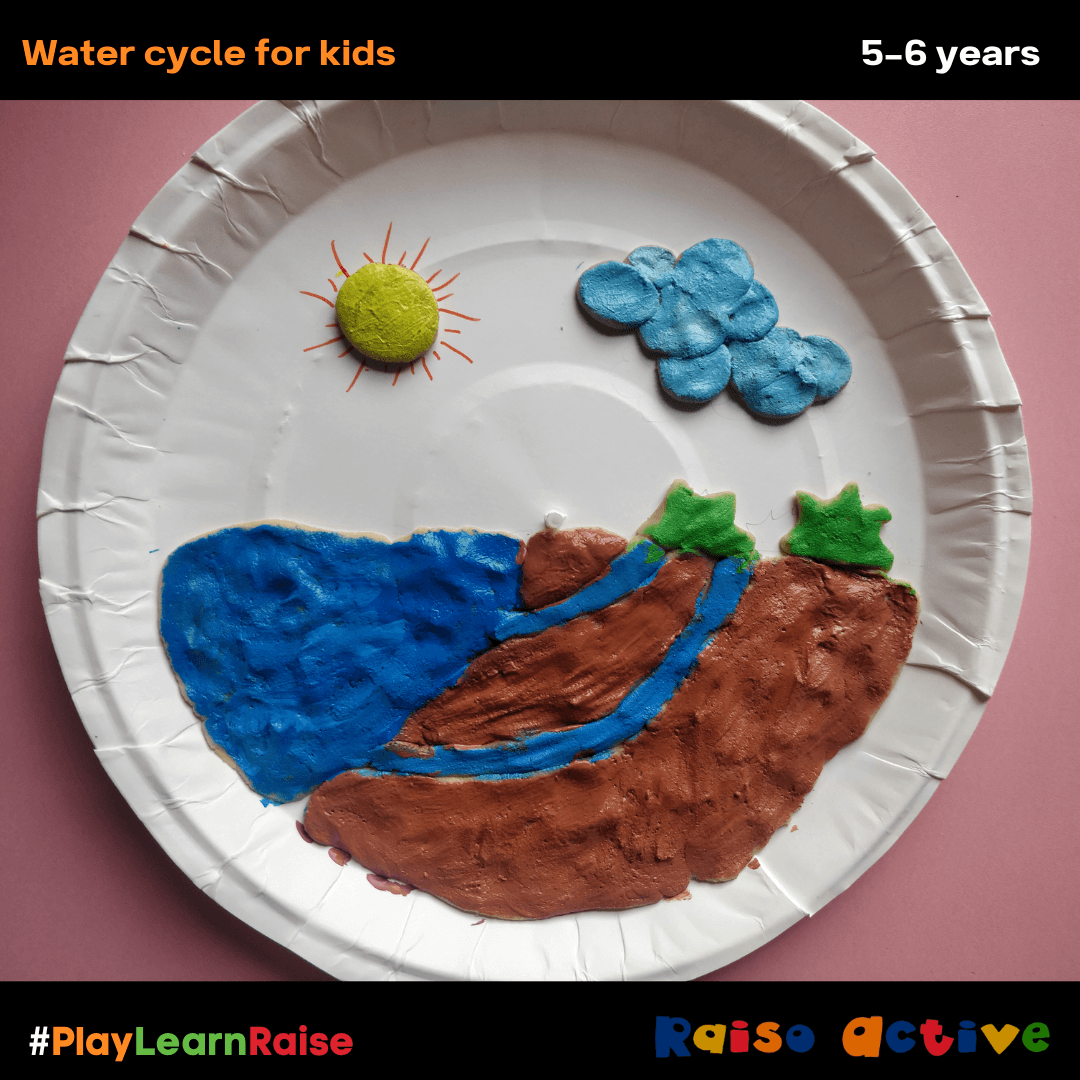 Has a video
Water Cycle Craft for Kids: Learn About Rain & Evaporation
Children will create a hands-on model of the water cycle using clay or play-doh on a paper plate. This engaging craft helps kids visualize and understand how water moves through evaporation, condensation, and precipitation.
What they'll learn:
Introduce the basic stages of the water cycle (evaporation, condensation, precipitation). +4 more
 Has a video
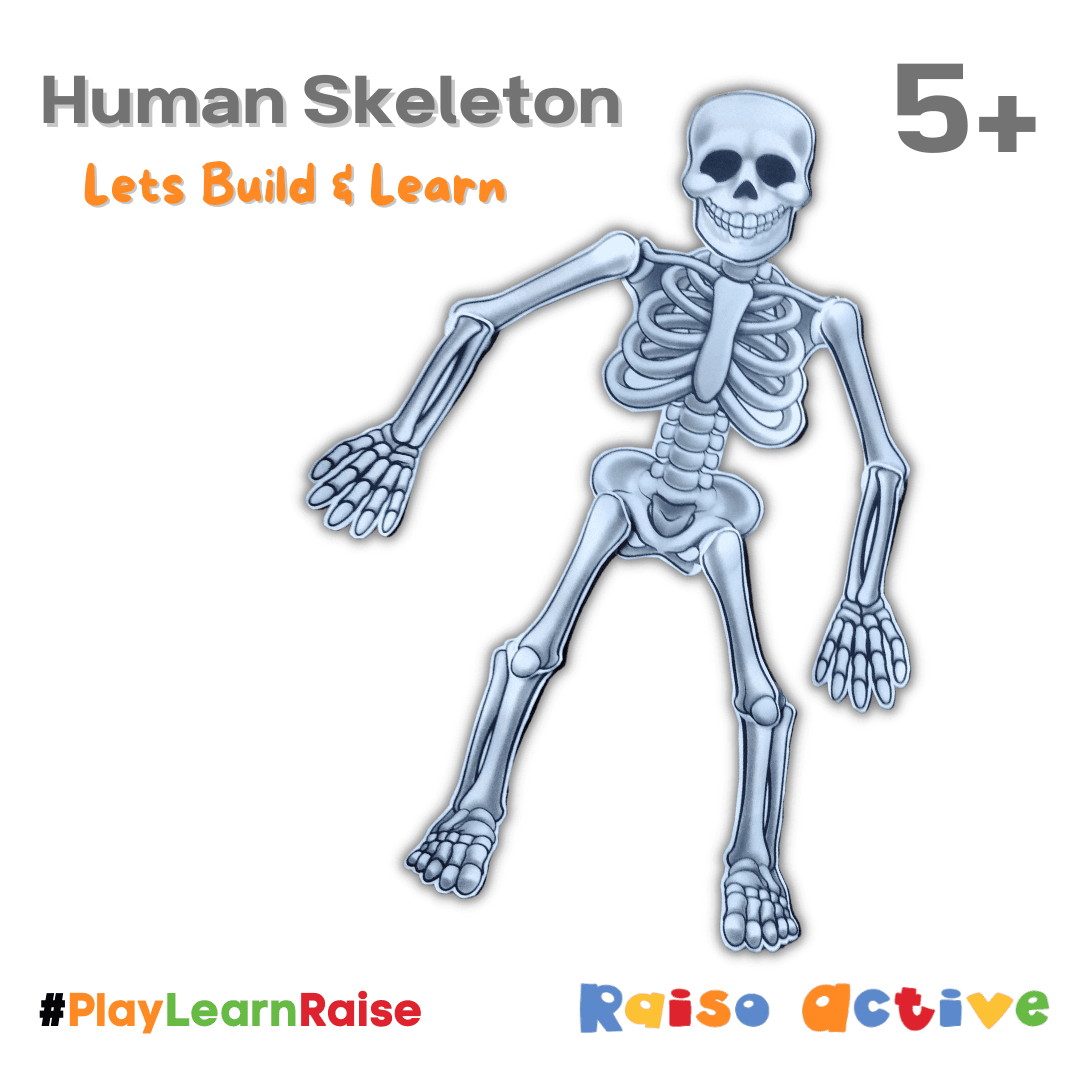
Human Skeleton Craft & Matching Worksheet for Kids
Engage children with this exciting activity to build a human skeleton model and learn bone names. Kids will cut out various skeleton parts, assemble them, and then match common bone names on a fun worksheet.
What they'll learn:
Identify major bones of the human skeleton (e.g., skull, ribs, spine) +4 more
 Has a video
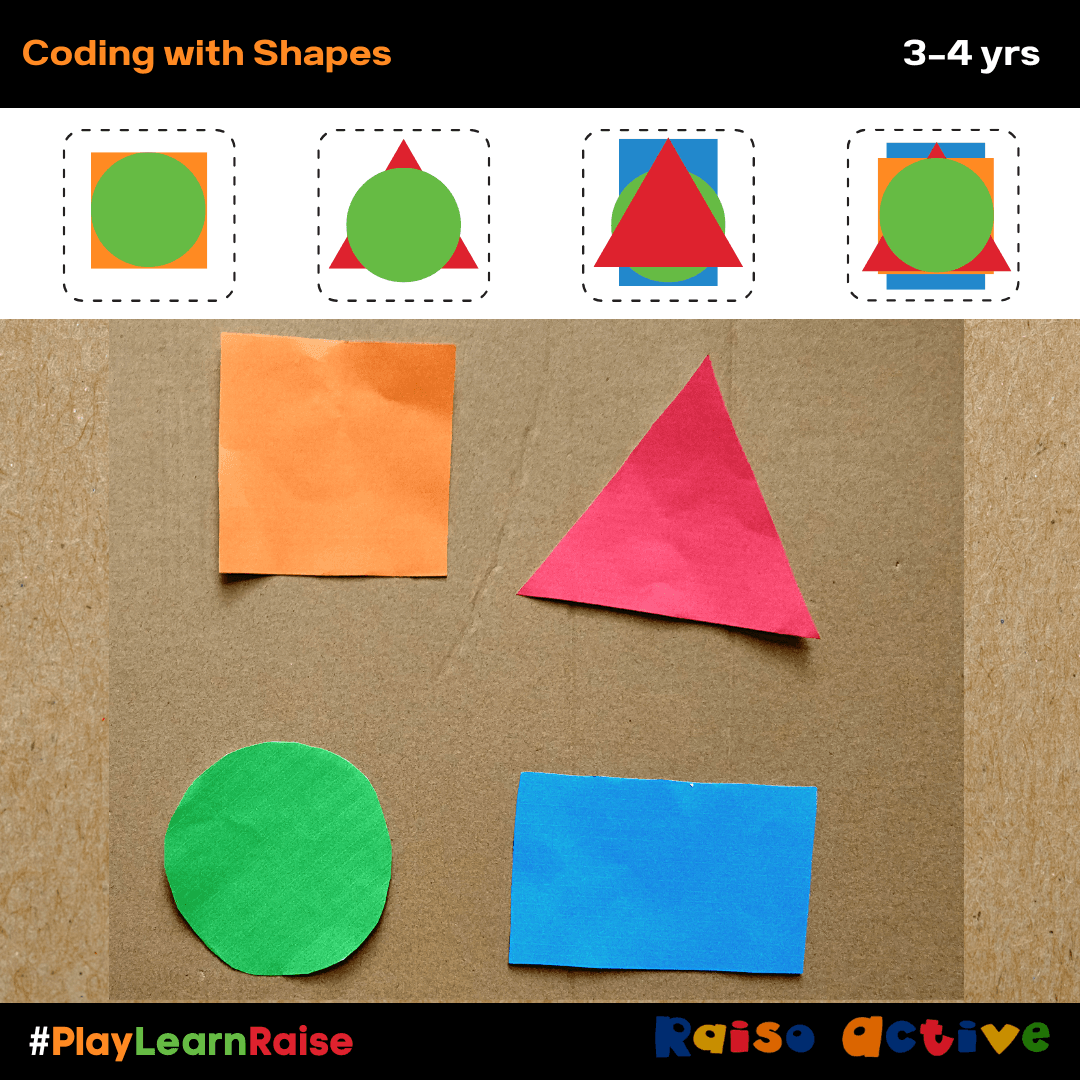
Coding Shapes Activity for Preschoolers | Pattern Matching Fun
Engage young learners with this hands-on coding shapes activity! Children will cut out colorful geometric shapes and arrange them to match given patterns, fostering early logic and fine motor skills. It's a fun way to introduce foundational coding concepts.
What they'll learn:
Identify and name basic 2D shapes (circle, square, triangle, rectangle). +4 more
 Has a video
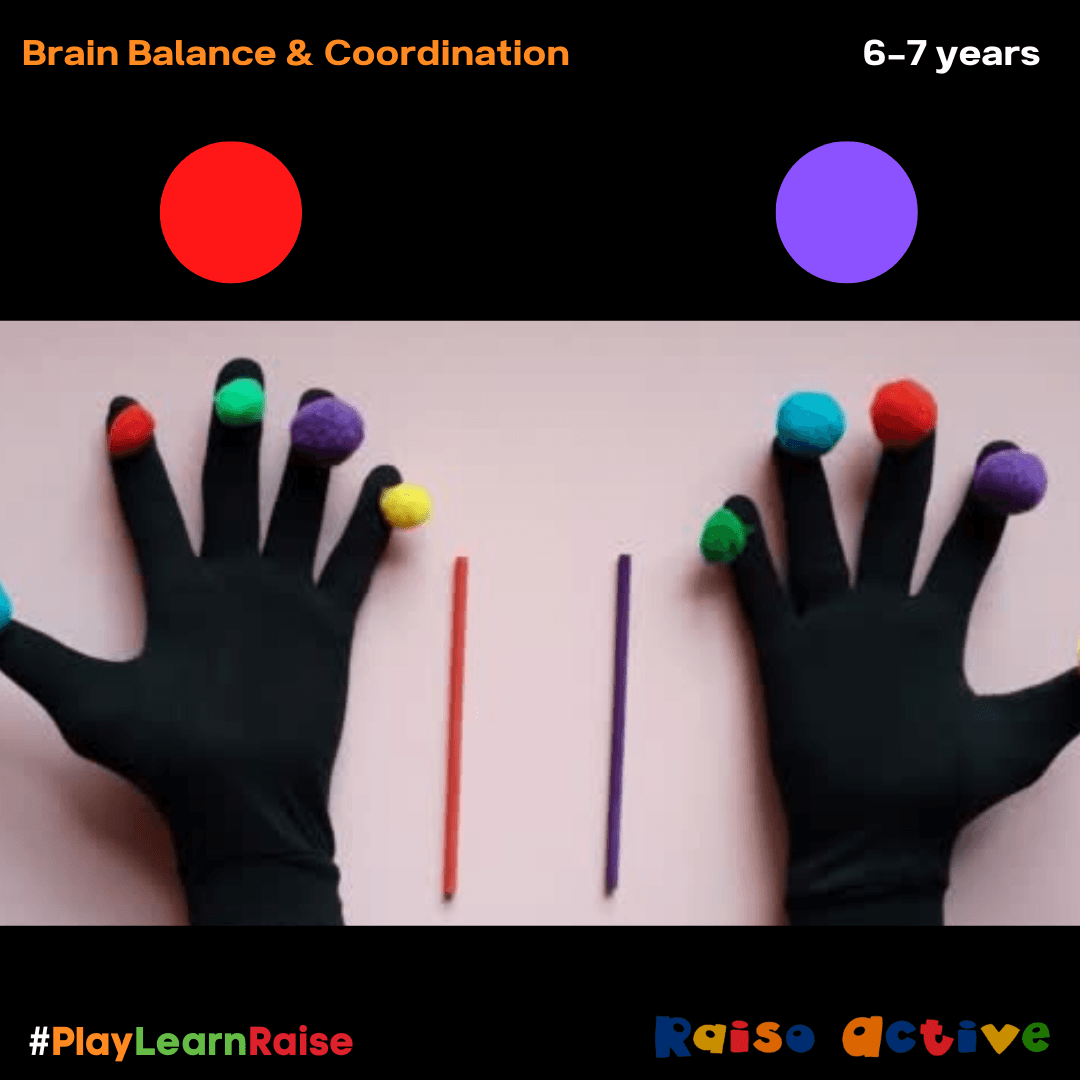
Brain Balance & Coordination Finger Game for Kids (Ages 6-7)
Engage your child in a fun brain-boosting activity designed to enhance balance and coordination. This engaging finger game helps children improve fine motor skills, focus, and bilateral coordination through playful movements.
What they'll learn:
Improve fine motor skills and finger dexterity. +4 more