Cultural Diversity, Early Learning, Social Skills
Celebrating Diversity: How to Incorporate Cultural Awareness in Learning Activities for Young Children
Author
RaisoActive - Kids Activities and Fun Learning
Date Published
Reading Time
7 min read

In This Article10 min read
- Why cultural awareness matters for children aged 2-8 and what research says about early exposure to diversity
- How to use India's rich multicultural heritage as a starting point for teaching diversity
- Practical, age-appropriate activities covering festivals, food, music, art, and languages
- Step-by-step guides for cultural craft projects and celebration activities
- Printable resources to bring cultural learning into your home or classroom
Why Teaching Cultural Awareness Early Changes Everything
India is home to over 1,600 languages, hundreds of festivals, and a tapestry of traditions that stretches from the snow-capped Himalayas to the tropical shores of Kerala. If you're raising or teaching a young child in India — or anywhere in the world — you have an extraordinary opportunity to nurture cultural awareness from the very earliest years.
Cultural awareness isn't about memorising facts about different countries. It's about helping children develop curiosity, empathy, and respect for people whose lives look different from their own. It's about a three-year-old tasting idli for the first time and asking how it's made, or a five-year-old wanting to know why their friend's family lights a menorah while theirs lights diyas.
The good news is that young children are naturally curious about differences. They notice skin colours, languages, clothing, and food — and they ask honest, open questions. This curiosity is a gift, not a problem. When we meet it with warmth and accurate information, we lay the foundation for a lifetime of inclusive thinking.
Get cultural activity ideas in your inbox
Free printable worksheets, festival craft guides, and expert tips for teaching diversity to young children.
By Age 3-4
Research shows that children as young as 3-4 years old begin to notice and categorise people by race, gender, and language. Early, positive exposure to diversity helps prevent the formation of biases and stereotypes.
Source: Aboud, 2008 — Children and Prejudice
The Science Behind Early Cultural Learning
You might wonder whether toddlers and preschoolers are "too young" to learn about culture and diversity. The research is clear: they are not. In fact, the preschool years are a critical window for shaping attitudes towards people who are different from us.
Developmental psychologist Frances Aboud's landmark research found that children begin forming in-group preferences as early as age three. Without intentional exposure to diverse perspectives, these preferences can harden into biases. However, children who experience positive, meaningful interactions with diverse cultures develop stronger empathy, better social skills, and more flexible thinking.
- Cognitive flexibility — Children exposed to multiple cultures develop better problem-solving skills because they learn that there are many valid ways to do things
- Empathy development — Learning about others' traditions and feelings builds the neural pathways for perspective-taking
- Language skills — Exposure to different languages, even casually, enhances phonological awareness and literacy readiness
- Social competence — Children who understand cultural differences navigate diverse social settings with greater confidence
Key Takeaway
Cultural awareness is not an add-on — it is foundational to your child's social and cognitive development.
Research consistently shows that children who learn about diverse cultures early develop stronger empathy, better problem-solving skills, and greater social confidence. The preschool years (ages 2-6) are the most impactful window for this learning.
Start at Home: Celebrating India's Incredible Diversity
You don't need to look far for cultural diversity — India itself is one of the most culturally diverse nations on earth. Before exploring world cultures, help your child appreciate the extraordinary richness right within their own country.
Festivals as a Gateway to Understanding
India celebrates an astonishing variety of festivals throughout the year. Each one offers a natural opportunity for hands-on cultural learning. The key is to go beyond surface-level celebration and help children understand the stories, values, and traditions behind each festival.
Creating a Year-Round Festival Learning Calendar
1
Choose one festival per month from a different tradition
Start with festivals your family already celebrates, then branch out. For example: Pongal (January), Holi (March), Baisakhi (April), Eid (varies), Onam (August-September), Navratri (October), Diwali (October-November), Christmas (December). Adjust based on your local community.
2
Research the story and significance together
Use picture books, short videos, or conversations with friends and neighbours who celebrate the festival. Ask your child: "Why do you think people celebrate this?" Let them form their own understanding.
3
Prepare a related craft or food activity
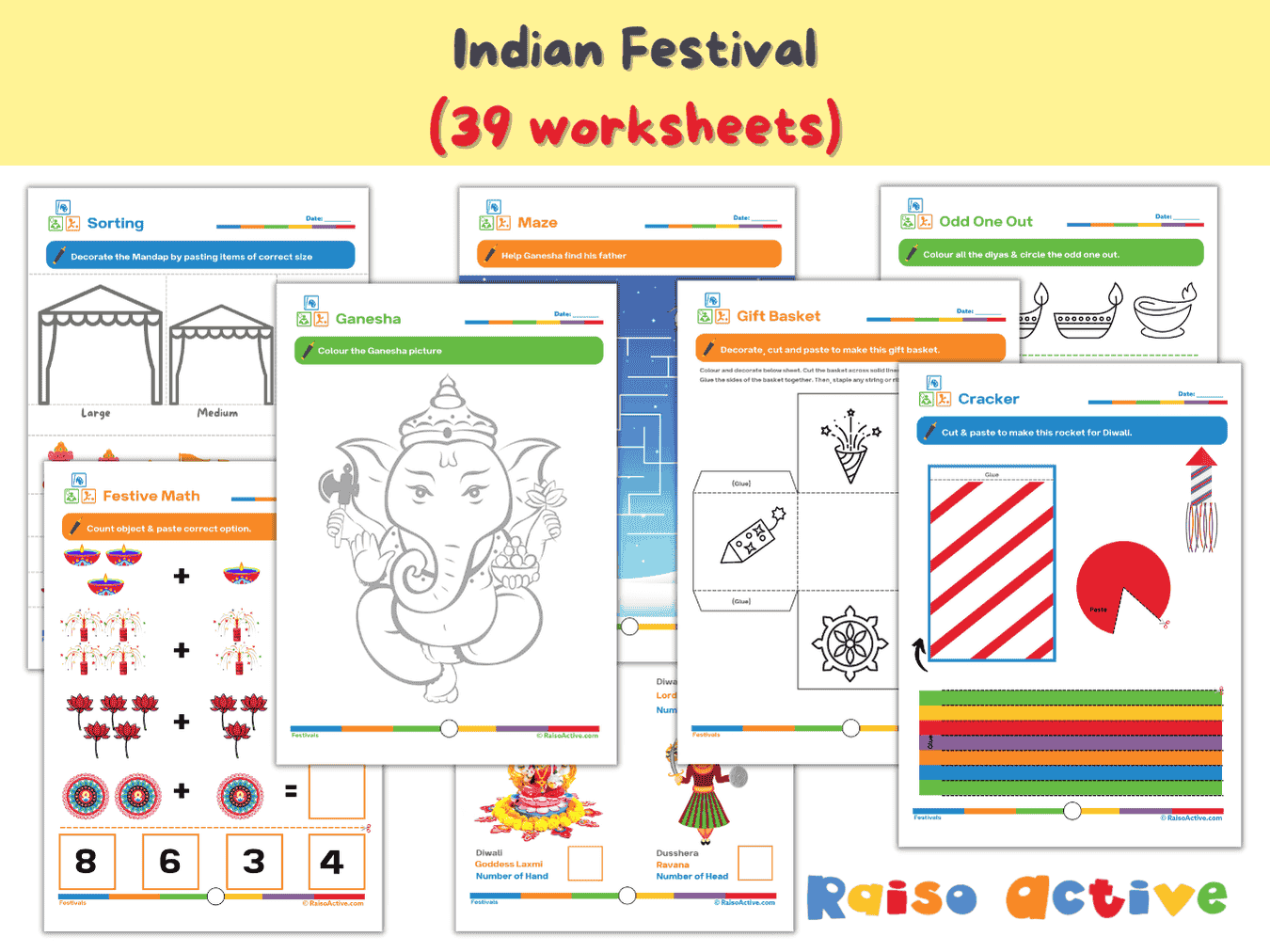
For Holi, make natural colour powders from turmeric and beetroot. For Diwali, create paper diyas. For Eid, decorate a crescent moon craft. For Onam, design a *pookalam* (flower rangoli). The hands-on element makes the learning stick.
4
Share and reflect
After each festival activity, talk about what your child enjoyed and what they learnt. Create a simple scrapbook or journal where they can paste photos, drawings, and notes from each celebration.
💡Making Festival Learning Authentic
- Invite friends from different backgrounds to share their festival traditions — children learn best from real people, not just books
- Visit local temples, mosques, churches, and gurudwaras during festival seasons (with permission) to experience celebrations firsthand
- Cook a simple traditional dish together — the sensory experience of smelling, tasting, and touching food creates powerful memories
- Avoid reducing festivals to costumes and decorations alone — always include the *why* behind the celebration
Languages and Scripts: A Treasure Trove
India has 22 officially recognised languages and hundreds more spoken across the country. Even if your child speaks only one or two languages at home, introducing them to the sounds, scripts, and greetings of other Indian languages is a powerful way to build cultural awareness.
- Learn to say "hello" in five Indian languages: Namaste (Hindi), Vanakkam (Tamil), Nomoshkar (Bengali), Sat Sri Akal (Punjabi), Namaskaara (Kannada)
- Show your child different scripts — Devanagari, Tamil, Bengali, Gurmukhi, Kannada — and let them trace the letters. They look like beautiful art!
- Listen to children's songs in different languages during car rides or play time
- Read bilingual picture books that feature stories from different Indian regions
Expanding the Circle: Exploring World Cultures
Once your child has a foundation of appreciating India's diversity, you can widen the lens to include cultures from around the world. The approach remains the same: lead with curiosity, connect through hands-on activities, and emphasise what we share as much as what makes us unique.
Food: The Universal Language
Food is one of the most accessible and enjoyable ways to explore culture. Young children are naturally interested in what people eat, and cooking together is a multi-sensory learning experience that covers maths (measuring), science (how ingredients change), literacy (reading recipes), and culture — all at once.
🎨Cultural Cooking Activities for Little Ones
- **Chapati vs. Tortilla vs. Pita**: Make flatbreads from different cultures and compare them — they are remarkably similar! Discuss how people around the world solved the same problem (making portable bread) in different ways
- **Spice exploration**: Set up a smelling station with spices from different cuisines — cumin (Indian), cinnamon (Middle Eastern), basil (Italian), lemongrass (Thai). Let children smell, describe, and sort them
- **World snack tasting**: Prepare simple snacks from different cultures — Japanese onigiri (rice balls), Mexican guacamole, Indian chaat, Middle Eastern hummus. Talk about where each comes from
- **Growing herbs**: Plant coriander, basil, and mint — herbs used across many world cuisines — and discuss which cultures use them
Art and Craft from Around the World
Every culture has its own art traditions, and many of them are perfectly suited for young children. Art activities allow children to experience a culture rather than just hear about it — and the results make beautiful displays that spark ongoing conversations.
- Rangoli and Kolam (India) — Use coloured rice, flower petals, or chalk to create traditional floor patterns
- Origami (Japan) — Simple folds like cranes and boats teach patience, fine motor skills, and Japanese aesthetics
- Aboriginal dot painting (Australia) — Use cotton buds and paint to create dot patterns inspired by Indigenous Australian art (discuss the significance respectfully)
- Papel picado (Mexico) — Cut colourful tissue paper into decorative banners for a festival feel
- African mud cloth patterns (West Africa) — Use brown paper and geometric stamps to create bogolan-inspired designs
- Chinese paper cutting — Fold and cut paper to create symmetrical designs traditionally made for Lunar New Year
93% of Teachers Agree
A survey by the National Association for Multicultural Education found that 93% of early childhood educators believe cultural diversity activities improve classroom climate and reduce conflict among children.
Source: NAME Teacher Survey, 2019
Music, Dance, and Movement
Music crosses all cultural boundaries, and young children respond to rhythm and melody instinctively. Use music and movement as a joyful entry point into cultural exploration.
- Play folk songs from different Indian states — Bihu (Assam), Garba (Gujarat), Bhangra (Punjab), Lavani (Maharashtra) — and try simple dance steps
- Explore instruments: tabla, dholak, veena (India), djembe (Africa), maracas (Latin America), ukulele (Hawaii)
- Have a "world music morning" where you play songs from a different country each day during breakfast
- Watch age-appropriate videos of children performing traditional dances from different cultures
Key Takeaway
The best cultural learning is multi-sensory — children remember what they taste, touch, hear, and create far more than what they are told.
Combine food, art, music, and stories for each culture you explore. When children engage multiple senses, the learning becomes deeply personal and long-lasting.
Teaching Cultural Awareness: Do's and Don'ts
Do This
- +Present cultures as living, evolving traditions with diverse people within them
- +Use authentic resources — books by authors from that culture, recipes from cultural sources
- +Encourage questions and answer them honestly, even if uncomfortable
- +Highlight similarities between cultures alongside differences
- +Involve families and community members as cultural resources
- +Celebrate your own culture while showing genuine interest in others
Avoid This
- -Reducing a culture to stereotypes, costumes, or a single food item
- -Using only mainstream or outsider perspectives to teach about a culture
- -Shutting down children's questions about race, religion, or cultural differences
- -Focusing only on "exotic" differences that make cultures seem strange
- -Treating cultural awareness as a one-off event ("Diversity Day")
- -Dismissing or ranking cultures as better or worse than others
Everyday Strategies for Building Cultural Awareness
Cultural awareness doesn't require grand gestures or elaborate lesson plans. The most powerful learning happens in small, consistent, everyday moments. Here are strategies you can weave into your daily routine.
Books and Stories
Picture books are one of the most effective tools for introducing cultural diversity. Research by Rudine Sims Bishop describes books as "windows, mirrors, and sliding glass doors" — they allow children to see themselves reflected (mirrors), peek into others' lives (windows), and step into new experiences (sliding glass doors).
👋Building a Diverse Bookshelf
- Audit your child's bookshelf: do the characters represent different races, cultures, abilities, and family structures?
- Look for Indian publishers like **Tulika**, **Pratham**, and **Katha** that publish multilingual and culturally rich picture books
- Choose stories where diverse characters are protagonists — not just background figures
- Include non-fiction books about festivals, countries, and cultural traditions alongside fiction
- Visit your local library and ask for recommendations for multicultural children's books
Dramatic Play and Role-Playing
Set up dramatic play corners with items from different cultures: a miniature kitchen with pots for making dal and a wok for stir-fry, dress-up clothes from different traditions, play food from various cuisines, and dolls representing different ethnicities. When children role-play, they naturally practise empathy and perspective-taking.
Maps and Geography
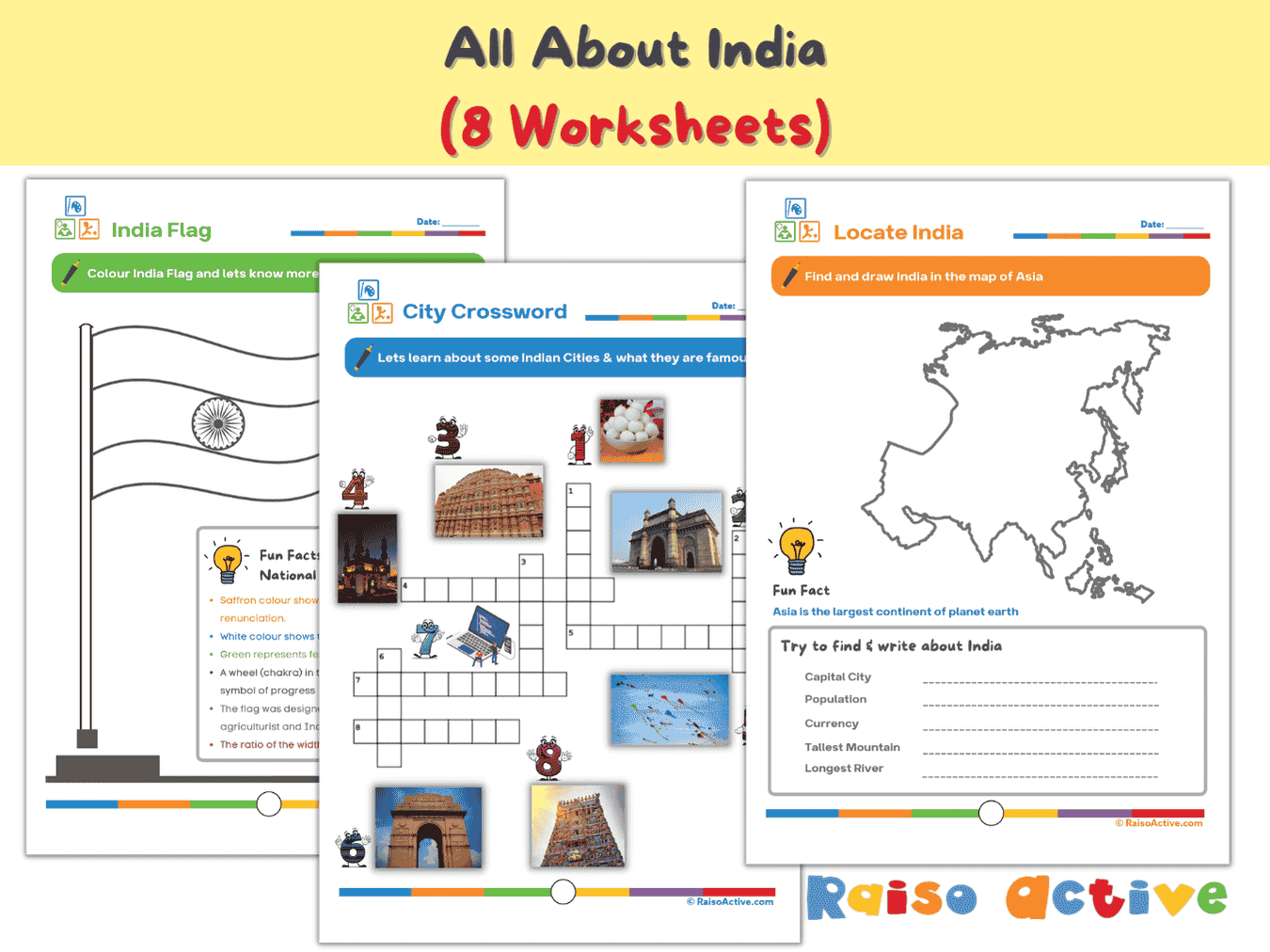
Hang a world map and an India map at your child's eye level. Every time you explore a new culture, food, or festival, help your child find the place on the map. Over time, they build a mental geography that connects people, places, and traditions. Use small stickers or pins to mark places you've "visited" through activities.
⚠️A Word of Caution
- Avoid the "tourist approach" to culture — dipping in for a day of crafts and food without understanding context or significance
- Never ask a child to be the "representative" of their entire culture — no single person can speak for an entire community
- Be mindful of cultural appropriation vs. appreciation: learn the difference and model it for children
Age-Appropriate Cultural Activities: A Quick Guide
Not every activity suits every age. Here's how to tailor cultural learning to your child's developmental stage.
Ages 2-3: Sensory Exploration
- Listen to music from different cultures during play time
- Taste safe, mild foods from different cuisines
- Play with dolls and figurines representing different ethnicities
- Look at picture books with diverse characters and talk about what they see
- Dance freely to folk music from different Indian states
Ages 4-5: Hands-On Discovery
- Simple cultural crafts (paper diyas, origami, rangoli with stickers)
- Cooking activities with close supervision (rolling chapatis, mixing salads)
- Learning greetings in different languages
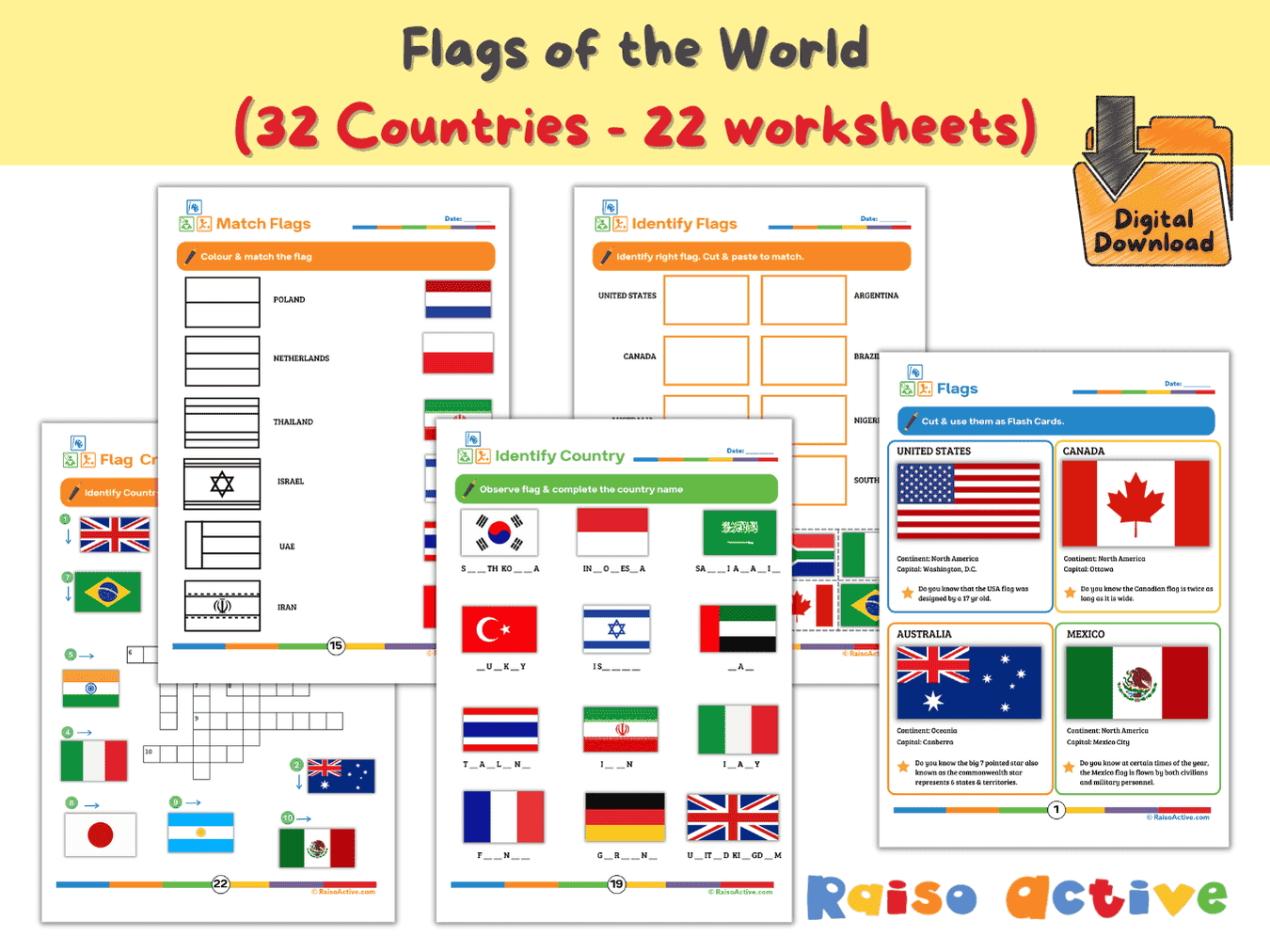
- Sorting and matching activities with flags and country names
- Attending local cultural events and festivals
Ages 6-8: Deeper Understanding
- Research projects on a culture of interest (with parental support)
- Writing or drawing about what they've learnt from cultural explorations
- Reading chapter books featuring characters from diverse backgrounds
- Comparing cultural practices (how do different families celebrate birthdays?)
- Pen-pal or video exchanges with children in other cities or countries
- Creating a "Cultural Passport" scrapbook with entries for each culture explored
Key Takeaway
Cultural learning should grow with your child — start with sensory experiences for toddlers and progress to deeper exploration for older children.
Toddlers learn through their senses (taste, touch, sound), preschoolers through hands-on activities, and school-age children through research, comparison, and reflection. Match the activity to the developmental stage for maximum impact.
Unlimited Access
Bring the World Into Your Classroom or Home
Join thousands of parents and teachers who use our printable worksheets to teach cultural awareness, creativity, and global thinking. New resources every week!
All worksheets & activitiesNew content weeklyDownload unlimited times
Subscribe NowFrequently Asked Questions About Cultural Awareness Activities
At what age should I start teaching my child about cultural diversity?
You can start from birth! Babies benefit from hearing different languages and music. By age 2-3, children begin noticing differences in appearance, language, and customs. This is the perfect time to begin intentional cultural exposure through books, food, music, and play. The earlier you start, the more naturally your child will develop an inclusive worldview.
How do I talk to my child about race and skin colour?
Follow your child's lead — when they notice and comment on differences (and they will!), respond calmly and factually. You might say, "Yes, people have many beautiful skin colours, just like flowers come in different colours." Avoid saying "We don't see colour" as this dismisses a part of people's identity. Instead, celebrate differences while emphasising our shared humanity. Use diverse dolls, books, and art supplies (crayons in many skin tones) to normalise diversity.
I'm worried about teaching cultures incorrectly. How can I avoid mistakes?
It's natural to feel cautious, and that awareness itself is a good sign! Use resources created by people *from* that culture rather than outsider interpretations. When possible, invite friends or community members to share their own traditions. If you make a mistake, model accountability — say "I learnt something new and I was wrong before." Children learn more from watching you navigate mistakes gracefully than from you being perfect.
How can I teach cultural awareness if we live in a homogeneous community?
Books, music, food, and digital resources can bridge the gap. Read picture books featuring diverse characters, cook recipes from different cultures, watch age-appropriate documentaries or virtual tours, and connect with pen pals or online communities. Even in a homogeneous community, there are likely more cultural differences than you realise — different family structures, religious practices, regional traditions, and socioeconomic backgrounds all contribute to diversity.
What is the difference between cultural appreciation and cultural appropriation?
Cultural appreciation involves learning about, respecting, and honouring another culture with permission and understanding. Cultural appropriation takes elements of a culture — often from a marginalised group — without understanding their significance, often for fashion or entertainment. With young children, focus on appreciation by always teaching the *meaning* behind cultural practices, using authentic resources, giving credit to the culture of origin, and avoiding turning sacred or significant items into costumes or toys.
How do I handle it if my child says something insensitive about another culture?
Stay calm and treat it as a teaching moment, not a crisis. Young children are not being malicious — they are processing new information. Gently correct any misinformation: "Actually, that's not quite right. Let me tell you more about it." If they repeat something hurtful they've heard, say: "That's not a kind or true thing to say about people. Everyone deserves respect." Then follow up with positive exposure to that culture through books, activities, or conversations.