Early Learning, Parenting & Homeschool
Growing Green Hearts: A Comprehensive Guide to Teaching Environmental Awareness to Preschoolers
Author
RaisoActive - Kids Activities and Fun Learning
Date Published
Reading Time
9 min read

In This Article5 min read
- Why environmental education is most powerful when it begins in the preschool years — and how it shapes lifelong habits
- Simple, joyful recycling and composting activities you can do at home with toddlers and preschoolers
- Garden and planting projects that connect children to the soil, seasons, and the food they eat
- Water conservation habits to build gently from age two, plus Indian-context ideas for monsoon learning
- Celebrating Earth Day, exploring nature walks, and finding eco-friendly Diwali alternatives for young children
Why Environmental Education Starts With the Very Youngest
There is a moment every parent or teacher knows well: a small child crouches at the edge of a puddle after the first monsoon rain, utterly transfixed by a frog. Or tugs at your sleeve to show you a spider building its web in the corner of the window. Or asks, with enormous seriousness, "Where does the rubbish go?" These moments are not interruptions to learning — they are learning. They are the seeds of environmental awareness.
We live in a time when the health of our planet is one of the most urgent conversations happening in every corner of the globe. In India, the signs are close to home: cities wrapped in smog, rivers struggling under pollution, forests shrinking year by year, and summers growing hotter than our grandparents ever knew. It can feel overwhelming for adults, let alone children. And yet, children hold enormous power — not because we should burden them with anxiety, but because the habits, values, and love for nature we nurture in them today will shape the decisions they make for the next seventy years.
Research in early childhood development confirms what observant parents and teachers have always known: the years between two and six are a critical window for forming attitudes toward the natural world. Children who spend time in nature, who learn to care for plants and animals, who understand in simple terms why we do not waste water or throw rubbish on the street — these children grow into adults who vote for green policies, make sustainable choices, and raise the next generation with the same values. Teaching environmental awareness is not a luxury or an extra. It is one of the most important gifts we can give a young child.
Get free nature and environment worksheets in your inbox
Recycling sorting activities, plant life-cycle printables, Earth Day colouring pages, and nature observation journals — all designed for ages 2-8.
The Science Behind Early Environmental Education
Young children are naturally drawn to the living world. Developmental psychologist E.O. Wilson called this "biophilia" — the innate human affinity for other living systems. Babies reach for leaves and flowers before they can walk. Toddlers are fascinated by bugs, birds, and rain. Preschoolers ask endless questions about why leaves fall, where butterflies go at night, and what happens to a seed underground.
The tragedy is that many modern childhoods systematically sever this connection. Screen time replaces outdoor play, concrete environments replace green ones, and adult anxiety about germs or safety keeps children indoors. The result, as author Richard Louv describes in Last Child in the Woods, is a generation suffering from what he calls "nature-deficit disorder" — anxiety, restlessness, difficulty concentrating, and a sense of disconnection from the world around them.
90%
of children's environmental attitudes and values are formed before the age of seven, according to environmental education researchers — making the preschool years the most powerful window for building a lifelong love of nature.
Source: North American Association for Environmental Education, 2022
The good news is that you do not need a forest or a farm to give children a deep connection with nature. A windowsill pot plant, a walk to the neighbourhood park, a rainy afternoon watching puddles form — all of these are rich environmental education experiences when we slow down, pay attention, and invite children into the wonder of what they are seeing.
Key Takeaway
Environmental awareness is not a subject to be taught — it is an attitude to be nurtured through everyday experiences in the natural world.
The most effective environmental education happens not in formal lessons but in quiet moments: watching a caterpillar, feeling soil between fingers, noticing that the tap is still running. Our role is to slow down and make these moments intentional.
Simple Recycling Activities for Toddlers and Preschoolers at Home
"Reduce, Reuse, Recycle" is a mantra most adults know — but for young children, abstract slogans mean very little. What does mean something is the satisfying thunk of a plastic bottle landing in the right bin, the delight of turning an old newspaper into a paper boat, or the pride of seeing a compost heap they have contributed to turning into rich dark soil.
In Indian homes, the spirit of reuse has always been strong — old sarees become floor cloths, steel dabbas are used for decades, and vegetable peels go to the cow or the compost. This is a beautiful tradition to build on and name explicitly for children. When you save and reuse something, tell your child: "We are being kind to the Earth today."
🎨Setting Up a Child-Friendly Sorting Station
- Use three colourful bins or baskets — one for **dry waste** (paper, plastic, cardboard), one for **wet waste** (vegetable peels, food scraps), and one for **reusables** (clean containers, fabric scraps). Label them with pictures so non-readers can participate.
- Let children do the actual sorting. Hold each item up and ask: "Is this wet or dry? Is it paper or plastic?" This builds classification skills alongside environmental habits.
- Celebrate every correct sort enthusiastically in the beginning. Children thrive on genuine praise, and the habit builds naturally over a few weeks of gentle repetition.
- Connect sorting to the bigger picture: "These vegetable peels will become food for the plants in our garden." Meaning motivates children far more than rules.
Beyond sorting, creative reuse is one of the most joyful ways to teach preschoolers about reducing waste. Before throwing anything away, pause and ask: "Can we make something with this?" Toilet rolls become binoculars for nature walks. Old newspapers become seed pots for planting. Glass jars become terrariums. Egg cartons become paint palettes. The message children absorb is powerful: things have value, and waste is a choice, not an inevitability.
Growing Things: Garden and Planting Activities for Little Ones
There is something almost magical about giving a child a seed and watching them tend it until it becomes a plant. It teaches patience, care, responsibility, and the miracle of life — all without a single worksheet. Whether you have a large garden, a small balcony, or just a sunny windowsill, you can create rich planting experiences for children as young as two.
👋Age-Appropriate Planting Activities
- **Ages 2-3**: Fill a small pot with soil together and press a seed in with a finger. Water it with a small watering can every day. Fast-germinating seeds like **moong** (mung beans), **methi** (fenugreek), or **radish** show results within days, which suits the short attention span of toddlers beautifully.
- **Ages 3-5**: Plant a small kitchen garden with herbs like **tulsi** (holy basil), **pudina** (mint), or **coriander**. These grow quickly, smell wonderful, and can be used in cooking — connecting the child to where their food comes from. Let them do the watering and observe the growth daily.
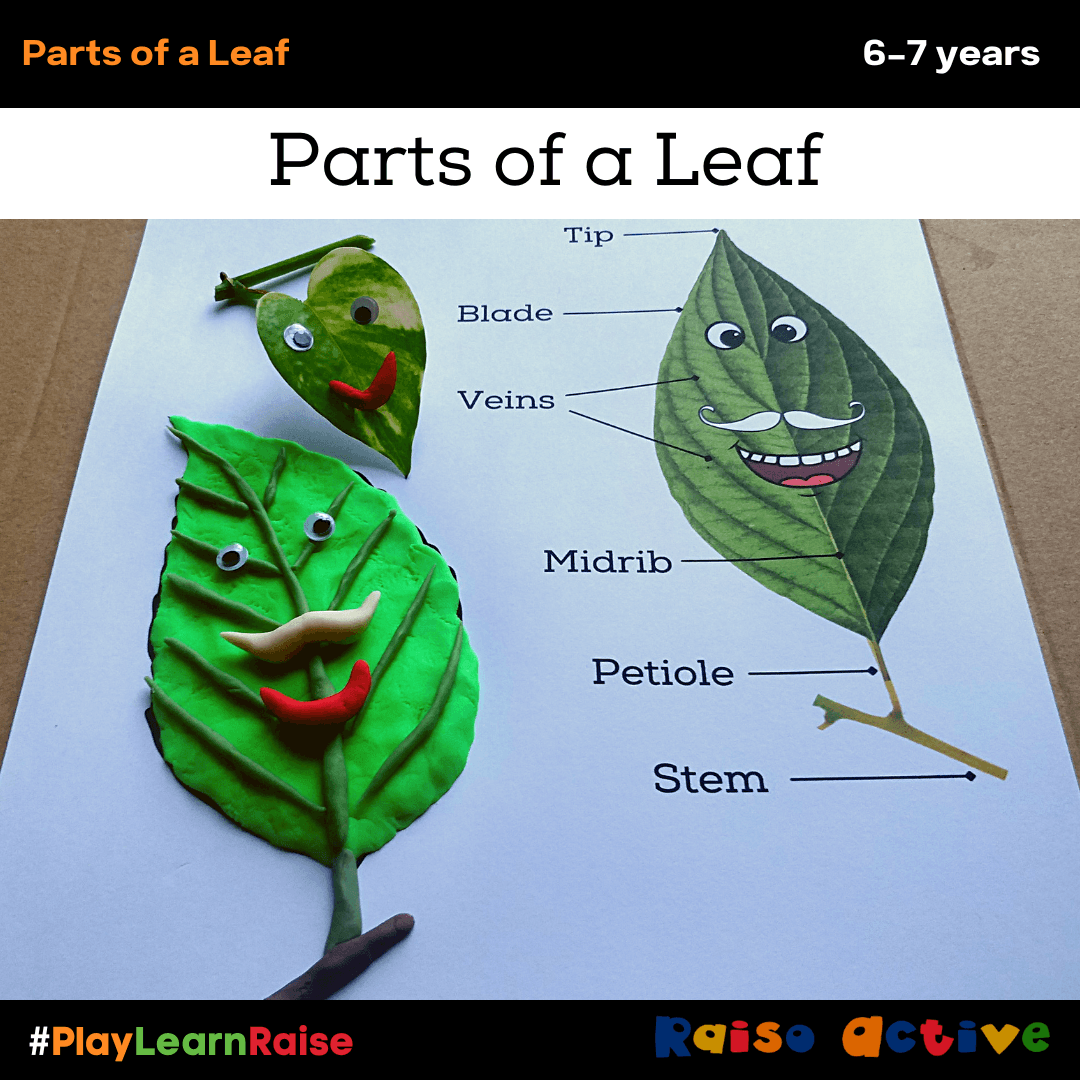
- **Ages 5-6**: Introduce the concept of a **life cycle**. Plant sunflowers or marigolds from seed, document the growth with drawings in a nature journal, and eventually let the child collect seeds from the mature flower to plant again next season. This loop — seed to plant to seed — is one of the most profound lessons in all of nature.
- If outdoor space is limited, try **water sprouting**: suspend a sweet potato or onion over a jar of water with toothpicks. Roots and shoots appear within a week, giving urban children a close-up view of plant growth.
In India, tree planting carries particular cultural significance. Peepal, neem, and banyan trees are sacred in many traditions; amla and mango trees are tied to festivals and food culture. When a child plants a tree for a birthday, or waters a sapling with a grandparent, they are participating in a tradition that stretches back thousands of years. These experiences create not just environmental awareness but a sense of belonging to something larger than themselves.
Key Takeaway
Gardening teaches children that they have the power to create life, sustain it through care, and participate in the cycles of the natural world.
A child who has grown their own methi and tasted it in dal has a fundamentally different relationship with food, soil, and the environment than one who has only seen vegetables in a supermarket. Even one pot plant can make this difference.
Water Conservation: Building Gentle Habits from Age Two
Water is perhaps the most urgent environmental lesson for children growing up in India today. With many cities facing acute water scarcity and groundwater levels falling across the country, the habits children form now will have real consequences for our shared future. The good news is that water conservation is one of the easiest environmental habits to build in young children — because they can see and feel the results immediately.
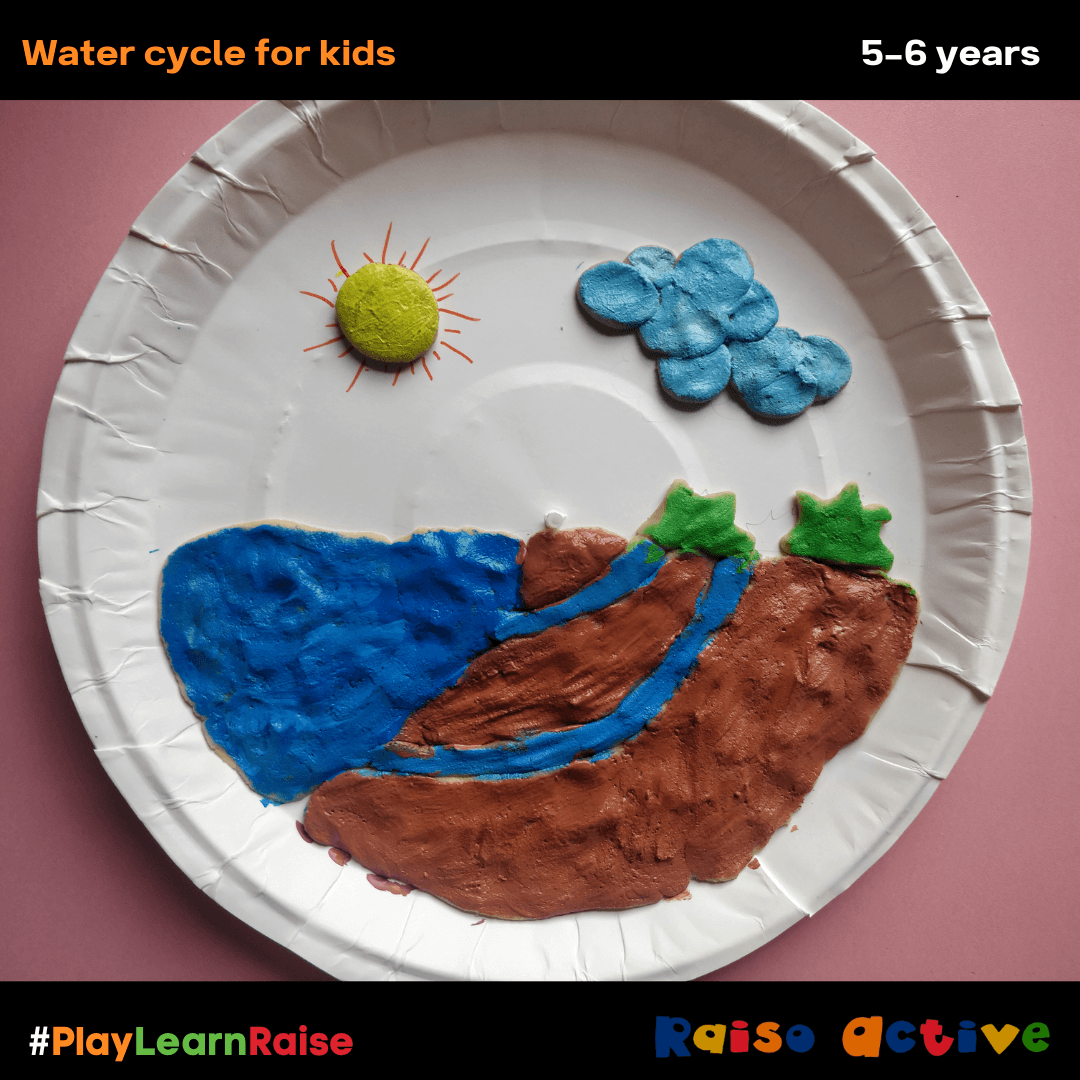
The monsoon is a wonderful teaching moment. When the rains finally arrive after a long, hot summer, the relief and joy are palpable — even children feel it. Use this moment to talk about where rain comes from, why we need it, and how we can collect it. A simple rainwater collection activity — putting a bucket outside during the monsoon and using that water for plants — is both memorable and meaningful.
Building Water Conservation Habits Step by Step
1
Name the habit before the rule
Instead of just saying "turn off the tap," explain why: "Water is very precious. Many children in our country don't have enough of it. When we turn off the tap while brushing our teeth, we save water for them and for the animals and plants that need it too." Children who understand *why* are far more motivated to follow through than those who are simply told what to do.
2
Make it visual with a water gauge
Fill a transparent jar with water and mark the water level at the start of the day. Tell children: "This is how much water we have for our plants today. Let's see if we can make it last all day and still have some left over." This makes an invisible resource suddenly visible and finite.
3
Practise the tap-off habit during teeth brushing
This is the single most effective water-saving habit to establish in young children. Practise together: wet the brush, turn the tap off, brush for the full two minutes, turn the tap on to rinse. A fun timer (like a two-minute sand timer or a brushing song) makes this routine stick.
4
Collect and reuse cooking water
Involve children in saving the water used to rinse vegetables or boil eggs and using it to water plants. This simple act demonstrates the principle of reuse and shows children that "waste" is a matter of perspective — one activity's byproduct is another activity's resource.
5
Celebrate the monsoon as a learning moment
During the rainy season, go outside together (safely) and let children feel the rain, watch it fill puddles, and see how quickly dry soil absorbs it. Talk about why rain is precious, how farmers depend on it, and what happens when it does not come. This seasonal awareness is a foundation of true environmental literacy.
6
Create a "Water Guardian" role at home
Give your child the official job of checking taps, watering plants, and reporting any drips or leaks they notice. Children take responsibility roles very seriously, and having a named job — complete with a badge or a sticker chart if you like — makes conservation feel like a privilege rather than a chore.
7
Read books and tell stories about water
Stories make abstract concepts real. Books like *Amma, Take Me to the River* (by Bhakti Mathur) or simple picture books about the water cycle bring these ideas alive. You can also tell traditional Indian folk stories about rivers and rain gods that carry ecological wisdom in narrative form.
Earth Day Every Day: Celebrating Nature With Young Children
Earth Day on 22nd April is a wonderful anchor for environmental learning — but the spirit of Earth Day does not need to be limited to a single day of the year. With young children, the most powerful environmental education happens in small, consistent moments: noticing a butterfly, picking up a piece of litter, learning the name of a tree. These everyday acts of attention and care are the real curriculum.
Nature walks are one of the simplest and most effective environmental education tools available to parents and teachers. You do not need to go far — a neighbourhood park, a housing society garden, or even a tree-lined street will do. The key is going slowly and paying attention. Give children a purpose: "Today we are looking for things that are alive and things that are not alive." Or: "Can you find five different textures — smooth, rough, soft, bumpy, sticky?" A nature journal or sketchbook to record observations adds depth and helps children develop the habit of close observation.
🎨Simple Earth Day Activities for Ages 2-6
- **Litter collection walk**: Give each child a small bag and gloves, and do a litter pick in your neighbourhood or park. This is enormously satisfying for children and makes the abstract concept of pollution very concrete. Follow up with a conversation about what you found and where it came from.
- **Plant a tree together**: If you have any outdoor space, plant a tree on Earth Day and give it your child's name. Water it together regularly. The act of planting something that will outlive the child themselves creates a deep sense of environmental responsibility.
- **Nature art**: Collect leaves, flowers, pebbles, and twigs on a nature walk and use them to create artwork — mandalas, leaf rubbings, or pressed flower cards. This builds a sense of beauty in natural things and reinforces the idea that nature is valuable as it is, not just as a resource to be used.
- **The one-week rubbish challenge**: For one week, collect all the household rubbish in a transparent bag. At the end of the week, look at it together and ask: "What could we have reused? What could we have avoided buying?" This is powerful for older preschoolers and early primary children.
Indian Seasons, Trees, Birds, and Eco-Friendly Festivals
India is extraordinarily rich in biodiversity — we are home to over 45,000 plant species and 91,000 animal species. Our six distinct seasons (ritu) — spring (vasant), summer (grishma), monsoon (varsha), autumn (sharad), early winter (hemant), and winter (shishir) — offer a unique ecological education that children in many other countries simply do not have access to. Teaching children to observe these seasonal changes is one of the most beautiful forms of environmental education there is.
Help children learn the names of the trees, birds, and insects in their immediate environment. The neem tree with its medicinal leaves, the peepal that gives oxygen at night, the gulmohar that blazes red in the summer heat, the champa whose fragrance fills the evening air — these are not just trees, they are characters in the story of your child's place. Similarly, the sparrow (chidiya) building a nest in the balcony, the crow (kauwa) that calls in the morning, the sunbird hovering over the hibiscus — each is an invitation to wonder.
1,340+
India is home to over 1,340 species of birds, making it one of the world's top birding destinations. Yet most Indian urban children cannot name five birds they see regularly. Teaching children to recognise and name local birds is a powerful first step in environmental literacy.
Source: Bombay Natural History Society, 2023
When it comes to festivals, Diwali offers a particular opportunity and a particular challenge. The festival of lights is one of the most joyful in the Indian calendar, but the use of firecrackers creates serious air and noise pollution — and the first people affected are young children, whose lungs and sensory systems are most vulnerable. Framing eco-friendly Diwali alternatives not as a sacrifice but as an upgrade makes the conversation much easier with young children.
Eco-Friendly Diwali Choices
- +Clay diyas lit with ghee or mustard oil — beautiful, biodegradable, and traditional
- +Flower rangoli using marigolds, roses, and leaves from the garden
- +Homemade sweets shared with neighbours — less packaging waste
- +Paper lanterns and fairy lights powered by solar or LED bulbs
- +Gifting plants or seed packets instead of plastic-wrapped gifts
- +Donating old clothes and toys to charity as part of the Diwali spirit of giving
Traditional Choices (and Their Impact)
- -Firecrackers produce PM2.5 particles that enter children's lungs and worsen asthma and respiratory infections
- -Synthetic rangoli colours contain chemicals that seep into soil and water
- -Heavily packaged mithai boxes generate significant plastic and cardboard waste
- -Decorative lights left on through the night consume large amounts of electricity
- -Plastic-wrapped gift boxes and shiny ribbons are rarely recycled and end up in landfill
- -Festival shopping often involves fast-fashion items worn once and discarded
Key Takeaway
Eco-friendly festival choices are not about taking the joy out of celebration — they are about finding new and creative ways to honour our traditions while caring for the world our children will inherit.
Children who grow up experiencing the beauty of a candlelit Diwali with clay diyas and flower rangoli, or a monsoon walk where they learn to name every tree on the street, carry these memories and values for life. The Earth we protect today is the Earth they will live in tomorrow.
Age-Appropriate Books, Tools, and Worksheets for Environmental Learning
The right books can make the world of difference in building environmental awareness. Stories that centre on nature, conservation, and ecological wonder help children develop both vocabulary and values. Here are some wonderful choices for different age groups.
For toddlers (ages 2-3), look for simple picture books with bold illustrations of plants, animals, and weather — The Very Hungry Caterpillar by Eric Carle is a classic that introduces the life cycle of a butterfly, while Tap the Magic Tree by Christie Matheson makes seasonal change interactive and tactile. Indian publishers like Tulika Books and Pratham Books offer beautiful bilingual nature stories that root children in their local environment.
For preschoolers (ages 4-6), non-fiction picture books are particularly powerful. Titles like National Geographic Little Kids First Big Book of Animals, Over and Under the Pond, and The Lorax by Dr. Seuss (a gentle introduction to conservation) spark both curiosity and conversation. In the Indian context, look for books that feature local ecosystems — the Western Ghats, the mangroves of the Sundarbans, the grasslands of Rajasthan — so children see their own country as the remarkable ecological treasure it is.
Nature journals are another wonderful tool. A simple blank notebook where children can draw the plants they observe, stick pressed leaves and flowers, and record their questions becomes a personal field guide that grows with them. Even a three-year-old can scribble a "drawing" of a caterpillar they saw and have a parent write their observation next to it. These journals, revisited years later, are often among children's most treasured possessions.
Unlimited Access
Want More Environmental Activities for Your Little Learner?
Join thousands of Indian parents and teachers who receive free printable worksheets, nature activity ideas, and seasonal learning guides every week. From recycling sorting games to plant life-cycle printables — we have got you covered.
All worksheets & activitiesNew content weeklyDownload unlimited times
Subscribe NowFrequently Asked Questions About Environmental Awareness for Preschoolers
At what age should I start teaching environmental awareness to my child?
You can begin from the very first years of life. For babies and toddlers, environmental education simply means spending time outdoors, touching grass and soil, watching birds and insects, and hearing the rain. Formal concepts like recycling, pollution, and conservation can be introduced from age two or three using simple language and hands-on activities. The goal at this stage is not knowledge but *connection* — helping children fall in love with the natural world before they learn to fear for it.
How do I talk to young children about climate change without frightening them?
This is one of the most important questions parents and teachers ask. The key is to focus on **agency and beauty rather than fear and doom**. Instead of telling a three-year-old about melting ice caps, show them the wonder of a snowflake under a magnifying glass. Instead of explaining the scale of ocean pollution, let them help clean up a local beach or stream. Children who love nature and feel capable of caring for it grow into adults who take environmental action — far more effectively than children who feel overwhelmed and helpless. Save the harder conversations for when they are developmentally ready, around age eight or nine.
We live in a city apartment. How can we connect our child to nature without a garden?
Urban environments are richer in nature than many parents realise. A windowsill pot of basil, the sparrows on a neighbour's balcony, the ant trail along the staircase, the cloud formations above the building terrace — all of these are nature, and all of them are opportunities for wonder. Invest in a few good pot plants (succulents and money plants are nearly indestructible), visit your nearest park or green space regularly, and use the monsoon as a dedicated nature season. You might also explore local nature clubs, bird-watching groups, or weekend trips to a nature reserve or botanical garden.
What is the most important environmental habit to teach a preschooler first?
If you had to start with just one habit, choose **not littering**. It is concrete, immediately visible in its impact, and completely within a child's control. A child who understands that rubbish belongs in a bin and who feels genuine discomfort at seeing litter on the street has internalised a fundamental environmental value. From this foundation, other habits — recycling, water saving, caring for plants — follow naturally. Make not littering a firm, cheerful, non-negotiable part of every outing from as early as two years old.
How can I make environmental activities engaging for children who prefer screens?
Meet children where they are. There are genuinely wonderful nature documentaries and educational videos for young children — BBC's *Tiny Creatures*, *The Blue Planet* clips edited for kids, and David Attenborough's narrated nature programmes are all excellent starting points. Use these as a bridge: watch a video about butterflies together, then go outside and look for one. Watch a programme about the ocean, then do a water-play activity at home. The goal is to use screen-based content to spark curiosity that gets resolved in the real world, not to replace real-world experience with digital simulation.
Are there good Indian books or resources specifically about environmental topics for young children?
Yes, and this area is growing beautifully. **Tulika Books** (Chennai) publishes nature-themed picture books in multiple Indian languages. **Pratham Books' StoryWeaver platform** (free online) has dozens of environmental stories in Hindi, Marathi, Kannada, and other languages. The **WWF-India** website has free downloadable activity guides for children. **Ek Tara** and **Bookworm Goa** are NGOs that work on environmental literacy for children. And of course, RaisoActive's nature and environmental worksheets are designed specifically for young Indian learners, with familiar contexts and age-appropriate concepts.