Fostering Creativity in Structured Learning: The Perfect Balance for Young Minds
Author
RaisoActive - Kids Activities and Fun Learning
Published
Updated
Reading Time
12 min read

- Creativity and structure are not opposites — children thrive when both work together
- Structured activities like worksheets, tracing, and pattern work can spark creative thinking
- Simple strategies help parents and teachers weave creativity into everyday learning
- Age-appropriate creative-structured activities for children ages 1-8
- Printable worksheets and hands-on activity ideas included
Why Creativity and Structure Belong Together
As parents and teachers, we often hear two very different pieces of advice. One camp says, "Let children play freely — that's how they learn best." The other insists, "Children need structure, routine, and guided instruction." The truth? Both are right. And the magic happens when you bring them together.
Creativity is not the opposite of structure. In fact, some of the most creative thinkers in history — from artists to scientists — did their best work within constraints. For young children, a well-designed worksheet can be just as creatively stimulating as a blank sheet of paper, because it gives them a starting point, a challenge, and a sense of accomplishment.
In this guide, we will explore how to foster creativity within structured learning environments — whether you are a parent teaching at home, a teacher in a classroom, or simply someone who wants to help young minds flourish. You will find practical strategies, research-backed insights, and hands-on activities that make learning both purposeful and joyful.
Love creative learning ideas?
Join our newsletter for weekly activity inspiration, free printables, and expert parenting tips.
What Does Creativity Really Mean for Young Children?
When we think of creativity, we often picture painting, music, or dramatic play. But for young children, creativity is much broader than that. It is the ability to think flexibly, make connections, solve problems, and express ideas in their own unique way.
A toddler who stacks blocks in an unexpected pattern is being creative. A four-year-old who invents a story about why the sky is blue is being creative. A six-year-old who finds a new way to solve a maths problem is being creative. Creativity is not just about art — it is a fundamental thinking skill that underpins all learning.
of children aged 3-5 score at "genius level" for divergent thinking, but this drops to just 30% by age 10 — making early creative nurturing essential.
Source: NASA Longitudinal Creativity Study (Land & Jarman)
This dramatic decline is not because children lose their creative ability. It is because traditional education systems often prioritise convergent thinking (finding the one right answer) over divergent thinking (exploring many possibilities). The good news? When we intentionally blend creativity with structure, we can preserve and strengthen this natural creative capacity.
The Problem with "Either-Or" Thinking
Many parents fall into the trap of thinking they must choose between creative freedom and structured learning. "If I give my child worksheets, am I killing their creativity?" or "If I let them play all day, are they falling behind?" These worries are understandable but unnecessary.
- +Children follow instructions but do not explore
- +Learning feels like a chore
- +Focus on memorisation over understanding
- +Children may become anxious about "getting it right"
- +Limited problem-solving development
- -Children explore but may lack direction
- -Learning can feel chaotic or overwhelming
- -Important foundational skills may be missed
- -Children may struggle with focus and completion
- -Difficulty building on previous knowledge
The sweet spot is structured creativity — providing a framework that guides children while leaving room for personal expression, exploration, and discovery. Think of it like a garden: the structure is the trellis, and creativity is the vine. Without the trellis, the vine sprawls without direction. Without the vine, the trellis stands bare and purposeless.
Structure provides the scaffolding; creativity provides the spark.
Children do not need to choose between creative play and structured learning. The most effective early education combines both — offering clear goals and guided activities while encouraging children to explore, experiment, and express themselves within that framework.
Worksheets can be creative tools, not just drill exercises.
A well-designed worksheet that includes open-ended elements — such as "draw your own pattern" or "colour this picture your way" — combines the structure of guided practice with the freedom of creative expression. The key is choosing worksheets that invite thinking, not just copying.
7 Practical Strategies to Blend Creativity with Structure
Here are tried-and-tested strategies that work beautifully for children ages 1 to 8 — whether you are homeschooling, supplementing school learning, or simply making the most of everyday moments.
Building a Creative-Structured Learning Routine
Start with a structured warm-up
Begin each learning session with a short, guided activity — a tracing worksheet, a counting exercise, or a phonics card. This helps children focus and transitions them into "learning mode." Keep it to 5-10 minutes for younger children.
Introduce the creative challenge
After the warm-up, present an open-ended task related to the same skill. If the warm-up was tracing letters, the creative task could be "write your name using any colours you like" or "draw something that starts with this letter." This connects structure to creative expression.
Provide materials, not instructions
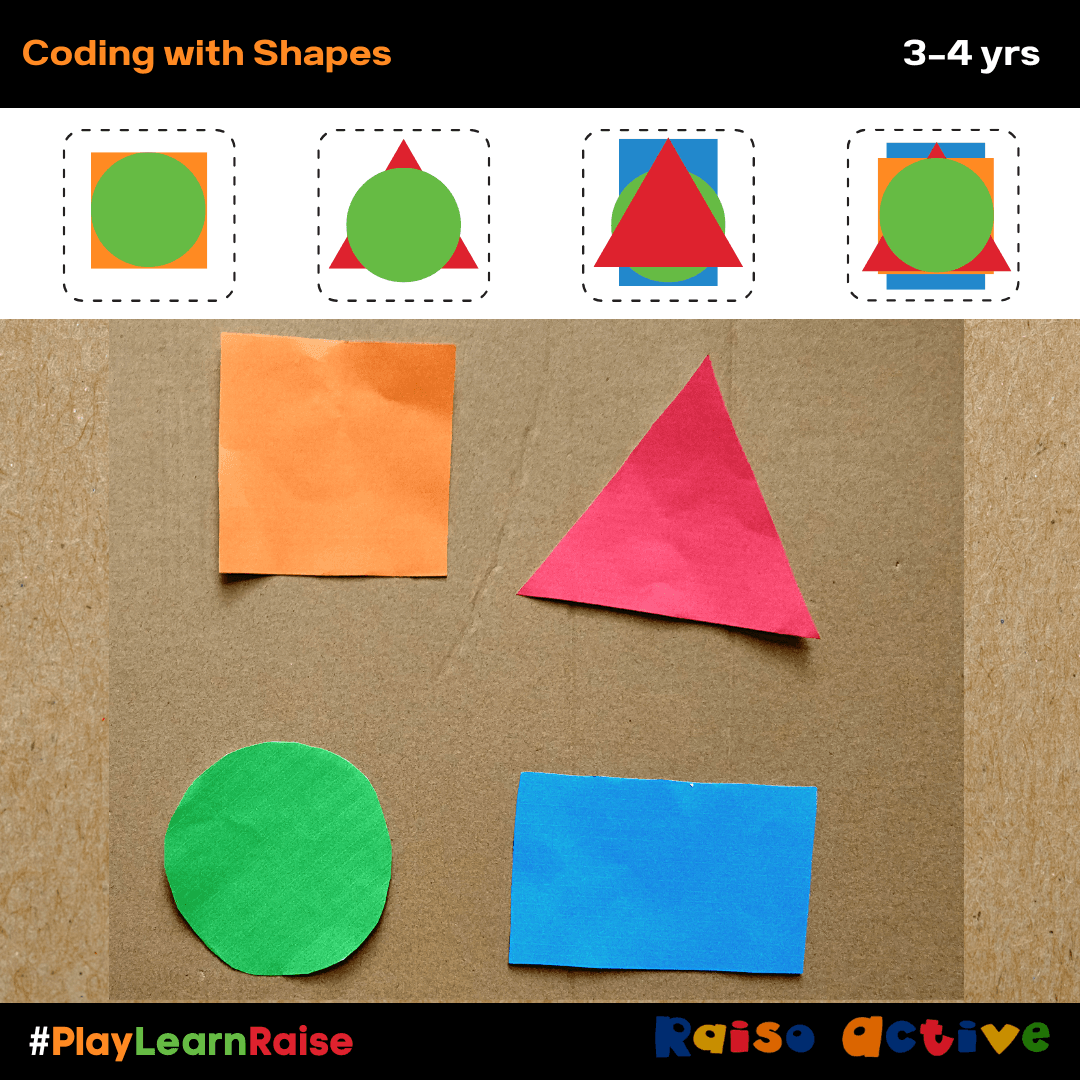
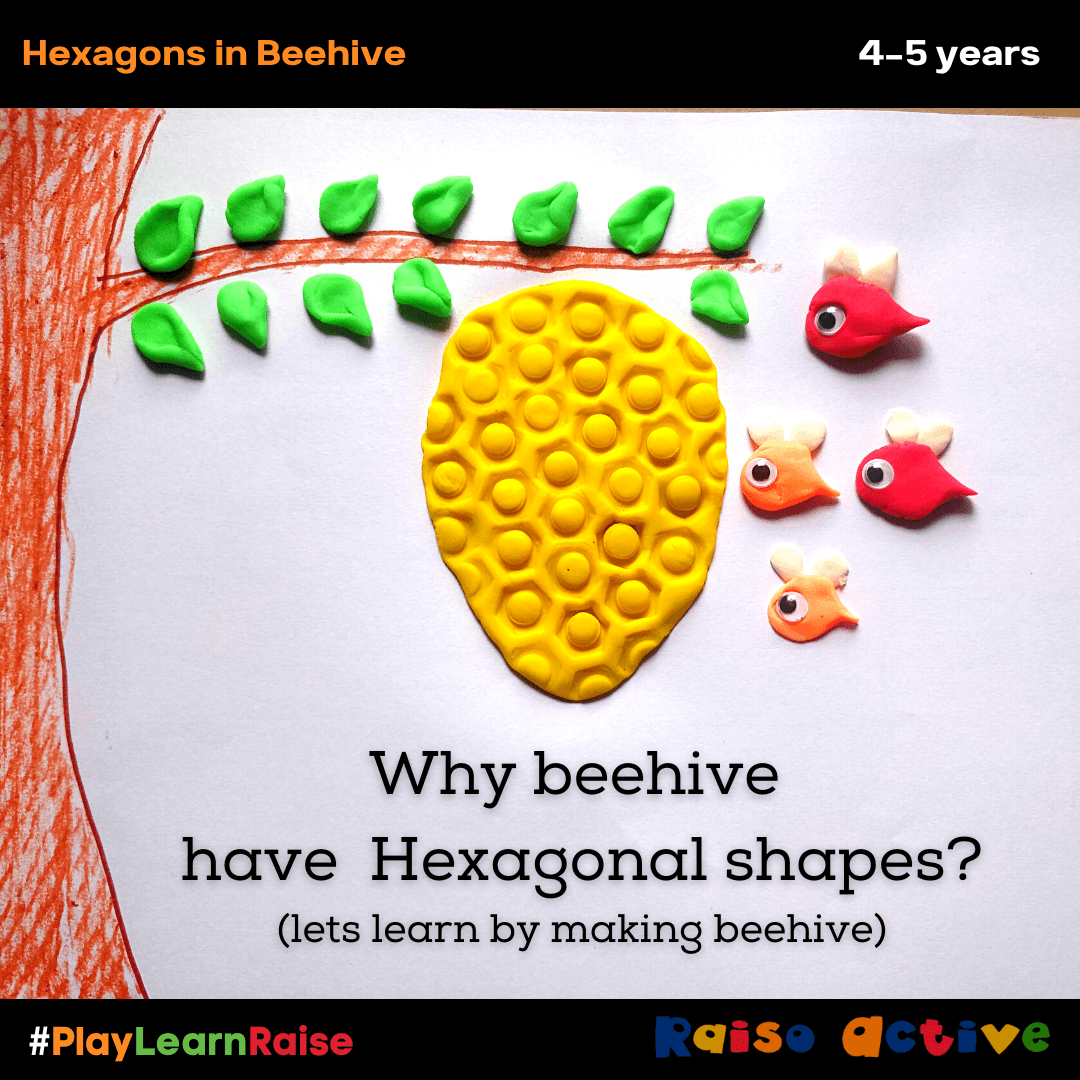
Set out art supplies, craft materials, or building blocks alongside the structured worksheets. Let children decide how to use them. A child working on shapes might cut out shapes from coloured paper, build them with clay, or find them in the room around them.
Ask open-ended questions
Instead of "Is this correct?" ask "Tell me about what you made" or "What would happen if you tried it differently?" These questions validate creative thinking and encourage children to reflect on their process, not just their product.
Celebrate the process, not just the result
Display works-in-progress alongside finished pieces. Talk about what was fun, what was tricky, and what they might do differently next time. This teaches children that creativity is a journey, not a destination.
Build in choice
Let children choose between two worksheets, pick their own colours, or decide the order of activities. Even small choices within a structured framework foster a sense of ownership and creative agency.
End with reflection
Spend two minutes at the end asking, "What did you enjoy most today?" or "What would you like to try tomorrow?" This builds metacognitive skills and helps you tailor future sessions to your child's interests.
Age-Specific Ideas: Creativity Meets Structure
Ages 1-3: Sensory Exploration with Gentle Structure
For toddlers, structure is gentle and sensory-rich. It looks like a simple routine — sing a song, do an activity, read a book — rather than formal instruction.
- **Finger painting with shapes**: Tape shape outlines on paper and let toddlers paint freely inside and outside the lines
- **Sorting by colour with a twist**: Provide coloured bowls and mixed objects, but let children decide their own sorting rules
- **Tracing in sand or salt trays**: Draw letters or shapes in a sensory tray — structured enough to build pre-writing skills, creative enough to feel like play
- **Sticker worksheets**: Use dot stickers on pre-printed templates — builds fine motor control while allowing creative colour choices
Ages 3-5: The Golden Age of Creative Learning
Preschoolers are naturally curious and love both structure and freedom. This is the ideal age to introduce worksheets that combine guided practice with open-ended elements.
- Pair every worksheet with a hands-on extension — after a counting worksheet, count real objects around the house
- Use **colouring pages** as conversation starters: "What colour would *you* make the sky? Does it have to be blue?"
- Let children create their own worksheets for siblings, stuffed animals, or friends — this reverses the dynamic and deepens understanding
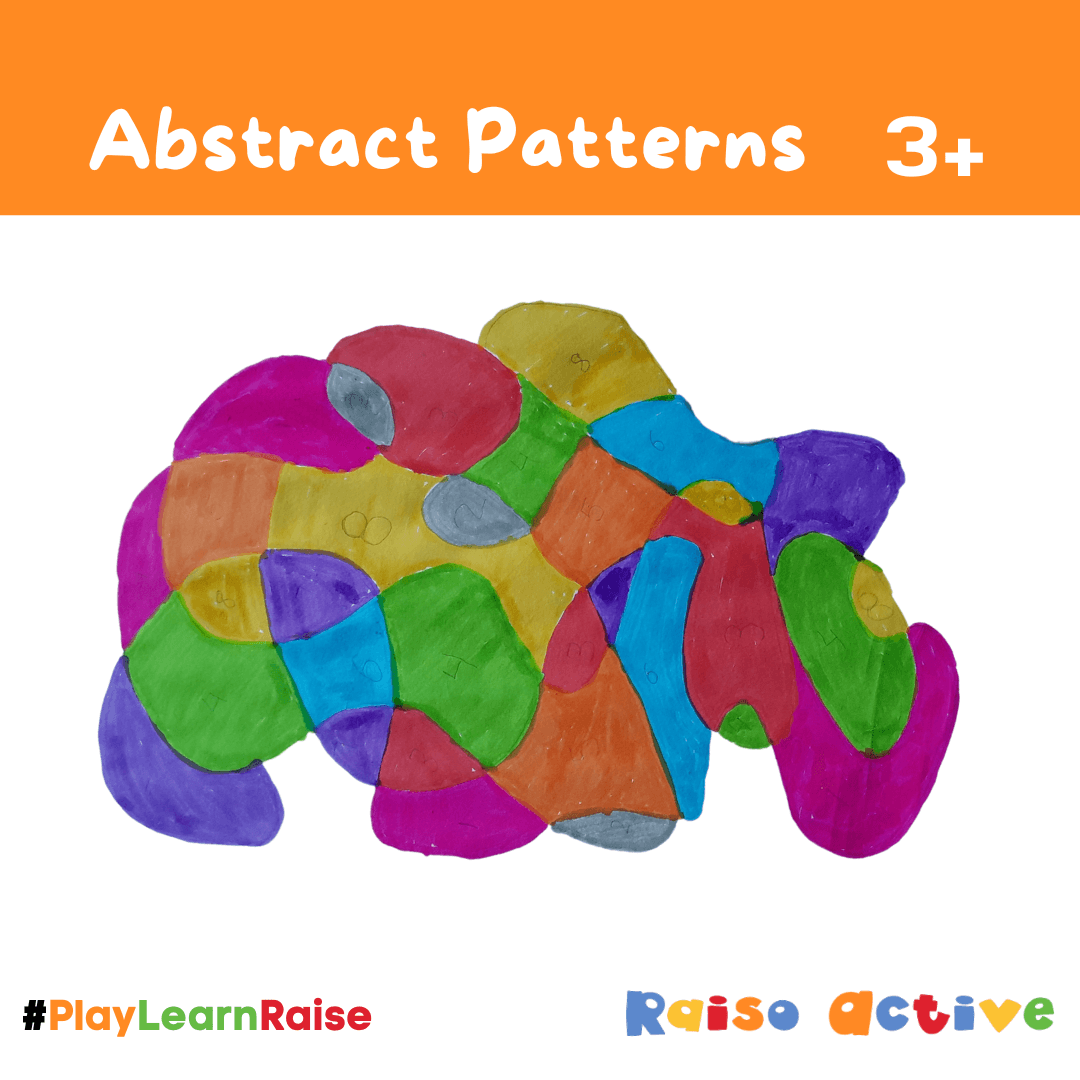
- Introduce **pattern activities** where children complete a pattern and then create their own — structure first, creativity second
Ages 5-8: Deepening Skills with Creative Application
School-age children are ready for more complex challenges. They benefit from structured learning that includes room for creative problem-solving, personal projects, and self-directed exploration.
- Maths + Art: After practising addition, create a "number collage" using cut-out numbers from magazines
- Reading + Drama: After a reading comprehension worksheet, act out the story with puppets or props
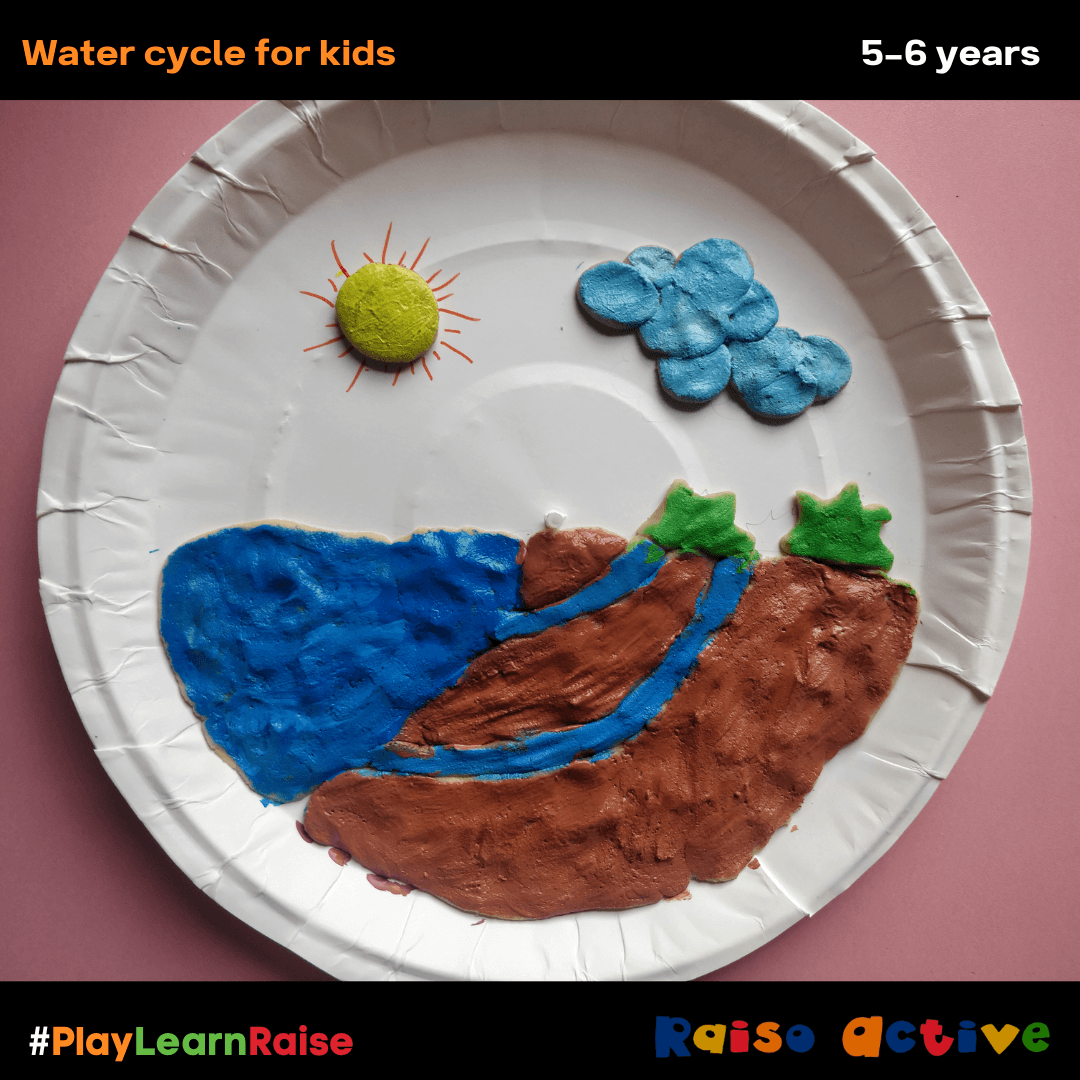
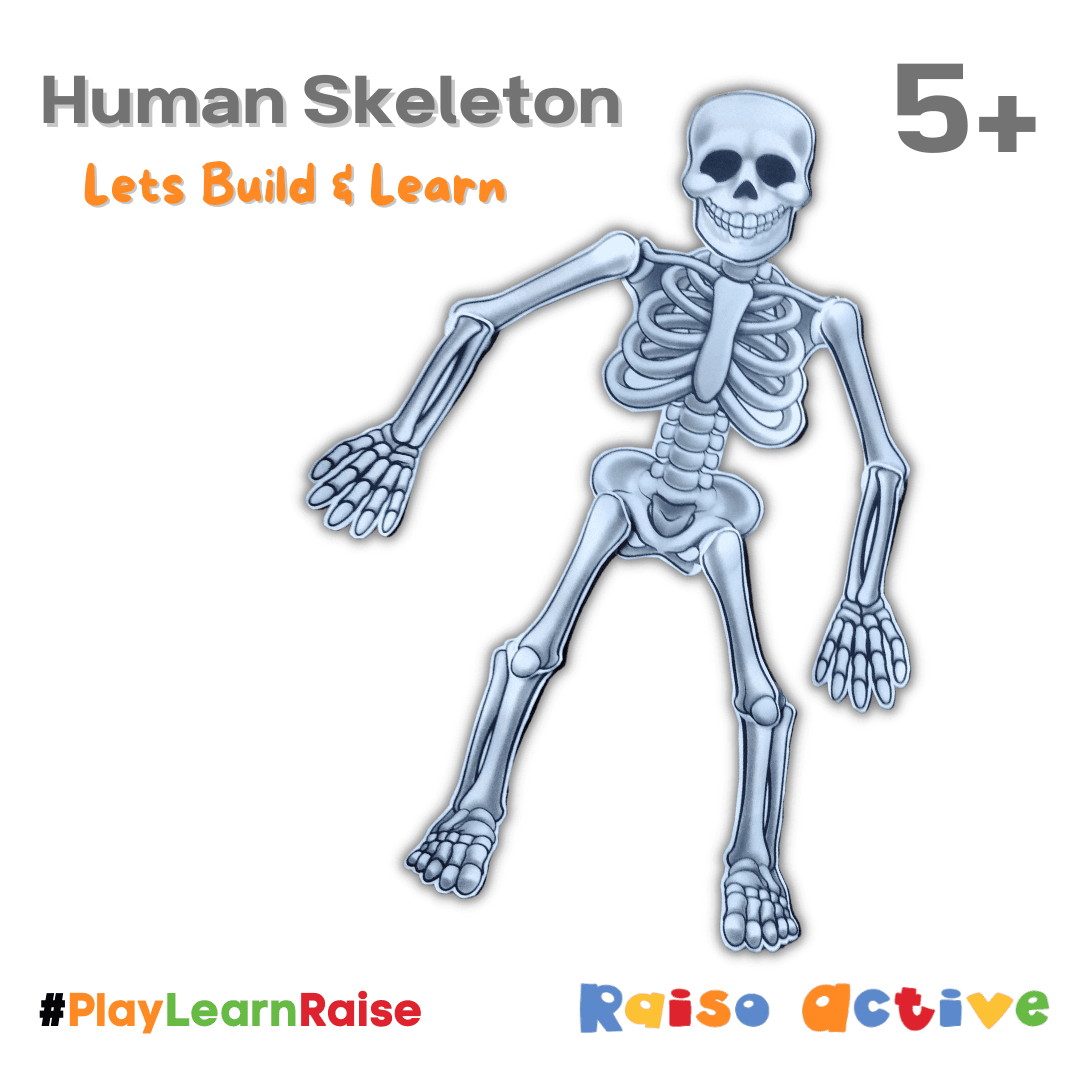
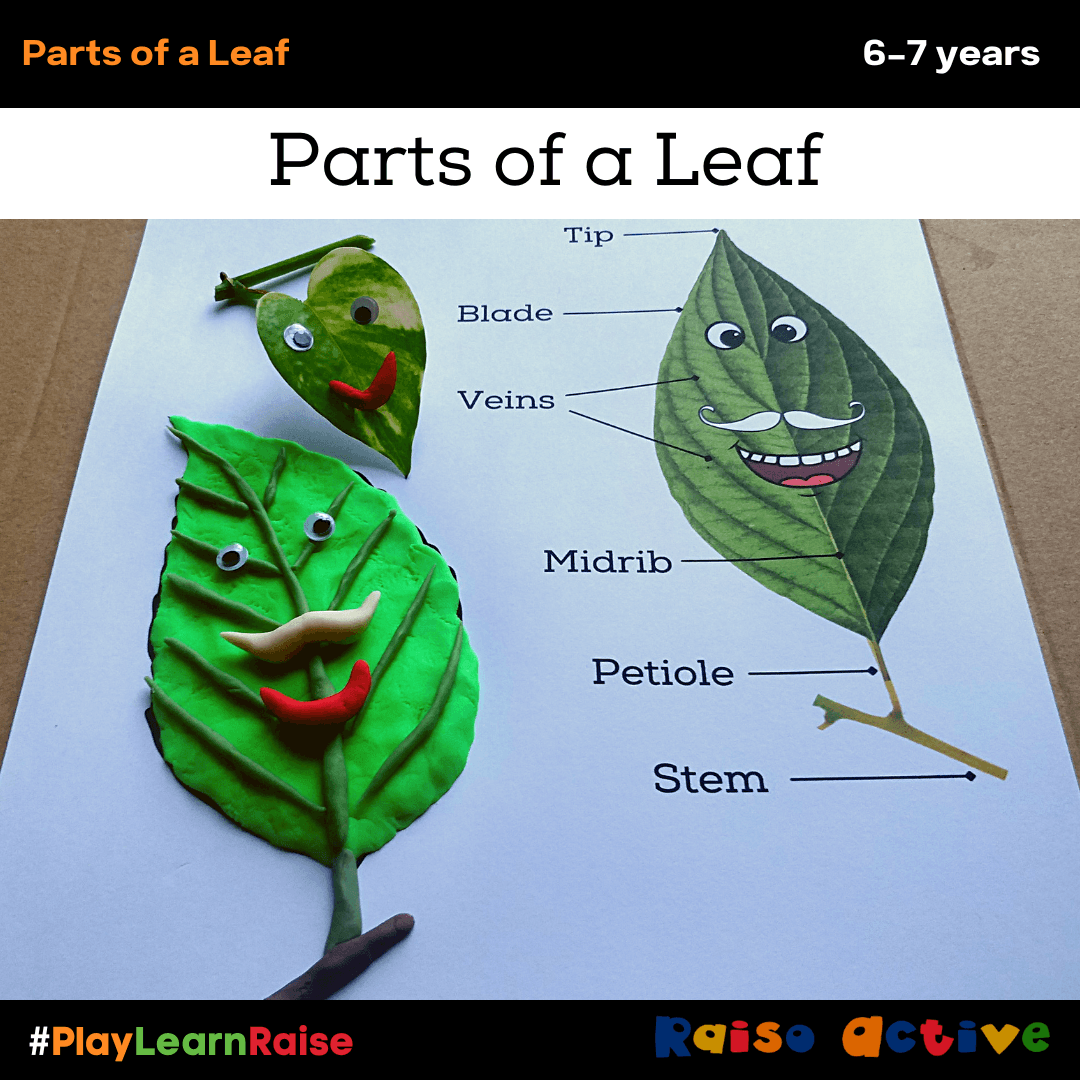
- Science + Craft: After learning about plant parts on a worksheet, build a 3D plant model from recycled materials
- Writing + Illustration: After practising letter formation, write and illustrate a mini story book
- Geography + Art: After learning about Indian states or world countries, create a colourful map with drawings of famous landmarks
Children who engage in creative activities alongside structured learning show up to 4 times greater retention of new concepts compared to rote learning alone.
Source: Journal of Creative Behaviour, 2019
Creativity in the Indian Education Landscape
India's National Education Policy (NEP) 2020 places a strong emphasis on creativity, critical thinking, and experiential learning — especially in the foundational stage (ages 3-8). The policy specifically recommends moving away from rote memorisation and towards activity-based, discovery-led learning.
This is wonderful news for parents and teachers who want to nurture creativity. It means that blending creative activities with structured worksheets is not just a nice idea — it is aligned with national educational goals. Whether you follow CBSE, ICSE, or state board curricula, incorporating creative elements into structured learning prepares children for the kind of thinking that modern education values.
- Use **project-based learning**: Let your child choose a topic they love and explore it through worksheets, crafts, and conversations
- Incorporate **local culture and festivals** into learning — Rangoli patterns teach symmetry, Diwali crafts build fine motor skills, and regional folk tales enhance reading comprehension
- Encourage **multilingual creativity**: Let children write stories or label drawings in their mother tongue alongside English
- Remember that NEP emphasises **holistic development** — art, music, movement, and nature are not extras, they are essentials
Creative-structured learning is a skill you can build, not a talent you are born with.
You do not need to be an artist or have a teaching degree to foster creativity in your child's learning. Start with one small change — add a drawing prompt after a worksheet, ask an open-ended question, or let your child choose their own colours. These tiny shifts compound over time into a profoundly different learning experience.
Creative Worksheets to Get You Started
Here are some of our favourite printable worksheets that beautifully combine structure with creative expression. Each one provides clear guidance while leaving room for your child's imagination to shine.
Common Mistakes to Avoid
Even with the best intentions, it is easy to fall into patterns that unintentionally stifle creativity. Here are some common pitfalls and how to avoid them.
- Over-correcting creative work: When a child colours a tree purple, resist the urge to say "trees are green." Instead, ask "Tell me about your purple tree!" You might learn it is a magical tree from their imagination.
- Making every activity a test: Not every worksheet needs to be graded or corrected. Sometimes the value is in the doing, not the accuracy.
- Comparing children's work: Every child expresses creativity differently. Comparison kills creative confidence faster than almost anything else.
- Scheduling every minute: Leave unstructured gaps in the day. Boredom is often the birthplace of creativity.
- Separating "creative time" from "learning time": When you treat art as a separate subject rather than weaving it through all learning, children learn that creativity only belongs in certain boxes.
Get Free Creative Worksheets Every Week
Subscribe to the RaisoActive newsletter and receive hand-picked printable worksheets, activity ideas, and parenting tips delivered straight to your inbox. Perfect for parents and teachers of children ages 1-8.
Frequently Asked Questions
Can too much structure harm my child's creativity?
My child refuses to do worksheets. How can I make them more engaging?
How much screen time is too much for creative learning?
What if I am not creative myself? Can I still foster creativity in my child?
Are colouring books and worksheets considered creative activities?
How do I balance creative learning with exam preparation for my child?
Free worksheets for this topic
Browse all worksheets
Clothing Pattern Match Worksheet for Preschoolers
Ages 3-5 · Preschool–Pre-KAges 3-5 · Nursery–ReceptionAges 3-5 · Nursery–LKGAges 3-5
This worksheet has children ages 3-5 study repeating patterns on clothing items — stripes, polka dots, or checks — and match each item to its identical twin, building visual discrimination and early pattern-sequencing skills. Distinguishing between similar-looking patterns also sharpens attention to detail, a skill that later supports letter and word recognition.
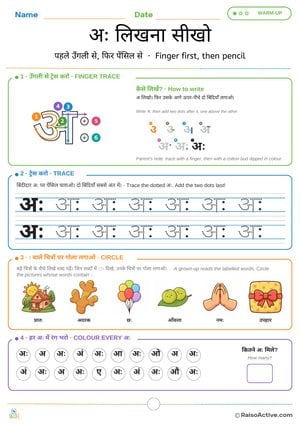
Learn to Write Hindi Visarga अः (ah) – Tracing Worksheet | अः लिखना सीखो
Ages 3-7 · Preschool–Grade 1Ages 3-7 · Nursery–Year 2Ages 3-7 · Nursery–Class 1Ages 3-7
Children learn to write अः step by step: write अ, then add two dots after it, one above the other. They trace with a finger, then a pencil, circle the pictures whose labelled words contain ः (प्रातः, छः, नमः) and colour every अः in a grid.
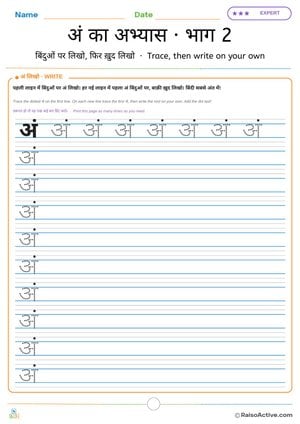
Hindi Letter अं (am) Practice 2: Trace, then Write on Your Own | अं का अभ्यास · भाग 2
Ages 5-7 · Kindergarten–Grade 1Ages 5-7 · Year 1–Year 2Ages 5-7 · UKG–Class 1Ages 5-7
An expert page for confident writers: trace the dotted अं on the first line, then on each new line trace the first अं and write the rest on your own, adding the dot last.
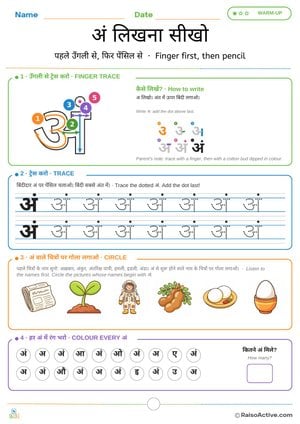
Learn to Write Hindi Letter अं (am) – Tracing Worksheet | अं लिखना सीखो
Ages 3-7 · Preschool–Grade 1Ages 3-7 · Nursery–Year 2Ages 3-7 · Nursery–Class 1Ages 3-7
Children learn to write अं step by step: write अ, then add the dot above it last. They trace with a finger first, then trace dotted rows with a pencil, circle the अं pictures and colour every अं in a grid.

Written by
Hemsweta Jain · Teacher Cheena
MBA and Early Childhood Educator, teaching since 2014 · Founder of RaisoActive, Mumbai
Published · Last reviewed
Related posts
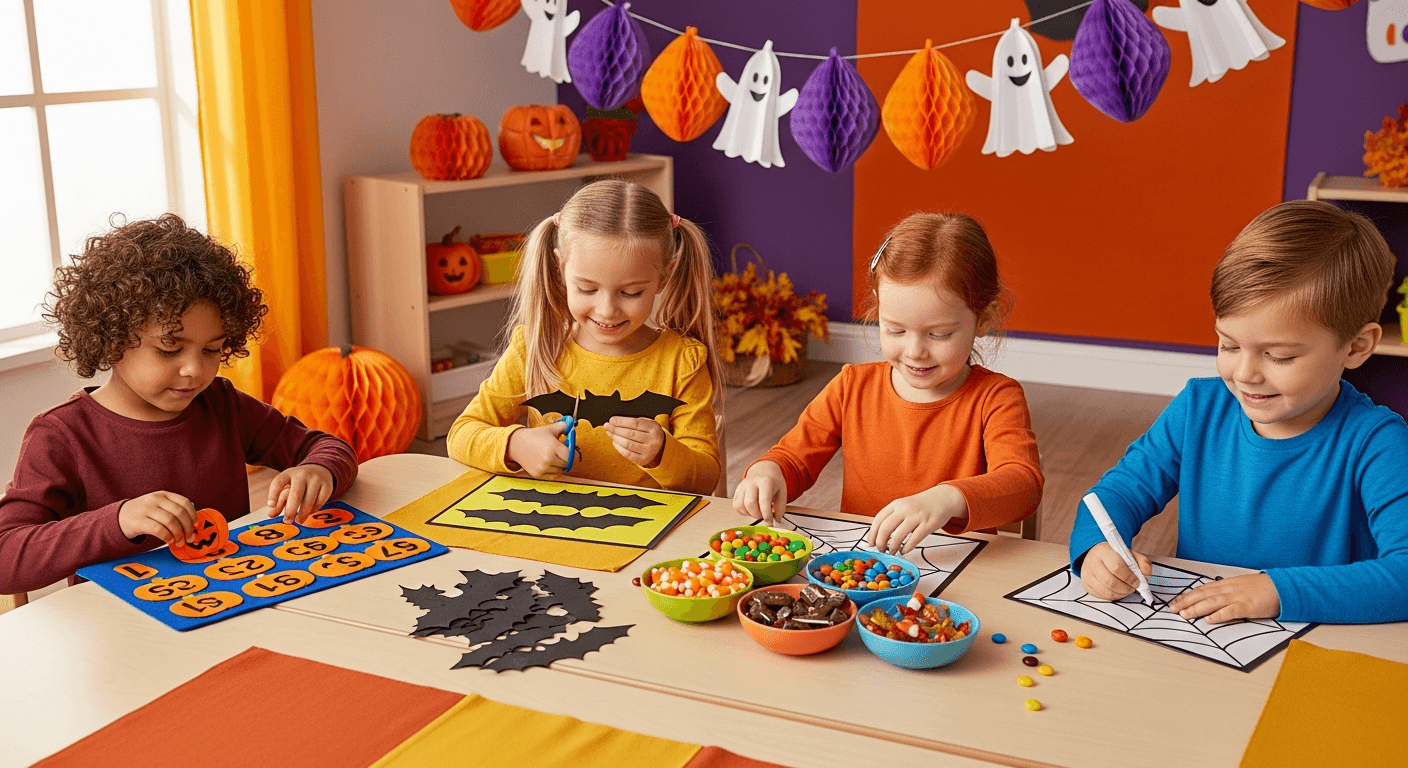
Age-Appropriate Halloween Learning Activities: Balancing Spooks and Skills for Young Learners
Discover fun, age-appropriate Halloween learning activities for young children. Spooky crafts, counting games, literacy ideas, and printable worksheets for ages 2 to 8.
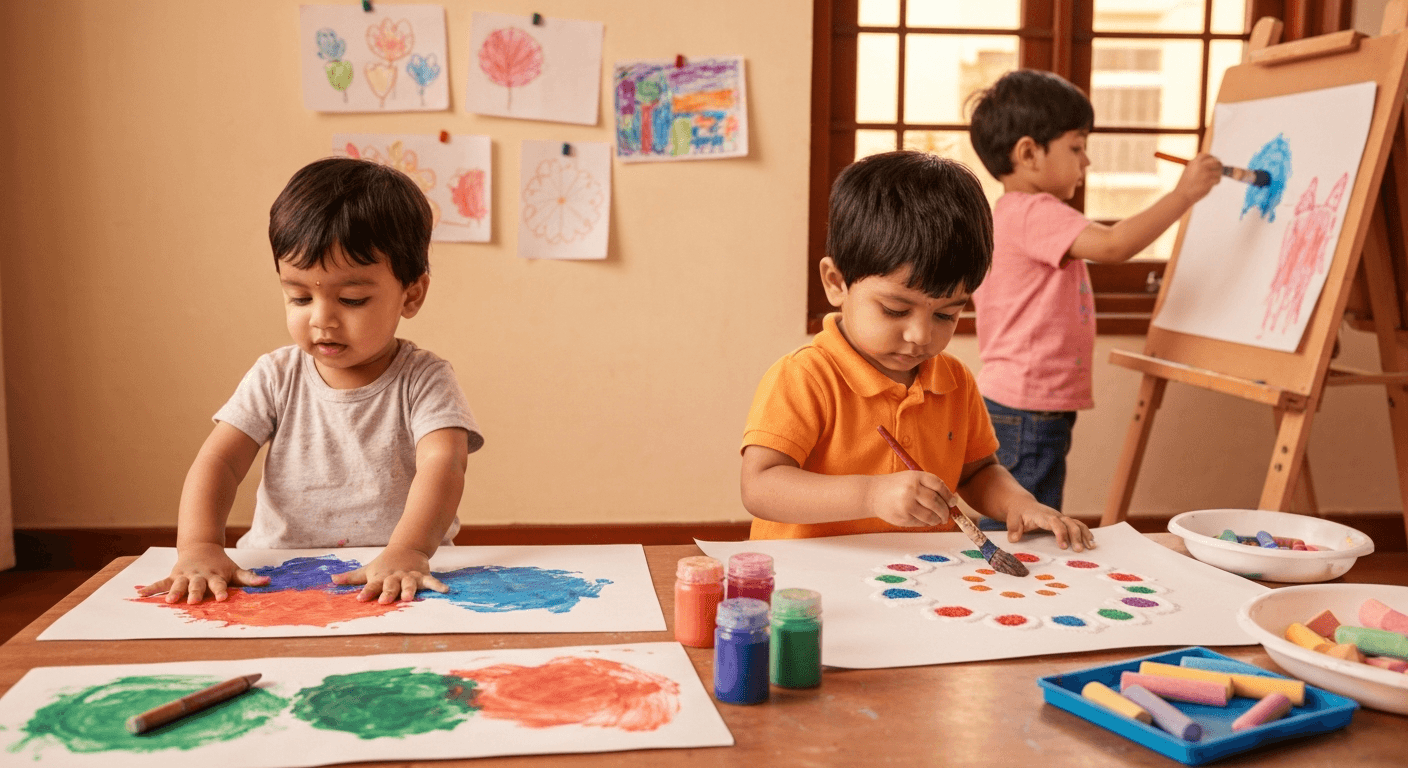
Creative Foundations: Art Activities That Build Essential Pre-Writing Skills in Young Children
Discover how finger painting, drawing, and Indian art traditions like rangoli build pre-writing skills in children ages 2-6. Expert tips for parents and teachers.

Pre-Writing Strokes in Order: From Standing Lines to Loops (With Printable Patterns)
The developmental order of pre-writing strokes, from vertical lines to loops, and why practicing them in sequence makes letter formation much easier to learn.
Related Resources
Printable Resources(10)
View all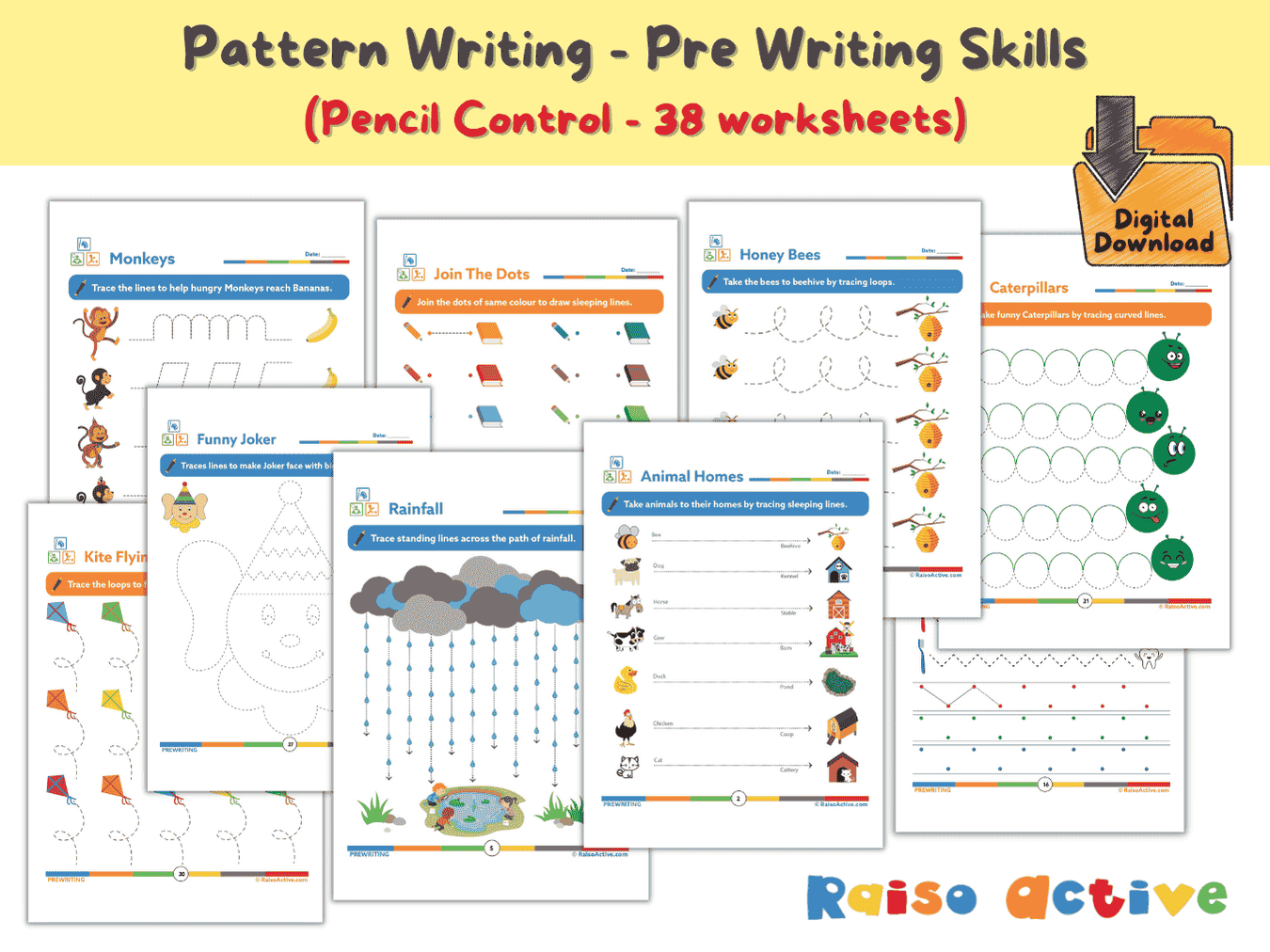
Pattern Writing Pre-writing Skills Activity Book for 3-4 Year Olds
Ages 3-4 · PreschoolAges 3-4 · NurseryAges 3-4 · 44 pages
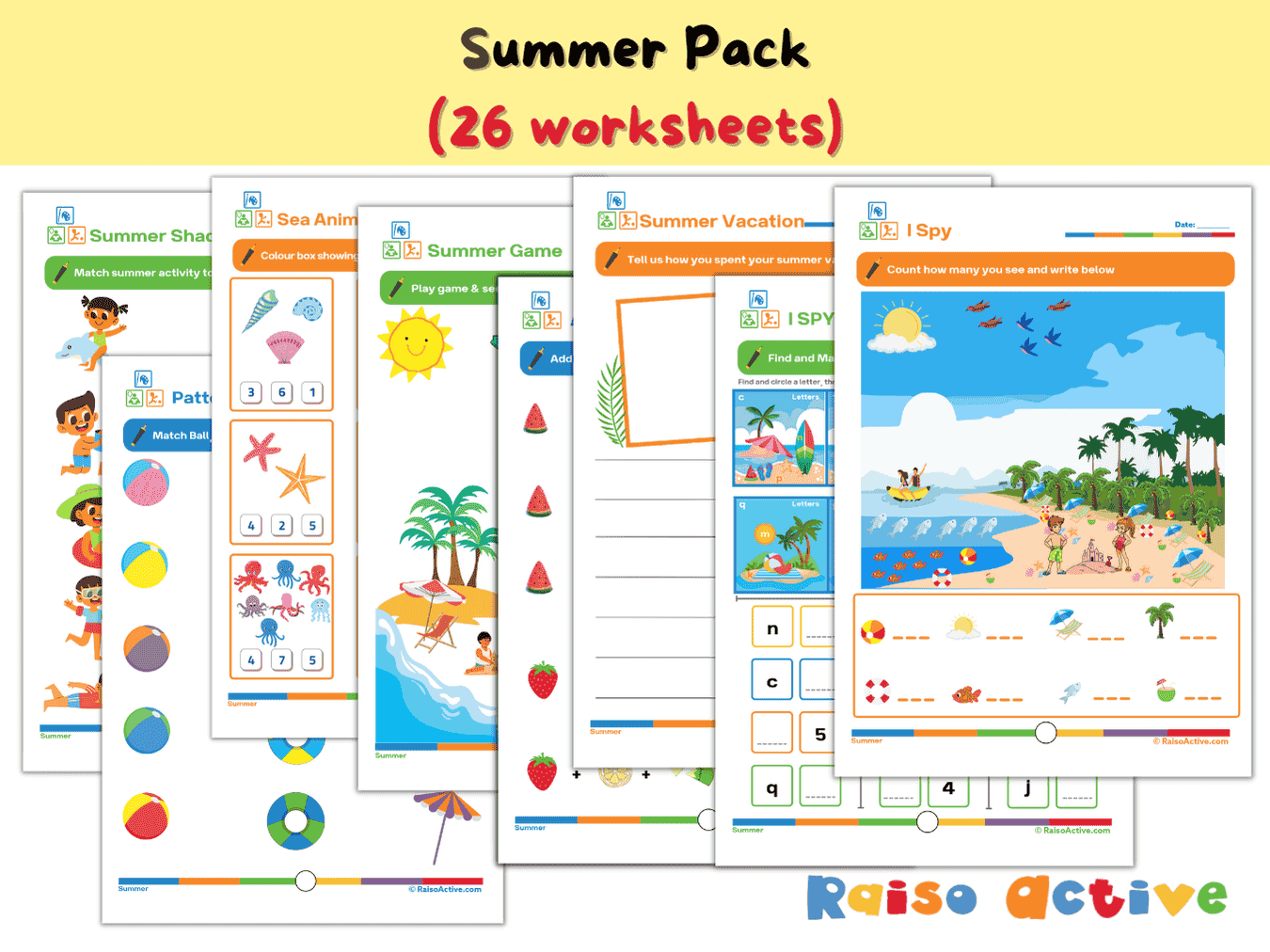

Summer Activity Pack: Math, Literacy, Puzzles & More for Preschool & Kindergarten
Ages 3-7 · Preschool–Grade 1Ages 3-7 · Nursery–Year 2Ages 3-7 · Nursery–Class 1Ages 3-7 · 26 pages
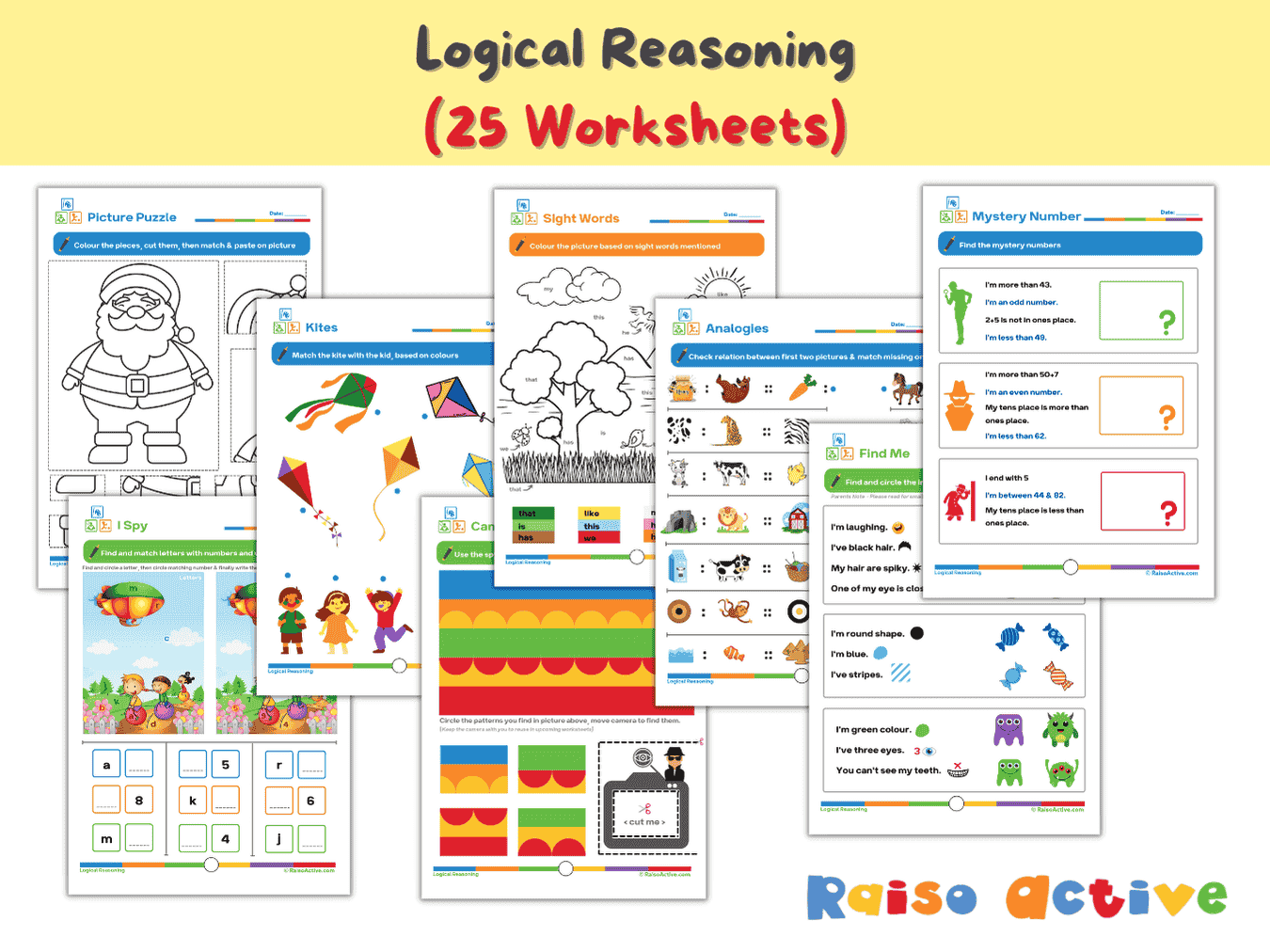
Logical Reasoning Activity Book for Preschool & Kindergarten | Patterns, Puzzles & Analogies
Ages 4-7 · Pre-K–Grade 1Ages 4-7 · Reception–Year 2Ages 4-7 · LKG–Class 1Ages 4-7 · 26 pages
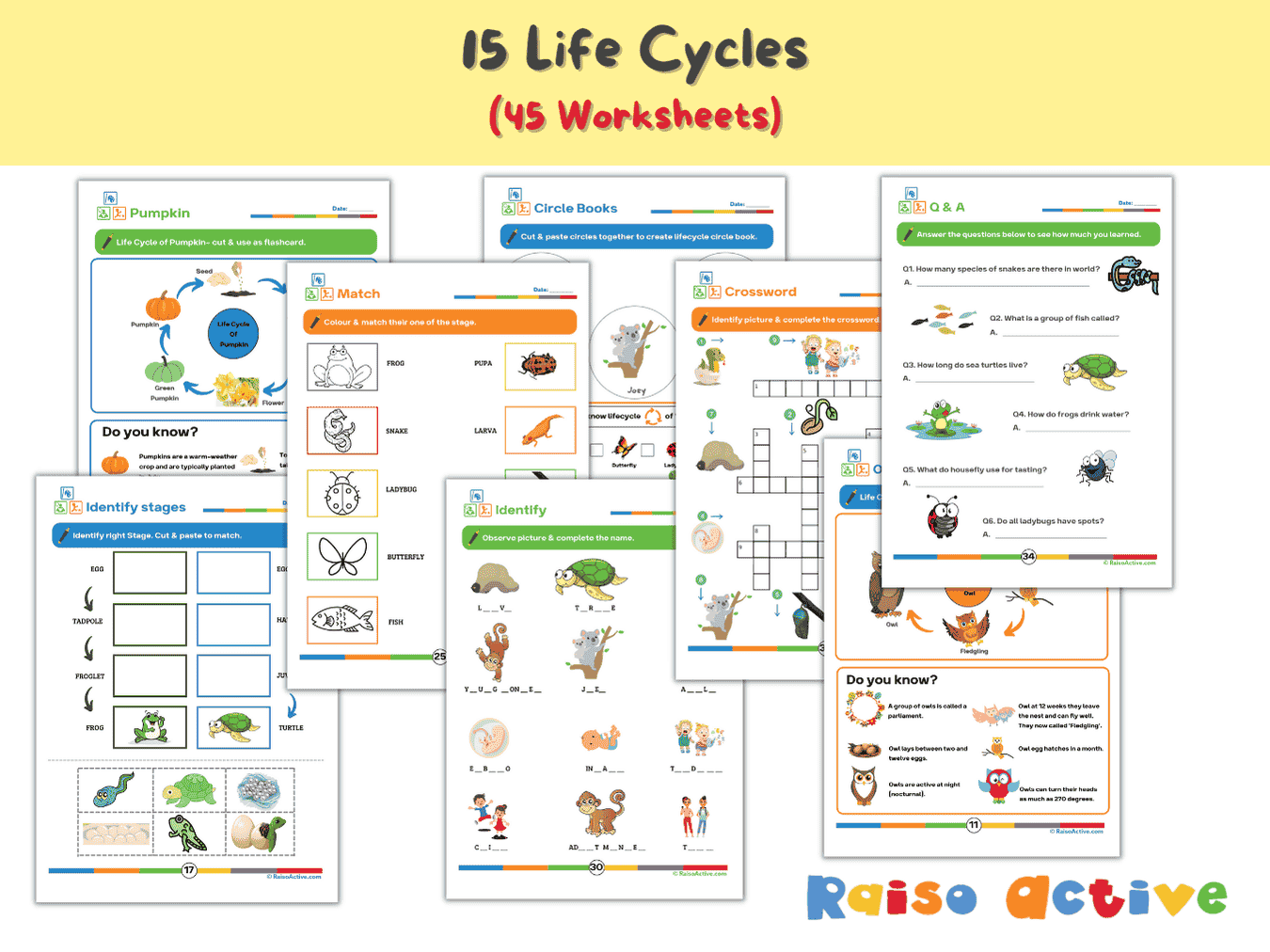

Lifecycles Activity Book & Flashcards for Preschool & Early Elementary
Ages 3-8 · Preschool–Grade 2Ages 3-8 · Nursery–Year 3Ages 3-8 · Nursery–Class 2Ages 3-8 · 46 pages
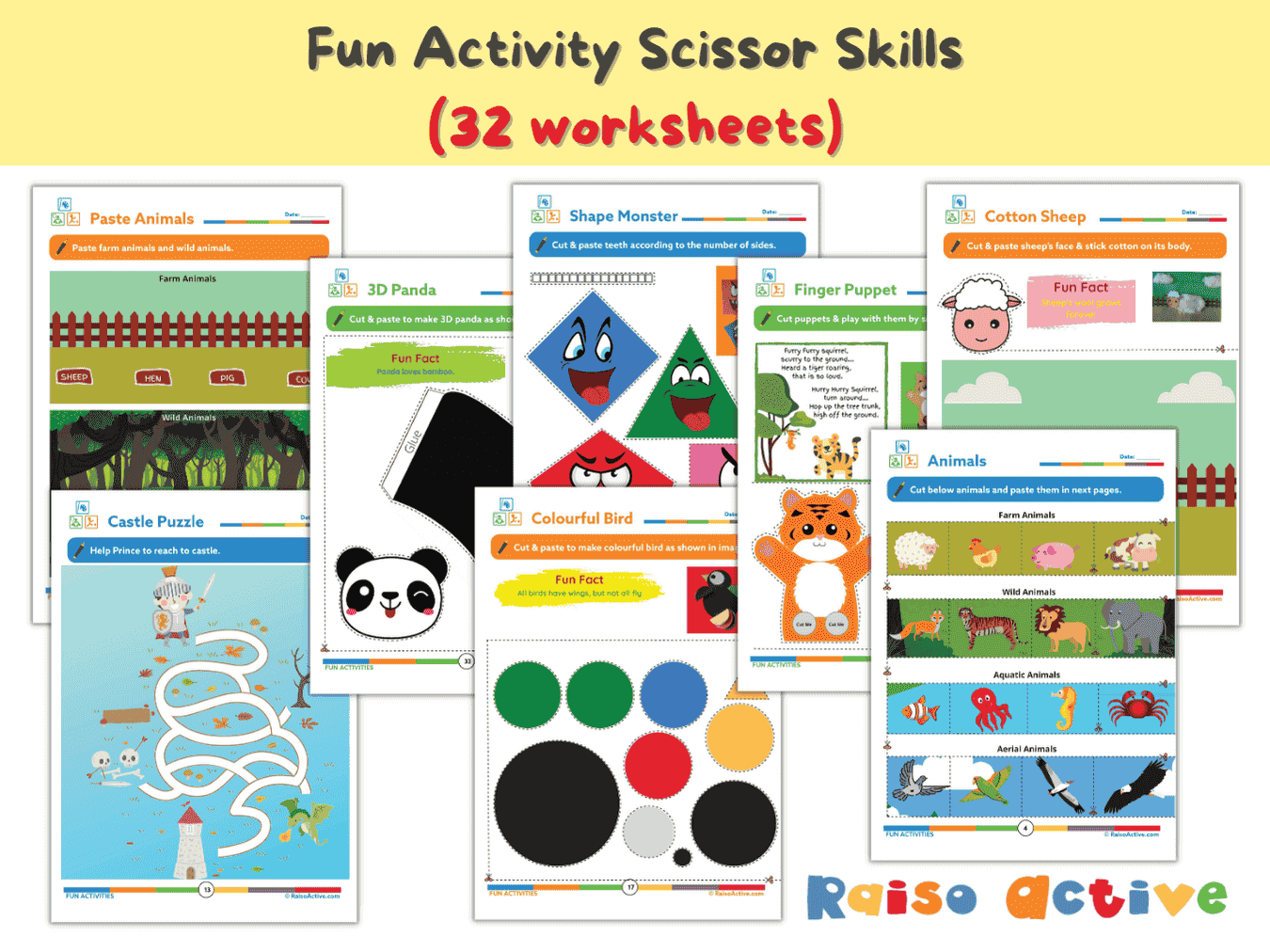
Preschool Scissor Skills Activity Book: Fine Motor & Craft Fun for Ages 3-6
Ages 3-6 · Preschool–KindergartenAges 3-6 · Nursery–Year 1Ages 3-6 · Nursery–UKGAges 3-6 · 35 pages
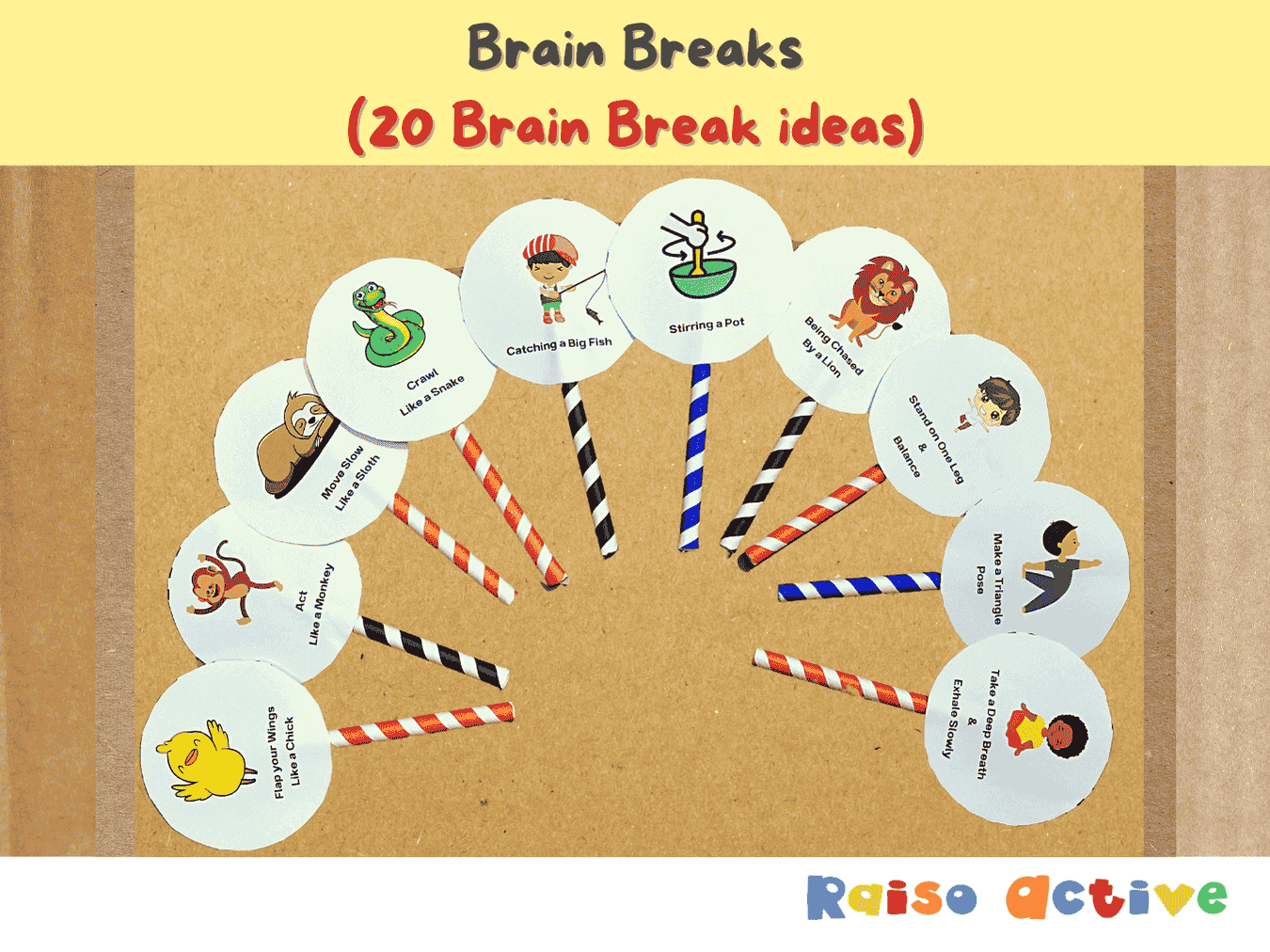
Gross Motor Movement & Imaginative Play Flashcards for Toddlers & Preschoolers
Ages 2-5 · Preschool–Pre-KAges 2-5 · Nursery–ReceptionAges 2-5 · Nursery–LKGAges 2-5 · 5 pages
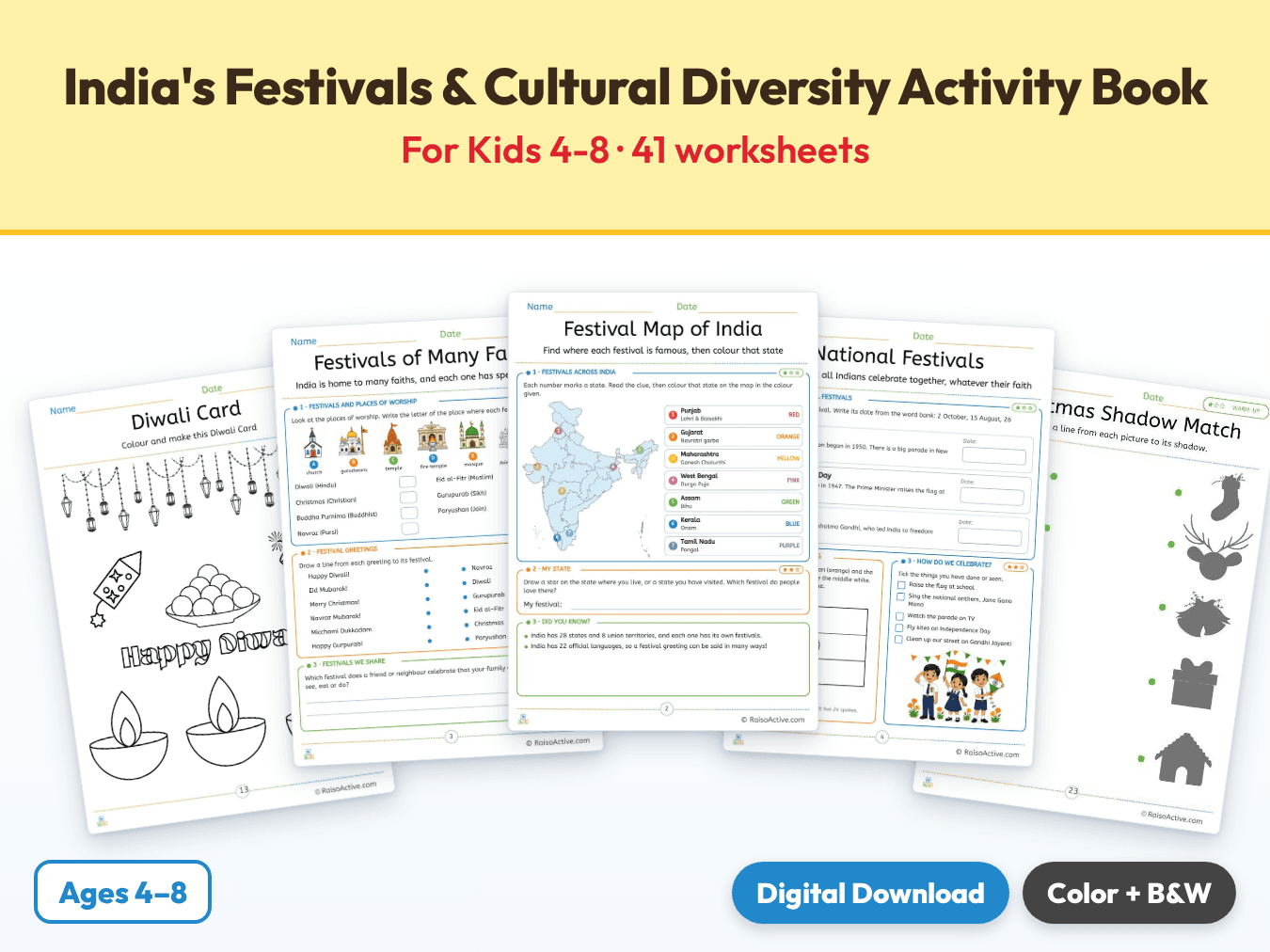
India's Festivals & Cultural Diversity Activity Book for Kids 4-8
Ages 4-8 · Pre-K–Grade 2Ages 4-8 · Reception–Year 3Ages 4-8 · LKG–Class 2Ages 4-8 · 42 pages
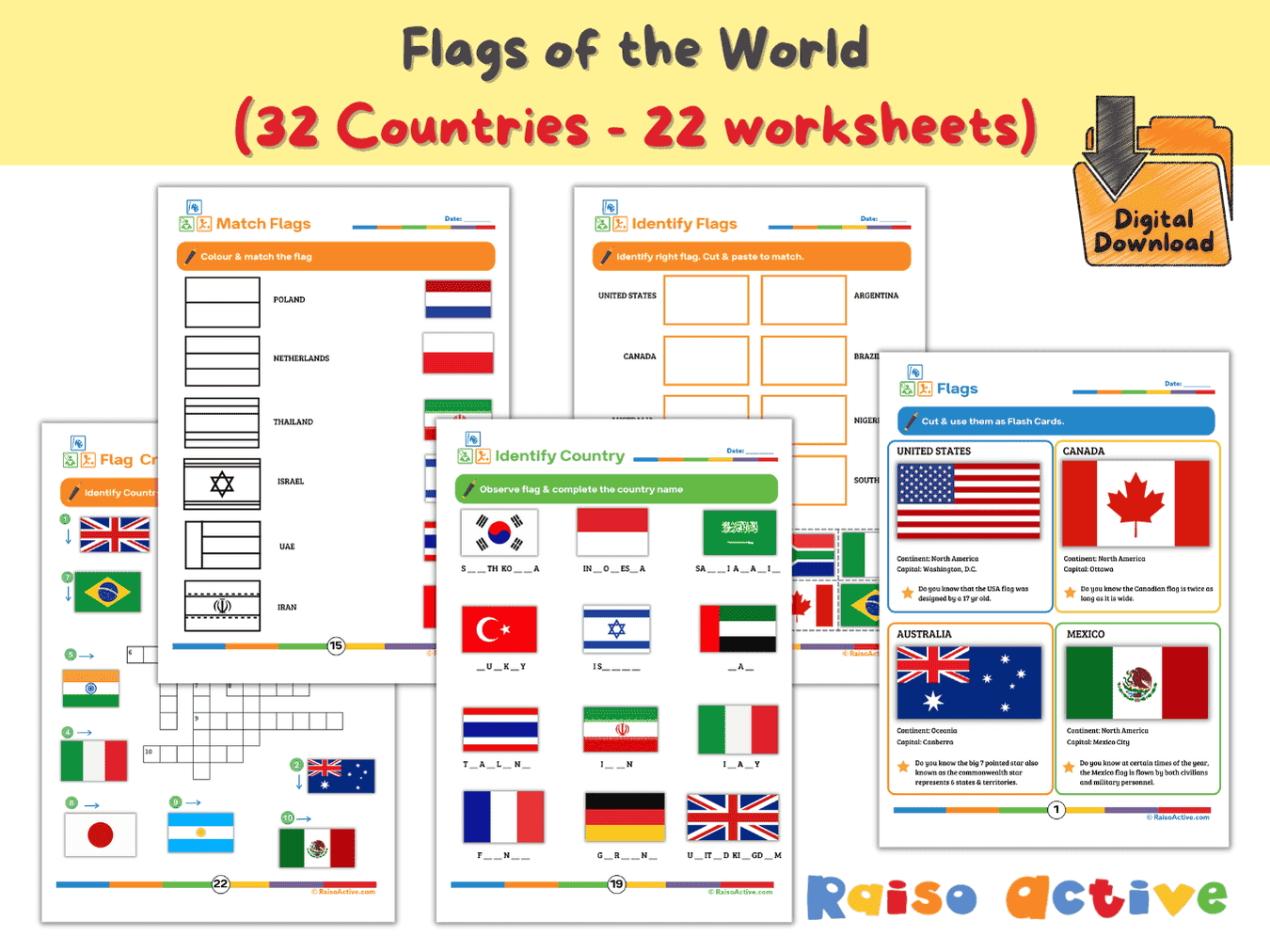
Flags of the World Activity Book & Flashcards for Kids (Ages 5-9)
Ages 5-8 · Kindergarten–Grade 2Ages 5-8 · Year 1–Year 3Ages 5-8 · UKG–Class 2Ages 5-8 · 23 pages
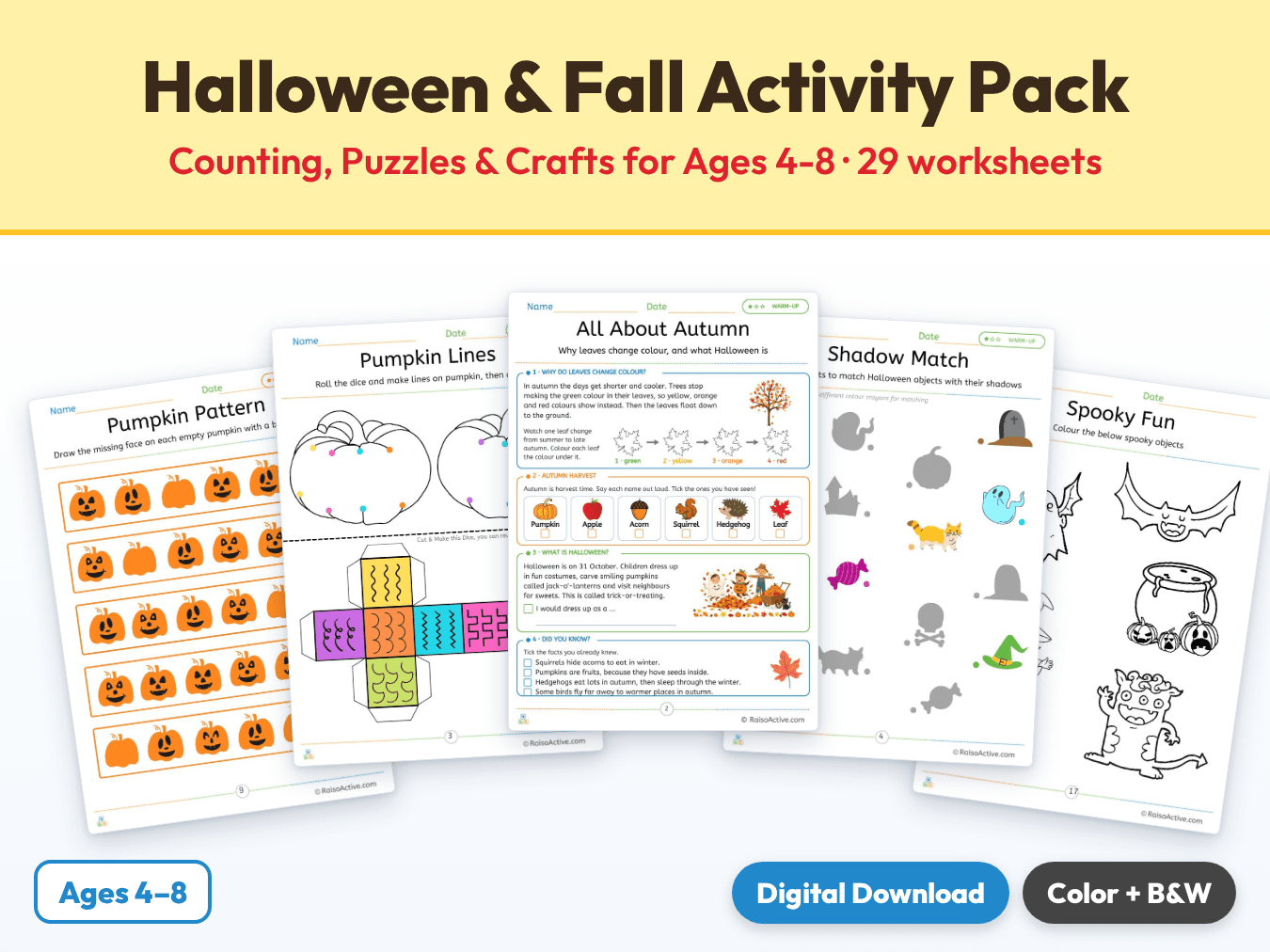
Halloween & Fall Activity Pack: Counting, Puzzles & Crafts for Ages 4-8
Ages 4-8 · Pre-K–Grade 2Ages 4-8 · Reception–Year 3Ages 4-8 · LKG–Class 2Ages 4-8 · 30 pages
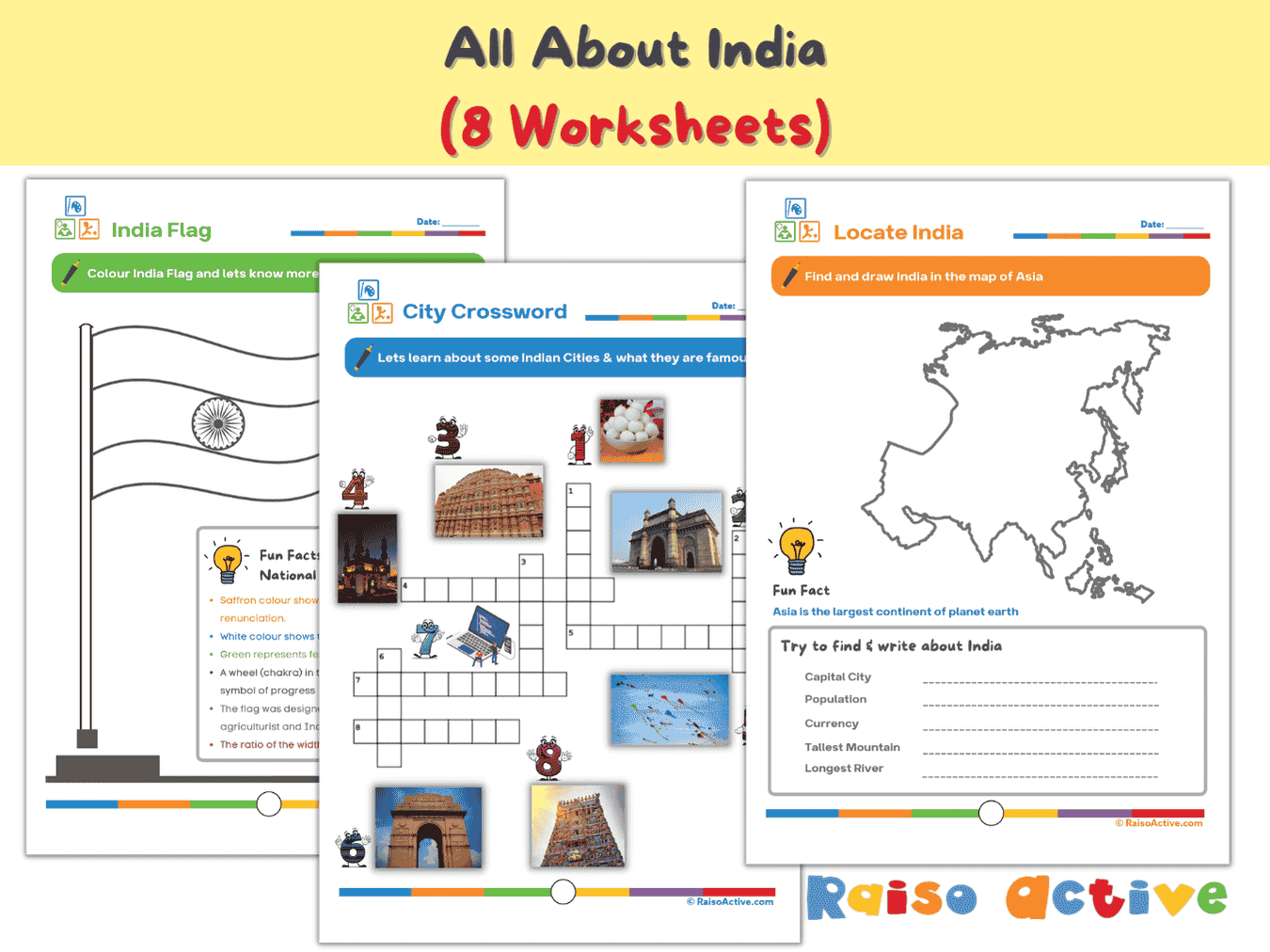
India Activity Book for Kids: Explore Geography, Culture & Symbols (Ages 5-8)
Ages 5-8 · Kindergarten–Grade 2Ages 5-8 · Year 1–Year 3Ages 5-8 · UKG–Class 2Ages 5-8 · 8 pages