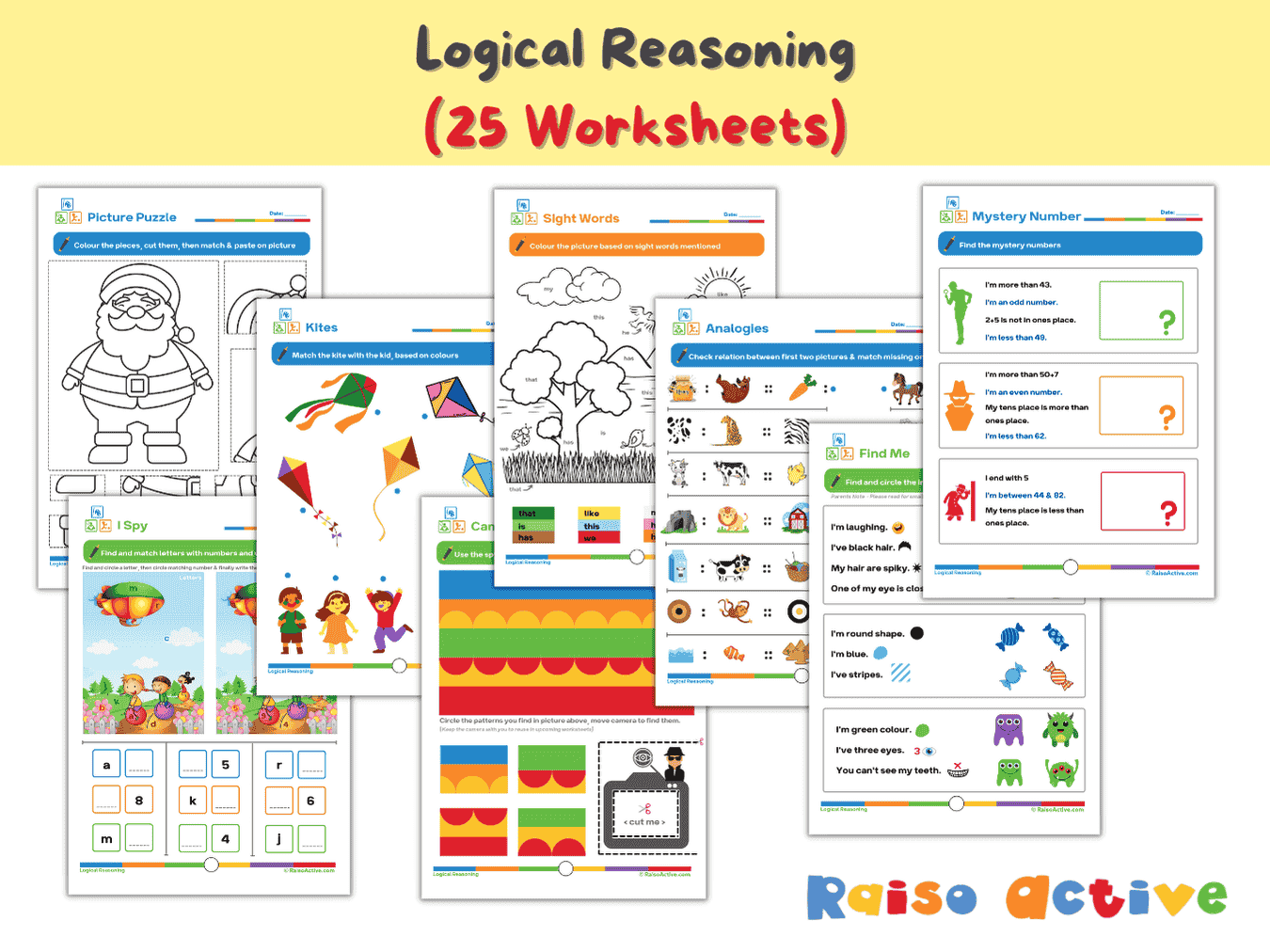
Logical Reasoning Activity Book for Preschool & Kindergarten | Patterns, Puzzles & Analogies
Ages 4-7 · Pre-K–Grade 1Ages 4-7 · Reception–Year 2Ages 4-7 · LKG–Class 1Ages 4-7 · 26 pages
Topic
Ages 4-7 · Pre-K–Grade 1Ages 4-7 · Reception–Year 2Ages 4-7 · LKG–Class 1Ages 4-7 · 26 pages
Ages 3-6 · Preschool–KindergartenAges 3-6 · Nursery–Year 1Ages 3-6 · Nursery–UKGAges 3-6 · 35 pages
Ages 4-8 · Pre-K–Grade 2Ages 4-8 · Reception–Year 3Ages 4-8 · LKG–Class 2Ages 4-8 · 30 pages
Ages 5-8 · Kindergarten–Grade 2Ages 5-8 · Year 1–Year 3Ages 5-8 · UKG–Class 2Ages 5-8 · 23 pages
Ages 5-8 · Kindergarten–Grade 2Ages 5-8 · Year 1–Year 3Ages 5-8 · UKG–Class 2Ages 5-8 · 8 pages
Ages 3-7 · Preschool–Grade 1Ages 3-7 · Nursery–Year 2Ages 3-7 · Nursery–Class 1Ages 3-7 · 22 pages
Ages 3-7 · Preschool–Grade 1Ages 3-7 · Nursery–Year 2Ages 3-7 · Nursery–Class 1Ages 3-7 · 17 pages
Discover fun, age-appropriate problem-solving activities for children ages 1-8. Build critical thinking, logic, and reasoning skills through play-based learning.
Learn how to blend creativity with structured learning for children ages 1-8. Practical strategies, activities, and printable worksheets for parents and teachers.
Discover proven critical thinking activities for young children. Age-wise logic games, questioning techniques, and hands-on ideas to build thinking skills at home.
Discover the essential 21st century skills your child needs for future success. Practical tips on creativity, critical thinking, digital literacy & emotional intelligence for ages 1-8.
Discover 15+ unplugged and screen-based coding activities for preschoolers that build sequencing, logic, and problem-solving skills through play. NEP 2020 aligned.
Discover how to recognise giftedness in young children and provide meaningful challenges at home without burnout. Practical strategies for Indian parents.
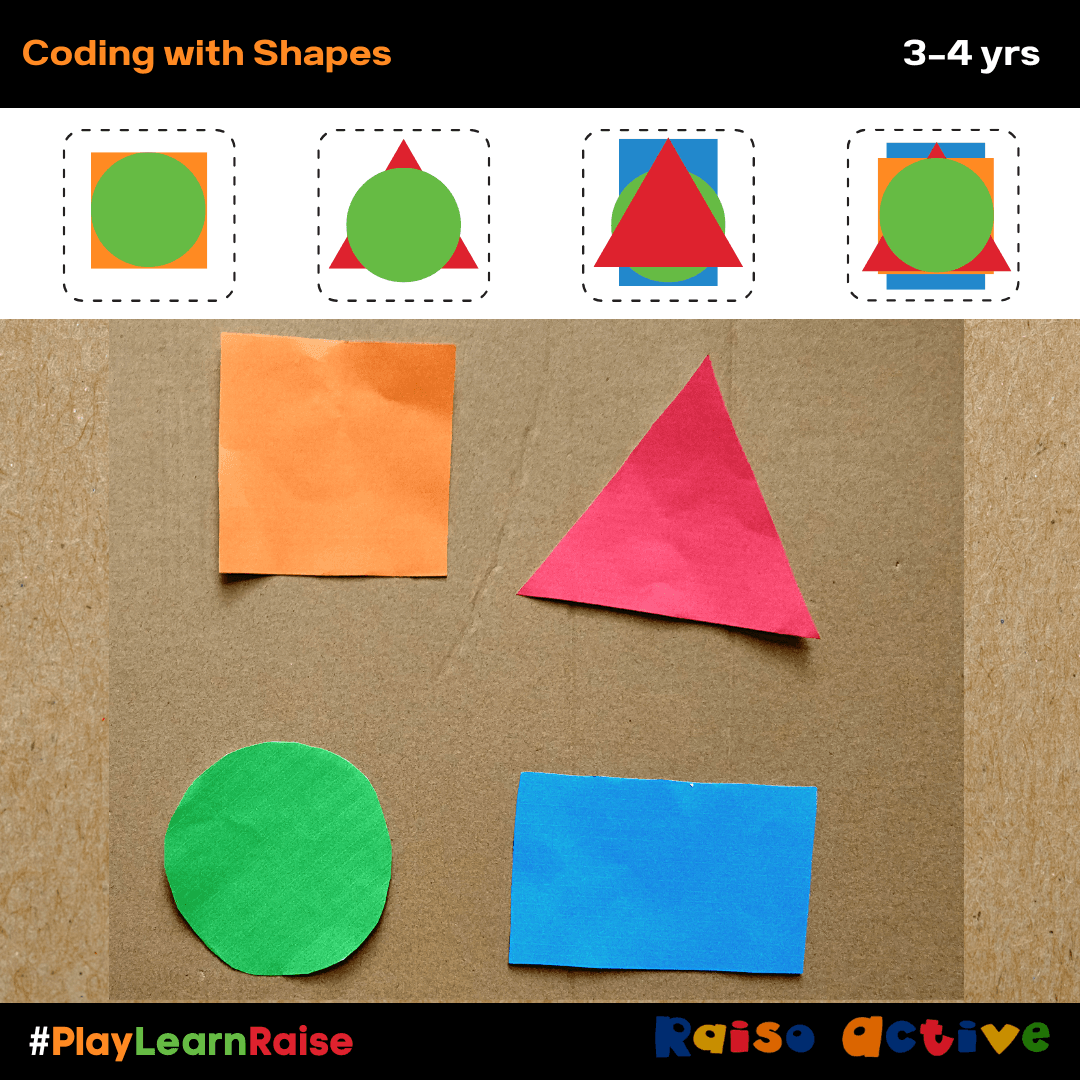
Engage young learners with this hands-on coding shapes activity! Children will cut out colorful geometric shapes and arrange them to match given patterns, fostering early logic and fine motor skills. It's a fun way to introduce foundational coding concepts.
What they'll learn:
Identify and name basic 2D shapes (circle, square, triangle, rectangle). +4 more
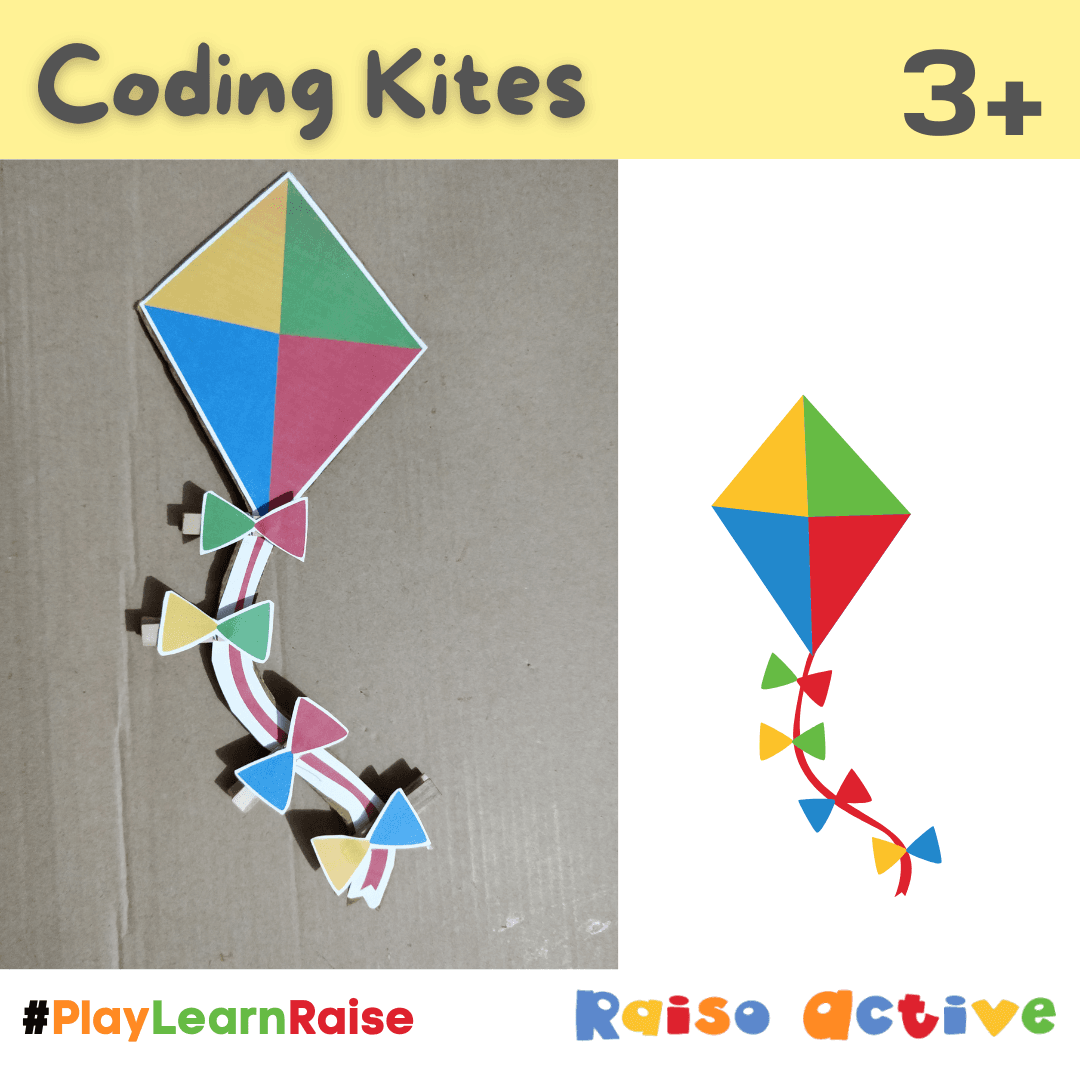
Engage young learners with this 'Coding Kites' activity where children cut, paste, and match colorful bow patterns to a kite's tail. This fun printable helps develop early sequencing skills, fine motor coordination, and visual discrimination.
What they'll learn:
Develop early sequencing and pattern recognition skills. +4 more
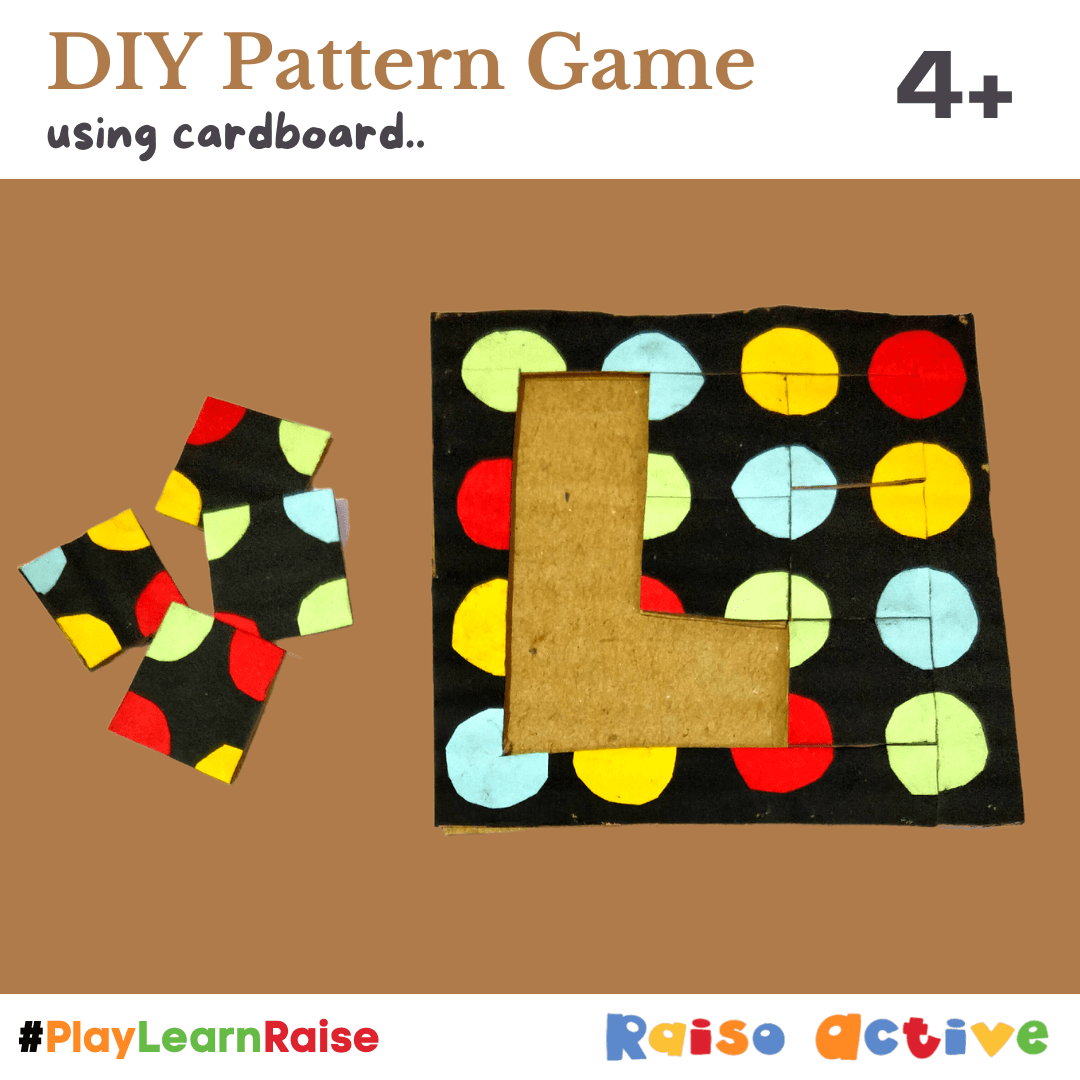
Children will create and play a homemade pattern matching puzzle using cardboard. This engaging activity enhances visual discrimination, fine motor skills, and pattern recognition, perfect for early learners.
What they'll learn:
Develop visual discrimination skills by matching patterns and colors. +4 more
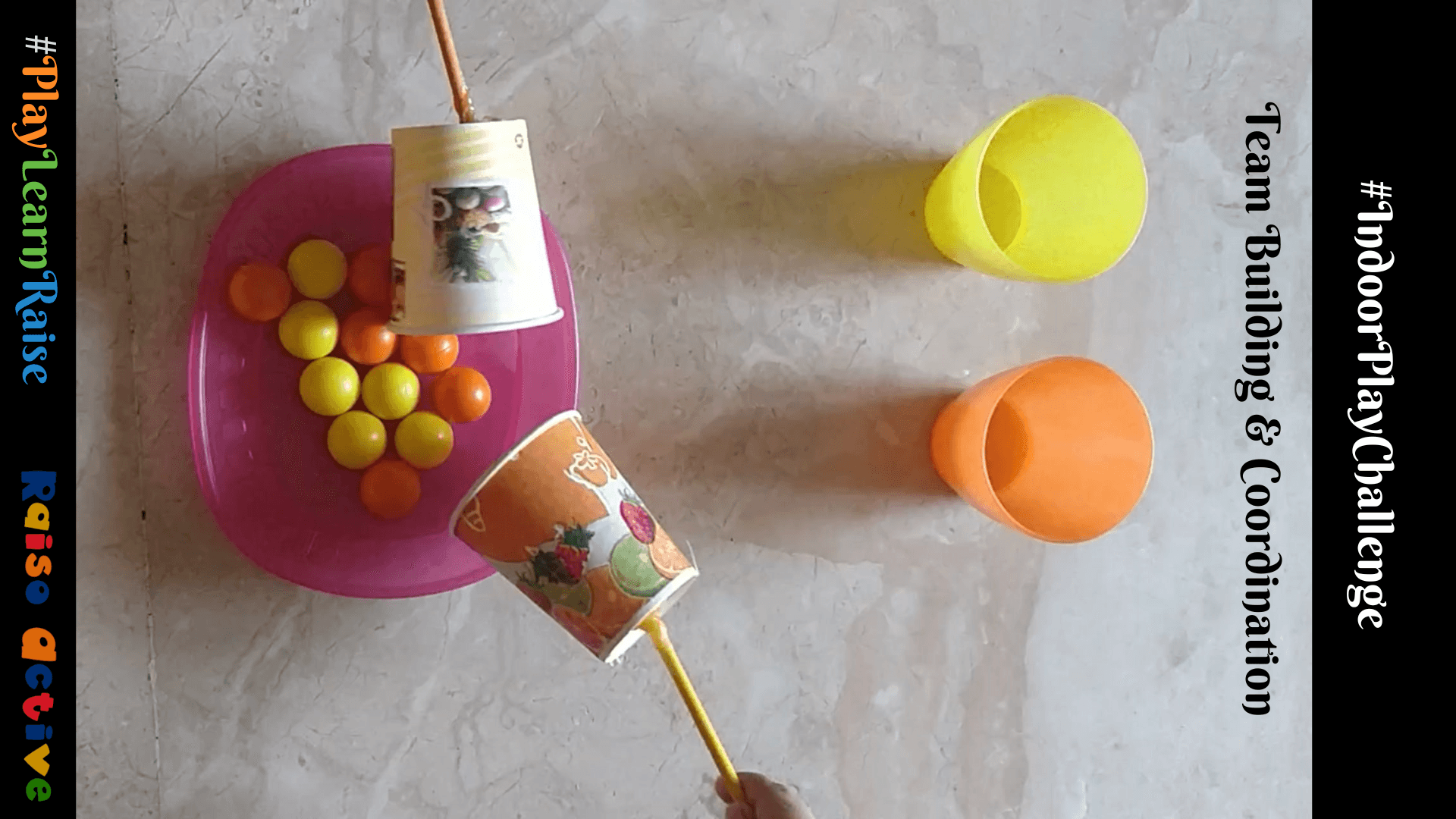
Engage children in a fun indoor ball transfer game designed to boost teamwork and coordination. Kids will use cups and sticks to move balls, developing fine motor skills and strategic thinking.
What they'll learn:
Enhance hand-eye coordination and fine motor skills. +4 more
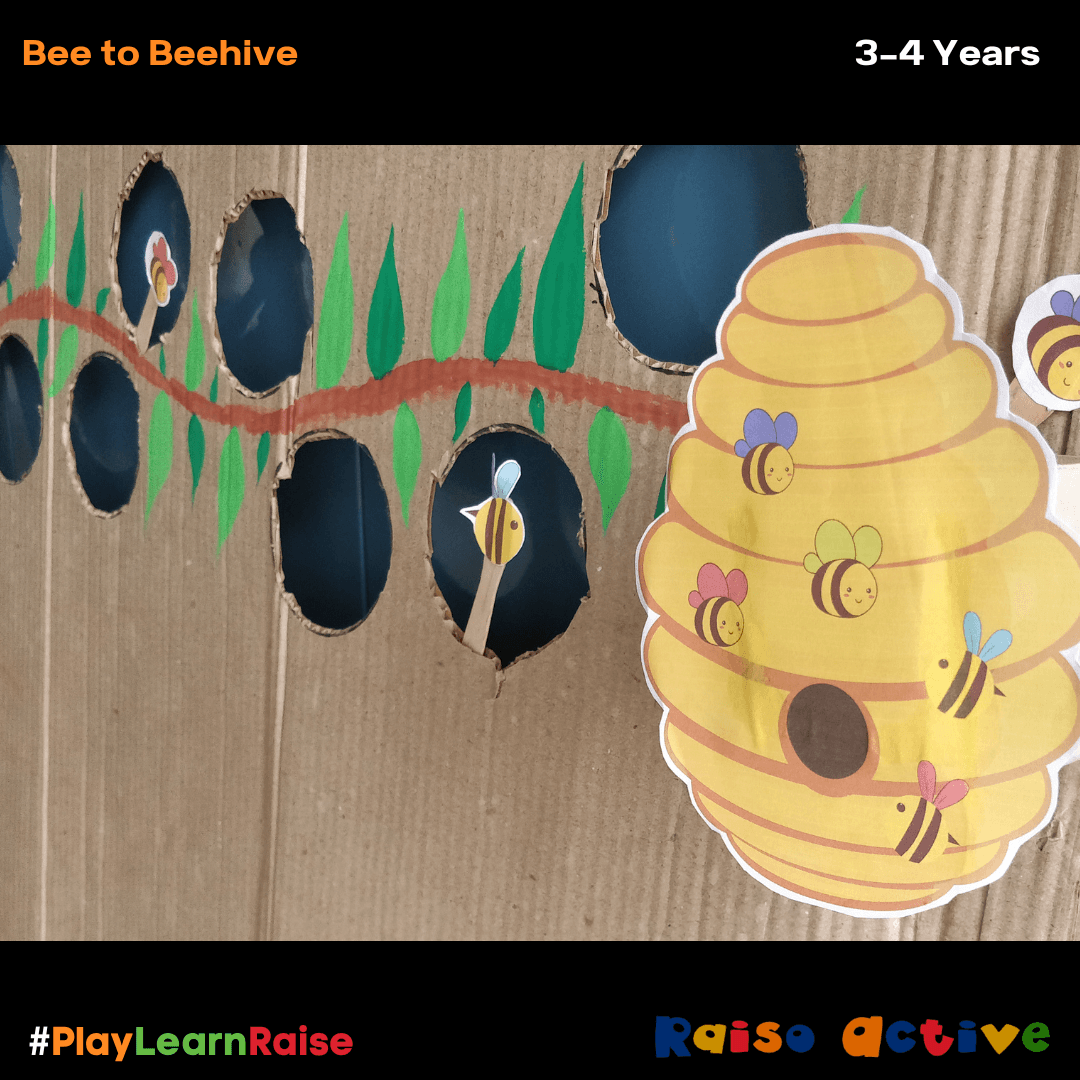
Children will cut out bee and beehive printables, paste them onto cardboard, and then navigate the bees through holes to reach their beehive. This engaging DIY game enhances eye-hand coordination, fine motor skills, and problem-solving for young learners.
What they'll learn:
Develop eye-hand coordination and dexterity. +4 more
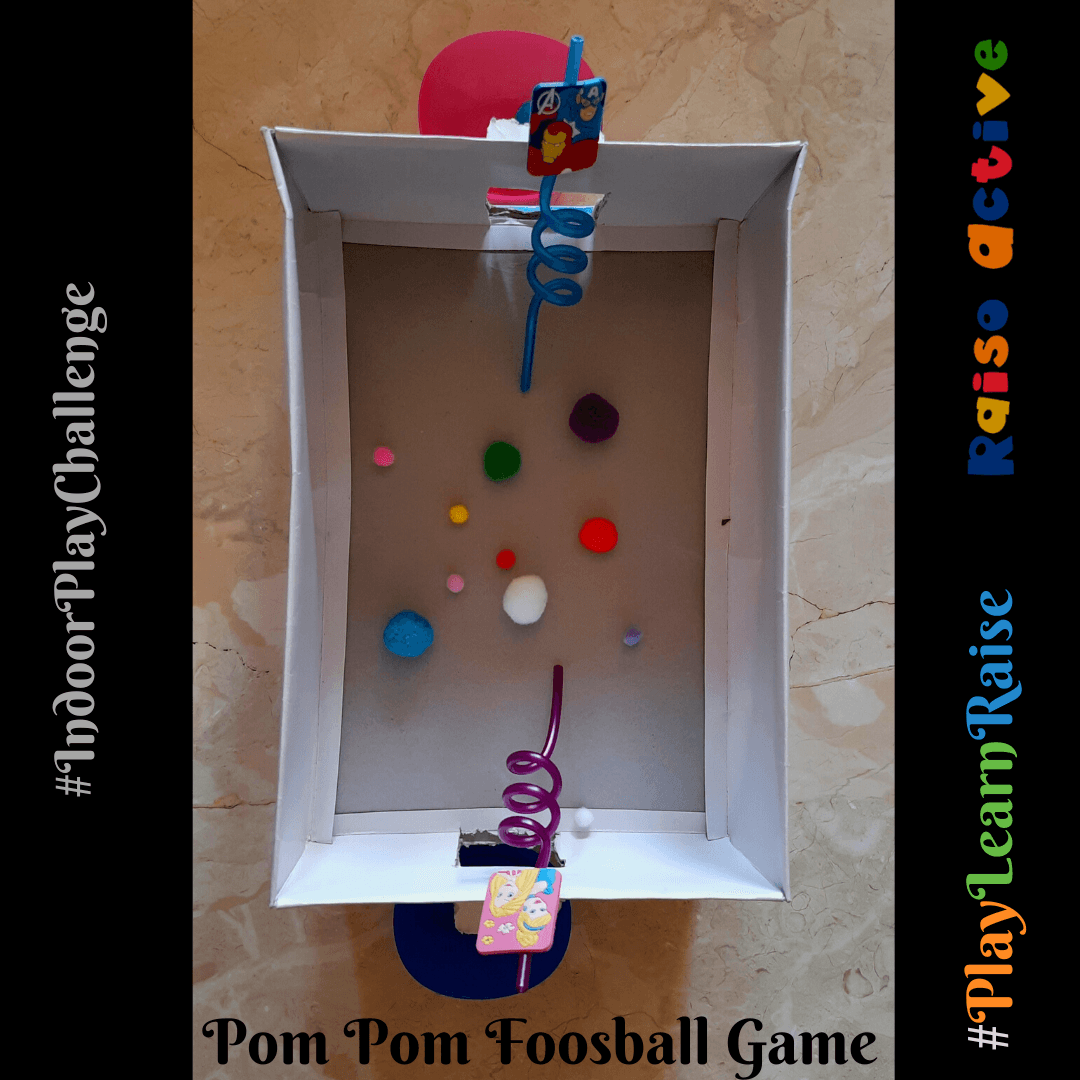
Transform a simple cardboard box into an exciting DIY Pom Pom Foosball Game! Children will use straws to flick colorful pom-poms into goals, enhancing fine motor skills, hand-eye coordination, and strategic thinking in a fun, engaging indoor activity.
What they'll learn:
Develop fine motor skills and hand-eye coordination through manipulating the straws and pom-poms. +4 more