Preparing Your Child for a Rapidly Changing World: Essential Skills for Future Success
Author
RaisoActive - Kids Activities and Fun Learning
Published
Updated
Reading Time
8 min read

- Why traditional rote learning alone won't prepare children for the future — and what will
- Six essential 21st century skills every child needs: adaptability, creativity, collaboration, digital literacy, emotional intelligence, and communication
- Practical, age-appropriate activities you can start at home today
- How India's NEP 2020 and global education trends are shifting towards skills-based learning
- Free printable worksheets to build problem solving, critical thinking, and social skills
Why Future Skills Matter More Than Ever
The world your child will grow up in looks vastly different from the one we knew. Artificial intelligence, automation, and rapid technological change are reshaping careers, communities, and daily life at a pace we've never seen before. By the time today's toddlers enter the workforce, experts estimate that 65% of current job roles may no longer exist in their present form.
So how do we prepare our little ones for a future we can't fully predict? The answer isn't cramming more facts or starting coding classes at age three. It's about nurturing future skills for kids — the deep, transferable abilities that help children adapt, think critically, and connect with others no matter what the world throws at them.
Whether you're a parent in Mumbai or Melbourne, a teacher in Delhi or Dublin, the core challenge is the same: giving children a strong foundation of 21st century skills in early childhood that will serve them for life. This guide breaks down exactly what those skills are, why they matter, and — most importantly — how you can start building them right now, even with children as young as two.
Get future-ready learning ideas in your inbox
Free worksheets, activity guides, and expert tips to help your child build skills that truly matter.
The Shifting Landscape: Why Old Approaches Fall Short
For generations, education focused primarily on memorisation and standardised testing. Children were rewarded for recalling facts, following instructions, and producing the "right" answer. And while foundational knowledge certainly matters, research now tells us that how a child thinks is far more important than what they memorise.
of children entering primary school today will work in job types that do not yet exist, making adaptability and creative problem-solving essential skills from an early age.
Source: World Economic Forum, Future of Jobs Report
India's National Education Policy (NEP) 2020 reflects this global shift beautifully. It emphasises experiential learning, critical thinking, creativity, and holistic development over rote learning — starting from the foundational stage itself (ages 3-8). The policy explicitly calls for a move towards competency-based education where children learn to think, create, and collaborate rather than simply reproduce textbook answers.
Globally, frameworks like the OECD Learning Compass 2030 and UNESCO's Four Pillars of Learning point in the same direction: the skills that matter most are the ones that help children navigate complexity, work with others, and keep learning throughout life.
Preparing children for the future isn't about predicting specific careers — it's about building flexible, transferable skills that help them thrive in any environment. Start early and focus on *how* your child thinks, not just *what* they know.
Six Essential Skills Every Child Needs for the Future
While experts may categorise future skills differently, most frameworks agree on a core set of abilities that form the foundation. Here are six essential skills you can begin nurturing from the earliest years:
1. Adaptability and Resilience
In a world of constant change, the ability to adapt, bounce back from setbacks, and embrace new situations is perhaps the most important skill of all. Children who develop resilience don't crumble when things go wrong — they learn, adjust, and try again.
You can nurture adaptability by gently exposing your child to new experiences — a different route to the park, a new food at dinner, a change in routine. When things don't go as planned, resist the urge to fix everything immediately. Instead, acknowledge their feelings ("I can see you're frustrated") and guide them towards finding a solution themselves.
2. Creativity and Imagination
Creativity isn't just about art and music — it's about thinking in new ways, making unexpected connections, and imagining possibilities. Creative thinkers are innovators, entrepreneurs, and problem-solvers. And the good news? Young children are naturally creative. Our job is simply not to squash it.
Provide open-ended materials — blocks, clay, fabric scraps, cardboard boxes — and let your child create without a "right" answer. Avoid colouring books that demand staying inside the lines (at least sometimes!). Ask questions like "What else could this be?" and "What would happen if...?" to stretch their imaginative thinking.
3. Collaboration and Teamwork
No matter how advanced technology becomes, the ability to work effectively with others will always be essential. Collaboration teaches children to listen, negotiate, share ideas, and value different perspectives — skills that are crucial in every aspect of life.
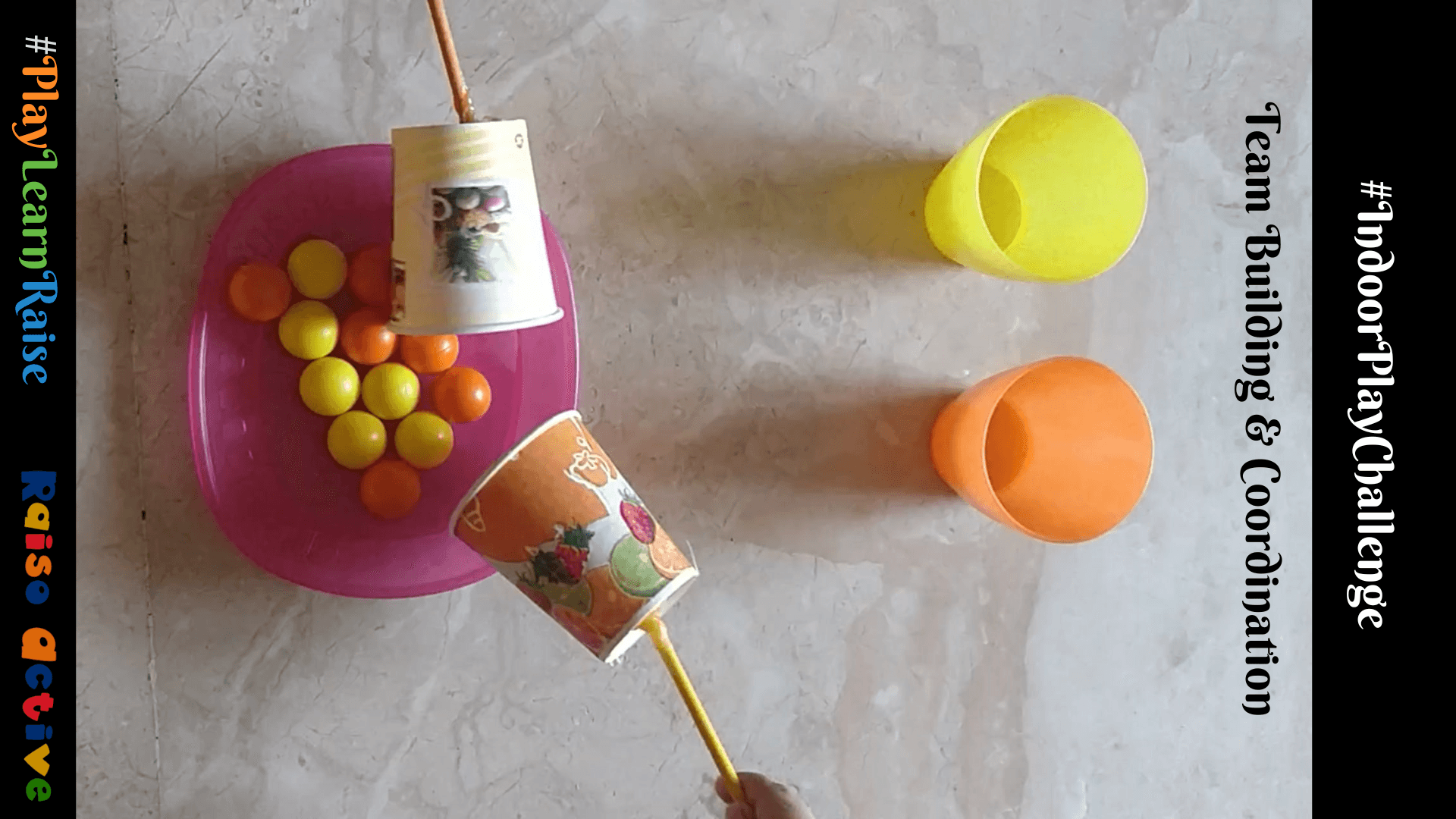
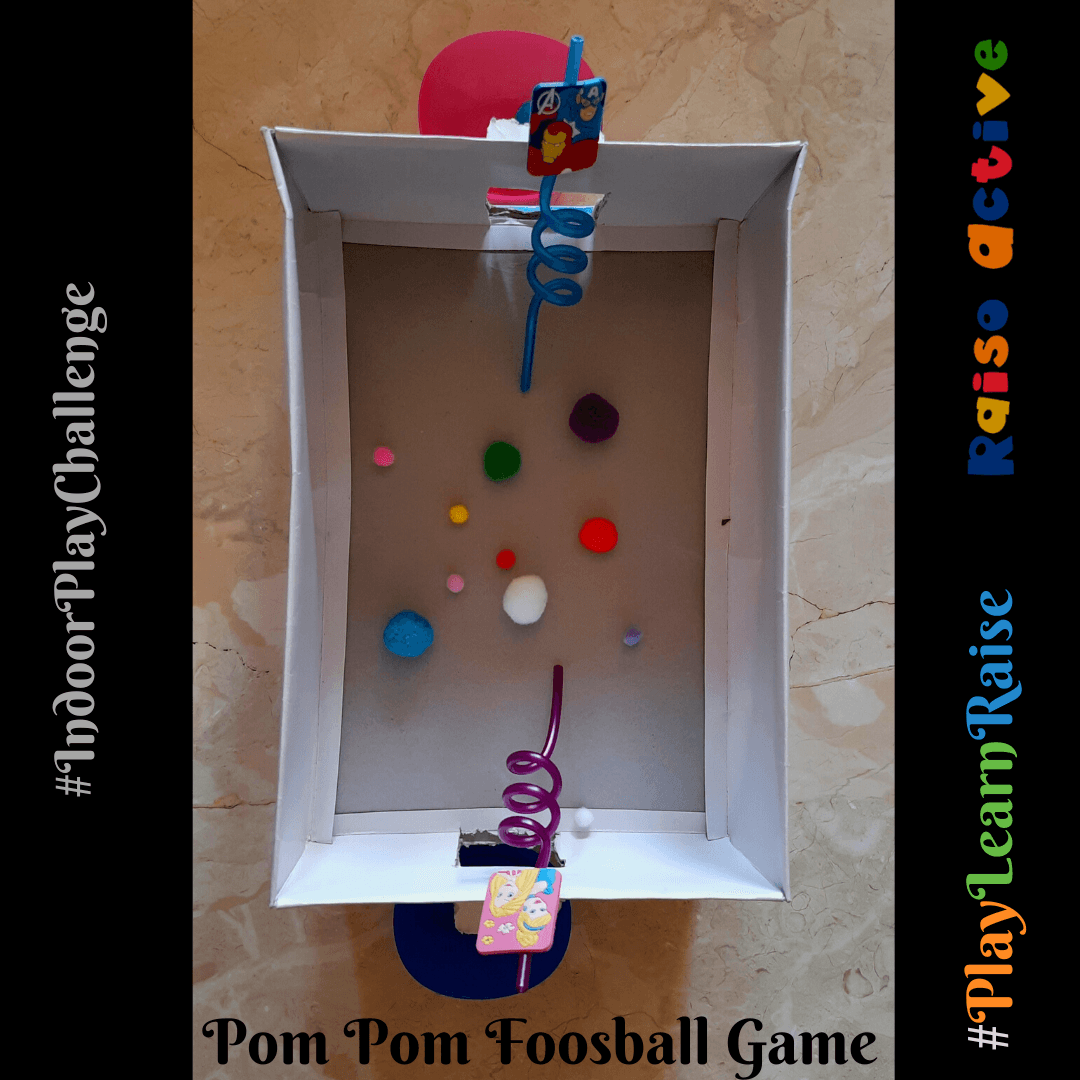
Even toddlers can begin learning collaboration through parallel play, simple turn-taking games, and cooperative activities like building a tower together or preparing a snack with a sibling. For older children (ages 5-8), group projects, team sports, and collaborative art activities provide richer opportunities to practise these skills.
4. Digital Literacy and Responsible Technology Use
Digital literacy for young children isn't about screen time — it's about developing a healthy, thoughtful relationship with technology. This means understanding that technology is a tool, not just entertainment, and learning to use it purposefully and safely.
For ages 3-5, this might look like using a tablet together to take photos of nature, recording a story, or exploring a simple coding toy like Cubetto. For ages 5-8, introduce basic digital creation — making a slideshow, recording a podcast, or using age-appropriate coding platforms like ScratchJr. Always model balanced screen use and discuss what you see online together.
5. Emotional Intelligence and Self-Awareness
Emotional intelligence (EQ) — the ability to understand and manage one's own emotions and empathise with others — is increasingly recognised as more predictive of life success than IQ. Children with strong EQ build better relationships, handle stress more effectively, and make thoughtful decisions.
Start by naming emotions throughout the day: "You look really excited!" or "I think you might be feeling disappointed." Read stories together and discuss how characters feel. Create a "feelings chart" your child can point to when they can't find the words. Most importantly, model emotional regulation yourself — children learn far more from what they see than what they're told.
of top performers in the workplace score high in emotional intelligence, making it one of the strongest predictors of professional success and personal well-being.
Source: TalentSmartEQ Research
6. Communication and Critical Thinking
The ability to express ideas clearly, listen actively, and think critically about information is foundational to everything else. In an age of information overload, children need to learn not just to consume information but to question, evaluate, and form their own views.
Encourage communication by having genuine conversations with your child — not just instructions and corrections. Ask open-ended questions at dinner: "What was the most interesting thing that happened today?" For critical thinking, play "spot the difference" games, discuss "Why do you think that happened?" when reading stories, and encourage your child to come up with multiple solutions to everyday problems.
The six future skills — adaptability, creativity, collaboration, digital literacy, emotional intelligence, and communication — are deeply interconnected. Activities that build one skill often strengthen others too. You don't need a separate curriculum for each; weave them naturally into daily life.
Practical Activities to Build Future Skills at Home
You don't need expensive programmes or fancy gadgets to prepare your child for the future. Some of the most powerful skill-building happens through everyday moments and simple activities. Here are practical ideas organised by age group:
Daily Habits That Build Future Skills
Morning routine choices (Ages 2+)
Let your child choose between two outfits, decide what to have for breakfast from given options, or pick the order of morning tasks. This builds **decision-making and autonomy** — the seeds of adaptability.
Storytelling time (Ages 3+)
Take turns adding sentences to a made-up story. Ask "What happens next?" and accept even wild answers. This nurtures **creativity, communication, and collaborative thinking** simultaneously.
Kitchen helper sessions (Ages 3+)
Cooking together involves measuring (maths), following sequences (logical thinking), sensory exploration, and patience. Let your child stir, pour, and taste — and discuss what happens when ingredients combine.
Nature observation walks (Ages 2+)
Go on a "noticing walk" where you observe insects, plants, clouds, and sounds. Ask *"Why do you think that leaf is brown?"* or *"Where do you think that bird is going?"* This builds **curiosity and scientific thinking**.
Problem-solving play (Ages 4+)
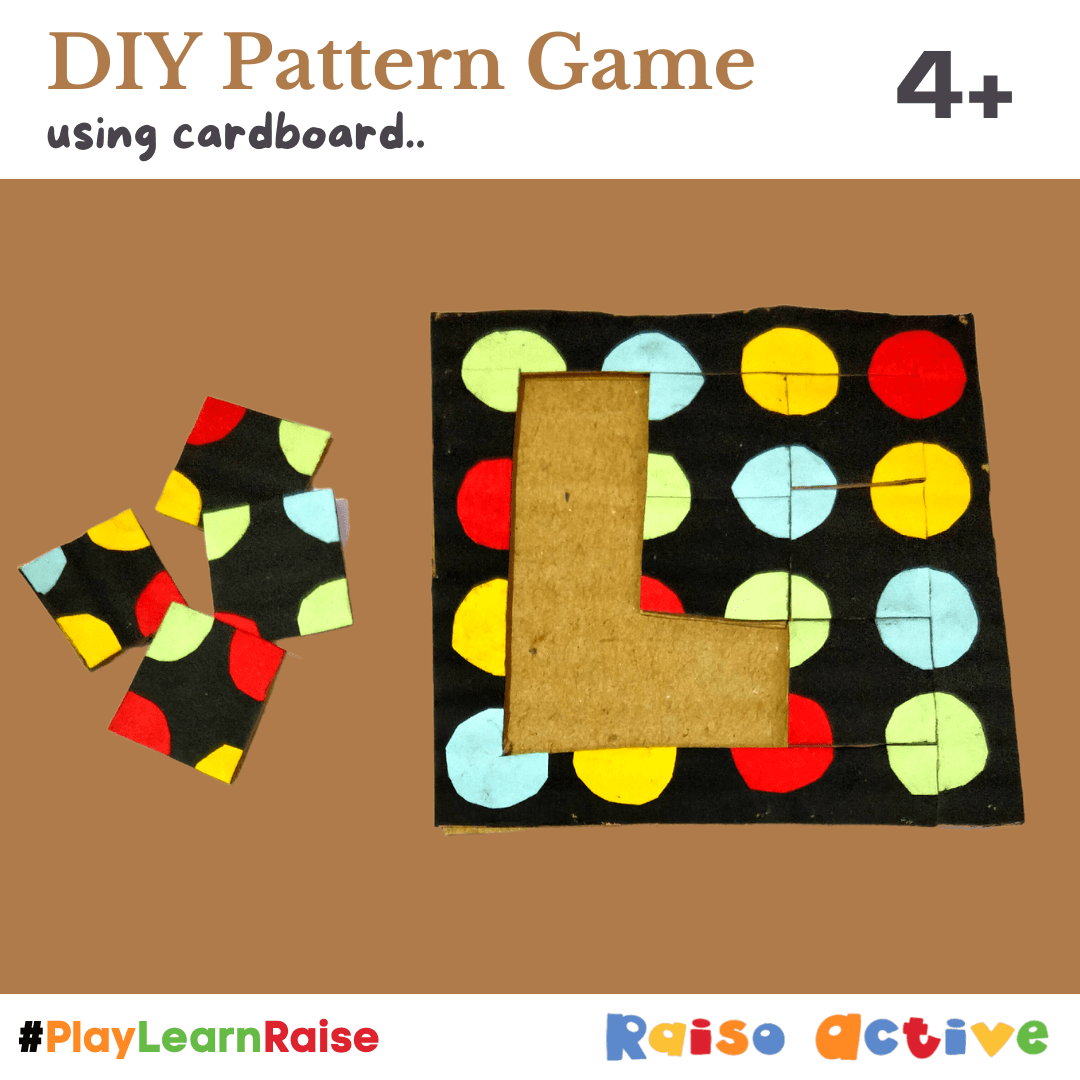
Present fun challenges: "How can we build a bridge for this toy car using only paper?" or "Can you find three different ways to sort these buttons?" Open-ended challenges build **creative problem-solving and persistence**.
- **Ages 1-3:** Sensory play with water, sand, and dough. Simple puzzles. Sorting colours and shapes. Singing action songs together. Reading picture books with expressive voices.
- **Ages 3-5:** Building with blocks and recycled materials. Pretend play (shop, doctor, restaurant). Simple board games with turn-taking. Drawing and telling stories about their pictures.
- **Ages 5-8:** Science experiments at home (baking soda volcanoes, growing seeds). Journalling or drawing diaries. Collaborative art projects. Simple coding games. Debating "Would you rather?" scenarios.
Traditional vs. Future-Ready Learning Approaches
Shifting towards future-ready learning doesn't mean throwing out everything traditional. It means rebalancing priorities so that skills development sits alongside knowledge acquisition:
- +Open-ended questions with multiple valid answers
- +Project-based learning with real-world connections
- +Collaborative group activities and discussions
- +Process praised ("You worked really hard on that!")
- +Mistakes treated as learning opportunities
- +Child's curiosity drives exploration topics
- -Only one "correct" answer expected and rewarded
- -Rote memorisation of disconnected facts
- -Individual competition and ranking against peers
- -Only outcomes praised ("You got 100%!")
- -Mistakes punished or seen as failure
- -Rigid syllabus with no room for child's interests
The Underrated Power of Play
If there's one message to take away, it's this: play is not the opposite of learning — it IS learning. Decades of developmental research confirm that free, unstructured play is one of the most powerful ways children develop creativity, social skills, problem-solving abilities, and emotional regulation.
Yet in many households and schools, play time is being squeezed out in favour of more "academic" activities. India's NEP 2020 explicitly addresses this, recommending a play-based pedagogy for the foundational stage (ages 3-8) and urging schools to move away from premature formal instruction.
- Aim for at least **60-90 minutes of unstructured free play** every day — indoors or outdoors.
- Resist the urge to fill every moment with structured activities or screen time. Boredom sparks creativity.
- Join your child in play sometimes, but let *them* lead. Follow their ideas rather than directing the activity.
- Outdoor play is especially powerful — it builds physical confidence, risk assessment, and connection with nature.
- If your child's school reduces play time for "extra academics," consider advocating for change. The research is clear.
Play is the most natural and effective way young children develop future skills. A child building a sandcastle is practising engineering, creativity, persistence, and spatial reasoning — all at once. Protect and prioritise play in your child's daily routine.
Navigating the Digital World with Young Children
Technology is a reality of modern childhood, and preparing children for a digital future doesn't mean either unlimited screen access or total avoidance. The key is intentionality. Use technology with your child, for creation rather than passive consumption, and always balance digital experiences with hands-on, real-world activities.
- Follow the **AAP guidelines**: avoid screens for children under 18 months (except video calls), and limit to 1 hour/day of high-quality content for ages 2-5.
- Choose **interactive, creative apps** over passive videos. Apps that let children draw, build, or solve puzzles are far more beneficial.
- Always **co-view and co-play** — watch and discuss content together rather than using screens as a babysitter.
- Create **tech-free zones** and times (mealtimes, bedrooms, the hour before sleep).
- Model healthy digital habits yourself — children notice when parents are glued to their phones.
Cultivating a Growth Mindset from the Start
Psychologist Carol Dweck's research on growth mindset has profound implications for preparing children for the future. Children who believe their abilities can develop through effort and practice (growth mindset) consistently outperform those who believe talent is fixed (fixed mindset) — not just academically, but in resilience, creativity, and willingness to take on challenges.
You can cultivate a growth mindset through your everyday language. Instead of saying "You're so smart!" (which implies intelligence is fixed), try "You worked really hard on that!" or "I love how you tried a different approach when the first one didn't work." Celebrate effort, strategy, and persistence — not just results.
- Instead of: "You're so clever!" → Try: "You really concentrated on that — great focus!"
- Instead of: "That's wrong." → Try: "Interesting! What made you think of that approach?"
- Instead of: "Let me do it for you." → Try: "This is tricky! What could you try next?"
- Instead of: "Some kids are just better at maths." → Try: "Everyone learns at their own pace. Let's find what works for you."
What Progressive Schools Are Doing Differently
Around the world, forward-thinking schools are redesigning education to focus on future skills. In India, many schools are embracing the NEP 2020's foundational literacy and numeracy mission while incorporating project-based learning, maker spaces, and social-emotional learning programmes. Internationally, approaches like Finland's phenomenon-based learning, Singapore's 21st Century Competencies framework, and the Reggio Emilia philosophy all share a common thread: putting the child's thinking, creativity, and well-being at the centre.
If your child's school hasn't yet made this shift, don't worry. You can build these skills at home through the activities and mindset shifts described in this article. And when choosing a school, look beyond just academic results — ask about their approach to play, creativity, collaboration, and emotional development.
Join thousands of parents building future-ready kids
Get weekly activity ideas, expert parenting tips, and free printable worksheets delivered straight to your inbox. No spam, ever.
Frequently Asked Questions
At what age should I start teaching future skills to my child?
My child's school focuses heavily on academics and exams. How can I supplement with future skills at home?
Is screen time helping or hurting my child's future readiness?
Do I need to enrol my child in special classes for 21st century skills?
How does India's NEP 2020 support future skills development?
What if my child is naturally shy or introverted? Can they still develop collaboration skills?
Free worksheets for this topic
Browse all worksheets
Clothing Pattern Match Worksheet for Preschoolers
Ages 3-5 · Preschool–Pre-KAges 3-5 · Nursery–ReceptionAges 3-5 · Nursery–LKGAges 3-5
This worksheet has children ages 3-5 study repeating patterns on clothing items — stripes, polka dots, or checks — and match each item to its identical twin, building visual discrimination and early pattern-sequencing skills. Distinguishing between similar-looking patterns also sharpens attention to detail, a skill that later supports letter and word recognition.
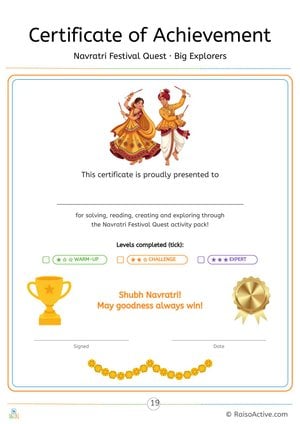
Navratri Festival Quest Certificate of Achievement
Ages 7-11 · Grade 2–Grade 3Ages 7-11 · Year 3–Year 4Ages 7-11 · Class 2–Class 3Ages 7-11
Children celebrate finishing the Navratri Festival Quest pack and record which levels they completed.
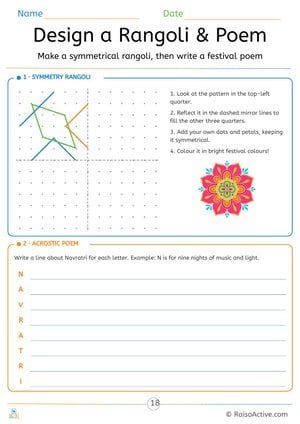
Navratri Symmetry Rangoli and Acrostic Poem
Ages 7-11 · Grade 2–Grade 3Ages 7-11 · Year 3–Year 4Ages 7-11 · Class 2–Class 3Ages 7-11
Children reflect a pattern in two mirror lines to complete a four-way symmetrical rangoli on a dot grid, add their own symmetrical details, and write an acrostic poem with one line for each letter of NAVRATRI.
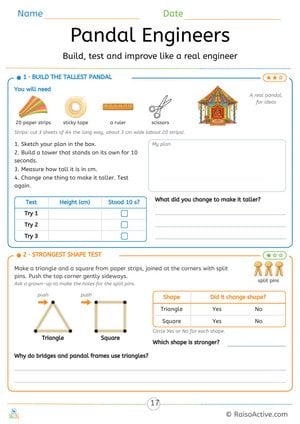
Pandal Engineers: Navratri Paper Tower and Strong Shapes STEM Challenge
Ages 7-11 · Grade 2–Grade 3Ages 7-11 · Year 3–Year 4Ages 7-11 · Class 2–Class 3Ages 7-11
Children plan, build, measure and improve a paper-strip tower, record three tries in a table, and test a triangle and a square made with split pins to find out why bridges and pandal frames use triangles.

Written by
Hemsweta Jain · Teacher Cheena
MBA and Early Childhood Educator, teaching since 2014 · Founder of RaisoActive, Mumbai
Published · Last reviewed
Related Resources
Printable Resources(10)
View all
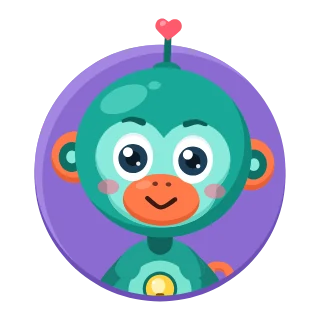
Logical Reasoning Activity Book for Preschool & Kindergarten | Patterns, Puzzles & Analogies
Ages 4-7 · Pre-K–Grade 1Ages 4-7 · Reception–Year 2Ages 4-7 · LKG–Class 1Ages 4-7 · 26 pages
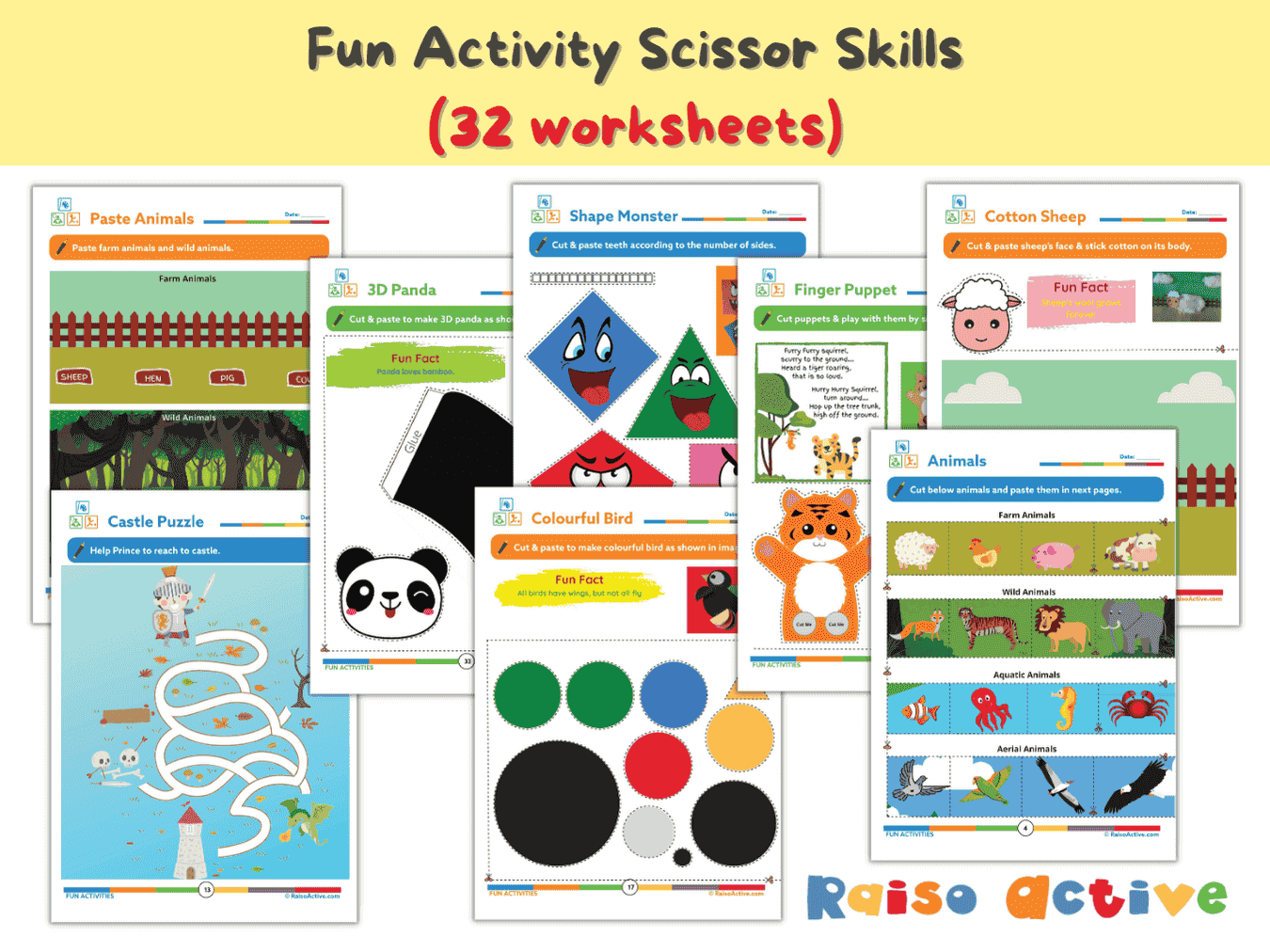

Preschool Scissor Skills Activity Book: Fine Motor & Craft Fun for Ages 3-6
Ages 3-6 · Preschool–KindergartenAges 3-6 · Nursery–Year 1Ages 3-6 · Nursery–UKGAges 3-6 · 35 pages
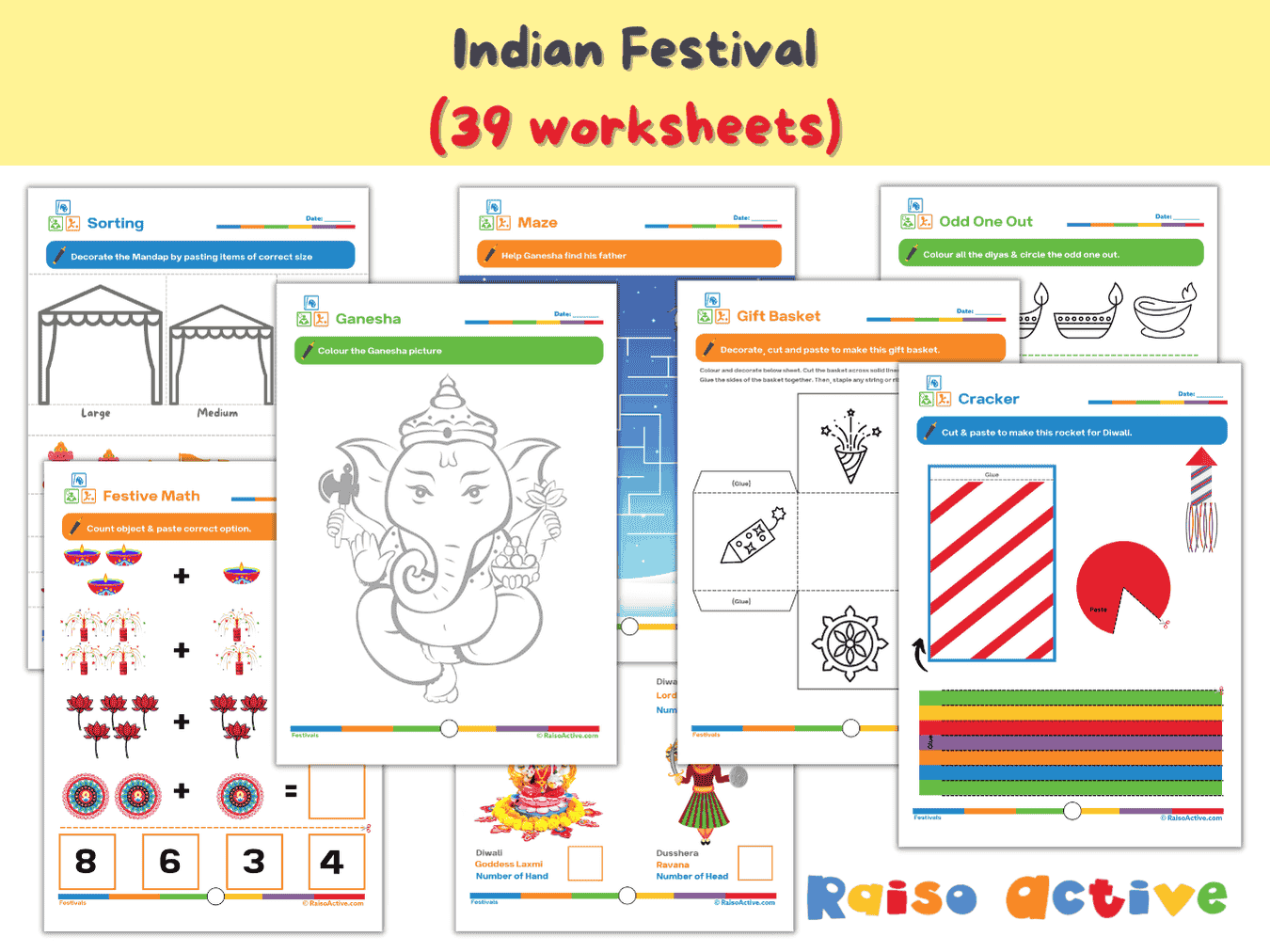

Festivals & Cultural Diversity Activity Book for Kids (Ages 4-8)
Ages 4-8 · Pre-K–Grade 2Ages 4-8 · Reception–Year 3Ages 4-8 · LKG–Class 2Ages 4-8 · 30 pages
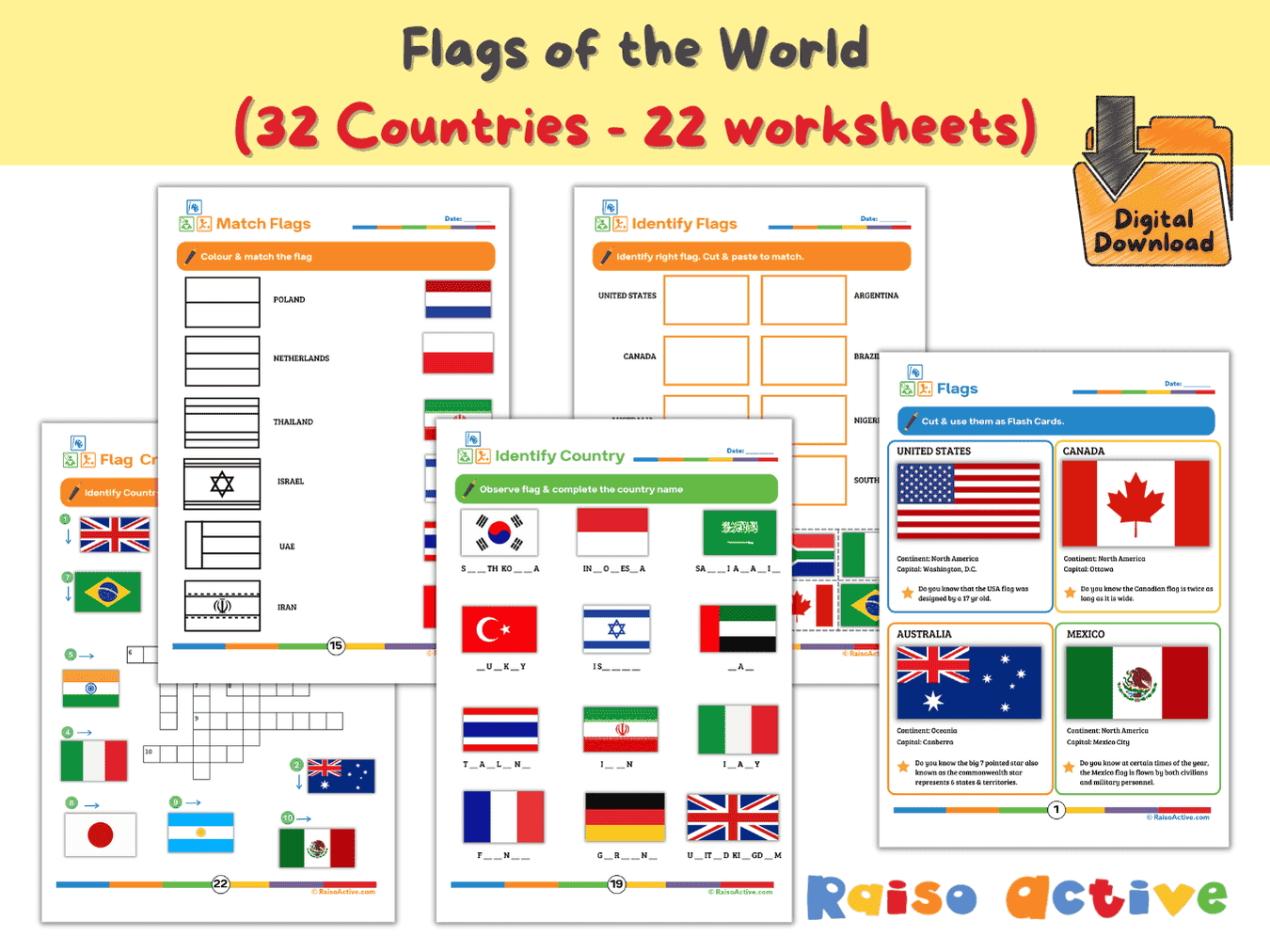

Flags of the World Activity Book & Flashcards for Kids (Ages 5-9)
Ages 5-8 · Kindergarten–Grade 2Ages 5-8 · Year 1–Year 3Ages 5-8 · UKG–Class 2Ages 5-8 · 23 pages
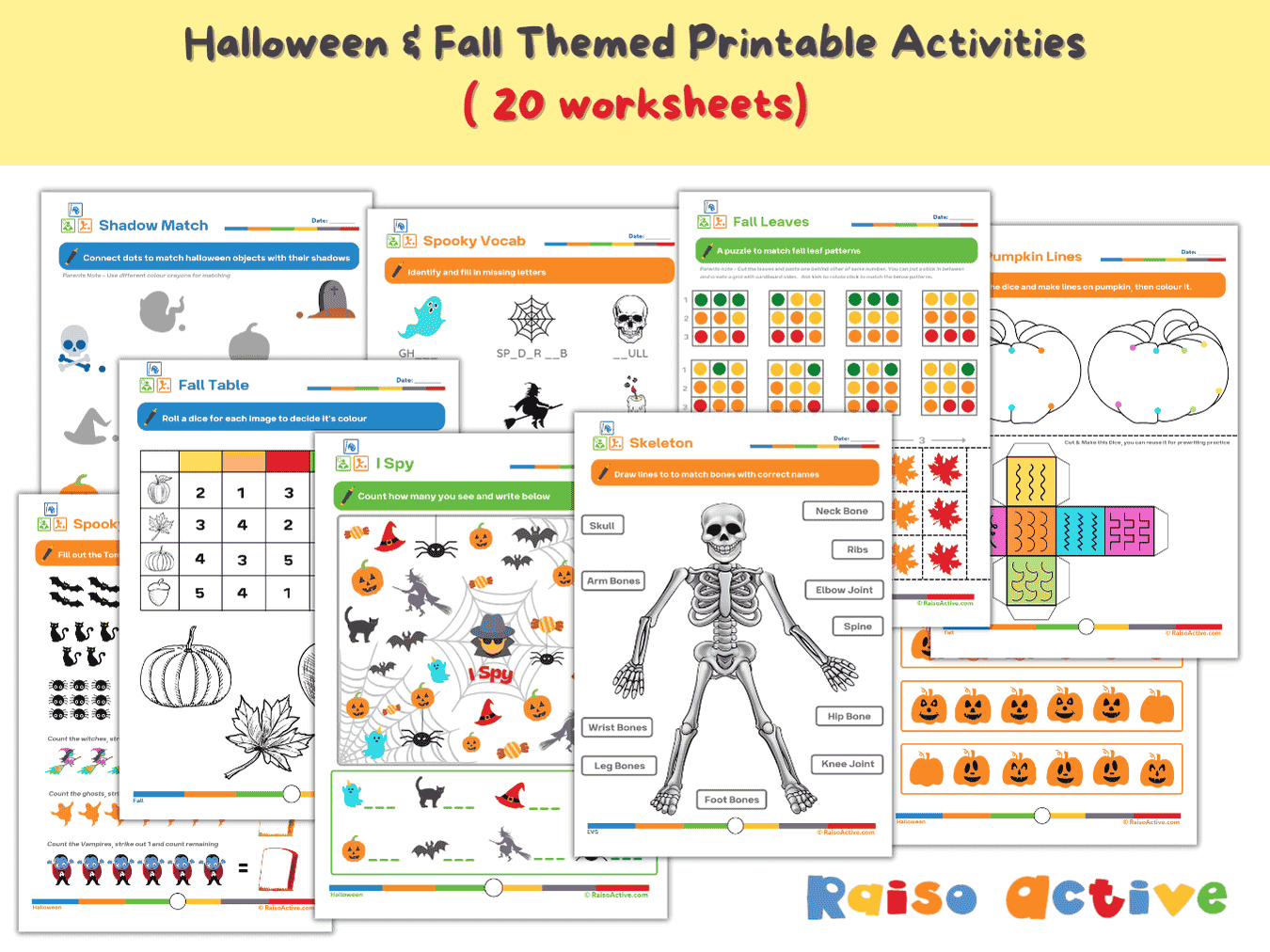
Halloween & Fall Activity Book: Math, Literacy & Cognitive Skills for Ages 4-8
Ages 4-8 · Pre-K–Grade 2Ages 4-8 · Reception–Year 3Ages 4-8 · LKG–Class 2Ages 4-8 · 23 pages
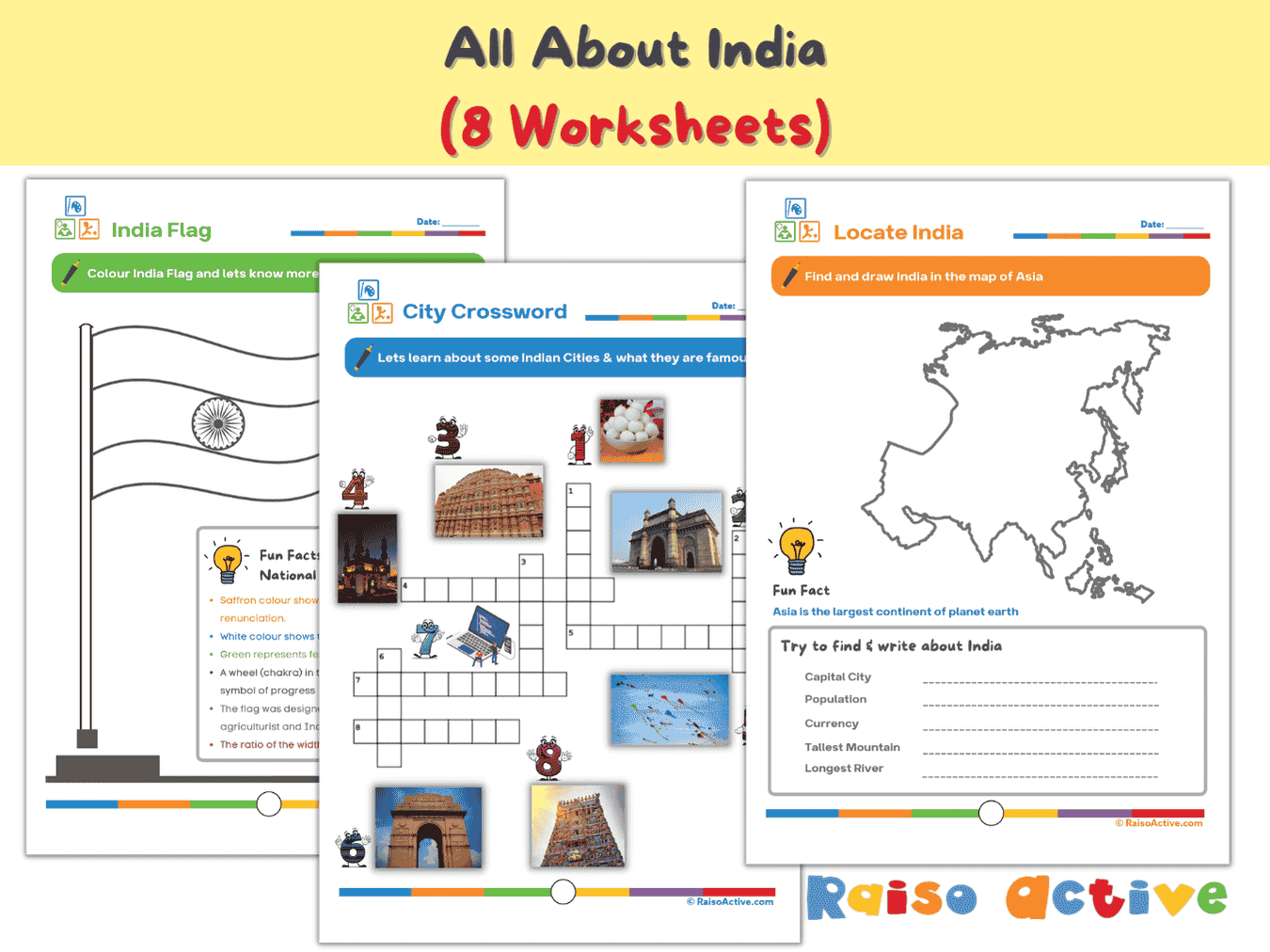
India Activity Book for Kids: Explore Geography, Culture & Symbols (Ages 5-8)
Ages 5-8 · Kindergarten–Grade 2Ages 5-8 · Year 1–Year 3Ages 5-8 · UKG–Class 2Ages 5-8 · 8 pages
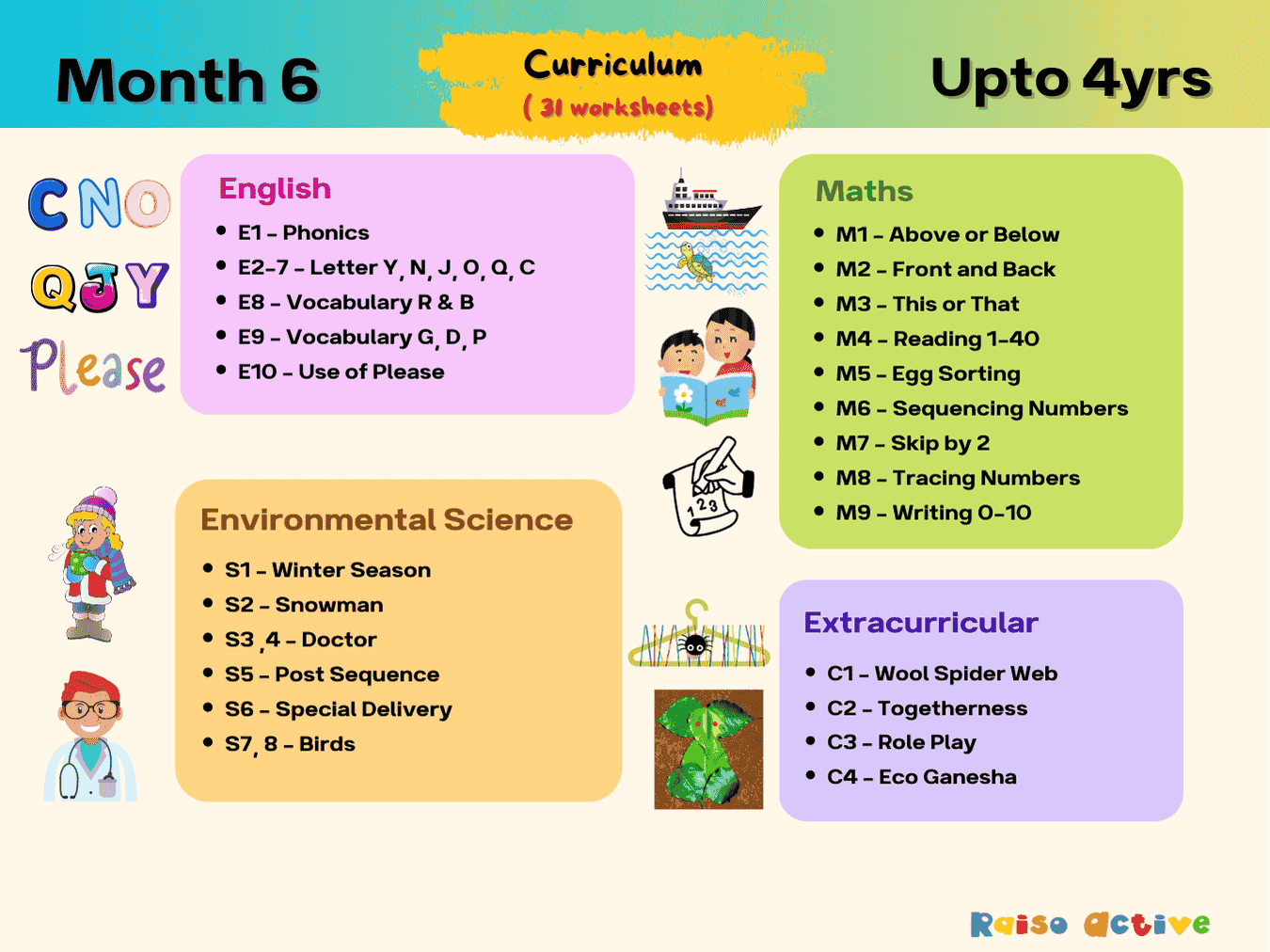
Month 6: Toddler Preschool Foundational Skills | Ages Up to 4
Ages 2-4 · PreschoolAges 2-4 · NurseryAges 2-4 · 34 pages

Month 10: Learning & Development | Ages Up to 4
Ages 2-4 · PreschoolAges 2-4 · NurseryAges 2-4 · 28 pages
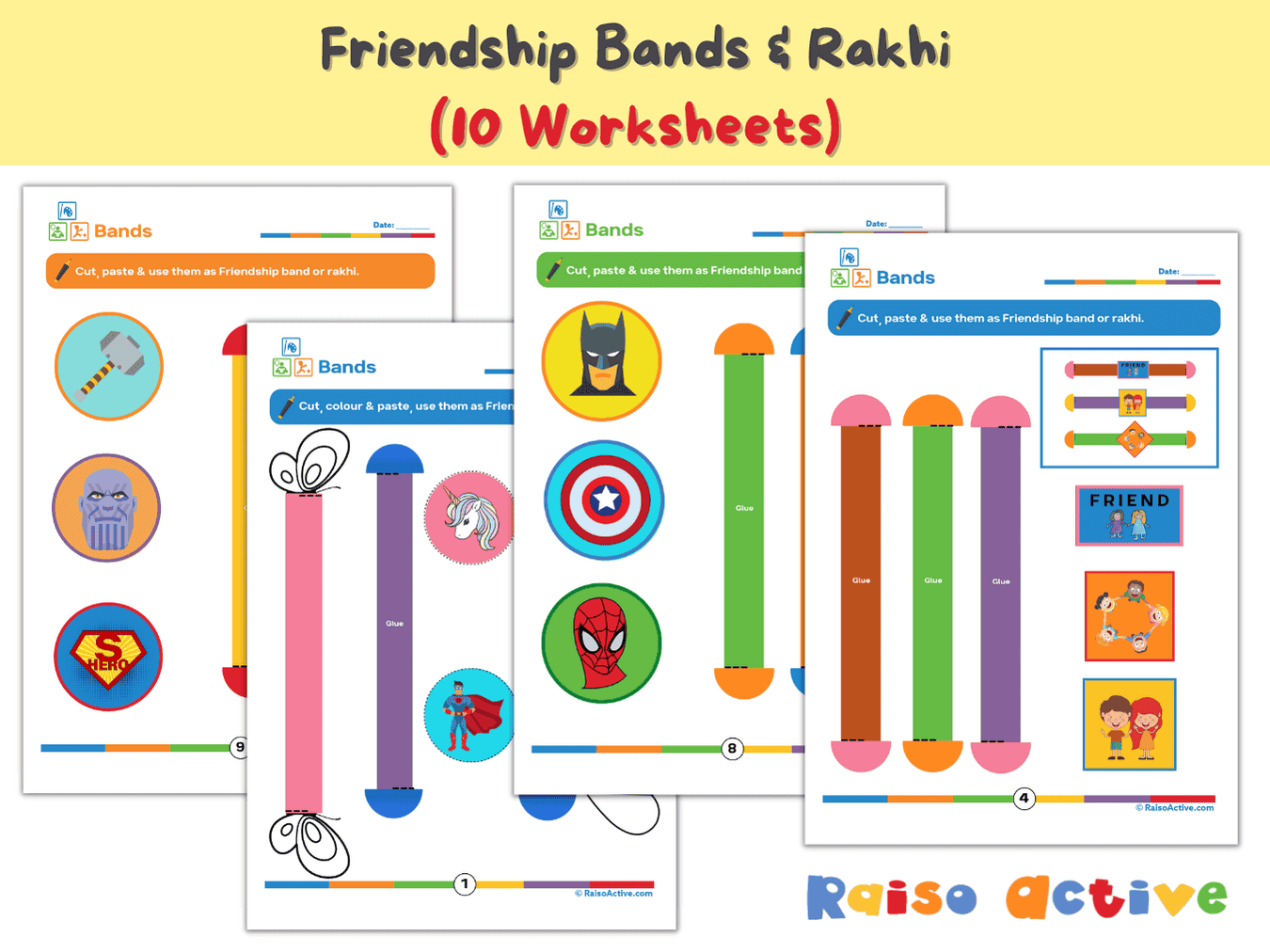
Friendship Band & Rakhi Craft Activity Pack for Kids (Ages 4-7)
Ages 4-7 · Pre-K–Grade 1Ages 4-7 · Reception–Year 2Ages 4-7 · LKG–Class 1Ages 4-7 · 10 pages
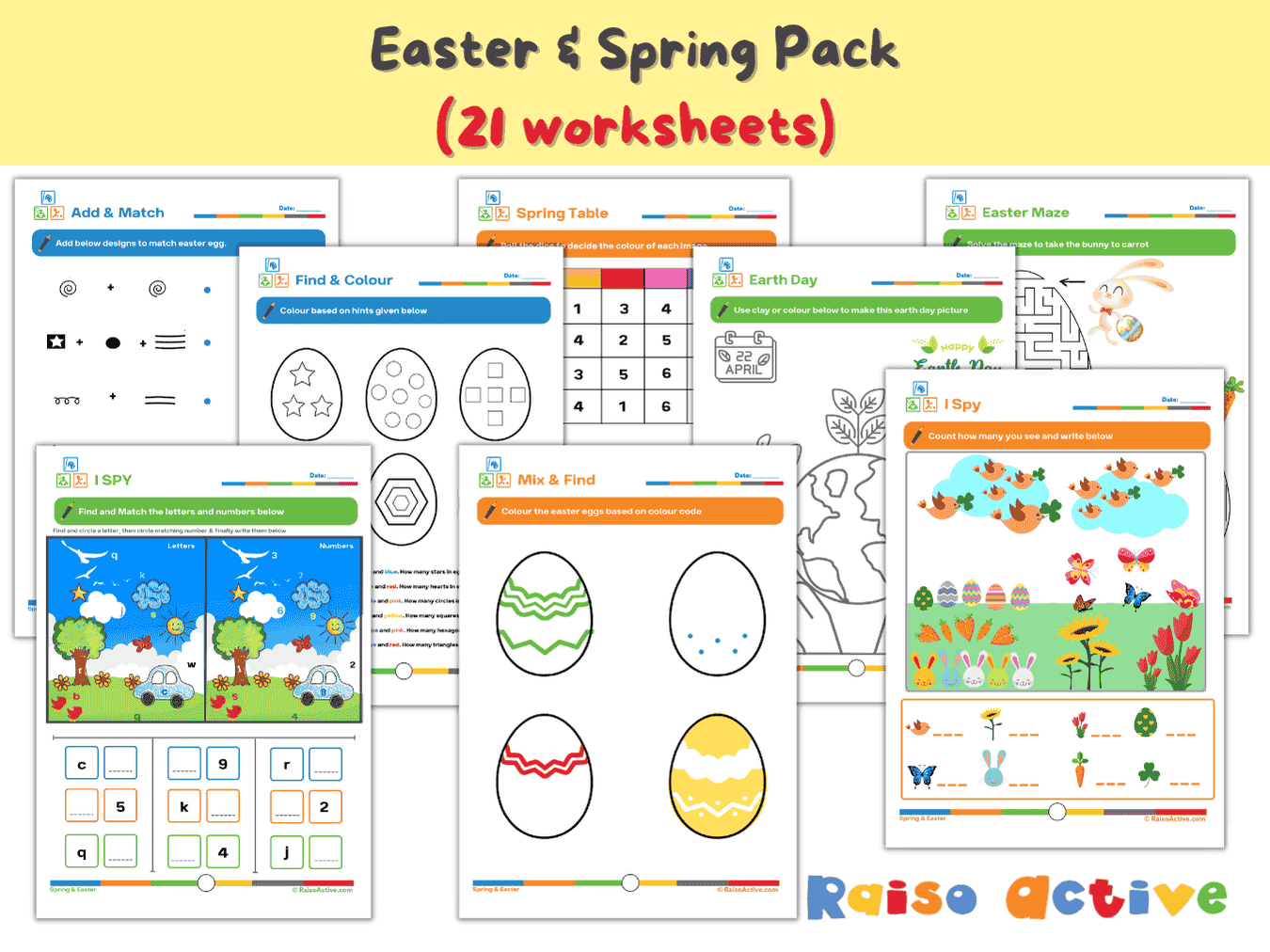
Spring & Easter Activity Book: Counting, Patterns, & Mazes for Preschool & Kindergarten
Ages 3-7 · Preschool–Grade 1Ages 3-7 · Nursery–Year 2Ages 3-7 · Nursery–Class 1Ages 3-7 · 22 pages