What Should a 4-Year-Old Know Before LKG? A Readiness Checklist
Author
RaisoActive - Kids Activities and Fun Learning
Published
Reading Time
8 min read
- By LKG entry, most schools expect a 4-year-old to speak in short sentences, follow a two-step instruction, hold a crayon, count to 10 by rote and manage toilet and tiffin with only a little help
- Formal admission tests at entry level are not permitted under the RTE Act, so what most private schools hold is a short, informal interaction with the child and parents
- Pre-writing (pattern writing) matters more than letter writing at this age: standing, sleeping, slanting and curved lines come before A, B, C
- Self-help and social readiness predict a smoother first term far more reliably than academic knowledge does
- A six-week home plan of 10–15 minutes a day is enough to close most gaps before the school year begins
What LKG Readiness Actually Looks Like
Before LKG, a 4-year-old should be able to speak in short sentences and follow simple instructions, hold a crayon and draw lines and circles, count to 10 by rote and to 5 with objects, recognise a few letters, manage toilet, tiffin and shoes mostly alone, and separate from a parent without prolonged distress. Nothing more is expected.
LKG (Jr KG in some schools) is the second year of pre-primary in India, sitting between Nursery and UKG. Under NEP 2020 it belongs to the Foundational Stage, which runs from age 3 to age 8 and is meant to be play-based. That framing matters: a good LKG classroom is not expecting a finished reader or writer. It is expecting a child who can join in. The checklist below is organised the way teachers think about readiness, and each area links to the free LKG worksheets that support it.
Use the checklist to notice, not to drill. Tick what your child already does, circle two or three things that are shaky, and put your energy there. Most 4-year-olds who seem "not ready" are simply unpractised in one or two areas, and those areas respond quickly to short, calm daily practice at home.
The Readiness Checklist, Area by Area
Hemsweta Jain (Teacher Cheena), RaisoActive's founder and an early-childhood educator since 2014, uses five headings when she talks to parents before admission season. No heading is more important than the others, and a child does not need to tick every line. What you are looking for is a pattern of "mostly yes".
1. Language and listening
Language is the area schools notice first, because it is how a teacher finds out what a child knows. At 4, the aim is clear, connected speech in the home language or in English, not perfect grammar. Bilingual children often mix two languages in one sentence; that is normal and not a concern.
- Speaks in sentences of four to six words and can be understood by an adult outside the family
- Follows a two-step instruction such as "put the cup on the table and bring your bag"
- Answers simple questions: What is your name? How old are you? What do you like to eat?
- Names common objects, animals, body parts and at least four colours
- Listens to a short picture-book story and can say what happened at the end
- Knows two or three rhymes or songs and joins in with the actions
2. Pre-writing and fine motor control
Indian schools call this pattern writing, and it is the single most useful thing to practise before LKG. The hand needs to make standing lines, sleeping lines, slanting lines and curves before it can make letters, because every letter is built from those strokes. Skip the patterns and letters come out shaky and reversed for months longer than they need to.
- Holds a crayon or thick pencil with the fingers rather than in a fist (a mature tripod grip is not expected yet)
- Draws a standing line, a sleeping line and a rough circle after being shown one
- Traces along a wide dotted path without lifting the crayon too often
- Colours inside a large shape, staying mostly within the outline
- Tears paper, threads large beads, and opens and closes a lunch box and a water bottle
- Uses a spoon without spilling most of the time
Ten minutes a day with free pattern writing worksheets on A4 paper, using a chunky crayon, builds this faster than any amount of letter copying. Keep the lines wide and the paths long at first, and move to narrower paths only when the crayon stays on the track most of the way.
3. Numbers to 10
Reciting "one, two, three" up to ten is rote counting, and most 4-year-olds can do it. What LKG builds on is one-to-one correspondence: touching one object for each number word. A child who can rote count to 20 but says "seven" when asked to count five spoons is not behind; they simply have not yet connected the words to the objects.
- Counts aloud from 1 to 10 in order
- Counts five objects by touching each one once, and says how many there are
- Gives you "two" or "three" of something when asked
- Recognises the numerals 1 to 5 when they are pointed at
- Uses more, less, big, small, full and empty correctly
- Sorts objects by colour or size into two groups
Everyday counting does most of this work: stairs, rotis, buttons, bangles. Free counting worksheets with large pictures add the numeral-matching piece that everyday life does not always provide.
4. Self-help skills
This is the area parents most often underestimate and teachers most often notice. In a class of 25 four-year-olds with one teacher and one helper, a child who can open their own tiffin, manage the toilet and put on shoes has a calmer, more confident day. A child who needs help with all three spends the morning waiting.
- Uses the toilet with a reminder, and washes hands afterwards
- Eats from a tiffin with a spoon or fingers without needing to be fed
- Puts on and takes off shoes with Velcro straps; pulls up shorts or trousers
- Carries their own school bag and puts it in the right place
- Drinks from a bottle and closes it again
- Says when they feel unwell, need the toilet or want help
5. Social and emotional readiness
A 4-year-old does not need to be outgoing. What helps is the ability to separate from a parent, manage a short wait, and accept a "no" from an adult they do not know well. Children who have been to Nursery or a playgroup usually have this; children coming straight from home may need a few weeks of gentle practice.
- Separates from a parent or grandparent without prolonged distress, even if there are a few tears
- Plays alongside other children and shares a toy or a crayon when asked
- Waits for a short turn, for example at a slide
- Sits through a 10-minute story or activity
- Responds to their name and to a simple instruction from a new adult
- Recovers from a small upset within a few minutes
What Schools Actually Assess at the Admission Interaction
Under Section 13 of the Right to Education Act, 2009, schools may not use a screening procedure to select children at entry level, and several states have their own guidelines discouraging tests for children of this age. In practice, most private schools hold a short, informal interaction, usually 10–20 minutes, with the child and parents together. It is best thought of as a meeting, not an exam.
Teachers are generally watching for a few practical things in that time: whether the child responds to their name, can be understood when they speak, will follow a simple request such as "can you show me the red block", can hold a crayon, and can be apart from the parent for a moment without panic. Some schools show picture cards and ask the child to name objects, animals or colours, or to count a handful of blocks. Nobody is expecting reading, writing or sums.
The parent conversation usually covers routines, health, the languages spoken at home and why you chose the school. Answer plainly. If your child is shy, quiet or tearful on the day, say so; experienced teachers expect this and do not hold it against a 4-year-old. What you are aiming for is a child who is rested, fed, and has seen the school gate once before so the building is not a surprise.
is the span of the Foundational Stage under India's National Education Policy 2020: three years of pre-primary (Nursery, LKG, UKG) followed by Classes 1 and 2, all of it intended to be play-based and activity-led rather than exam-driven
Source: NEP 2020; National Curriculum Framework for the Foundational Stage, 2022
A Six-Week Readiness Plan for Home
This plan assumes 10–15 minutes a day, five days a week, and uses things you already have. It runs in the order a teacher would choose: routines first, because they make everything else easier. If your child already does a week's items comfortably, skip ahead. Each week uses one or two printable pages from the worksheets for 4-year-olds collection.
Six weeks, one focus at a time
Week 1: Routines and self-help
Set a school-style morning: wake, toilet, breakfast, dress, bag. Practise opening the tiffin and bottle at snack time and putting shoes on with Velcro. Let the child do each step slowly rather than doing it for them. No worksheets this week; the work is independence.
Week 2: Talking and listening
Read one picture book a day and ask three questions: What happened? Who was in it? What did you like? Give two-step instructions during play. Practise the interaction basics as a game: name, age, favourite food, the names of people at home. Add one rhyme with actions.
Week 3: Crayon control and pattern writing
Start with standing and sleeping lines on big paper, then slanting lines and curves. Five minutes tracing a wide path, five minutes colouring one large shape. Chunky crayons, not pencils. Praise the grip and staying on the line, not neatness.
Week 4: Numbers to 10
Count real things every day: steps, spoons, toys going back into the box. Touch each object as you say the number. Introduce the numerals 1 to 5 on cards and match each card to that many objects. Play "give me three" at mealtimes.
Week 5: Letters, name and sounds
Show your child their own name in capitals and let them hunt for its first letter around the house. Introduce five or six letters through their sounds and pictures, not by reciting A to Z. Matching pages are enough; writing letters is not this week's goal.
Week 6: Put it together and rehearse
Combine one pattern-writing page with one counting or matching page in a 15-minute "school time" at a table. Practise a short goodbye: a parent leaves the room for two minutes and returns cheerfully. Visit the school once. Then stop; a rested child on day one matters more than one more session.
For week 5, choose two or three pages from the free alphabet worksheets that match letters to pictures and beginning sounds rather than asking for writing. Recognition is the LKG-entry skill; letter formation is taught during the LKG year itself, after pattern writing has done its job.
- Stop at 15 minutes even if it is going well; ending on a success is what brings the child back tomorrow
- Sit beside, not opposite, and do a line or two yourself so it feels shared rather than tested
- Use a chunky crayon or a thick triangular pencil; thin pencils tire a 4-year-old's hand within minutes
- Show the grip once at the start with a "pinch and rest" cue, then leave it alone; correcting mid-stroke only causes tension
- If there are tears, close the book and return the next day with something easier; readiness is not built by pushing through
Readiness is a set of habits, not a set of answers.
A child who can wait, listen, separate from you, hold a crayon and manage their own tiffin will learn letters and numbers quickly in LKG, because the classroom is built for exactly that. A child who has memorised A to Z and 1 to 50 but cannot sit for a story or use the toilet alone will have a harder first term. Put the six weeks into the habits and let the school handle the syllabus.
Frequently Asked Questions
What is the right age for LKG admission in India?
Does my child need to write A to Z before LKG?
My child recites numbers to 20 but cannot count objects. Is that a problem?
My child is not fully toilet trained. Will the school refuse admission?
What if my child cries or refuses to speak at the interaction?
Are printable worksheets suitable for a 4-year-old?
Where to Start This Week
Print two pages: one pattern-writing sheet and one counting sheet. Sit with your child for ten minutes after their afternoon rest, do one page each, and put the crayons away while they still want more. Then look at the checklist again and circle the two things you will work on next. Browse the full LKG collection when you are ready for more; an annual subscription (₹1000) removes the watermark and the five-a-day download limit if you find yourself printing often.
Free worksheets for this topic
Browse all worksheets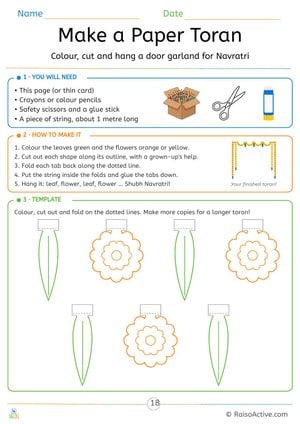
Make a Paper Toran: Navratri Craft Template
Ages 4-6 · Pre-K–KindergartenAges 4-6 · Reception–Year 1Ages 4-6 · LKG–UKGAges 4-6
Children follow step-by-step instructions to colour, cut, fold and glue a festival decoration, building scissor skills and fine motor control.
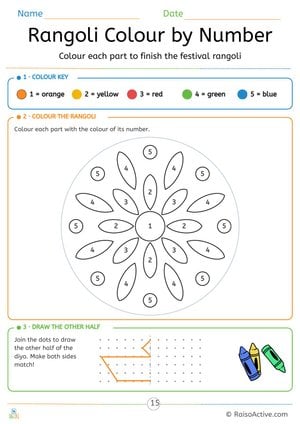
Navratri Rangoli Colour by Number and Symmetry Diya
Ages 4-6 · Pre-K–KindergartenAges 4-6 · Reception–Year 1Ages 4-6 · LKG–UKGAges 4-6
Children match numbers to colours using a key, colour a rangoli pattern carefully and draw the other half of a shape so both sides match.

Navratri Nine Colours Colouring Page: Colour the Garba Dancers
Ages 4-6 · Pre-K–KindergartenAges 4-6 · Reception–Year 1Ages 4-6 · LKG–UKGAges 4-6
Children learn the colour linked with each of the nine days of Navratri 2026 and practise colouring inside the lines.
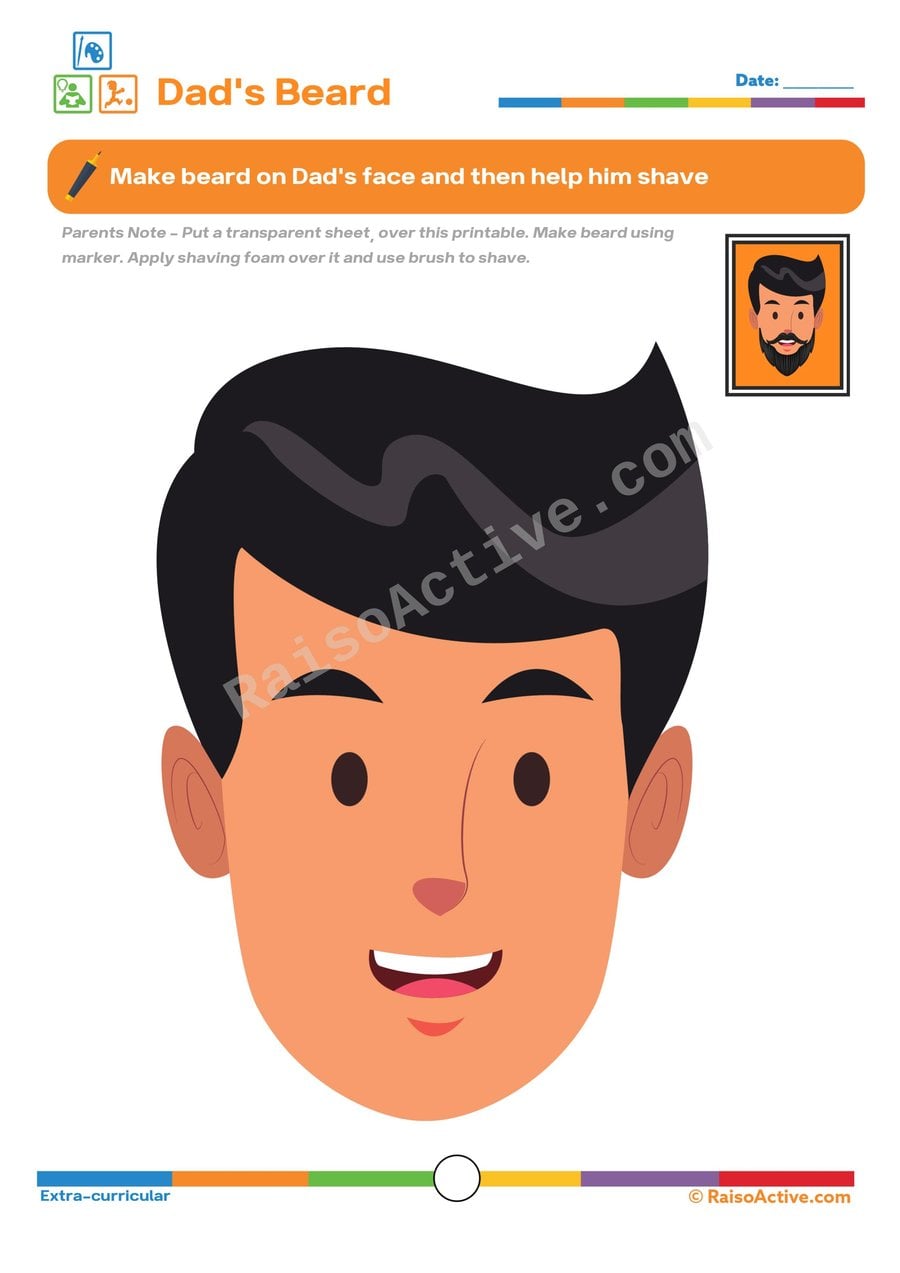
Dad's Beard: A Fun Shaving Activity for Kids!
Ages 3-5 · Preschool–Pre-KAges 3-5 · Nursery–ReceptionAges 3-5 · Nursery–LKGAges 3-5
This sensory pretend-shaving activity builds fine motor precision and hand control in children ages 3-5, as they draw a beard with a marker and then carefully brush away shaving foam in controlled strokes. Beyond motor skills, it gives children a playful, low-stakes way to imitate a grown-up grooming routine they've likely observed at home.

Written by
Hemsweta Jain · Teacher Cheena
MBA and Early Childhood Educator, teaching since 2014 · Founder of RaisoActive, Mumbai
Published · Last reviewed
Related Resources
Printable Resources(10)
View all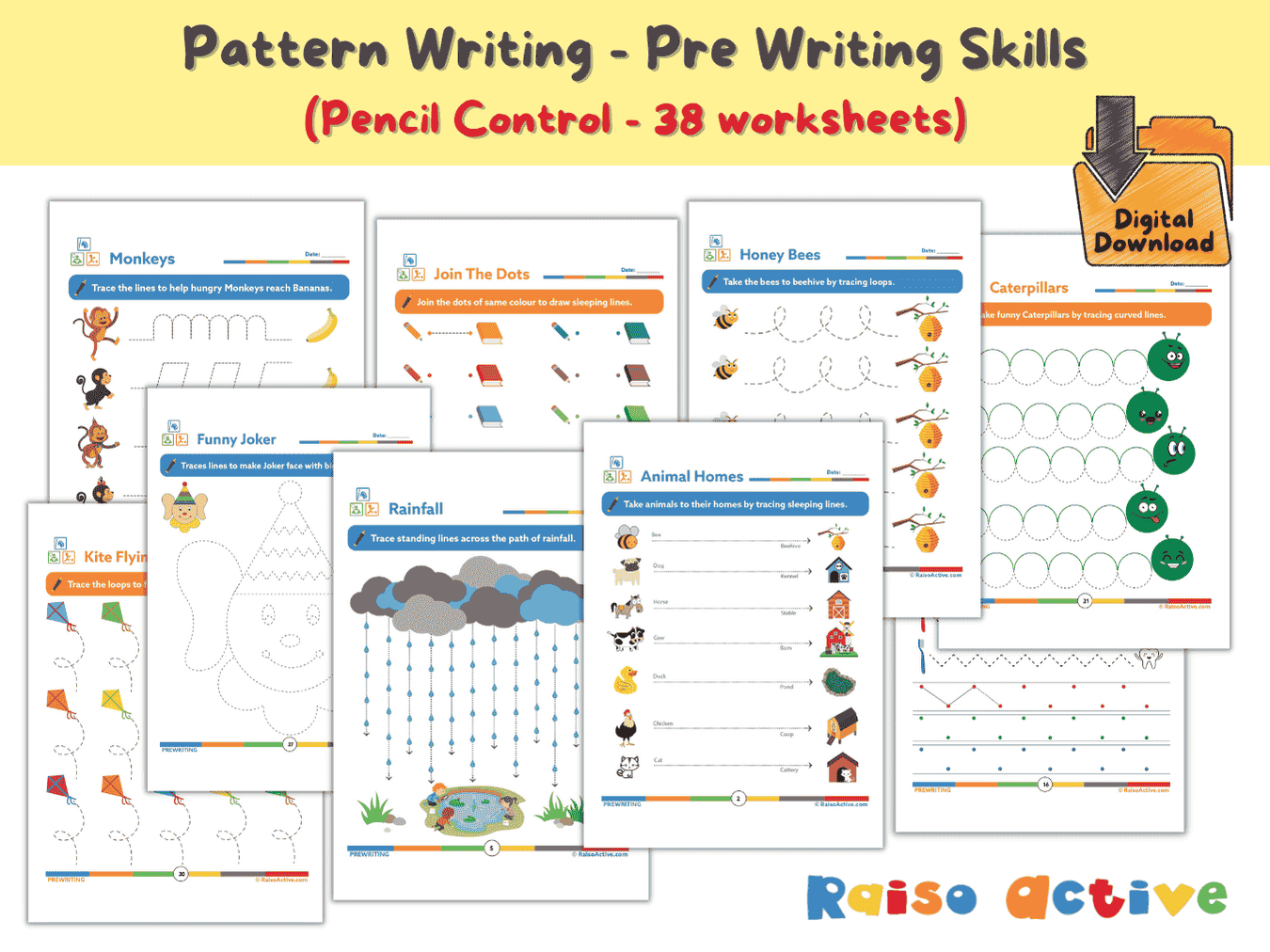

Pattern Writing Pre-writing Skills Activity Book for 3-4 Year Olds
Ages 3-4 · PreschoolAges 3-4 · NurseryAges 3-4 · 44 pages

Summer Activity Pack: Math, Literacy, Puzzles & More for Preschool & Kindergarten
Ages 3-7 · Preschool–Grade 1Ages 3-7 · Nursery–Year 2Ages 3-7 · Nursery–Class 1Ages 3-7 · 26 pages

Logical Reasoning Activity Book for Preschool & Kindergarten | Patterns, Puzzles & Analogies
Ages 4-7 · Pre-K–Grade 1Ages 4-7 · Reception–Year 2Ages 4-7 · LKG–Class 1Ages 4-7 · 26 pages
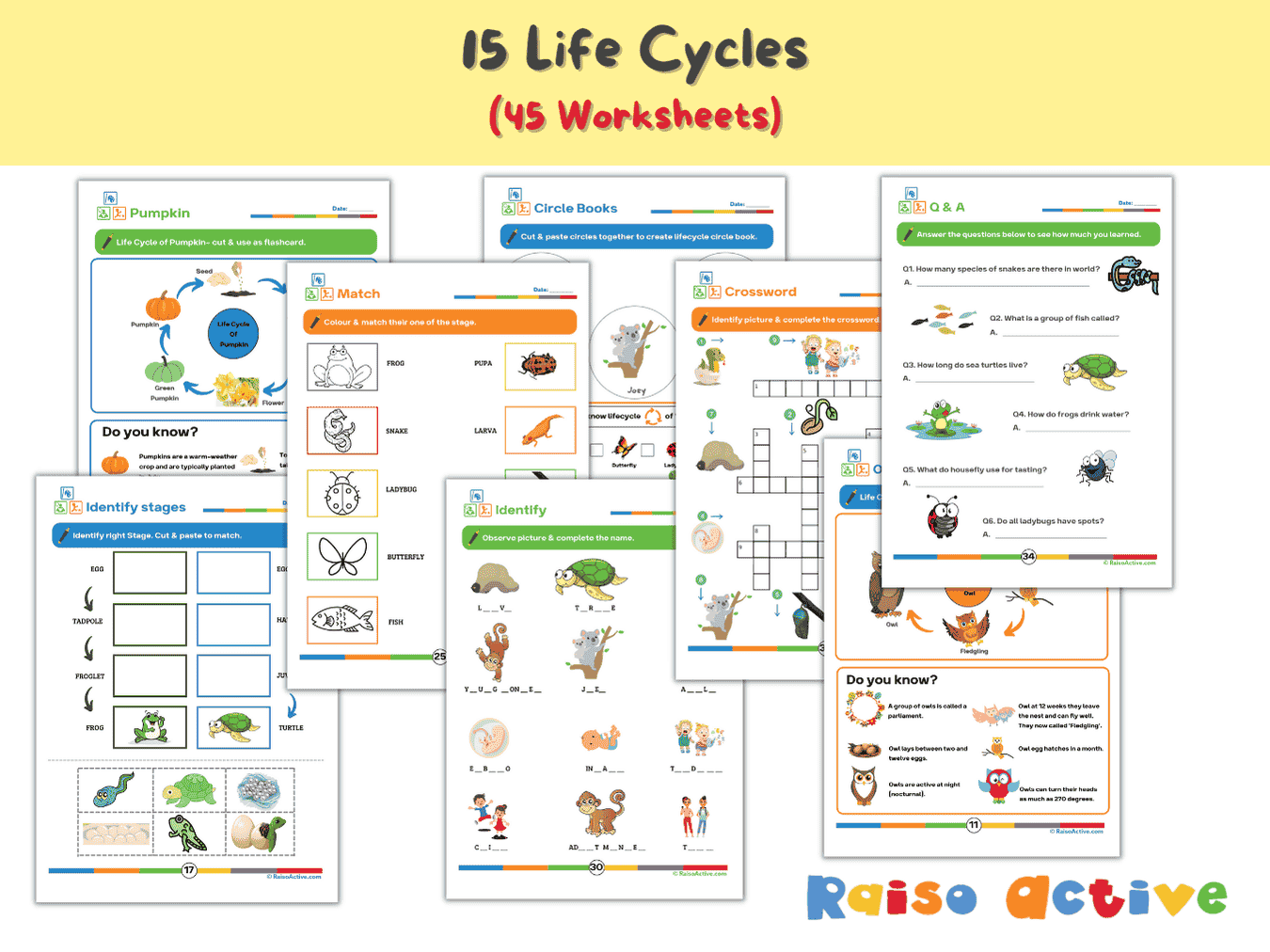

Lifecycles Activity Book & Flashcards for Preschool & Early Elementary
Ages 3-8 · Preschool–Grade 2Ages 3-8 · Nursery–Year 3Ages 3-8 · Nursery–Class 2Ages 3-8 · 46 pages
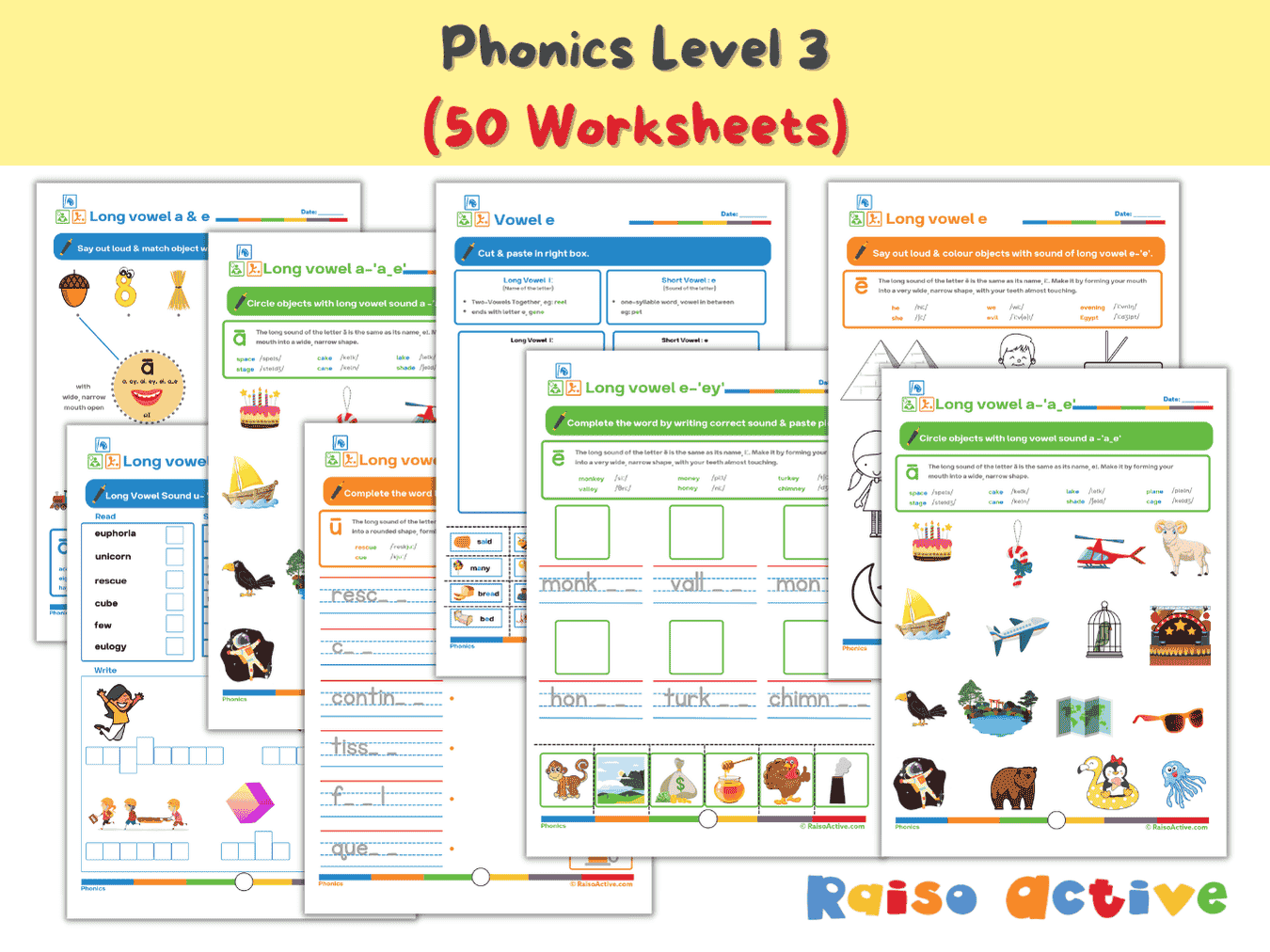

Phonics Level 3 Long Vowels Activity Book for Kindergarten & 1st Grade
Ages 5-7 · Kindergarten–Grade 1Ages 5-7 · Year 1–Year 2Ages 5-7 · UKG–Class 1Ages 5-7 · 51 pages
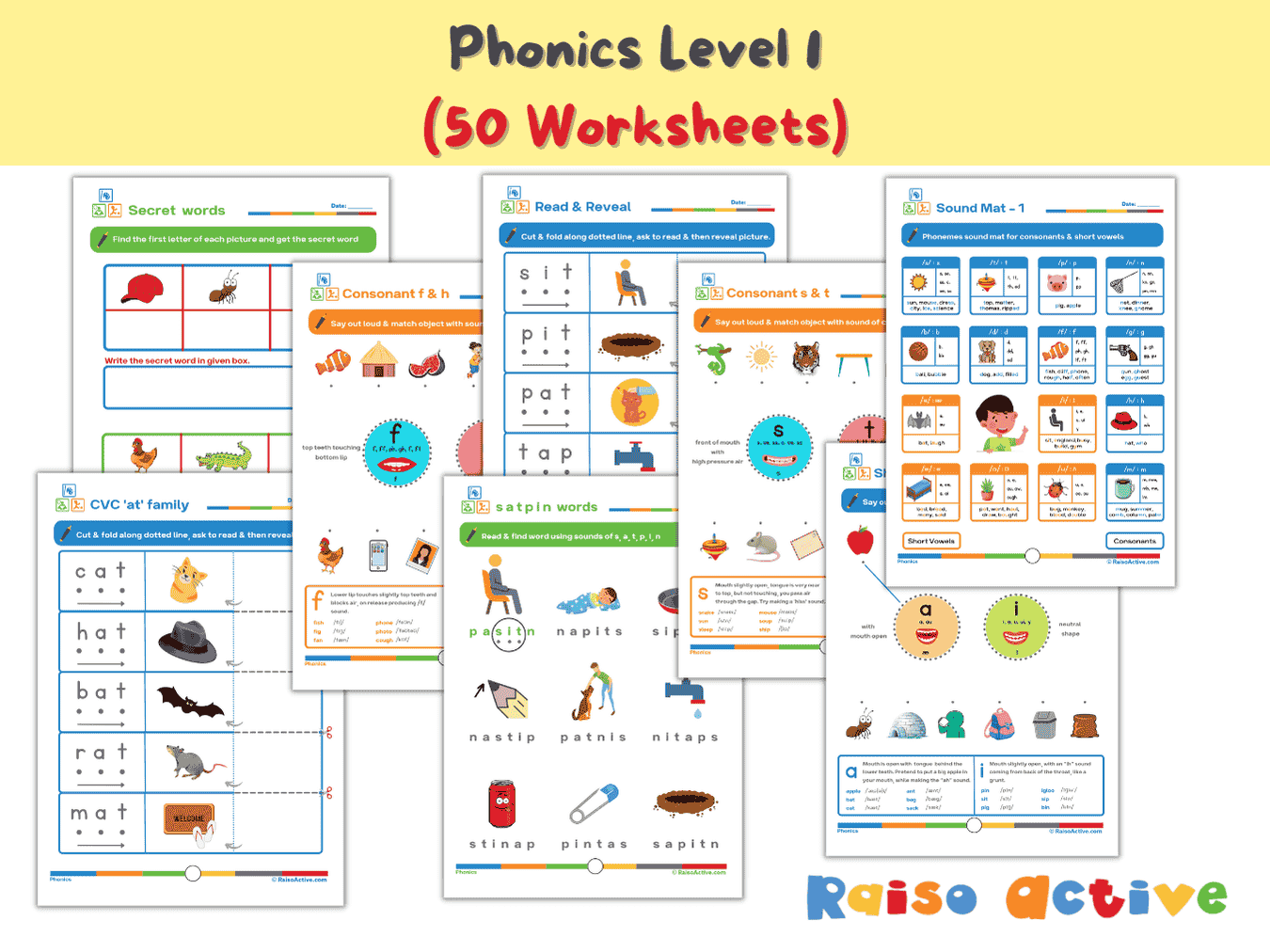
Phonics Level 1 Activity Book: Letter Sounds, Blending & CVC Words for Preschool & Kindergarten
Ages 3-6 · Preschool–KindergartenAges 3-6 · Nursery–Year 1Ages 3-6 · Nursery–UKGAges 3-6 · 60 pages
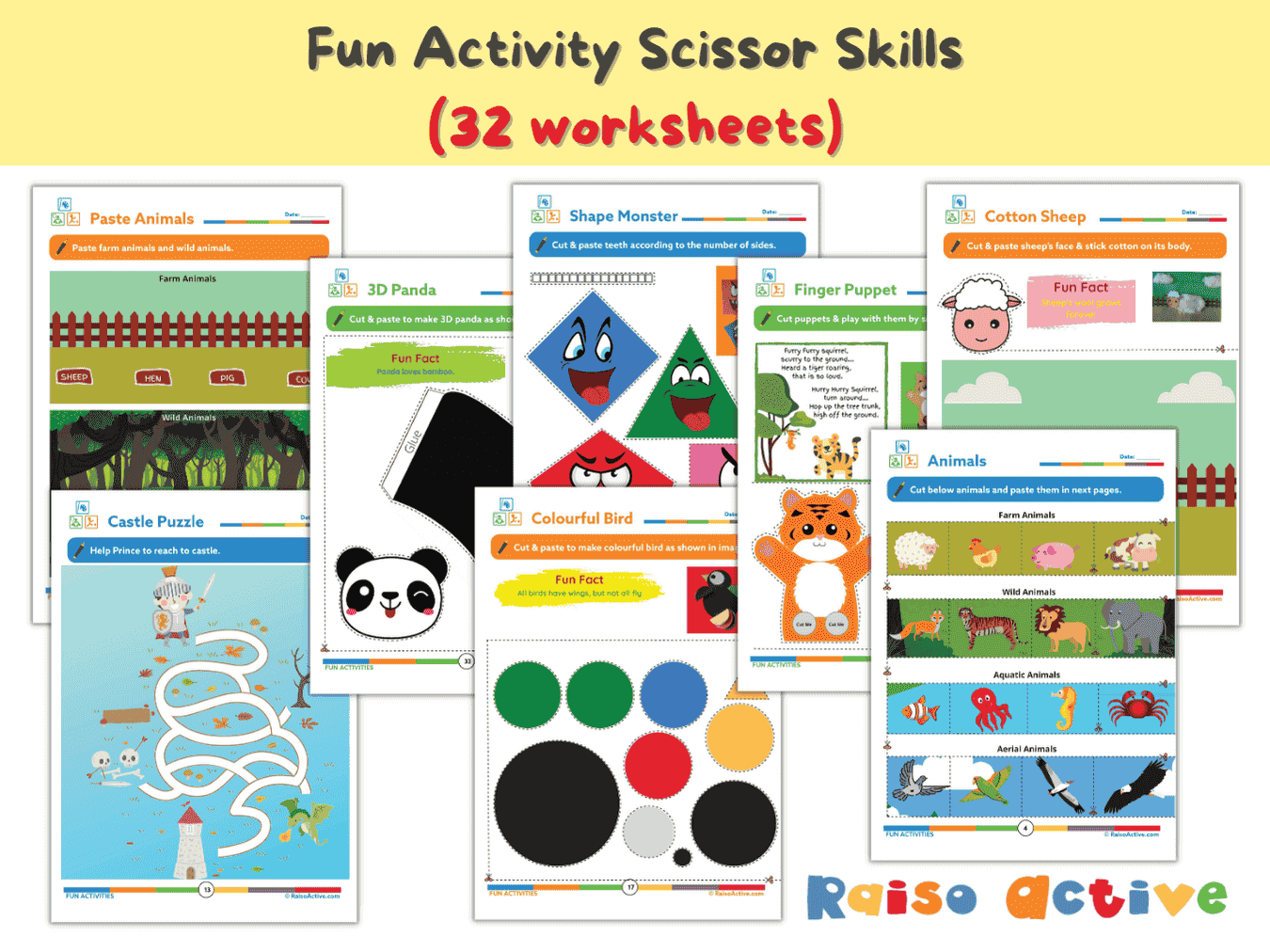
Preschool Scissor Skills Activity Book: Fine Motor & Craft Fun for Ages 3-6
Ages 3-6 · Preschool–KindergartenAges 3-6 · Nursery–Year 1Ages 3-6 · Nursery–UKGAges 3-6 · 35 pages
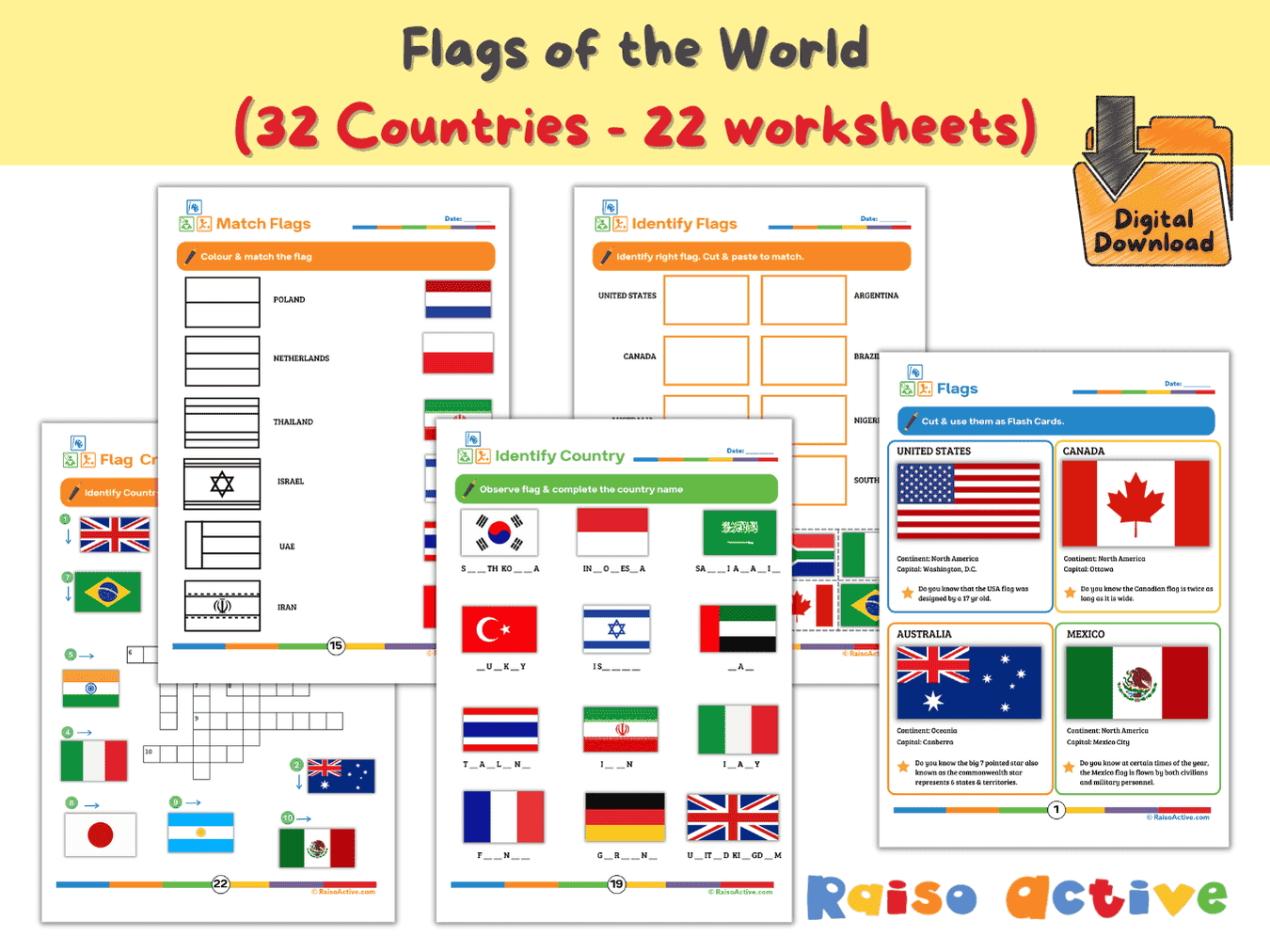
Flags of the World Activity Book & Flashcards for Kids (Ages 5-9)
Ages 5-8 · Kindergarten–Grade 2Ages 5-8 · Year 1–Year 3Ages 5-8 · UKG–Class 2Ages 5-8 · 23 pages
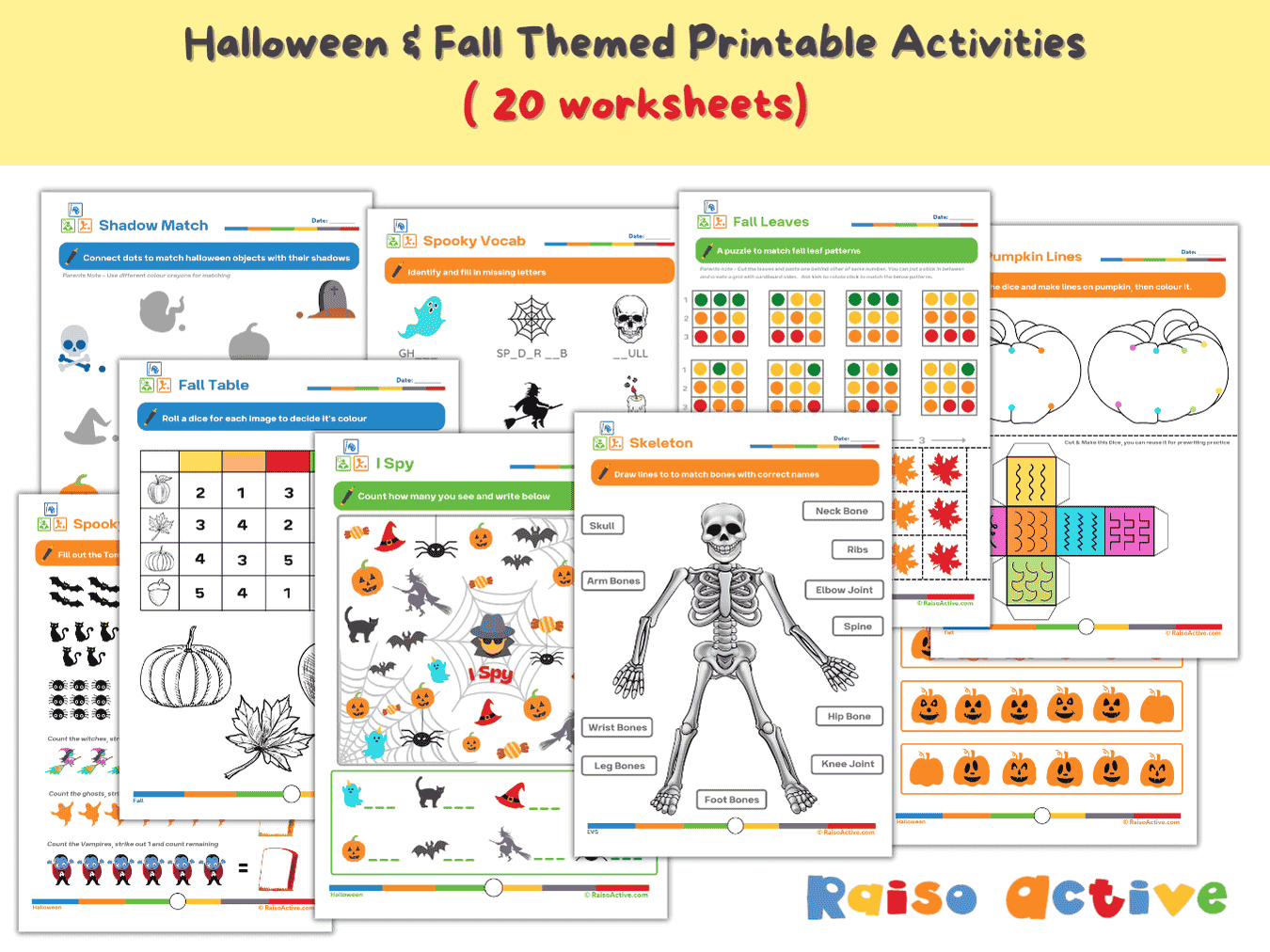
Halloween & Fall Activity Book: Math, Literacy & Cognitive Skills for Ages 4-8
Ages 4-8 · Pre-K–Grade 2Ages 4-8 · Reception–Year 3Ages 4-8 · LKG–Class 2Ages 4-8 · 23 pages
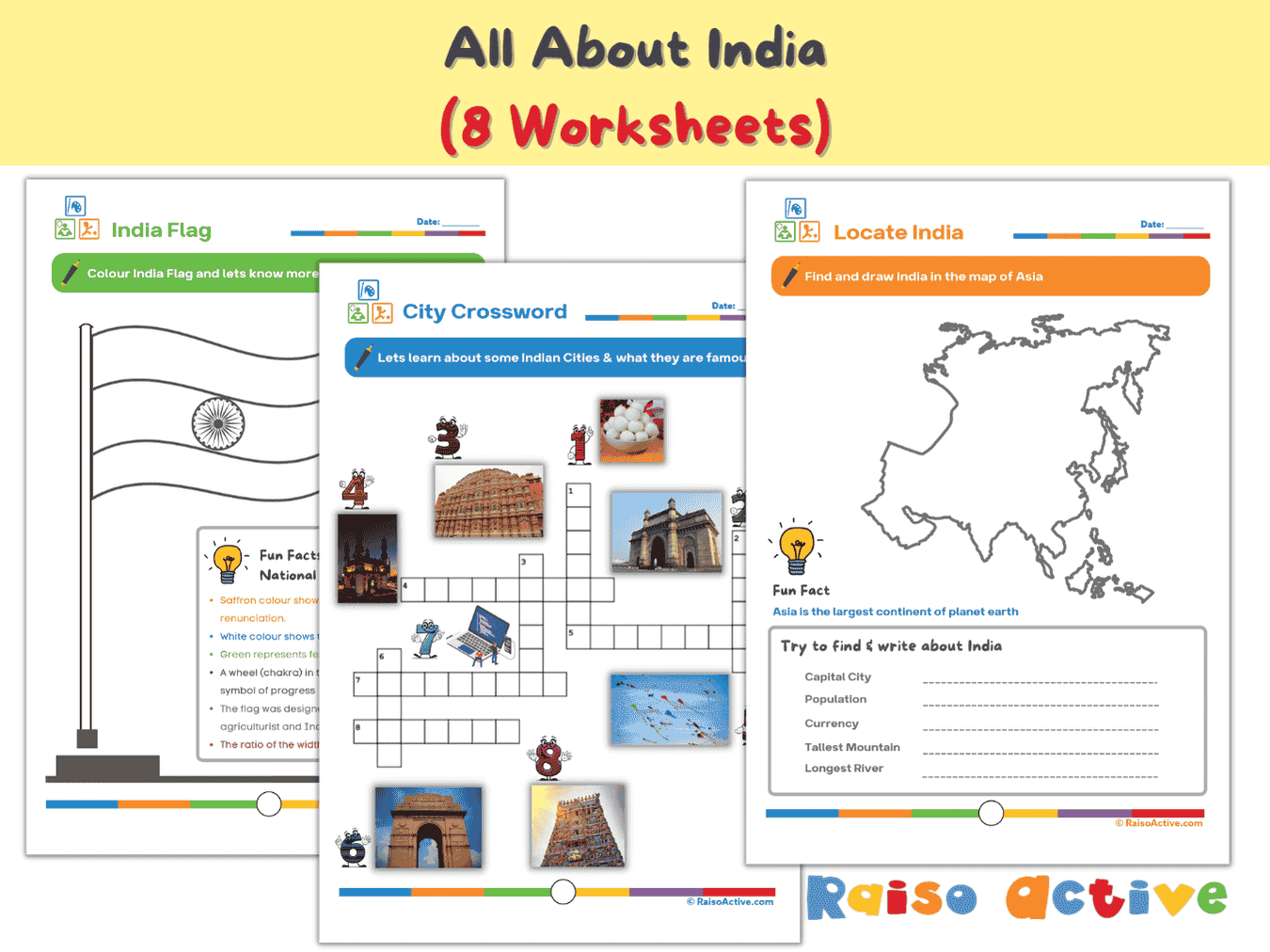
India Activity Book for Kids: Explore Geography, Culture & Symbols (Ages 5-8)
Ages 5-8 · Kindergarten–Grade 2Ages 5-8 · Year 1–Year 3Ages 5-8 · UKG–Class 2Ages 5-8 · 8 pages