Fine motor

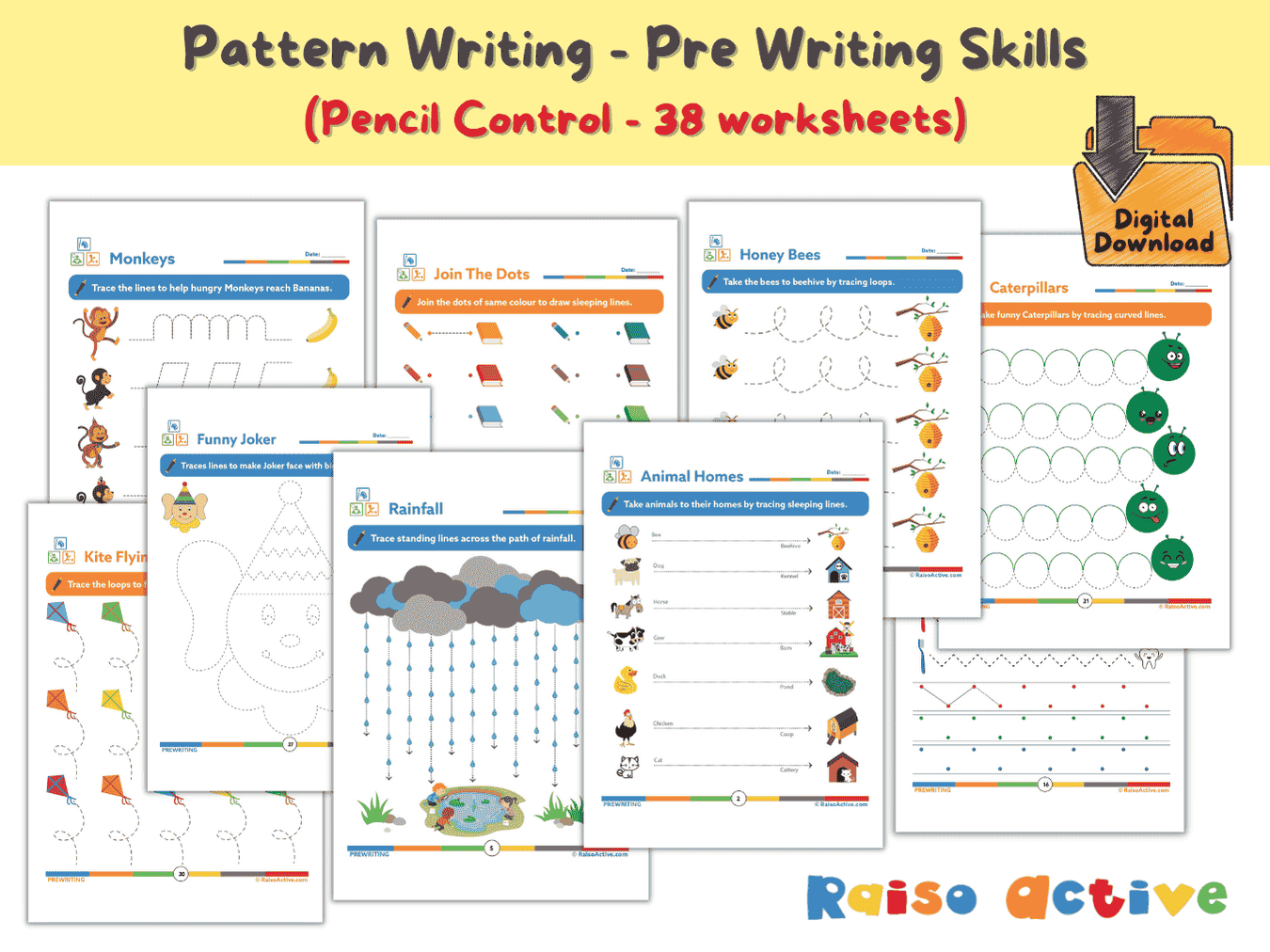
Pattern Writing Pre-writing Skills Activity Book for 3-4 Year Olds
Ages 3-4 · PreschoolAges 3-4 · NurseryAges 3-4 · 44 pages
Up to 4 yrs | Toddler, Ages 4-5 | Pre-K or Full Access
Topic
Ages 3-4 · PreschoolAges 3-4 · NurseryAges 3-4 · 44 pages
Ages 3-7 · Preschool–Grade 1Ages 3-7 · Nursery–Year 2Ages 3-7 · Nursery–Class 1Ages 3-7 · 26 pages
Ages 4-7 · Pre-K–Grade 1Ages 4-7 · Reception–Year 2Ages 4-7 · LKG–Class 1Ages 4-7 · 26 pages
Ages 3-8 · Preschool–Grade 2Ages 3-8 · Nursery–Year 3Ages 3-8 · Nursery–Class 2Ages 3-8 · 46 pages
Ages 3-6 · Preschool–KindergartenAges 3-6 · Nursery–Year 1Ages 3-6 · Nursery–UKGAges 3-6 · 35 pages
Ages 5-8 · Kindergarten–Grade 2Ages 5-8 · Year 1–Year 3Ages 5-8 · UKG–Class 2Ages 5-8 · 23 pages
Ages 5-8 · Kindergarten–Grade 2Ages 5-8 · Year 1–Year 3Ages 5-8 · UKG–Class 2Ages 5-8 · 8 pages
Ages 3-4 · PreschoolAges 3-4 · NurseryAges 3-4 · 30 pages
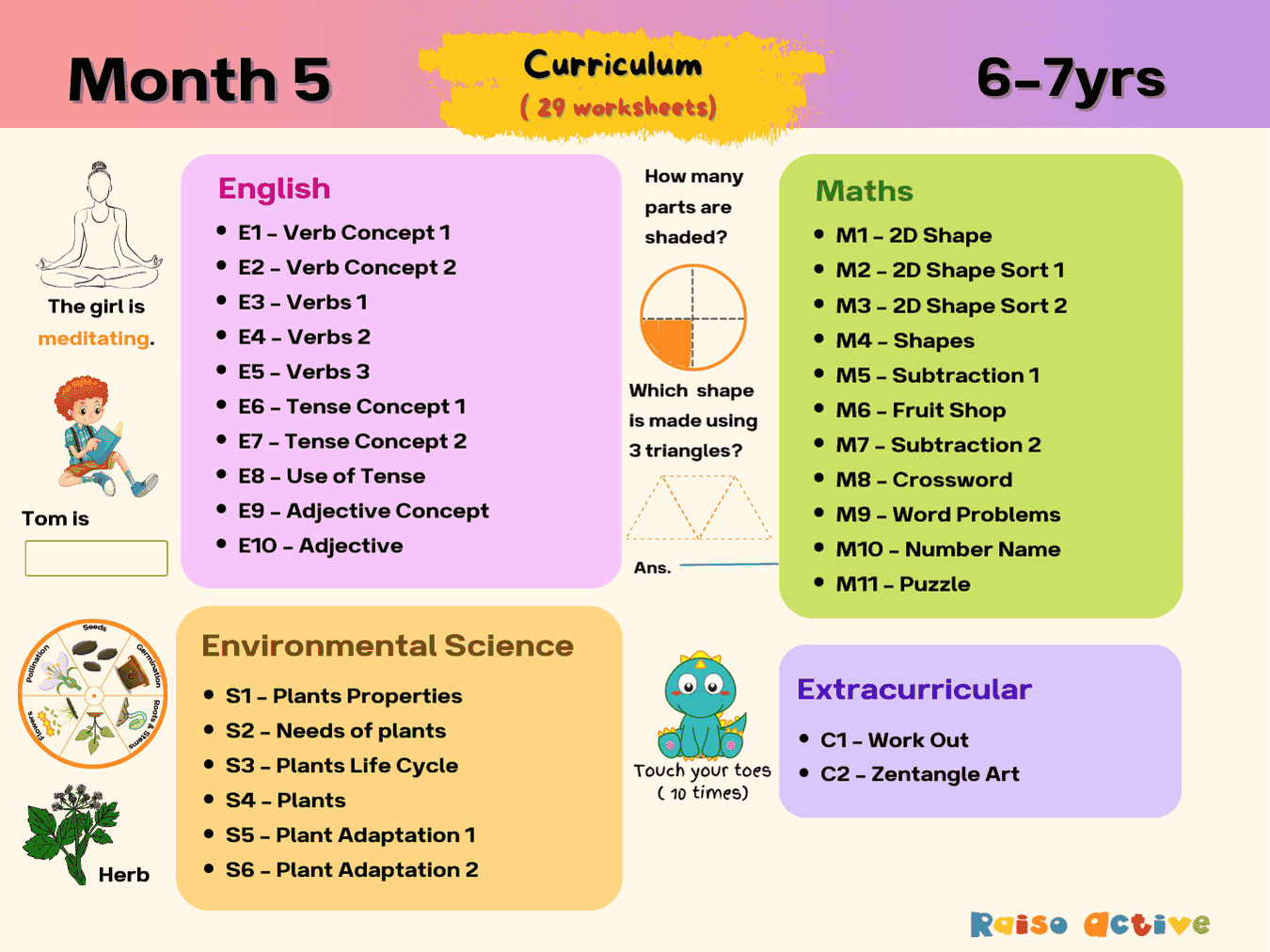
Ages 6-7 · Grade 1Ages 6-7 · Year 2Ages 6-7 · Class 1Ages 6-7 · 29 pages
Ages 5-6 · KindergartenAges 5-6 · Year 1Ages 5-6 · UKGAges 5-6 · 28 pages
Ages 5-6 · KindergartenAges 5-6 · Year 1Ages 5-6 · UKGAges 5-6 · 29 pages
Ages 4-5 · Pre-KAges 4-5 · ReceptionAges 4-5 · LKGAges 4-5 · 33 pages
Ages 5-6 · KindergartenAges 5-6 · Year 1Ages 5-6 · UKGAges 5-6 · 30 pages
Ages 2-4 · PreschoolAges 2-4 · NurseryAges 2-4 · 30 pages
Ages 6-7 · Grade 1Ages 6-7 · Year 2Ages 6-7 · Class 1Ages 6-7 · 32 pages
Ages 6-7 · Grade 1Ages 6-7 · Year 2Ages 6-7 · Class 1Ages 6-7 · 28 pages
Ages 5-6 · KindergartenAges 5-6 · Year 1Ages 5-6 · UKGAges 5-6 · 29 pages
Ages 6-7 · Grade 1Ages 6-7 · Year 2Ages 6-7 · Class 1Ages 6-7 · 28 pages
Ages 6-7 · Grade 1Ages 6-7 · Year 2Ages 6-7 · Class 1Ages 6-7 · 28 pages
Ages 5-6 · KindergartenAges 5-6 · Year 1Ages 5-6 · UKGAges 5-6 · 30 pages
Ages 4-5 · Pre-KAges 4-5 · ReceptionAges 4-5 · LKGAges 4-5 · 28 pages
Ages 2-4 · PreschoolAges 2-4 · NurseryAges 2-4 · 28 pages
Ages 5-6 · KindergartenAges 5-6 · Year 1Ages 5-6 · UKGAges 5-6 · 28 pages
Ages 4-5 · Pre-KAges 4-5 · ReceptionAges 4-5 · LKGAges 4-5 · 28 pages
Ages 2-4 · PreschoolAges 2-4 · NurseryAges 2-4 · 28 pages
Ages 5-6 · KindergartenAges 5-6 · Year 1Ages 5-6 · UKGAges 5-6 · 28 pages
Ages 4-5 · Pre-KAges 4-5 · ReceptionAges 4-5 · LKGAges 4-5 · 28 pages
Ages 3-7 · Preschool–Grade 1Ages 3-7 · Nursery–Year 2Ages 3-7 · Nursery–Class 1Ages 3-7 · 17 pages
Ages 3-6 · Preschool–KindergartenAges 3-6 · Nursery–Year 1Ages 3-6 · Nursery–UKGAges 3-6 · 17 pages
Ages 3-6 · Preschool–KindergartenAges 3-6 · Nursery–Year 1Ages 3-6 · Nursery–UKGAges 3-6 · 16 pages
Ages 4-5 · Pre-KAges 4-5 · ReceptionAges 4-5 · LKGAges 4-5 · 28 pages
Discover fun, age-appropriate problem-solving activities for children ages 1-8. Build critical thinking, logic, and reasoning skills through play-based learning.
Discover proven critical thinking activities for young children. Age-wise logic games, questioning techniques, and hands-on ideas to build thinking skills at home.
Help your child ages 3-8 build digital literacy with age-appropriate computer skills: mouse, keyboard, safe internet, and top apps for Indian families.
Learn to tell educational activities from busy work for young children. Discover what makes learning meaningful, how to evaluate worksheets, and how to transform rote tasks into rich experiences.
Learn how to tell if a learning activity truly fits your child's developmental stage. Age-by-age guide, red flags, DAP principles, and practical tips for parents.
Learn how to evaluate educational websites and apps for young children with a 10-point framework covering safety, learning goals, privacy, and red flags to avoid.
Discover how to recognise giftedness in young children and provide meaningful challenges at home without burnout. Practical strategies for Indian parents.
Discover how to identify your child's learning style preferences and plan visual, auditory, kinesthetic, and reading activities. Practical tips for Indian parents.
Discover what your 4-year-old should be doing across language, cognitive, motor, and social domains — plus red flags to watch for and Indian context tips.
Discover how musical activities accelerate brain development, phonics, maths, and emotional regulation in children ages 1–8. Practical tips for Indian homes and classrooms.
Do educational YouTube videos actually help young children learn? We examine the research, the video deficit effect, co-viewing strategies, and honest advice for Indian parents.
WHO and AAP guidelines explained for Indian parents — how much screen time is safe for educational apps at every age, plus how to make it actually count.
Discover practical Montessori activities for 3-4 year olds — practical life, sensorial, language, and maths — with Indian kitchen adaptations and budget shelf ideas.
Discover when worksheets help preschoolers and when they hinder learning. Research-backed advice on age-appropriate worksheets, play-based learning, and balanced approaches for ages 3-6.
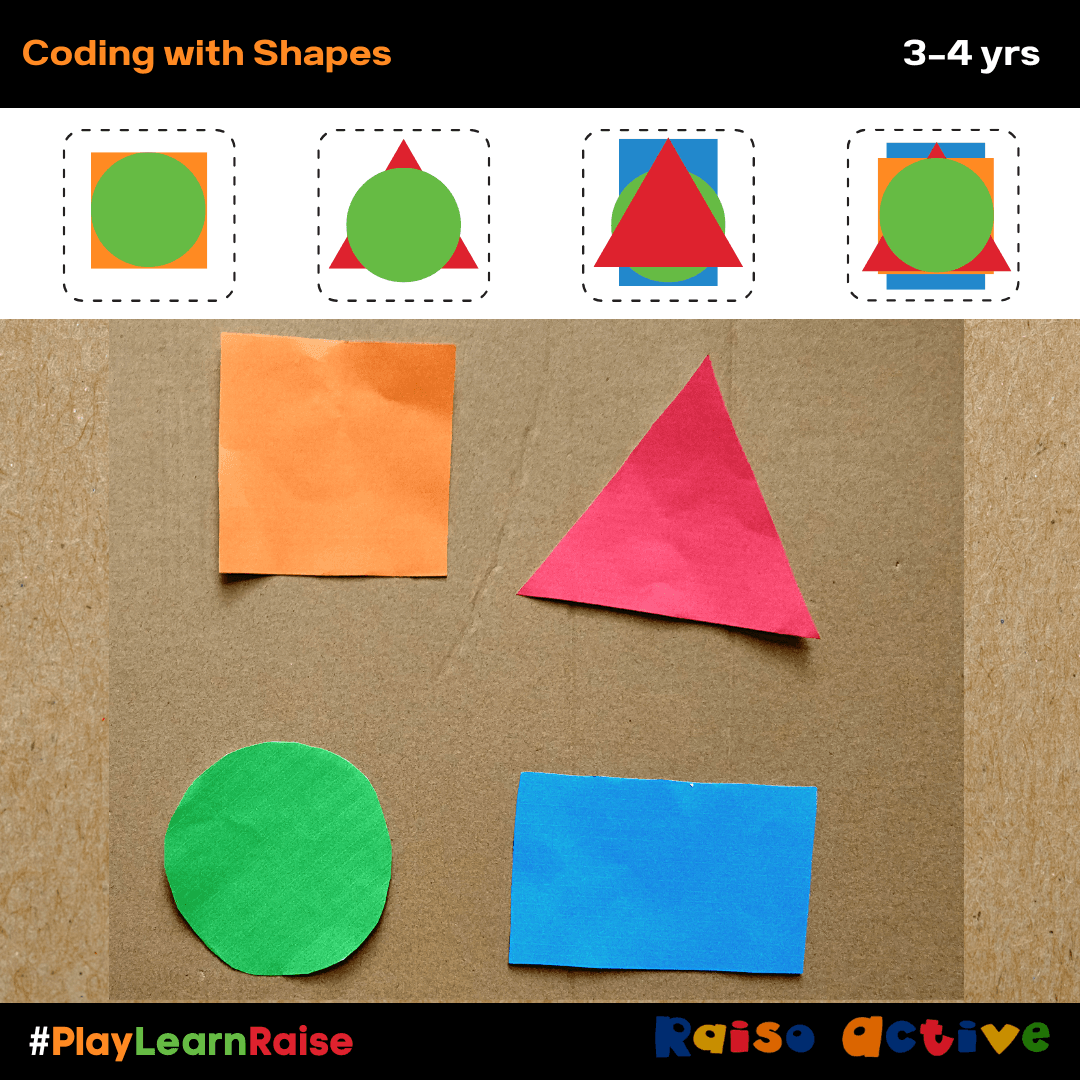 Has a video
Engage young learners with this hands-on coding shapes activity! Children will cut out colorful geometric shapes and arrange them to match given patterns, fostering early logic and fine motor skills. It's a fun way to introduce foundational coding concepts.
What they'll learn:
Identify and name basic 2D shapes (circle, square, triangle, rectangle). +4 more
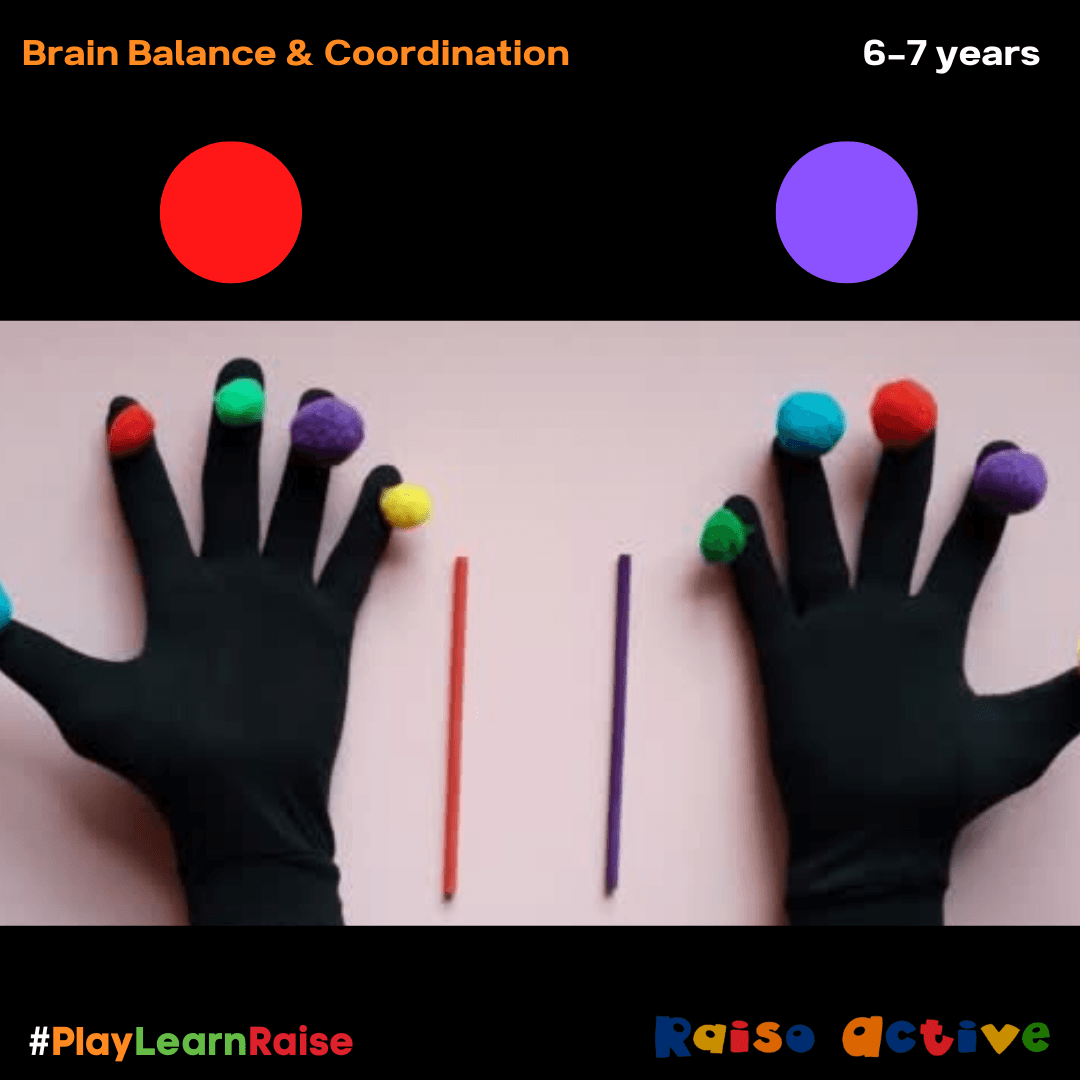 Has a video
Engage your child in a fun brain-boosting activity designed to enhance balance and coordination. This engaging finger game helps children improve fine motor skills, focus, and bilateral coordination through playful movements.
What they'll learn:
Improve fine motor skills and finger dexterity. +4 more
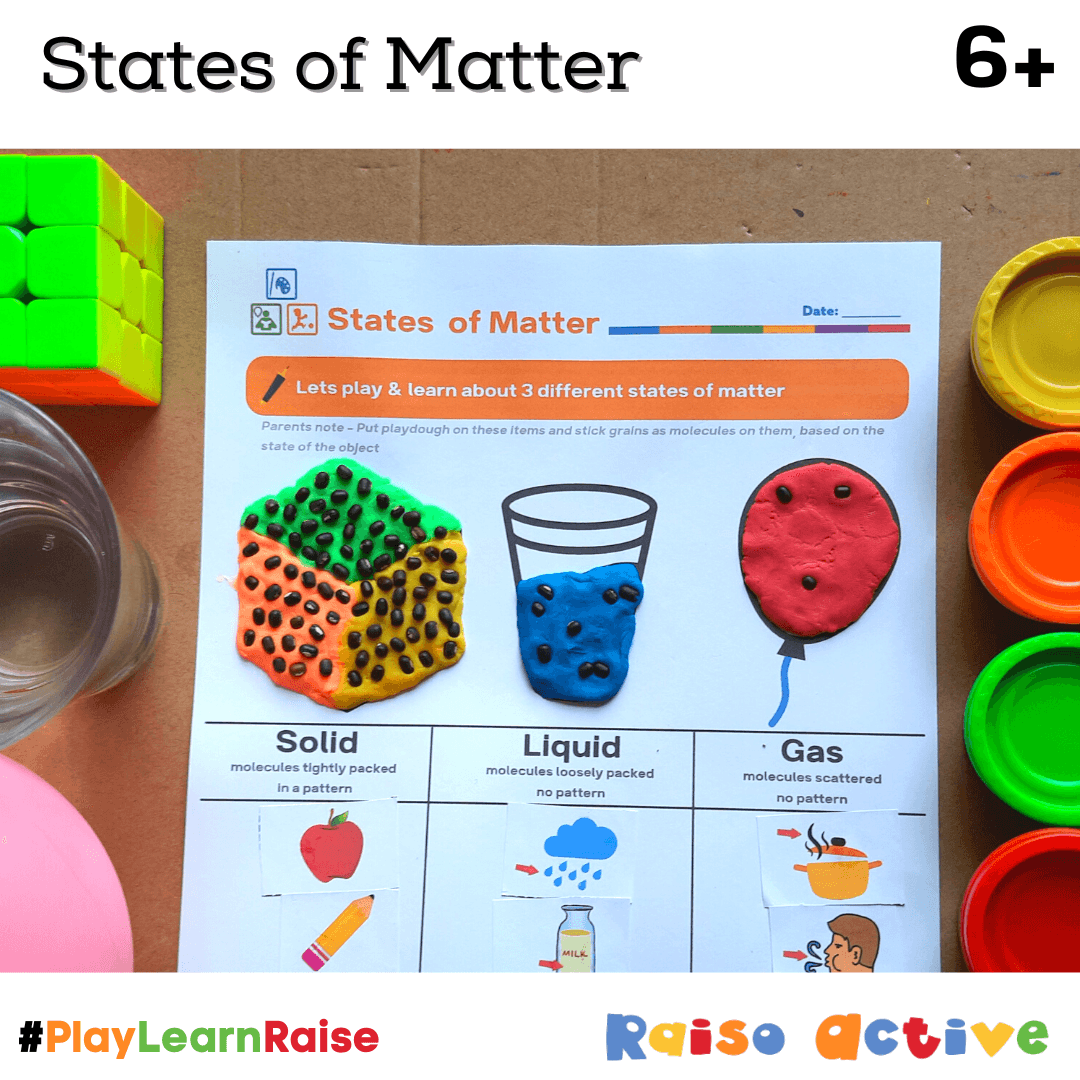 Has a video
Engage children with this hands-on STEM activity where they will use playdough and small grains to model and understand the molecular structures of solids, liquids, and gases. Kids will also classify everyday objects based on their state of matter.
What they'll learn:
Identify and differentiate between the three main states of matter: solid, liquid, and gas. +4 more
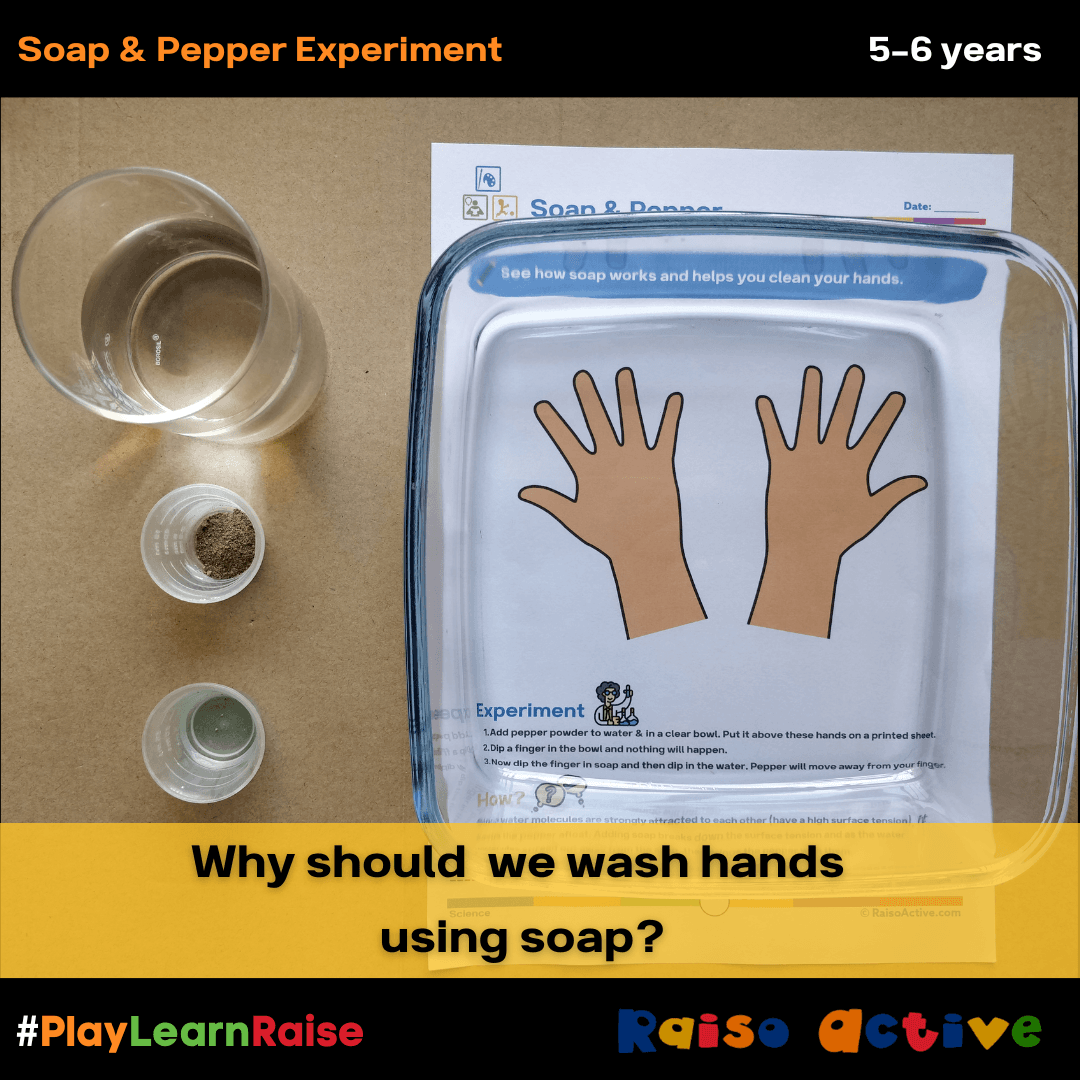 Has a video
Children will conduct a simple Soap & Pepper experiment to visually understand how soap breaks surface tension and helps clean hands. This engaging activity teaches the importance of hand hygiene through a fascinating scientific observation.
What they'll learn:
Understand the basic concept of surface tension. +4 more
 Has a video
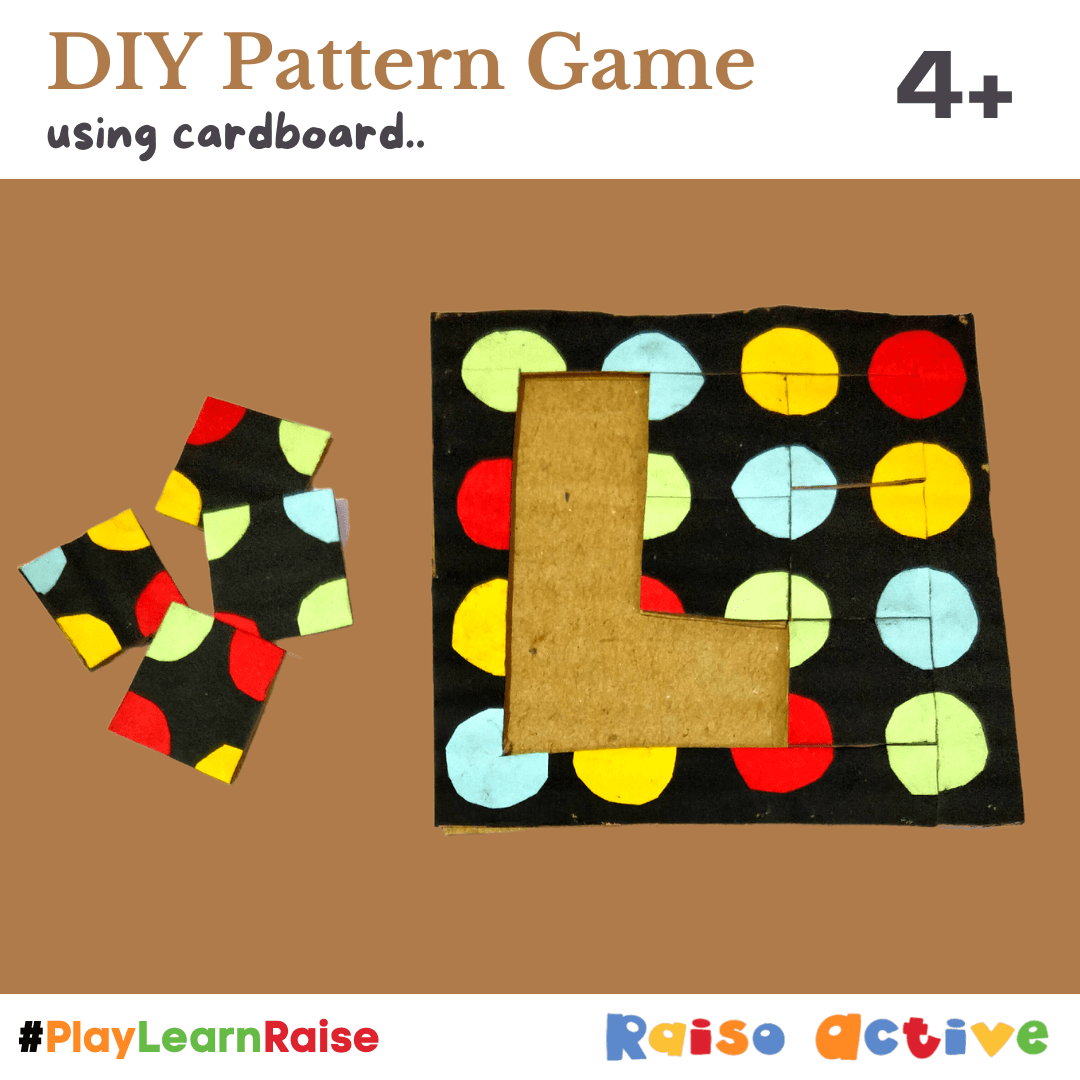
Children will create and play a homemade pattern matching puzzle using cardboard. This engaging activity enhances visual discrimination, fine motor skills, and pattern recognition, perfect for early learners.
What they'll learn:
Develop visual discrimination skills by matching patterns and colors. +4 more
 Has a video
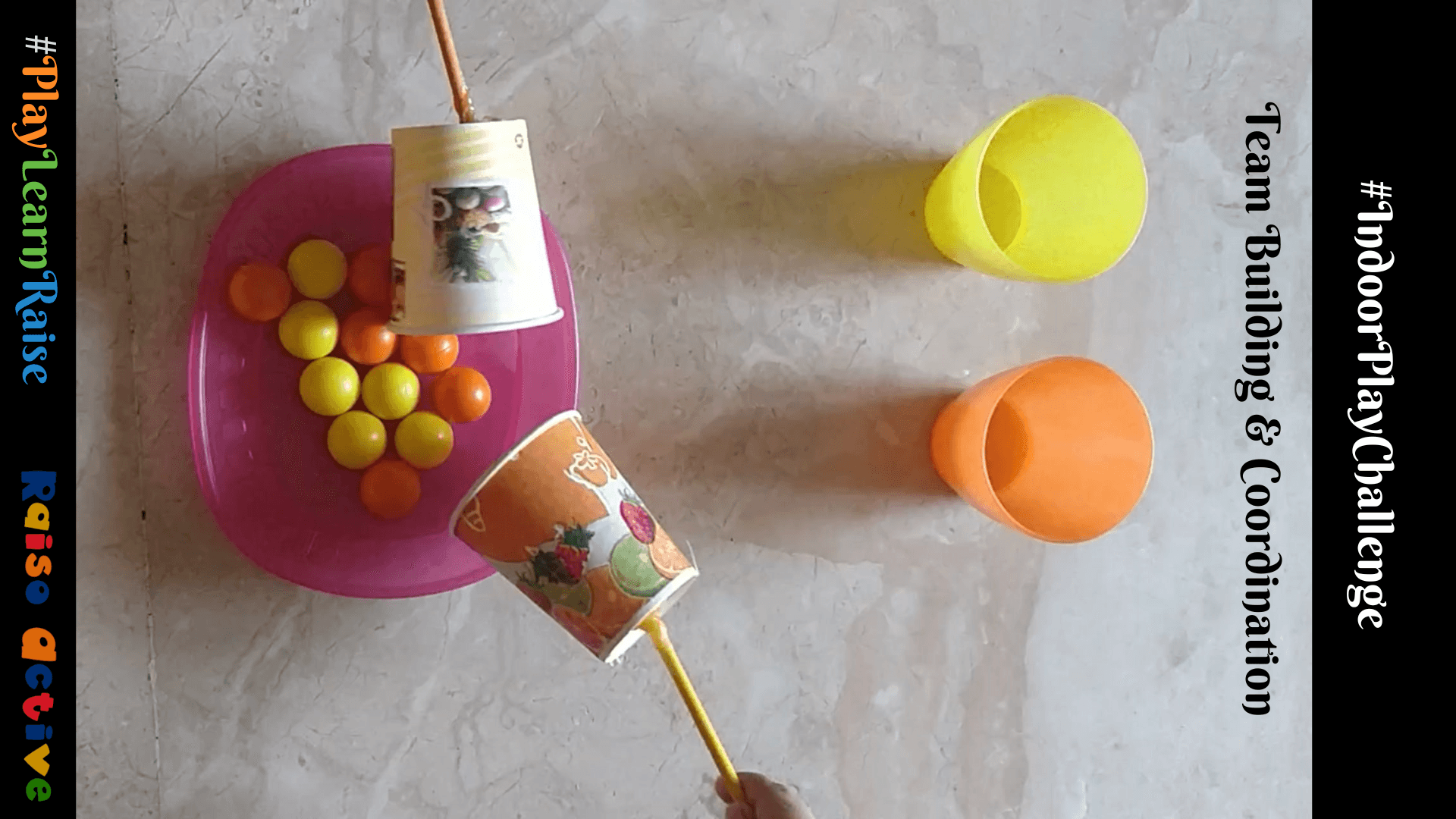
Engage children in a fun indoor ball transfer game designed to boost teamwork and coordination. Kids will use cups and sticks to move balls, developing fine motor skills and strategic thinking.
What they'll learn:
Enhance hand-eye coordination and fine motor skills. +4 more
 Has a video
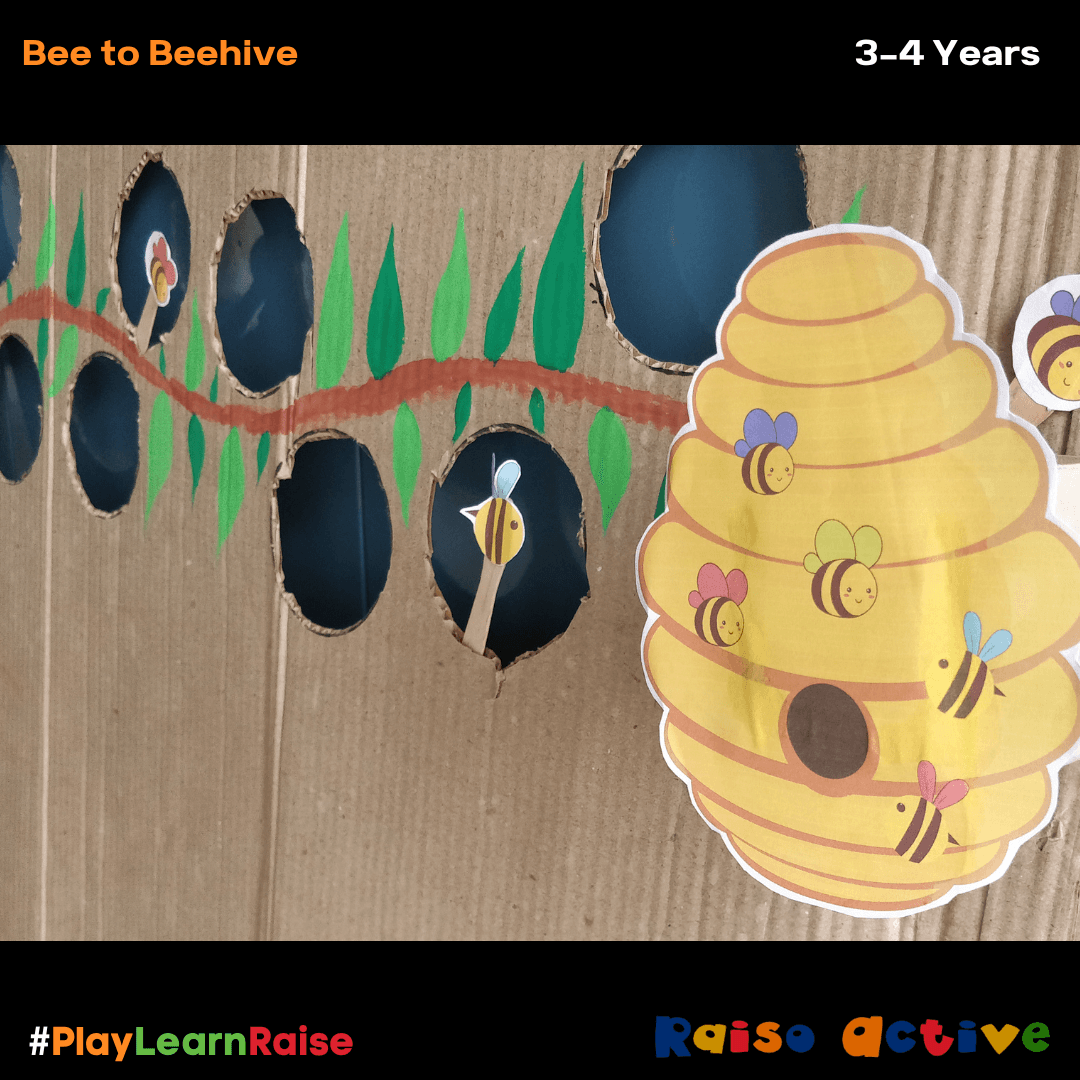
Children will cut out bee and beehive printables, paste them onto cardboard, and then navigate the bees through holes to reach their beehive. This engaging DIY game enhances eye-hand coordination, fine motor skills, and problem-solving for young learners.
What they'll learn:
Develop eye-hand coordination and dexterity. +4 more
 Has a video
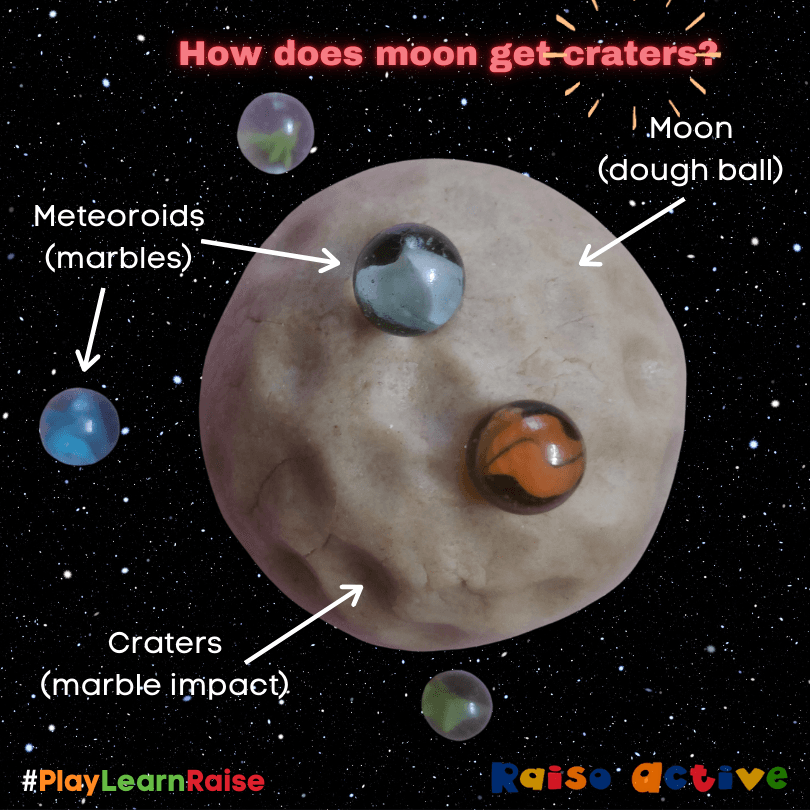
Discover how the moon gets its craters with this engaging STEM activity! Children will use dough and marbles to simulate meteoroid impacts, creating their own lunar landscape and understanding a key astronomical phenomenon.
What they'll learn:
Understand how craters form on celestial bodies like the moon. +3 more
 Has a video
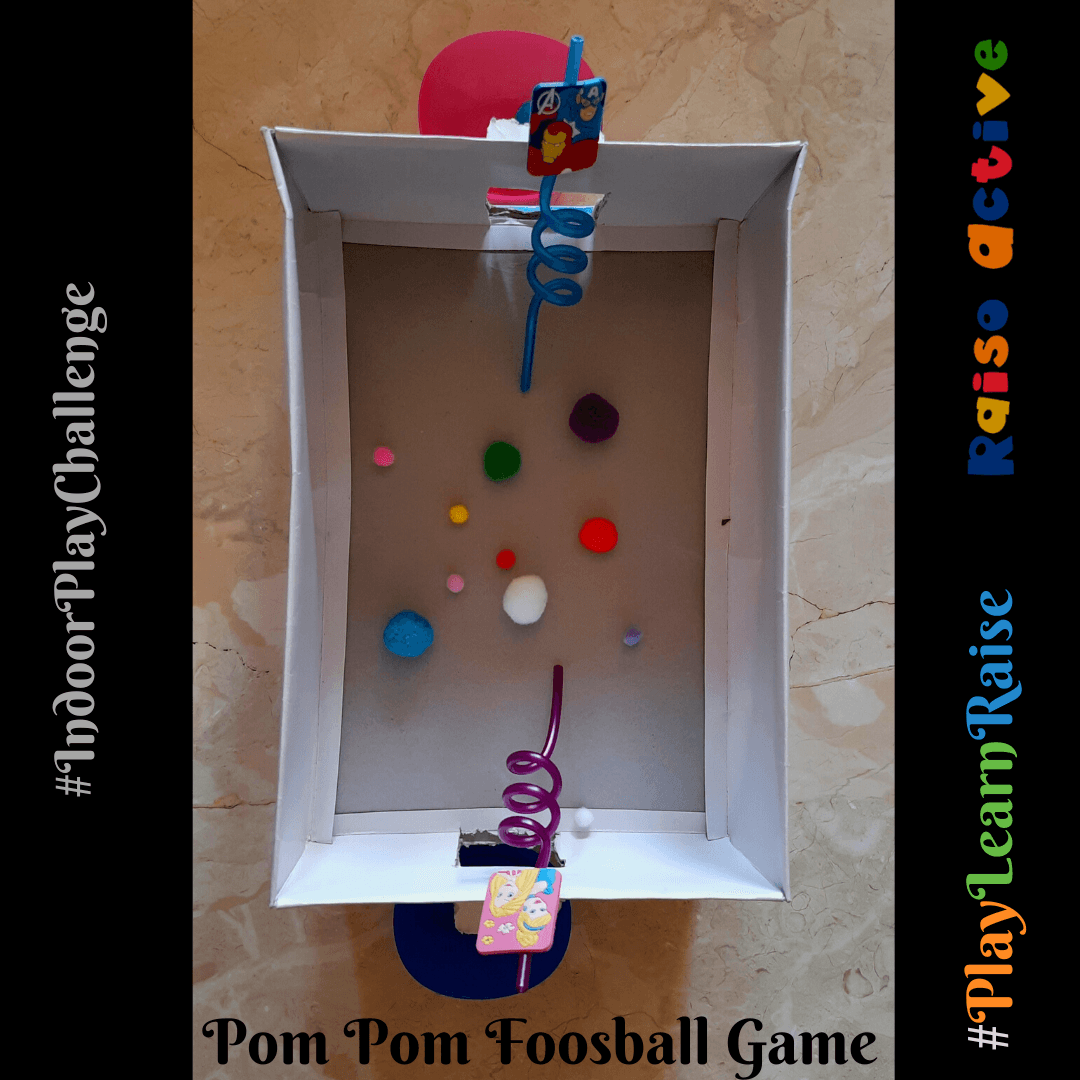
Transform a simple cardboard box into an exciting DIY Pom Pom Foosball Game! Children will use straws to flick colorful pom-poms into goals, enhancing fine motor skills, hand-eye coordination, and strategic thinking in a fun, engaging indoor activity.
What they'll learn:
Develop fine motor skills and hand-eye coordination through manipulating the straws and pom-poms. +4 more
 Has a video
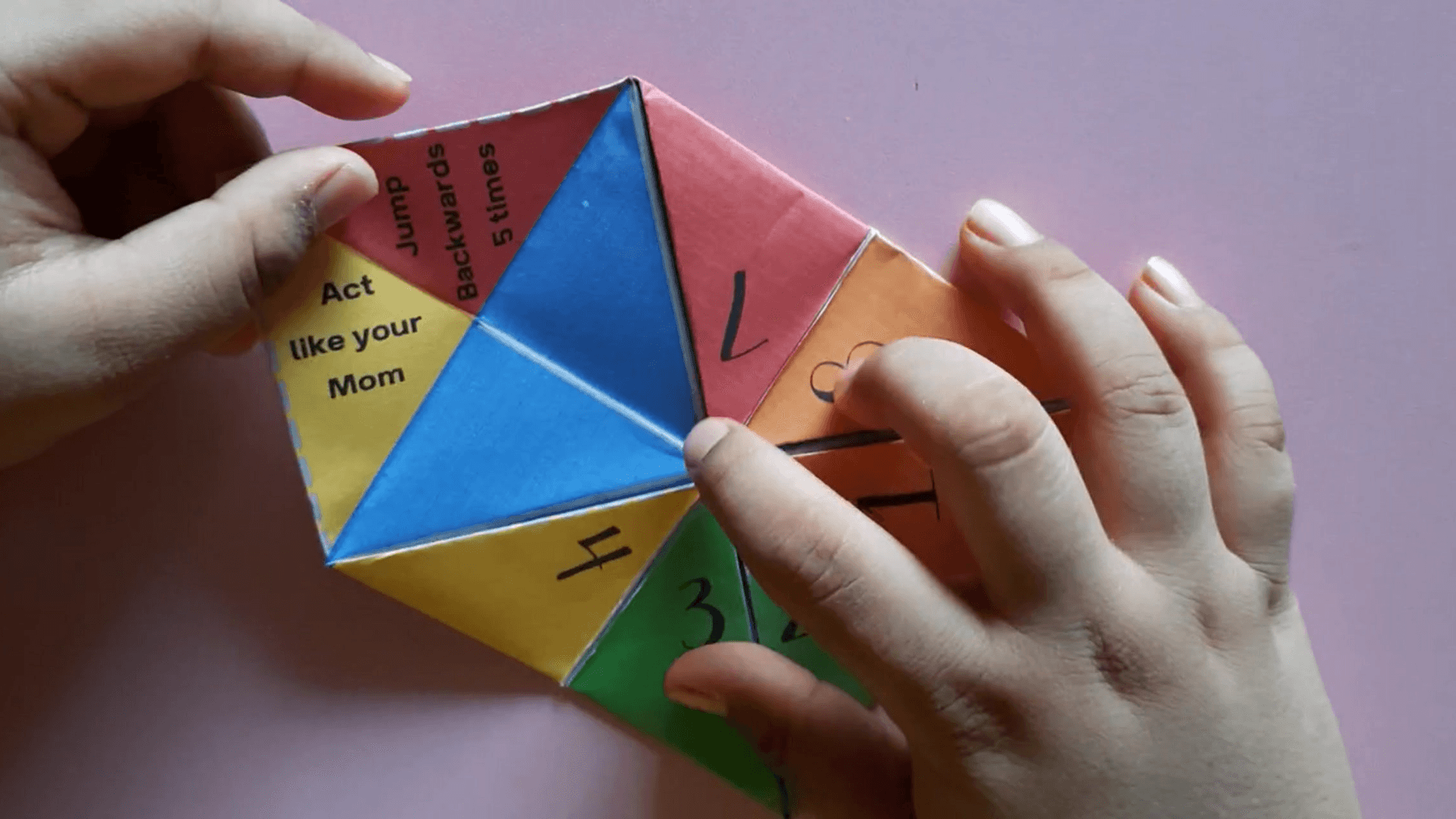
Create and play the classic Tippy Tippy Tap (cootie catcher) game with your child. This DIY activity encourages fine motor skills, following instructions, and imaginative play through fun physical and role-playing tasks.
What they'll learn:
Develop fine motor skills through folding and manipulating paper. +4 more