Age-Appropriate Halloween Learning Activities: Balancing Spooks and Skills for Young Learners
Author
RaisoActive - Kids Activities and Fun Learning
Published
Updated
Reading Time
6 min read

- Halloween offers a unique opportunity to blend seasonal excitement with meaningful learning across maths, literacy, science, and art
- Age-appropriate activities ensure the fun stays cheerful — not frightening — for toddlers through early primary children
- Simple household materials like pumpkins, paper, and sweets can be turned into powerful learning tools
- Research shows thematic learning increases engagement and retention in young children by up to 25%
- Indian families can embrace Halloween as a creative, cross-cultural celebration without losing local identity
Why Halloween Is a Surprisingly Powerful Learning Opportunity
Halloween might seem like it is all about costumes and candy, but for young learners, it is actually a goldmine of educational possibilities. The season brings pumpkins to count, spiders to study, costumes to design, and stories to tell — all wrapped in the kind of excitement that makes children want to learn without even realising they are doing it.
Whether you celebrate Halloween at home, in school, or simply enjoy it as a fun seasonal theme, the key lies in choosing activities that match your child's developmental stage. A three-year-old delighting in pumpkin-shaped playdough and a seven-year-old writing a spooky story are both learning — just at very different levels.
In this guide, we will walk through age-appropriate Halloween learning activities that balance seasonal fun with genuine skill-building. You will find ideas for maths, literacy, art, science, and fine motor development — all with a festive twist that keeps young learners engaged and eager. And yes, we have made sure everything stays cheerful, not scary, because nobody wants a tearful toddler at a Halloween party.
Understanding Age-Appropriate Spookiness
Before diving into activities, let us address the elephant (or should we say, the ghost) in the room: how spooky is too spooky? Young children process fear very differently from older children and adults. What seems playfully creepy to an adult can genuinely frighten a toddler or preschooler.
Developmental research shows that children below age five have difficulty separating real from imaginary, meaning a "pretend" scary monster may feel very real to them. Activities should lean heavily towards cute and colourful rather than creepy.
Source: American Academy of Pediatrics
The rule of thumb is simple: for children under four, keep everything cute and colourful — think friendly ghosts, smiling pumpkins, and sparkly spiders. For children aged four to six, you can introduce mildly spooky elements like cobwebs and bats, as long as the tone remains playful. Children aged six to eight can handle slightly more atmospheric Halloween themes, but even then, the focus should be on mystery and adventure rather than genuine fright.
- +Use smiling jack-o-lanterns and friendly ghost characters
- +Let children choose their comfort level with spooky themes
- +Frame activities as adventures and mysteries
- +Use bright colours — orange, purple, green — alongside black
- +Read age-appropriate Halloween picture books together first
- -Show realistic scary images or jump-scare videos to young children
- -Force participation in activities a child finds frightening
- -Use darkness, loud sounds, or surprise elements with toddlers
- -Dismiss a child's fear with "It's not real, don't be silly"
- -Assume all children in a group have the same comfort level
Halloween Maths Activities That Make Numbers Fun
Mathematics and Halloween are a surprisingly natural pairing. Pumpkins, sweets, and spiders provide excellent concrete manipulatives — real objects children can touch, count, sort, and compare. Here are activities organised by age group:
Ages 2–3: Counting and Sorting
- Scoop out a small pumpkin together (great sensory play!) and wash the seeds.
- Give your child small cups numbered 1 to 5. Ask them to place the correct number of seeds in each cup.
- For extra learning, sort seeds by size — big seeds in one bowl, small seeds in another.
- This activity builds **one-to-one correspondence**, a foundational maths skill for toddlers.
Ages 3–5: Patterns and Comparisons
Preschoolers are ready for patterning activities — a critical mathematical skill. Use Halloween-themed objects to create simple AB or ABC patterns:
- Candy pattern strips — Alternate orange and black wrapped sweets in a row. Ask your child to continue the pattern. (Use sweets as manipulatives first, eating comes later!)
- Pumpkin size ordering — Gather 3–5 small pumpkins or gourds of different sizes. Ask your child to arrange them from smallest to largest.
- Spider leg counting — Draw spider bodies on paper. Ask children to add exactly 8 legs. Then compare: "Does your spider have more or fewer legs than a real one?"
- Ghost number matching — Write numbers on ghost cut-outs and matching dots on another set. Children match the numeral to the quantity.
Ages 5–8: Operations and Problem-Solving
Older children can tackle more complex mathematical thinking with a Halloween twist:
- Sweet shop maths — Set up a pretend Halloween sweet shop with price tags. Give children play money and ask them to "buy" items, calculating totals and change.
- Pumpkin measurement — Measure pumpkins using string, rulers, or non-standard units (How many blocks tall is it?). Compare and record results.
- Halloween graphing — Survey family members or classmates: "What is your favourite Halloween costume?" Create a simple bar graph with the results.
- Bat symmetry — Fold paper in half, draw half a bat shape, cut, and unfold. Discuss symmetry and ask children to create their own symmetrical Halloween shapes.
The best Halloween maths activities use real objects children can manipulate, not just worksheets.
Pumpkin seeds, sweets, and costume accessories become powerful maths tools when paired with intentional questions like "How many more?" "Which group has fewer?" and "Can you find a pattern?"
Spooky Literacy: Reading, Writing, and Storytelling
Halloween naturally lends itself to storytelling — and storytelling is one of the most effective ways to develop literacy skills in young children. From vocabulary building to narrative structure, here is how to weave literacy into your Halloween celebrations:
Vocabulary Building
Halloween introduces children to a rich set of new words: cauldron, cobweb, skeleton, nocturnal, harvest, costume, disguise, potion. For younger children, focus on 5–8 new words with visual supports. For older children, challenge them to use the words in sentences or stories.
Halloween Word Wall Activity
Choose 8–10 Halloween words
Pick words appropriate for your child's age: "bat, ghost, pumpkin, spider" for younger children; "nocturnal, harvest, disguise, cauldron" for older ones.
Create illustrated word cards
Write each word on a card and let your child draw or stick a picture next to it. This multi-sensory approach strengthens word recognition.
Display on a "spooky word wall"
Hang the cards where your child can see them throughout October. Refer to them during conversations and reading.
Play word games daily
Use the words in games: "I spy something that rhymes with cat" (bat), or "Can you act out this word?" (spider).
Write or tell a story using the words
By the end of the week, challenge your child to tell or write a short story using at least five words from the wall.
Creative Writing and Storytelling
For children aged 5–8, Halloween is the perfect prompt for creative writing. Mystery stories, character descriptions, and persuasive writing ("Why my costume is the best") all develop different writing skills while keeping the seasonal spirit alive.
- "One dark October evening, I heard a knock at the door. When I opened it, I found a tiny, shivering ghost who said..."
- "The pumpkin in our garden was no ordinary pumpkin. Every night at midnight, it would..."
- "I was sorting my Halloween sweets when I noticed something strange about the last one in the bag..."
- For younger children or those who find writing difficult, let them **dictate** their story while you write. The storytelling skill is what matters most.
Art, Crafts, and Fine Motor Development
Halloween crafts are not just about making pretty decorations — they are fine motor skills training in disguise. Cutting, pasting, painting, and threading all strengthen the small muscles in children's hands that are essential for writing. Here are some favourites:
- Paper plate masks (ages 2+) — Cut eye holes, paint, and decorate. Excellent for scissor skills and creativity.
- Spider web threading (ages 3+) — Punch holes around a paper plate edge and thread yarn through to create a web. Builds hand-eye coordination.
- Pumpkin stamping (ages 2+) — Cut an apple in half, dip in orange paint, and stamp pumpkin shapes. Simple but delightful for toddlers.
- Bat silhouette art (ages 4+) — Paint a sunset background in warm colours, then cut and paste black bat shapes. Teaches layering and composition.
- Mummy wrapping (ages 3+) — Wrap toilet paper tubes with white strips of paper or bandages to make mummies. Great for fine motor control.
- Haunted house collage (ages 5+) — Cut shapes from black and coloured paper to build a haunted house scene. Develops spatial awareness and planning.
Halloween Science: From Pumpkins to Potions
Science and Halloween go together beautifully. The season offers natural opportunities for observation, experimentation, and discovery — the core of scientific thinking in early childhood.
- **Pumpkin exploration** — Cut open a pumpkin and examine the inside. Count seeds, feel the texture, smell it. Ask: "Is a pumpkin a fruit or a vegetable?" (It is a fruit!)
- **Fizzing potions** — Mix baking soda and vinegar in a cauldron (any bowl works!). Add food colouring for effect. Discuss: "Why does it fizz? What is happening?"
- **Dancing ghosts** — Cut tissue paper ghosts and hold them near a statically charged balloon. Watch them "dance." Introduce the concept of static electricity.
- **Sink or float** — Predict whether a small pumpkin will sink or float in water. (Most float because they are hollow inside!) Test and discuss.
Research in early childhood education consistently shows that children remember and apply skills more effectively when they are embedded in meaningful, engaging themes — exactly what seasonal activities like Halloween provide.
Source: Journal of Research in Childhood Education, 2020
Halloween in the Indian Context
Halloween has been growing in popularity across urban India, with many schools and communities embracing it as a fun, creative event. If you are wondering whether it is appropriate to include Halloween activities in your child's learning, here is a balanced perspective:
Halloween can be a wonderful cross-cultural learning opportunity. Just as Indian festivals like Diwali and Holi teach children about light, colour, and community, Halloween can teach them about autumn harvests, storytelling traditions, and creative self-expression. Many Indian schools now host Halloween-themed activity days, treating it as a chance for creative arts, costume design, and themed learning rather than a religious observance.
You can also draw parallels to Indian culture: the tradition of carving pumpkins is not so different from rangoli art, and the concept of dressing up in costumes echoes the vibrant fancy dress competitions children love. The key is to treat Halloween as a creative, educational theme rather than adopting it wholesale — pick the elements that work for your family and leave the rest.
Halloween learning activities work beautifully as cross-cultural enrichment, not replacement.
Families can embrace the creative and educational aspects of Halloween — crafts, counting, storytelling — while maintaining their own cultural traditions. The two are not in competition.
A Week of Halloween Learning: Your Ready-Made Plan
Feeling inspired but not sure how to fit everything in? Here is a simple five-day plan that covers multiple learning areas without overwhelming you or your child:
5-Day Halloween Learning Plan
Day 1 — Maths Monday
Pumpkin seed counting and sorting. For older children, add a graphing activity comparing seed sizes or colours.
Day 2 — Literacy Tuesday
Create a Halloween word wall. Read a Halloween picture book and discuss new vocabulary. Older children can write a short spooky story.
Day 3 — Art Wednesday
Spider web threading or bat silhouette art. Focus on cutting, pasting, and fine motor skills.
Day 4 — Science Thursday
Fizzing potions experiment and pumpkin sink-or-float test. Record predictions and results together.
Day 5 — Celebration Friday
Costume parade (even at home!), Halloween snack-making with counting, and a family storytelling session using the week's vocabulary.
- If you have children of different ages, run the same activity at different complexity levels.
- For pumpkin seed counting: a 2-year-old sorts into "many" and "few" piles, a 4-year-old counts to 10, and a 7-year-old estimates and then counts to check.
- Pair older and younger siblings — the older child "teaches" the younger one, which reinforces their own learning.
- Always have a simple colouring or stamping activity available as a fallback for children who are not yet ready for the main task.
The most effective Halloween learning happens when children are so engaged in the theme that they forget they are practising skills.
A child sorting sweets by colour is learning classification. A child cutting out a bat shape is building fine motor control. A child telling a ghost story is developing narrative skills. Trust the process — the learning is real, even when it looks like play.
Get Seasonal Learning Ideas All Year Round
Subscribe to receive age-appropriate activity ideas, printable worksheets, and expert parenting tips for every season — delivered free to your inbox.
Frequently Asked Questions About Halloween Learning Activities
Is Halloween appropriate for very young children (under 3)?
How do I handle a child who is scared of Halloween themes?
Can Halloween activities support curriculum goals?
We do not celebrate Halloween culturally. Can we still use these activities?
How do I balance fun with actual learning during Halloween activities?
What materials do I need for Halloween learning activities?
Free worksheets for this topic
Browse all worksheets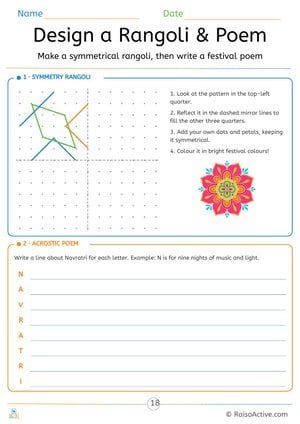
Navratri Symmetry Rangoli and Acrostic Poem
Ages 7-11 · Grade 2–Grade 3Ages 7-11 · Year 3–Year 4Ages 7-11 · Class 2–Class 3Ages 7-11
Children reflect a pattern in two mirror lines to complete a four-way symmetrical rangoli on a dot grid, add their own symmetrical details, and write an acrostic poem with one line for each letter of NAVRATRI.
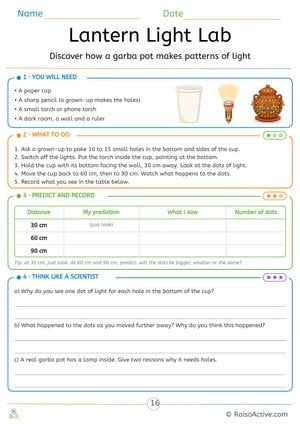
Lantern Light Lab: Navratri Garba Pot Light Experiment
Ages 7-11 · Grade 2–Grade 3Ages 7-11 · Year 3–Year 4Ages 7-11 · Class 2–Class 3Ages 7-11
Children make holes in a paper cup, shine a torch through it and see one spot of light for each hole. They predict and record what happens as they move further from the wall, and explain the results and why a real garba pot needs holes.
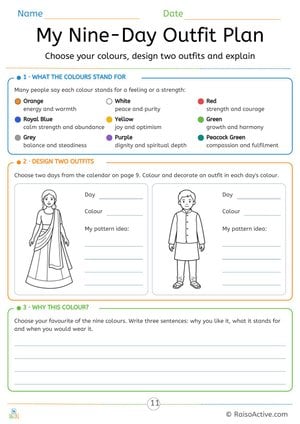
My Nine-Day Outfit Plan: Navratri Colours Design and Writing
Ages 7-11 · Grade 2–Grade 3Ages 7-11 · Year 3–Year 4Ages 7-11 · Class 2–Class 3Ages 7-11
Children read what each of the nine colours is often said to stand for, choose two days from the calendar, colour and pattern a lehenga-style outfit and a kurta outfit in those colours, and write three sentences explaining their favourite colour.

Festival Number Crunch: Navratri Multiply, Divide and Money Worksheet
Ages 7-11 · Grade 2–Grade 3Ages 7-11 · Year 3–Year 4Ages 7-11 · Class 2–Class 3Ages 7-11
Children solve multiplication and division word problems about dancers, garlands, diyas and laddoos, practise times-table facts, write and round four-digit numbers, and work out costs and change in rupees at a mela stall.

Written by
Hemsweta Jain · Teacher Cheena
MBA and Early Childhood Educator, teaching since 2014 · Founder of RaisoActive, Mumbai
Published · Last reviewed
Related Resources
Printable Resources(10)
View all
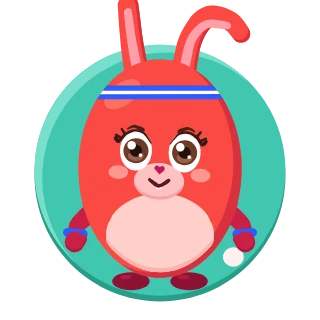
Pattern Writing Pre-writing Skills Activity Book for 3-4 Year Olds
Ages 3-4 · PreschoolAges 3-4 · NurseryAges 3-4 · 44 pages
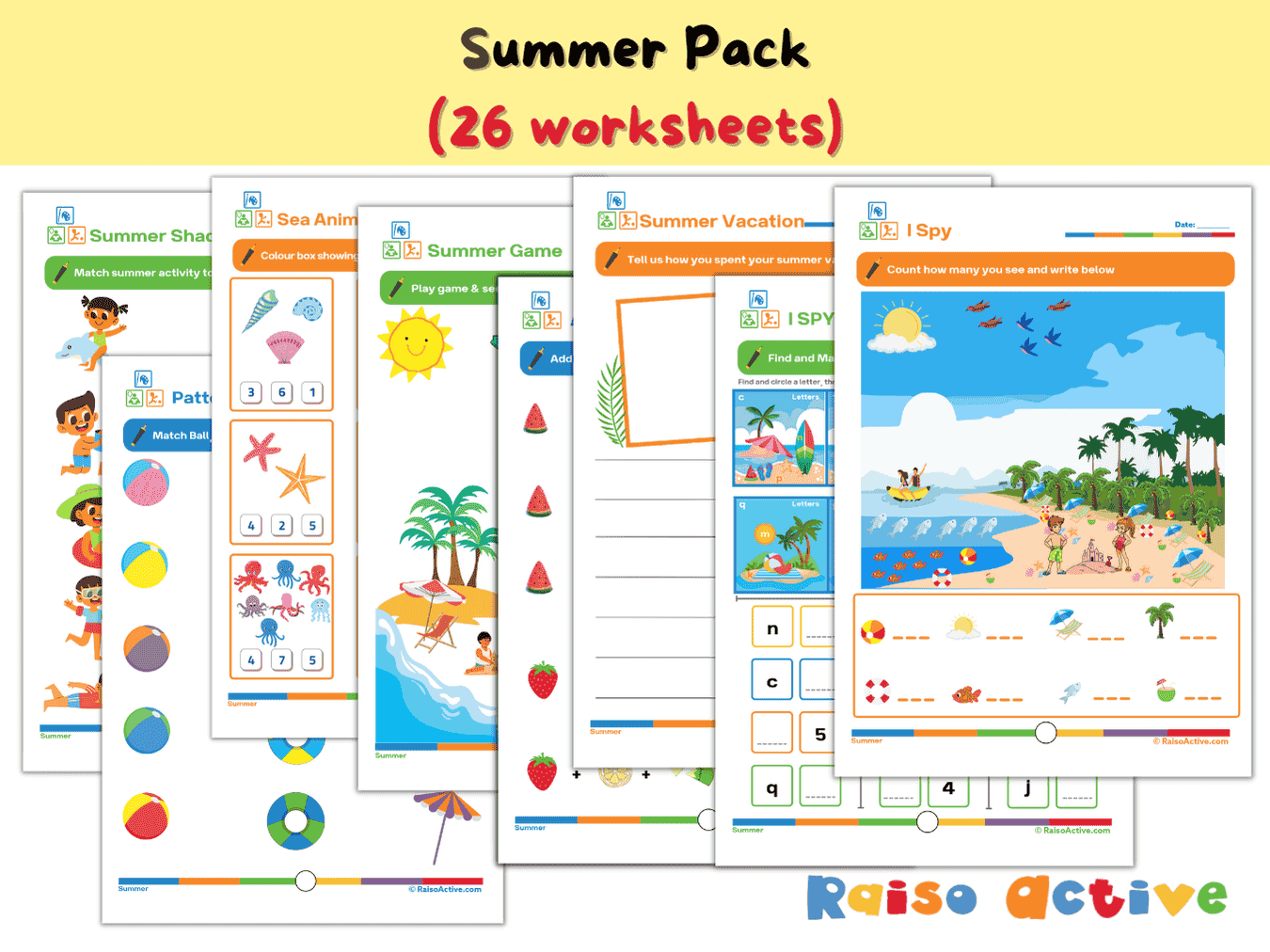

Summer Activity Pack: Math, Literacy, Puzzles & More for Preschool & Kindergarten
Ages 3-7 · Preschool–Grade 1Ages 3-7 · Nursery–Year 2Ages 3-7 · Nursery–Class 1Ages 3-7 · 26 pages
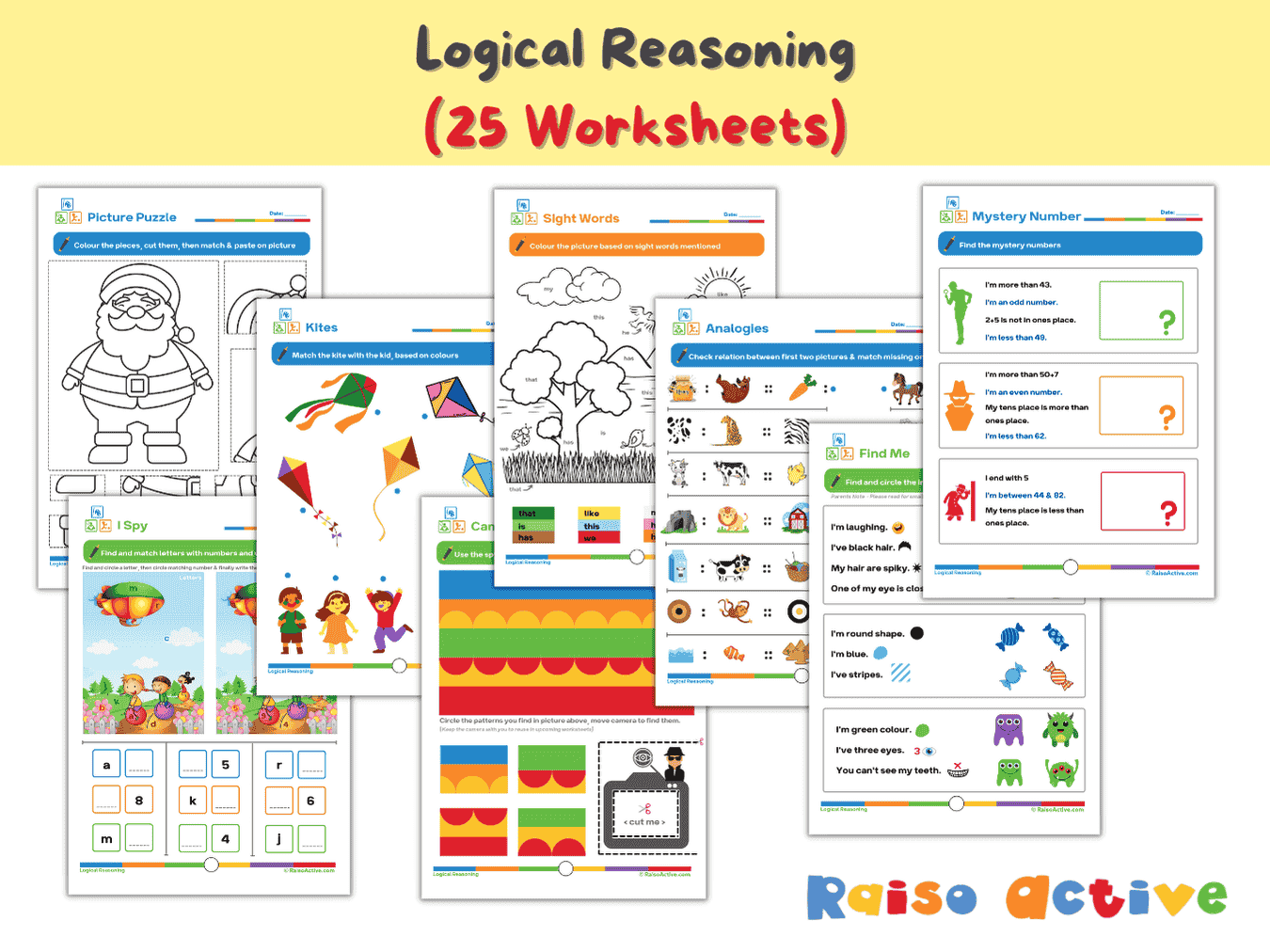
Logical Reasoning Activity Book for Preschool & Kindergarten | Patterns, Puzzles & Analogies
Ages 4-7 · Pre-K–Grade 1Ages 4-7 · Reception–Year 2Ages 4-7 · LKG–Class 1Ages 4-7 · 26 pages
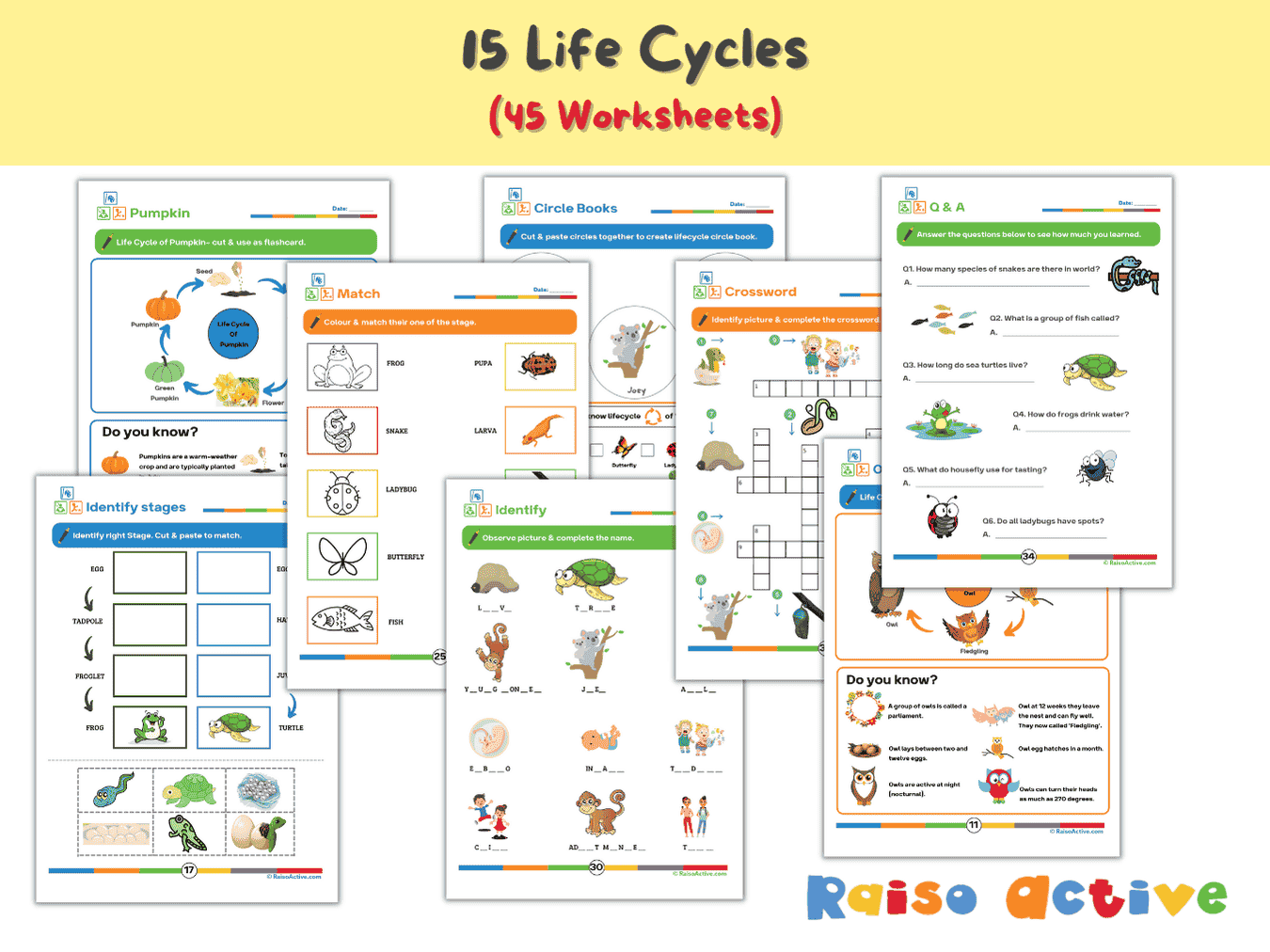

Lifecycles Activity Book & Flashcards for Preschool & Early Elementary
Ages 3-8 · Preschool–Grade 2Ages 3-8 · Nursery–Year 3Ages 3-8 · Nursery–Class 2Ages 3-8 · 46 pages
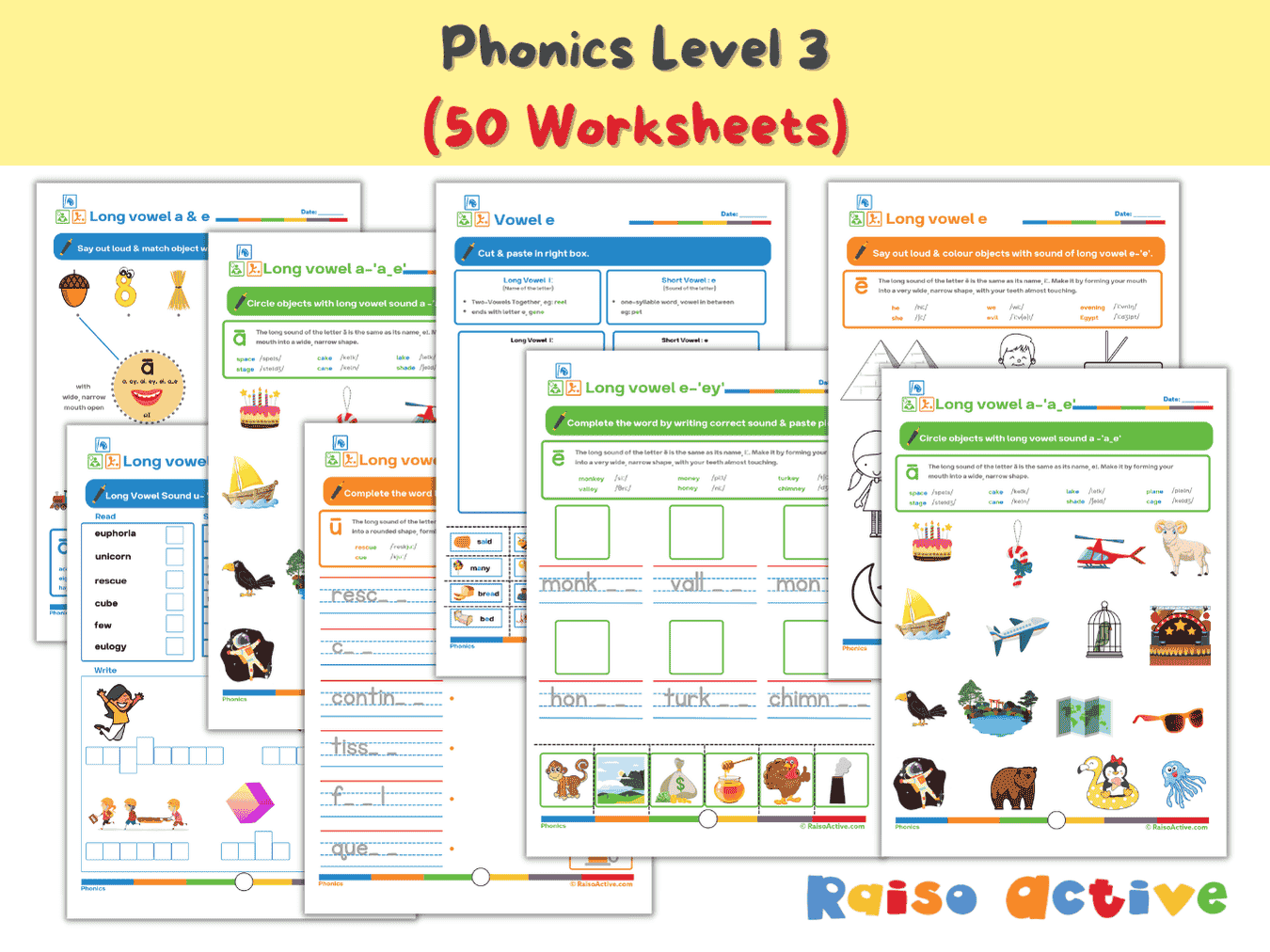

Phonics Level 3 Long Vowels Activity Book for Kindergarten & 1st Grade
Ages 5-7 · Kindergarten–Grade 1Ages 5-7 · Year 1–Year 2Ages 5-7 · UKG–Class 1Ages 5-7 · 51 pages
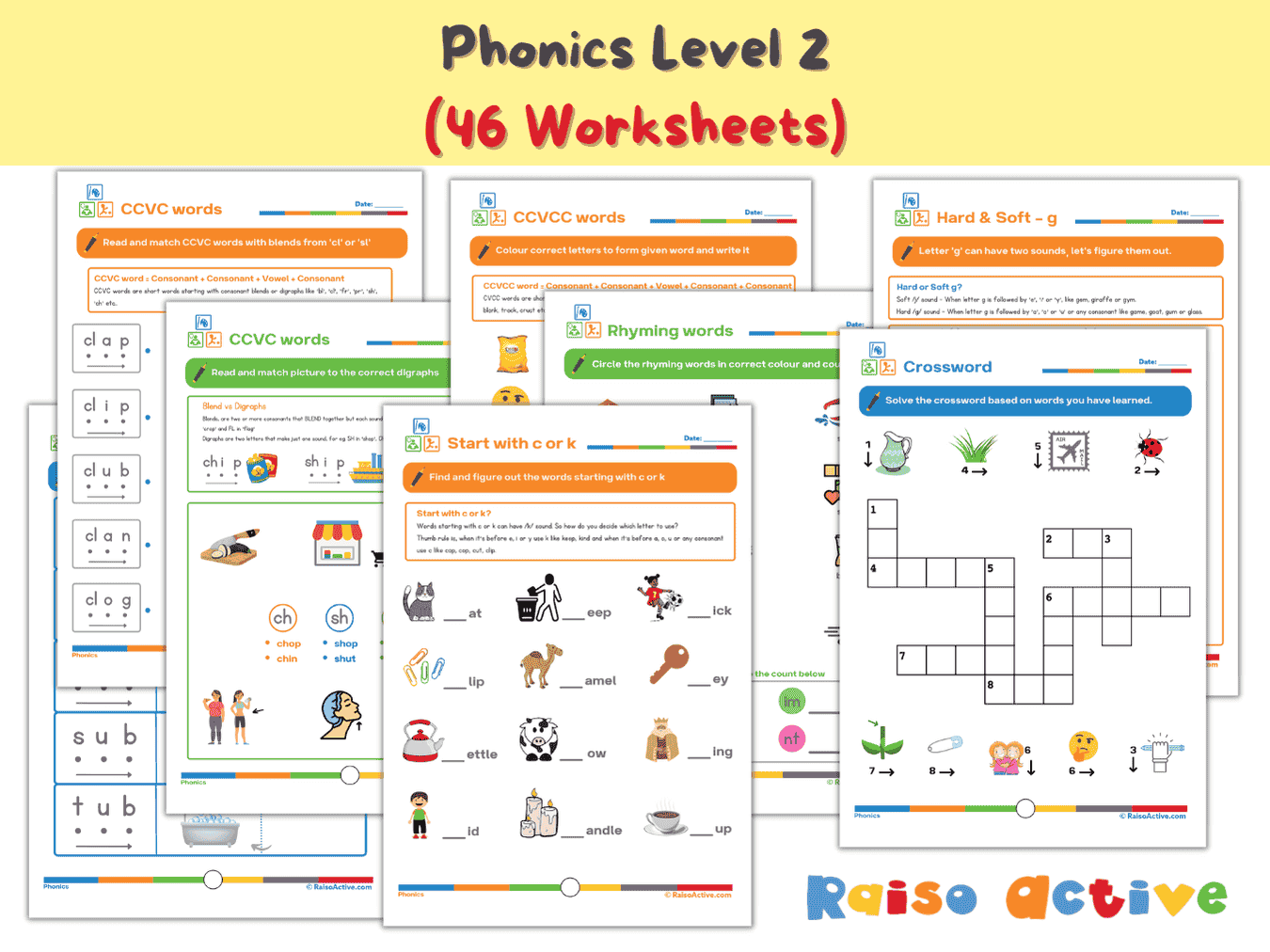
Phonics Level 2 Worksheets: CVC, CCVC, CVCC Word Families & Blends for Early Readers (Ages 4-7)
Ages 4-7 · Pre-K–Grade 1Ages 4-7 · Reception–Year 2Ages 4-7 · LKG–Class 1Ages 4-7 · 47 pages
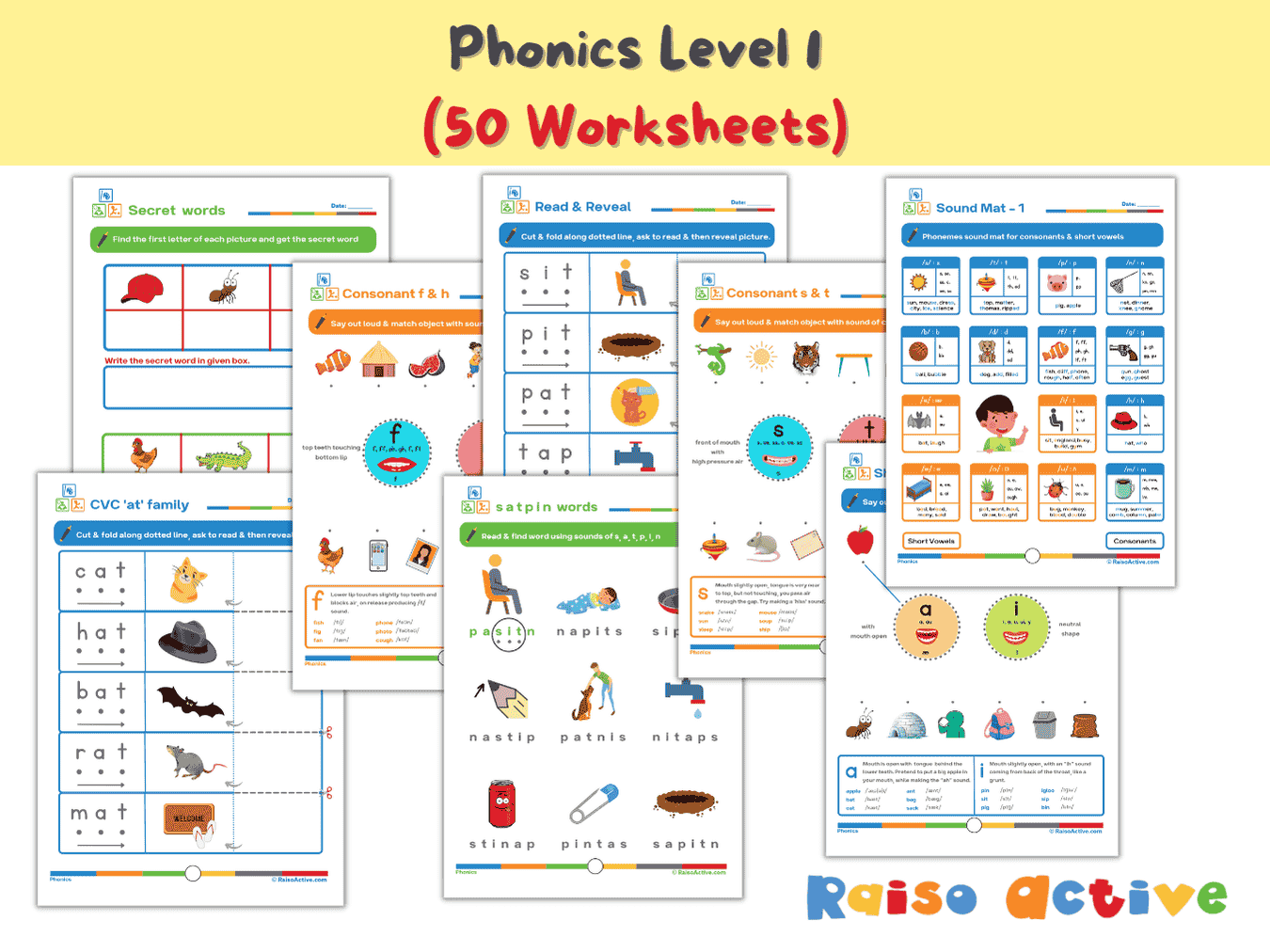
Phonics Level 1 Activity Book: Letter Sounds, Blending & CVC Words for Preschool & Kindergarten
Ages 3-6 · Preschool–KindergartenAges 3-6 · Nursery–Year 1Ages 3-6 · Nursery–UKGAges 3-6 · 60 pages
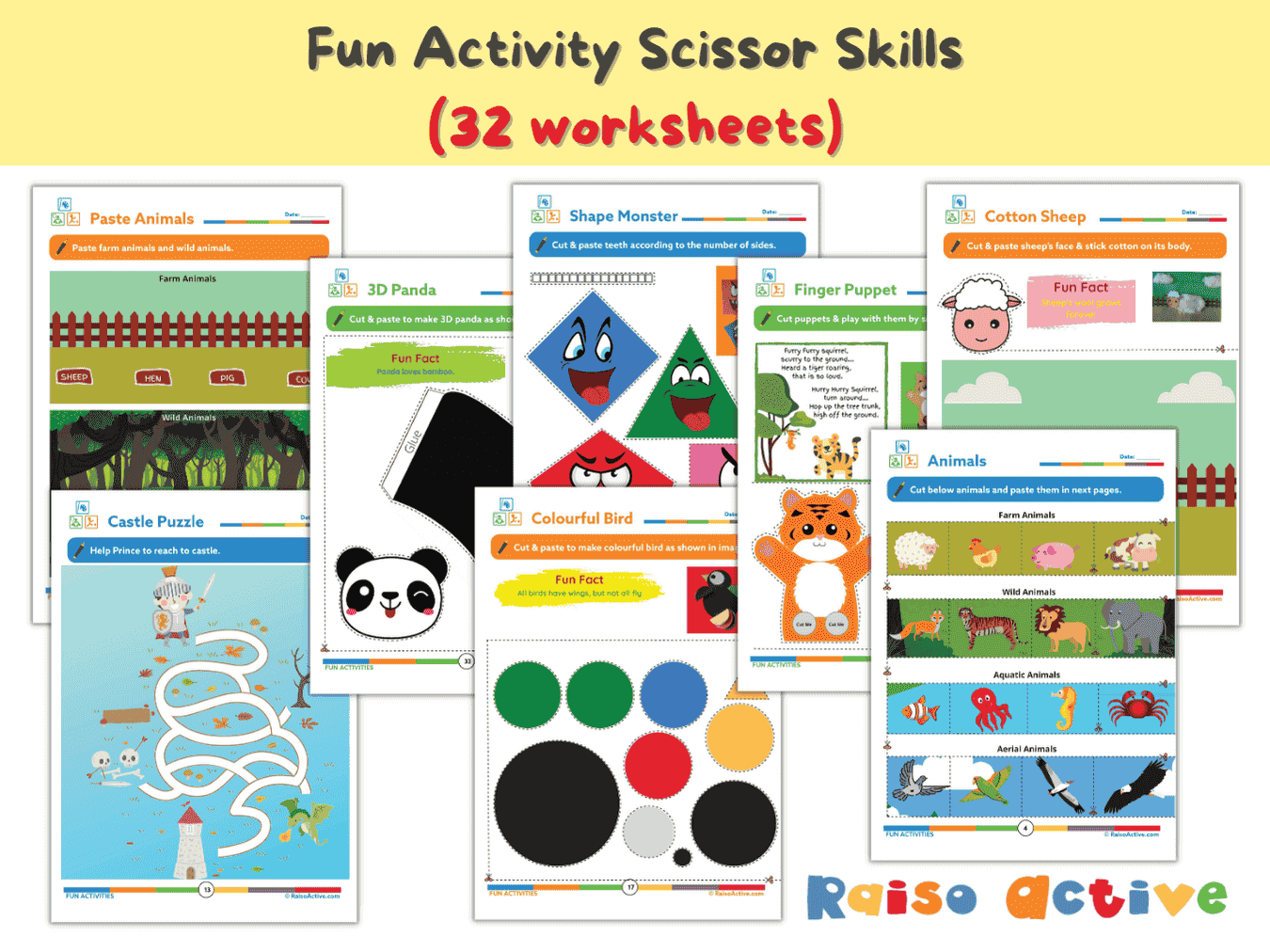
Preschool Scissor Skills Activity Book: Fine Motor & Craft Fun for Ages 3-6
Ages 3-6 · Preschool–KindergartenAges 3-6 · Nursery–Year 1Ages 3-6 · Nursery–UKGAges 3-6 · 35 pages
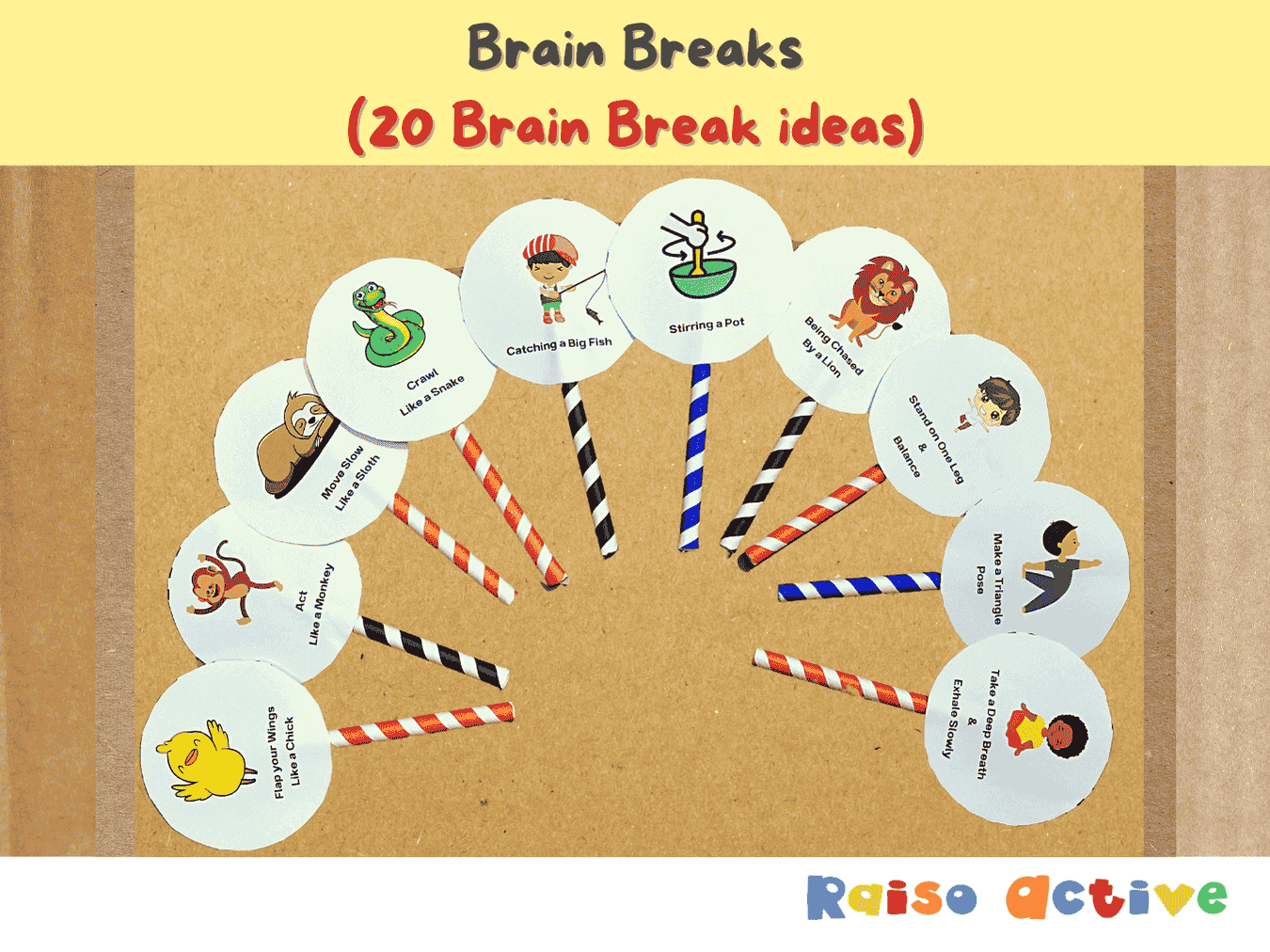
Gross Motor Movement & Imaginative Play Flashcards for Toddlers & Preschoolers
Ages 2-5 · Preschool–Pre-KAges 2-5 · Nursery–ReceptionAges 2-5 · Nursery–LKGAges 2-5 · 5 pages
Festivals & Cultural Diversity Activity Book for Kids (Ages 4-8)
Ages 4-8 · Pre-K–Grade 2Ages 4-8 · Reception–Year 3Ages 4-8 · LKG–Class 2Ages 4-8 · 30 pages