Creating a Learning Schedule for Your Preschooler: A Complete Guide to Structured Yet Flexible Routines
Author
RaisoActive - Kids Activities and Fun Learning
Published
Updated
Reading Time
10 min read

- A good preschool schedule balances structured learning, free play, physical activity, and rest
- Young children thrive on predictability — routines reduce anxiety and improve cooperation
- Ideal learning blocks for preschoolers are 10–20 minutes, not full hours
- Sample daily schedules included for home learners and post-school supplementing
- How to adjust for different temperaments, ages (2–3 vs 4–5), and family situations
Why Preschoolers Need a Schedule (But Not a Rigid One)
When parents hear the word "schedule," they often imagine a military timetable that drains the joy from childhood. But research on early childhood consistently shows that predictable routines are actually one of the greatest gifts you can give a young child. When a child knows what to expect — breakfast, then play, then a learning activity, then outdoor time — they feel safe. And a child who feels safe is a child who can learn.
The key is the distinction between a schedule and a rigid timetable. A schedule gives the day a shape and a rhythm. A rigid timetable demands that things happen at exactly 9:14am regardless of whether your child is mid-flow with their block tower. Preschoolers need the former, not the latter. Think of it as a sequence of activities, not a clock-watching exercise.
This guide will help you create a learning schedule that brings calm and intentionality to your child's day — without sacrificing the spontaneous joy that makes early childhood so magical.
Free Printable Schedule Templates
Subscribe to get our visual daily schedule templates — perfect for sticking on the wall and helping your preschooler understand their day.
The Science Behind Routines and Young Children
Young children's brains are in an extraordinary period of development. The prefrontal cortex — the part responsible for regulating behaviour, managing transitions, and handling uncertainty — is still very much under construction until the mid-20s. This is why unpredictability is so hard for little ones. When a child doesn't know what's coming next, their stress response can activate, making learning, play, and cooperation all harder.
Studies from the American Academy of Pediatrics show that children in households with consistent daily routines demonstrate up to 72% fewer challenging behaviours than children in unpredictable environments — because predictability reduces cortisol (stress hormone) levels.
Source: American Academy of Pediatrics, Routines and Child Behaviour Research, 2019
Routines also help children develop executive function — the ability to plan, self-regulate, and transition between activities. Every time your child follows the sequence of "tidy up blocks, wash hands, sit for a story," they are practising exactly these skills.
A predictable routine is not about controlling your child — it's about giving their developing brain the safety to explore freely.
When children know what comes next, they can relax into the present moment. Ironically, routine *increases* their sense of freedom and creativity because it removes the cognitive load of uncertainty.
How Long Should Learning Blocks Be for Preschoolers?
One of the biggest mistakes well-meaning parents make is expecting preschoolers to sit and focus for 30–60 minute stretches. Young children's attention spans simply don't work that way — and pushing them beyond their capacity leads to frustration, resistance, and ultimately a negative association with learning.
- Ages 2–3: 5–10 minutes of focused activity before needing a change
- Ages 3–4: 10–15 minutes for structured activities; up to 20 minutes for highly engaging play
- Ages 4–5: 15–20 minutes for structured learning; longer stretches during absorbed free play
- Ages 5–6: 20–25 minutes; starting to approach kindergarten-style short lessons
The good news: preschoolers don't need long learning blocks to make excellent progress. Three 15-minute focused activities in a day is extraordinarily productive for a 4-year-old. The goal is quality engagement, not quantity of seat time.
- Always give a transition warning before ending an activity: "Two more minutes, then we'll clean up for snack"
- This gives children time to mentally prepare for the change, dramatically reducing resistance
- Use a visual timer (sand timer or Time Timer app) so children can *see* the time running out
- Consistent warnings build trust — children learn transitions aren't sudden or arbitrary
Building Blocks of a Good Preschool Schedule
Every effective preschool schedule — whether at home or in a nursery school — is built from the same core components. The order and timing varies, but these building blocks need to appear somewhere in each day:
- Morning Routine: Getting up, hygiene, breakfast — predictable and calming
- Circle Time / Morning Meeting (10–15 min): Calendar, weather, what's happening today — sets the tone
- Focused Learning Activity (15–20 min): Worksheet, craft, educational game, or structured play
- Free Play (30–45 min): Child-directed, open-ended — absolutely non-negotiable for development
- Physical Activity / Outdoor Time (20–30 min): Running, climbing, dancing, nature walks
- Read-Aloud (15–20 min): Books together — the single highest-impact literacy activity
- Creative Activity (15–20 min): Art, music, dramatic play, sensory exploration
- Rest / Quiet Time (20–30 min): Especially important for under-4s who may still nap
- Evening Wind-Down: Dinner, bath, bedtime story — predictable signals that the day is ending
Free play is not the break from learning — it IS the learning. Never sacrifice it for more "academic" time.
During free play, children develop language, problem-solving, creativity, social skills, and emotional regulation. Research shows it's actually more cognitively demanding than many structured activities. Protect it fiercely.
Sample Daily Schedule: Home Learning (Ages 3–5)
Here's a sample schedule for a home-learning family with a child aged 3–5. Remember — this is a template, not a prescription. Adjust freely to fit your family's rhythms.
Sample Home Learning Day (3–5 Years)
7:30–8:15 — Morning Routine
Wake up, toilet, brush teeth, get dressed, have breakfast. Keep this as consistent as possible — the same sequence every day helps children transition into the day smoothly.
8:15–8:30 — Circle Time
Sit together at a special spot. Check the calendar (what day is it?), look out the window (what's the weather?), read what's on the schedule for today. Sing a morning song. This 15-minute ritual is powerful for orienting young children.
8:30–9:00 — Focused Learning
A structured activity: a worksheet, an educational game, a maths activity with manipulatives, a pre-writing exercise, or a science experiment. Keep it to 20–30 minutes maximum. Follow the child's energy.
9:00–9:45 — Free Play
Child-directed play with minimal interruption. Set out inviting materials (blocks, art supplies, pretend play props) but step back. Your job is to be available, not to direct.
9:45–10:30 — Outdoor Time / Physical Activity
Park visit, garden play, a walk around the block, or indoor movement (dancing, yoga, obstacle course). Physical activity is essential for brain development and focus.
10:30–11:00 — Creative Activity
Art, craft, music, sensory play, or dramatic play. Connect it to your current learning theme if you have one.
11:00–11:30 — Read-Aloud and Quiet Time
Read 2–3 books together. Then quiet time: colouring, puzzles, or rest. Under-4s may nap; older children benefit from 20–30 minutes of calm, independent quiet activity.
11:30 — Lunch and Afternoon
Afternoon can include errands, a second play session, screen time if permitted, or a second short learning block if your child is energetic and willing. Never force a second academic session if they're tired.
Schedule for After-School Families (Child in Nursery or Preschool)
If your child attends school during the day, the goal of your home time is not more structured learning. Children are cognitively and emotionally taxed by the school day. What they need most after school is decompression, connection, and play.
- 3:30–4:00: Snack + reconnection time — talk, cuddle, let them decompress
- 4:00–5:00: Free outdoor play or physical activity
- 5:00–5:30: Optional: 1 short, enjoyable learning activity (worksheet, puzzle, reading together) — only if child is willing and energetic
- 5:30–6:30: Free play, creative activity, or screen time (if allowed)
- 6:30–7:00: Dinner
- 7:00–7:30: Bath and wind-down
- 7:30–8:00: Bedtime story + sleep
- The Indian tendency to add tuitions, hobby classes, and structured learning on top of a full school day is a real risk for preschoolers
- Children under 6 should NOT have more than one scheduled after-school activity per day
- Protect free play time fiercely — it does more for long-term academic success than extra tuition
- If you want academic enrichment, 15 minutes of worksheet work or reading together is plenty for this age
- Choose one thing: either tuition OR a hobby class, never both, for children under 6
Adjusting for Different Ages and Temperaments
- +Much shorter focus windows (5–10 min)
- +More sensory and physical activities
- +Nap time is often still needed
- +Less structured — more exploratory play
- +Adult presence during activities is important
- +Very simple worksheets: tracing, colouring, matching
- -Can sustain focus for 15–20 minutes
- -Ready for simple maths, phonics, pre-writing activities
- -Quiet rest may replace nap
- -Can follow a 2–3 step activity independently
- -Beginning to enjoy games with rules
- -Worksheets with counting, letter recognition, cutting, patterns
The first five years of life represent the most intensive period of brain development in human lifespan. Eighty-five percent of brain architecture is established by age 5 — which is why the quality of early experiences, including daily routines, matters so profoundly.
Source: Harvard Center on the Developing Child
- Don't force the schedule when a child is unwell, overtired, or emotionally dysregulated — connection first, learning second
- If resistance is persistent, check whether activities are too long, too hard, or not engaging enough
- Give choices within the schedule: "Do you want to do the worksheet before or after outdoor play?"
- Involve children in creating the visual schedule — when they help make it, they're more likely to follow it
- Some days simply won't go to plan. That's normal. Restart fresh tomorrow.
The best schedule is the one your family will actually follow — imperfect and consistent beats perfect and abandoned.
Start simple. Even just a consistent morning routine and one intentional learning activity per day creates enormous cumulative benefit over weeks and months. Build gradually, and don't aim for perfection.
Get Our Free Preschool Schedule Starter Kit
Subscribe to RaisoActive for printable visual schedule cards, daily timetable templates, and hundreds of age-appropriate worksheets to fill your learning blocks — all designed for Indian children.
Frequently Asked Questions
How many hours a day should a preschooler spend on learning activities?
My child attends nursery school. Do I need a home learning schedule too?
What if my child doesn't want to follow the schedule?
Should screen time be part of the daily schedule?
How do I make a visual schedule for my preschooler?
Do Indian preschoolers need a different schedule than children in other countries?
Free worksheets for this topic
Browse all worksheets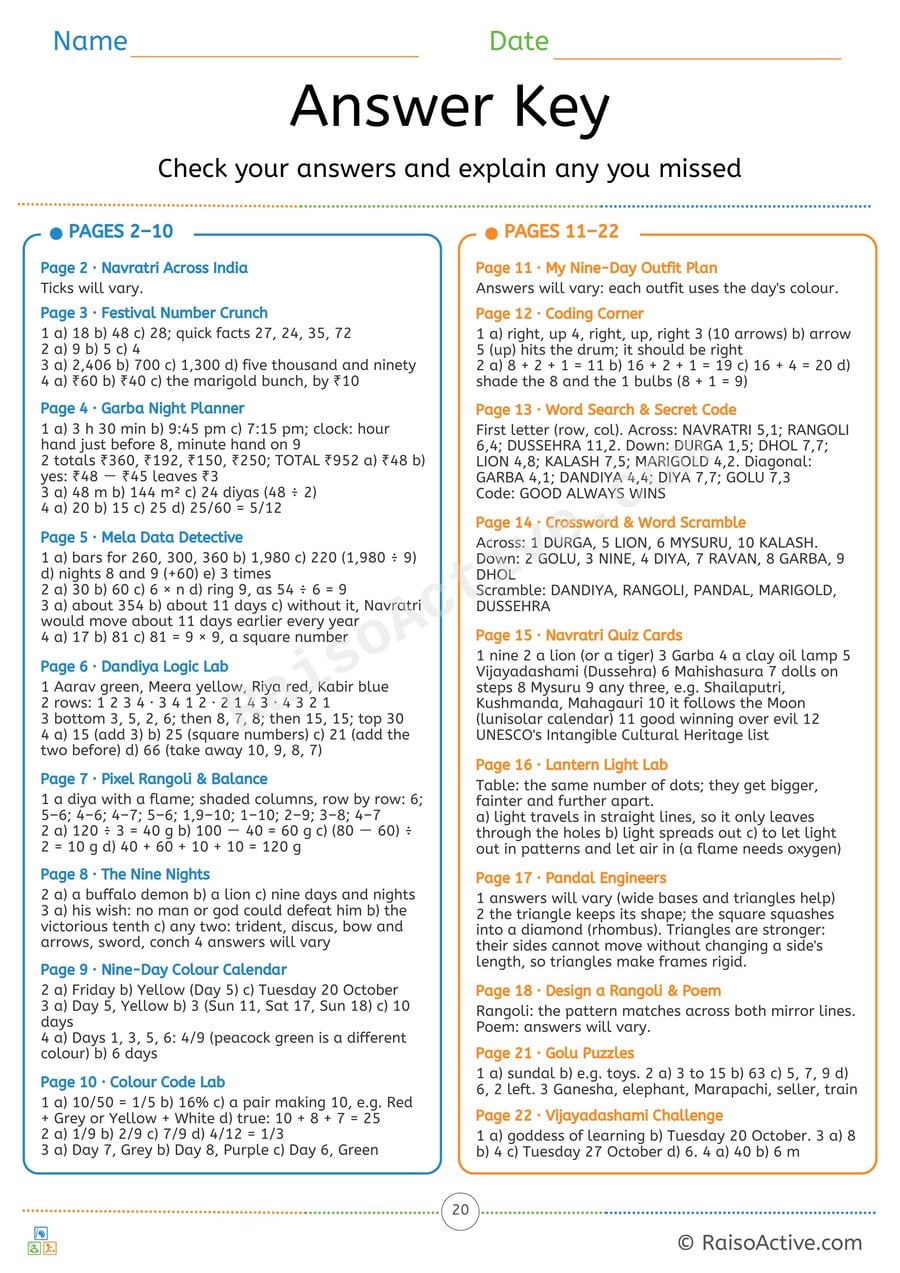
Navratri Festival Quest Answer Key for Grown-ups
Ages 7-11 · Grade 2–Grade 3Ages 7-11 · Year 3–Year 4Ages 7-11 · Class 2–Class 3Ages 7-11
Grown-ups can check every answer in the pack, with workings for the maths, grid positions for the word search, the logic grid and sudoku solutions, and the reasons behind the science results.
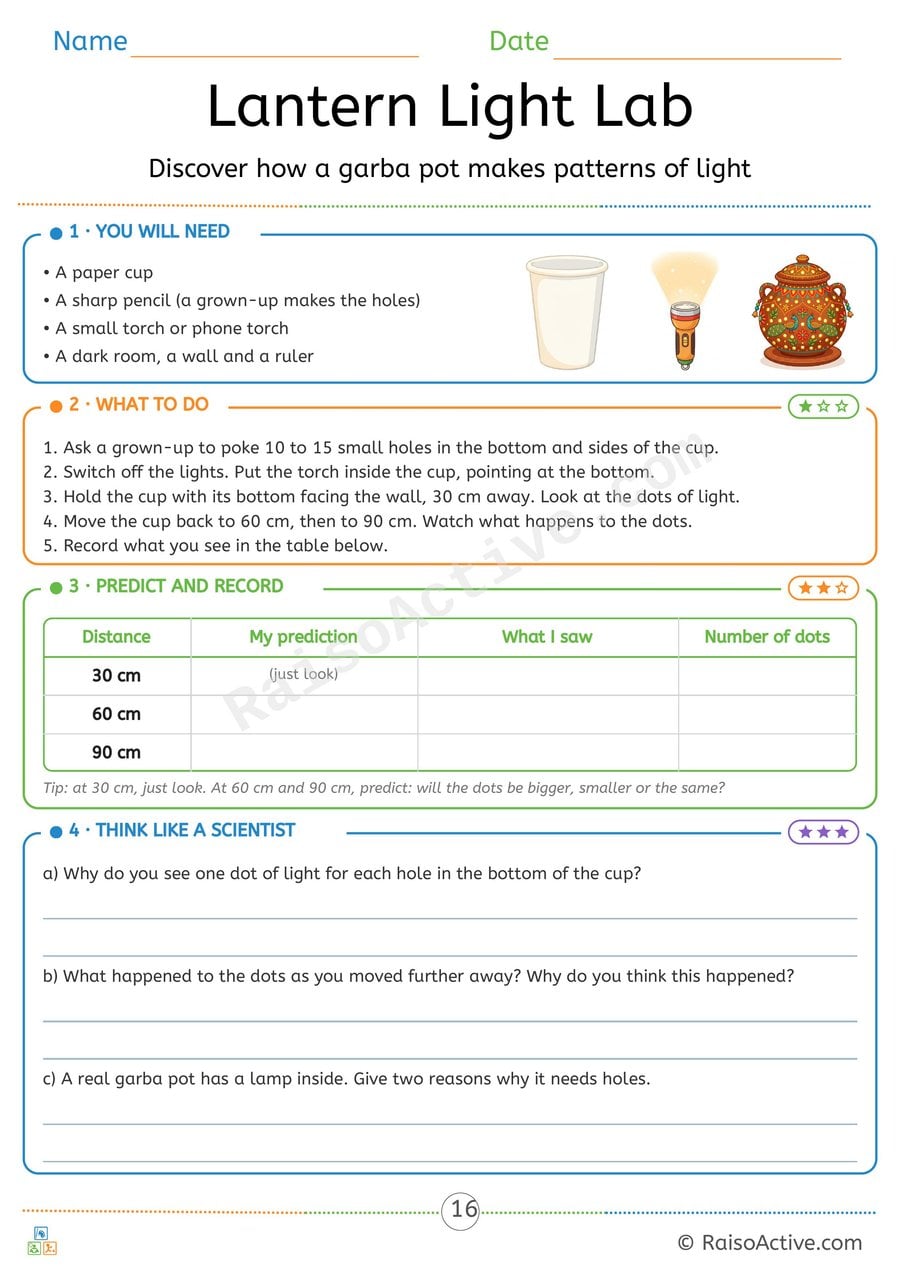
Lantern Light Lab: Navratri Garba Pot Light Experiment
Ages 7-11 · Grade 2–Grade 3Ages 7-11 · Year 3–Year 4Ages 7-11 · Class 2–Class 3Ages 7-11
Children make holes in a paper cup, shine a torch through it and see one spot of light for each hole. They predict and record what happens as they move further from the wall, and explain the results and why a real garba pot needs holes.
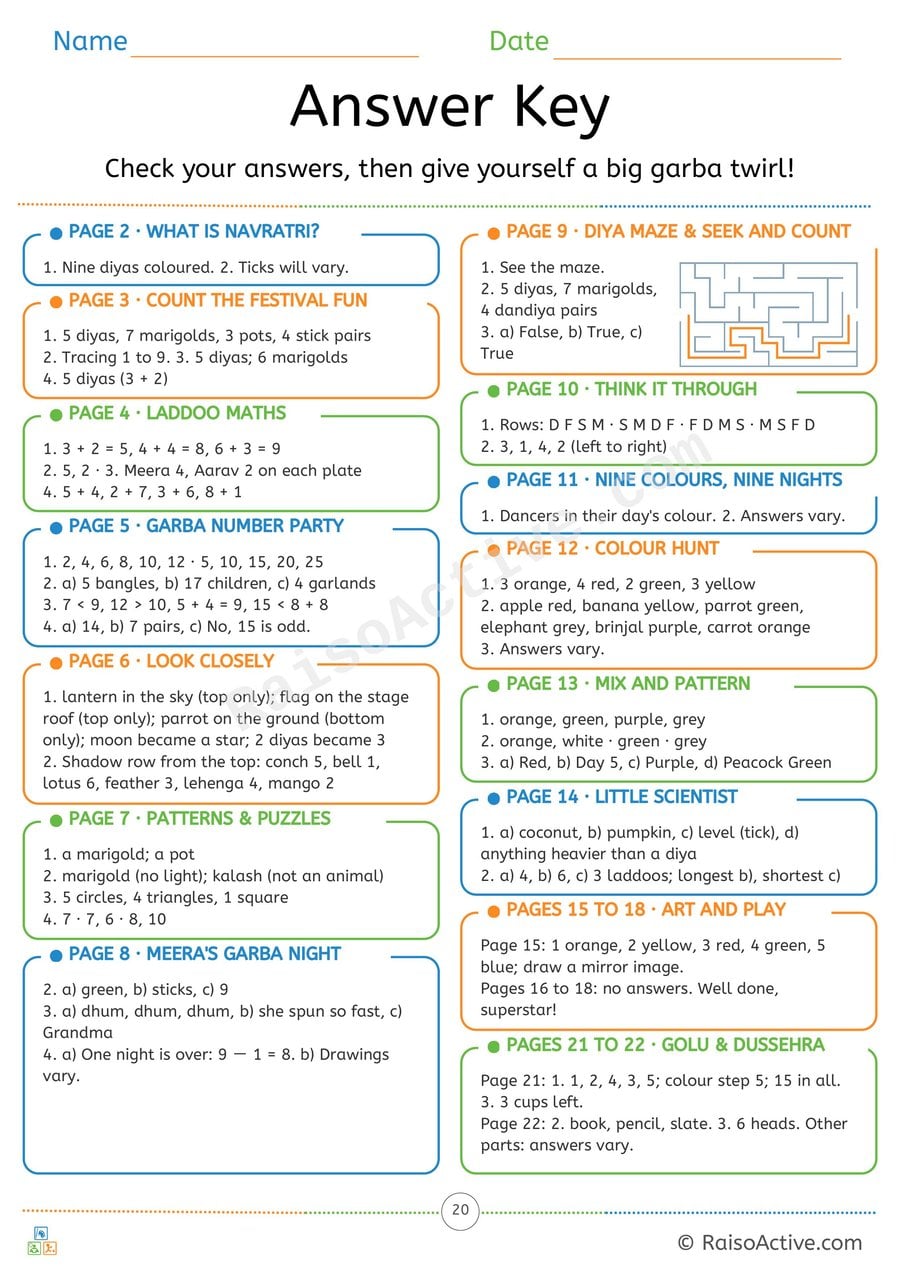
Navratri Fun Time Answer Key for Grown-ups
Ages 4-6 · Pre-K–KindergartenAges 4-6 · Reception–Year 1Ages 4-6 · LKG–UKGAges 4-6
Grown-ups can quickly check every answer in the Navratri Fun Time pack, page by page.

Soap & Pepper Science Experiment Worksheet for Preschoolers
Ages 3-5 · Preschool–Pre-KAges 3-5 · Nursery–ReceptionAges 3-5 · Nursery–LKGAges 3-5
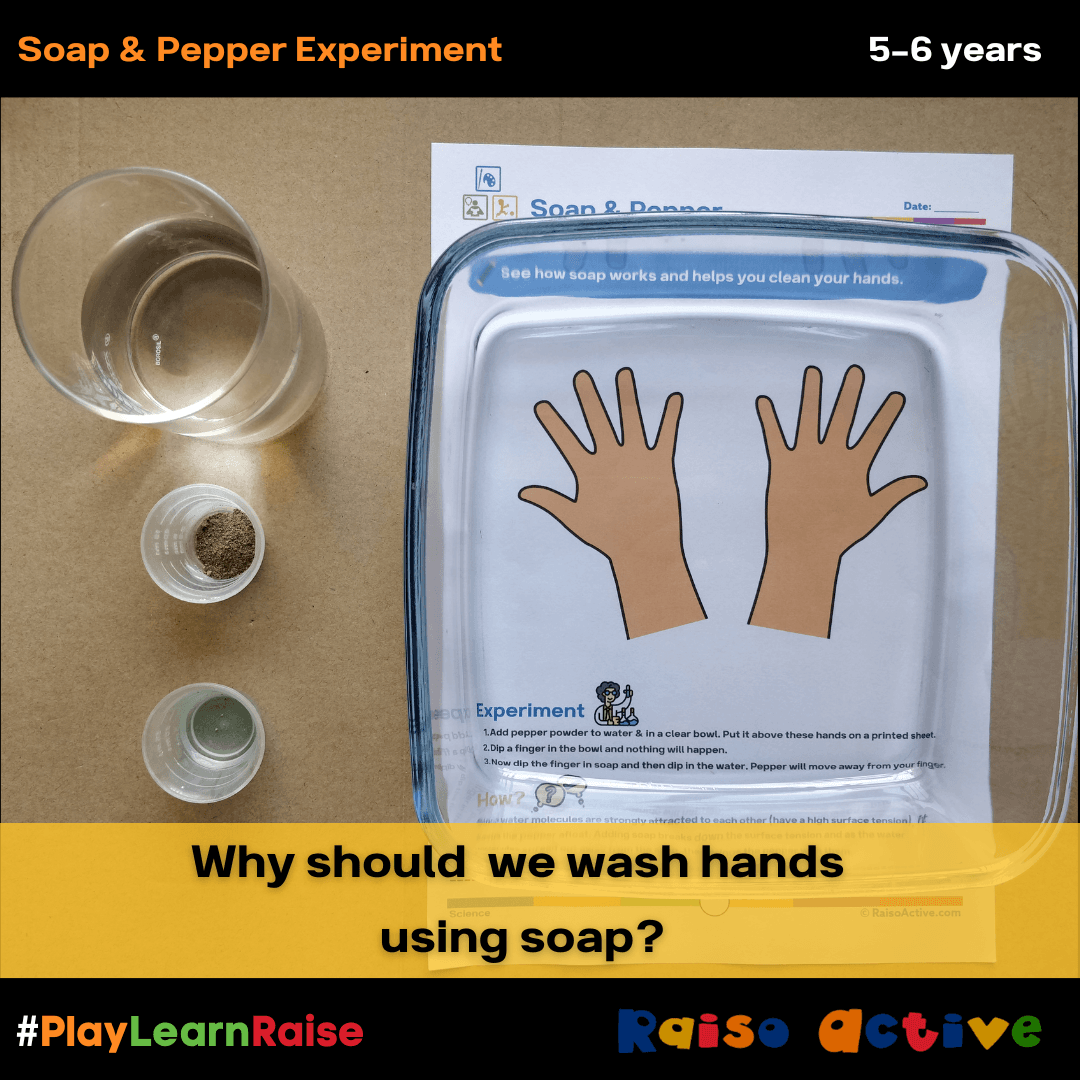
This simple experiment introduces children ages 3-5 to the basic science of surface tension and how soap breaks it, using pepper flakes sprinkled on water as a visual demonstration. Watching the pepper scatter away the instant soap touches the water gives children a concrete, memorable example of cause and effect, an early building block for scientific thinking.

Written by
Hemsweta Jain · Teacher Cheena
MBA and Early Childhood Educator, teaching since 2014 · Founder of RaisoActive, Mumbai
Published · Last reviewed
Related Resources
Printable Resources(10)
View all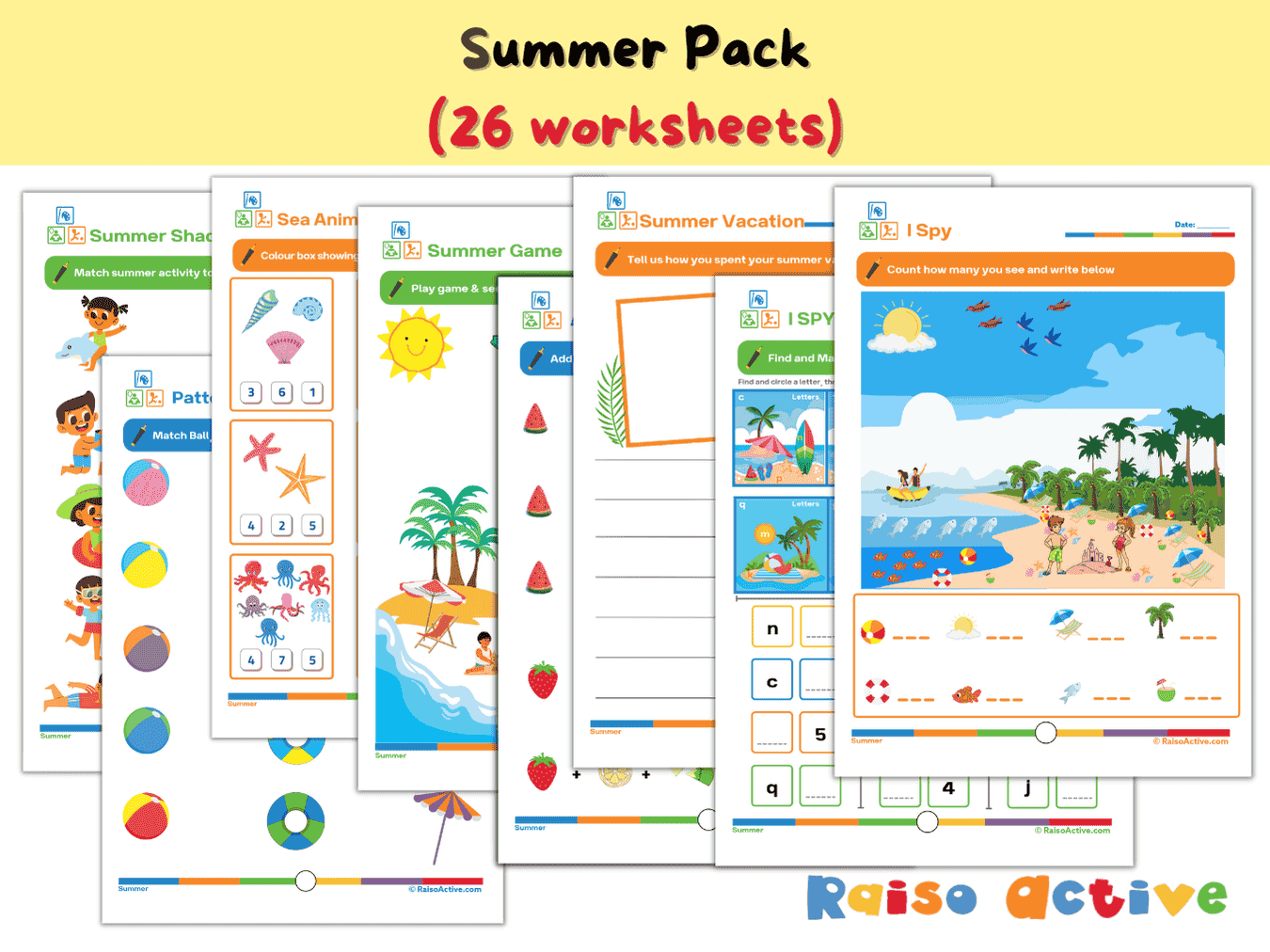

Summer Activity Pack: Math, Literacy, Puzzles & More for Preschool & Kindergarten
Ages 3-7 · Preschool–Grade 1Ages 3-7 · Nursery–Year 2Ages 3-7 · Nursery–Class 1Ages 3-7 · 26 pages
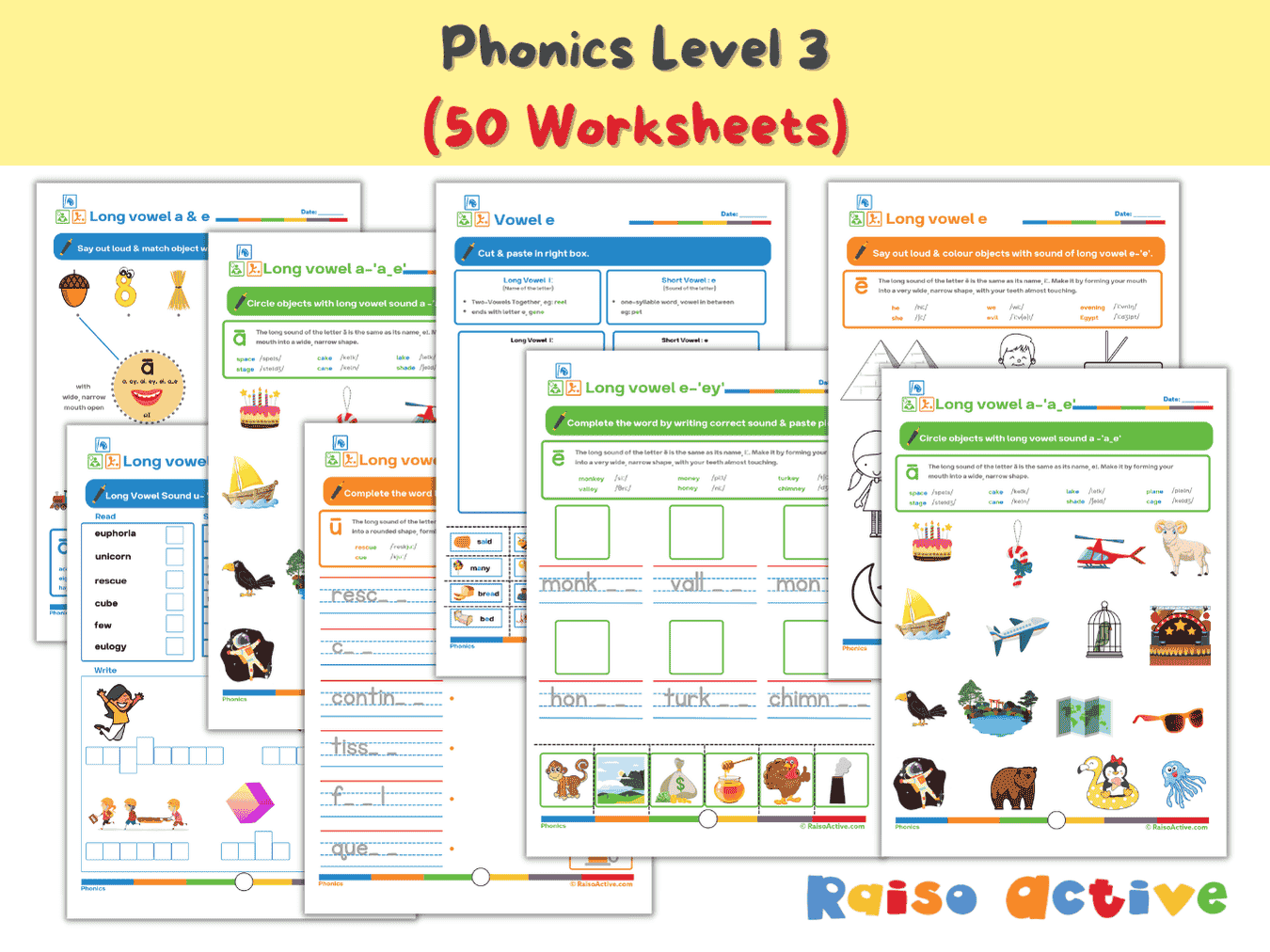

Phonics Level 3 Long Vowels Activity Book for Kindergarten & 1st Grade
Ages 5-7 · Kindergarten–Grade 1Ages 5-7 · Year 1–Year 2Ages 5-7 · UKG–Class 1Ages 5-7 · 51 pages
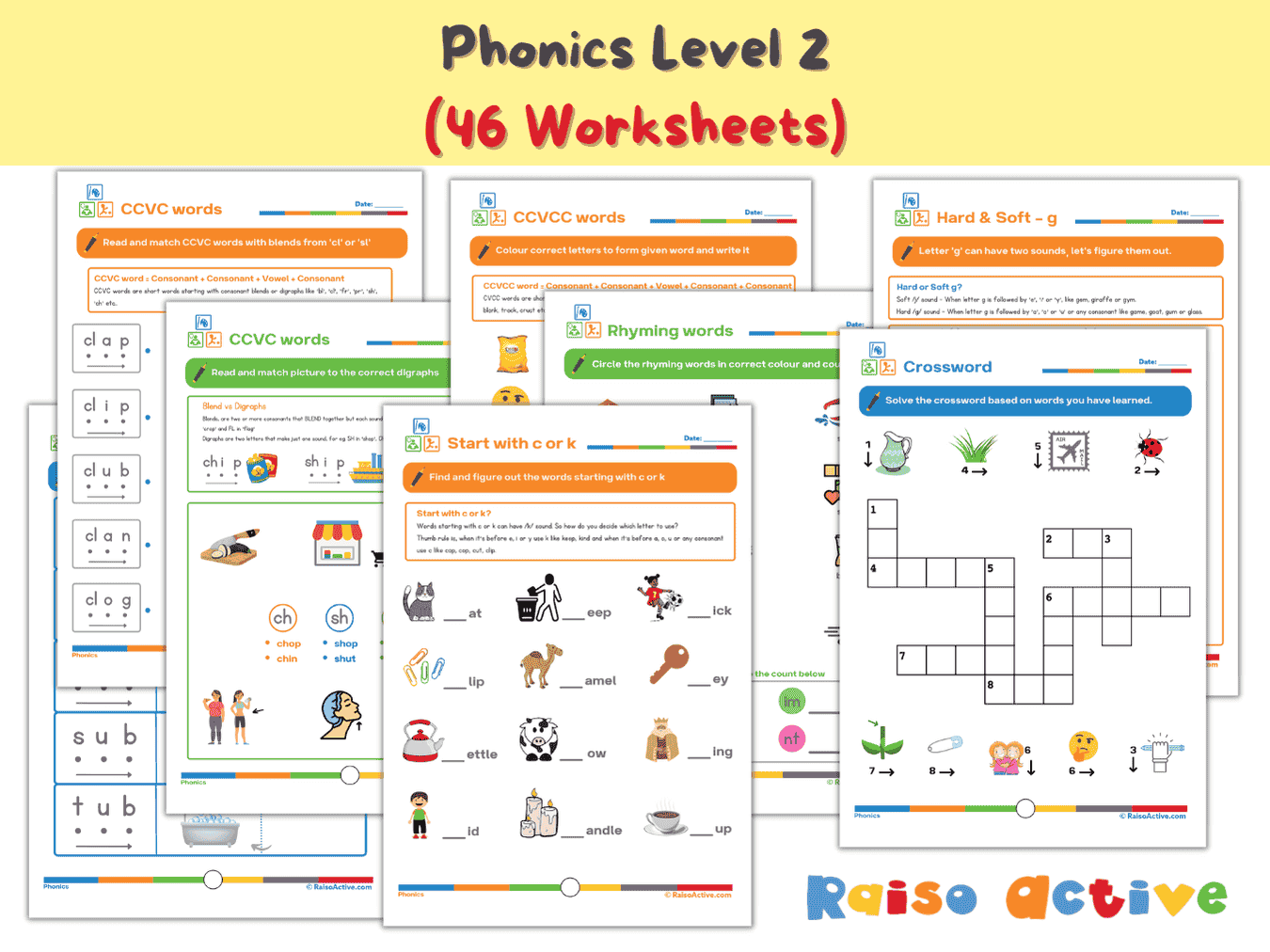
Phonics Level 2 Worksheets: CVC, CCVC, CVCC Word Families & Blends for Early Readers (Ages 4-7)
Ages 4-7 · Pre-K–Grade 1Ages 4-7 · Reception–Year 2Ages 4-7 · LKG–Class 1Ages 4-7 · 47 pages
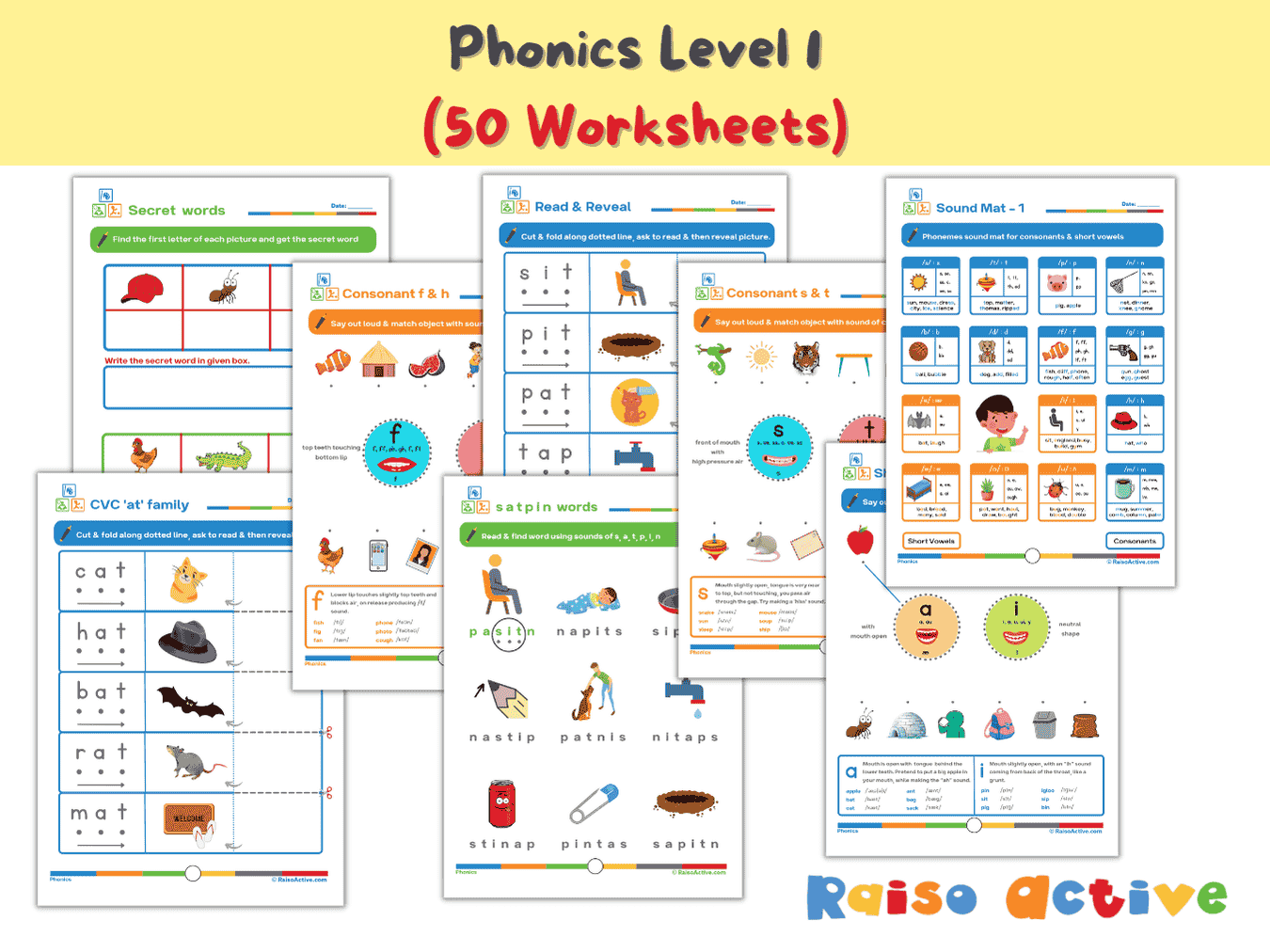
Phonics Level 1 Activity Book: Letter Sounds, Blending & CVC Words for Preschool & Kindergarten
Ages 3-6 · Preschool–KindergartenAges 3-6 · Nursery–Year 1Ages 3-6 · Nursery–UKGAges 3-6 · 60 pages
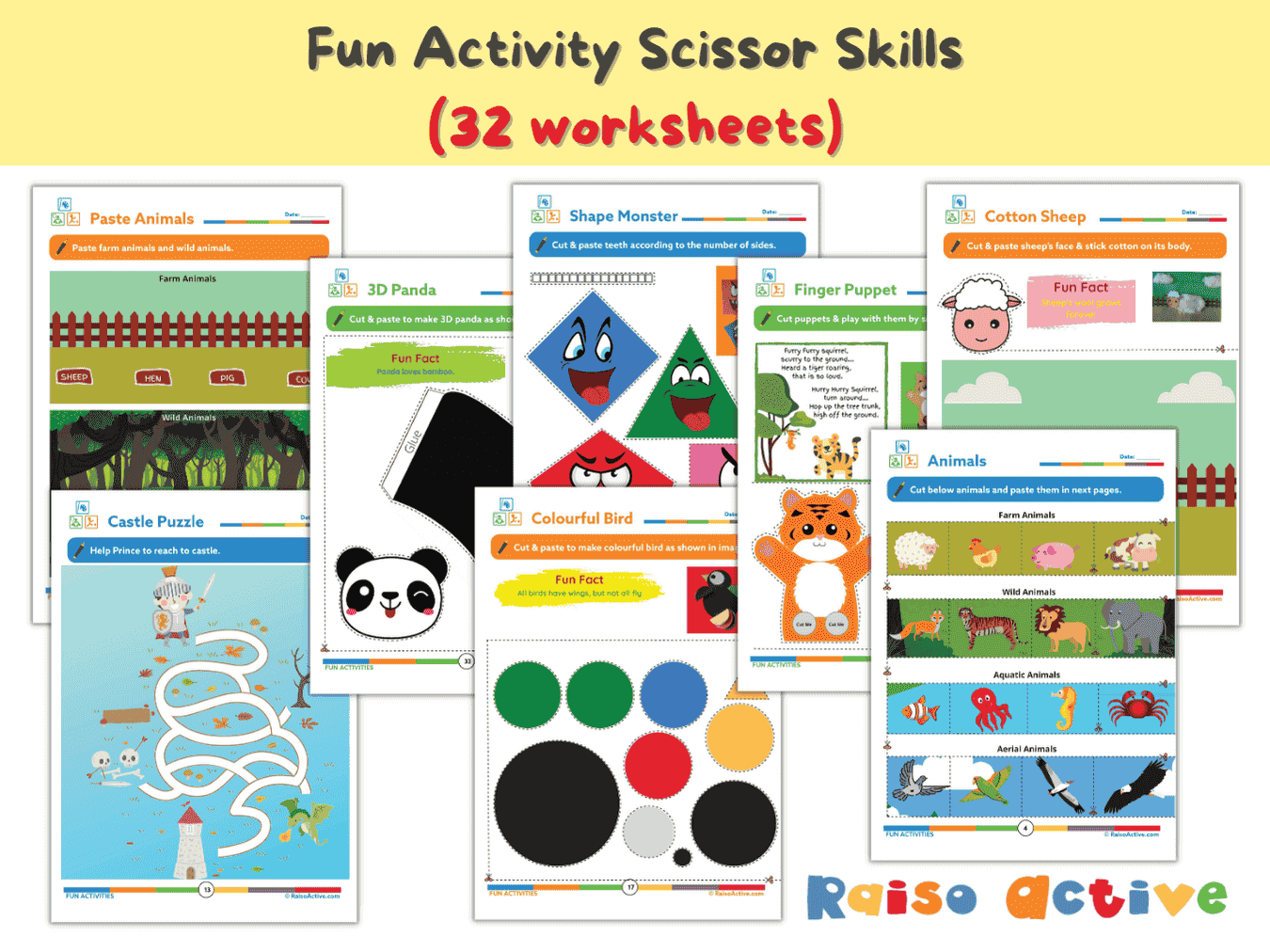

Preschool Scissor Skills Activity Book: Fine Motor & Craft Fun for Ages 3-6
Ages 3-6 · Preschool–KindergartenAges 3-6 · Nursery–Year 1Ages 3-6 · Nursery–UKGAges 3-6 · 35 pages
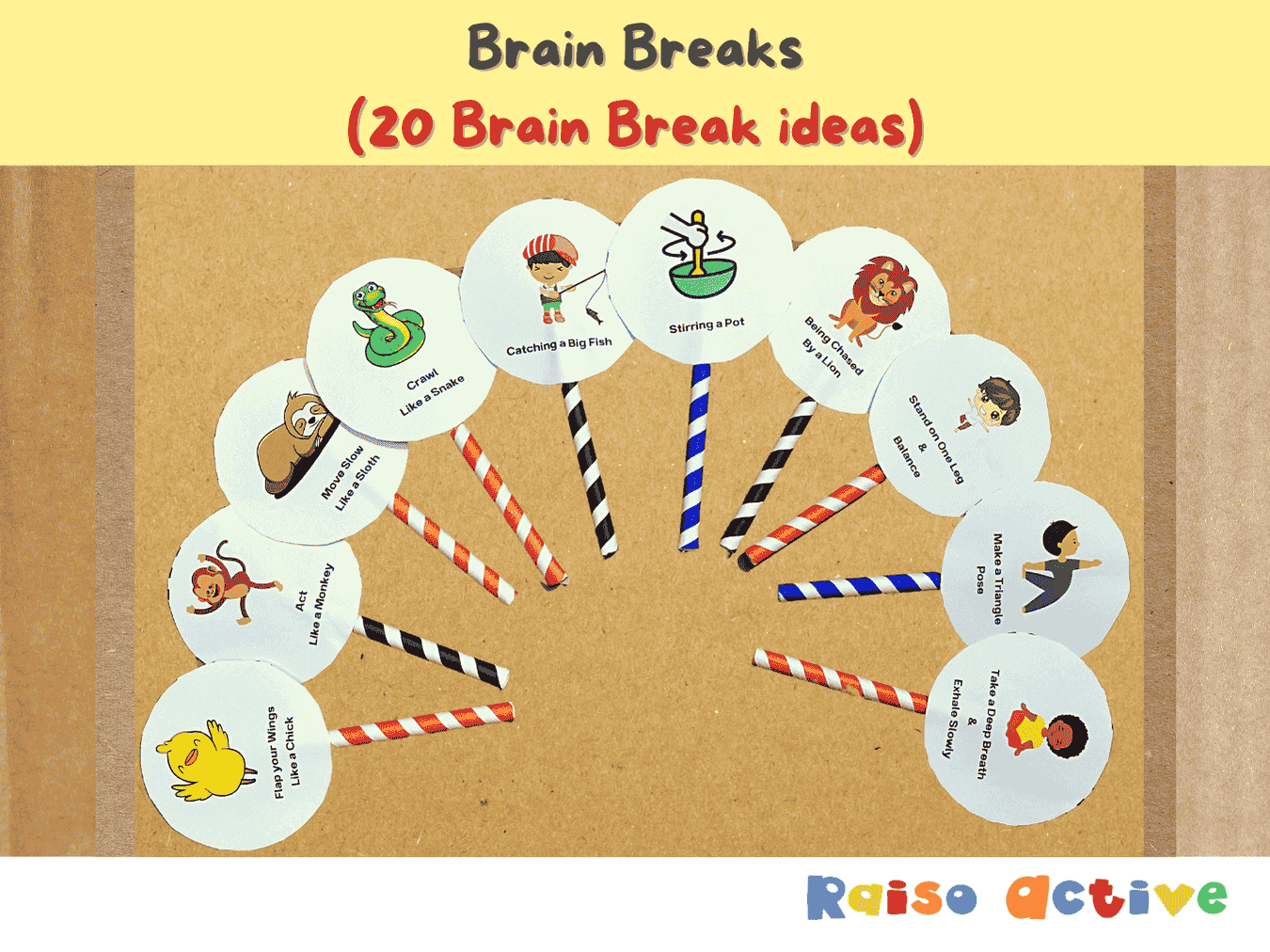
Gross Motor Movement & Imaginative Play Flashcards for Toddlers & Preschoolers
Ages 2-5 · Preschool–Pre-KAges 2-5 · Nursery–ReceptionAges 2-5 · Nursery–LKGAges 2-5 · 5 pages
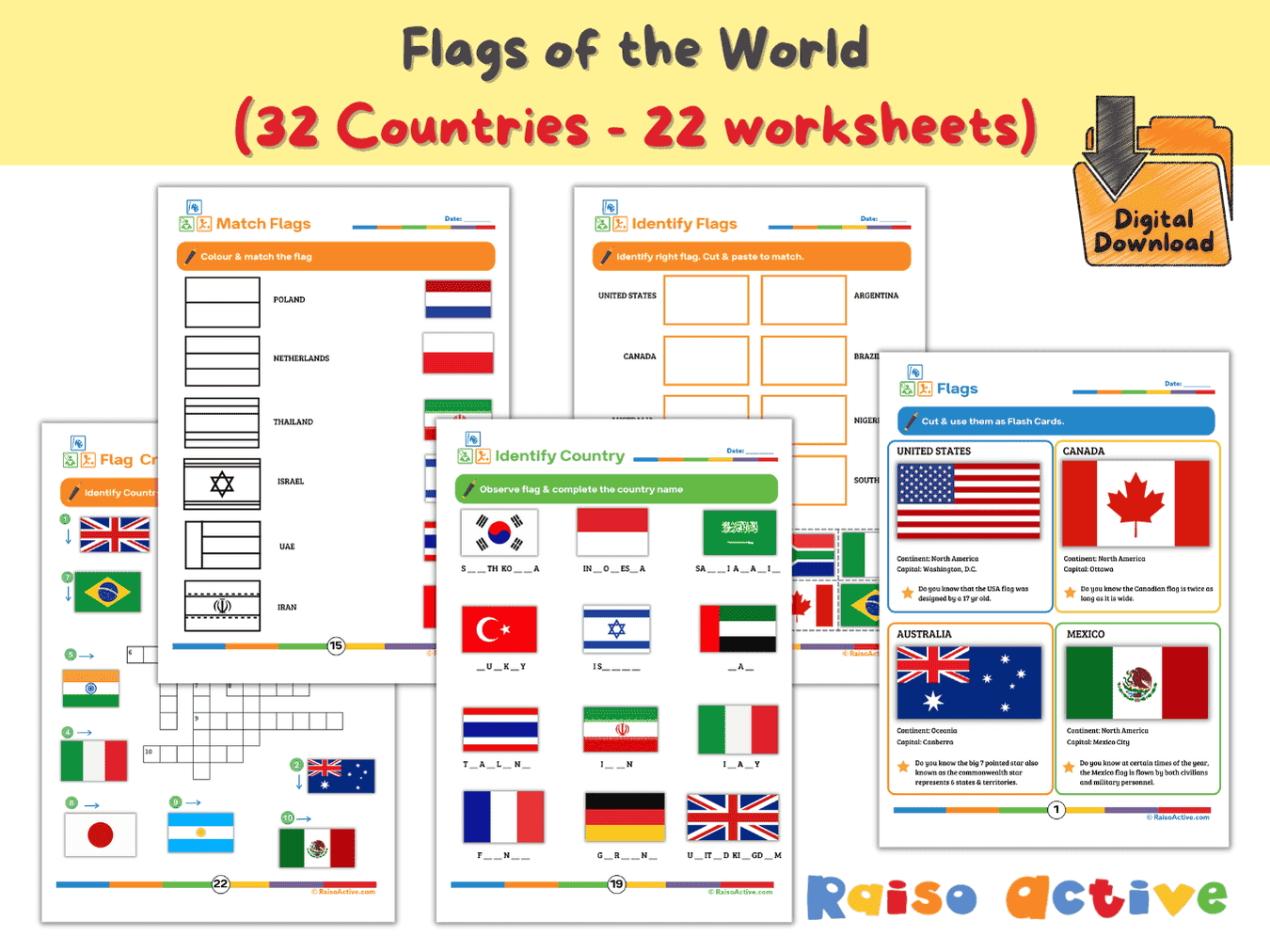

Flags of the World Activity Book & Flashcards for Kids (Ages 5-9)
Ages 5-8 · Kindergarten–Grade 2Ages 5-8 · Year 1–Year 3Ages 5-8 · UKG–Class 2Ages 5-8 · 23 pages

Month 9: Holistic Preschool Play Learning | Ages Up to 4
Ages 3-4 · PreschoolAges 3-4 · NurseryAges 3-4 · 30 pages
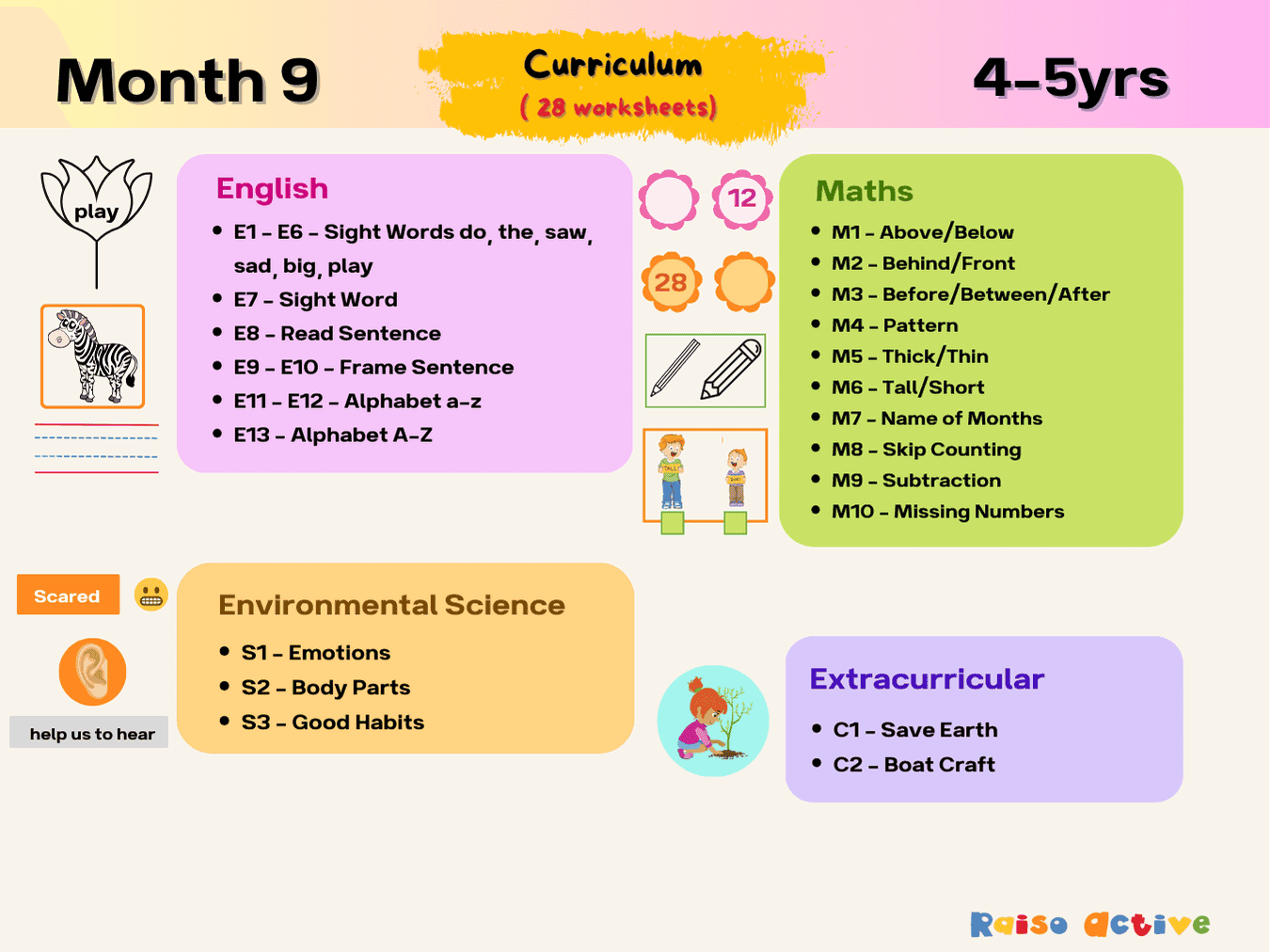
Month 9: Play-Based Preschool Foundational Skills | Ages 4-5
Ages 4-5 · Pre-KAges 4-5 · ReceptionAges 4-5 · LKGAges 4-5 · 31 pages
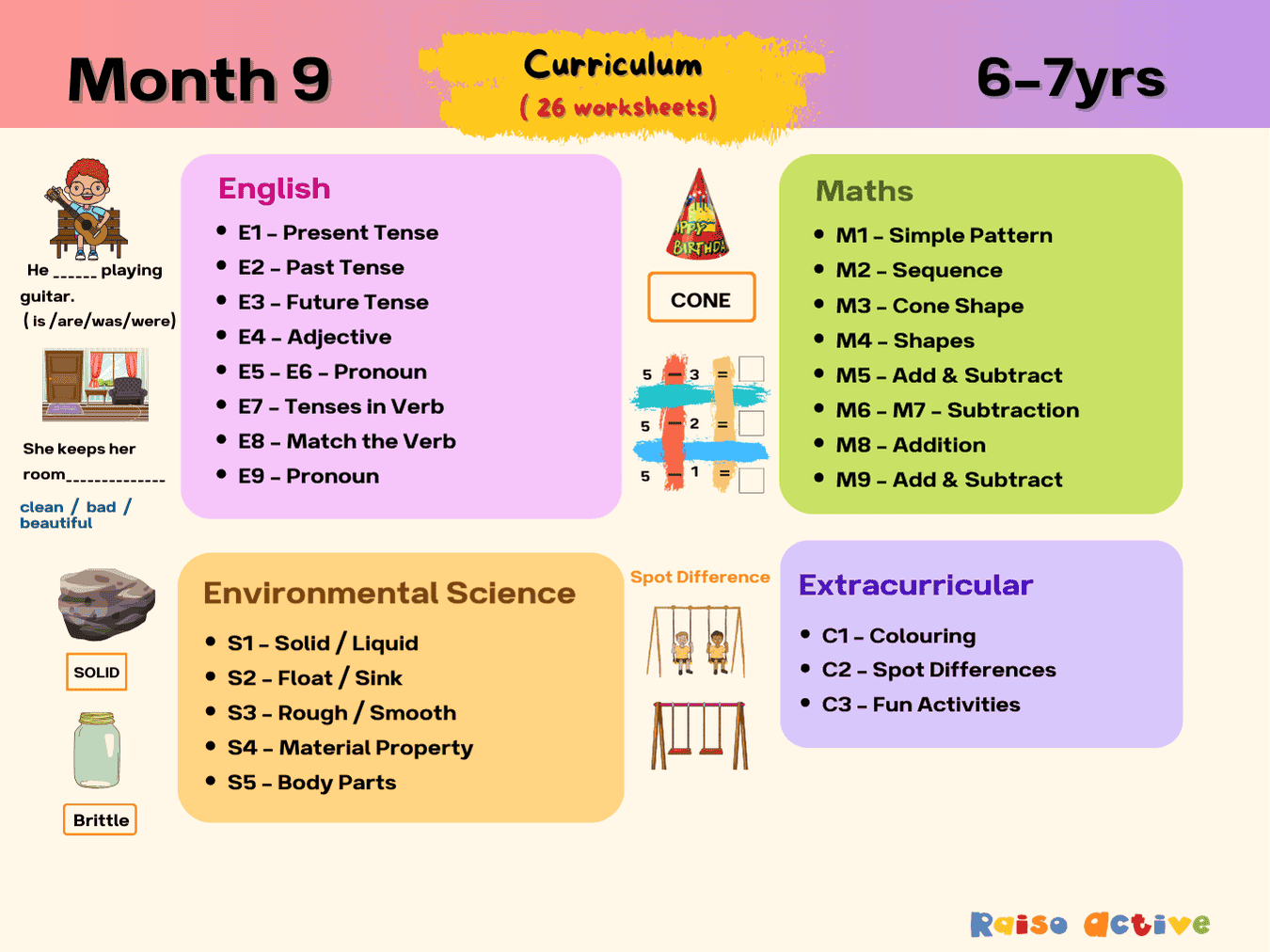
Month 9: Multi-Subject Early Learning | Ages 6-7
Ages 6-7 · Grade 1Ages 6-7 · Year 2Ages 6-7 · Class 1Ages 6-7 · 29 pages