Special Needs & Inclusion, Parenting & Homeschool
Supporting Your Child with Dyslexia: A Parent's Guide to Home-Based Learning Strategies
Author
RaisoActive - Kids Activities and Fun Learning
Date Published
Reading Time
19 min read

In This Article5 min read
- What dyslexia really is — a neurological brain difference that affects how written language is processed, not a sign of low intelligence or insufficient effort
- Common early signs to watch for at different ages: phonological awareness gaps before age 5, letter reversals and slow reading fluency from ages 5 to 8, and the importance of distinguishing typical development from genuine difficulty
- How to access a dyslexia diagnosis in India — from government hospital assessment units to private psychologists — including what to expect and approximate costs
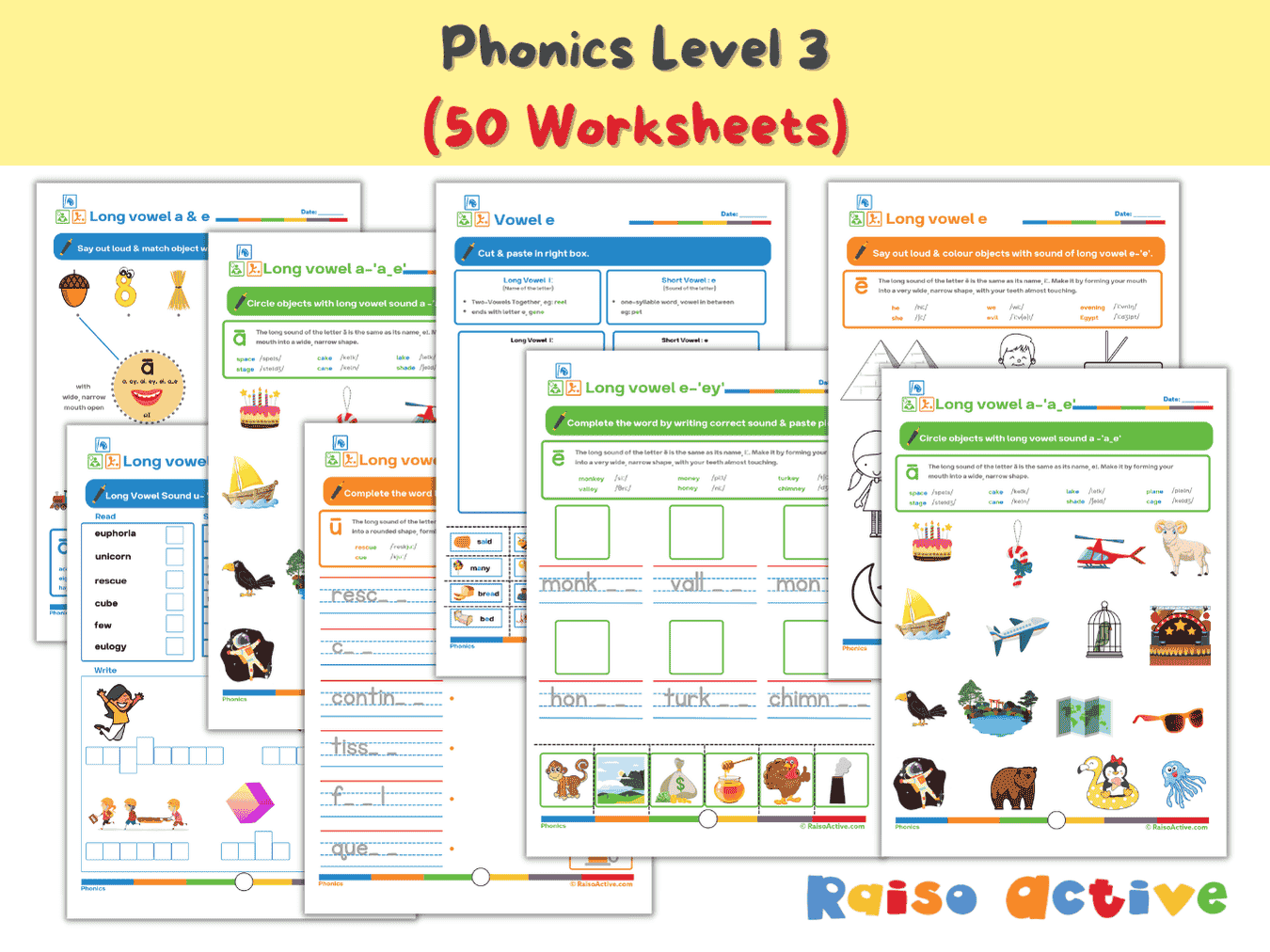
- Evidence-based home strategies that make a measurable difference: multisensory phonics, Orton-Gillingham principles, colour overlays, audiobooks, and adapting worksheets for dyslexic learners
- School accommodations your child is legally entitled to under the RPWD Act 2016, technology tools that transform reading access, and how to build lasting self-esteem alongside literacy skills
When Reading Stays Hard: What Your Child Is Really Experiencing
Your child listens to stories with complete absorption. They remember details, ask thoughtful questions, and can narrate back everything you have read to them. But when you sit down with a simple early reader and ask them to follow the words on the page, something shifts. Letters blur together. Simple words they recognised yesterday are strangers today. They guess from pictures, skip lines, sound frustrated, and within minutes the book is pushed away.
If this is a familiar scene in your home, your child may have dyslexia — one of the most common specific learning differences, affecting an estimated 10 to 15 percent of all children. Dyslexia is not a problem with vision, intelligence, or effort. It is a neurological difference in how the brain processes the sounds of language and maps those sounds onto written symbols. A child with dyslexia has a brain that is genuinely wired differently for reading — and with the right support, that same brain can and does learn to read, write, and succeed.
In India, dyslexia is increasingly recognised in urban schools, but millions of children in smaller towns and rural areas continue to be misunderstood — labelled as slow, careless, or unwilling to try. This guide is for every parent who suspects their child may be struggling with dyslexia and wants to know what to do: what the signs really mean, how to get a proper assessment in India, which home strategies have the strongest evidence behind them, and how to protect your child's confidence and joy for learning through every step of the journey.
Get dyslexia support resources in your inbox
Free strategies, adapted worksheets, and expert guidance for supporting children with reading differences — delivered straight to your inbox every week.
What Dyslexia Is — and What It Is Not
The word dyslexia comes from the Greek: dys (difficulty) and lexis (word or language). It is a specific learning disability that primarily affects reading accuracy, reading fluency, and spelling. The International Dyslexia Association defines it as a neurobiological condition characterised by difficulties with accurate and fluent word recognition, poor decoding (the ability to sound out unfamiliar words), and weak spelling — difficulties that are unexpected in relation to the child's other cognitive abilities and educational opportunities.
At the neurological level, brain imaging studies consistently show that people with dyslexia use different neural circuits during reading tasks compared to non-dyslexic readers. The areas of the brain most associated with phonological processing — the ability to hear and manipulate the individual sounds within spoken words — show reduced activation. This means that the foundational skill of cracking the alphabetic code (understanding that the letter 'b' represents the sound /b/) is genuinely harder for a dyslexic brain to automate, requiring conscious effort for tasks that become effortless for most readers by age seven.
What dyslexia is not is just as important to understand as what it is. Dyslexia is not low intelligence — many people with dyslexia are intellectually gifted, and the condition occurs across the full range of cognitive ability. It is not laziness, inattention, or poor parenting. It is not caused by too much screen time or too little reading practice. It is not purely a problem with seeing letters backwards — while some children with dyslexia do reverse letters, this is not the defining feature and is actually a normal developmental occurrence in all young children up to around age seven. And crucially, dyslexia is not untreatable — with targeted, systematic instruction, children with dyslexia can and do learn to read effectively.
Recognising the Signs at Different Ages
Dyslexia exists on a spectrum, and its signs change as children grow and the reading demands placed on them increase. Understanding what to look for at each stage helps parents and teachers identify concerns early — ideally before a child has spent years struggling without support.
In the pre-reading years (ages 3 to 5), the earliest signs are phonological rather than visual. Watch for difficulty learning nursery rhymes or noticing that words rhyme ("cat" and "bat" sound similar). A child who struggles to clap syllables in their own name, who mispronounces familiar words frequently, or who has delayed speech development may be showing early phonological processing difficulties. A family history of dyslexia is also a significant risk factor — if a parent or sibling has dyslexia, the chance of a child having it rises to around 40 to 60 percent.
In the early school years (ages 5 to 7), signs become more specific to reading and writing. Look for: difficulty learning the sounds that letters represent (letter-sound correspondence); an inability to blend sounds together smoothly to read simple CVC words like 'cat' or 'bin' even after instruction; reading that is very slow, effortful, and relies heavily on guessing from pictures or context; letter and word reversals (b/d, p/q, 'was'/'saw') that persist well beyond age 7; spelling that is highly inconsistent — spelling the same word differently within the same piece of writing; and a strong avoidance of reading aloud or any reading-related task. The key indicator, as at every age, is persistence beyond the typical developmental window and a gap between the child's verbal ability and their reading performance.
By ages 7 to 8, when reading instruction is well established and most children are reading fluently, the gap for a child with dyslexia typically becomes more visible. Reading aloud may be halting and inaccurate. Silent reading is slow. Comprehension of text the child has read themselves may be poor simply because so much cognitive energy is consumed by decoding. Writing is often phonetically plausible but unconventional — "sed" for 'said', "wos" for 'was'. Homework takes a disproportionate amount of time. The child may begin to show signs of anxiety, school avoidance, or low self-esteem specifically around literacy tasks.
Key Takeaway
The single strongest predictor of dyslexia in young children is weak phonological awareness — difficulty hearing and manipulating the individual sounds (phonemes) within spoken words — combined with slow progress in learning letter-sound correspondences despite adequate teaching.
If your child finds rhyming games difficult, struggles to identify the first sound in a word, or cannot blend three sounds together to make a simple word after several months of phonics instruction, these are meaningful signals worth discussing with a professional.
Getting a Diagnosis in India: Options, Process, and Costs
A formal diagnosis of dyslexia in India is conducted by a clinical psychologist or special educator with training in specific learning disabilities. The assessment typically involves standardised tests of cognitive ability, phonological processing, reading accuracy and fluency, spelling, and sometimes working memory. The full assessment usually takes two to three sessions of one to two hours each and results in a written report that documents the diagnosis and outlines specific recommendations.
In the government sector, assessment services are available at child development units attached to major government hospitals. AIIMS Delhi, KEM Hospital Mumbai, Lokmanya Tilak Municipal General Hospital (Sion), Government Stanley Medical College Chennai, and the National Institute of Mental Health and Neurosciences (NIMHANS) in Bengaluru all offer paediatric psychology services. Waiting times at government facilities can be long — sometimes several months — but costs are subsidised and the diagnostic reports are accepted for CBSE and state board accommodation applications. Carry your child's school reports and any previous assessments to the first appointment.
In the private sector, clinical psychologists, educational psychologists, and specialist learning disability assessment centres in major cities can typically offer appointments within a few weeks. Fees for a comprehensive psycho-educational assessment range from approximately ₹3,000 to ₹15,000 depending on the city and the depth of the assessment. Organisations such as the Dyslexia Association of India, the Learning Curve Centre (Mumbai and Delhi), and READ (Research and Education for Dyslexia) can provide referrals to qualified assessors in your region.
Under the Rights of Persons with Disabilities Act (RPWD) 2016, specific learning disabilities including dyslexia are listed as recognised disabilities. A formal diagnosis from a government-recognised professional entitles children to significant accommodations in CBSE and state board examinations: extra time (typically 20 minutes per hour), a reader who reads question papers aloud, a scribe, use of a computer, and exemptions from spelling-related mark deductions in specified subjects. It is worth beginning the assessment process as early as Class 2 or 3 so that documentation is in place well before examinations become high-stakes.
👋Preparing for Your Child's Assessment
- **Bring written observations from home and school.** Describe specific examples: how long it takes your child to read one page, what happens when they try to sound out an unfamiliar word, which letters they consistently confuse. The more specific and concrete your observations, the more useful they are to the assessor.
- **Ask the school for any previous assessments or progress notes.** Class teacher observations, reading level assessments, or special educator screening reports all add valuable context. Most schools in India will provide these on written request.
- **Do not prepare your child by drilling them.** An assessment is most useful when it reflects your child's genuine, uncoached performance. Tell your child they are going to meet someone who helps children with reading, and that there are no right or wrong answers — they just need to try their best.
- **Ask what the report will contain and how long it will take.** A good assessor will explain the process clearly, give you a realistic timeframe for receiving the written report, and offer a feedback session to discuss the findings and recommendations in plain language.
Evidence-Based Home Strategies That Make a Real Difference
You do not need to wait for a formal diagnosis to begin supporting your child's reading at home. Many of the most effective strategies for dyslexic learners are simply good reading instruction made more explicit, more multisensory, and more systematic — and they benefit all children. The key principle underpinning everything is this: children with dyslexia do not learn to read by exposure and osmosis. They need direct, explicit, structured, and systematic instruction in the phonological and phonics skills that other children pick up more incidentally.
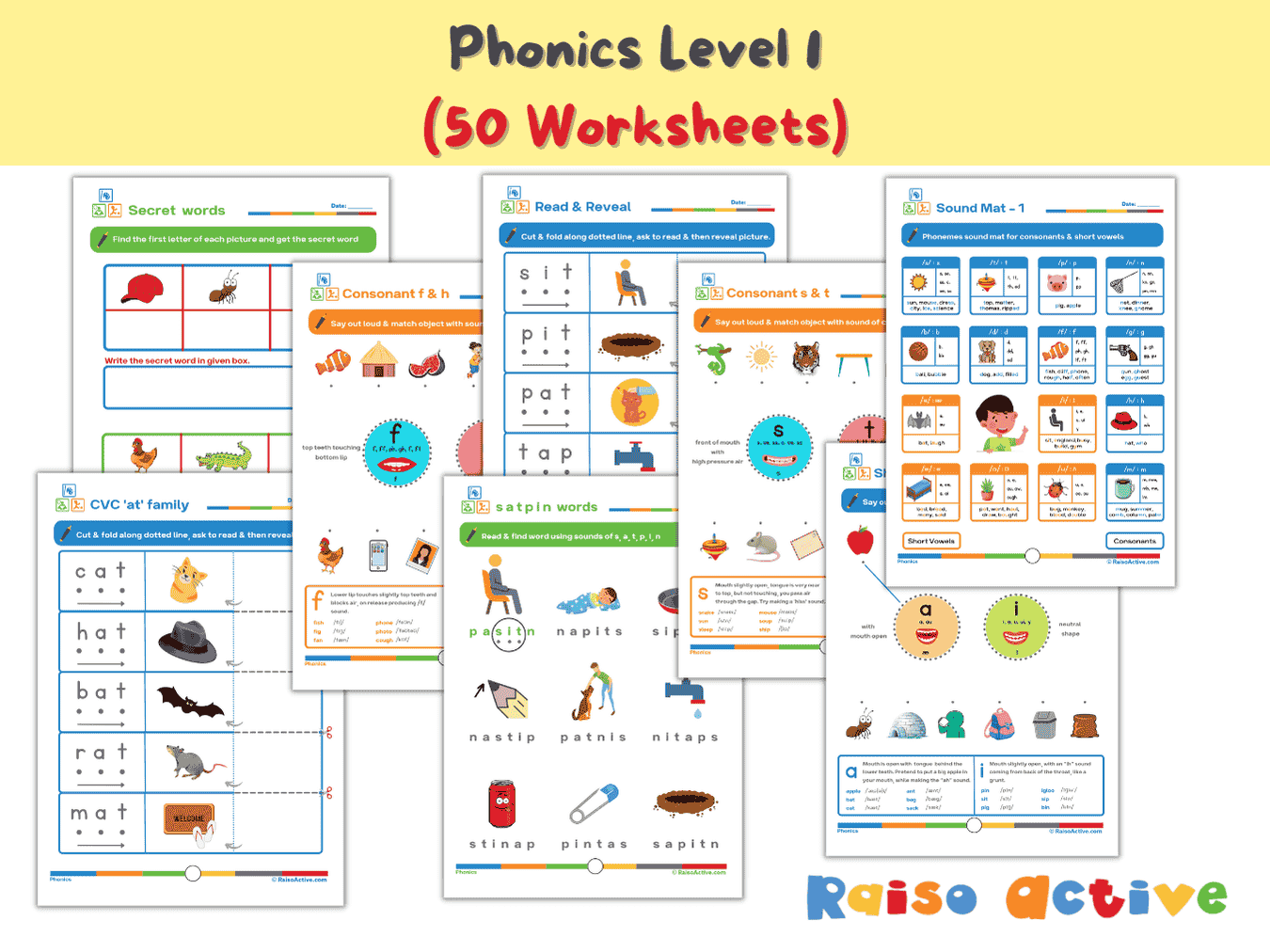
Multisensory phonics is the most well-evidenced approach for teaching reading to children with dyslexia. Rather than teaching letter-sound connections through visual drills alone, multisensory phonics engages sight, hearing, touch, and movement simultaneously. When a child sees the letter 'a', says its sound aloud, traces it in a tray of sand, and taps the sound with their finger, multiple neural pathways are activated at once — dramatically improving retention for children whose visual-phonological pathway is less efficient. Simple multisensory phonics activities you can do at home include: tracing letters in sand or salt trays while saying the sound; forming letters from play-dough; tapping syllables on fingers while reading words; and clapping the individual sounds in words during a walk or bath time.
The Orton-Gillingham approach is the grandfather of structured literacy programmes and the foundation for many of the most effective dyslexia interventions available today, including programmes used in Indian specialist schools. You do not need specialist training to apply its core principles at home. Orton-Gillingham instruction is: systematic (introducing phonics patterns in a logical sequence from simple to complex), sequential (never moving forward until a concept is secure), cumulative (constantly reviewing earlier skills while introducing new ones), and multisensory (always engaging more than one sense). When you sit down for home reading practice, ensure you are consistently reviewing sounds your child knows before introducing new ones, and that you are doing so through activities that involve seeing, saying, hearing, and touching.
Colour overlays are a low-cost tool that many children with dyslexia find genuinely helpful. Some children with dyslexia experience a phenomenon called visual stress (also called Meares-Irlen syndrome) in which black text on white paper appears to shimmer, move, or blur. Placing a coloured transparent overlay — available in pink, yellow, blue, or green — over the page can reduce this effect and make reading significantly more comfortable. Overlays cost very little and are available through educational suppliers and online. Let your child choose the colour that feels most comfortable to them; individuals vary considerably in which colour they find most helpful.
Audiobooks and read-alouds are not a replacement for reading instruction — but they are an essential parallel strand of support. A child with dyslexia who listens to a rich, complex audiobook while following along with the text is simultaneously building vocabulary, comprehension, background knowledge, and a love of stories — all of which contribute to reading development in the long run. India now has a growing ecosystem of children's audiobooks available through apps like Audible, StoryWeaver (which has a large Indian-language and English collection), and the government's Sugamya Pustakalaya (an accessible library for persons with print disabilities). Reading aloud to your child — regardless of their age — is one of the most powerful things a parent can do to support literacy development.
Key Takeaway
Audiobooks and read-alouds do not let children 'skip' learning to read — they build the very vocabulary, comprehension, and love of stories that motivate and support reading development alongside structured phonics instruction.
Children with dyslexia are often extremely intelligent, highly verbal learners who are hungry for complex stories and ideas. Audiobooks ensure that reading difficulties do not also become knowledge and vocabulary gaps — keeping the child's mind stretching even while their decoding skills are catching up.
Adapting Worksheets and Learning Materials for Dyslexic Learners
Standard worksheets and printed materials are often inadvertently designed in ways that make reading more difficult for children with dyslexia. Simple, low-cost adjustments can transform the accessibility of the same content without requiring a completely different curriculum.
Font choice matters more than most people realise. Serif fonts like Times New Roman and decorative fonts with elaborate letterforms are significantly harder for dyslexic readers. Sans-serif fonts with clear, distinct letterforms — such as Arial, Verdana, or the specially designed OpenDyslexic (available free online) — are considerably easier. If you are printing worksheets at home, always choose a clean sans-serif font at a minimum size of 14 points. Avoid italics wherever possible; italics distort the shapes of letters in ways that are particularly confusing for children who already struggle with letter recognition.
Line spacing and text density are the next most impactful adjustments. Closely spaced lines of dense text are visually overwhelming and make it very difficult for a child with dyslexia to track their place. Increase line spacing to at least 1.5 lines and break text into shorter paragraphs. Use wider margins so the page does not feel crowded. If a worksheet contains a large block of reading followed by questions, consider printing only one section per page so the child is not visually confronted with the entire task at once.
Shorter tasks with immediate feedback work far better than long worksheets for children with dyslexia. Rather than a twenty-question exercise completed in one sitting, break the same content into four five-question chunks with a brief review after each. This reduces the stamina required for sustained reading and writing, prevents the child from feeling overwhelmed before they begin, and allows errors to be corrected before they are practised repeatedly. Using a coloured ruler or a simple card window to expose only one line at a time while blocking the rest of the page is another simple technique that dramatically reduces visual overwhelm.
💡Quick Worksheet Adaptations You Can Make Today
- Print or rewrite worksheets in a 14-point or larger sans-serif font (Arial or Verdana) with 1.5 line spacing — this single change reduces visual processing load significantly
- Use pale yellow, pink, or cream paper instead of bright white — the high contrast of black text on stark white paper contributes to visual stress in many dyslexic readers
- Give your child a coloured ruler or a piece of card to track the line they are currently reading, covering lines above and below to reduce visual distraction
- Divide long tasks into clearly labelled sections and tick each section off together when it is complete — this makes the task feel manageable and builds momentum
- Read the instructions aloud before asking your child to begin, and check comprehension of the task requirements before writing starts — dyslexic children often struggle with written instructions as much as with the content itself
Building Self-Esteem and Emotional Resilience
The emotional experience of dyslexia is as significant as the academic one. Children with undiagnosed or unsupported dyslexia spend their days watching peers appear to effortlessly do something they find genuinely hard. They are often praised for being bright in conversation but criticised for their reading and writing. Over time, many develop what researchers call learned helplessness — a deep conviction that no amount of effort will produce different results, because so much effort has already failed to do so. This can look like laziness, defiance, or lack of motivation from the outside, when it is actually the reasonable response of a child who has tried and tried and still not succeeded without understanding why.
The most important thing any parent can do is to name the difficulty clearly and kindly. When a child understands that dyslexia is a brain difference — not a character flaw, not a choice, not a sign of stupidity — something shifts. The shame and confusion that accompany unexplained failure begin to lift. A simple explanation for a young child might be: "Your brain is brilliant at lots of things. But it finds one thing a bit harder than most brains do — recognising the sounds in words and matching them to letters. Lots of very clever, creative people have this too. It just means we need to practise reading in a slightly different way."
Alongside explanation, make sure your child has regular, visible, celebrated success experiences outside of literacy tasks. A child who is struggling to read but who is recognised as an outstanding builder, a gifted storyteller, a talented artist, or a skilled cricketer has a stable foundation from which to face the reading challenge. Strengths like creative thinking, spatial reasoning, and verbal fluency are genuinely common in people with dyslexia — and these strengths are worth naming explicitly and often, not as consolation prizes, but as genuine, valued parts of who your child is.
Famous people with dyslexia can be a powerful source of motivation and identity for children who are struggling. Bollywood director Aamir Khan, who directed Taare Zameen Par — a film that brought learning differences to mainstream Indian consciousness — has spoken about his own learning experiences. Internationally, filmmaker Steven Spielberg, entrepreneur Richard Branson, author Agatha Christie, scientist Albert Einstein, and inventor Thomas Edison are all believed to have had dyslexia. Painter Pablo Picasso, architect Richard Rogers, and actor Keira Knightley have all spoken openly about their dyslexia. Sharing these stories — not as "despite dyslexia they succeeded" narratives but as "their brains worked differently and they found their path" — gives children a richer sense of what is possible.
Key Takeaway
Children with dyslexia do not need to be told to try harder. They need to be told that the reason reading is hard has a name, that it is not their fault, and that there is a different way of learning that actually works for their brain.
The children who fare best in the long term are those whose significant adults consistently separate the learning difficulty from the child's identity — and make sure the child can see and celebrate their own real strengths every single day.
Technology Tools That Open Up Access to Reading and Learning
Technology has transformed the landscape for children with dyslexia, and many of the most effective tools are either free or very low-cost. For children from around age 6 onwards, introducing accessible technology as a standard part of learning — not a special concession but a normal tool — can be deeply empowering.
Text-to-speech tools allow children to access written content through listening rather than reading, enabling them to engage with age-appropriate material at their cognitive level even when their decoding skills are still developing. Built-in text-to-speech is available on both Android devices (via accessibility settings) and Apple devices (as the 'Speak Screen' and 'Speak Selection' features). Google Chrome's 'Read Aloud' extension reads any webpage or PDF document aloud. The government's Sugamya Pustakalaya provides an extensive accessible library for persons with print disabilities, accessible through the Saksham app and at daisy.nhfdc.nic.in. For children in Indian schools, this service is free and includes textbooks in accessible formats.
Reading Pens (also called scan-and-read pens or C-Pens) are handheld devices that a child can run along a line of printed text, which is then read aloud through a small speaker or earphone. They are particularly useful for children who want to read independently but whose decoding accuracy is not yet sufficient for fluent independent reading. Models like the C-Pen Reader and the OrCam Read are available in India through online retailers and specialist educational suppliers, typically ranging from ₹15,000 to ₹40,000. They require no smartphone or internet connection and can be used discreetly in school settings.
Phonics and reading apps designed for structured literacy instruction can supplement home teaching effectively. Apps that follow a systematic, sequential phonics programme — such as Teach Your Monster to Read, Phonics Hero, or Starfall — give children additional practice in the letter-sound connections and blending skills that structured literacy programmes teach. Look for apps that progress in a logical sequence from simple to complex, that give immediate corrective feedback, and that do not rely on guessing from pictures as a primary reading strategy.
10-15%
of school-age children are estimated to have dyslexia — making it the most common specific learning disability globally. In India, this translates to an estimated 30 to 45 million children, the majority of whom remain unidentified and unsupported in mainstream classrooms.
Source: International Dyslexia Association and Dyslexia Association of India, 2023
School Accommodations Under the RPWD Act: What Your Child Is Entitled To
The Rights of Persons with Disabilities Act 2016 (RPWD Act) is a landmark piece of Indian legislation that includes specific learning disabilities — including dyslexia — within its definition of disability. This means that children with a formal diagnosis of dyslexia have legal entitlements to reasonable accommodations in educational settings. Understanding these rights allows parents to advocate confidently and constructively for their child.
For CBSE board examinations, students with a documented disability under the RPWD Act are entitled to: 20 minutes of additional time per hour of examination; a reader or question paper reader for students with reading difficulties; a scribe for students whose writing speed is affected; use of a computer with disability-specific software if required; and exemptions from the deduction of marks for spelling errors in specified subjects. To access these accommodations, a student needs a disability certificate issued by a government-authorised medical authority (a Composite Medical Board at a government hospital) in addition to their psycho-educational assessment report.
For day-to-day classroom accommodations, there is no single national policy, and practice varies considerably between schools. However, the RPWD Act's mandate for inclusive education creates a general obligation for schools to make reasonable adjustments. In practice, the most productive approach is to build a relationship with the class teacher and special educator, share the assessment report and its specific recommendations, and request a meeting to discuss what adjustments can be made. Common and reasonable classroom accommodations include: oral examination alternatives for children who can demonstrate knowledge better verbally; printed notes or photocopied board content rather than copying; additional time on class tests; permission to use a reading ruler or colour overlay; and grading written work on content rather than spelling accuracy.
⚠️Advocating for Your Child at School
- If a teacher or school administrator tells you that accommodations are only available for students with physical disabilities, politely but firmly refer them to the RPWD Act 2016 Schedule, which explicitly lists 'specific learning disability' as a recognised category. You can access the Act at disabilityaffairs.gov.in.
- Document every conversation about your child's support needs in writing — follow up every meeting with an email summarising what was discussed and what was agreed. This creates a record that protects your child and makes it easier for subsequent teachers to understand what is in place.
- If your school has a special educator or resource room teacher, make this person your primary ally. They typically have the most knowledge of learning disabilities and the most experience navigating accommodation processes within that school system.
- Approach the school as a partner, not an adversary. Teachers who feel respected and supported are far more likely to go beyond the minimum and genuinely invest in your child's success.
40-60%
of children with a parent or sibling with dyslexia will themselves have dyslexia — making family history one of the strongest early risk factors. If you or your partner struggled with reading or spelling in school, your child's reading difficulties deserve prompt and serious attention.
Source: Shaywitz, S. & Shaywitz, B., Overcoming Dyslexia, updated edition, 2020
Family Reading Strategies That Make Home a Literacy-Rich Environment
Creating a home environment that values and supports literacy — without making reading feel like a source of anxiety or obligation — is one of the most powerful things families can do. The goal is to make language, stories, and books a natural, enjoyable part of daily life, decoupled from the performance pressure of school reading tasks.
Read aloud together every single day, long past the age when your child could theoretically read independently. Children with dyslexia benefit enormously from hearing rich, complex language in the context of engaging stories. Choose books that are above your child's current independent reading level — this is entirely appropriate, because their listening comprehension almost certainly outstrips their reading ability by several years. Take turns: you read a page, they listen; then they read a sentence while you listen with patience and encouragement. Never correct errors during read-aloud for the purpose of enjoyment — save corrections for dedicated practice sessions.
Make phonological awareness a playful, incidental part of daily life. Rhyming games, tongue twisters, sound sorting games ('I spy something beginning with the /sh/ sound'), clapping syllables in names, and singing songs with repetitive sound patterns all build the phonological foundations that reading instruction draws on — and none of them require a pencil or worksheet. These activities can happen in the car, in the kitchen, or during a walk. Keep them light, brief, and fun. The moment they feel like a chore, they stop working.
Create a low-pressure daily reading practice routine. Fifteen minutes of daily supported reading practice is more effective than a one-hour session on weekends. Keep the session short and positive: use decodable readers (books written specifically to practise phonics patterns) matched to your child's current phonics level, follow each session with a few minutes of a book they enjoy being read to them, and always end on a success. If a session is going badly — if the child is in tears or has shut down completely — stop, offer comfort, and try again later or tomorrow. A child who dreads reading practice will not learn to read.
A Step-by-Step Plan for Supporting Your Child with Dyslexia at Home
1
Document your observations carefully
Before seeking a diagnosis or support, spend two to three weeks observing and documenting your child's reading and language experiences. Note which sounds or letters they confuse, how long it takes to read a simple sentence, what happens when they try to spell a word, and any verbal or emotional signs of distress around literacy tasks. Include examples of their writing. This documentation is invaluable when speaking with teachers, paediatricians, and assessors.
2
Speak with the class teacher and school special educator
Share your observations with the class teacher and request a meeting that also includes the special educator or resource room teacher if one is available. Ask what the school observes in class. Request any reading assessments or screening results the school has conducted. Frame the conversation as a partnership — you want to understand what is happening and work together to support your child. Ask specifically whether the school has referred children for learning disability assessments before and what that process looks like.
3
See your paediatrician
Book an appointment with your child's paediatrician to rule out vision problems, hearing difficulties, or other contributing factors. Share your specific observations about reading and language. Ask for a referral to a clinical psychologist or educational psychologist with experience in specific learning disabilities for a comprehensive assessment. A referral letter from your paediatrician can significantly speed up access to government hospital assessment services.
4
Arrange a formal psycho-educational assessment
Contact a clinical psychologist, educational psychologist, or specialist learning disability assessment centre for a comprehensive evaluation. Ask specifically whether they assess for dyslexia and specific learning disabilities. The assessment will produce a written report with findings, a diagnosis if applicable, and specific recommendations for home and school. This report is the key document for accessing CBSE accommodations and school support.
5
Begin multisensory phonics support at home
While waiting for or alongside professional assessment, introduce multisensory phonics activities at home: tracing letters in sand or salt trays, forming letters from play-dough, tapping sounds in words on fingers, and playing rhyming and sound games throughout the day. Use decodable readers matched to your child's current phonics level for daily fifteen-minute reading practice sessions. Keep practice sessions short, positive, and consistent.
6
Implement technology and accessibility tools
Set up text-to-speech on a family device so your child can listen to content they cannot yet read independently. Enable colour overlays for screen reading. Download a structured phonics or reading app and spend ten minutes a day using it together. If audiobooks are available, begin a shared listening practice alongside read-aloud. These tools should be presented as normal, useful resources — not consolation prizes or signs of failure.
7
Share the assessment report with the school and request accommodations
Once the assessment report is received, request a formal meeting with the class teacher, special educator, and ideally the school principal. Share the report and its recommendations. Discuss which accommodations can be implemented in the classroom immediately and what steps are needed to access formal CBSE accommodations for future examinations. Follow up the meeting in writing, summarising what was agreed. Review the arrangements at the start of each new academic year with the incoming teacher.
Approaches That Support Dyslexic Learners
- +Teach phonics explicitly, systematically, and in a logical sequence — never assuming children will pick up letter-sound patterns by exposure alone
- +Use multisensory methods: engage sight, hearing, touch, and movement together when teaching phonics and spelling
- +Provide audiobooks, text-to-speech, and read-alouds so children can access content at their cognitive level while decoding skills develop
- +Adapt worksheets with clear fonts, increased line spacing, and shorter chunks to reduce visual processing demands
- +Celebrate verbal contributions, creative thinking, and content knowledge — not just written output
- +Seek a formal assessment early and use the resulting accommodations documentation to support the child in school and examinations
- +Explain dyslexia to the child in clear, non-blaming terms and build a positive identity around their genuine strengths
Approaches That Create Additional Barriers
- -Expect children to learn letter-sound relationships by reading more without targeted phonics instruction — more of what is not working is not a solution
- -Use only visual drills and flashcards without engaging hearing, touch, or movement — dyslexic brains need multiple pathways simultaneously
- -Restrict access to audiobooks or read-alouds on the grounds that children should read for themselves — this creates knowledge and vocabulary gaps alongside the reading gap
- -Use standard worksheets with small serif fonts and dense text without modification — this assesses reading difficulty, not knowledge
- -Grade written work on spelling accuracy when the learning goal is subject knowledge — this penalises the disability rather than assessing the content
- -Wait until secondary school to seek assessment, missing years of critical early support during the optimal window for phonological intervention
- -Tell the child to try harder or practise reading more without explaining why reading is difficult or changing the approach — effort without the right method produces frustration, not progress
Unlimited Access
Free Resources for Supporting Children with Dyslexia
Join thousands of Indian parents and educators who are learning how to support children with reading differences. Get free strategies, adapted worksheets, and expert guidance delivered to your inbox every week.
All worksheets & activitiesNew content weeklyDownload unlimited times
Subscribe NowFrequently Asked Questions About Dyslexia
How do I know if my child has dyslexia or is just a late reader?
This is the question most parents ask first — and it is a genuinely important one. All children develop reading skills at different paces, and some children who are slow to read in preschool catch up readily once formal instruction begins. The key distinguishing features of dyslexia are persistence and pattern. A child who is consistently struggling with phonological tasks — hearing rhymes, identifying sounds at the beginning of words, blending sounds together — well beyond the typical developmental window, and who shows a significant gap between their verbal ability and their reading progress despite good teaching, is showing a pattern that warrants investigation. If your child is still unable to reliably read simple three-letter words by the middle of Class 1 (around age 6 to 6.5) despite phonics instruction, speaking with the school special educator or a psychologist is a reasonable next step.
Will my child always struggle with reading, or can dyslexia be 'fixed'?
Dyslexia is a lifelong neurological difference — the brain's wiring does not change in the way that, say, a broken bone heals. However, this does not mean a child with dyslexia cannot learn to read effectively. With early, intensive, structured literacy instruction, the vast majority of children with dyslexia can achieve functional reading proficiency. Brain imaging studies have shown that explicit phonics instruction actually produces measurable changes in the neural pathways used for reading — the brain can build new, more efficient routes for word recognition. Reading may always require slightly more effort than it does for a non-dyslexic reader, but it need not remain a barrier to academic achievement or a full, rich life. The earlier intervention begins, the better the outcomes.
My child's teacher says letter reversals are normal and they will grow out of it. Should I be worried?
Letter reversals — confusing b/d, p/q, writing 'was' as 'saw' — are genuinely normal and common in children up to around age 7. They do not, on their own, indicate dyslexia. However, if reversals are still frequent and causing confusion after age 7, if they are accompanied by other reading and phonological difficulties, or if they are producing significant distress or avoidance, they are worth discussing with a professional. The most reliable indicators of dyslexia are not visual (like letter reversals) but phonological — difficulty with sounds, blending, and reading fluency. If your child's teacher reassures you about reversals but you are still concerned about their overall reading progress, trust your observations and seek a second opinion.
How much does a dyslexia assessment cost in India, and is it available in smaller cities?
Costs vary significantly depending on the route taken. Government hospital assessment units charge subsidised fees — often ₹200 to ₹1,000 for the full process — but waiting times can be several months. Private clinical psychologists and educational psychologists charge between ₹3,000 and ₹15,000 for a comprehensive psycho-educational assessment in major cities, with fees in smaller cities typically at the lower end of this range. Specialist learning disability assessment centres may charge more. In smaller cities and towns, the school special educator or resource teacher is often the best first point of contact — many can conduct initial screenings and may have referral relationships with psychologists or government hospitals in nearby larger cities. Telehealth assessment consultations with clinical psychologists are increasingly available and can be a practical option for families in remote areas.
Can I use the assessment report to get accommodations in state board exams, not just CBSE?
Most state boards in India have accommodation provisions for students with disabilities under the RPWD Act 2016, though the specific process and requirements vary by state. In general, you will need both the psycho-educational assessment report and a disability certificate from a government-recognised medical authority. Contact your state board's examination department directly to ask about the specific documentation required and the application deadline, as these vary and applying late can mean missing the accommodation window for a particular examination cycle. Your school's special educator should have experience navigating this process and can be a valuable guide.
My child is in Class 3 and has just been diagnosed. Have we left it too late?
No — you have not left it too late. Class 3 (typically age 8) is still very much within the window of high neuroplasticity, and structured literacy intervention at this age produces strong outcomes. Research on reading intervention consistently shows that children who receive intensive, explicit phonics instruction in the early primary years make significant gains. It is true that the optimal window for phonological intervention is widely cited as ages 5 to 7, which is why early identification is so valuable — but meaningful progress is absolutely possible at age 8 and beyond. What matters now is beginning the right kind of support as quickly as possible: a structured, multisensory phonics programme, appropriate classroom accommodations, access to technology tools to bypass the reading barrier for content learning, and consistent emotional support at home. The years ahead hold genuine possibilities for your child.