Finding Free Printables for The Good and the Beautiful: A Complete Resource Guide
Author
RaisoActive - Kids Activities and Fun Learning
Published
Updated
Reading Time
15 min read

- The Good and the Beautiful is a Charlotte Mason-inspired, literature-rich homeschool curriculum from the USA that has become popular with Indian homeschooling families for its gentle, beauty-focused approach
- The official TGATB website offers a substantial library of free courses and downloads — a wonderful starting point before spending a single rupee
- Teachers Pay Teachers, Pinterest, homeschool blogs, and free Indian platforms like StoryWeaver can all fill in the gaps across language arts, maths, and nature study
- With a little adaptation, TGATB content works beautifully in the Indian context — and RaisoActive printables are designed to complement it seamlessly
- Building a complete homeschool resource library on a budget is entirely possible when you know where to look
What Is The Good and the Beautiful — and Why Are Indian Families Loving It?
If you have spent any time in Indian homeschooling groups on Facebook, WhatsApp, or Instagram in the past few years, you have almost certainly come across The Good and the Beautiful — often abbreviated to TGATB. Created by Jenny Phillips in the United States, this curriculum draws deeply from Charlotte Mason principles: it is literature-rich, visually beautiful, morality-focused, and built around the idea that children deserve to encounter the best of human thought, language, and art from the earliest years.
TGATB covers language arts, maths, science, history, and art — all in a style that feels warm and intentional rather than dry and mechanical. The lessons are short (respecting young children's attention spans), the books are beautifully produced, and the overall approach encourages a love of learning rather than a performance mindset. For families already drawn to Charlotte Mason philosophy, or those looking for a structured but gentle curriculum, TGATB ticks a remarkable number of boxes.
The one challenge for Indian families is cost. TGATB books are priced in US dollars, and with international shipping, customs duties, and exchange rates, a complete set can become a significant investment. This is where free and affordable printable supplements become essential — and the good news is that the homeschooling community, both globally and in India, has been extraordinarily generous in creating and sharing them.
Want a curated list of free homeschool resources?
Subscribe and we will send you our handpicked collection of free printables, resource guides, and activity ideas for homeschooling families in India.
Start Here: The Official TGATB Free Resources
Before exploring third-party resources, it is worth spending time on the official Good and the Beautiful website itself. Jenny Phillips and her team have made a genuinely impressive amount of content available free of charge — a reflection of their mission to make quality education accessible to as many families as possible. The free library includes complete courses, not just samples.
The free offerings include full Language Arts courses for several grade levels (complete with student books and teacher guides), science units, art courses, and poetry memorisation resources. These are not watered-down previews — they are the same quality as the paid materials. Families who are budget-conscious can use these as their primary TGATB resource and supplement thoughtfully, rather than purchasing the full boxed sets.
To access the free resources, simply create an account on goodandbeautiful.com. The downloads are in PDF format and printable at home. If you do not have a printer, most Indian cities have local print shops (or a neighbourhood stationery store with a printer) that can print PDFs from a USB drive or email at a very reasonable per-page cost. For black-and-white pages, expect to pay around INR 1–2 per page; for colour, INR 5–10 per page.
Teachers Pay Teachers, Pinterest, and Homeschool Blogs: The Community Goldmine
The TGATB community is remarkably active and generous. A simple search on Teachers Pay Teachers (teacherspayteachers.com) for "Good and the Beautiful" or "TGATB" will reveal dozens of supplementary packs created by experienced homeschool parents. Many of these are free; the paid ones are typically priced in US dollars but often cost only a dollar or two — and the rupee conversion makes them very affordable.
Pinterest is perhaps the most visually intuitive place to discover TGATB supplements. Search for boards like "TGATB activities," "Good and the Beautiful language arts," or "Good and the Beautiful math" and you will find organised collections of printables, activity ideas, and links to blog posts with detailed instructions. Save boards that resonate with you for easy reference during your planning sessions.
Dedicated homeschool blogs are another treasure trove. Bloggers who use TGATB often share term-by-term breakdowns of how they supplement the curriculum, which printables they found useful, and how they adapted lessons for different ages. Some popular blogs to explore include Classically Homeschooling, The Homeschool Resource Room, and various Charlotte Mason-focused sites. Searching "TGATB review + free printables" in Google will surface an abundance of options.
The TGATB community on Teachers Pay Teachers, Pinterest, and homeschool blogs is one of the most generous in the homeschooling world — take full advantage of it.
Set aside one afternoon per term to browse and download resources relevant to your upcoming units. Organise them in clearly labelled folders on your computer (or printed and filed by subject) so they are ready when you need them.
Subject-by-Subject: Where to Find the Best Companion Printables
Different subjects call for different supplementary resources. Here is a practical breakdown of where to find the best free and low-cost printables for each core subject in the TGATB curriculum.
For Language Arts, the official TGATB free courses are hard to beat as a backbone. To supplement phonics, Starfall (starfall.com) offers free interactive phonics games and printables. The Measured Mom (themeasuredmom.com) has an extensive library of free, beautifully designed phonics and reading worksheets that align beautifully with the gentle, literature-rich TGATB approach. For handwriting practice beyond what TGATB provides, Donna Young's website (donnayoung.org) offers free copywork pages with a wide variety of styles.
For Maths, TGATB's maths programme is built on mastery with a strong emphasis on conceptual understanding. Khan Academy Kids is a free app that complements this approach well for younger children. For printable worksheets, Math-Drills.com and Education.com both offer free maths printables. If you are looking for a more Charlotte Mason-flavoured maths supplement, search for "living maths" on Pinterest — you will find ideas for using real-world objects, stories, and games to reinforce number concepts without excessive drill.
For Nature Study and Science, the TGATB science units are wonderfully written, but they benefit enormously from hands-on supplementation. Free nature study printables abound — the Handbook of Nature Study blog (handbookofnaturestudy.blogspot.com) is an extraordinary free resource with hundreds of nature study posts and printable notebooking pages. For Indian-specific nature content, eBird India and the Bombay Natural History Society website offer educational resources tailored to the Indian natural world.
For Art, TGATB's art courses are among its strongest offerings. To supplement, the National Gallery of Art in the USA offers free downloadable art education resources, and Art for Kids Hub (artforkidshub.com) has hundreds of free art lesson videos on YouTube with accompanying printable templates. For Indian art traditions, the Crafts Council of India and various state government cultural websites offer free educational materials on regional art forms.
Build a subject-organised folder system on your device with links and downloaded PDFs so that when you plan a new unit, your resources are already at hand.
Create folders labelled Language Arts, Maths, Nature Study, Art, and Miscellaneous. Within each, add a simple text document with your favourite website links. This 30-minute setup saves hours of frantic searching during busy homeschool weeks.
Adapting TGATB for the Indian Context
TGATB is an American curriculum with a distinctly American and Christian faith-based perspective. For many Indian families — whether Christian or not — the underlying values of goodness, beauty, and truth resonate deeply. However, some intentional adaptation enriches the experience and grounds it in the child's own cultural reality.
The most natural adaptation is in read-aloud and living book choices. TGATB recommends specific American and British books that may be expensive to source in India or culturally distant. Supplement freely with Indian living books: the Jataka tales, Panchatantra stories, Ruskin Bond's children's books, regional folk tales, and the excellent range from publishers like Tulika Books, Karadi Tales, and Pratham Books. These carry all the literary richness of TGATB's philosophy with the added gift of cultural rootedness.
For nature study, the Indian natural world is extraordinarily rich. Rather than following TGATB's North American nature study schedule (which references seasons and species unfamiliar to Indian children), build your own Indian nature study calendar. Observe the monsoon and its gifts, study the migratory birds that visit your region in winter, learn the names of trees in your neighbourhood, and track the blooming of seasonal flowers. This is Charlotte Mason in its truest spirit — and it is yours to discover.
For cultural and historical studies, TGATB's history curriculum focuses on world history but is weighted towards Western narratives. Supplement generously with Indian history resources: children's books about ancient India, Mughal history, freedom fighters, and regional kingdoms. The goal is to raise children who feel at home in the world's story and in their own.
- Replace North American nature study species with Indian ones — use eBird India, the BNHS website, and apps like iNaturalist to identify local birds, insects, and plants
- Source Indian living books from Pratham Books' free StoryWeaver platform, your local library, or publishers like Tulika, Karadi Tales, and Eklavya
- Join Indian TGATB homeschool groups on Facebook (search 'Good and Beautiful India') where parents share local adaptations, sourcing tips, and free printable links
- For faith-based content, adapt as needed to your family's tradition — the moral and character values in TGATB translate across religious backgrounds beautifully
Using RaisoActive Printables Alongside The Good and the Beautiful
RaisoActive printables are designed with the same values that attract families to TGATB: beautiful design, developmentally appropriate content, and a warm approach to learning. Because RaisoActive is rooted in the Indian context, its printables offer something that global resources cannot — content that reflects the child's own world, from familiar animals and seasonal plants to culturally resonant themes and activities.
For literacy and language arts, RaisoActive's letter tracing, phonics, and reading readiness printables complement TGATB's language arts programme naturally. If your child is working through TGATB Level K or Level 1, RaisoActive handwriting and pre-writing worksheets provide additional practice without feeling repetitive — the illustrations and contexts are fresh and engaging.
For maths, RaisoActive's number recognition, counting, pattern, and shape worksheets are ideal companions to TGATB's conceptual maths approach. Use them for gentle practice, not drill — choose two or three pages per week to consolidate what your child has explored through hands-on activities and the TGATB lessons.
For nature study and art, RaisoActive's colouring pages, observation sheets, and creative activity printables are natural companions to TGATB science and art units. Use an Indian bird or plant colouring sheet alongside a nature walk, or a seasonal craft printable to mark an Indian festival — these small connections build a cohesive, richly Indian homeschool experience.
- Use RaisoActive pre-writing and tracing sheets in the weeks before starting TGATB Language Arts K to build hand strength and pencil control
- Pull one or two RaisoActive nature or art activity sheets per week to complement TGATB's science and art lessons — they work as gentle extensions, not replacements
- For reluctant writers, RaisoActive's illustrated writing prompts and story starter sheets can make the TGATB narration practice feel more playful and inviting
- Use RaisoActive seasonal and festival printables to personalise your TGATB year — weave in Diwali, Pongal, Holi, or Eid alongside the curriculum's seasonal themes
are estimated to be in home-based education in India, a number that has grown significantly since 2020. The demand for quality, affordable, India-appropriate curriculum supplements has never been higher — and the homeschooling community's resource-sharing culture means more free printables are available than ever before.
Source: Homeschoolers Association of India, 2023 estimate
Building a Complete Homeschool Resource Library on a Budget
The dream of many homeschooling parents is a well-stocked resource library — a curated collection of books, printables, games, and manipulatives that can support learning across subjects and ages without requiring a constant outflow of money. The good news is that this is entirely achievable on an Indian family's budget, with the right approach.
The key principles are: build incrementally, prioritise free digital resources first, invest in physical items only when they will see heavy use, and build community with other homeschooling families for borrowing, swapping, and group purchases. A resource library built thoughtfully over two or three years, adding pieces as they are needed, will serve a family far better than a large one-time purchase.
- Resist the urge to download every free printable you find — an overwhelming pile of unorganised resources is harder to use than a small, well-organised collection. Curate rather than accumulate.
- Avoid buying physical curriculum sets before trialling the free samples — TGATB, in particular, offers enough free content to give you a very clear sense of whether it suits your child
- Do not purchase expensive manipulatives before checking what you already have at home — seeds, buttons, coins, rubber bands, and kitchen items serve most early maths manipulative purposes beautifully
- Be cautious with paid TpT resources until you have verified quality through reviews — the free offerings are often just as good
How to Build Your TGATB Supplement Library Step by Step
Start with the official free TGATB downloads
Create an account on goodandbeautiful.com and download the free courses relevant to your child's current level. Print the pages you will use in the next two weeks, not the entire course — this avoids waste and gives you time to assess what your child actually needs.
Explore Pinterest for subject-specific supplement boards
Search for your child's grade level plus "TGATB" or "Good and the Beautiful" on Pinterest. Save three to five boards that look well-curated. Spend no more than 30 minutes doing this — resist the rabbit hole. You can always go back for more.
Download from The Measured Mom and similar high-quality free sites
The Measured Mom, This Reading Mama, and Donna Young's website all offer free, beautifully designed literacy and maths printables. Download a term's worth at a time (roughly 10–15 pages per subject) so you have a reserve without being overwhelmed.
Join an Indian TGATB or homeschool Facebook group
Search for groups like 'Good and Beautiful India Homeschool' or 'Indian Charlotte Mason Homeschoolers.' These communities share free printables, local sourcing tips, and adapted resources. Members often share Google Drive folders with curated collections.
Add RaisoActive printables for Indian context and variety
Browse RaisoActive's collection by tag — search for Literacy, Math, or Homeschool to find printables that complement your TGATB units. Download and print only what you plan to use in the coming fortnight, keeping your collection lean and purposeful.
Set up a simple filing system
Use a set of labelled folders (one per subject) in a box file or a simple drawer. File printed pages by subject and intended use. A 30-minute filing session every month keeps your library accessible and prevents the overwhelming pile problem that derails many homeschooling parents.
Review and refresh each term
At the start of each new term, spend one afternoon reviewing what you have, what you need, and what can be archived or given away. This regular curation keeps your resource library working for you, not against you.
is a realistic printing budget for a full term of TGATB supplements and companion printables, when using a combination of official free downloads, TpT freebies, and local printing shops at INR 1–2 per black-and-white page. Most families find they need 200–500 pages per term across subjects.
Source: RaisoActive community survey, 2024
- +Official TGATB free courses (goodandbeautiful.com) — complete courses, not just samples
- +The Measured Mom — extensive free phonics and reading printables
- +Donna Young — free handwriting, copywork, and planning pages
- +Starfall — free phonics games and printable activities
- +Pratham Books StoryWeaver — free Indian living books in 300+ languages
- +RaisoActive free and low-cost printables with Indian context
- +Pinterest boards curated by experienced TGATB families
- +Khan Academy Kids — free maths app aligned to conceptual approach
- -TGATB physical book sets — beautiful production quality, worth it if budget allows
- -The Measured Mom Plus membership — expanded library of premium printables
- -TpT paid TGATB supplements — usually USD 1–5, often excellent quality
- -Karadi Tales and Tulika Books — premium Indian living books for read-aloud
- -Science and nature field guides for Indian flora and fauna
- -Quality art supplies — watercolours, sketchbooks, clay — these last and have high daily use value
Build Your Homeschool Resource Library with Us
Subscribe to get curated free printable recommendations, homeschool planning guides, and new RaisoActive resources designed specifically for Indian families using Charlotte Mason-inspired approaches.
Frequently Asked Questions About TGATB Printables and Supplements
Is The Good and the Beautiful curriculum suitable for non-Christian Indian families?
How do I print TGATB materials affordably in India?
Can I use TGATB with multiple children at different levels?
Are there Indian TGATB homeschool groups or communities I can join?
What age is TGATB suitable for, and where should I start?
How do RaisoActive printables differ from other free worksheets I find online?
Free worksheets for this topic
Browse all worksheets
Autumn Words and Rhymes: Rhyming, Syllables and Sentence Writing Worksheet
Ages 4-8 · Pre-K–Grade 2Ages 4-8 · Reception–Year 3Ages 4-8 · LKG–Class 2Ages 4-8
Children hear rhymes, split words into syllables by clapping and write a sentence using new autumn words.
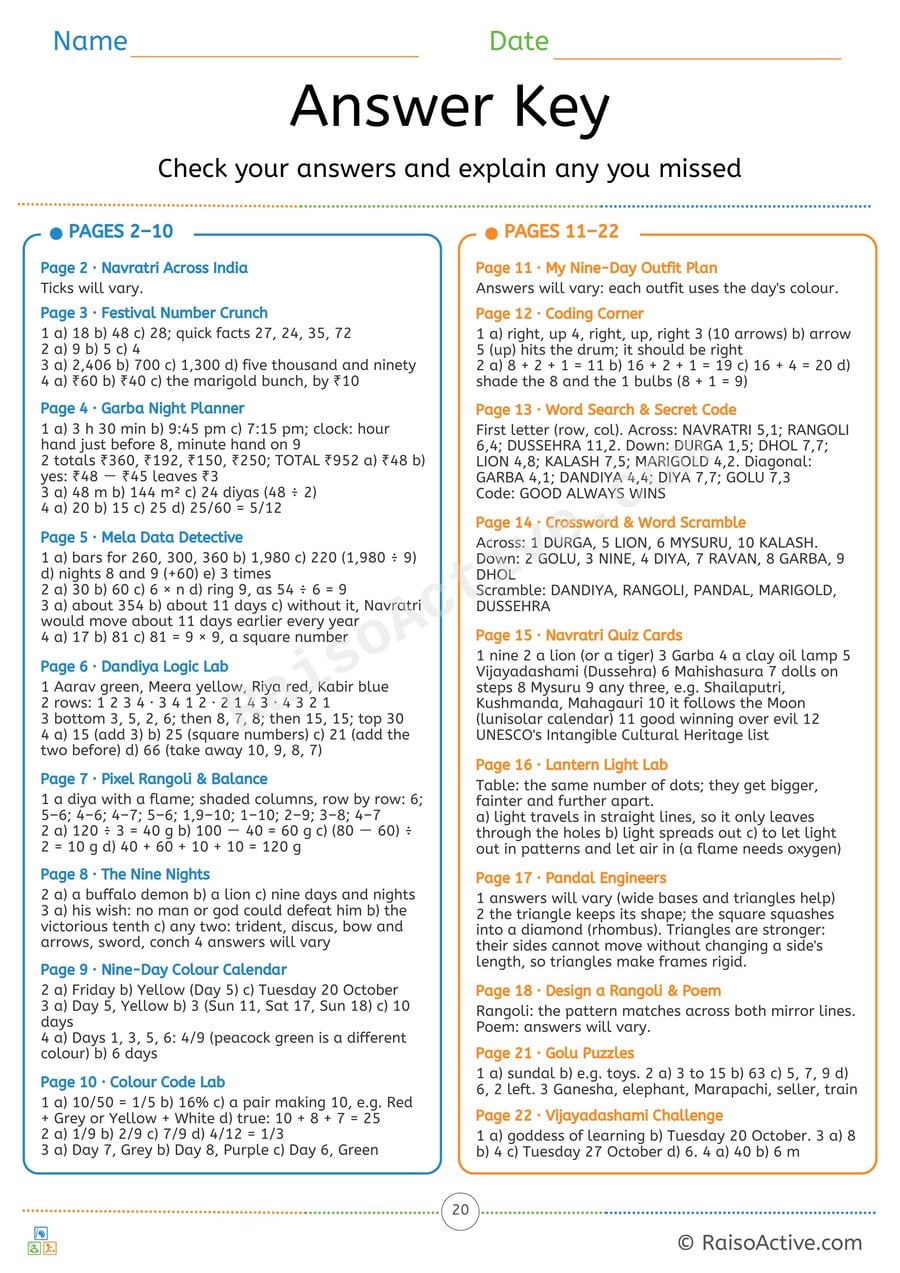
Navratri Festival Quest Answer Key for Grown-ups
Ages 7-11 · Grade 2–Grade 3Ages 7-11 · Year 3–Year 4Ages 7-11 · Class 2–Class 3Ages 7-11
Grown-ups can check every answer in the pack, with workings for the maths, grid positions for the word search, the logic grid and sudoku solutions, and the reasons behind the science results.
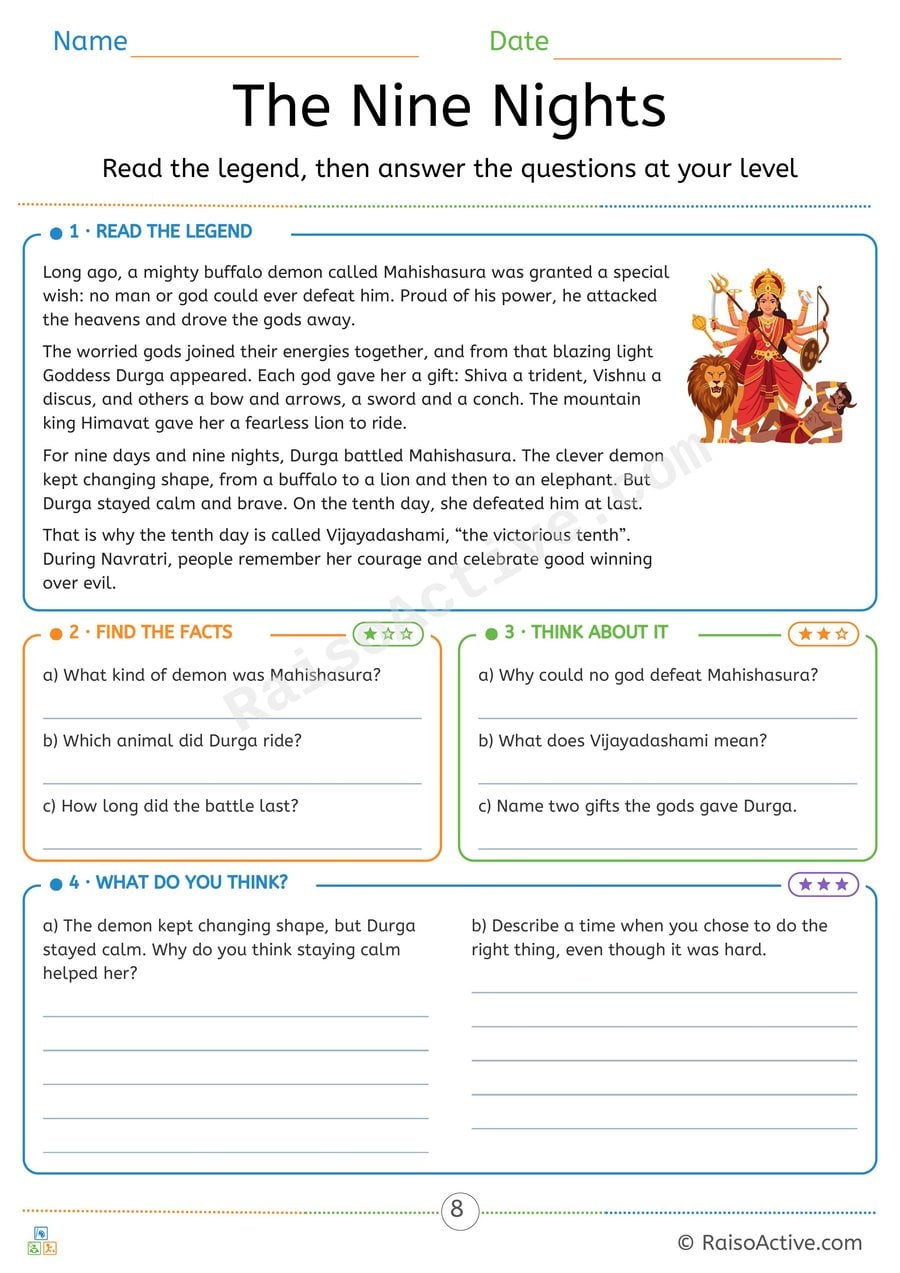
The Nine Nights: Durga and Mahishasura Reading Comprehension
Ages 7-11 · Grade 2–Grade 3Ages 7-11 · Year 3–Year 4Ages 7-11 · Class 2–Class 3Ages 7-11
Children read a retelling of the legend of Durga and Mahishasura, find facts in the text, answer inference questions about why things happened, and write their own opinion about staying calm and doing the right thing.
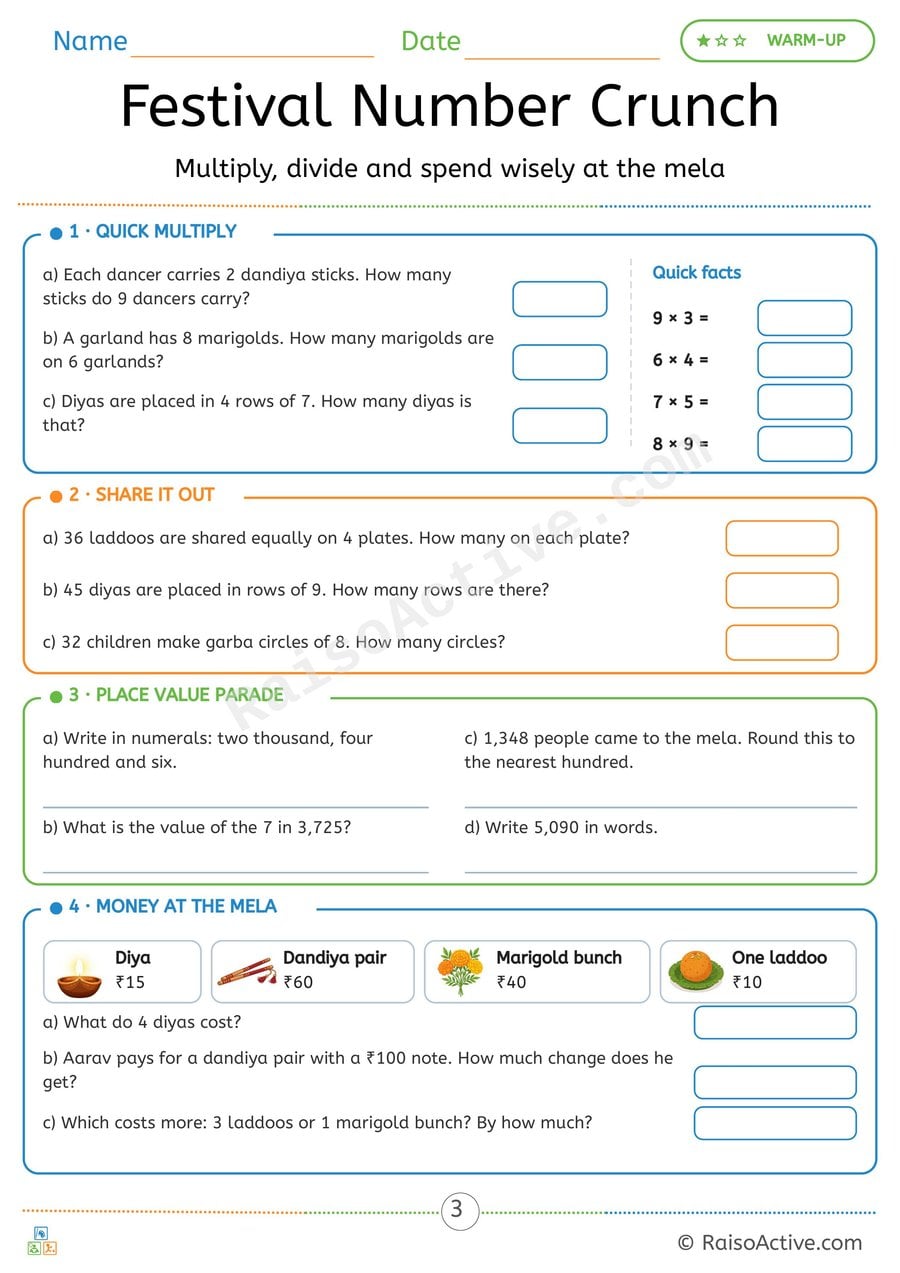
Festival Number Crunch: Navratri Multiply, Divide and Money Worksheet
Ages 7-11 · Grade 2–Grade 3Ages 7-11 · Year 3–Year 4Ages 7-11 · Class 2–Class 3Ages 7-11
Children solve multiplication and division word problems about dancers, garlands, diyas and laddoos, practise times-table facts, write and round four-digit numbers, and work out costs and change in rupees at a mela stall.

Written by
Hemsweta Jain · Teacher Cheena
MBA and Early Childhood Educator, teaching since 2014 · Founder of RaisoActive, Mumbai
Published · Last reviewed
Related Resources
Printable Resources(10)
View all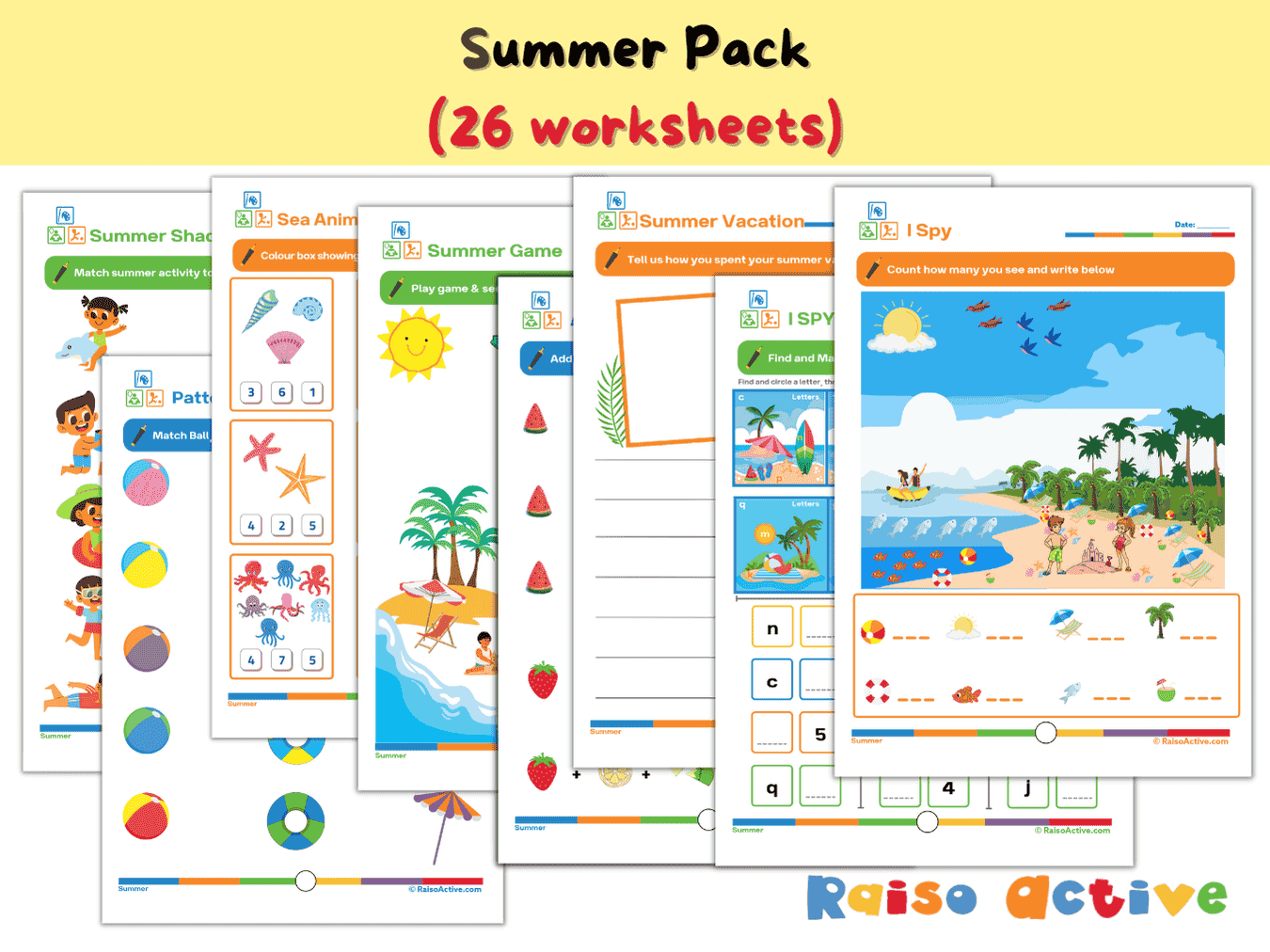

Summer Activity Pack: Math, Literacy, Puzzles & More for Preschool & Kindergarten
Ages 3-7 · Preschool–Grade 1Ages 3-7 · Nursery–Year 2Ages 3-7 · Nursery–Class 1Ages 3-7 · 26 pages
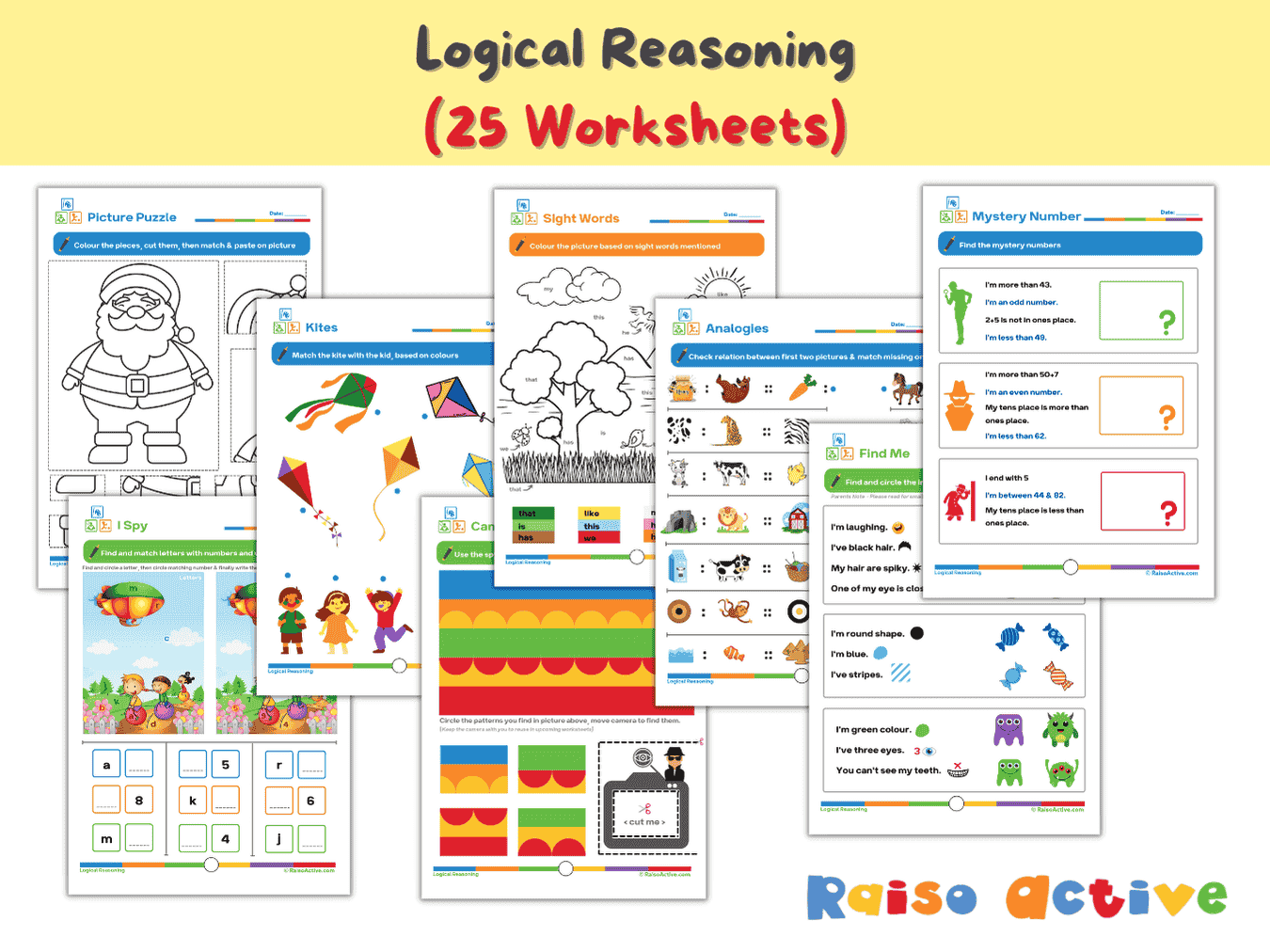

Logical Reasoning Activity Book for Preschool & Kindergarten | Patterns, Puzzles & Analogies
Ages 4-7 · Pre-K–Grade 1Ages 4-7 · Reception–Year 2Ages 4-7 · LKG–Class 1Ages 4-7 · 26 pages
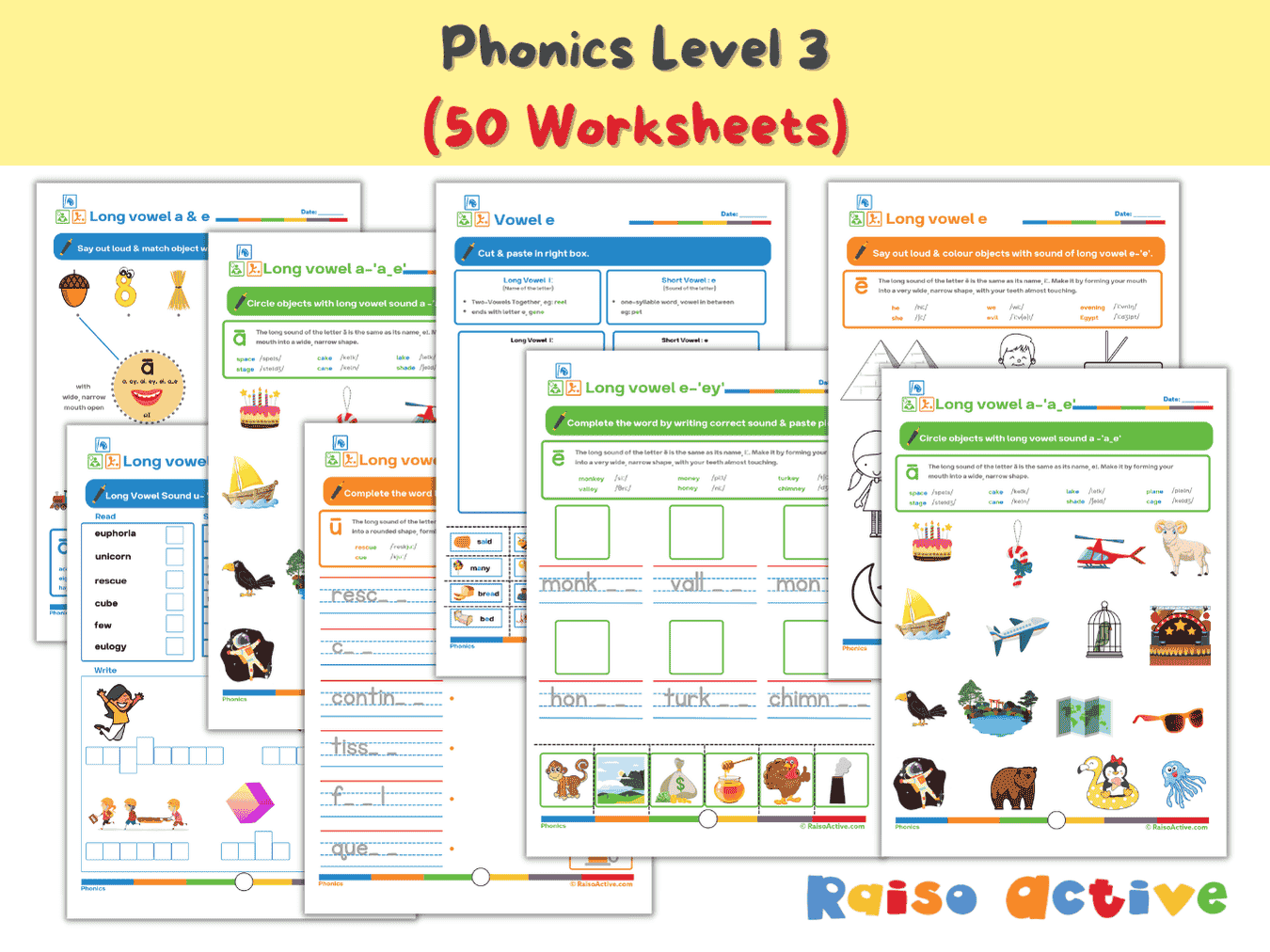

Phonics Level 3 Long Vowels Activity Book for Kindergarten & 1st Grade
Ages 5-7 · Kindergarten–Grade 1Ages 5-7 · Year 1–Year 2Ages 5-7 · UKG–Class 1Ages 5-7 · 51 pages
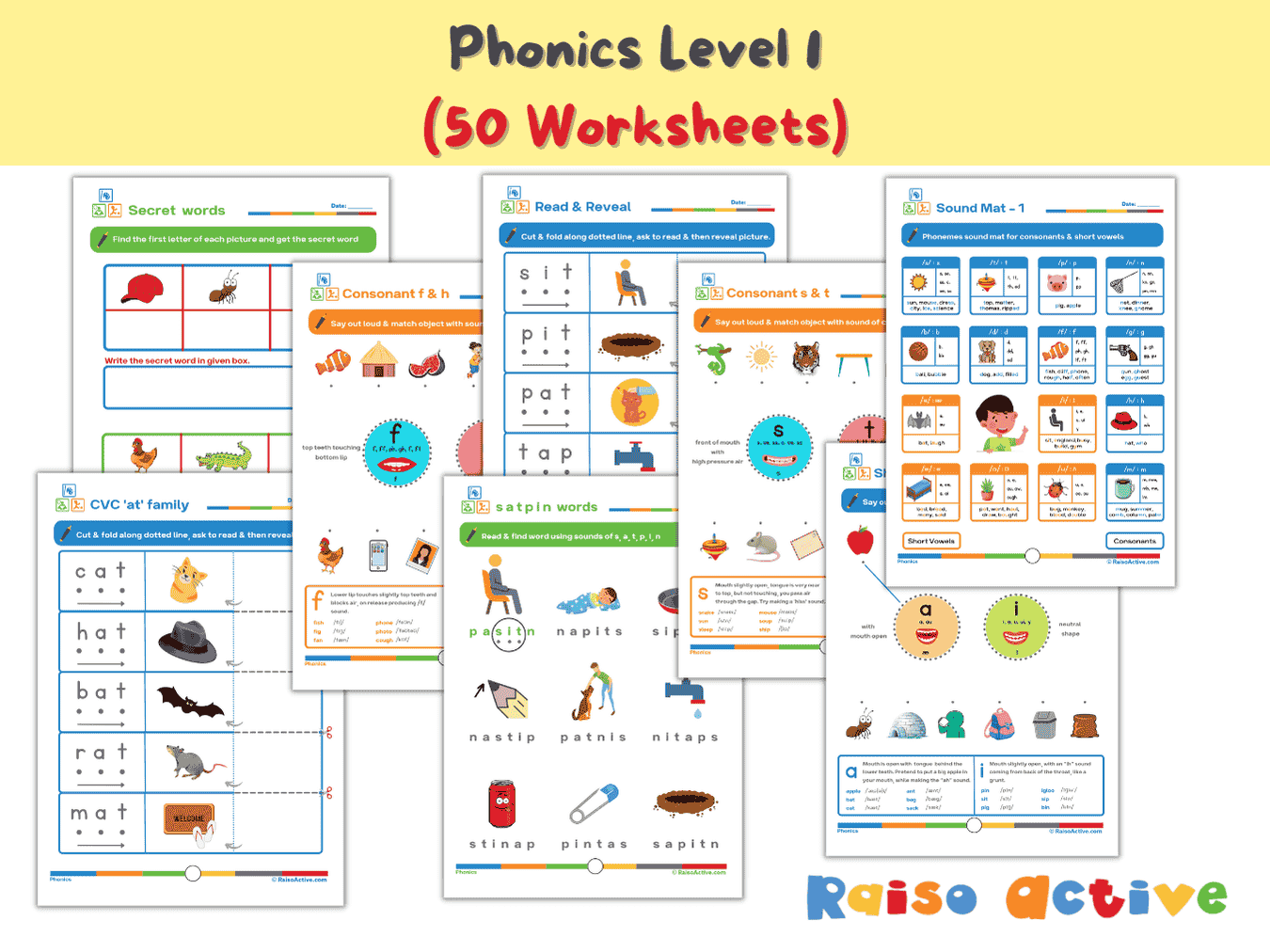
Phonics Level 1 Activity Book: Letter Sounds, Blending & CVC Words for Preschool & Kindergarten
Ages 3-6 · Preschool–KindergartenAges 3-6 · Nursery–Year 1Ages 3-6 · Nursery–UKGAges 3-6 · 60 pages
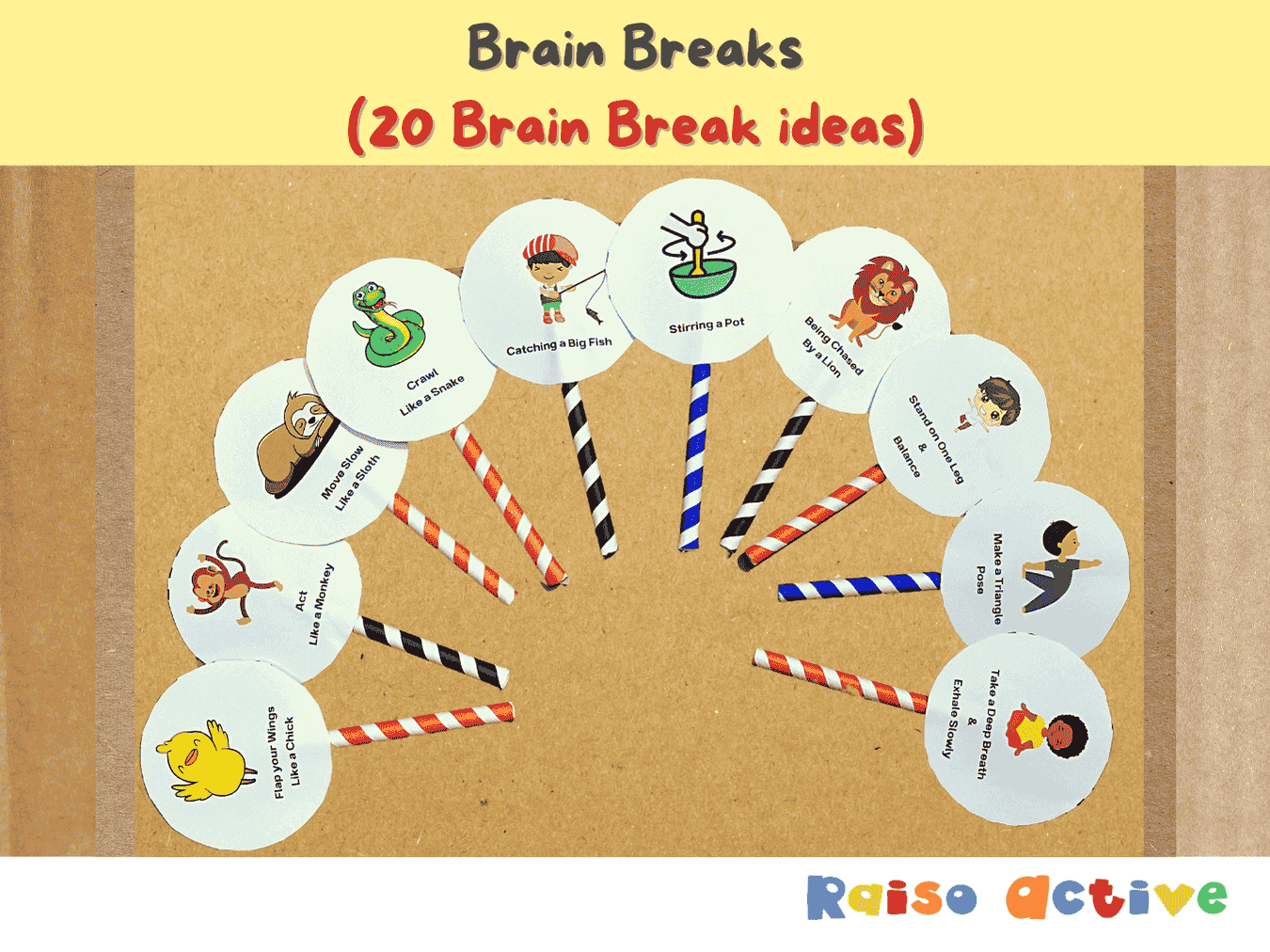

Gross Motor Movement & Imaginative Play Flashcards for Toddlers & Preschoolers
Ages 2-5 · Preschool–Pre-KAges 2-5 · Nursery–ReceptionAges 2-5 · Nursery–LKGAges 2-5 · 5 pages
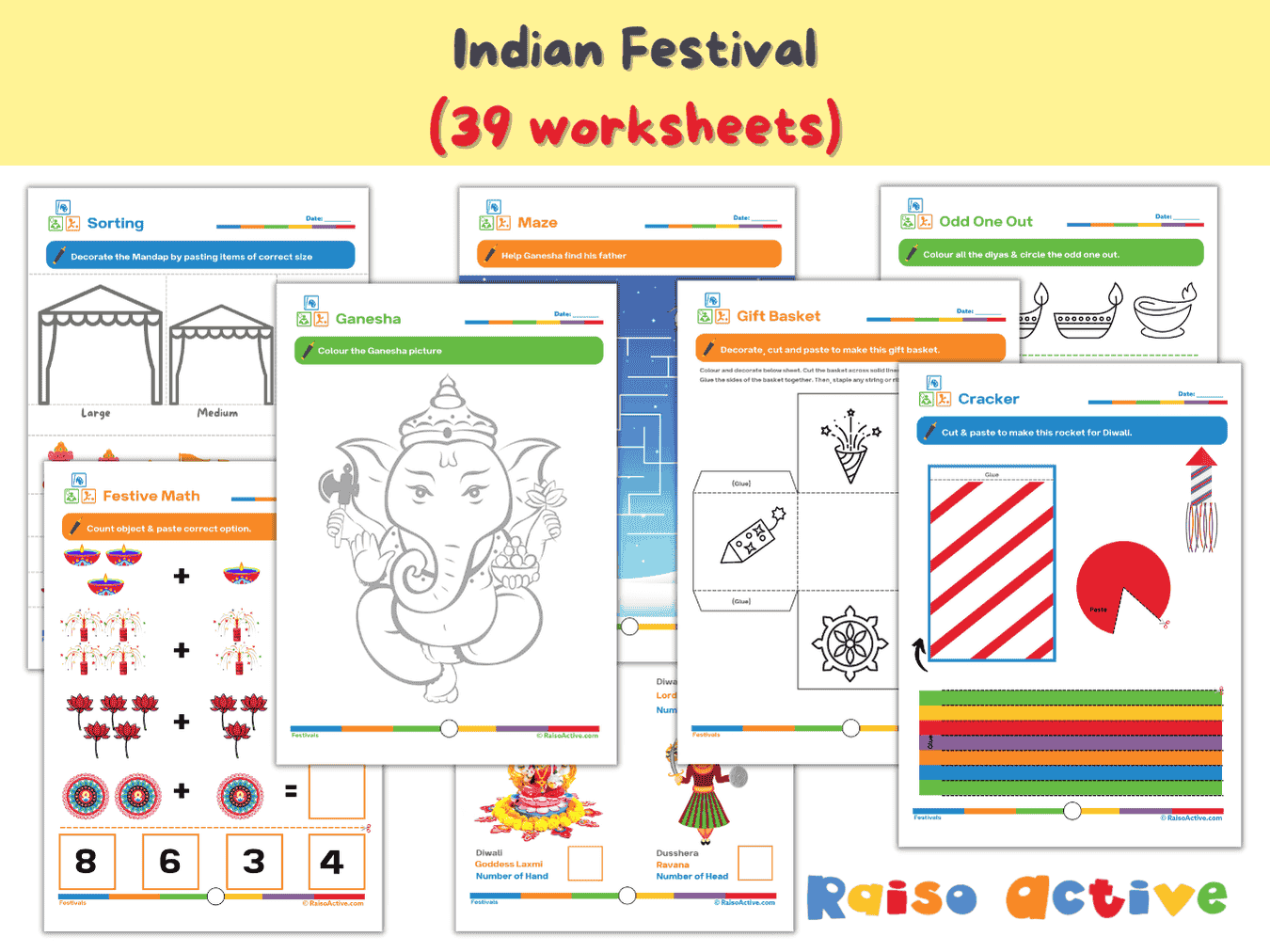
Festivals & Cultural Diversity Activity Book for Kids (Ages 4-8)
Ages 4-8 · Pre-K–Grade 2Ages 4-8 · Reception–Year 3Ages 4-8 · LKG–Class 2Ages 4-8 · 30 pages
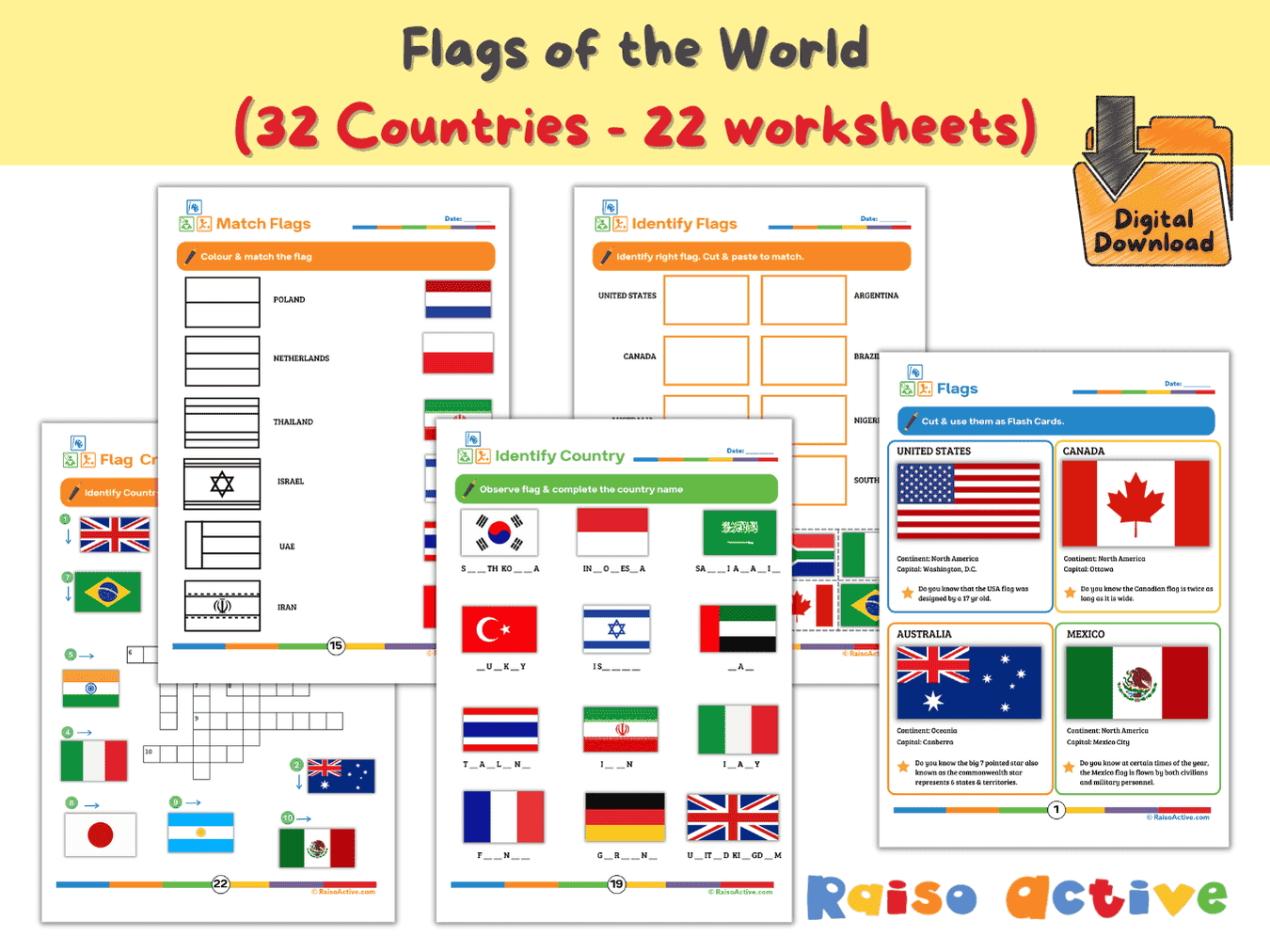

Flags of the World Activity Book & Flashcards for Kids (Ages 5-9)
Ages 5-8 · Kindergarten–Grade 2Ages 5-8 · Year 1–Year 3Ages 5-8 · UKG–Class 2Ages 5-8 · 23 pages

Month 9: Holistic Preschool Play Learning | Ages Up to 4
Ages 3-4 · PreschoolAges 3-4 · NurseryAges 3-4 · 30 pages
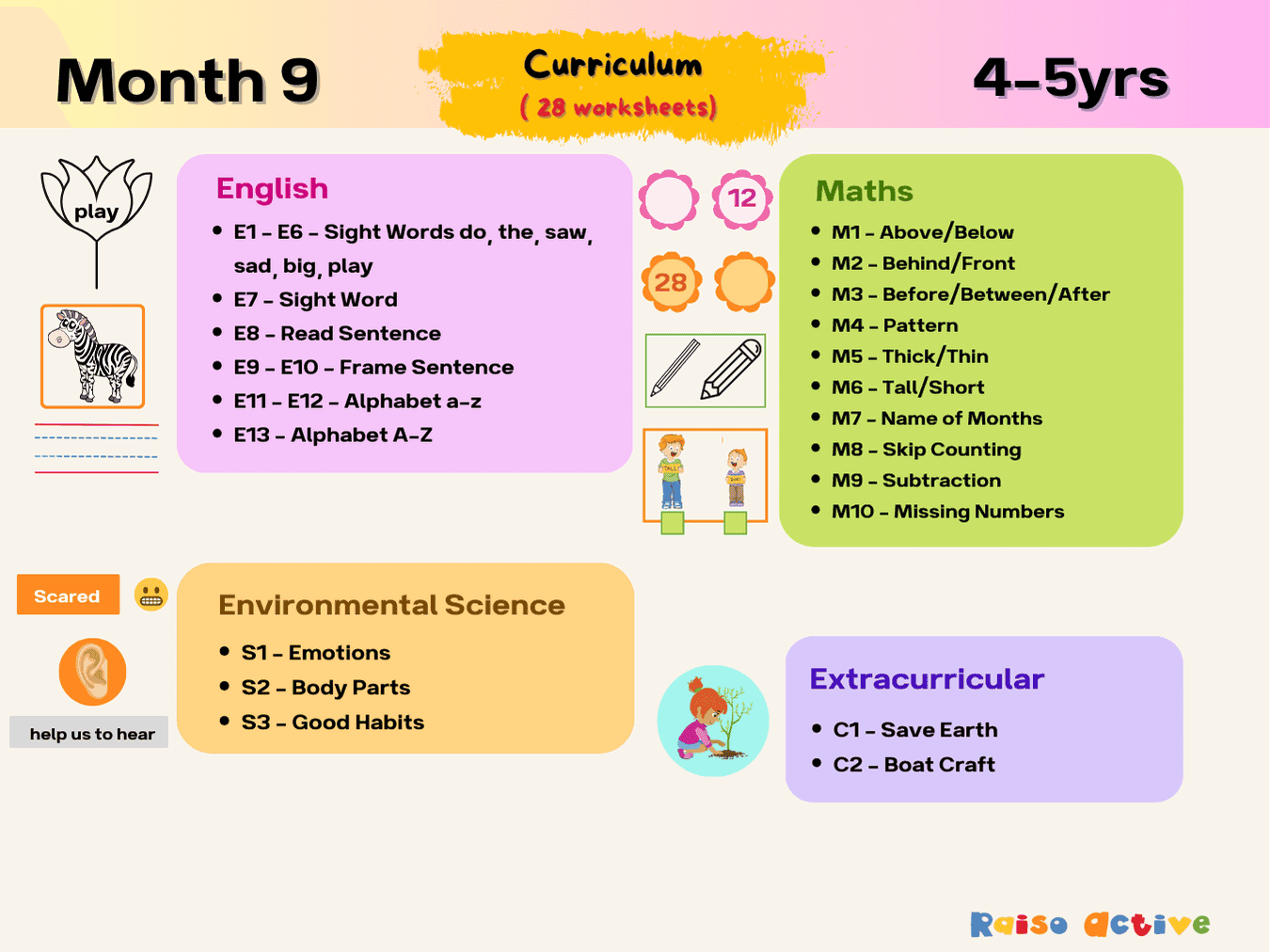
Month 9: Play-Based Preschool Foundational Skills | Ages 4-5
Ages 4-5 · Pre-KAges 4-5 · ReceptionAges 4-5 · LKGAges 4-5 · 31 pages
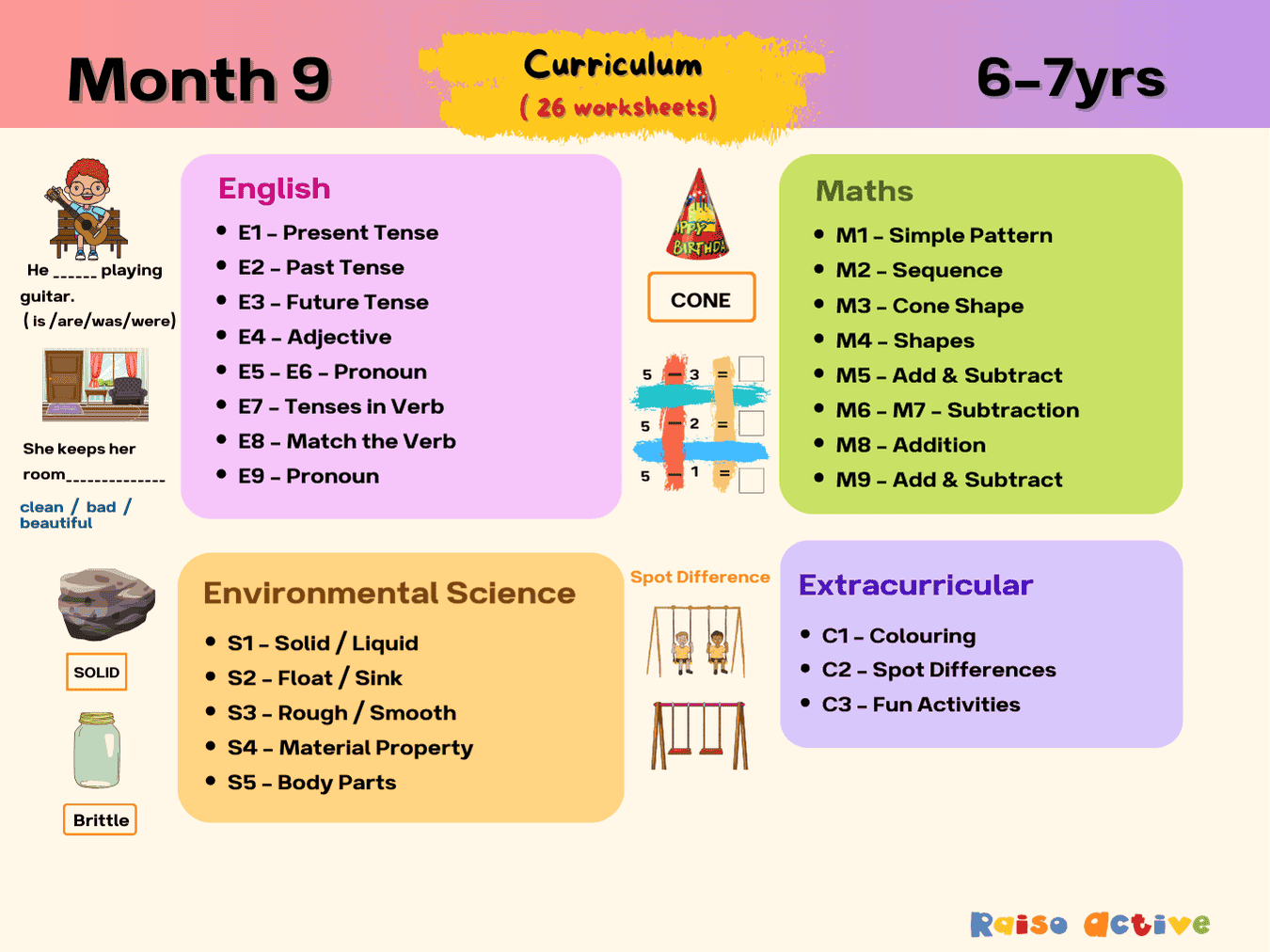
Month 9: Multi-Subject Early Learning | Ages 6-7
Ages 6-7 · Grade 1Ages 6-7 · Year 2Ages 6-7 · Class 1Ages 6-7 · 29 pages