Parenting & Homeschool, Science
Spring and Summer Learning Activities: Harnessing Nature's Classroom for Year-Round Growth
Author
RaisoActive - Kids Activities and Fun Learning
Date Published
Reading Time
11 min read

In This Article5 min read
- India's summer and monsoon seasons offer unique, richly textured learning opportunities that no classroom can replicate — from observing the water cycle in real time to growing plants in the heat
- The summer slide is real: children can lose weeks of academic progress during long holidays, but playful, activity-based learning keeps skills sharp without any pressure
- Outdoor activities planned for early morning or evening avoid the dangerous midday heat of May and June while maximising the sensory richness of the natural world
- The monsoon months of July to September are a scientific goldmine — rain measurement, cloud observation, water absorption, and plant growth all happen naturally and dramatically
- Travel, family visits, and community experiences during summer holidays are powerful learning tools when approached with curiosity and a few simple questions
Why Indian Seasons Are a Hidden Treasure for Children's Learning
Ask any early childhood educator what the most powerful classroom is, and the answer is almost always the same: the natural world. For children growing up in India, this classroom is extraordinary. The fierce heat of summer, the sudden drama of the first monsoon shower, the gentle coolness of October mornings, the brief blossoming of spring — each season brings a completely different set of sensory experiences, scientific phenomena, and learning possibilities.
And yet, many families treat summer as a pause in learning — a gap between school years to be filled with screen time, tuition classes, or simply waiting for the monsoon to arrive. What a missed opportunity. The months of April through September, when school is out or winding down, are arguably the richest months for real-world, hands-on learning. The trick is knowing what to look for — and how to frame everyday experiences as genuine discovery.
This guide is designed for parents and educators working with children aged one to eight. Whether you are in the heat of Mumbai, the relative cool of Shimla, the lush humidity of Kerala, or the dry plains of Rajasthan, you will find activities that suit your climate, your child, and your schedule. Learning does not need to stop when school does. It simply needs to change shape.
Understanding India's Seasons Through a Child's Eyes
Before diving into activities, it helps to think about what Indian seasons actually look and feel like to a young child — because children experience weather far more bodily and immediately than adults do.
March and April bring warming temperatures and the end of winter. Flowers bloom — marigolds, gulmohar, amaltas — and the air is still pleasant in the early mornings. This is India's closest equivalent to spring: bright, alive, and full of colour. May and June are the peak of summer, with temperatures regularly crossing 40°C across northern and central India. This is when learning must move indoors during the hottest hours and outdoors only in the gentle early morning or post-sunset window. July through September bring the South-West Monsoon — one of the most dramatic and scientifically fascinating weather events on the planet. Rain becomes a daily reality, plants seem to grow overnight, and the entire landscape transforms. October and November bring post-monsoon clarity — cooler air, harvest festivals, and the most comfortable outdoor weather of the year.
Each of these phases is an invitation. Children who understand the seasons through direct experience — not just through textbook diagrams — develop genuine scientific thinking, environmental awareness, and a deep sense of place. These are lifelong gifts.
Heat-Safe Outdoor Learning: Making the Most of Early Mornings
During the peak summer months, outdoor learning is absolutely possible — it simply needs to happen at the right time. Before 9 AM and after 6 PM are the golden windows when the heat is manageable, the light is beautiful, and the natural world is most active. Birds are busiest at dawn. Insects come out in the evening. Flowers open in the morning light. Planning outdoor activities around these windows is not a compromise — it is actually better science.
Here are outdoor activities designed specifically for early morning summer sessions of twenty to forty minutes:
- Bird watching and listening — Sit quietly in the garden or on the balcony with a small notebook. Ask children to draw every bird they hear or see. How many different calls can they identify? This builds observation skills, fine motor development, and a love of wildlife.
- Shadow tracing — In the early morning sun, trace each other's shadows on the pavement with chalk. Come back at noon and again at 4 PM. How has the shadow changed? This is a practical, dramatic demonstration of the Earth's rotation that children never forget.
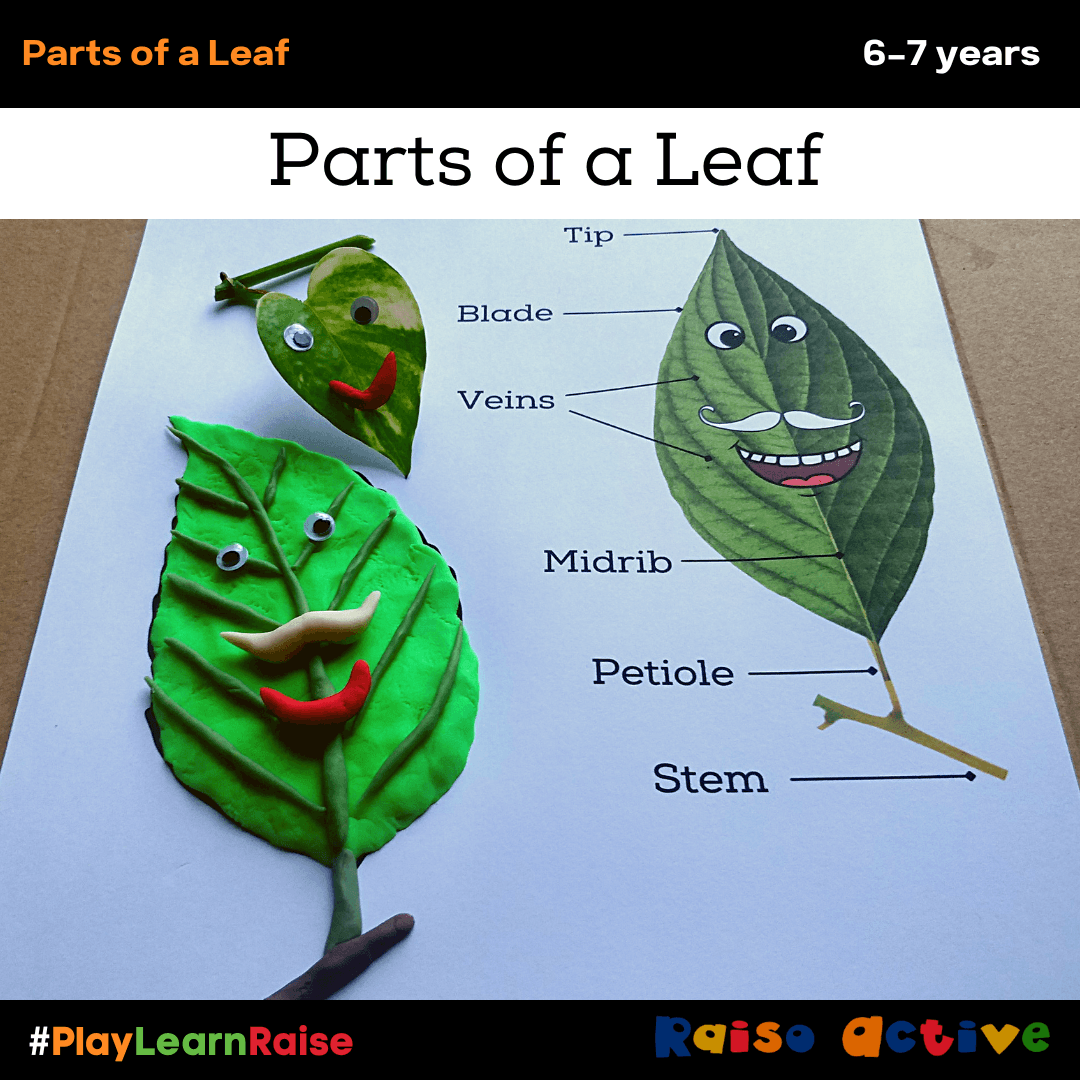
- Plant observation journals — Choose three plants in the garden or on the balcony. Every morning for a week, ask your child to draw what they notice: new leaves, buds, wilting flowers, visiting insects. This builds scientific observation, drawing skills, and patience.
- Soil exploration — Dig a small patch of garden soil together. What lives there? Count the earthworms, look for tiny beetles, notice the different layers of colour. This connects directly to science curriculum concepts about ecosystems and decomposition.
- Water evaporation experiment — Draw two identical wet circles on the pavement, one in the sun and one in the shade. Ask: which will dry first? Why? Check every ten minutes. A simple, vivid lesson in evaporation and heat energy.
⚠️Safety First: Outdoor Learning in Indian Summer
- Always schedule outdoor activities before 9 AM or after 6 PM during May and June. Midday heat above 38°C is genuinely dangerous for young children.
- Keep a water bottle within reach at all times and remind children to sip regularly — thirst signals can lag behind dehydration in hot weather.
- Lightweight, loose cotton clothing in light colours reflects heat. A wide-brimmed hat makes a significant difference for activities lasting more than fifteen minutes.
- If a child complains of a headache, dizziness, or stops sweating in the heat, bring them indoors immediately and give cool water. These are early signs of heat stress.
- Consider moving your outdoor sessions to the terrace or balcony, where you can string up a light cotton sheet for shade and stay connected to the outdoors without full sun exposure.
Indoor Learning for Hot Afternoons: Cool, Calm, and Curious
The long hot afternoons of summer do not have to be dead time. Indoors, in the relative cool, some of the most focused and creative learning happens — because children are calm, not over-stimulated, and often genuinely bored enough to engage deeply with an interesting activity.
The key to successful indoor summer learning is having materials ready and accessible, keeping sessions short and playful (twenty to thirty minutes for ages two to four, up to forty-five minutes for five to eight year olds), and mixing activity types throughout the day rather than trying to do everything at once.
- Water play indoors — A large plastic tub or bucket filled with water, with measuring cups, funnels, small boats, and floating leaves, will occupy a toddler or preschooler for forty-five minutes whilst teaching volume, weight, and physics concepts.
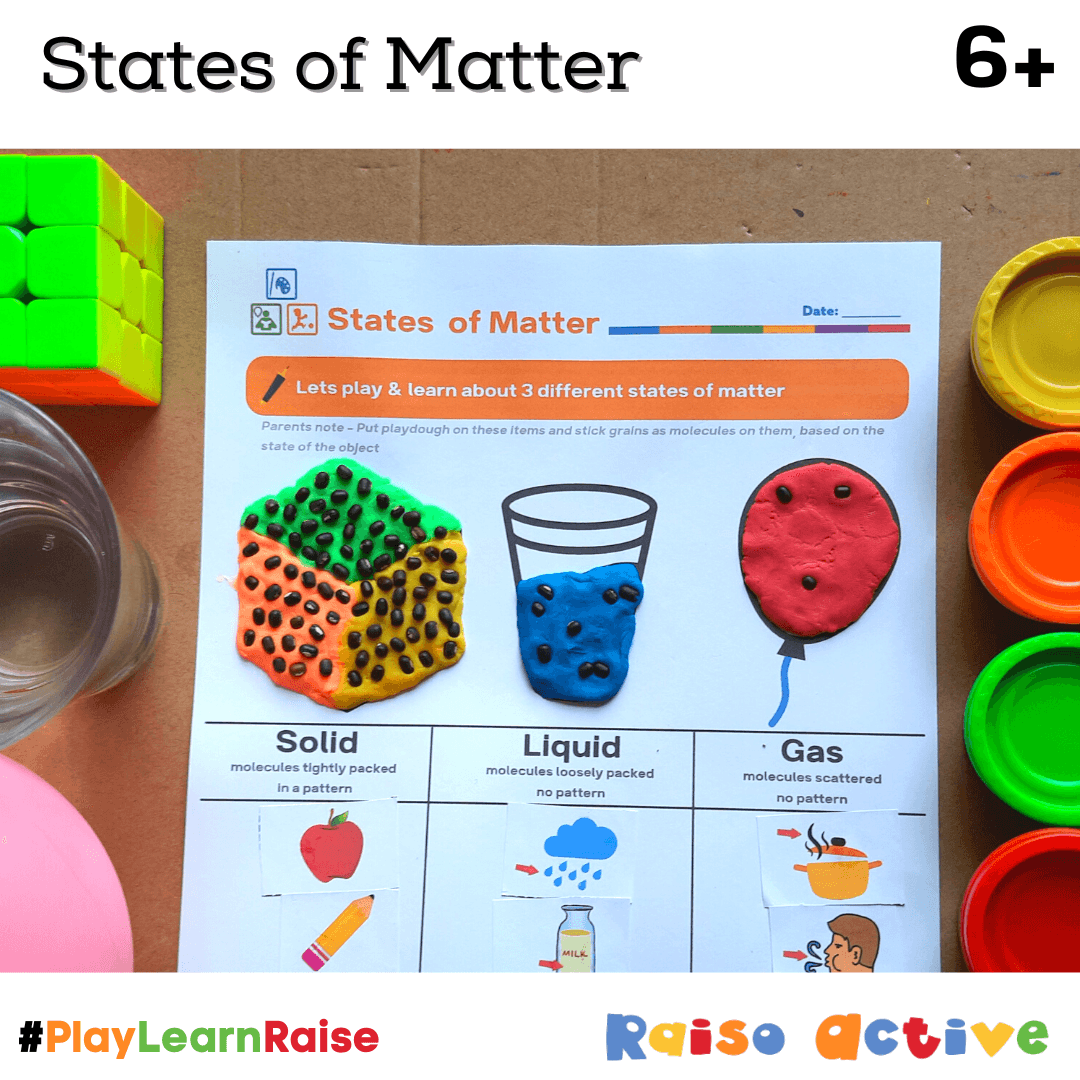
- Ice excavation — Freeze small toys, coins, or plastic insects inside large ice blocks. Give children a dropper filled with warm water and ask them to 'excavate' the objects. This teaches states of matter, temperature, and patience — all at once.
- Summer art with natural materials — Bring nature indoors: collect leaves, flower petals, twigs, and seeds in the morning, then press, arrange, and create collages in the afternoon.
- Monsoon preparation projects — In the weeks before the rains arrive, build a simple rain gauge from a plastic bottle, mark it with measurements, and place it outdoors ready for the first shower. The anticipation itself is educational.
- Reading and storytelling hours — Build a cosy 'summer reading nook' with cushions and a small bookshelf. Make midday reading a daily ritual. Children who read through summer maintain literacy skills and often return to school reading ahead of their class.
Key Takeaway
The summer slide is preventable — and the antidote is not more tuition, but more play.
Research consistently shows that children who engage in reading, creative play, and hands-on activities through summer holidays maintain academic skills without any formal instruction. The brain does not stop developing when school stops — it simply needs different inputs. Play, exploration, and conversation are those inputs.
The Monsoon as a Science Classroom: India's Greatest Teaching Season
If there is one season that Indian children understand viscerally and that no other country's children quite experience in the same way, it is the monsoon. The dramatic arrival of the first rains after months of scorching heat is one of the most emotionally powerful and scientifically rich events in a child's annual calendar. And it is a science teacher's dream.
The water cycle — evaporation, condensation, precipitation, and collection — plays out in real time, at enormous scale, right outside the window. Clouds build visibly over hours. Thunder and lightning teach about sound and light travel. Rivers and drains fill with rushing water. Puddles appear and disappear. Frogs emerge from nowhere. Mushrooms appear overnight. The monsoon is not a disruption to learning. It is the lesson.
- Rain measurement — Install a simple rain gauge (a marked plastic bottle works perfectly) and record daily rainfall on a chart. Ask: which day had the most rain? The least? What does the sky look like before heavy rain versus light rain?
- Cloud observation journals — Learn the three basic cloud types: cumulus (fluffy, fair weather), nimbus (dark, rain-bearing), and stratus (flat, grey blanket). Observe and sketch the clouds each morning. Which type usually brings the heaviest rain?
- Puddle science — After rain, visit the same puddle every hour. Measure its diameter with a stick. How long does it take to disappear? Why does it disappear faster on sunny days than cloudy ones?
- Water absorption investigation — Collect small squares of different materials: cotton cloth, plastic, paper, leaf, soil, stone. Drip the same amount of water on each. Which absorbs water? Which repels it? Why does this matter for the environment?
- Plant growth acceleration — Plant seeds in two pots. Water one with a measured amount, and let the other catch natural rain. Which grows faster? Why might this be?
- Monsoon sound mapping — During a gentle rain, sit near an open window (safely away from lightning) and listen. How many different sounds can you identify? Rain on leaves, on the road, in a drain, on metal, on glass — each sounds different. Draw a 'sound map' of what you hear.
⚠️Monsoon Safety Reminder for Outdoor Activities
- Never allow children outdoors during lightning, heavy thunder, or strong winds. All monsoon science can be observed safely from a covered verandah, balcony, or window.
- Flooded roads and drains carry disease — children should not play in flood water, even if it looks clean.
- After a rain walk, wash hands and feet thoroughly. Keep a change of dry clothes ready.
- Watch for mosquito breeding sites — teach older children why still water in pots and containers must be emptied regularly. This is both a health lesson and an ecology lesson.
Children who learn outdoors show 20% higher engagement and retention than in traditional classroom settings
Multiple studies in early childhood education confirm that direct contact with the natural world — touching soil, observing weather, growing plants — produces deeper conceptual understanding than indoor instruction alone. India's rich and dramatic seasonal changes make this benefit even more accessible for young learners.
Source: Journal of Environmental Education, 2021
Gardening in Summer: Growing Plants and Growing Minds
Gardening with young children is one of the most powerfully educational activities available — and summer, despite the heat, is a surprisingly good time to start. Many fast-growing plants thrive in Indian summer conditions: bottle gourd, ridge gourd, ladies fingers (bhindi), mint, tulsi, and marigolds all grow vigorously with warmth and consistent watering.
The learning embedded in gardening is extraordinary in its breadth. Science concepts include germination, photosynthesis, soil nutrients, water absorption, and the plant life cycle. Mathematics comes from measuring plant growth weekly and recording data. Literacy develops through plant journals and labelling. Emotional development is shaped by responsibility, patience, and the deep satisfaction of nurturing something alive. And the connection to where food comes from is becoming increasingly rare and increasingly important.
- Seed germination observation — Soak a few seeds (moong dal or rajma work brilliantly) overnight, then place between damp cotton in a transparent container. Watch roots and shoots emerge over three to five days. Ask: what does a seed need to sprout?
- Terrace container garden — Even a single large pot of bhindi or tomatoes on a terrace teaches the full cycle of planting, caring, harvesting, and eating. Children who grow vegetables are consistently more willing to eat them.
- Herb garden on the windowsill — Mint, coriander, and tulsi grow happily in small pots with daily watering. Children can be responsible for this watering independently from about age four, building routine and responsibility.
- 'Three Sisters' companion planting — The traditional Native American combination of maize, beans, and squash that grow symbiotically can be explored at home to teach children about plant relationships and ecological thinking.
- Composting basics — Start a simple compost corner with vegetable peels, leaves, and soil. Turn it weekly and observe decomposition. This is a practical lesson in recycling, ecology, and soil science.
🎨Summer Gardening Activity: The Magic Moong Experiment
- Soak two tablespoons of whole moong dal overnight in water.
- In the morning, drain the water and place the swollen seeds in a damp muslin cloth or between wet cotton pads.
- Keep in a warm (not hot) spot and rinse gently twice a day. Sprouts will appear within 24 to 48 hours.
- Ask your child to draw the seeds each day: Day 0 (before soaking), Day 1 (swollen), Day 2 (tiny white tip emerging), Day 3 (full sprout). This is a science observation journal.
- Once sprouted, the moong can be eaten in a light chaat or salad — a delicious conclusion to the experiment that connects science to food and culture.
Summer Holiday Learning Plans: Preventing the Summer Slide
The 'summer slide' — the measurable loss of academic skills that occurs during extended school holidays — is a well-documented phenomenon, and Indian summer holidays (often running from April to June, sometimes nearly three months long) are among the longest in the world. Children can lose the equivalent of one to three months of learning during this period if there is no engagement with reading, numbers, or language.
But the solution is not sending children to extra tuition classes through the summer. The solution is joyful, purposeful engagement — reading for pleasure, cooking with maths, travelling with curiosity, creating with materials, and exploring the natural world. These activities maintain and even extend learning without any of the pressure or resistance that formal instruction can provoke during holiday time.
Children can lose up to 2 months of reading progress during a 10-week summer holiday without regular literacy engagement
Research by the National Summer Learning Association shows that the summer slide disproportionately affects children from lower-resource backgrounds. However, even 15 to 20 minutes of daily reading during holidays is sufficient to maintain skills. Libraries, digital books, and simple conversation about stories read aloud are all equally effective.
Source: National Summer Learning Association, 2022
Travel as Learning: Making Family Trips Educational Without Spoiling the Fun
Many Indian families travel during summer holidays — to hill stations escaping the heat, to ancestral villages for family gatherings, to pilgrimage sites, or to the homes of grandparents and cousins. These trips are already rich learning experiences. They simply need a slight shift in framing to unlock their full educational value.
The key is curiosity, not curriculum. You are not trying to turn a family holiday into a classroom. You are simply asking the questions that make an experience stick: 'Why do you think the mountains are so much cooler than our city?' 'What do people here eat that we don't eat at home?' 'How do you think they built this old temple without machines?' These questions plant seeds that grow into genuine understanding.
- Travel journals — Give children a small notebook and pencil before the trip. Encourage them to draw one thing they see each day and write (or dictate) one sentence about it. This builds literacy, memory, and the habit of observation.
- Maps and navigation — Let older children (age five and above) follow a simple map of your route. Mark where you started, where you are going, and the cities you pass through. Geography becomes real and personal.
- Food exploration — In every new place, try at least one local food. Discuss: what are the main ingredients? What is different about how it tastes compared to what we eat at home? Food is geography, culture, agriculture, and chemistry all on one plate.
- Temple and monument mathematics — Count the steps, estimate the height of a temple tower, measure the length of a courtyard with footsteps. Ancient Indian architecture is full of mathematical principles that children can discover physically.
- Language collecting — In multilingual India, travel almost always means encountering different languages and scripts. Collect five words in the local language, learn to say hello and thank you, and look for the script on signs and menus.
Key Takeaway
Travel is one of the most powerful educational experiences available to young children.
New environments activate the brain's novelty-seeking systems, making children more alert, more curious, and more likely to form lasting memories. A single well-observed family trip can generate months of follow-up learning: drawing maps, writing stories, researching the animals or plants seen, or recreating food from the journey.
Key Takeaway
Summer learning works best when it follows the child's interest, not a structured schedule.
If your child becomes obsessed with cloud shapes during the monsoon, follow that thread. Get a cloud identification book, draw clouds daily, learn the science of how they form. If they are fascinated by the ants in the garden, study ants for a week. Deep, self-directed inquiry builds the intellectual habits that formal schooling often struggles to develop.
👋Grandparent Learning: Making the Most of Village or Family Visits
- Ask grandparents to teach children one traditional skill: grinding on a sil-batta, making a clay pot shape, weaving a mat, identifying medicinal plants. These are living curriculum connections to science, culture, and history.
- Encourage grandparents to tell stories of their own childhood — different seasons, different foods, different animals. Oral history is a powerful literacy and social studies experience.
- Village environments are extraordinary science classrooms: open skies for star-gazing, wells for understanding water tables, fields for understanding agriculture, and far fewer distractions than city life.
- If children seem bored at a family gathering, give them a specific role: 'You are the family photographer today' or 'You are going to interview Nana about what school was like when he was young.' Purpose transforms boredom into engagement.
A Summer Learning Week Plan for Indian Families (Ages 3–8)
1
Monday: Nature Morning
Begin the week with 30 minutes outdoors before 9 AM. Observe one plant, one insect, and one aspect of the sky. Draw observations in a nature journal. Spend the afternoon with a water play activity indoors — measuring, pouring, and exploring floating and sinking. End the day with 20 minutes of reading aloud together.
2
Tuesday: Science Day
Choose one simple science experiment appropriate to the season: the evaporation experiment in summer, the rain absorption investigation during monsoon, or the seed germination observation any time. Set up the experiment in the morning, check and record observations in the afternoon, and discuss 'what did we discover?' at bedtime.
3
Wednesday: Craft and Creativity
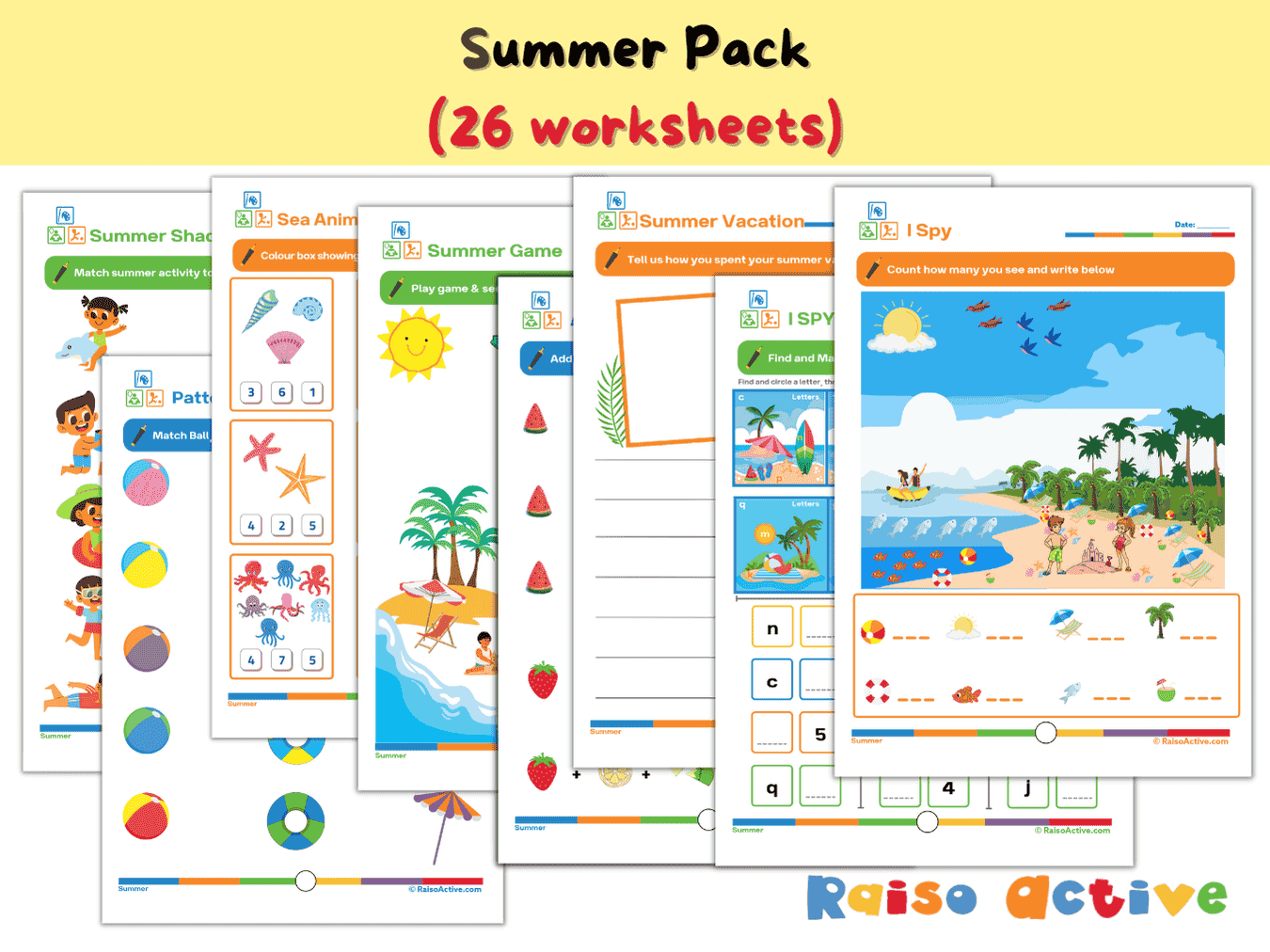
Use natural materials collected during the week — leaves, flower petals, seeds, pebbles — to create art. Press and arrange a nature collage, make leaf prints with fabric paint, or build a miniature garden scene in a tray. Include colouring or drawing worksheets for quieter focused skill practice in the afternoon.
4
Thursday: Numbers and Maths
Weave mathematics into the day naturally: count and classify stones or seeds, measure plant heights, create a bar chart of daily temperatures or rainfall amounts, do baking together with careful measurement of ingredients. For ages 5–8, work through two or three pages of a mathematics activity book in the cool of the afternoon.
5
Friday: Literacy and Stories
Make Friday about language. Visit a library if you have access to one, or browse digital books together. Let each child choose a book to read independently or be read aloud. Children aged five and above can write or dictate one story inspired by the week's explorations. Younger children can draw and narrate their favourite moment from the week.
6
Saturday: Outing and Exploration
Plan a short family outing with an educational angle: a nature walk, a visit to a local market with a shopping maths challenge, a museum visit, or a trip to see a different natural environment (a lake, a hill, a farm). Bring the nature journal and ask children to record at least one new observation.
7
Sunday: Free Play and Rest
Leave Sunday genuinely unstructured. Provide materials — art supplies, building blocks, garden access, books — but no agenda. Research consistently shows that boredom and free play are essential for creativity, problem-solving, and emotional regulation. The best learning preparation for the week ahead is genuine rest and self-directed play.
Passive Summer Holiday
- +Screen time for 4+ hours daily to beat the heat
- +Children wait for monsoon rains to stop before going outside
- +Tuition classes for academics only, no creative or physical activity
- +Travel is seen purely as relaxation and entertainment
- +No connection between home activities and school concepts
Active Learning Summer Holiday
- -Morning outdoor exploration + cool indoor activities + 30 mins screen time as reward
- -Monsoon becomes a science project: rain gauges, cloud journals, puddle experiments
- -Balanced week: one day science, one day craft, one day maths play, one day literacy, one free day
- -Travel includes a journal, a maths challenge, and two or three curiosity questions per day
- -Summer activities intentionally revisit previous year concepts and preview the next year gently
🎨Quick Summer Science Experiments That Need No Special Materials
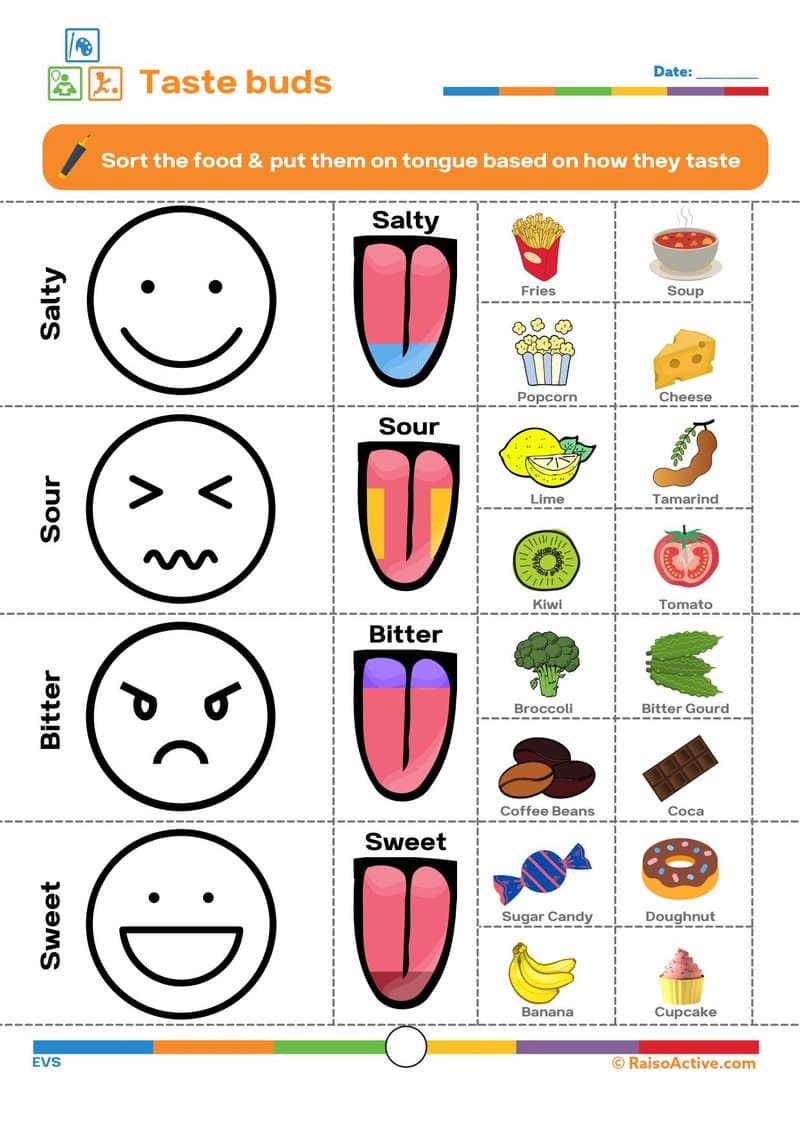
- **Salt and sugar comparison** — Dissolve equal spoons of salt and sugar in equal glasses of water. Which dissolves faster? Which changes the taste more? Does warm water dissolve them faster than cool water?
- **Leaf transpiration** — Place a clear plastic bag around a leafy plant branch and seal it. Leave it in the morning sun. After two hours, water droplets will appear inside the bag — the plant breathing out water through its leaves.
- **Raisin elevator** — Drop a few raisins into a glass of fizzy water (club soda). Watch them sink, then rise, then sink again as bubbles of CO2 attach and detach. A vivid demonstration of density and buoyancy.
- **Milk and vinegar plastic** — Add a spoon of vinegar to warm milk and stir. A rubbery, mouldable solid forms — casein plastic. Shape it and let it dry. This is how early plastics were made and is a surprising introduction to chemistry.
- **Shadow clock** — Place a straight stick in the ground at 8 AM and mark the tip of its shadow with a stone. Repeat every hour until 4 PM. The moving shadow demonstrates the Earth's rotation in a way that no diagram can match.
Unlimited Access
Get Seasonal Activity Ideas All Year Round
Subscribe to receive age-appropriate summer, monsoon, and seasonal learning ideas, printable worksheets, and practical tips for raising curious learners — delivered free to your inbox every month.
All worksheets & activitiesNew content weeklyDownload unlimited times
Subscribe NowFrequently Asked Questions About Spring and Summer Learning Activities
How do I keep a toddler (age 1–3) engaged with learning activities in summer without them overheating?
Toddlers are naturally suited to very short, sensory-rich activities of five to fifteen minutes each. Indoor water play in a large tub, ice block exploration, and sand or soil play in a shaded corner are all ideal. Keep them hydrated with small sips of water throughout, dress them in loose cotton, and never attempt outdoor activities during the hot hours of 10 AM to 5 PM in peak summer. Three or four short activity bursts spread across the morning and evening are far more effective than one long session.
My child already attends summer tuition classes. Do they still need these kinds of activities?
Absolutely. Tuition classes typically focus on academic skill maintenance — workbook practice, reading, and mathematics drills. These are valuable, but they do not build the scientific thinking, creative problem-solving, physical engagement with the world, or emotional resilience that hands-on seasonal activities develop. Think of them as complementary, not competing. Even one afternoon a week of gardening, one morning of monsoon observation, or one family cooking session with intentional mathematics is meaningful.
My child is glued to screens all day during summer holidays. How do I transition them to more active learning?
Start with activities that feel similarly magical and engaging to screens rather than positioning them as a replacement. A volcano experiment using baking soda and vinegar, a time-lapse observation of a sprouting seed, or building a bridge from newspaper rolls and tape all have the same quality of 'what happens next?' that makes screens compelling. Gradually build a daily rhythm where the first hour after waking is always an outdoor or hands-on activity — before screens are offered. This morning engagement often sets a more curious, active tone for the whole day.
How do I balance multiple children of different ages during summer learning time?
Choose activities with a wide engagement range — they are more common than you might think. A water play tub works for a 2-year-old (splashing and pouring) and a 6-year-old (measuring volume and testing floating objects) simultaneously. A gardening project engages a toddler (watering, digging) and a school-age child (measuring growth, recording data) at the same time. Start with the youngest child's level and add complexity for older children through questions and extension challenges rather than different activities entirely.
Is it harmful to let children play in the monsoon rain?
Brief, supervised play in clean, light rain is generally not harmful for healthy children and is genuinely joyful and educational. The important caveats are: avoid lightning and thunder storms entirely; avoid flood water and road runoff, which carry sewage and disease; ensure children are bathed and dried promptly afterwards; and check your local health context, as areas with active leptospirosis risk should be more cautious about contact with rain water on streets. Dancing in a light shower in a clean garden or terrace? Absolutely fine — and deeply memorable.
How can I connect summer activities to what my child will learn in school next year?
Most primary school science curricula in India cover plants and seeds, the water cycle, weather, and living and non-living things in the early years — all of which connect directly to the activities in this guide. For mathematics, any activity involving counting, measuring, recording data, or sorting supports the early years curriculum. For literacy, reading for thirty minutes daily and writing or dictating a journal entry three times a week will keep skills sharp. If you know the topics your child's new class will cover, a quick online search for related hands-on activities will help you build natural bridges between summer experience and classroom learning.