Parenting & Homeschool, Technology & Digital Learning
How to Balance Free vs. Paid Educational Resources: A Parent's Strategic Guide to Smart Learning Investments
Author
RaisoActive - Kids Activities and Fun Learning
Date Published
Reading Time
10 min read

In This Article5 min read
- Free resources — library books, YouTube channels, open-source curricula, and free printables — can cover the foundation of your child's early learning effectively
- Paid resources add genuine value when they offer curriculum alignment, adaptivity, expert curation, or time savings that free alternatives cannot match
- Indian families face a uniquely favourable landscape: public libraries, DIKSHA, free government learning apps, and a growing ecosystem of affordable Indian edtech
- Subscription fatigue is real — most families pay for more than they use. A quarterly audit of your learning subscriptions can save thousands of rupees annually
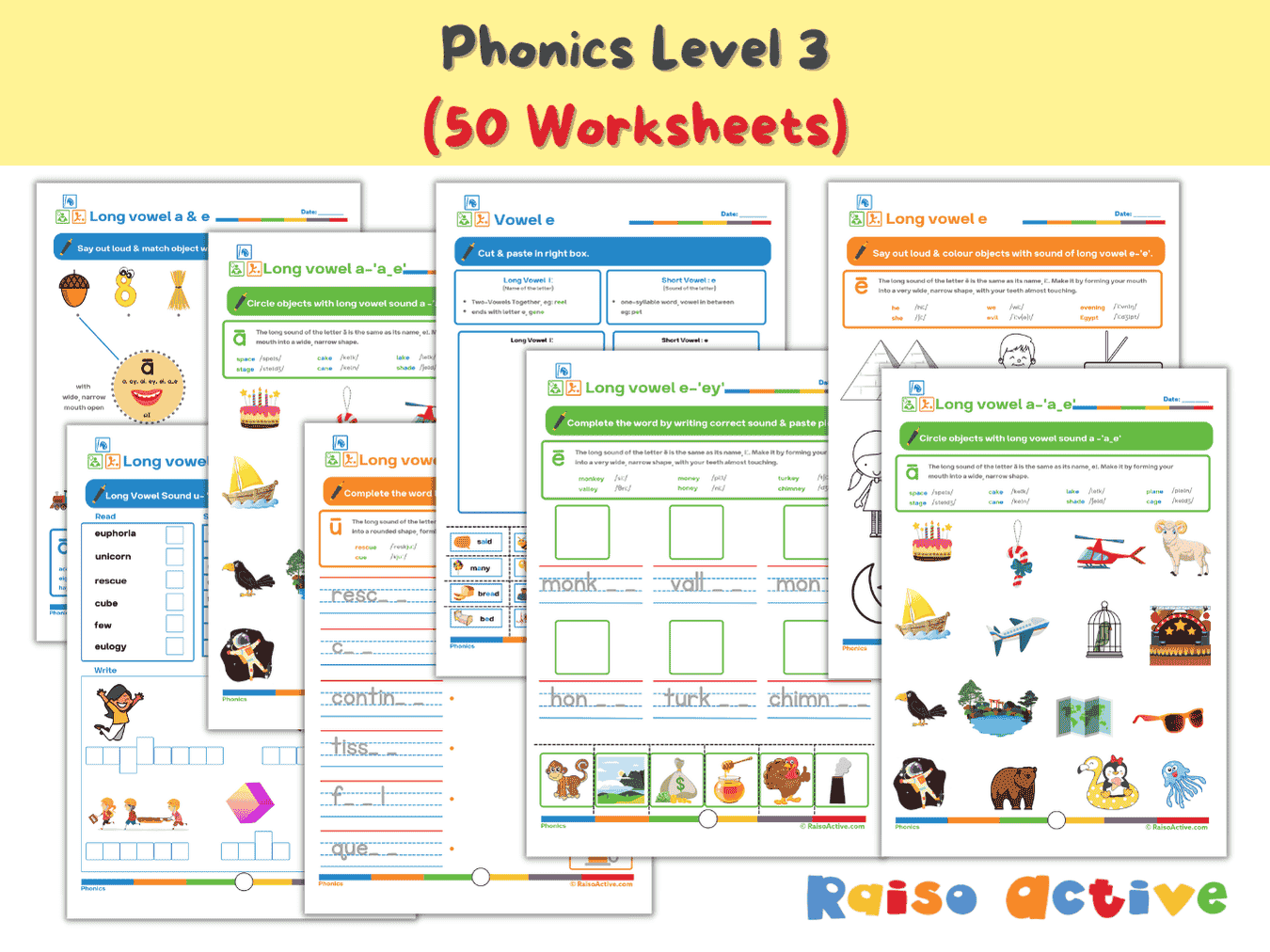
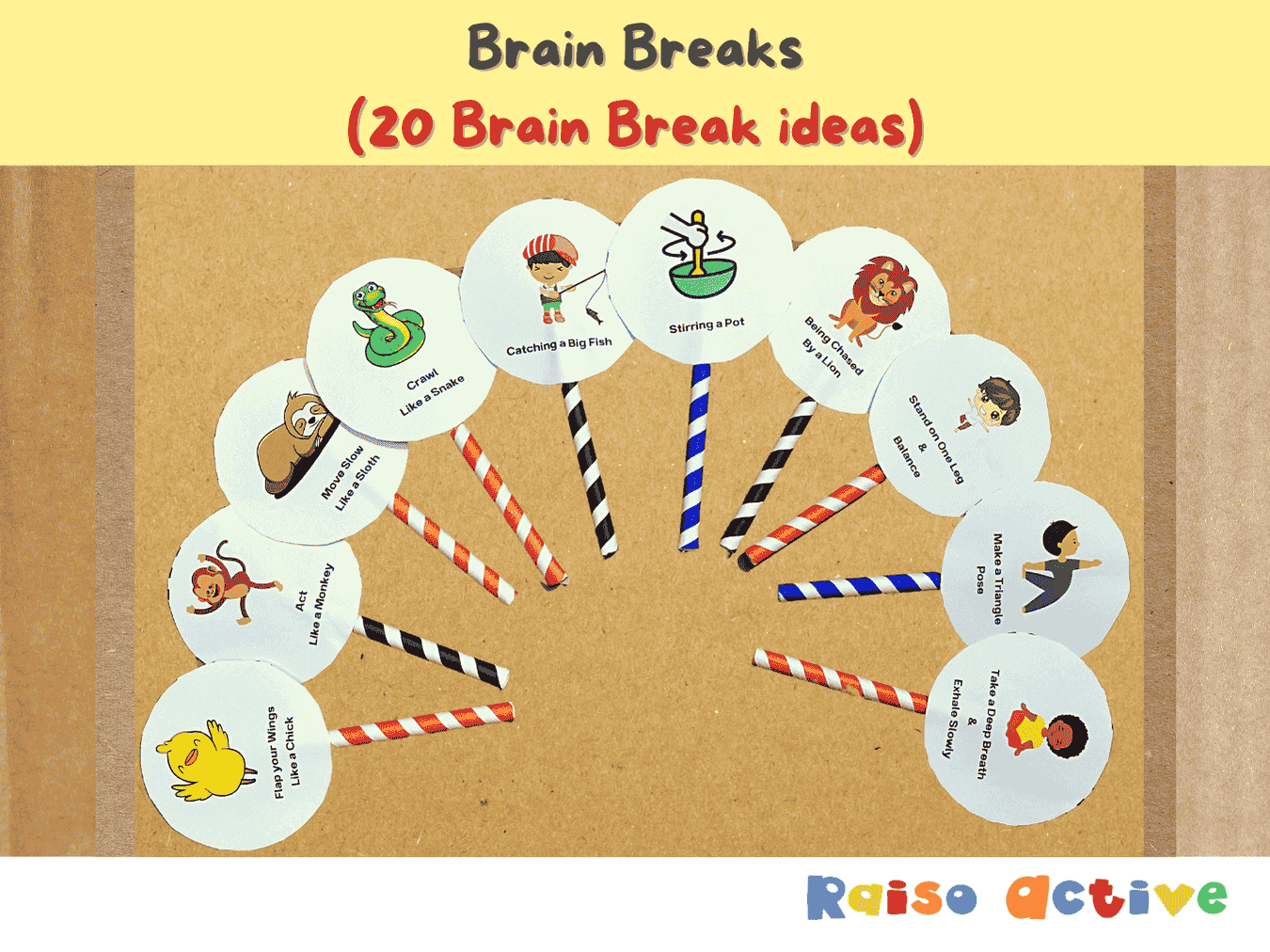
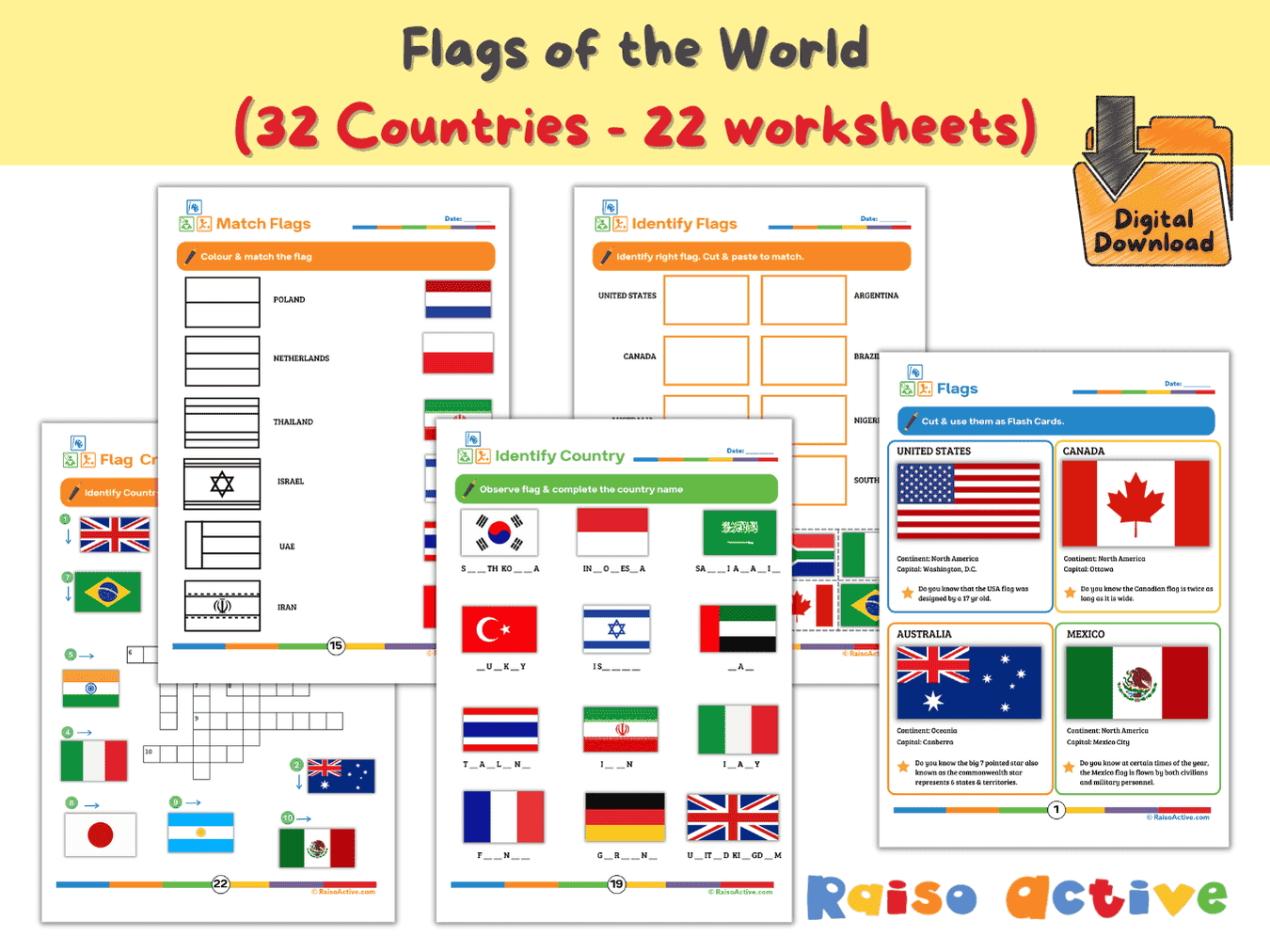
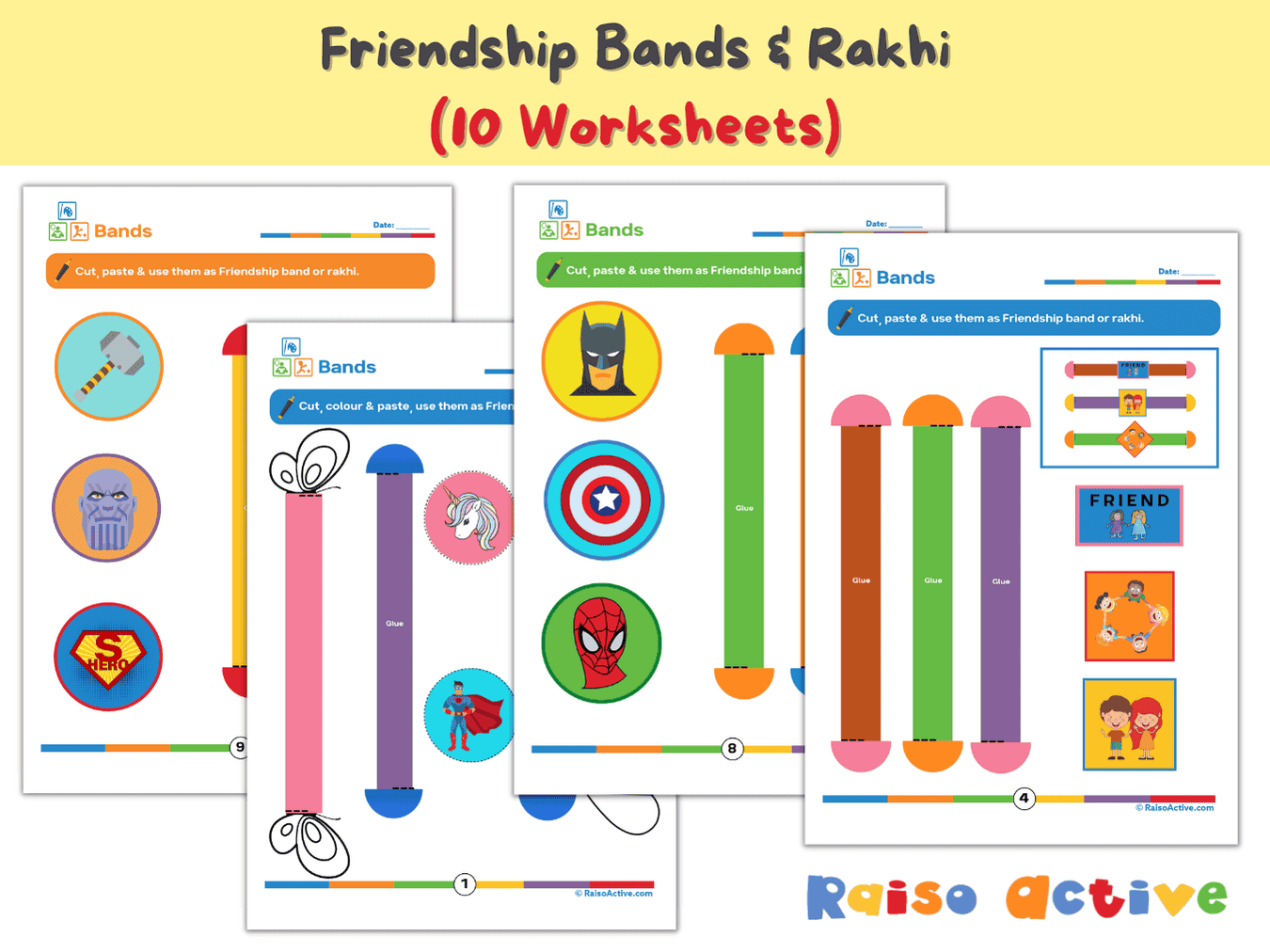
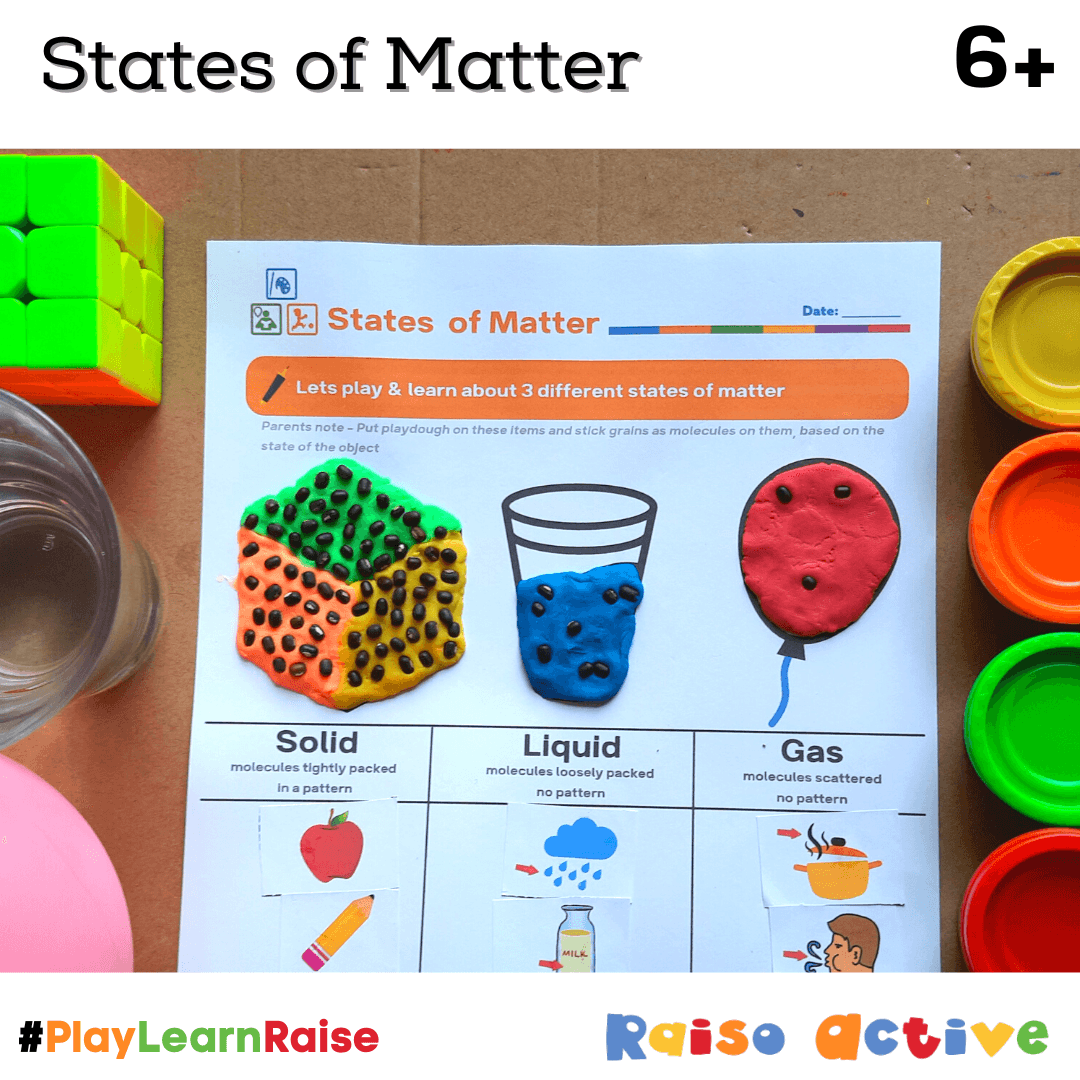
- RaisoActive offers high-quality, curriculum-aligned printable worksheets and activities at a fraction of what tutoring or imported resource packs cost
The Modern Parent's Dilemma: A World of Resources, a Budget That Is Not Infinite
Open any parenting WhatsApp group and within minutes you will encounter recommendations for educational apps, online courses, printable bundles, subscription platforms, and tutoring services. Each one promises to give your child an edge. Each one costs money — or does it? The truth is that the educational landscape today is genuinely extraordinary: there has never been more high-quality, freely available learning material in the history of human education. And yet, paradoxically, parents are spending more on supplementary education than ever before.
In India, this tension is especially acute. Parents are deeply invested in their children's education — surveys consistently show that Indian families allocate a higher proportion of household income to children's learning than almost any other country. At the same time, value-consciousness is a cultural strength: we know how to research, compare, and make thoughtful decisions with our money. The question is not whether to spend on your child's education. It is how to spend wisely, leverage what is free, and know — with confidence — when a paid resource is genuinely worth it.
This guide will walk you through exactly that. We will look at what the free world of learning can realistically provide for children aged 1 to 8, identify the scenarios where paid resources earn their cost, and give you a practical framework for building a learning resource stack that serves your child well without draining your family budget.
Get a weekly curated mix of free activities and printable resources
Join thousands of Indian parents who receive our handpicked learning ideas, free activity prompts, and worksheet recommendations every week — no fluff, just practical resources for children aged 1-8.
What the Free World of Learning Can Genuinely Provide
The free learning ecosystem is richer than most parents realise. Let us be specific about what is genuinely available at no cost, so you can build a clear picture of your baseline before considering any paid options.
Public and school libraries remain one of the most underused educational resources in India. The British Council Library, state public libraries, and school libraries offer access to thousands of picture books, reference books, and activity books — all for free with a membership card. In cities like Mumbai, Delhi, Bangalore, Chennai, and Pune, library networks have expanded significantly and many now offer digital borrowing options. A habit of weekly library visits costs nothing and builds literacy, curiosity, and the love of books in a way that no digital resource can fully replicate.
YouTube has a surprisingly strong library of high-quality early childhood educational content. Channels like Numberblocks, Alphablocks, Sesame Street, National Geographic Kids, and Peekaboo Kidz (Indian, Hindi and English) offer curriculum-aligned content that supports early maths, phonics, science curiosity, and social-emotional learning. The critical caveat: autoplay on YouTube is not your friend. Curate a playlist manually, disable autoplay, and watch with your child to maximise learning value and minimise exposure to inappropriate recommendations.
DIKSHA (Digital Infrastructure for Knowledge Sharing), the Government of India's national education platform, is a treasure that most parents have never opened. It hosts curriculum-aligned content for every grade level across multiple boards — CBSE, ICSE, and many state boards — in over 30 languages. For parents supplementing their child's school curriculum, DIKSHA is genuinely excellent and entirely free. Similarly, Khan Academy Kids (ages 2-8) is a world-class, entirely free, ad-free application covering early literacy, maths, and social-emotional development.
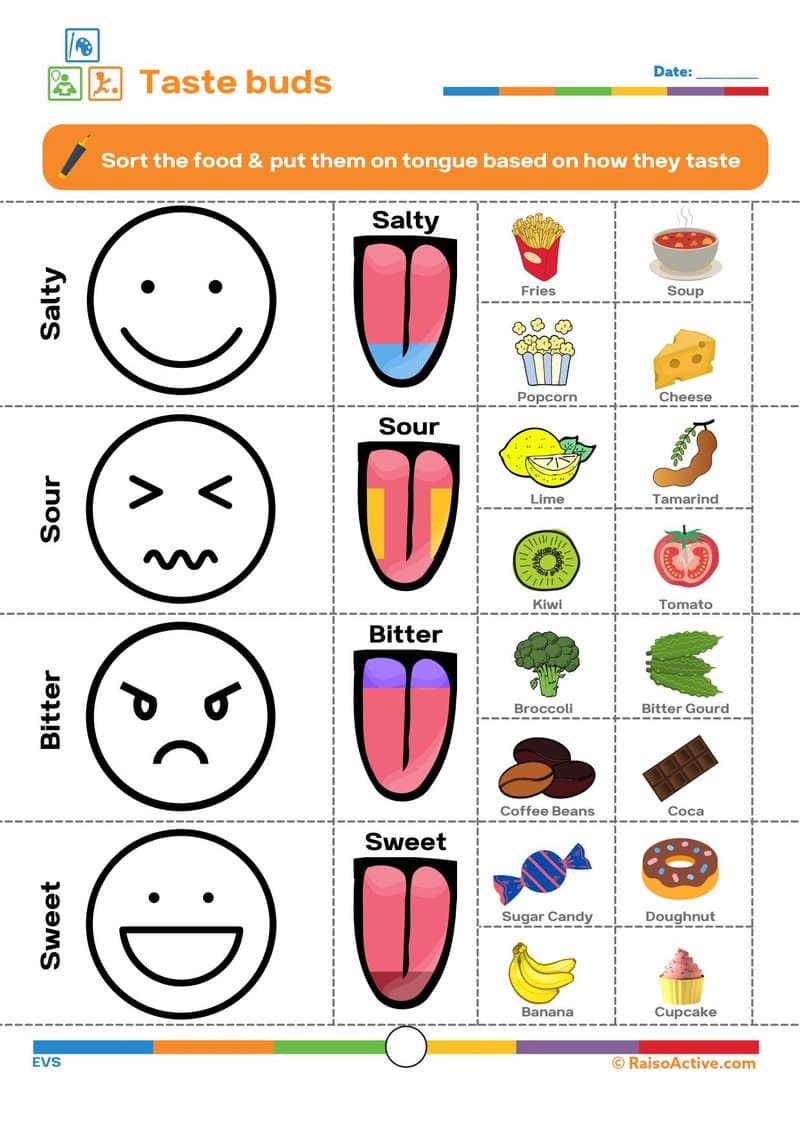
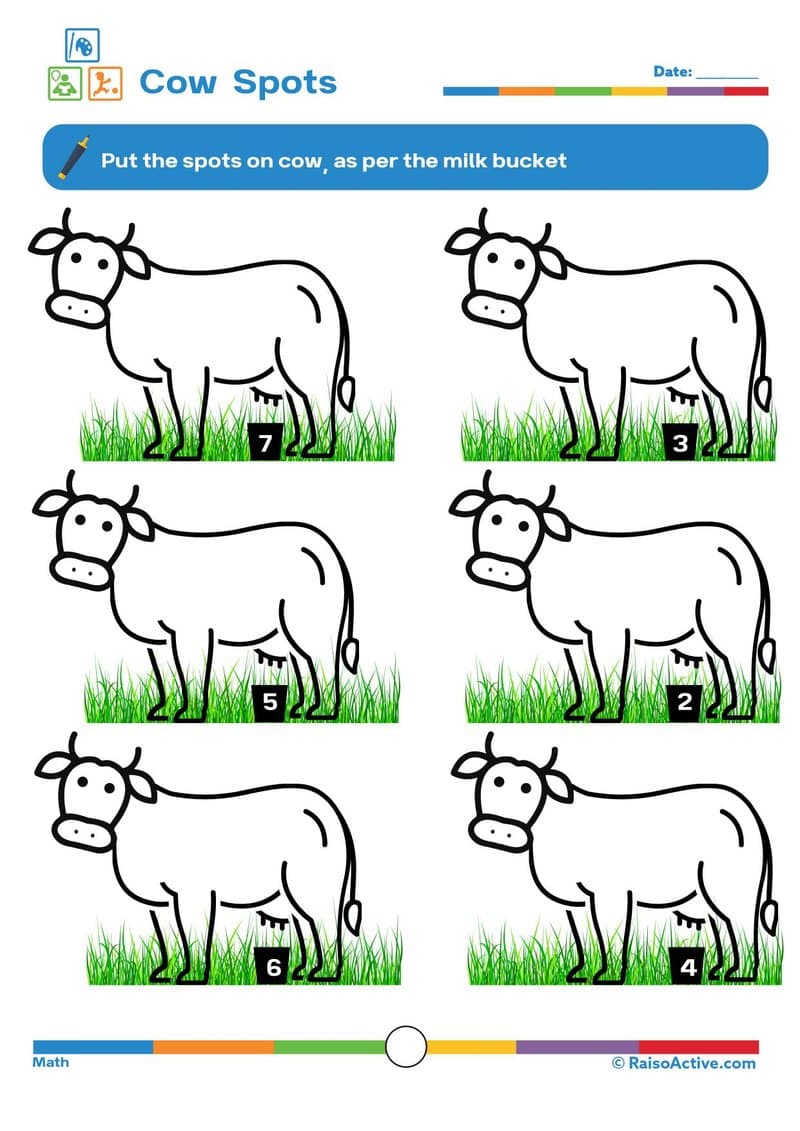
Free printables are abundantly available online, including here at RaisoActive where we offer a rotating selection of free downloads. The quality varies enormously — some are beautifully designed and educationally sound; others are low-resolution clip art with no pedagogical intent. Learning to evaluate the quality of free printables quickly is a skill worth developing, and we will cover it shortly.
When Paid Resources Are Genuinely Worth the Investment
Free resources have real limitations, and it is important to be honest about them. Understanding where free resources fall short is exactly what helps you spend money wisely when you do choose to invest.
Curriculum coherence is the first limitation of free resources. Individually excellent free resources do not connect to each other. A child who watches Numberblocks on YouTube, then uses Khan Academy Kids, then does a random free worksheet from a Google search is not following a coherent learning progression. The concepts may overlap, contradict each other in sequencing, or leave significant gaps. A well-designed paid curriculum or worksheet bundle is structured so that each concept builds on the previous one, creating genuine learning progression rather than scattered exposure.
Expert curation and developmental alignment are worth paying for when the free alternative requires significant time investment to find and evaluate. A high-quality paid resource has already been reviewed by educators, aligned to developmental milestones, and refined based on how real children engage with it. The time you spend hunting for, printing, and evaluating free resources has an opportunity cost — and for busy parents, that cost is real.
Adaptivity and personalisation are legitimately difficult to achieve for free. Paid platforms like Mindspark or Mathseeds use data about your child's responses to adjust difficulty in real time, identify specific conceptual gaps, and deliver targeted practice. No free alternative currently replicates this level of personalisation reliably. If your child is struggling with a specific skill — number sense, phonics blending, fine motor writing — a paid adaptive platform that diagnoses and addresses the gap precisely may save months of unfocused practice.
Printing quality and format matter more than parents often expect for young children. A worksheet printed on thin paper that bleeds when wet, or a PDF with illegible fonts for a child who is just learning letter forms, defeats its own purpose. Well-produced paid printable resources — designed by educators with knowledge of child development — consistently outperform randomly sourced free alternatives in usability and educational effectiveness.
How to Evaluate the Quality of Free Educational Resources Quickly
Not all free resources are created equal. A five-minute quality check before committing to any resource — free or paid — will save you from wasting your child's learning time and your printing budget on material that does not deliver.
For free printable worksheets, ask: Is the activity developmentally appropriate for my child's age and current skill level? Is the visual design clean and uncluttered — or is it so busy that the task itself gets lost? Does the activity require the child to think or merely to copy? Could my child complete it with minimal explanation, or would it require constant adult guidance? High-quality worksheets are purposeful, visually clean, and designed so that a child can work on them with reasonable independence.
For free YouTube content and educational videos, look for: Does the presenter speak clearly and at an appropriate pace? Is the content accurate (especially for science and social studies topics)? Does it invite participation — pausing for the child to respond — or is it entirely passive? Are the comments and recommended videos family-safe? The presence of advertising is worth noting: even well-intentioned free channels on YouTube show ads that are not appropriate for young children. Consider YouTube Kids as a safer alternative, though its content moderation is imperfect.
For free apps, the quality check is especially important. Free apps are almost always monetised through advertising, in-app purchases, or data collection. An app that is free but contains advertising is not appropriate for children under 8 — young children cannot distinguish advertising from educational content. Before allowing any free app on your child's device, verify: Is it completely ad-free? Does it require internet connectivity to display ads? Are in-app purchases accessible without a password?
Key Takeaway
Free does not mean low quality — but it does require more of your time to evaluate and organise.
The hidden cost of free educational resources is the time required to find, evaluate, organise, and sequence them into a coherent learning experience. For parents who have that time, the free ecosystem is genuinely extraordinary. For parents who do not, a curated paid resource that is ready to use immediately may represent better value even if it costs money. Be honest about which category you are in — and know that the answer can change depending on the season of life you are in.
Subscription Fatigue, Indian Price Sensitivity, and Building a Realistic Learning Budget
Subscription fatigue is one of the least-discussed problems in modern parenting. It happens gradually: you sign up for a phonics app in January, a reading platform in March, a worksheet subscription in June, and an online activity class in September. Each one seemed reasonable at the time. By December, you are paying for four services and actively using one.
A survey by an Indian edtech research firm found that the average Indian urban family with a child aged 2-8 subscribes to 2.7 paid educational platforms but actively uses fewer than 1.5 of them on a weekly basis. That is a significant amount of money sitting unused. The discipline of doing a quarterly subscription audit — listing every active subscription, its monthly cost, and your child's actual engagement in the last 30 days — is genuinely one of the highest-ROI financial habits a parent can develop.
For Indian families, the good news is that the domestic edtech market has created genuinely high-quality options at price points calibrated for Indian incomes. RaisoActive's worksheet bundles, for instance, are priced in rupees at a fraction of what equivalent imported resource packs cost — and they are designed with Indian children, Indian curricula (CBSE and ICSE supplements), and Indian learning contexts in mind. Similarly, Indian apps like Kiddopia, Bolo by Google, and DIKSHA offer world-class content at low or zero cost.
A reasonable monthly learning budget for a family with one child aged 2-8 might look like: zero to two free library memberships, one curated printable subscription (₹200-500 per month), and one adaptive app subscription (₹150-400 per month) — with everything else drawn from the rich free ecosystem. That is a total monthly investment of ₹350-900, which is dramatically less than most families are currently spending while often delivering better learning outcomes because it is focused and coherent.
Practical Strategies for Maximising the Value of Free Resources
Getting serious value from free resources requires a little more intentionality than simply downloading whatever appears first in a Google search. These strategies will help you extract genuine educational value from the free ecosystem.
Build a personal resource library. Create a simple folder system — on your phone, on Google Drive, or in a physical binder — where you save your best free finds. Organise by skill area (phonics, number sense, fine motor, creative arts) and by age range. The first time you find a high-quality free resource, it costs you time. The tenth time you use it with your child, that time investment has paid for itself many times over.
Connect with parent communities. The parenting and homeschooling communities on WhatsApp, Facebook, and Instagram in India are extraordinary repositories of free resource recommendations. Groups like homeschooling communities, CBSE parents' groups, and early childhood educator networks regularly share curated free finds, free webinar recordings, and library recommendations. The collective intelligence of a hundred parents who have already done the research is invaluable.
Supplement, do not replace. The most effective approach is to use free resources as the foundation and paid resources as targeted supplements for specific needs. Start with Khan Academy Kids as your literacy and numeracy foundation (free). Use your public library as your reading resource (free). Then identify the one or two areas where a paid resource adds specific value — perhaps a structured phonics programme your child responds well to, or a worksheet bundle that aligns with her current school topic. This targeted approach gets you 90% of the benefit of a fully paid approach at 20% of the cost.
Key Takeaway
Your child's learning does not need to be expensive to be excellent.
Some of the most educationally rich childhoods in the world are built almost entirely on library books, outdoor exploration, conversations with engaged parents, and a small number of carefully chosen resources. The correlation between educational spending and learning outcomes is surprisingly weak in the early years — what matters far more is consistency, engagement, and a warm adult presence during learning. Money amplifies good habits; it cannot substitute for them.
Key Takeaway
The best resource is one your child actually uses regularly — free or paid.
A beautifully designed paid worksheet bundle that sits unused in a drawer is worth nothing. A simple free printable that your child asks for by name every Tuesday morning is priceless. When evaluating any resource, the most important question is not "Is this high quality?" but "Will my child actually engage with this consistently?" Observe your child's response in the first two to three sessions and trust what you see. Regular, willing engagement is the only metric that matters.
💡Tips for Building a Smart Free Resource Stack
- Register for your nearest public library — most Indian city libraries offer free children's memberships with access to hundreds of picture books and activity books
- Bookmark DIKSHA (diksha.gov.in) and Khan Academy Kids as your two primary free digital learning resources — both are ad-free, curriculum-aligned, and genuinely excellent
- Create a WhatsApp group with three to five trusted parent friends specifically for sharing free resource finds — collective curation is far more efficient than solo searching
- Set a Google Alert for "[your curriculum board] free worksheets" to receive new quality free resources automatically in your email
- Download free resources during sales events — Teachers Pay Teachers, RaisoActive, and other platforms regularly offer free resource promotions that don't appear in regular searches
⚠️Warning: Signs That a Paid Resource Is Not Worth the Cost
- Your child has not engaged with it in two or more weeks — this is the most reliable signal that it is not a good fit, regardless of how well-reviewed it is
- The content is clearly designed for a different curriculum or cultural context and requires constant adaptation to be relevant to your child
- The platform uses aggressive renewal tactics — auto-renewing annual subscriptions without reminders, or making cancellation deliberately difficult
- You are paying for breadth (a library of thousands of resources) when your child consistently wants to use only two or three specific types of activity
- The "educational" claims on the platform are not backed by any mention of qualified educators, research references, or curriculum alignment — it is entertainment dressed as education
🎨Try This: The Monthly Resource Audit
- On the first day of each month, list every educational subscription your family currently pays for — apps, platforms, worksheet bundles, online classes — and note the monthly cost
- For each subscription, honestly rate your child's engagement in the past 30 days: High (used weekly), Medium (used a few times), Low (rarely or never used)
- Cancel or pause any Low-engagement subscription immediately — you can always restart later if circumstances change
- Allocate the freed budget to one targeted paid resource that addresses a specific current learning need, or bank it for a future purchase
- Repeat this audit every month for three months — by the end of that quarter, your resource stack will be leaner, more used, and better value
68%
of Indian urban parents report paying for at least one educational app or platform their child has not used in the past month — representing significant wasted spending that could be redirected to high-value resources
Source: EdTech India Consumer Survey, 2023
₹0
is the cost of India's DIKSHA platform, which hosts curriculum-aligned educational content for every grade level across CBSE, ICSE, and state boards, in over 30 Indian languages — one of the largest free educational content libraries in the world
Source: Ministry of Education, Government of India
A 6-Step Framework for Building Your Smart Resource Mix
1
Step 1: Map Your Current Learning Goals
Before spending a single rupee or downloading a single app, write down the three to five specific learning goals you have for your child right now. "Improve phonics blending," "build number sense to 20," "develop fine motor control for writing" — be specific. This clarity will guide every resource decision and prevent impulse additions that scatter your child's learning energy.
2
Step 2: Build Your Free Foundation First
For each learning goal, identify the best free resource that addresses it. Start with Khan Academy Kids, DIKSHA, your public library, and YouTube channels (Numberblocks, Alphablocks, Peekaboo Kidz). Use these for four to six weeks before adding anything paid. This baseline tells you what your child responds to and where the genuine gaps are — information that makes every subsequent paid decision much smarter.
3
Step 3: Identify the Specific Gaps the Free Resources Leave
After four to six weeks with your free foundation, observe carefully: Where does your child seem bored because the content is too easy? Where does she seem frustrated because it is too hard? Where does the free content run out or become repetitive? These gaps are your precise targets for paid resources — which means you will be spending on exactly what your child needs, not on what a marketing email told you she needed.
4
Step 4: Research Paid Options for Those Specific Gaps
With your specific gaps identified, research paid resources that address them precisely. Look for: educator-designed content, clear curriculum alignment, a free trial period, cancellation-friendly terms, and positive reviews from parents whose children are similar in age and learning style to yours. For Indian families, prioritise resources priced in rupees and designed for Indian curricula where possible — they are typically better value and more contextually relevant.
5
Step 5: Start with One Paid Addition at a Time
Resist the urge to subscribe to multiple paid platforms simultaneously. Add one paid resource at a time and give it four to six weeks to show results. This single-addition approach lets you clearly see whether the resource is making a difference, prevents the overwhelm that kills engagement, and avoids the subscription fatigue trap. If it works well after six weeks, you can consider adding a second. If it does not, cancel and try a different approach.
6
Step 6: Do the Quarterly Audit and Adjust
Every three months, review your entire resource stack — free and paid. What is your child genuinely using and benefiting from? What has she outgrown? What is sitting unused? Cancel the unused, upgrade the loved, and identify the next gap to address. This ongoing cycle of intentional curation keeps your resource mix lean, relevant, and genuinely serving your child's current developmental stage.
Free Resources: Strengths and Limitations
- +Zero financial cost — excellent for broad coverage and exploration
- +DIKSHA and Khan Academy Kids offer genuine curriculum alignment
- +Library books build literacy in ways digital tools cannot replicate
- +Requires significant time to curate, evaluate, and organise
- +May lack coherent sequence — gaps and overlaps are common without careful planning
Paid Resources: Strengths and Limitations
- -Pre-curated and sequenced — saves significant parent time and effort
- -Often adaptive — adjusts to your child's specific level and gaps
- -Consistent quality and print design — especially important for worksheets
- -Risk of subscription fatigue if multiple platforms are added simultaneously
- -Best value when targeted to a specific, identified gap rather than general coverage
Unlimited Access
Smart Learning Resources, Thoughtfully Designed for Indian Children
RaisoActive offers curriculum-aligned printable worksheets and activities for children aged 1-8, designed by educators and priced for Indian families. Join thousands of parents who have found their perfect balance of free and premium resources.
All worksheets & activitiesNew content weeklyDownload unlimited times
Subscribe NowFrequently Asked Questions
How much should I realistically spend on educational resources per month?
For most Indian families with one child aged 2-8, a monthly budget of ₹350-900 on paid educational resources is both realistic and sufficient — provided you are also actively using the free ecosystem (library, DIKSHA, Khan Academy Kids, quality YouTube channels). This would typically cover one curated printable subscription and one adaptive app subscription. If you are currently spending significantly more than this, a subscription audit is likely to reveal unused platforms that can be cancelled without any impact on your child's learning.
Are Indian educational resources (DIKSHA, Bolo, Kiddopia) as good as international ones?
For Indian children, yes — and in some ways they are better. DIKSHA is curriculum-aligned to Indian boards across 30+ languages and is entirely free. Bolo by Google was specifically developed for Indian early literacy contexts and outperforms many international alternatives for bilingual Hindi-English learners. Kiddopia offers culturally relevant content featuring Indian festivals, foods, and settings that international apps simply do not include. For curriculum alignment and cultural relevance, Indian-made resources are often the superior choice. International resources like Khan Academy Kids and Numberblocks remain excellent for supplementary content.
My child's school already provides a lot of materials. Do I need to buy additional resources?
Not necessarily. Before purchasing any supplementary resources, honestly assess what the school already provides and how well it is meeting your child's needs. If your child is engaged, making progress, and not experiencing significant gaps or boredom, the school materials plus a public library habit may be entirely sufficient. Additional resources make most sense in three scenarios: your child has a specific skill gap the school is not addressing, your child is ready for more challenge than the classroom pace allows, or you are homeschooling and need a complete curriculum. In all other cases, start with free resources and observe.
How do I know if a free printable worksheet is actually educationally sound?
Apply a simple three-question check: (1) Is the task developmentally appropriate — does it match what children at this age are typically ready for? (2) Is the design clean and legible — can a young child clearly see what to do without the visuals overwhelming the task? (3) Does the activity require genuine thinking or skill practice, not just colouring or copying without purpose? Well-designed worksheets, whether free or paid, will pass all three checks. Those that fail even one are worth skipping regardless of how attractive they look.
What is the single best free resource for early literacy in India?
Khan Academy Kids is our top recommendation for children aged 2-8. It is completely free, completely ad-free, works offline, is available in Indian English, and covers systematic phonics, early reading, and numeracy in a beautifully integrated way. For bilingual Hindi-English families, Bolo by Google (free) adds enormous value as a read-aloud companion that uses speech recognition to support both languages. Combine these two free apps with a weekly library visit and you have a genuinely excellent early literacy programme at zero cost.
How is RaisoActive different from other paid worksheet resources?
RaisoActive worksheets are designed by educators with specific knowledge of early childhood development and Indian curriculum contexts. They are created for children aged 1-8, priced in rupees at a fraction of what imported resource packs cost, and structured to support learning progression rather than being a random collection of activities. Many RaisoActive resources are also available as free downloads on a rotating basis, making it possible to try before subscribing. The focus is always on activities that children find genuinely engaging and that parents can use with minimal preparation — because the best resource is one that actually gets used.