Creating an Inclusive Learning Environment at Home: A Complete Guide for Families
Author
RaisoActive - Kids Activities and Fun Learning
Published
Updated
Reading Time
17 min read

- Inclusive learning means adapting your home environment so every child — regardless of learning style or challenge — can thrive at their own pace.
- Small physical changes (lighting, seating, noise control) can significantly reduce overwhelm for children with sensory sensitivities or attention difficulties.
- Dyslexia, ADHD, sensory processing differences, and giftedness all call for different but achievable accommodations that most families can implement without specialist equipment.
- Multi-sensory activities and flexible daily schedules are the most powerful tools available to parents, requiring no formal training to use.
- In India, where specialist access is limited in many cities and towns, informed parents are often a child's most important first support system.
Every Child Deserves a Place Where Learning Feels Possible
Walk into any preschool or primary classroom and you will find children sitting in identical rows, working from identical textbooks, at roughly the same pace. For many children this works reasonably well. For a significant number, it does not — and the gap between "school learning" and the way a particular child actually learns best can quietly become a source of shame, frustration, and disconnection from education altogether.
Home is different. Home is the one place where you, the parent, have genuine flexibility. You can choose the lighting. You can decide when the day starts. You can put the worksheet aside and pick up the clay instead. You can let your child stand while they work, take a movement break mid-lesson, or learn the same concept three different ways until one clicks. That flexibility is not a compromise — it is the most powerful pedagogical tool you own.
This guide is for every family that has ever sensed their child learns differently, whether or not there is a formal diagnosis. It covers what an inclusive home learning environment actually looks like in practice, how to adapt common learning materials, and how to tailor your approach for children with dyslexia, ADHD, sensory processing differences, or exceptional giftedness. The advice here is grounded in international research and shaped by the realities many Indian families face: limited access to specialists, social stigma around learning differences, and the need for solutions that are affordable and practical.
Get inclusive activity ideas delivered to your inbox
Join thousands of Indian parents who receive our weekly newsletter with adapted worksheets, sensory play ideas, and expert parenting tips.
What "Inclusive" Really Means at Home
The word "inclusive" is often used in the context of schools admitting children with disabilities. At home, it means something broader and more personal: designing your learning space, routines, and materials so that your specific child's specific needs are met — without making them feel singled out or inadequate.
Inclusive home learning is not about lowering expectations. It is about removing unnecessary barriers so that a child's actual ability — which may be considerable — can surface. A child with dyslexia who struggles to decode written text may have sophisticated reasoning, creative thinking, and an excellent memory for information heard aloud. An inclusive approach lets that child access content orally, demonstrate understanding through drawing or building, and develop reading skills separately and at their own pace. The goal is always growth; only the pathway changes.
Inclusion means removing barriers, not reducing expectations.
Children with learning differences often have significant strengths that are masked by the barriers in their environment. Adapting how content is delivered and how understanding is demonstrated allows true ability to show through.
Setting Up Your Physical Space
You do not need a dedicated room or expensive furniture. A corner of the living room, a low table in the bedroom, or a spot on the floor near a window can all become excellent learning spaces if you pay attention to a few key factors.
Lighting
Natural light is ideal and free. Position your learning space near a window if possible. For children with visual sensitivities, harsh overhead fluorescent lighting can cause genuine discomfort and rapid fatigue. Warm LED lamps or clip-on reading lights are inexpensive alternatives. If your child frequently rubs their eyes, complains of headaches, or avoids looking at the page, experiment with different lighting before assuming the problem is attention or attitude.
Seating and Posture
Standard chairs at standard tables suit many children and frustrate many others. Children with low muscle tone, hypermobility, or sensory processing needs often concentrate better when they can move slightly — a wobble cushion (available for a few hundred rupees on most Indian e-commerce sites), a floor cushion, or simply permission to kneel or stand at the table can make a meaningful difference. Some children focus better lying on their stomach on the floor with materials in front of them. Observe your child and follow what their body seems to be telling you.
Noise Management
In many Indian homes, complete quiet is simply not available — extended family, traffic outside, household activity. For children who are highly sensitive to sound, simple measures help: a pair of soft foam earplugs during focused work, moving to a quieter corner of the home, or playing low-level white noise or instrumental music through a phone speaker. Noise-cancelling headphones are useful if your budget allows, but they are not essential. What matters is acknowledging that noise sensitivity is real and working creatively around it.
Clutter and Visual Complexity
A visually busy space competes for attention. For children with ADHD or sensory processing differences, a table covered with multiple materials, worksheets, and toys can make it genuinely difficult to focus on any single task. Keep the learning surface clear, bringing out only what is needed for the current activity. Store materials in labelled boxes or bags so the child knows where things are (which also supports independence) but does not see everything at once.
- Natural or warm light at the correct height — neither too dim nor glaring.
- Seating that allows slight movement if your child needs it (floor cushion, wobble pad, standing option).
- A clear, uncluttered work surface with only current task materials visible.
- A designated "calm corner" with a few comforting sensory items for when emotions run high.
- Materials within reach but stored neatly so the child can self-select without becoming overwhelmed.
Adapting Materials for Different Learners
The same learning goal can almost always be reached through multiple routes. The sections below outline common learning differences and practical material adaptations any family can make at home.
Supporting Children with Dyslexia
Dyslexia affects the way the brain processes written language. It is neurological, not a sign of low intelligence, and it is more common than most people realise — estimates suggest around 10 percent of the population is affected to some degree. Children with dyslexia often struggle with phonics, spelling, and reading fluency while excelling at storytelling, spatial reasoning, and creative problem-solving.
- Print worksheets in a larger font size (14–18 point) and increase line spacing to reduce visual crowding.
- Use a plain, sans-serif font such as Arial or Century Gothic; some families find the free OpenDyslexic font helpful.
- Offer a reading ruler or a plain card to cover lines below the one being read.
- Allow children to respond orally or by drawing rather than requiring written answers whenever the goal is to assess understanding rather than writing skill.
- Colour-code phonics patterns consistently — for instance, always highlighting vowel pairs in yellow — so the visual pattern becomes predictable.
- Read aloud to your child generously and frequently; listening to rich language builds vocabulary and comprehension even when independent reading is laboured.
Supporting Children with ADHD
Attention Deficit Hyperactivity Disorder affects executive function — the brain's ability to plan, initiate, sustain attention, and regulate impulse. Children with ADHD are not wilfully disobedient or lazy; their brains are wired to seek novelty and stimulation, and sustained focus on tasks perceived as uninteresting requires significantly more effort for them than for neurotypical children.
- Break tasks into very small chunks with a clear endpoint — "do these five sums, then we stop" rather than "finish the page".
- Use visual timers (a sand timer or a digital timer on screen) so the child can see how much time remains.
- Build in scheduled movement breaks every 15–20 minutes: jumping jacks, a quick walk, or animal walks around the room.
- Offer fidget tools — a stress ball, a piece of fabric with different textures, a small tangle toy — that occupy the hands without disrupting the brain.
- Seat your child facing a wall or window (away from distracting activity) during focused work.
- Provide immediate, specific positive feedback for effort and task completion rather than waiting until the end of a long session.
Supporting Children with Sensory Processing Differences
Sensory Processing Disorder (SPD) is not yet universally classified as a standalone diagnosis in all countries, but sensory sensitivities are widely recognised as real and impactful. Some children are sensory-seeking (they need extra input — movement, touch, pressure) while others are sensory-avoiding (they are easily overwhelmed by noise, light, texture, or unexpected touch). Many children are a combination of both, seeking in some channels while avoiding in others.
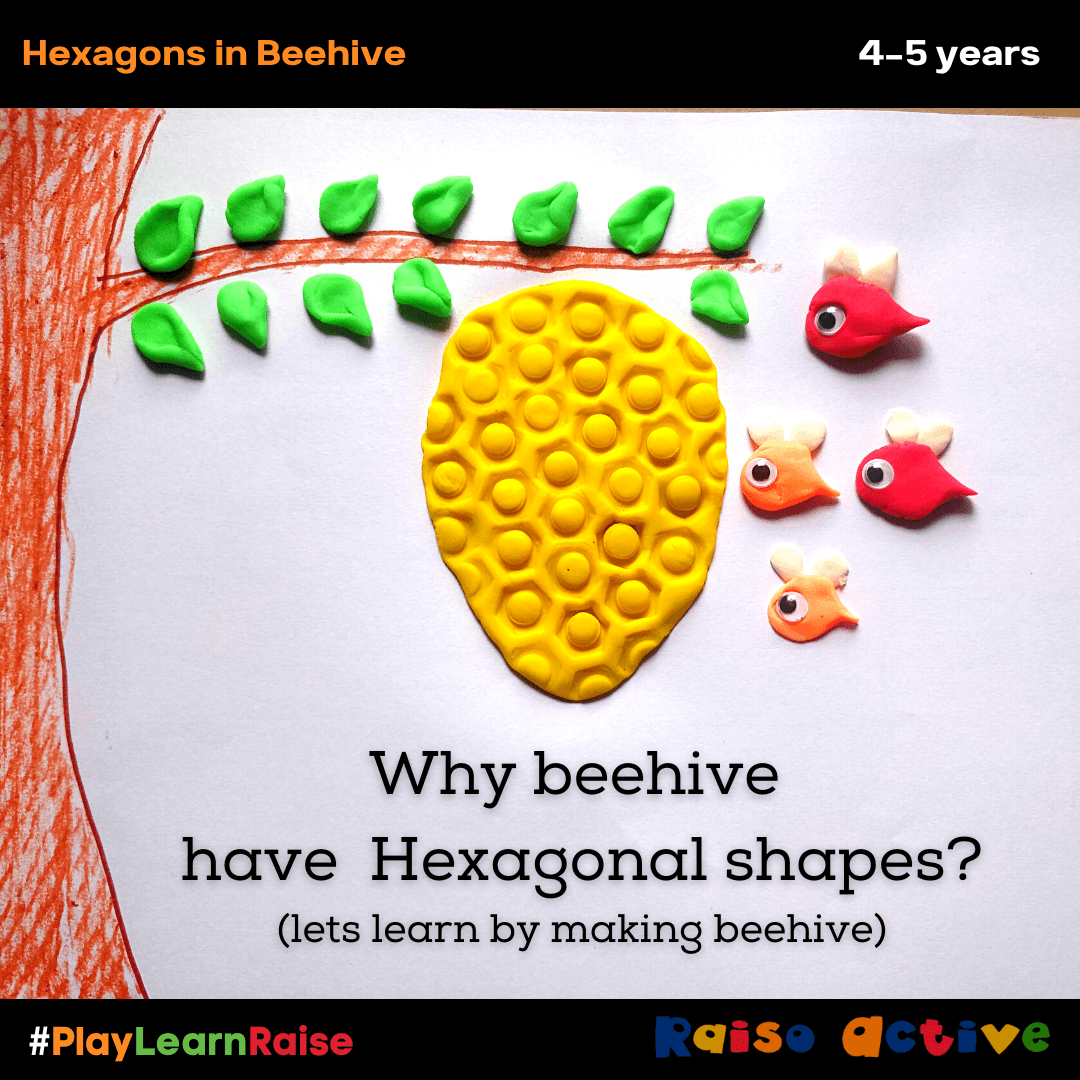
- Allow sensory-seeking children to learn through touch: moulding clay letters, tracing in sand or rice, using textured stamps.
- Offer sensory-avoiding children advance warning before transitions and keep materials visually and texturally predictable.
- Heavy work activities (pushing, pulling, carrying) before a learning session can help sensory-seeking children regulate and focus.
- Avoid insisting on specific postures; many children with sensory differences self-regulate through movement.
- Respect genuine texture aversions — a child who cannot bear the feel of certain craft materials is not being difficult.
Supporting Gifted Children
Giftedness is itself a form of learning difference that schools often fail to accommodate. Gifted children who are under-challenged frequently develop avoidance behaviours, perfectionism, or social difficulties. At home, the approach is compacting (spending less time on material already mastered) and enriching (going broader and deeper into topics of genuine interest). Gifted children often benefit from the same multi-sensory approaches as other learners; they simply move through them faster and require more complex extensions.
has some form of learning difference, including dyslexia, ADHD, sensory processing difficulties, or giftedness — yet the majority are never formally identified in Indian schools.
Source: Estimates based on international prevalence data; formal Indian diagnostic rates remain significantly lower.
The Power of Multi-Sensory Learning
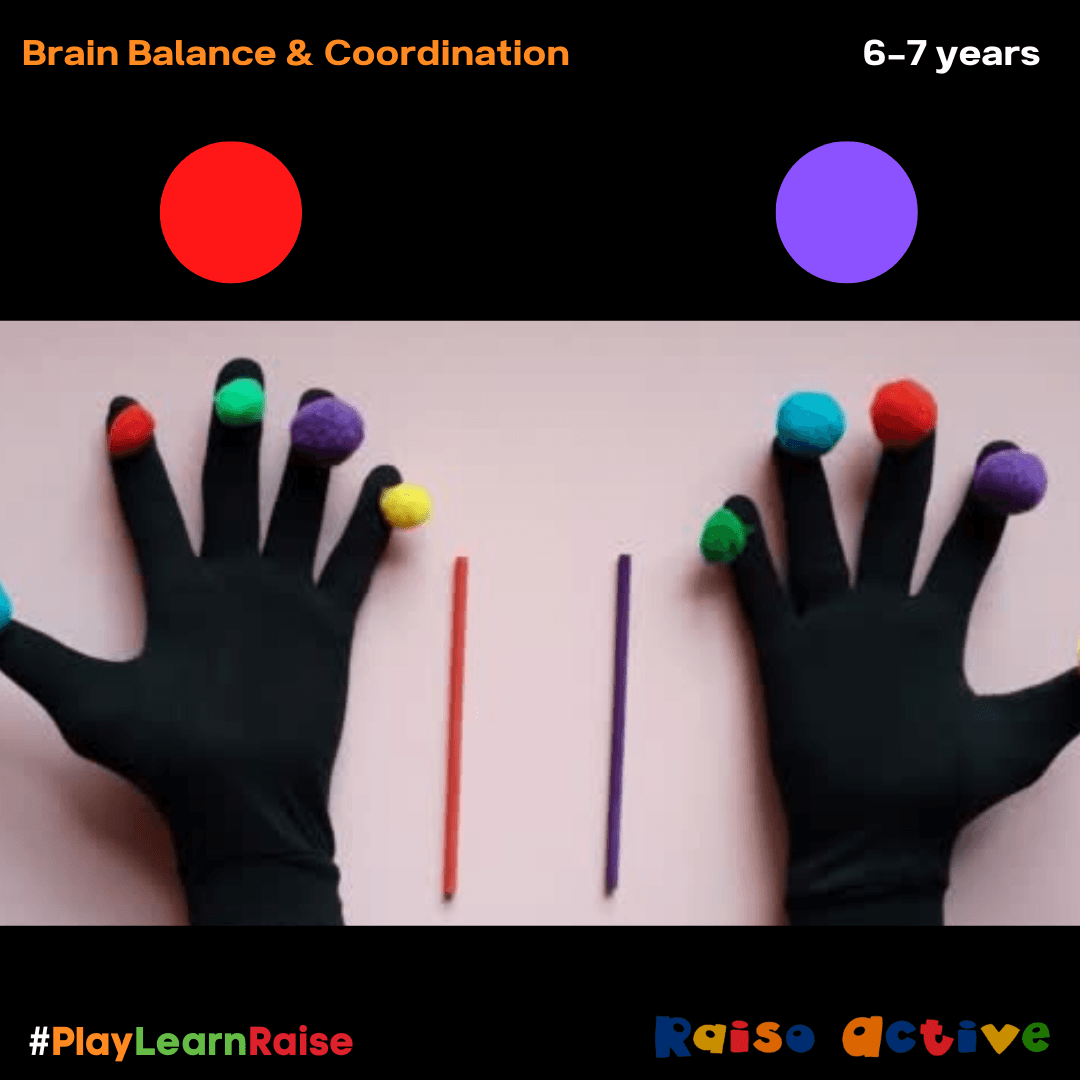
Multi-sensory learning — engaging sight, hearing, touch, and movement simultaneously — is not a special-needs strategy. It is simply how brains learn most efficiently, and it is disproportionately helpful for children whose dominant learning channel differs from the visual-text-heavy default of most curricula.
The beauty of multi-sensory approaches is that they require minimal resources. A tray of fine sand or rice for letter tracing costs almost nothing. Singing a times table to a familiar tune uses no materials at all. Asking a child to walk around the house finding objects that begin with a given sound is free, effective, and far more memorable than writing that sound ten times in an exercise book.
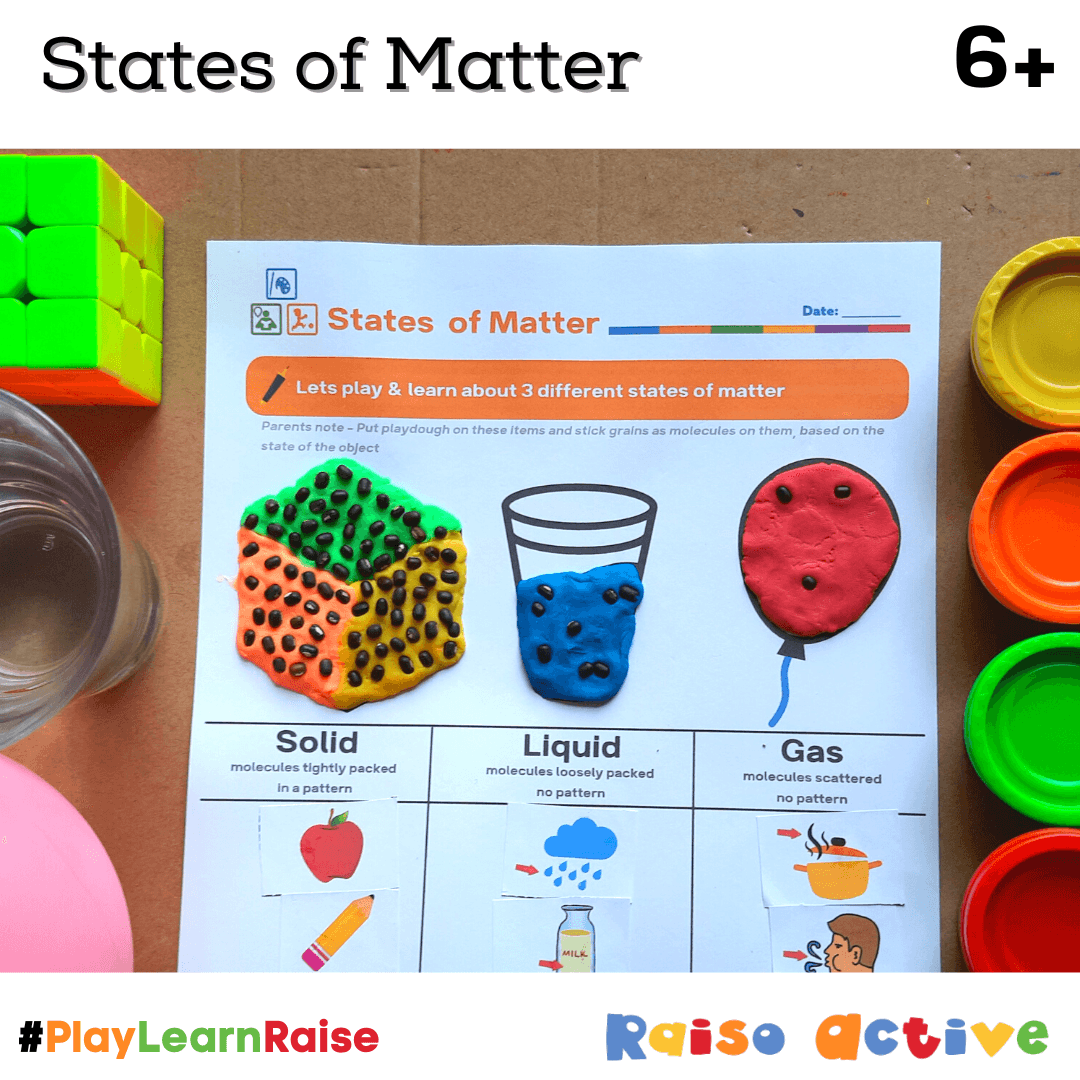
- Letters and phonics: trace in sand, form with dough, stamp on paper, hop to letter cards on the floor.
- Numbers and counting: use dried chickpeas or buttons as counters, build numbers with blocks, write on a whiteboard or chalkboard.
- New vocabulary: act out the word, draw it, create a gesture for it, say it in silly voices.
- Sequencing: use physical objects to arrange in order before transferring to paper.
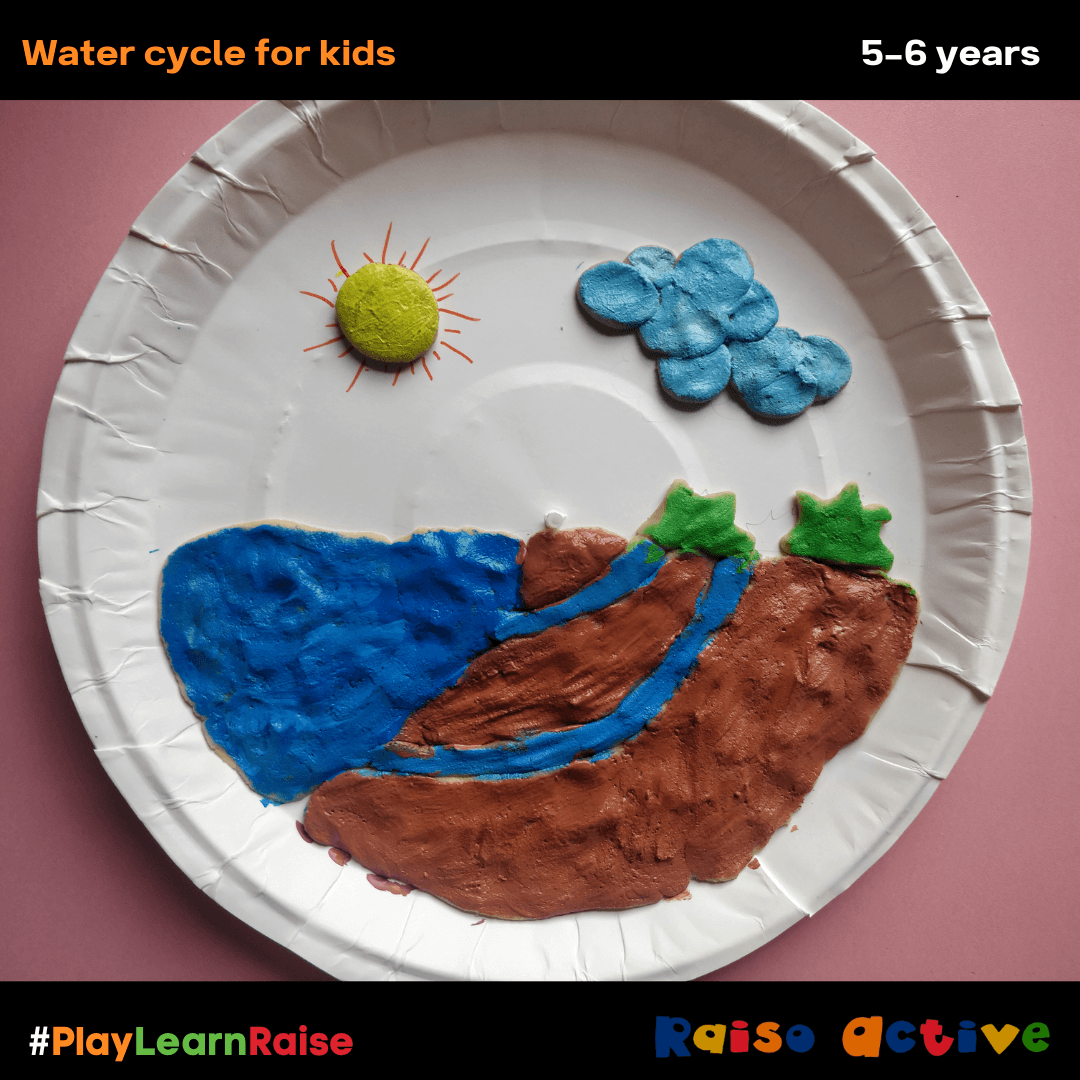
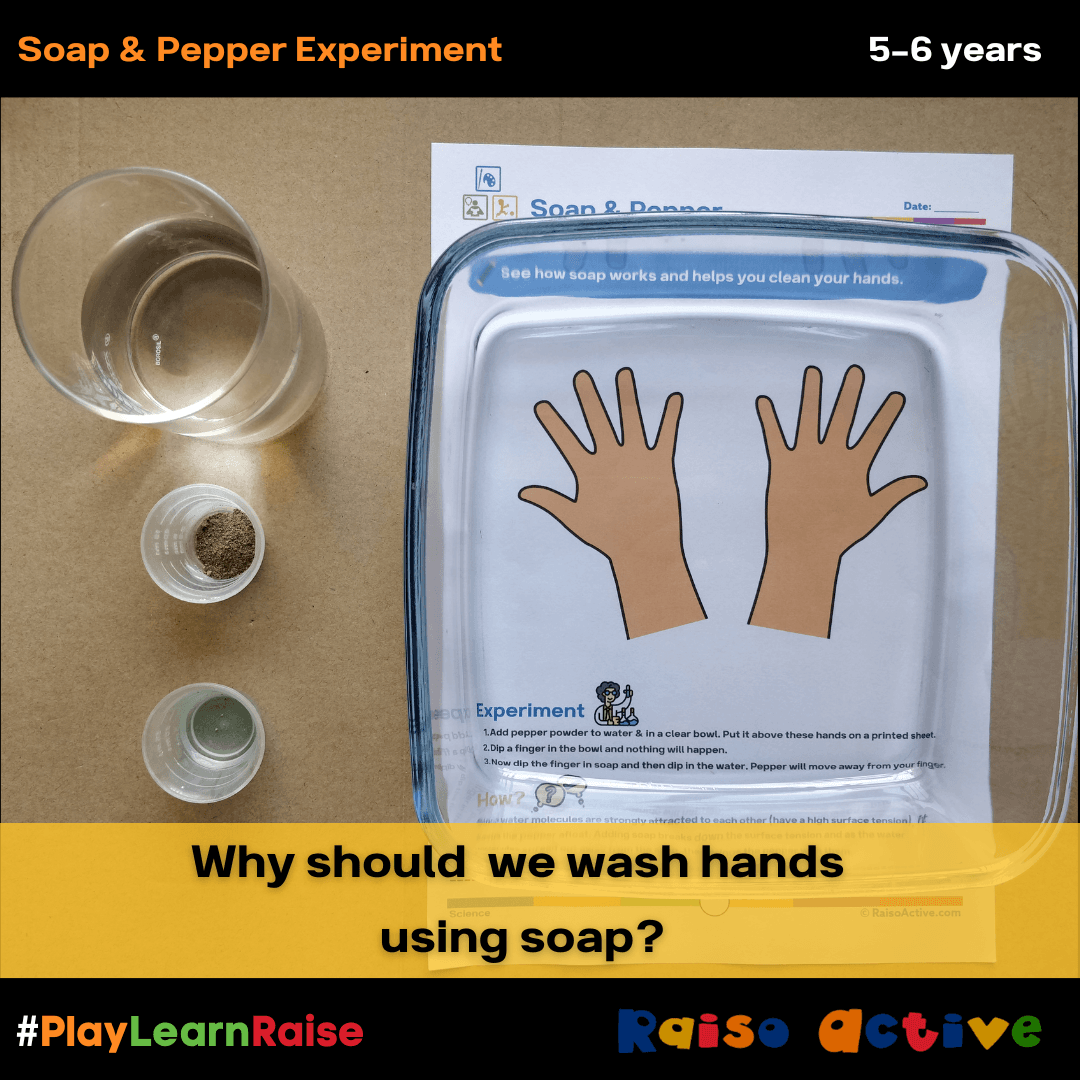
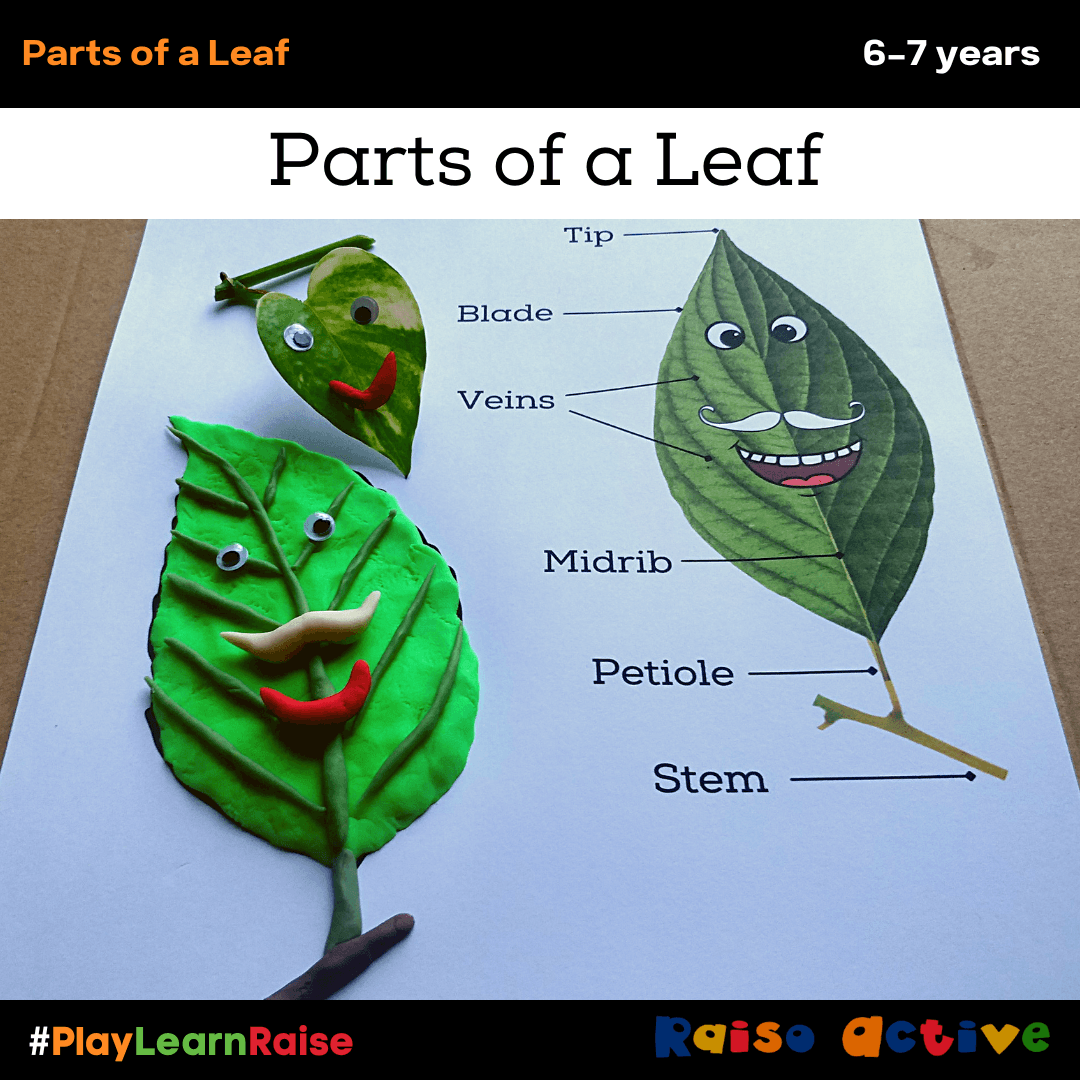
- Science concepts: observe real objects (leaves, stones, water) before or alongside any written work.
Building a Flexible Schedule
A predictable routine reduces anxiety and supports executive function, especially for children with ADHD or autism spectrum differences. At the same time, rigid minute-by-minute schedules that take no account of a child's current state — tired, hungry, dysregulated — create battles that cost far more time and energy than they save.
The answer is a flexible-but-predictable framework: certain activities happen in a reliable order (morning greeting, physical activity, focused learning, creative play, rest) but the timing within each block responds to the child. A visual schedule — photographs or simple drawings of each activity in order — is particularly helpful for young children and those who benefit from concrete rather than verbal information.
Predictable order with flexible timing reduces anxiety without creating rigidity.
Children (particularly those with ADHD, anxiety, or autism) feel safer when they know what comes next, but forcing a dysregulated child to follow a clock-based schedule to the minute often backfires. Aim for consistent sequence, adaptable duration.
The Indian Context: Navigating Limited Access and Social Stigma
In metropolitan cities like Mumbai, Delhi, Bengaluru, and Pune, families with resources can access child psychologists, occupational therapists, speech-language pathologists, and special educators. In smaller cities, towns, and rural areas, these services range from scarce to entirely absent. Even where services exist, waiting lists are long, costs are significant, and insurance coverage for developmental assessments is limited.
Beyond access, stigma is a real barrier. Many families fear that a diagnosis of dyslexia or ADHD will label their child permanently, damage their school prospects, or invite judgement from extended family. "He is just lazy." "She will grow out of it." "Too much screen time is the problem." These explanations — offered with love and genuine concern — can delay appropriate support by years.
The practical response is twofold. First, begin the accommodations described in this guide regardless of whether a formal assessment is possible. These strategies are beneficial for all children and cost nothing to implement; they carry no risk and considerable potential reward. Second, document what you observe: keep a simple notebook or phone note of patterns — when difficulties occur, what helps, what makes things harder. This documentation is invaluable if you do eventually access a specialist, and it often helps parents themselves see patterns more clearly.
of children with learning differences in India receive any formal identification or support, compared to 5–10% in countries with more developed special education systems.
Source: Approximate estimates based on government education data and international comparison research.
How to Adapt Worksheets for Different Learners
Printable worksheets are one of the most useful tools in a home learning toolkit — but only if they are used flexibly. A worksheet is a starting point, not a contract. The suggestions below apply whether you are using worksheets from RaisoActive or any other source.
- +Child completes every item on the page
- +Child writes all answers independently
- +Same font size and layout for every child
- +One attempt, timed or graded
- +Paper only — child sits at a table
- +Adult corrects errors in red pen
- -Child completes a selected portion matched to current capacity
- -Child answers orally, points, or draws where writing is the barrier
- -Font enlarged, spacing increased, visual clutter reduced as needed
- -Multiple attempts welcomed; speed is never the point
- -Worksheet laminated and answered with a dry-erase marker, or traced in a sand tray
- -Errors used as a teaching conversation, not a judgement
Step-by-Step: Starting Your Inclusive Learning Corner
Set Up Your Inclusive Learning Space in One Weekend
Observe Before You Organise
Spend two or three days simply watching your child during learning activities. Note when they lose focus, what positions they naturally adopt, what triggers frustration, and what seems to help. These observations will guide every decision that follows.
Choose and Prepare Your Space
Select a corner or area with reasonable natural light and manageable noise. Clear the surface and surrounding area of non-learning items. If seating is rigid, add a cushion or wobble pad. Ensure the child can easily reach storage for materials.
Gather Low-Cost Sensory Materials
A tray of sand or rice, a set of dough or clay, some small counters (dried beans, buttons, beads), a whiteboard or chalkboard surface, and a few different textures of paper. These basic materials support multi-sensory learning for almost any concept.
Create a Visual Schedule
Draw or photograph the sequence of your daily learning routine. Laminate or slip into a clear pocket and display at the child's eye level. Go through it together each morning so the child knows what to expect. Adjust as you learn what works.
Adapt One Activity and Evaluate
Choose one regular learning task and apply two or three of the adaptations in this guide. Observe the difference over a week. Then adapt another activity. Small, systematic changes are more sustainable than overhauling everything at once.
Build In Regular Reflection
Every two to three weeks, ask yourself: What is working well? What is still a struggle? What have I learned about how my child learns? Adjust accordingly. Inclusive home learning is an ongoing process, not a one-time setup.
Start with observation, not organisation.
The most common mistake families make is buying supplies and rearranging furniture before they understand their specific child's specific needs. Spend time watching first. The space should serve the child, not the other way around.
- Your child is significantly behind peers in two or more areas (reading, writing, maths, speech) despite consistent home support.
- Frustration during learning activities is so intense that it affects your child's emotional wellbeing or self-image.
- Your child's teacher has raised concerns, or the school has suggested an assessment.
- You notice significant differences in development compared to a sibling or peers at the same age.
- Your child frequently complains of headaches, eye strain, or stomachaches on school days — physical symptoms can sometimes be linked to learning-related stress.
- In India, seek a referral to a child psychologist, developmental paediatrician, or occupational therapist. Government medical colleges in most major cities have paediatric developmental clinics that offer subsidised assessments.
Worksheets to Support Inclusive Learning
Every child deserves learning that works for them
Download our free Inclusive Learning Starter Kit — adapted worksheets, a visual schedule template, and a sensory activity guide — and join our community of parents who are making learning work for their unique children.
Frequently Asked Questions
My child has no diagnosis. Can I still use these strategies?
How do I explain my child's learning differences to grandparents or other family members who do not understand?
My child's school uses very traditional methods. Will adapting things at home cause confusion?
Are there affordable occupational therapy or specialist resources I can access in India?
How much structured learning time does a child with ADHD or sensory differences actually need each day?
My child seems to learn differently in different subjects — very advanced in maths but really struggling with reading. Is this a learning difference?
Free worksheets for this topic
Browse all worksheets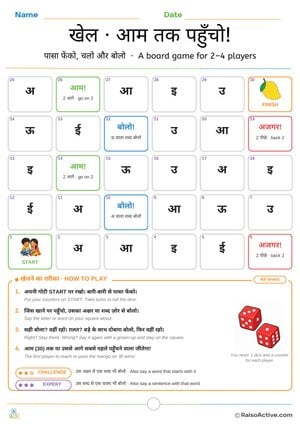
Reach the Mango: Hindi Vowels Board Game for 2–4 Players | खेल · आम तक पहुँचो!
Ages 3-7 · Preschool–Grade 1Ages 3-7 · Nursery–Year 2Ages 3-7 · Nursery–Class 1Ages 3-7
A 30-square path with the six vowels, bonus squares (go on 2) and trap squares (back 2). Children say the letter or a word starting with it each time they land, and the first to reach the mango on 30 wins. It makes letter recognition into a game.
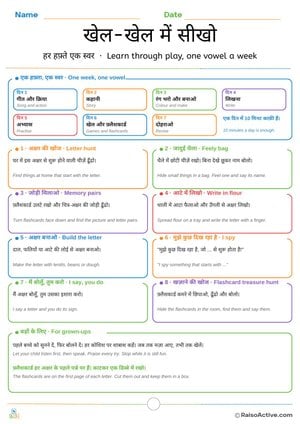
Learn Hindi Vowels Through Play: 8 Games and a Weekly Plan | खेल-खेल में सीखो
Ages 3-7 · Preschool–Grade 1Ages 3-7 · Nursery–Year 2Ages 3-7 · Nursery–Class 1Ages 3-7
Eight play-based ways to practise a Hindi vowel at home, such as a letter hunt, a feely bag, memory pairs, writing in flour, an I-spy game and a flashcard treasure hunt, plus a simple seven-day plan for one vowel a week.
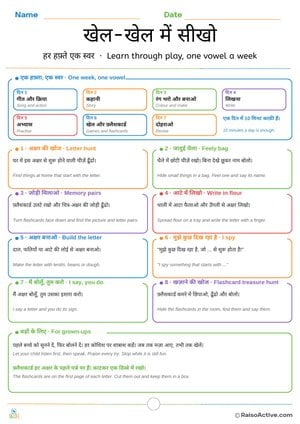
Learn Through Play: One Hindi Vowel a Week Plan and Home Activities | खेल-खेल में सीखो
Ages 3-7 · Preschool–Grade 1Ages 3-7 · Nursery–Year 2Ages 3-7 · Nursery–Class 1Ages 3-7
A seven-day plan for each vowel (song and action, story, colour and make, write, practise, games, revise) and eight no-prep play ideas: letter hunt, feely bag, memory pairs, writing in flour, building the letter from lentils, I spy, I say you do and a flashcard treasure hunt.

Written by
Hemsweta Jain · Teacher Cheena
MBA and Early Childhood Educator, teaching since 2014 · Founder of RaisoActive, Mumbai
Published · Last reviewed
Related posts
Supporting Your Child with Dyslexia: A Parent's Guide to Home-Based Learning Strategies
Practical home-based learning strategies for children with dyslexia in India. Covers signs, diagnosis, multisensory phonics, school accommodations under RPWD Act, and tech tools.
What Red Flags Indicate Learning Difficulties? A Comprehensive Guide for Early Identification
Learn the age-by-age red flags for reading, writing, maths, and attention difficulties in children ages 1-8. Know when to seek help and where to find support in India.
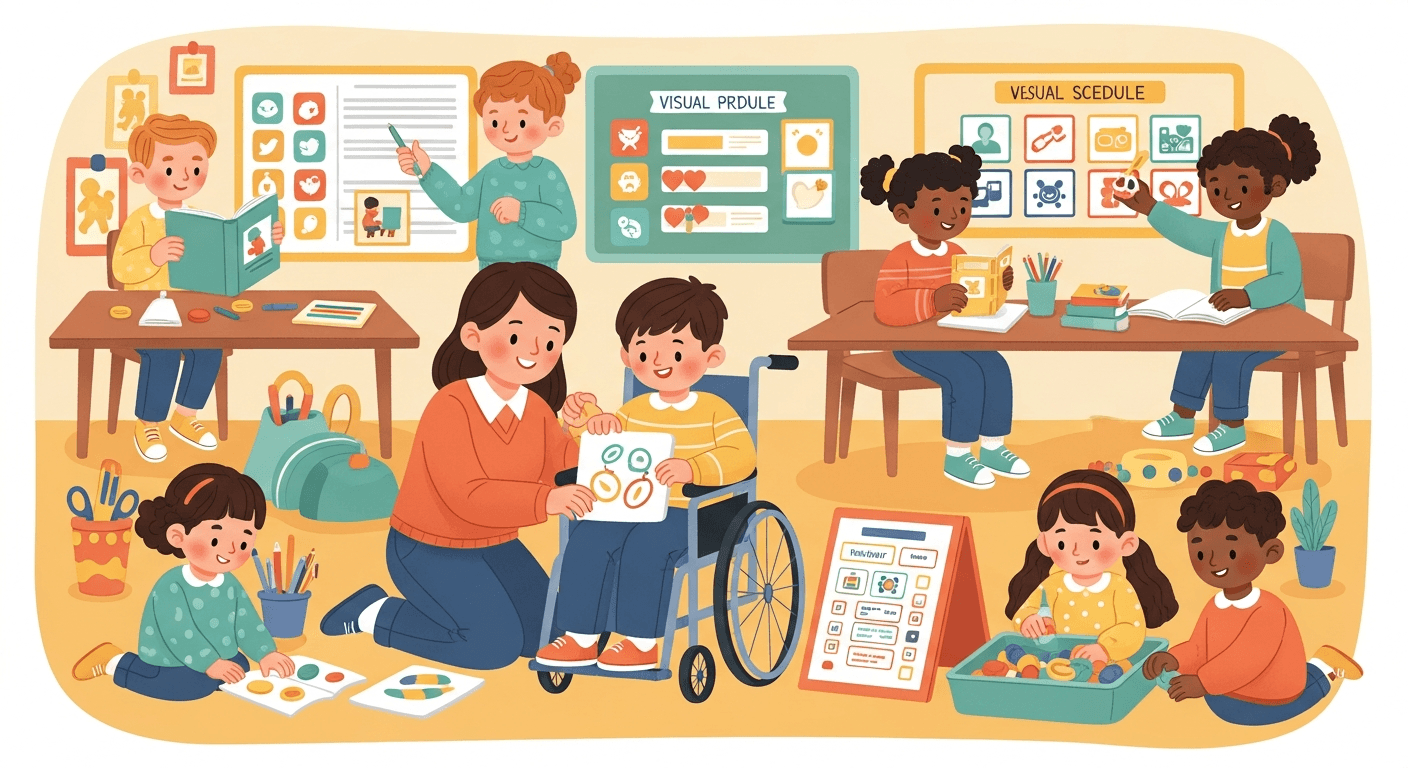
Making Learning Accessible for All Children: A Comprehensive Guide to Inclusive Education
Practical guide to making learning accessible for every child. Discover UDL strategies, classroom adaptations, and inclusive teaching methods for ages 1-8.
Related Resources
Printable Resources(10)
View all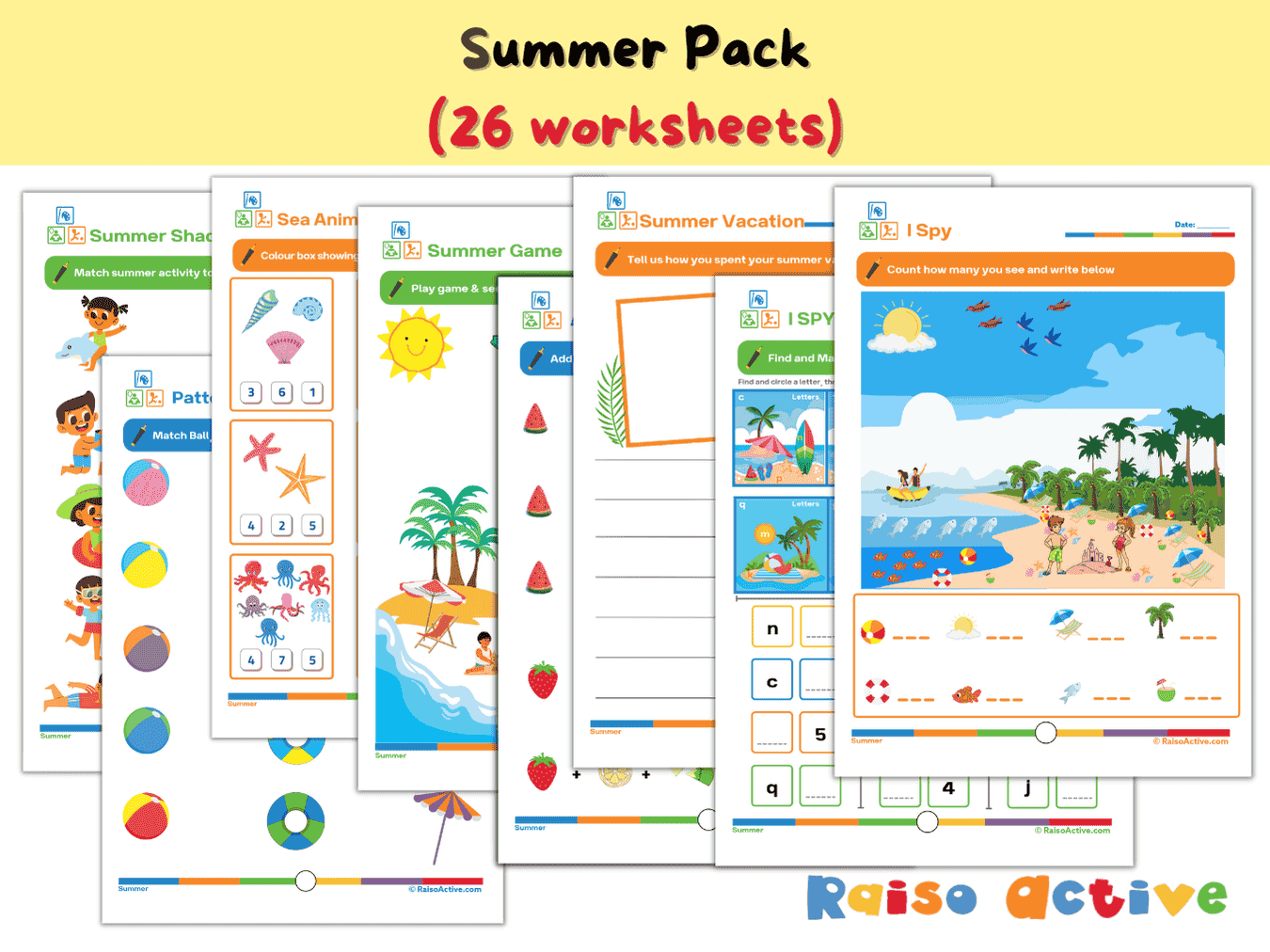

Summer Activity Pack: Math, Literacy, Puzzles & More for Preschool & Kindergarten
Ages 3-7 · Preschool–Grade 1Ages 3-7 · Nursery–Year 2Ages 3-7 · Nursery–Class 1Ages 3-7 · 26 pages
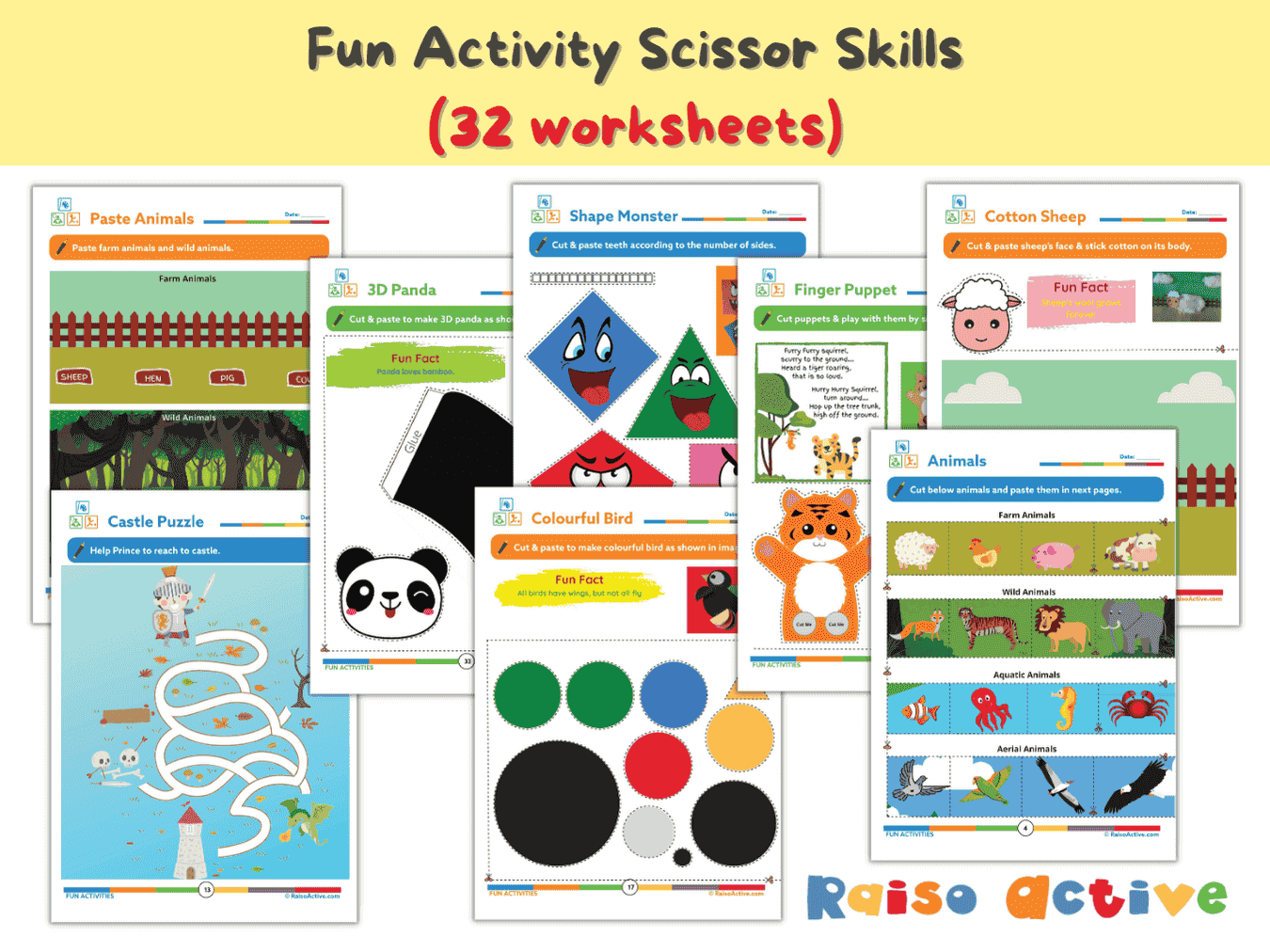

Preschool Scissor Skills Activity Book: Fine Motor & Craft Fun for Ages 3-6
Ages 3-6 · Preschool–KindergartenAges 3-6 · Nursery–Year 1Ages 3-6 · Nursery–UKGAges 3-6 · 35 pages

Month 9: Holistic Preschool Play Learning | Ages Up to 4
Ages 3-4 · PreschoolAges 3-4 · NurseryAges 3-4 · 30 pages
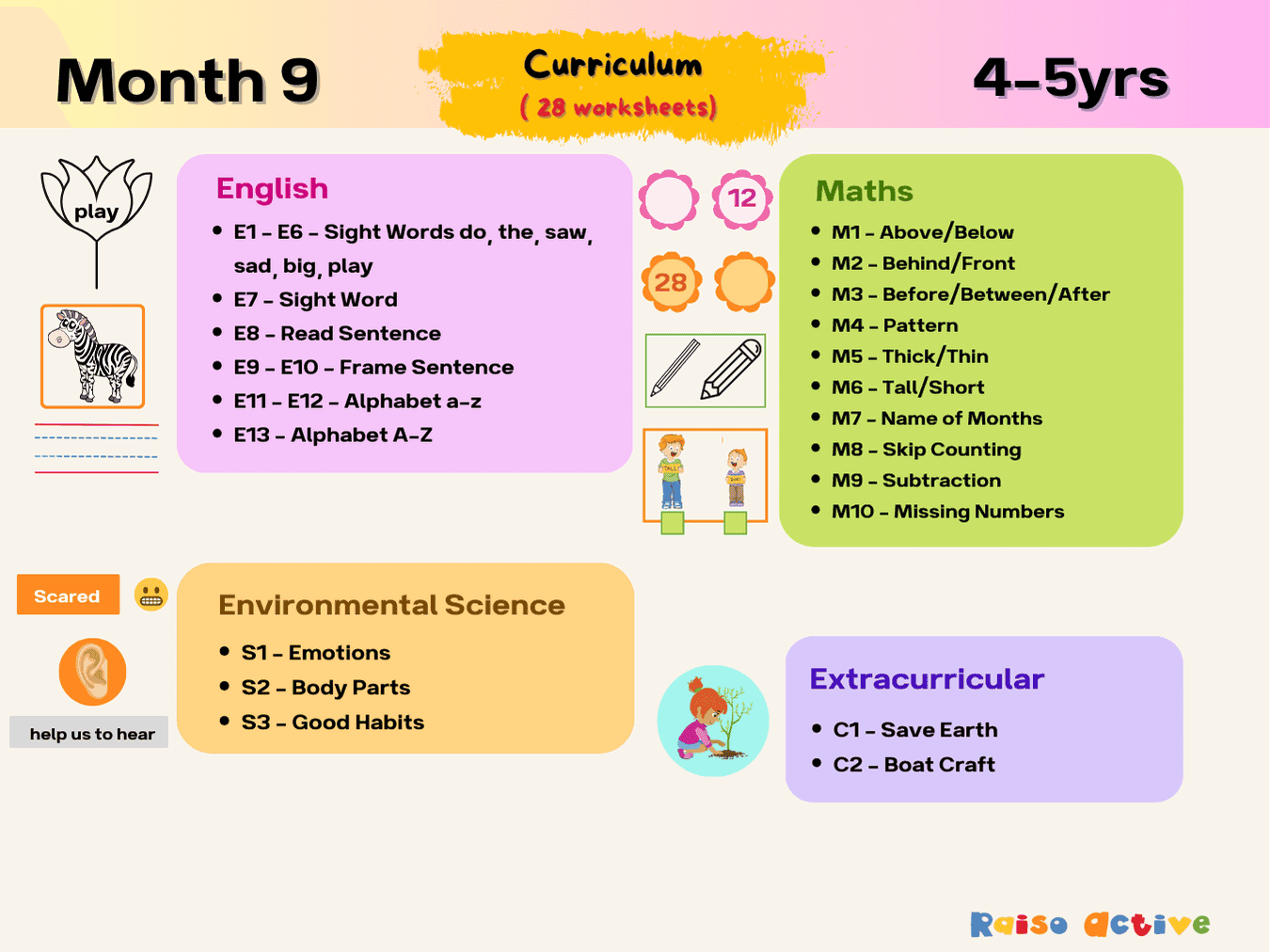
Month 9: Play-Based Preschool Foundational Skills | Ages 4-5
Ages 4-5 · Pre-KAges 4-5 · ReceptionAges 4-5 · LKGAges 4-5 · 31 pages
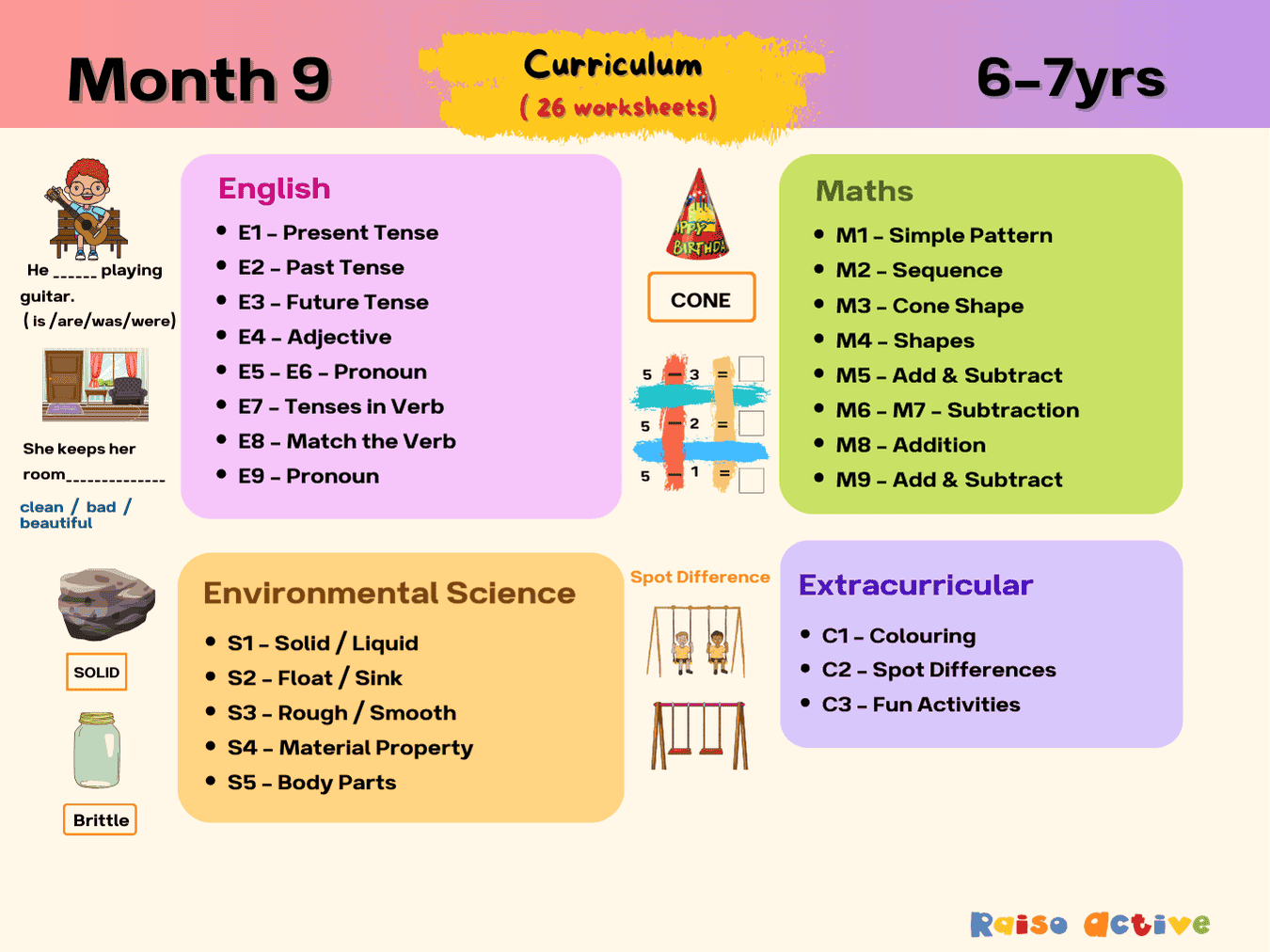
Month 9: Multi-Subject Early Learning | Ages 6-7
Ages 6-7 · Grade 1Ages 6-7 · Year 2Ages 6-7 · Class 1Ages 6-7 · 29 pages
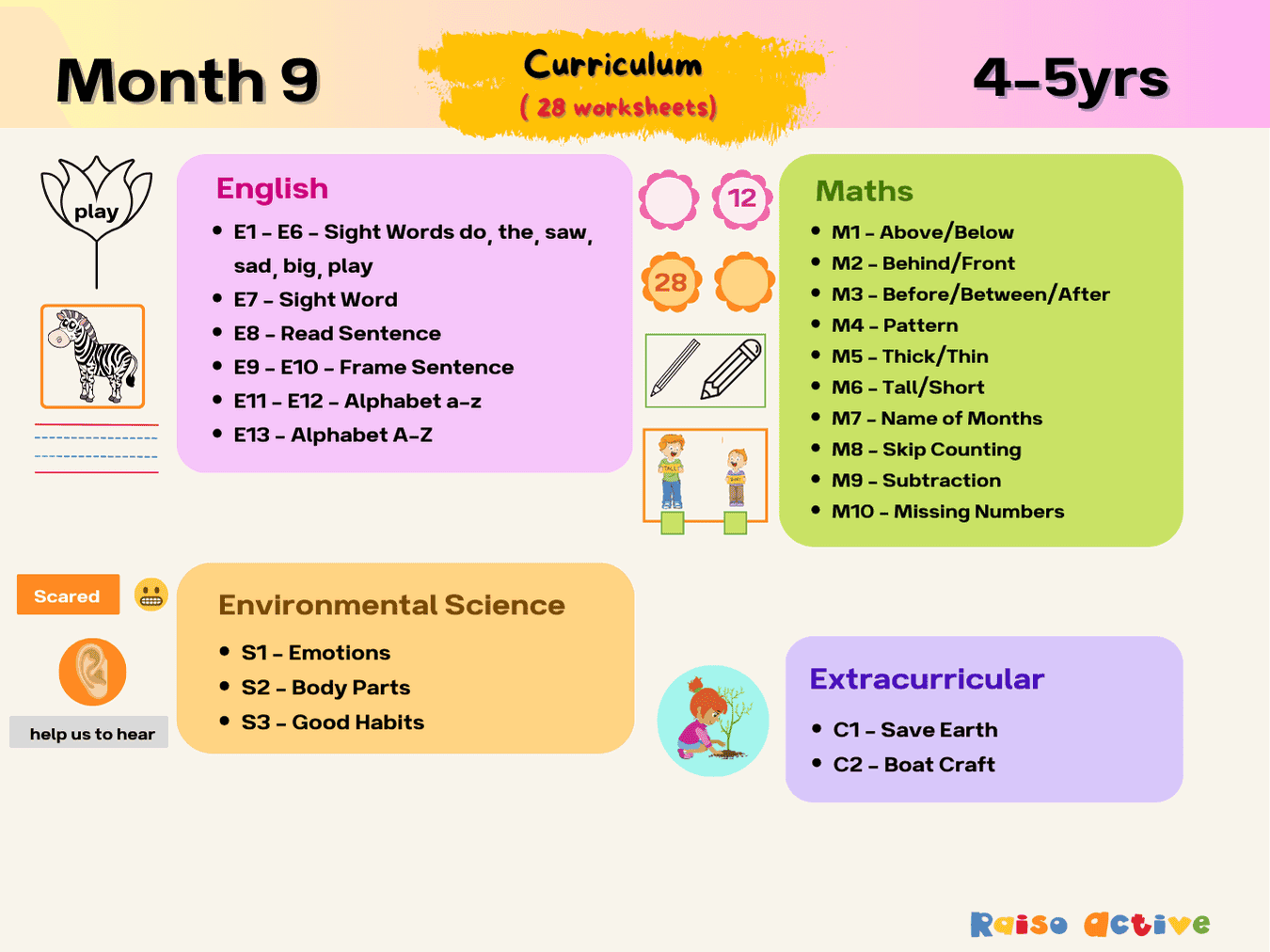
Month 9: Preschool Early Learning Activities | Ages 4-5
Ages 4-5 · Pre-KAges 4-5 · ReceptionAges 4-5 · LKGAges 4-5 · 31 pages
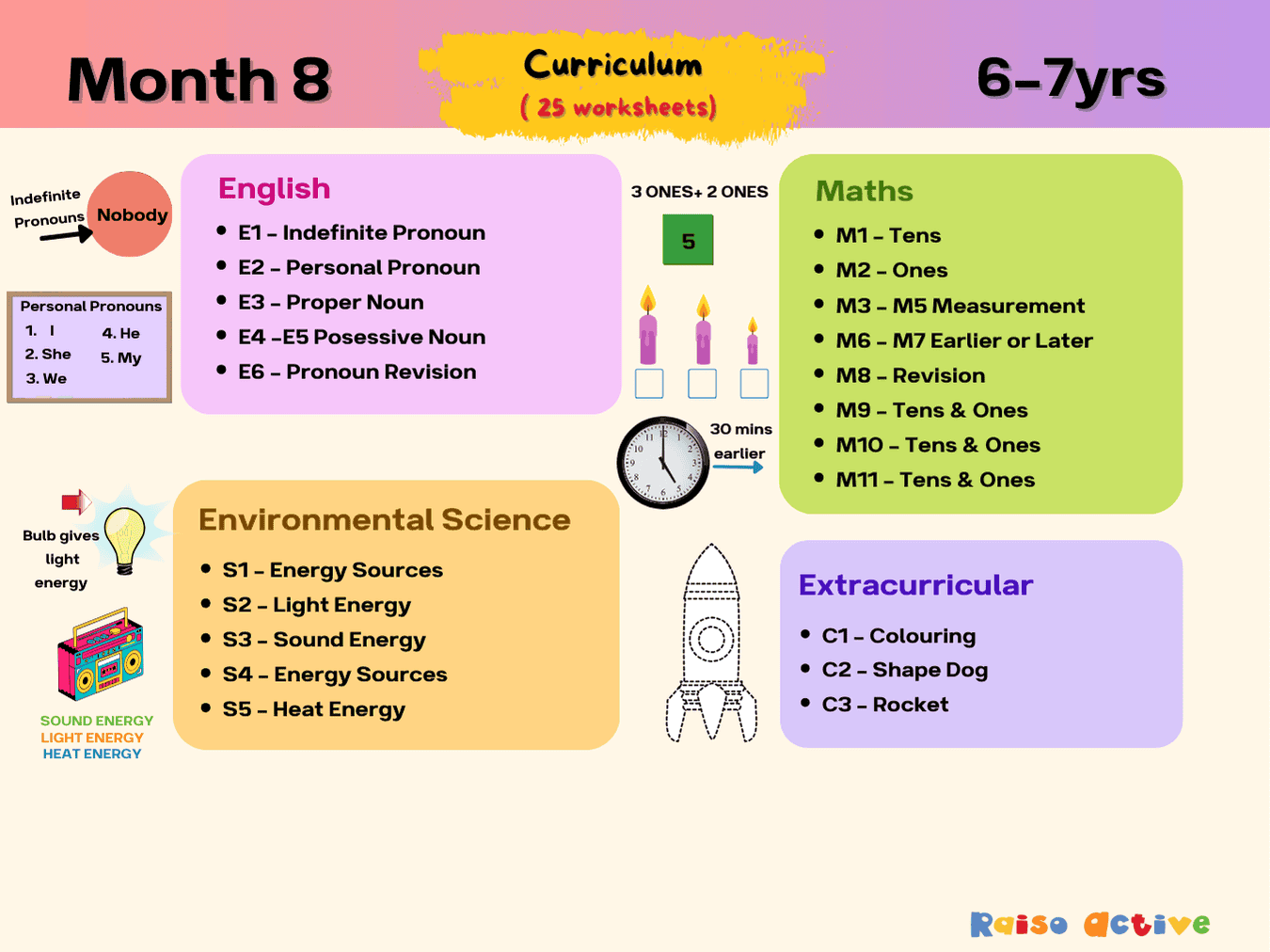
Month 8: English, Math, Science | Ages 6-7
Ages 6-7 · Grade 1Ages 6-7 · Year 2Ages 6-7 · Class 1Ages 6-7 · 28 pages
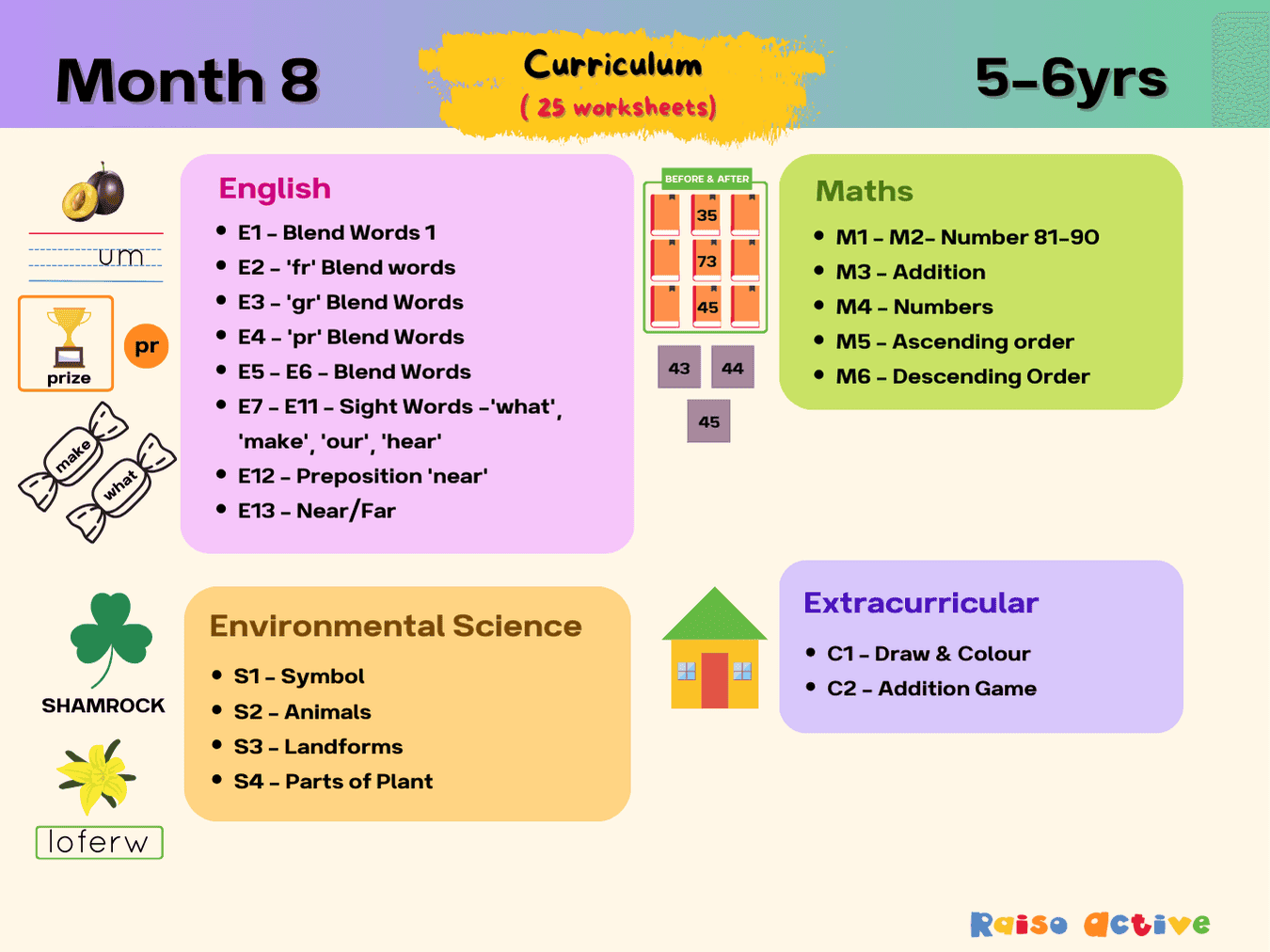
Month 8: Literacy, Math, Science Foundations | Ages 5-6
Ages 5-6 · KindergartenAges 5-6 · Year 1Ages 5-6 · UKGAges 5-6 · 28 pages
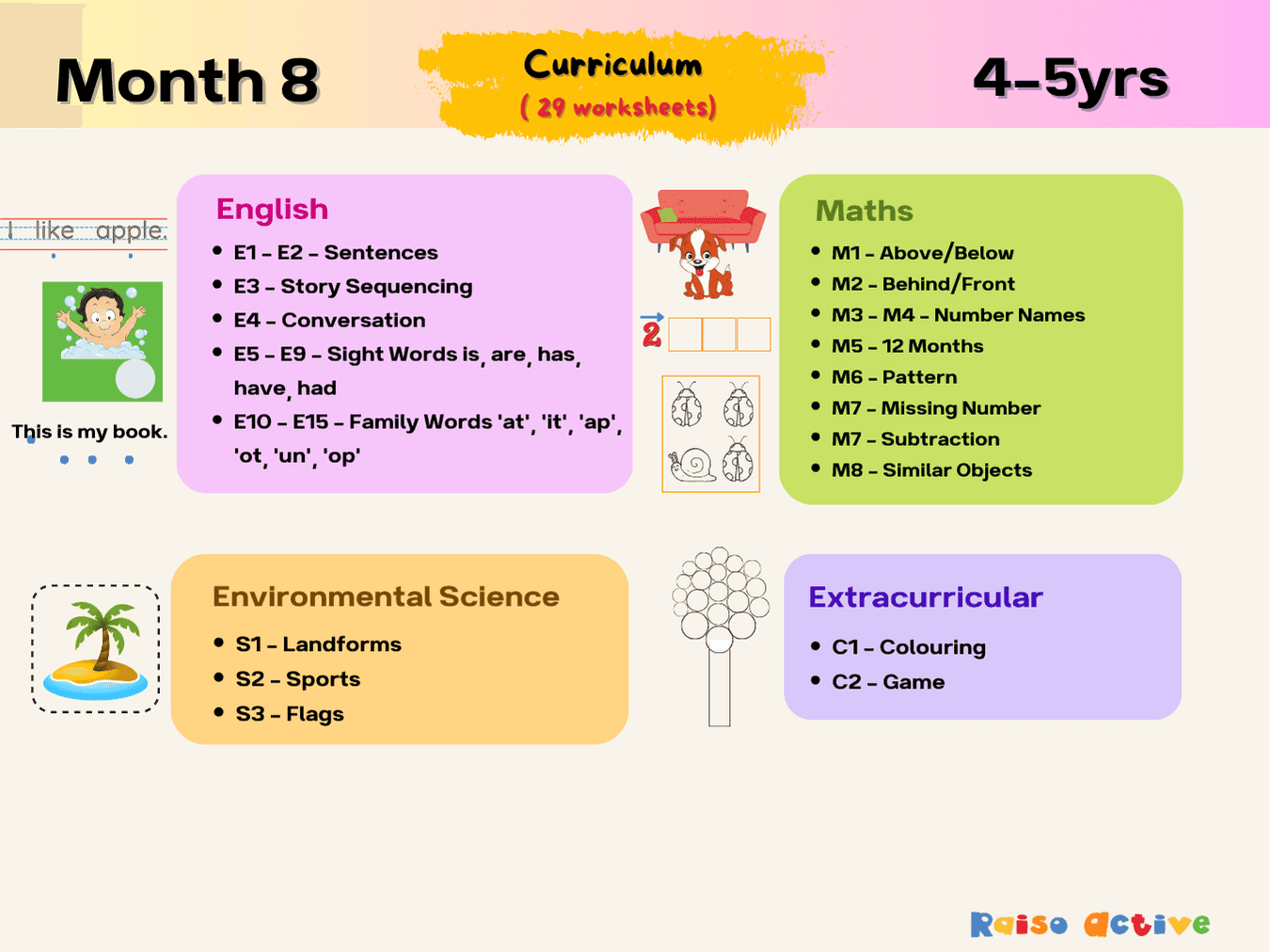
Month 8: English, Math, Science Foundations | Ages 4-5
Ages 4-5 · Pre-KAges 4-5 · ReceptionAges 4-5 · LKGAges 4-5 · 32 pages
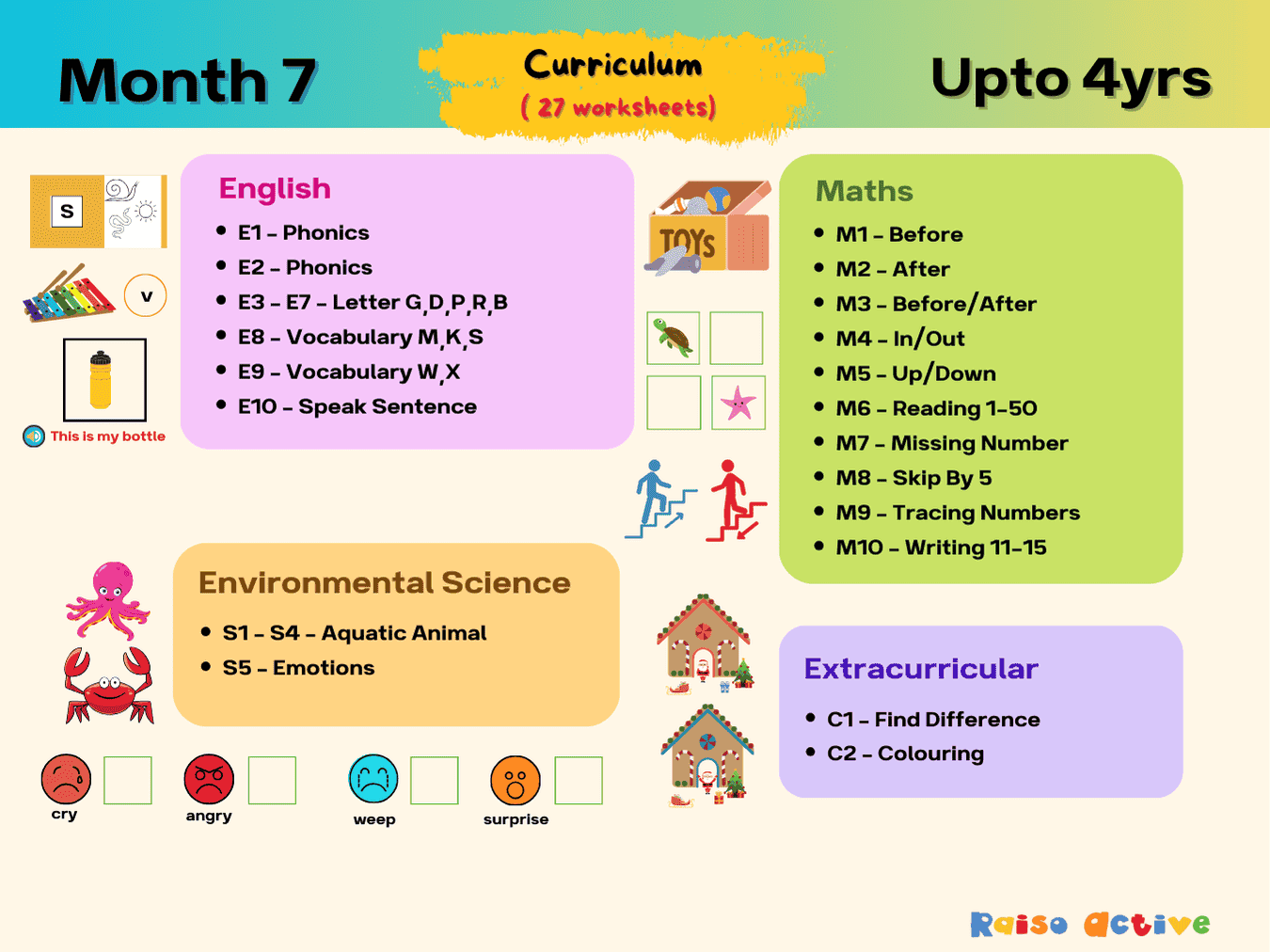
Month 7: Comprehensive preschool learning | Ages Up to 4
Ages 2-4 · PreschoolAges 2-4 · NurseryAges 2-4 · 30 pages