Parenting & Homeschool
Motivating the Reluctant Learner: Strategies to Rekindle Your Child's Love of Learning
Author
RaisoActive - Kids Activities and Fun Learning
Date Published
Reading Time
14 min read

In This Article5 min read
- Reluctant learners are not lazy — they are often bored, anxious, overwhelmed, or simply learning in a style that does not suit them
- Self-determination theory shows that children thrive when they feel autonomous, competent, and connected — the three needs that traditional 'sit and do' approaches often starve
- Giving children genuine choice, connecting lessons to their passions, and using play and hands-on activities can reverse disengagement faster than any reward chart
- Short, focused sessions with brain breaks outperform marathon study sessions for almost every child aged 1–8
- Avoiding comparison — especially the constant 'neighbour aunty's child' benchmark — is one of the most powerful things Indian parents can do to protect a child's intrinsic motivation
When Learning Stops Feeling Like a Gift
Every child is born curious. Watch a one-year-old investigate a cardboard box, a two-year-old ask 'why' forty-seven times before breakfast, or a three-year-old spend an entire afternoon figuring out how water moves through sand — and you will see it. Learning is not something children need to be forced into. It is what they are, at their core, designed to do.
So when a child starts refusing to sit with a book, groaning at the sight of a worksheet, or saying 'I hate learning' — parents are rightly alarmed. Something has shifted. The question is not how to force the child back into compliance, but what happened to that natural drive, and how to gently coax it back into the light. This article is for every parent who has watched their child's enthusiasm for learning dim — and who wants to understand why it happened and what to do about it.
The reluctant learner is one of the most misunderstood children in any home or classroom. They are frequently labelled as lazy, stubborn, or difficult. In Indian households, where academic achievement carries enormous cultural weight, the reluctant learner can become a source of family anxiety that ironically makes the problem much worse. But here is what research consistently shows: reluctance is almost always a symptom, not a character flaw. When you understand the root cause, the path forward becomes much clearer.
Understanding Why Children Disengage: The Root Causes of Reluctance
Before you can re-motivate a reluctant learner, you need to understand what drove the reluctance in the first place. Children rarely disengage without reason — and the reasons are usually one or more of the following.
Boredom is perhaps the most common culprit. A child who finds the material too easy will switch off just as readily as one who finds it too hard. If your five-year-old already knows their letter sounds but is still doing the same CVC matching cards they mastered two months ago, the resistance you are seeing may be intelligent protest. Their brain is not being fed, and it knows it.
Anxiety and fear of failure are equally powerful drivers of avoidance. A child who has experienced repeated correction, comparison, or pressure may begin to avoid learning altogether as a way of avoiding the emotional pain of getting things wrong. In many Indian families, the well-intentioned habit of correcting every mistake, comparing progress with cousins or classmates, or expressing disappointment when a child performs below expectation can quietly erode a child's willingness to try at all. Avoidance is not laziness — it is a protective response.
A mismatch with learning style is another significant factor. Some children are highly visual, others are auditory, and many young children are deeply kinaesthetic — they need to learn through their hands and bodies. A kinaesthetic child asked to learn primarily through worksheets and listening is being asked to function in a language that is not their native one. Of course they resist. The frustration is not with learning itself but with the particular form it is taking.
Accumulated pressure — especially in urban Indian contexts — can also extinguish curiosity. Children who attend school, then tuition, then hobby classes, and then come home to more structured learning often have no mental or emotional space left to be curious in. Curiosity requires downtime, openness, and a lack of agenda. A child who is scheduled from 7am to 8pm has very little of any of those things.
The Science of Motivation: Self-Determination Theory
One of the most useful frameworks for understanding child motivation is self-determination theory (SDT), developed by psychologists Edward Deci and Richard Ryan. According to SDT, human beings — children included — have three fundamental psychological needs that must be met for intrinsic motivation to flourish: autonomy, competence, and relatedness.
Autonomy is the need to feel that you have some control over your own actions and choices. Children who are given no choice in what they learn, how they learn it, or how long they spend on it quickly feel that learning is something done to them rather than by them. The research is clear: even small choices — which activity to do first, which colour pencil to use, whether to do a task sitting or standing — significantly increase a child's engagement and persistence.
Competence is the need to feel capable — to experience growth and mastery. Children need to be working at the edge of their ability, not far beyond it and not far below it. When they consistently fail at tasks that are too hard, they develop what psychologist Martin Seligman calls 'learned helplessness' — the belief that their efforts cannot change outcomes. When they are only given tasks they can already do easily, their sense of competence stagnates. The sweet spot — slightly challenging but achievable — is where engagement lives.
Relatedness is the need to feel connected to the people around them. Learning feels meaningful when it happens in relationship — with a parent who is curious alongside them, a teacher who knows their name and interests, a peer who is solving the same puzzle. This is why one-on-one parent-led learning can be so powerful: it is inherently relational. The child is not just learning content; they are connecting with you.
Key Takeaway
Self-determination theory tells us that children are not born resistant to learning — they become resistant when their needs for autonomy, competence, and relatedness are consistently unmet.
The most effective thing a parent can do is audit their current approach through this lens: Is my child getting any real choice? Are the tasks calibrated to their current ability? Am I present as a curious, warm companion rather than an examiner?
The Power of Choice: Giving Children a Voice in Their Learning
Choice is one of the most underused tools in the parent's motivational toolkit. It costs nothing, takes very little time to implement, and has a profound effect on engagement. Importantly, giving a child choice does not mean abandoning structure or letting them avoid all challenge — it means building agency within a framework you set.
Practical ways to build choice into learning at home: let your child choose which subject to start with; offer two or three activities and let them pick one; allow them to decide where they will do their work (floor, table, balcony, bedroom); give them a say in how they will show what they have learnt (drawing, telling you, building, acting it out); and occasionally invite them to suggest their own learning project. A six-year-old who declares 'I want to learn about dinosaurs this week' and then spends a week drawing, reading, modelling, and talking about dinosaurs has learnt more — and retained more — than they would have from a week of enforced worksheets on any topic.
In Indian households, there is sometimes a concern that giving children too much choice makes them 'spoilt' or resistant to direction. This is a false binary. Choice within boundaries is not the same as unlimited permissiveness. You decide that learning happens today. Your child decides whether they start with numbers or letters. Both of you win.
💡Easy Ways to Build Choice Into Any Learning Session
- Offer a 'menu' of two or three activities and let your child pick — they are more invested in something they chose
- Let them choose the order: 'Do you want to do the number activity or the story first?'
- Allow flexible seating: floor, chair, balcony, lying on their tummy — engagement often improves with position change
- Give a say in materials: which colour, which pencil, which stickers to use as a reward
- Once a week, let your child lead a 'teach me' session where they explain something they know — this builds both competence and autonomy
Connecting Learning to What Your Child Already Loves
Every child has at least one consuming interest. For some it is animals; for others, trains, cooking, cricket, drawing, superheroes, or space. Whatever your child's current obsession, it is a doorway — not a distraction. The most effective way to re-engage a reluctant learner is to teach the skills you want them to develop through the content they already care about.
A child obsessed with cricket can count runs, track scores, compare statistics, learn about India's cricketing geography, and write match reports. A child who loves cooking can learn measurement, fractions, sequencing, chemistry, and reading recipe instructions. A child fascinated by animals can explore classification, habitats, adaptation, and conservation. The academic skills are identical whether they are attached to prescribed content or to a child's passion — but the engagement levels are worlds apart.
This approach also signals something deeply important to the child: their interests matter. Their curiosity is respected. Learning is not a thing that only happens on adults' terms. This shift in perception — from 'learning is something imposed on me' to 'learning is something I do because I am curious' — is the foundation of lifelong intellectual engagement.
🎨Interest-Led Learning: Ideas by Interest Type
- **Animals/Nature**: Count animals in a picture, write animal fact books, create habitat dioramas with natural materials, sort animal cards by feature
- **Cooking/Food**: Read recipes together, measure ingredients (fractions!), write a family recipe book, explore where foods come from on a map
- **Cricket/Sports**: Track scores to practice addition and subtraction, read sports news articles for comprehension, write a match report
- **Drawing/Art**: Label drawings to practice writing, study patterns and symmetry in rangoli designs, read picture books together and recreate scenes
- **Transport/Machines**: Sort vehicles by category, learn about how engines work, draw maps of journeys, count wheels and classify
Play and Hands-On Learning: The Most Underrated Motivators
Play is not the opposite of learning — it is the engine of learning in early childhood. Research from the Harvard Center on the Developing Child, the LEGO Foundation, and dozens of educational psychology studies consistently confirms that play-based learning produces deeper understanding, better retention, and higher motivation than direct instruction in children under eight. This is not a soft, feel-good claim — it is one of the most robustly supported findings in the entire field of early childhood education.
For the reluctant learner specifically, reframing an activity as play rather than 'work' can be transformative. The content does not need to change — only the wrapper. A counting activity that looks like sorting biscuits for a teddy bear's tea party is the same maths as a worksheet, but the child's emotional and neurological relationship to it is entirely different. They are not being tested; they are playing. And when children play, they persist through challenge, tolerate frustration, and try and try again — all the things parents desperately want from a reluctant learner during 'real' learning time.
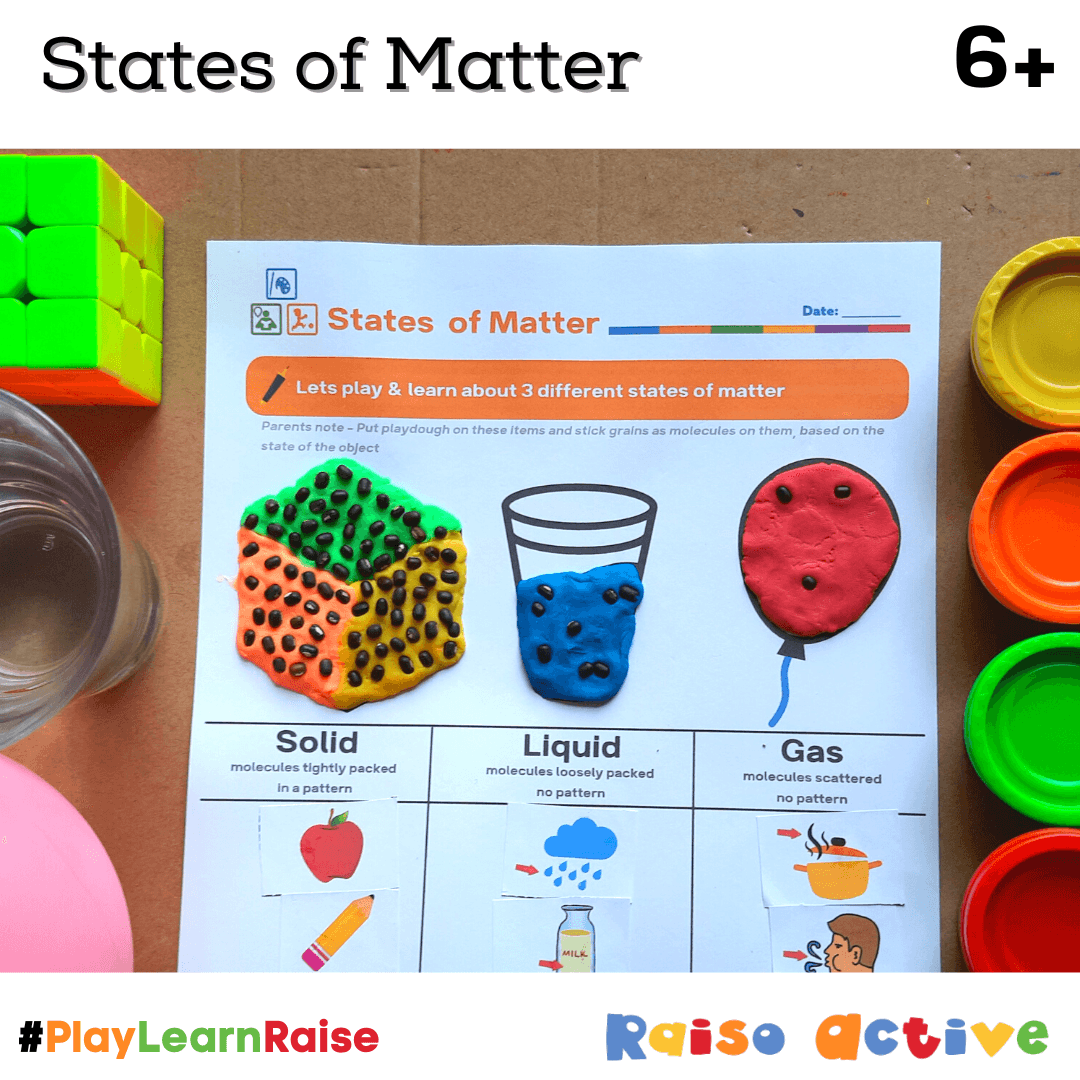
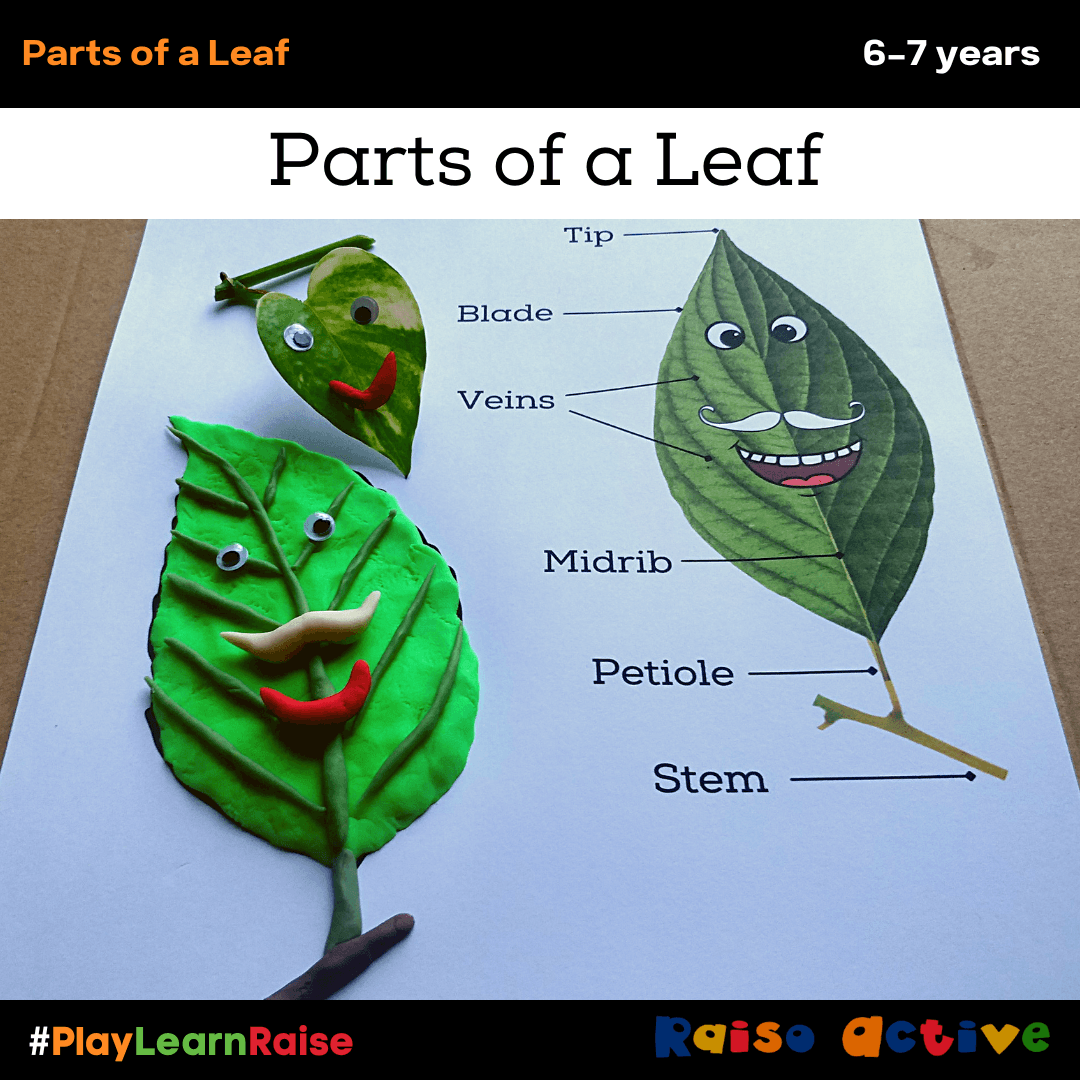
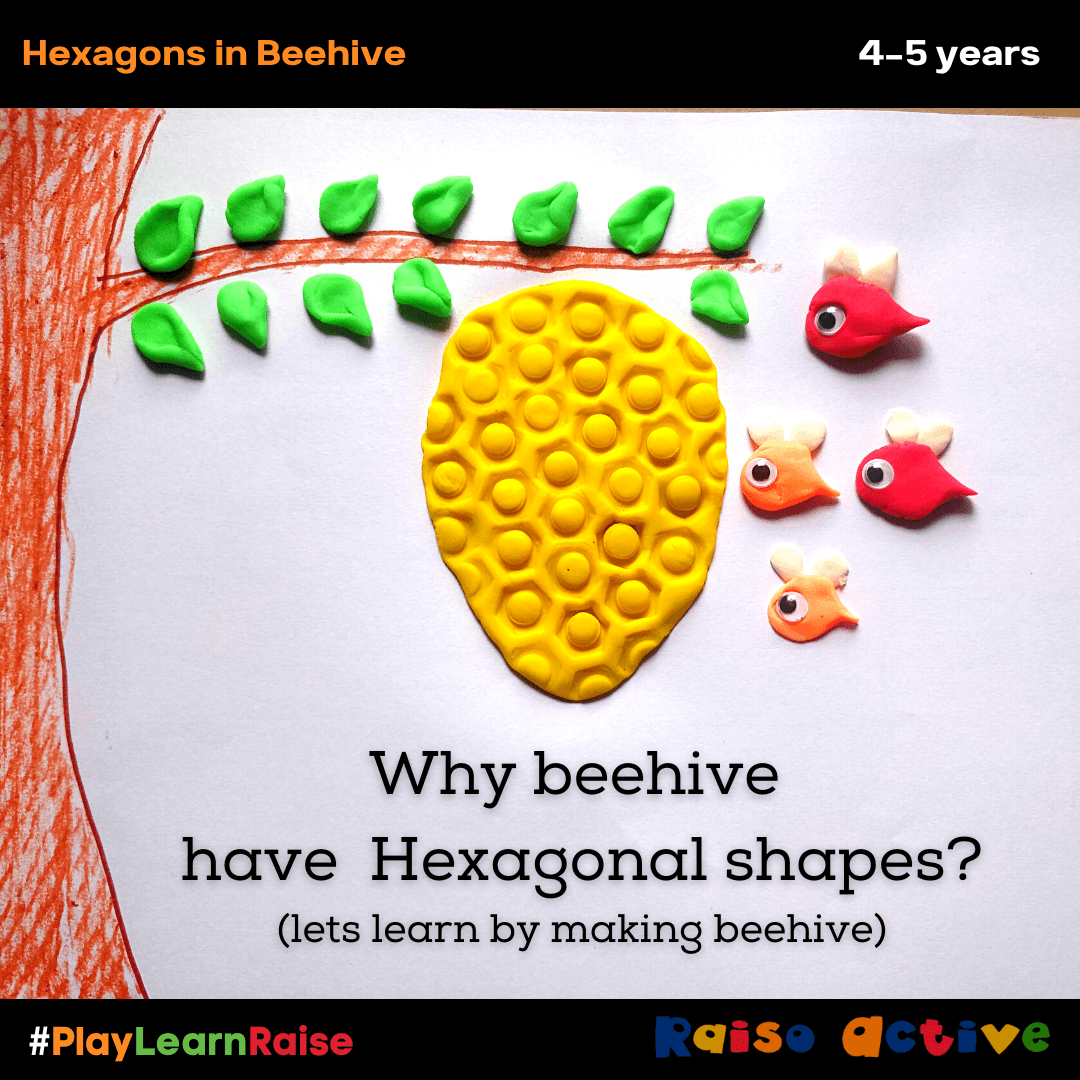
Hands-on materials have a similar effect. Clay, blocks, beads, pebbles, water, sand, fabric, measuring tapes, and everyday kitchen items all give children's hands something to do while their minds work. Many children — particularly boys and kinaesthetic learners — engage far more readily when their hands are occupied. A child who will not write the letter 'A' in a workbook will often happily form it in play dough, stamp it in sand, or build it with matchsticks.
Key Takeaway
Play is not a reward for completing learning — it IS learning, especially for children under eight. Reluctant learners almost always re-engage when the activity has a play-like quality: choice, imagination, low stakes, and physical involvement.
Short Sessions and Brain Breaks: Working With the Young Brain
One of the most common mistakes well-intentioned parents make with reluctant learners is extending sessions in the hope of 'breaking through' resistance. More time at the table rarely produces more learning — it produces more resistance. The child's brain has a biological attention window, and once that window closes, pushing further is not only ineffective but actively counterproductive. It creates negative associations with the activity that make the next session even harder.
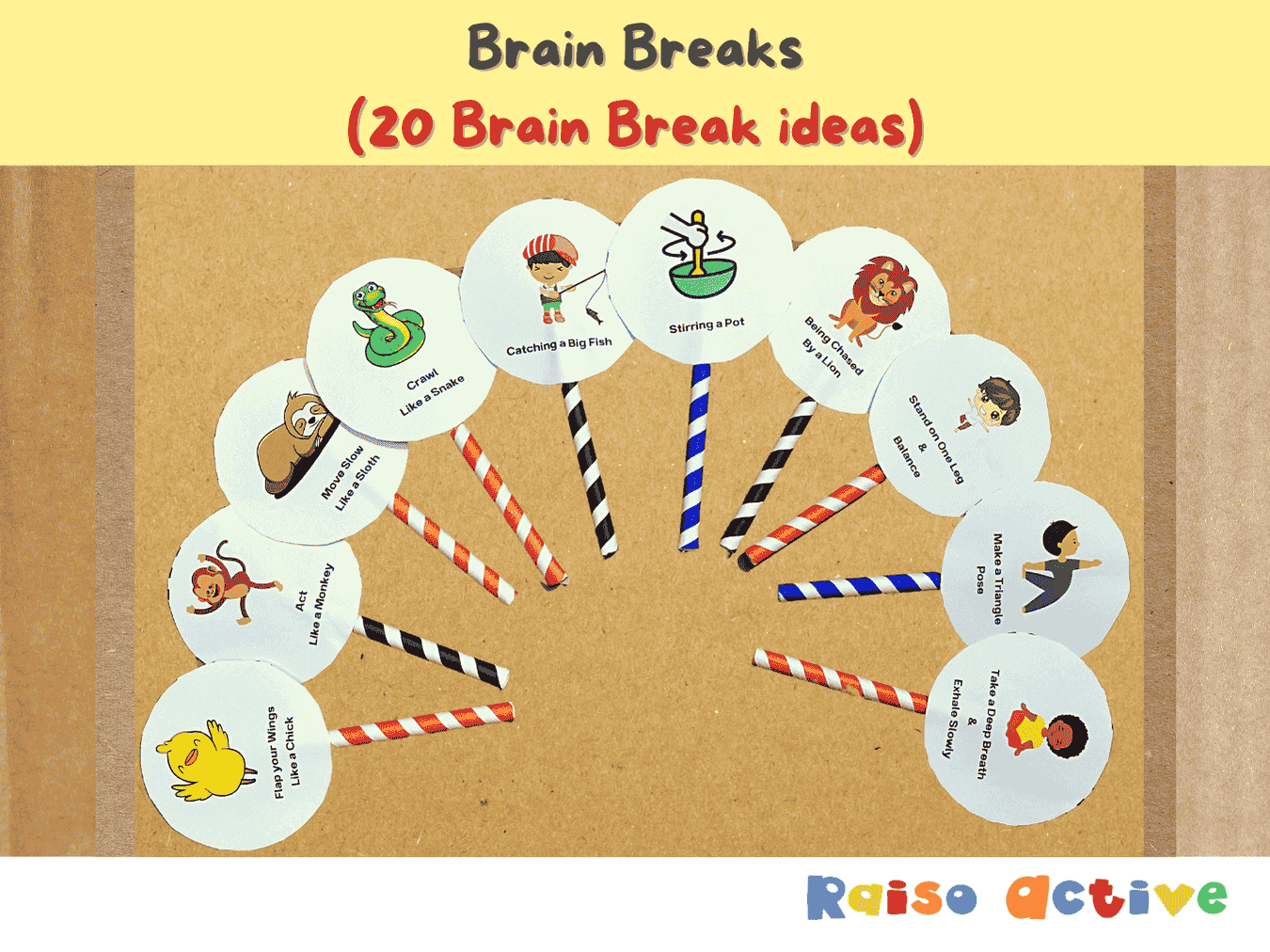
A practical rule: match session length to your child's age and engagement level. A four-year-old who is engaged can typically sustain 8–12 minutes on a task. A six-year-old might manage 15–20 minutes. These windows can be extended by building in brain breaks — short physical pauses that reset the nervous system. A brain break does not mean stopping learning; it means pausing the cognitive demand briefly so the brain can consolidate what it has processed and prepare for more.
Brain breaks work best when they involve movement — jumping, spinning, stretching, dancing. Even 2–3 minutes of vigorous movement between learning blocks measurably improves focus and retention in the next block. This is not a concession to a difficult child; it is smart neuroscience. The parents who struggle most with reluctant learners are often those who try to muscle through a 45-minute session. Those who break the same content into three 12-minute blocks with movement breaks often find a completely different child on their hands.
Children learn up to 20% more effectively when lessons are broken into short chunks with movement breaks
Studies in educational neuroscience consistently show that distributed practice — multiple short sessions rather than one long one — produces significantly better retention and engagement in children aged 3–8. In Indian homeschool and tuition contexts, where marathon sessions are common, adopting a short-session model with built-in movement is one of the highest-impact changes a parent can make.
Source: Journal of Educational Psychology, Distributed Practice Research
Celebrating Progress, Not Perfection: Changing How You Respond to Effort
How a parent responds to a child's learning attempts has an outsized influence on motivation. Psychologist Carol Dweck's decades of research on growth mindset show that children who are praised for effort ('You worked really hard on that') develop far more resilient motivation than children praised for outcomes ('You are so clever'). When a child is praised for being clever, they learn to protect that identity — which means avoiding challenges where they might not look clever. When a child is praised for effort, they learn that trying is the thing that matters, and they become more willing to attempt difficult tasks.
For the reluctant learner, this shift in feedback is particularly important. A child who has already developed anxiety around learning needs to feel that their effort — not their performance — is what earns approval. Specific, genuine praise for process helps: 'I noticed you kept trying even when that part was tricky,' 'I love how you tried a different way when the first idea did not work,' 'You spent a long time on that — that kind of patience is really impressive.' These responses reinforce the behaviours that build motivation, not the outcomes that are partly outside the child's control.
Equally important is how you respond to mistakes. If a wrong answer is met with correction, sighing, or visible disappointment, the child learns that errors are shameful. If mistakes are met with curiosity — 'Hmm, interesting! What do you think went wrong?' or 'Let us try it a different way' — the child learns that mistakes are information, not verdicts. This one shift can meaningfully change a reluctant learner's relationship with challenge.
Key Takeaway
Praising effort and process rather than results builds a growth mindset that sustains motivation through difficulty. For reluctant learners who already fear failure, consistent process praise is one of the most effective motivational tools available.
Try replacing 'Good girl, you got it right' with 'I noticed how you kept trying even when it was hard — that takes real courage.' The shift is subtle but its effects on motivation are profound and well-documented.
Avoiding Comparison: The Indian Family Context
In Indian families — across regions, communities, and socioeconomic backgrounds — comparison is a deeply embedded parenting tool. 'Rohan's son already knows his tables,' 'Your cousin's daughter finished the whole book,' 'Look how well Priya writes' — these comparisons are usually made with loving intent: to inspire, to set a standard, to motivate. But the research is unambiguous that social comparison is one of the fastest ways to extinguish intrinsic motivation in a child.
When a child is constantly measured against another child, the message they receive — regardless of the intent — is that their current self is not good enough. Over time, this produces one of two responses: either the child pushes anxiously to meet an ever-moving external standard (which is exhausting and creates performance anxiety), or they give up entirely because the gap feels insurmountable. Both outcomes are the opposite of what the comparison was intended to achieve.
The alternative is comparison with the child's own past performance. 'Do you remember how tricky this felt last month? Look what you can do now' is infinitely more motivating than any comparison with a sibling, cousin, or neighbour's child. It gives the child a sense of their own growth, which is the most sustainable source of motivation there is. If extended family members make comparisons in front of your child, you can gently redirect: 'We are really focused on [your child's name]'s own journey — they have made such wonderful progress with [specific skill].'
⚠️Navigating Comparison in Joint Family and Social Settings
- Prepare a simple, confident redirect for relatives: 'Every child learns differently — we are really proud of how [name] is growing in their own way'
- Avoid comparing siblings at home, even casually — children hear everything and comparison between siblings is particularly damaging to family relationships and individual motivation
- Create a 'progress wall' or learning journal where your child can see their own growth over time — this makes internal comparison visible and positive
- When your child says 'But [friend's name] can already do this,' respond with curiosity rather than reassurance: 'Everyone's brain works on its own timeline. What do you want to try next?'
Using Technology Strategically: When Screens Help and When They Hinder
Technology is a genuinely useful tool for some reluctant learners — but only when used with intention. Educational apps, interactive videos, and online learning platforms can lower the emotional barrier to engagement for children who associate 'learning' with the pressure of face-to-face adult expectations. For a child who has developed anxiety around learning, sometimes a tablet app provides a lower-stakes entry point that rebuilds confidence before transitioning back to other formats.
The key distinction is between passive consumption and active engagement. A child watching an educational YouTube video about volcanoes is passively receiving information. A child using an app that requires them to solve problems, make decisions, and get feedback is actively learning. Both can be valuable, but the latter builds more cognitive engagement and — crucially for the reluctant learner — more of a sense of competence, because they are doing something, not just watching.
High screen time, however, can worsen reluctance rather than help it. Screens are engineered to be maximally stimulating — they flood the brain's reward system with dopamine in a way that makes real-world learning (which requires sustained effort and delayed reward) feel impossibly dull by comparison. A child who spends three hours on YouTube Kids before a learning session will find a puzzle or a book almost unbearable by contrast. If screen time is very high in your household, gradual reduction over several weeks — alongside increasing play-based, hands-on alternatives — will naturally improve real-world engagement.
Over 80% of children who are reluctant learners show significant improvement with self-directed, interest-led activities
Research on intrinsic motivation in early childhood consistently shows that children given genuine choice, appropriate challenge, and interest-connected content re-engage at rates far higher than those put through corrective or reward-based programmes. Motivation is not a character trait — it is a response to conditions. Change the conditions, and motivation follows.
Source: Deci & Ryan, Self-Determination Theory Research Review
A 7-Step Framework for Re-Engaging Your Reluctant Learner
1
Step 1 — Pause and diagnose
Before trying any strategy, spend a week observing without intervening. What does your child resist? What do they engage with naturally? When during the day are they most alert? What topics make their eyes light up? What seems to trigger anxiety or shutdown? This diagnostic week is the foundation for everything that follows — without it, you may apply the right strategies to the wrong problem.
2
Step 2 — Reduce pressure and rebuild trust
If your child has developed anxiety around learning, the first step is to remove the pressure entirely for a short period — one to two weeks. Do only play-based, child-led activities. Read together for pleasure, with no comprehension questions at the end. Do art for the joy of it. Play maths games with no score. Let your child rediscover that learning time does not automatically mean evaluation time. This repair phase is not wasted time — it is essential groundwork.
3
Step 3 — Build in genuine choice
Once trust is beginning to rebuild, introduce structured learning sessions but with real choice embedded. Two or three options, always. Let the child decide the order. Allow flexible seating. Give them a say in the materials. Even small choices shift the dynamic from 'learning is done to me' to 'learning is something I participate in.' Honour the choices they make, even if you would have chosen differently.
4
Step 4 — Connect content to their interests
Identify your child's two or three strongest current interests and deliberately build learning around them for at least the next month. This is not a permanent curriculum plan — interests shift. But right now, meeting your child where they are, rather than where a prescribed curriculum says they should be, is the fastest route back to engagement. A child who is passionate about the subject will push through learning challenges that would otherwise trigger avoidance.
5
Step 5 — Calibrate the challenge level
Audit whether the activities you are offering are appropriately challenging. Persistent reluctance is often a sign that tasks are either too hard (triggering anxiety and avoidance) or too easy (triggering boredom and disengagement). Aim for what Lev Vygotsky called the 'zone of proximal development' — tasks the child cannot quite do alone but can manage with a little support. This is the zone where both engagement and growth happen.
6
Step 6 — Restructure the session
Implement the short-session, brain-break model. No session longer than 15–20 minutes for children under 6, or 25–30 minutes for children aged 6–8. Build in a physical brain break between learning blocks. Start with movement before any seated learning. End each session with something the child enjoys — not as a reward (which implies the learning was unpleasant), but as a natural part of a varied, engaging day. Make sure the ratio of enjoyable to challenging activities always favours enjoyable.
7
Step 7 — Shift your feedback language
Audit your own responses to your child's learning. Count how often you notice and name effort versus outcome. Make it a deliberate practice to say things like 'I noticed how hard you tried,' 'You figured that out yourself,' and 'That was tricky and you stuck with it.' Gradually phase out praise for results and replace it with praise for process. If this feels unnatural at first, it is only because the habit of outcome praise is deeply ingrained — but the shift, once practised, becomes genuine and its effects on motivation are lasting.
Approaches That Increase Reluctance
- +Long, unbroken sessions that push past the attention window
- +Comparing your child's progress to siblings, cousins, or classmates
- +Praising results and outcomes ('You got it right! Good girl!')
- +Prescribing all content and format with no child input
- +Correcting every error immediately and visibly
- +Using learning time as a battleground — power struggles over compliance
- +Rewarding completion with screen time, making screens feel like the goal
Approaches That Rebuild Motivation
- -Short sessions (10–20 min) with physical brain breaks between blocks
- -Comparing your child only to their own past — 'Look how far you have come'
- -Praising effort and process ('You kept trying even when it was hard')
- -Building in real choice — activity, order, materials, seating position
- -Responding to errors with curiosity — 'Interesting! What do you think happened?'
- -Making learning feel like play and exploration, low-stakes and joyful
- -Ending sessions with child-led creative time that extends the learning theme
👋When to Seek Professional Support
- If your child's reluctance is accompanied by significant anxiety, meltdowns, or distress that does not improve with low-pressure approaches, a paediatric psychologist or counsellor can help identify whether anxiety needs direct treatment
- If your child cannot sustain focus even on activities they love and choose, for more than 2–3 minutes, across multiple settings, and this pattern persists past age 5–6, a developmental paediatric assessment is worth pursuing
- If reluctance is accompanied by regression in previously mastered skills, significant mood changes, or withdrawal from social connection, discuss with your paediatrician — these can signal underlying emotional or developmental concerns
- In India, NIMHANS (Bengaluru), KEM Hospital (Mumbai), and Apollo Children's clinics in major cities offer developmental paediatric assessments. Tele-consultations with developmental paediatricians are increasingly available through platforms like Practo and DocsApp
Frequently Asked Questions
My child was enthusiastic about learning last year but has suddenly stopped. What changed?
Sudden shifts in learning enthusiasm are often triggered by a specific experience rather than a gradual developmental change. Common triggers include: starting a new class with a different teaching style, a difficult experience with a teacher or peer, a period of illness that disrupted learning momentum, or a spike in academic pressure (more homework, more testing, more comparison). Spend some time in gentle conversation — not interrogation — to understand what your child is feeling about learning right now. Ask open questions: 'What part of learning do you find most enjoyable?' and 'Is there anything about study time that feels hard or not fun?' Children often reveal the root cause when given space and safety to do so.
How do I motivate my child without using rewards and punishment?
Rewards and punishment work in the short term but undermine intrinsic motivation over time. Research shows that children who learn in order to get a reward stop engaging as soon as the reward is removed — and often show less interest in the activity than children who were never rewarded at all. More durable motivators are: genuine choice (what, how, and where they learn), appropriate challenge (tasks at the edge of their current ability), connection to their interests, warm relational engagement (learning alongside a parent who is curious too), and process praise that recognises effort rather than outcome. These take longer to establish than a sticker chart, but the motivation they build is intrinsic and lasting.
My mother-in-law insists my child is 'behind' compared to her cousins. How do I handle this?
Family comparison is one of the most common challenges Indian parents face, and it is worth addressing directly and gently. A few approaches: first, arm yourself with developmental knowledge so you can speak with confidence about what is actually appropriate for your child's age. Second, redirect comparison conversations to your child's specific strengths and recent growth: 'We are really focusing on [name]'s own pace — she has made wonderful progress in [specific area].' Third, when possible, keep these conversations away from your child — hearing themselves compared, even if the comparison is well-intentioned, can significantly affect a child's confidence and motivation. Finally, remember that your role as the parent is to protect your child's learning environment, which sometimes means setting gentle but firm limits on how others engage with your child's progress.
Is it normal for a 4-year-old to refuse to do any structured activity at all?
For a four-year-old, significant resistance to structured, adult-directed activities is entirely developmentally normal. Four-year-olds are in a critical period of autonomous exploration — they are biologically primed to learn through self-directed play rather than adult-led instruction. A four-year-old who refuses to sit for a worksheet but will spend 40 minutes building a block structure, acting out a story, or investigating how water drains through sand is not refusing to learn — they are learning in the way their brain is designed to. For this age group, the goal is not to get them to comply with structured activities, but to ensure their self-directed play is rich, varied, and well-resourced with interesting materials.
How do I know if my child's reluctance is about anxiety or just personality?
The distinction is worth paying attention to, as it affects the response. A child whose reluctance is personality-based (introverted, independent, strong-willed) will typically engage readily when given genuine choice and a low-pressure environment — the resistance is about autonomy, not fear. A child whose reluctance is anxiety-based will often show physical symptoms (stomach aches, headaches, tearfulness) when learning is mentioned; may become avoidant even of activities they used to enjoy; and may express negative self-beliefs ('I am stupid,' 'I can never do it'). Anxiety-based reluctance benefits from the same gentle, low-pressure, interest-led approaches — but may also need direct support from a children's psychologist if the anxiety is generalised or severe. Trust your parental instinct: if something feels deeper than ordinary resistance, it probably is worth exploring.
My child says 'I am bored' of everything. How do I find what actually interests them?
When a child says they are bored of everything, it is usually one of three things: genuine pervasive boredom (they need more richness and variety in their environment), learned helplessness (they have stopped expecting to find things interesting), or low mood (worth monitoring for changes in sleep, appetite, and social engagement). To discover genuine interests, observe rather than ask. What does your child choose to do with completely free time? What topics do they bring up spontaneously in conversation? What do they pick up at a market or library if given free choice? What games do they invent? These self-initiated activities are the most reliable map to a child's real interests — far more reliable than any survey or quiz. Once you have identified even one genuine interest, build on it. One real enthusiasm, properly nurtured, can reopen a child's relationship with learning entirely.