Parenting & Homeschool, Early Learning
Beyond Worksheets: Engaging Alternatives for Your 5-Year-Old Who Refuses Paper-and-Pencil Activities
Author
RaisoActive - Kids Activities and Fun Learning
Date Published
Reading Time
6 min read

In This Article11 min
- Worksheet refusal at age 5 is developmentally normal — not a sign of laziness or defiance
- Children learn through multiple pathways: movement, touch, play, and conversation
- Hands-on alternatives can teach the same literacy, maths, and motor skills as worksheets
- Simple strategies to gradually reintroduce paper-based activities without power struggles
- Actionable activity ideas for every learning style, with printable resources included
When Your Child Pushes the Worksheet Away
You sit down with your five-year-old, freshly sharpened pencil in hand, a neatly printed worksheet on the table. Within seconds, the worksheet is on the floor, the pencil is abandoned, and your child is halfway across the room building a tower out of cushions. Sound familiar? You are not alone, and more importantly — there is nothing wrong with your child.
Worksheet refusal is one of the most common frustrations parents and teachers face with young children, particularly around the ages of 4 to 6. It can feel alarming, especially when you see other children happily colouring within the lines or tracing letters. But here is the reassuring truth: your child's resistance to paper-and-pencil work often signals a strong, healthy learning drive — just one that needs a different channel.
In this guide, we will explore why some five-year-olds refuse worksheets, what the research tells us about alternative learning pathways, and — most importantly — practical, joyful activities that build the exact same skills without the tears and power struggles. Whether you are a parent navigating homeschooling, a teacher looking for fresh approaches, or a grandparent who wants to help, you will find something here that works.
Struggling with worksheet battles?
Join our newsletter for hands-on activity ideas, free printables, and gentle learning tips delivered weekly.
Why Do Some 5-Year-Olds Refuse Worksheets?
Before we jump to solutions, it helps to understand why your child might be resisting. Worksheet refusal is rarely about laziness or defiance. More often, it is rooted in completely valid developmental reasons.
- Developmentally not ready: Fine motor skills — the small hand muscles needed for writing and drawing — develop at different rates. Some five-year-olds simply are not physically ready for sustained pencil work, and forcing it can create frustration and negative associations with learning.
- Kinaesthetic learner: Your child may be a hands-on learner who understands concepts best through movement and touch, not through visual symbols on a page.
- Need for autonomy: At age five, children are developing a strong sense of self. Being told what to do, when to do it, and how to do it can feel controlling — and resistance is their way of asserting independence.
- Sensory sensitivities: The feel of pencil on paper, the sound of scratching, or even the visual overwhelm of a busy worksheet can be genuinely uncomfortable for some children.
- Previous negative experience: If a child has been corrected too harshly, compared to peers, or made to feel they are "not good enough" at worksheet tasks, they may have developed an emotional block.
- Boredom or lack of relevance: A worksheet about counting apples may feel meaningless to a child who is fascinated by dinosaurs, trains, or space rockets.
40%
of children aged 4-6 show resistance to formal pencil-and-paper activities, with boys being nearly twice as likely to resist as girls — largely due to differences in fine motor development timelines.
Source: Early Childhood Research Quarterly, 2020
Key Takeaway
Worksheet refusal is a communication, not a character flaw.
When your child refuses a worksheet, they are telling you something important about how they learn best. Instead of viewing it as a problem to fix, treat it as valuable information that can guide you toward more effective learning approaches. The goal is not to make your child do worksheets — it is to help them learn the skills those worksheets are designed to teach.
Understanding Your Child's Learning Style
Every child has preferred ways of taking in and processing information. While the concept of rigid "learning styles" has been debated in research, there is strong evidence that offering multiple pathways to the same concept improves understanding and retention for all children. Here are the main channels through which five-year-olds learn:
- Visual learners respond to pictures, colours, diagrams, and demonstrations
- Auditory learners thrive on songs, rhymes, stories, and verbal instructions
- Kinaesthetic/tactile learners need to touch, move, build, and physically manipulate objects
- Social learners learn best through interaction, role play, and collaborative activities
Worksheets primarily target visual learners who are comfortable with fine motor tasks. If your child learns best through other channels, worksheets can feel like trying to eat soup with a fork — the tool simply does not match the task. The activities in the next sections offer alternative tools that serve the same learning goals.
Do This
- +Observe how your child naturally plays and learns
- +Offer choices: "Would you like to practise letters with clay or paint?"
- +Celebrate effort and curiosity, not just correct answers
- +Keep sessions short (10-15 minutes) and follow the child's energy
- +Pair structured activities with movement breaks
Avoid This
- -Force your child to sit and finish a worksheet through tears
- -Say "Everyone else can do this, why can't you?"
- -Bribe or threaten to get worksheet compliance
- -Schedule 30+ minutes of continuous desk work for a 5-year-old
- -Remove play time as punishment for not completing worksheets
Hands-On Alternatives for Building Literacy Skills
Your child does not need a worksheet to learn their letters, sounds, or early reading skills. Here are activities that build the same foundations through play, movement, and creativity.
Literacy Without a Pencil
1
Letter sculpting with clay or play doh
Roll out long snakes of clay and shape them into letters. This builds letter recognition AND strengthens the hand muscles needed for writing later. Ask your child to sculpt their name, then a friend's name, then silly made-up words.
2
Sand or salt tray writing
Spread a thin layer of salt, sand, or rava (semolina) on a tray. Let your child trace letters with their finger. They can shake the tray to "erase" and start again — no mistakes, no eraser marks, no frustration. Add a few drops of food colouring to the salt for extra sensory appeal.
3
Letter hunts around the house
Pick a letter of the day. Go on a treasure hunt to find objects starting with that letter. Take photos with a phone, draw them on a big sheet, or collect them in a basket. This connects letters to real, meaningful objects.
4
Story building with puppets
Use sock puppets, finger puppets, or even toys as characters. Make up stories together, focusing on beginning sounds, rhyming words, or story sequence (beginning, middle, end). This builds narrative skills, vocabulary, and phonemic awareness — all without touching a pencil.
5
Body letters and movement phonics
Make letter shapes with your whole body on the floor. Jump to the sound of each letter. Clap syllables in words. March around the room spelling out simple words. Movement cements learning in muscle memory in ways that worksheets simply cannot.
👋For Parents Who Worry About Handwriting
- Handwriting readiness depends on **hand strength**, not worksheet practice. Activities like tearing paper, squeezing sponges, using tongs, and moulding clay build the same muscles.
- Many occupational therapists recommend **vertical surfaces** — drawing on an easel, painting on a wall-mounted sheet, or writing on a window with washable markers — as better for hand development than writing on a flat table.
- Children who resist pencils often do well with **chunky crayons, chalk, or painting** first. Move to thin pencils only when they show readiness.
- In India, many traditional schools introduce formal writing only in Class 1 (age 6+). There is no rush for most five-year-olds.
Hands-On Alternatives for Building Maths Skills
Maths is naturally hands-on — it only becomes abstract on worksheets. Here is how to teach the same counting, number sense, and early arithmetic concepts through tangible experiences.
- Counting with real objects: Use dal (lentils), buttons, pebbles, or pasta shapes. Sort them by colour, size, or type. Count them into groups of 2, 5, or 10. This builds number sense far more effectively than writing numerals repeatedly.
- Cooking together: Following a simple recipe involves counting, measuring, sequencing, and fractions (half a cup, quarter teaspoon). Let your child measure ingredients, count roti or idli, or divide snacks equally among family members.
- Building and construction: Blocks, Lego, or even cardboard boxes teach spatial awareness, geometry, estimation, and one-to-one correspondence. Ask, "How many more blocks do you need to make it as tall as the chair?"
- Board games and card games: Snakes and ladders, Uno, and simple dice games practise counting, number recognition, addition, and strategic thinking — all disguised as fun.
- Body maths: Jump 5 times, clap 3 times, stomp 8 times. Use the body to make numbers tangible. "Show me the number 4 with your fingers. Now show me one more than 4."
- Shop play: Set up a pretend shop with price tags (₹1, ₹2, ₹5). Give your child play money and let them "buy" items. This teaches addition, subtraction, and the practical value of numbers in a context that feels real and exciting.
73%
of early childhood educators report that manipulative-based maths instruction leads to deeper conceptual understanding than worksheet-based drill, particularly for children who struggle with traditional paper tasks.
Source: National Council of Teachers of Mathematics (NCTM), Position Statement
Key Takeaway
The skill matters more than the medium.
Whether your child learns to count by filling in a worksheet or by sorting buttons into cups, they are building the same mathematical understanding. What matters is that they are engaged, thinking, and making connections — not that they are sitting at a desk with a pencil. Give yourself permission to throw out the worksheet and pick up the building blocks.
Movement-Based and Sensory Learning Activities
For children who are constantly on the move, sitting still for a worksheet can feel physically painful. These children are not misbehaving — their bodies are telling them that they learn through movement. Here is how to work with their energy instead of against it.
🎨Movement-Based Learning Ideas
- **Hopscotch letters and numbers**: Draw a hopscotch grid with chalk and write letters or numbers in each square. Call out a letter — your child jumps to it. Combine gross motor skills with letter recognition.
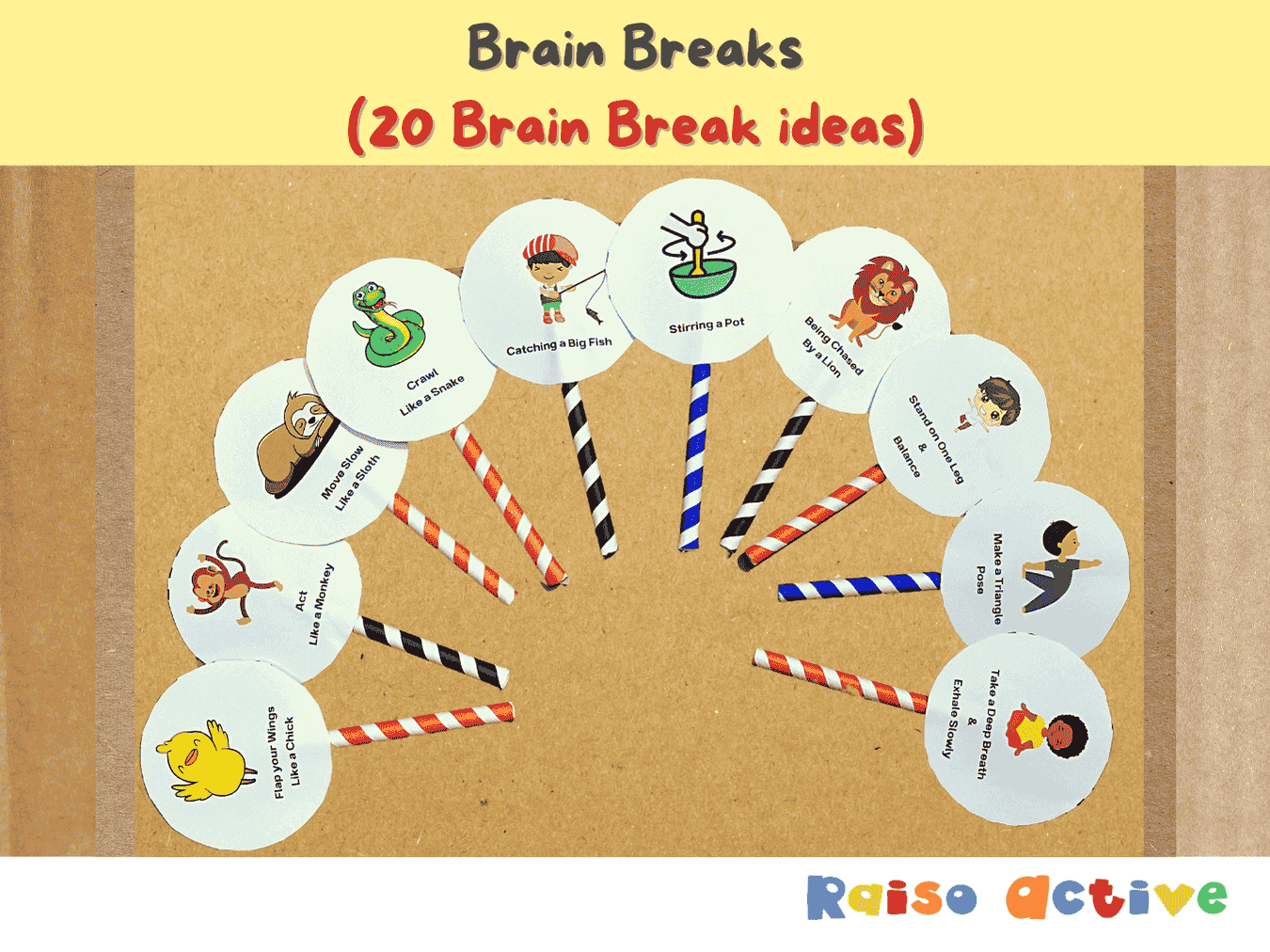
- **Obstacle course learning**: Set up a simple obstacle course. At each station, place a learning task: match shapes, identify a colour, say a rhyming word. Movement becomes the reward for thinking.
- **Dance and freeze spelling**: Play music and dance. When the music stops, call out a letter — your child must freeze in the shape of that letter. Silly, energetic, and remarkably effective.
- **Nature walks with learning goals**: Collect 5 leaves, find 3 round objects, spot something starting with the letter "B". Learning happens naturally when it is woven into exploration.
- **Yoga alphabet**: Learn a yoga pose for each letter — A is for Aeroplane, B is for Butterfly, C is for Cat. Builds body awareness, focus, AND letter knowledge.
Sensory activities are equally powerful. Set up a sensory bin with rice, sand, or water beads and hide letter tiles, number tokens, or small objects inside. Let your child dig, search, sort, and identify. Add tweezers or tongs for an extra fine motor challenge. These activities engage multiple senses simultaneously, creating stronger neural pathways than pencil-on-paper work alone.
How to Gradually Reintroduce Paper-Based Activities
The goal is not to abandon worksheets forever — paper-based skills are important for school readiness. But the path back to paper works best when it is gentle, gradual, and child-led.
A Gentle Path Back to Paper
1
Start with creative paper activities
Before reintroducing worksheets, offer drawing, painting, sticker art, and collage. These build comfort with paper without the pressure of "right answers." Let your child associate paper with creativity and fun.
2
Choose worksheets with high visual appeal
Use worksheets that feature your child's interests — dinosaurs, vehicles, animals, space. A child who refuses a generic letter-tracing sheet may happily trace the word "DINOSAUR" if it comes with a picture they can colour.
3
Keep it ridiculously short
Start with just one or two items on a worksheet, not a full page. Five minutes of willing engagement is worth more than thirty minutes of tearful compliance. Gradually increase as your child builds confidence and stamina.
4
Make it social and playful
Do the worksheet together — take turns, race each other, or let your child be the "teacher" who checks your (deliberately imperfect) work. Laughter dissolves resistance faster than any reward chart.
5
Pair with a preferred activity
After a short worksheet, follow up with a hands-on activity your child loves. This is not a bribe — it is a natural learning sequence: practise the skill on paper, then apply it through play.
⚠️When to Seek Professional Support
- If your child consistently avoids *all* fine motor activities (not just worksheets) — including drawing, building, and self-care tasks like buttoning — consult an occupational therapist.
- If resistance is accompanied by extreme frustration, meltdowns, or anxiety that seems disproportionate, consider whether there may be an underlying sensory processing difference or learning difficulty.
- If your child is in school and teachers raise concerns about fine motor development or attention, a developmental assessment can provide clarity and targeted support.
- Trust your instincts as a parent. If something feels off beyond normal worksheet resistance, seeking help early is always better than waiting.
Printable Activities Your Child Will Actually Enjoy
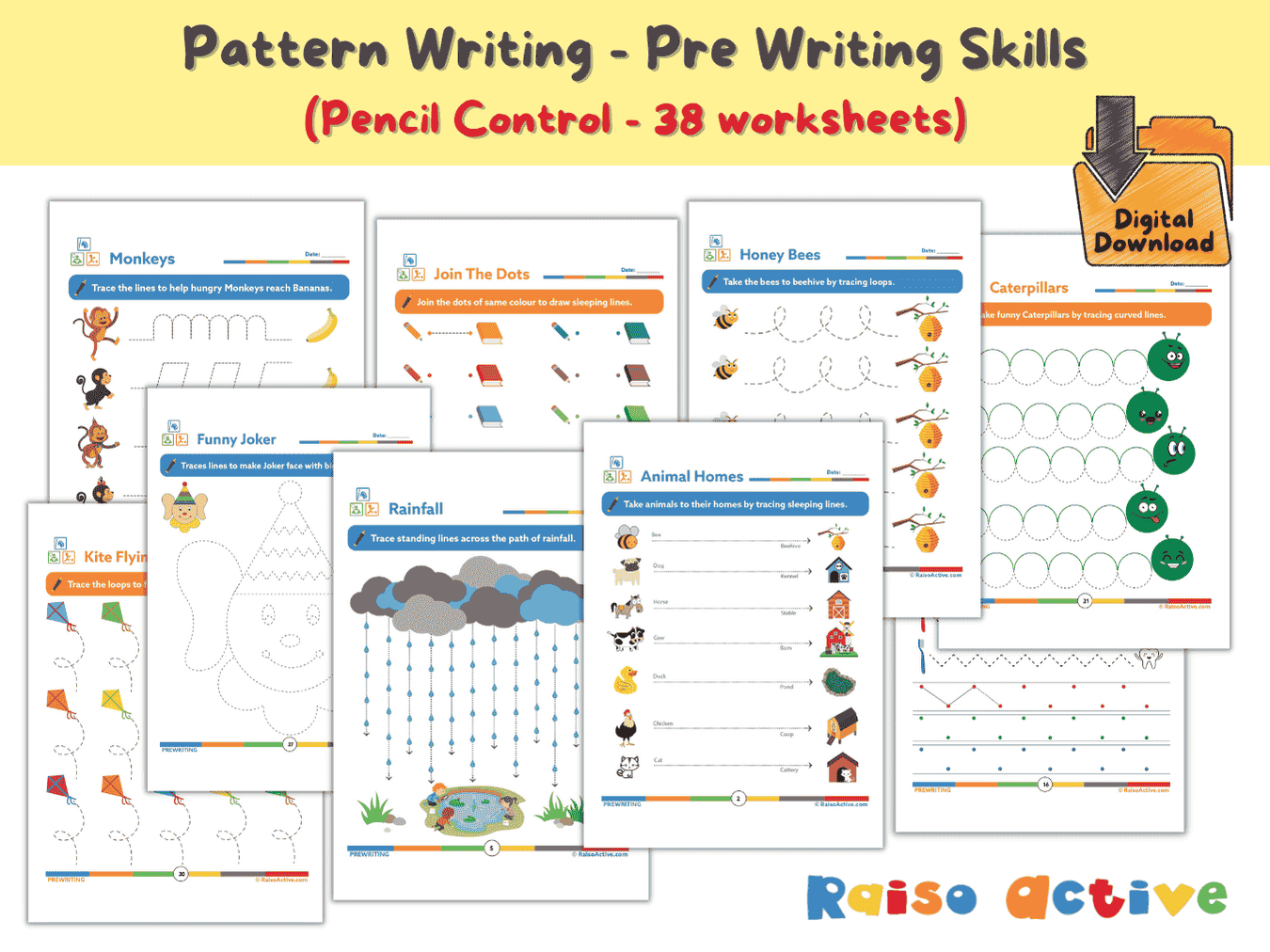
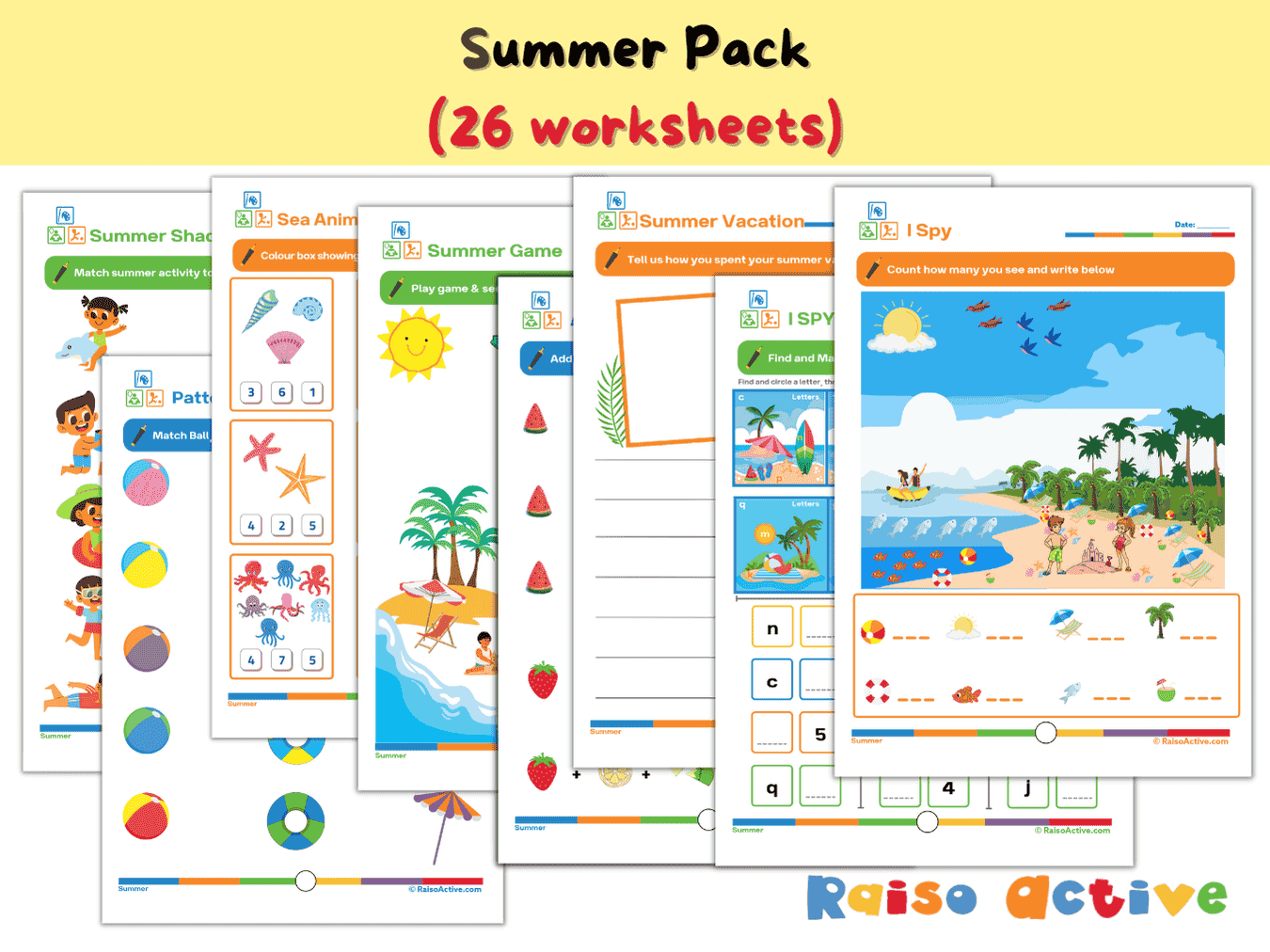
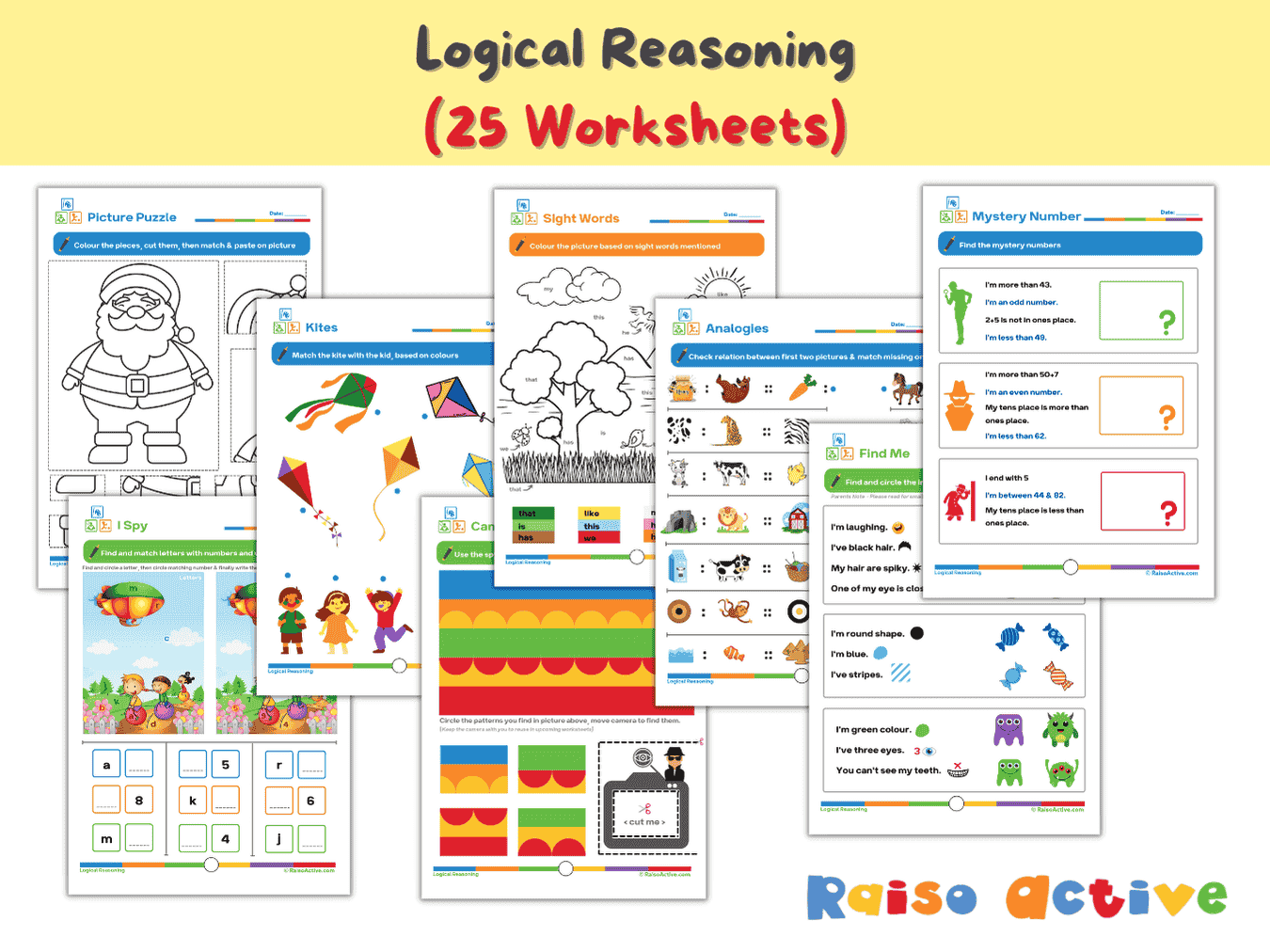
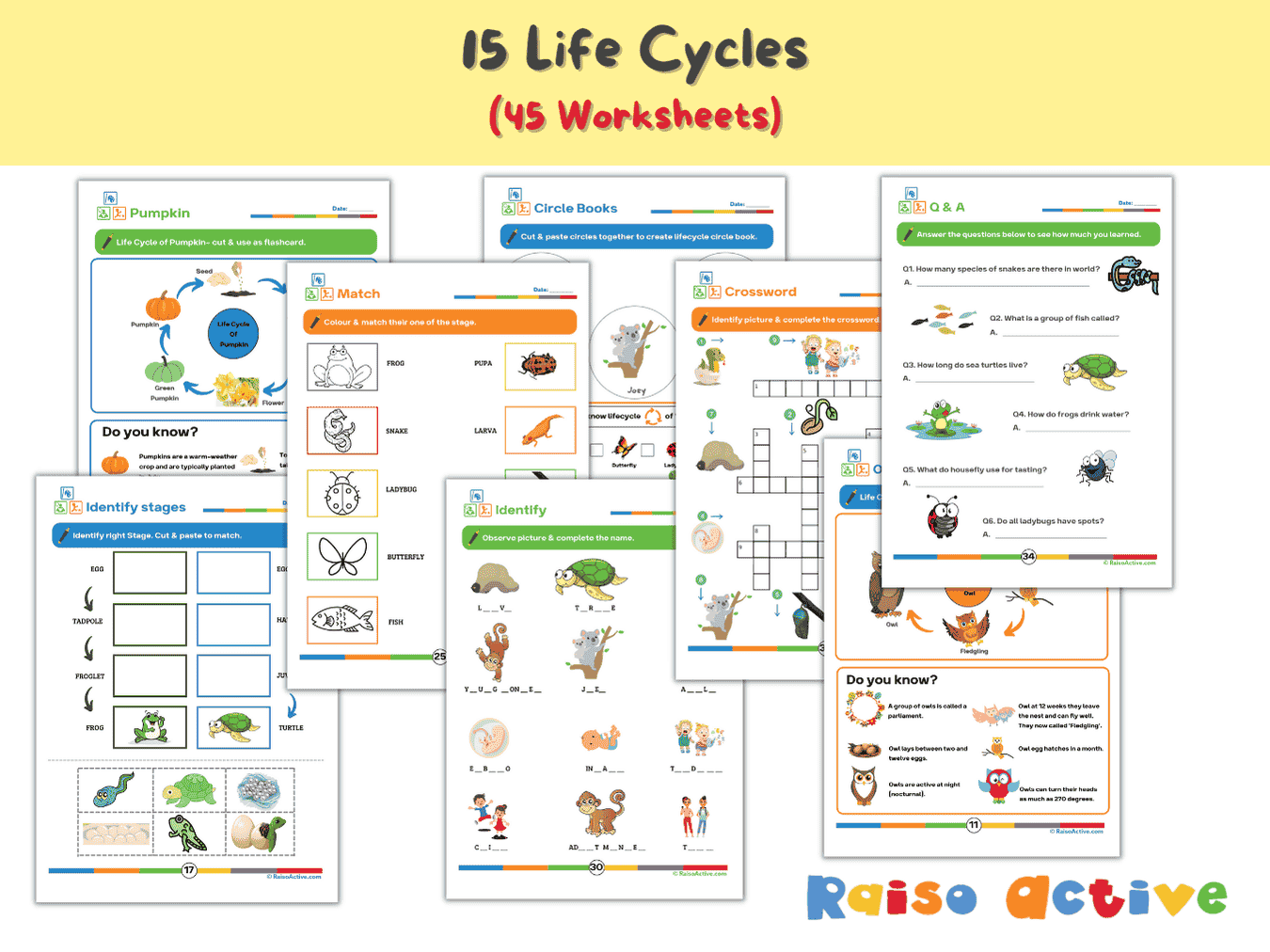
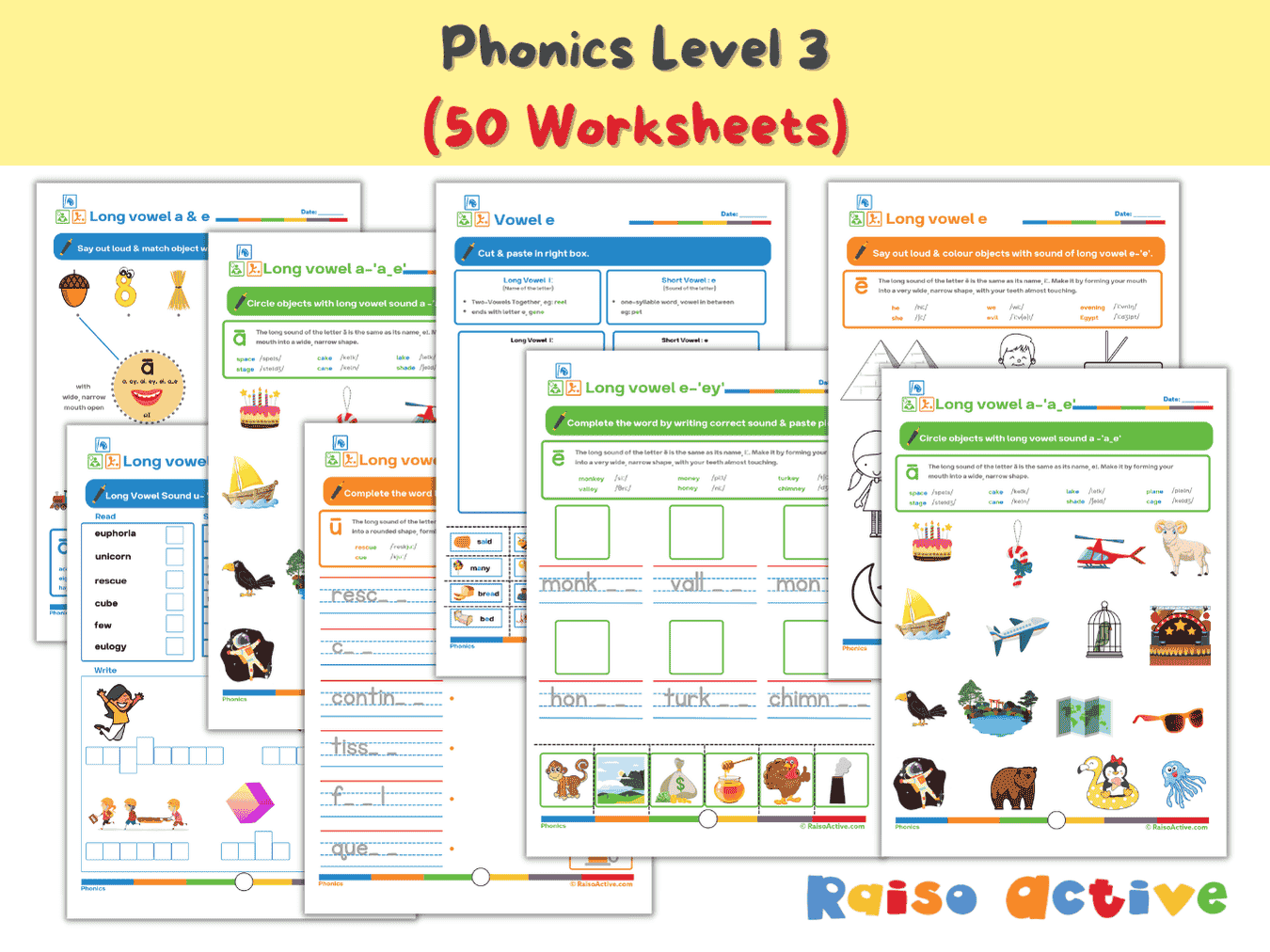
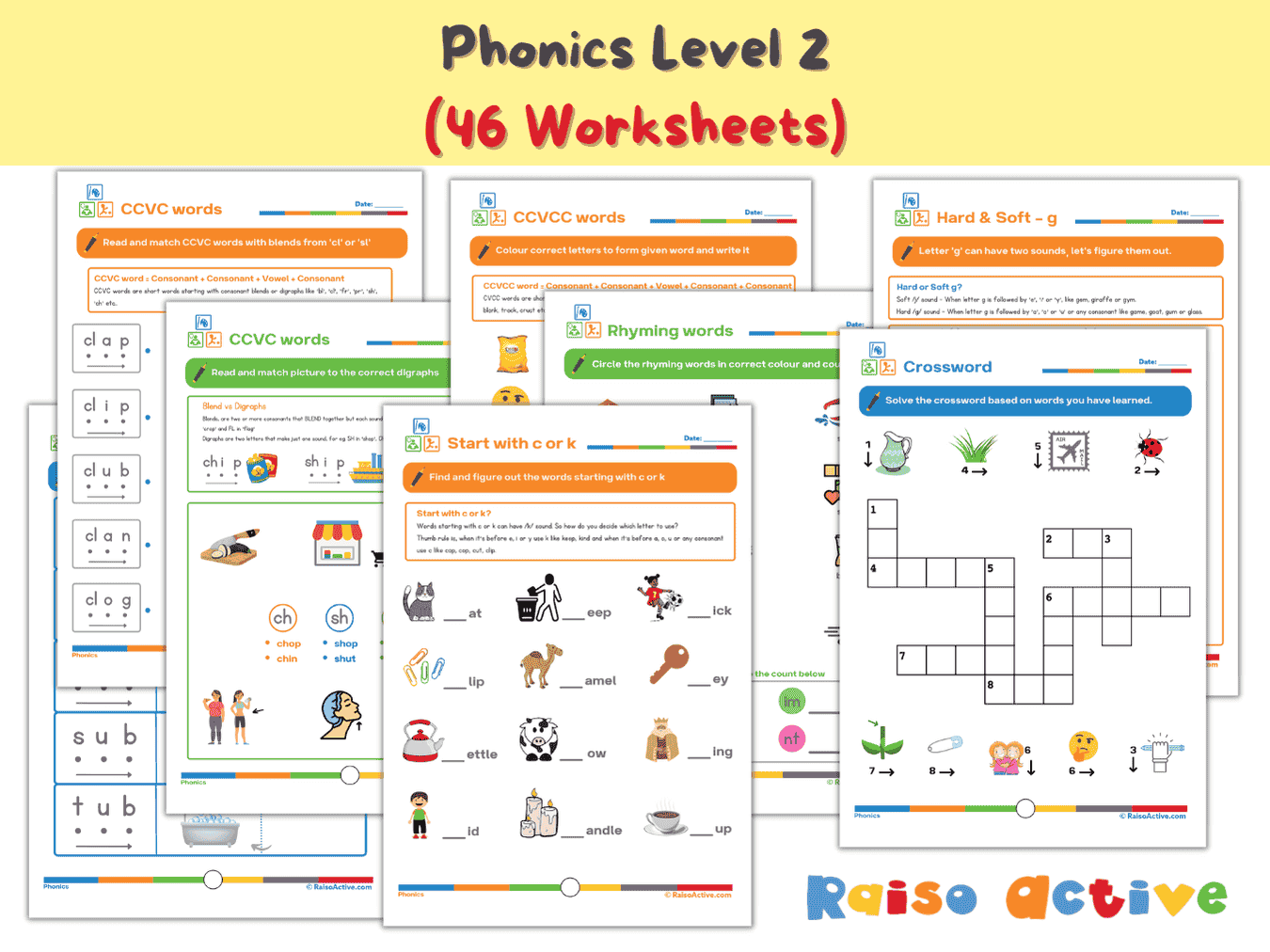
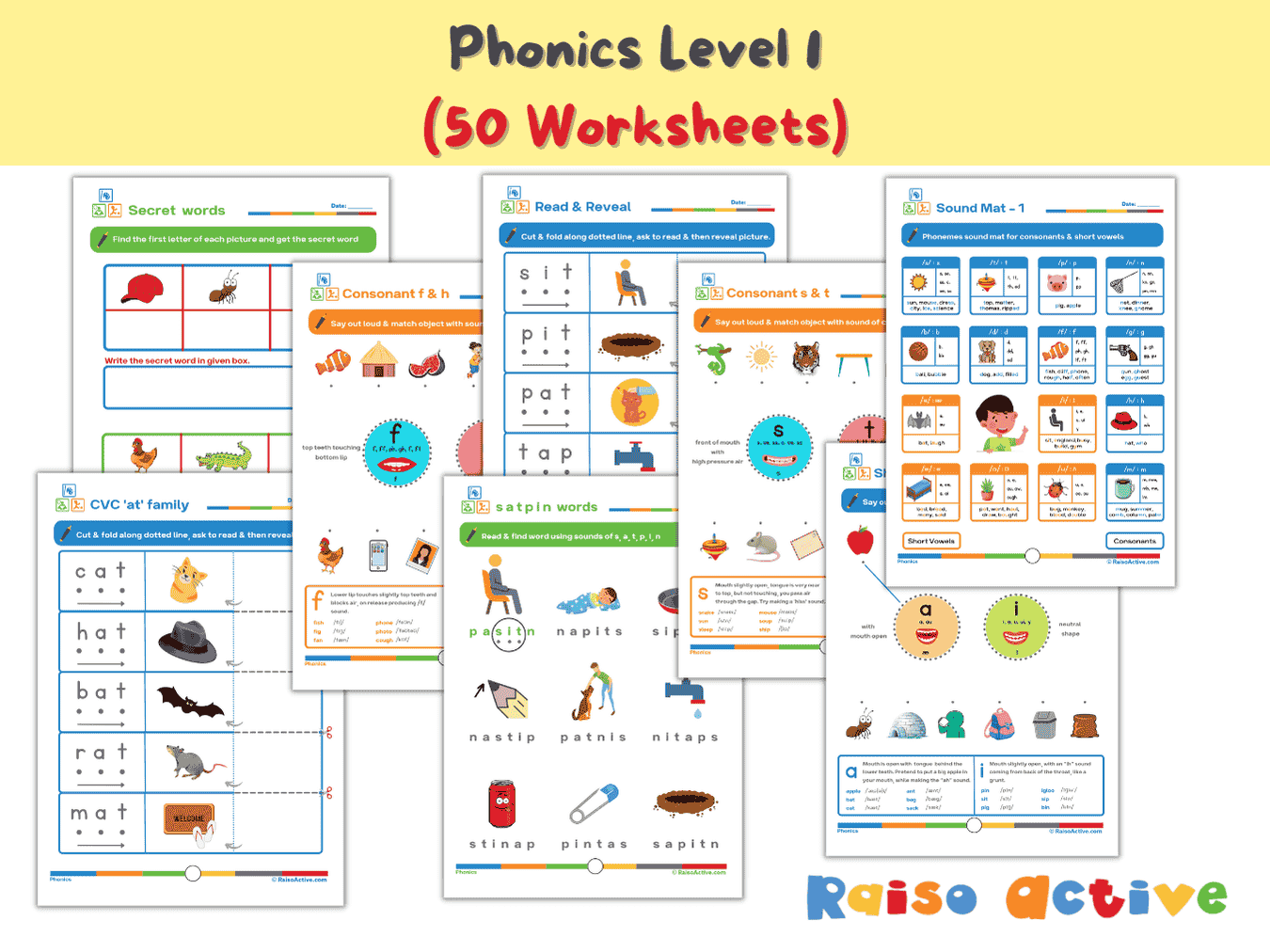
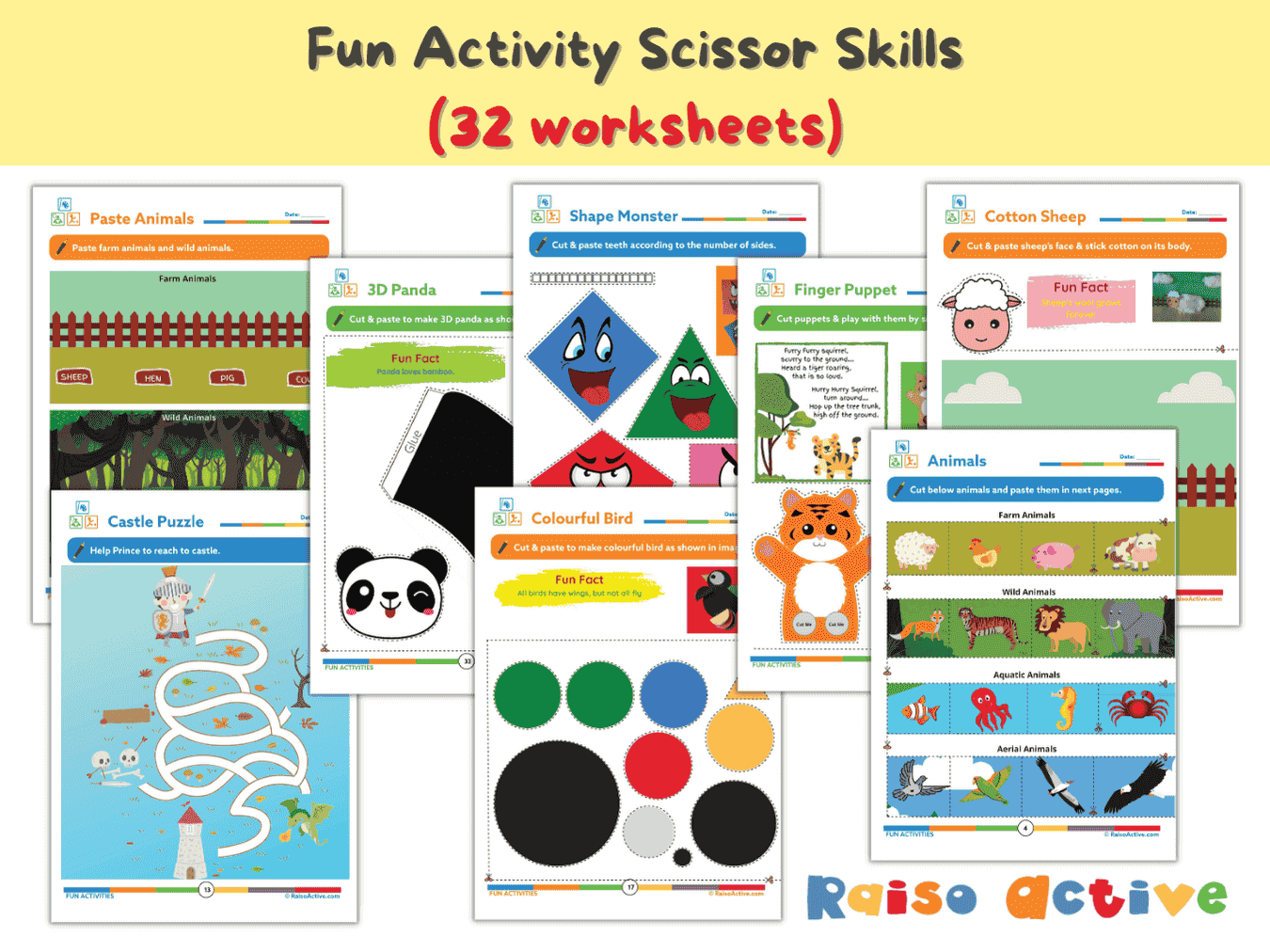
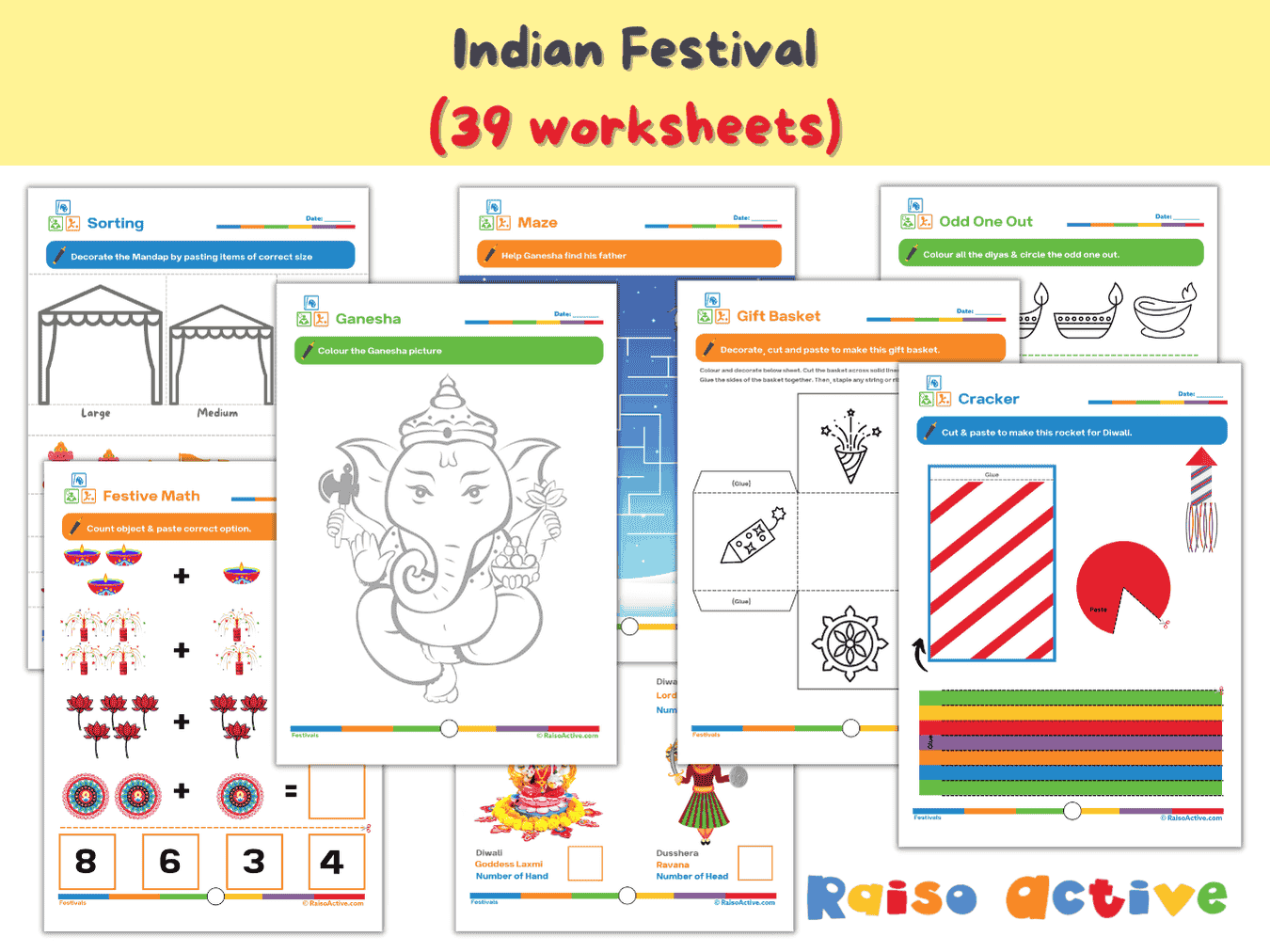
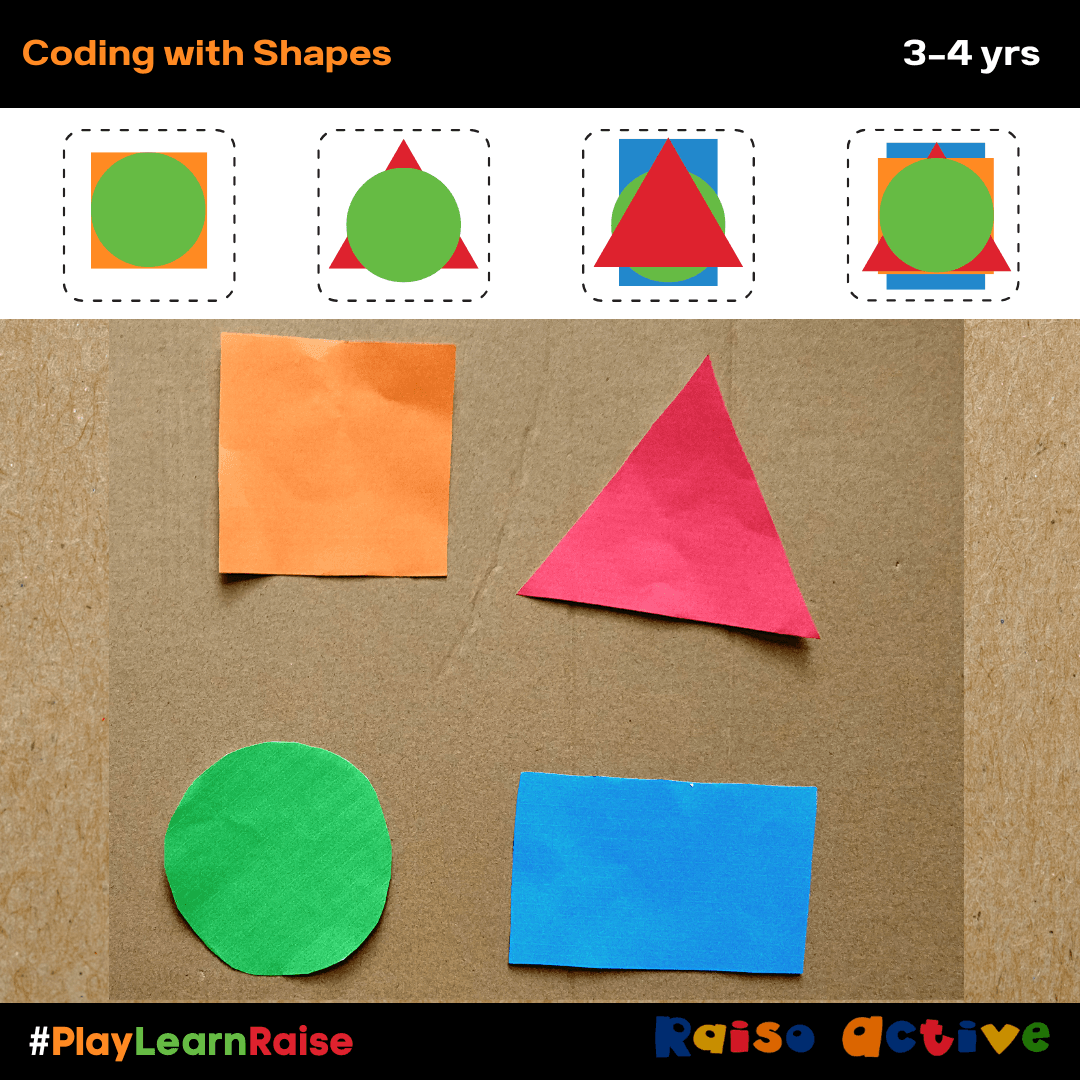
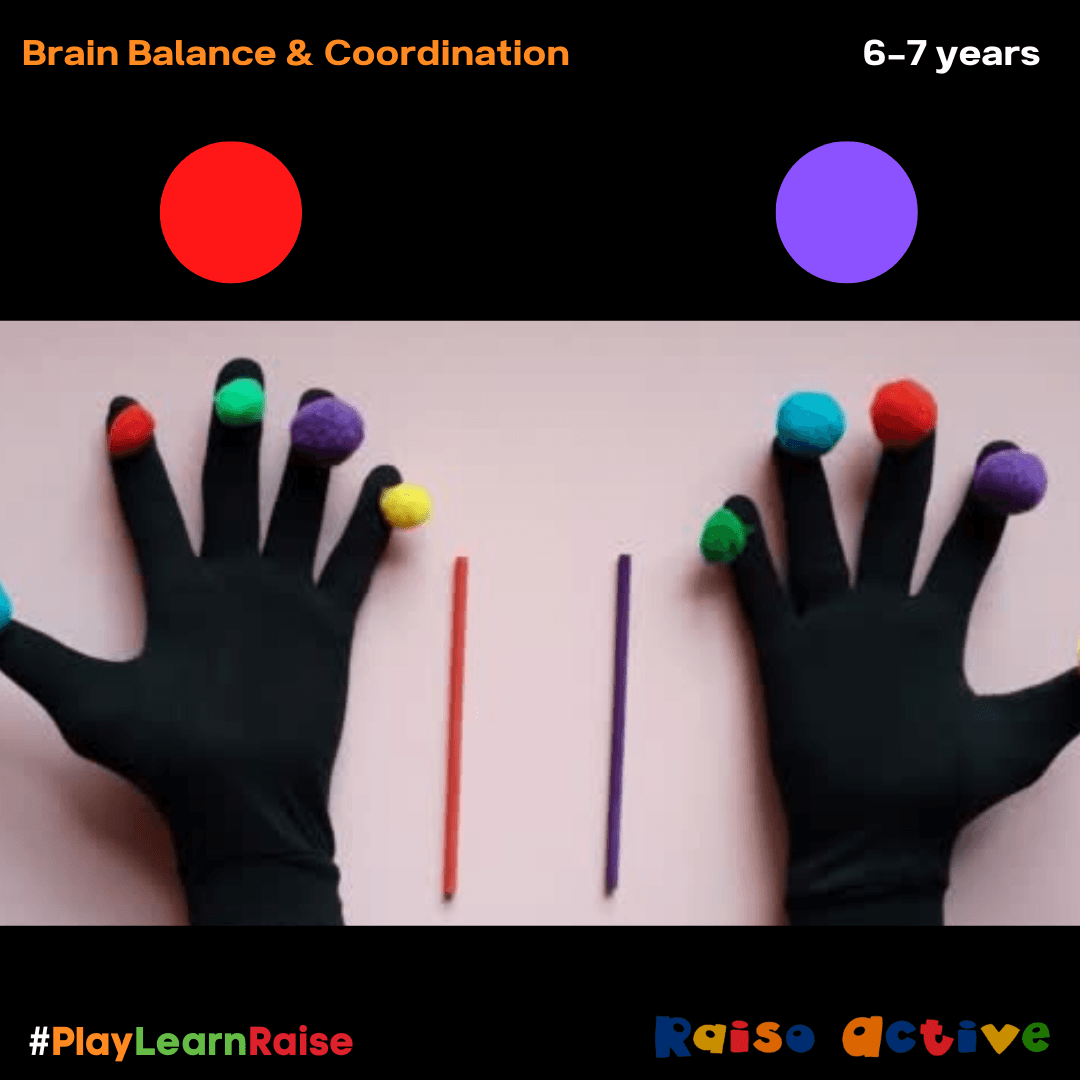
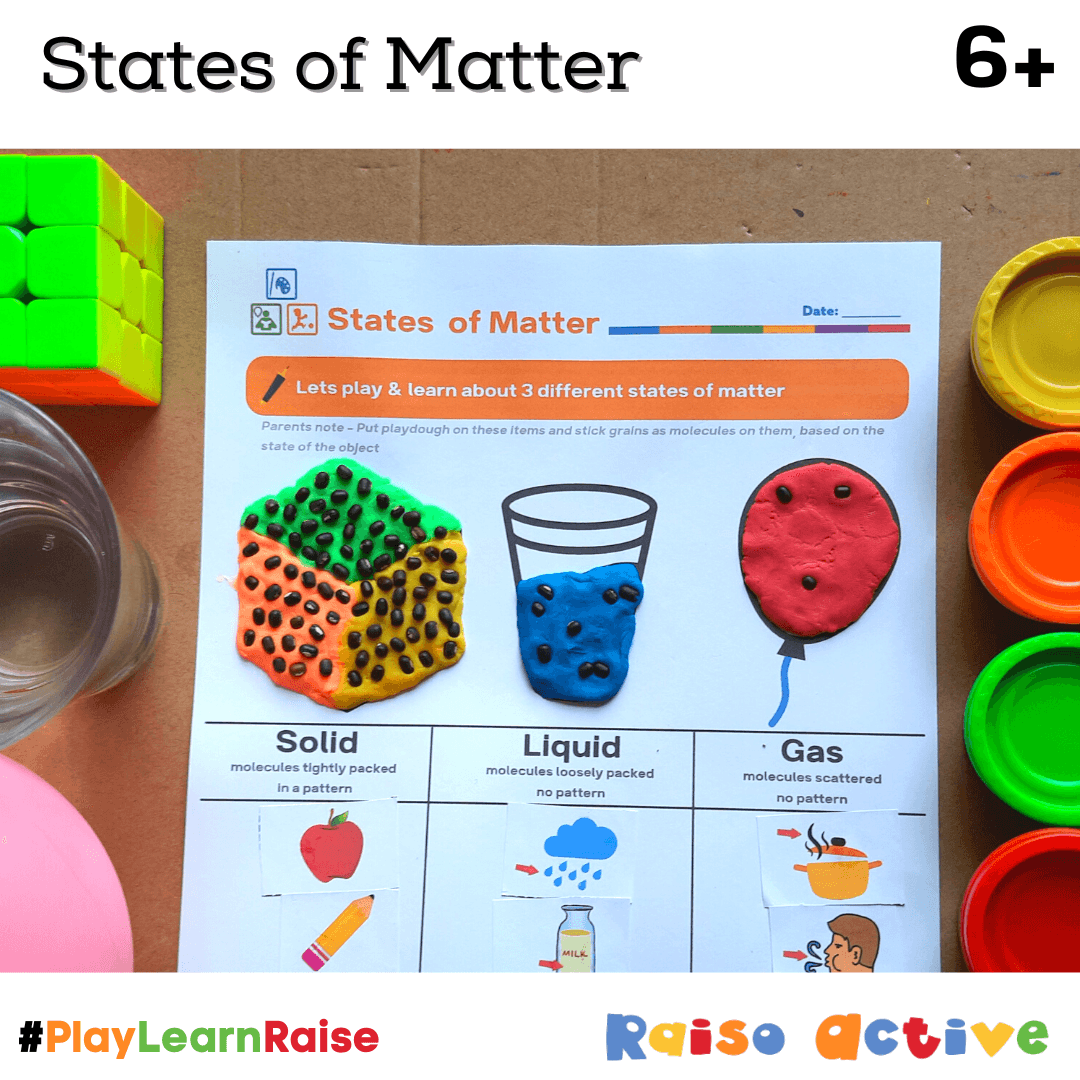
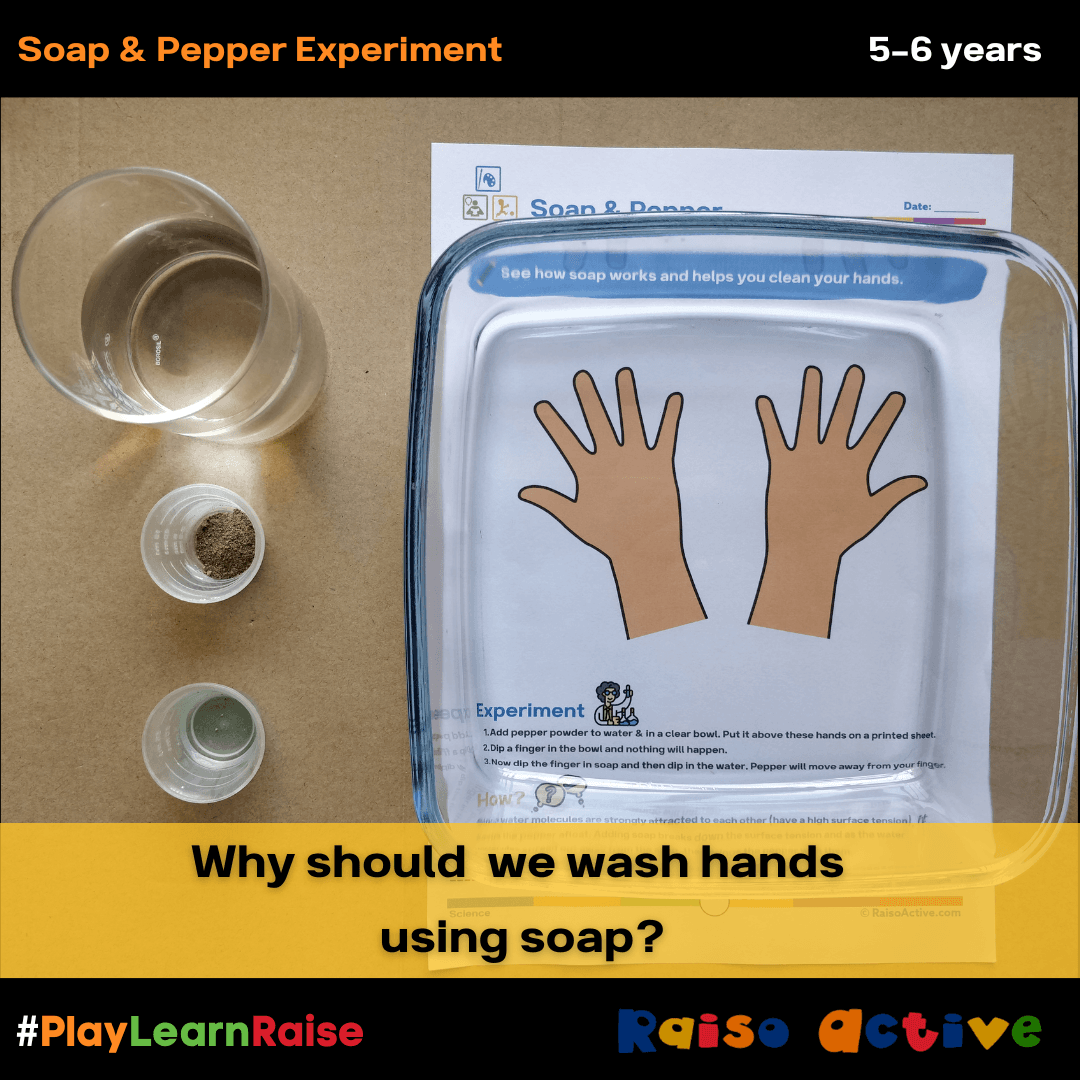
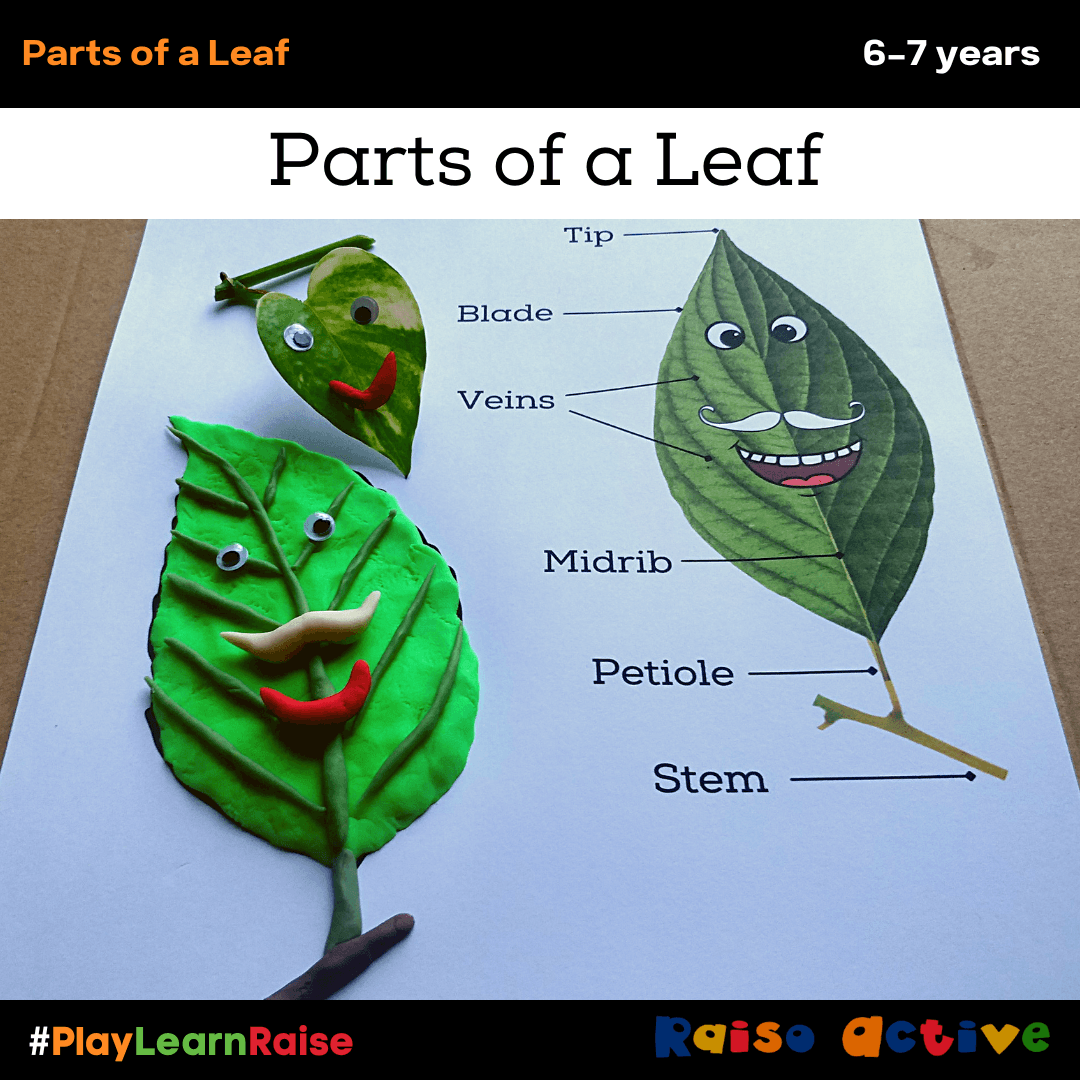
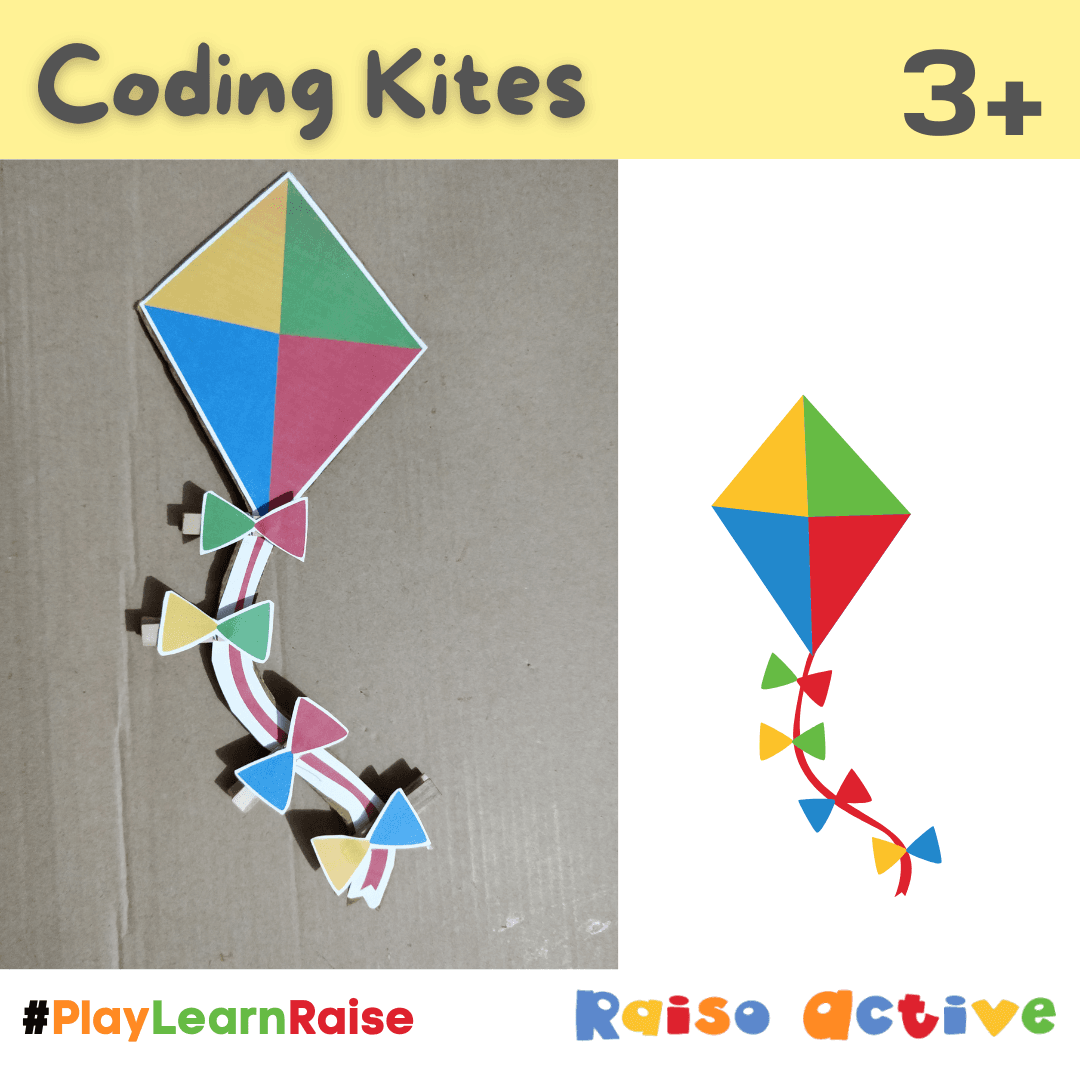
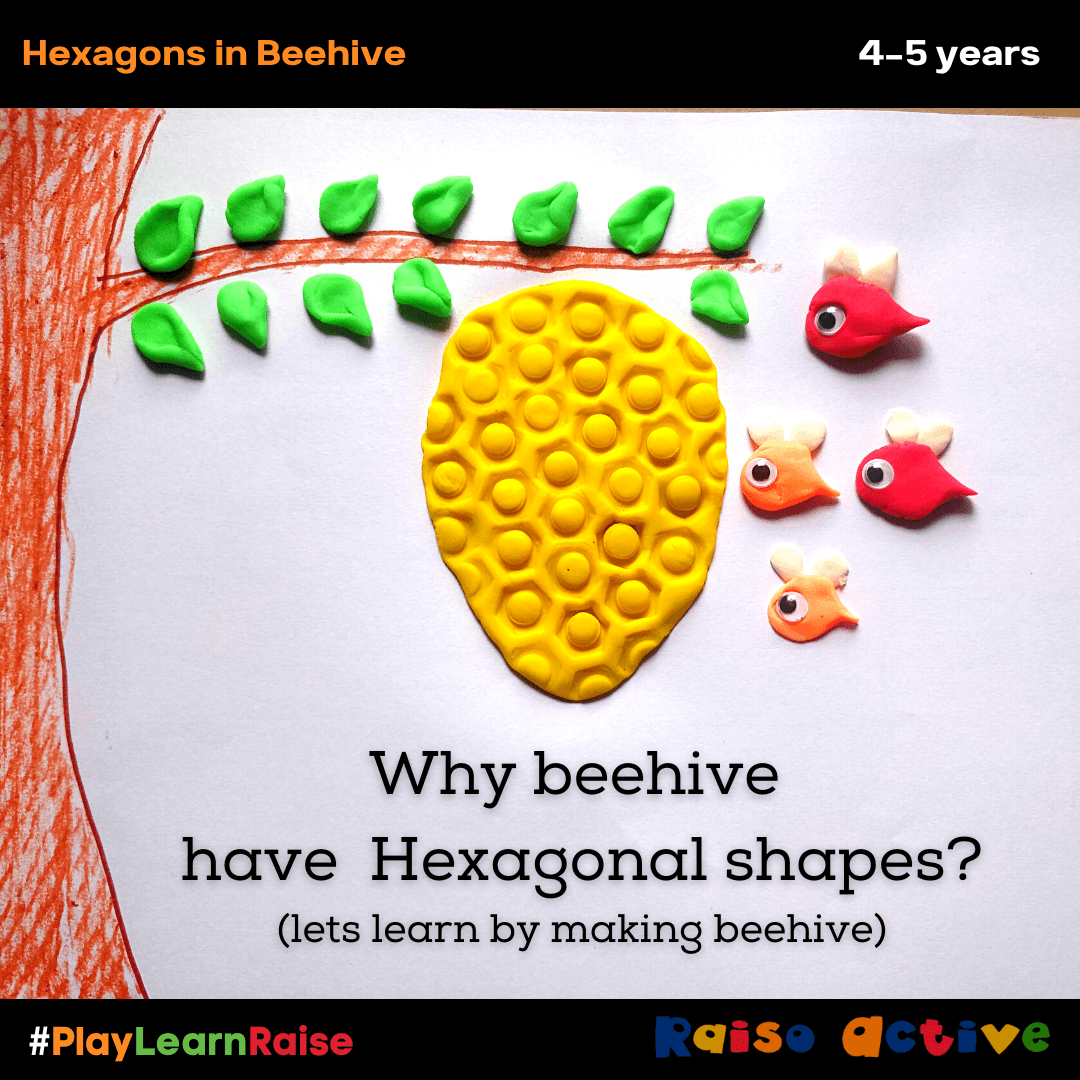
When your child is ready to engage with paper-based activities, start with worksheets that feel more like play than work. These printables are designed to be visually engaging, hands-on, and open-ended — perfect for children who have been worksheet-resistant.
Key Takeaway
Follow the child, not the curriculum timeline.
Every child develops at their own pace. A five-year-old who refuses worksheets today may happily pick up a pencil at six — and catch up remarkably quickly because their foundational skills are strong from all the hands-on learning they did in the meantime. Your job is not to force readiness, but to nurture it.
Unlimited Access
Get Play-Based Learning Activities Every Week
Subscribe to the RaisoActive newsletter for hands-on activity ideas, free printable worksheets, and expert tips for parents of children ages 1-8. No spam, no pressure — just joyful learning resources delivered to your inbox.
All worksheets & activitiesNew content weeklyDownload unlimited times
Subscribe NowFrequently Asked Questions
Is it normal for a 5-year-old to refuse worksheets?
Absolutely. Many five-year-olds resist paper-and-pencil activities, and this is well within the range of normal development. At this age, children are wired to learn through play, movement, and sensory exploration. Fine motor skills needed for writing develop on individual timelines — some children are ready at 4, others at 6 or even 7. Worksheet refusal does not indicate a learning problem. It usually means the child needs a different approach or is simply not developmentally ready for sustained pencil work.
Will my child fall behind in school if they do not do worksheets at home?
Research consistently shows that children who learn foundational skills through play and hands-on activities perform just as well — and often better — than those drilled with worksheets. Countries like Finland, which delay formal academics until age 7, consistently rank among the highest in global education outcomes. What matters is that your child is building concepts like letter knowledge, number sense, and fine motor strength through *some* pathway. Worksheets are one tool, not the only tool.
How can I explain this approach to grandparents or teachers who expect worksheets?
Share specific examples of what your child *is* learning: "She practised letter formation by shaping clay letters today" or "He counted and sorted 50 buttons by colour — that is more maths than a worksheet page." You can also point to India's NEP 2020, which explicitly recommends play-based and activity-based learning for the foundational stage (ages 3-8). Most people are reassured when they see the learning happening, even if it looks different from what they expect.
What if my child refuses ALL learning activities, not just worksheets?
If your child resists all structured learning — including play-based activities — look at the bigger picture. Are they getting enough sleep, physical activity, and unstructured play time? Is there stress or change in the family? Are activities genuinely age-appropriate? Sometimes children shut down when they are overwhelmed, overtired, or dealing with emotional challenges. Try reducing expectations, offering more free play, and reconnecting through quality time. If the resistance persists for more than a few weeks, a conversation with your paediatrician or a child psychologist can help rule out underlying issues.
How long should I do alternative activities before trying worksheets again?
There is no fixed timeline. Follow your child's cues. Some children are ready to revisit worksheets after a few weeks of hands-on alternatives, while others may need months. The key signs of readiness include: your child voluntarily drawing or writing for fun, improved hand strength and pencil grip, increased attention span during seated activities, and a positive attitude toward learning in general. When you do reintroduce worksheets, start with very short, highly engaging ones and always pair them with a preferred activity.
Are there specific worksheets better suited for worksheet-resistant children?
Yes! Look for worksheets that are visually appealing, interest-based, and interactive. Colouring pages with large images, dot-to-dot activities, sticker-based worksheets, cut-and-paste activities, and mazes are all excellent bridges between hands-on play and traditional worksheets. Avoid dense, text-heavy, or overly repetitive worksheets at first. The RaisoActive printables are designed with exactly this kind of gentle, engaging approach — combining structure with creative freedom so children feel motivated rather than pressured.