Parenting & Homeschool, Early Learning, Art & Creativity
Charlotte Mason Activities for Young Children: A Comprehensive Guide to Living Education
Author
RaisoActive - Kids Activities and Fun Learning
Date Published
Reading Time
9 min read

In This Article14 min
- Charlotte Mason education treats children as whole persons, using real books, nature, and living ideas instead of dry textbooks
- Short lessons (10–20 minutes) maintain focus and make learning joyful for children aged 3–8
- Nature study, narration, handicrafts, and picture study are core methods you can start at home today
- This approach works beautifully in Indian settings — from balcony gardens to local parks and regional living books
- Research supports CM principles: narration boosts comprehension by up to 50%, and nature exposure improves attention and wellbeing
What Is Charlotte Mason Education and Why Does It Matter Today?
Charlotte Mason was a British educator in the late 1800s whose ideas feel astonishingly modern. Her core belief was simple yet revolutionary: children are born persons — not empty vessels to be filled, but thinking, feeling individuals deserving of rich intellectual nourishment from the very start. In a world increasingly dominated by screens, rote memorisation, and achievement pressure, her philosophy offers families a refreshing, research-aligned alternative.
At its heart, a Charlotte Mason education revolves around living books (real literature rather than dumbed-down textbooks), nature study, narration (the child retelling what they have learnt), short lessons, and habit training. These are not abstract ideals — they translate into practical, joyful daily activities that work remarkably well for young children aged 3 to 8, whether you are homeschooling full-time, supplementing school learning, or simply looking for meaningful ways to spend time with your child.
What makes this approach especially powerful is its accessibility. You do not need expensive curricula, specialised training, or a sprawling countryside home. A balcony garden in Mumbai, a local park in Bengaluru, a shelf of well-chosen books from your neighbourhood library — these are all you need. In this guide, we will explore each core Charlotte Mason method with specific, actionable activities you can begin this week, grounded in both Mason's original writings and modern developmental research.
Love the idea of living education?
Subscribe for weekly nature study prompts, book recommendations, and gentle learning activities delivered to your inbox.
Nature Study: The Foundation of a Charlotte Mason Education
Charlotte Mason considered nature study the single most important subject for young children. She wrote, "The child who has been blessed with outdoor life has had his powers of seeing and hearing, of tasting, touching, and smelling, trained day by day." For Mason, nature was not merely a science lesson — it was a child's first teacher, developing observation skills, patience, wonder, and a deep connection to the living world.
The beauty of nature study is that it requires no curriculum and works everywhere. Whether you live near the Western Ghats, the banks of the Ganga, or in a high-rise flat in Delhi, nature is always accessible — in potted plants on your windowsill, insects visiting your balcony, clouds drifting overhead, or birds calling from nearby trees. The key is regularity and attention, not location.
Starting a Nature Journal with Your Child (Ages 3–8)
1
Choose a simple notebook and basic art supplies
A plain unlined notebook works best. Start with pencils and a small set of watercolours or colour pencils. Avoid fancy nature journals — simplicity removes the pressure to be "perfect."
2
Begin with weekly outdoor time
Set aside 20–30 minutes once or twice a week for unhurried outdoor observation. A neighbourhood park, your garden, a nearby lake, or even your terrace counts perfectly.
3
Let the child choose what to observe
Resist the urge to direct. If your child is fascinated by an ant trail, a fallen leaf, or the shape of clouds, follow their interest. Charlotte Mason called this "masterly inactivity" — being present without over-directing.
4
Draw what you see together
Sit alongside your child and sketch the same object. For children under 5, this might be simple shapes and colours. The goal is careful looking, not artistic perfection. Date each entry.
5
Add a few words or observations
Younger children can dictate a sentence for you to write. Older children can add their own labels or a short description. Over months, this journal becomes a treasured record of their growing powers of observation.
🎨Nature Study in Indian Settings
- Study seasonal changes through Indian festivals — observe marigolds during Diwali, mango blossoms in spring, or monsoon insects during Ganesh Chaturthi
- Identify common Indian birds like mynahs, sparrows, bulbuls, and parakeets using a simple field guide or the eBird app
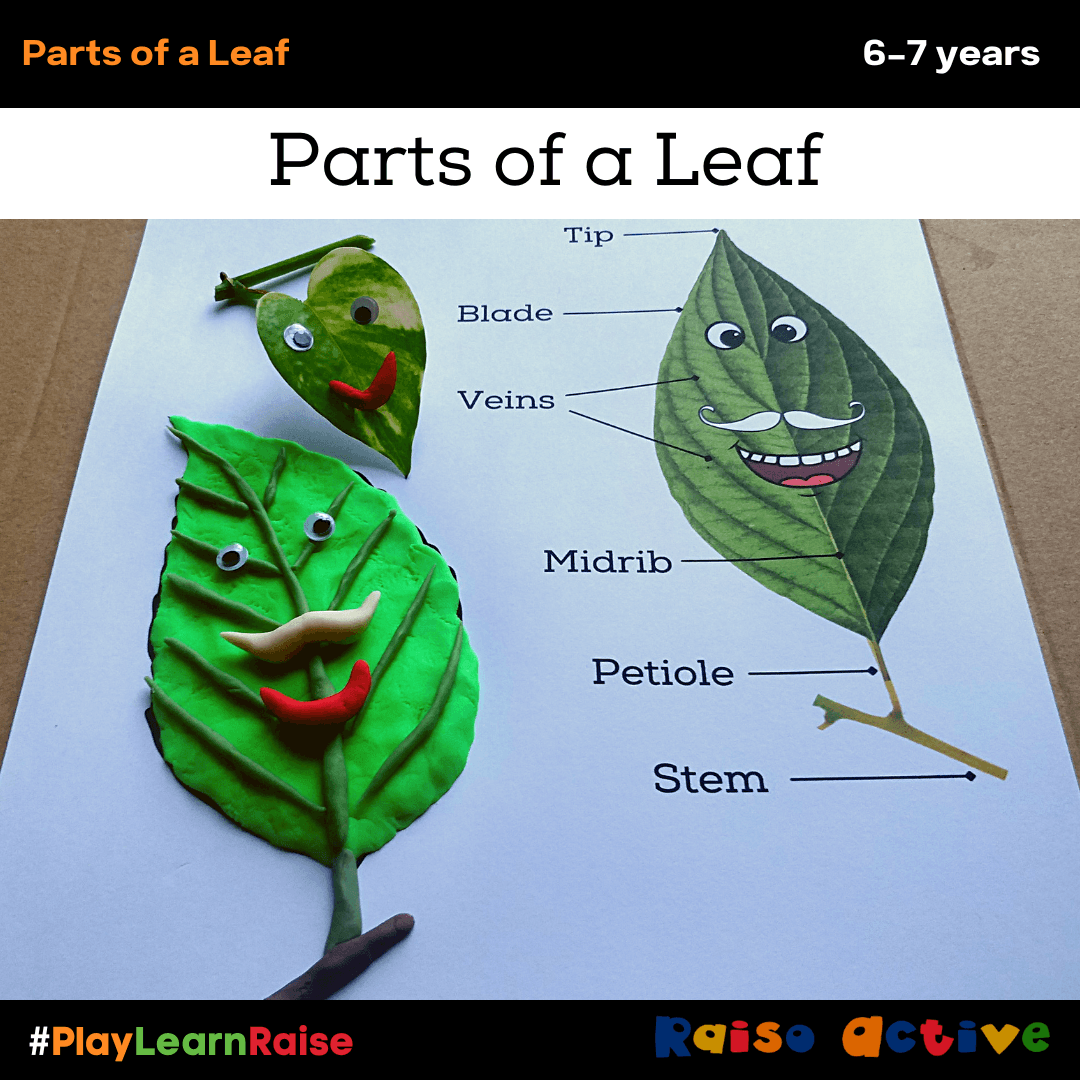
- Grow methi (fenugreek), tulsi, or coriander on your balcony and document the growth cycle in the nature journal
- Visit local botanical gardens, nature reserves, or even a nursery for hands-on plant identification
20% improvement in attention
A landmark study published in the *Journal of Attention Disorders* found that just 20 minutes of walking in a park significantly improved concentration in children, including those with ADHD — supporting Charlotte Mason's emphasis on regular outdoor time.
Source: Faber Taylor & Kuo, 2009, Journal of Attention Disorders
Living Books: Feeding the Mind with Real Ideas
Charlotte Mason drew a sharp distinction between living books and what she called "twaddle" — watered-down, condescending writing that talks down to children. Living books are written by authors who are passionate about their subject, use rich and beautiful language, and tell stories that stay in the mind long after the book is closed. They are books that make you feel something — curiosity, wonder, empathy, delight.
For young children, this means choosing high-quality picture books and read-alouds over simplified readers or flashcard-style texts. A living book about birds is not a list of facts — it is a story about a cuckoo who travels thousands of kilometres, told in language that makes a four-year-old gasp. The child absorbs vocabulary, narrative structure, scientific knowledge, and moral imagination all at once, without any of it feeling like a "lesson."
Key Takeaway
Choose books where the author writes with passion and expertise, not books designed to "teach" a skill in isolation.
A single beautifully written story about a river can teach more geography, ecology, and vocabulary than ten worksheets combined. Look for books that spark questions and conversations, not ones that end with comprehension quizzes.
Living Books in Indian Languages and Contexts
One of the joys of applying Charlotte Mason principles in India is our extraordinary wealth of stories. From Panchatantra tales and Jataka stories to regional folk tales in Tamil, Marathi, Bengali, or Kannada, we have centuries of living literature to draw from. Publishers like Tulika Books, Pratham Books (whose StoryWeaver platform offers free books in dozens of Indian languages), Karadi Tales, and Eklavya produce beautiful, thoughtfully written children's books that embody the living book philosophy perfectly.
- Pratham Books / StoryWeaver — Free, beautifully illustrated books in 300+ languages, many rooted in Indian settings and themes
- Tulika Books — Bilingual picture books featuring Indian characters, settings, and cultural contexts
- Karadi Tales — Audio-visual storytelling with strong literary quality in multiple Indian languages
- Eklavya — Science and nature books for children that embody the living book approach
- ACK (Amar Chitra Katha) — Classic mythology and history comics that bring Indian heritage alive
Narration: The Most Powerful Learning Tool You Are Not Using
If Charlotte Mason were to name her single most important teaching method, it would almost certainly be narration. The principle is elegantly simple: after reading a passage or experiencing something, the child tells it back in their own words. No comprehension questions, no fill-in-the-blanks, no multiple choice — just "Tell me what you remember."
This seemingly simple practice is extraordinarily powerful. When a child narrates, they must actively organise information, select what matters, find vocabulary to express ideas, and construct a coherent sequence. This engages far deeper cognitive processing than answering pre-set questions, which often test mere recognition rather than true understanding. Mason observed that children who narrate regularly develop exceptional memory, articulation, and comprehension — and modern research strongly confirms this.
Up to 50% better comprehension
Research on the "retrieval practice" effect — essentially what narration does — shows that actively recalling information produces significantly stronger learning and retention compared to passive review methods like re-reading or highlighting.
Source: Roediger & Karpicke, 2006, Psychological Science
💡How to Do Narration with Young Children
- **Ages 3–4:** Read a short picture book and ask, "What happened in that story?" Accept any response warmly — even a single sentence is a great start
- **Ages 5–6:** Read a slightly longer passage (one or two pages) and invite the child to narrate. Do not interrupt or correct. They will self-correct over time
- **Ages 7–8:** Introduce written narration alongside oral — the child writes a few sentences about what they heard. This naturally develops composition skills
- Never read a passage twice before narration. This trains the child to listen attentively the first time — a skill Mason considered essential
- Narration works for everything — nature walks, museum visits, stories from grandparents, even cooking together
Short Lessons: Respecting the Young Child's Attention
Charlotte Mason was far ahead of her time in understanding children's attention spans. She insisted that lessons for young children should be short — 10 to 20 minutes maximum — and varied throughout the day. A typical Charlotte Mason morning for a six-year-old might include 15 minutes of reading aloud, 10 minutes of number work, 15 minutes of nature drawing, and 10 minutes of recitation — with breaks and free play woven throughout.
This approach has profound implications for how we structure learning at home. Rather than sitting a child down for an hour of "study time," break the morning into short, focused blocks with variety. The child gives full attention for each brief period, and because lessons end before boredom sets in, they want to come back. Mason understood something neuroscience has since confirmed: attention is a muscle that strengthens with practice, not a capacity that should be stretched to its limit.
Charlotte Mason Approach ✓
- +10–20 minute focused lessons with variety
- +End the lesson before the child loses interest
- +Alternate between active and quiet activities
- +Include outdoor time and free play as essential, not optional
- +Use real books and hands-on materials
- +Follow a gentle, predictable rhythm to the day
Common Mistakes ✗
- -Long worksheets or screen-based drills
- -Pushing through when the child is visibly disengaged
- -Scheduling only desk-based work
- -Treating outdoor play as a "reward" for finishing work
- -Relying on textbooks and fill-in-the-blank exercises
- -Cramming all learning into one intensive block
Handicrafts: Learning Through the Hands
Charlotte Mason believed that working with the hands was not merely a pleasant pastime but a vital form of education. Handicrafts develop fine motor skills, patience, planning, spatial reasoning, and the satisfaction of creating something real and beautiful. She specified that children should learn actual skills — not just do craft projects — meaning they should improve at a craft over time with gentle instruction and practice.
For young children in an Indian context, the possibilities are wonderfully rich. India has extraordinary handicraft traditions in every region — from Madhubani painting and Warli art to clay modelling, kolam and rangoli design, weaving, and basic sewing. Introducing these to children connects them to cultural heritage while developing the exact skills Mason valued.
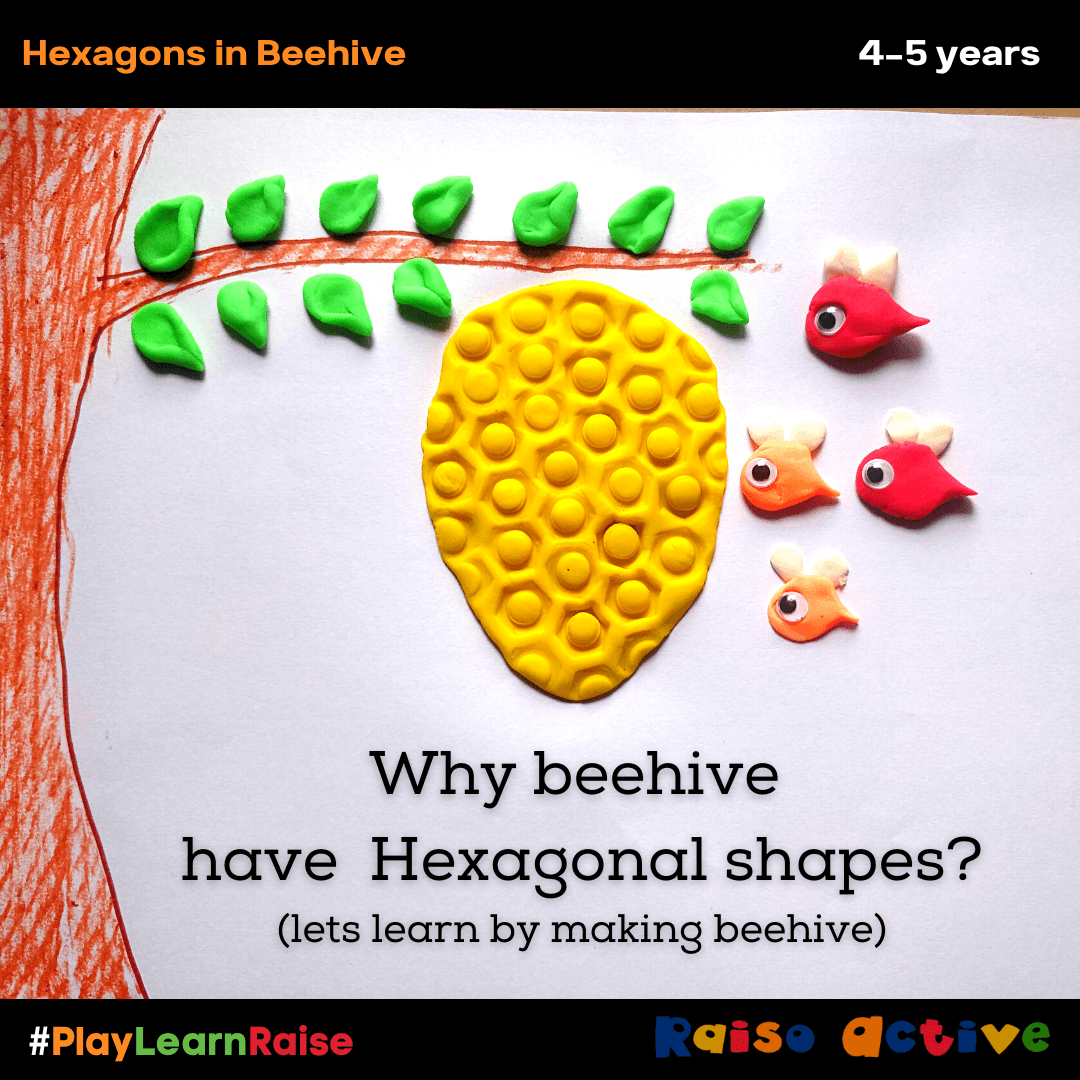
- Ages 3–4: Playdough modelling, tearing and pasting, simple finger painting, threading large beads, kolam dots with chalk
- Ages 4–5: Watercolour painting, basic paper folding (origami), nature collages, simple weaving with paper strips, rangoli with flower petals
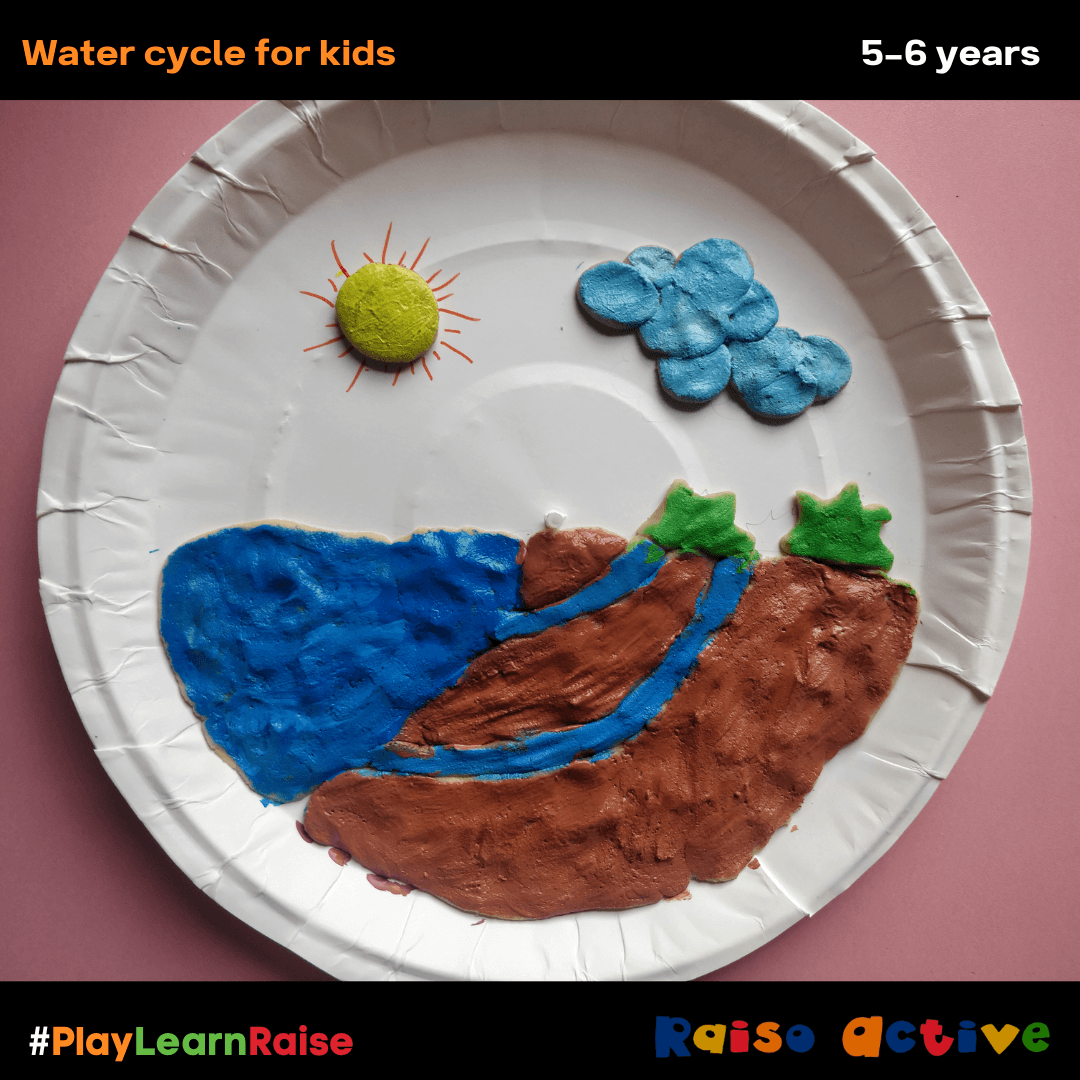
- Ages 5–6: Clay modelling with air-dry clay, basic stitching on burlap, Warli-style painting, leaf printing, simple bookmaking
- Ages 6–8: Cross-stitch, basic knitting or finger knitting, Madhubani-style drawing, woodwork with soft balsa wood, pottery with local potters
Key Takeaway
Handicrafts are not "extras" to squeeze in after academic work — they are education itself.
Research shows that fine motor activities directly support handwriting development, mathematical thinking (through spatial reasoning), and executive function. A child who spends 15 minutes daily on a real handicraft is building cognitive skills as surely as one doing a worksheet.
Picture Study: Training the Eye and the Imagination
Picture study was one of Charlotte Mason's most distinctive methods. Once a week or fortnight, the child spends time with a single work of art — a painting by a great artist. They look at it carefully, absorb its colours, composition, and mood, and then describe what they see. Over a term, they study six to eight works by the same artist, building a real relationship with that artist's style and vision.
This practice develops visual literacy, aesthetic sensitivity, vocabulary, and the ability to observe closely and articulate observations — skills that transfer powerfully to science, writing, and everyday life. For Indian families, picture study can include both Western masters and the rich traditions of Indian art — Mughal miniatures, Raja Ravi Varma's paintings, Amrita Sher-Gil's evocative works, or the vibrant folk art traditions of different states.
A Simple Picture Study Session (15 Minutes)
1
Choose one painting and display it clearly
Print it in colour or display it on a tablet. Choose art with rich detail and colour — children respond to beauty. Start with accessible artists like Monet, Rousseau, or Raja Ravi Varma.
2
Let the child look silently for 2–3 minutes
Do not talk or explain. Let the child absorb the image. Young children are naturally drawn into images when given quiet space.
3
Turn the painting over and ask the child to describe it
"Tell me everything you remember about that painting." This is narration applied to visual art. You will be amazed at how much they recall.
4
Look together and discuss
Turn the painting back and notice details together. "What colours did the artist use most? How does the painting make you feel? What do you think is happening?" Keep it conversational, not quiz-like.
👋Practical Tips for Picture Study at Home
- Many museums offer free virtual collections — the National Gallery (London), the Met (New York), and the National Gallery of Modern Art (India) all have excellent online archives
- Study one artist per term (6–8 weeks). Children begin to recognise style: "That looks like a Monet!"
- Pair picture study with handicrafts — after studying Warli art, try painting in the Warli style together
- Keep a "Gallery" wall at home where you display the current artist's work alongside your child's art
Habit Training: Building Character One Day at a Time
Charlotte Mason placed enormous importance on habit training — the deliberate cultivation of good habits in children. She believed that habits of attention, obedience, truthfulness, kindness, and orderliness were not innate personality traits but skills that could be systematically built through patient, consistent practice. She wrote, "The mother who takes pains to endow her children with good habits secures for herself smooth and easy days."
For young children, habit training means focusing on one habit at a time for 4–6 weeks. Rather than constantly correcting multiple behaviours, you choose a single habit — say, putting away toys after play, or giving full attention when someone speaks — and gently, consistently reinforce it until it becomes second nature. This approach is remarkably effective because it aligns with how the brain actually builds neural pathways: through repetition and positive reinforcement, not through lectures or punishment.
⚠️Starting Habit Training with Young Children
- **Choose one habit** — attention, tidiness, kindness, or obedience — and focus on it exclusively for 4–6 weeks
- **Model the habit yourself.** Children learn far more from what they see than what they are told
- **Use gentle reminders, not nagging.** A touch on the shoulder, a quiet word, or a visual cue works better than repeated verbal reminders
- **Celebrate progress, not perfection.** "I noticed you put your crayons away without being asked — that shows real responsibility!"
- **Never shame.** If the child forgets, simply redirect: "Let us try again" — no lectures needed
A Sample Charlotte Mason Day for Young Children
One of the most common questions parents ask is, "What does a Charlotte Mason day actually look like?" The answer is reassuringly simple. For children aged 4–6, formal lessons should take no more than 1 to 1.5 hours, spread across the morning in short blocks. The rest of the day is for free play, outdoor exploration, and family life. Here is a sample rhythm:
- Morning basket (15 min): Read a picture book together, recite a poem or nursery rhyme, sing a song
- Nature time (20–30 min): Outdoor walk or balcony observation with nature journal
- Short lesson 1 (10–15 min): Number work with manipulatives (buttons, seeds, blocks) or a living maths book
- Handicraft (15 min): Watercolour painting, clay modelling, or simple stitching
- Read-aloud and narration (15 min): Read a chapter from a living book, then ask the child to narrate
- Free play (rest of day): Unstructured, child-led play — the most important "lesson" of all
Key Takeaway
A Charlotte Mason education for young children requires only 1–1.5 hours of structured time daily.
The rest of the day should be filled with free play, outdoor time, family life, and the natural rhythms of childhood. More is not better — what matters is the quality and variety of those short, focused interactions.
How to Start Charlotte Mason Activities This Week
If you are new to Charlotte Mason, the breadth of her philosophy can feel overwhelming. But the beauty of this approach is that you can start small and grow naturally. You do not need to overhaul your entire routine. Begin with one or two practices and let them become habits before adding more. Here are three gentle entry points:
- Start reading aloud daily. Choose one beautiful book and read together for 15 minutes. Ask your child to tell you about it afterwards. This single practice — living books plus narration — is the heart of a Charlotte Mason education.
- Take a weekly nature walk. Bring a notebook. Look at one thing closely. Draw it together. That is nature study.
- Shorten your lessons. If your child currently does 45-minute study sessions, try three 15-minute sessions with variety and breaks instead. Watch what happens to their engagement.
Unlimited Access
Bring Living Education Home
Get weekly Charlotte Mason activity ideas, nature study prompts, living book recommendations, and free printables — all designed for Indian families with young children.
All worksheets & activitiesNew content weeklyDownload unlimited times
Subscribe NowFrequently Asked Questions About Charlotte Mason Activities
At what age can I start Charlotte Mason activities?
You can begin informally from birth with living books (reading aloud), nature exposure, and habit training. Formal short lessons typically start around age 6, but nature study, handicrafts, and picture study can begin as early as age 3. Charlotte Mason herself recommended no formal lessons before age 6 — until then, focus on outdoor play, stories, and good habits.
Do I need to homeschool to use Charlotte Mason methods?
Not at all. Many families use Charlotte Mason principles to supplement school learning. Nature study on weekends, living books at bedtime, narration after a museum visit, and handicrafts on holidays are all wonderful ways to bring this philosophy into a schoolgoing child's life without adding academic pressure.
How is Charlotte Mason different from Montessori?
Both respect the child and emphasise hands-on learning, but they differ in key ways. Montessori uses specially designed materials in a prepared environment and emphasises independent, self-correcting work. Charlotte Mason emphasises living books, teacher-led (but short) lessons, narration, nature study, and the arts. Montessori tends to be more structured in the early years; Charlotte Mason is more literature-rich and outdoors-focused. Many families blend elements of both.
What if I live in a city with limited access to nature?
Charlotte Mason nature study works everywhere. Balcony gardens, potted plants, insects on your windowsill, cloud formations, the moon's phases, neighbourhood birds, and seasonal changes in street trees are all valid subjects. Even a walk around your housing society can yield rich observations. The goal is not wilderness — it is developing the habit of paying attention to the natural world around you.
How do I choose living books in Indian languages?
Look for books where the author writes with genuine passion and knowledge, using rich (not simplified) language. Pratham Books' StoryWeaver platform is an excellent free resource with books in dozens of Indian languages. Tulika Books and Karadi Tales publish high-quality bilingual books. Ask your local librarian, join parent reading groups on social media, or follow accounts like @indianmomreads for curated recommendations.
Will my child fall behind academically with such short lessons?
Research consistently shows that quality of engagement matters far more than quantity of time. Charlotte Mason students historically performed very well on standardised assessments. Short, focused lessons with narration produce deeper learning than long sessions with passive listening. The key is that during those 10–15 minutes, the child gives full, undivided attention — and narration ensures they have actually processed what they learnt.