Early Learning, Parenting & Homeschool
Creating Engaging Themed Learning Units for Young Children: A Complete Guide to Integrated Learning
Author
RaisoActive - Kids Activities and Fun Learning
Date Published
Reading Time
5 min read

In This Article8 min read
- Themed learning units integrate multiple subjects around a single engaging topic
- Children learn more deeply when content connects across literacy, maths, science, and art
- Good themes last 1–3 weeks and include books, crafts, experiments, and worksheets
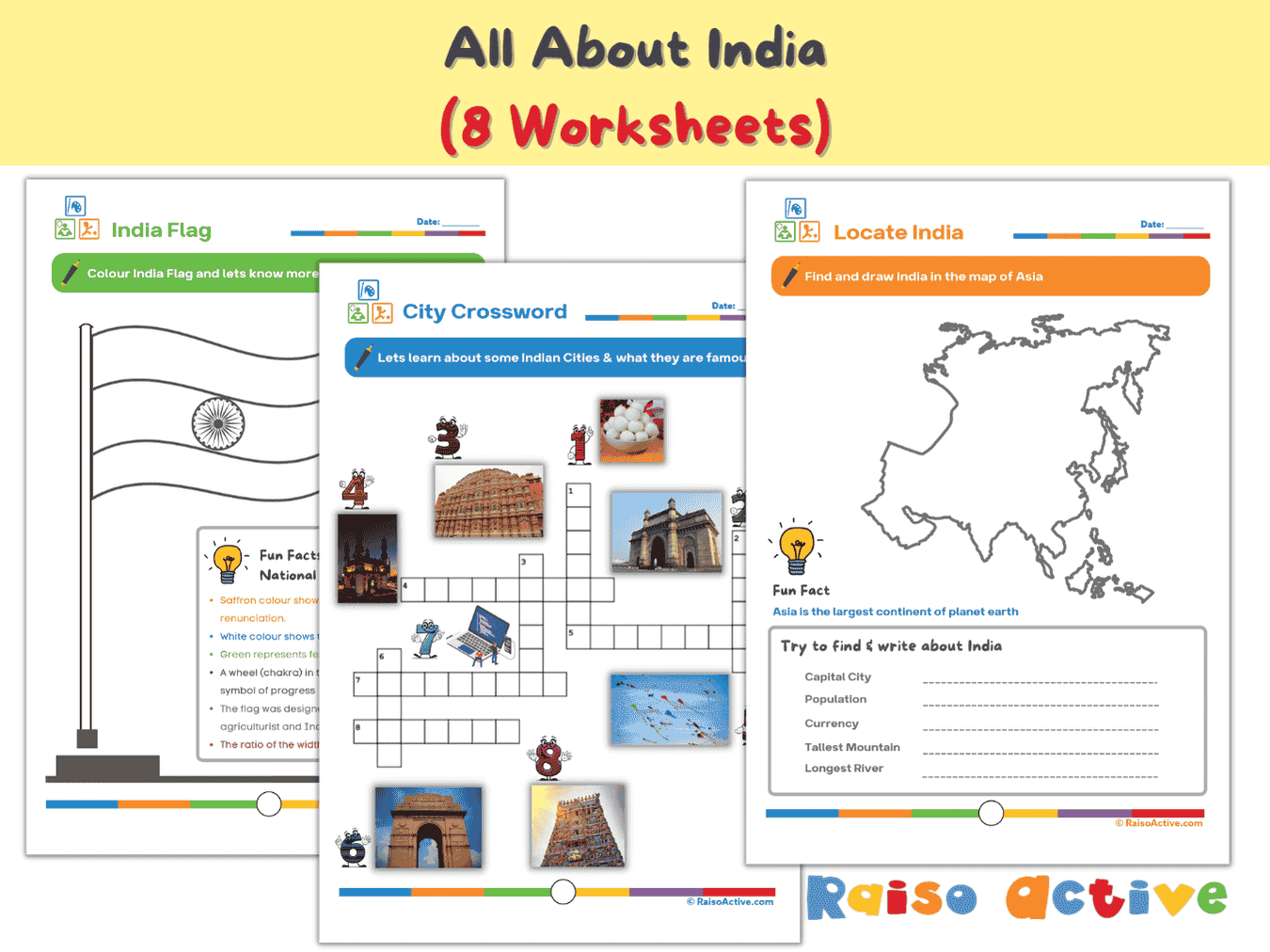
- India-relevant theme ideas: festivals, monsoon, space (ISRO), Indian wildlife
- Step-by-step guide to planning your first theme unit from scratch
Why Themed Learning Works So Well for Young Children
Picture a child who spends a whole week exploring dinosaurs. She reads dinosaur books, measures and compares dinosaur lengths with a ruler, creates a fossil craft with clay, learns new vocabulary like carnivore and herbivore, and watches a short documentary about palaeontologists. By the end of the week, she hasn't just memorised facts — she's lived inside a topic, building rich, layered understanding across every subject area.
This is the power of themed learning units: immersive, cross-curricular experiences where a single engaging topic becomes the lens through which children explore literacy, maths, science, art, and social studies simultaneously. Rather than learning in isolated subject silos, children build connections — and those connections make knowledge stick.
Whether you're a parent setting up a home learning week or a teacher planning your next unit, this guide will walk you through exactly how to create themed learning that young children absolutely love.
Get Free Themed Worksheets
Subscribe for printable worksheets that pair perfectly with popular learning themes for ages 2–8.
What Makes a Great Theme for Young Children?
Not every topic makes a good learning theme. The best themes for early childhood share a few key qualities: they are concrete (children can touch, see, and experience them), familiar enough to have a hook but novel enough to spark curiosity, and broad enough to span multiple subjects.
- Developmentally appropriate: Preschoolers do well with very tangible themes (animals, food, their body). Kindergartners can handle slightly more abstract ones (weather, community helpers). Grade 1 children can explore historical or scientific themes (space, habitats).
- Culturally relevant: Themes that reflect children's own lives and heritage are more motivating. In India, Diwali, monsoon, Indian wildlife, or Holi make wonderful units with cross-curricular richness.
- Resourceable: A good theme has lots of available books, materials, and activities — you're not hunting for everything from scratch.
- Duration: 1–2 weeks is ideal for preschoolers; 2–3 weeks works for kindergarten and Grade 1.
Key Takeaway
Themes work best when children can touch, see, and experience the topic directly.
Abstract themes are hard for children under 6. Choose concrete, tangible topics — animals, weather, plants, community helpers — that children can investigate with their senses, not just their ears.
Popular Themes That Work Brilliantly
Themes for Ages 2–4 (Toddlers and Young Preschoolers)
- My Body — body parts, senses, health, emotions
- Farm Animals — animal sounds, names, what animals give us
- Colours — colour mixing, sorting, colour in nature
- Food and Eating — healthy foods, where food comes from, cooking
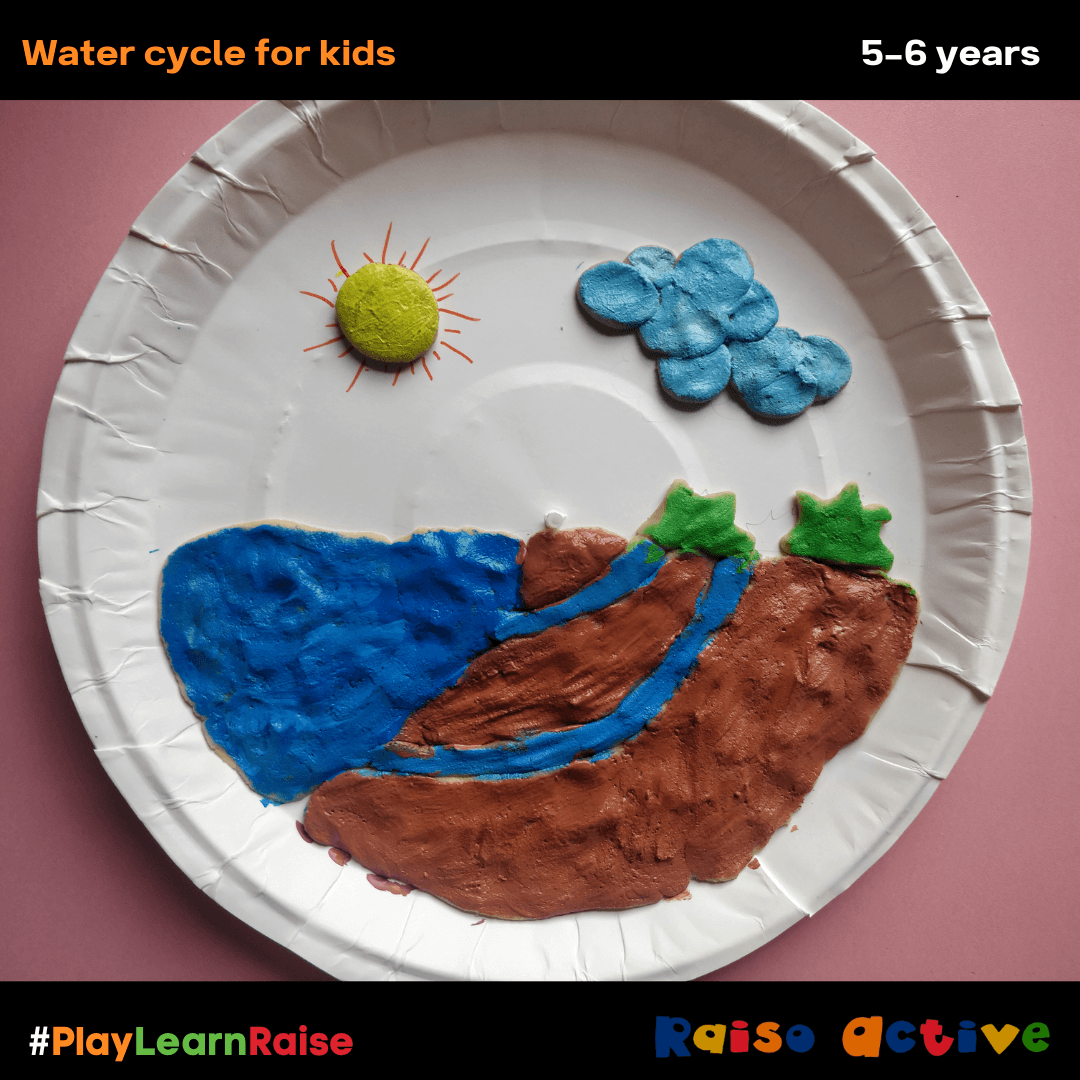
- Rain and Clouds — weather observation, water cycle basics, rain crafts
Themes for Ages 4–6 (Preschool and Kindergarten)
- Insects and Minibeasts — life cycles, habitats, metamorphosis
- Community Helpers — doctors, teachers, firefighters, farmers
- Seasons — changes in nature, clothing, activities through the year
- Dinosaurs — prehistoric life, fossils, measuring, imaginative play
- Space — planets, stars, astronauts (ISRO for Indian children!)
- Indian Festivals — Diwali, Holi, Eid, Christmas — craft, stories, food, traditions
Themes for Ages 6–8 (Grade 1–2)
- Rainforests and Habitats — ecosystems, animal adaptations, conservation
- Indian History and Heritage — monuments, freedom fighters, cultural diversity
- Water — water cycle, water sources, conservation, oceans
- Inventions and Innovations — simple machines, inventors, STEM challenges
- Plants and Life Cycles — seed germination, plant parts, photosynthesis basics
40% better retention
Research from the University of Illinois found that students in integrated thematic curriculum programmes demonstrated up to 40% better retention of concepts compared to those in traditional siloed subject instruction.
Source: University of Illinois Integrated Curriculum Study
How to Plan a Themed Learning Unit: Step by Step
Planning Your First Theme Unit
1
Choose Your Theme and Duration
Pick a topic your child is naturally curious about, or one tied to a season or upcoming event. Set a clear start and end date — 1 week for toddlers, 2 weeks for preschoolers, up to 3 weeks for Grade 1.
2
Gather Your Anchor Books
Find 3–5 picture books on the topic. These become your daily read-alouds and anchor the theme. Library, digital resources, or local bookstores work well. For Indian themes, look for books by Indian publishers like Pratham Books (free on StoryWeaver).
3
Map Across Subject Areas
Write down one or two activities for each subject: Literacy (vocabulary, writing, reading), Maths (counting, measuring, patterns), Science (experiment, observation), Art/Craft (theme-linked creation), Social Studies (community, culture). You don't need to do all of them — even 2–3 subjects is great.
4
Collect Materials in Advance
Gather craft supplies, sensory materials, worksheets, and any props before you begin. Print out worksheets, cut shapes in advance, and prepare your art station. Preparation prevents frustration mid-activity.
5
Set Up a Discovery Corner
Dedicate a small area — a table corner, a shelf, a tray — with theme-related items children can freely explore: books, figurines, magnifying glasses, relevant objects from nature. Children return to these independently throughout the week.
6
Plan a Culminating Experience
End the unit with something memorable — a themed snack, a mini "museum" display of their work, a video call with a grandparent to share what they learned, or a simple performance. Culminating events cement learning and give children a sense of accomplishment.
Integrating Subjects Within a Theme: A Worked Example
Let's take the Insects theme for a 4–5 year old and see how one topic naturally weaves through every subject:
- Literacy: Read The Very Hungry Caterpillar, learn new words (metamorphosis, cocoon, larva), write/dictate a sentence "My favourite insect is ___"
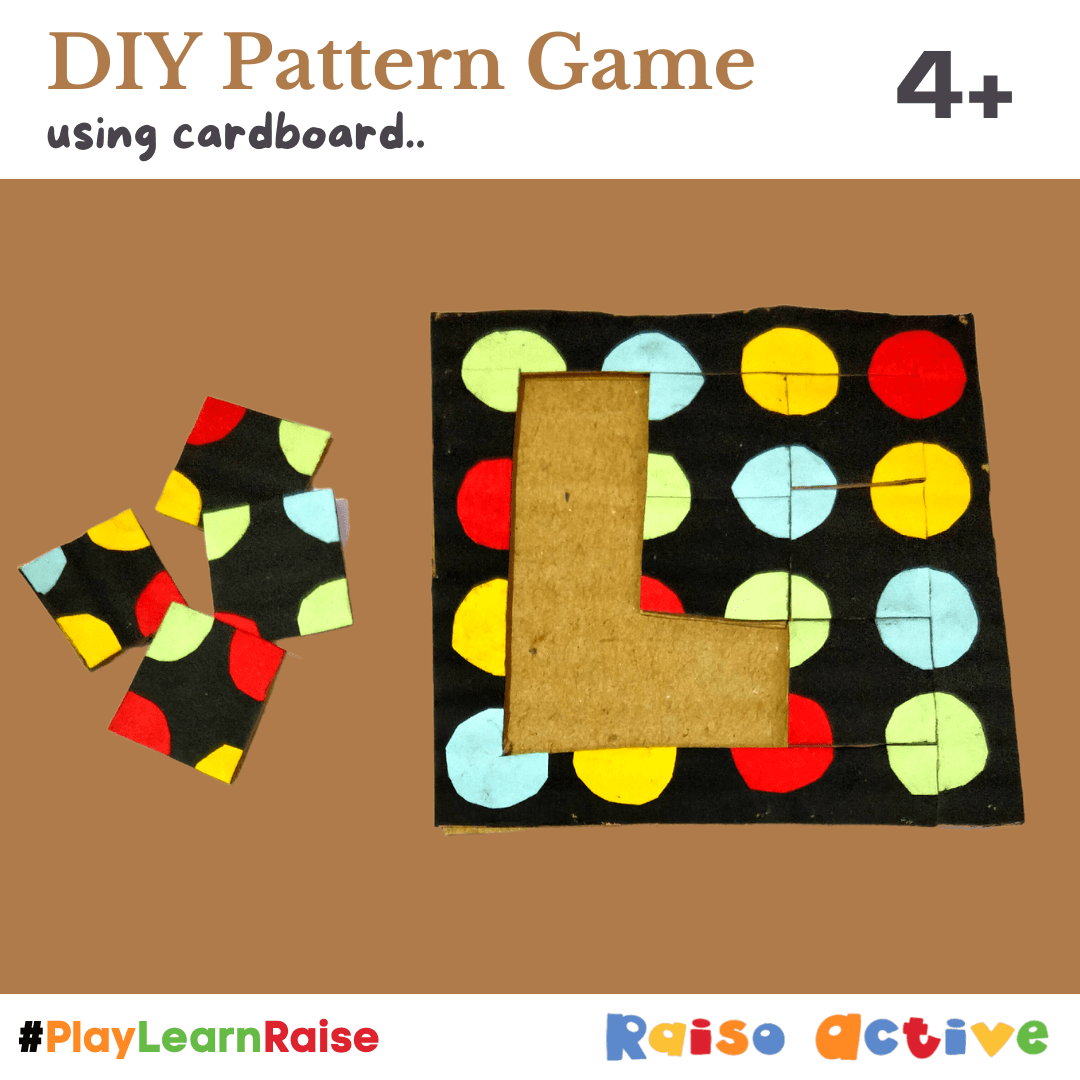
- Maths: Count the days of the week on a butterfly life cycle chart, sort insects by size, create a pattern with bee/ladybird stamps
- Science: Observe a caterpillar or ant colony (or watch a video), discuss what insects need to survive, simple experiment: which foods do ants prefer?
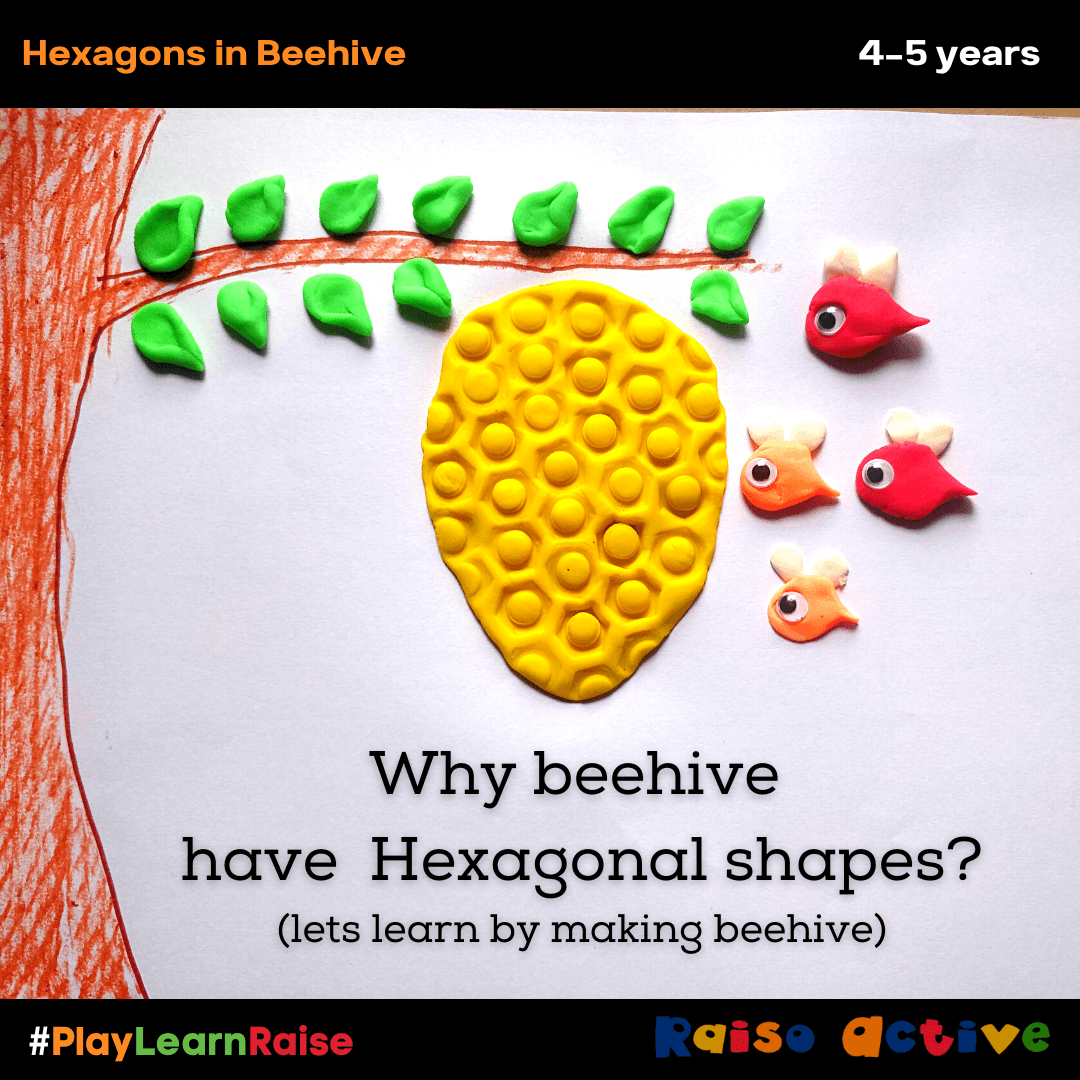
- Art: Collage a butterfly using torn paper, paint a ladybird on a rock, make a honeycomb with hexagonal pasta
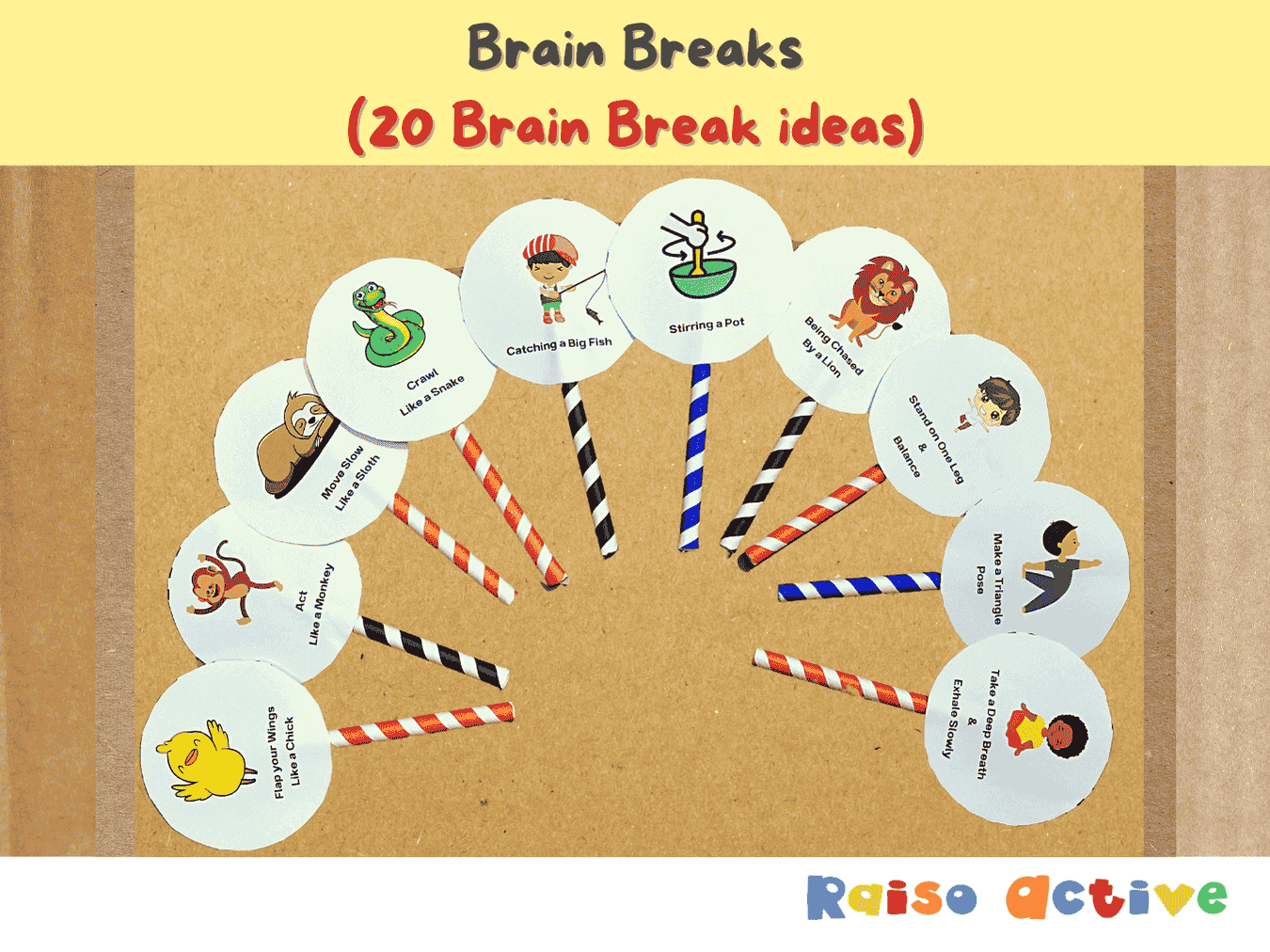
- Gross Motor: "Fly like a butterfly" movement game, crawl through a "cocoon" tunnel
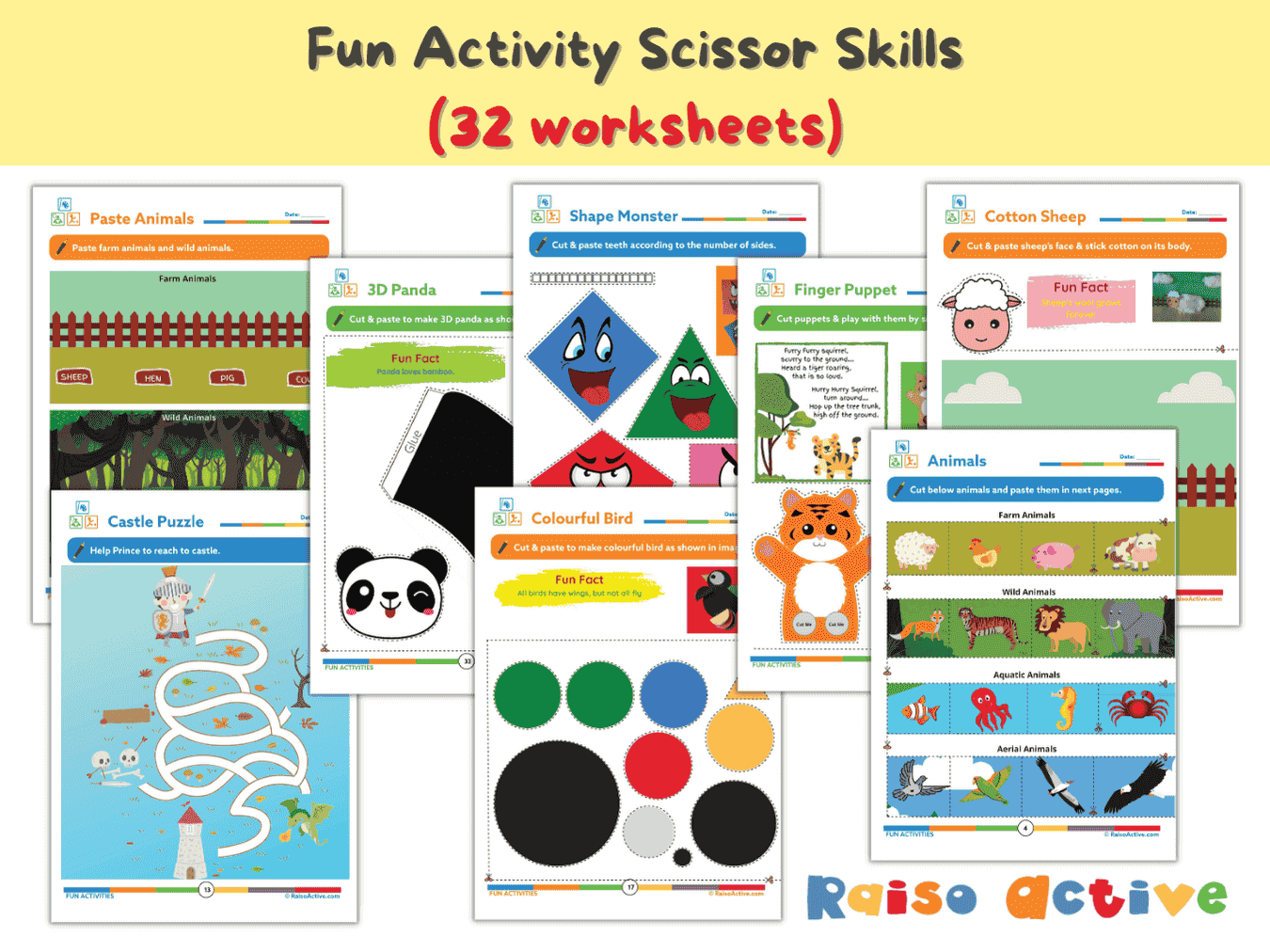
- Fine Motor: Cut out insect shapes, thread beads to make a caterpillar, use tweezers to pick up "insect eggs"
Key Takeaway
One theme can naturally generate a week's worth of rich, connected activities across every developmental domain.
The key is not to force every subject — let the theme guide you. If maths feels unnatural for a particular theme, skip it or keep it light. The goal is integration that feels *organic*, not a checklist.
India-Specific Theme Ideas Worth Exploring
One of the greatest gifts you can give a child is the feeling that their world is worth studying. For children growing up in India, weaving Indian contexts into learning units creates that sense of belonging and pride.
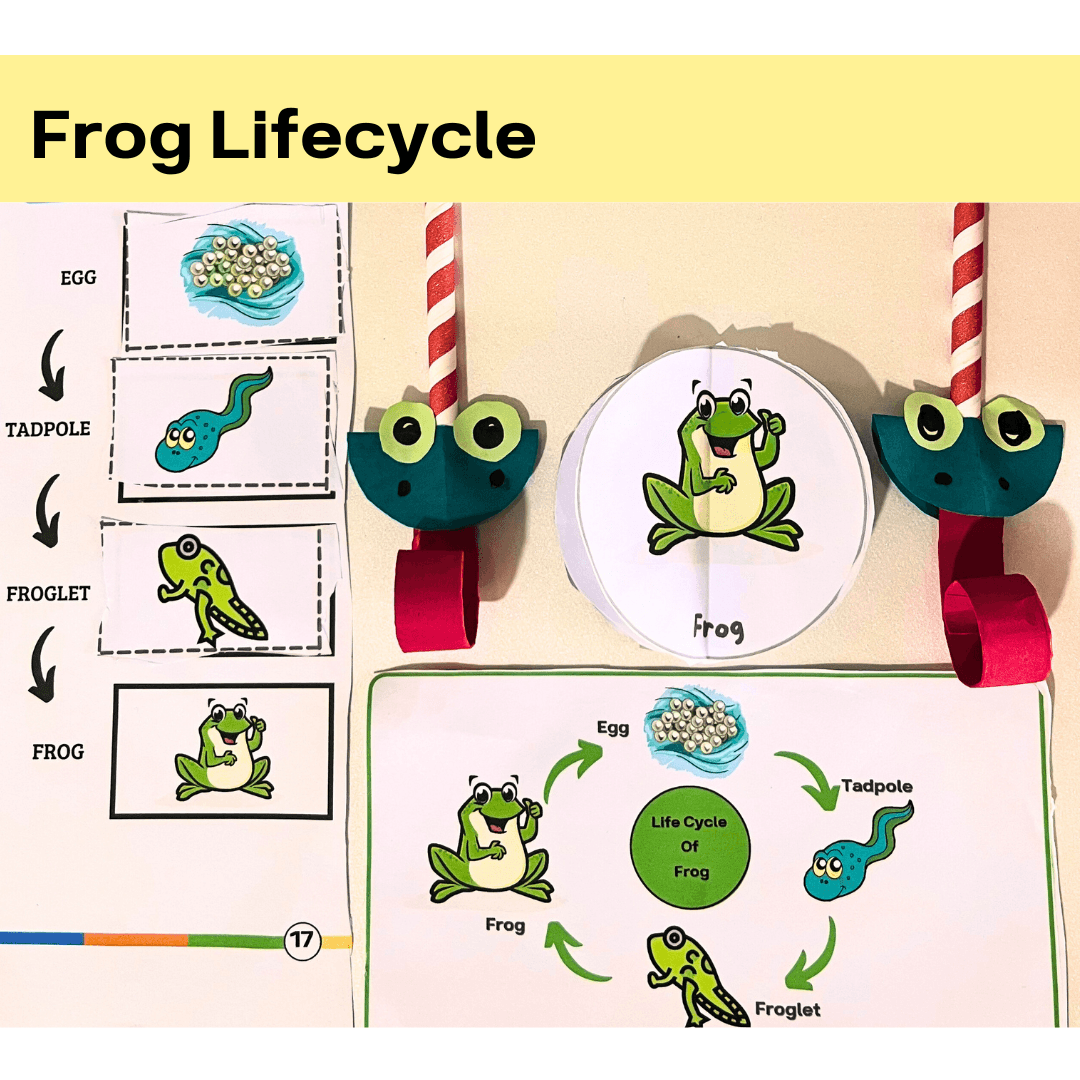
- Monsoon Magic: Rain measurement, cloud types, frogs and their life cycles, monsoon foods, Warli art inspired by rain
- Diwali Celebrations: Light and shadow science, pattern making with rangoli, counting diyas, stories of Diwali from different regions
- Indian Wildlife: Tigers, elephants, peacocks, dolphins — endangered species awareness, Indian habitats, national animal/bird/flower
- Space and ISRO: Chandrayaan and Mangalyaan missions, Indian astronauts, planets, day/night cycle — a source of immense national pride for young learners
- Our Amazing India: Diversity of languages, foods, clothing, festivals — a Social Studies unit building cultural awareness and respect
👋Making Themes Work at Home
- You don't need a full classroom setup — a kitchen table works perfectly for most theme activities
- Involve your child in choosing the theme: when they pick it, engagement is automatically higher
- Keep theme materials out and accessible all week so children can revisit independently during free time
- Document with photos — children love looking back at what they made and learned
- Don't feel pressured to do every activity. Two or three quality experiences per day is more than enough
Adapting Themes for Different Settings
Themed learning works beautifully across different contexts — but the approach adjusts slightly depending on where and how you're using it.
Home Learning
- +Follow the child's pace and interest — extend or shorten the theme freely
- +One or two focused activities per day is ideal
- +Use everyday objects as learning materials (kitchen items, garden finds)
- +Reading aloud together is the core anchor activity
- +Assessment is informal — conversations and observations
Classroom
- -Plan for mixed interest levels — offer choice within the theme
- -Rotate activities across centres (art, reading, sensory, building)
- -Set up a visible theme display with vocabulary words and student work
- -Group read-alouds, small group activities, and independent exploration
- -Document with learning stories, photos, and simple portfolios
⚠️Theme Pitfalls to Avoid
- Don't force every subject area — some subjects genuinely don't connect to every theme, and that's fine
- Avoid overly long themes (more than 3 weeks) — children's interest naturally peaks and wanes
- Don't let the theme become so rigid that you miss opportunities for spontaneous learning
- Worksheets alone do not make a theme — hands-on experiences must come first
3x more vocabulary
Children exposed to thematic vocabulary instruction — where words are taught in meaningful, topic-related contexts — learn up to 3 times more new words than those receiving isolated vocabulary lists.
Source: National Reading Panel (USA), adapted for early childhood
Key Takeaway
A themed unit isn't about covering everything — it's about going *deep* on something that matters to your child.
Even a simple 3-day mini-theme with two books, one craft, and one outdoor exploration creates richer learning than a week of disconnected worksheets. Depth beats breadth for young children every time.
🎨Quick Theme Starter Activity
- Day 1: Introduce the theme with a book and a "wonder wall" — a piece of paper where you write down everything the child wonders about the topic
- Days 2–4: Explore activities that answer those questions — crafts, experiments, more books, worksheets
- Day 5: Celebrate! Share what was learned, display the work, and ask "What was your favourite part?"
- This simple 5-day structure works for any theme with almost no planning required
Unlimited Access
Ready-Made Worksheets for Every Theme
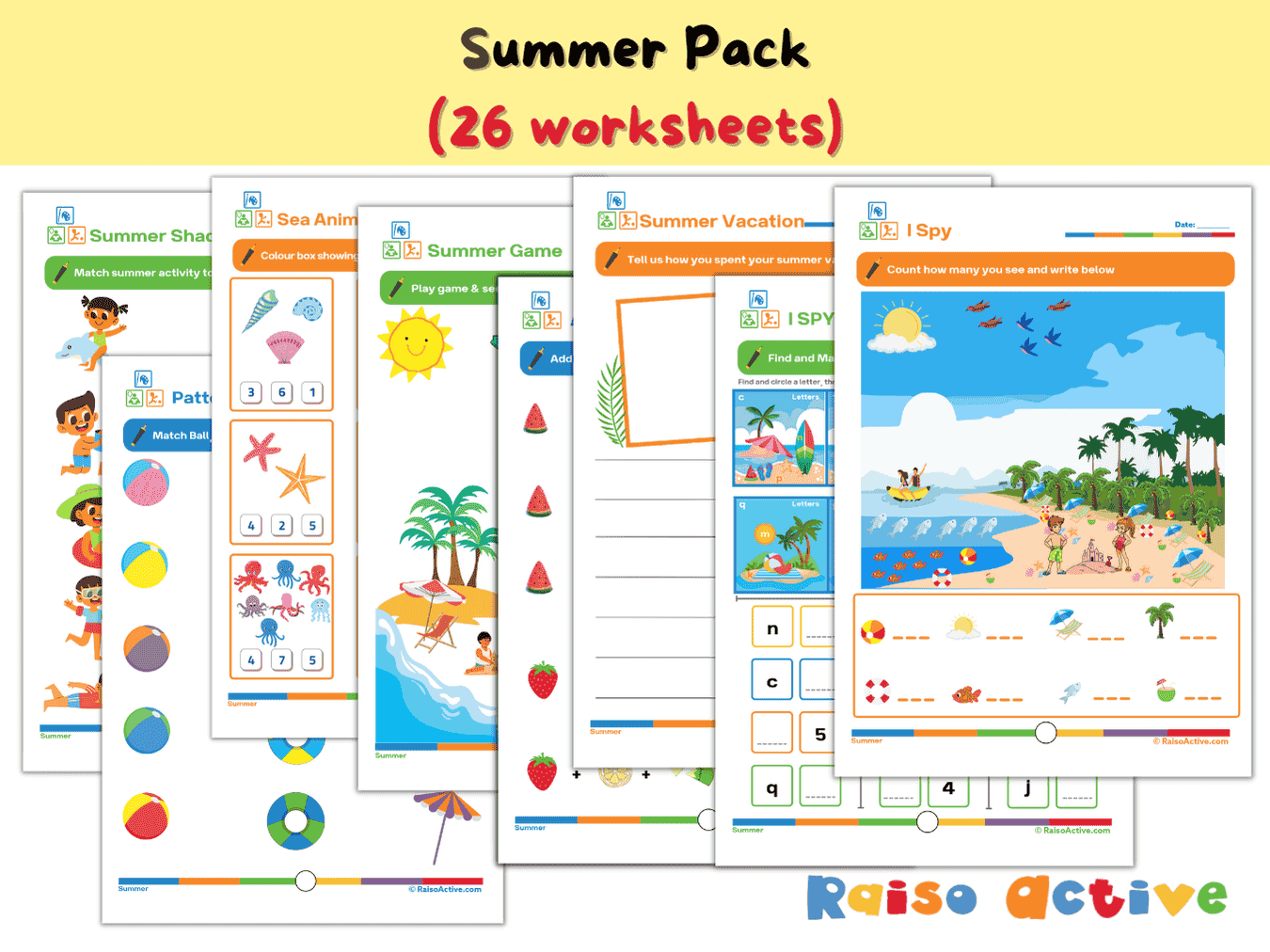
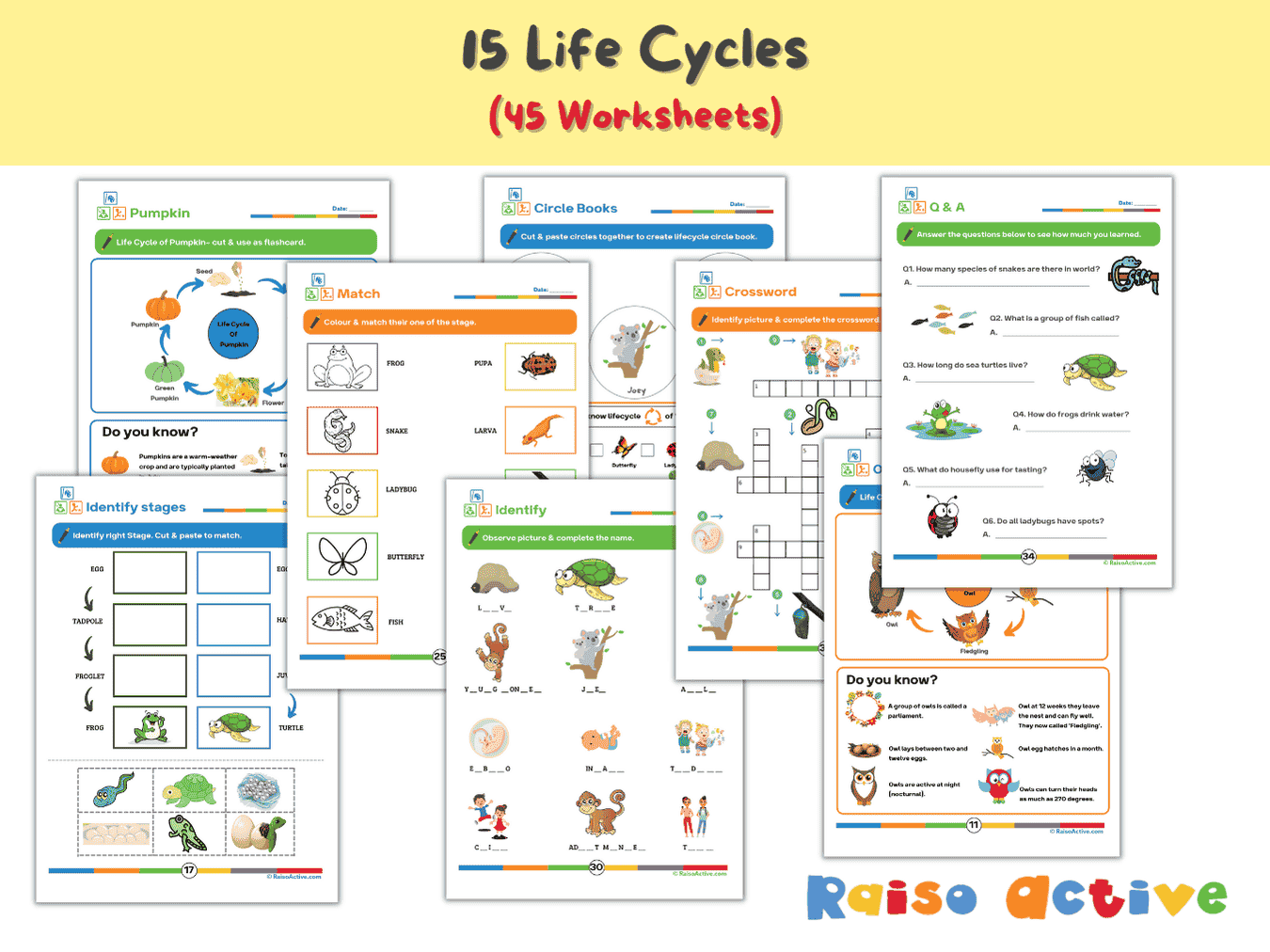
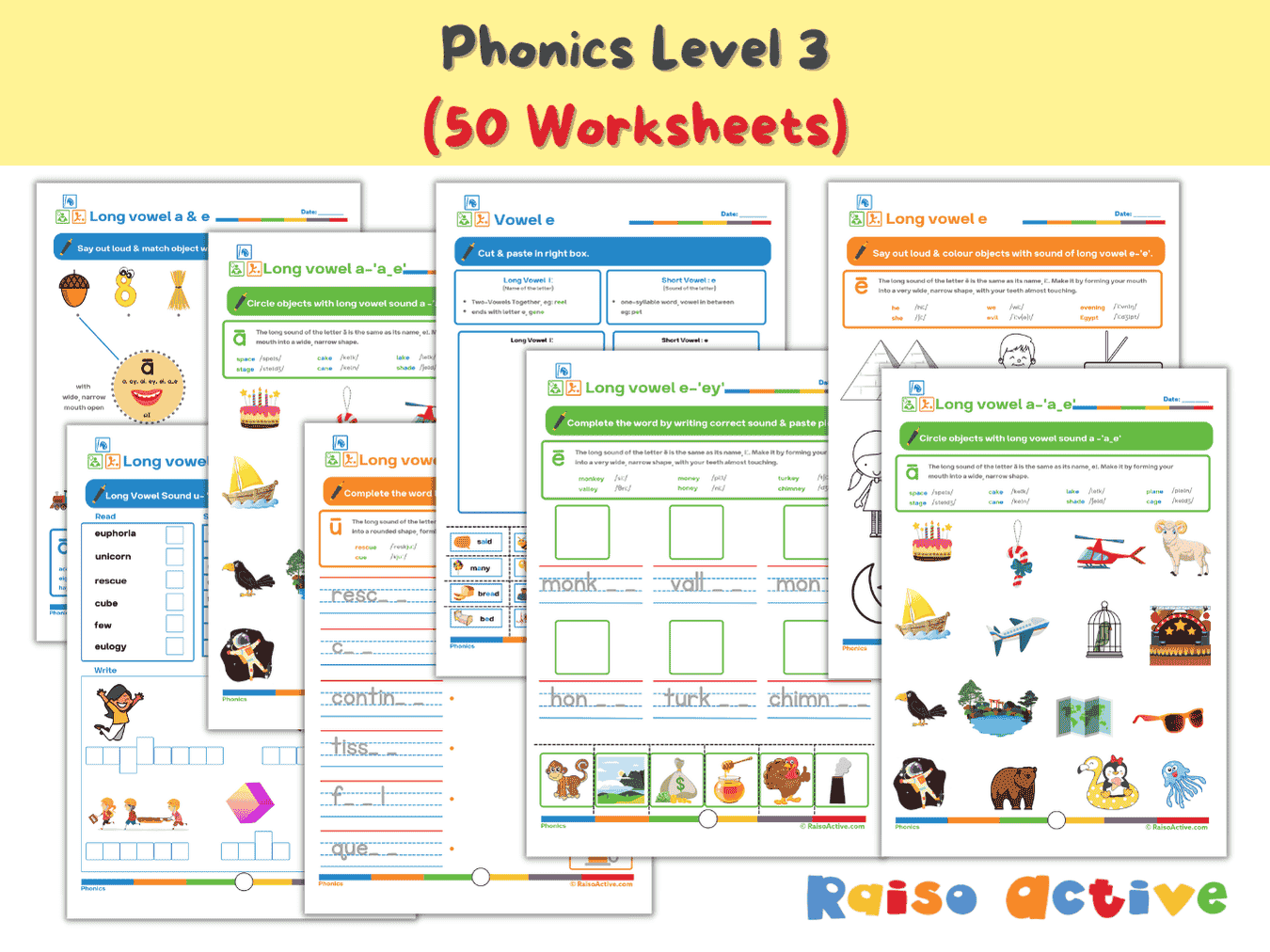
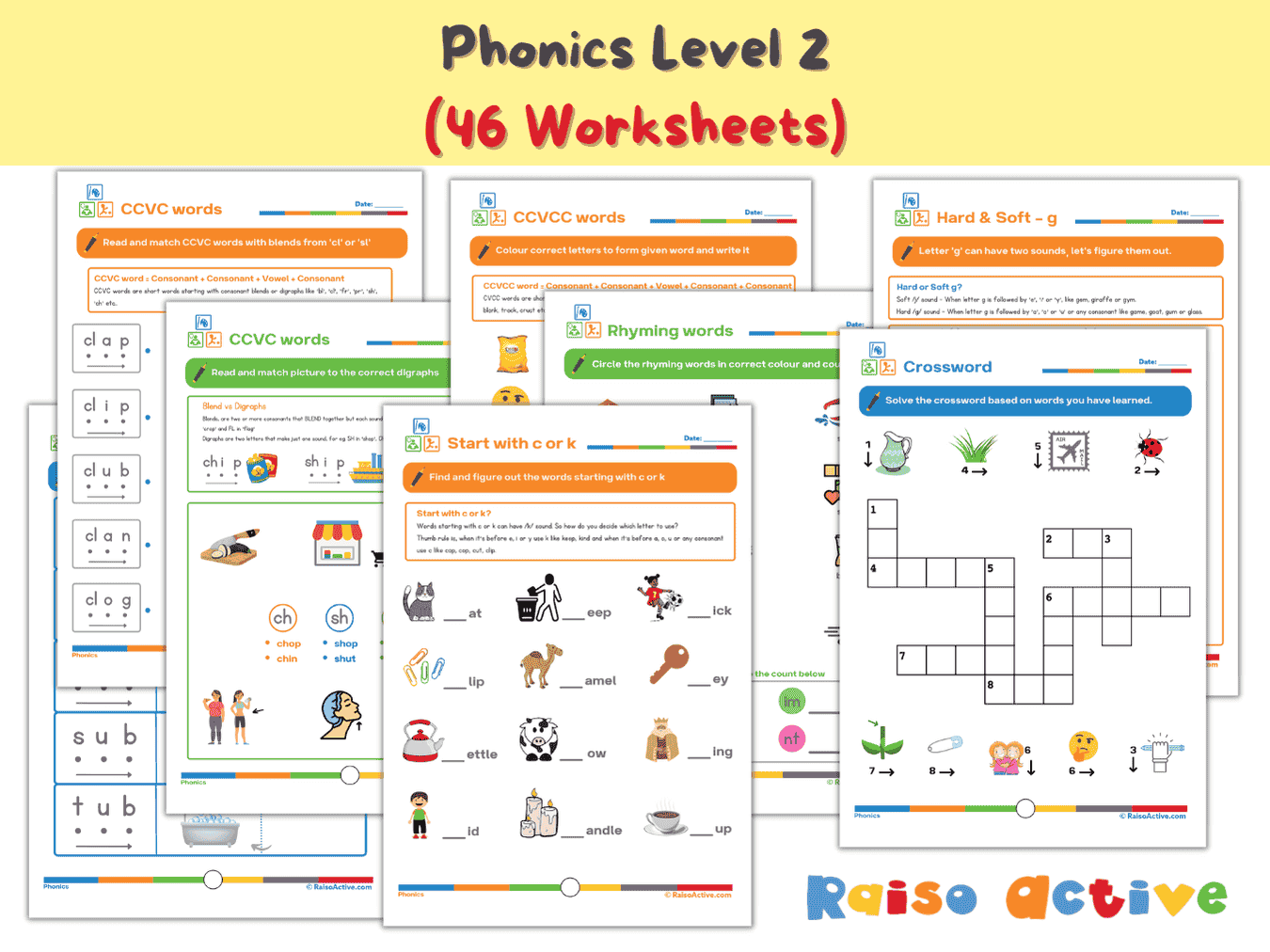
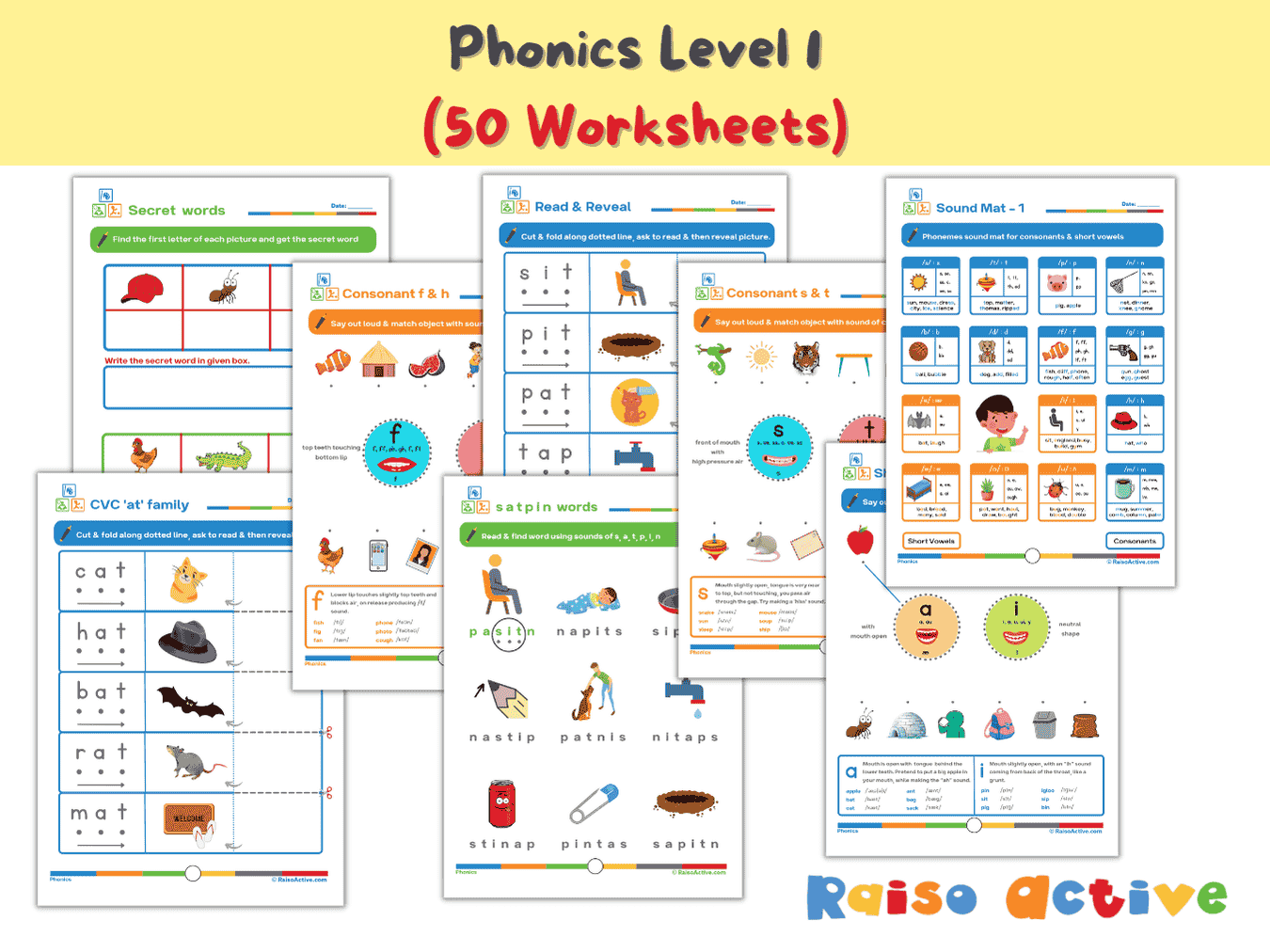
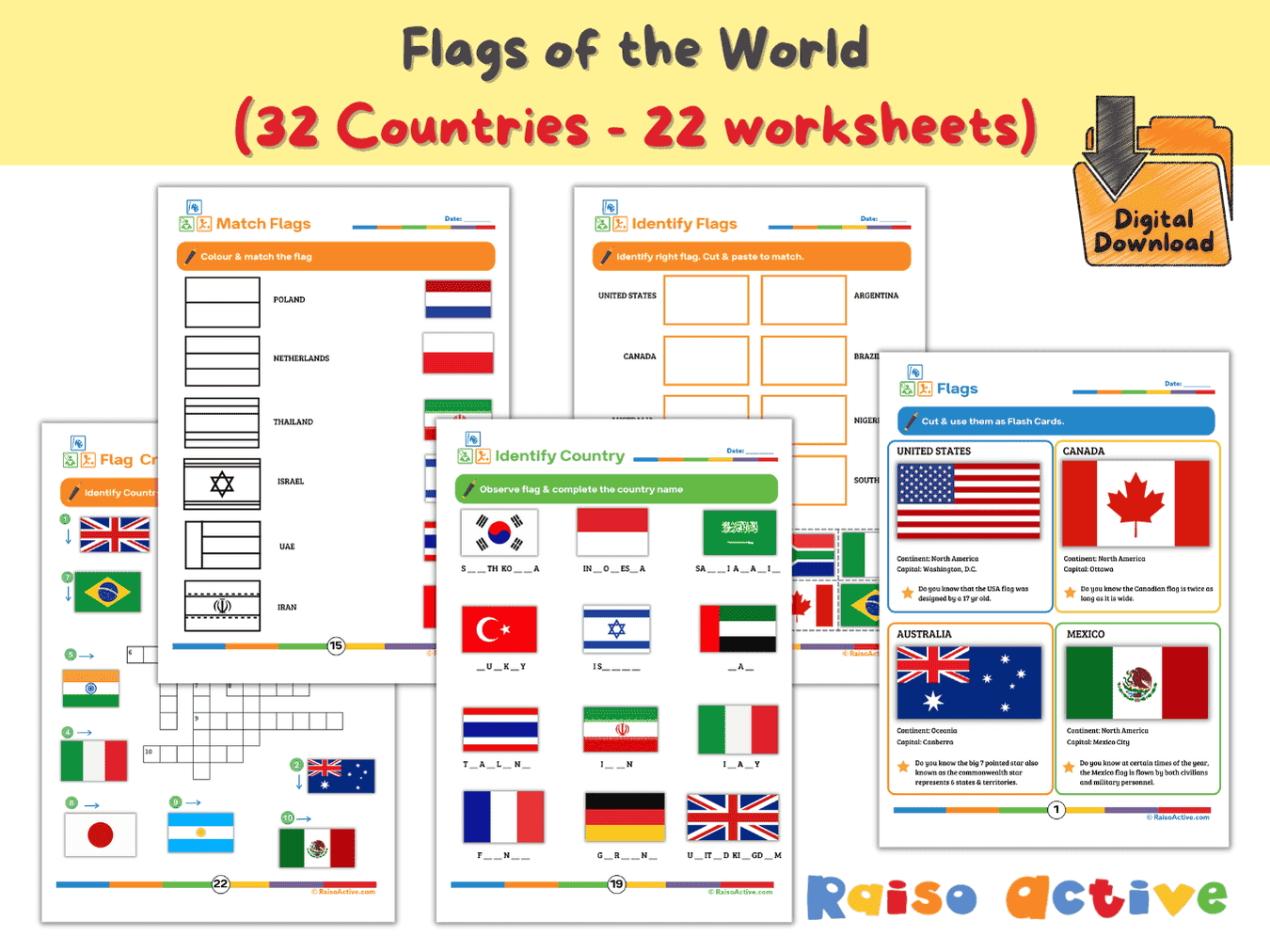
Subscribe to RaisoActive and access hundreds of printable worksheets perfectly matched to popular learning themes — animals, seasons, community helpers, festivals, and more.
All worksheets & activitiesNew content weeklyDownload unlimited times
Subscribe NowFrequently Asked Questions
How long should a themed learning unit last for a preschooler?
1–2 weeks is the sweet spot for most preschoolers. Younger children (ages 2–3) do well with just 3–5 days on a topic. Older preschoolers and kindergartners can sustain interest for 2 weeks, especially if you introduce new activities and books throughout. Watch your child's cues — when interest drops, it's time to move on.
Do I need to teach every subject within a theme?
Not at all. A good themed unit touches 3–4 subject areas naturally, but you don't need to force all six. If your Insects theme doesn't naturally lend itself to a Maths activity that week, skip it. The goal is **meaningful integration**, not a rigid checklist.
Can I do themed learning if my child is in school full-time?
Absolutely. A "home theme" running alongside school works beautifully — you simply do theme-related activities after school or on weekends. Even 20–30 minutes of theme exploration each evening creates rich learning. Choose themes that complement or extend what's happening at school for even more benefit.
What if my child loses interest halfway through the theme?
That's perfectly normal. Either introduce a new angle on the theme (a fresh book, a surprise activity, a field trip idea), or simply move on. Themed learning should follow the child's energy, not override it. You can always revisit a theme later when interest naturally returns.
Are there good Indian-made resources for themed learning?
Yes! Pratham Books has wonderful Indian picture books (many free on StoryWeaver.org.in) across many themes. EkStep, Diksha, and NCERT's e-Pathshala have curriculum-aligned resources. RaisoActive's printable worksheets are designed with Indian children in mind and work perfectly as theme components.
How do I assess what my child learned from a theme unit?
For young children, assessment is best done through **observation and conversation**. Ask open-ended questions: "What was the most surprising thing you learned?" "Can you show me how a caterpillar becomes a butterfly?" Look at the work they created, listen to how they talk about the topic, and watch what they choose to revisit independently. These are all powerful indicators of deep learning.