Parenting & Homeschool, Cognitive Skills
How to Plan Learning Activities for Different Learning Styles: A Comprehensive Guide for Parents and Educators
Author
RaisoActive - Kids Activities and Fun Learning
Date Published
Reading Time
13 min read

In This Article5 min read
- The VARK model identifies four learning preferences — Visual, Auditory, Reading/Writing, and Kinesthetic — but these are tendencies, not fixed labels that define a child forever
- Learning style theory has important caveats: most children benefit from multi-modal activities rather than being taught exclusively through one channel
- Observing your child during play and everyday activities is the best way to understand their current learning preferences
- India has rich oral storytelling and art traditions that naturally support auditory and visual learners — these are powerful resources already in your home
- Adapting existing worksheets and activities to suit different preferences is simpler than it sounds — small tweaks make a big difference
Why Does Your Child Learn Differently From the Child Next Door?
You have probably noticed it already. Your neighbour's daughter sits quietly with a colouring sheet for thirty minutes and produces something beautiful. Your own son, the same age, cannot hold a pencil for more than two minutes before he is off building a tower or acting out a story with his toy animals. Both children are bright. Both are curious. But they engage with the world — and with learning — in noticeably different ways.
This is not a problem to be fixed. It is a feature of human development. Children arrive in the world with different neural wiring, different temperaments, and different early experiences that shape how they take in and process information. Understanding these differences — and planning activities that speak to them — is one of the most practical things a parent or educator can do to support a young child's learning.
This guide introduces the VARK model (Visual, Auditory, Reading/Writing, Kinesthetic) as a useful framework for thinking about learning preferences, explains the important caveats about what learning style theory can and cannot tell us, and offers concrete activity ideas for each preference style. We will also look at how India's rich cultural traditions already support several of these styles, how to adapt the activities and worksheets you already have, and how frameworks like Montessori and Charlotte Mason approach the question of individual learning styles.
Want activity ideas tailored to your child in your inbox?
Subscribe to the RaisoActive newsletter for weekly printable worksheets, multi-sensory activity ideas, and early learning tips designed for Indian families.
Understanding the VARK Model: A Framework, Not a Box
The VARK model, developed by Neil Fleming in 1987, organises learning preferences into four broad categories: Visual (learning through images, diagrams, and spatial understanding), Auditory (learning through listening and speaking), Reading/Writing (learning through written text and note-making), and Kinesthetic (learning through hands-on experience, movement, and doing). The model is widely used in education because it gives educators and parents a shared vocabulary for talking about how different children engage with information.
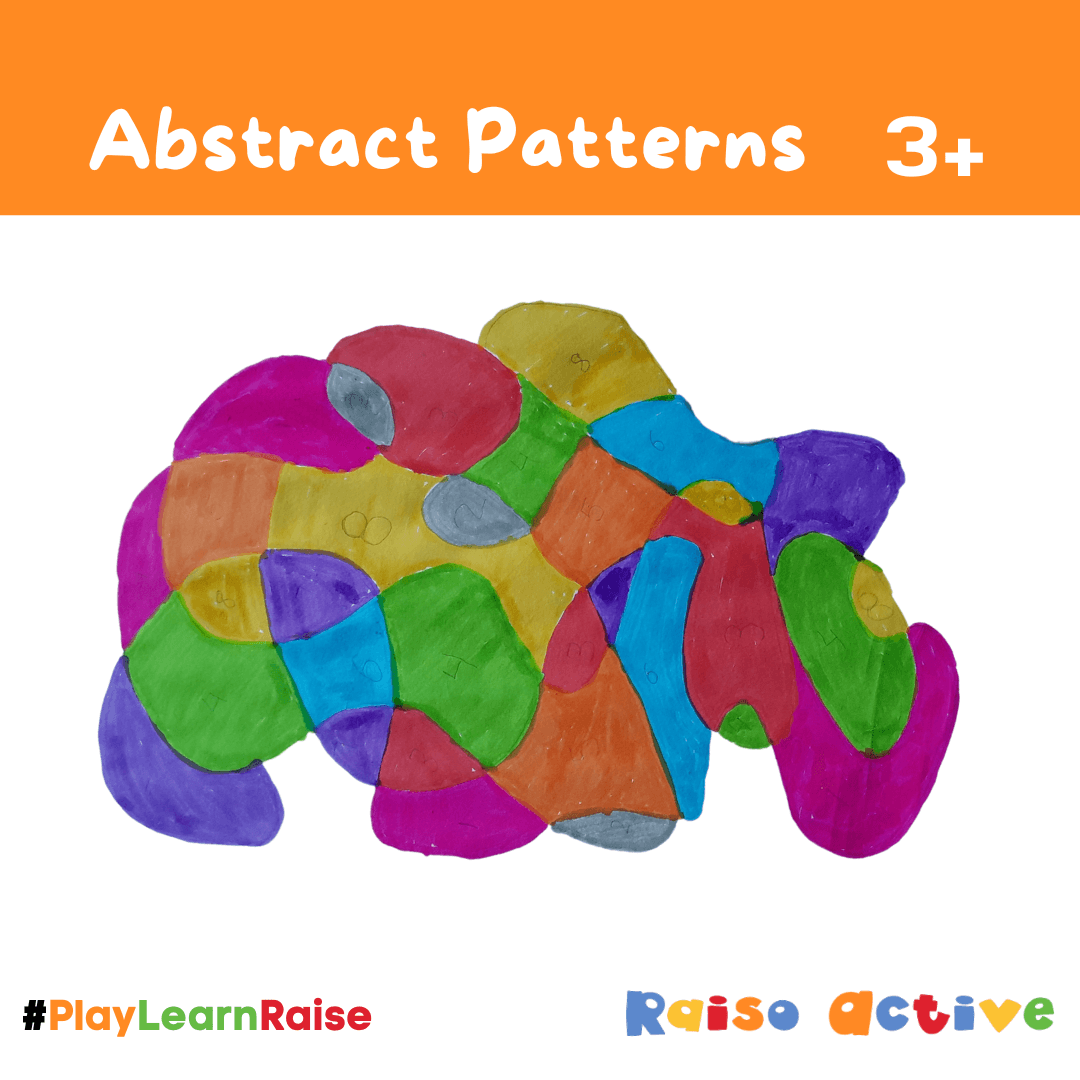
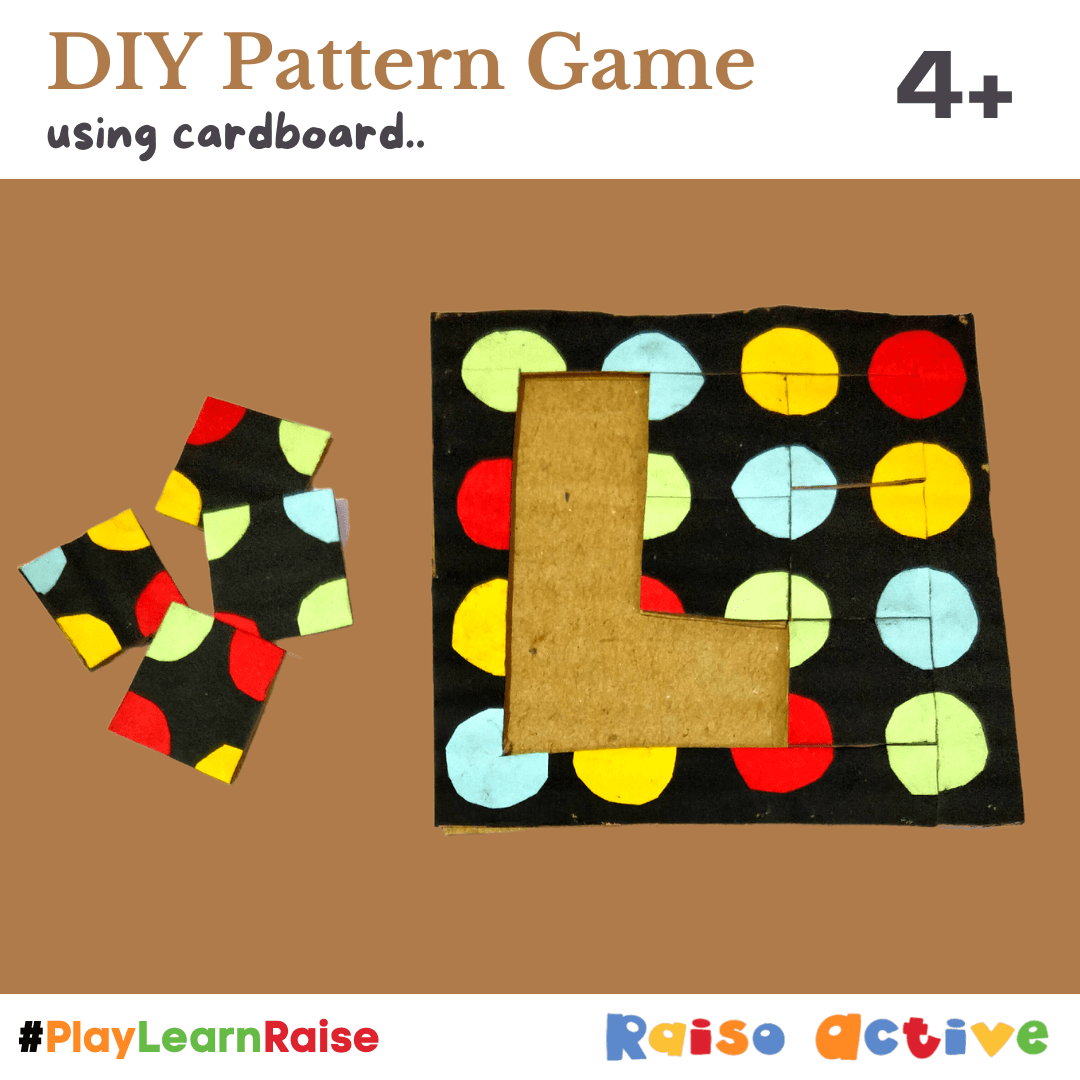
Visual learners tend to think in pictures. They often have strong spatial awareness, enjoy drawing and colouring, notice patterns and colours quickly, and may find it easier to remember information when it is presented as a diagram, chart, or colour-coded list. A visual child will often gravitate towards puzzles, art materials, and picture books.
Auditory learners process information most effectively when they hear it. They often love stories, songs, and conversations. They may talk to themselves while working, enjoy explaining what they know out loud, and remember songs and rhymes with remarkable ease. An auditory child often shines in group discussions and loves being read aloud to.
Reading/Writing learners have a strong affinity for text. They often enjoy looking at books even before they can read, love making marks and 'writing,' and may prefer written instructions to spoken ones as they grow older. This preference becomes more clearly apparent from age five or six, when children begin engaging more formally with written language.
Kinesthetic learners are the hands-on, do-it-themselves children. They learn through movement, touch, and direct experience. They want to build it, pull it apart, act it out, or feel it before they can understand it. A kinesthetic child may struggle to sit still for long periods but will engage with remarkable focus when given something to physically manipulate.
The Important Caveats: What Learning Style Theory Cannot Tell You
Before we go further, it is essential to address what the research actually says about learning styles — because there is a significant gap between the theory's popularity and its scientific support. Multiple large-scale reviews of the evidence, including a widely cited 2018 review by Rogowsky, Calhoun, and Tallal published in the Journal of Educational Psychology, have found that matching instruction to a child's stated learning style does not reliably improve outcomes. In other words, teaching a 'visual learner' exclusively through pictures does not necessarily help them learn better than a well-designed multi-sensory lesson would.
This does not mean that individual differences in learning preferences are not real — they clearly are. But it does suggest two important things. First, learning preferences are not fixed categories that determine how a child must be taught. They are tendencies and strengths that shift across contexts, ages, and subjects. A child who loves listening to stories may also be deeply engaged by a hands-on clay activity. Second, the most effective approach for most children is multi-modal instruction — activities that engage several senses and modes simultaneously, rather than catering exclusively to one perceived preference.
Use VARK as a lens for observation and variety, not as a rigid classification system. Notice what engages your child most in different moments. Offer diverse types of activities. And remember that the goal is not to sort your child into a category but to keep expanding the richness of their learning experiences.
Key Takeaway
Learning styles are useful as a vocabulary for observation, not as fixed labels for your child.
A child who is strongly kinesthetic at age three may develop a genuine love of reading by age six. A child who seems auditory-dominant may engage deeply with visual art under the right conditions. Treat learning style preferences as dynamic, context-dependent tendencies — and always offer variety rather than restricting your child to one mode.
How to Observe Your Child's Current Learning Preferences
The best information about how your child learns comes not from a questionnaire or a test, but from careful, unhurried observation of your child in natural settings. Here are some specific things to watch for.
During free play: What does your child reach for first when left to choose freely? If it is art materials and construction toys, visual and kinesthetic preferences may be strong. If they immediately begin narrating a story or singing a song, auditory tendencies are likely prominent. If they show early interest in books or love making marks on paper, reading/writing leanings may be emerging.
During a story: How does your child engage when you read aloud? Do they stare at the pictures intensely (visual)? Do they repeat phrases, make sounds, or ask you to re-read the same passage again and again (auditory)? Do they want to 'read' along by pointing to words (reading/writing)? Do they act out scenes with their body or demand props (kinesthetic)?
During a new task: When your child encounters something unfamiliar — a new toy, a new recipe, a new game — do they watch carefully before trying (visual)? Ask you to explain it out loud (auditory)? Try to read any instructions or packaging (reading/writing)? Grab it immediately and start experimenting (kinesthetic)?
When they are struggling: What does your child do when they cannot get something right? A visual child may want to see you demonstrate it. An auditory child may need to talk through the problem out loud. A kinesthetic child may need to physically try again with a slight variation. A reading/writing child may benefit from having steps written down.
👋Keep a Simple Observation Journal
- Spend one week noting how your child engages with different types of activities — what holds their attention longest, and what they resist
- Look for patterns across different contexts: play, mealtimes, outings, and structured activities
- Note what your child talks about most enthusiastically after an experience — this often reveals their dominant processing mode
- Share your observations with your child's teacher so they can watch for similar patterns in the classroom
- Revisit your notes every few months — preferences shift as children grow and encounter new experiences
Activity Ideas for Each Learning Style Preference
The following activity ideas are organised by learning style preference. Remember that the goal is not to restrict your child to activities that match only one style, but to ensure you are offering enough variety that children with different preferences all find entry points into learning. Most activities can be adapted for multiple styles with simple tweaks.
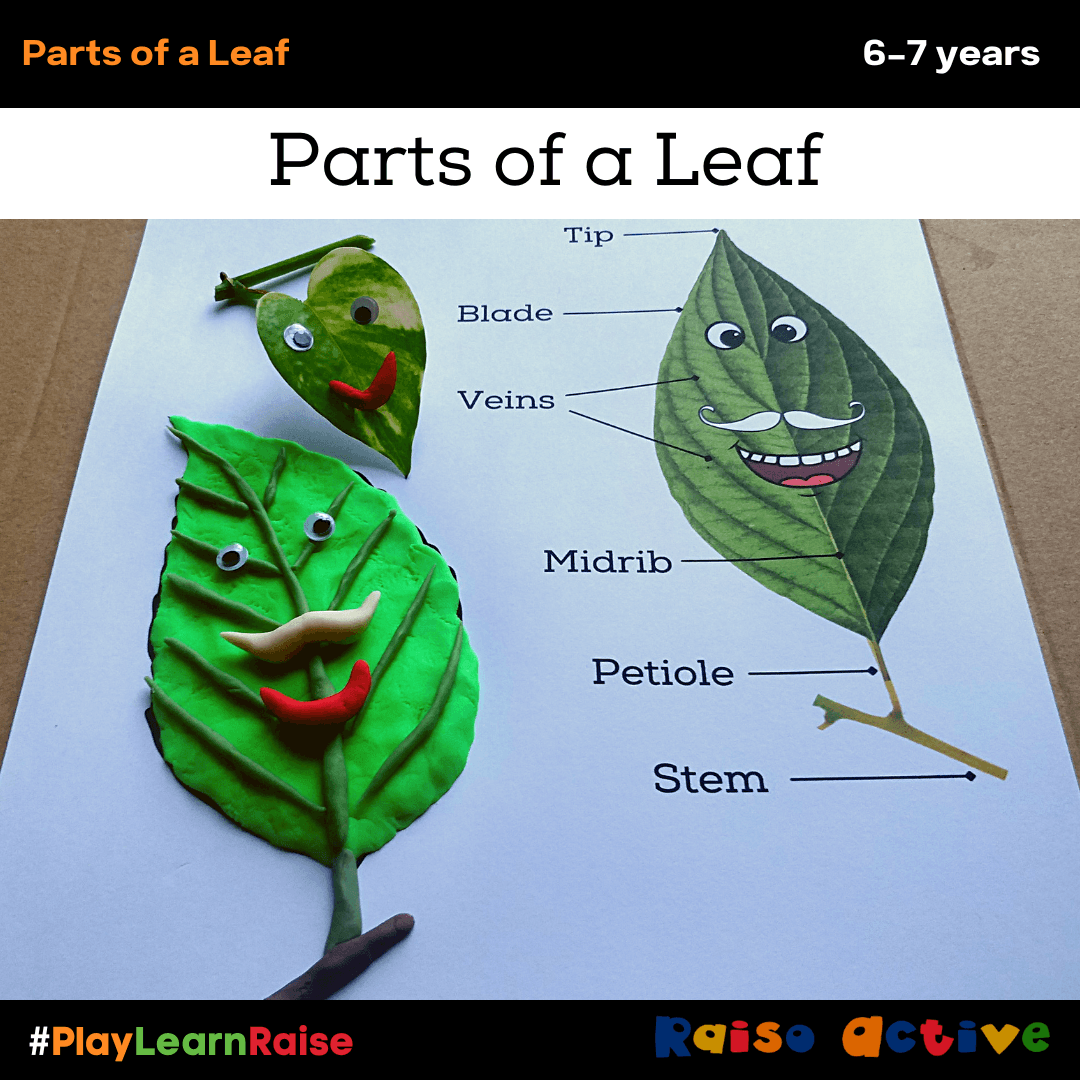
For Visual Learners: Provide rich visual input — colourful picture books, illustrated maps, art materials, colour-coded sorting activities. Try activities like: creating a visual story using drawings instead of words; sorting objects by colour, shape, or size into labelled trays; making a pictorial 'schedule' for the day using drawings; building a nature poster by collecting and pasting leaves, flowers, and seeds. Colour-coding is a particularly powerful tool — use different colours for different categories of information, or invite your child to assign their own colour system to concepts they are learning.
For Auditory Learners: Lean into India's extraordinarily rich oral tradition. Read aloud every day — not just at bedtime, but throughout the day. Use rhymes, songs, and chants to teach concepts: counting rhymes, alphabet songs, rhyming tongue-twisters. Ask your child to narrate back what they have learned ('Tell me about the story in your own words'). Play memory games through call-and-response. Share folk tales and family stories. Classical Indian music, regional folk songs, and even film songs with educational lyrics are all powerful auditory learning tools that are completely native to the Indian home.
For Reading/Writing Learners: Even before formal literacy, many children show a strong pull toward text — they want to make marks, copy letters, and interact with print. Feed this interest with: simple letter-tracing and word-forming activities; labelling drawings with dictated words (you write while they dictate); maintaining a simple 'learning journal' where the child draws and you add written captions; providing alphabet stamps, magnetic letters, or chalk for free exploration of print.
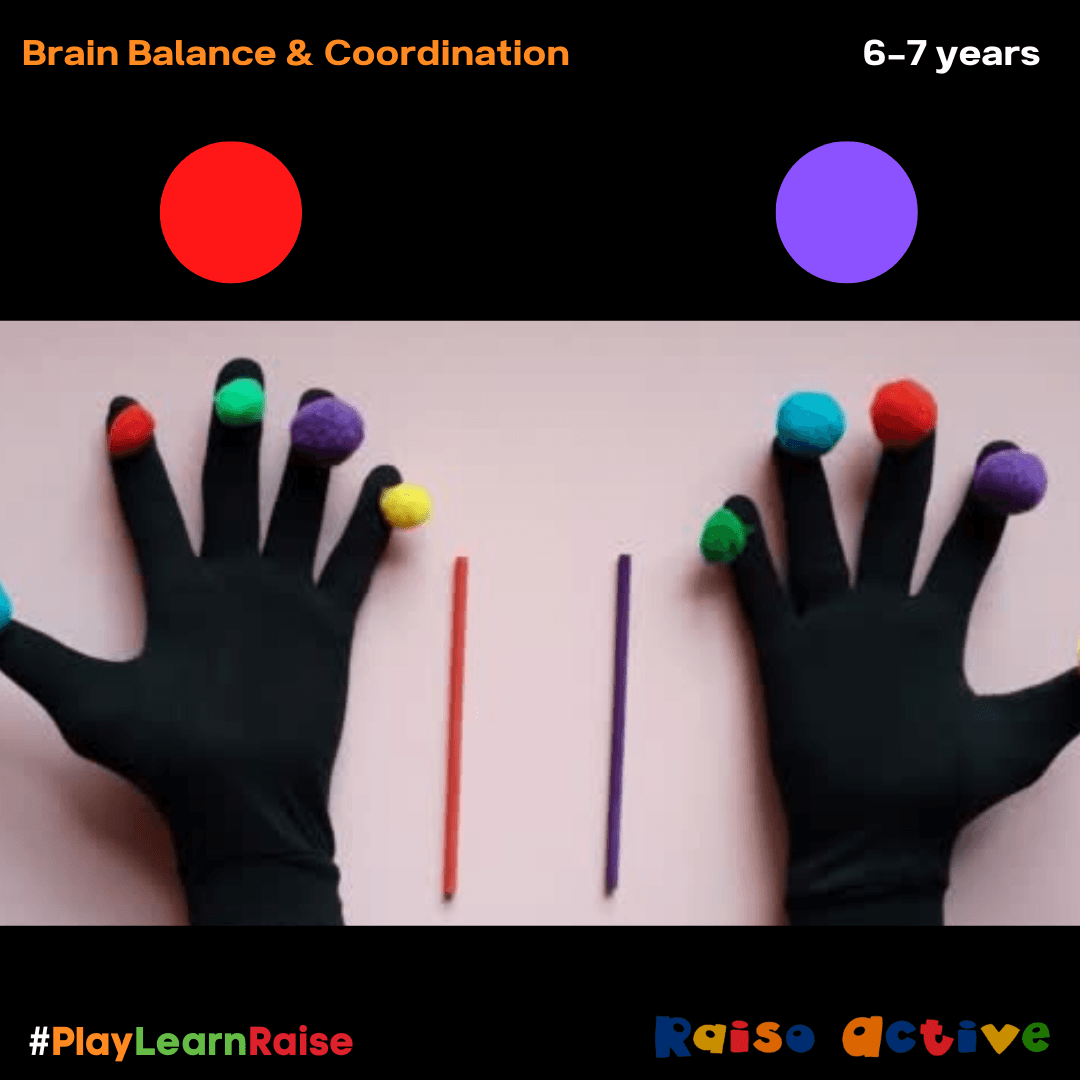
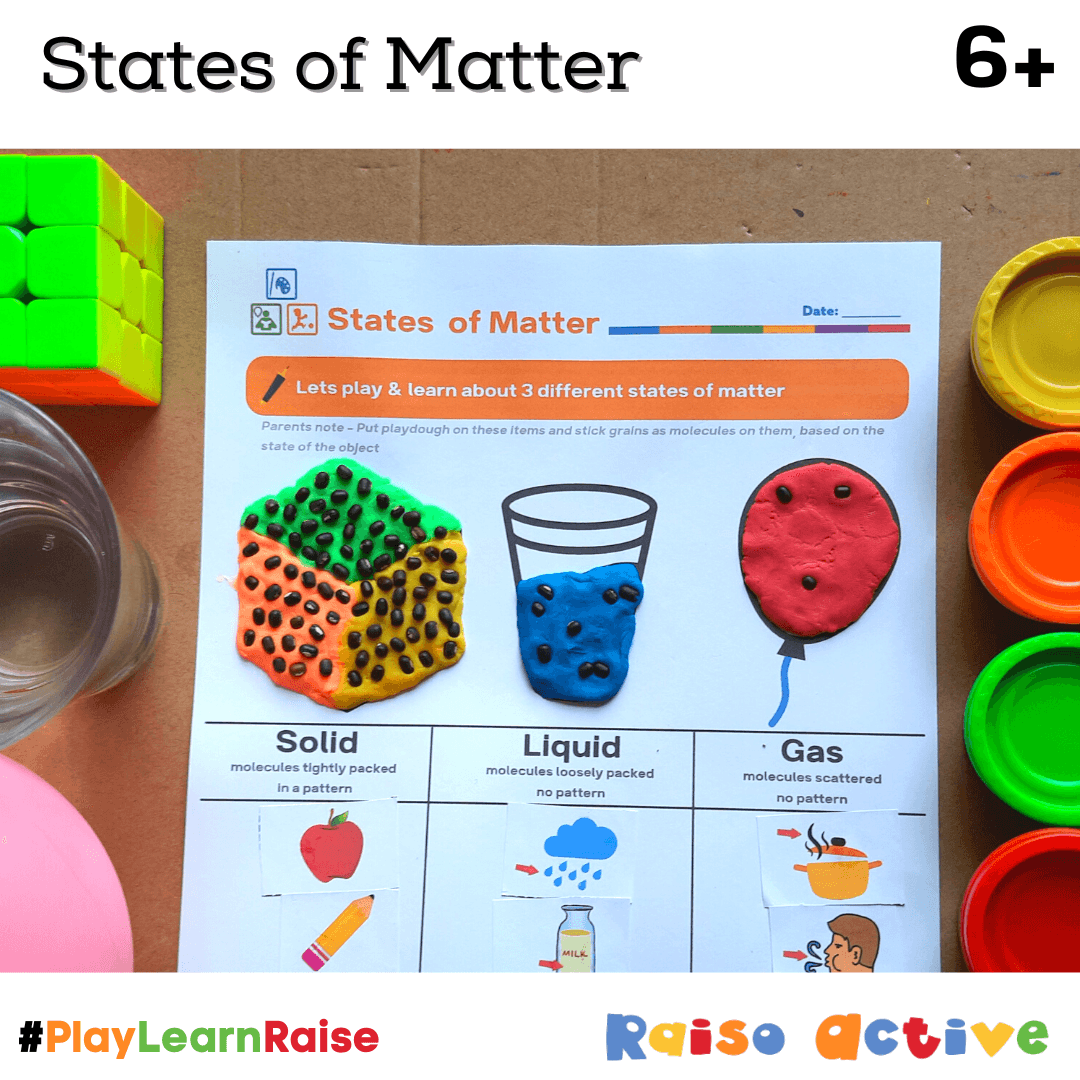
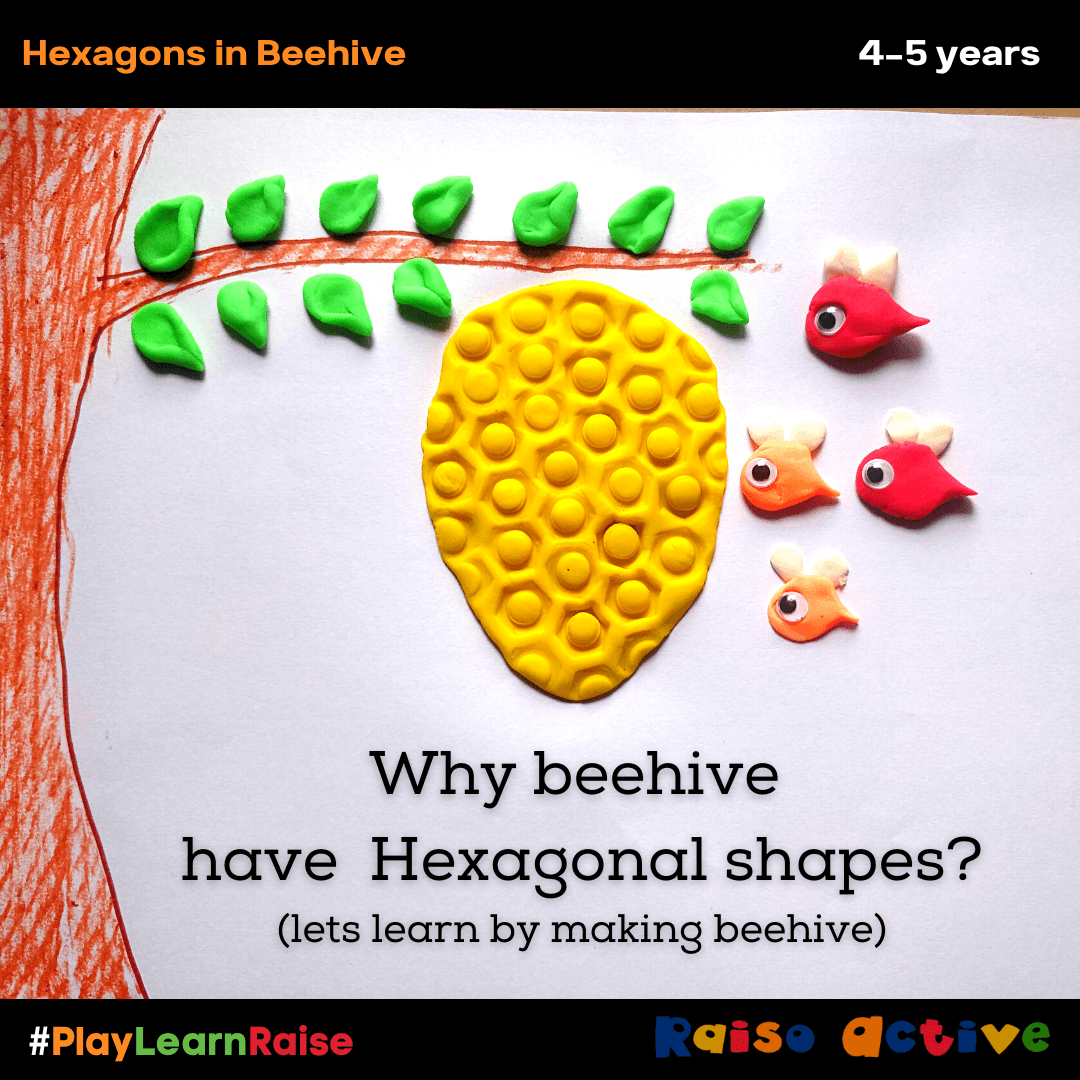
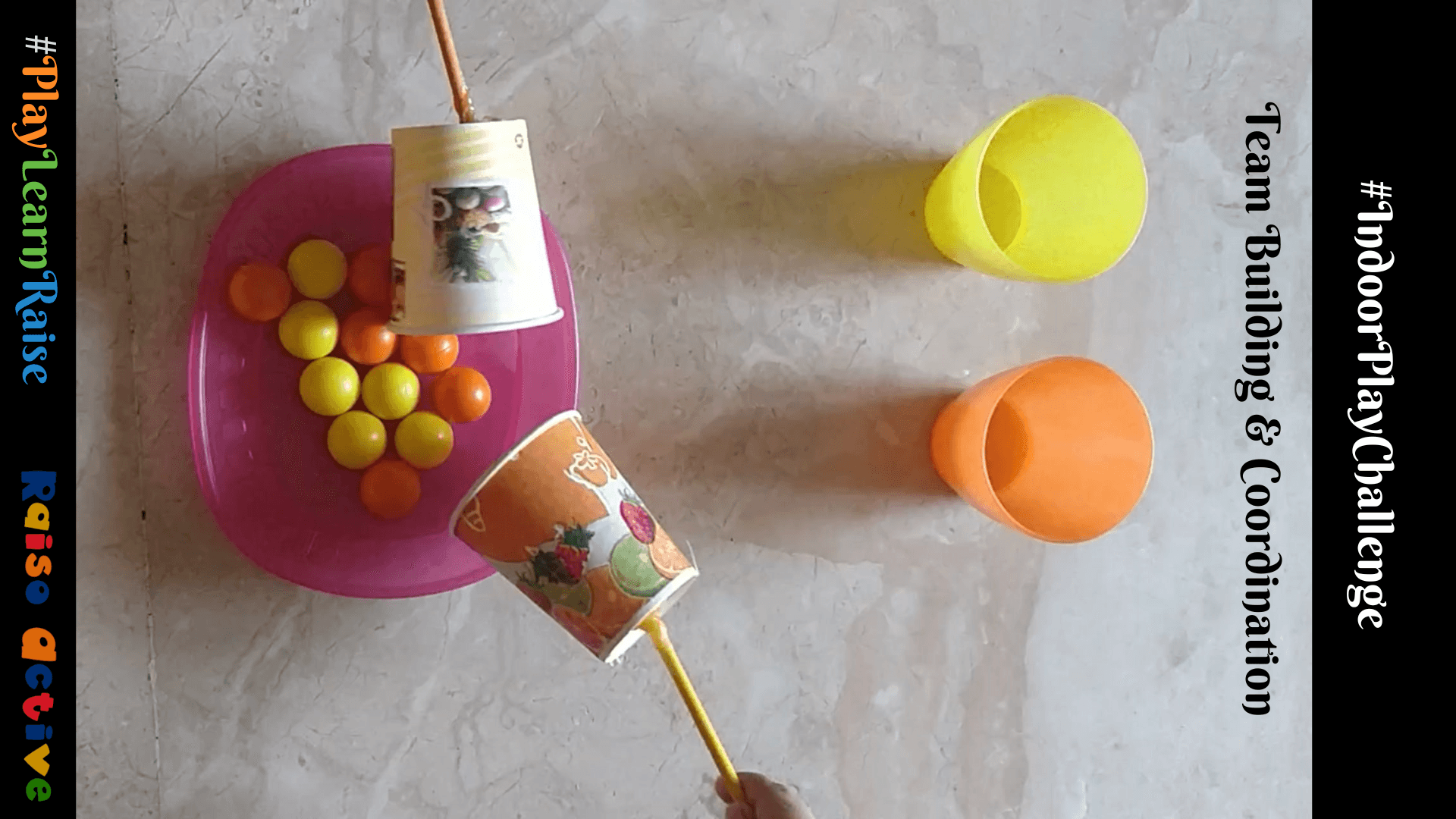
For Kinesthetic Learners: These children learn by doing, and the key is to build movement and manipulation into as many activities as possible. Try: number activities using physical objects — pebbles, lentils, seeds, or small blocks; letter formation using sand trays, clay, or finger painting; acting out stories with costumes or puppets; science explorations with water, mud, and natural materials; gross motor games that incorporate academic concepts (hop three times, jump five times). Even a worksheet can become more kinesthetic — provide playdough for a child to form the answers in three dimensions first, then transfer to paper.
Key Takeaway
Multi-modal activities are the most inclusive approach — and they benefit all children, not just those with mixed preferences.
When you teach a concept through singing a rhyme (auditory), drawing a picture (visual), acting it out (kinesthetic), and then writing it down (reading/writing), you create multiple memory pathways for the same information. This multi-modal approach means no child is left out, and all children develop greater flexibility in how they access and use knowledge.
The Indian Context: Cultural Traditions as Learning Style Strengths
India's extraordinary cultural diversity is, among other things, a profound educational resource. Many traditions that are deeply embedded in Indian family and community life are also deeply effective multi-modal learning experiences — and understanding this can help parents see the educational value in what they might otherwise consider 'just culture.'
Oral storytelling traditions — found across every region of India, from the Panchatantra to regional folk tales to grandparent stories told during evening hours — are extraordinarily rich auditory learning experiences. A grandmother telling a child the story of Tenali Raman or a grandfather recounting a Ramayana episode is providing narrative structure, vocabulary development, moral reasoning, and memory practice all at once. This is not just culture preservation; it is powerful early childhood education.
Festival traditions are often profoundly visual and kinesthetic. Making rangoli for Diwali, creating Ganesha clay idols for Ganesh Chaturthi, decorating for Onam — these activities develop spatial reasoning, fine motor skills, pattern recognition, colour awareness, and creative thinking. Involving children in these preparations, even in small ways appropriate to their age, is a rich multi-sensory learning experience that requires no additional planning.
Music and movement traditions — classical dance forms, devotional singing, folk music — engage auditory, kinesthetic, and even visual learning simultaneously. Even casual exposure to classical ragas or regional folk songs builds auditory discrimination, a skill that directly supports language development and phonological awareness.
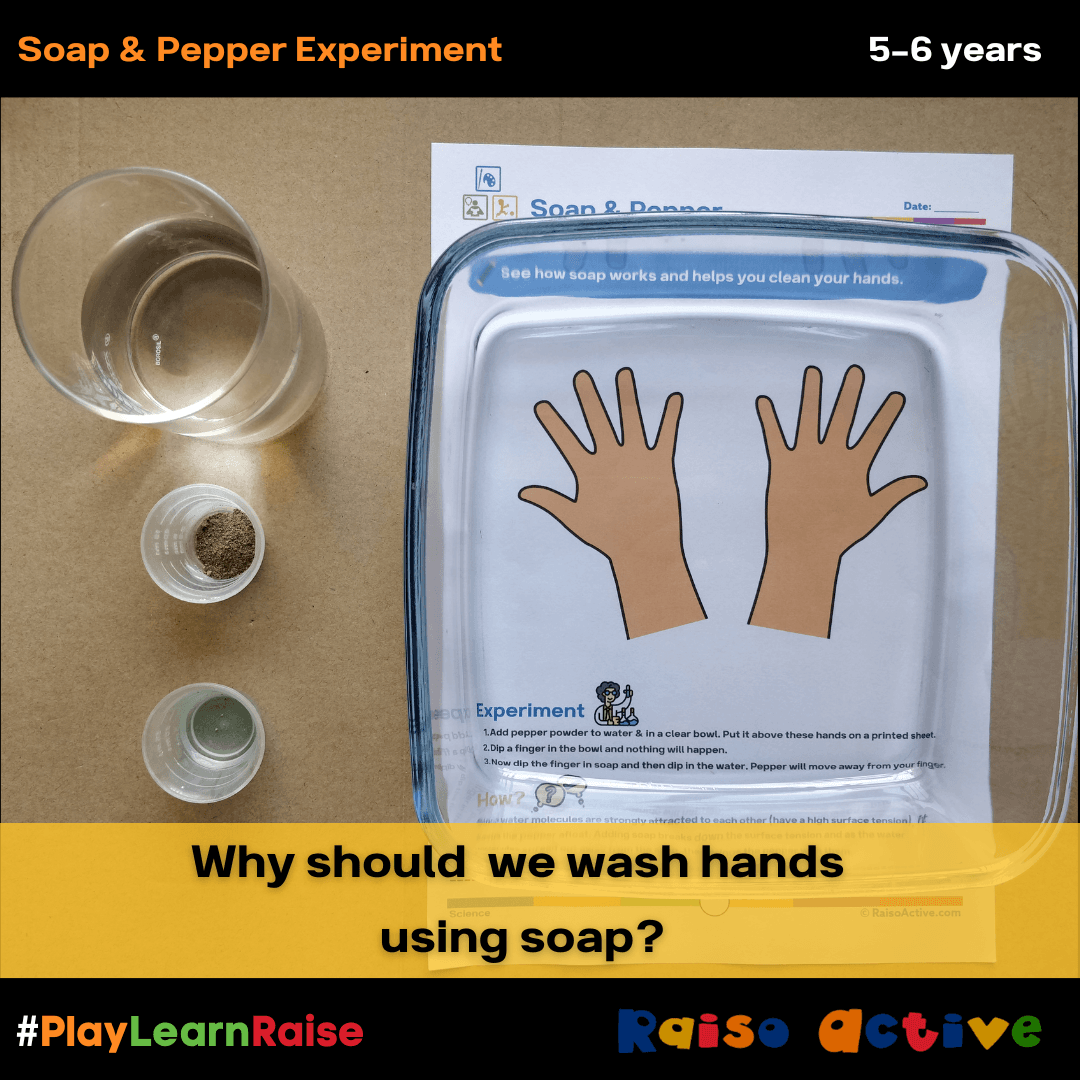
Cooking and household activities are among the most potent kinesthetic learning experiences available. Measuring spices, counting vegetables, stirring batter, rolling rotis — these everyday activities teach numeracy, measurement, cause-and-effect, and procedural thinking through direct physical experience. Children who are invited to participate in cooking (with age-appropriate tasks) are learning maths and science through their fingertips.
70%
of early learning is retained through hands-on, multi-sensory experience compared to approximately 10% through passive listening alone — a finding consistent across multiple learning science studies and directly relevant to how we design activities for young children.
Source: National Training Laboratories, Learning Pyramid
How to Adapt Existing Worksheets for Different Learning Preferences
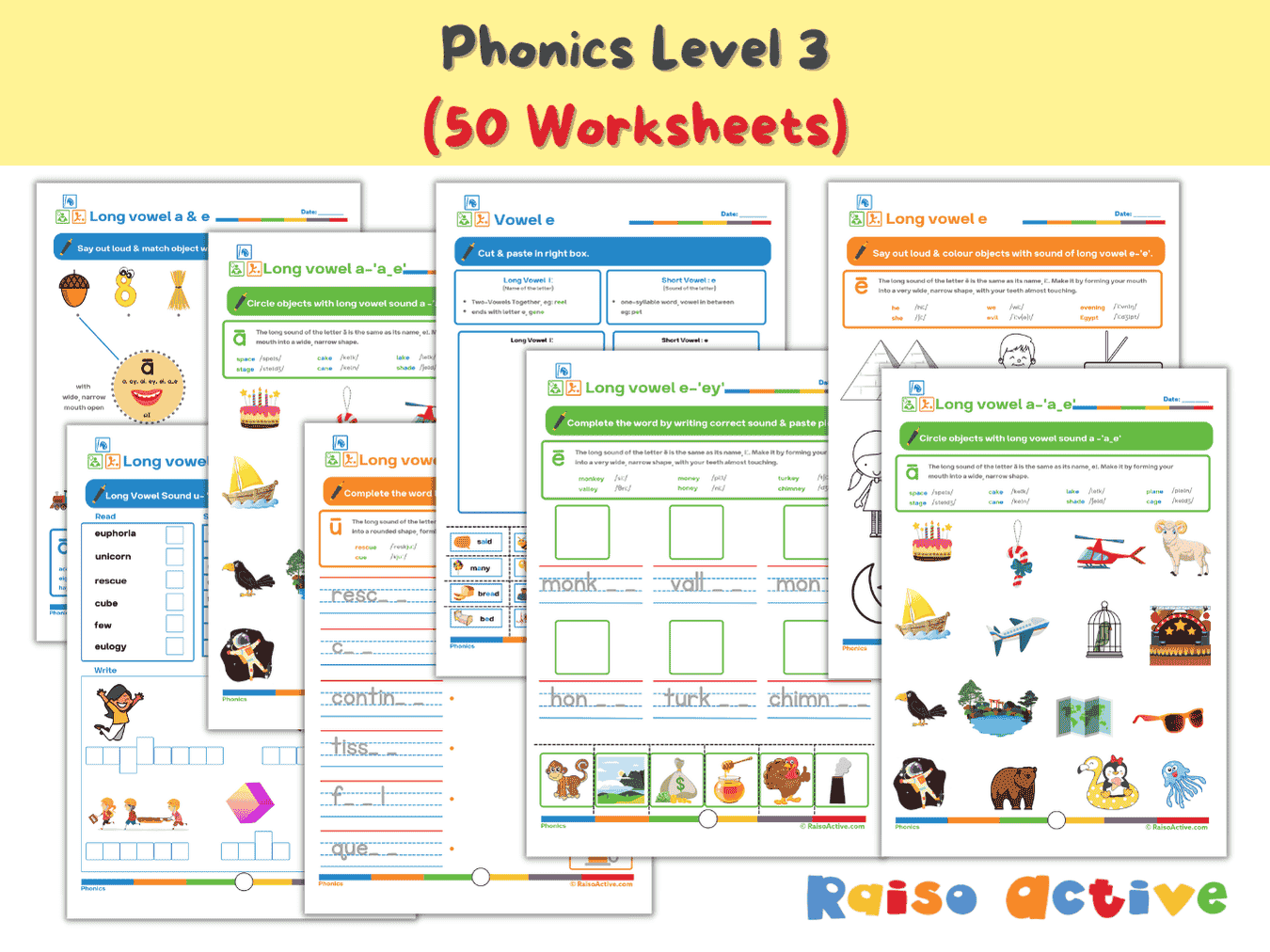
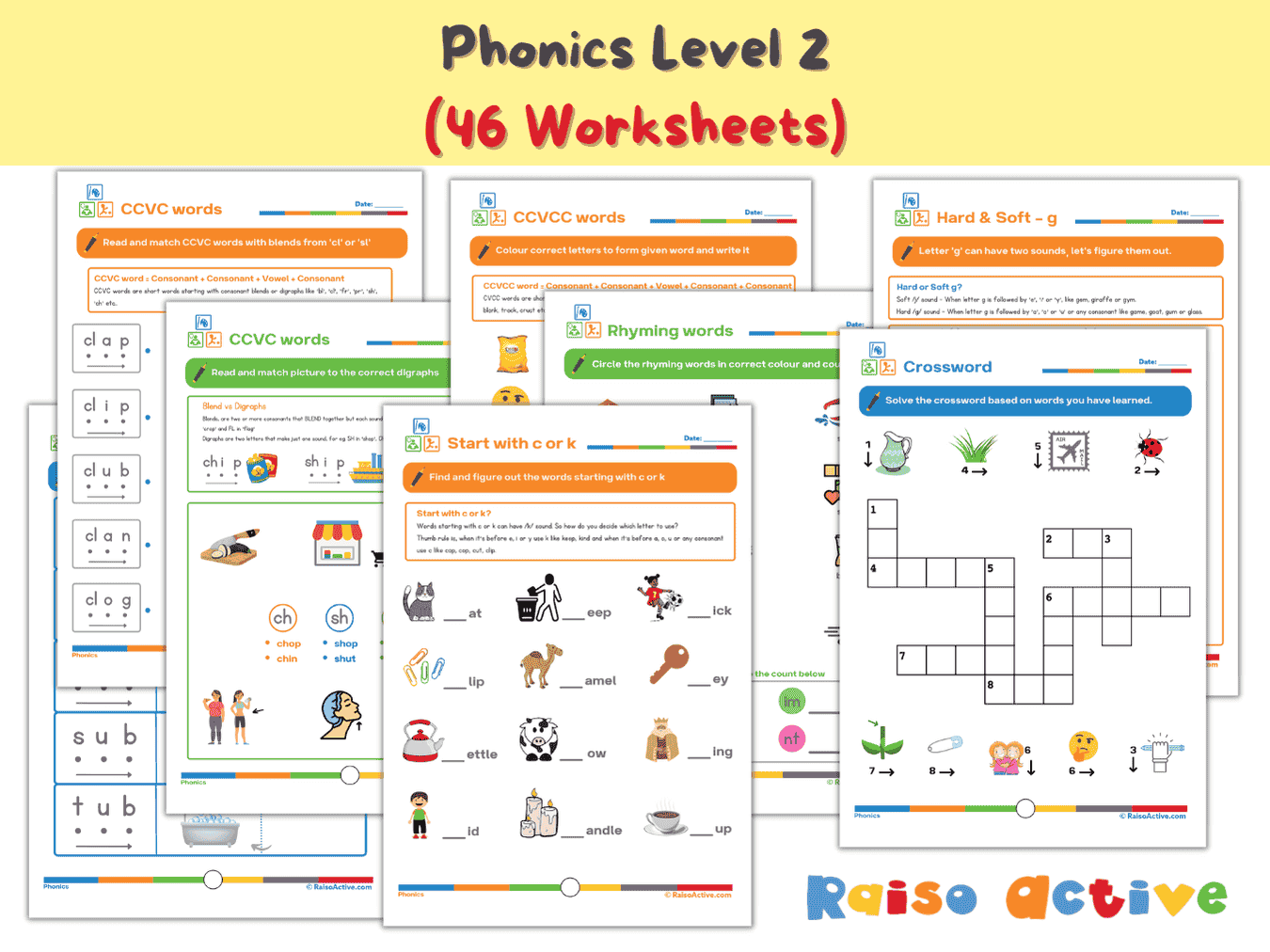
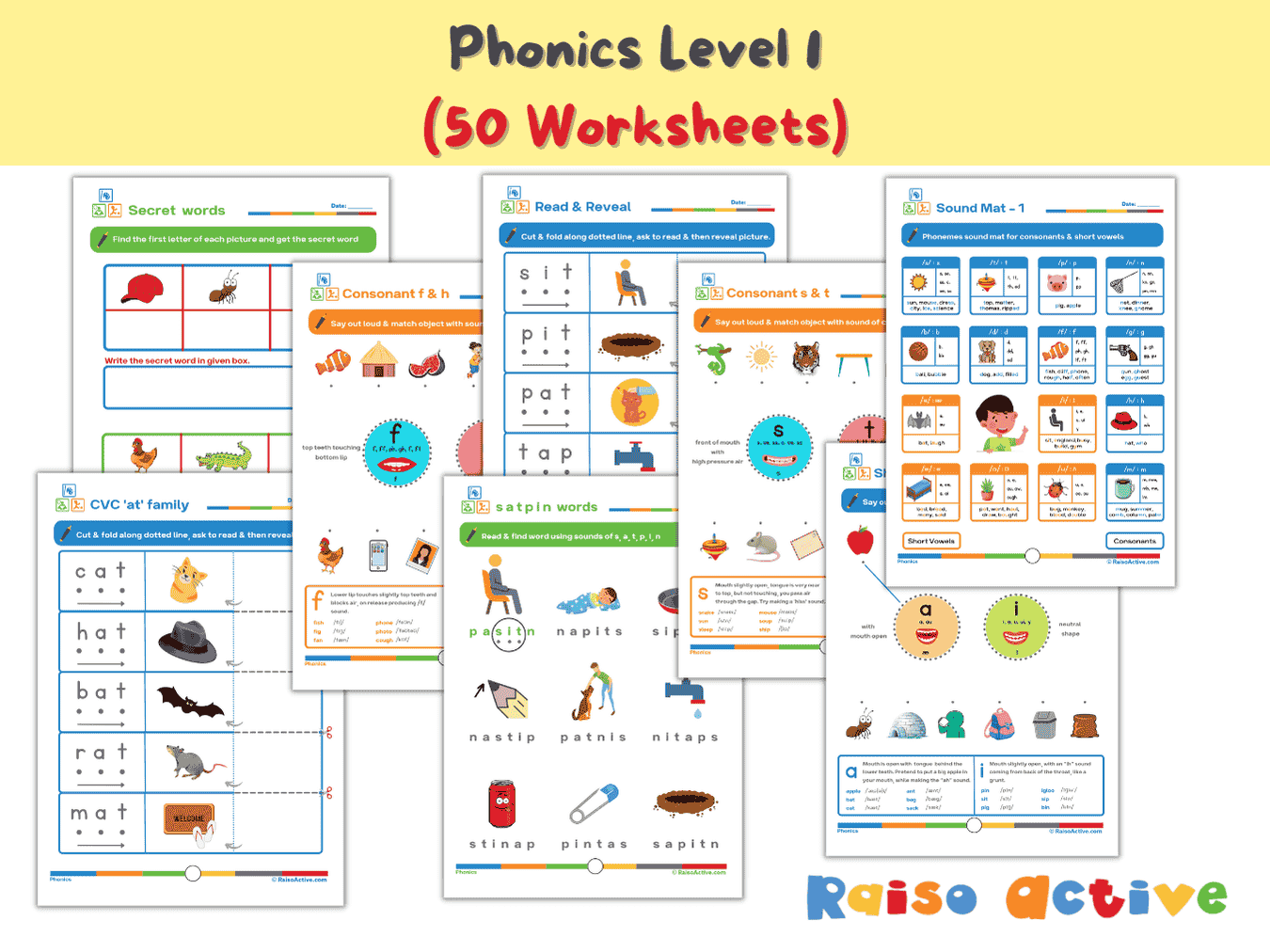
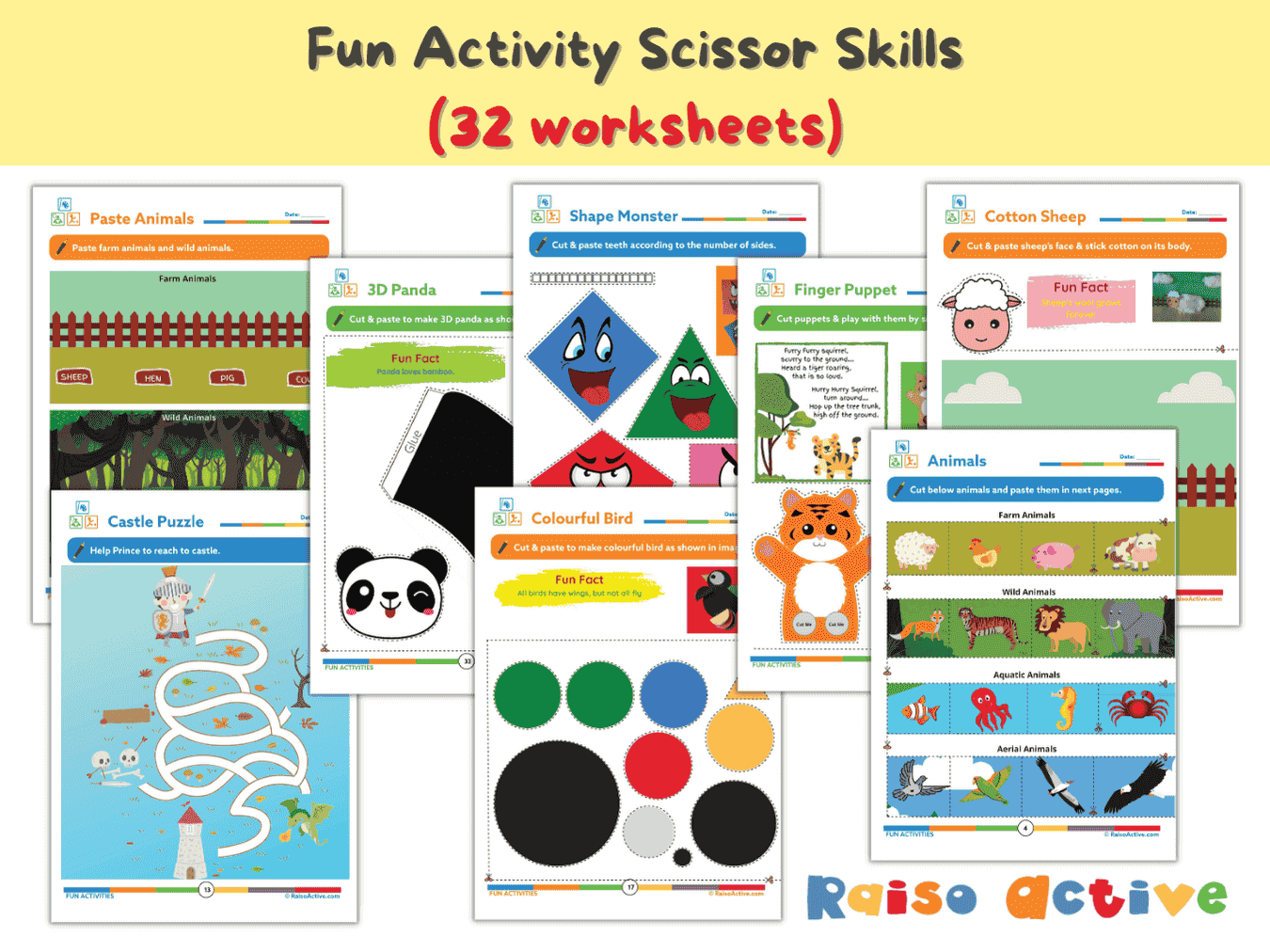
You do not need to throw out your existing worksheets or buy entirely new materials to accommodate different learning styles. With a few simple adaptations, most printed activities can be made more accessible and engaging for children with different preferences.
For visual learners: Before presenting a worksheet, use a visual preview — draw a quick diagram or mind map of what the activity is about. Invite your child to colour-code their responses (use a red crayon for one category, blue for another). Add stickers or visual markers to break the page into sections. If the worksheet is text-heavy, add simple sketches to accompany any written instructions.
For auditory learners: Read the worksheet instructions aloud, even if your child can read them independently. After each section, ask your child to narrate what they did and why. Introduce the worksheet's topic through a short song or rhyme first. Allow the child to say their answers out loud before writing them down. Pair worksheet time with quiet background music if the child finds it soothing.
For kinesthetic learners: Before sitting down with the worksheet, do a physical warm-up activity related to the topic — if the worksheet is about numbers 1-10, count objects around the room first, or jump a corresponding number of times. Provide manipulatives (small stones, blocks, or lentils) to use alongside the worksheet. Allow the child to stand or kneel rather than sit if they find it easier to focus that way. Let them trace answers in a sand tray first before transferring to paper.
For reading/writing learners: Give these children extra time to look at any text on the page before beginning. Allow them to write additional notes or labels in the margins if they wish. Offer a simple journal alongside the worksheet where they can record their observations in their own words. As they grow, invite them to write the instructions for the activity themselves after completing it.
🎨Quick Adaptation Ideas for Common Activities
- Counting activity: add a physical component (jump that many times) for kinesthetic learners, a song for auditory learners, and a drawn number line for visual learners
- Letter tracing: offer sand trays, clay, or finger paint as alternatives to pencil-and-paper for kinesthetic learners
- Story comprehension: let auditory learners retell the story out loud rather than answering written questions
- Sorting activity: add colour coding for visual learners; allow kinesthetic learners to sort physical objects before recording on paper
- Any new concept: always introduce it through a concrete, hands-on experience first — then move to pictorial representation, and finally to abstract symbols or text
Learning Styles in Montessori and Charlotte Mason Frameworks
Two educational philosophies that are gaining significant interest among Indian homeschooling families and progressive schools — Montessori and Charlotte Mason — both have much to say about individual learning preferences, though they approach the topic differently from VARK theory.
The Montessori approach is inherently kinesthetic and multi-sensory at its core. Every Montessori material is designed to be physically handled, manipulated, and explored through the senses before conceptual understanding is formed. The famous pink tower, the sandpaper letters, the golden bead material — all of these are kinesthetic learning tools that also engage visual and tactile perception simultaneously. Montessori recognised that young children, particularly those under six, are primarily kinesthetic and sensory learners, and she built an entire educational system around that understanding. The prepared environment also respects individual pace and preference — children choose their own work, which means visual learners may gravitate toward art and map materials while kinesthetic learners spend long periods with construction and practical life activities.
The Charlotte Mason approach places great emphasis on the auditory and reading/writing modes, particularly through what Mason called 'living books' — rich, narrative, beautifully written books that engage children's imagination and language. The practice of narration — asking children to retell in their own words what they have just heard or read — is a powerful auditory and language-based learning tool. Mason also placed enormous value on nature study and handicrafts, which are essentially kinesthetic. Her philosophy of the 'whole child' naturally incorporates multiple modes of learning, even if she did not use VARK terminology.
Both approaches share a common thread: they trust the child's intrinsic interest and individual readiness more than a fixed curriculum timetable. This respect for individual variation is, at its heart, the same spirit that should guide any parent or teacher thinking about learning styles — follow the child's cues, offer variety, and never force one mode of engagement at the expense of all others.
3x
Children engaged in hands-on, multi-sensory learning show up to three times greater concept retention compared to children taught through traditional lecture and worksheet methods alone — reinforcing why variety in learning activities matters so much in the early years.
Source: Montessori Research Summary, American Montessori Society
Key Takeaway
Helping teachers understand your child's preferences is as important as adapting activities at home.
When you have observed consistent patterns in how your child engages with learning, share those observations with their school teacher. Use specific, behavioural language — not 'she is a visual learner' but 'she tends to engage much better with a new concept when she can see a diagram or demonstration first.' Teachers who understand individual children's tendencies can make small accommodations that make a significant difference to engagement and confidence.
💡How to Help Your Child's Teacher Understand Their Learning Preferences
- Request a parent-teacher meeting early in the year to share your observations — bring specific examples, not labels
- Use concrete, observable language: 'He understands new concepts much faster when he can physically handle objects first'
- Ask the teacher what they have noticed — often teachers have observed important patterns you have not seen at home
- Suggest specific accommodations: 'Would it be possible to let her use a sand tray for letter formation practice?'
- Follow up mid-term to learn whether the accommodations are working and whether new patterns have emerged
How to Plan a Learning Week That Works for Different Styles
1
Observe before you plan
Spend a few days watching your child in unstructured play and during existing learning activities. Note what holds their attention longest, what they talk about enthusiastically, and where resistance or disengagement tends to appear. Use these observations as your starting point rather than a pre-made curriculum.
2
Choose a core concept for the week
Pick one concrete, age-appropriate concept — for example, the number five, the letter M, colours, or the concept of floating and sinking. Planning one concept across multiple modes is more powerful than covering many concepts shallowly.
3
Plan one activity for each mode
Design or select one activity that engages each of the four modes around your chosen concept: a visual activity (drawing, colouring, chart-making), an auditory activity (song, story, oral game), a kinesthetic activity (handling objects, movement game, craft), and a reading/writing activity (tracing, letter stamps, simple labelling). You do not need to do all four in one day — spread them across the week.
4
Lead with your child's strongest preference
Introduce the concept through the mode that most engages your child. This builds initial confidence and interest. Once they are engaged, you can bridge to other modes — 'You built it with blocks; now let's draw what you made' or 'We sang the counting song; now let's count real objects.'
5
Use Indian cultural resources wherever possible
Look for connections to familiar cultural experiences: a festival tradition, a folk song, a cooking activity, a storytelling session. These connections make concepts feel relevant and build on knowledge your child already has. A Diwali rangoli becomes a pattern and shape activity; a chai-making session becomes measurement and science.
6
Reflect with your child at the end of the week
Ask simple, open-ended questions: 'What was your favourite thing we did this week? What was tricky? What do you want to do again?' Children's responses to these questions are often the most direct information you will get about what modes and activities resonate most strongly with them.
7
Adjust and repeat with a new concept
Use what you observed to refine your approach for the following week. If the kinesthetic activities consistently generated the most energy and retention, add more hands-on elements to all activities going forward. If the auditory activities fell flat, try a different type — perhaps a call-and-response game rather than a listening story. Learning to teach your individual child is itself an iterative process.
Single-Mode Teaching (What to Avoid)
- +Only uses worksheets and workbooks for all concepts
- +Teaches every topic through the same format regardless of child response
- +Labels the child ('she is a visual learner') and stops offering other modes
- +Assumes a disengaged child is lazy or slow rather than under-served by the format
- +Skips hands-on activities to save time and move faster through content
- +Relies exclusively on adult instruction without observing child's natural preferences
Multi-Modal Teaching (What to Aim For)
- -Introduces concepts through physical handling, then pictures, then text
- -Adapts the format based on observed child engagement and understanding
- -Notices tendencies but continues offering a variety of activity types
- -When a child is disengaged, tries a different mode before drawing conclusions
- -Protects time for sensory play, art, movement, and oral language alongside structured work
- -Uses child-directed play as primary observation data for planning future activities
Unlimited Access
Get Free Multi-Sensory Worksheets and Activity Ideas Every Week
Subscribe to the RaisoActive newsletter and receive printable worksheets, hands-on activity ideas, and early learning tips designed for Indian families — covering visual, auditory, kinesthetic, and reading activities for children ages 1-8.
All worksheets & activitiesNew content weeklyDownload unlimited times
Subscribe NowFrequently Asked Questions
How do I know if my child is a visual, auditory, or kinesthetic learner?
The most reliable way is sustained observation rather than a quiz or test. Watch your child over two to three weeks: what do they reach for during free play? How do they engage with new information — do they want to see it, hear it explained, or touch and handle it? What do they talk about enthusiastically after an experience? Patterns will emerge, though they may not point cleanly to a single category. Most children show tendencies across two or more modes, and these tendencies shift as children grow. Use your observations as a planning guide rather than a permanent classification.
Is it harmful to label my child as 'a kinesthetic learner' or 'an auditory learner'?
Labels can become limiting if they cause a parent or teacher to restrict activities to one mode and stop offering variety. The research is clear that most children benefit from multi-modal instruction, regardless of any dominant preference. Where labels become useful is as shorthand for communication — telling a teacher 'my son tends to engage best through hands-on activities' gives them actionable information without suggesting that other modes should be abandoned. Use learning style language descriptively, not prescriptively.
My child seems to be kinesthetic but her school is very worksheet-heavy. What can I do?
You can compensate at home by making after-school time more kinesthetic and physically active. Resist the urge to add more written work after a worksheet-heavy school day. Instead, prioritise outdoor play, hands-on activities, construction, and physical games. When helping with homework, use physical manipulatives alongside the written work — small stones for counting, magnetic letters for spelling. You might also speak with the class teacher, sharing your observations and asking whether there are any accommodations available. Some schools are receptive to simple modifications like allowing a child to use a sand tray or stand at a high table.
Can learning preferences change as my child grows?
Yes, significantly. Young children are primarily sensory and kinesthetic learners by neurological necessity — their brains are wired to learn through direct physical experience in the early years. As children mature, particularly around ages five to seven, they become more capable of abstract reasoning and may develop stronger visual or reading/writing preferences. A child who seemed exclusively kinesthetic at age three may develop a deep love of books and quiet reading by age seven. This is entirely normal and healthy. The goal in the early years is not to lock down a learning style but to offer rich, varied experiences that develop all modes.
How does the Montessori approach handle children with different learning preferences?
The Montessori method is particularly well-suited to diverse learning preferences because it is individualised by design. Children in a Montessori environment choose their own work from a prepared environment, which naturally means visual learners spend more time with visual materials, kinesthetic learners with hands-on materials, and so on. The materials themselves are multi-sensory — even the letter sandpaper cards engage both tactile and visual channels simultaneously. The three-period lesson (naming, recognising, recalling) moves from concrete to abstract, which mirrors the natural progression from kinesthetic to visual to reading/writing engagement. If you are incorporating Montessori principles at home, the prepared environment concept is the key: set up the space so that materials for all modes are accessible and the child can self-select.
My child hates worksheets. Does that mean they are a kinesthetic learner who should avoid them?
Not necessarily. Worksheet resistance in young children can have many causes: the worksheets may be too difficult or too easy for the child's current level; the child may be fatigued at the time they are presented; the format may feel boring or irrelevant; or the child may simply need more physical warm-up before settling to fine motor tasks. Before concluding that worksheets are not right for your child, try adapting the conditions: offer the worksheet in the morning rather than the evening, after outdoor play rather than before; choose worksheets with more visual interest and shorter completion times; introduce the topic kinesthetically first. If resistance persists across many adaptations and formats, that is useful information — but most children can engage productively with some worksheet-format activities when the conditions and content are right.