Parenting & Homeschool, Literacy
Should I Worry If My 4-Year-Old Can't Write Their Name? A Developmental Guide for Parents
Author
RaisoActive - Kids Activities and Fun Learning
Date Published
Reading Time
8 min read

In This Article5 min read
- Most children write their name clearly and independently by age 5 — not age 4. Some do so by late 4, but this is early, not the norm.
- Name writing is the end result of a long chain of developmental steps: scribbling, drawing shapes, pre-writing strokes, and letter-like forms come first.
- Pressure to write a name at age 4 — especially for school admissions — can backfire, creating anxiety and pencil aversion that delays writing development.
- Fine motor skills, hand strength, and visual-spatial awareness are the real prerequisites for name writing, and these can all be built through play.
- A genuine red flag is a child who shows no interest in drawing or mark-making by age 3, or who has extreme aversion to using their hands for any creative task.
The Name-Writing Question That Keeps Indian Parents Up at Night
The school admission season arrives, and with it comes a familiar wave of anxiety. WhatsApp groups buzz with questions: "Can your child write their name yet?" A neighbour mentions that her 4-year-old has been practising since age 3. You look at your own child, happily scribbling elephants and suns, and feel a quiet dread settle in. Should they be writing their name by now?
Here is the honest, research-backed answer: most children are not developmentally ready to write their name with consistent, recognisable letters until age 5. Some children do manage it by late age 4, particularly those with longer names they have seen repeatedly and those with strong fine motor foundations. But the 4-year benchmark that seems to circulate in Indian school admission circles is not a developmental standard — it is a cultural expectation, and a fairly recent one at that.
This guide will walk you through what the research actually says about name-writing development, what needs to happen before a child can write their name, why rushing the process can be counterproductive, and what genuinely helps — without a pencil in sight.
What the Developmental Timeline Actually Looks Like
Writing a name is not a single skill. It is the visible outcome of dozens of smaller developmental achievements stacked on top of each other. Understanding this timeline helps parents see where their child is in the journey — and what the natural next step looks like.
Around age 1-2: Children begin to make marks on paper — random scribbles, back-and-forth strokes, dots and dashes. This is the very beginning of mark-making, and it is deeply significant. The child is learning that a tool in the hand creates a change on the surface. This is the foundation of all writing.
Around age 2-3: Scribbles become more controlled. Children begin to make circular shapes, vertical lines, and horizontal strokes. They may imitate adult writing — making wavy lines across a page that 'say' something, even though they are not conventional letters. This is called pre-writing or emergent writing, and it is a critical stage.
Around age 3-4: Children begin copying basic shapes — a circle, a cross, a square. They may start producing letter-like forms that resemble letters but are not quite accurate. Some children at the older end of this range will produce a few letters from their name, especially the first letter, if they have seen it repeatedly.
Around age 4-5: The pre-writing strokes come together. Children can copy simple letters, and many begin writing their first name — sometimes with reversed letters, inconsistent sizing, and letters in unexpected positions on the page. By late age 4 or early age 5, many (but not all) children can write their first name with recognisable letters. By age 5, most children can do this consistently.
Around age 5-6: Name writing becomes fluent, correctly oriented, and appropriately sized. Full names, including surnames, come within reach. This is also when most children begin formal writing instruction in school.
Key Takeaway
Writing a name by age 4 is an early achievement, not a developmental milestone. The research-based expectation is that children write their first name clearly by the end of age 5. A 4-year-old who is not writing their name yet is not behind — they are exactly where most children are.
International early childhood frameworks, including those referenced by UNICEF and the WHO developmental milestones, do not list name writing as a 4-year-old milestone. It appears as a 5-year expectation in most credible developmental frameworks.
What Has to Happen Before a Child Can Write Their Name
Writing a name requires a child to bring together several distinct skills simultaneously. If any of these foundations are not yet in place, practising name writing will feel frustrating for the child — like asking someone to run before they have learned to walk.
Fine motor control is the most obvious prerequisite. The small muscles of the hand, wrist, and fingers need to be strong and coordinated enough to hold a writing tool with adequate grip and move it with intention. At age 4, many children are still developing this control — and that is entirely appropriate.
Visual-spatial awareness — the ability to understand how shapes relate to each other in space — is equally important. Letters are spatial: they have a top, a bottom, a left side, and a right side. A child whose brain has not yet built robust spatial mapping will find it genuinely difficult to reproduce a letter accurately, regardless of how many times they are shown it.
Visual memory is the ability to hold a letter's shape in the mind's eye long enough to reproduce it. This is a distinct cognitive skill that develops gradually. Young children often cannot reproduce a shape from memory — they need to see it in front of them to copy it, and even then, the reproduction is approximate.
Letter knowledge — understanding that specific symbols represent specific sounds or names — is the conceptual layer beneath name writing. A child who writes their name is not just making marks; they are understanding that this particular sequence of symbols represents 'me'. This symbolic understanding deepens throughout ages 3-5.
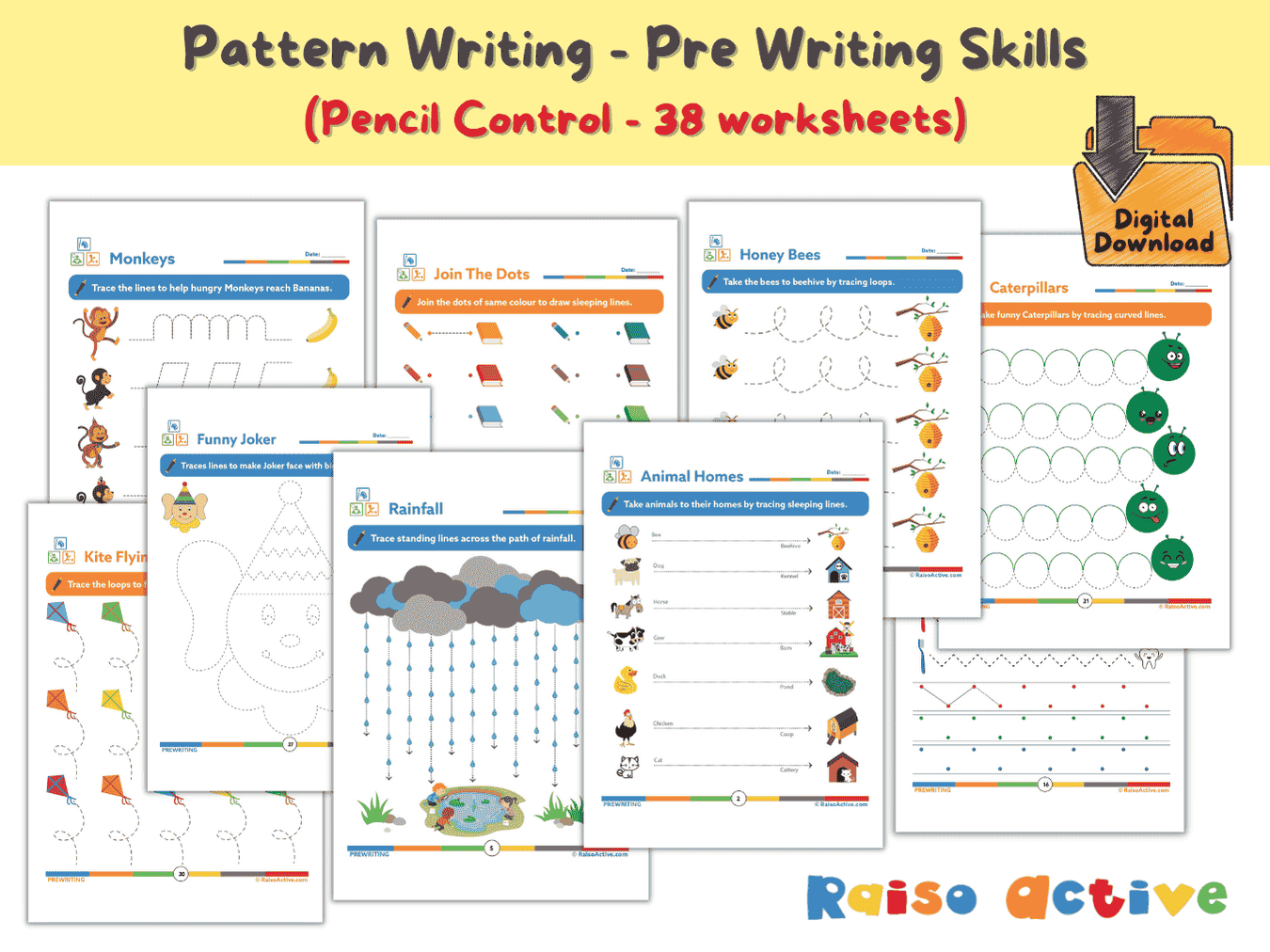
🎨Fine Motor Activities That Build Name-Writing Readiness (No Pencil Needed)
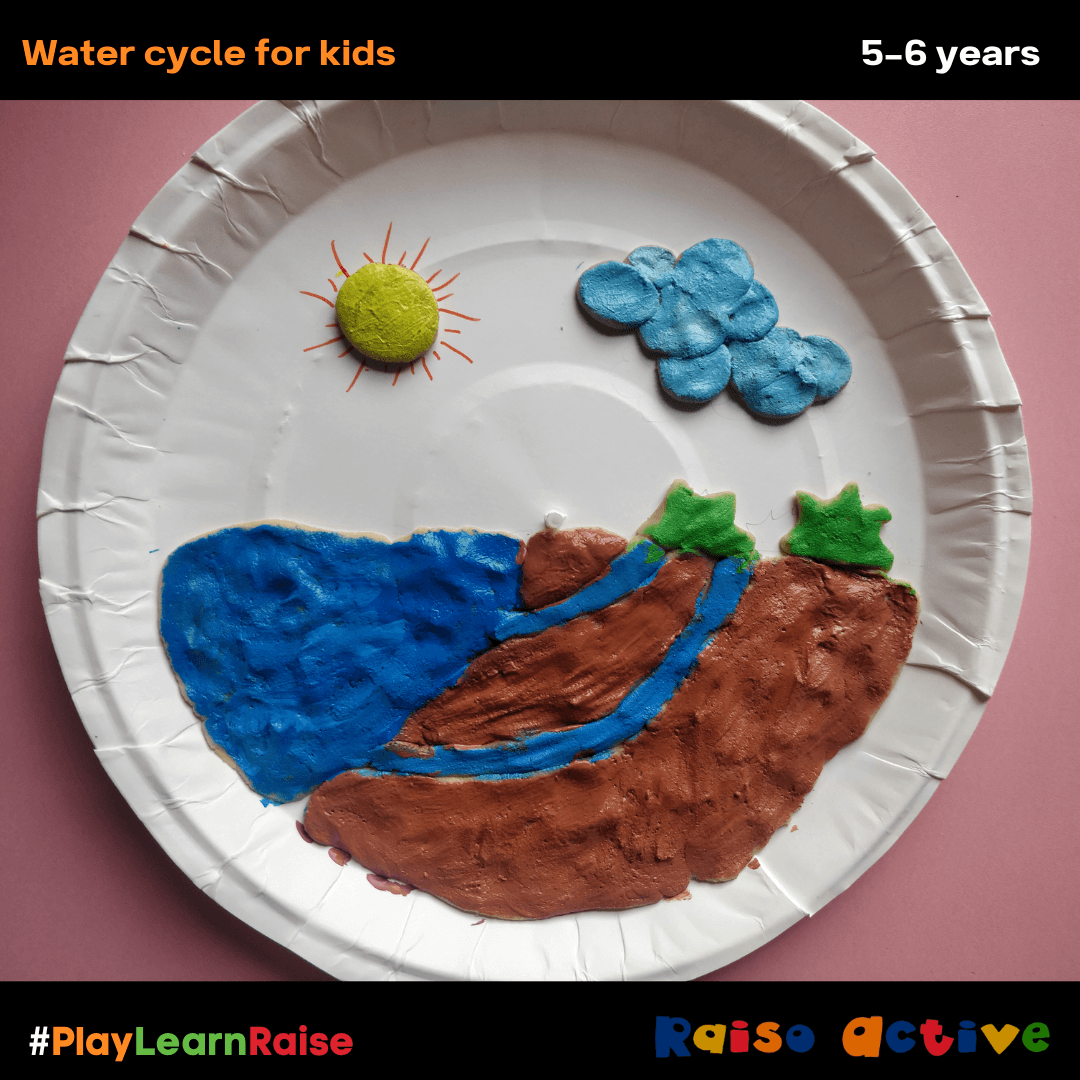
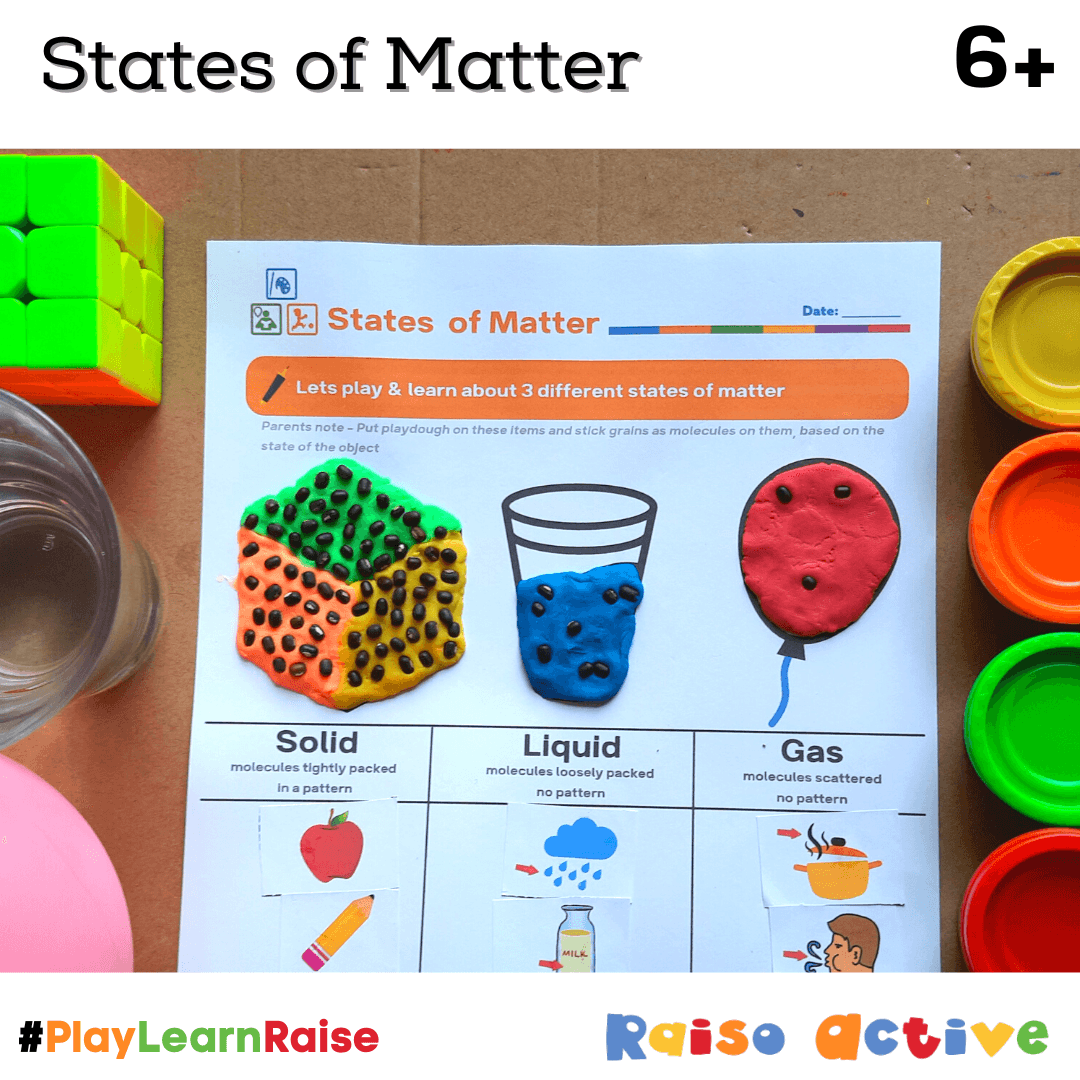
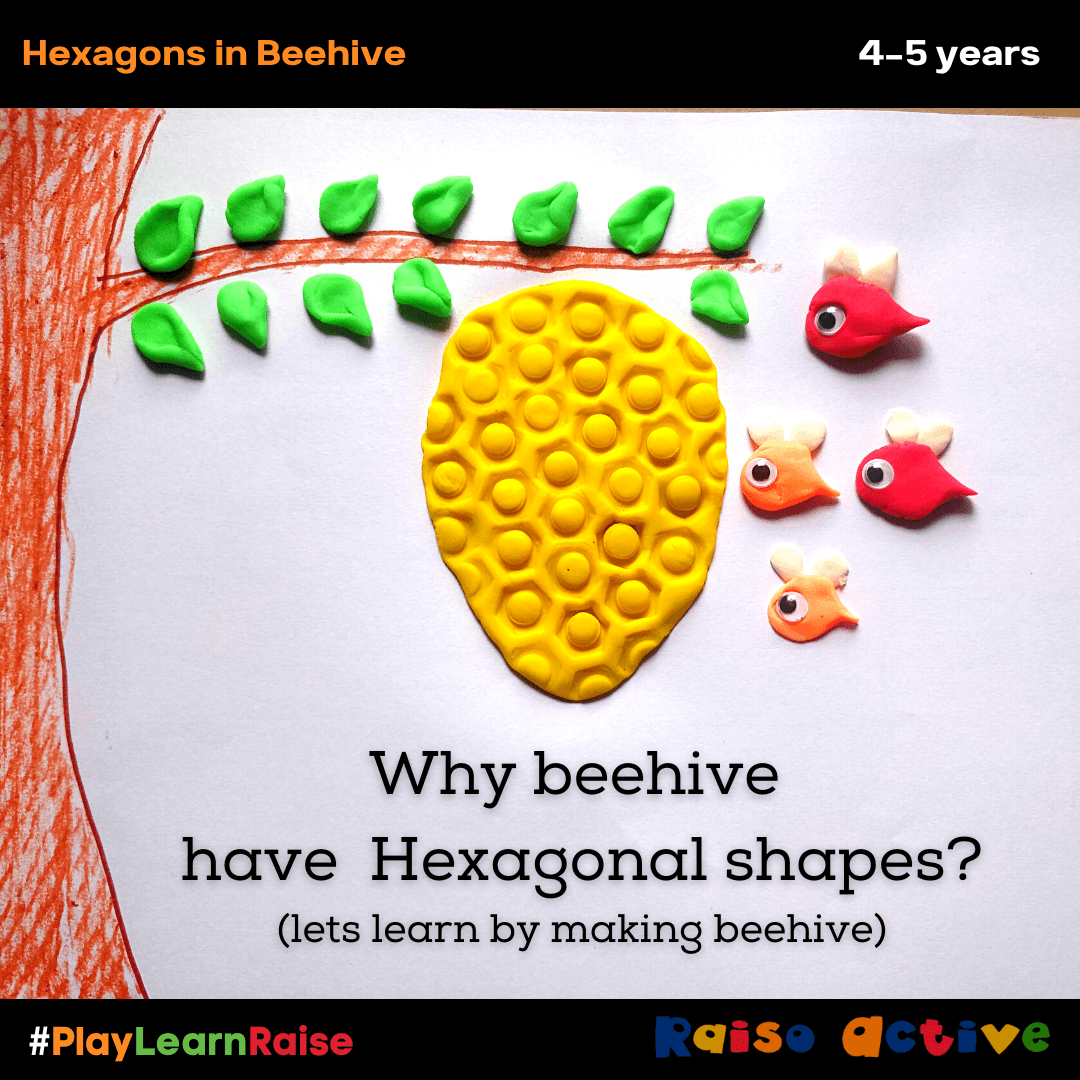
- **Playdough and clay:** Rolling, pinching, squeezing, and forming shapes with playdough strengthens the exact hand muscles used in writing. Making snakes, balls, and letter shapes from playdough is more effective prep than pencil practice.
- **Tearing and cutting paper:** Tearing along lines and using child-safe scissors for cutting builds the thumb and index finger coordination that pencil grip requires.
- **Threading beads:** Passing a lace through small beads develops the precise finger coordination and visual-motor integration that underlies letter formation.
- **Finger painting and sponge stamping:** Large-scale mark-making gives children control over direction and pressure — foundational writing skills — while being completely joyful.
- **Pouring, scooping, and transferring:** Practical life activities from Montessori — pouring water between jugs, using tongs to transfer objects — build grip strength and hand-eye coordination.
- **Chalk on a chalkboard or pavement:** Writing with chalk requires slightly more arm strength and gives children large-scale mark-making practice, which is actually easier than fine pencil work at age 4.
Why Pressure at Age 4 Can Actually Delay Writing Development
This is the part that many well-meaning parents find surprising: pushing a child who is not yet ready to write their name can actually make things worse, not better. The reasons are both neurological and psychological.
When a child is asked to do something that their nervous system and fine motor system are not yet equipped to do, the experience is genuinely uncomfortable — not because the child is lazy or resistant, but because the task is literally difficult at the biological level. A 4-year-old with underdeveloped hand strength who is asked to write repeatedly may develop pencil aversion: a learned negative response to writing tools that can persist well into the school years.
There is also the matter of intrinsic motivation. Young children have a powerful natural drive to learn and master their environment — but this drive requires that the task feel achievable. Repeated failure at a task they did not choose, and cannot yet succeed at, teaches children that writing is hard and unpleasant. It extinguishes the very motivation that would have driven them to practise independently once they were ready.
Research in early childhood education consistently shows that children who are introduced to formal writing too early — before their fine motor and neurological systems are ready — do not end up ahead of their peers by age 7 or 8. They often end up with more negative associations with writing, poorer grip habits formed through compensation, and sometimes more reversals and letter-formation errors than children who were allowed to develop at their own pace.
Key Takeaway
The goal at age 4 is not name writing. The goal is building the physical and cognitive foundations from which name writing will emerge naturally — usually by age 5. Investing in playdough, painting, threading, and drawing at age 4 is not avoiding the work; it is doing the most important work.
The Indian School Admission Context — Navigating Real Expectations
It would be dishonest to discuss this topic without acknowledging the very real pressure that Indian school admissions create. In many cities — Mumbai, Delhi, Bengaluru, Pune, and others — junior KG or LKG admission processes for private schools can involve assessments of children as young as 3.5 to 4 years. Name writing sometimes appears as part of these assessments.
This creates a genuine dilemma for parents who understand the developmental arguments but are also navigating a competitive admissions landscape. It is worth separating two questions: what is developmentally appropriate (children writing names by age 5), and what individual schools may expect (which varies enormously and is often inconsistent with developmental research).
If your child's school or prospective school is asking for name writing, there are ways to gently practise without the pressure of formal drills. Tracing over the name written in large, clear letters, using sand trays or chalk, and playing letter-spotting games ('find the first letter of your name on this page') are all approaches that build awareness without the anxiety of a pencil-and-paper test.
👋Gentle Ways to Introduce Name Writing Without Drilling
- Write your child's name in large, clear letters and let them trace over it with their finger first, then with a crayon. The tracing scaffolds the motor memory without the pressure of independent production.
- Use a salt tray or sand tray: write the name in the sand and let the child trace the letters with their index finger, then erase and try again. The tactile feedback is powerful.
- Make their name visible in the environment — on their bedroom door, their lunchbox, their art folder. Familiarity with the visual pattern precedes the ability to reproduce it.
- Play 'I spy a letter from your name' games with books, signs, and packaging. Letter recognition (seeing) matures before letter production (writing).
- Keep any writing practice to 5 minutes or less at age 4, and always end before the child shows frustration or fatigue.
Children who engage in rich play-based fine motor activities at age 3-4 show better writing outcomes at age 6 than those who receive early formal writing instruction
Studies comparing play-based early childhood programmes with formal academic instruction consistently find that the play-based approach produces equal or superior literacy and fine motor outcomes by age 6-7, with significantly better attitudes toward learning and writing.
Source: Early Childhood Education Journal; Cambridge Primary Review
What Genuinely Warrants Concern — Red Flags to Watch For
While most 4-year-olds who are not writing their name are simply developing at a typical pace, there are some genuine signs that may warrant a conversation with your paediatrician or an Occupational Therapist (OT). These are distinct from the normal variation in name-writing timing.
The key distinction is between developmental variation (where a skill arrives later within a broad normal range) and developmental concern (where a skill or its precursors are notably absent or regressing). Most parents can make this distinction with a little guidance.
⚠️Signs Worth Discussing with a Paediatrician or OT
- **No interest in drawing or mark-making by age 3:** If a child consistently avoids crayons, refuses to scribble, and shows no curiosity about mark-making tools by age 3, this is worth flagging — not because they should be writing, but because scribbling is an early developmental milestone.
- **Extreme pencil or tool aversion:** If a child reacts with significant distress (not just mild reluctance) to holding any writing or drawing tool, this may indicate sensory sensitivities or fine motor difficulties worth exploring.
- **Difficulty with other fine motor tasks:** If a child at age 4 cannot manage buttons, struggles significantly with spoons and forks, avoids puzzles, or finds playdough difficult to manipulate, this broader fine motor picture may benefit from OT support.
- **Very weak or awkward grip on all objects:** Hand strength and grip develop alongside fine motor control. A child who cannot hold small objects or consistently drops things may have low muscle tone that responds well to early OT intervention.
- **Regression in mark-making skills:** If a child who was making increasing marks and shapes begins to regress — drawing less, refusing to hold crayons — without an obvious environmental cause (like a new sibling or house move), this is worth a paediatrician conversation.
In India, Occupational Therapy services for children are available in most major cities through child development centres, hospitals with paediatric OT departments, and private OT clinics. Many OTs in urban India are now offering home-visit and online consultation options as well. An early OT assessment is genuinely useful — it identifies what a child needs to build, and provides a tailored activity plan, without any stigma attached.
Dysgraphia — a specific learning difficulty affecting written expression — affects approximately 5-20% of school-age children
Early identification of fine motor and pre-writing difficulties through OT assessment, ideally before formal schooling begins, allows targeted support that dramatically improves writing outcomes. However, most children with writing delays at age 4 do not have dysgraphia — they are simply developmentally early in their writing journey.
Source: Learning Disabilities Association of America; Pediatrics Journal
Building Name-Writing Readiness: A 6-Week Play-Based Plan for 4-Year-Olds
1
Week 1 — Strengthen the Hands
Focus entirely on building hand and finger strength through play. Offer playdough every day for 10-15 minutes — rolling snakes, pinching small balls, pressing shapes into it. Add threading beads, tearing paper for collage, and using tongs to transfer objects. No pencils yet.
2
Week 2 — Large-Scale Mark-Making
Introduce large-scale drawing and mark-making: chalk on pavement, painting with a wide brush, drawing in a sand tray. The goal is controlled movement across a surface — horizontal lines, vertical lines, circles — using the whole arm. This builds the directional memory that letter formation needs.
3
Week 3 — Pre-Writing Strokes
Introduce the four basic pre-writing strokes that underlie most letters: horizontal line, vertical line, circle, and diagonal line. Use large paper and chunky crayons. Draw them together, name them ('the sleeping line', 'the standing line', 'the round'), and find them in pictures around the house.
4
Week 4 — Letter Spotting and Name Awareness
Make the child's name visible and celebrated. Write it on their art folder, their lunchbox, a card on their bedroom door. Play 'find your name letter' games in books, on packaging, and on signs. Start with just the first letter — the most personally meaningful one.
5
Week 5 — Tracing the Name
Write the child's name in large, clear letters (3-4 cm tall) on a card. Let them trace over it — first with a finger, then with a chunky crayon. Do not correct or push for independent production yet. Tracing is the bridge between recognition and independent writing.
6
Week 6 — Supported Writing
Offer the name card as a reference and invite the child to try writing it on their own, right next to the model. Celebrate whatever they produce — a first letter, a near-letter, a few marks. The act of attempting is the milestone, not the accuracy of the result.
7
Ongoing — Keep it Joyful
Name writing at age 4 should feel like a discovery, not a test. If the child loses interest or resists on a given day, follow their lead and return another time. The foundation you have built through play will carry them into confident writing at age 5 — on their timeline, not a deadline.
Developmentally Appropriate at Age 4
- +Scribbling, drawing shapes, and making letter-like marks
- +Recognising the first letter of their own name
- +Tracing over a large written name with support
- +Writing a few letters (especially the first letter) independently
- +Inconsistent letter sizing and orientation in any writing attempted
- +Needing to see the name in front of them to copy it
- +Preferring to draw pictures rather than write letters
Worth Monitoring or Discussing with a Professional
- -No interest in drawing or mark-making at all
- -Significant distress when asked to hold a crayon or pencil
- -Difficulty with all fine motor tasks (buttons, spoons, puzzles)
- -Regression in drawing skills after age 3
- -Extremely weak grip on all objects, frequent dropping
- -No recognition of any letters, including the first letter of their name, by age 4.5
- -Marked developmental delay across multiple areas alongside writing concerns
Key Takeaway
The best thing a parent can do at age 4 is invest in play — playdough, painting, cutting, threading, building — and trust that the fine motor and cognitive foundations laid through joyful activity will translate into confident, fluent writing at age 5 and beyond.
Frequently Asked Questions About 4-Year-Olds and Name Writing
My child is 4.5 and cannot write their name at all. Should I be worried?
No — this is well within the normal developmental range. Most children write their name clearly by the end of age 5, not at age 4. At 4.5, the most important thing is that your child is enjoying mark-making, drawing, and play-based fine motor activities. If they can scribble, draw basic shapes, and show interest in books and letters, they are building exactly the right foundations. If you have concerns about their fine motor development more broadly — not just writing — a paediatrician conversation is always worthwhile.
My child's school expects them to write their name for admission at age 3.5-4. What should I do?
This is a common situation in India, particularly for private school admissions, and it puts parents in a difficult position. The most developmentally sound approach is to practise gently — tracing over a large written version of the name, using a sand tray, and making the name visible in the environment — without drilling or pressure. Some children will manage the first letter or a rough approximation of the full name by late age 4 with this gentle approach. It is also worth remembering that most good schools, when assessing very young children, are looking for curiosity, engagement, and communication skills — not perfect letter formation.
Does not writing at age 4 mean my child might have dysgraphia?
Dysgraphia is a specific learning difficulty that affects written expression — including letter formation, spelling, and organising written language — in ways that persist despite adequate instruction and do not match the child's overall cognitive ability. It is not diagnosed at age 4, and not writing a name at 4 is not a sign of dysgraphia. Dysgraphia is typically identified during school years when formal writing instruction has been in place and difficulties are persisting unexpectedly. If you are genuinely concerned about your child's hand skills more broadly, an OT assessment at age 4-5 can be very helpful — but this is about identifying what support is needed, not about predicting a diagnosis.
What is the most effective thing I can do at home to help my 4-year-old prepare for writing?
Playdough — every single day if possible. Nothing builds the hand strength and finger coordination needed for writing as effectively as regular playdough play. Beyond that: threading beads, tearing paper, using child-safe scissors, painting, and drawing with chunky crayons on large paper. These play-based activities build the fine motor foundations that pencil practice alone cannot provide, and they do so without any of the pressure or anxiety that can come from formal writing practice too early.
My 4-year-old can write some letters but they come out very wobbly and inconsistently sized. Is this a problem?
Not at all — this is completely typical. Wobbly lines, inconsistent sizing, letters floating above or below the baseline, and reversed letters are all normal features of early writing at age 4-5. The motor control needed for smooth, consistent, properly-sized writing develops gradually through age 6 and beyond. If your child is producing recognisable letters, even imperfectly, they are doing beautifully. Celebrate the attempt rather than correcting the quality — positive feedback is what motivates further practice.
When should I consider seeing an Occupational Therapist?
An OT consultation is worth considering if: your child shows no interest in any mark-making or drawing by age 3; they have significant distress or strong aversion to holding any writing or drawing tool; they have notable difficulty with other fine motor tasks (buttons, spoons, puzzles, playdough); or you notice a regression in drawing skills. You do not need to wait for a school to flag concerns — you can self-refer to a paediatric OT. An early assessment is always helpful; it either reassures you that development is on track, or it provides a targeted activity plan before formal schooling begins.