Parenting & Homeschool, Cognitive Skills
What's the Difference Between Educational and Busy Work? A Parent's Guide to Meaningful Learning Activities
Author
RaisoActive - Kids Activities and Fun Learning
Date Published
Reading Time
9 min read

In This Article5 min read
- Educational activities build real skills, spark curiosity, and invite a child to think — busy work simply keeps them occupied without meaningful learning
- Common busy work includes mindless colouring-in, endless copying without understanding, and rote repetition with no context or purpose
- You can evaluate any worksheet or activity by asking four simple questions about skill, engagement, challenge, and ownership
- The Indian education system's emphasis on rote learning can turn even well-intentioned activities into busy work — but small adjustments can transform them
- Play is not the opposite of learning; for children under eight, it IS the primary vehicle for deep, lasting learning
The Question Every Parent Asks But Few Can Answer
It is a Tuesday afternoon. Your four-year-old is sitting at the table, carefully filling in the spaces of a printed worksheet — colouring a fish blue, a sun yellow, a tree green. She is quiet, focused, and not bothering anyone. You feel a small glow of satisfaction. She is learning, right?
Maybe. Or maybe she is just busy. There is a significant difference, and it matters far more than most parents realise. Busy work looks like learning. It has the same props — paper, pencils, concentration, a finished product. But when the activity is over, nothing new has been built in your child's mind. No new connection formed, no skill deepened, no question kindled.
This guide is for every parent who has ever wondered whether their child's activities are genuinely educational or simply a way to fill time. We will look at what research and developmental science tell us about meaningful learning, how to spot the difference between educational and busy work, how to evaluate the worksheets and activities your child's school sends home, and how to have productive conversations with teachers when you have concerns. By the end, you will have a clear, practical framework to make better choices for your child every single day.
Want meaningful learning resources for your child?
Join the RaisoActive newsletter for weekly activity ideas, thoughtfully designed printables, and expert guidance for parents of children ages 1-8.
What Makes an Activity Truly Educational?
Educational researchers and developmental psychologists broadly agree that a truly educational activity does three things: it builds a skill or concept, it engages the child actively, and it offers an appropriate level of challenge. Remove any one of these three elements and you are likely looking at busy work.
Skill or concept development means the activity is connected to something real — a cognitive skill like sorting, sequencing, or comparing; a physical skill like cutting, balancing, or drawing; a language skill like narrating, questioning, or listening; or a social-emotional skill like turn-taking, managing frustration, or expressing empathy. The activity should leave the child with a slightly stronger or more refined version of one of these capacities.
Active engagement is about whether the child's mind is genuinely at work. A child who is colouring a page while watching television is not actively engaged with the colouring. A child who is sorting coloured beads and explaining their sorting rule to you is deeply engaged. Engagement is not the same as silence or compliance — it looks like curiosity, questions, trial and error, and often a little frustration followed by a breakthrough.
Appropriate challenge — sometimes called the 'Goldilocks zone' of learning — means the activity is not so easy that it requires no thought, and not so hard that it produces only frustration. Psychologist Lev Vygotsky called this the Zone of Proximal Development: the space just beyond what a child can do alone, where they can succeed with a little support. This is where the brain grows. Activities that sit outside this zone — too easy or too hard — do not produce meaningful learning.
Recognising Busy Work: What It Looks Like in Practice
Busy work is not always easy to spot because it often resembles learning on the surface. Here are the most common forms it takes in early childhood, particularly in Indian home and school settings.
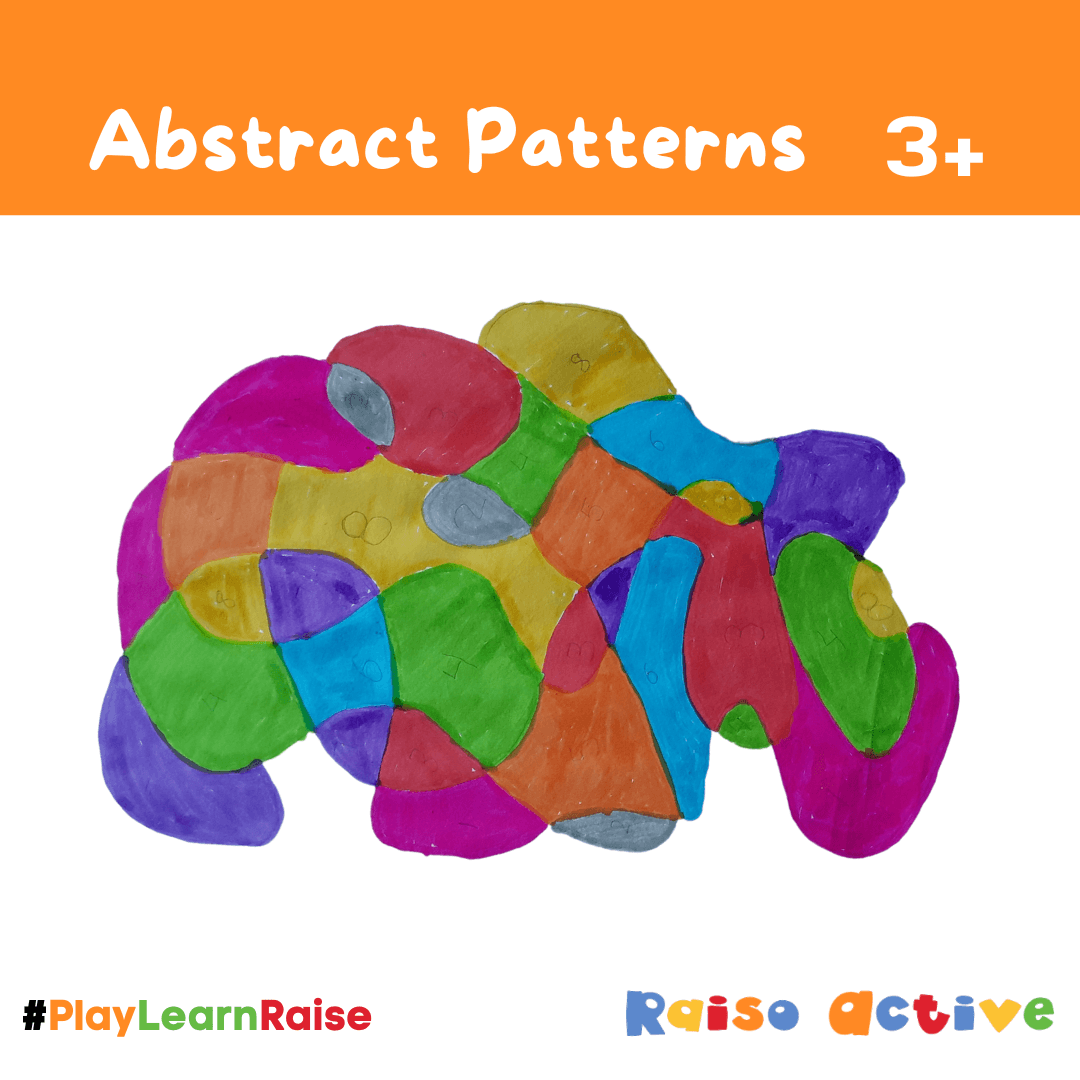
Mindless colouring-in is perhaps the most prevalent form of busy work in early childhood. When a child is handed a detailed outline of a cartoon character and told to 'colour nicely within the lines', the primary skill being practised is compliance, not creativity or fine motor development. The child makes no decisions about composition, colour theory, or expression. Compare this with open-ended art — a blank page, some colours, and the instruction to 'draw something from our walk today' — where the child must retrieve memory, make aesthetic choices, and translate thought into image.
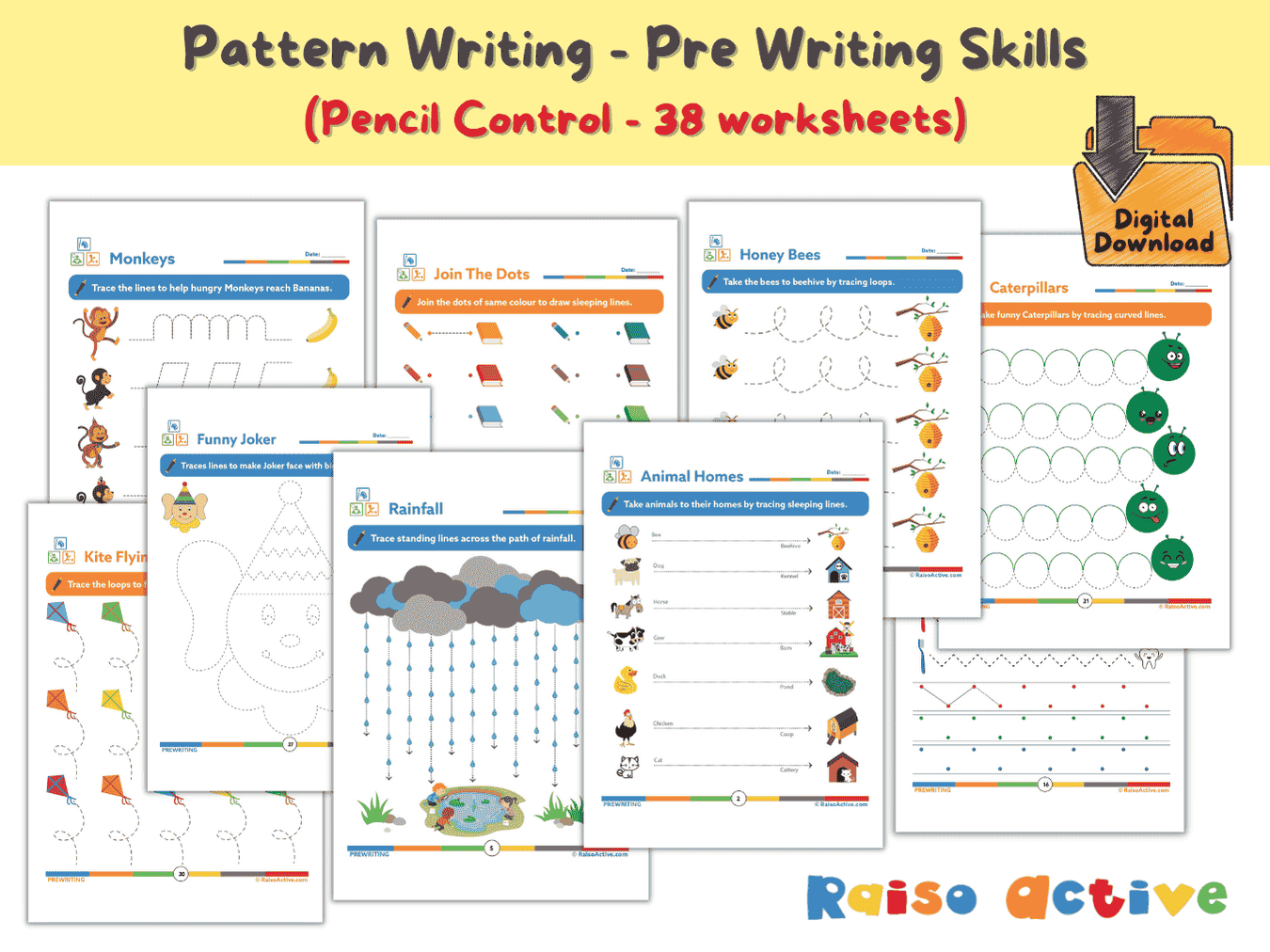
Endless copying and tracing without purpose is common in both school and home settings. Copying letters or words from a board twenty times, or tracing the same pattern across four pages, offers diminishing returns after the first few repetitions. Once a child has genuinely practised a skill a few times with focus, additional mechanical repetition does not deepen learning — it just fills time and can actually create negative associations with the activity.
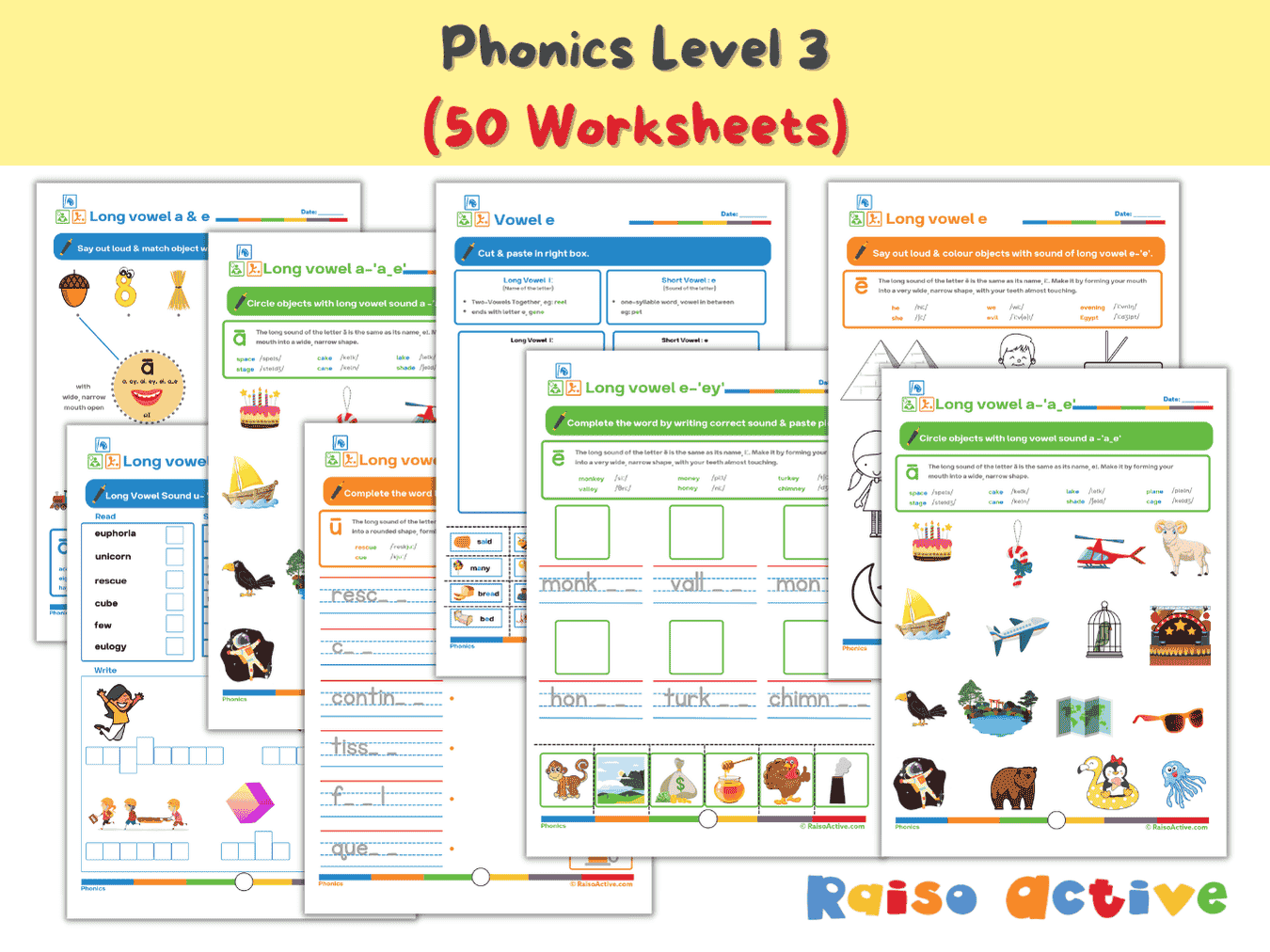
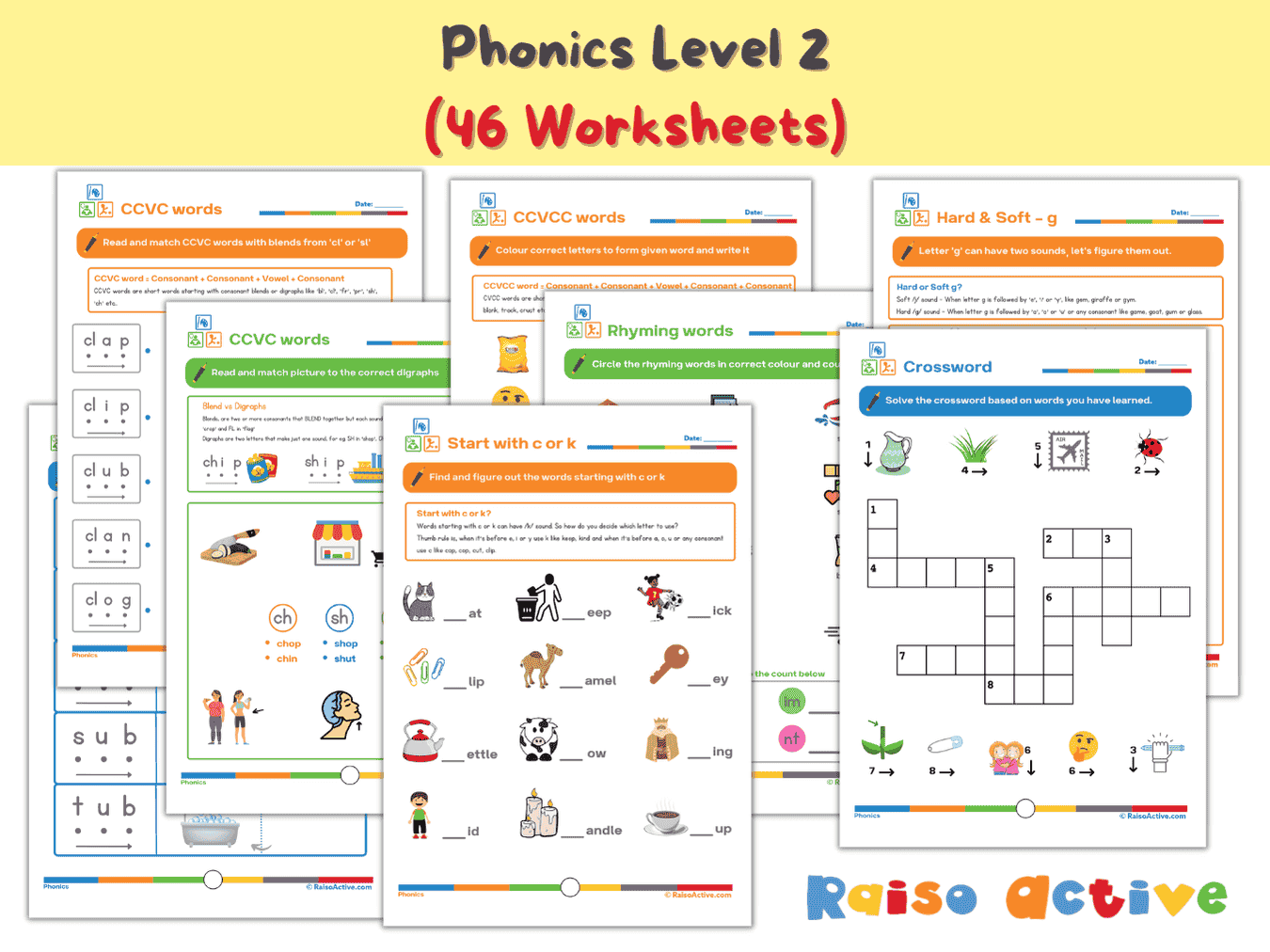
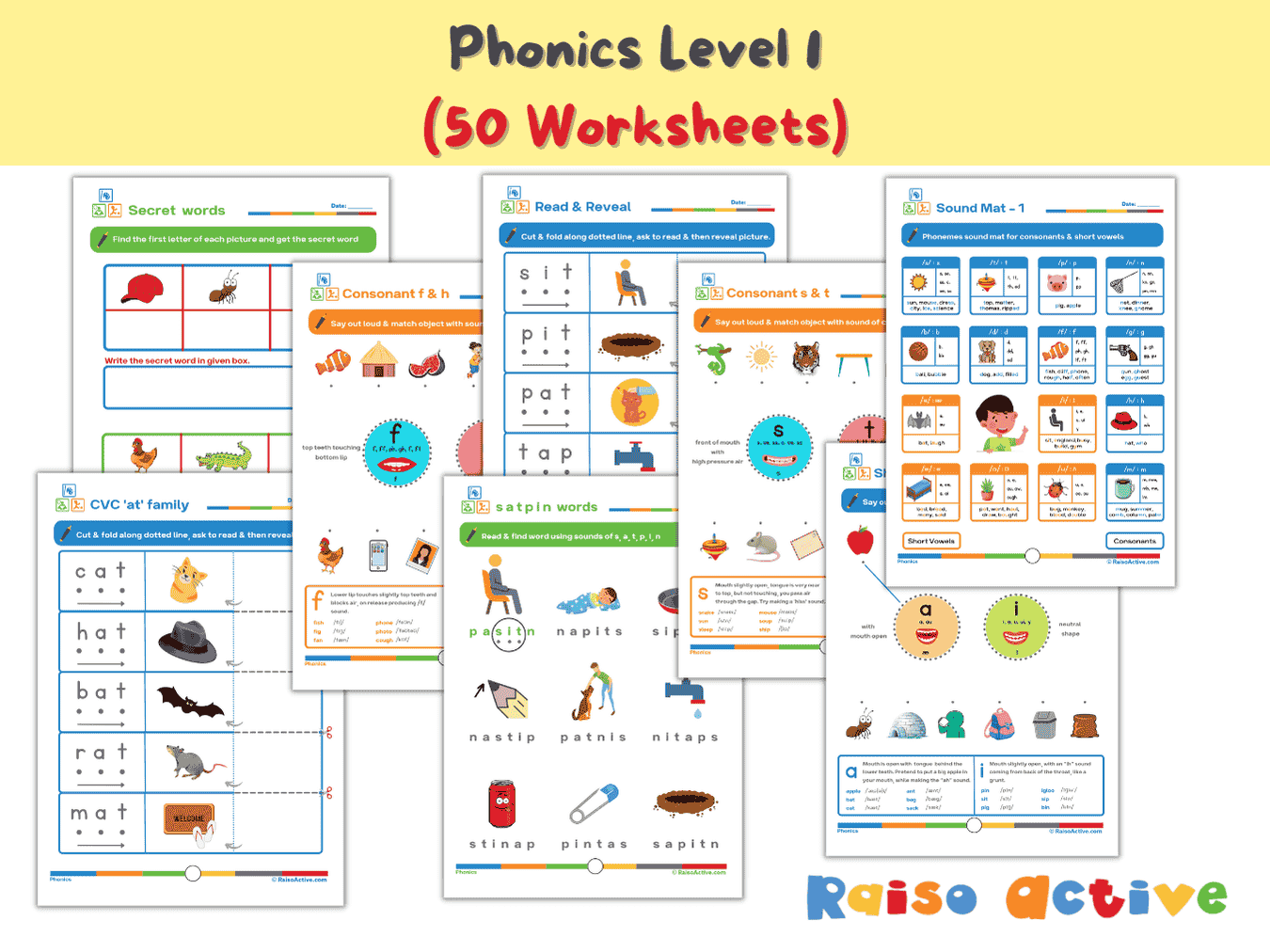
Worksheets with no connection to understanding are a significant source of busy work. A worksheet that asks a child to circle all the pictures that start with 'B' is busy work if the child has had no experience playing with sounds, hearing stories, or exploring the letter B in a meaningful context. The same worksheet becomes educational if it follows rich phonological play, read-alouds, and discussions. The sheet itself is not the problem — the absence of meaning-making context is.
Rote question-and-answer routines — 'What is the capital of India? New Delhi. Good.' — are busy work when the child has memorised an answer without building any understanding. A child can recite that New Delhi is the capital without having any concept of what a capital is, why capitals exist, or where India sits in the world. Rote answers feel like knowledge but are often just performance.
Play Is Not the Opposite of Learning — It IS Learning
One of the most persistent misconceptions in early childhood education is that play and learning are separate — that 'real' learning happens at a desk with a pencil, and play is what children do to relax. This misunderstanding drives enormous amounts of busy work into early childhood classrooms and homes.
Decades of developmental research — from Piaget to Vygotsky to modern neuroscience — consistently show that play is the primary mechanism through which young children build cognitive, social, physical, and emotional skills. When a three-year-old plays shopkeeper, she is practising counting, one-to-one correspondence, language negotiation, and social role understanding — all at once, all with deep engagement, all driven by intrinsic motivation.
In India, play is often seen as a luxury or a reward — something children earn after completing their 'real' work. This attitude, though understandable given cultural and economic pressures around education and competitive exams, is developmentally counterproductive for young children. For a child under eight, restricting play in favour of rote worksheets is a bit like restricting food in favour of vitamin tablets — the tablet contains nutrients, but it cannot replicate the complex, complete nourishment of actual food.
India's National Education Policy 2020 recognises this explicitly, recommending a play-based, activity-centred approach through the entire foundational stage (ages 3-8). The policy is not anti-academic; it is pro-learning. It understands that children who spend their early years in rich play environments typically enter formal schooling with stronger executive function, better language skills, and more resilient learning dispositions than children who spent those years on worksheets and rote drills.
Key Takeaway
Play is the most rigorous form of learning available to a young child.
When children play with intention and engagement, they are doing exactly what their brains need: making decisions, testing hypotheses, navigating social complexity, and building mental models of how the world works. The next time you feel guilty about your child playing instead of 'studying', remind yourself that play IS studying — just in the language that young brains understand best.
A Four-Question Framework for Evaluating Any Activity
Whether you are looking at a worksheet from school, an activity from a YouTube video, or a craft kit from a store, you can evaluate its educational value by asking four straightforward questions. This framework takes about thirty seconds to apply and will immediately sharpen your sense of what is worth your child's time.
Question 1: What specific skill or concept does this build? If you cannot name it — even broadly — the activity is probably busy work. 'This builds fine motor control through cutting irregular shapes' or 'This builds sorting and classification skills' are good answers. 'This keeps her occupied' is not.
Question 2: Does my child have to think, decide, or problem-solve? If the activity is entirely prescriptive — colour this shape this colour, trace this line, copy this word — there is very little cognitive work happening. Educational activities require the child to make at least some decisions or solve at least some small problems.
Question 3: Is this in my child's Goldilocks zone? Watch your child's face and body language. A child in the zone shows focused effort, occasional frustration that resolves, and satisfaction at completion. A child who whizzes through without thinking, or who shuts down completely, is not in the zone.
Question 4: Does my child have any ownership over this activity? Even a small amount of choice or agency transforms an activity from compliance to engagement. Choosing which colour to use, which item to sort first, or which version of the task to try gives a child a stake in the work.
Key Takeaway
An activity needs skill, thinking, appropriate challenge, and some ownership to qualify as truly educational.
Use these four criteria as a quick checklist whenever you evaluate an activity for your child. You do not need every criterion to be perfect — an activity that scores well on three out of four is usually worthwhile. But an activity that scores zero on all four is busy work, no matter how educational it looks.
Transforming Busy Work into Meaningful Learning
The good news is that most busy work can be transformed into educational activity with small, deliberate adjustments. You do not always need to throw out the worksheet or refuse the school activity. Often, what is missing is context, conversation, or a moment of choice.
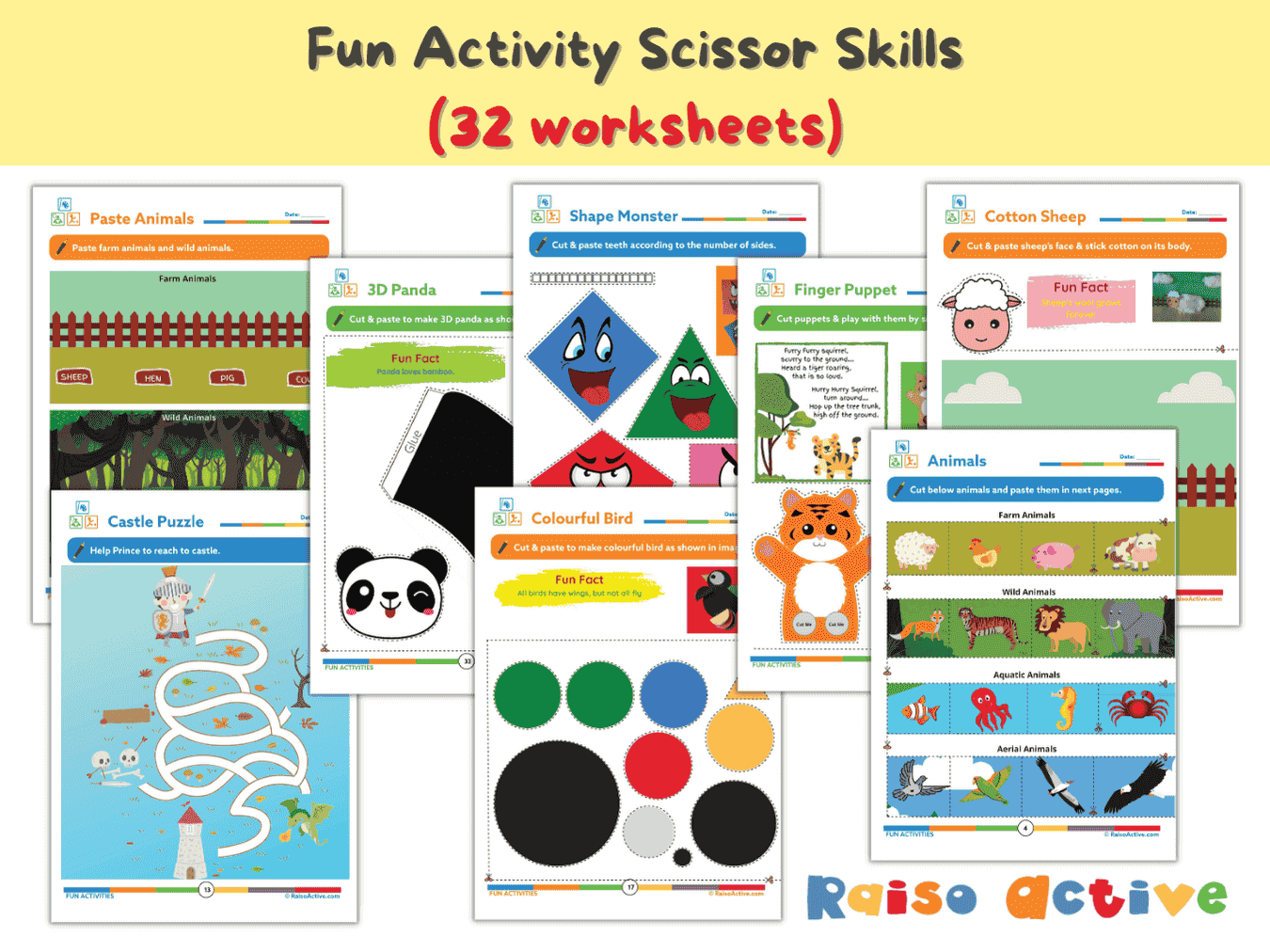
When your child is given a colouring page, instead of handing it over silently, spend one minute beforehand: 'Look at this fish — have you ever seen a real fish? What colour do you think this one might be? Could it be a made-up fish with made-up colours?' Now the colouring has become a vehicle for memory retrieval, creative thinking, and language. The paper did not change — the context around it did.
When your child is tracing letters for the fifth page in a row, pause and redirect: 'Let's write these letters in a different way — can you make an A with your fingers in the air? With sticks from the garden? With your body?' Now the skill (letter formation) is the same, but the cognitive load, sensory input, and engagement are all richer. The rote tracing can then serve as a consolidation step rather than the entire experience.
When your child's school sends home a rote Q&A worksheet — 'Who was the first Prime Minister of India? Jawaharlal Nehru' — transform it with one follow-up question: 'What do you think a Prime Minister does all day?' You are not replacing the rote content; you are building understanding around it so the fact has somewhere to live in the child's mind.
Key Takeaway
Context and conversation are the cheapest upgrades you can give any activity.
You rarely need to replace a busy-work activity entirely. A brief conversation before, a moment of choice during, and a reflective question after can transform a passive exercise into an active learning experience. This takes approximately two to five additional minutes and costs nothing.
💡Signs an Activity Is Genuinely Educational
- Your child asks questions during or after the activity — curiosity is the clearest signal of real engagement
- Your child makes a mistake, notices it, and tries to fix it — this is self-regulation and metacognition in action
- Your child wants to show or explain what they did — they have something worth communicating
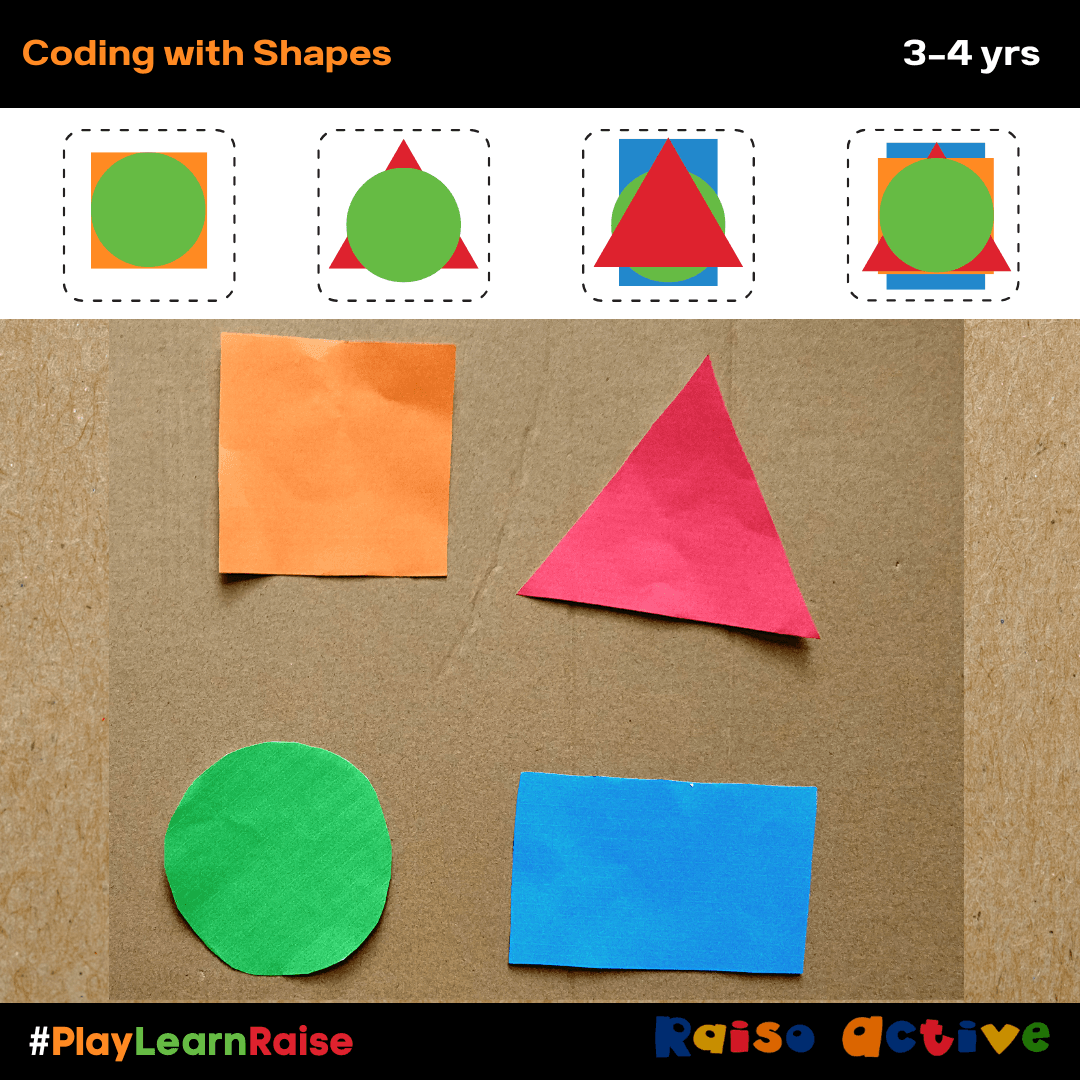
- Your child applies something from the activity to another context later — 'Look, that cloud is shaped like the triangle we made!'
- Your child remembers and references the activity days later — it made a genuine impression
⚠️Red Flags That Signal Busy Work
- Your child can complete the activity while watching television or holding a conversation — it requires no real focus
- Every child in the class produces an identical result — there was no room for individual thinking or expression
- Your child cannot explain what they did or why — there was no meaning to extract
- The activity produces anxiety or tears regularly — it is either too hard (and therefore not learning) or feels pointless
- The teacher or activity description cannot name a specific learning objective — 'it keeps them busy' or 'they enjoy it' are not objectives
🎨Quick Activity Upgrade Ideas
- Add a question before: 'What do you think will happen?' or 'Have you ever seen this in real life?'
- Add a choice during: 'Do you want to start from the top or the bottom? Which colour first?'
- Add a reflection after: 'What was the hardest part? What would you do differently next time?'
- Add a real-world connection: 'We saw a butterfly yesterday — can you draw what you remember about its wings?'
- Add a teaching opportunity: 'Can you show your younger sibling or teddy bear how to do this?'
👋For Parents: How to Talk to Your Child's Teacher
- Frame your concern as curiosity, not criticism: 'I noticed Aarav seems to rush through his worksheets without much thought — could you help me understand what skill they are targeting?'
- Ask what the learning intention is: 'What should my child be able to do after completing these activities?' A good teacher will have a clear answer.
- Share what you observe at home: 'She seems bored by the colouring pages — is there a way to make them more challenging for her?'
- Offer to collaborate: 'I would love to support what you are working on in class — what kinds of activities at home would complement the classroom learning?'
- Be patient with systemic constraints: Many Indian school teachers are working within rigid curricula with large class sizes. Your conversation is most productive when it is collaborative rather than confrontational.
75%
of a child's brain synaptic connections are formed between birth and age three, making the quality of early learning experiences — not the quantity of worksheets completed — the most significant factor in long-term cognitive development.
Source: Center on the Developing Child, Harvard University
3x
Children who attend play-based early learning programmes show up to three times greater growth in self-regulation and executive function compared to peers in academically-focused programmes, according to longitudinal research.
Source: Hirsh-Pasek et al., Developmentally Appropriate Practice
How to Audit Your Child's Weekly Learning Activities
1
List every activity your child does in a typical week
Include school worksheets, home activities, tuition exercises, app time, craft kits, and outdoor play. Write them all down without judging them yet. You need the full picture before you can evaluate it.
2
Apply the four-question framework to each activity
For each item on your list, ask: Does it build a specific skill? Does my child have to think or decide? Is it appropriately challenging? Does my child have any ownership? Score each activity honestly — zero to four points. Activities scoring zero or one are likely busy work.
3
Calculate your ratio
Count how many activities are genuinely educational (scoring three or four) versus busy work (scoring zero or one). If more than half your child's structured learning time is spent on busy work, it is worth making some adjustments. A healthy ratio for young children is roughly 70% play and open-ended activity to 30% structured practice.
4
Identify the easiest upgrades
Look at your busy-work list and identify which activities you can upgrade most easily with context, conversation, or choice. Prioritise these. Not every busy-work activity needs to be replaced — some can be transformed with a two-minute conversation.
5
Replace or reduce what cannot be upgraded
Some activities cannot be meaningfully upgraded because they are structurally too prescriptive or disconnected from real learning. For these, reduce the time spent on them and replace with open-ended play, hands-on exploration, or read-alouds. You do not need to do this all at once — one substitution per week is a sustainable pace.
6
Build in at least one rich play experience each day
Ensure that every day includes at least thirty minutes of genuine free play, child-directed and minimally interrupted. This is not wasted time — it is the most educationally dense part of your child's day. Outdoor play, imaginative play, building play, and sensory play all qualify.
7
Review and adjust every month
Children's developmental needs shift rapidly, especially in the early years. An activity that was appropriately challenging last month may be too easy this month, or an activity that seemed like busy work may become genuinely engaging as your child matures. Check in monthly and adjust your choices accordingly.
Educational Activity
- +Child must make at least one decision or solve a problem
- +Outcome varies from child to child based on their thinking
- +Child can explain what they did and why
- +Skill or concept is clearly identifiable
- +Child shows curiosity, engagement, or satisfying effort
- +Activity connects to real-world experience or prior knowledge
- +Appropriate challenge creates productive struggle
- +Child initiates similar activities independently later
Busy Work
- -Child follows instructions mechanically with no decisions required
- -Every child produces the same or nearly identical result
- -Child cannot explain what they did beyond 'I coloured it'
- -No specific skill or concept can be named
- -Child is compliant but disengaged or bored
- -Activity is abstract and disconnected from lived experience
- -Too easy (no thinking) or too hard (only frustration)
- -Child shows no interest in the activity outside of assigned time
Unlimited Access
Get Weekly Activities That Actually Teach
Subscribe to the RaisoActive newsletter for thoughtfully designed worksheets, play-based activity ideas, and practical parenting guidance for children ages 1-8. No busy work, ever.
All worksheets & activitiesNew content weeklyDownload unlimited times
Subscribe NowFrequently Asked Questions
How do I know if a worksheet is educational or just busy work?
Apply the four-question test: Does it build a specific, nameable skill? Does my child have to think or make decisions? Is it appropriately challenging — neither too easy nor too frustrating? Does my child have any ownership or choice over how they do it? If the answer to most of these is no, the worksheet is likely busy work. This does not necessarily mean you should refuse it — especially if it comes from school — but it means you should supplement it with richer activities and not count it as your child's primary learning experience for the day.
My child's school gives a lot of homework. How do I manage busy work without conflicting with the teacher?
You can complete school-assigned work while still supplementing at home with richer experiences. When school homework is genuinely busy work, do it efficiently and without drama — treat it as a social obligation rather than the centre of your child's learning. Then invest your at-home discretionary learning time in play, read-alouds, hands-on exploration, and conversations. You can also have a gentle, curious conversation with the teacher: 'I noticed Priya finishes these quite quickly — is there a way to extend the challenge for her?' This respects the teacher's authority while signalling your child's readiness for more.
Is all rote learning busy work?
Not necessarily. Some rote knowledge provides essential scaffolding — knowing number sequences fluently, for example, frees up cognitive resources for more complex maths thinking. The problem is not rote learning itself but rote learning in isolation, without the understanding that gives it meaning and the application that makes it useful. The rule of thumb is: rote learning should follow understanding, not precede it. First understand what numbers mean through hands-on experience, then practise their sequences fluently. First understand what letters do in words, then practise their formation repeatedly.
My child seems to enjoy colouring pages and simple worksheets. Should I stop giving them?
No. If your child genuinely enjoys an activity, that enjoyment has value — it builds positive associations with sitting, focusing, and completing tasks. The issue arises when colouring pages and simple worksheets are the primary or only form of structured learning. A child who spends thirty minutes colouring and another hour in rich play, conversation, and exploration is having an excellent learning day. A child who spends three hours colouring while having little else is missing significant developmental opportunities. Enjoy what your child enjoys — just do not let it crowd out the richer experiences.
How does the Indian emphasis on marks and performance relate to busy work?
The competitive pressure of the Indian education system — board exams, entrance tests, marks-focused assessments — creates a cultural context where parents feel they must start serious academic preparation early. This anxiety drives a lot of busy work: the more pages filled, the more reassured parents feel. But the research is clear that the skills which produce genuine academic success later — executive function, reading comprehension, mathematical reasoning, persistence — are built far more effectively through play-rich early years than through early rote drilling. The busy work is not building a foundation for the exams; it is consuming the time and energy that could build a far stronger one.
What should a good 'educational' activity look like for a three-year-old versus a seven-year-old?
For a three-year-old, educational activity is almost entirely play-based: sorting objects, building and knocking things down, water play, pretend play, picture books, music, and simple sensory exploration. The learning is embedded in the play — you cannot and should not separate them. For a seven-year-old, educational activity can include more structured practice — reading independently, solving simple word problems, writing short sentences — but it should still include substantial play, creative expression, and physical activity. The proportion of structured to unstructured learning shifts gradually with age, but for all children under eight, play should remain the majority of the day.