Physical Development, Early Learning, Parenting & Homeschool
Activities That Help with Pencil Grip Development: A Complete Guide for Parents and Teachers
Author
RaisoActive - Kids Activities and Fun Learning
Date Published
Reading Time
6 min read

In This Article10 min read
- Pencil grip develops through predictable stages from fist grip (age 1-2) to mature tripod grip (age 5-7)
- Strengthening hand and finger muscles through play is more effective than forcing correct grip too early
- Simple household activities like tearing paper, threading beads, and kneading dough build grip strength naturally
- Research shows fine motor readiness — not age alone — determines when a child is ready for formal writing
- A mix of structured exercises and free play gives the best results for long-term pencil control
Why Pencil Grip Matters More Than You Might Think
Watch a young child pick up a crayon for the first time and you will see something beautifully uncoordinated — a whole-fist grab, the arm moving from the shoulder, the marks wild and wonderful. It is a perfectly normal starting point. But as that child grows, the way they hold a writing tool will quietly shape how easily they learn to write, how long they can write without fatigue, and how legible their handwriting becomes.
For parents and teachers, pencil grip can feel like a mystery. When should you intervene? Is the fist grip "wrong"? Should you buy special pencil grippers? The truth is that pencil grip development is a gradual, predictable process — and the most powerful thing you can do is support it with the right activities at the right time, rather than correcting a child before their muscles are ready.
In this guide, we will walk through the stages of grip development, the activities that genuinely strengthen the muscles involved, and practical strategies you can use at home or in the classroom — starting today.
Understanding the Stages of Pencil Grip Development
Before jumping into activities, it helps to understand what healthy grip development actually looks like. Children do not go from a fist grip to a perfect tripod grip overnight. There are distinct stages, each building on the last, and each requiring specific muscle strength and coordination.
The Four Stages of Pencil Grip
1
Fist Grip (Palmar Supinate) — Ages 1 to 2
The child wraps their whole hand around the crayon with the thumb on top. Movement comes from the shoulder. This is completely normal and expected — the small muscles of the hand are not yet strong enough for finer control.
2
Digital Pronate Grip — Ages 2 to 3
The child holds the crayon with all fingers pointing downward. The wrist begins to turn inward and movement starts coming from the elbow rather than the shoulder. You will notice more control in their scribbles.
3
Modified Tripod Grip — Ages 3.5 to 4
The child begins using the thumb, index, and middle fingers to hold the pencil, though the grip may look awkward or stiff. Movement shifts to the wrist. This is a major milestone.
4
Mature Tripod Grip — Ages 4.5 to 7
The pencil rests on the middle finger, held by the thumb and index finger, with small movements controlled by the fingertips. This is the functional grip needed for comfortable, sustained writing.
Key Takeaway
Every child moves through grip stages at their own pace. Rushing a child into a tripod grip before their hand muscles are ready often leads to frustration, fatigue, and poor writing habits that are harder to correct later.
Occupational therapists recommend focusing on hand-strengthening activities rather than grip correction for children under age 5.
Children use over 30 muscles in the hand and forearm to control a pencil
Developing pencil grip is not simply a matter of learning where to place the fingers — it requires building strength, coordination, and endurance in dozens of small muscles that only mature through repeated, varied use.
Source: American Journal of Occupational Therapy
Activities That Build Pencil Grip — Organised by Skill
The activities below are grouped by the specific skill they develop. You do not need to do all of them — pick two or three that suit your child's age and interests, and rotate them regularly. Consistency matters more than quantity.
1. Finger and Hand Strengthening Activities
Strong fingers are the foundation of a good grip. Before a child can hold a pencil with precision, they need to build the small intrinsic muscles of the hand. These activities target exactly that.
🎨Finger Strengthening Activities
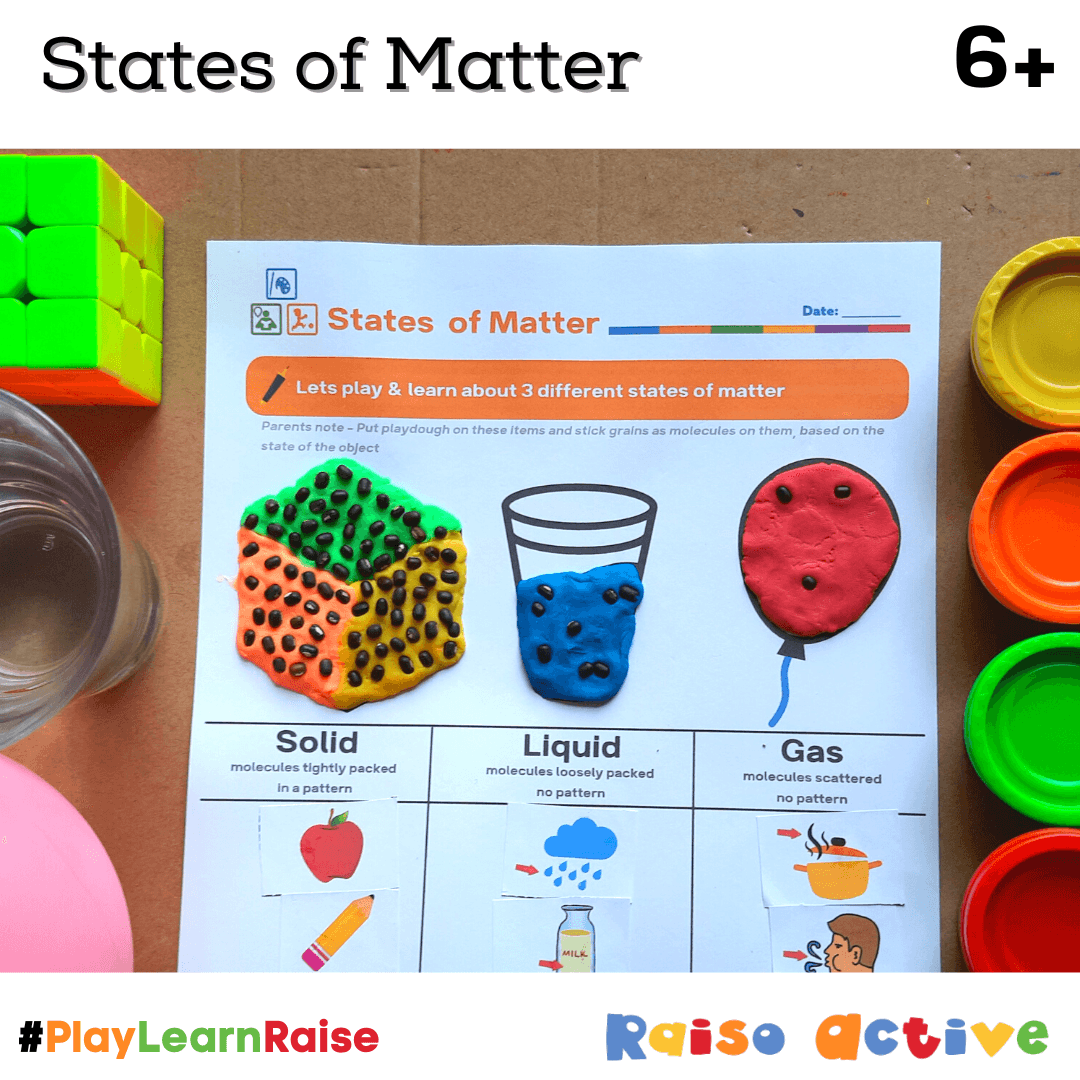
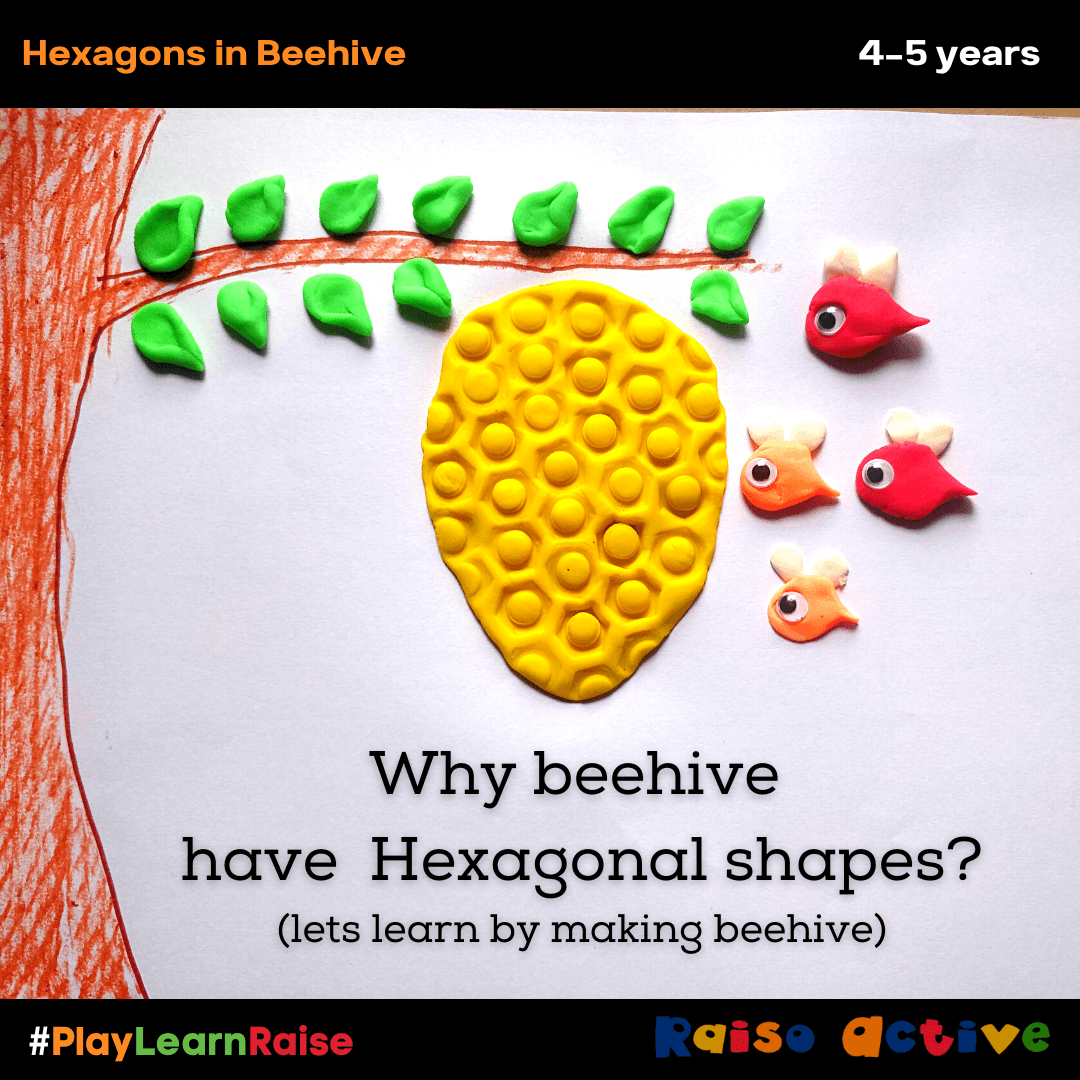
- **Playdough and clay work** — Rolling, pinching, squeezing, and pulling playdough is one of the best all-round hand strengtheners. Ask children to roll tiny balls between their thumb and index finger for an extra challenge.
- **Tearing paper** — Give children old newspapers or coloured paper and ask them to tear strips and shapes. This requires a pincer grip and bilateral coordination.
- **Squeezing sponges** — Fill a tub with water and let children squeeze sponges to transfer water between containers. Great for bath time or water play outdoors.
- **Clothes peg activities** — Pinching and releasing pegs onto a line or cardboard edge directly strengthens the muscles used in tripod grip.
- **Spray bottles** — Let children water plants or spray water on windows using a trigger spray bottle. The squeezing action builds hand endurance.
2. Pincer Grip and Precision Activities
The pincer grip — using the thumb and index finger together — is a prerequisite for the tripod pencil grip. Any activity that asks a child to pick up small objects with just two fingers is training this skill.
- Threading beads — Start with large beads and thick string, then gradually move to smaller beads and thinner string as coordination improves.
- Picking up small items with tweezers or tongs — Transfer pom poms, cotton balls, or pieces of pasta between bowls using kitchen tongs or craft tweezers.
- Sticker activities — Peeling stickers off a sheet and placing them precisely on a page is surprisingly challenging and engaging for young children.
- Sorting small objects — Buttons, dried beans, or small erasers can be sorted by colour or size using only the thumb and index finger.
- Dot painting with cotton buds — Dip cotton buds in paint and create dotted pictures. The natural grip on the cotton bud mirrors the tripod grip on a pencil.
Key Takeaway
The best pencil grip activities do not involve a pencil at all. Strengthening hands through play builds the muscle foundation that makes correct grip feel natural — not forced.
3. Pre-Writing and Drawing Activities
Once a child has developed reasonable hand strength and a pincer grip, they are ready for activities that specifically practise the movements of writing — lines, curves, and controlled marks.
💡Pre-Writing Activities That Work
- **Drawing in sand or salt trays** — Spread a thin layer of salt or sand on a tray and let children draw patterns with their finger or a stick. The sensory feedback helps develop muscle memory.
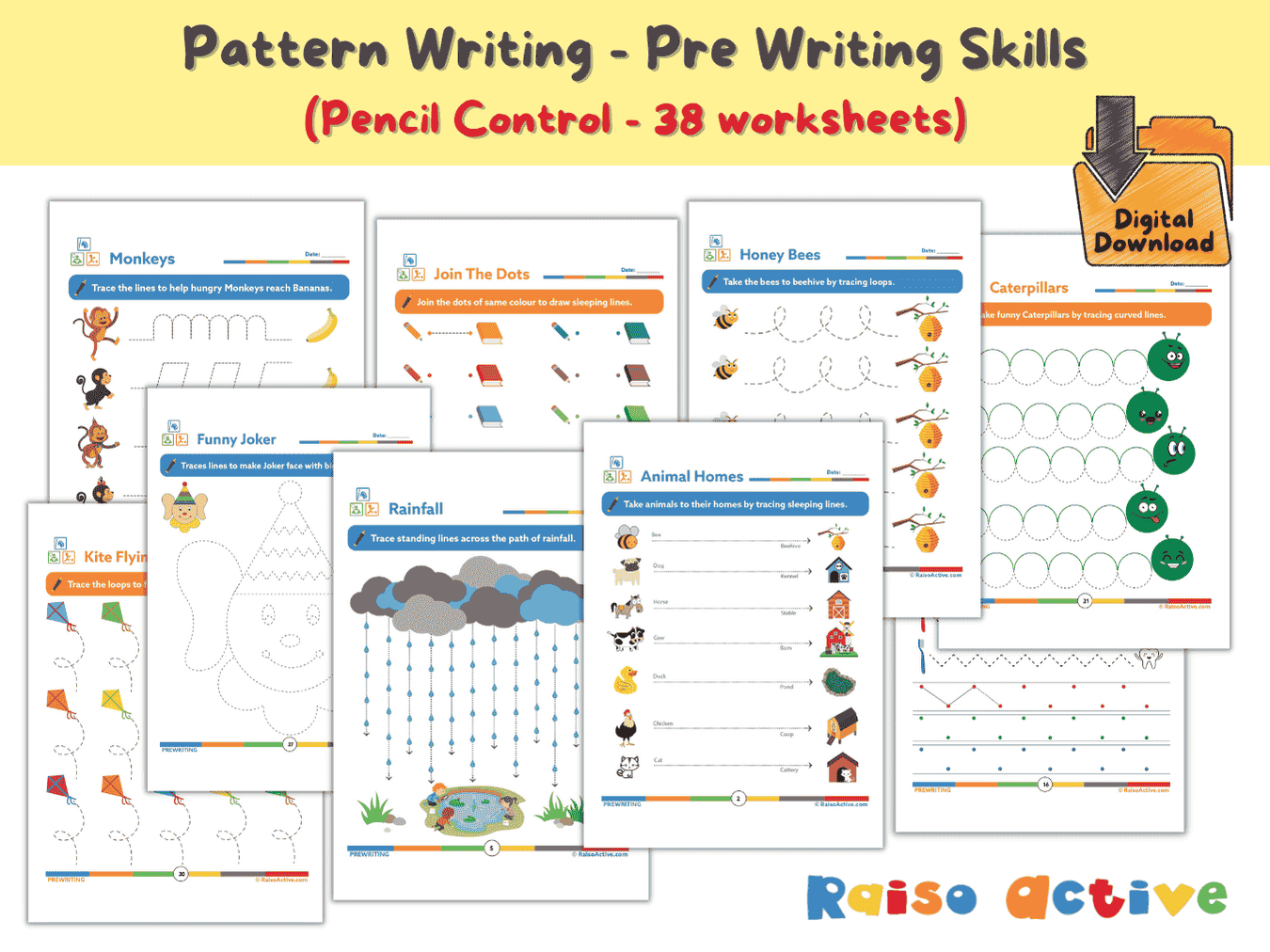
- **Tracing activities** — Start with large shapes and paths, then move to smaller patterns. Laminated tracing sheets with dry-erase markers are reusable and mess-free.
- **Chalkboard or easel drawing** — Drawing on a vertical surface naturally positions the wrist correctly and strengthens the shoulder and arm. This is especially useful for children still in the fist grip stage.
- **Maze worksheets** — Simple mazes encourage controlled pencil movement and help children learn to change direction smoothly.
- **Colouring within boundaries** — Start with large shapes and gradually decrease the size. Encourage children to use small strokes rather than large arm movements.
4. Cutting and Scissor Activities
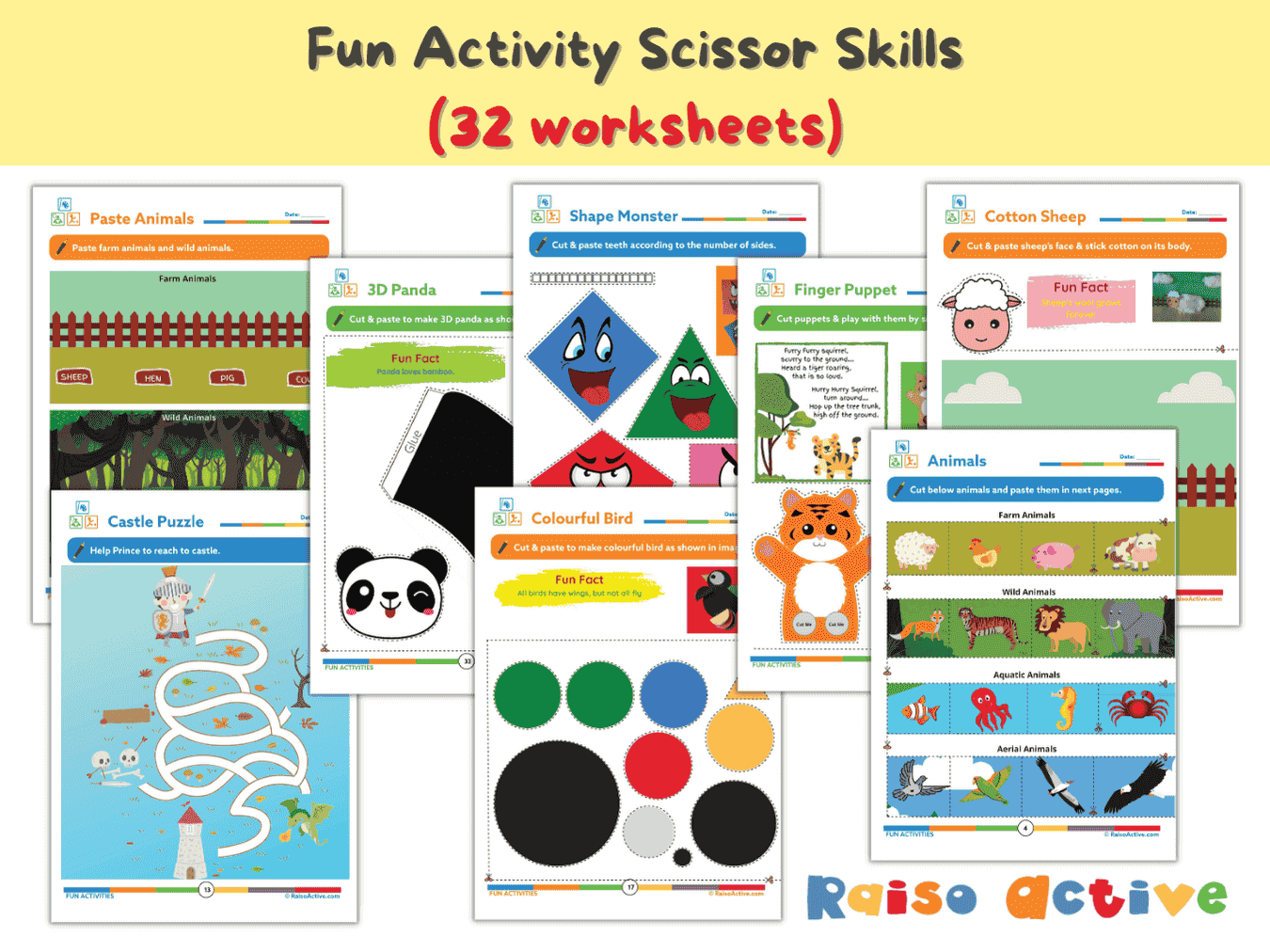
Using scissors may seem unrelated to pencil grip, but the two skills share a surprising amount of muscle overlap. Cutting strengthens the same small hand muscles, develops bilateral coordination, and practises the open-close movement that the fingers use when writing. Occupational therapists frequently prescribe cutting activities as part of handwriting readiness programmes.
- Begin with snipping — short, single cuts along the edge of paper
- Move to cutting along straight lines drawn on paper
- Progress to cutting curves and wavy lines
- Advance to cutting out simple shapes (circles, squares, triangles)
- Finally, try cutting along complex outlines and patterns
⚠️Scissor Safety Reminder
- Always use child-safe scissors with rounded tips and spring-loaded handles for beginners.
- Supervise cutting activities at all times, especially for children under 4.
- Teach the "thumbs up" grip — thumb on top, fingers below — from the start.
Age-Wise Activity Plan for Pencil Grip Development
While every child is different, the following age-wise plan gives you a practical roadmap. Focus on the activities that match your child's current ability, not their age alone. If a 4-year-old has not yet developed a pincer grip, go back to the strengthening activities rather than pushing ahead to writing practice.
Do This
- +Offer chunky crayons and short chalk pieces for toddlers
- +Let children explore different grip styles naturally
- +Focus on hand-strengthening play before age 4
- +Use broken crayons (they naturally encourage tripod grip)
- +Celebrate effort and progress, not perfection
- +Work on vertical surfaces (easels, walls) to build shoulder stability
Avoid This
- -Giving thin pencils to children under 4
- -Constantly correcting grip during creative play
- -Forcing formal handwriting practice before age 5
- -Using pencil grippers as a substitute for muscle development
- -Comparing one child's grip to another's
- -Expecting extended writing sessions from children under 6
The Role of Gross Motor Skills in Pencil Grip
Here is something that surprises many parents: pencil grip does not start in the fingers — it starts in the shoulders. Motor control develops from the centre of the body outward (this is called the proximodistal principle). A child needs stable shoulders, a strong core, and controlled arm movements before the small muscles of the hand can do precise work.
This is why children who spend plenty of time climbing, crawling, pushing, pulling, and playing on monkey bars tend to develop better handwriting readiness. Their shoulders and arms provide a stable base from which fine motor control can emerge.
👋Gross Motor Activities That Support Pencil Grip
- **Climbing and hanging** — Monkey bars, climbing frames, and even hanging from a sturdy branch build shoulder stability and grip strength.
- **Wheelbarrow walking** — Hold your child's legs while they walk on their hands. This strengthens shoulders, arms, and core simultaneously.
- **Animal walks** — Bear walks, crab walks, and frog jumps develop upper body strength in a playful way.
- **Wall push-ups** — Simple and effective for building shoulder and arm strength. Make it a game by counting together.
- **Playing on the floor** — Encourage tummy time for toddlers and floor-based play for older children. Being on the floor naturally builds core and shoulder strength.
Children need approximately 2-3 hours of active physical play daily
Physical play does not just keep children healthy — it directly supports fine motor development. Research shows that children with stronger gross motor skills consistently demonstrate better handwriting readiness by school entry.
Source: World Health Organisation Guidelines on Physical Activity for Children Under 5
When to Be Concerned About Pencil Grip
Most grip issues resolve naturally with time and the right activities. However, there are a few signs that may indicate a child would benefit from a professional assessment by an occupational therapist:
- The child is over 6 and still uses a fist grip with no sign of transition
- Writing or colouring causes pain or significant fatigue after just a few minutes
- The child consistently avoids drawing, colouring, or any fine motor activities
- There is excessive pressure on the paper (tearing or breaking the pencil lead frequently)
- The child has difficulty with other fine motor tasks such as buttoning, zipping, or using cutlery
- One hand is noticeably weaker or less coordinated than the other after age 4
Key Takeaway
If you notice persistent difficulties with grip or fine motor tasks after age 6, consult an occupational therapist. Early intervention is highly effective and can prevent handwriting difficulties from affecting a child's confidence and academic performance.
Setting Up a Grip-Friendly Environment at Home and School
You do not need expensive equipment to support pencil grip development. A few simple changes to the environment can make a significant difference.
- Provide a variety of writing tools — Chunky crayons, chalk, markers, short pencils, and paintbrushes of different thicknesses let children explore what feels comfortable.
- Break crayons in half — Short crayons naturally discourage a fist grip because there is not enough length to wrap the whole hand around. This simple trick is a favourite among occupational therapists.
- Use vertical surfaces — Tape paper to walls, use easels, or draw on chalkboards. Vertical surfaces automatically position the wrist in the correct extended position.
- Ensure proper seating — Feet flat on the floor, table at elbow height, and the non-writing hand stabilising the paper. Poor posture leads to compensatory grip patterns.
- Keep a "fine motor box" — Fill a box with beads, tweezers, pegs, playdough, and lacing cards. Keep it accessible so children can reach for it during free play.
A Simple Weekly Plan to Build Pencil Grip
If you are looking for a structured approach, here is a simple weekly routine that covers all the key areas. Spend 10 to 15 minutes on each activity — short, regular practice is far more effective than occasional long sessions.
Weekly Pencil Grip Activity Plan
1
Monday & Thursday — Playdough and Clay
Roll, pinch, squeeze, and shape playdough or clay. Focus on rolling small balls between the thumb and index finger. Add tools like plastic knives and cookie cutters for variety.
2
Tuesday & Friday — Threading and Sorting
Thread beads, sort buttons, pick up small items with tweezers, or peel and place stickers. These activities directly train the pincer grip.
3
Wednesday — Cutting Practice
Practise snipping, cutting along lines, or cutting out shapes. Start with the level appropriate for your child and progress gradually.
4
Saturday — Pre-Writing and Drawing
Draw in sand trays, trace patterns, complete mazes, or colour within boundaries. Use chunky crayons or short chalk pieces.
5
Daily — Active Play (30+ minutes)
Climbing, hanging, crawling, wheelbarrow walks, and any active play that builds shoulder and core strength. This is the foundation everything else rests upon.
Frequently Asked Questions About Pencil Grip Development
At what age should my child have a proper pencil grip?
Most children develop a functional tripod grip between ages 4.5 and 7. Some children achieve this earlier, others later — and both are perfectly normal. What matters more than age is whether the child has developed the hand strength and coordination needed. If your child is over 6 and still using a fist grip, consider consulting an occupational therapist.
Do pencil grippers actually help?
Pencil grippers can be helpful as a temporary support, particularly for children who have already developed some hand strength but need guidance on finger placement. However, they are not a substitute for building the underlying muscle strength. Think of them as training wheels — useful for a while, but the real goal is to develop the strength and coordination to grip naturally.
My child holds the pencil with four fingers instead of three. Is that a problem?
A quadrupod grip (four fingers on the pencil) is considered a perfectly functional grip by most occupational therapists. As long as the child can write comfortably without pain or fatigue, and their handwriting is legible, a four-finger grip does not need correction. The key question is always: is the grip functional and comfortable?
Should left-handed children hold the pencil differently?
Left-handed children use the same tripod grip but may need to angle the paper slightly to the right (about 30 to 45 degrees) to see what they are writing and avoid smudging. Avoid forcing a left-handed child to hold the pencil exactly like a right-handed child. The key principles — loose grip, movement from the fingers, correct posture — are the same for both hands.
How long should a young child practise writing each day?
For children under 5, formal writing practice should be limited to 5 to 10 minutes at a time. For children aged 5 to 7, 10 to 15 minutes is appropriate. More important than writing practice is spending time on hand-strengthening activities like playdough, cutting, threading, and active play — these build the foundation that makes writing practice productive.
Are there any activities I should avoid if my child has grip difficulties?
Avoid activities that cause pain or significant frustration. If a child is struggling with grip, do not push long colouring or writing sessions — instead, go back to strengthening activities. Also avoid thick, adult-sized pencils for young children, and do not use rubber bands or tape to force finger placement, as these can create tension and bad habits.