 Science
Spice Smelling Game for Kids: Masala Dabba Detectives
A spice smelling game for kids using the whole spices in your masala dabba. Sniff a covered jar, find its twin and talk about the smell. No cooking or tasting.
- Interactive game
- Ages 3-8 · Preschool–Grade 2Ages 3-8 · Nursery–Year 3Ages 3-8 · Nursery–Class 2Ages 3-8
- 5 things to gather
- 5 steps
What Your Child Will Learn
- Noticing and comparing smells, one of the five senses
- Memory, from holding a smell in mind while searching for its match
- New describing words, such as sweet, sharp, warm or fresh
- Matching and sorting by careful attention
How to play the spice smelling game
5 stepsBefore you start
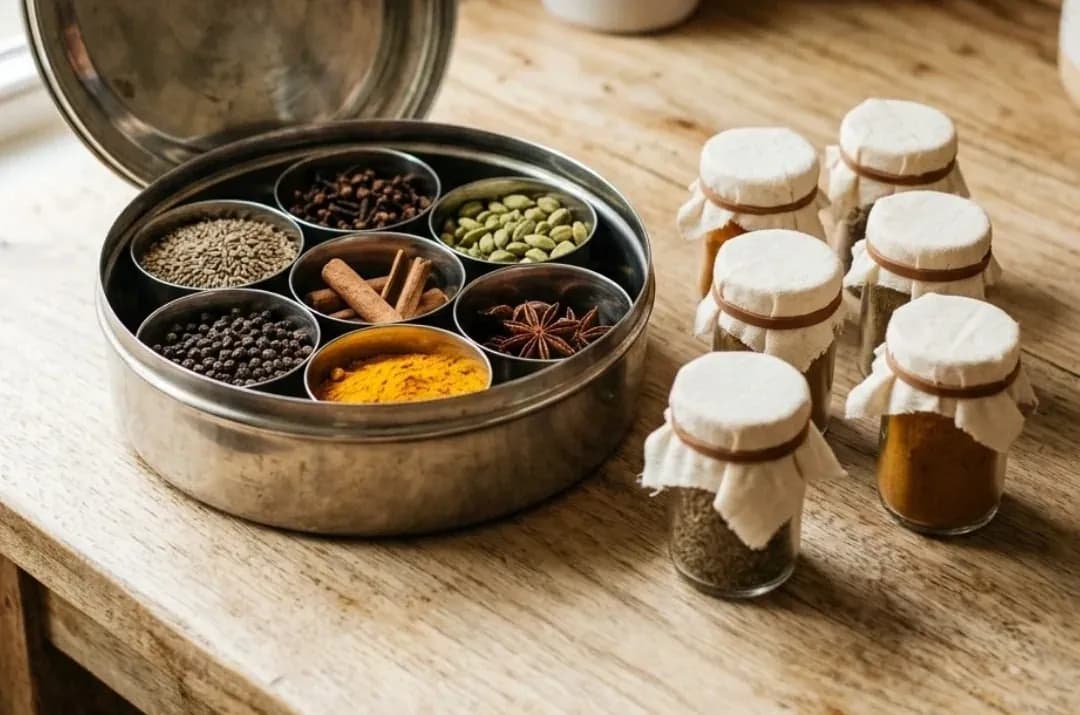
A spice smelling game for kids needs nothing you do not already have: the whole spices in your masala dabba, a few small jars and some thin cloth. Your child sniffs a covered jar, then hunts through the dabba for the spice that smells the same.
There is no cooking and no tasting, only sniffing and talking. Start with three spices so the first round feels easy, then add more as your child gets quicker.
Step 1: Gather your things: Set out the masala dabba with whole spices, six small jars, six cloth squares and six rubber bands on a tray.
Step 2: Hide the smells: Put one whole spice in each jar. Cover each jar with cloth and a rubber band, and keep a matching spice in the dabba.
Step 3: Sniff and match: Your child sniffs one covered jar, then finds its twin in the dabba. Smell only, no tasting.
Step 4: Uncover to check: Lift the cloth to see if the match is right. Then swap roles and let your child hide the spices for you.
Step 5: Talk about the smell: Ask what it is like: sweet, sharp or warm? Does it remind them of a dish at home? Describing smells builds new words.
Ways to extend the game
- Idea 1
Start with 3 spices that smell very different, such as cinnamon, cloves and star anise.
- Idea 2
Let little ones peek at the spice first, then cover the jar and ask them to remember the smell.
- Idea 3
Older kids: use 6 spices, or add similar-smelling pairs for a harder round.
- Idea 4
Older kids: play with a blindfold or closed eyes, matching by smell alone.
- Idea 5
Write or draw a smell word for each spice, such as sweet, sharp or warm.
- Idea 6
Swap roles so your child sets the puzzle and you guess.
More pictures
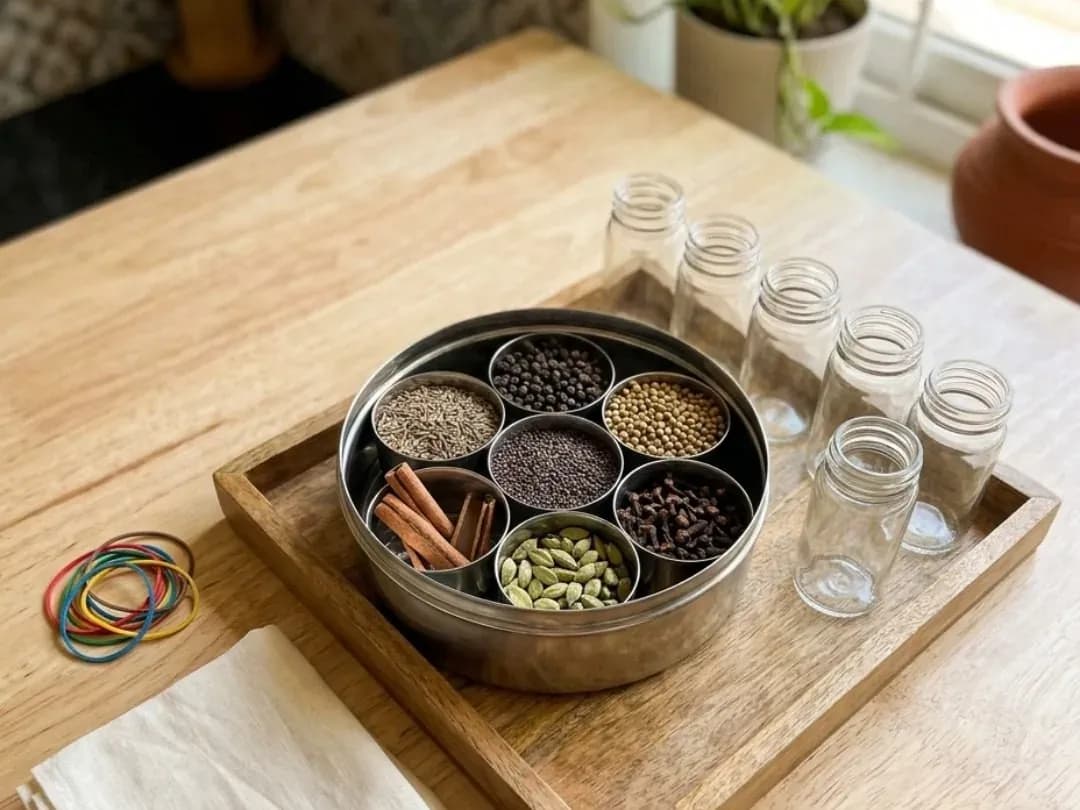
Gather
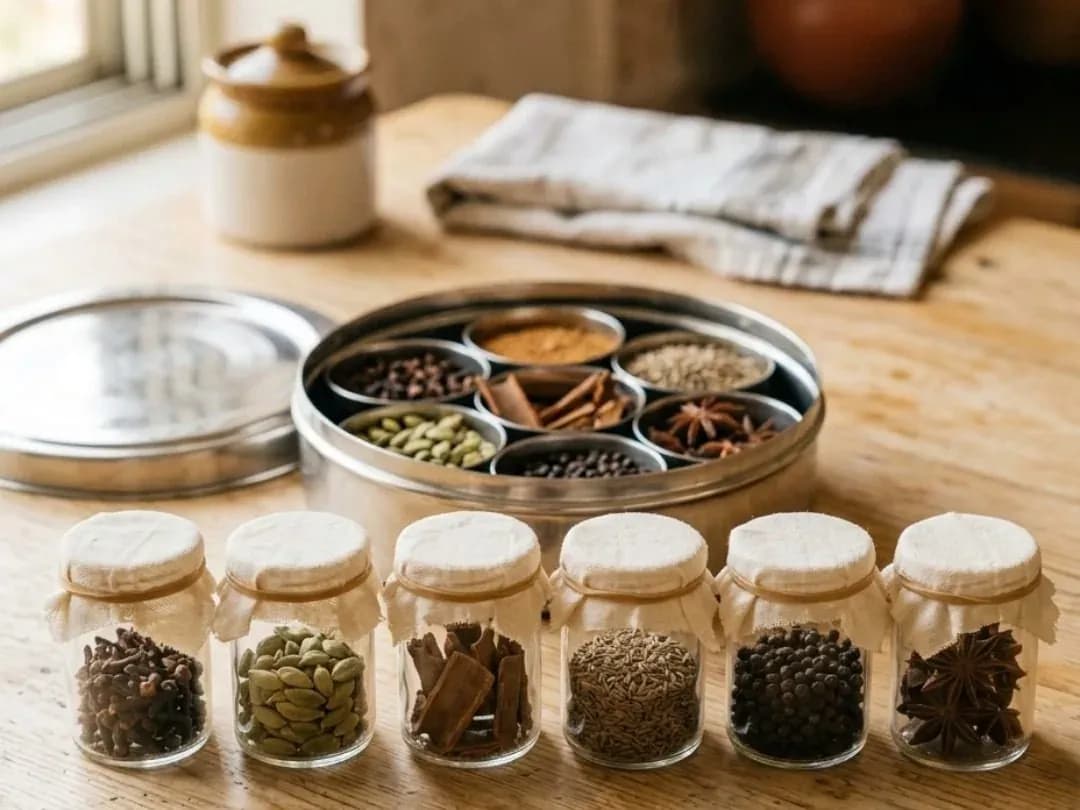
Hide the smells
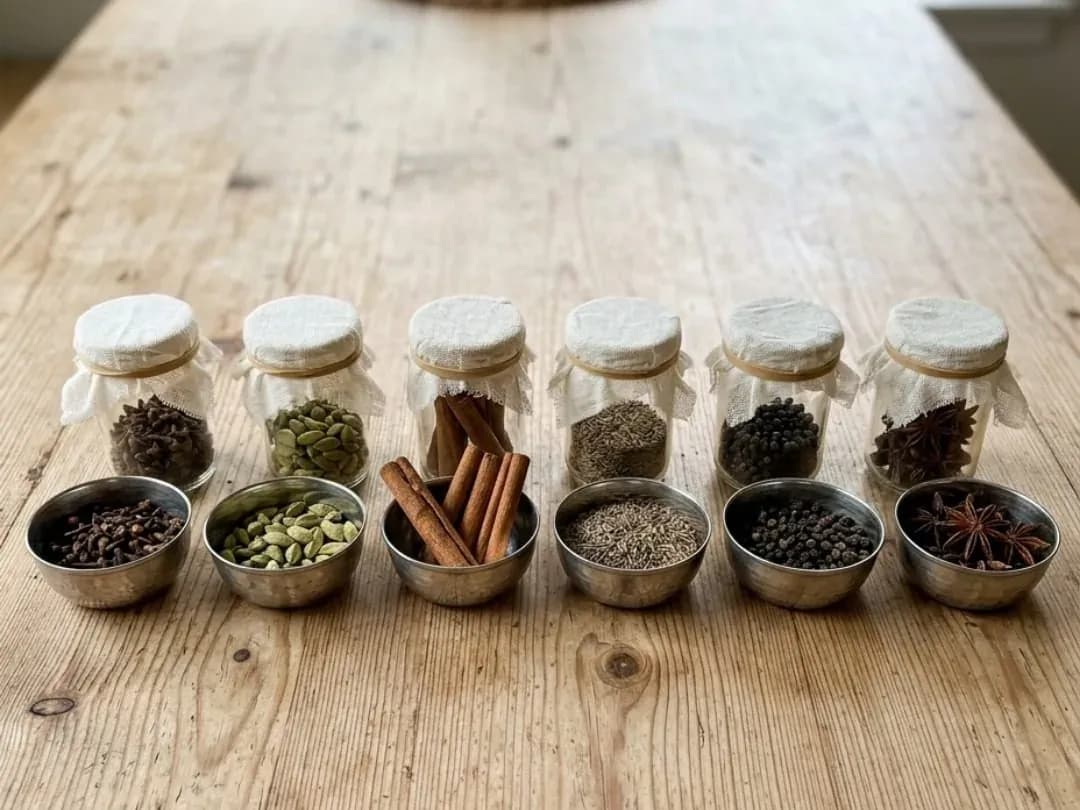
Sniff and match
Related printable packs
View all packs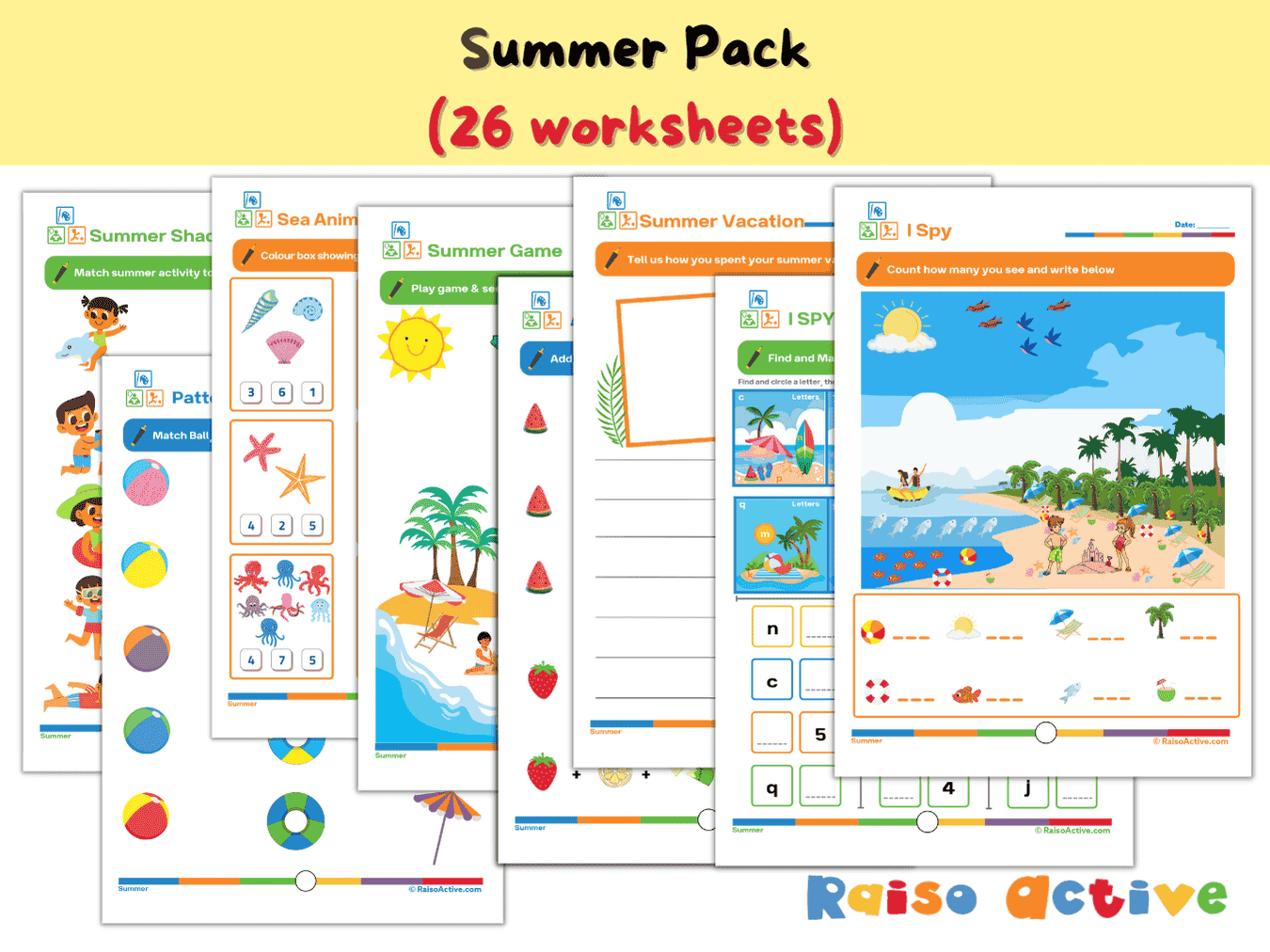

Summer Activity Pack: Math, Literacy, Puzzles & More for Preschool & Kindergarten
Ages 3-7 · Preschool–Grade 1Ages 3-7 · Nursery–Year 2Ages 3-7 · Nursery–Class 1Ages 3-7 · 26 pages
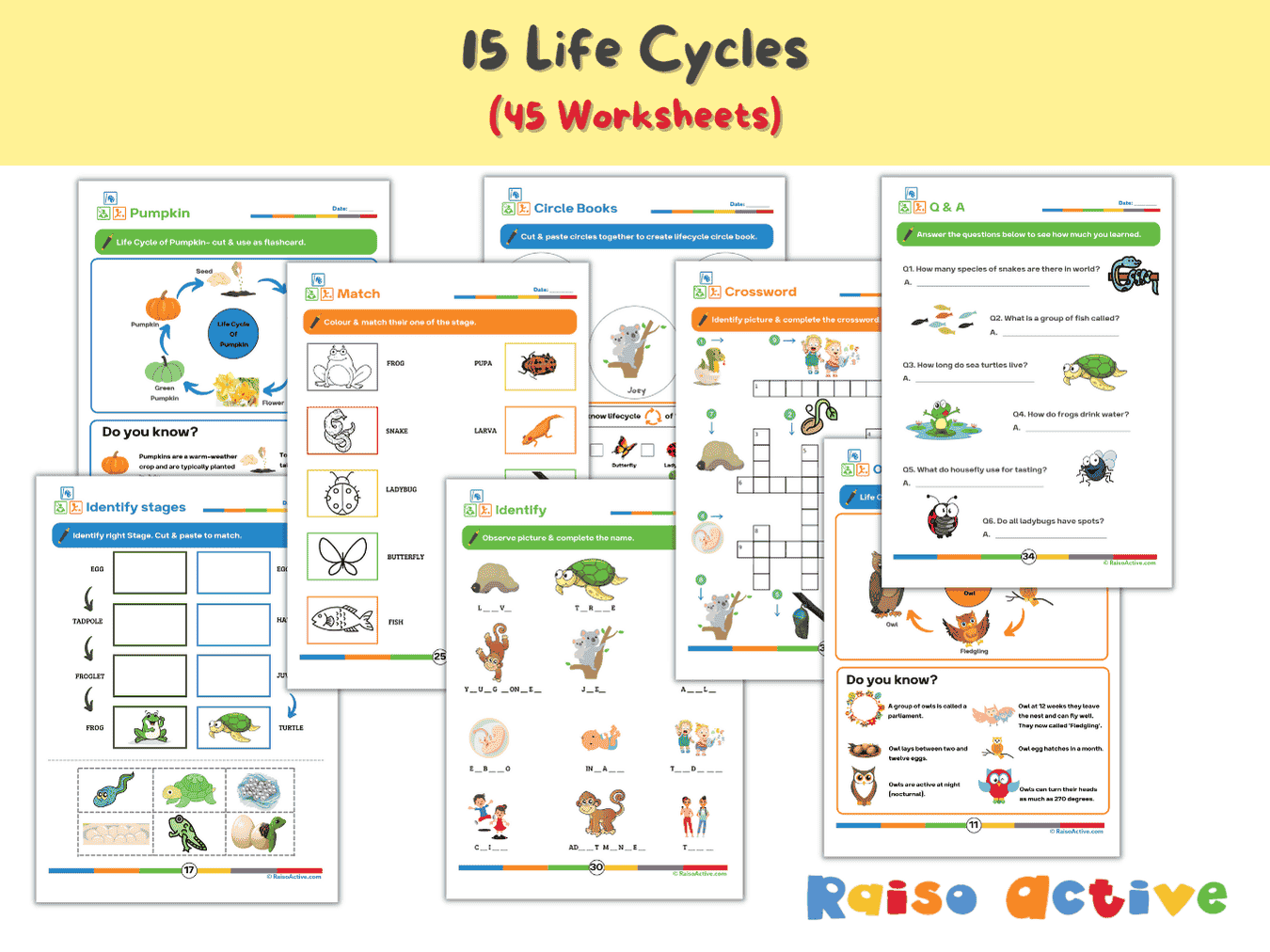
Lifecycles Activity Book & Flashcards for Preschool & Early Elementary
Ages 3-8 · Preschool–Grade 2Ages 3-8 · Nursery–Year 3Ages 3-8 · Nursery–Class 2Ages 3-8 · 46 pages
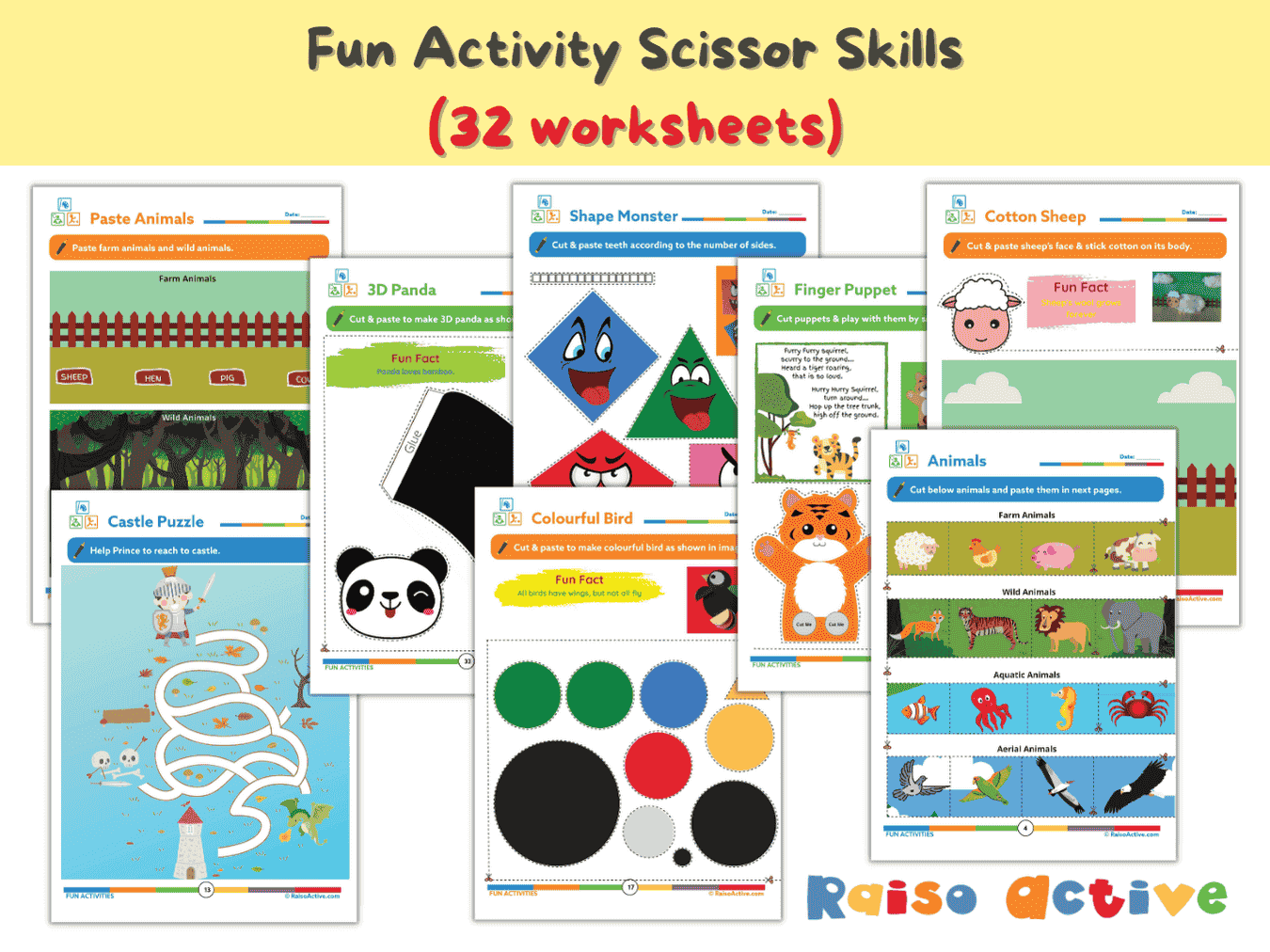
Preschool Scissor Skills Activity Book: Fine Motor & Craft Fun for Ages 3-6
Ages 3-6 · Preschool–KindergartenAges 3-6 · Nursery–Year 1Ages 3-6 · Nursery–UKGAges 3-6 · 35 pages
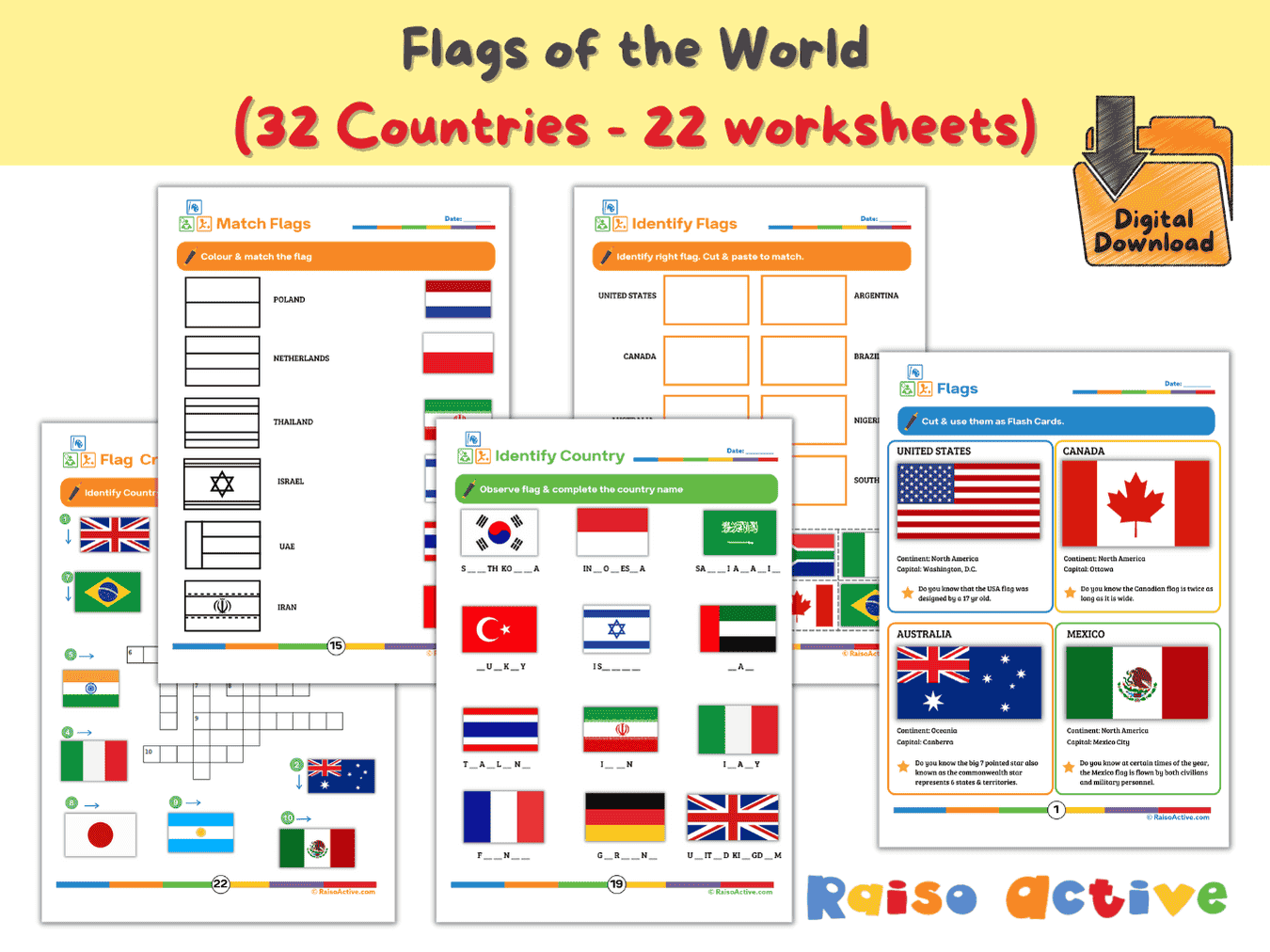
Flags of the World Activity Book & Flashcards for Kids (Ages 5-9)
Ages 5-8 · Kindergarten–Grade 2Ages 5-8 · Year 1–Year 3Ages 5-8 · UKG–Class 2Ages 5-8 · 23 pages
Related guides
View all on Five Senses
Sight Words by Age: The First 50 Words and How to Teach Them Without Flashcard Fatigue
Which sight words to teach first and why, the heart-word method, a read-trace-write-find routine, games, and a by-age table of typical sight-word progress.

Best Worksheets for 3-Year-Olds: What Works and What to Avoid
What works on worksheets for 3-year-olds: short sessions, crayons, tracing lines, matching, cutting, a free weekly plan, and signs one is too advanced.
More activities like this
All activities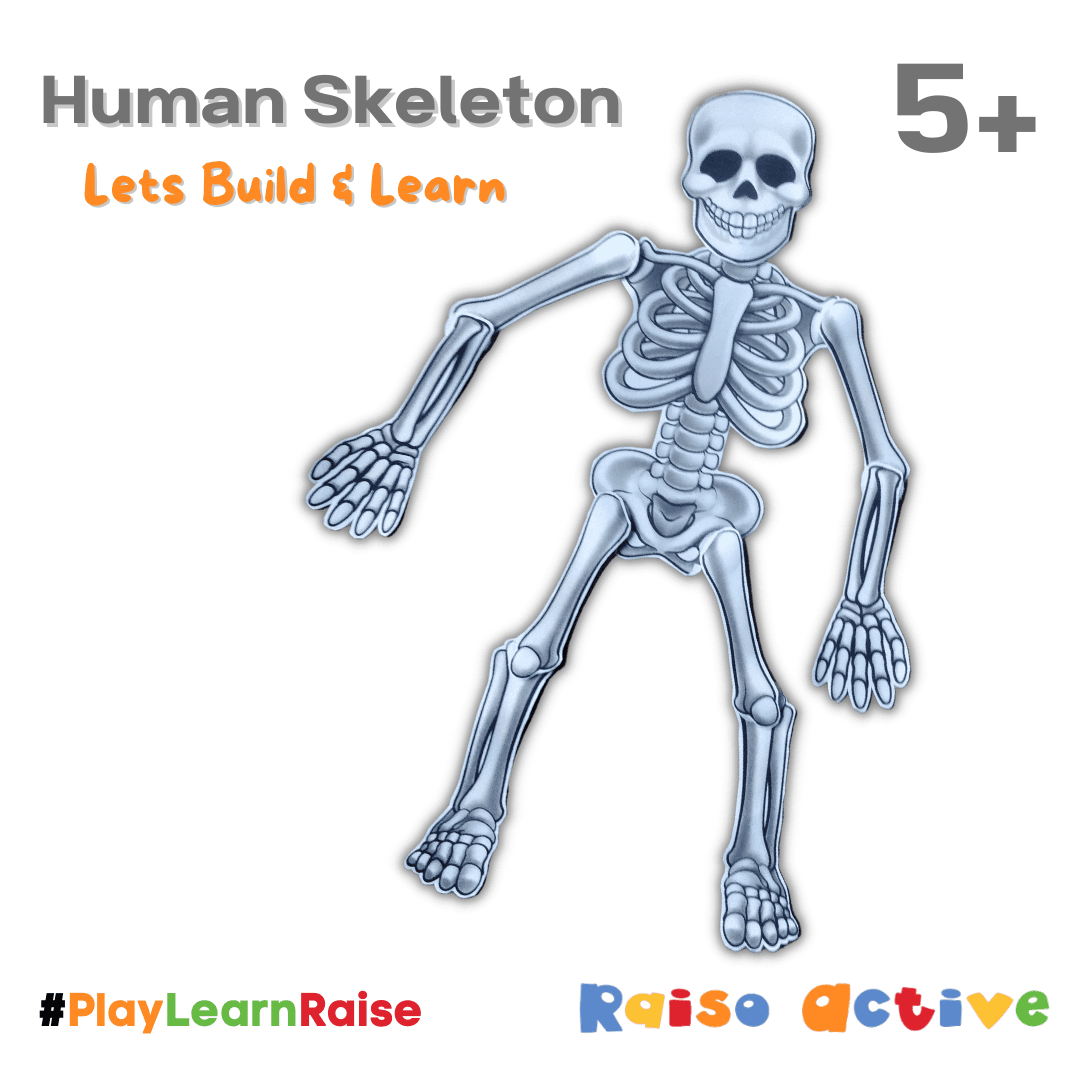 Has a video
Human Skeleton Craft & Matching Worksheet for Kids
Engage children with this exciting activity to build a human skeleton model and learn bone names. Kids will cut out various skeleton parts, assemble them, and then match common bone names on a fun worksheet.
What they'll learn:
Identify major bones of the human skeleton (e.g., skull, ribs, spine) +4 more
 Has a video
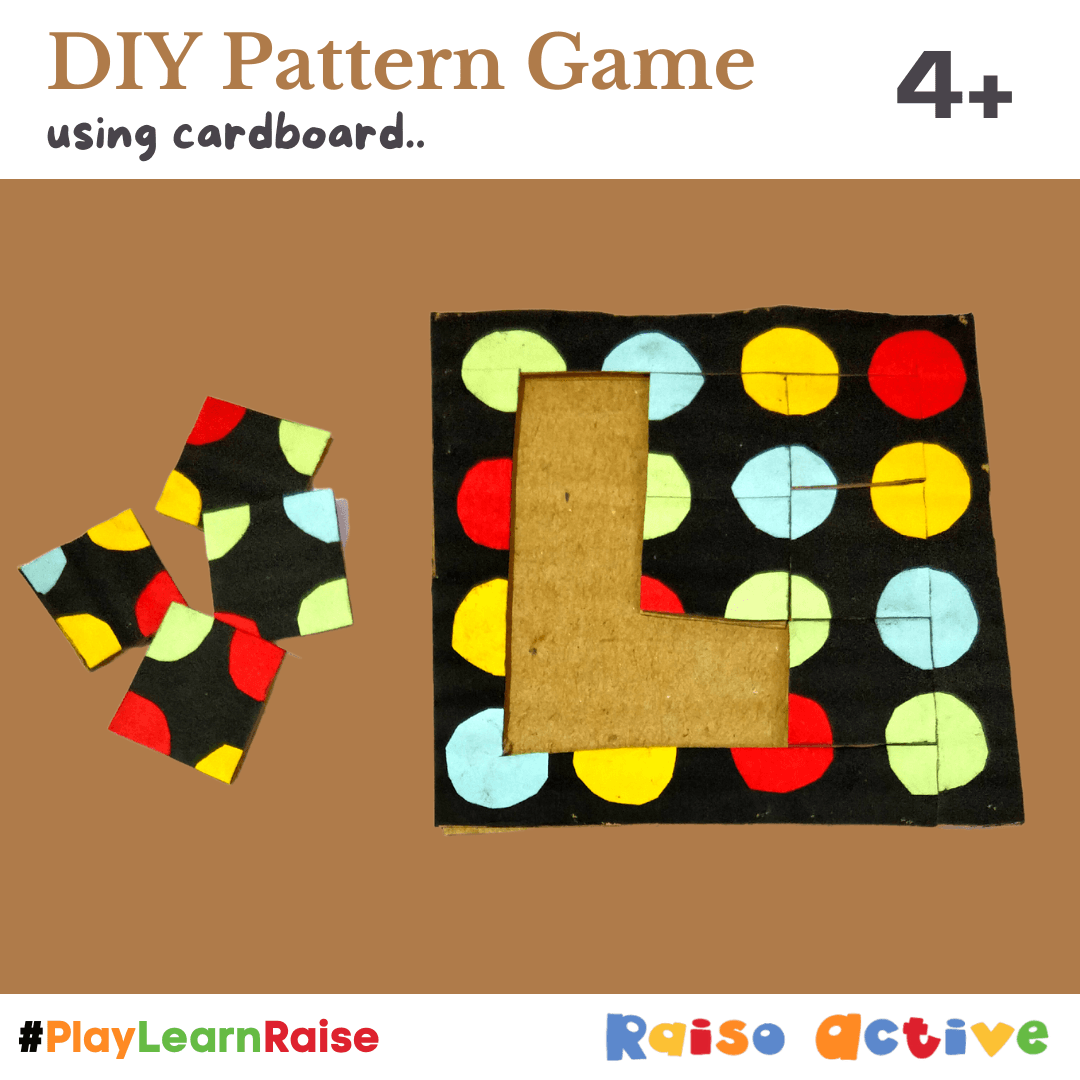
DIY Cardboard Pattern Matching Puzzle Game for Kids
Children will create and play a homemade pattern matching puzzle using cardboard. This engaging activity enhances visual discrimination, fine motor skills, and pattern recognition, perfect for early learners.
What they'll learn:
Develop visual discrimination skills by matching patterns and colors. +4 more