Making Learning Accessible for All Children: A Comprehensive Guide to Inclusive Education
Author
RaisoActive - Kids Activities and Fun Learning
Published
Updated
Reading Time
10 min read

- What inclusive education really means — and why it matters for every child
- Universal Design for Learning (UDL): the framework that helps all learners thrive
- Practical classroom and home adaptations you can implement today
- How to support children with ADHD, dyslexia, and sensory processing differences
- Working with schools to create truly inclusive learning environments
What Is Inclusive Education — and Why Does Every Child Benefit?
Inclusive education isn't just about placing children with disabilities in mainstream classrooms — it's about designing learning environments where every child can participate, learn, and belong. It means rethinking how we teach so that the curriculum fits the child, rather than expecting the child to fit the curriculum.
Here's something that surprises many parents: inclusive education doesn't only benefit children with disabilities. Research consistently shows that when classrooms are designed for diverse learners, all children do better — academically, socially, and emotionally. Children develop empathy, learn to collaborate with people who think differently, and build problem-solving skills that serve them for life.
Whether your child has a diagnosed learning difference, you're a teacher looking to make your classroom more inclusive, or you simply want to understand how to support diverse learners at home — this guide provides practical, research-backed strategies you can start using today.
Get inclusive teaching strategies in your inbox
Free worksheets, activity ideas, and expert tips for supporting every kind of learner.
Universal Design for Learning: The Foundation of Inclusive Education
Universal Design for Learning (UDL) is the most widely recognised framework for inclusive education. Developed by CAST (Centre for Applied Special Technology), UDL is based on a simple but powerful idea: design for the edges, and the middle takes care of itself. When you plan for the widest range of learners from the start, you create better learning experiences for everyone.
UDL rests on three core principles:
- Multiple Means of Engagement — the why of learning. Offer choices, make content relevant, and support self-regulation. Some children are motivated by challenge, others by collaboration, others by hands-on exploration.
- Multiple Means of Representation — the what of learning. Present information in different formats: visual, auditory, tactile, and kinesthetic. Don't rely on a single textbook or worksheet.
- Multiple Means of Action & Expression — the how of learning. Let children show what they know in different ways: speaking, drawing, building, typing, acting out, or pointing to pictures.
UDL isn't about creating separate lesson plans for each child. It's about building flexibility into every lesson so that more children can access the same content in ways that work for them.
of teachers who implement UDL strategies report improved engagement and learning outcomes across their entire class — not just for students with disabilities.
Source: National Centre on UDL Implementation Research, 2022
Practical Adaptations for the Classroom and Home
Making learning accessible doesn't require expensive resources or specialist training. Many of the most effective adaptations are simple, low-cost, and benefit all children. Here are strategies organised by learning area:
Visual and Environmental Adaptations
- Visual schedules: Use picture-based daily schedules so children know what comes next. This reduces anxiety for children with autism, ADHD, and anxiety — and helps all young learners with transitions.
- Colour-coded materials: Assign colours to subjects, activities, or instructions. Colour coding reduces cognitive load and makes organisation intuitive.
- Reduce visual clutter: Keep walls purposeful, not overwhelming. Too many posters and decorations can be distracting, especially for children with sensory processing differences.
- Flexible seating: Offer options like wobble cushions, standing desks, floor cushions, or traditional chairs. Different bodies need different support.
Adapting Worksheets and Activities
- Use larger fonts (minimum 14pt) and extra spacing between lines for children with visual or processing differences
- Break long tasks into smaller chunks with clear stopping points — this helps children with ADHD and executive function challenges
- Add visual cues: arrows showing where to start, boxes to write in, dotted lines to cut along
- Offer the same content at different levels: some children trace, some copy, some write independently
- Use high-contrast colours (dark text on light backgrounds) and avoid busy, patterned backgrounds
Supporting Specific Learning Differences
While UDL creates a strong foundation, some children benefit from additional targeted strategies. Here's a practical guide for the most common learning differences you'll encounter:
ADHD: Attention Deficit Hyperactivity Disorder
Children with ADHD aren't unable to focus — they struggle to regulate their focus. They may hyperfocus on preferred activities while finding it genuinely difficult to attend to tasks that don't engage them. The key is working with how their brain works, not against it.
ADHD-Friendly Learning Strategies
Use movement breaks
Build in short movement breaks every 10-15 minutes. Star jumps, stretching, or a quick walk help reset attention. Many children with ADHD think better when they can move.
Make instructions visual and brief
Give one instruction at a time. Write it down or show it as a picture. Avoid long verbal explanations — they lose the thread quickly.
Use timers and chunking
Break tasks into 5-10 minute chunks with visible timers. "Work for 5 minutes, then you can choose a fidget" is more effective than "finish this worksheet."
Offer fidget tools
Stress balls, textured strips under the desk, or resistance bands on chair legs give sensory input that actually helps concentration — not hinders it.
Catch them being good
Children with ADHD often receive more negative feedback than their peers. Make a conscious effort to notice and praise on-task behaviour, effort, and small wins.
Dyslexia: Reading and Writing Differences
Dyslexia affects how the brain processes written language. Children with dyslexia are often highly creative, strong visual thinkers, and excellent problem-solvers — but they need different pathways into reading and writing. Phonics-based approaches, multi-sensory techniques, and patience are key.
- Use structured literacy programmes with explicit, systematic phonics instruction (e.g., Orton-Gillingham approach)
- Make it multi-sensory: trace letters in sand, build words with magnetic letters, tap out syllables on the table
- Use coloured overlays or tinted backgrounds if the child reports words "moving" or "blurring" on the page
- Never ask a child with dyslexia to read aloud in front of the class unless they volunteer — the anxiety makes reading harder
- Separate reading ability from intelligence — let children access age-appropriate content through audiobooks and read-alouds
Sensory Processing Differences
Children with sensory processing differences may be overwhelmed by noisy classrooms, certain textures, bright lights, or strong smells. Others may seek intense sensory input — spinning, crashing into things, or mouthing objects. Understanding your child's sensory profile is the first step to creating an environment where they can learn.
- +Create a quiet corner or calm-down space with soft lighting
- +Allow headphones or ear defenders during noisy activities
- +Offer sensory breaks proactively — before meltdowns happen
- +Let children sit where they feel comfortable (away from doors, windows, or speakers)
- +Provide warning before loud sounds (bells, fire drills, music)
- -Forcing children to "get used to" overwhelming environments
- -Punishing sensory-seeking behaviours without offering alternatives
- -Assuming a child is being "naughty" when they cover ears or refuse textures
- -Making children sit still for long periods without movement options
- -Using strong air fresheners or cleaning products in classrooms
Every child's sensory needs are different. What calms one child may overwhelm another. Observe, ask, and adjust — there is no universal sensory solution.
An occupational therapist can conduct a formal sensory assessment and create a personalised "sensory diet" — a plan of sensory activities throughout the day that helps the child regulate.
Working with Your Child's School: A Partnership Approach
The relationship between parents and school is one of the most important factors in a child's educational success. When it works well, it's a partnership. When it doesn't, children fall through the gaps. Here's how to build a strong working relationship:
- Share what works at home: You know your child best. If specific strategies work at home (timers, fidgets, visual schedules), share these with your child's teacher.
- Request regular communication: A simple daily notebook or weekly email exchange between home and school keeps everyone aligned.
- Attend IEP/review meetings prepared: Bring notes, examples of your child's work, and a list of your concerns and priorities. You are an equal partner in these meetings.
- Ask for observations: If you suspect your child needs additional support, request a classroom observation by a learning support specialist or educational psychologist.
- Know your rights: In most countries, children with learning differences have legal protections. Familiarise yourself with IDEA (US), the RPWD Act (India), SEND Code of Practice (UK), or equivalent legislation.
Children whose parents are actively involved in their education are three times more likely to receive appropriate accommodations and support at school.
Source: National Centre for Learning Disabilities, 2021
Inclusive Learning Activities You Can Do at Home
You don't need to be a special educator to create inclusive learning at home. The most powerful thing you can do is follow your child's interests and adapt activities to their strengths. Here are some ideas:
- **Letter tracing in different textures**: Use sand trays, shaving foam, rice, or finger paint to practise letter formation — much more engaging than pencil on paper
- **Counting with real objects**: Buttons, pasta shapes, building blocks — hands-on counting is more meaningful than abstract worksheets
- **Story retelling with props**: Use toys, puppets, or drawn pictures to retell a story. This builds comprehension without requiring reading
- **Science through sensory play**: Water play, mud kitchens, growing seeds — these activities teach scientific thinking while meeting sensory needs
- **Art without rules**: Offer materials (paint, clay, collage items) without a specific outcome. Process-based art builds confidence and creativity for all children
Free inclusive worksheets delivered weekly
Join thousands of parents and teachers who receive adapted worksheets, multi-sensory activity ideas, and inclusive teaching strategies. No spam, ever.
Frequently Asked Questions
What is the difference between integration and inclusion in education?
My child doesn't have a diagnosis but struggles in school. What should I do?
How do I explain my child's learning difference to other children?
Is Universal Design for Learning (UDL) evidence-based?
What accommodations can I request for my child at school?
How can I support inclusive education if I'm a teacher with a large class?

Written by
Hemsweta Jain · Teacher Cheena
MBA and Early Childhood Educator, teaching since 2014 · Founder of RaisoActive, Mumbai
Published · Last reviewed
Related posts
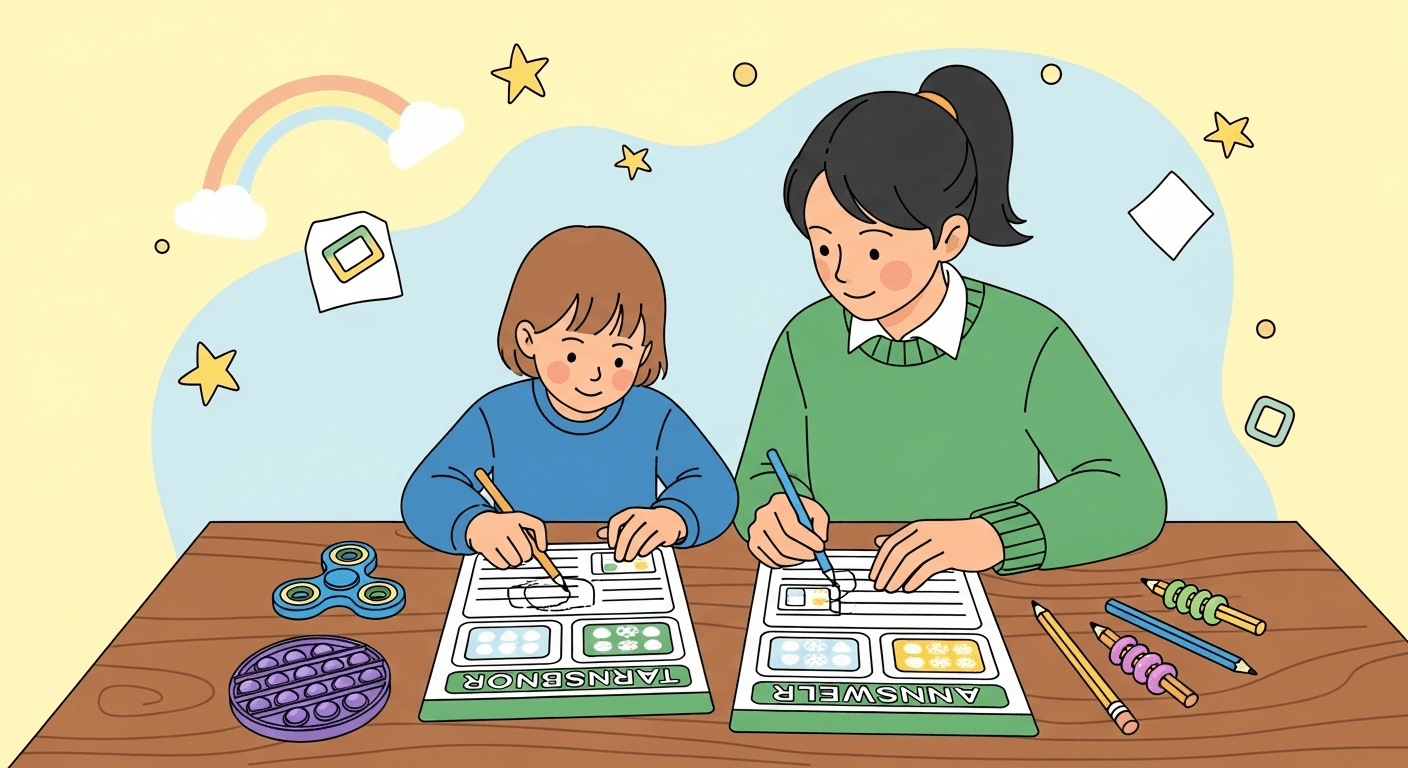
Adapting Worksheets for Children with Special Needs: A Complete Guide for Parents and Educators
Practical strategies to adapt worksheets for children with ADHD, dyslexia, dysgraphia & sensory differences. Indian school context, CBSE tips, and OT advice included.
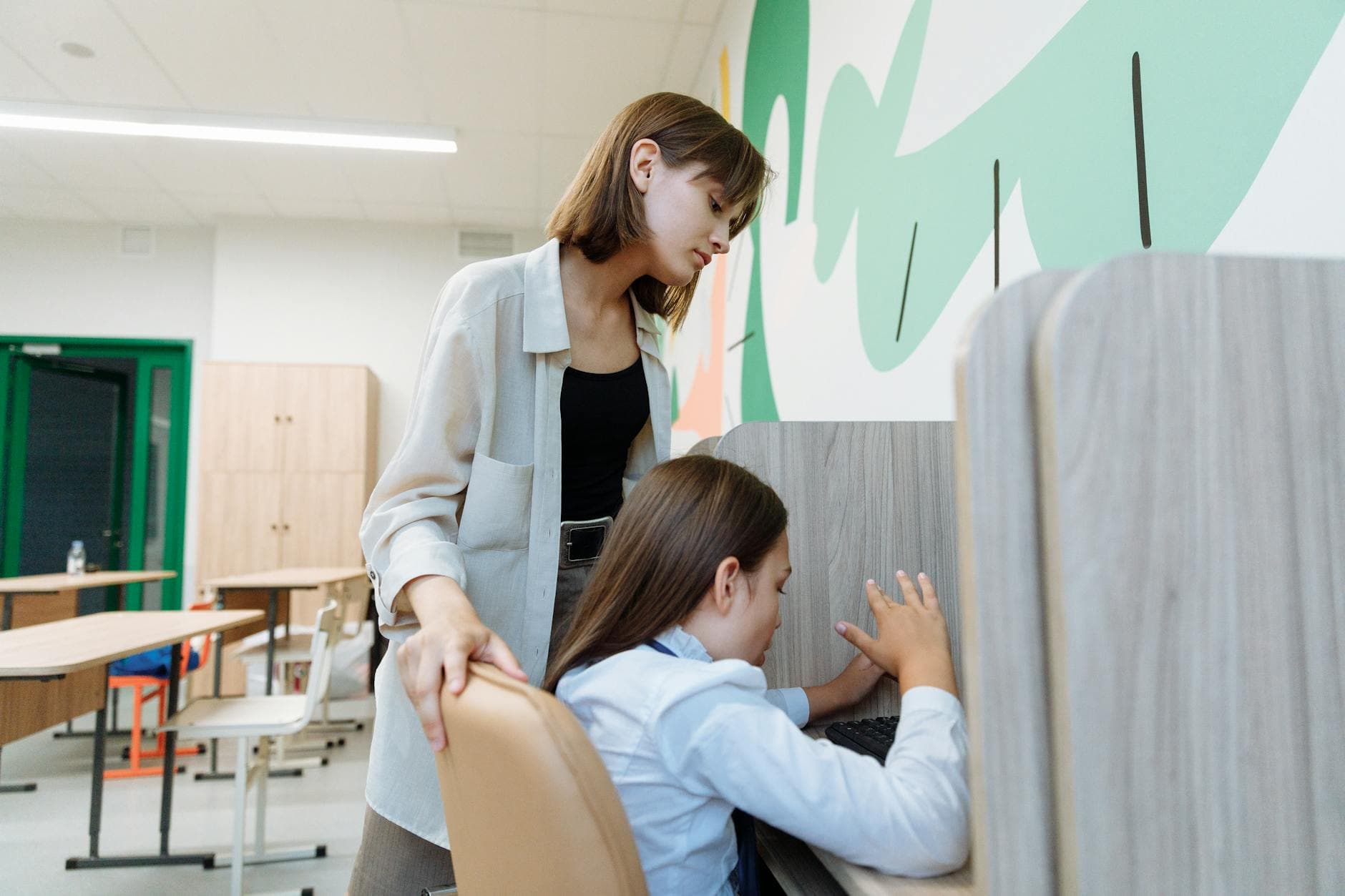
What Red Flags Indicate Learning Difficulties? A Comprehensive Guide for Early Identification
Learn the age-by-age red flags for reading, writing, maths, and attention difficulties in children ages 1-8. Know when to seek help and where to find support in India.
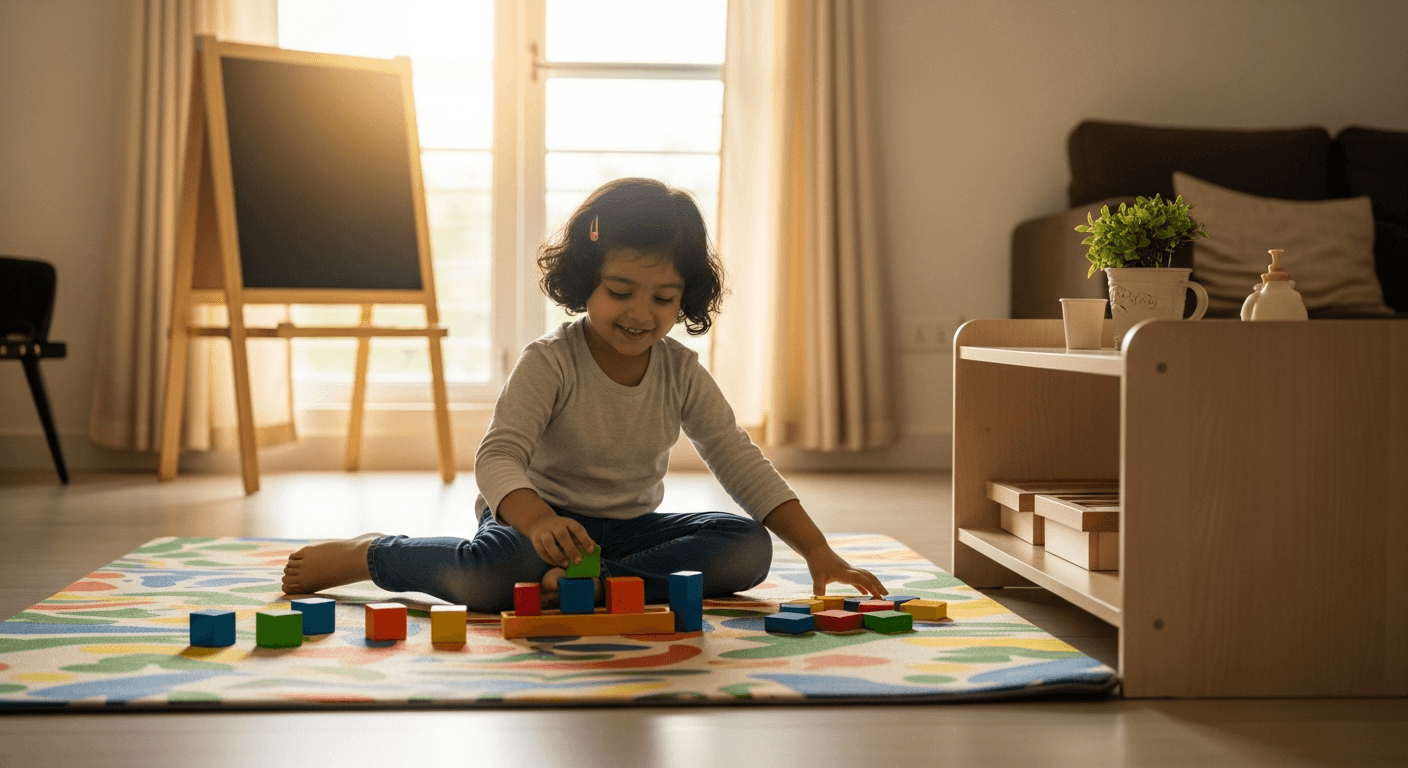
Help! My Child Won't Sit Still for Learning Activities — A Parent's Complete Guide
Is your child unable to sit still for learning? Discover the developmental science behind why movement IS learning, plus practical strategies for active kids aged 1–8.