 Music & Movement
DIY Dandiya Sticks for Kids, Plus a Tap-a-Rhythm Game
Roll mini dandiya sticks from old newspaper in 15 minutes, then play a copy-the-rhythm game together. Easy Navratri fun for listening and counting.
- Craft
- Ages 3-8 · Preschool–Grade 2Ages 3-8 · Nursery–Year 3Ages 3-8 · Nursery–Class 2Ages 3-8
- 6 things to gather
- 8 steps
What Your Child Will Learn
- Fine motor skills and hand strength from rolling the newspaper tightly and peeling tape
- Early pattern work from choosing tape colours and spacing the mirrors
- Listening, counting beats and holding a rhythm in memory
- Patience and confidence from taking turns as the leader
How to make dandiya sticks and play
8 stepsBefore you start
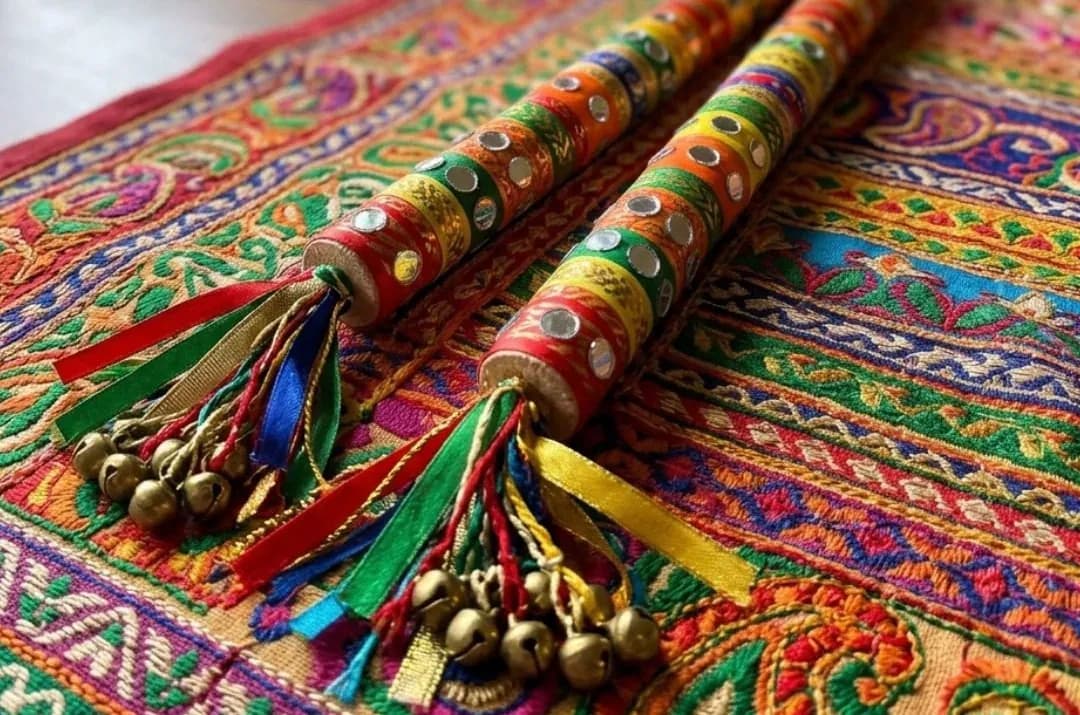
These DIY dandiya sticks for kids are made from old newspaper, a little tape and a few sparkly extras. Make two sticks for each player, which takes about 15 minutes.
Once the sticks are ready, play the tap-a-rhythm game: you tap a pattern, your child copies it, then you swap. Keep the first rounds short and slow, and cheer every copy, even the wobbly ones.
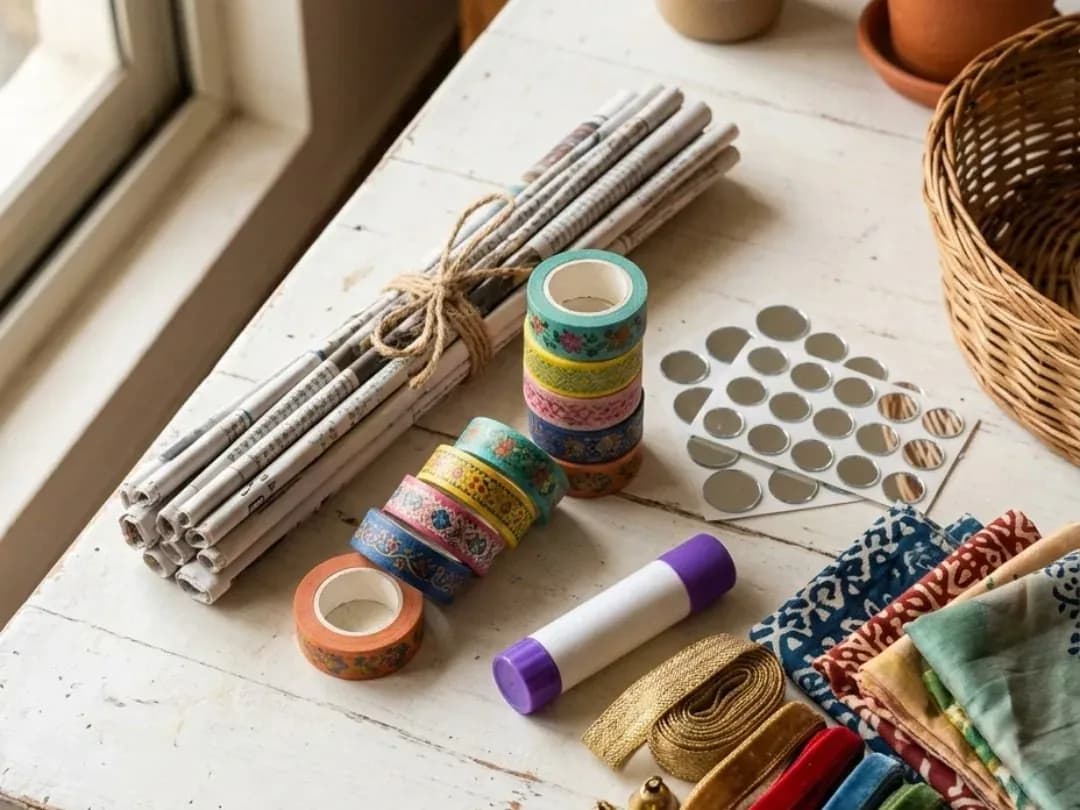
Step 1: Gather everything first: Put the newspaper, tape, stickers, ribbon, bells and glue on one tray. Sorting the bits before you start keeps the craft calm and tidy.
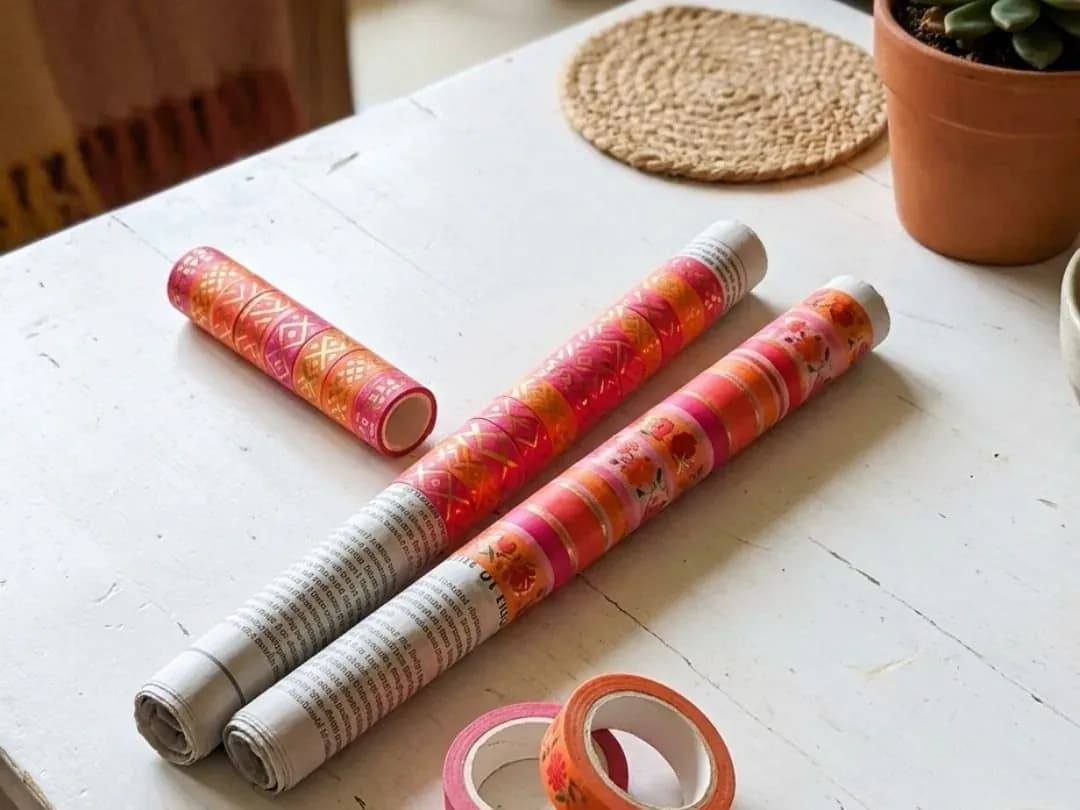
Step 2: Roll the newspaper into a stick: Start at one corner and roll the sheet as tightly as you can into a thin stick. Glue down the last edge and hold it for a few seconds. Make two.
Step 3: Wrap them in bright tape: Wind washi tape round each stick in stripes. Mixing two or three colours makes a pattern your child can name as they go.
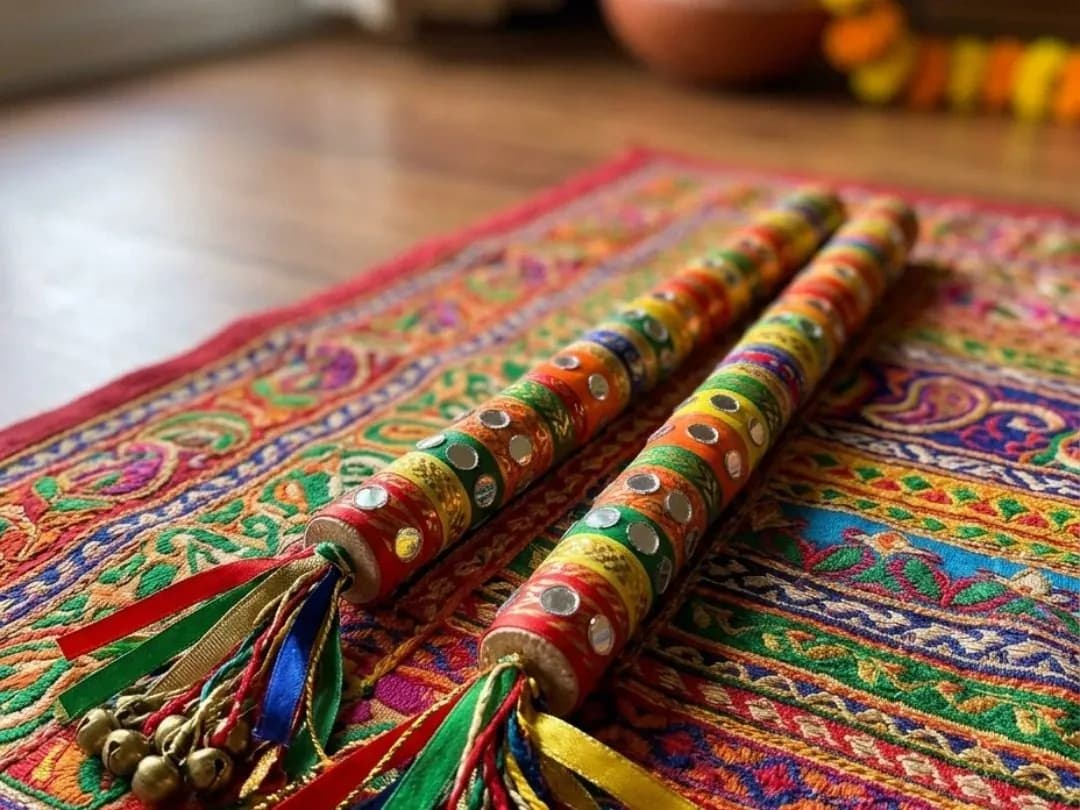
Step 4: Decorate with mirrors, ribbon and bells: Press mirror stickers along the tape, then tie a few ribbons and a small bell to one end of each stick. The bells jingle on every tap.
Step 5: Tap a pattern: Sit facing each other with a pair of sticks each. Start with something short, such as tap-tap-clap, and say it out loud as you play it.
Step 6: Copy it back: Your child taps the same pattern back with their sticks. If it is not quite right, play it once more, slowly.
Step 7: Swap over: Now your child makes up a pattern and you copy it. Children love being the leader.
Step 8: Add one more beat: Tap-tap-clap becomes tap-tap-clap-tap. Each round gets a little longer, so there is more to remember.
More ideas to extend
- Idea 1
Little ones: roll the sticks for them and let them do the tape and stickers.
- Idea 2
Little ones: use a short cardboard tube instead of newspaper, and skip the bells if small parts are a worry.
- Idea 3
Little ones: start the game with just two taps, and copy them together.
- Idea 4
Older kids: copy patterns of six beats or more, with eyes closed.
- Idea 5
Older kids: write a pattern as symbols (T for tap, C for clap) for someone else to play.
- Idea 6
Play it fast, slow and whisper-quiet. Whisper-quiet taps are a good way to wind down.
More pictures
Gather
Roll the newspaper into a stick
Decorate with mirrors, ribbon and bells
Related printable packs
View all packs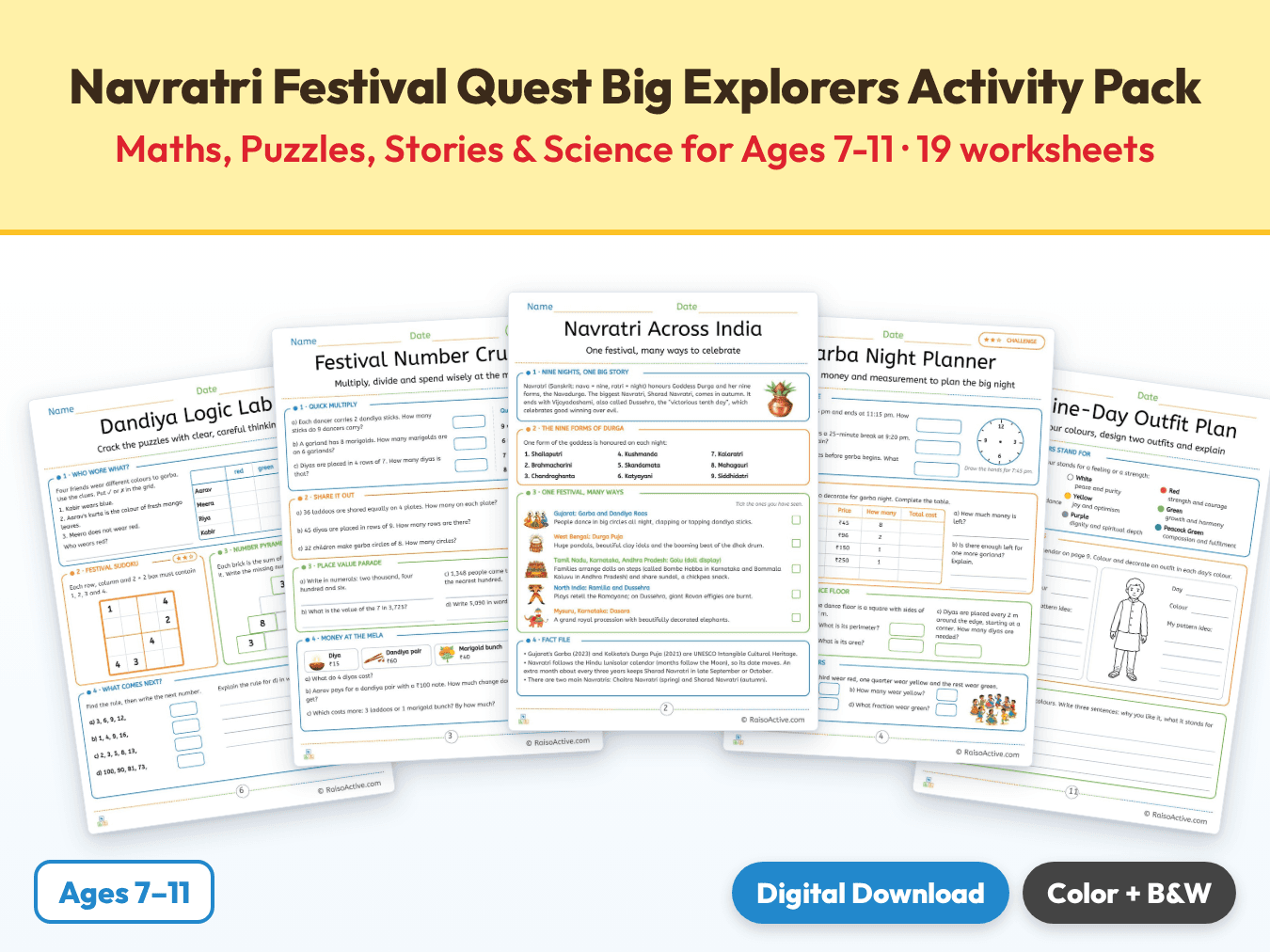
Navratri Festival Quest Big Explorers Activity Pack: Maths, Puzzles, Stories & Science for Ages 7-11
Ages 7-11 · Grade 2–Grade 3Ages 7-11 · Year 3–Year 4Ages 7-11 · Class 2–Class 3Ages 7-11 · 20 pages
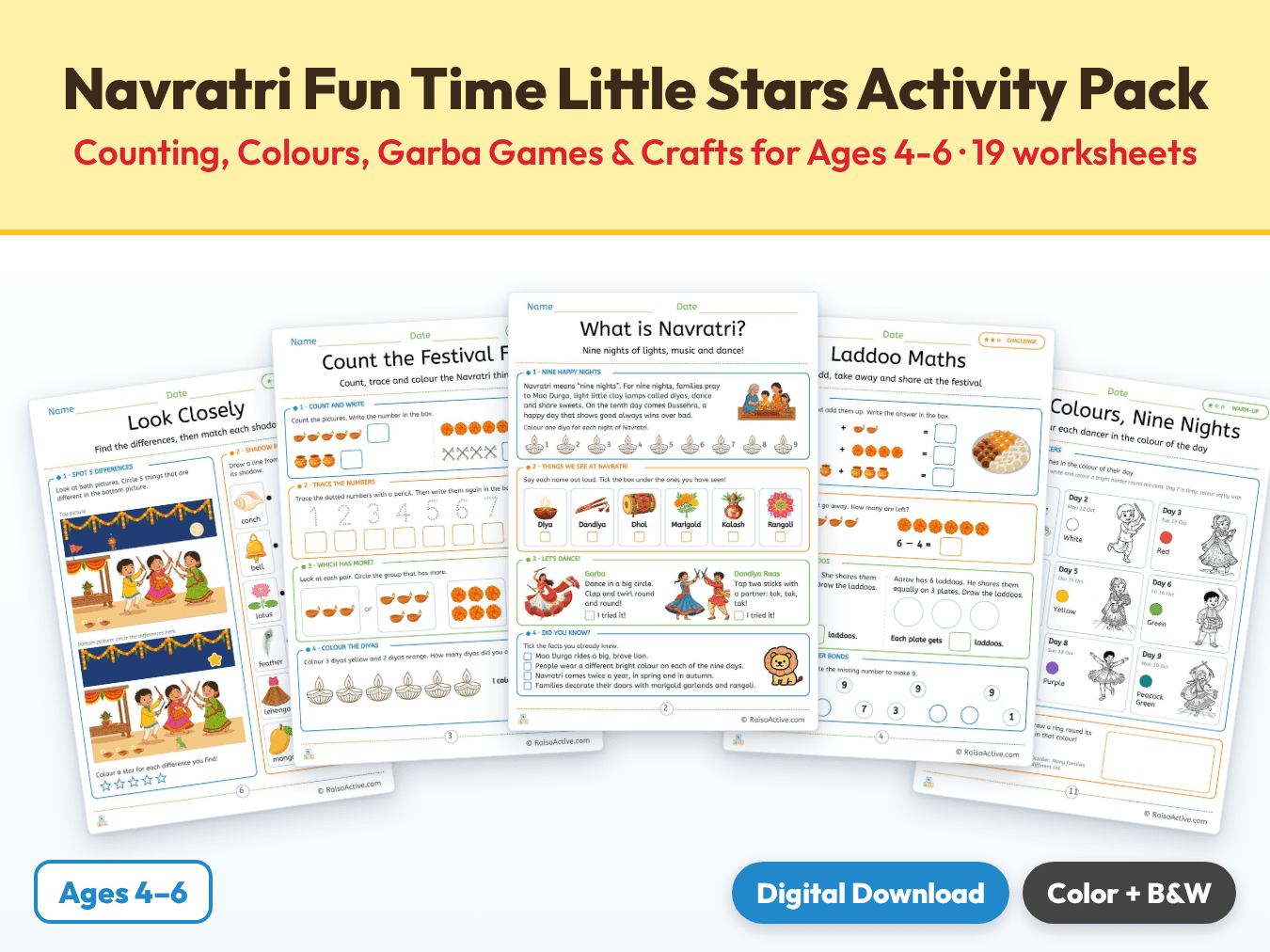
Navratri Fun Time Little Stars Activity Pack: Counting, Colours, Garba Games & Crafts for Ages 4-6
Ages 4-6 · Pre-K–KindergartenAges 4-6 · Reception–Year 1Ages 4-6 · LKG–UKGAges 4-6 · 20 pages
More activities like this
All activities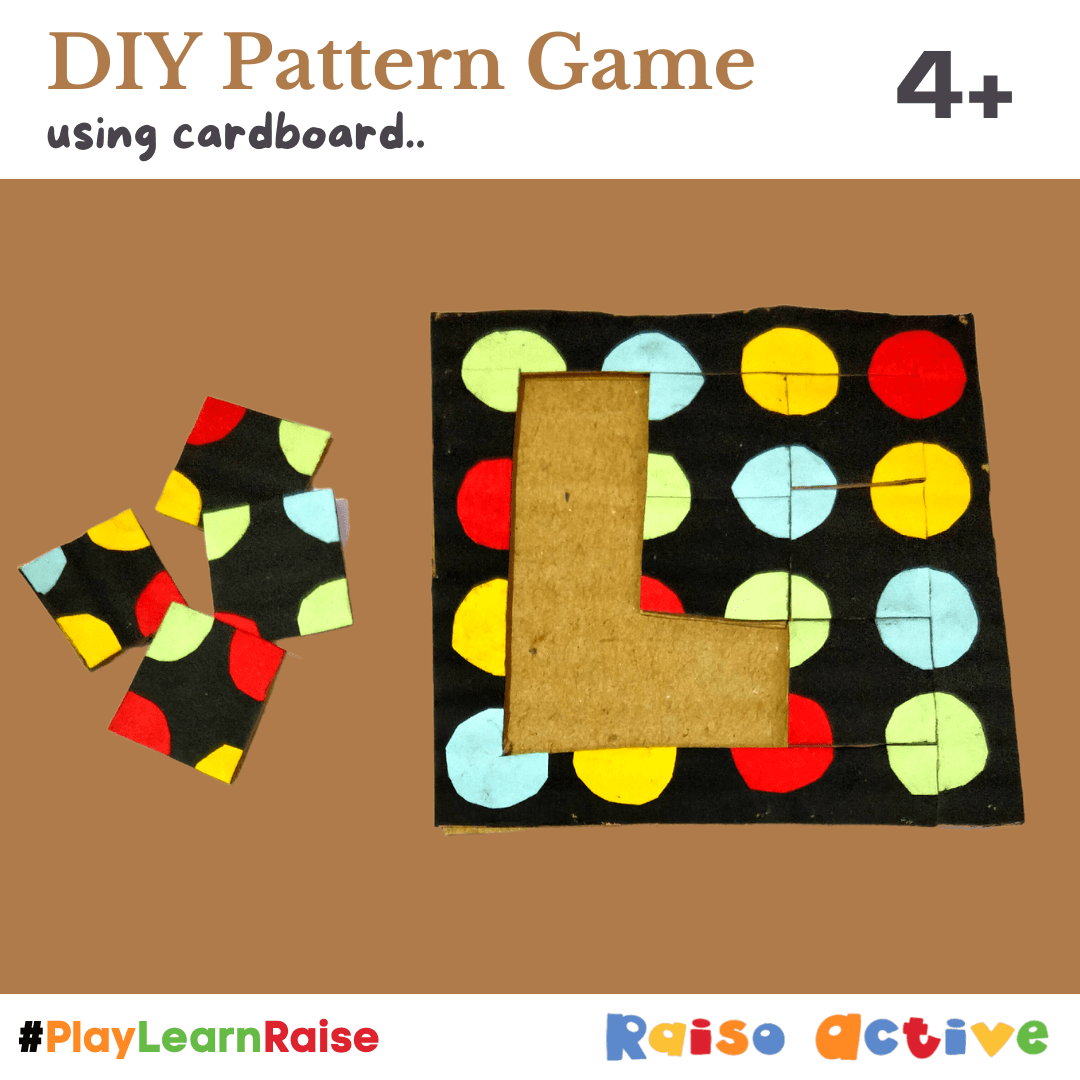 Has a video
DIY Cardboard Pattern Matching Puzzle Game for Kids
Children will create and play a homemade pattern matching puzzle using cardboard. This engaging activity enhances visual discrimination, fine motor skills, and pattern recognition, perfect for early learners.
What they'll learn:
Develop visual discrimination skills by matching patterns and colors. +4 more
 Has a video
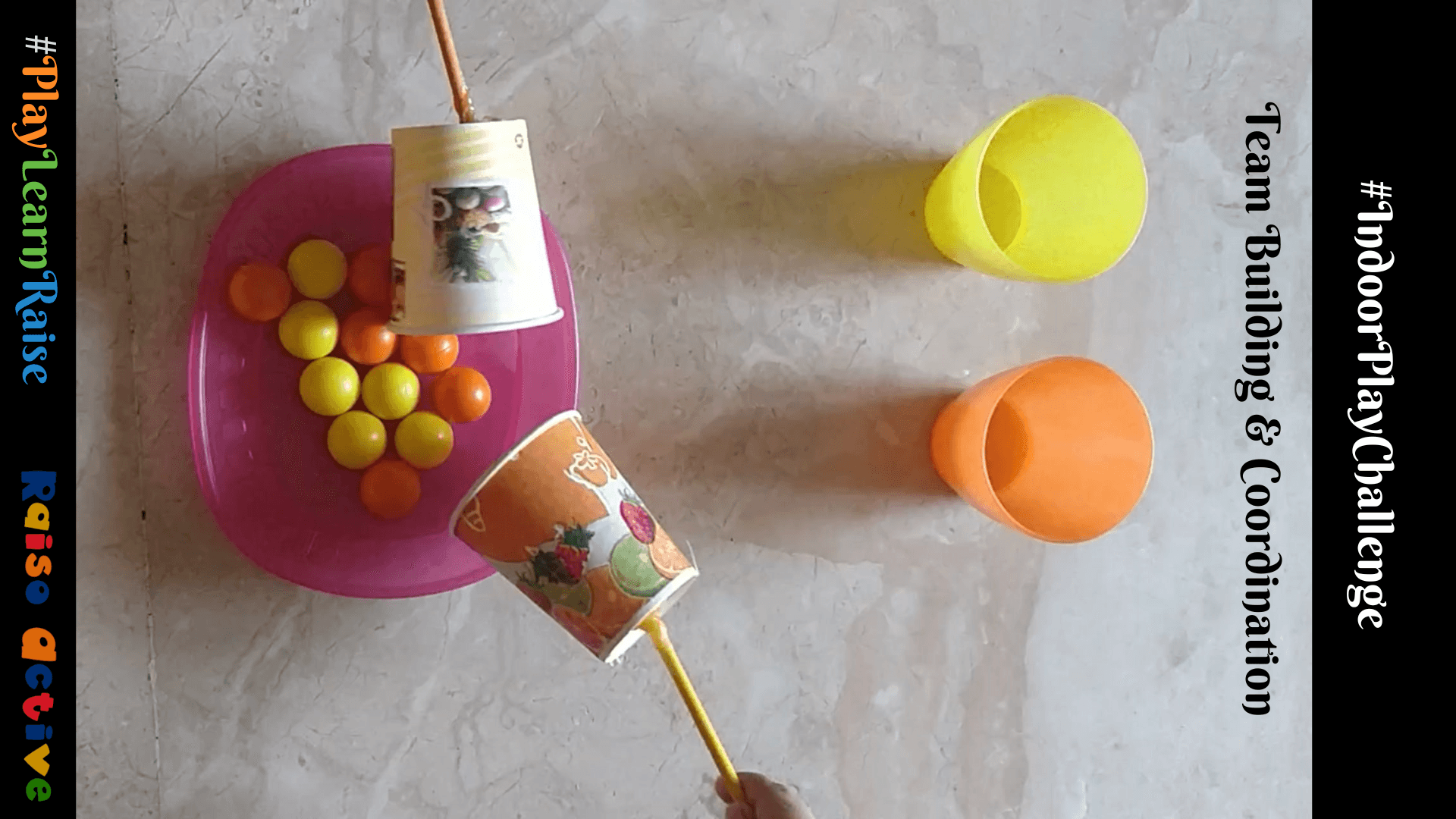
Indoor Ball Transfer Game: Team Building & Coordination Challenge
Engage children in a fun indoor ball transfer game designed to boost teamwork and coordination. Kids will use cups and sticks to move balls, developing fine motor skills and strategic thinking.
What they'll learn:
Enhance hand-eye coordination and fine motor skills. +4 more
 Has a video
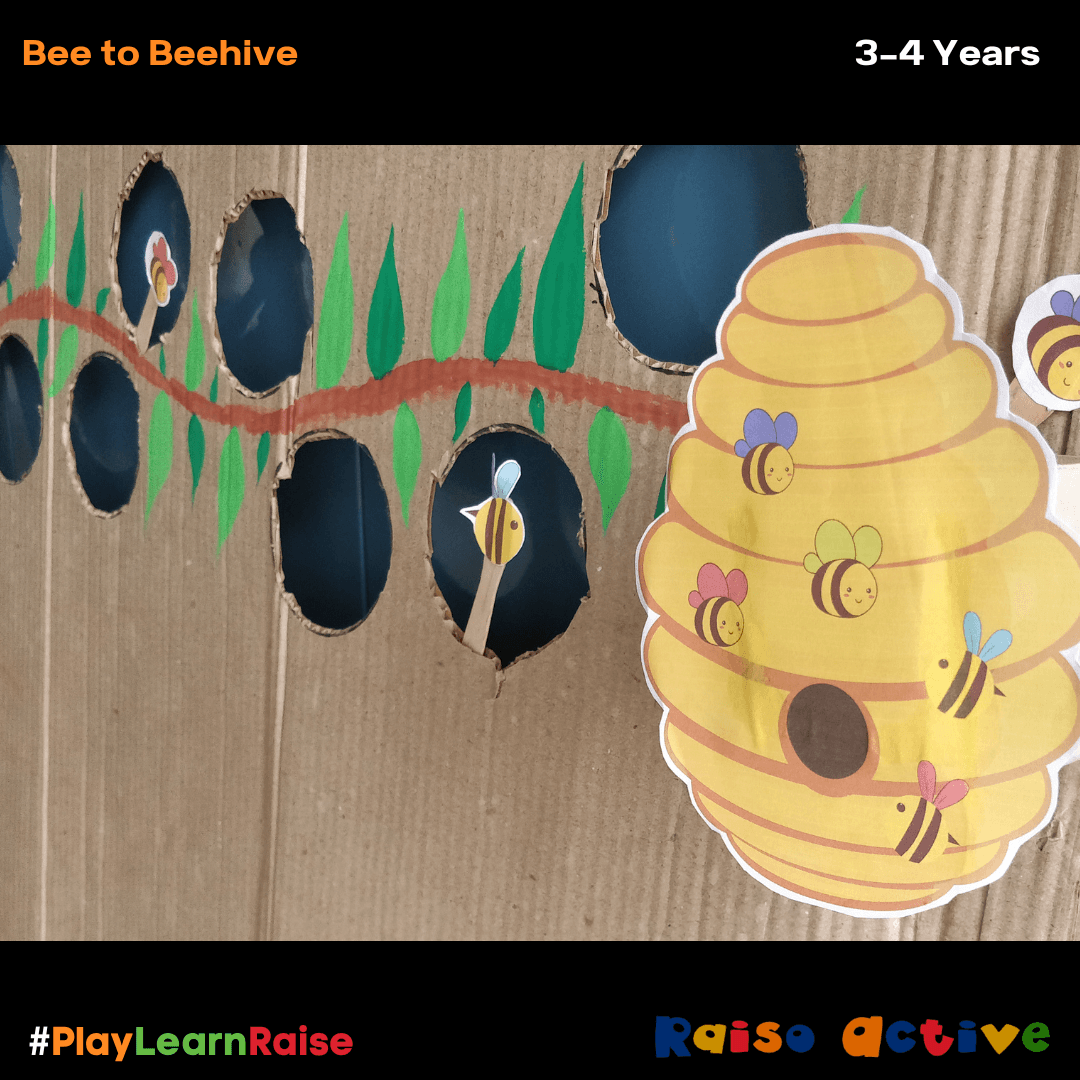
Bee to Beehive Eye-Hand Coordination Game for Preschoolers
Children will cut out bee and beehive printables, paste them onto cardboard, and then navigate the bees through holes to reach their beehive. This engaging DIY game enhances eye-hand coordination, fine motor skills, and problem-solving for young learners.
What they'll learn:
Develop eye-hand coordination and dexterity. +4 more
 Has a video
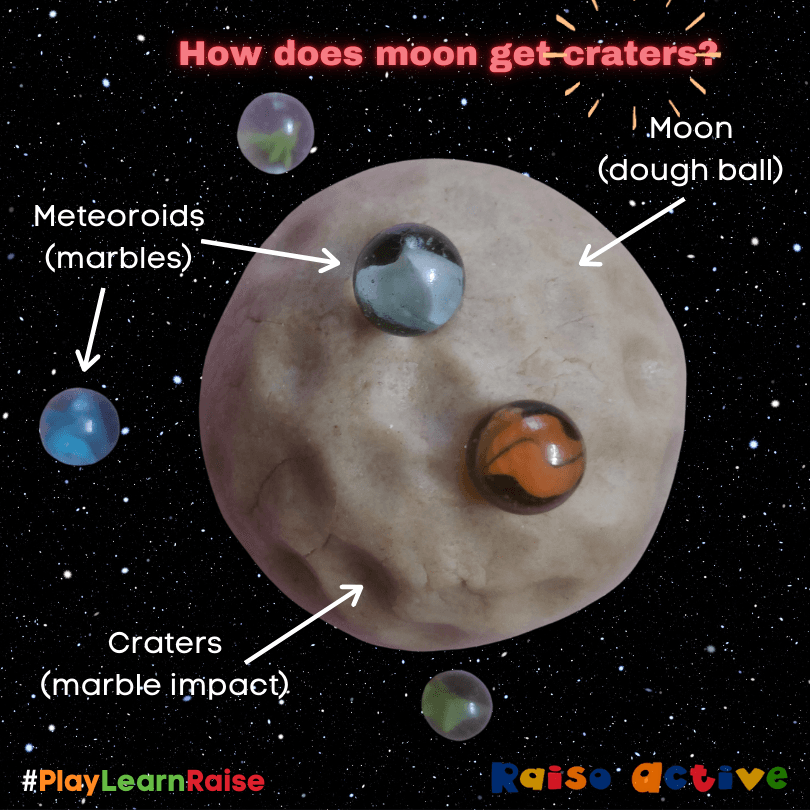
Moon Craters STEM Activity: Hands-On Science for Kids
Discover how the moon gets its craters with this engaging STEM activity! Children will use dough and marbles to simulate meteoroid impacts, creating their own lunar landscape and understanding a key astronomical phenomenon.
What they'll learn:
Understand how craters form on celestial bodies like the moon. +3 more