 Social Skills
Feelings Finger Puppets for Kids: Flip Sad to Happy
Make two-sided feelings finger puppets from a printable page, then put on a puppet show where each puppet flips from a hard feeling to a calmer one.
- Craft
- Ages 4-7 · Pre-K–Grade 1Ages 4-7 · Reception–Year 2Ages 4-7 · LKG–Class 1Ages 4-7
- 4 things to gather
- 7 steps
What Your Child Will Learn
- Naming eight feelings and showing them with the face and body
- Moving from a hard feeling to a calmer one, in play
- Cutting, folding and gluing carefully
- Telling a short story with a beginning, a feeling and a change
How to make and play with the puppets
7 stepsBefore you start
Feelings finger puppets are a gentle way to talk about feelings, because the puppet does the feeling and your child just watches, guesses and helps. Each puppet has two sides, so one turn of the finger flips sad to happy, or angry to calm.
The page comes from our Big Feelings Fun Time pack and has four puppets, four short puppet shows for a grown-up to read, and a blank puppet for your child to design.
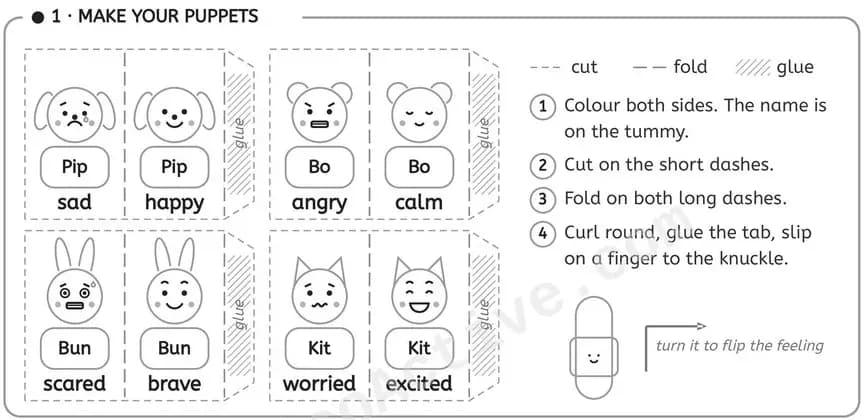
Step 1: Print the page: Print the page single-sided, on plain paper or thin card. Thin card makes puppets that last longer.
Step 2: Colour both sides: Colour both sides of each puppet. The name is on the tummy, so you can tell which puppet is which, and the feeling is written underneath each face.
Step 3: Cut and fold: Cut on the short dashes, then fold on both of the long dashes so each puppet has a front and a back. A grown-up can help with the cutting.
Step 4: Glue and wear: Curl each puppet round, glue the tab and slip it on a finger as far as the knuckle. Turn it to flip the feeling.
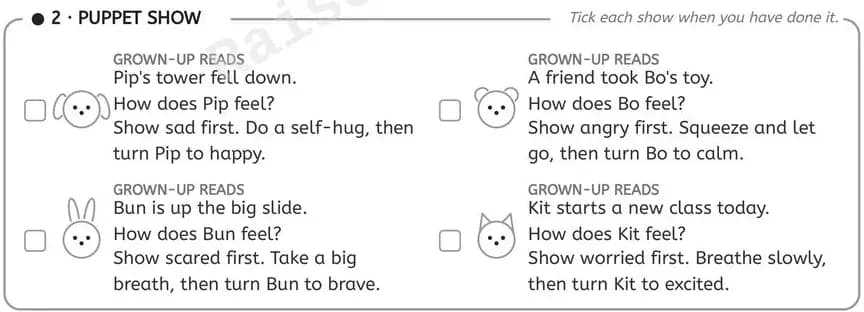
Step 5: Put on a puppet show: A grown-up reads a short story, for example Pip's tower fell down, and asks how Pip feels. Show sad first, do a self-hug, then turn Pip to happy. Tick the show when you have done it.
Step 6: Try all four shows: Play Bo for a taken toy (squeeze and let go), Bun for the big slide (take a big breath) and Kit for a new class (breathe slowly). Each show ends with a calm move and a turn of the puppet.
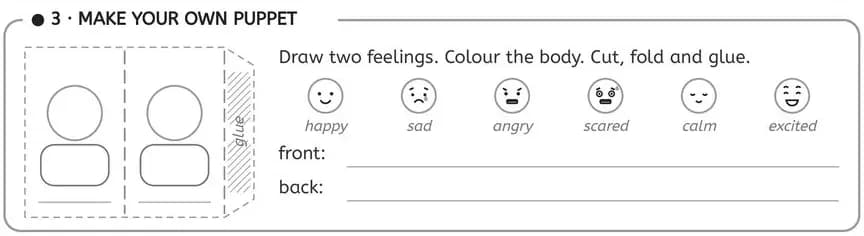
Step 7: Make your own puppet: Draw two feelings on the blank puppet, colour the body, write the front and back feelings on the lines, then cut, fold and glue it. Put on a show with it.
Ways to extend
- Idea 1
Make a puppet for a feeling that is not on the page, such as proud or shy
- Idea 2
Let a puppet teach a soft toy how to calm down
- Idea 3
Put on a show for a grandparent on a video call
- Idea 4
Use the puppets to retell a favourite story, and turn the puppet at each new feeling
More pictures
Four puppet shows
Make your own puppet
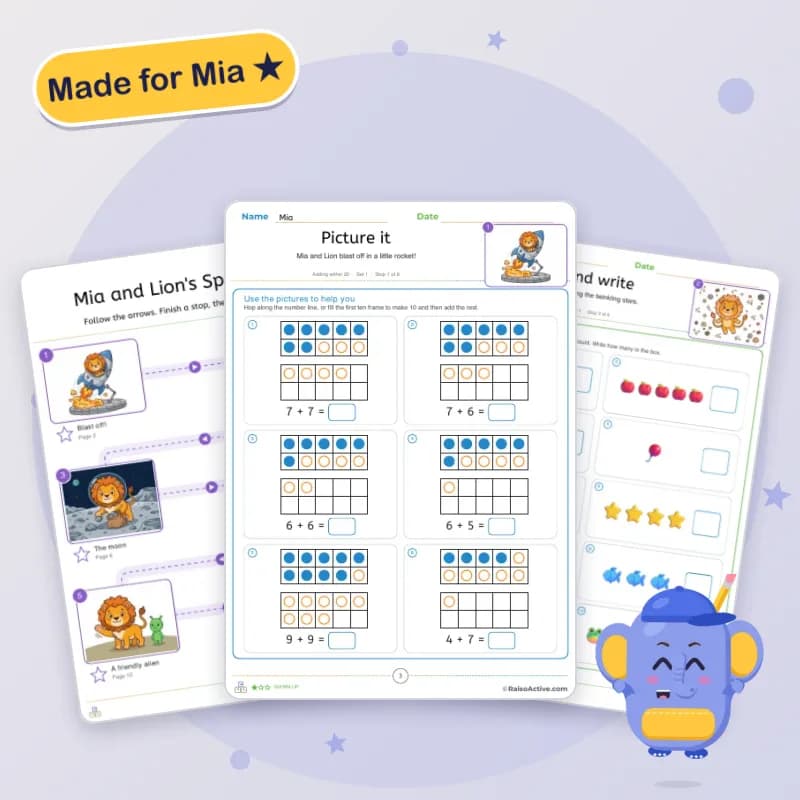
Made for your child
Adding within 10, made for your child
A maths pack with your child's name in it: pictures that explain, practice at three levels, puzzles and story sums about them. Print a new set whenever they finish.
Make a maths packFree preview · free for members
See all 7 personalised packsRelated printable packs
View all packs
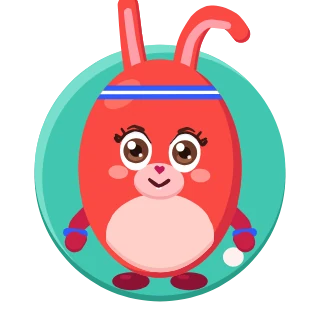
Preschool Scissor Skills Activity Book: Fine Motor & Craft Fun for Ages 3-6
Ages 3-6 · Preschool–KindergartenAges 3-6 · Nursery–Year 1Ages 3-6 · Nursery–UKGAges 3-6 · 35 pages
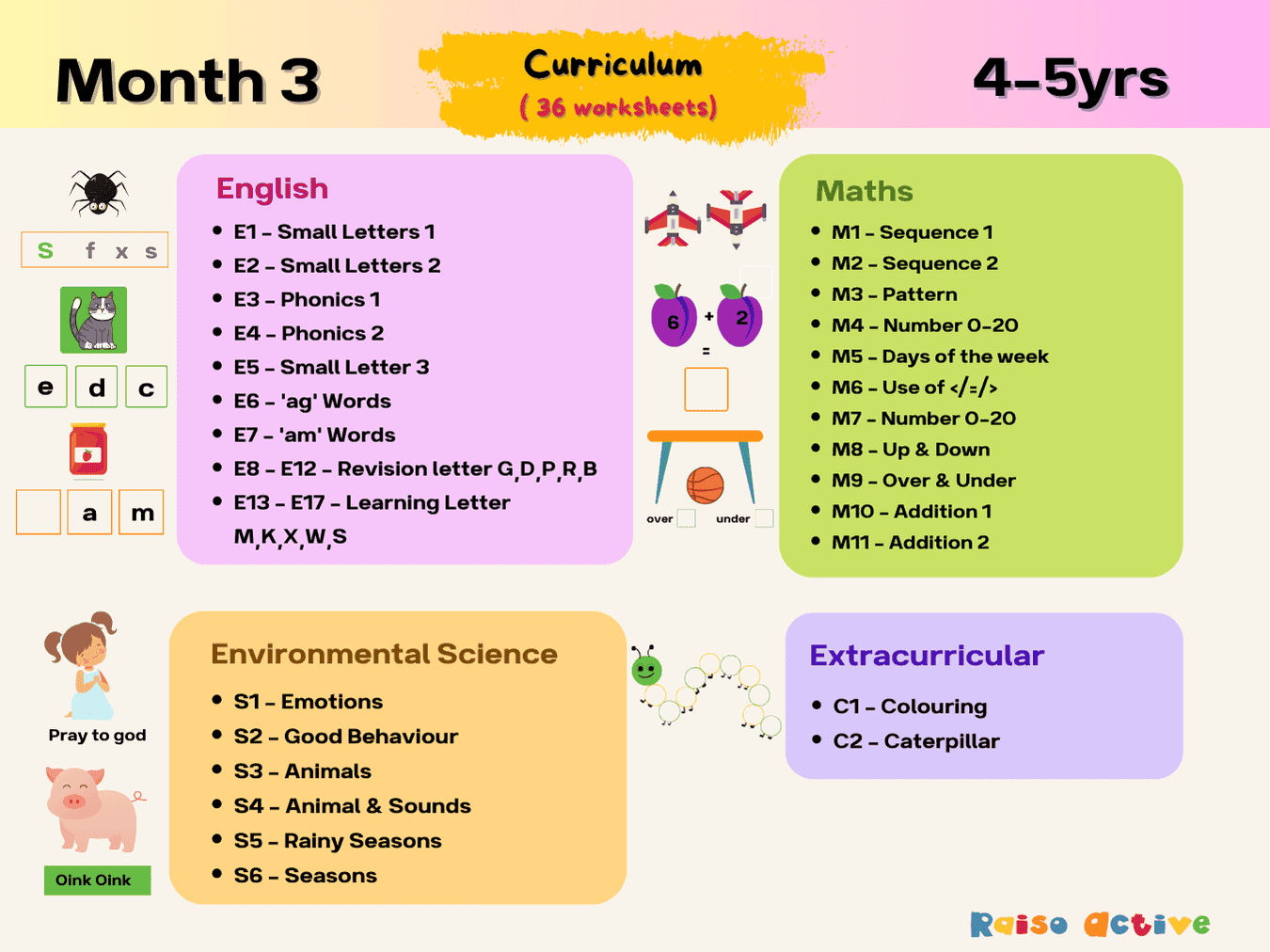
Month 3: Learning & Development | Ages 4-5
Ages 4-5 · Pre-KAges 4-5 · ReceptionAges 4-5 · LKGAges 4-5 · 39 pages
Hands-On Early Learning Activity Book: Math, Science, Literacy & Emotions for Ages 3-6
Ages 3-6 · Preschool–KindergartenAges 3-6 · Nursery–Year 1Ages 3-6 · Nursery–UKGAges 3-6 · 17 pages
Early Learning Activity Book: Math, Science, Literacy & Cognitive Skills for Preschoolers (Ages 3-6)
Ages 3-6 · Preschool–KindergartenAges 3-6 · Nursery–Year 1Ages 3-6 · Nursery–UKGAges 3-6 · 16 pages
Related guides
View all on Feelings
Resources for Children with Multiple Disabilities: A Comprehensive Guide for Families
Discover essential resources for children with multiple disabilities. Therapies, inclusive learning, assistive technology, and printable activities for ages 1-8.
Understanding Standardized Testing in Early Childhood: A Parent's Guide to Assessment Balance
Learn how standardised tests work in early childhood, when they help, when they harm, and how to balance formal assessment with observation-based learning.
Addressing Mental Health with Young Children: A Compassionate Guide for Families
Learn how to support your young child's mental health with compassionate strategies. Recognise signs, build emotional resilience, and know when to seek professional help.
More activities like this
All activities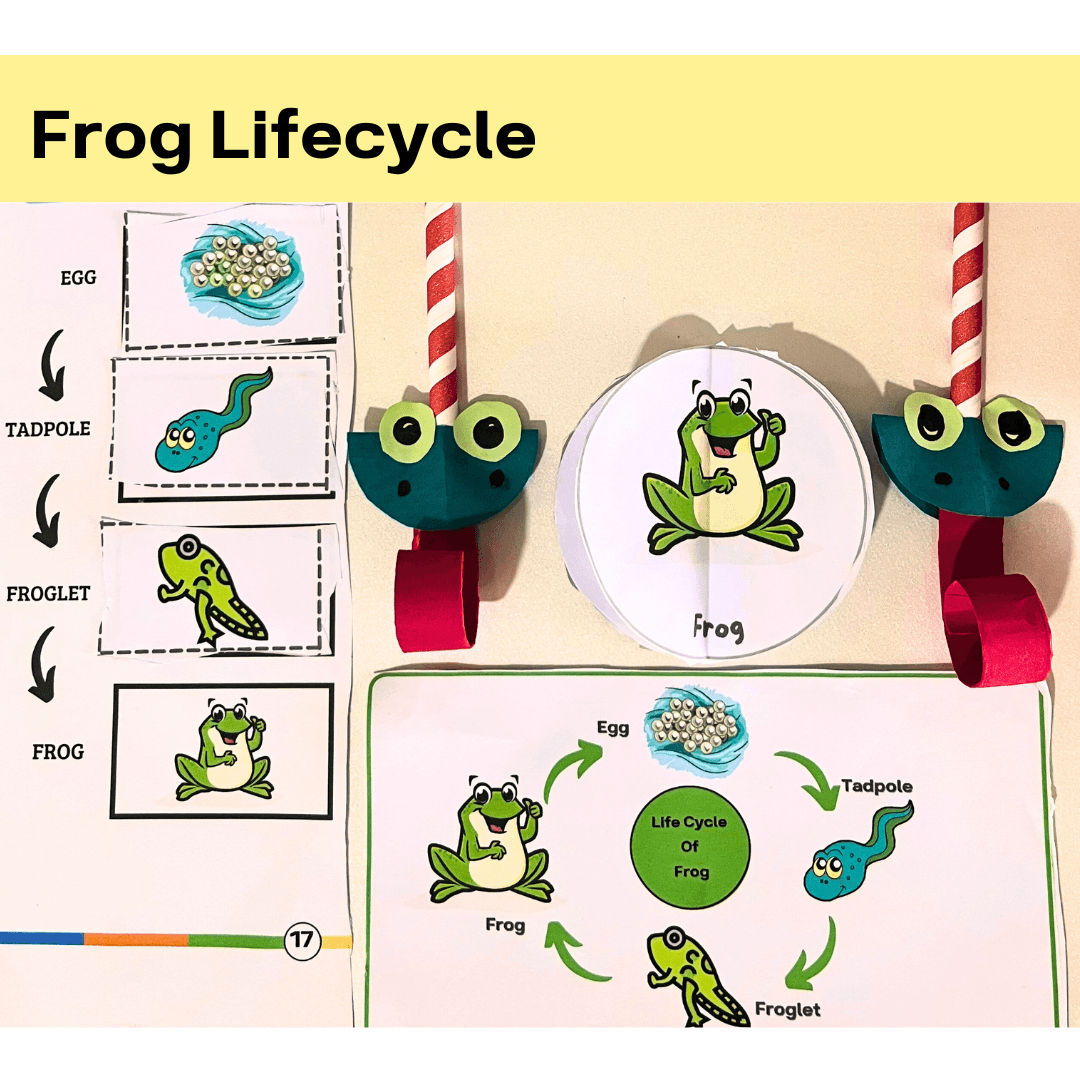 Has a video
Frog Lifecycle Activities: Printable Worksheets & Craft for Kids
Engage children in learning about the frog lifecycle with these printable activities. Kids will identify stages, learn fascinating facts, and create a fun cut & paste circle book.
What they'll learn:
Identify and sequence the four main stages of a frog's life cycle. +4 more
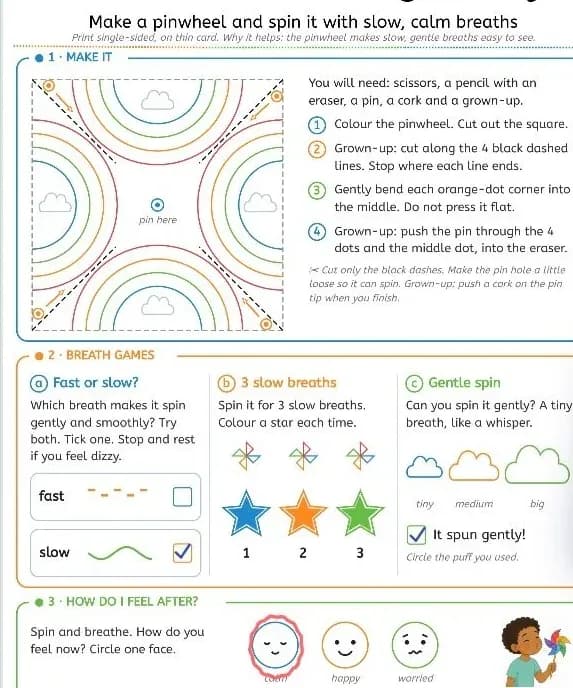
Pinwheel Breathing for Kids: Make a Calm-Breath Buddy
Pinwheel breathing for kids: print, colour and fold a paper pinwheel, then spin it with slow, gentle breaths. A quiet way to practise calm on an easy day.
What they'll learn:
Slow, gentle breathing, which the pinwheel shows by spinning smoothly +3 more