 Art & Creativity
Leaf Rubbing for Kids: Crayon Prints of Real Leaves
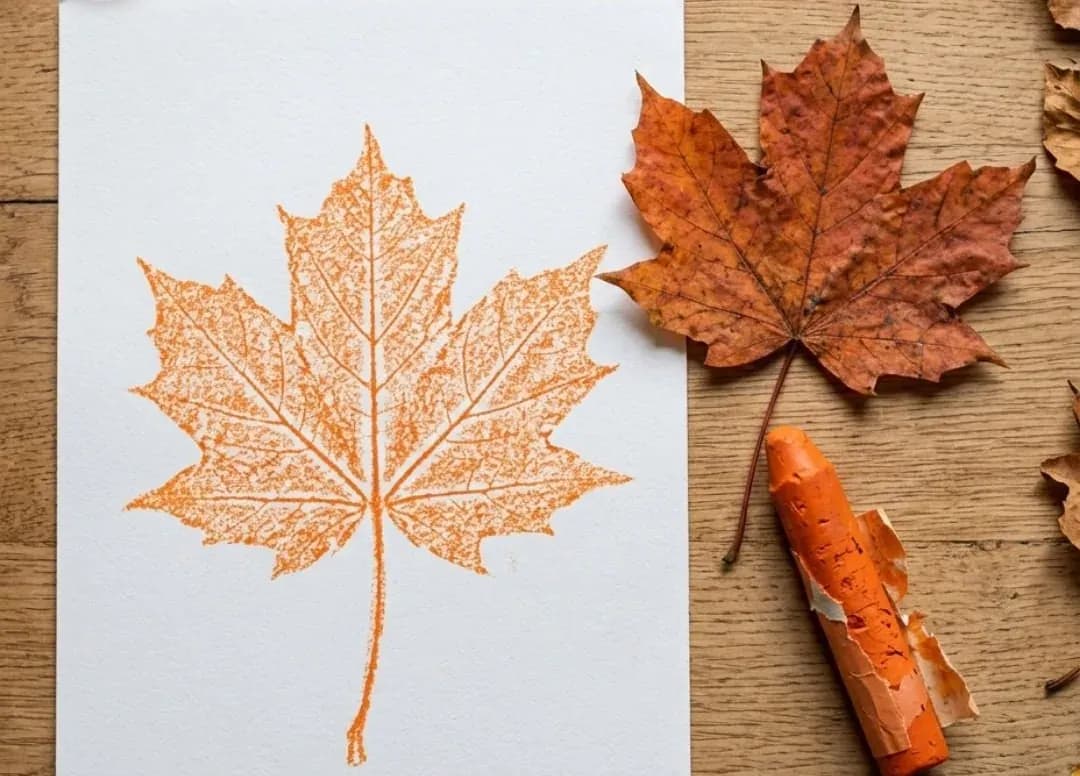
Leaf rubbing for kids: put a real leaf under paper, rub with the side of a crayon and watch the veins appear. Easy, calm and almost no mess.
- Craft
- Ages 3-7 · Preschool–Grade 1Ages 3-7 · Nursery–Year 2Ages 3-7 · Nursery–Class 1Ages 3-7
- 4 things to gather
- 6 steps
What Your Child Will Learn
- Hand strength and a steady, gentle pressure from rubbing with the side of a crayon
- Careful looking at the shape and veins of a real leaf
- Describing words such as veiny, pointy and smooth
- Patience and focus, with a result to be proud of
How to make a leaf rubbing
6 stepsBefore you start
Leaf rubbing for kids is one of those quiet crayon games that seems like magic. When a leaf sits under a sheet of paper and your child rubs over it with the side of a crayon, the leaf's shape and every vein appear on the page.
All you need is a handful of leaves from a walk, plain paper and one chunky crayon. It is an easy way to look closely at nature, and a good workout for small hand muscles.
Step 1: Collect some leaves: Take a short walk and pick up a few fallen leaves of different shapes. Choose leaves with clear veins, and press them in a heavy book for a day if you can.
Step 2: Put the leaf under the paper: Lay the leaf on a flat table with the veins facing up. Cover it with a sheet of plain paper and hold the paper still with one hand.
Step 3: Peel the crayon: Peel the paper wrapper off a chunky crayon so you can use the long side, not the tip.
Step 4: Rub gently: Lay the crayon on its side and rub gently across the leaf in one direction. Watch the shape and veins appear as if by magic.
Step 5: Try more leaves: Move the leaf, or choose a new one, and make more rubbings on the same page. Try different colours and different sizes.
Step 6: Talk about what you see: Ask which leaf has the most veins, which has pointy edges and which is smooth. Name your favourite and hang the page up.
Ways to extend the game
- Idea 1
Make a rubbing of every leaf from your walk, and sort the page into big and small.
- Idea 2
Try bark, coins or a textured wall as well, and compare the patterns.
- Idea 3
Use two or three colours on one leaf for a rainbow effect.
- Idea 4
Cut out the rubbings and use them for a leaf garland, or fold them into a card.
- Idea 5
Follow up with leaf prints, a big-to-small row and a colour-match game.
Made for your child
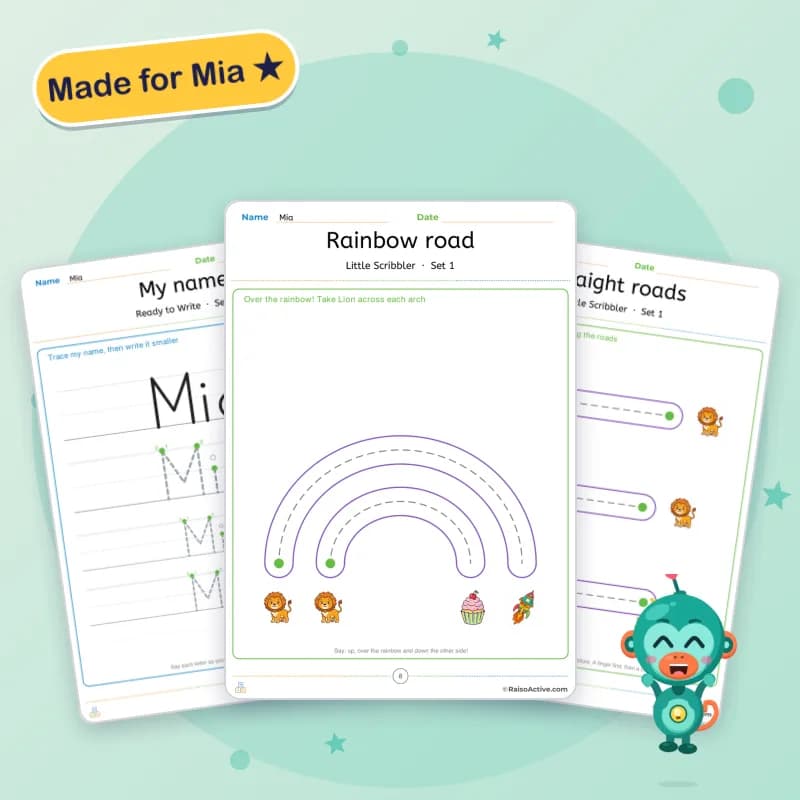
Pen Control, starring your child
A pre-writing pack made for one child: their animal travels along roads, lines, waves, loops and spirals to things it loves, then round shapes and along cutting lines, all the way to their own name. Ages 2 to 5, and new paths whenever you like.
Make a pen control packFree preview · free for members
See all 7 personalised packsRelated printable packs
View all packs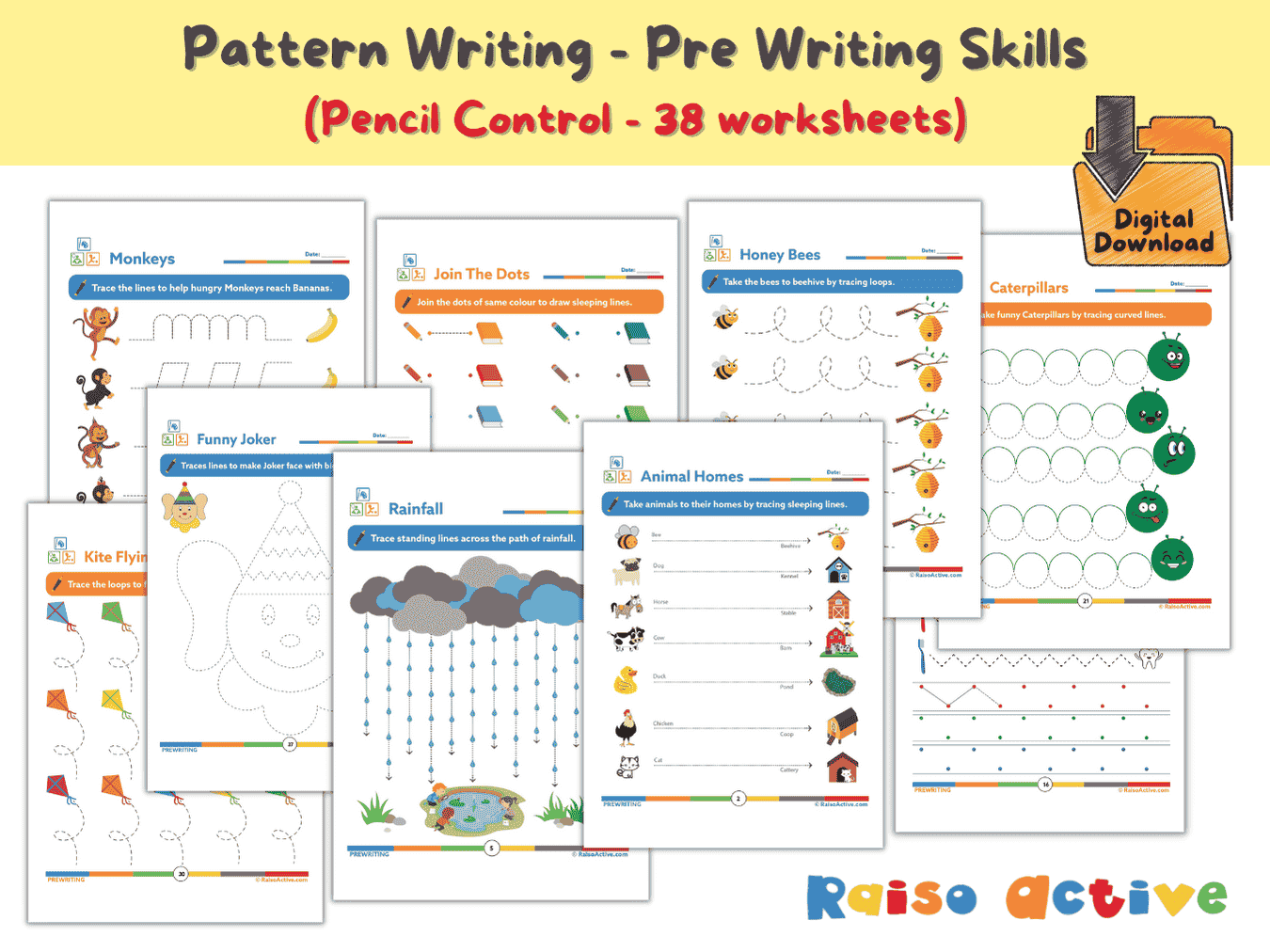
Pattern Writing Pre-writing Skills Activity Book for 3-4 Year Olds
Ages 3-4 · PreschoolAges 3-4 · NurseryAges 3-4 · 44 pages
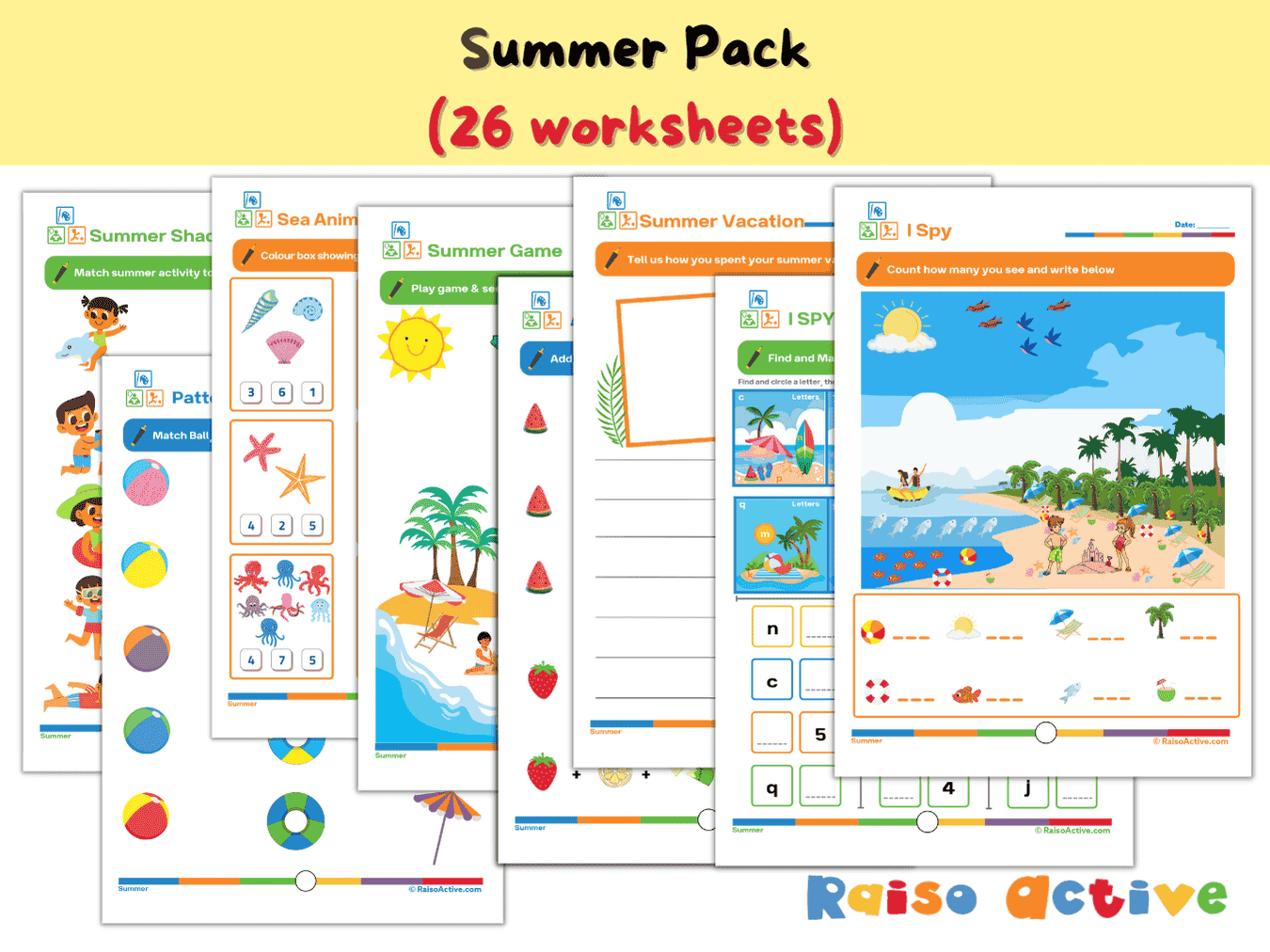
Summer Activity Pack: Math, Literacy, Puzzles & More for Preschool & Kindergarten
Ages 3-7 · Preschool–Grade 1Ages 3-7 · Nursery–Year 2Ages 3-7 · Nursery–Class 1Ages 3-7 · 26 pages
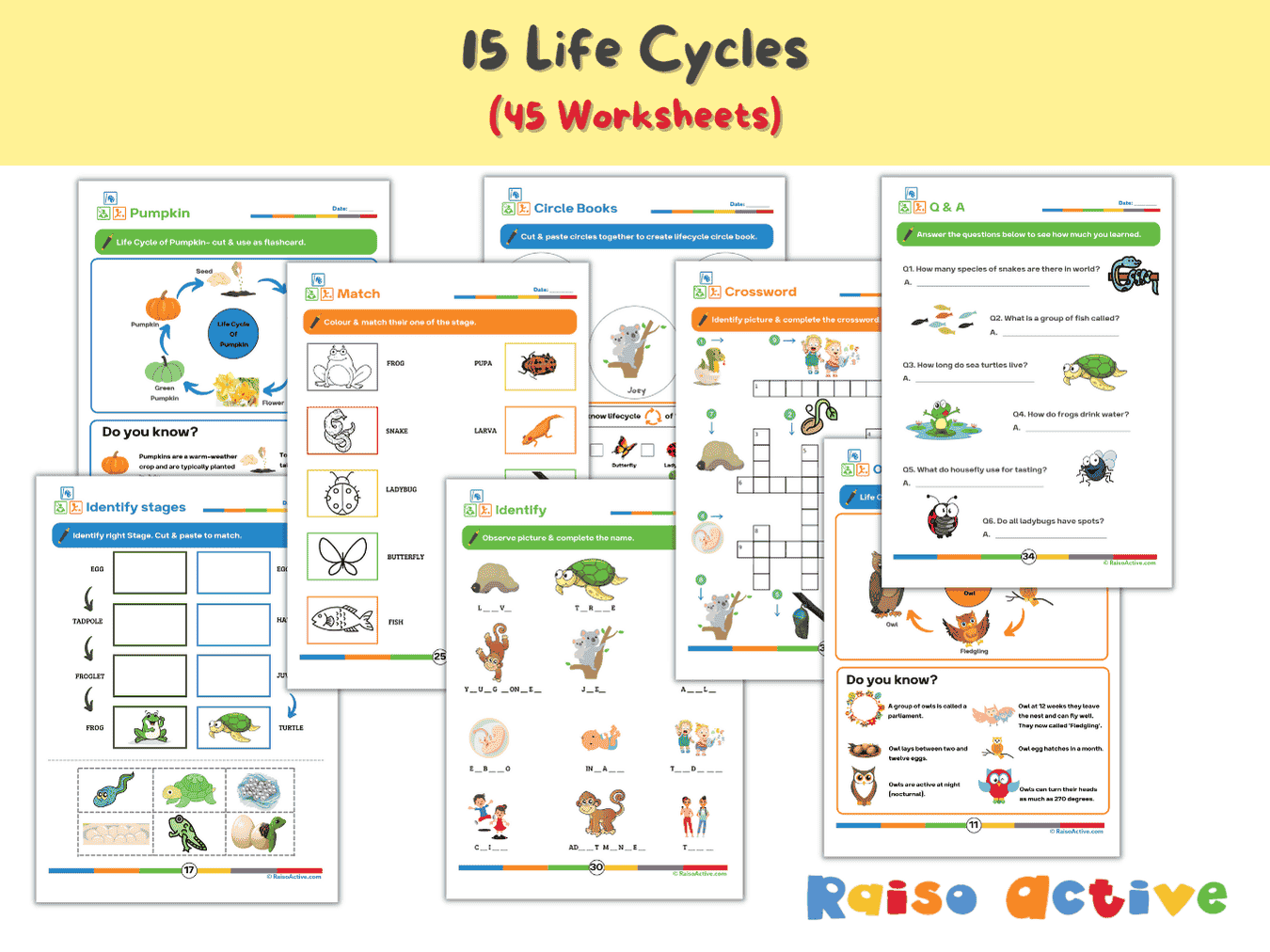

Lifecycles Activity Book & Flashcards for Preschool & Early Elementary
Ages 3-8 · Preschool–Grade 2Ages 3-8 · Nursery–Year 3Ages 3-8 · Nursery–Class 2Ages 3-8 · 46 pages
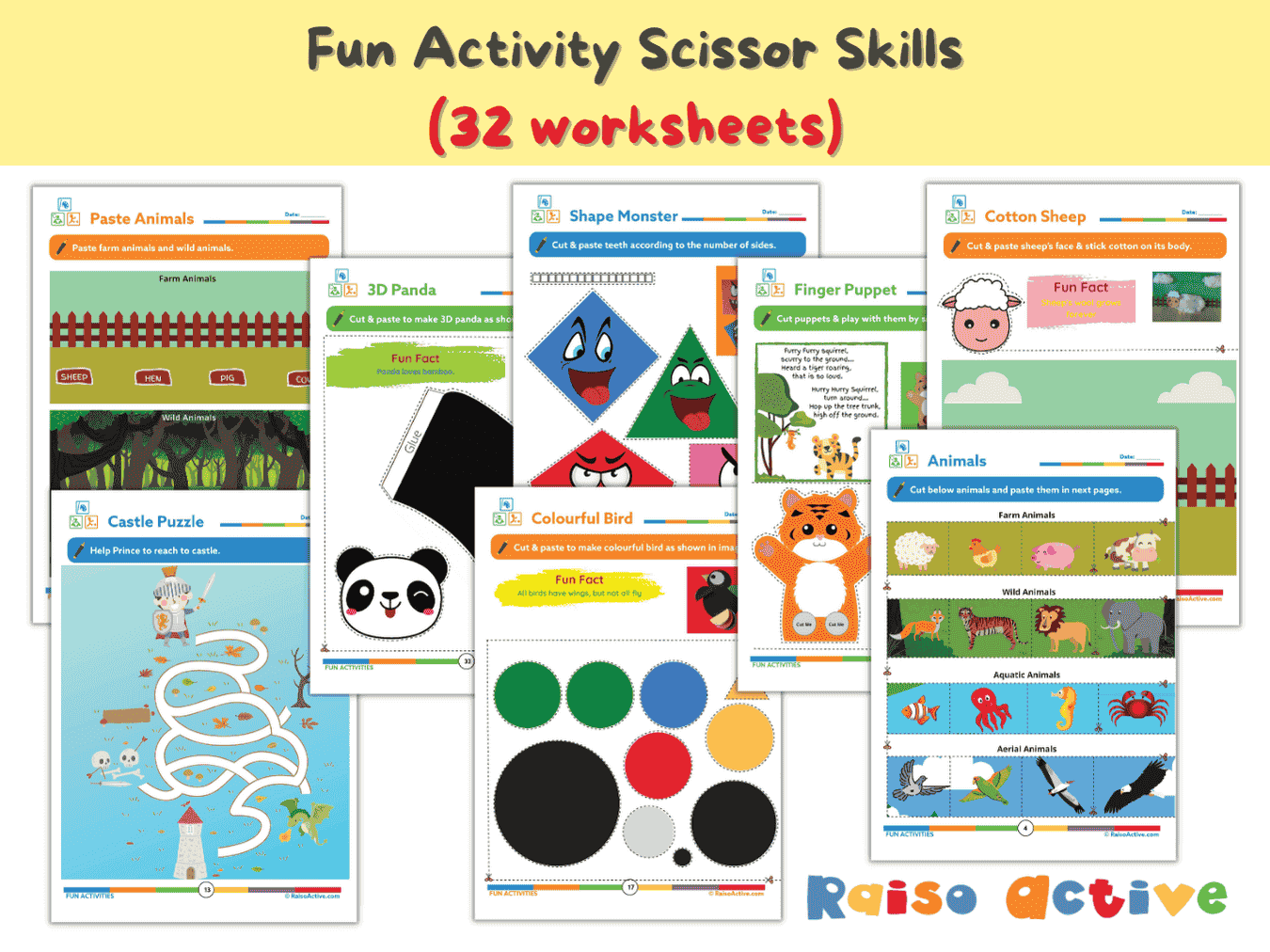
Preschool Scissor Skills Activity Book: Fine Motor & Craft Fun for Ages 3-6
Ages 3-6 · Preschool–KindergartenAges 3-6 · Nursery–Year 1Ages 3-6 · Nursery–UKGAges 3-6 · 35 pages
Related guides
View all on Nature
Number Formation Rhymes 0–9 and How to Fix Reversals
Original number formation rhymes for 0–9, the correct stroke order for each digit, why 3, 5 and 7 get reversed most often, and multisensory fixes that work.
Pre-Writing Strokes in Order: From Standing Lines to Loops (With Printable Patterns)
The developmental order of pre-writing strokes, from vertical lines to loops, and why practicing them in sequence makes letter formation much easier to learn.

Kindergarten Readiness Checklist: 25 Skills to Practice Before the First Day
A kindergarten readiness checklist of 25 literacy, math, motor, self-regulation and self-help skills, with an 8-week summer plan and notes on when not to worry.
More activities like this
All activities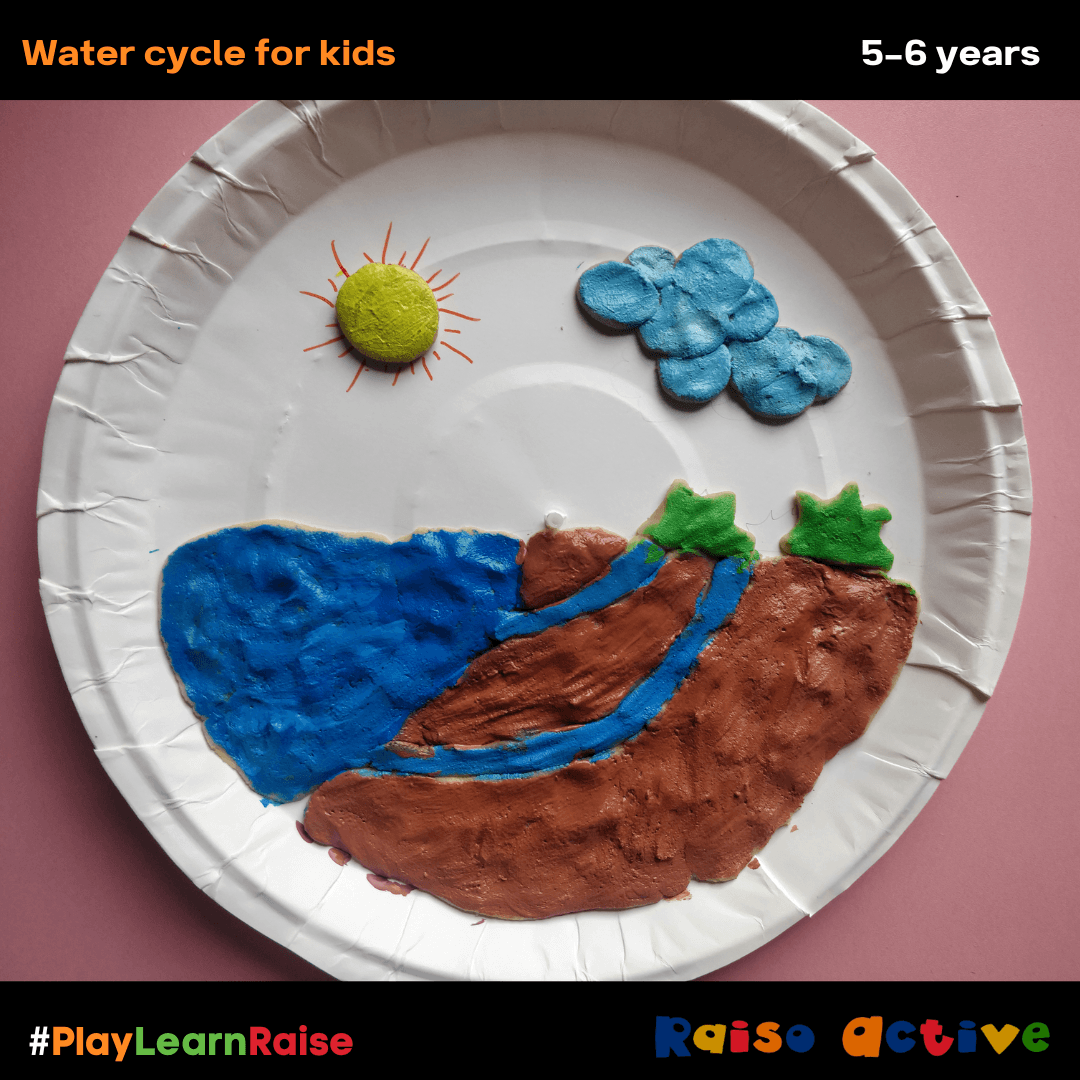 Has a video
Water Cycle Craft for Kids: Learn About Rain & Evaporation
Children will create a hands-on model of the water cycle using clay or play-doh on a paper plate. This engaging craft helps kids visualize and understand how water moves through evaporation, condensation, and precipitation.
What they'll learn:
Introduce the basic stages of the water cycle (evaporation, condensation, precipitation). +4 more
 Has a video
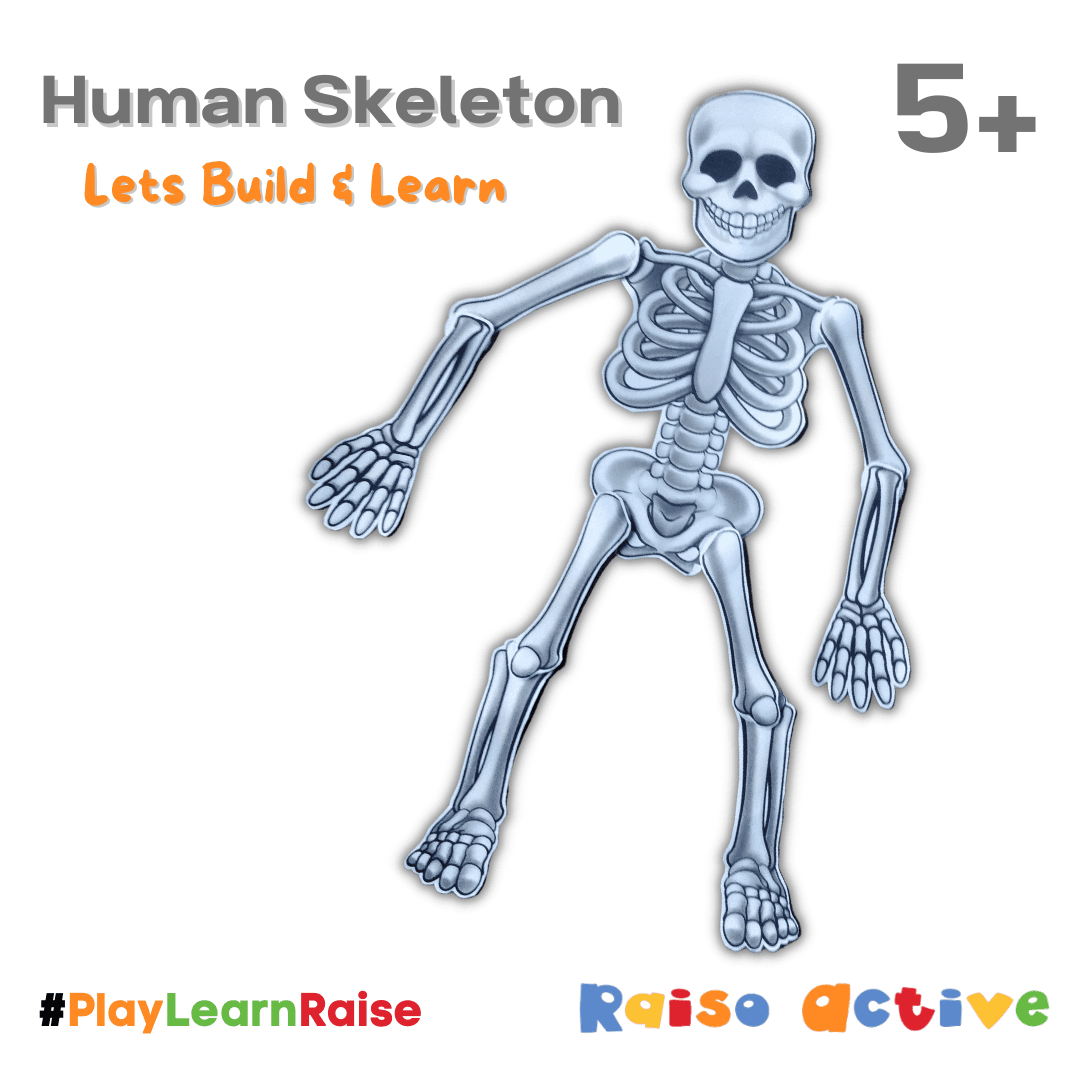
Human Skeleton Craft & Matching Worksheet for Kids
Engage children with this exciting activity to build a human skeleton model and learn bone names. Kids will cut out various skeleton parts, assemble them, and then match common bone names on a fun worksheet.
What they'll learn:
Identify major bones of the human skeleton (e.g., skull, ribs, spine) +4 more
 Has a video
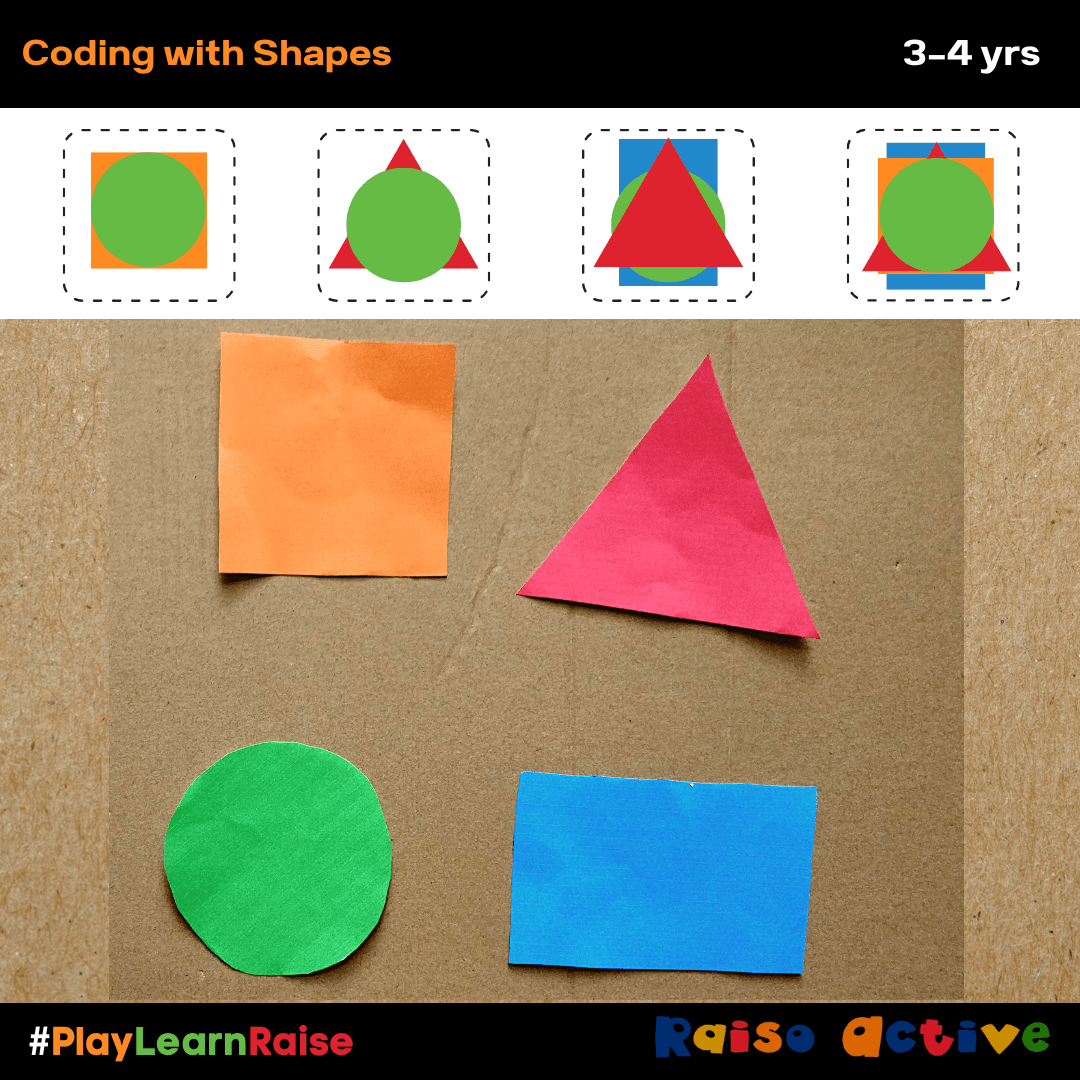
Coding Shapes Activity for Preschoolers | Pattern Matching Fun
Engage young learners with this hands-on coding shapes activity! Children will cut out colorful geometric shapes and arrange them to match given patterns, fostering early logic and fine motor skills. It's a fun way to introduce foundational coding concepts.
What they'll learn:
Identify and name basic 2D shapes (circle, square, triangle, rectangle). +4 more
 Has a video
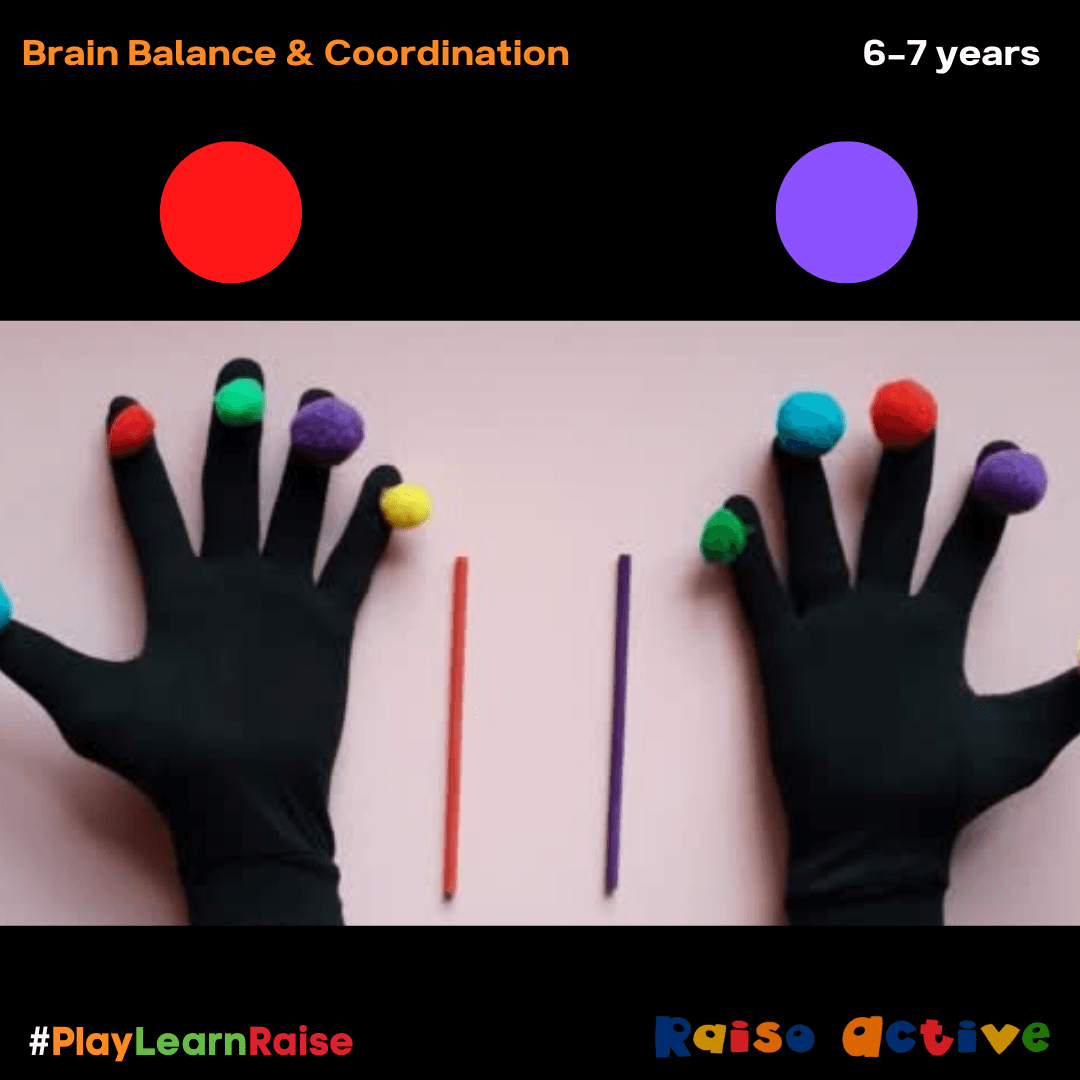
Brain Balance & Coordination Finger Game for Kids (Ages 6-7)
Engage your child in a fun brain-boosting activity designed to enhance balance and coordination. This engaging finger game helps children improve fine motor skills, focus, and bilateral coordination through playful movements.
What they'll learn:
Improve fine motor skills and finger dexterity. +4 more