Winter Activities for Kids: 8 Printable Snow-Day Games

Brrr! Grab a pencil and a warm drink, and let's play some snow-day games on paper.
- 5-10 minutes a game
- Printer, pencils, crayons, scissors
- A cosy table indoors
- Pencil control, looking, counting
Winter activities for kids do not need snow. On a cold, dark or rainy afternoon, a printed page can turn into a snow maze, a sledge race or a snowman to build. Here are eight winter and festive worksheet games, from tracing slanting lines to completing mirror pictures, that give little hands something calm to do indoors.
Every game below uses a real page from our Christmas worksheets or a winter page from our packs. Pick one that suits your child today, play it for five or ten minutes and stop while it is still fun. If you want a countdown to Christmas, our advent activities post has 24 two-minute prompts. This post is for any winter afternoon, whether or not it snows where you live.
Why are winter activities good for young children?
Short days and cold weather mean more time indoors, and young children still need things to do with their hands and eyes. Winter pages are a good fit because the pictures are familiar and cheerful, so a child who is not keen on a worksheet will often start for the snowman. In the classroom, a themed page is an easy way to get a pencil moving, because the child is thinking about the story and not about the writing.
- Keep games short, five to ten minutes, and finish on a good note
- Let your child choose which page to try
- Say the winter words out loud together: scarf, mittens, igloo, sledge
- Warm up with a few real snow-day moves, such as stomping like a polar bear
What winter activities can kids do indoors?
Eight winter games, one page each
The first four are for pencil control and cutting, and the last four are looking, matching and counting games. Pick one, play it and tick it off. You do not need to play them all in one week.
0 of 8 done
Help the girl in the snow suit find her way through the winding maze to the igloo, past two polar bears. Trace the path with a finger first, then with a pencil, and try going from the igloo back to the girl. Maze paths are quiet pencil-control practice, and most children want to start again once they reach the igloo.

Six sledges wait on the left and six snowmen on the right. Trace each slanting dotted line from the sledge to its snowman, and say "whoosh" as you go. Slanting lines are harder than straight ones for many little hands, so use a fat crayon first and a pencil later, and colour each sledge when you are done.

Mary is wrapped up for the cold. Circle the winter things you can see on Mary, then say the names of the others out loud, such as fireplace, earmuffs, mittens, ice skate, scarf, sweater, boots and hot cocoa. Ask what your child would put on for a cold day, and what they would take off on a hot one.

Cut out the snowman's body parts and paste them into the two outline circles, head on top of the body. Then go further: on another piece of paper, make a snowman of your own with buttons, cotton wool, googly eyes, ribbon and sticks, as the page suggests. Cutting and pasting is a good scissor workout, and the second snowman is where the imagination comes in.

Four half-finished pictures, a bow, a reindeer face, a bauble and a tree, wait for their other half. Draw what is missing so both sides match, then colour them in. Hold a small mirror along the middle line first, so your child can see the other half appear before drawing it.

Draw a line from each picture to its shadow: a present, bells, a stocking, a gingerbread house and a reindeer. Looking at outlines is real visual thinking. Afterwards, hold a toy up to a torch and make a shadow on the wall; our light and shadow post has more games like it.

In each of the five rows, look carefully and find the objects that are exactly the same, then colour them in. The rows have trees, wreaths, bells, gifts and Santas, and one small detail often makes a pair different. It is a calm game of looking closely, one detail at a time, and a good one for a quiet moment after play.

Count the two sets in each row and write the total on the snowman, for stockings, bells and candy canes. The last three rows ask you to count the reindeer, gifts and gingerbread men and strike some out to find how many are left. Play it with real objects first, such as buttons or pasta shapes, then move to the page.

You earned a sticker!
All eight games played. That is a lot of winter fun!
- Print a few pages in advance and keep them in a folder, so a cold afternoon is never a scramble.
- Put on some slow music and a warm drink, and make it a cosy ritual.
- Say the winter words as you play. A page is also a vocabulary lesson.
- Stop if the game stops being fun. The page will still be there tomorrow.
What do winter games help children learn?
Each page practises something small. The maze and sledge lines build pencil control and the slanting strokes that come before many letters. The cut-and-paste snowman is scissor and glue practice. The symmetry, shadow and matching pages train careful looking, and the festive sums give counting and early adding a picture to hold on to.
Cosy winter games build pencil control, careful looking and counting
The maze and sledge pages train the hand to follow a path and draw slanting lines. The snowman page practises scissors and glue. The symmetry, shadow and match pages ask the eyes to notice details, and the sums page links counting to pictures. Five or ten minutes at a time is plenty, and children enjoy a page more when they have chosen it themselves.
How can I make winter games easier or harder?
Change the game to suit your child
Little ones
- Trace the maze path with a finger, or with a toy car, before using a pencil.
- Use a fat crayon for the sledge lines, and do just two sledges at a time.
- Cut the snowman pieces for them and let them do the gluing.
Older kids
- Time the maze and try to beat it, or draw a new maze for a friend.
- Make up a story problem for each snowman sum, such as "Five gifts and three more".
- Design your own half-picture for someone else to complete.
Where can I find more winter and festive printables?
For a hands-on Christmas craft, try our snow globe activity or the reindeer craft activity. For more cutting and pasting, see our Christmas cutting activities for kids post. For more shadow games, see our light and shadow games for kids post. More pages sit on the Christmas worksheets hub.
The snow maze comes from the Preschool Scissor Skills Activity Book, the sledge lines from the Pattern Writing pack, and the symmetry, matching and festive sums pages from the Christmas Activity Book. For more on the season, see our post on Christmas and winter activities that combine fun and learning.
Questions parents ask about winter activities
What are good winter activities for kids who live where it does not snow?
How long should a winter activity last?
My child finds the sledge lines hard. What should I do?
Are these pages only for Christmas?
Can I use these pages in a classroom or group?
Made for your child
Printables with your child's name on every page
7 packs for ages 2 to 14: pen control, phonics, spelling, maths, mazes and detective puzzles, each made from their name and the things they love.
See the personalised packsFree preview · free for members

Written by
Hemsweta Jain · Teacher Cheena
MBA and Early Childhood Educator, teaching since 2014 · Founder of RaisoActive, Mumbai
Published · Last reviewed
Related posts
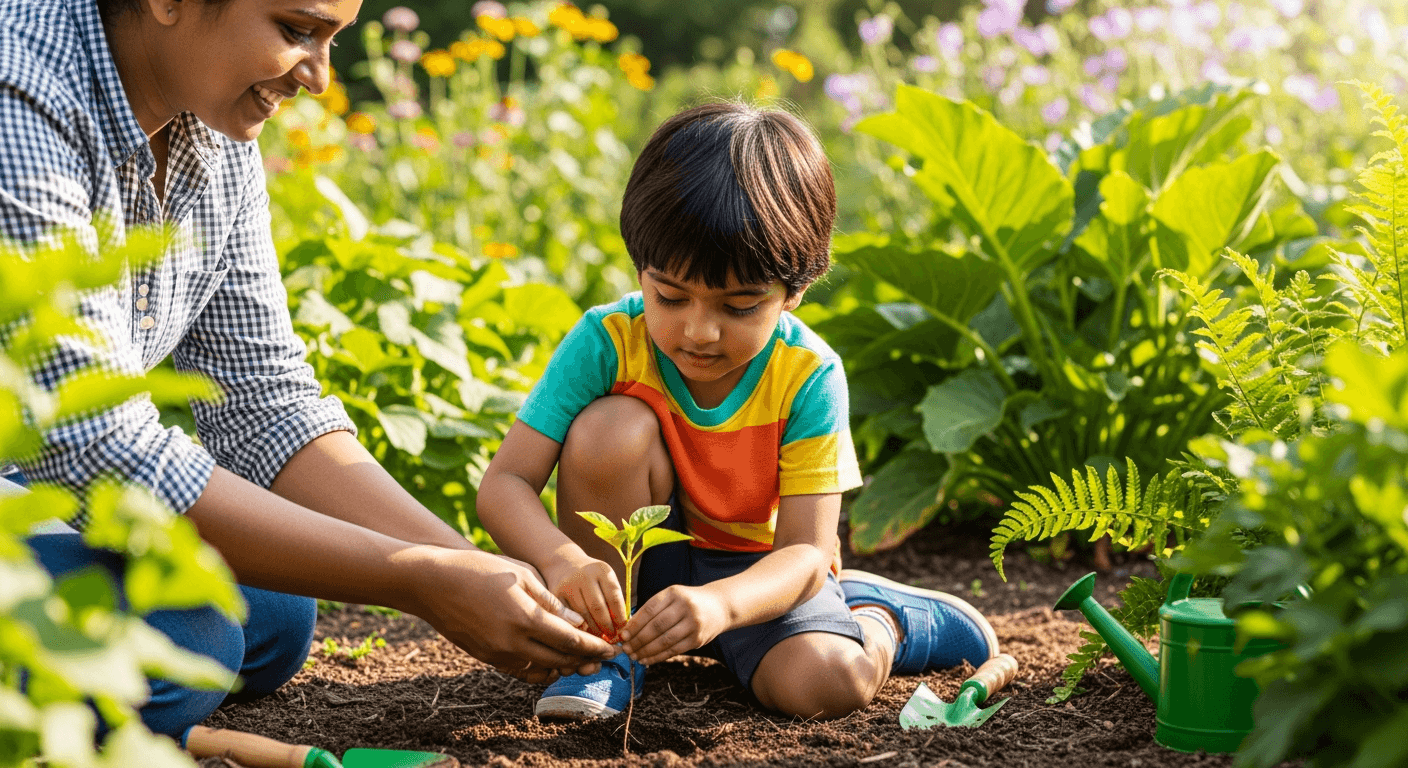
Growing Green Hearts: A Comprehensive Guide to Teaching Environmental Awareness to Preschoolers
Practical guide to teaching preschoolers ages 2-6 about nature, recycling, water conservation, and Earth Day with Indian context and simple home activities.
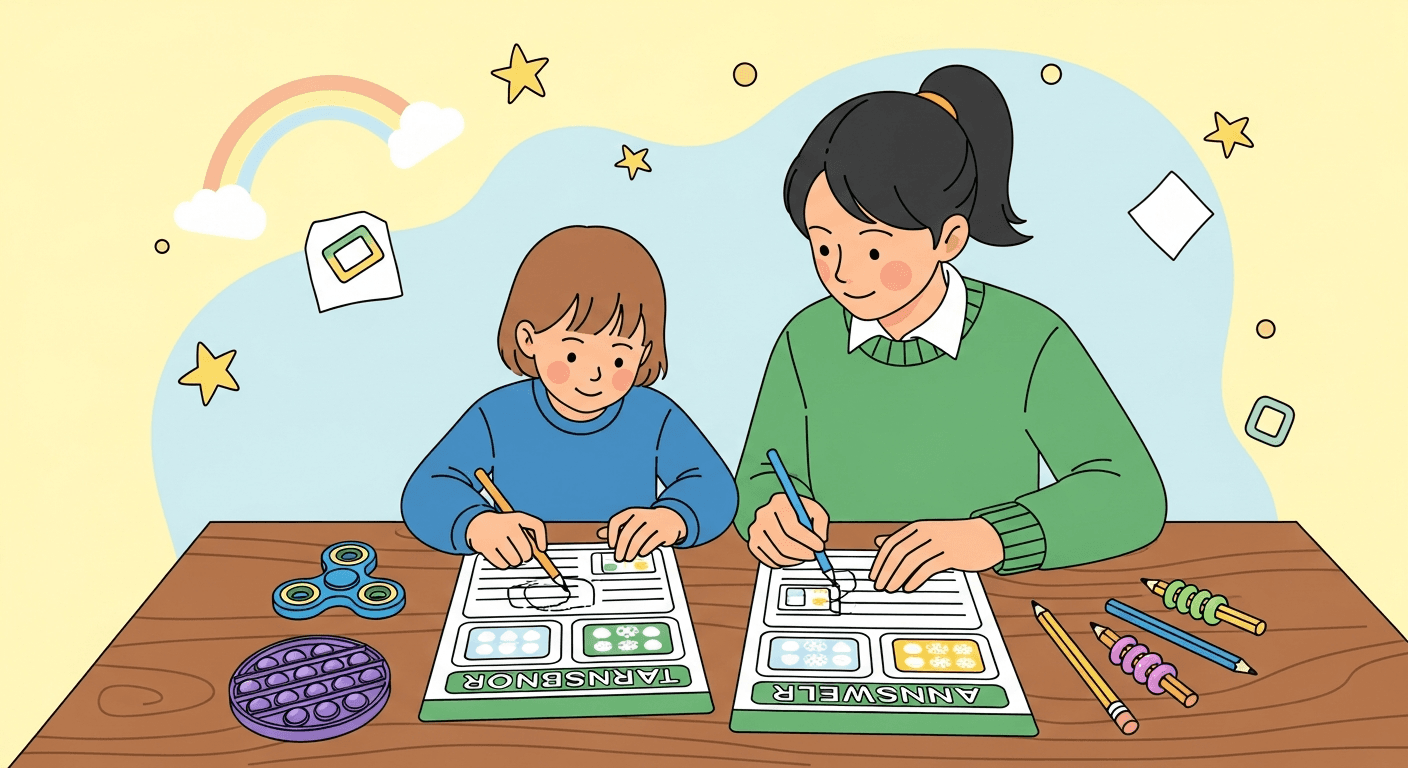
Adapting Worksheets for Children with Special Needs: A Complete Guide for Parents and Educators
Practical strategies to adapt worksheets for children with ADHD, dyslexia, dysgraphia & sensory differences. Indian school context, CBSE tips, and OT advice included.
Bridging Two Worlds: A Complete Guide to Teaching Heritage Languages Alongside English
A practical guide to raising bilingual children who speak both their heritage language and English with confidence. Research-backed strategies, activities, and tips for Indian families.