Bridging Two Worlds: A Complete Guide to Teaching Heritage Languages Alongside English
Author
RaisoActive - Kids Activities and Fun Learning
Published
Updated
Reading Time
8 min read

- Heritage language skills strengthen cognitive development, cultural identity, and family bonds
- Children can learn two or more languages simultaneously without confusion when given consistent exposure
- Practical strategies like the One Parent One Language (OPOL) method and immersive routines help maintain heritage languages
- Age-appropriate activities — songs, stories, worksheets, and games — make bilingual learning joyful
- Common myths about bilingualism debunked with current research from linguistics and neuroscience
Why Heritage Languages Matter More Than Ever
Your three-year-old chatters away in English at playschool, but when Dadi calls on the phone, there is a long, uncomfortable silence. Or perhaps your child understands Tamil perfectly but refuses to speak it, replying in English every single time. If this sounds painfully familiar, you are part of a growing community of parents navigating one of modern parenting's most delicate challenges: how do you raise children who speak your heritage language with confidence, while also thriving in an English-dominant world?
Across India and among Indian families worldwide, this question has become urgent. English is often the language of schooling, technology, and professional opportunity. But Hindi, Tamil, Bengali, Kannada, Malayalam, Marathi, Telugu, and dozens of other languages carry something that English alone cannot provide — a living connection to family, culture, identity, and centuries of wisdom. Losing that connection is not just a linguistic loss; it is a cultural one.
The good news? Research consistently shows that children are remarkably capable of learning multiple languages from birth. The challenge is not in their ability — it is in creating the right environment, routines, and attitudes that support bilingual development. This guide will walk you through everything you need to know, from the science behind bilingualism to practical, day-by-day strategies you can start using today.
Raising bilingual children?
Get weekly tips on heritage language activities, free bilingual printables, and expert advice delivered to your inbox.
The Science Behind Bilingual Brains
For decades, a persistent myth held that exposing young children to two languages would confuse them, delay their speech, or create a "language muddle." Modern neuroscience has comprehensively debunked this. Bilingual children's brains are not confused — they are exercised. Learning two languages simultaneously strengthens executive function, the set of cognitive skills that includes attention control, working memory, and mental flexibility.
on tasks requiring attention switching and cognitive flexibility, according to a meta-analysis of 63 studies on bilingual cognitive advantages.
Source: Adesope et al., Review of Educational Research, 2010
Research from the Centre for Brain and Cognitive Development has shown that bilingual infants as young as seven months already demonstrate enhanced cognitive control compared to monolingual peers. Their brains learn to manage two language systems, which acts as a form of mental exercise that benefits far beyond language — improving problem-solving, creativity, and even mathematical reasoning.
In the Indian context, this is particularly relevant. India is inherently multilingual — most adults naturally switch between two or three languages daily. Your child's brain is biologically designed for this. The question is not whether your child *can* learn multiple languages, but whether they get enough meaningful exposure to each one.
Bilingualism is not a burden on young brains — it is a cognitive advantage. Children who maintain their heritage language alongside English show stronger problem-solving skills, better attention control, and deeper cultural understanding.
Common Myths About Bilingual Children — Debunked
Myth 1: "Two Languages Will Confuse My Child"
Code-switching — mixing words from two languages in a single sentence — is often mistaken for confusion. In reality, it is a sign of sophisticated linguistic competence. When your child says "Mummy, mujhe blue wala crayon chahiye," they are not confused. They are making real-time decisions about which language best serves each part of their message. Research by linguist Dr. François Grosjean confirms that code-switching follows consistent grammatical rules and indicates bilingual proficiency, not deficiency.
Myth 2: "They Should Master English First"
The "one language first" approach actually backfires. Studies show that heritage language skills support English acquisition rather than hindering it. Children who have a strong foundation in their mother tongue develop better metalinguistic awareness — the ability to think about language itself — which transfers directly to learning English grammar, vocabulary, and reading comprehension.
Myth 3: "English Is Enough for Their Future"
While English proficiency is undeniably valuable, heritage language loss carries hidden costs. Children who cannot communicate fluently with grandparents, extended family, and their cultural community often report feelings of disconnection and identity confusion in adolescence and adulthood. A 2019 study in the Journal of Multilingual and Multicultural Development found that heritage language maintenance was the single strongest predictor of positive cultural identity in second-generation immigrant children.
- +Speak your heritage language naturally and consistently at home
- +Celebrate code-switching as a sign of bilingual strength
- +Read stories, sing songs, and play games in both languages
- +Connect heritage language to joyful experiences — cooking, festivals, family calls
- +Be patient with uneven language development across the two languages
- -Force the child to speak only one language at a time
- -Correct or shame code-switching as "wrong" or "lazy"
- -Limit heritage language use to "lessons" or formal practice only
- -Associate heritage language with obligation, duty, or punishment
- -Compare your child's language skills to monolingual peers
Proven Strategies for Bilingual Families
There is no single "correct" method for raising bilingual children — the best approach depends on your family structure, language resources, and daily routine. Here are the most research-backed strategies, adapted for Indian families.
Choosing Your Family Language Strategy
One Parent, One Language (OPOL)
Each parent consistently speaks one language to the child. For example, Amma speaks Tamil and Papa speaks English. This creates clear language boundaries and ensures consistent exposure to both languages. Works best when both parents understand each other's language.
Minority Language at Home (ML@H)
The entire family speaks the heritage language at home, and English is learned at school and in the community. This is the most effective strategy for heritage language maintenance because it maximises exposure during the crucial early years. Particularly effective for joint families where grandparents speak the heritage language.
Time-Based Separation
Designate specific times or days for each language. For example, heritage language during meals and bedtime stories, English during homework and screen time. This works well for families who find strict parent-based separation difficult.
Context-Based Approach
Use the heritage language for specific activities — cooking, religious practices, music, art — and English for others. This naturally associates the heritage language with rich cultural experiences rather than academic obligation.
- Research suggests children need at least **30% of their waking hours** exposed to a language to develop functional proficiency in it
- Calculate your child's heritage language exposure: if they are awake 12 hours a day, aim for at least 3.5 hours in the heritage language
- Quality matters as much as quantity — interactive conversation is far more valuable than passive listening (like TV)
- If exposure is below 30%, consider adding heritage language audiobooks during car rides, playdates with same-language families, or weekend language activities
Age-Appropriate Activities for Heritage Language Learning
Ages 0-2: Building the Foundation
In the earliest years, language learning happens through emotional connection. Babies do not distinguish between "useful" and "useless" languages — they absorb whatever is spoken to them with love and consistency.
- Sing lullabies and nursery rhymes in your heritage language — "Nani Teri Morni" in Hindi, "Aatukulal Kadavil" in Malayalam, "Vaa Vaa Paappa" in Tamil
- Narrate daily routines — describe nappy changes, bath time, and meals in the heritage language
- Use baby-directed speech (the natural sing-song voice) in your heritage language; research shows this is how infants learn to segment words from the speech stream
- Read board books with simple heritage language text — even pointing and naming objects counts
Ages 2-4: Expanding Vocabulary and Expression
This is the "language explosion" period. Toddlers and preschoolers are learning 5-10 new words daily. Make sure a good proportion of those new words come from your heritage language.
- Storytelling with puppets — use hand puppets that "only speak" the heritage language
- Cooking together — name ingredients, actions, and utensils in the heritage language ("Now we add rai, jeera, and haldi")
- Heritage language play dates — arrange regular meetups with families who share your language
- Action songs and finger plays — movement-based language learning is particularly effective at this age
- Label household items — stick bilingual labels on everyday objects (door = दरवाज़ा/darvaaza)
- Hide 10 familiar objects around the room and give clues only in the heritage language
- Start with simple clues: "Yeh cheez laal hai" (This thing is red)
- Gradually increase complexity: "Yeh cheez kitchen mein hai, aur hum isse roti banane ke liye use karte hain" (This thing is in the kitchen, and we use it to make roti)
- Celebrate each find with a heritage language cheer or song
- This works beautifully for Hindi, Tamil, Bengali, Kannada — adapt the clues to your language
Ages 4-6: Literacy and Script Introduction
Once children are comfortable speaking and understanding the heritage language, you can gently introduce the written script. This is where many Indian parents feel anxious, because Devanagari, Tamil, or Bengali scripts can seem daunting compared to the Roman alphabet. But children at this age are pattern-recognition machines — they find new scripts genuinely exciting if introduced through play rather than pressure.
- Tracing worksheets for heritage language letters — start with the child's name in the heritage script
- Letter matching games — match heritage language letters to pictures of objects starting with that sound
- Writing in sand, rice, or rangoli powder — multisensory letter formation is more engaging than pencil-and-paper alone
- Bilingual flashcards — one side English, one side heritage language with the script
- Heritage language cartoons and shows — Chhota Bheem in Hindi, Punyakoti in Kannada
The most effective heritage language activities feel like play, not lessons. Cooking, singing, storytelling, and games create positive emotional associations that motivate children to use their heritage language willingly.
Research consistently shows that forced language instruction backfires with young children. Intrinsic motivation — wanting to speak the language because it feels good — is far more powerful than extrinsic pressure.
When Your Child Resists the Heritage Language
Almost every bilingual family hits a stage where the child pushes back against the heritage language. This typically happens when they start school and realise that their peers speak English, making the heritage language feel "different" or even embarrassing. This is completely normal and does not mean your efforts have failed.
experience a period of language resistance between ages 4 and 7, typically coinciding with school entry. However, families who maintain consistent exposure through this phase report successful bilingualism by age 10.
Source: Kondo-Brown, Heritage Language Development, 2006
- **Never shame or punish** — avoid phrases like "You should be ashamed that you cannot speak your own language"
- **Create "need" situations** — arrange video calls with grandparents who speak only the heritage language, or play heritage language board games where instructions are only in that language
- **Find peer motivation** — heritage language classes, cultural events, or online communities where your child sees other children speaking the language
- **Use media strategically** — find YouTube channels, podcasts, and apps in the heritage language that match your child's interests
- **Be the model** — continue speaking the heritage language yourself, even if your child replies in English. Over time, they absorb far more than they produce
One particularly effective approach for Indian families is cultural immersion through festivals and traditions. When Diwali preparations happen entirely in Hindi, when Pongal cooking is narrated in Tamil, when Durga Puja stories are told in Bengali — the heritage language becomes inseparable from joyful, meaningful experiences that English simply cannot replicate.
The Irreplaceable Role of Grandparents and Extended Family
In Indian families, grandparents are often the strongest link to the heritage language. Whether they live in the same household or across the country, their consistent use of the mother tongue provides children with authentic, emotionally rich language input that no app or class can match.
- Regular video calls — schedule weekly calls where grandparents tell stories, sing songs, or simply chat with the child in the heritage language
- Summer stays — extended visits to grandparents' homes provide intensive heritage language immersion
- Recipe sharing — ask grandparents to "teach" the child a recipe over video call, narrating entirely in the heritage language
- Joint family advantage — if grandparents live with you, establish a norm where conversations with them are always in the heritage language
- Story recordings — ask grandparents to record traditional stories, lullabies, and folk tales that can be replayed as bedtime stories
- Speak to your grandchild in your language with confidence — do not switch to English to "make it easier"
- Be patient if they reply in English; acknowledge what they said and respond naturally in your language
- Share stories from your childhood, your village, your traditions — children are captivated by personal narratives
- Teach them proverbs, riddles, and tongue twisters — these are fun, memorable, and linguistically rich
Supporting Literacy in Two Scripts Without Overwhelm
One of the unique challenges for Indian bilingual families is that the heritage language often uses an entirely different script — Devanagari for Hindi, Tamil script for Tamil, Bengali script for Bengali, and so on. Parents worry that introducing a second script will overload their child or interfere with English reading development.
Research tells a different story. A landmark study by Professor Kenji Hakuta at Stanford University demonstrated that literacy skills transfer across languages and scripts. A child who learns to decode symbols in Devanagari develops phonemic awareness and print concepts that directly support English reading — and vice versa. The two scripts are not competing; they are cooperating.
Introducing Heritage Script Alongside English
Start with the Child's Name
Write your child's name in both scripts. Children are deeply motivated to recognise and write their own name. Display both versions on their bedroom door, lunchbox, or art corner.
Use Multisensory Methods
Trace heritage script letters in sand, form them with play dough, paint them with water on the pavement. This engages muscle memory and removes the pressure of "getting it right" on paper.
Introduce 2-3 Letters Per Week
Do not rush. Focus on letters that appear in familiar words — the child's name, family members' names, favourite foods. Connect each letter to a word they already know and use.
Create a Bilingual Word Wall
Dedicate a wall or section of the fridge to words in both scripts. Add new words weekly. Let the child illustrate each word. This becomes a visual celebration of their biliteracy.
Read Bilingual Books Together
Books with text in both English and the heritage language allow children to compare scripts naturally. Point to words in both languages and discuss how the same story sounds different in each.
Building a Language-Rich Home Environment
Beyond specific activities and strategies, the overall linguistic environment of your home matters enormously. Children learn language not through isolated "lessons" but through immersion in a living, breathing language ecosystem.
- Books in both languages — maintain a visible, accessible library that includes heritage language books alongside English ones
- Heritage language music — play songs, bhajans, folk music, and film songs as background during daily routines
- Cultural artefacts — calendars in the heritage script, wall art with heritage language poetry, alphabet charts
- Technology in both languages — set one device's language to the heritage language so the child encounters it naturally
- Community connections — attend cultural events, language classes, and religious gatherings where the heritage language is spoken
Heritage language maintenance is a marathon, not a sprint. Consistency matters more than perfection. Even 20-30 minutes of meaningful heritage language interaction daily can sustain and develop bilingual abilities over the years.
Get Bilingual Learning Resources Delivered Free
Join thousands of parents who receive our weekly newsletter with printable worksheets, activity ideas, and expert advice for raising confident, curious learners.
Frequently Asked Questions About Heritage Languages
At what age should I start teaching my child the heritage language?
My child understands the heritage language but refuses to speak it. What should I do?
Will learning two scripts confuse my child or delay their reading?
How much heritage language exposure does my child need daily?
Should I correct my child when they mix languages?
What if my partner does not speak the heritage language?
Free worksheets for this topic
Browse all worksheets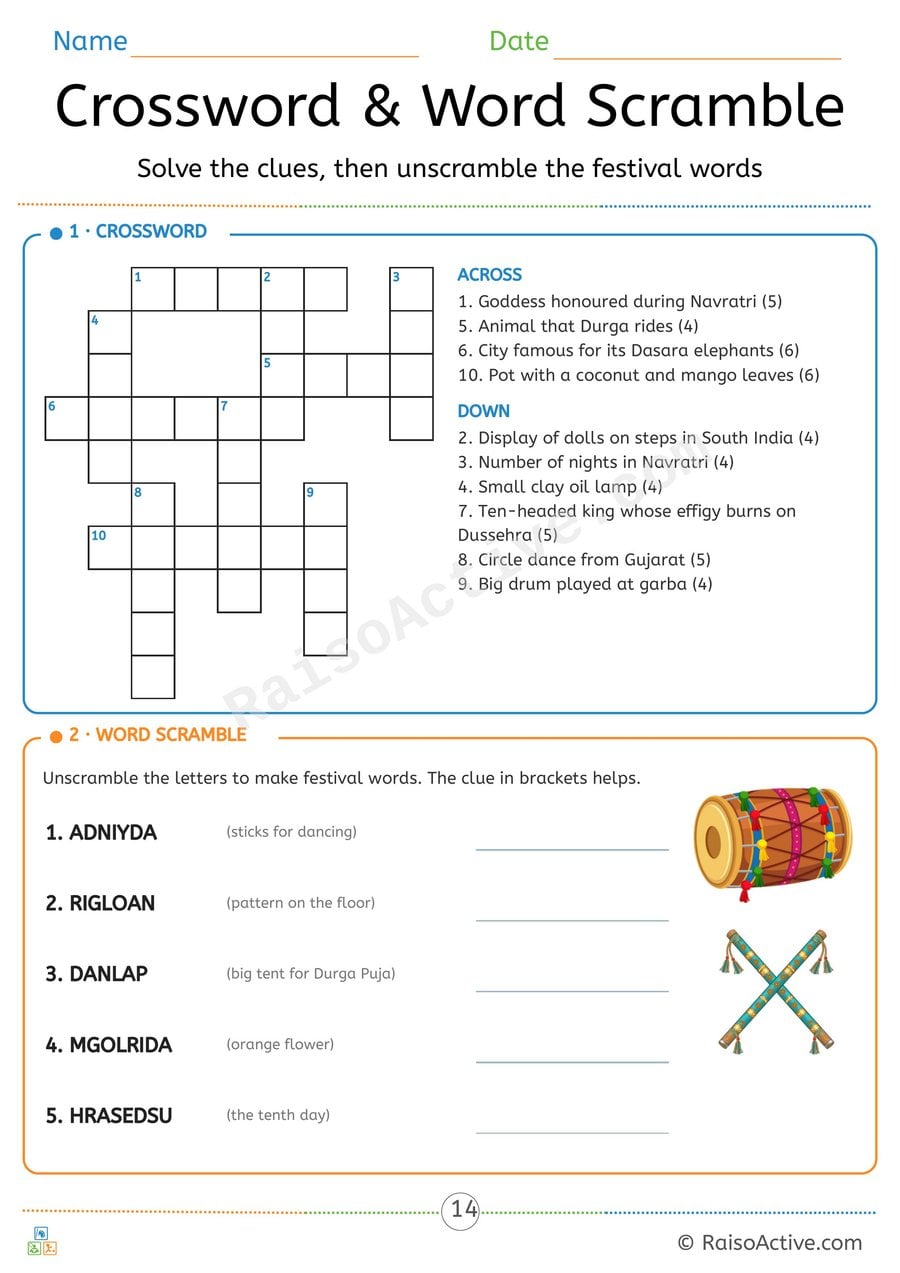
Navratri Crossword and Word Scramble
Ages 7-11 · Grade 2–Grade 3Ages 7-11 · Year 3–Year 4Ages 7-11 · Class 2–Class 3Ages 7-11
Children solve 10 crossword clues about the goddess, the lion, Mysuru, the kalash, Golu, diyas, Ravan, garba and the dhol, and unscramble five festival words with a clue for each.
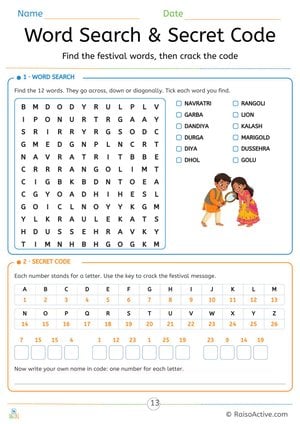
Navratri Word Search and Secret Code Puzzle
Ages 7-11 · Grade 2–Grade 3Ages 7-11 · Year 3–Year 4Ages 7-11 · Class 2–Class 3Ages 7-11
Children find 12 festival words that run across, down and diagonally, and use an A = 1 to Z = 26 key to decode a message about the festival. Then they write their own name in code.
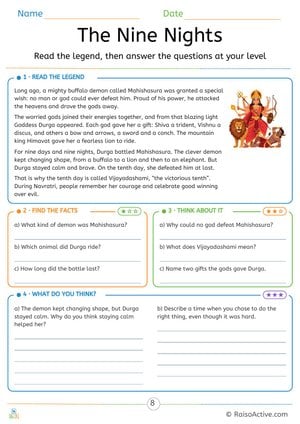
The Nine Nights: Durga and Mahishasura Reading Comprehension
Ages 7-11 · Grade 2–Grade 3Ages 7-11 · Year 3–Year 4Ages 7-11 · Class 2–Class 3Ages 7-11
Children read a retelling of the legend of Durga and Mahishasura, find facts in the text, answer inference questions about why things happened, and write their own opinion about staying calm and doing the right thing.
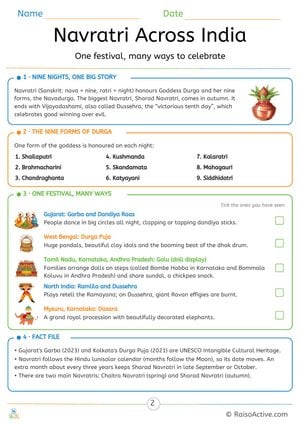
Navratri Across India: How Different States Celebrate
Ages 7-11 · Grade 2–Grade 3Ages 7-11 · Year 3–Year 4Ages 7-11 · Class 2–Class 3Ages 7-11
Children learn what Navratri means (nava = nine, ratri = night), that Sharad Navratri ends with Vijayadashami (Dussehra), and the names of the nine forms of Durga. They read how the festival is celebrated in Gujarat, West Bengal, South India, North India and Mysuru, and a short fact file about UNESCO heritage and the lunisolar calendar.

Written by
Hemsweta Jain · Teacher Cheena
MBA and Early Childhood Educator, teaching since 2014 · Founder of RaisoActive, Mumbai
Published · Last reviewed
Related Resources
Printable Resources(10)
View all
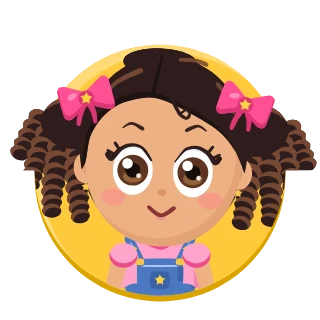
Summer Activity Pack: Math, Literacy, Puzzles & More for Preschool & Kindergarten
Ages 3-7 · Preschool–Grade 1Ages 3-7 · Nursery–Year 2Ages 3-7 · Nursery–Class 1Ages 3-7 · 26 pages
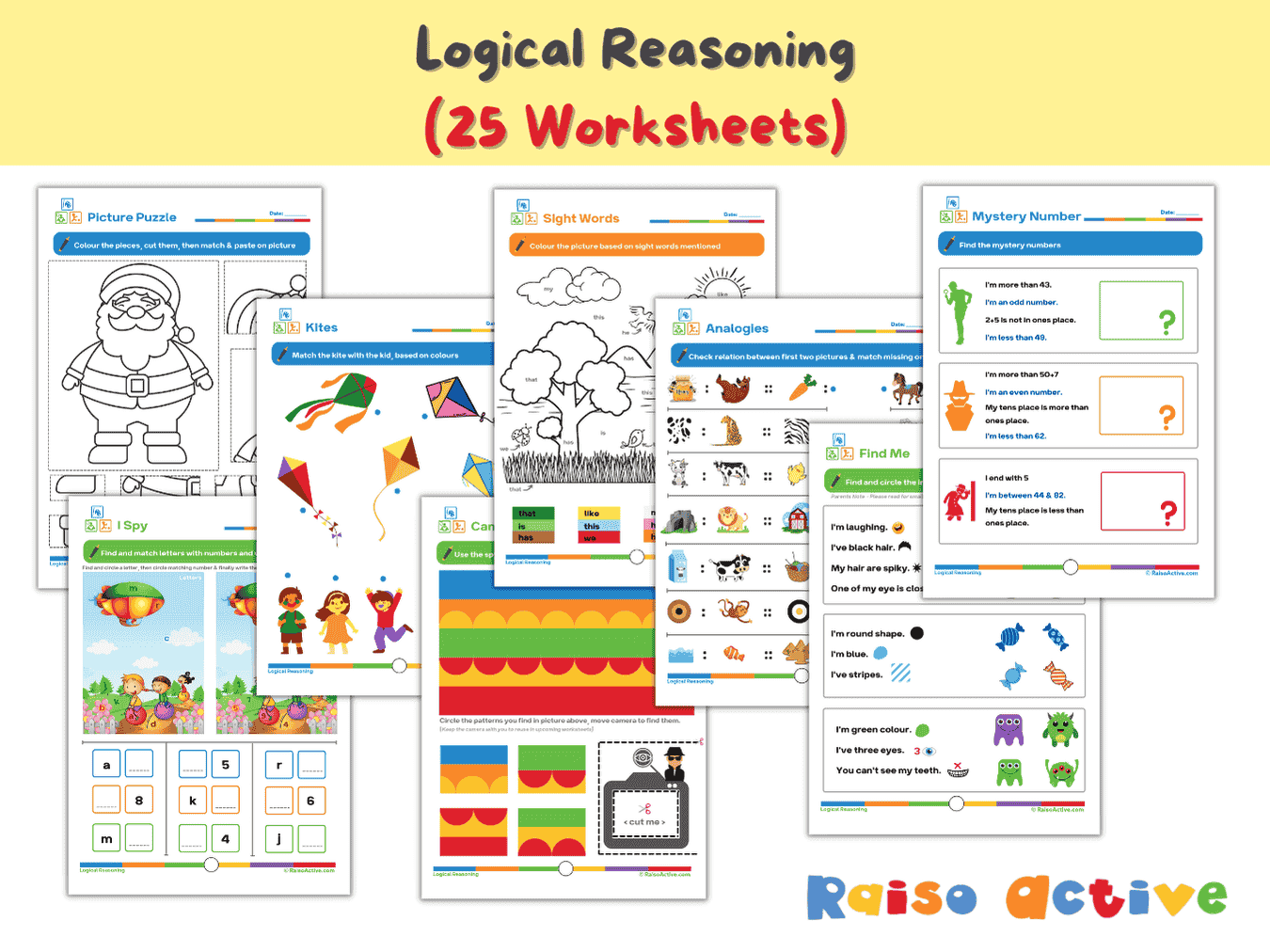

Logical Reasoning Activity Book for Preschool & Kindergarten | Patterns, Puzzles & Analogies
Ages 4-7 · Pre-K–Grade 1Ages 4-7 · Reception–Year 2Ages 4-7 · LKG–Class 1Ages 4-7 · 26 pages
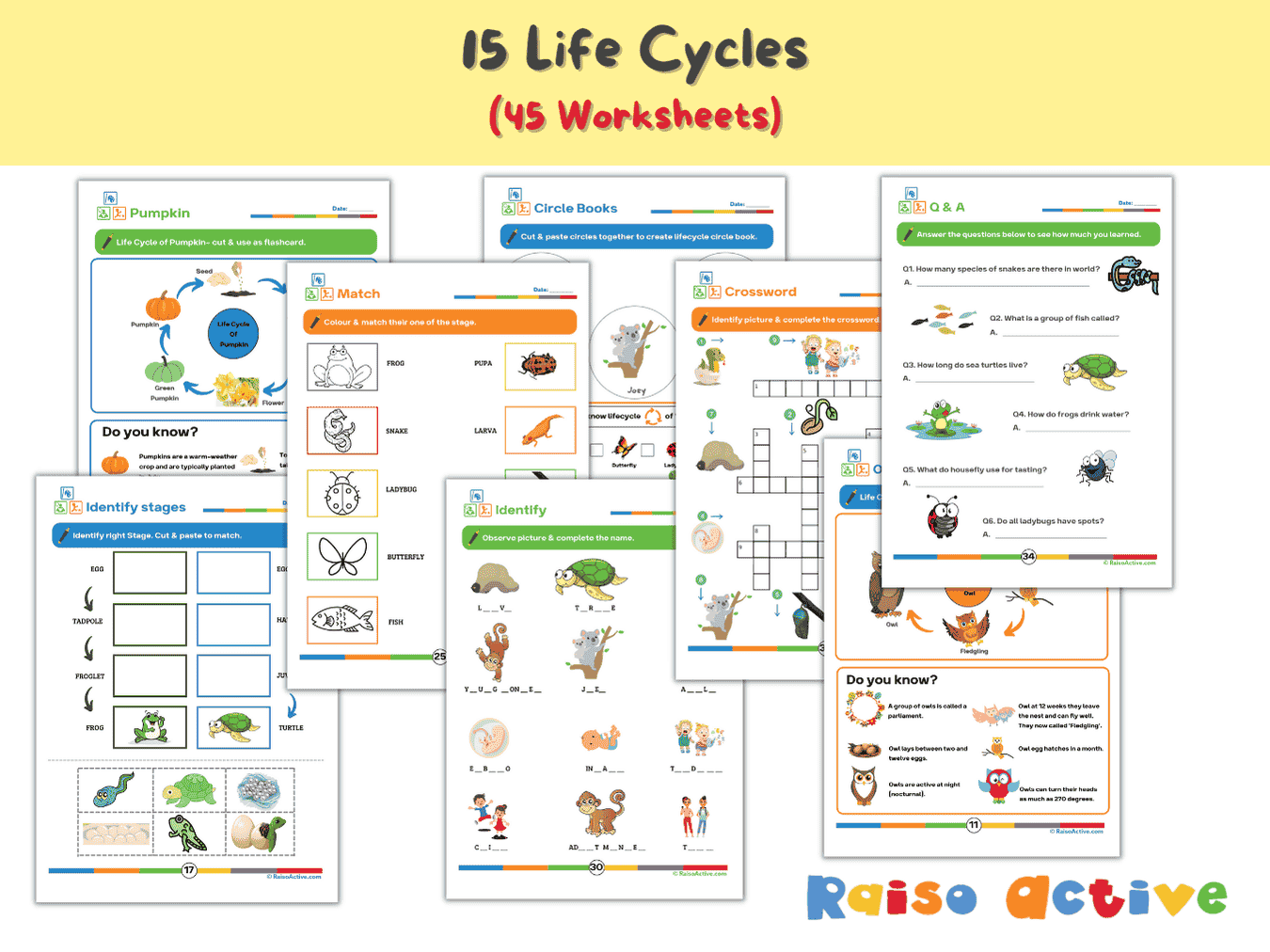

Lifecycles Activity Book & Flashcards for Preschool & Early Elementary
Ages 3-8 · Preschool–Grade 2Ages 3-8 · Nursery–Year 3Ages 3-8 · Nursery–Class 2Ages 3-8 · 46 pages
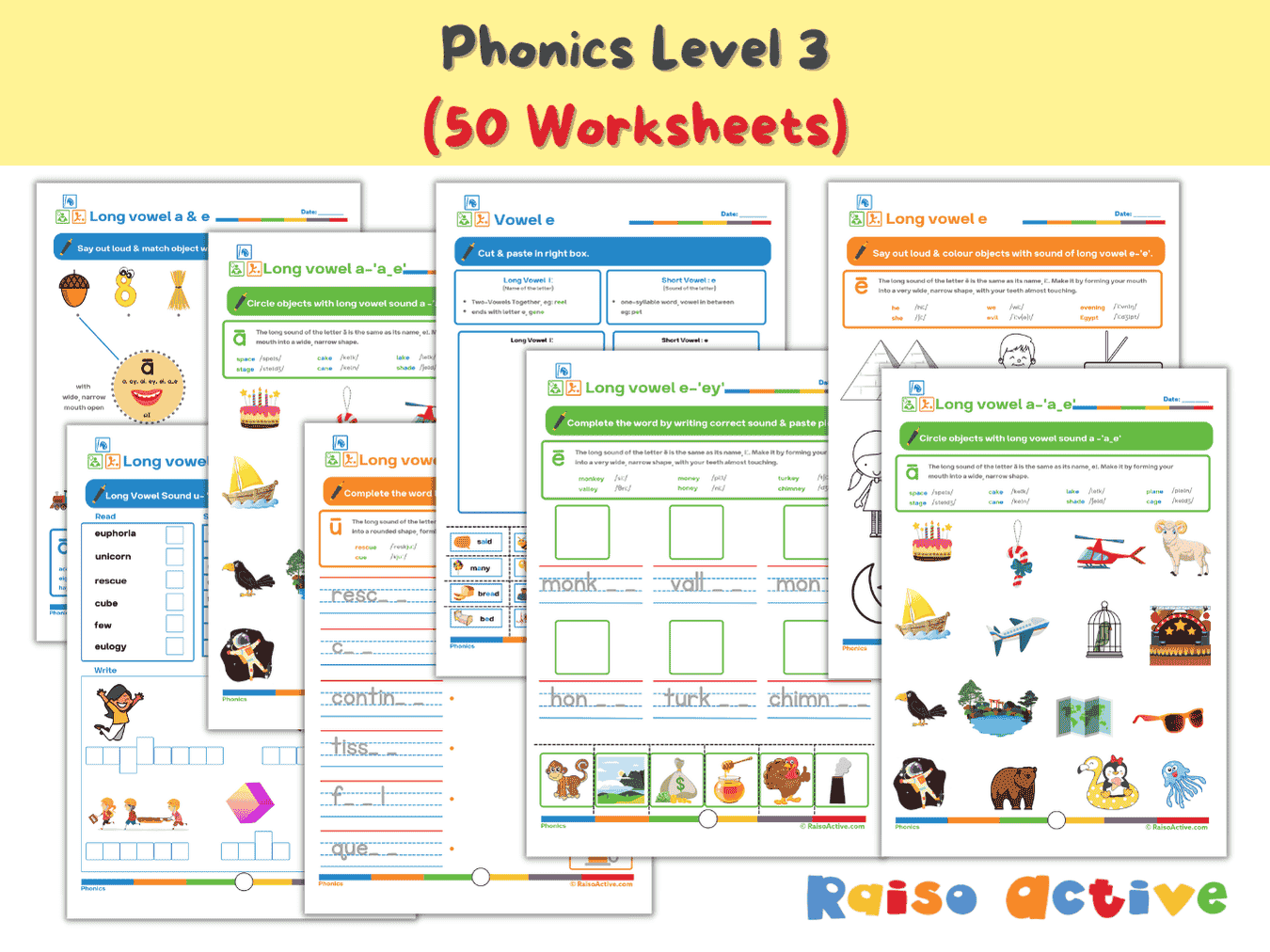

Phonics Level 3 Long Vowels Activity Book for Kindergarten & 1st Grade
Ages 5-7 · Kindergarten–Grade 1Ages 5-7 · Year 1–Year 2Ages 5-7 · UKG–Class 1Ages 5-7 · 51 pages
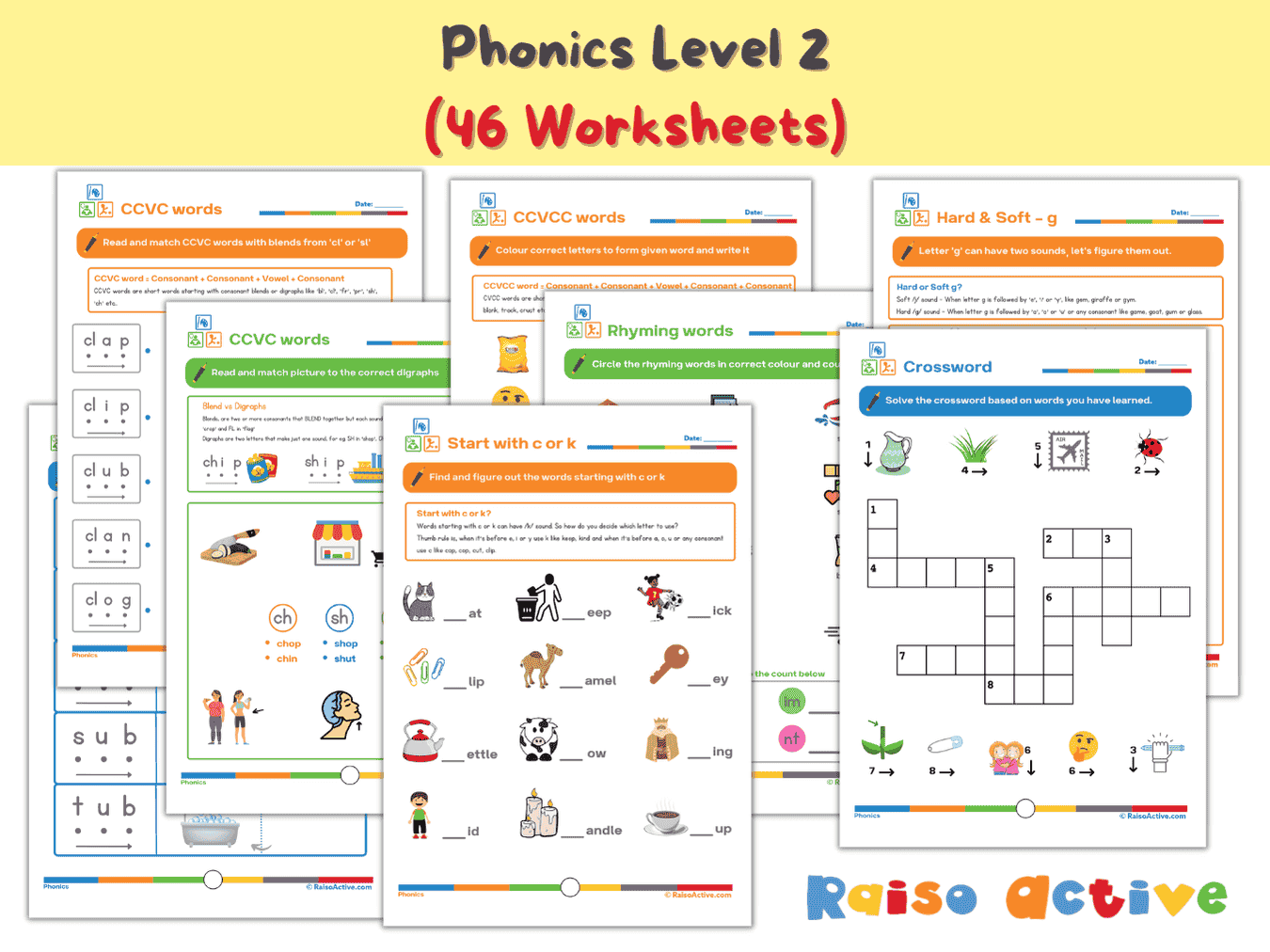
Phonics Level 2 Worksheets: CVC, CCVC, CVCC Word Families & Blends for Early Readers (Ages 4-7)
Ages 4-7 · Pre-K–Grade 1Ages 4-7 · Reception–Year 2Ages 4-7 · LKG–Class 1Ages 4-7 · 47 pages
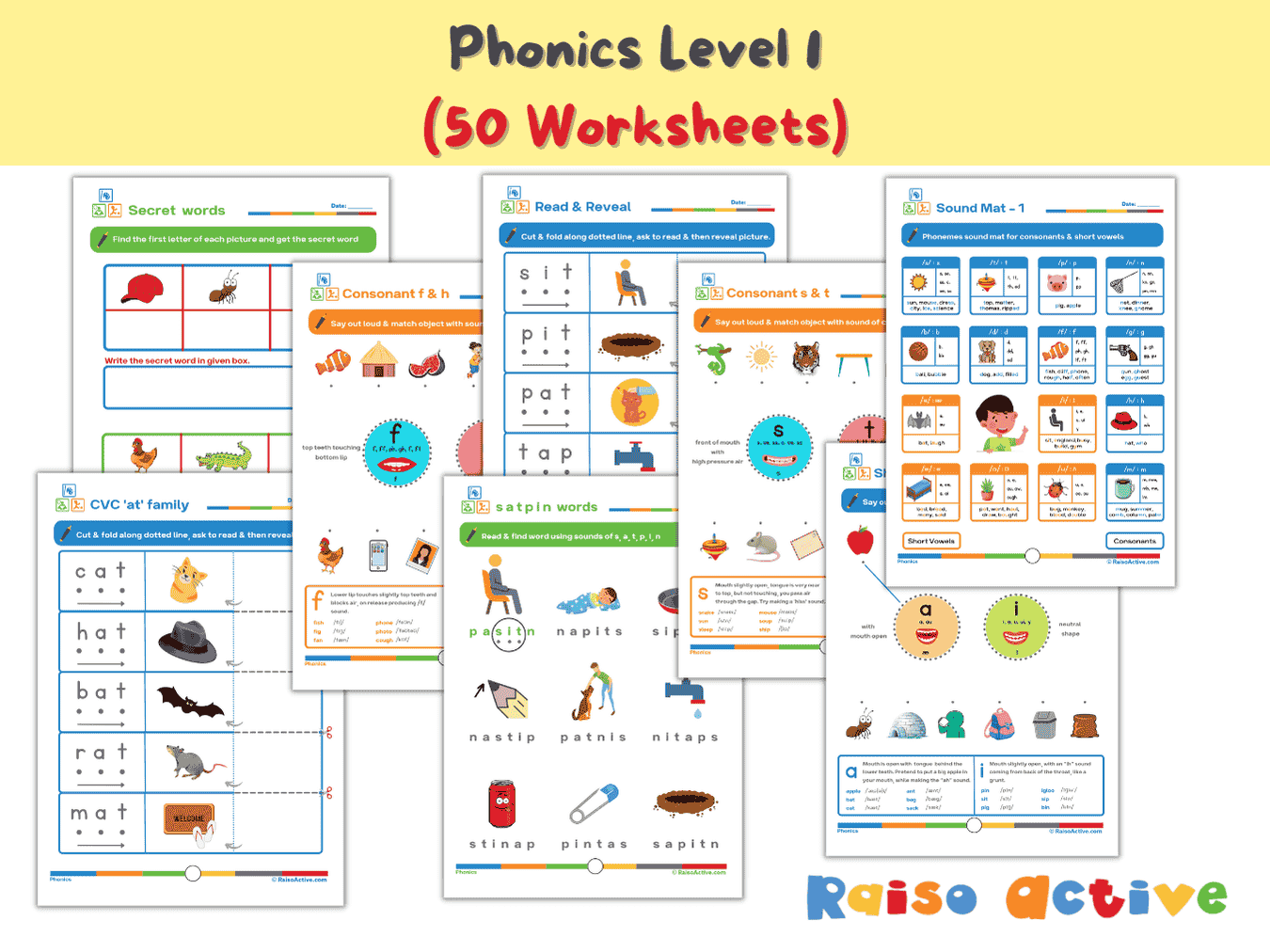
Phonics Level 1 Activity Book: Letter Sounds, Blending & CVC Words for Preschool & Kindergarten
Ages 3-6 · Preschool–KindergartenAges 3-6 · Nursery–Year 1Ages 3-6 · Nursery–UKGAges 3-6 · 60 pages
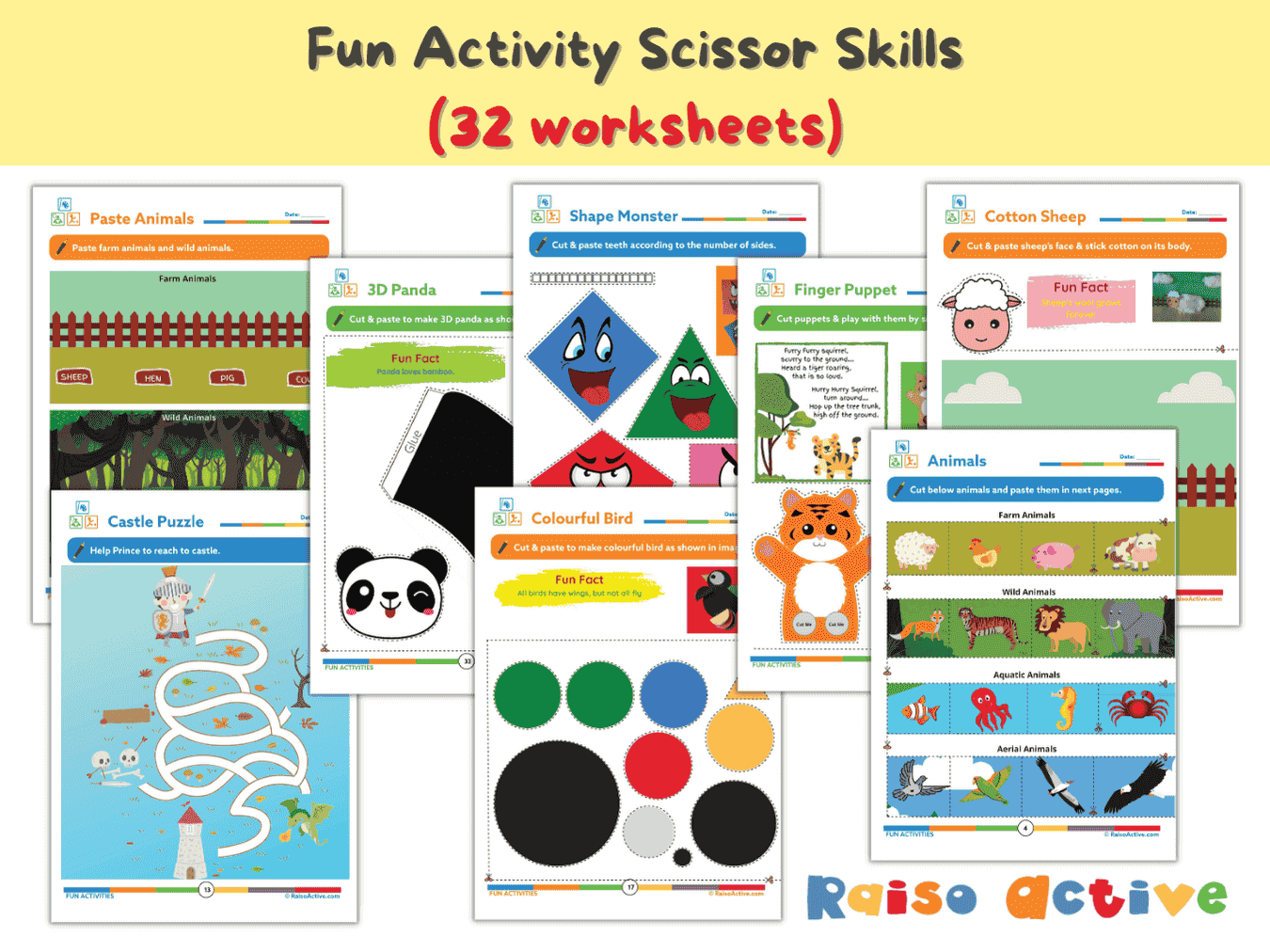
Preschool Scissor Skills Activity Book: Fine Motor & Craft Fun for Ages 3-6
Ages 3-6 · Preschool–KindergartenAges 3-6 · Nursery–Year 1Ages 3-6 · Nursery–UKGAges 3-6 · 35 pages
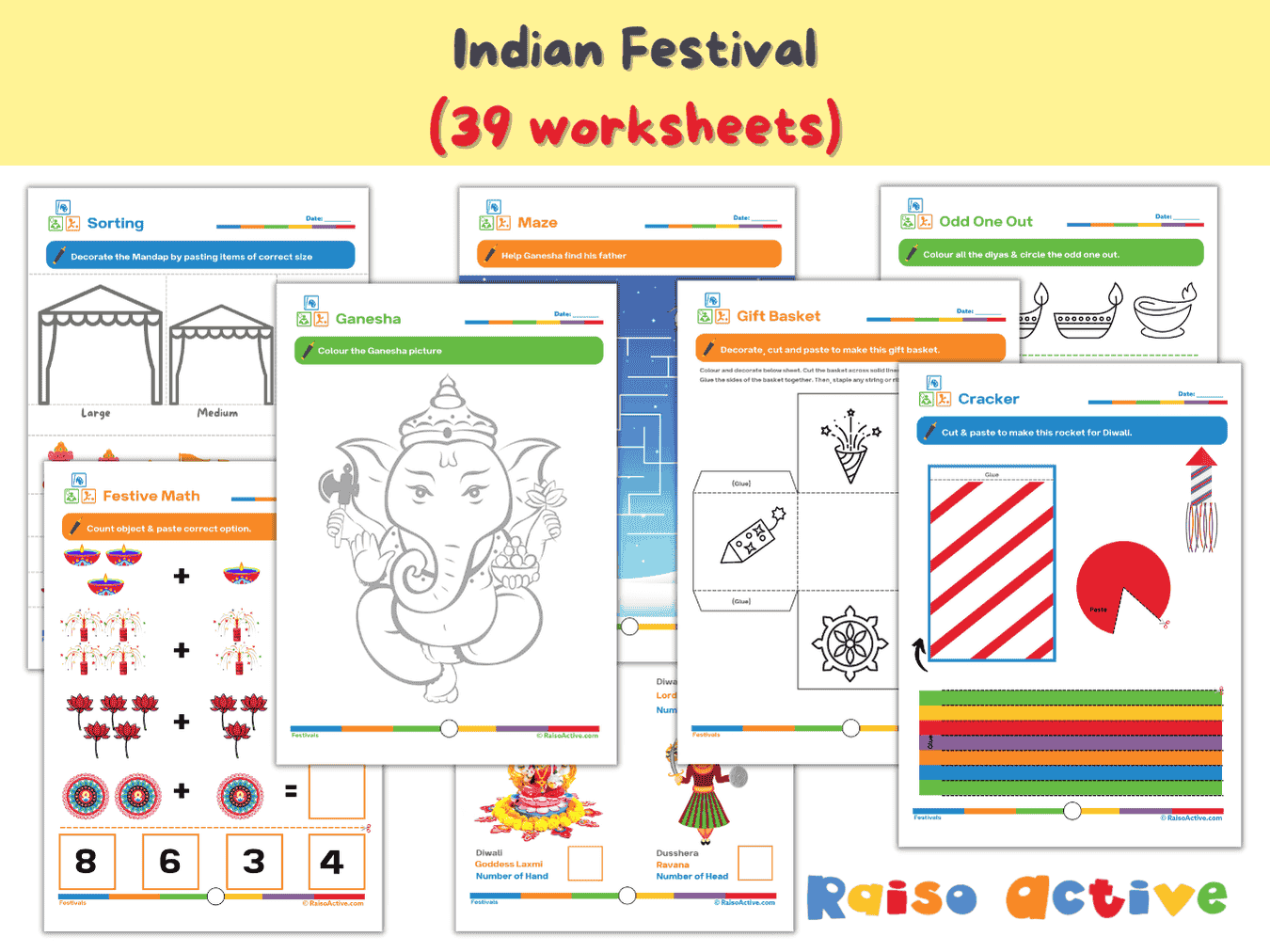
Festivals & Cultural Diversity Activity Book for Kids (Ages 4-8)
Ages 4-8 · Pre-K–Grade 2Ages 4-8 · Reception–Year 3Ages 4-8 · LKG–Class 2Ages 4-8 · 30 pages
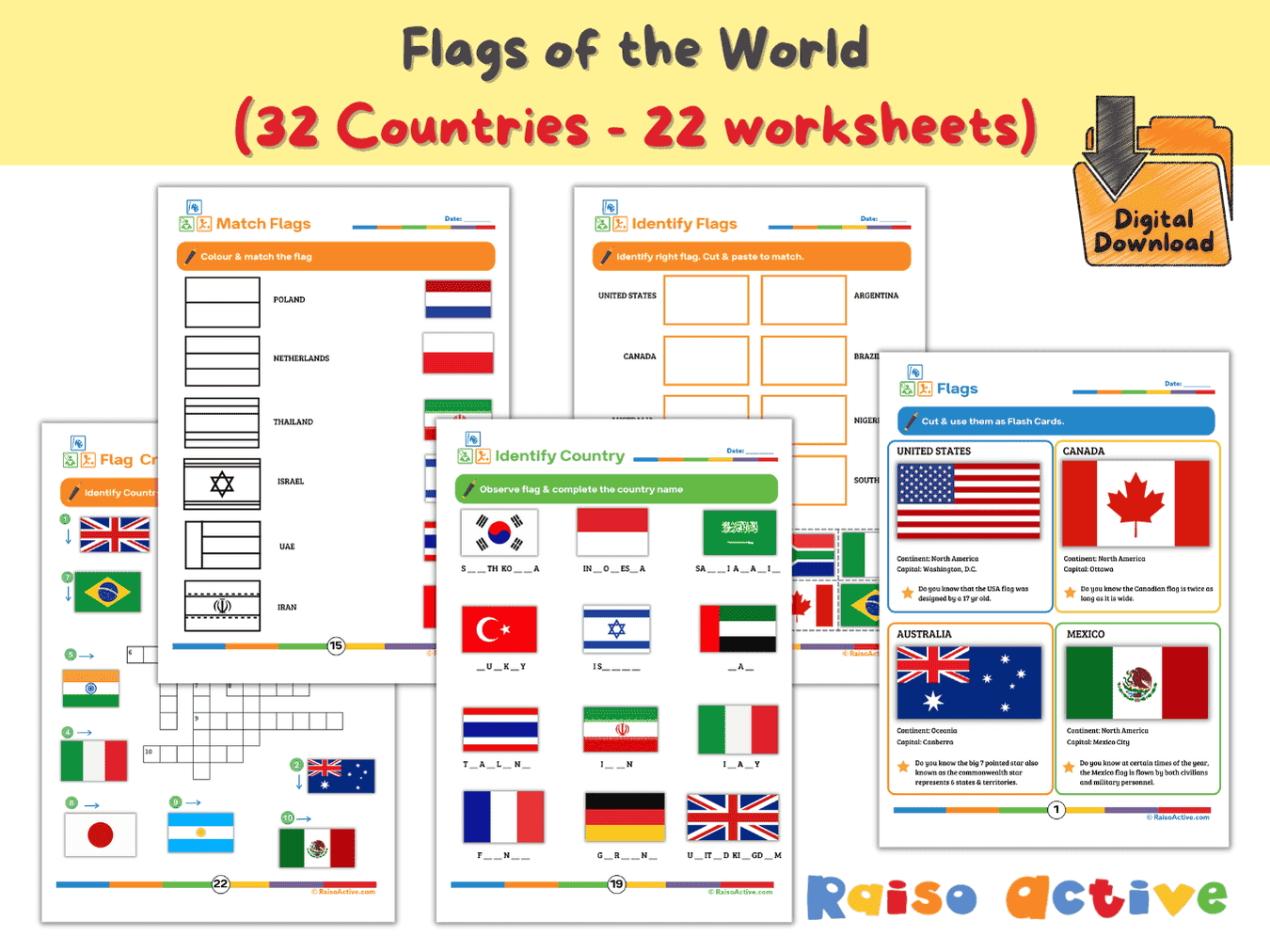
Flags of the World Activity Book & Flashcards for Kids (Ages 5-9)
Ages 5-8 · Kindergarten–Grade 2Ages 5-8 · Year 1–Year 3Ages 5-8 · UKG–Class 2Ages 5-8 · 23 pages
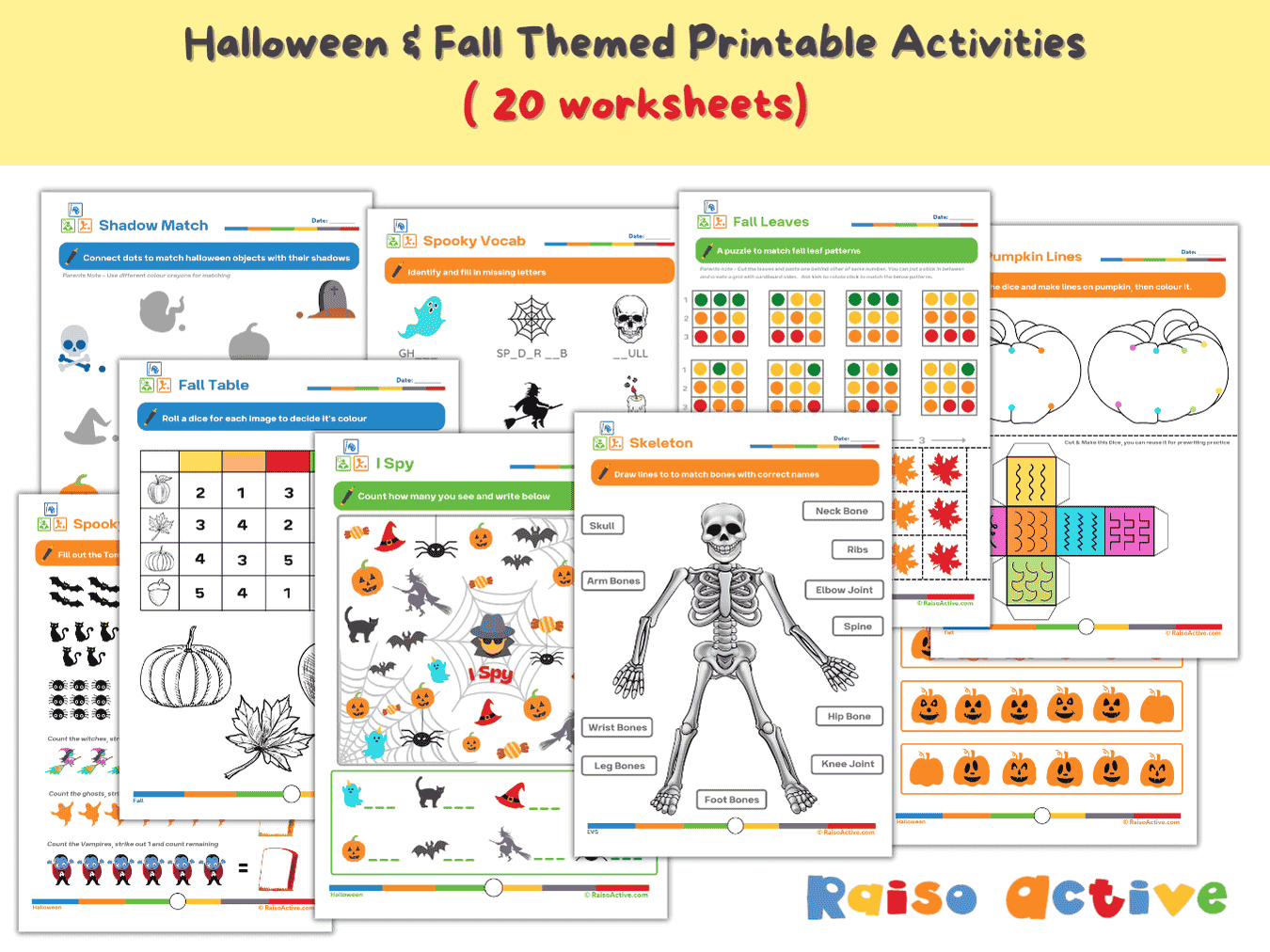
Halloween & Fall Activity Book: Math, Literacy & Cognitive Skills for Ages 4-8
Ages 4-8 · Pre-K–Grade 2Ages 4-8 · Reception–Year 3Ages 4-8 · LKG–Class 2Ages 4-8 · 23 pages