What's the Best Way to Teach Sight Words? A Complete Guide for Parents and Teachers
Author
RaisoActive - Kids Activities and Fun Learning
Published
Updated
Reading Time
19 min read

- Sight words are high-frequency words children need to **recognise instantly** — they make up 50-75% of all text young readers encounter, so fluency depends on knowing them well.
- The two most widely used word lists are **Dolch** (220 words, pre-K to Grade 3) and **Fry** (1,000 words ranked by frequency) — both are excellent starting points.
- Research supports teaching **3-5 new sight words per week** — slow enough for true mastery, fast enough to build a useful reading vocabulary within months.
- The most effective methods combine **multi-sensory practice** (visual, auditory, kinaesthetic) with games, repeated exposure, and environmental print.
- Sight words work best alongside phonics, not instead of it — the two approaches are **complementary partners**, not competitors.
Why Sight Words Are a Reading Game-Changer
Picture your child sitting with a simple storybook. They carefully sound out every letter — /th/ /e/ ... pause ... /c/ /a/ /t/ ... pause ... /s/ /a/ /t/. By the time they decode the third word, the meaning of the sentence has dissolved. This is one of the central challenges of early reading, and it is precisely why sight words matter so much.
Sight words — sometimes called high-frequency words, tricky words, or snap words — are the most commonly occurring words in written English. Words like the, and, said, was, they, come, and have appear so constantly in text that if a child has to stop and decode each one phoneme by phoneme, reading becomes exhausting. When a child can recognise these words instantly, without conscious effort, working memory is freed up for the real work of reading: understanding the story, the argument, or the meaning.
Get Free Sight Word Worksheets
Join thousands of parents and teachers who use RaisoActive printables to make sight word practice fun and effective. New worksheets every week, completely free.
Sight Words vs Phonics Words: Understanding the Difference
A common source of confusion for parents is understanding how sight words relate to phonics. Are they opposites? Does teaching sight words mean abandoning phonics? The answer is no — and understanding this distinction will shape how you teach.
Phonics words are words that follow regular spelling patterns and can be decoded letter by letter: cat, stop, fling, clap. A child who knows their phonics rules can, in theory, decode any phonics word they have never seen before. Sight words, on the other hand, are taught as whole units primarily because they appear so frequently that automaticity is essential — though many of them can actually be decoded with advanced phonics knowledge. Words like said (/sed/), was (/wuz/), and the (/thuh/) have irregular sound-spelling correspondences that make phonics decoding unreliable for young learners.
The most powerful approach, supported by contemporary reading research, is to teach systematic phonics as the core method while simultaneously building a growing bank of sight words. Phonics gives children the tools to decode unfamiliar words independently; sight word automaticity gives them the fluency to read at a pace where comprehension can flourish.
Sight words and phonics are partners, not rivals.
Think of phonics as the engine and sight words as the fuel — a child needs both to read well. Programmes that abandon one in favour of the other produce readers with gaps. The goal is a reader who can decode *and* recognise high-frequency words on sight.
Dolch vs Fry: Which Word List Should You Use?
If you have ever looked up sight word lists, you have almost certainly encountered two names: Dolch and Fry. Both are widely used in schools and at home — but they have important differences worth knowing.
The Dolch Word List, compiled by Edward Dolch in 1948, contains 220 service words (function words like the, for, not, with) plus 95 frequently used nouns. It is divided into five levels from Pre-Primer through Grade 3. The Dolch list is older and somewhat smaller, but it remains extremely popular in Indian English-medium schools and is the list most likely to be referenced in your child's school curriculum.
The Fry Word List, developed by Dr Edward Fry in the 1950s and updated in the 1980s, contains 1,000 words ranked strictly by frequency of occurrence in written English. The first 100 Fry words account for approximately 50% of all words in printed text; the first 300 words account for about 65%. The Fry list is more comprehensive and is increasingly preferred in contemporary reading programmes.
- +220 service words + 95 nouns (315 total)
- +Divided into 5 graded levels (Pre-Primer to Grade 3)
- +Compiled in 1948; widely used in Indian schools
- +Focuses on function words and common nouns
- +Good starting point for kindergarten and Grade 1
- -1,000 words ranked by frequency
- -Organised into groups of 100 by frequency rank
- -More comprehensive; preferred in newer reading programmes
- -Includes content words alongside function words
- -Better for building a larger sight word bank over time
Our recommendation: Start with the Dolch Pre-Primer and Primer lists (roughly 80 words combined). These give the biggest return on investment — highest frequency, lowest complexity. Once your child has mastered those, transition to the Fry list for a more systematic approach. If your child's school sends home a specific list, always prioritise that list for consistency.
How Many Sight Words Per Week? Setting a Realistic Pace
One of the most common mistakes well-meaning parents and teachers make is introducing too many sight words at once. A child who has been shown twenty new words in a single week has learned none of them to automaticity — they have only been exposed to them. There is a crucial difference between recognition under test conditions and instant, effortless recall in the middle of a sentence.
The evidence-informed guidance is 3-5 new words per week for most children in the Pre-K to Grade 1 range. At this pace, a child who begins in Nursery (age 3-4) and continues through Grade 1 will have a solid bank of 150-200 sight words by the time they are 6-7 — which is enough to read most Level 1 and Level 2 readers with real fluency.
Before introducing new words, always review and consolidate the previous week's words. A child should be able to read a word in under one second — without sounding it out, without hesitating — before it is considered truly mastered. If a word is still causing hesitation, keep it in the 'review' pile a little longer.
of all words in printed text for young readers are accounted for by the most common 100-300 high-frequency words, which is why mastering sight words dramatically accelerates reading fluency even in the early stages.
Source: Fry, Kress & Fountoukidis, The Reading Teacher's Book of Lists
The Best Methods for Teaching Sight Words
No single method works for every child. The most effective sight word instruction is multi-sensory — it engages the visual, auditory, and kinaesthetic channels simultaneously, which creates richer and more durable memory traces. Here is a toolkit of proven methods you can mix and match based on your child's learning style and your available time.
Flashcards with purposeful repetition remain the workhorse of sight word instruction for good reason. Write each word on an index card in clear, lower-case letters (avoid all-caps, as children need to learn words as they appear in books). Show the card, say the word together, use it in a short sentence, and say the word again. The key is spaced repetition — review new words daily for the first week, then every few days, then weekly. A simple three-pile system (new, learning, mastered) helps you manage this without a spreadsheet.
Environmental print is one of the most underused and powerful sight word tools available. Words are everywhere in your home and neighbourhood — on cereal packets, shop signs, road signs, medicine bottles, and food labels. When your child sees stop on a stop sign, exit above a door, or open on a shop front, they are encountering sight words in authentic, meaningful contexts. Point these out naturally during your day rather than turning it into a formal lesson — the incidental exposure adds up remarkably.
Repeated reading of simple texts is another powerful approach. Choose books or decodable readers that use the specific sight words your child is currently learning. When a child reads a sentence like "The cat is on the mat" five times across a week in slightly different contexts, the words the, is, and on are imprinted through meaningful use rather than isolated memorisation.
- Write a sight word lightly in pencil on plain paper. Ask your child to trace over it with a red crayon, saying the word aloud as they write.
- Then trace again with orange, then yellow — working through all the colours of the rainbow.
- By the final colour, your child has written and said the word seven times in a single, enjoyable activity.
- The multi-sensory combination of seeing, saying, and writing creates memory traces in three different pathways — significantly improving retention compared to flashcard review alone.
- This works particularly well for kinaesthetic learners and children who struggle to sit still for flashcard drills.
- **Sight Word Hunt:** Write 5 target words on sticky notes and hide them around the room. Your child must find each one, read it aloud, and bring it to you. Works brilliantly for active children who resist sitting.
- **Sight Word Bingo:** Create simple bingo cards with 9-16 sight words. Call out words and have your child cover them with buttons or small coins. First to cover a row wins. Works for 2-5 players, making it perfect for siblings or small groups.
- **Word Snap:** Write each target word on two cards. Play snap — when two matching words land face-up together, the first player to call out the word (not 'snap!') wins the pile. Encourages fast recognition over slow reading.
- **Sight Word Hopscotch:** Write sight words in hopscotch squares with chalk in your compound or on the terrace. Your child reads each word aloud as they hop. Combines physical movement with reading practice — ideal for kinaesthetic learners.
Making Sight Word Practice Fun: Ideas That Actually Work
The single biggest predictor of sight word mastery is not the method you choose — it is the frequency of practice. And the most reliable way to ensure frequent practice with young children is to make it feel like play rather than learning. When a child is laughing, moving, and engaged, they will practise for far longer than they ever would sitting with a stack of flashcards.
Playdough word building is a firm favourite. Roll a thin snake of playdough and form each letter of the sight word. The tactile engagement is particularly valuable for children who are still developing fine motor skills — and the process of forming each letter carefully reinforces the spelling at the same time. In Indian homes, this works beautifully with atta dough if you do not have playdough on hand.
Word walls create a visual, cumulative record of everything your child has mastered. Dedicate a section of wall, a corner of the fridge, or a simple rope with pegs in your child's room. Each time a word is truly mastered, it goes up on the wall. Over months, children love seeing how the wall grows — it is a tangible, motivating record of progress that no test score can replicate.
Technology as a supplement can also be useful, but keep it intentional. Apps like Starfall, Sight Words by Learning Without Tears, or simple YouTube sight word songs add variety without replacing hands-on practice. The Jack Hartmann YouTube channel, for example, has excellent sight word songs that children in India use widely — the combination of music, movement, and word repetition is genuinely effective.
- Young children are acutely sensitive to pressure. If sight word practice feels like a test — where wrong answers are met with correction, sighs, or visible disappointment — children quickly associate reading with anxiety.
- When your child cannot recall a word, simply say it warmly: *"That one says 'said' — let's try it again together."* No drama, no disappointment. Just information.
- Celebrate mastery explicitly and specifically: *"You read 'because' instantly! That was brilliant."* Specific praise is far more motivating than generic praise.
- If a particular session is going badly — your child is tired, hungry, or just not in the mood — stop. Read a fun picture book together instead. One skipped session is nothing; a child who dreads reading practice is a serious problem.
Sight Words in Indian Classrooms and at Home
In India, English-medium schools typically introduce sight words from Nursery or LKG (Lower Kindergarten), often following the Dolch list or a school-created high-frequency word list. Words like a, the, I, is, it, in, and, he, she, we, my, to, go are commonly sent home on 'home reading' word cards in the early primary years.
One challenge unique to the Indian context is that many children are simultaneously learning to read English and one or more Indian language scripts — Hindi, Marathi, Tamil, Telugu, Kannada, and others. This can feel cognitively demanding, but research consistently shows that literacy skills transfer across languages. A child who develops strong phonological awareness in Hindi, for instance, will apply that same metalinguistic skill when learning to read English sight words.
If your child's school sends home a weekly sight word list, the most effective strategy is brief daily practice at home rather than one long session on the weekend. Five minutes of flashcard review after school, followed by reading a simple sentence using that week's words at bedtime, consistently outperforms a thirty-minute cram session.
of focused sight word practice at home, done consistently across five days, produces significantly better retention than a single weekly session of 20-30 minutes — because spacing and repetition are the core mechanisms of long-term memory formation.
Source: Ebbinghaus Forgetting Curve principles applied to reading instruction
Consistency beats intensity every single time.
Short, daily sight word practice sessions are far more effective than infrequent, long ones. Five minutes a day, five days a week, is a deeply realistic commitment that nearly any family can sustain — and the cumulative gains over a school year are substantial.
Common Mistakes to Avoid When Teaching Sight Words
Even well-intentioned parents and teachers can inadvertently slow down progress with a few common missteps. Being aware of them ahead of time helps you avoid them entirely.
- **Introducing too many words at once** — More than 5 new words per week for most young children leads to surface exposure rather than true mastery. Slow down; consolidate before moving on.
- **Teaching sight words in isolation only** — Words memorised on flashcards but never encountered in real reading contexts are forgotten quickly. Always connect new words to sentences and books your child can read.
- **Skipping review** — Without regular review, even well-mastered words fade. Maintain a 'mastered' pile that you revisit once a week to keep previously learned words fresh.
- **Correcting every hesitation immediately** — Give your child 3-5 seconds to self-correct before providing the answer. Jumping in too quickly prevents the productive cognitive struggle that strengthens memory.
- **Using all-capitals for practice words** — Children encounter words in lower case in books. Practise in lower case (or mixed case for proper nouns) to match what they will actually read.
- **Abandoning phonics in favour of sight words** — Sight word instruction should supplement phonics, not replace it. A child who only memorises whole words cannot decode new words independently and hits a ceiling around Grade 1-2.
A Step-by-Step Sight Word Teaching Plan
How to Introduce and Consolidate a New Sight Word
Introduce the word in context
Show your child the word on a flashcard and say it clearly. Use it immediately in a simple sentence: *"This word is 'because'. I ate my vegetables because they make me strong."* Having the word in a meaningful sentence from the very first moment anchors it to real language rather than leaving it as an abstract symbol.
Spell it together aloud
Say the word, spell it letter by letter, then say the word again: *"because — b, e, c, a, u, s, e — because."* This hear-spell-say pattern, done just once or twice per session, builds orthographic memory (the brain's visual word form area) alongside auditory memory. Clapping each letter makes it more engaging for young children.
Write it with a multi-sensory activity
Have your child write the word using rainbow writing, playdough, a finger in a sand tray, or a whiteboard marker. The act of forming each letter while saying its name reinforces memory through the kinaesthetic channel. Do this for 2-3 repetitions — not twenty. Overdrilling in a single session produces diminishing returns and boredom.
Find it in a book
Open a simple reader or picture book and go on a 'word hunt' for the new sight word together. When your child spots it on a page and calls it out, the recognition is immediately rewarding and meaningful. This step is critical for transferring isolated practice to real reading contexts.
Review the next day (and the day after that)
Include the new word in your daily flashcard review for the next five days. After five days of successful instant recall, move it to your 'weekly review' pile. After four weeks of weekly review without hesitation, the word is truly mastered and can move to your 'mastered' pile — though you should still revisit the mastered pile monthly.
Use it in writing
When your child is writing sentences (even simple ones), gently encourage them to use that week's sight words. *"Can you write a sentence with 'because' in it?"* Writing a sight word in a self-generated sentence creates one of the strongest memory traces possible — the child is encoding the word, retrieving it, and applying it in a meaningful act of communication.
Celebrate and add to the word wall
When a word is mastered — read instantly, spelled correctly, used in a sentence — make a small ceremony of adding it to your word wall. Let your child write it on the card themselves if they can. A growing word wall is one of the most powerful motivational tools in early literacy, because children can *see* their own progress accumulating over time.
Mastery, not exposure, is the goal.
A child who has been *exposed* to 200 sight words but can only instantly recall 50 is at a significant disadvantage compared to a child who has truly *mastered* 80 words. Prioritise depth over breadth — genuine automaticity is what unlocks reading fluency.
Get Free Sight Word Worksheets Every Week
Subscribe to RaisoActive and receive beautifully designed sight word and reading worksheets straight to your inbox. Trusted by parents and teachers across India.
Frequently Asked Questions
What is the difference between sight words and high-frequency words?
My child keeps forgetting sight words they seemed to know last week. Is this normal?
Should I be concerned if my child is in Grade 1 and still doesn't know many sight words?
Can I teach sight words before my child knows their letter sounds?
How do I balance sight word practice with phonics instruction?
Which sight word list should I use — Dolch or Fry?
Free worksheets for this topic
Browse all worksheets
Vijayadashami Challenge: Vidyarambham, Dussehra and Calendar Maths
Ages 7-11 · Grade 2–Grade 3Ages 7-11 · Year 3–Year 4Ages 7-11 · Class 2–Class 3Ages 7-11
Children read about Saraswati, Vidyarambham and Dussehra. They time themselves writing letters in a rice tray and draw a bar chart, plan reading a 60-page book with division, remainders and calendar dates, and multiply and use fractions with Ravana figures.

Golu Puzzles: Navratri Golu Step Maths and Logic Worksheet
Ages 7-11 · Grade 2–Grade 3Ages 7-11 · Year 3–Year 4Ages 7-11 · Class 2–Class 3Ages 7-11
Children read how families set up a golu on an odd number of steps. They continue a number pattern of dolls on 7 steps, add the total, spot odd step counts, divide 50 dolls into full steps with a remainder and solve a logic puzzle to place five dolls.

Autumn Words and Rhymes: Rhyming, Syllables and Sentence Writing Worksheet
Ages 4-8 · Pre-K–Grade 2Ages 4-8 · Reception–Year 3Ages 4-8 · LKG–Class 2Ages 4-8
Children hear rhymes, split words into syllables by clapping and write a sentence using new autumn words.
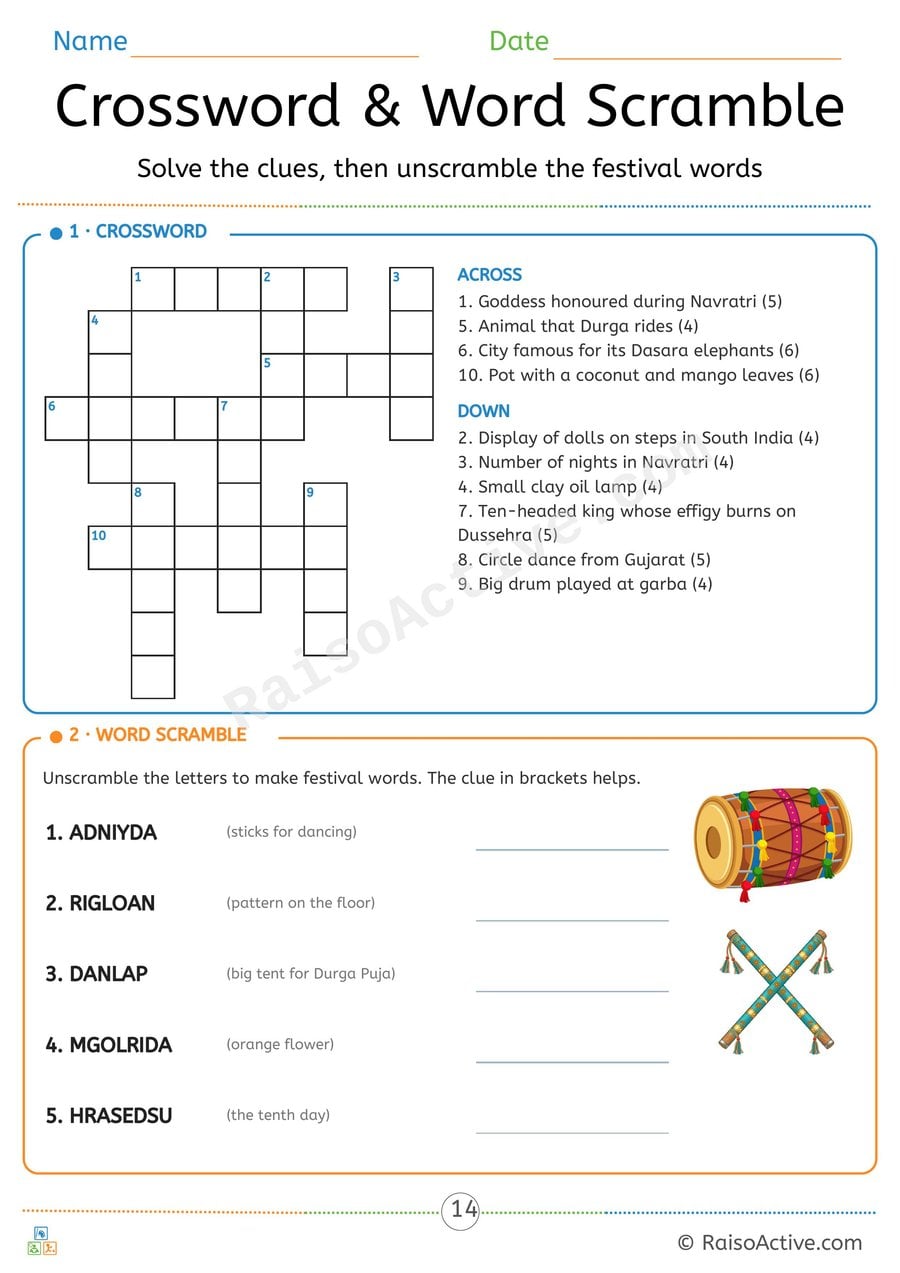
Navratri Crossword and Word Scramble
Ages 7-11 · Grade 2–Grade 3Ages 7-11 · Year 3–Year 4Ages 7-11 · Class 2–Class 3Ages 7-11
Children solve 10 crossword clues about the goddess, the lion, Mysuru, the kalash, Golu, diyas, Ravan, garba and the dhol, and unscramble five festival words with a clue for each.

Written by
Hemsweta Jain · Teacher Cheena
MBA and Early Childhood Educator, teaching since 2014 · Founder of RaisoActive, Mumbai
Published · Last reviewed
Related Resources
Printable Resources(10)
View all

Summer Activity Pack: Math, Literacy, Puzzles & More for Preschool & Kindergarten
Ages 3-7 · Preschool–Grade 1Ages 3-7 · Nursery–Year 2Ages 3-7 · Nursery–Class 1Ages 3-7 · 26 pages
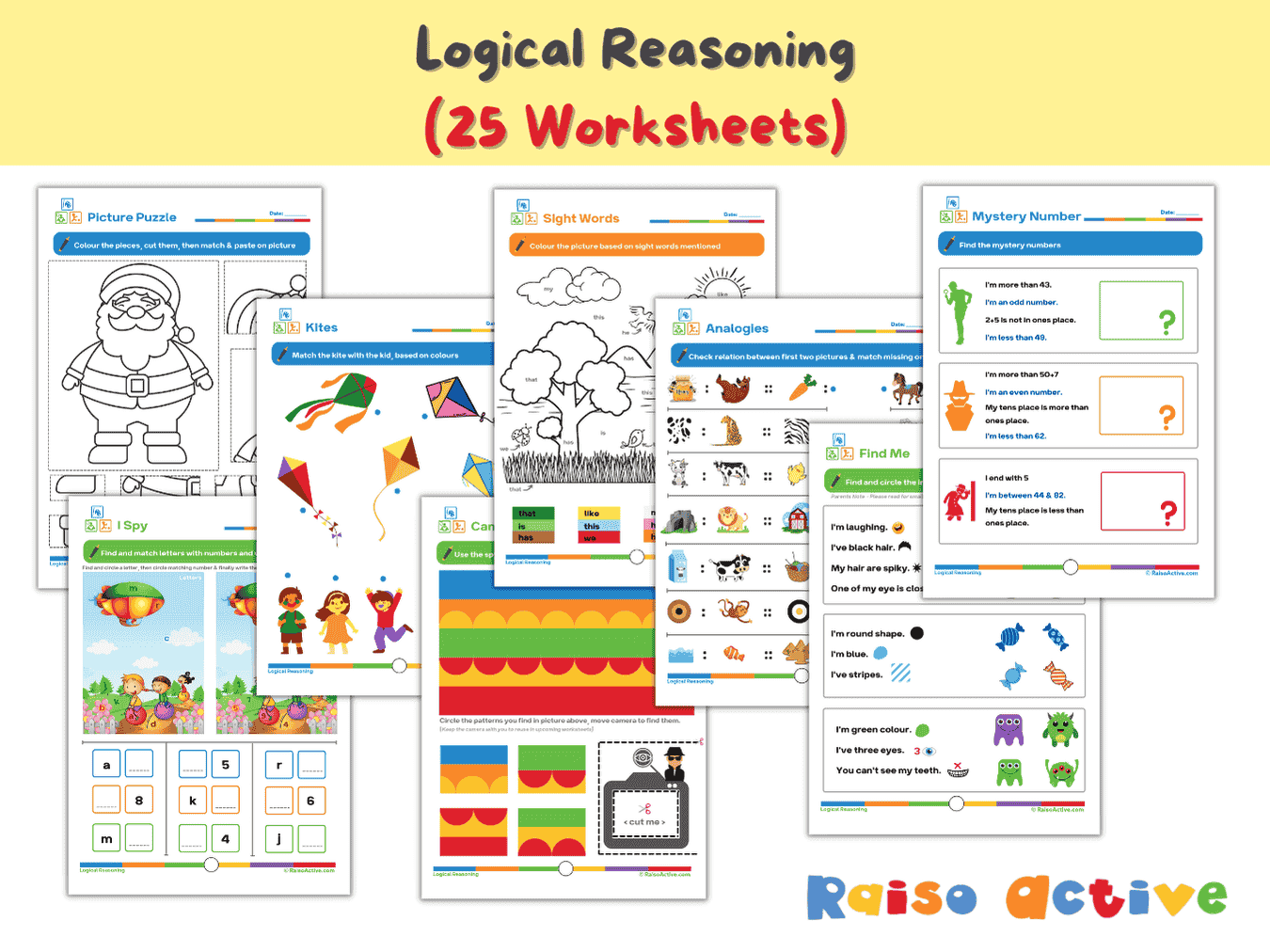

Logical Reasoning Activity Book for Preschool & Kindergarten | Patterns, Puzzles & Analogies
Ages 4-7 · Pre-K–Grade 1Ages 4-7 · Reception–Year 2Ages 4-7 · LKG–Class 1Ages 4-7 · 26 pages
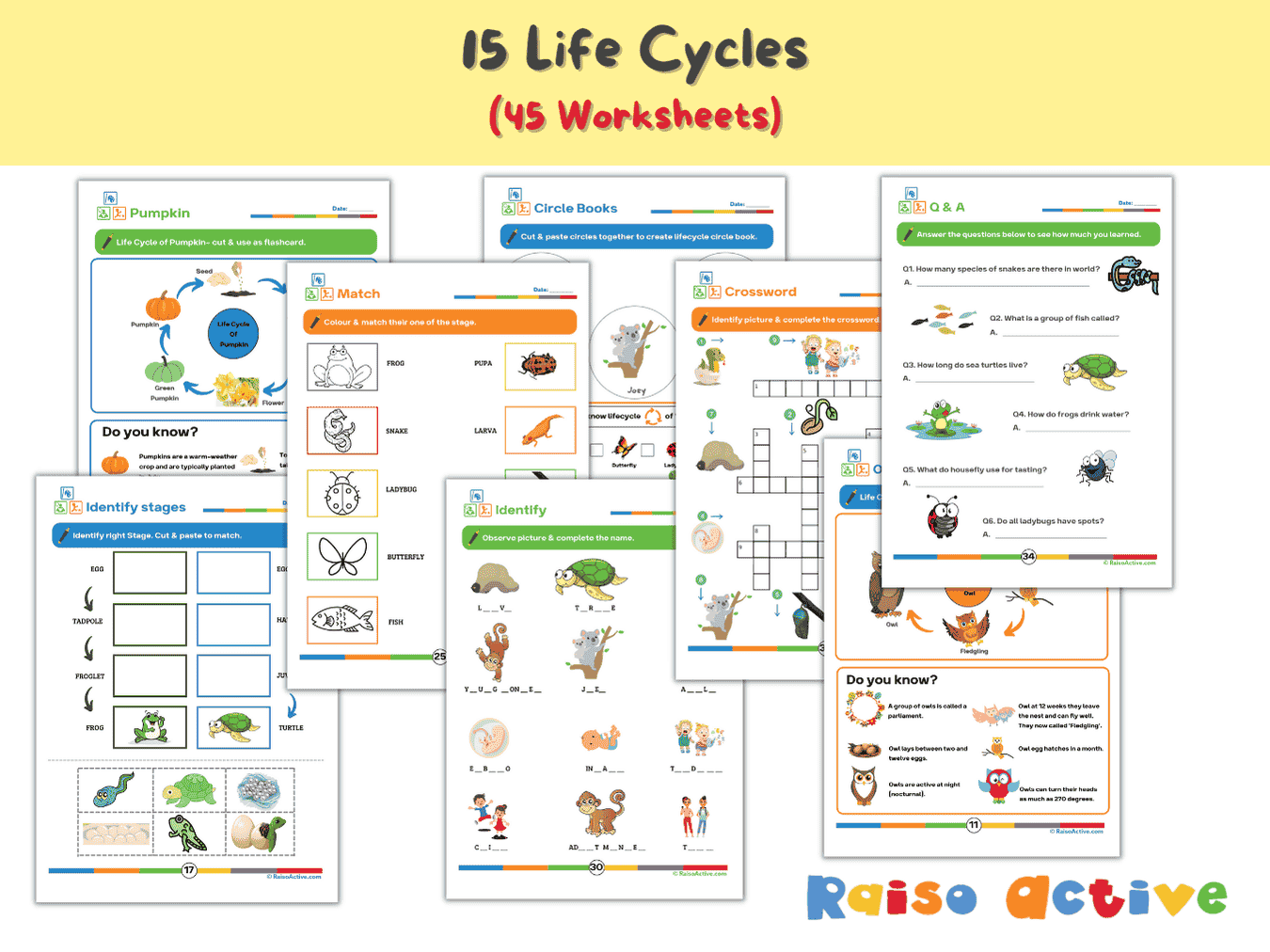

Lifecycles Activity Book & Flashcards for Preschool & Early Elementary
Ages 3-8 · Preschool–Grade 2Ages 3-8 · Nursery–Year 3Ages 3-8 · Nursery–Class 2Ages 3-8 · 46 pages
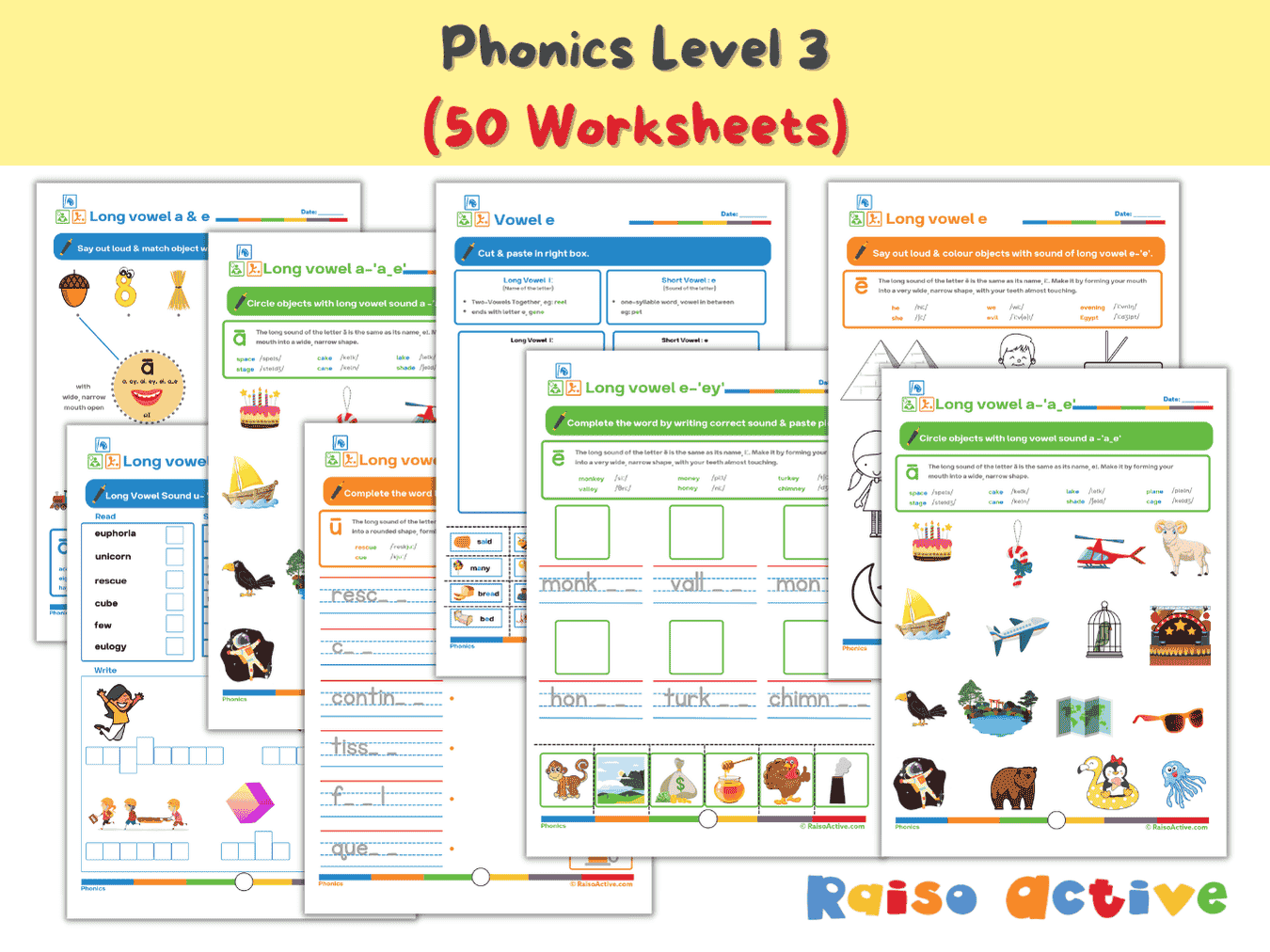

Phonics Level 3 Long Vowels Activity Book for Kindergarten & 1st Grade
Ages 5-7 · Kindergarten–Grade 1Ages 5-7 · Year 1–Year 2Ages 5-7 · UKG–Class 1Ages 5-7 · 51 pages
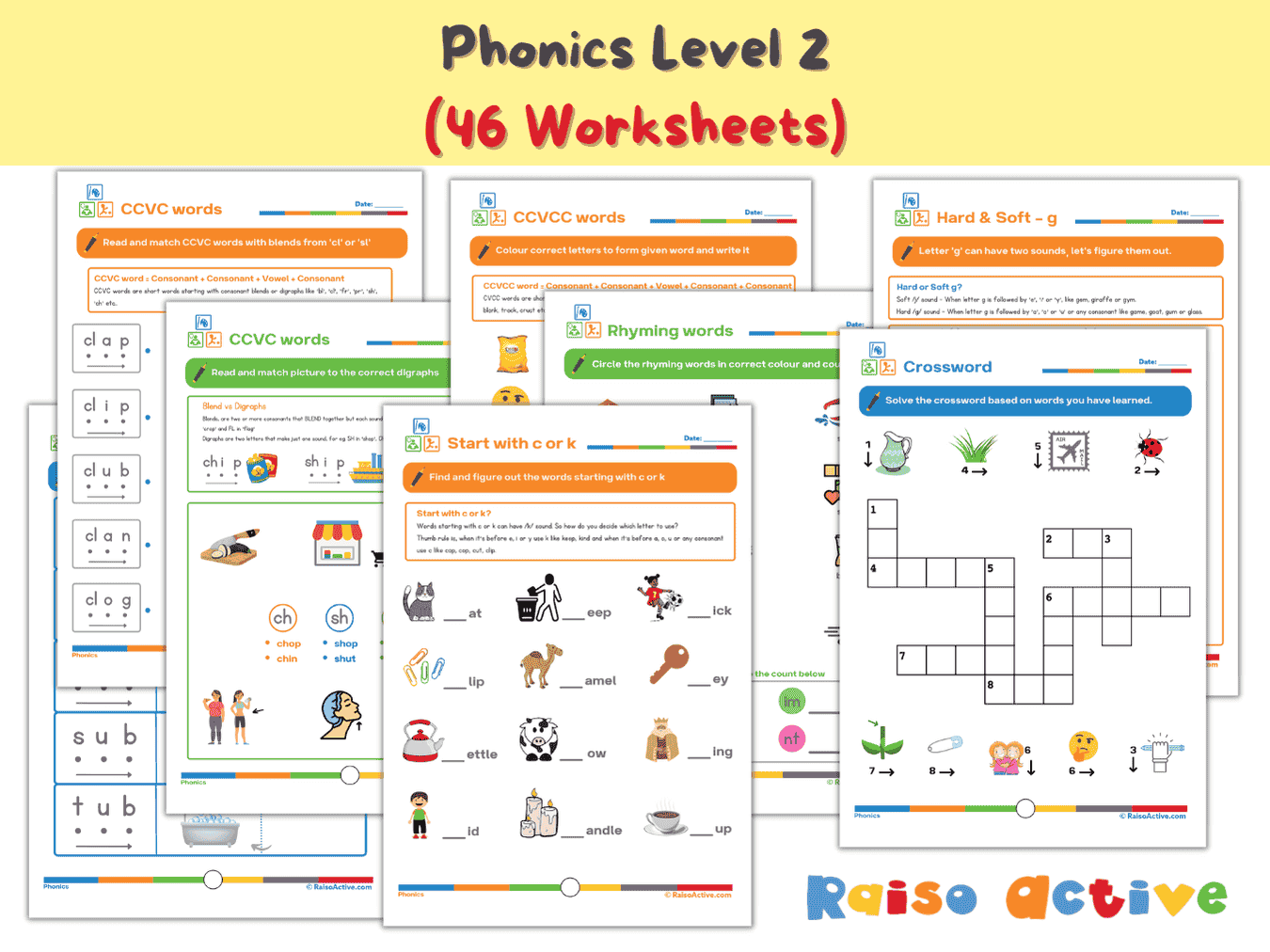
Phonics Level 2 Worksheets: CVC, CCVC, CVCC Word Families & Blends for Early Readers (Ages 4-7)
Ages 4-7 · Pre-K–Grade 1Ages 4-7 · Reception–Year 2Ages 4-7 · LKG–Class 1Ages 4-7 · 47 pages
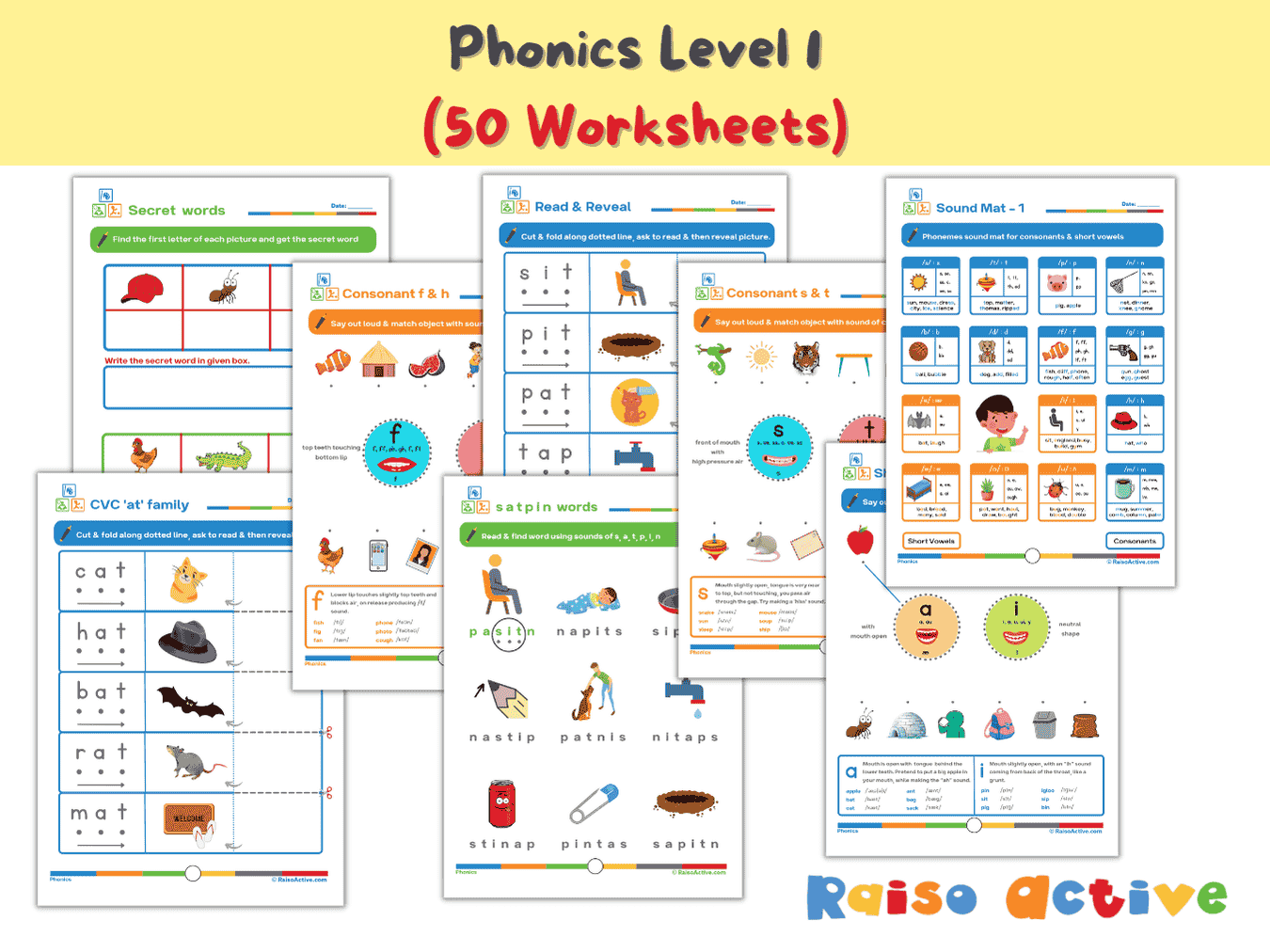
Phonics Level 1 Activity Book: Letter Sounds, Blending & CVC Words for Preschool & Kindergarten
Ages 3-6 · Preschool–KindergartenAges 3-6 · Nursery–Year 1Ages 3-6 · Nursery–UKGAges 3-6 · 60 pages
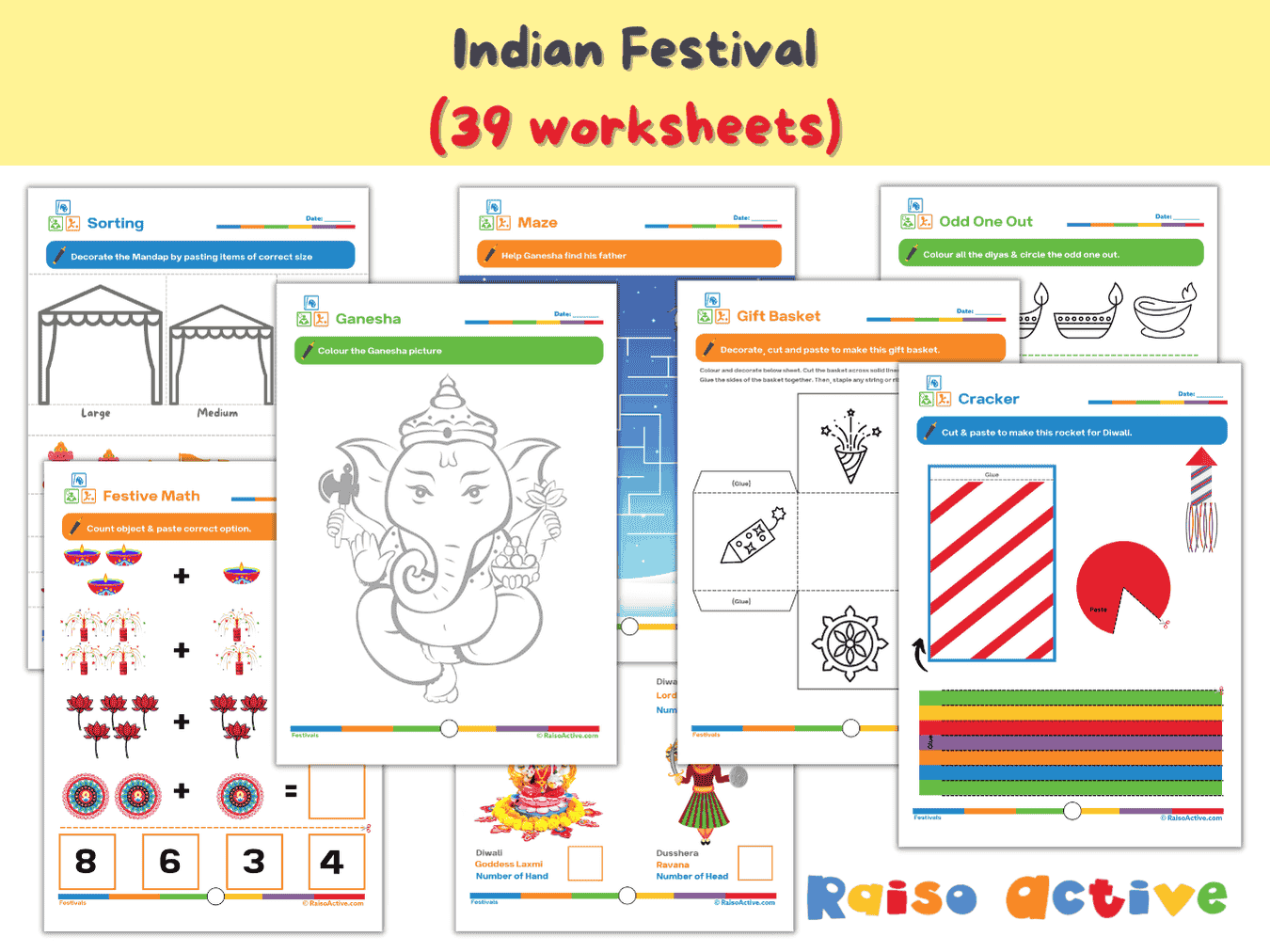
Festivals & Cultural Diversity Activity Book for Kids (Ages 4-8)
Ages 4-8 · Pre-K–Grade 2Ages 4-8 · Reception–Year 3Ages 4-8 · LKG–Class 2Ages 4-8 · 30 pages
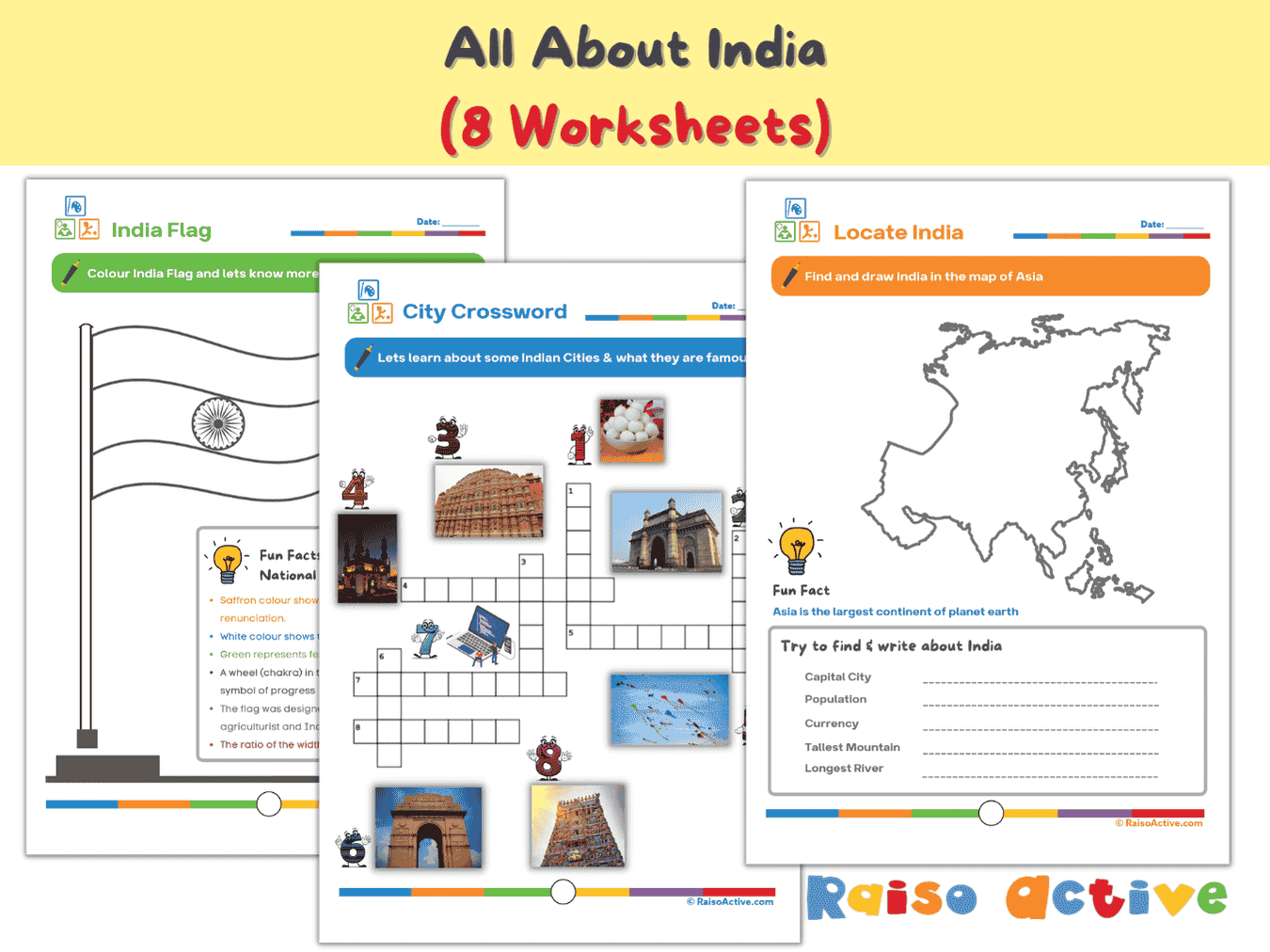
India Activity Book for Kids: Explore Geography, Culture & Symbols (Ages 5-8)
Ages 5-8 · Kindergarten–Grade 2Ages 5-8 · Year 1–Year 3Ages 5-8 · UKG–Class 2Ages 5-8 · 8 pages

Month 9: Holistic Preschool Play Learning | Ages Up to 4
Ages 3-4 · PreschoolAges 3-4 · NurseryAges 3-4 · 30 pages
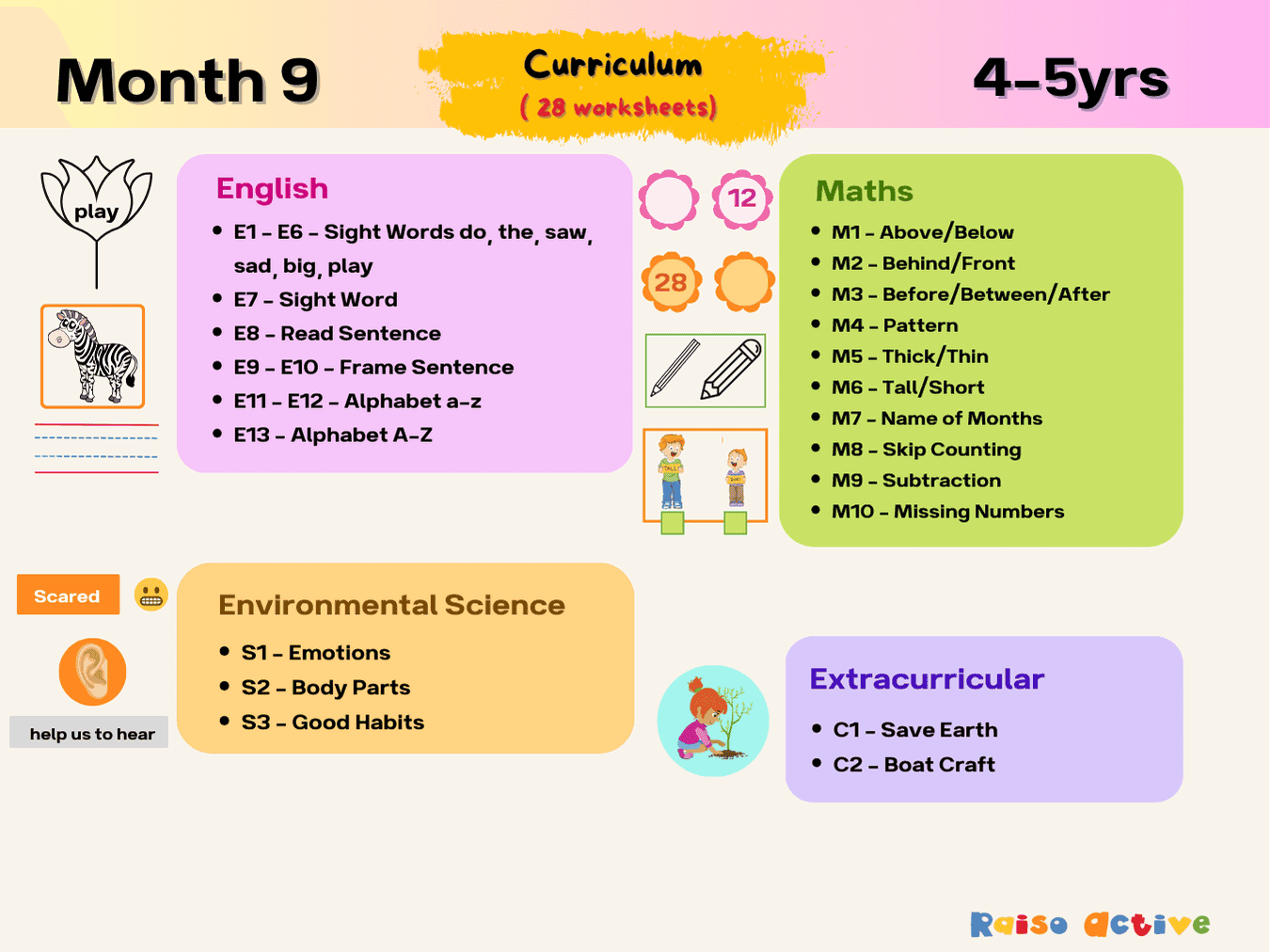
Month 9: Play-Based Preschool Foundational Skills | Ages 4-5
Ages 4-5 · Pre-KAges 4-5 · ReceptionAges 4-5 · LKGAges 4-5 · 31 pages