Navratri Festival Quest Certificate of Achievement
Ages 7-11 · Grade 2–Grade 3Ages 7-11 · Year 3–Year 4Ages 7-11 · Class 2–Class 3Ages 7-11
Children celebrate finishing the Navratri Festival Quest pack and record which levels they completed.
Free printable worksheets
Download free educational worksheets for children ages 2–8. Perfect for preschool, kindergarten, and early elementary learning activities.
Subscribe to get unlimited access to all worksheets without watermarks
View Subscription Plans289 topics match
18 worksheetsof 1,994
Ages 7-11 · Grade 2–Grade 3Ages 7-11 · Year 3–Year 4Ages 7-11 · Class 2–Class 3Ages 7-11
Children celebrate finishing the Navratri Festival Quest pack and record which levels they completed.
Ages 7-11 · Grade 2–Grade 3Ages 7-11 · Year 3–Year 4Ages 7-11 · Class 2–Class 3Ages 7-11
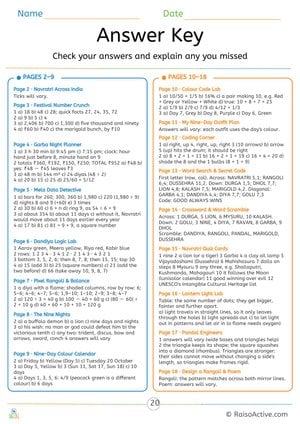
Grown-ups can check every answer in the pack, with workings for the maths, grid positions for the word search, the logic grid and sudoku solutions, and the reasons behind the science results.
Ages 4-6 · Pre-K–KindergartenAges 4-6 · Reception–Year 1Ages 4-6 · LKG–UKGAges 4-6
Children celebrate finishing the Navratri Fun Time pages and see which levels they completed.
Ages 4-6 · Pre-K–KindergartenAges 4-6 · Reception–Year 1Ages 4-6 · LKG–UKGAges 4-6
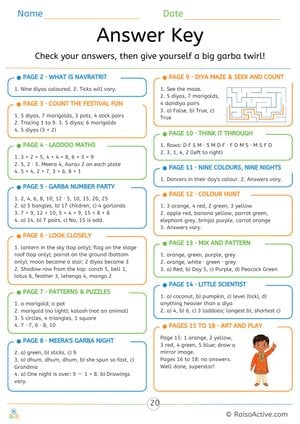
Grown-ups can quickly check every answer in the Navratri Fun Time pack, page by page.
Ages 3-5 · Preschool–Pre-KAges 3-5 · Nursery–ReceptionAges 3-5 · Nursery–LKGAges 3-5
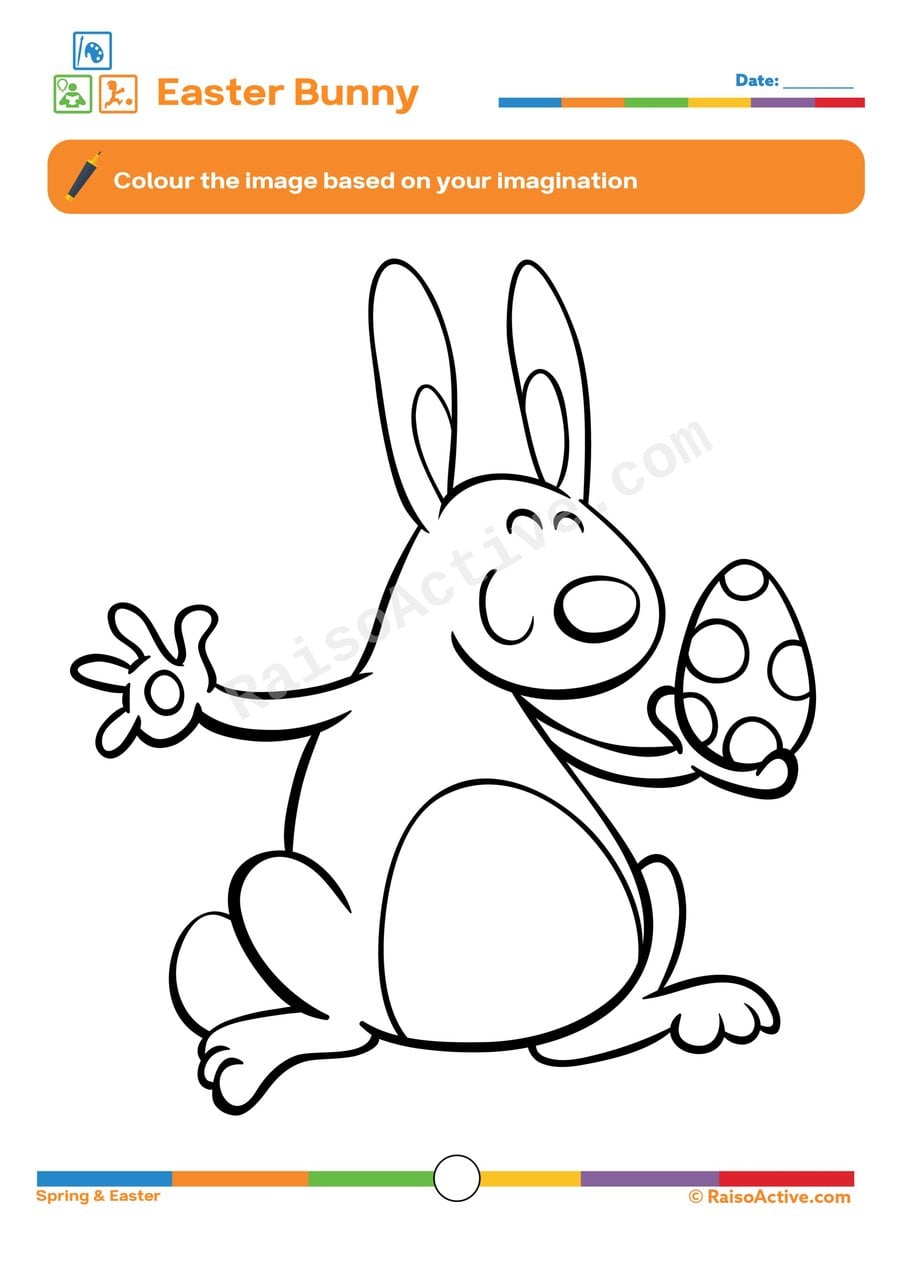
Children ages 3-5 build fine motor control and creative expression while coloring an Easter bunny and egg using crayons or colored pencils. Open-ended coloring tasks like this one, without a strict color code, give children room to make independent choices while still practicing the pencil grip and control needed for later writing.
Ages 3-5 · Preschool–Pre-KAges 3-5 · Nursery–ReceptionAges 3-5 · Nursery–LKGAges 3-5
This worksheet builds on color recognition by asking children ages 3-5 to color a full row of eggs so they all match one another, reinforcing visual discrimination alongside color vocabulary. Rather than following a printed key, children must compare their own work egg to egg, which adds a self-checking element to the coloring task.
Ages 3-5 · Preschool–Pre-KAges 3-5 · Nursery–ReceptionAges 3-5 · Nursery–LKGAges 3-5
Children ages 3-5 practice color recognition and following a visual code as they color Easter eggs to match a key provided at the top of the page. Using a color-coded key rather than free coloring adds an instruction-following element, teaching children to check a reference and apply it consistently across a whole page.
Ages 3-5 · Preschool–Pre-KAges 3-5 · Nursery–ReceptionAges 3-5 · Nursery–LKGAges 3-5
Coloring the Easter egg and bunny images on this fold-into-a-card worksheet gives children ages 3-5 practice with controlled crayon strokes and color choice, while the act of turning their artwork into a card for someone else introduces an early sense of purpose and gift-giving. Because the finished piece becomes a keepsake rather than just a worksheet, children also build pride and motivation to complete their coloring carefully. This blends fine motor practice with a first taste of creating something meaningful for another person.
Ages 3-5 · Preschool–Pre-KAges 3-5 · Nursery–ReceptionAges 3-5 · Nursery–LKGAges 3-5
This worksheet has children ages 3-5 listen to or read simple written hints describing shapes and colors, then apply that information correctly while coloring each Easter egg, building early reading comprehension and the ability to follow multi-step verbal instructions. Because the hints must be followed precisely rather than colored freely, children also practice patience and careful attention to detail.
Ages 3-5 · Preschool–Pre-KAges 3-5 · Nursery–ReceptionAges 3-5 · Nursery–LKGAges 3-5
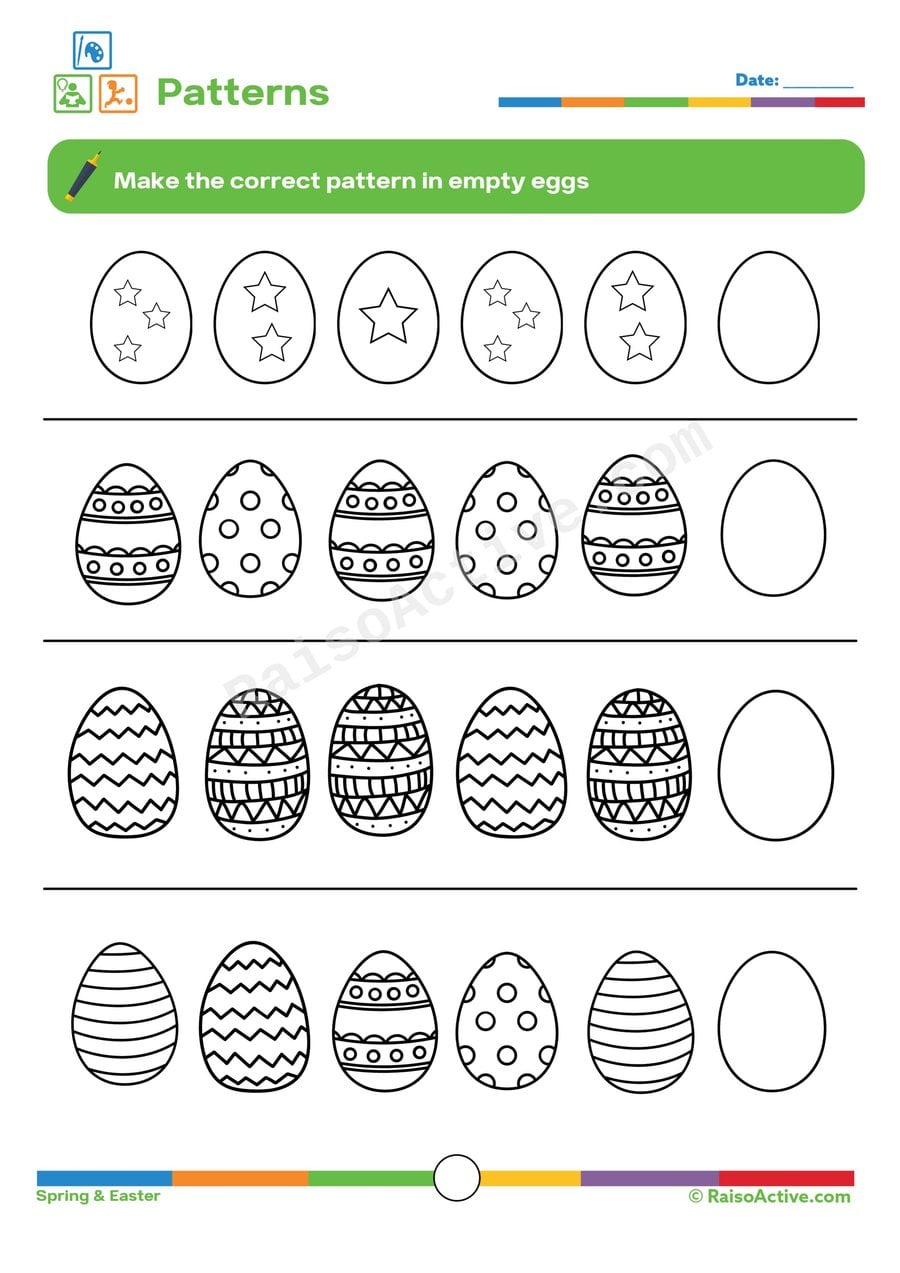
This worksheet asks children ages 3-5 to study a sequence of patterned Easter eggs and figure out what design should come next, then draw it into the empty egg themselves. Predicting and completing a pattern, rather than just matching an existing one, pushes children a step further into the kind of what-comes-next reasoning that underlies early math and logic.
Ages 3-5 · Preschool–Pre-KAges 3-5 · Nursery–ReceptionAges 3-5 · Nursery–LKGAges 3-5
Matching numbers on each Easter egg section to a color key builds number recognition and color-word association in children ages 3-5, since they must hold both a numeral and its assigned color in mind while coloring. This kind of coded coloring activity also strengthens visual scanning, as children need to locate the small numbers printed inside each egg section before choosing the right crayon. Completing the code correctly gives an immediate, visible reward when a colorful, patterned egg emerges from the numbered outline.
Ages 4-6 · Pre-K–KindergartenAges 4-6 · Reception–Year 1Ages 4-6 · LKG–UKGAges 4-6
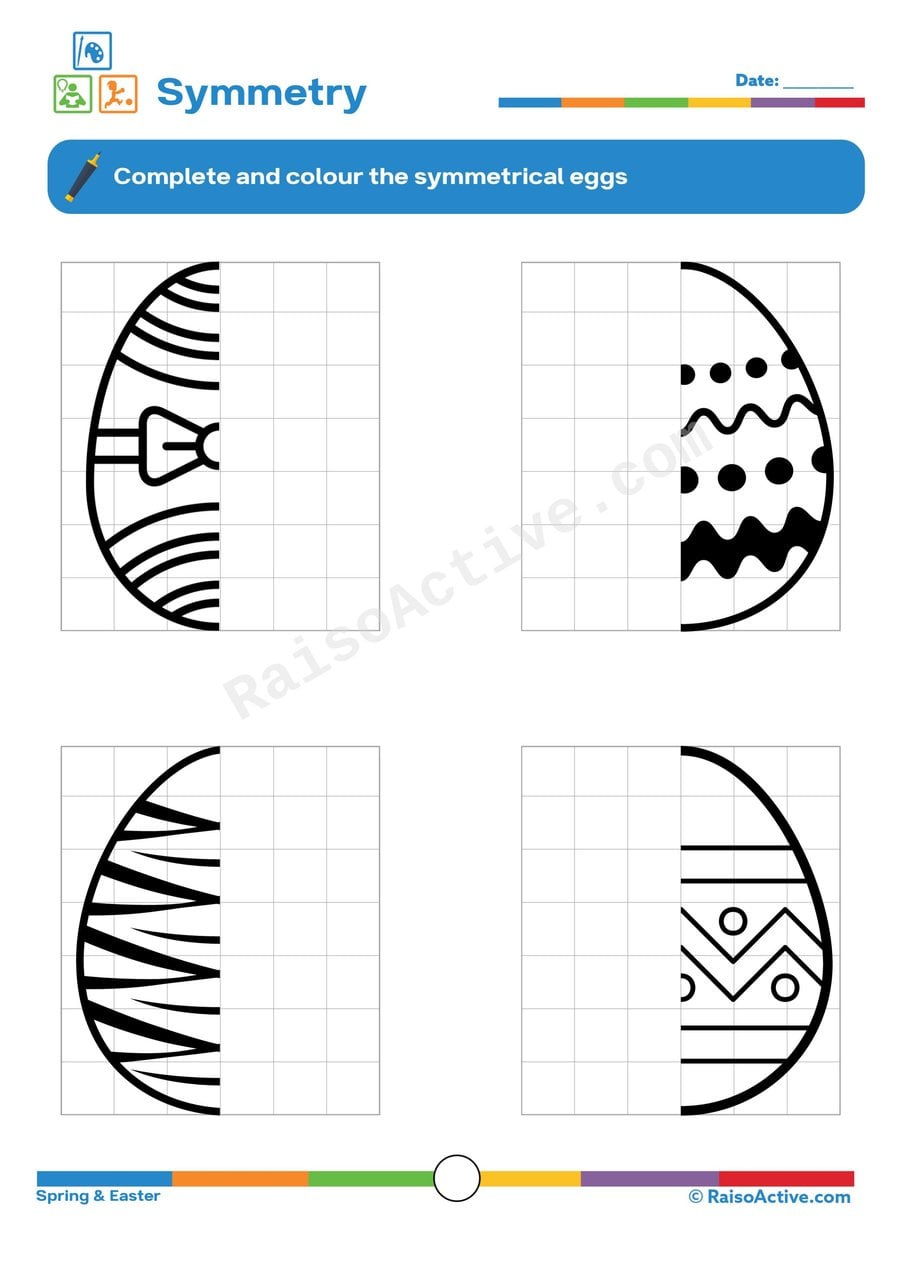
This worksheet introduces children ages 4-6 to the concept of symmetry by having them complete the missing mirrored half of an egg design. Drawing a matching reflection requires children to closely observe shape, size, and placement on one side and reproduce it accurately on the other — an early geometry skill that also sharpens visual attention to detail.