Post Sequence Worksheet: Ordering Steps for Sending a Letter!
Ordering the steps of sending a letter teaches children to recognize that everyday processes happen in a logical sequence with a clear beginning, middle, and end, a skill that underlies both reading comprehension and later writing organization. For ages 3-5, sequencing also strengthens working memory, since children must hold several images in mind at once while deciding which comes first.
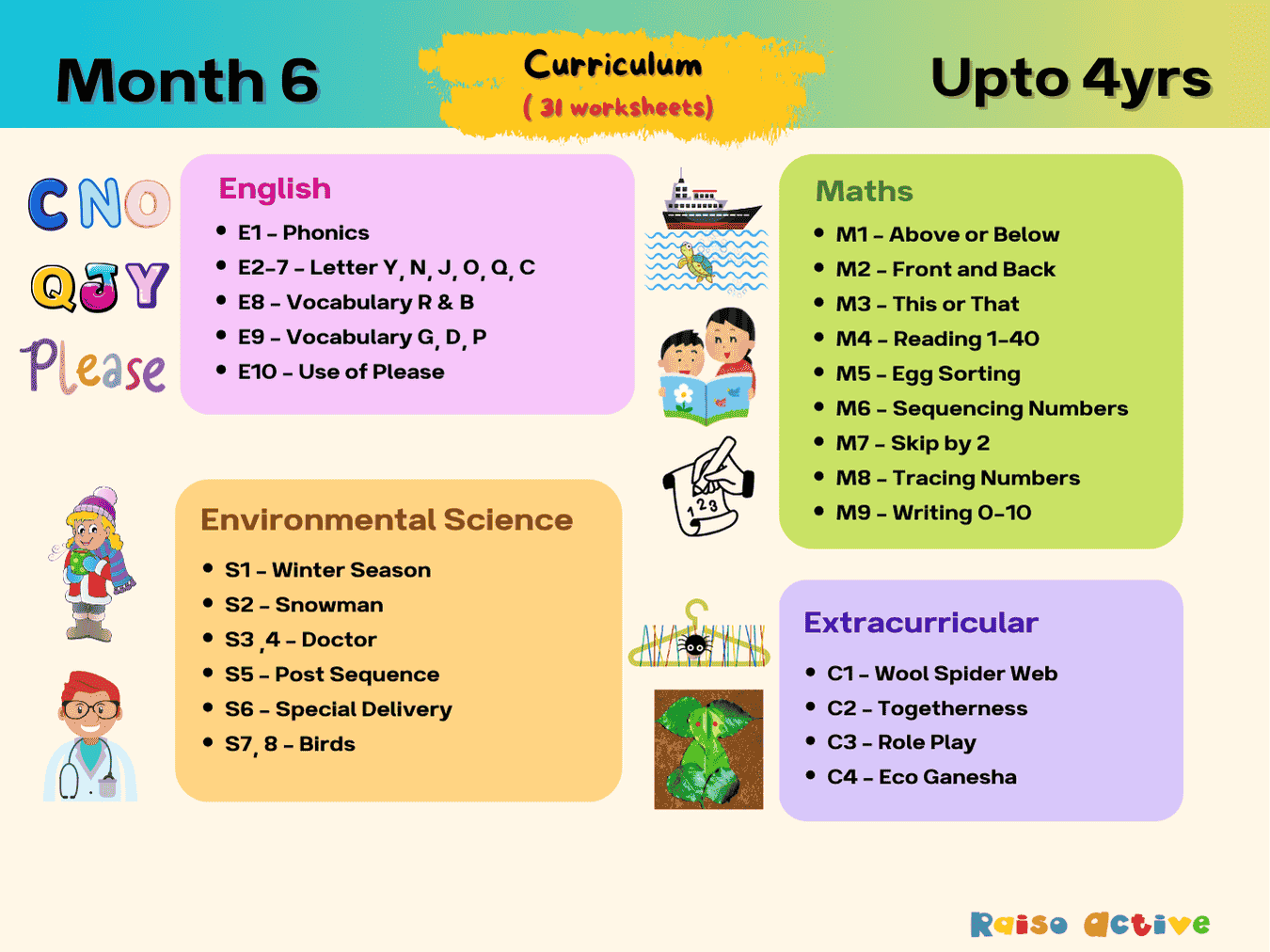
Part of the pack
Month 6: Toddler Preschool Foundational Skills | Ages Up to 4
This is page 27 of the pack. Ages 2-4 · PreschoolAges 2-4 · NurseryAges 2-4
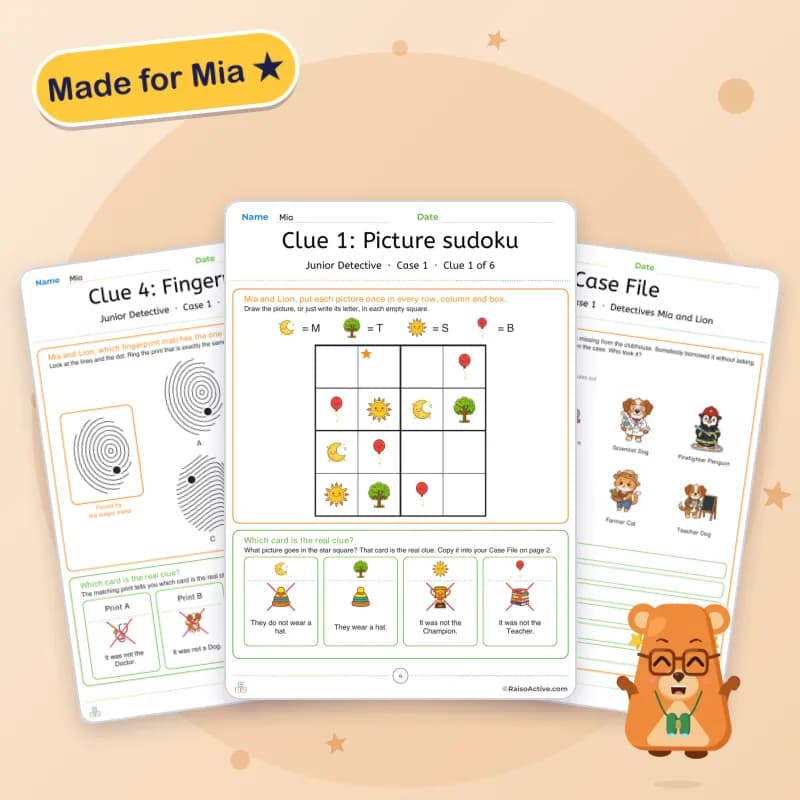
Made for your child
Puzzle Detective, starring your child
A detective puzzle pack made for one child: something has gone missing, and sudoku, secret codes, logic grids and fingerprints give the clues to work out who borrowed it. Ages 5 to 12, and a new case whenever you like.
Make a detective packFree preview · free for members
See all 7 personalised packsAbout this worksheet
- Topic:
- Sequencing
- Skill:
- Sequencing Events (Cognitive - Problem Solving): Order events and pictures in correct sequence.
- Pack:
- Page 27 of 34 in Month 6: Toddler Preschool Foundational Skills | Ages Up to 4.
How to use this worksheet
Start by looking at all four pictures together and asking your child to describe what is happening in each one, without worrying about order yet. Then walk through the real process of sending a letter step by step, talking about writing it, putting it in an envelope, adding a stamp, and mailing it. Ask your child to decide which picture shows what happens first and write '1' in that box, continuing with 2, 3, and 4 until every picture is numbered. Finish by having your child retell the whole story in order, pointing to each picture as they narrate the sequence aloud.
Materials needed
- Pencil
- Eraser
Extension activities
- 1Have your child draw their own four-picture story showing the steps of sending a letter to a grandparent or friend.
- 2Act out the sequence at home, pretending to write a letter, seal an envelope, add a stamp, and 'mail' it in a cardboard mailbox.
- 3Take a real trip to a post office or mailbox to send an actual letter or postcard your child helped write.
- 4Mix up printed copies of the four pictures and have your child physically rearrange them into the correct order.
- 5Practice sequencing with a different everyday routine, like getting dressed or brushing teeth, using the same numbering approach.

Written by
Hemsweta Jain · Teacher Cheena
MBA and Early Childhood Educator, teaching since 2014 · Founder of RaisoActive, Mumbai
Every RaisoActive worksheet is designed and checked by the founder before publishing.
Published · Last reviewed
More from Month 6: Toddler Preschool Foundational Skills | Ages Up to 4
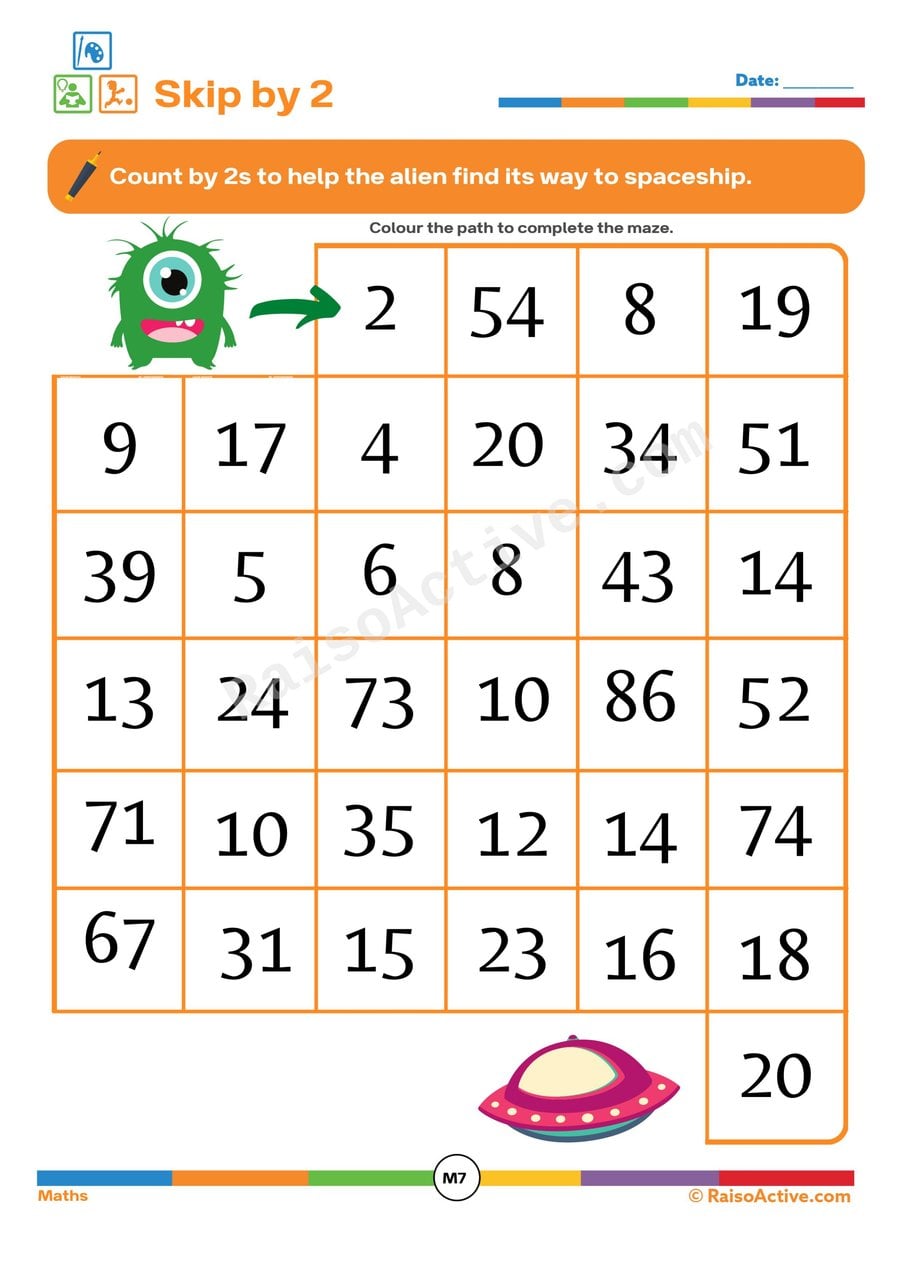
Alien Maze: Skip Counting by 2s Worksheet
Ages 3-5

Match the Bird Shadows Worksheet for Preschoolers
Ages 3-5

Letter J Tracing Worksheet: Learn to Write and Color!
Ages 3-5

Doctor Role Play Worksheet: Patient Emergency Form
Ages 3-5

Phonics Fun: Circle the Beginning Sound Worksheet for Preschoolers
Ages 4-5
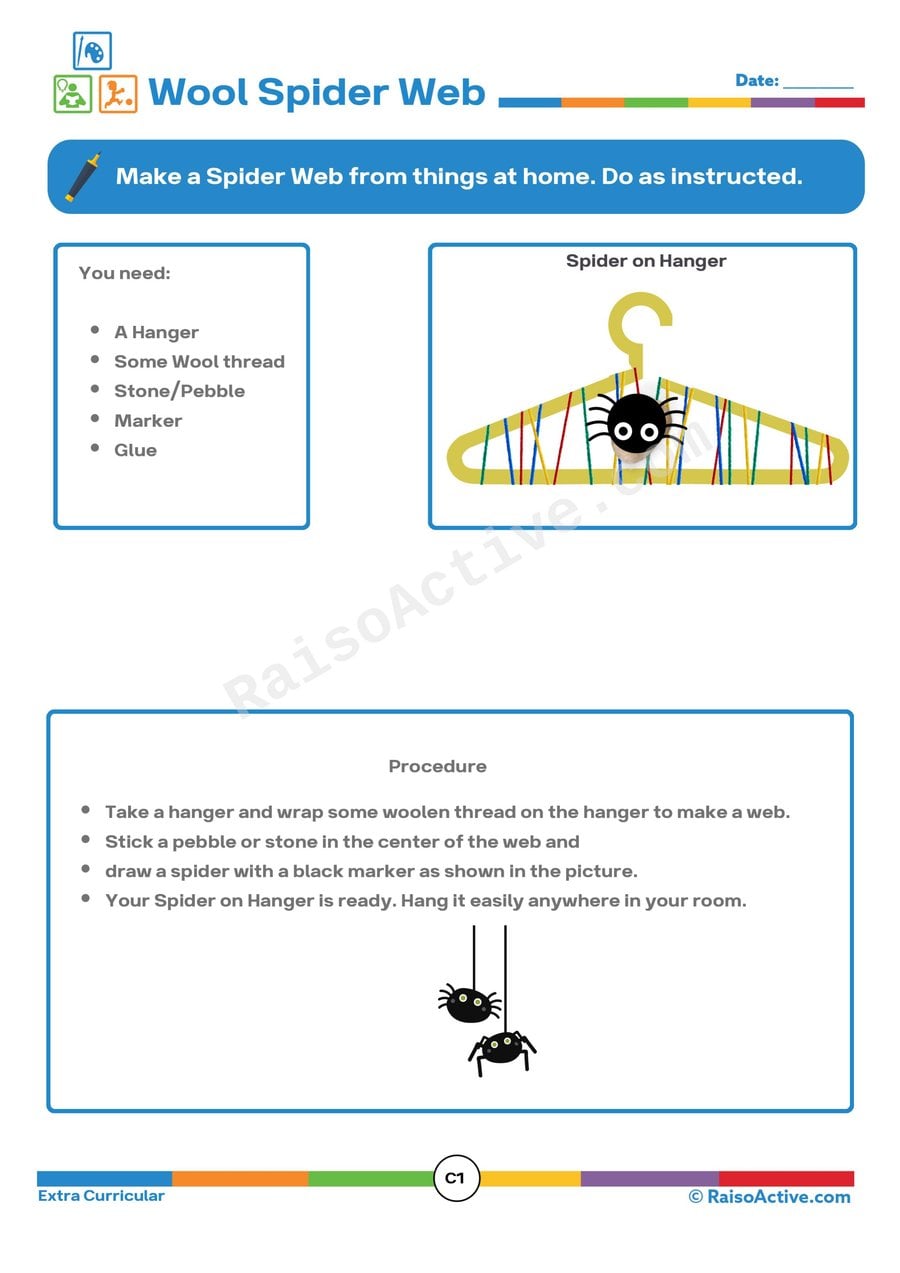
Wool Spider Web Craft: Follow the Instructions!
Ages 3-5
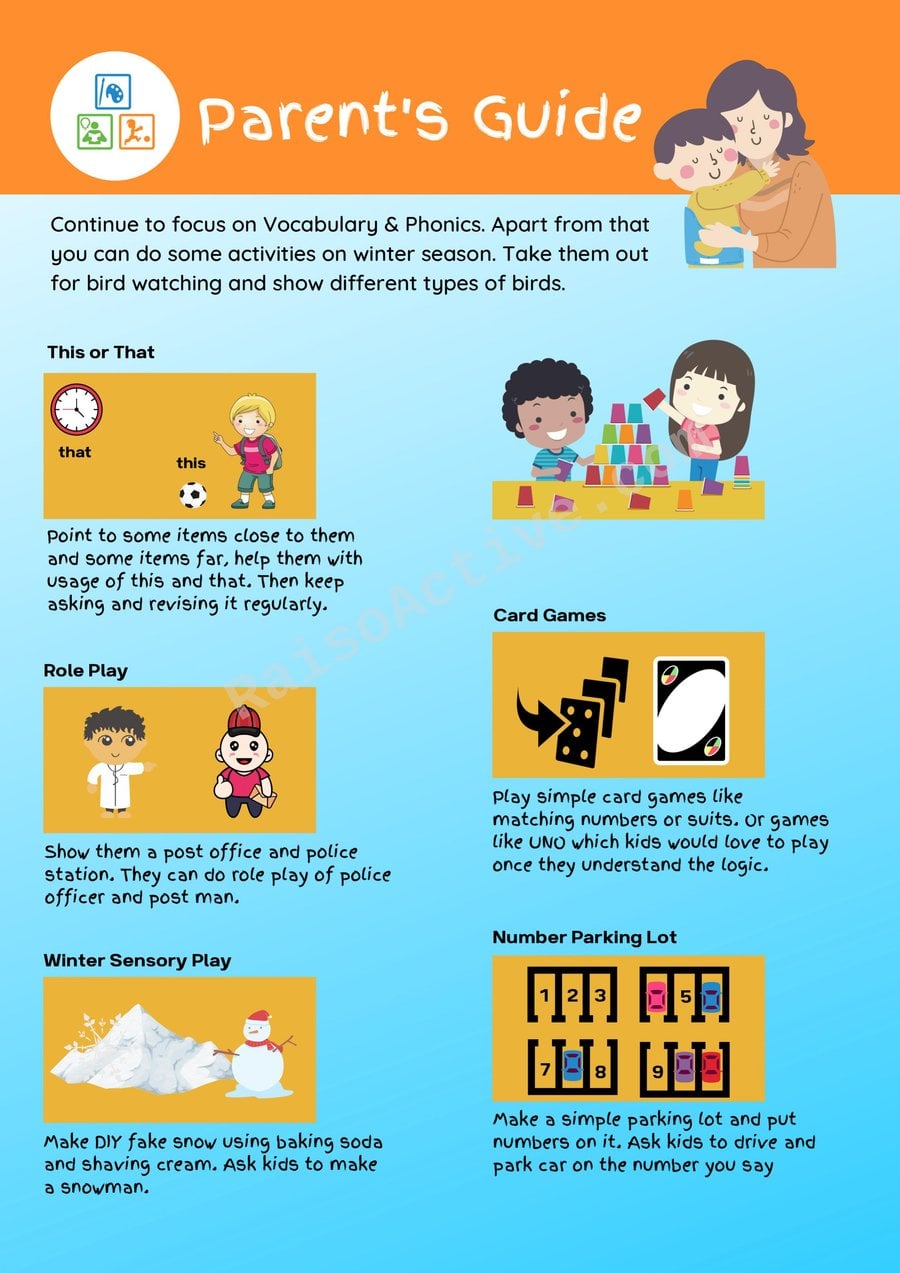
Winter Fun Activities for Kids: Parent's Guide
Ages 3-5

Space Adventure: Reading Numbers 1-40 Worksheet for Kids
Ages 4-5
Related worksheets

Sequence the Pictures: Ordering Activities Worksheet for Kids
Ages 3-5

Earlier and Later: Flower Bloom Sequencing Worksheet for Preschoolers
Ages 3-5
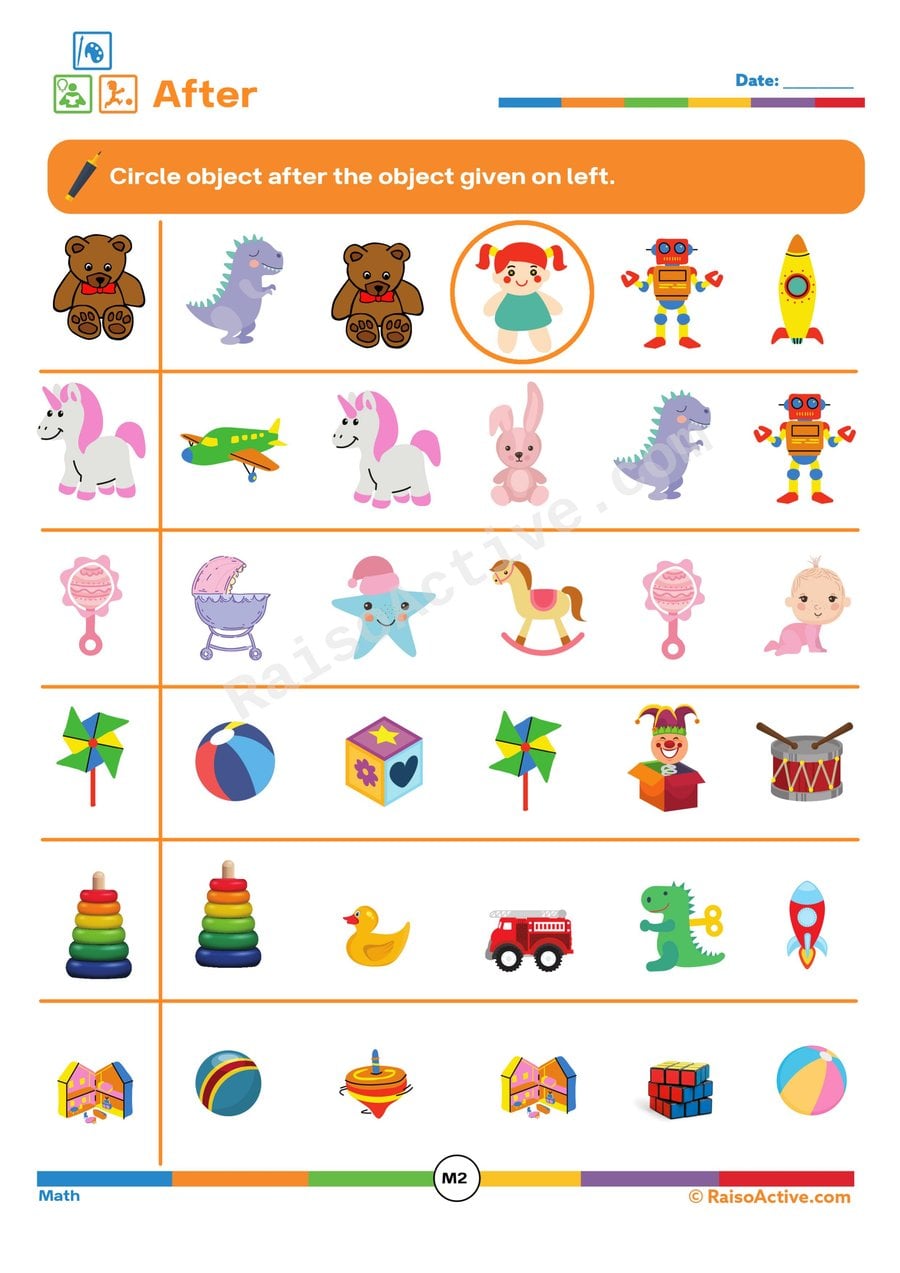
Object Sequencing Worksheet: What Comes After?
Ages 3-5

Rainbow Sequence Cut and Paste Worksheet for Preschoolers
Ages 4-6
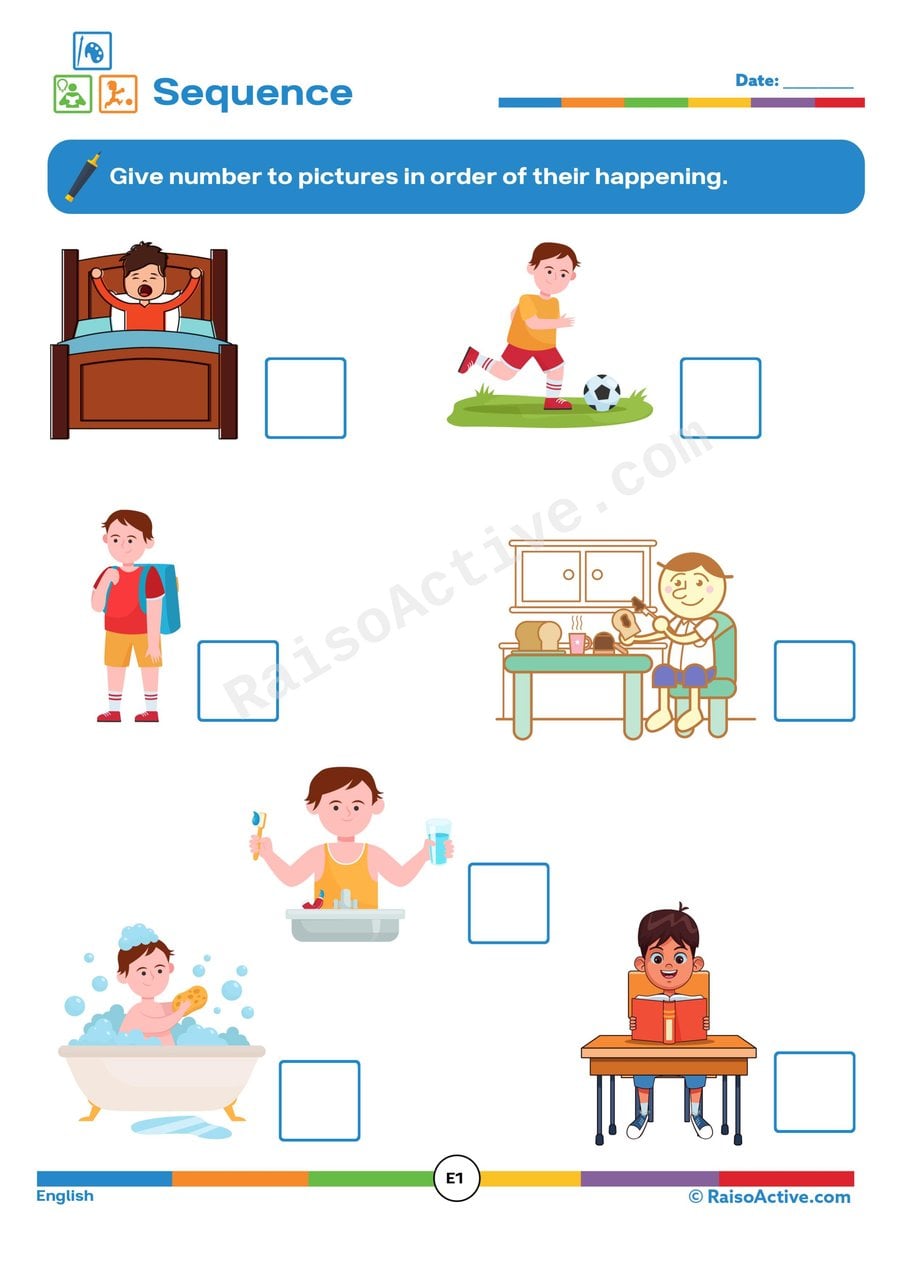
Daily Routine Sequencing Worksheet for Kids
Ages 3-5

After School Routine Worksheet: Sequencing Activities
Ages 3-5

Before and After: Sequencing Worksheet for Early Learners
Ages 3-5

Before and After Worksheet for Kids: Sequencing Activities
Ages 3-5
Guides for this topic

Age-Appropriate Problem-Solving Activities: Building Critical Thinkers from the Ground Up
Discover fun, age-appropriate problem-solving activities for children ages 1-8. Build critical thinking, logic, and reasoning skills through play-based learning.
Critical Thinking Activities That Actually Work for Young Children: Building Tomorrow's Thinkers Today
Discover proven critical thinking activities for young children. Age-wise logic games, questioning techniques, and hands-on ideas to build thinking skills at home.

Preparing Your Child for a Rapidly Changing World: Essential Skills for Future Success
Discover the essential 21st century skills your child needs for future success. Practical tips on creativity, critical thinking, digital literacy & emotional intelligence for ages 1-8.
Reviews
Every worksheet for ages 3–5, no watermark
Members download the full library of 1,000+ worksheets and every activity pack without watermarks or daily limits. One year costs ₹999 in India or $20 elsewhere.
See membership plansOr download any worksheet free with a watermark (5 a day).