Special Delivery Maze: Help the Postman Find the Houses!
This postman-themed maze strengthens fine motor control through pencil tracing while building visual tracking skills as children follow a winding path to the correct houses. Because the activity also involves reading numbers on a delivery note and matching them to numbered houses, it reinforces number recognition alongside the spatial problem-solving that mazes provide.
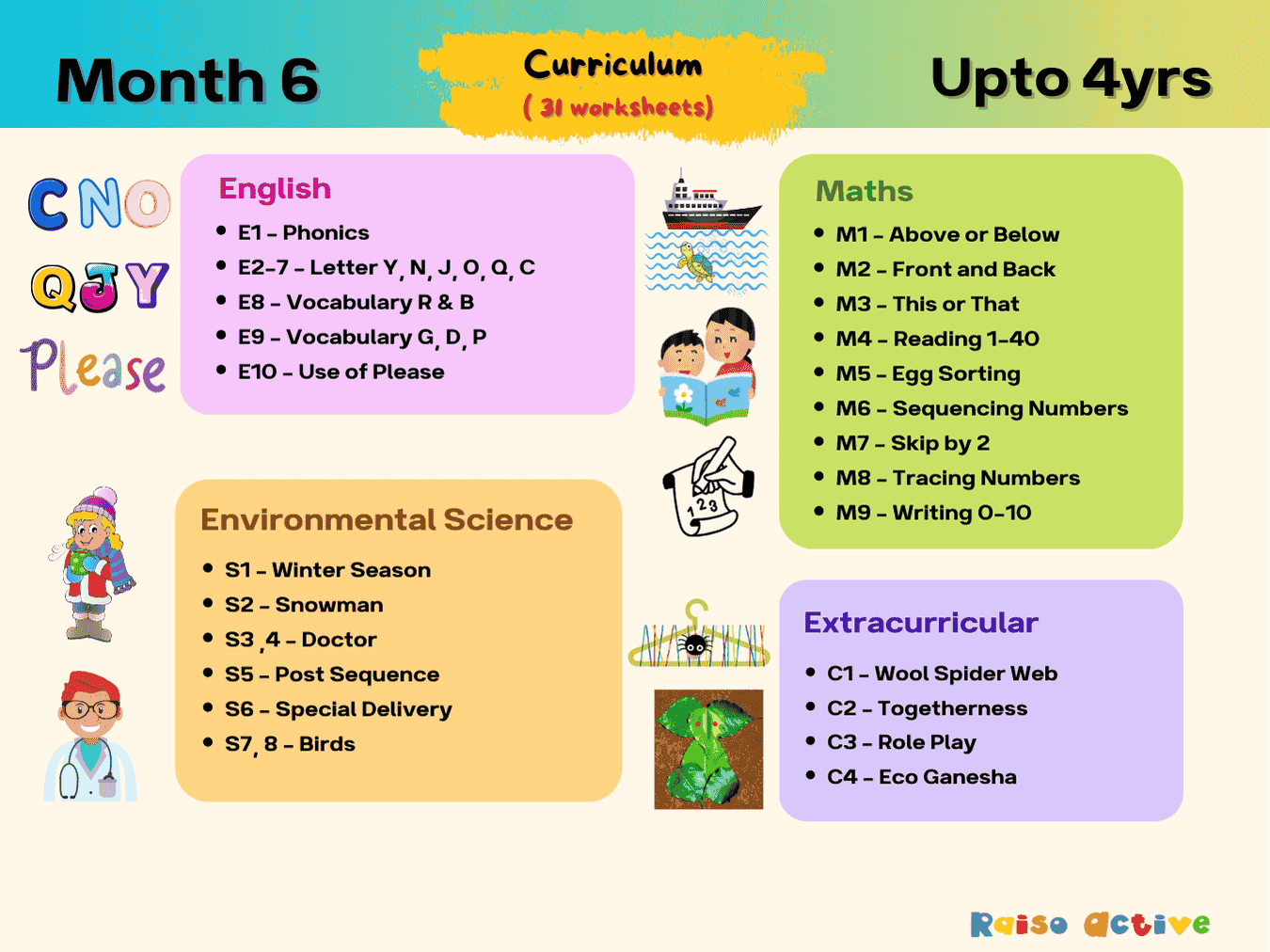
Part of the pack
Month 6: Toddler Preschool Foundational Skills | Ages Up to 4
This is page 28 of the pack. Ages 2-4 · PreschoolAges 2-4 · NurseryAges 2-4
Curriculum
- Cognitive - Problem Solving > Mazes
How to use this worksheet
First, read the delivery note at the bottom of the page together so your child knows which house numbers the postman needs to visit. Have your child scan the picture and color in each house that matches a number on the note, saying the number aloud as they find it. Next, ask your child to trace the maze path with a finger from the postman's starting point to the houses, working out the correct route before picking up a pencil. Once they've found the way with their finger, let them trace the final path in pencil or crayon, connecting the postman all the way to the delivery houses.
Materials needed
- Pencil
- Crayons
Extension activities
- 1Number a few boxes or envelopes around the house and have your child 'deliver' them to the matching numbered spot.
- 2Create a simple street map with your child using paper and blocks, adding house numbers for them to navigate.
- 3Play a matching game pairing house numbers from the note with numbers written on separate cards.
- 4Design an original delivery maze together, letting your child decide where the houses and obstacles go.
- 5Write a short pretend letter and have your child 'deliver' it to a family member's bedroom door.

Written by
Hemsweta Jain · Teacher Cheena
MBA and Early Childhood Educator, teaching since 2014 · Founder of RaisoActive, Mumbai
Every RaisoActive worksheet is designed and checked by the founder before publishing.
Published · Last reviewed
More from Month 6: Toddler Preschool Foundational Skills | Ages Up to 4

This or That? Cut and Paste Worksheet for Early Learners
Ages 3-5 · Preschool–Pre-KAges 3-5 · Nursery–ReceptionAges 3-5 · Nursery–LKGAges 3-5
Sorting objects into 'this' and 'that' categories helps children ages 3-5 connect an abstract grammar concept to something they can physically place and see, reinforcing the idea that these words describe relative closeness rather than a fixed rule. This early categorization practice also builds general sorting and decision-making skills that extend well beyond grammar itself.

Space Adventure: Reading Numbers 1-40 Worksheet for Kids
Ages 4-5 · Pre-KAges 4-5 · ReceptionAges 4-5 · LKGAges 4-5
This worksheet strengthens number recognition across a wider range, 1 to 40, by having children read numbers that are partially hidden and identify them without a visual count to rely on. For ages 4-5, recognizing two-digit numbers by sight, rather than only counting objects, marks an important step toward more advanced number sense and eventual mental math.

Front and Back Matching Worksheet for Preschoolers
Ages 3-5 · Preschool–Pre-KAges 3-5 · Nursery–ReceptionAges 3-5 · Nursery–LKGAges 3-5
This cut-and-paste worksheet builds spatial reasoning by asking children to recognize that many objects and animals look different from the front versus the back, and to match each front view to its correct back view. For ages 3-5, this kind of visual matching strengthens observational skills and the beginning of perspective-taking, understanding that the same object can look different depending on which side you're viewing.

Number Writing Worksheet 0-10: Trace, Count, and Write!
Ages 4-5 · Pre-KAges 4-5 · ReceptionAges 4-5 · LKGAges 4-5
This worksheet combines three numeracy skills in one sitting: recognizing printed numerals 0 through 10, forming them correctly through tracing, and matching a quantity of objects to its written number. For 4-5 year-olds, connecting the abstract symbol '7' to seven actual objects is the key leap between rote counting and true number sense.
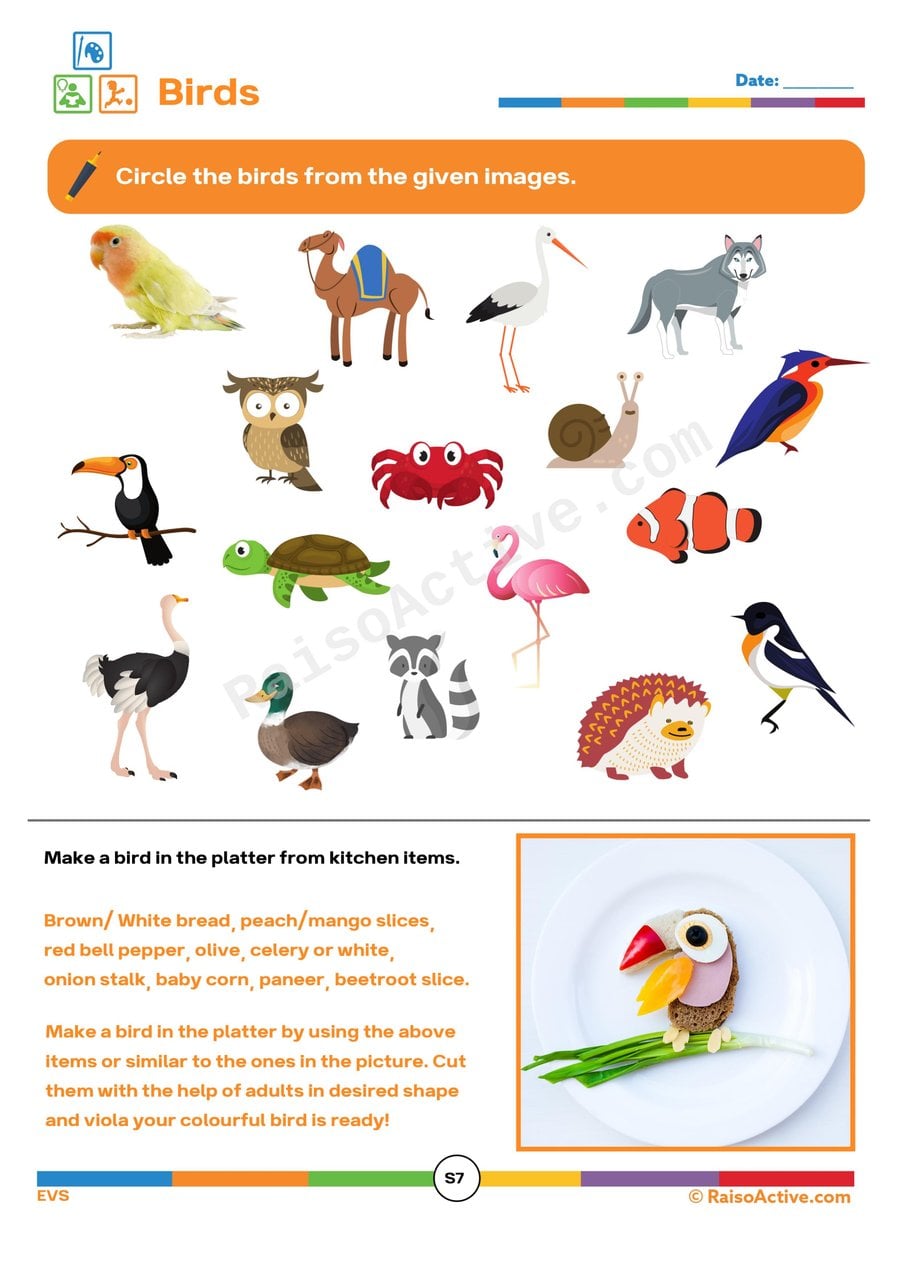
Bird Spotting Worksheet: Circle the Birds!
Ages 3-5 · Preschool–Pre-KAges 3-5 · Nursery–ReceptionAges 3-5 · Nursery–LKGAges 3-5
This worksheet builds visual discrimination and observation skills by asking children to scan a mixed picture and circle only the birds among other animals or objects, sharpening their ability to notice defining features like wings, feathers, or beaks. For ages 3-5, this kind of categorization by visual features is an early step toward broader scientific classification skills.

Trace and Color the Letter Q Worksheet for Preschoolers
Ages 3-5 · Preschool–Pre-KAges 3-5 · Nursery–ReceptionAges 3-5 · Nursery–LKGAges 3-5
This worksheet builds handwriting readiness for the less common letter Q through repeated tracing, while the coloring activity reinforces vocabulary for Q words, which are often trickier for young children since Q almost always pairs with U. For ages 3-5, practicing an uncommon letter like Q broadens their full alphabet exposure beyond the more frequently seen letters.

Eco-Ganesha Craft: Make Your Own Eco-Friendly Ganesh!
Ages 3-5 · Preschool–Pre-KAges 3-5 · Nursery–ReceptionAges 3-5 · Nursery–LKGAges 3-5
Making an Eco-Ganesha from peepal leaves teaches children ages 3-5 to see natural materials as creative art supplies, building both fine motor skill through careful arrangement and early environmental awareness through using biodegradable materials instead of plastic. This hands-on craft also introduces cultural and seasonal tradition in a tactile, memorable way that connects art-making to real-world values.

Use Please: A Fun Worksheet to Practice Polite Language!
Ages 3-5 · Preschool–Pre-KAges 3-5 · Nursery–ReceptionAges 3-5 · Nursery–LKGAges 3-5
This worksheet teaches children the specific social skill of using the word 'please' when making requests, connecting polite language to real, relatable everyday scenarios shown in pictures. For ages 3-5, learning concrete phrases for politeness supports both social-emotional development and early reading, since children practice recognizing and repeating a functional sight word in context.
Related worksheets

Snow Maze Adventure: Help the Girl Reach the Igloo!
Ages 3-5 · Preschool–Pre-KAges 3-5 · Nursery–ReceptionAges 3-5 · Nursery–LKGAges 3-5
This worksheet helps young learners develop crucial pre-writing skills by guiding a pencil through a visual path. Children will practice fine motor control and hand-eye coordination as they navigate the snow maze. They'll also engage in early critical thinking, planning a route to help the girl reach the igloo.
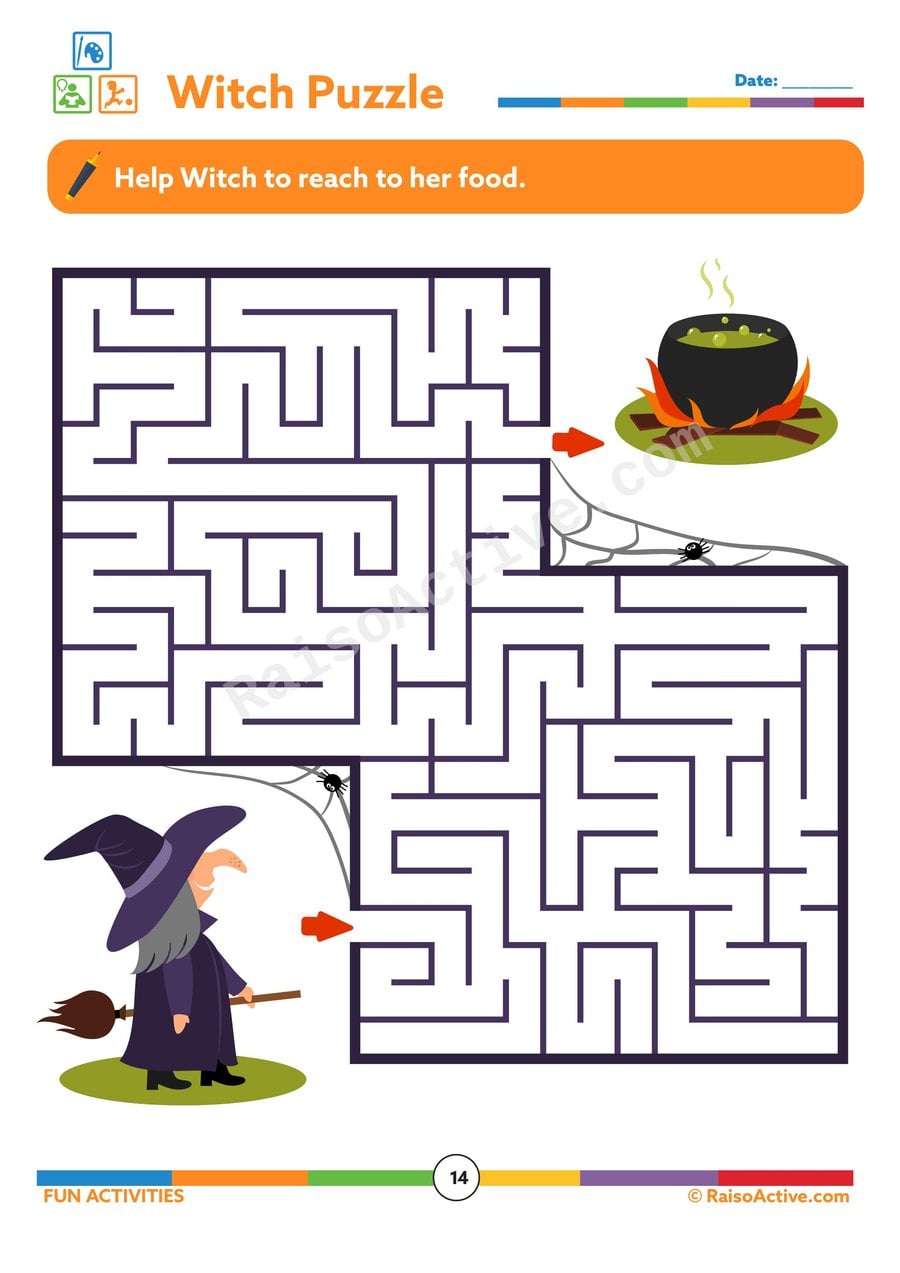
Witch's Maze: Help the Witch Find Her Food!
Ages 3-5 · Preschool–Pre-KAges 3-5 · Nursery–ReceptionAges 3-5 · Nursery–LKGAges 3-5
Guiding the witch through the maze to her food asks children to visually scan several possible paths, mentally rule out the dead ends, and commit to a single route — an early form of planning and problem-solving that lays groundwork for later logical thinking. The seasonal Halloween theme also makes this a fun, low-pressure way to build maze-solving skills without it feeling like schoolwork.

Castle Maze Worksheet: Help the Prince Reach the Castle!
Ages 3-5 · Preschool–Pre-KAges 3-5 · Nursery–ReceptionAges 3-5 · Nursery–LKGAges 3-5
This 'Castle Maze' worksheet helps children ages 3-5 develop crucial fine motor control and hand-eye coordination as they trace a path for the Prince. Navigating the maze also builds early critical thinking and problem-solving skills, requiring them to visually scan and plan a route, which is foundational for spatial reasoning.

Help the Girl Find Her Way in the Rainy Weather Maze Worksheet
Ages 3-5 · Preschool–Pre-KAges 3-5 · Nursery–ReceptionAges 3-5 · Nursery–LKGAges 3-5
This maze worksheet builds fine motor control and visual planning in children ages 3-5 as they trace a path for a girl through a rainy-weather scene, collecting items she needs along the way. Because the maze is themed around gathering specific rain gear, it adds a light problem-solving layer on top of standard maze navigation, encouraging children to think about which path leads to the items that actually make sense for the weather.
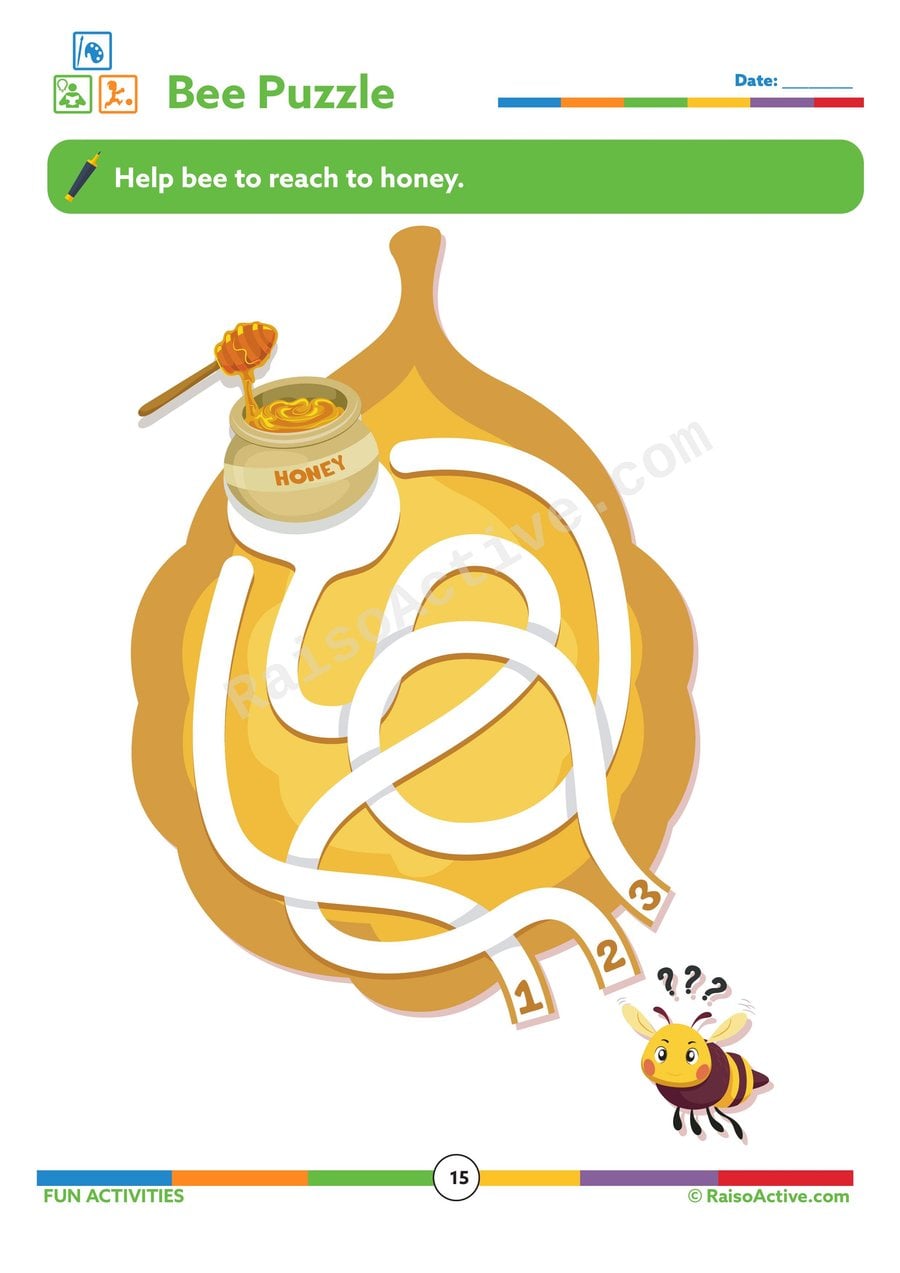
Bee Maze Worksheet: Help the Bee Find the Honey!
Ages 3-5 · Preschool–Pre-KAges 3-5 · Nursery–ReceptionAges 3-5 · Nursery–LKGAges 3-5
Guiding the bee through the maze to the honey pot builds the same visual-scanning and route-planning skills as other maze worksheets, asking children to look ahead, spot dead ends, and commit to a path rather than moving randomly. At ages 3-5, this kind of maze practice also strengthens the fine motor control needed to keep a pencil line steady over a winding path.
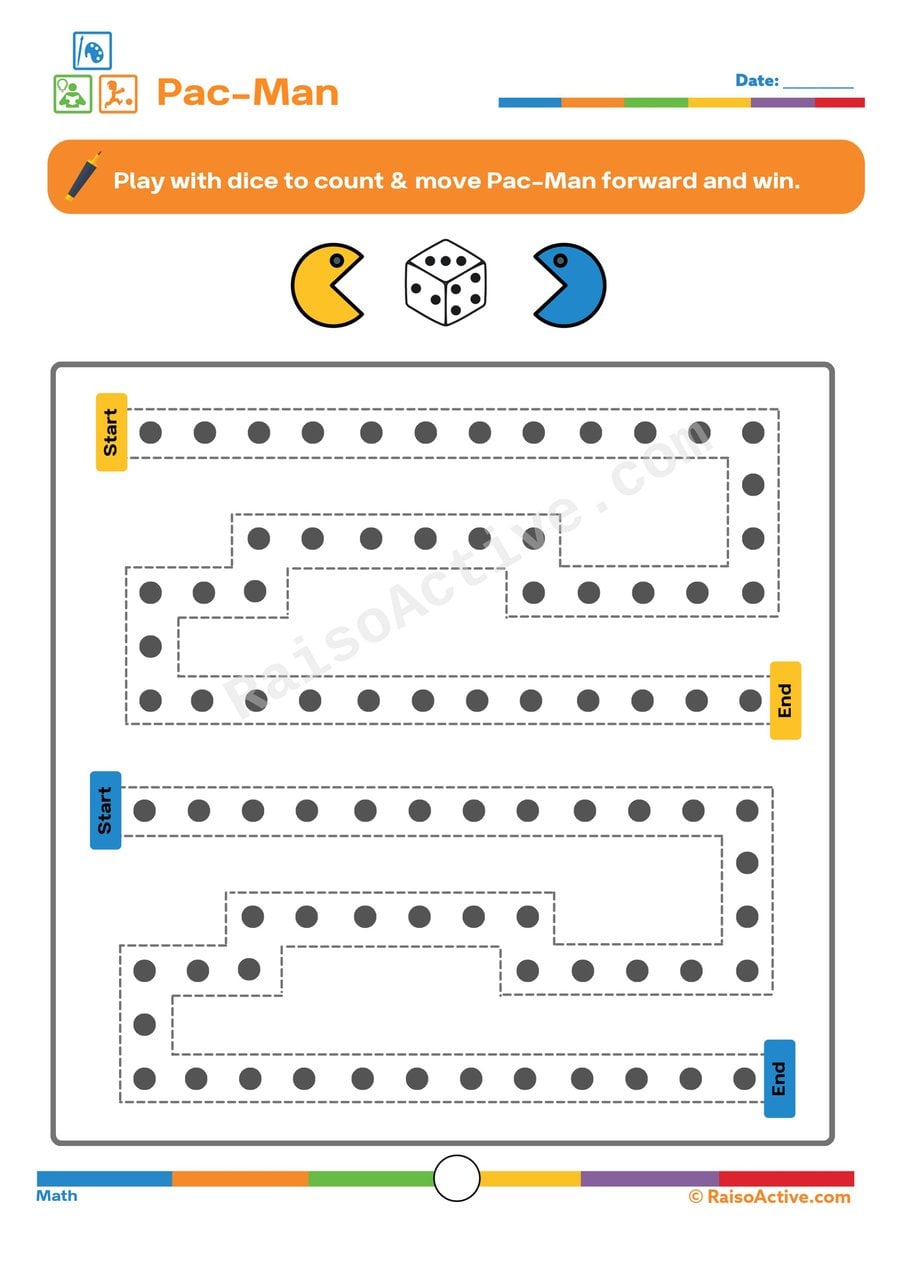
Pac-Man Maze Worksheet: Count and Move!
Ages 3-5 · Preschool–Pre-KAges 3-5 · Nursery–ReceptionAges 3-5 · Nursery–LKGAges 3-5
This dice-counting maze gives children ages 3-5 repeated practice matching a rolled number to the correct number of moves, reinforcing accurate counting under a bit of playful pressure. Tracking Pac-Man's current position after each roll also builds short-term spatial memory, since children must remember where they left off before moving again.

Clothing Pattern Matching Worksheet for Preschoolers
Ages 3-5 · Preschool–Pre-KAges 3-5 · Nursery–ReceptionAges 3-5 · Nursery–LKGAges 3-5
By comparing clothing items and connecting each one to its pattern match, children ages 3-5 build visual discrimination skills, learning to notice fine differences in stripes, dots, or repeated shapes. This close-looking practice supports the same attention-to-detail children will later need to tell similar-looking letters and numbers apart.

Easter Egg Color by Hints Worksheet for Preschoolers
Ages 3-5 · Preschool–Pre-KAges 3-5 · Nursery–ReceptionAges 3-5 · Nursery–LKGAges 3-5
This worksheet has children ages 3-5 listen to or read simple written hints describing shapes and colors, then apply that information correctly while coloring each Easter egg, building early reading comprehension and the ability to follow multi-step verbal instructions. Because the hints must be followed precisely rather than colored freely, children also practice patience and careful attention to detail.
Guides for this topic

Age-Appropriate Problem-Solving Activities: Building Critical Thinkers from the Ground Up
Discover fun, age-appropriate problem-solving activities for children ages 1-8. Build critical thinking, logic, and reasoning skills through play-based learning.
Critical Thinking Activities That Actually Work for Young Children: Building Tomorrow's Thinkers Today
Discover proven critical thinking activities for young children. Age-wise logic games, questioning techniques, and hands-on ideas to build thinking skills at home.

Preparing Your Child for a Rapidly Changing World: Essential Skills for Future Success
Discover the essential 21st century skills your child needs for future success. Practical tips on creativity, critical thinking, digital literacy & emotional intelligence for ages 1-8.
Reviews
Every worksheet for ages 3–5, no watermark
Members download the full library of 1,000+ worksheets and every activity pack without watermarks or daily limits. One year costs ₹999 in India or $20 elsewhere.
See membership plansOr download any worksheet free with a watermark (5 a day).